Psychedelics and Autism Therapy: A Review of Current Research and Future Directions

 , ,
, ,
Abstract
1. Introduction
2. Some Known Psychedelics
2.1. LSD
2.2. Psilocybin
2.3. DMT
2.4. MDMA
2.5. Ibogaine
2.6. Mescaline
2.7. Salvia divinorum
2.8. 2C-B (4-Bromo-2,5-dimethoxyphenethylamine)
2.9. Myristicin
3. Understanding Autism Spectrum Disorder
3.1. Current Management Approaches for Autism Spectrum Disorder
3.2. Types of Management Approaches
3.3. Medical and Therapeutic Interventions
3.3.1. Medical Treatment
3.3.2. Pharmaceutical Interventions
4. Psychedelics and Their Potential for Autism Spectrum Disorder Management
4.1. Psilocybin in Autism Management
4.2. LSD in Autism Management
4.3. DMT in Autism Management
4.4. MDMA in Autism Management
4.5. Ibogaine in Autism Management
4.6. Mescaline in Autism Management
4.7. Salvia divinorum in Autism Management
4.8. 2C-B in Autism Management
4.9. Myristicin in Autism Management
5. Emerging Clinical Evidence on Psychedelics and Autism Spectrum Disorder
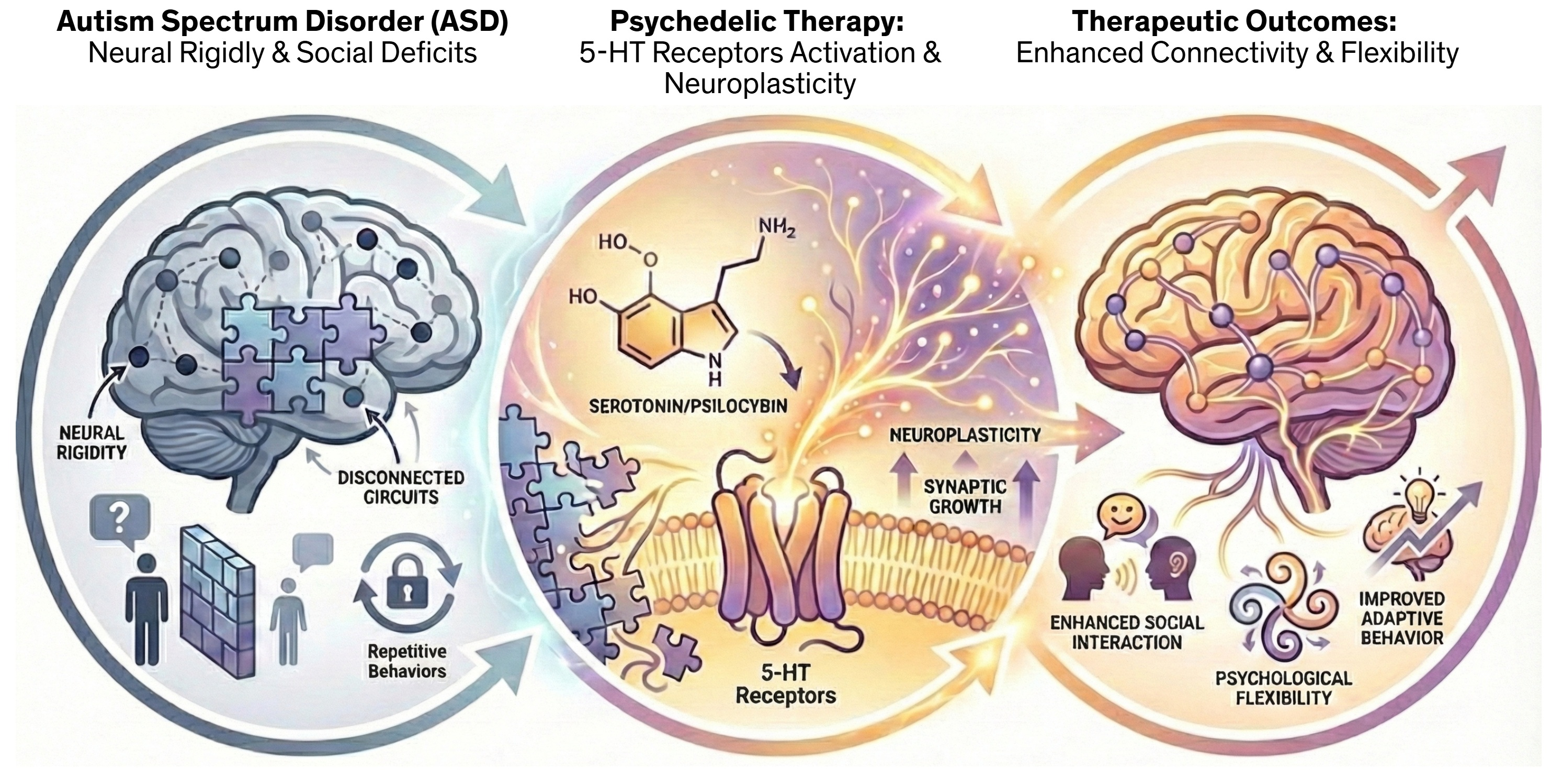
5.1. Mechanisms Underpinning Psychedelic Effects on ASD Symptoms: An Expert Overview
5.1.1. The Intense World Theory and Cellular Microcircuitry in ASD
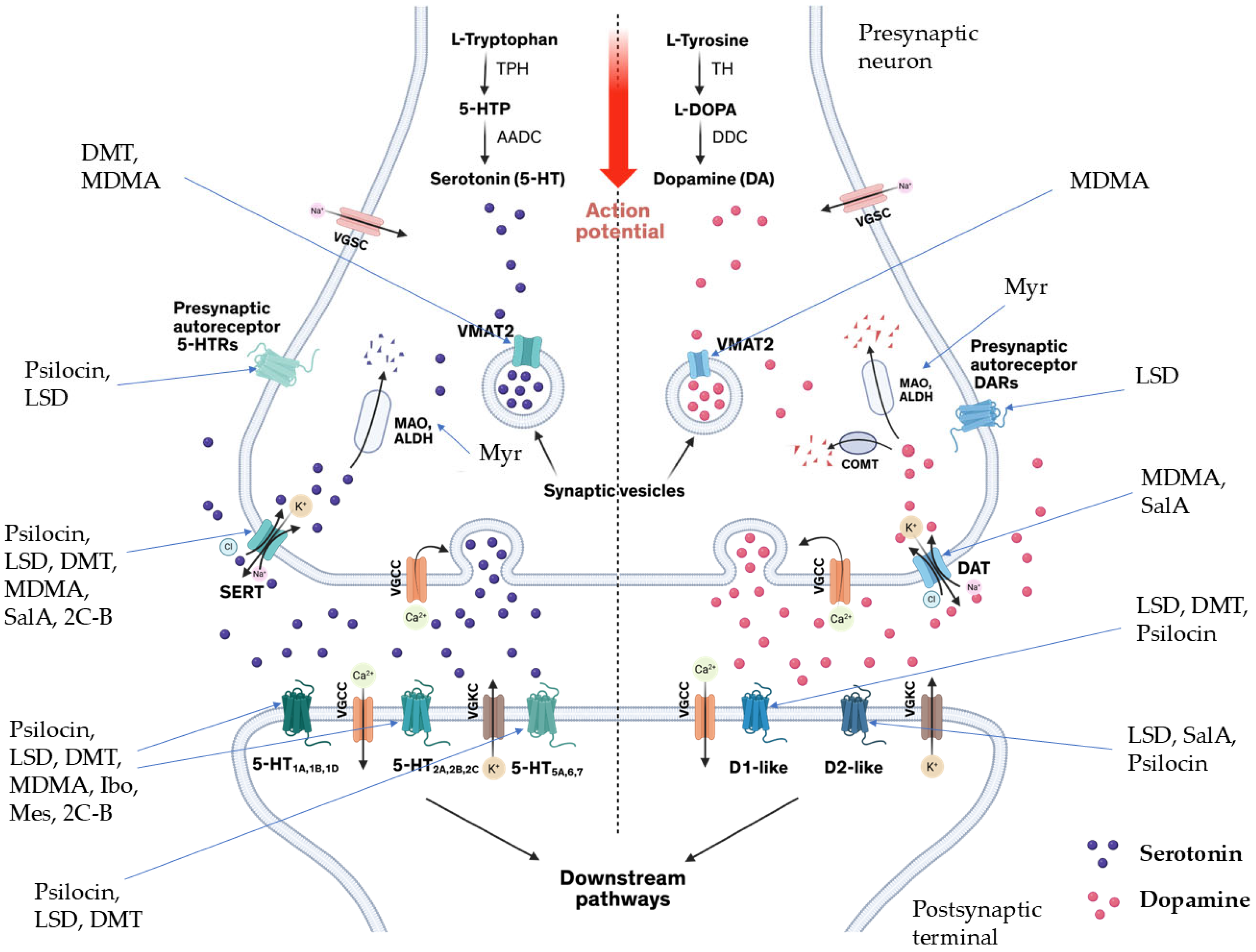
5.1.2. Serotonergic Modulation by Psychedelics
5.1.3. Neuroplasticity and Psychedelic-Assisted Therapy
6. Safety, Ethical Considerations, and Study Design
6.1. Safety Considerations and Risks
- •
- Adverse Psychological Effects: Psychedelics can elicit intense sensory distortions, paranoia, or “bad trips,” which may exacerbate the sensory sensitivities common in ASD [252]. Although rare, severe complications such as seizures or hallucinogen persisting perception disorder (HPPD) have been reported [252,253,255].
- •
6.2. Ethical Framework and Informed Consent
6.3. Clinical Trial Design and Regulatory Oversight
7. Future Directions
7.1. Regulatory and Clinical Hurdles
7.2. Challenges in Psychedelic Research for Autism Spectrum Disorder
8. Conclusions
Author Contributions
Funding
Institutional Review Board Statement
Informed Consent Statement
Data Availability Statement
Acknowledgments
Conflicts of Interest
Abbreviations
| ABA | Applied Behavior Analysis |
| ADDM | Autism and Developmental Disabilities Monitoring |
| AMPA | α-amino-3-hydroxy-5-methyl-4-isoxazolepropionic acid |
| AND | Autism and Neurodevelopmental Disorders |
| ASD | Autism Spectrum Disorder |
| BDI | Beck Depression Inventory |
| BDNF | Brain-Derived Neurotrophic Factor |
| CDC | Centers for Disease Control and Prevention |
| CP | Cerebral Palsy |
| CSG | Clinical Science Group |
| DEA | Drug Enforcement Administration |
| DMT | N,N-Dimethyltryptamine |
| DSM | Diagnostic and Statistical Manual of Mental Disorders |
| DSM-5 | Diagnostic and Statistical Manual of Mental Disorders, 5th Edition |
| EEG | Electroencephalography |
| ERK | Extracellular signal-regulated kinase |
| FDA | Food and Drug Administration |
| GAD-7 | Generalized Anxiety Disorder 7-item scale |
| HCP | Healthcare Professional |
| HPPD | Hallucinogen Persisting Perception Disorder |
| HT | 5-Hydroxytryptamine (serotonin) |
| IL | Interleukin |
| KOR | Kappa opioid receptor |
| LSD | Lysergic acid diethylamide |
| MDMA | 3,4-Methylenedioxymethamphetamine |
| MDT | Mediodorsal nucleus of the thalamus |
| MMDA | 3-Methoxy-4,5-methylenedioxyamphetamine |
| MRI | Magnetic Resonance Imaging |
| MRS | Magnetic Resonance Spectroscopy |
| NIMH | National Institute of Mental Health |
| PBS | Positive Behavior Support |
| PTSD | Post-Traumatic Stress Disorder |
| THC | Tetrahydrocannabinol |
References
- Liu, M.; Li, B.; Hu, D. Autism Spectrum Disorder Studies Using fMRI Data and Machine Learning: A Review. Front. Neurosci. 2021, 15, 697870. [Google Scholar] [CrossRef]
- Miller, L.E.; Dai, Y.G.; Fein, D.A.; Robins, D.L. Characteristics of toddlers with early versus later diagnosis of autism spectrum disorder. Autism 2021, 25, 416–428. [Google Scholar] [CrossRef] [PubMed]
- Zhuang, H.; Liang, Z.; Ma, G.; Qureshi, A.; Ran, X.; Feng, C.; Liu, X.; Yan, X.; Shen, L. Autism spectrum disorder: Pathogenesis, biomarker, and intervention therapy. MedComm 2024, 5, e497. [Google Scholar] [CrossRef]
- Anixt, J.S.; Ehrhardt, J.; Duncan, A. Evidence-Based Interventions in Autism. Pediatr. Clin. N. Am. 2024, 71, 199–221. [Google Scholar] [CrossRef]
- Breda, C.; Santero, S.; Conti, M.V.; Cena, H. Programmes to manage Food Selectivity in individuals with Autism Spectrum Disorder. Nutr. Res. Rev. 2024, 38, 112–125. [Google Scholar] [CrossRef]
- Vasa, R.A.; Neamsapaya, K.; Cross, E.A.; Kalb, L. Mental Health Crises in Autistic Children: A Framework for Prevention and Intervention in Primary Care. Pediatr. Clin. N. Am. 2024, 71, 269–282. [Google Scholar] [CrossRef]
- Pedini, G.; Chen, C.; Achsel, T.; Bagni, C. Cancer drug repurposing in autism spectrum disorder. Trends Pharmacol. Sci. 2023, 44, 963–977. [Google Scholar] [CrossRef] [PubMed]
- Naguy, A.; Moodliar-Rensburg, S.G.; Alamiri, B. β-Blockers for Autism-Help or Hindrance? Psychopharmacol. Bull. 2023, 53, 57–59. [Google Scholar] [CrossRef]
- Shamabadi, A.; Karimi, H.; Arabzadeh Bahri, R.; Motavaselian, M.; Akhondzadeh, S. Emerging drugs for the treatment of irritability associated with autism spectrum disorder. Expert Opin. Emerg. Drugs 2024, 29, 45–56. [Google Scholar] [CrossRef] [PubMed]
- Biswas, M.; Vanwong, N.; Sukasem, C. Pharmacogenomics and non-genetic factors affecting drug response in autism spectrum disorder in Thai and other populations: Current evidence and future implications. Front. Pharmacol. 2024, 14, 1285967. [Google Scholar] [CrossRef]
- Salpekar, J.A.; Scahill, L. Psychopharmacology Management in Autism Spectrum Disorder. Pediatr. Clin. N. Am. 2024, 71, 283–299. [Google Scholar] [CrossRef]
- Markopoulos, A.; Inserra, A.; De Gregorio, D.; Gobbi, G. Evaluating the Potential Use of Serotonergic Psychedelics in Autism Spectrum Disorder. Front. Pharmacol. 2022, 12, 749068. [Google Scholar] [CrossRef]
- Begola, M.J.; Schillerstrom, J.E. Hallucinogens and Their Therapeutic Use: A Literature Review. J. Psychiatr. Pract. 2019, 25, 334–346. [Google Scholar] [CrossRef]
- Haikazian, S.; Chen-Li, D.C.J.; Johnson, D.E.; Fancy, F.; Levinta, A.; Husain, M.I.; Mansur, R.B.; McIntyre, R.S.; Rosenblat, J.D. Psilocybin-assisted therapy for depression: A systematic review and meta-analysis. Psychiatry Res. 2023, 329, 115531. [Google Scholar] [CrossRef]
- Kalfas, M.; Taylor, R.H.; Tsapekos, D.; Young, A.H. Psychedelics for treatment resistant depression: Are they game changers? Expert Opin. Pharmacother. 2023, 24, 2117–2132. [Google Scholar] [CrossRef]
- Wojtas, A. The possible place for psychedelics in pharmacotherapy of mental disorders. Pharmacol. Rep. 2023, 75, 1313–1325. [Google Scholar] [CrossRef]
- Ly, C.; Greb, A.C.; Cameron, L.P.; Wong, J.M.; Barragan, E.V.; Wilson, P.C.; Burbach, K.F.; Soltanzadeh Zarandi, S.; Sood, A.; Paddy, M.R.; et al. Psychedelics Promote Structural and Functional Neural Plasticity. Cell Rep. 2018, 23, 3170–3182. [Google Scholar] [CrossRef] [PubMed]
- Fitzgerald, P.J. Many Drugs of Abuse May Be Acutely Transformed to Dopamine, Norepinephrine and Epinephrine In Vivo. Int. J. Mol. Sci. 2021, 22, 10706. [Google Scholar] [CrossRef] [PubMed]
- Psiuk, D.; Nowak, E.; Cholewa, K.; Łopuszańska, U.; Samardakiewicz, M. The Potential Role of Serotonergic Hallucinogens in Depression Treatment. Life 2021, 11, 765. [Google Scholar] [CrossRef]
- Mithoefer, M.C.; Grob, C.S.; Brewerton, T.D. Novel psychopharmacological therapies for psychiatric disorders: Psilocybin and MDMA. Lancet Psychiatry 2016, 3, 481–488. [Google Scholar] [CrossRef]
- Kargbo, R.B. MDMA and Their Analogs as Therapeutics for Mental Disorder and Response Predictor. ACS Med. Chem. Lett. 2022, 13, 1542–1544. [Google Scholar] [CrossRef]
- Wolfgang, A.S.; Hoge, C.W. Psychedelic-Assisted Therapy in Military and Veterans Healthcare Systems: Clinical, Legal, and Implementation Considerations. Curr. Psychiatry Rep. 2023, 25, 513–532. [Google Scholar] [CrossRef]
- Yaden, D.B.; Berghella, A.P.; Hendricks, P.S.; Yaden, M.E.; Levine, M.; Rohde, J.S.; Nayak, S.; Johnson, M.W.; Garcia-Romeu, A. IUPHAR-review: The integration of classic psychedelics into current substance use disorder treatment models. Pharmacol. Res. 2024, 199, 106998. [Google Scholar] [CrossRef]
- Feulner, L.; Sermchaiwong, T.; Rodland, N.; Galarneau, D. Efficacy and Safety of Psychedelics in Treating Anxiety Disorders. Ochsner J. 2023, 23, 315–328. [Google Scholar] [CrossRef]
- Allen, J.; Dames, S.S.; Foldi, C.J.; Shultz, S.R. Psychedelics for acquired brain injury: A review of molecular mechanisms and therapeutic potential. Mol. Psychiatry 2024, 29, 671–685. [Google Scholar] [CrossRef]
- Bouchet, L.; Sager, Z.; Yrondi, A.; Nigam, K.B.; Anderson, B.T.; Ross, S.; Petridis, P.D.; Beaussant, Y. Older adults in psychedelic-assisted therapy trials: A systematic review. J. Psychopharmacol. 2024, 38, 33–48. [Google Scholar] [CrossRef] [PubMed]
- Freidel, N.; Kreuder, L.; Rabinovitch, B.S.; Chen, F.Y.; Huang, R.S.T.; Lewis, E.C. Psychedelics, epilepsy, and seizures: A review. Front. Pharmacol. 2024, 14, 1326815. [Google Scholar] [CrossRef] [PubMed]
- Schmid, Y.; Bershad, A.K. Altered states and social bonds: Effects of MDMA and serotonergic psychedelics on social behavior as a mechanism underlying substance-assisted therapy. Biol. Psychiatry Cogn. Neurosci. Neuroimaging 2024, 9, 490–499. [Google Scholar] [CrossRef]
- Romero, P.; Czakó, A.; van den Brink, W.; Demetrovics, Z. Psychedelic-assisted therapy for people with gambling disorder? J. Behav. Addict. 2024, 13, 6–11. [Google Scholar] [CrossRef] [PubMed]
- Modlin, N.L.; Creed, M.; Sarang, M.; Maggio, C.; Rucker, J.J.; Williamson, V. Trauma-Informed Care in Psychedelic Therapy Research: A Qualitative Literature Review of Evidence-Based Psychotherapy Interventions in PTSD and Psychedelic Therapy Across Conditions. Neuropsychiatr. Dis. Treat. 2024, 20, 109–135. [Google Scholar] [CrossRef]
- Vargas, M.V.; Meyer, R.; Avanes, A.A.; Rus, M.; Olson, D.E. Psychedelics and Other Psychoplastogens for Treating Mental Illness. Front. Psychiatry 2021, 12, 727117. [Google Scholar] [CrossRef] [PubMed]
- Tedesco, S.; Gajaram, G.; Chida, S.; Ahmad, A.; Pentak, M.; Kelada, M.; Lewis, L.; Krishnan, D.; Tran, C.; Soetan, O.T.; et al. The Efficacy of MDMA (3,4-Methylenedioxymethamphetamine) for Post-traumatic Stress Disorder in Humans: A Systematic Review and Meta-Analysis. Cureus 2021, 13, e15070. [Google Scholar] [CrossRef] [PubMed]
- Kargbo, R.B. Restoration of Motor Function Post-Neurological Injury Using Serotonergic Agonist. ACS Med. Chem. Lett. 2022, 13, 1397–1399. [Google Scholar] [CrossRef] [PubMed]
- Smith, K.W.; Sicignano, D.J.; Hernandez, A.V.; White, C.M. MDMA-Assisted Psychotherapy for Treatment of Posttraumatic Stress Disorder: A Systematic Review With Meta-Analysis. J. Clin. Pharmacol. 2022, 62, 463–471. [Google Scholar] [CrossRef]
- Zaretsky, T.G.; Jagodnik, K.M.; Barsic, R.; Antonio, J.H.; Bonanno, P.A.; MacLeod, C.; Pierce, C.; Carney, H.; Morrison, M.T.; Saylor, C.; et al. The Psychedelic Future of Post-Traumatic Stress Disorder Treatment. Curr. Neuropharmacol. 2024, 22, 636–735. [Google Scholar] [CrossRef]
- de Moura, F.B.; Sherwood, A.; Prisinzano, T.E.; Paronis, C.A.; Bergman, J.; Kohut, S.J. Reinforcing effects of synthetic cathinones in rhesus monkeys: Dose-response and behavioral economic analyses. Pharmacol. Biochem. Behav. 2021, 202, 173112. [Google Scholar] [CrossRef]
- Brewerton, T.D.; Lafrance, A.; Mithoefer, M.C. The potential use of N-methyl-3,4-methylenedioxyamphetamine (MDMA) assisted psychotherapy in the treatment of eating disorders comorbid with PTSD. Med. Hypotheses 2021, 146, 110367. [Google Scholar] [CrossRef]
- Skosnik, P.D.; Sloshower, J.; Safi-Aghdam, H.; Pathania, S.; Syed, S.; Pittman, B.; D’Souza, D.C. Sub-acute effects of psilocybin on EEG correlates of neural plasticity in major depression: Relationship to symptoms. J. Psychopharmacol. 2023, 37, 687–697. [Google Scholar] [CrossRef]
- Sloshower, J.; Skosnik, P.D.; Safi-Aghdam, H.; Pathania, S.; Syed, S.; Pittman, B.; D’Souza, D.C. Psilocybin-assisted therapy for major depressive disorder: An exploratory placebo-controlled, fixed-order trial. J. Psychopharmacol. 2023, 37, 698–706. [Google Scholar] [CrossRef]
- Goodwin, G.M.; Aaronson, S.T.; Alvarez, O.; Atli, M.; Bennett, J.C.; Croal, M.; DeBattista, C.; Dunlop, B.W.; Feifel, D.; Hellerstein, D.J.; et al. Single-dose psilocybin for a treatment-resistant episode of major depression: Impact on patient-reported depression severity, anxiety, function, and quality of life. J. Affect. Disord. 2023, 327, 120–127. [Google Scholar] [CrossRef]
- Goodwin, G.M.; Aaronson, S.T.; Alvarez, O.; Arden, P.C.; Baker, A.; Bennett, J.C.; Bird, C.; Blom, R.E.; Brennan, C.; Brusch, D.; et al. Single-Dose Psilocybin for a Treatment-Resistant Episode of Major Depression. N. Engl. J. Med. 2022, 387, 1637–1648. [Google Scholar] [CrossRef]
- Raison, C.L.; Sanacora, G.; Woolley, J.; Heinzerling, K.; Dunlop, B.W.; Brown, R.T.; Kakar, R.; Hassman, M.; Trivedi, R.P.; Robison, R.; et al. Single-Dose Psilocybin Treatment for Major Depressive Disorder: A Randomized Clinical Trial. JAMA 2023, 330, 843–853. [Google Scholar] [CrossRef]
- Strassman, R.J. Adverse Reactions to Psychedelic Drugs. A review of the Literature. J. Nerv. Ment. Dis. 1984, 172, 577–595. [Google Scholar] [CrossRef]
- Altman, J.L.; Appel, J.B. LSD and fixed-internal responding in the rat. Pharmacol. Biochem. Behav. 1975, 3, 151–155. [Google Scholar] [CrossRef]
- Mandell, A.J.; Spooner, C.E. Psychochemical research studies in man. Science 1968, 162, 1442–1453. [Google Scholar] [CrossRef] [PubMed]
- Kline, N.S. Psychopharmacologic drugs. Postgrad. Med. 1967, 42, 268–274. [Google Scholar] [CrossRef]
- Middlefell, R. The effects of LSD on body sway suggestibility in a group of hospital patients. Br. J. Psychiatry 1967, 113, 277–280. [Google Scholar] [CrossRef] [PubMed]
- Baker, E.F. The use of Lysergic Acid Diethylamide (Lsd) in Psychotherapy. Can. Med. Assoc. J. 1964, 91, 1200–1202. [Google Scholar] [PubMed]
- Rosenthal, S.H. Persistent Hallucinosis Following Repeated Administration of Hallucinogenic Drugs. Am. J. Psychiatry 1964, 121, 238–244. [Google Scholar] [CrossRef]
- Riccitelli, M.L. Modern Concepts in the Management of Anxiety and Depression in the Aged and Infirm. J. Am. Geriatr. Soc. 1964, 12, 652–657. [Google Scholar] [CrossRef]
- Hatrick, J.A.; Dewhurst, K. Delayed psychosis due to L.S.D. Lancet 1970, 296, 742–744. [Google Scholar] [CrossRef]
- Wojtas, A.; Gołembiowska, K. Molecular and Medical Aspects of Psychedelics. Int. J. Mol. Sci. 2023, 25, 241. [Google Scholar] [CrossRef] [PubMed]
- Banushi, B.; Polito, V. A Comprehensive Review of the Current Status of the Cellular Neurobiology of Psychedelics. Biology 2023, 12, 1380. [Google Scholar] [CrossRef]
- Leigh, J.P.; Du, J. Brief Report: Forecasting the Economic Burden of Autism in 2015 and 2025 in the United States. J. Autism Dev. Disord. 2015, 45, 4135–4139. [Google Scholar] [CrossRef]
- Bershad, A.K.; Mayo, L.M.; Van Hedger, K.; McGlone, F.; Walker, S.C.; de Wit, H. Effects of MDMA on attention to positive social cues and pleasantness of affective touch. Neuropsychopharmacology 2019, 44, 1698–1705. [Google Scholar] [CrossRef]
- Chaliha, D.; Mamo, J.C.; Albrecht, M.; Lam, V.; Takechi, R.; Vaccarezza, M. A Systematic Review of the MDMA Model to Address Social Impairment in Autism. Curr. Neuropharmacol. 2021, 19, 1101–1154. [Google Scholar] [CrossRef]
- Szigeti, B.; Heifets, B. Expectancy effects in psychedelic trials. Biol. Psychiatry Cogn. Neurosci. Neuroimaging 2024, 9, 512–521. [Google Scholar] [CrossRef] [PubMed]
- Siegel, A.N.; Meshkat, S.; Benitah, K.; Lipsitz, O.; Gill, H.; Lui, L.M.W.; Teopiz, K.M.; McIntyre, R.S.; Rosenblat, J.D. Registered clinical studies investigating psychedelic drugs for psychiatric disorders. J. Psychiatr. Res. 2021, 139, 71–81. [Google Scholar] [CrossRef] [PubMed]
- Holze, F.; Avedisian, I.; Varghese, N.; Eckert, A.; Liechti, M.E. Role of the 5-HT(2A) Receptor in Acute Effects of LSD on Empathy and Circulating Oxytocin. Front. Pharmacol. 2021, 12, 711255. [Google Scholar] [CrossRef]
- Dos Santos, R.G.; Osório, F.L.; Crippa, J.A.S.; Riba, J.; Zuardi, A.W.; Hallak, J.E.C. Antidepressive, anxiolytic, and antiaddictive effects of ayahuasca, psilocybin and lysergic acid diethylamide (LSD): A systematic review of clinical trials published in the last 25 years. Ther. Adv. Psychopharmacol. 2016, 6, 193–213. [Google Scholar] [CrossRef]
- Rambousek, L.; Palenicek, T.; Vales, K.; Stuchlik, A. The effect of psilocin on memory acquisition, retrieval, and consolidation in the rat. Front. Behav. Neurosci. 2014, 8, 180. [Google Scholar] [CrossRef]
- Wittmann, M.; Carter, O.; Hasler, F.; Cahn, B.R.; Grimberg, U.; Spring, P.; Hell, D.; Flohr, H.; Vollenweider, F.X. Effects of psilocybin on time perception and temporal control of behaviour in humans. J. Psychopharmacol. 2007, 21, 50–64. [Google Scholar] [CrossRef]
- Carter, O.L.; Pettigrew, J.D.; Hasler, F.; Wallis, G.M.; Liu, G.B.; Hell, D.; Vollenweider, F.X. Modulating the rate and rhythmicity of perceptual rivalry alternations with the mixed 5-HT2A and 5-HT1A agonist psilocybin. Neuropsychopharmacology 2005, 30, 1154–1162. [Google Scholar] [CrossRef]
- Carter, O.L.; Burr, D.C.; Pettigrew, J.D.; Wallis, G.M.; Hasler, F.; Vollenweider, F.X. Using psilocybin to investigate the relationship between attention, working memory, and the serotonin 1A and 2A receptors. J. Cogn. Neurosci. 2005, 17, 1497–1508. [Google Scholar] [CrossRef] [PubMed]
- Robinson, G.I.; Li, D.; Wang, B.; Rahman, T.; Gerasymchuk, M.; Hudson, D.; Kovalchuk, O.; Kovalchuk, I. Psilocybin and Eugenol Reduce Inflammation in Human 3D EpiIntestinal Tissue. Life 2023, 13, 2345. [Google Scholar] [CrossRef]
- Robinson, G.I.; Li, D.; Wang, B.; Zahoruiko, Y.; Gerasymchuk, M.; Hudson, D.; Kovalchuk, O.; Kovalchuk, I. Anti-Inflammatory Effects of Serotonin Receptor and Transient Receptor Potential Channel Ligands in Human Small Intestinal Epithelial Cells. Curr. Issues Mol. Biol. 2023, 45, 6743–6774. [Google Scholar] [CrossRef]
- Strumila, R.; Nobile, B.; Korsakova, L.; Lengvenyte, A.; Olie, E.; Lopez-Castroman, J.; Guillaume, S.; Courtet, P. Psilocybin, a Naturally Occurring Indoleamine Compound, Could Be Useful to Prevent Suicidal Behaviors. Pharmaceuticals 2021, 14, 1213. [Google Scholar] [CrossRef] [PubMed]
- Flanagan, T.W.; Nichols, C.D. Psychedelics as anti-inflammatory agents. Int. Rev. Psychiatry 2018, 30, 363–375. [Google Scholar] [CrossRef]
- Saeger, H.N.; Olson, D.E. Psychedelic-inspired approaches for treating neurodegenerative disorders. J. Neurochem. 2022, 162, 109–127. [Google Scholar] [CrossRef] [PubMed]
- Kometer, M.; Schmidt, A.; Jäncke, L.; Vollenweider, F.X. Activation of serotonin 2A receptors underlies the psilocybin-induced effects on α oscillations, N170 visual-evoked potentials, and visual hallucinations. J. Neurosci. 2013, 33, 10544–10551. [Google Scholar] [CrossRef]
- Nichols, D.E.; Johnson, M.W.; Nichols, C.D. Psychedelics as Medicines: An Emerging New Paradigm. Clin. Pharmacol. Ther. 2017, 101, 209–219. [Google Scholar] [CrossRef]
- Umbricht, D.; Vollenweider, F.X.; Schmid, L.; Grübel, C.; Skrabo, A.; Huber, T.; Koller, R. Effects of the 5-HT2A agonist psilocybin on mismatch negativity generation and AX-continuous performance task: Implications for the neuropharmacology of cognitive deficits in schizophrenia. Neuropsychopharmacology 2003, 28, 170–181. [Google Scholar] [CrossRef]
- Rabin, R.A.; Regina, M.; Doat, M.; Winter, J.C. 5-HT2A receptor-stimulated phosphoinositide hydrolysis in the stimulus effects of hallucinogens. Pharmacol. Biochem. Behav. 2002, 72, 29–37. [Google Scholar] [CrossRef] [PubMed]
- Ruffell, S.G.D.; Netzband, N.; Tsang, W.; Davies, M.; Butler, M.; Rucker, J.J.H.; Tófoli, L.F.; Dempster, E.L.; Young, A.H.; Morgan, C.J.A. Ceremonial Ayahuasca in Amazonian Retreats-Mental Health and Epigenetic Outcomes From a Six-Month Naturalistic Study. Front. Psychiatry 2021, 12, 687615. [Google Scholar] [CrossRef] [PubMed]
- Muttoni, S.; Ardissino, M.; John, C. Classical psychedelics for the treatment of depression and anxiety: A systematic review. J. Affect. Disord. 2019, 258, 11–24. [Google Scholar] [CrossRef] [PubMed]
- Commissaris, R.L.; Davis, M. Opposite effects of N,N-dimethyltryptamine (DMT) and 5-methoxy-n,n-dimethyltryptamine (5-MeODMT) on acoustic startle: Spinal vs brain sites of action. Neurosci. Biobehav. Rev. 1982, 6, 515–520. [Google Scholar] [CrossRef]
- Holze, F.; Singh, N.; Liechti, M.E.; D’Souza, D.C. Serotonergic Psychedelics: A Comparative Review of Efficacy, Safety, Pharmacokinetics, and Binding Profile. Biol. Psychiatry Cogn. Neurosci. Neuroimaging 2024, 9, 472–489. [Google Scholar] [CrossRef]
- Sousa, T.R.; Rema, J.; Machado, S.; Novais, F. Psychedelics and Hallucinogens in Psychiatry: Finding New Pharmacological Targets. Curr. Top. Med. Chem. 2022, 22, 1250–1260. [Google Scholar] [CrossRef]
- Graeff, F.G.; Guimarães, F.S.; De Andrade, T.G.; Deakin, J.F. Role of 5-HT in stress, anxiety, and depression. Pharmacol. Biochem. Behav. 1996, 54, 129–141. [Google Scholar] [CrossRef]
- Stauffer, C.S.; Brown, M.R.; Adams, D.; Cassity, M.; Sevelius, J. MDMA-assisted psychotherapy; Inclusion of transgender and gender diverse people in the frontiers of PTSD treatment trials. Front. Psychiatry 2022, 13, 932605. [Google Scholar] [CrossRef]
- Penn, A.A.; Wong, R.O.; Shatz, C.J. Neuronal coupling in the developing mammalian retina. J. Neurosci. 1994, 14, 3805–3815. [Google Scholar] [CrossRef]
- Danforth, A.L.; Grob, C.S.; Struble, C.; Feduccia, A.A.; Walker, N.; Jerome, L.; Yazar-Klosinski, B.; Emerson, A. Reduction in social anxiety after MDMA-assisted psychotherapy with autistic adults: A randomized, double-blind, placebo-controlled pilot study. Psychopharmacology 2018, 235, 3137–3148. [Google Scholar] [CrossRef] [PubMed]
- Heifets, B.D.; Malenka, R.C. MDMA as a Probe and Treatment for Social Behaviors. Cell 2016, 166, 269–272. [Google Scholar] [CrossRef] [PubMed]
- Walsh, J.J.; Christoffel, D.J.; Heifets, B.D.; Ben-Dor, G.A.; Selimbeyoglu, A.; Hung, L.W.; Deisseroth, K.; Malenka, R.C. 5-HT release in nucleus accumbens rescues social deficits in mouse autism model. Nature 2018, 560, 589–594. [Google Scholar] [CrossRef] [PubMed]
- Lear, M.K.; Smith, S.M.; Pilecki, B.; Stauffer, C.S.; Luoma, J.B. Social anxiety and MDMA-assisted therapy investigation: A novel clinical trial protocol. Front. Psychiatry 2023, 14, 1083354. [Google Scholar] [CrossRef]
- Danforth, A.L. Embracing Neurodiversity in Psychedelic Science: A Mixed-Methods Inquiry into the MDMA Experiences of Autistic Adults. J. Psychoact. Drugs 2019, 51, 146–154. [Google Scholar] [CrossRef]
- Coleman, J.A.; Yang, D.; Zhao, Z.; Wen, P.; Yoshioka, C.; Tajkhorshid, E.; Gouaux, E. Serotonin transporter-ibogaine complexes illuminate mechanisms of inhibition and transport. Nature 2019, 569, 141–145. [Google Scholar] [CrossRef]
- Emerson, A.; Ponté, L.; Jerome, L.; Doblin, R. History and future of the Multidisciplinary Association for Psychedelic Studies (MAPS). J. Psychoact. Drugs 2014, 46, 27–36. [Google Scholar] [CrossRef]
- Krengel, F.; Chevalier, Q.; Dickinson, J.; Herrera Santoyo, J.; Reyes Chilpa, R. Metabolite Profiling of Anti-Addictive Alkaloids from Four Mexican Tabernaemontana Species and the Entheogenic African Shrub Tabernanthe iboga (Apocynaceae). Chem. Biodivers. 2019, 16, e1800506. [Google Scholar] [CrossRef]
- Lavaud, C.; Massiot, G. The Iboga Alkaloids. In Progress in the Chemistry of Organic Natural Products; Springer: Cham, Switzerland, 2017; Volume 105, pp. 89–136. [Google Scholar] [CrossRef]
- Maciulaitis, R.; Kontrimaviciute, V.; Bressolle, F.M.M.; Briedis, V. Ibogaine, an anti-addictive drug: Pharmacology and time to go further in development. A narrative review. Hum. Exp. Toxicol. 2008, 27, 181–194. [Google Scholar] [CrossRef]
- Strubelt, S.; Maas, U. The near-death experience: A cerebellar method to protect body and soul-lessons from the Iboga healing ceremony in Gabon. Altern. Ther. Health Med. 2008, 14, 30–34. [Google Scholar]
- Kontrimaviciūte, V.; Mathieu, O.; Mathieu-Daudé, J.; Vainauskas, P.; Casper, T.; Baccino, E.; Bressolle, F.M.M. Distribution of ibogaine and noribogaine in a man following a poisoning involving root bark of the Tabernanthe iboga shrub. J. Anal. Toxicol. 2006, 30, 434–440. [Google Scholar] [CrossRef]
- Glick, S.D.; Maisonneuve, I.M. Development of novel medications for drug addiction. The legacy of an African shrub. Ann. N. Y. Acad. Sci. 2000, 909, 88–103. [Google Scholar] [CrossRef]
- Bhargava, H.N.; Cao, Y.J.; Zhao, G.M. Effects of ibogaine and noribogaine on the antinociceptive action of μ-, δ- and κ-opioid receptor agonists in mice. Brain Res. 1997, 752, 234–238. [Google Scholar] [CrossRef]
- Alper, K.R.; Beal, D.; Kaplan, C.D. A contemporary history of ibogaine in the United States and Europe. Alkaloids Chem. Biol. 2001, 56, 249–281. [Google Scholar] [CrossRef]
- Aćimović, T.; Atanasijević, T.; Denić, K.; Lukić, V.; Popović, V.; Bogdanović, M. Death due to consumption of ibogaine: Case report. Forensic Sci. Med. Pathol. 2021, 17, 126–129. [Google Scholar] [CrossRef]
- Knuijver, T.; Schellekens, A.; Belgers, M.; Donders, R.; van Oosteren, T.; Kramers, K.; Verkes, R. Safety of ibogaine administration in detoxification of opioid-dependent individuals: A descriptive open-label observational study. Addiction 2022, 117, 118–128. [Google Scholar] [CrossRef] [PubMed]
- Köck, P.; Froelich, K.; Walter, M.; Lang, U.; Dürsteler, K.M. A systematic literature review of clinical trials and therapeutic applications of ibogaine. J. Subst. Abus. Treat. 2022, 138, 108717. [Google Scholar] [CrossRef] [PubMed]
- Fernandes-Nascimento, M.H.; Negrão, A.B.; Viana-Ferreira, K.; Chaves, B.D.R.; Wang, Y. Three Decades of Research on the Development of Ibogaine Treatment of Substance Use Disorders: A Scientometric Analysis. J. Psychoact. Drugs 2023, 56, 670–680. [Google Scholar] [CrossRef]
- Ona, G.; Reverte, I.; Rossi, G.N.; Dos Santos, R.G.; Hallak, J.E.; Colomina, M.T.; Bouso, J.C. Main targets of ibogaine and noribogaine associated with its putative anti-addictive effects: A mechanistic overview. J. Psychopharmacol. 2023, 37, 1190–1200. [Google Scholar] [CrossRef] [PubMed]
- Rabus, A.; Curic, D.; Ivan, V.E.; Esteves, I.M.; Gruber, A.J.; Davidsen, J. Changes in functional connectivity preserve scale-free neuronal and behavioral dynamics. Phys. Rev. E 2023, 108, L052301. [Google Scholar] [CrossRef]
- Cherian, K.N.; Keynan, J.N.; Anker, L.; Faerman, A.; Brown, R.E.; Shamma, A.; Keynan, O.; Coetzee, J.P.; Batail, J.; Phillips, A.; et al. Magnesium-ibogaine therapy in veterans with traumatic brain injuries. Nat. Med. 2024, 30, 373–381. [Google Scholar] [CrossRef]
- Biosca-Brull, J.; Ona, G.; Alarcón-Franco, L.; Colomina, M.T. A transcriptomic analysis in mice following a single dose of ibogaine identifies new potential therapeutic targets. Transl. Psychiatry 2024, 14, 41–47. [Google Scholar] [CrossRef]
- Welberg, L. Ibogaine therapy in TBI. Nat. Neurosci. 2024, 27, 216. [Google Scholar] [CrossRef]
- Armstrong, S.B.; Xin, Y.; Sepeda, N.D.; Polanco, M.; Averill, L.A.; Davis, A.K. Prospective associations of psychedelic treatment for co-occurring alcohol misuse and posttraumatic stress symptoms among United States Special Operations Forces Veterans. Mil. Psychol. 2024, 36, 184–191. [Google Scholar] [CrossRef]
- Ivan, V.E.; Tomàs-Cuesta, D.P.; Esteves, I.M.; Curic, D.; Mohajerani, M.; McNaughton, B.L.; Davidsen, J.; Gruber, A.J. The Nonclassic Psychedelic Ibogaine Disrupts Cognitive Maps. Biol. Psychiatry Glob. Open Sci. 2023, 4, 275–283. [Google Scholar] [CrossRef] [PubMed]
- Arias, H.R.; Rosenberg, A.; Targowska-Duda, K.M.; Feuerbach, D.; Yuan, X.J.; Jozwiak, K.; Moaddel, R.; Wainer, I.W. Interaction of ibogaine with human α3β4-nicotinic acetylcholine receptors in different conformational states. Int. J. Biochem. Cell Biol. 2010, 42, 1525–1535. [Google Scholar] [CrossRef] [PubMed]
- Arias, H.R.; Feuerbach, D.; Targowska-Duda, K.M.; Jozwiak, K. Structure-activity relationship of ibogaine analogs interacting with nicotinic acetylcholine receptors in different conformational states. Int. J. Biochem. Cell Biol. 2011, 43, 1330–1339. [Google Scholar] [CrossRef]
- Arias, H.R.; Lykhmus, O.; Uspenska, K.; Skok, M. Coronaridine congeners modulate mitochondrial α3β4* nicotinic acetylcholine receptors with different potency and through distinct intra-mitochondrial pathways. Neurochem. Int. 2018, 114, 26–32. [Google Scholar] [CrossRef] [PubMed]
- Wasko, M.J.; Witt-Enderby, P.A.; Surratt, C.K. DARK Classics in Chemical Neuroscience: Ibogaine. ACS Chem. Neurosci. 2018, 9, 2475–2483. [Google Scholar] [CrossRef]
- Miller, C.N.; Ruggery, C.; Kamens, H.M. The α3β4 nicotinic acetylcholine receptor antagonist 18-Methoxycoronaridine decreases binge-like ethanol consumption in adult C57BL/6J mice. Alcohol 2019, 79, 1–6. [Google Scholar] [CrossRef]
- Arias, H.R.; Tae, H.; Micheli, L.; Yousuf, A.; Ghelardini, C.; Adams, D.J.; Di Cesare Mannelli, L. Coronaridine congeners decrease neuropathic pain in mice and inhibit α9α10 nicotinic acetylcholine receptors and Ca(V)2.2 channels. Neuropharmacology 2020, 175, 108194. [Google Scholar] [CrossRef]
- Straub, C.J.; Rusali, L.E.; Kremiller, K.M.; Riley, A.P. What We Have Gained from Ibogaine: α3β4 Nicotinic Acetylcholine Receptor Inhibitors as Treatments for Substance Use Disorders. J. Med. Chem. 2023, 66, 107–121. [Google Scholar] [CrossRef] [PubMed]
- Nyström, P.; Gredebäck, G.; Bölte, S.; Falck-Ytter, T.; EASE Team. Hypersensitive pupillary light reflex in infants at risk for autism. Mol. Autism 2015, 6, 10–16. [Google Scholar] [CrossRef]
- Rapanelli, M.; Frick, L.R.; Xu, M.; Groman, S.M.; Jindachomthong, K.; Tamamaki, N.; Tanahira, C.; Taylor, J.R.; Pittenger, C. Targeted Interneuron Depletion in the Dorsal Striatum Produces Autism-like Behavioral Abnormalities in Male but Not Female Mice. Biol. Psychiatry 2017, 82, 194–203. [Google Scholar] [CrossRef]
- Gu, L.; Bok, D.; Yu, F.; Caprioli, J.; Piri, N. Downregulation of splicing regulator RBFOX1 compromises visual depth perception. PLoS ONE 2018, 13, e0200417. [Google Scholar] [CrossRef]
- Kljakic, O.; Al-Onaizi, M.; Janíčková, H.; Chen, K.S.; Guzman, M.S.; Prado, M.A.M.; Prado, V.F. Cholinergic transmission from the basal forebrain modulates social memory in male mice. Eur. J. Neurosci. 2021, 54, 6075–6092. [Google Scholar] [CrossRef] [PubMed]
- Dickinson, J.E.; Inzunza, J.A.D.; Perez-Villa, L.; Millar, T.G.; Pushparaj, A.P. Case report: Ibogaine reduced severe neuropathic pain associated with a case of brachial plexus nerve root avulsion. Front. Pain Res. 2023, 4, 1256396. [Google Scholar] [CrossRef]
- Sánchez, C.; Papp, M. The selective sigma2 ligand Lu 28-179 has an antidepressant-like profile in the rat chronic mild stress model of depression. Behav. Pharmacol. 2000, 11, 117–124. [Google Scholar] [CrossRef]
- Elfverson, M.; Johansson, T.; Zhou, Q.; Le Grevès, P.; Nyberg, F. Chronic administration of the anabolic androgenic steroid nandrolone alters neurosteroid action at the sigma-1 receptor but not at the sigma-2 or NMDA receptors. Neuropharmacology 2011, 61, 1172–1181. [Google Scholar] [CrossRef]
- Donnier-Maréchal, M.; Carato, P.; Le Broc, D.; Furman, C.; Melnyk, P. Synthesis and pharmacological evaluation of benzannulated derivatives as potent and selective sigma-1 protein ligands. Eur. J. Med. Chem. 2015, 92, 575–582. [Google Scholar] [CrossRef] [PubMed]
- Cifani, C.; Micioni Di Bonaventura, E.; Botticelli, L.; Del Bello, F.; Giorgioni, G.; Pavletić, P.; Piergentili, A.; Quaglia, W.; Bonifazi, A.; Schepmann, D.; et al. Novel Highly Potent and Selective Sigma1 Receptor Antagonists Effectively Block the Binge Eating Episode in Female Rats. ACS Chem. Neurosci. 2020, 11, 3107–3116. [Google Scholar] [CrossRef] [PubMed]
- Bruhn, J.G.; Holmstedt, B. Early Peyote Research an Interdisciplinary Study. Econ. Bot. 1974, 28, 353–390. [Google Scholar] [CrossRef]
- Soukup, R.W. On the occasion of the 100th anniversary: Ernst Späth and his mescaline synthesis of 1919. Monatshefte Für Chem.-Chem. Mon. 2019, 150, 949–956. [Google Scholar] [CrossRef]
- Ibarra-Laclette, E.; Zamudio-Hernández, F.; Pérez-Torres, C.A.; Albert, V.A.; Ramírez-Chávez, E.; Molina-Torres, J.; Fernández-Cortes, A.; Calderón-Vázquez, C.; Olivares-Romero, J.L.; Herrera-Estrella, A.; et al. De novo sequencing and analysis of Lophophora williamsii transcriptome, and searching for putative genes involved in mescaline biosynthesis. BMC Genom. 2015, 16, 657–659. [Google Scholar] [CrossRef] [PubMed]
- Winkelman, M. Psychedelics as medicines for substance abuse rehabilitation: Evaluating treatments with LSD, Peyote, Ibogaine and Ayahuasca. Curr. Drug Abus. Rev. 2014, 7, 101–116. [Google Scholar] [CrossRef]
- Redden, W.M.; Paracha, S.; Sheheryar, Q. Hallucinogen Use and Misuse in Older Adults. Clin. Geriatr. Med. 2022, 38, 55–66. [Google Scholar] [CrossRef]
- Bressloff, P.C.; Cowan, J.D.; Golubitsky, M.; Thomas, P.J.; Wiener, M.C. What geometric visual hallucinations tell us about the visual cortex. Neural Comput. 2002, 14, 473–491. [Google Scholar] [CrossRef]
- Rosenberg, J.; Pentel, P.; Pond, S.; Benowitz, N.; Olson, K. Hyperthermia associated with drug intoxication. Crit. Care Med. 1986, 14, 964–969. [Google Scholar] [CrossRef]
- Prince, M.A.; O’Donnell, M.B.; Stanley, L.R.; Swaim, R.C. Examination of Recreational and Spiritual Peyote Use Among American Indian Youth. J. Stud. Alcohol Drugs 2019, 80, 366–370. [Google Scholar] [CrossRef]
- Geyer, M.A. A Brief Historical Overview of Psychedelic Research. Biol. Psychiatry Cogn. Neurosci. Neuroimaging 2023, 9, 464–471. [Google Scholar] [CrossRef]
- Doesburg-van Kleffens, M.; Zimmermann-Klemd, A.M.; Gründemann, C. An Overview on the Hallucinogenic Peyote and Its Alkaloid Mescaline: The Importance of Context, Ceremony and Culture. Molecules 2023, 28, 7942. [Google Scholar] [CrossRef] [PubMed]
- González-Maeso, J.; Weisstaub, N.V.; Zhou, M.; Chan, P.; Ivic, L.; Ang, R.; Lira, A.; Bradley-Moore, M.; Ge, Y.; Zhou, Q.; et al. Hallucinogens recruit specific cortical 5-HT(2A) receptor-mediated signaling pathways to affect behavior. Neuron 2007, 53, 439–452. [Google Scholar] [CrossRef] [PubMed]
- Misuse of Drugs Act 1971. Available online: https://www.legislation.gov.uk/ukpga/1971/38 (accessed on 14 March 2024).
- Drug Enforcement Agency. Drug Scheduling. 2018. Available online: https://www.dea.gov/drug-information/drug-scheduling (accessed on 14 March 2024).
- Dalgarno, P. Subjective effects of Salvia divinorum. J. Psychoact. Drugs 2007, 39, 143–149. [Google Scholar] [CrossRef]
- Wolowich, W.R.; Perkins, A.M.; Cienki, J.J. Analysis of the psychoactive terpenoid salvinorin A content in five Salvia divinorum herbal products. Pharmacotherapy 2006, 26, 1268–1272. [Google Scholar] [CrossRef] [PubMed]
- Siebert, D.J. Localization of salvinorin A and related compounds in glandular trichomes of the psychoactive sage, Salvia divinorum. Ann. Bot. 2004, 93, 763–771. [Google Scholar] [CrossRef]
- Roth, B.L.; Baner, K.; Westkaemper, R.; Siebert, D.; Rice, K.C.; Steinberg, S.; Ernsberger, P.; Rothman, R.B. Salvinorin A: A potent naturally occurring nonnitrogenous κ opioid selective agonist. Proc. Natl. Acad. Sci. USA 2002, 99, 11934–11939. [Google Scholar] [CrossRef]
- Valdés, L.J. Salvia divinorum and the unique diterpene hallucinogen, Salvinorin (divinorin) A. J. Psychoact. Drugs 1994, 26, 277–283. [Google Scholar] [CrossRef] [PubMed]
- Coffeen, U.; Pellicer, F. Salvia divinorum: From recreational hallucinogenic use to analgesic and anti-inflammatory action. J. Pain Res. 2019, 12, 1069–1076. [Google Scholar] [CrossRef]
- MacLean, K.A.; Johnson, M.W.; Reissig, C.J.; Prisinzano, T.E.; Griffiths, R.R. Dose-related effects of salvinorin A in humans: Dissociative, hallucinogenic, and memory effects. Psychopharmacology 2013, 226, 381–392. [Google Scholar] [CrossRef]
- Páleníček, T.; Fujáková, M.; Brunovský, M.; Horáček, J.; Gorman, I.; Balíková, M.; Rambousek, L.; Syslová, K.; Kačer, P.; Zach, P.; et al. Behavioral, neurochemical and pharmaco-EEG profiles of the psychedelic drug 4-bromo-2,5-dimethoxyphenethylamine (2C-B) in rats. Psychopharmacology 2013, 225, 75–93. [Google Scholar] [CrossRef]
- González, D.; Torrens, M.; Farré, M. Acute Effects of the Novel Psychoactive Drug 2C-B on Emotions. BioMed Res. Int. 2015, 2015, 643878. [Google Scholar] [CrossRef] [PubMed]
- Papaseit, E.; Farré, M.; Pérez-Mañá, C.; Torrens, M.; Ventura, M.; Pujadas, M.; de la Torre, R.; González, D. Acute Pharmacological Effects of 2C-B in Humans: An Observational Study. Front. Pharmacol. 2018, 9, 206. [Google Scholar] [CrossRef] [PubMed]
- Palamar, J.J.; Acosta, P. A qualitative descriptive analysis of effects of psychedelic phenethylamines and tryptamines. Hum. Psychopharmacol. Clin. Exp. 2020, 35, e2719. [Google Scholar] [CrossRef]
- Syrová, K.; Šíchová, K.; Danda, H.; Lhotková, E.; Jorratt, P.; Pinterová-Leca, N.; Vejmola, Č.; Olejníková-Ladislavová, L.; Hájková, K.; Kuchař, M.; et al. Acute pharmacological profile of 2C-B-Fly-NBOMe in male Wistar rats-pharmacokinetics, effects on behaviour and thermoregulation. Front. Pharmacol. 2023, 14, 1120419. [Google Scholar] [CrossRef] [PubMed]
- Mallaroni, P.; Mason, N.L.; Reckweg, J.T.; Paci, R.; Ritscher, S.; Toennes, S.W.; Theunissen, E.L.; Kuypers, K.P.C.; Ramaekers, J.G. Assessment of the Acute Effects of 2C-B vs. Psilocybin on Subjective Experience, Mood, and Cognition. Clin. Pharmacol. Ther. 2023, 114, 423–433. [Google Scholar] [CrossRef]
- Hansen, M.; Jacobsen, S.E.; Plunkett, S.; Liebscher, G.E.; McCorvy, J.D.; Bräuner-Osborne, H.; Kristensen, J.L. Synthesis and pharmacological evaluation of N-benzyl substituted 4-bromo-2,5-dimethoxyphenethylamines as 5-HT2A/2C partial agonists. Bioorganic Med. Chem. 2015, 23, 3933–3937. [Google Scholar] [CrossRef]
- Moya, P.R.; Berg, K.A.; Gutiérrez-Hernandez, M.A.; Sáez-Briones, P.; Reyes-Parada, M.; Cassels, B.K.; Clarke, W.P. Functional selectivity of hallucinogenic phenethylamine and phenylisopropylamine derivatives at human 5-hydroxytryptamine (5-HT)2A and 5-HT2C receptors. J. Pharmacol. Exp. Ther. 2007, 321, 1054–1061. [Google Scholar] [CrossRef]
- Seneme, E.F.; Dos Santos, D.C.; Silva, E.M.R.; Franco, Y.E.M.; Longato, G.B. Pharmacological and Therapeutic Potential of Myristicin: A Literature Review. Molecules 2021, 26, 5914. [Google Scholar] [CrossRef]
- Braun, U.; Kalbhen, D.A. Evidence for the biogenic formation of amphetamine derivatives from components of nutmeg. Pharmacology 1973, 9, 312–316. [Google Scholar] [CrossRef]
- Morita, T.; Jinno, K.; Kawagishi, H.; Arimoto, Y.; Suganuma, H.; Inakuma, T.; Sugiyama, K. Hepatoprotective effect of myristicin from nutmeg (Myristica fragrans) on lipopolysaccharide/d-galactosamine-induced liver injury. J. Agric. Food Chem. 2003, 51, 1560–1565. [Google Scholar] [CrossRef]
- Alhwaiti, M. Working memory and processing speed as predictors of general fluid intelligence in adults with high functioning autism: A structural equation modeling approach. Appl. Neuropsychol. Adult 2026, 1–7. [Google Scholar] [CrossRef]
- Maenner, M.J.; Warren, Z.; Williams, A.R.; Amoakohene, E.; Bakian, A.V.; Bilder, D.A.; Durkin, M.S.; Fitzgerald, R.T.; Furnier, S.M.; Hughes, M.M.; et al. Prevalence and Characteristics of Autism Spectrum Disorder Among Children Aged 8 Years—Autism and Developmental Disabilities Monitoring Network, 11 Sites, United States, 2020. MMWR Surveill. Summ. 2023, 72, 1–14. [Google Scholar] [CrossRef] [PubMed]
- Wilkenfeld, D.A.; McCarthy, A.M. Ethical Concerns with Applied Behavior Analysis for Autism Spectrum “Disorder”. Kennedy Inst. Ethics J. 2020, 30, 31–69. [Google Scholar] [CrossRef]
- Foxx, R.M. Applied behavior analysis treatment of autism: The state of the art. Child Adolesc. Psychiatr. Clin. N. Am. 2008, 17, 821–834. [Google Scholar] [CrossRef]
- Anderson, L.K. Autistic experiences of applied behavior analysis. Autism 2023, 27, 737–750. [Google Scholar] [CrossRef]
- Qin, L.; Wang, H.; Ning, W.; Cui, M.; Wang, Q. New advances in the diagnosis and treatment of autism spectrum disorders. Eur. J. Med. Res. 2024, 29, 322. [Google Scholar] [CrossRef] [PubMed]
- Haghighi, A.H.; Broughani, S.; Askari, R.; Shahrabadi, H.; Souza, D.; Gentil, P. Combined Physical Training Strategies Improve Physical Fitness, Behavior, and Social Skills of Autistic Children. J. Autism Dev. Disord. 2023, 53, 4271–4279. [Google Scholar] [CrossRef] [PubMed]
- Han, E.; Scior, K.; Avramides, K.; Crane, L. A systematic review on autistic people’s experiences of stigma and coping strategies. Autism Res. 2022, 15, 12–26. [Google Scholar] [CrossRef]
- Gassner, L.; Geretsegger, M.; Mayer-Ferbas, J. Effectiveness of music therapy for autism spectrum disorder, dementia, depression, insomnia and schizophrenia: Update of systematic reviews. Eur. J. Public Health 2022, 32, 27–34. [Google Scholar] [CrossRef]
- Sharma, S.R.; Gonda, X.; Tarazi, F.I. Autism Spectrum Disorder: Classification, diagnosis and therapy. Pharmacol. Ther. 2018, 190, 91–104. [Google Scholar] [CrossRef]
- Karhu, E.; Zukerman, R.; Eshraghi, R.S.; Mittal, J.; Deth, R.C.; Castejon, A.M.; Trivedi, M.; Mittal, R.; Eshraghi, A.A. Nutritional interventions for autism spectrum disorder. Nutr. Rev. 2020, 78, 515–531. [Google Scholar] [CrossRef]
- Croall, I.D.; Hoggard, N.; Hadjivassiliou, M. Gluten and Autism Spectrum Disorder. Nutrients 2021, 13, 572. [Google Scholar] [CrossRef]
- Quan, L.; Xu, X.; Cui, Y.; Han, H.; Hendren, R.L.; Zhao, L.; You, X. A systematic review and meta-analysis of the benefits of a gluten-free diet and/or casein-free diet for children with autism spectrum disorder. Nutr. Rev. 2022, 80, 1237–1246. [Google Scholar] [CrossRef] [PubMed]
- Kawicka, A.; Regulska-Ilow, B. How nutritional status, diet and dietary supplements can affect autism. A review. Rocz. Panstw. Zakl. Hig. 2013, 64, 1–12. [Google Scholar] [PubMed]
- Peretti, S.; Mariano, M.; Mazzocchetti, C.; Mazza, M.; Pino, M.C.; Verrotti Di Pianella, A.; Valenti, M. Diet: The keystone of autism spectrum disorder? Nutr. Neurosci. 2019, 22, 825–839. [Google Scholar] [CrossRef] [PubMed]
- Im, D.S. Treatment of Aggression in Adults with Autism Spectrum Disorder: A Review. Harv. Rev. Psychiatry 2021, 29, 35–80. [Google Scholar] [CrossRef]
- Adelson, R.P.; Ciobanu, M.; Garikipati, A.; Castell, N.J.; Singh, N.P.; Barnes, G.; Rumph, J.K.; Mao, Q.; Roane, H.S.; Vaish, A.; et al. Family-Centric Applied Behavior Analysis Facilitates Improved Treatment Utilization and Outcomes. J. Clin. Med. 2024, 13, 2409. [Google Scholar] [CrossRef]
- Alsayouf, H.A.; Talo, H.; Biddappa, M.L.; De Los Reyes, E. Risperidone or Aripiprazole Can Resolve Autism Core Signs and Symptoms in Young Children: Case Study. Children 2021, 8, 318. [Google Scholar] [CrossRef]
- Lamy, M.; Erickson, C.A. Pharmacological management of behavioral disturbances in children and adolescents with autism spectrum disorders. Curr. Probl. Pediatr. Adolesc. Health Care 2018, 48, 250–264. [Google Scholar] [CrossRef]
- Vandana, P.; Simkin, D.R.; Hendren, R.L.; Arnold, L.E. Autism Spectrum Disorder and Complementary-Integrative Medicine. Child Adolesc. Psychiatr. Clin. N. Am. 2023, 32, 469–494. [Google Scholar] [CrossRef]
- Maniram, J.; Karrim, S.B.S.; Oosthuizen, F.; Wiafe, E. Pharmacological Management of Core Symptoms and Comorbidities of Autism Spectrum Disorder in Children and Adolescents: A Systematic Review. Neuropsychiatr. Dis. Treat. 2022, 18, 1629–1644. [Google Scholar] [CrossRef]
- Siafis, S.; Çıray, O.; Wu, H.; Schneider-Thoma, J.; Bighelli, I.; Krause, M.; Rodolico, A.; Ceraso, A.; Deste, G.; Huhn, M.; et al. Pharmacological and dietary-supplement treatments for autism spectrum disorder: A systematic review and network meta-analysis. Mol. Autism 2022, 13, 10–14. [Google Scholar] [CrossRef]
- Benner, S.; Aoki, Y.; Watanabe, T.; Endo, N.; Abe, O.; Kuroda, M.; Kuwabara, H.; Kawakubo, Y.; Takao, H.; Kunimatsu, A.; et al. Neurochemical evidence for differential effects of acute and repeated oxytocin administration. Mol. Psychiatry 2021, 26, 710–720. [Google Scholar] [CrossRef]
- Deshpande, S.N.; Simkin, D.R. Complementary and Integrative Approaches to Sleep Disorders in Children. Child Adolesc. Psychiatr. Clin. N. Am. 2023, 32, 243–272. [Google Scholar] [CrossRef]
- Brown, J.T.; Eum, S.; Cook, E.H.; Bishop, J.R. Pharmacogenomics of autism spectrum disorder. Pharmacogenomics 2017, 18, 403–414. [Google Scholar] [CrossRef] [PubMed]
- Iffland, M.; Livingstone, N.; Jorgensen, M.; Hazell, P.; Gillies, D. Pharmacological intervention for irritability, aggression, and self-injury in autism spectrum disorder (ASD). Cochrane Database Syst. Rev. 2023, 10, CD011769. [Google Scholar] [CrossRef]
- Sanchack, K.E.; Thomas, C.A. Autism Spectrum Disorder: Primary Care Principles. Am. Fam. Physician 2016, 94, 972–979. [Google Scholar] [PubMed]
- Fieiras, C.; Chen, M.H.; Escobar Liquitay, C.M.; Meza, N.; Rojas, V.; Franco, J.V.A.; Madrid, E. Risperidone and aripiprazole for autism spectrum disorder in children: An overview of systematic reviews. BMJ Evid.-Based Med. 2023, 28, 7–14. [Google Scholar] [CrossRef]
- Shafiq, S.; Pringsheim, T. Using antipsychotics for behavioral problems in children. Expert Opin. Pharmacother. 2018, 19, 1475–1488. [Google Scholar] [CrossRef] [PubMed]
- Correll, C.U.; Kratochvil, C.J.; March, J.S. Developments in pediatric psychopharmacology: Focus on stimulants, antidepressants, and antipsychotics. J. Clin. Psychiatry 2011, 72, 655–670. [Google Scholar] [CrossRef] [PubMed]
- Coustals, N.; Ménard, M.; Cohen, D. Aripiprazole in Children and Adolescents. J. Child Adolesc. Psychopharmacol. 2021, 31, 4–32. [Google Scholar] [CrossRef]
- Fung, L.K.; Mahajan, R.; Nozzolillo, A.; Bernal, P.; Krasner, A.; Jo, B.; Coury, D.; Whitaker, A.; Veenstra-Vanderweele, J.; Hardan, A.Y. Pharmacologic Treatment of Severe Irritability and Problem Behaviors in Autism: A Systematic Review and Meta-analysis. Pediatrics 2016, 137, S124–S135. [Google Scholar] [CrossRef]
- Hofmann, A. How LSD originated. J. Psychedelic Drugs 1979, 11, 53–60. [Google Scholar] [CrossRef]
- Mangini, M. Treatment of alcoholism using psychedelic drugs: A review of the program of research. J. Psychoact. Drugs 1998, 30, 381–418. [Google Scholar] [CrossRef]
- Kelmendi, B.; Kaye, A.P.; Pittenger, C.; Kwan, A.C. Psychedelics. Curr. Biol. 2022, 32, R63–R67. [Google Scholar] [CrossRef]
- Carhart-Harris, R.L. How do psychedelics work? Curr. Opin. Psychiatry 2019, 32, 16–21. [Google Scholar] [CrossRef]
- da Costa, S.C.; Oesterle, T.; Rummans, T.A.; Richelson, E.; Gold, M. Psychedelic drugs for psychiatric disorders. J. Neurol. Sci. 2022, 440, 120332. [Google Scholar] [CrossRef]
- Nutt, D. Psychedelic drugs—A new era in psychiatry? Dialogues Clin. Neurosci. 2019, 21, 139–147. [Google Scholar] [CrossRef] [PubMed]
- Kisely, S.; Connor, M.; Somogyi, A.A.; Siskind, D. A systematic literature review and meta-analysis of the effect of psilocybin and methylenedioxymethamphetamine on mental, behavioural or developmental disorders. Aust. New Zealand J. Psychiatry 2023, 57, 362–378. [Google Scholar] [CrossRef] [PubMed]
- Passie, T.; Seifert, J.; Schneider, U.; Emrich, H.M. The pharmacology of psilocybin. Addict. Biol. 2002, 7, 357–364. [Google Scholar] [CrossRef]
- MacCallum, C.A.; Lo, L.A.; Pistawka, C.A.; Deol, J.K. Therapeutic use of psilocybin: Practical considerations for dosing and administration. Front. Psychiatry 2022, 13, 1040217. [Google Scholar] [CrossRef]
- Whelan, T.P.; Daly, E.; Puts, N.A.; Smith, P.; Allison, C.; Baron-Cohen, S.; Malievskaia, E.; Murphy, D.G.M.; McAlonan, G.M. The ‘PSILAUT’ protocol: An experimental medicine study of autistic differences in the function of brain serotonin targets of psilocybin. BMC Psychiatry 2024, 24, 319. [Google Scholar] [CrossRef] [PubMed]
- Stroud, J.; Rice, C.; Orsini, A.; Schlosser, M.; Lee, J.; Mandy, W.; Kamboj, S.K. Perceived changes in mental health and social engagement attributed to a single psychedelic experience in autistic adults: Results from an online survey. Psychopharmacology 2024, 242, 373–387. [Google Scholar] [CrossRef] [PubMed]
- Chen, M.; Su, T.; Hsu, J.; Tsai, S. Autism, youth suicide, and psychedelics: A review of the 21st century evidence. J. Chin. Med. Assoc. 2024, 87, 904–911. [Google Scholar] [CrossRef]
- Nunes, F. LSD—An historical reevaluation. J. Chem. Educ. 1968, 45, 688–691. [Google Scholar] [CrossRef]
- Mace, S. LSD. Clin. Toxicol. 1979, 15, 219–224. [Google Scholar] [CrossRef]
- Liester, M.B. A review of lysergic acid diethylamide (LSD) in the treatment of addictions: Historical perspectives and future prospects. Curr. Drug Abus. Rev. 2014, 7, 146–156. [Google Scholar] [CrossRef] [PubMed]
- Fuentes, J.J.; Fonseca, F.; Elices, M.; Farré, M.; Torrens, M. Therapeutic Use of LSD in Psychiatry: A Systematic Review of Randomized-Controlled Clinical Trials. Front. Psychiatry 2020, 10, 943. [Google Scholar] [CrossRef]
- Armstrong, S.B.; Davis, A.K. Psychedelic research at a crossroads. Science 2024, 385, 1255. [Google Scholar] [CrossRef]
- Pilecki, B.; Luoma, J.B.; Bathje, G.J.; Rhea, J.; Narloch, V.F. Ethical and legal issues in psychedelic harm reduction and integration therapy. Harm Reduct. J. 2021, 18, 40. [Google Scholar] [CrossRef]
- Shomrat, T.; Nesher, N. Updated View on the Relation of the Pineal Gland to Autism Spectrum Disorders. Front. Endocrinol. 2019, 10, 37. [Google Scholar] [CrossRef]
- Schuck, R.K.; Tagavi, D.M.; Baiden, K.M.P.; Dwyer, P.; Williams, Z.J.; Osuna, A.; Ferguson, E.F.; Jimenez Muñoz, M.; Poyser, S.K.; Johnson, J.F.; et al. Neurodiversity and Autism Intervention: Reconciling Perspectives Through a Naturalistic Developmental Behavioral Intervention Framework. J. Autism Dev. Disord. 2022, 52, 4625–4645. [Google Scholar] [CrossRef]
- Rein, B.; Raymond, K.; Boustani, C.; Tuy, S.; Zhang, J.; St Laurent, R.; Pomrenze, M.B.; Boroon, P.; Heifets, B.; Smith, M.; et al. MDMA enhances empathy-like behaviors in mice via 5-HT release in the nucleus accumbens. Sci. Adv. 2024, 10, eadl6554. [Google Scholar] [CrossRef]
- Sessa, B.; Higbed, L.; Nutt, D. A Review of 3,4-methylenedioxymethamphetamine (MDMA)-Assisted Psychotherapy. Front. Psychiatry 2019, 10, 138. [Google Scholar] [CrossRef]
- Luoma, J.; Lear, M.K. MDMA-Assisted Therapy as a Means to Alter Affective, Cognitive, Behavioral, and Neurological Systems Underlying Social Dysfunction in Social Anxiety Disorder. Front. Psychiatry 2021, 12, 733893. [Google Scholar] [CrossRef] [PubMed]
- Mash, D.C.; Kovera, C.A.; Pablo, J.; Tyndale, R.F.; Ervin, F.D.; Williams, I.C.; Singleton, E.G.; Mayor, M. Ibogaine: Complex pharmacokinetics, concerns for safety, and preliminary efficacy measures. Ann. N. Y. Acad. Sci. 2000, 914, 394–401. [Google Scholar] [CrossRef] [PubMed]
- Donnelly, J.R. The need for ibogaine in drug and alcohol addiction treatment. J. Leg. Med. 2011, 32, 93–114. [Google Scholar] [CrossRef] [PubMed]
- Russell, C.; Ali, F.; Imtiaz, S.; Butler, A.; Greer, A.; Rehm, J. Decriminalization Evaluation Research Group. The decriminalization of illicit drugs in British Columbia: A national evaluation protocol. BMC Public Health 2024, 24, 2879. [Google Scholar] [CrossRef]
- Dyer, C. Doctor is suspended for prescribing a drug for pornography “addiction” without giving the risks. BMJ 2011, 343, d6699. [Google Scholar] [CrossRef]
- Thomas, K.L.; Jesse, R.; Mehtani, N.J.; Mitchell, J.M.; Anderson, B.T. Commentary: Evidence-Informed Recommendation to Achieve Approximate Parity in the Allowed Number of Doses for Common Psychedelics. J. Psychoact. Drugs 2024, 56, 206–210. [Google Scholar] [CrossRef]
- Brown, T.K.; Alper, K. Treatment of opioid use disorder with ibogaine: Detoxification and drug use outcomes. Am. J. Drug Alcohol Abus. 2018, 44, 24–36. [Google Scholar] [CrossRef]
- Noller, G.E.; Frampton, C.M.; Yazar-Klosinski, B. Ibogaine treatment outcomes for opioid dependence from a twelve-month follow-up observational study. Am. J. Drug Alcohol Abus. 2018, 44, 37–46. [Google Scholar] [CrossRef]
- Cherian, K.; Shinozuka, K.; Tabaac, B.J.; Arenas, A.; Beutler, B.D.; Evans, V.D.; Fasano, C.; Muir, O.S. Psychedelic Therapy: A Primer for Primary Care Clinicians-Ibogaine. Am. J. Ther. 2024, 31, e133–e140. [Google Scholar] [CrossRef]
- Acero, V.P.; Cribas, E.S.; Browne, K.D.; Rivellini, O.; Burrell, J.C.; O’Donnell, J.C.; Das, S.; Cullen, D.K. Bedside to bench: The outlook for psychedelic research. Front. Pharmacol. 2023, 14, 1240295. [Google Scholar] [CrossRef]
- Glick, S.D.; Maisonneuve, I.M. Mechanisms of Antiaddictive Actions of Ibogaine. Ann. N. Y. Acad. Sci. 1998, 844, 214–226. [Google Scholar] [CrossRef]
- Marton, S.; González, B.; Rodríguez-Bottero, S.; Miquel, E.; Martínez-Palma, L.; Pazos, M.; Prieto, J.P.; Rodríguez, P.; Sames, D.; Seoane, G.; et al. Ibogaine Administration Modifies GDNF and BDNF Expression in Brain Regions Involved in Mesocorticolimbic and Nigral Dopaminergic Circuits. Front. Pharmacol. 2019, 10, 193. [Google Scholar] [CrossRef]
- Rodrı Guez, P.; Urbanavicius, J.; Prieto, J.P.; Fabius, S.; Reyes, A.L.; Havel, V.; Sames, D.; Scorza, C.; Carrera, I. A Single Administration of the Atypical Psychedelic Ibogaine or Its Metabolite Noribogaine Induces an Antidepressant-Like Effect in Rats. ACS Chem. Neurosci. 2020, 11, 1661–1672. [Google Scholar] [CrossRef] [PubMed]
- Werle, I.; Bertoglio, L.J. Psychedelics: A review of their effects on recalled aversive memories and fear/anxiety expression in rodents. Neurosci. Biobehav. Rev. 2024, 167, 105899. [Google Scholar] [CrossRef] [PubMed]
- Uthaug, M.V.; Davis, A.K.; Haas, T.F.; Davis, D.; Dolan, S.B.; Lancelotta, R.; Timmermann, C.; Ramaekers, J.G. The epidemiology of mescaline use: Pattern of use, motivations for consumption, and perceived consequences, benefits, and acute and enduring subjective effects. J. Psychopharmacol. 2022, 36, 309–320. [Google Scholar] [CrossRef] [PubMed]
- Kivell, B.M.; Ewald, A.W.M.; Prisinzano, T.E. Salvinorin A analogs and other κ-opioid receptor compounds as treatments for cocaine abuse. Adv. Pharmacol. 2014, 69, 481–511. [Google Scholar] [CrossRef] [PubMed]
- Diaz, J. Salvia divinorum: A psychopharmacological riddle and a mind-body prospect. Curr. Drug Abus. Rev. 2013, 6, 43–53. [Google Scholar] [CrossRef] [PubMed]
- Grundmann, O.; Phipps, S.M.; Zadezensky, I.; Butterweck, V. Salvia divinorum and salvinorin A: An update on pharmacology and analytical methodology. Planta Medica 2007, 73, 1039–1046. [Google Scholar] [CrossRef]
- Babu, K.M.; McCurdy, C.R.; Boyer, E.W. Opioid receptors and legal highs: Salvia divinorum and Kratom. Clin. Toxicol. 2008, 46, 146–152. [Google Scholar] [CrossRef] [PubMed]
- Zawilska, J.B.; Wojcieszak, J. Salvia divinorum: From Mazatec medicinal and hallucinogenic plant to emerging recreational drug. Hum. Psychopharmacol. 2013, 28, 403–412. [Google Scholar] [CrossRef]
- Ford, S.A.; Ness, R.W.; Kwon, M.; Ro, D.; Phillips, M.A. A chromosome level reference genome of Diviner’s sage (Salvia divinorum) provides insight into salvinorin A biosynthesis. BMC Plant Biol. 2024, 24, 914. [Google Scholar] [CrossRef]
- Martial, C.; Cassol, H.; Charland-Verville, V.; Pallavicini, C.; Sanz, C.; Zamberlan, F.; Vivot, R.M.; Erowid, F.; Erowid, E.; Laureys, S.; et al. Neurochemical models of near-death experiences: A large-scale study based on the semantic similarity of written reports. Conscious. Cogn. 2019, 69, 52–69. [Google Scholar] [CrossRef]
- Villalobos, C.A.; Bull, P.; Sáez, P.; Cassels, B.K.; Huidobro-Toro, J.P. 4-Bromo-2,5-dimethoxyphenethylamine (2C-B) and structurally related phenylethylamines are potent 5-HT 2A receptor antagonists in Xenopus laevis oocytes. Br. J. Pharmacol. 2009, 141, 1167–1174. [Google Scholar] [CrossRef]
- Carmo, H.; Hengstler, J.G.; Boer, D.d.; Ringel, M.; Remião, F.; Carvalho, F.; Fernandes, E.; Reys, L.A.d.; Oesch, F.; Bastos, M.d.L. Metabolic pathways of 4-bromo-2,5-dimethoxyphenethylamine (2C-B): Analysis of phase I metabolism with hepatocytes of six species including human. Toxicology 2005, 206, 75–89. [Google Scholar] [CrossRef]
- Rohanova, M.; Palenicek, T.; Balikova, M. Disposition of 4-bromo-2,5-dimethoxyphenethylamine (2C-B) and its metabolite 4-bromo-2-hydroxy-5-methoxyphenethylamine in rats after subcutaneous administration. Toxicol. Lett. 2008, 178, 29–36. [Google Scholar] [CrossRef]
- Glennon, R.A.; Titeler, M.; Lyon, R.A. A preliminary investigation of the psychoactive agent 4-bromo-2,5-dimethoxyphenethylamine: A potential drug of abuse. Pharmacol. Biochem. Behav. 1988, 30, 597–601. [Google Scholar] [CrossRef]
- Cole, M.D.; Lea, C.; Oxley, N. 4-Bromo-2,5-dimethoxyphenethylamine (2C-B): A review of the public domain literature. Sci. Justice 2002, 42, 223–224. [Google Scholar] [CrossRef]
- Ehrenpreis, J.E.; DesLauriers, C.; Lank, P.; Armstrong, P.K.; Leikin, J.B. Nutmeg poisonings: A retrospective review of 10 years experience from the Illinois Poison Center, 2001–2011. J. Med. Toxicol. 2014, 10, 148–151. [Google Scholar] [CrossRef]
- Silva, M.T.; Calil, H.M. Screening hallucinogenic drugs: Systematic study of three behavioral tests. Psychopharmacologia 1975, 42, 163–171. [Google Scholar] [CrossRef]
- Truitt, E.B.J. The pharmacology of myristicin and nutmeg. Psychopharmacol. Bull. 1967, 4, 14. [Google Scholar]
- Götz, M.E.; Sachse, B.; Schäfer, B.; Eisenreich, A. Myristicin and Elemicin: Potentially Toxic Alkenylbenzenes in Food. Foods 2022, 11, 1988. [Google Scholar] [CrossRef]
- Taheri, Y.; Suleria, H.; Martins, N.; Sytar, O.; Beyatli, A.; Yeskaliyeva, B.; Seitimova, G.; Salehi, B.; Semwal, P.; Painuli, S.; et al. Myricetin bioactive effects: Moving from preclinical evidence to potential clinical applications. BMC Complement. Med. Ther. 2020, 20, 241. [Google Scholar] [CrossRef]
- Elvins, R.; Green, J. Pharmacological management of core and comorbid symptoms in autism-spectrum disorder. In Clinical Topics in Child and Adolescent Psychiatry; Royal College of Psychiatrists: London, UK, 2019; pp. 112–128. [Google Scholar]
- Markram, H.; Rinaldi, T.; Markram, K. The intense world syndrome—An alternative hypothesis for autism. Front. Neurosci. 2007, 1, 77–96. [Google Scholar] [CrossRef]
- Oblak, A.; Gibbs, T.T.; Blatt, G.J. Reduced serotonin receptor subtypes in a limbic and a neocortical region in autism. Autism Res. 2013, 6, 571–583. [Google Scholar] [CrossRef]
- Shao, L.; Liao, C.; Gregg, I.; Davoudian, P.A.; Savalia, N.K.; Delagarza, K.; Kwan, A.C. Psilocybin induces rapid and persistent growth of dendritic spines in frontal cortex in vivo. Neuron 2021, 109, 2535–2544.e4. [Google Scholar] [CrossRef]
- Nichols, D.E. Psychedelics. Pharmacol. Rev. 2016, 68, 264–355. [Google Scholar] [CrossRef]
- Rucker, J.J.H.; Iliff, J.; Nutt, D.J. Psychiatry & the psychedelic drugs. Past, present & future. Neuropharmacology 2018, 142, 200–218. [Google Scholar] [CrossRef]
- Mason, N.L.; Kuypers, K.P.C.; Reckweg, J.T.; Müller, F.; Tse, D.H.Y.; Da Rios, B.; Toennes, S.W.; Stiers, P.; Feilding, A.; Ramaekers, J.G. Spontaneous and deliberate creative cognition during and after psilocybin exposure. Transl. Psychiatry 2021, 11, 209. [Google Scholar] [CrossRef]
- Chen, Z.; Wang, X.; Zhang, S.; Han, F. Neuroplasticity of children in autism spectrum disorder. Front. Psychiatry 2024, 15, 1362288. [Google Scholar] [CrossRef]
- Zahid, Z.; Sultan, Z.W.; Krause, B.M.; Wenthur, C.J.; Pearce, R.A.; Banks, M.I. Divergent Effects of Ketamine and the Serotoninergic Psychedelic 2,5-Dimethoxy-4-Iodoamphetamine on Hippocampal Plasticity and Metaplasticity. Psychedelic Med. 2024, 2, 166–177. [Google Scholar] [CrossRef]
- Lewis, V.; Bonniwell, E.M.; Lanham, J.K.; Ghaffari, A.; Sheshbaradaran, H.; Cao, A.B.; Calkins, M.M.; Bautista-Carro, M.A.; Arsenault, E.; Telfer, A.; et al. A non-hallucinogenic LSD analog with therapeutic potential for mood disorders. Cell Rep. 2023, 42, 112203. [Google Scholar] [CrossRef]
- Cavarra, M.; Falzone, A.; Ramaekers, J.G.; Kuypers, K.P.C.; Mento, C. Psychedelic-Assisted Psychotherapy—A Systematic Review of Associated Psychological Interventions. Front. Psychol. 2022, 13, 887255. [Google Scholar] [CrossRef]
- Orsolini, L.; Papanti, G.D.; De Berardis, D.; Guirguis, A.; Corkery, J.M.; Schifano, F. The “Endless Trip” among the NPS Users: Psychopathology and Psychopharmacology in the Hallucinogen-Persisting Perception Disorder. A Systematic Review. Front. Psychiatry 2017, 8, 240. [Google Scholar] [CrossRef]
- Johnson, M.; Richards, W.; Griffiths, R. Human hallucinogen research: Guidelines for safety. J. Psychopharmacol. 2008, 22, 603–620. [Google Scholar] [CrossRef]
- Chi, T.; Gold, J.A. A review of emerging therapeutic potential of psychedelic drugs in the treatment of psychiatric illnesses. J. Neurol. Sci. 2020, 411, 116715. [Google Scholar] [CrossRef]
- Hermle, L.; Ruchsow, M.; Täschner, K.L. Hallucinogen Persisting Perception Disorder (HPPD) and Flashback Phenomena—Differential Diagnosis and Explanation Models. Fortschritte Neurol.-Psychiatr. 2015, 83, 506–515. [Google Scholar] [CrossRef]
- Barber, G.S.; Dike, C.C. Ethical and Practical Considerations for the Use of Psychedelics in Psychiatry. Psychiatr. Serv. 2023, 74, 838–846. [Google Scholar] [CrossRef] [PubMed]
- Belouin, S.J.; Averill, L.A.; Henningfield, J.E.; Xenakis, S.N.; Donato, I.; Grob, C.S.; Berger, A.; Magar, V.; Danforth, A.L.; Anderson, B.T. Policy considerations that support equitable access to responsible, accountable, safe, and ethical uses of psychedelic medicines. Neuropharmacology 2022, 219, 109214. [Google Scholar] [CrossRef]
- Mocanu, V.; Mackay, L.; Christie, D.; Argento, E. Safety considerations in the evolving legal landscape of psychedelic-assisted psychotherapy. Subst. Abus. Treat. Prev. Policy 2022, 17, 37. [Google Scholar] [CrossRef]
- Grieco, S.F.; Castrén, E.; Knudsen, G.M.; Kwan, A.C.; Olson, D.E.; Zuo, Y.; Holmes, T.C.; Xu, X. Psychedelics and Neural Plasticity: Therapeutic Implications. J. Neurosci. 2022, 42, 8439–8449. [Google Scholar] [CrossRef] [PubMed]


| Psychedelic | Description | Structure |
|---|---|---|
| LSD (Lysergic Acid Diethylamide) | Known for its potent hallucinogenic effects, LSD alters perception, mood, and consciousness. |  |
| Psilocybin | Found in certain species of mushrooms, psilocybin is known for its introspective and mystical qualities. | 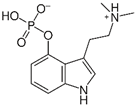 |
| DMT (Dimethyltryptamine) | A naturally occurring psychedelic, DMT induces intense, short-lived visionary experiences. | 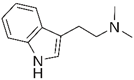 |
| MDMA (3,4-Methylenedioxymethamphetamine) | Known for its empathogenic effects, MDMA enhances social interaction and emotional connection. |  |
| Ibogaine | Derived from the root bark of the African Tabernanthe iboga plant, ibogaine is being studied for its potential to treat addiction and promote neuroplasticity. |  |
| Mescaline | Found in the peyote cactus, mescaline induces profound alterations in perception and cognition. |  |
| Salvinorin A | The active compound in Salvia divinorum, salvinorin A, is a potent kappa-opioid receptor agonist with dissociative effects. |  |
| 2C-B (4-Bromo-2,5-dimethoxyphenethylamine) | A synthetic psychedelic known for its effects on social behavior and anxiety. |  |
| Myristicin | A compound found in nutmeg, myristicin has psychoactive properties and potential therapeutic effects. |  |
| Compound | Primary Receptor Targets | Key Neurobiological Effect | Clinical Relevance |
|---|---|---|---|
| LSD | 5-HT2A, 5-HT1A, D1, D2 | Enhanced thalamocortical connectivity | Mood and perception modulation |
| Psilocybin | 5-HT2A, 5-HT1A, 5-HT2C | Promotion of “pivotal mental states” | Treatment-resistant depression |
| MDMA | 5-HT/DA release; Oxytocin | Increased social salience | PTSD; Social anxiety in ASD |
| DMT | 5-HT2A, Sigma-1 | Rapid synaptic remodeling | Short-acting neuroplasticity |
| Symptom Domain | Proposed Mechanism | Potential Benefit in ASD |
|---|---|---|
| Social Communication | Oxytocin release; 5-HT modulation | Improved empathy and social interaction |
| Rigid Behaviors | Increased psychological flexibility | Reduction in rigid behavioral patterns |
| Sensory Processing | Thalamocortical circuit adjustment | Reduced sensory over-stimulation/anxiety |
| Neuroplasticity | BDNF upregulation; Dendritic growth | Long-term functional brain adaptation |
| Psychedelic | Positive Social Effects | Negative Social Effects |
|---|---|---|
| LSD (Lysergic Acid Diethylamide) | Enhanced empathy, increased openness to social interactions, and improved social bonding | Potential for altered social perception, anxiety, and paranoia |
| Psilocybin | Enhanced emotional connection, increased empathy, improved social interaction, reduced social anxiety | Potential for anxiety, paranoia, and altered social perception |
| DMT (Dimethyltryptamine) | Enhanced empathy post-experience | Intense introspective experiences that may lead to social withdrawal during the experience |
| MDMA (3,4-Methylenedioxymethamphetamine) | Strongly enhances empathy and emotional connection, increases sociability, reduces social anxiety, promotes trust and closeness | Potential for emotional vulnerability, dependence, and post-use depression |
| Ibogaine | Improved social behavior through introspection and emotional processing, reduced social withdrawal | Intense introspective experiences that may be overwhelming, and potential for anxiety |
| Mescaline | Enhanced emotional connection, increased empathy, improved social interactions, and bonding | Potential for anxiety, paranoia, and altered social perception |
| Salvinorin A | Limited positive social effects due to its dissociative nature | Altered social perception, potential for anxiety and confusion |
| 2C-B (4-Bromo-2,5-dimethoxyphenethylamine) | Enhanced sociability, increased empathy, improved emotional connection, reduced social anxiety | Potential for anxiety, paranoia, and altered social perception |
| Myristicin | Enhanced emotional connection and sociability | Risk of anxiety, paranoia, and confusion at high doses |
Disclaimer/Publisher’s Note: The statements, opinions and data contained in all publications are solely those of the individual author(s) and contributor(s) and not of MDPI and/or the editor(s). MDPI and/or the editor(s) disclaim responsibility for any injury to people or property resulting from any ideas, methods, instructions or products referred to in the content. |
© 2026 by the authors. Licensee MDPI, Basel, Switzerland. This article is an open access article distributed under the terms and conditions of the Creative Commons Attribution (CC BY) license.
Share and Cite
Gondi, C.S.; Gnanamony, M.; Gondi, T.P.; Nersesyan, L.; Demirkhanyan, L. Psychedelics and Autism Therapy: A Review of Current Research and Future Directions. Curr. Issues Mol. Biol. 2026, 48, 417. https://doi.org/10.3390/cimb48040417
Gondi CS, Gnanamony M, Gondi TP, Nersesyan L, Demirkhanyan L. Psychedelics and Autism Therapy: A Review of Current Research and Future Directions. Current Issues in Molecular Biology. 2026; 48(4):417. https://doi.org/10.3390/cimb48040417
Chicago/Turabian StyleGondi, Christopher S., Manu Gnanamony, Tarun P. Gondi, Lilyt Nersesyan, and Lusine Demirkhanyan. 2026. "Psychedelics and Autism Therapy: A Review of Current Research and Future Directions" Current Issues in Molecular Biology 48, no. 4: 417. https://doi.org/10.3390/cimb48040417
APA StyleGondi, C. S., Gnanamony, M., Gondi, T. P., Nersesyan, L., & Demirkhanyan, L. (2026). Psychedelics and Autism Therapy: A Review of Current Research and Future Directions. Current Issues in Molecular Biology, 48(4), 417. https://doi.org/10.3390/cimb48040417