The Effect and Molecular Mechanism of Fto Gene Knockout on Cadmium-Induced Injury in Pancreatic β-Cells

 and
and
Abstract
1. Introduction
2. Materials and Methods
2.1. Cell Culture and Treatment
2.2. Cell Viability Assessed by CCK-8 Assay
2.3. Detection of Apoptosis by TUNEL Assay
2.4. Detection of ROS Levels Using Fluorescent Probes
2.5. Determination of MDA Levels and SOD Activity by Colorimetric Assay
2.6. Assessment of Cell Death by AO/EB Dual Staining
2.7. Measurement of LDH Release by Colorimetric Assay
2.8. Determination of 8-OHdG Levels by ELISA
2.9. Visualization of Endoplasmic Reticulum Morphology Using Fluorescent Probes
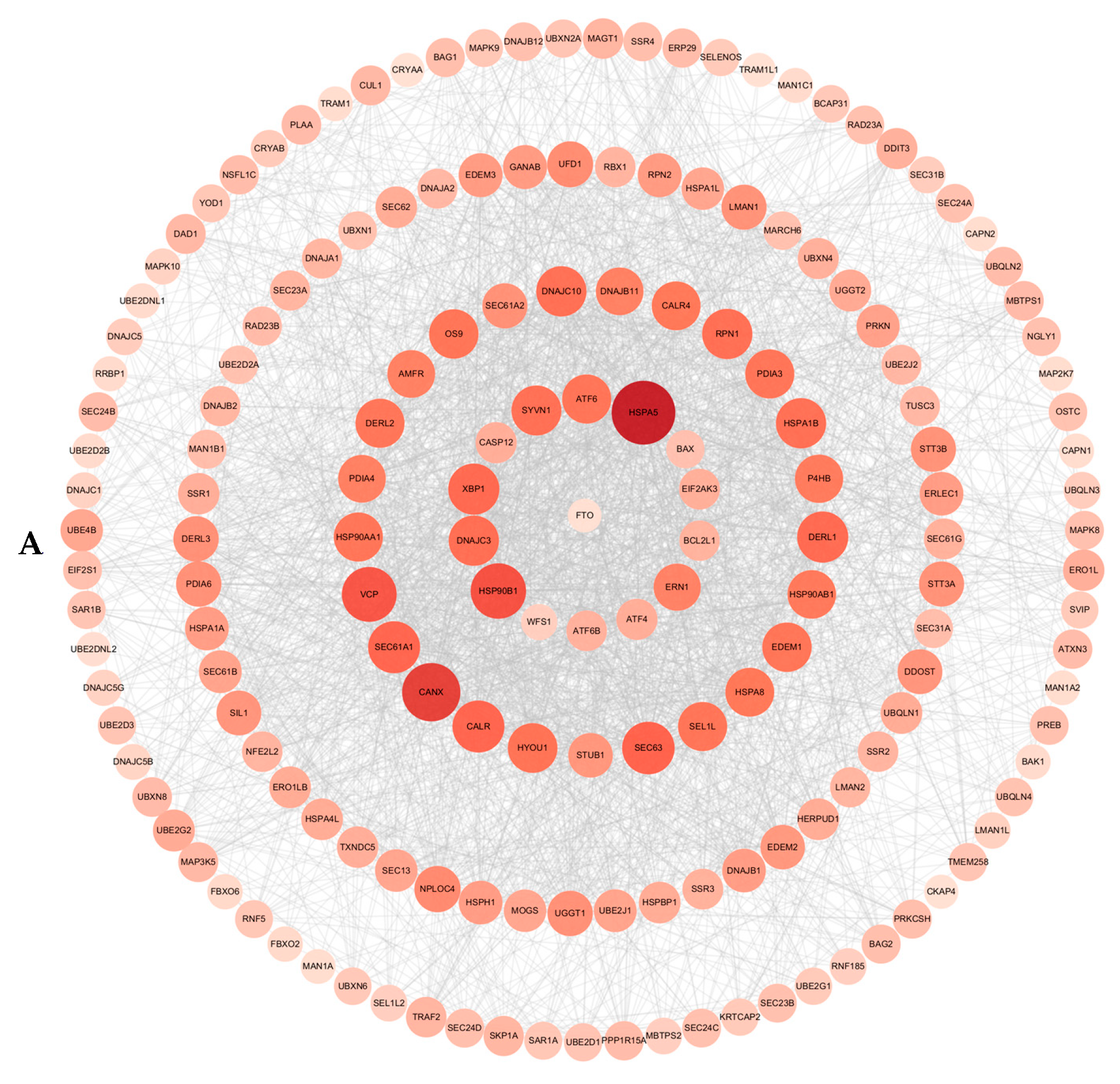
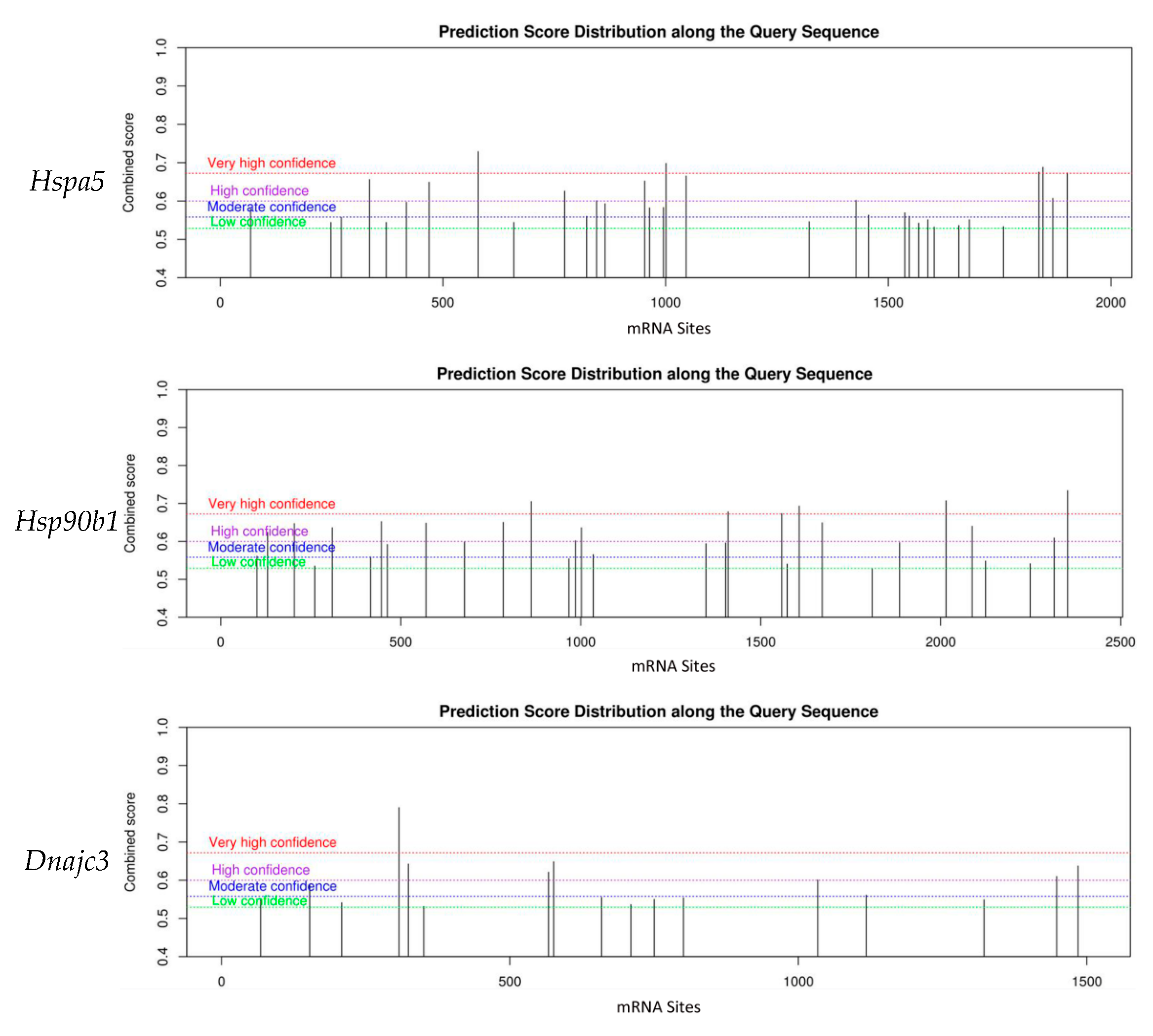
2.10. Bioinformatics Analysis for Predicting Protein–Protein Interaction and m6A Modification Sites
2.11. Statistical Analysis
3. Results
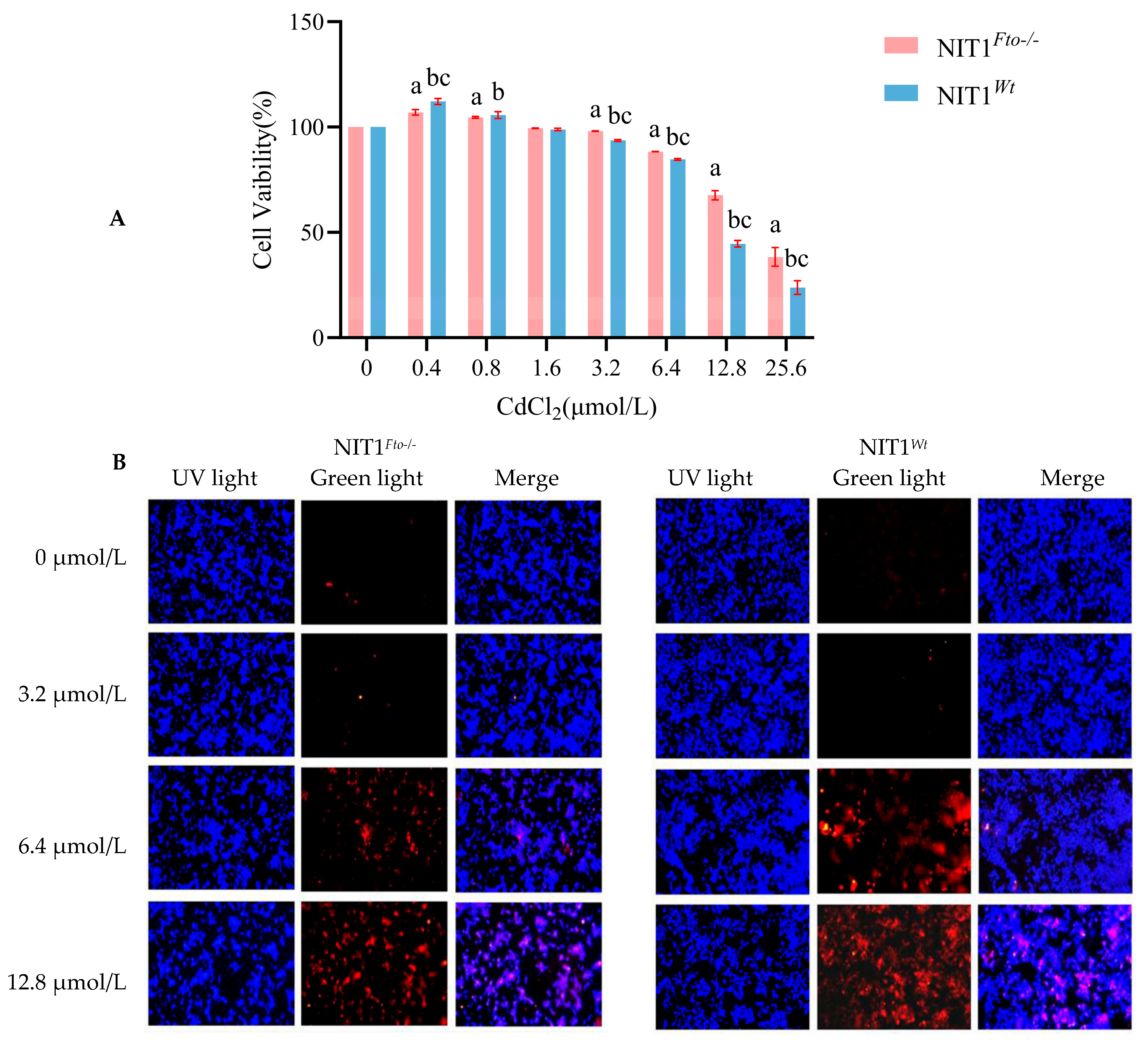
3.1. Effect of Cadmium on Cell Viability
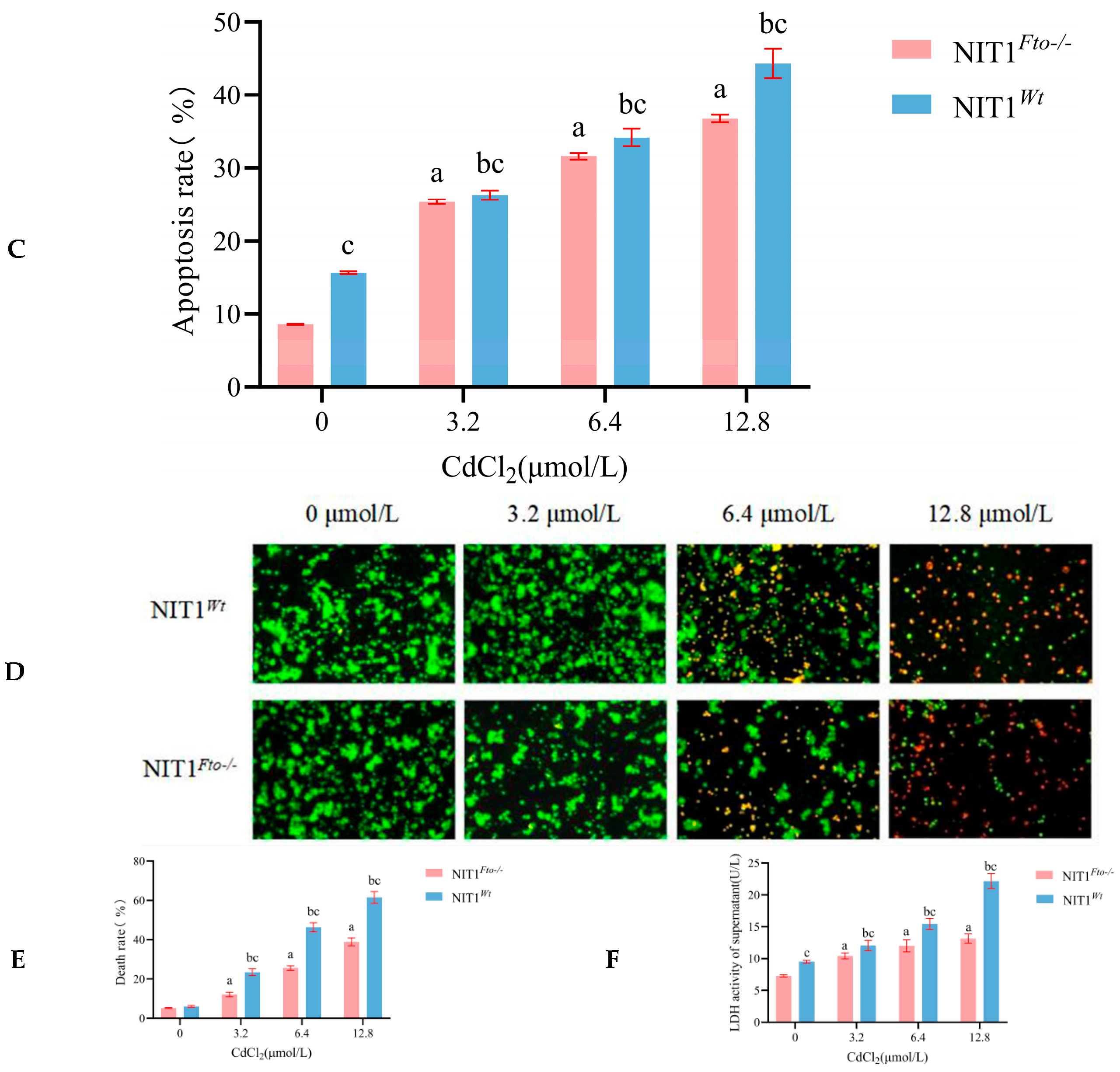
3.2. Effect of Cadmium on Cell Apoptosis
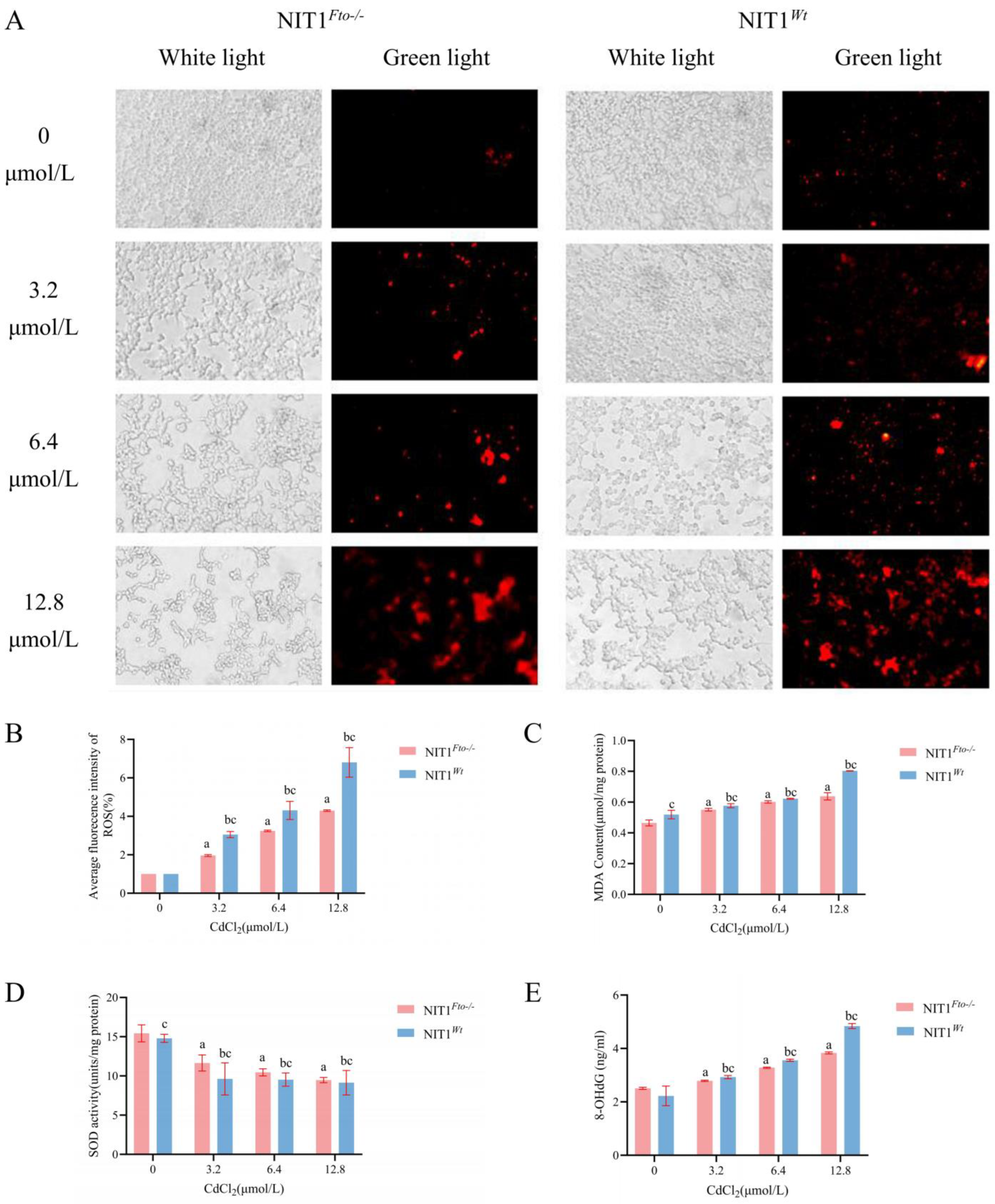
3.3. Effect of Cadmium on Cellular Oxidative Damage
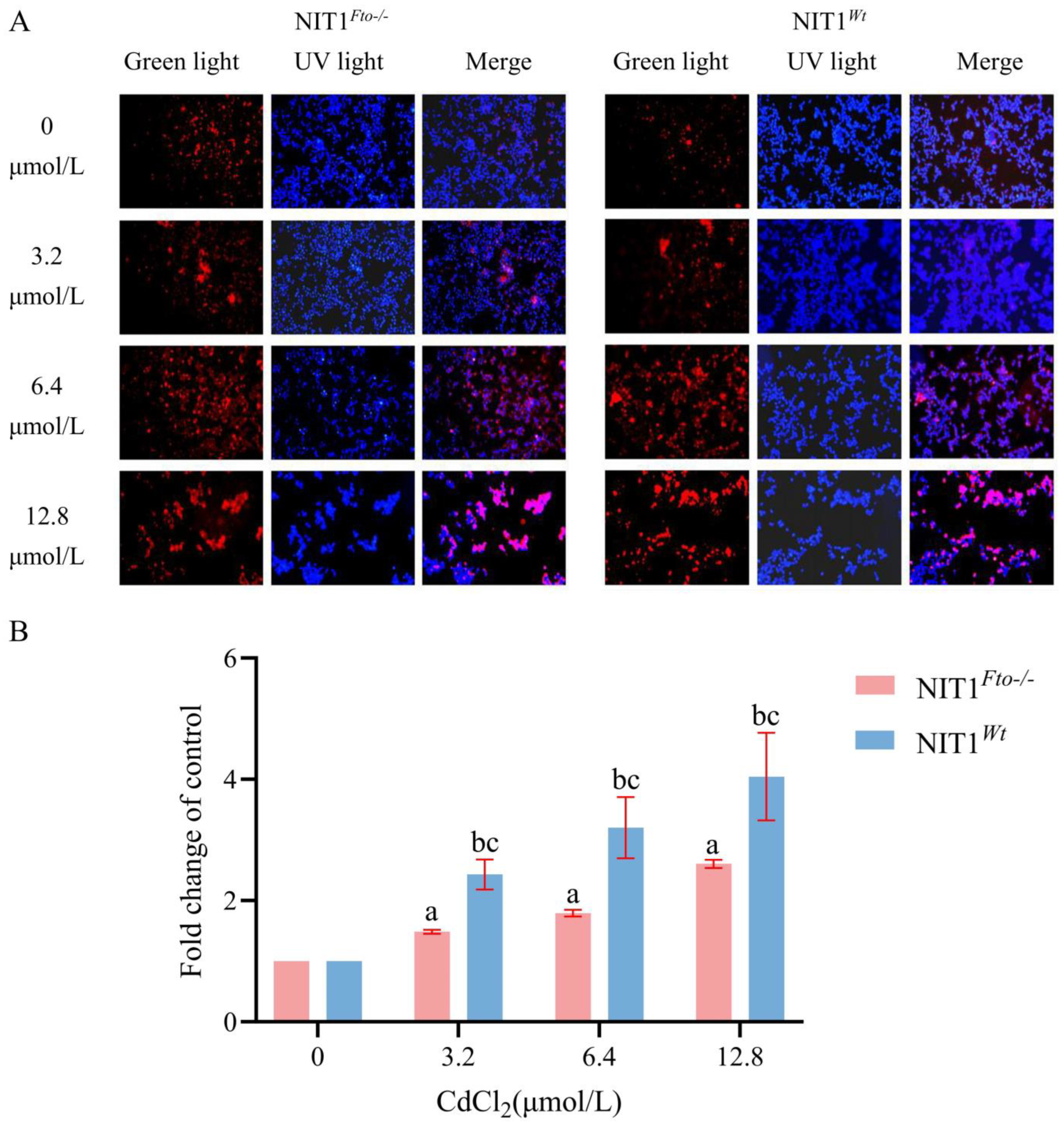
3.4. Effect of Cadmium on the Intracellular Endoplasmic Reticulum
3.5. Protein–Protein Interaction and m6A Modification Site Prediction
4. Discussion
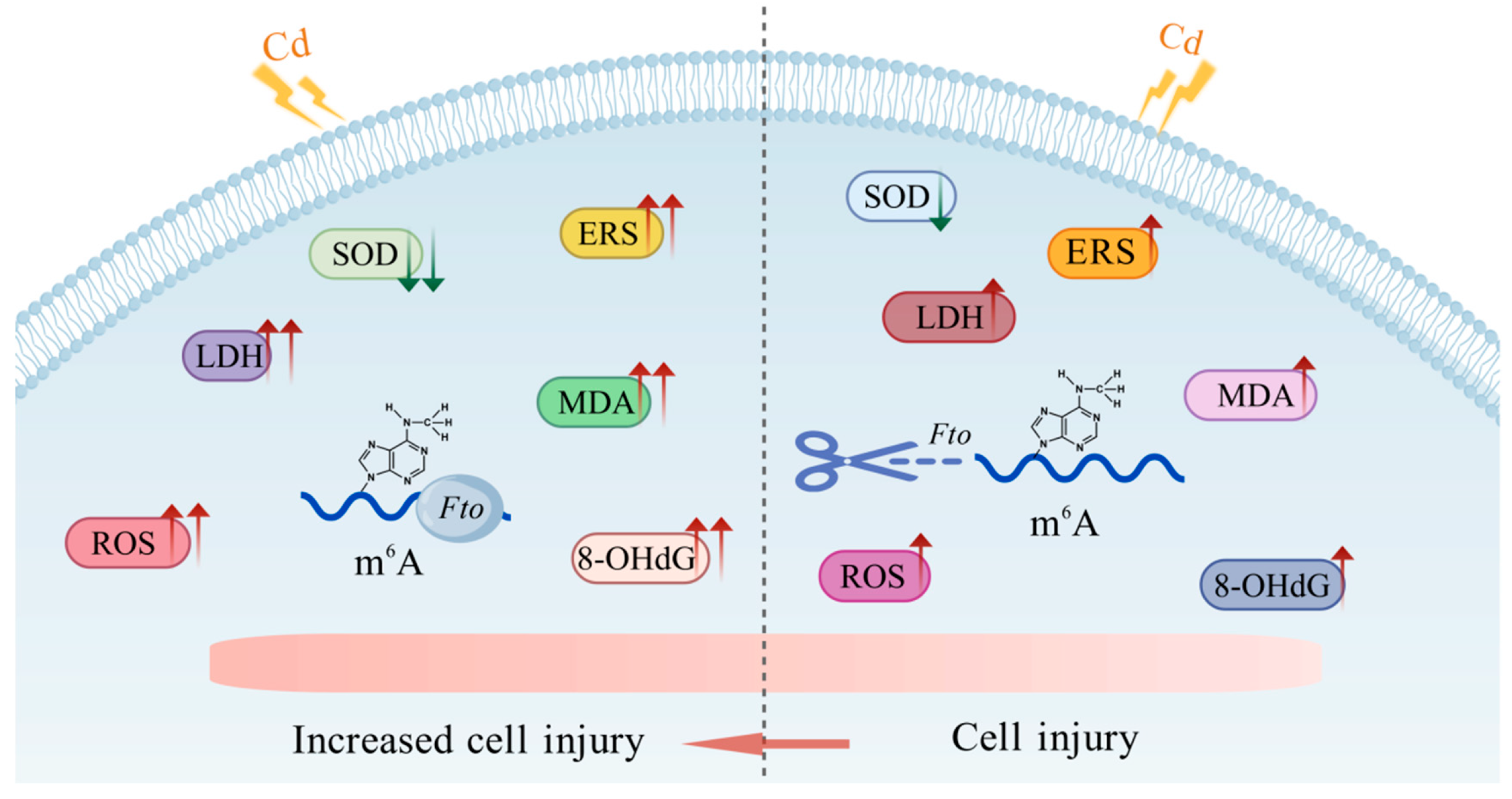
5. Conclusions

Author Contributions
Funding
Institutional Review Board Statement
Informed Consent Statement
Data Availability Statement
Conflicts of Interest
References
- Zhou, Y.; Zhang, J.; Lei, D.; Qin, Y.; Chen, Q.; Tang, N.; Tang, F.; Huang, S.; Lu, P.; Jiang, L.; et al. Association between heavy metal exposure and diabetic retinopathy related homeostatic dysregulation value in type 2 diabetic population: A cross-sectional study of NHANES 2003–2016. Ecotoxicol. Environ. Saf. 2025, 299, 118365. [Google Scholar] [CrossRef]
- Adokwe, J.B.; Pouyfung, P.; Kuraeiad, S.; Wongrith, P.; Inchai, P.; Yimthiang, S.; Satarug, S.; Khamphaya, T. Concurrent lead and cadmium exposure among diabetics: A case-control study of socio-demographic and consumption behaviors. Nutrients 2025, 17, 710. [Google Scholar] [CrossRef] [PubMed]
- Mou, Y.; Sun, Y.; Liu, G.; Zhang, N.; He, Z.; Gu, S. Screening of differentially expressed RNAs and identifying a ceRNA axis during cadmium-induced oxidative damage in pancreatic β cells. Sci. Rep. 2024, 14, 18962. [Google Scholar] [CrossRef] [PubMed]
- Liu, S.; Yao, S.; Yang, H.; Liu, S.; Wang, Y. Autophagy: Regulator of cell death. Cell Death Dis. 2023, 14, 648. [Google Scholar] [CrossRef]
- Long, D.; Mao, C.; Huang, Y.; Xu, Y.; Zhu, Y. Ferroptosis in ulcerative colitis: Potential mechanisms and promising therapeutic targets. Biomed. Pharmacother. 2024, 175, 116722. [Google Scholar] [CrossRef] [PubMed]
- Zhang, J.; Guo, J.; Yang, N.; Huang, Y.; Hu, T.; Rao, C. Endoplasmic reticulum stress-mediated cell death in liver injury. Cell Death Dis. 2022, 13, 1051. [Google Scholar] [CrossRef]
- Liang, F.G.; Zandkarimi, F.; Lee, J.; Axelrod, J.L.; Pekson, R.; Yoon, Y.; Stockwell, B.R.; Kitsis, R.N. OPA1 promotes ferroptosis by augmenting mitochondrial ROS and suppressing an integrated stress response. Mol. Cell 2024, 84, 3098–3114.e6. [Google Scholar] [CrossRef]
- Yin, W.; Xu, H.; Bai, Z.; Wu, Y.; Zhang, Y.; Liu, R.; Wang, Z.; Zhang, B.; Shen, J.; Zhang, H.; et al. Inhibited peroxidase activity of peroxiredoxin 1 by palmitic acid exacerbates nonalcoholic steatohepatitis in Male mice. Nat. Commun. 2025, 16, 598. [Google Scholar] [CrossRef]
- Yan, J.; Li, Z.; Liang, Y.; Yang, C.; Ou, W.; Mo, H.; Tang, M.; Chen, D.; Zhong, C.; Que, D.; et al. Fucoxanthin alleviated myocardial ischemia and reperfusion injury through inhibition of ferroptosis via the NRF2 signaling pathway. Food Funct. 2023, 14, 10052–10068. [Google Scholar] [CrossRef]
- Zhu, M.; Peng, L.; Huo, S.; Peng, D.; Gou, J.; Shi, W.; Tao, J.; Jiang, T.; Jiang, Y.; Wang, Q.; et al. STAT3 signaling promotes cardiac injury by upregulating NCOA4-mediated ferritinophagy and ferroptosis in high-fat-diet fed mice. Free Radic. Biol. Med. 2023, 201, 111–125. [Google Scholar] [CrossRef]
- Co, H.K.C.; Wu, C.-C.; Lee, Y.-C.; Chen, S.-H. Emergence of large-scale cell death through ferroptotic trigger waves. Nature 2024, 631, 654–662. [Google Scholar] [CrossRef] [PubMed]
- Zhang, H.; Ma, J.; Hou, C.; Luo, X.; Zhu, S.; Peng, Y.; Peng, C.; Li, P.; Meng, H.; Xia, Y.; et al. A ROS-mediated oxidation-O-GlcNAcylation cascade governs ferroptosis. Nat. Cell Biol. 2025, 27, 1288–1300. [Google Scholar] [CrossRef] [PubMed]
- Christianson, J.C.; Jarosch, E.; Sommer, T. Mechanisms of substrate processing during ER-associated protein degradation. Nat. Rev. Mol. Cell Biol. 2023, 24, 777–796. [Google Scholar] [CrossRef] [PubMed]
- Ma, M.; Dubey, R.; Jen, A.; Pusapati, G.V.; Singal, B.; Shishkova, E.; Overmyer, K.A.; Cormier-Daire, V.; Fedry, J.; Aravind, L.; et al. Regulated N-glycosylation controls chaperone function and receptor trafficking. Science 2024, 386, 667–672. [Google Scholar] [CrossRef]
- Hwang, S.-M.; Chang, S.; Rodriguez, P.C.; Cubillos-Ruiz, J.R. Endoplasmic reticulum stress responses in anticancer immunity. Nat. Rev. Cancer 2025, 25, 684–702. [Google Scholar] [CrossRef]
- Acosta-Alvear, D.; Harnoss, J.M.; Walter, P.; Ashkenazi, A. Homeostasis control in health and disease by the unfolded protein response. Nat. Rev. Mol. Cell Biol. 2025, 26, 193–212. [Google Scholar] [CrossRef]
- Liu, Y.; Yang, X.; Zhou, J.; Yang, H.; Yang, R.; Zhu, P.; Zhou, R.; Wu, T.; Gao, Y.; Ye, Z.; et al. OSGEP regulates islet β-cell function by modulating proinsulin translation and maintaining ER stress homeostasis in mice. Nat. Commun. 2024, 15, 10479. [Google Scholar] [CrossRef]
- Wong, F.; Li, A.; Omori, S.; Lach, R.S.; Nunez, J.; Ren, Y.; Brown, S.P.; Singhal, V.; Lyda, B.R.; Batjargal, T.; et al. Optogenetics-enabled discovery of integrated stress response modulators. Cell 2025, 188, 4950–4967.e22. [Google Scholar] [CrossRef]
- Wang, S.-F.; Tseng, L.-M.; Lee, H.-C. Role of mitochondrial alterations in human cancer progression and cancer immunity. J. Biomed. Sci. 2023, 30, 61. [Google Scholar] [CrossRef]
- Li, W.; Liu, J.; Yu, T.; Lu, F.; Miao, Q.; Meng, X.; Xiao, W.; Yang, H.; Zhang, X. ZDHHC9-mediated bip/GRP78 S-palmitoylation inhibits unfolded protein response and promotes bladder cancer progression. Cancer Lett. 2024, 598, 217118. [Google Scholar] [CrossRef]
- Chaudhary, M.R.; Chaudhary, S.; Sharma, Y.; Singh, T.A.; Mishra, A.K.; Sharma, S.; Mehdi, M.M. Aging, oxidative stress and degenerative diseases: Mechanisms, complications and emerging therapeutic strategies. Biogerontology 2023, 24, 609–662. [Google Scholar] [CrossRef] [PubMed]
- Wang, Z.; Tan, C.; Duan, C.; Wu, J.; Zhou, D.; Hou, L.; Qian, W.; Han, C.; Hou, X. FUT2-dependent fucosylation of HYOU1 protects intestinal stem cells against inflammatory injury by regulating unfolded protein response. Redox Biol. 2023, 60, 102618. [Google Scholar] [CrossRef] [PubMed]
- Zhang, S.X.; Wang, J.J.; Starr, C.R.; Lee, E.-J.; Park, K.S.; Zhylkibayev, A.; Medina, A.; Lin, J.H.; Gorbatyuk, M. The endoplasmic reticulum: Homeostasis and crosstalk in retinal health and disease. Prog. Retin. Eye Res. 2024, 98, 101231. [Google Scholar] [CrossRef] [PubMed]
- Morris, H.E.; Neves, K.B.; Nilsen, M.; Montezano, A.C.; MacLean, M.R.; Touyz, R.M. Notch3/Hes5 induces vascular dysfunction in hypoxia-induced pulmonary hypertension through ER stress and redox-sensitive pathways. Hypertension 2023, 80, 1683–1696. [Google Scholar] [CrossRef]
- Camargo, L.L.; Wang, Y.; Rios, F.J.; McBride, M.; Montezano, A.C.; Touyz, R.M. Oxidative stress and endoplasmic reticular stress interplay in the vasculopathy of hypertension. Can. J. Cardiol. 2023, 39, 1874–1887. [Google Scholar] [CrossRef]
- Jiang, R.-Q.; Li, Q.-Q.; Sheng, R. Mitochondria associated ER membranes and cerebral ischemia: Molecular mechanisms and therapeutic strategies. Pharmacol. Res. 2023, 191, 106761. [Google Scholar] [CrossRef]
- Zhang, C.; Lan, X.; Wang, Q.; Zheng, Y.; Cheng, J.; Han, J.; Li, C.; Cheng, F.; Wang, X. Decoding ischemic stroke: Perspectives on the endoplasmic reticulum, mitochondria, and their crosstalk. Redox Biol. 2025, 82, 103622. [Google Scholar] [CrossRef]
- Lanzillotta, C.; Tramutola, A.; Lanzillotta, S.; Greco, V.; Pagnotta, S.; Sanchini, C.; Di Angelantonio, S.; Forte, E.; Rinaldo, S.; Paone, A.; et al. Biliverdin reductase-a integrates insulin signaling with mitochondrial metabolism through phosphorylation of GSK3β. Redox Biol. 2024, 73, 103221. [Google Scholar] [CrossRef]
- Lei, C.; Lv, Z.; Ran, Q.; Jiang, F.; Zhang, M. Homocysteine and diabetic retinopathy. Exp. Eye Res. 2026, 262, 110729. [Google Scholar] [CrossRef]
- Zhao, J.; Duan, L.; Li, J.; Yao, C.; Wang, G.; Mi, J.; Yu, Y.; Ding, L.; Zhao, Y.; Yan, G.; et al. New insights into the interplay between autophagy, gut microbiota and insulin resistance in metabolic syndrome. Biomed. Pharmacother. 2024, 176, 116807. [Google Scholar] [CrossRef]
- Gancheva, S.; Roden, M.; Castera, L. Diabetes as a risk factor for MASH progression. Diabetes Res. Clin. Pract. 2024, 217, 111846. [Google Scholar] [CrossRef] [PubMed]
- Zhang, T.; Sun, S.; Gavrilović, A.; Li, D.; Tang, R. Selenium alleviates cadmium-induced oxidative stress, endoplasmic reticulum stress, and apoptosis in L8824 cells. Ecotoxicol. Environ. Saf. 2023, 262, 115337. [Google Scholar] [CrossRef] [PubMed]
- Huang, Z.; Xu, R.; Wan, Z.; Liu, C.; Li, J.; He, J.; Li, L. Melatonin protects against cadmium-induced endoplasmic reticulum stress and ferroptosis through activating Nrf2/HO-1 signaling pathway in mice lung. Food Chem. Toxicol. 2025, 198, 115324. [Google Scholar] [CrossRef] [PubMed]
- Shi, Y.; Yan, B.; Huang, R.; Yu, W.; Xu, B.; Mao, J.; Liu, Z.; Wang, J. Quercetin alleviated cadmium-induced oxidative stress, endoplasmic reticulum stress, and autophagy in chicken kidneys. Environ. Pollut. 2025, 385, 127058. [Google Scholar] [CrossRef]
- Huang, D.; Qiu, M.; Luo, K.; Zhu, Y.; Zhang, S.; He, Z.; Hu, X.; Cao, Z. Puerarin prevents cadmium-induced endoplasmic reticulum stress via SIRT1-dependent PERK-CHOP pathway in HepG2 cells. Acta Biochim. Biophys. Sin. 2025, 57, 1304–1311. [Google Scholar] [CrossRef]
- Jomova, K.; Alomar, S.Y.; Nepovimova, E.; Kuca, K.; Valko, M. Heavy metals: Toxicity and human health effects. Arch. Toxicol. 2025, 99, 153–209. [Google Scholar] [CrossRef]
- Arruebarrena, M.A.; Hawe, C.T.; Lee, Y.M.; Branco, R.C. Mechanisms of cadmium neurotoxicity. Int. J. Mol. Sci. 2023, 24, 16558. [Google Scholar] [CrossRef]
- Rezaei, K.; Mastali, G.; Abbasgholinejad, E.; Bafrani, M.A.; Shahmohammadi, A.; Sadri, Z.; Zahed, M.A. Cadmium neurotoxicity: Insights into behavioral effect and neurodegenerative diseases. Chemosphere 2024, 364, 143180. [Google Scholar] [CrossRef]
- Mishra, S.; Paul, R.; Rani, V.; Ghosh, D.K.; Jain, B.P. Cadmium toxicity on endoplasmic reticulum functioning. Int. J. Biochem. Mol. Biol. 2024, 15, 107–117. [Google Scholar] [CrossRef]
- Cao, Z.; Tang, C.; Huang, D.; Zeng, W.; Han, C.; Li, Z.; Hu, X. ROS-mediated PERK-CHOP pathway plays an important role in cadmium-induced HepG2 cells apoptosis. Environ. Toxicol. 2023, 38, 2271–2280. [Google Scholar]
- Zhang, L.; Zhang, J.; Zhou, Y.; Xia, Q.; Xie, J.; Zhu, B.; Wang, Y.; Yang, Z.; Li, J. Azoramide ameliorates cadmium-induced cytotoxicity by inhibiting endoplasmic reticulum stress and suppressing oxidative stress. PeerJ 2024, 12, e16844. [Google Scholar] [CrossRef] [PubMed]
- Wang, J.; Deng, X.; Jian, T.; Yin, S.; Chen, L.; Vergnes, L.; Li, Z.; Liu, H.; Lee, R.; Lim, S.Y.; et al. DNA methyltransferase 1 modulates mitochondrial function through bridging m5C RNA methylation. Mol. Cell 2025, 85, 1999–2016.e11. [Google Scholar] [CrossRef] [PubMed]
- Ponzetti, M.; Rucci, N.; Falone, S. RNA methylation and cellular response to oxidative stress-promoting anticancer agents. Cell Cycle 2023, 22, 870–905. [Google Scholar] [CrossRef] [PubMed]
- Chen, X.; Wang, Y.; Wang, J.-N.; Zhang, Y.-C.; Zhang, Y.-R.; Sun, R.-X.; Qin, B.; Dai, Y.-X.; Zhu, H.-J.; Zhao, J.-X.; et al. Lactylation-driven FTO targets CDK2 to aggravate microvascular anomalies in diabetic retinopathy. EMBO Mol. Med. 2024, 16, 294–318, Erratum in EMBO Mol. Med. 2025, 17, 1495–1498. [Google Scholar] [CrossRef]
- Cheng, Q.; Zhou, L.; Fan, X.; Ma, M.; Zhang, C.; Zha, X.; Zhang, Y. FTO-mediated Nrf2 demethylation alleviates high glucose-induced oxidative stress and apoptosis in retinal pigment epithelial cells. Mol. Biol. Rep. 2025, 52, 289. [Google Scholar] [CrossRef]
- Gao, X.; Jia, S.; Gao, L.; Chen, S.; Zhang, Y.; Liang, X.; Zhang, L.; Zhang, B.; Meng, C. MSC-derived exosomes alleviate oxidative stress-induced lysosomal membrane permeabilization damage in degenerated nucleus pulposus cells via promoting m6A demethylation of Nrf2. Free Radic. Biol. Med. 2025, 235, 213–230. [Google Scholar] [CrossRef]
- Peng, Q.; Wang, S.; Huang, S.; Deng, Y.; Li, Z.; Liu, C.; Hong, Y.; Duan, R.; Xue, X.; Ge, P. FTO/miR-503-5p/USP10 axis regulates neuronal endoplasmic reticulum stress-mediated apoptosis in ischemic stroke. Int. Immunopharmacol. 2025, 149, 114150. [Google Scholar] [CrossRef]
- Lim, A.; Zhou, J.; Sinha, R.A.; Singh, B.K.; Ghosh, S.; Lim, K.-H.; Chow, P.K.-H.; Woon, E.C.Y.; Yen, P.M. Hepatic FTO expression is increased in NASH and its silencing attenuates palmitic acid-induced lipotoxicity. Biochem. Biophys. Res. Commun. 2016, 479, 476–481. [Google Scholar] [CrossRef]
- Li, W.; Yang, J.; Zhao, Y.; Zhang, N.; Zhao, B.; Li, R.; Gu, S.; He, Z. Cadmium treatment induces oxidative damage and apoptosis in vitro skeletal muscle cells. Toxicology 2025, 515, 154139. [Google Scholar] [CrossRef]
- Wang, J.; Ding, L.; Wang, K.; Huang, R.; Yu, W.; Yan, B.; Wang, H.; Zhang, C.; Yang, Z.; Liu, Z. Role of endoplasmic reticulum stress in cadmium-induced hepatocyte apoptosis and the protective effect of quercetin. Ecotoxicol. Environ. Saf. 2022, 241, 113772. [Google Scholar] [CrossRef]
- Chang, K.; Hong, F.; Liu, H.; Fang, Y.; Wang, H.; Song, N.; Ning, Y.; Lu, Z.; Jin, S.; Dai, Y.; et al. FTO aggravates podocyte injury and diabetic nephropathy progression via m6A-dependent stabilization of ACC1 mRNA and promoting fatty acid metabolism. Biochem. Pharmacol. 2025, 235, 116819. [Google Scholar] [CrossRef] [PubMed]
- Spoto, B.; Politi, C.; Pizzini, P.; Parlongo, R.M.; Testa, A.; Mobrici, M.; Tripepi, G.L.; Mallamaci, F.; Zoccali, C. 8-hydroxy-2′-deoxyguanosine, a biomarker of oxidative DNA injury, in diabetic kidney disease. Nutr. Metab. Cardiovasc. Dis. 2025, 35, 103722. [Google Scholar] [CrossRef] [PubMed]
- Xie, H.; Shi, Y.; Zhou, Y.; Liu, H. TMBIM6 promotes diabetic tubular epithelial cell survival and albumin endocytosis by inhibiting the endoplasmic reticulum stress sensor, IRE1α. Mol. Biol. Rep. 2022, 49, 9181–9194. [Google Scholar] [CrossRef] [PubMed]
- Liu, J.; Chen, K.; Tang, M.; Mu, Q.; Zhang, S.; Li, J.; Liao, J.; Jiang, X.; Wang, C. Oxidative stress and inflammation mediate the adverse effects of cadmium exposure on all-cause and cause-specific mortality in patients with diabetes and prediabetes. Cardiovasc. Diabetol. 2025, 24, 145. [Google Scholar] [CrossRef]
- Yu, J.; Wang, C.; Liu, Y.; Tao, T.; Yang, L.; Liu, R.; Liang, D.; Zhang, Y.; He, Z.; Sun, Y. A comparative study of urinary levels of multiple metals and neurotransmitter correlations between GDM and T2DM populations. J. Trace Elem. Med. Biol. 2024, 84, 127447. [Google Scholar] [CrossRef]
- García-Aguilar, A.; Guillén, C. Targeting pancreatic beta cell death in type 2 diabetes by polyphenols. Front. Endocrinol. 2022, 13, 1052317. [Google Scholar] [CrossRef]
- Sun, Y.; Liu, G.; Li, M.; Wang, L.; He, Z.; Gu, S. Study on the correlation between regulatory proteins of N6-methyladenosine and oxidative damage in cadmium-induced renal injury. Biol. Trace Elem. Res. 2023, 201, 2294–2302. [Google Scholar] [CrossRef]
- Zhang, N.; Zhao, Y.; Yang, J.; Sun, Y.; Li, R.; He, Z.; Gu, S. N6-methyladenosine mediated-NRF2 signaling pathway attenuates cadmium cytotoxicity by inhibiting oxidative damage in bronchial epithelial cells. Toxicol. Lett. 2025, 403, 144–158. [Google Scholar] [CrossRef]
- Shao, Y.; Zhang, Y.; Zou, S.; Wang, J.; Li, X.; Qin, M.; Sun, L.; Yin, W.; Chang, X.; Wang, S.; et al. (−)-epigallocatechin 3-gallate protects pancreatic β-cell against excessive autophagy-induced injury through promoting FTO degradation. Autophagy 2024, 20, 2460–2477. [Google Scholar] [CrossRef]
- Le, Q.G.; Ishiwata-Kimata, Y.; Kohno, K.; Kimata, Y. Cadmium impairs protein folding in the endoplasmic reticulum and induces the unfolded protein response. FEMS Yeast Res. 2016, 16, fow049. [Google Scholar] [CrossRef]
- Li, J.-Y.; Cui, D.-L.; Xie, Y.-M.; Su, J.-Z.; Zhang, M.-Y.; Niu, Y.-Y.; Xiang, P. Mechanisms of cd-induced cytotoxicity in normal human skin keratinocytes: Implication for human health. Int. J. Mol. Sci. 2022, 23, 11767. [Google Scholar] [CrossRef]
- Sun, Y.; Li, R.; Li, W.; Zhang, N.; Liu, G.; Zhao, B.; Mei, Z.; Gu, S.; He, Z. Roles of m6A modification in regulating PPER pathway in cadmium-induced pancreatic β cell death. Ecotoxicol. Environ. Saf. 2024, 282, 116672. [Google Scholar] [CrossRef]
- Jiang, S.; Li, H.; Zhang, L.; Mu, W.; Zhang, Y.; Chen, T.; Wu, J.; Tang, H.; Zheng, S.; Liu, Y.; et al. Generic Diagramming Platform (GDP): A comprehensive database of high-quality biomedical graphics. Nucleic Acids Res. 2025, 53, D1670–D1676. [Google Scholar] [CrossRef]


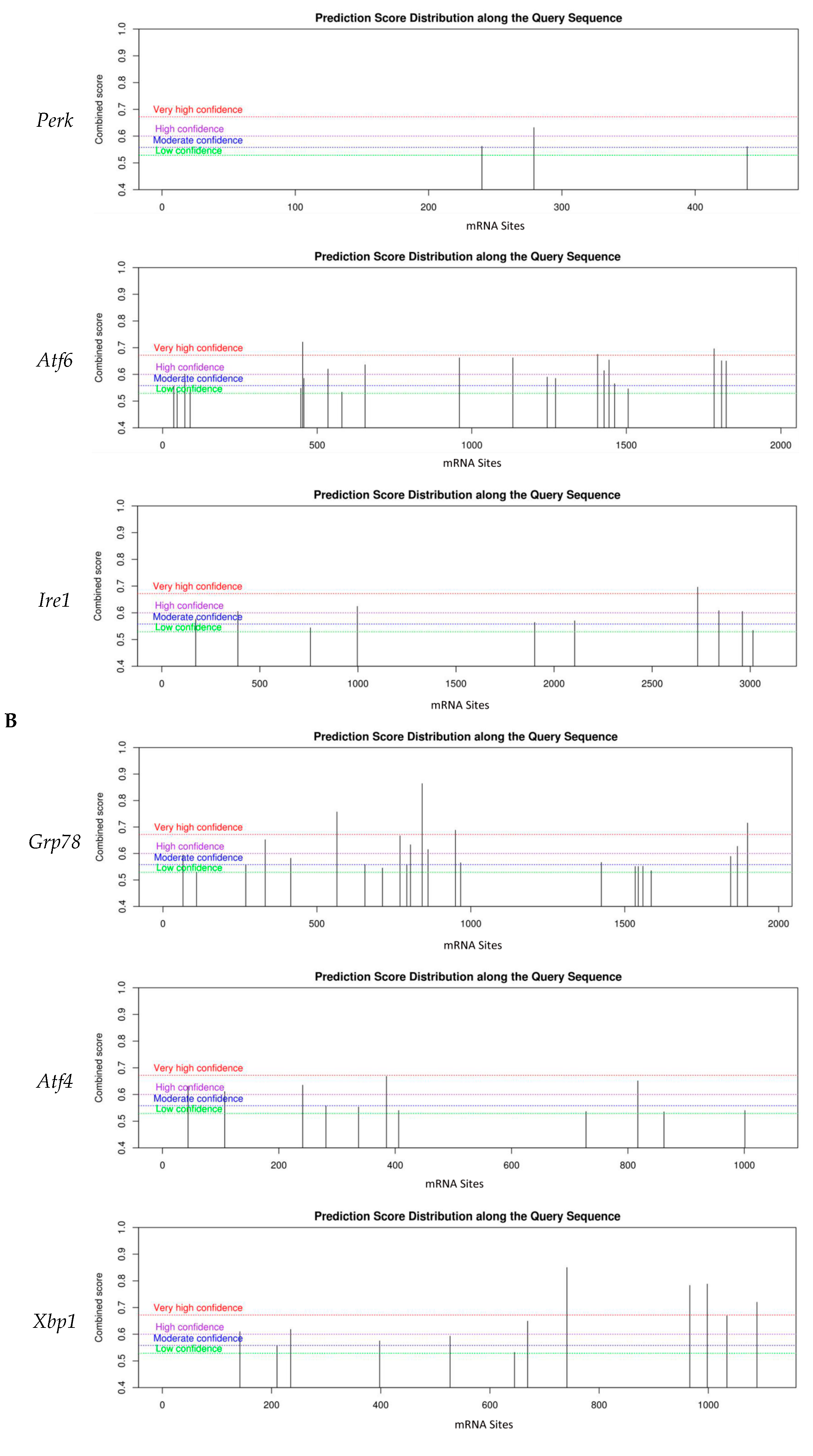


| Gene Name | Alternative Name (s) | Very-High-Confidence Sites (nt) | High-Confidence Sites (nt) |
|---|---|---|---|
| Hspa5 | Grp78/BiP | 579, 1001, 1838, 1847, 1902 | 335, 469, 773, 845, 953, 1046, 1427, 1869 |
| Hsp90b1 | Grp94 | 862, 1409, 1559, 1607, 2015, 2353 | 130, 204, 309, 446, 570 |
| Xbp1 | - | 741, 966, 998, 1089 | 142, 235, 669, 1034 |
| Atf6 | - | 453, 1407, 1784 | 72, 535, 655, 960, 1133, 1428, 1444, 1808, 1823 |
| Dnajc3 | P58ipk | 308 | 324, 567, 576, 1034, 1448, 1485 |
| Eif2ak3 | Perk | - | 279 |
| Ern1 | Ire1 | 2732 | 388, 997, 2480, 2960 |
| Atf4 | - | - | 44, 107, 241, 385, 817 |
Disclaimer/Publisher’s Note: The statements, opinions and data contained in all publications are solely those of the individual author(s) and contributor(s) and not of MDPI and/or the editor(s). MDPI and/or the editor(s) disclaim responsibility for any injury to people or property resulting from any ideas, methods, instructions or products referred to in the content. |
© 2026 by the authors. Licensee MDPI, Basel, Switzerland. This article is an open access article distributed under the terms and conditions of the Creative Commons Attribution (CC BY) license.
Share and Cite
Yang, S.; Li, W.; Ma, S.; Xu, N.; Shen, K.; Yuan, J.; Hu, Y.; Gu, S.; He, Z. The Effect and Molecular Mechanism of Fto Gene Knockout on Cadmium-Induced Injury in Pancreatic β-Cells. Curr. Issues Mol. Biol. 2026, 48, 397. https://doi.org/10.3390/cimb48040397
Yang S, Li W, Ma S, Xu N, Shen K, Yuan J, Hu Y, Gu S, He Z. The Effect and Molecular Mechanism of Fto Gene Knockout on Cadmium-Induced Injury in Pancreatic β-Cells. Current Issues in Molecular Biology. 2026; 48(4):397. https://doi.org/10.3390/cimb48040397
Chicago/Turabian StyleYang, Sina, Wenhong Li, Shunrong Ma, Ning Xu, Kaiyan Shen, Jiamin Yuan, Yanying Hu, Shiyan Gu, and Zuoshun He. 2026. "The Effect and Molecular Mechanism of Fto Gene Knockout on Cadmium-Induced Injury in Pancreatic β-Cells" Current Issues in Molecular Biology 48, no. 4: 397. https://doi.org/10.3390/cimb48040397
APA StyleYang, S., Li, W., Ma, S., Xu, N., Shen, K., Yuan, J., Hu, Y., Gu, S., & He, Z. (2026). The Effect and Molecular Mechanism of Fto Gene Knockout on Cadmium-Induced Injury in Pancreatic β-Cells. Current Issues in Molecular Biology, 48(4), 397. https://doi.org/10.3390/cimb48040397