Inflammation-Linked Muscle Atrophy in Limb Girdle Muscular Dystrophy R1 (LGMDR1): Insights into Disease Mechanisms

Abstract
1. Introduction
2. Materials and Methods
2.1. RNA Isolation, cDNA Synthesis, and Quantitative Real-Time PCR from Muscle Biopsy of LGMDR1 Patients
2.2. Western Blotting from Muscle Biopsy of LGMDR1 Patients
2.3. Enzyme-Linked Immunosorbent Assay (ELISA) from Serum Samples of LGMDR1 Patients
2.4. Statistical Analysis
3. Results
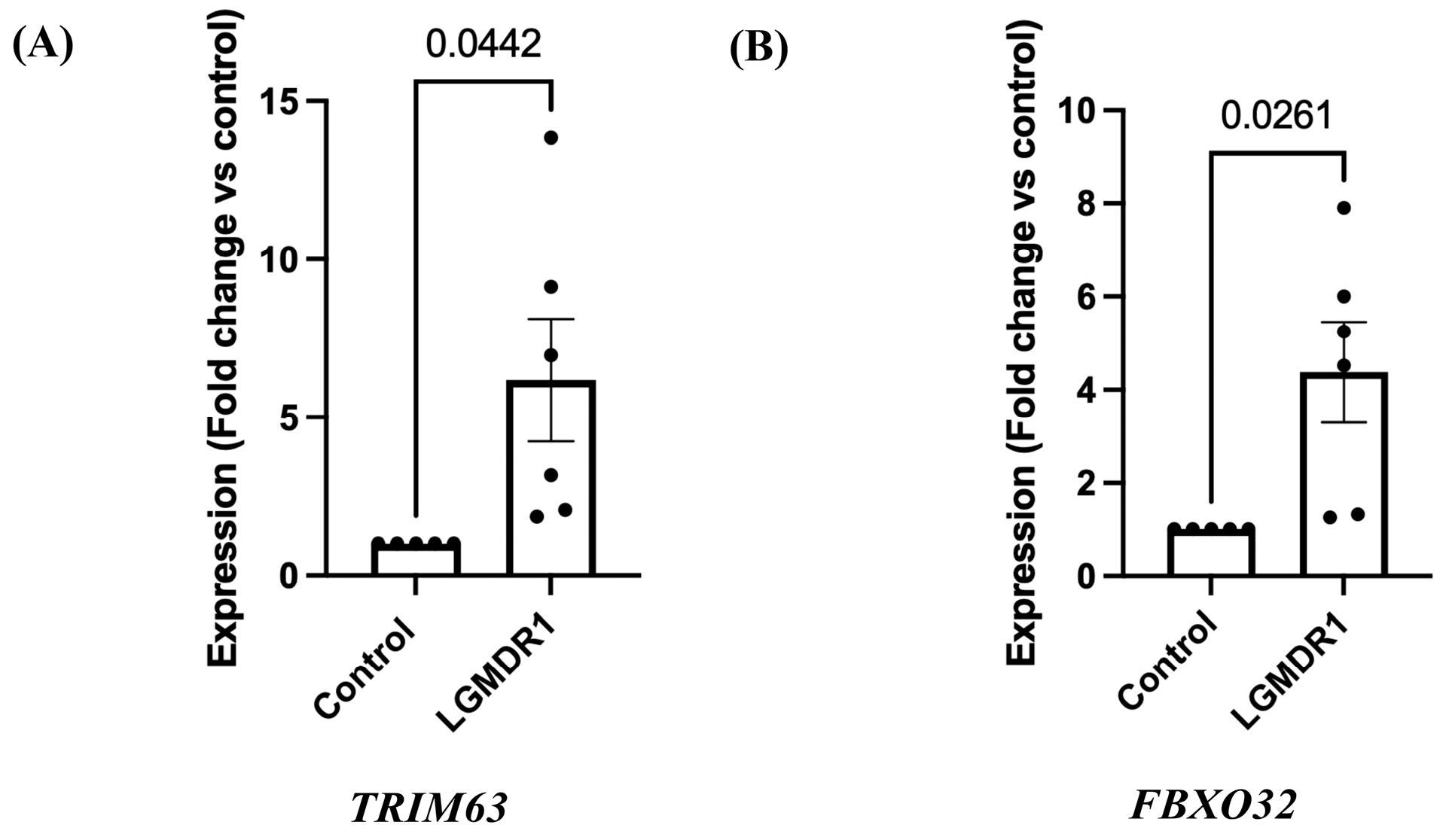
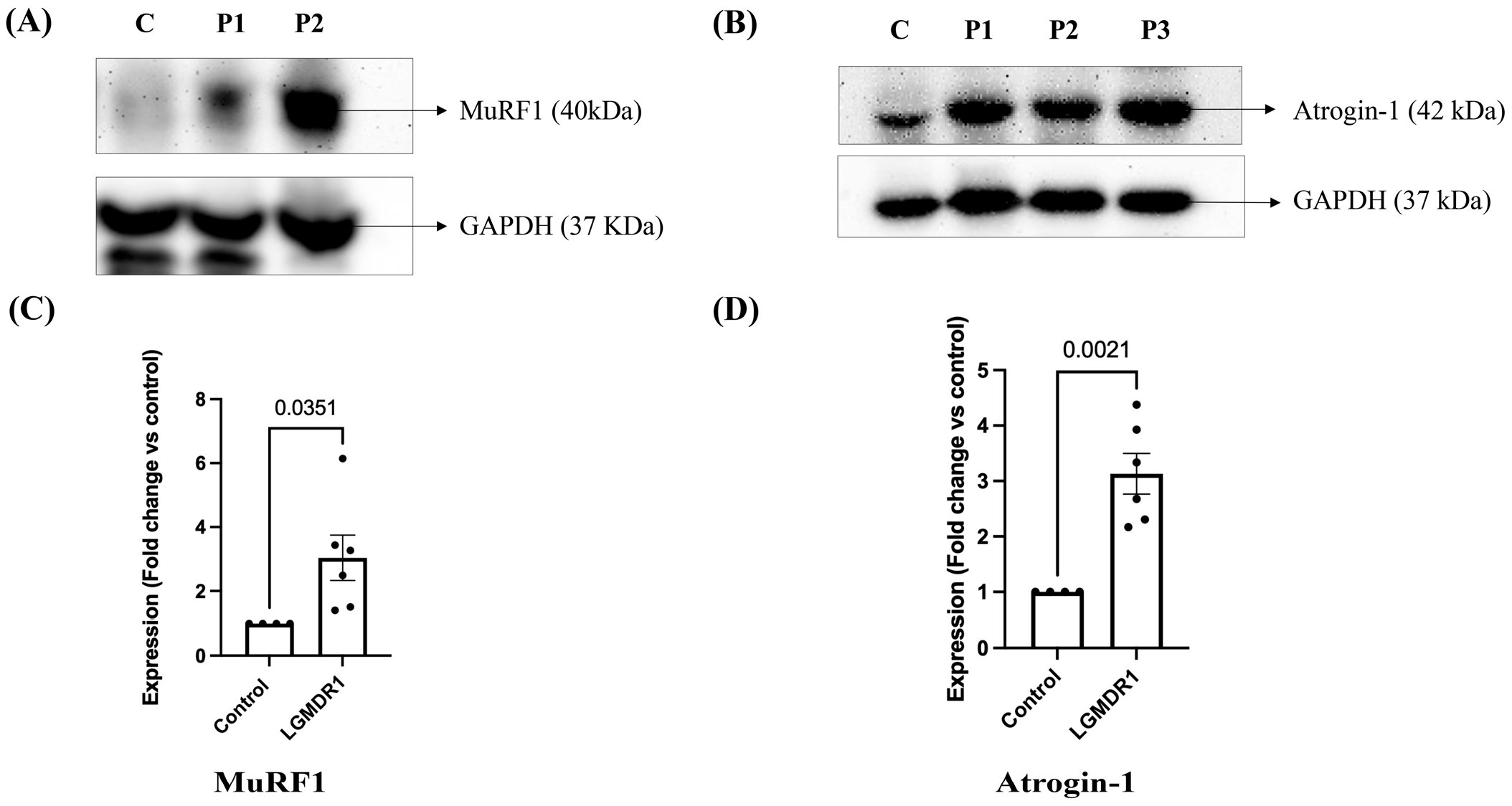
3.1. Expression of MuRF1 and Atrogin-1 by qRT-PCR and Western Blotting from Muscle Biopsy of Calpainopathy Patients
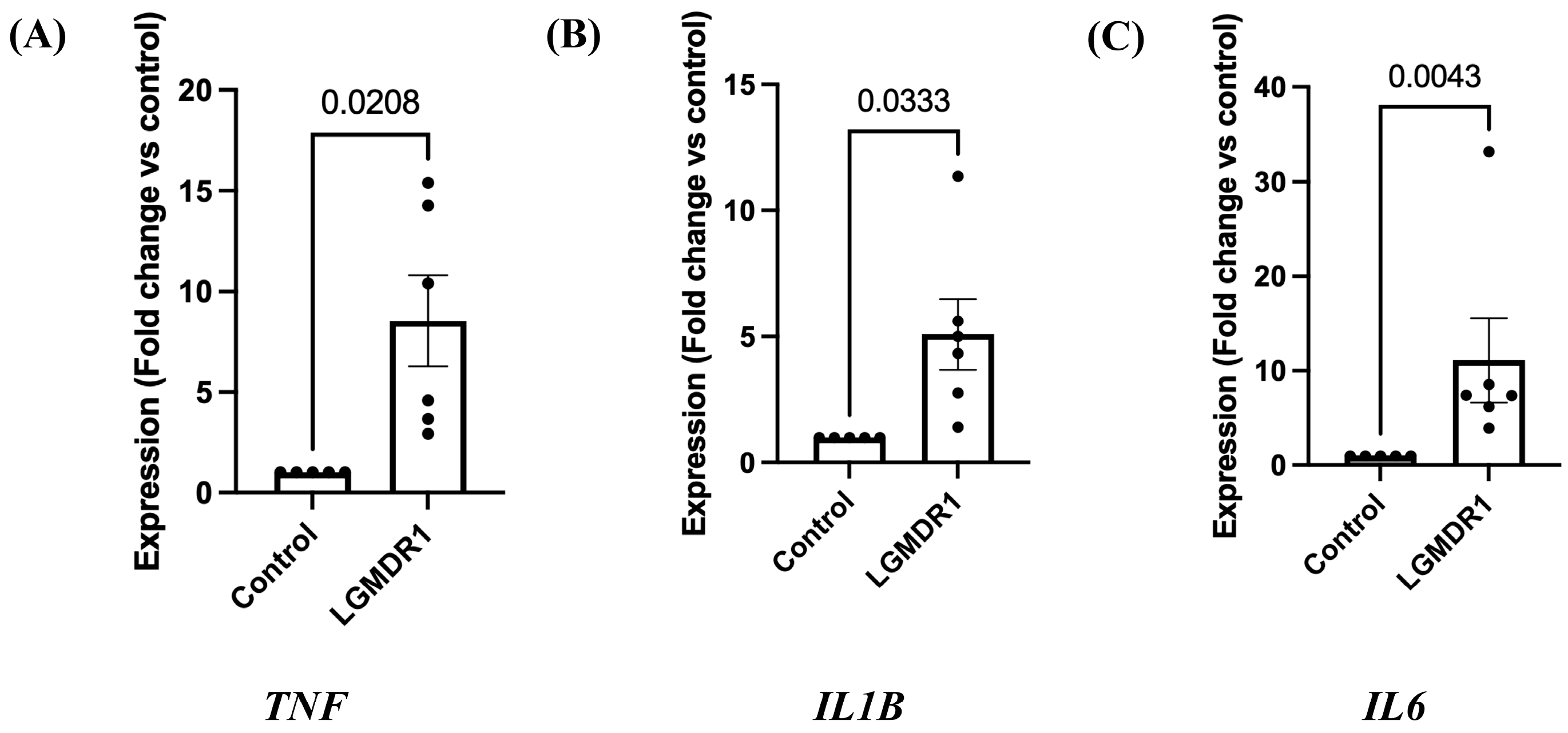
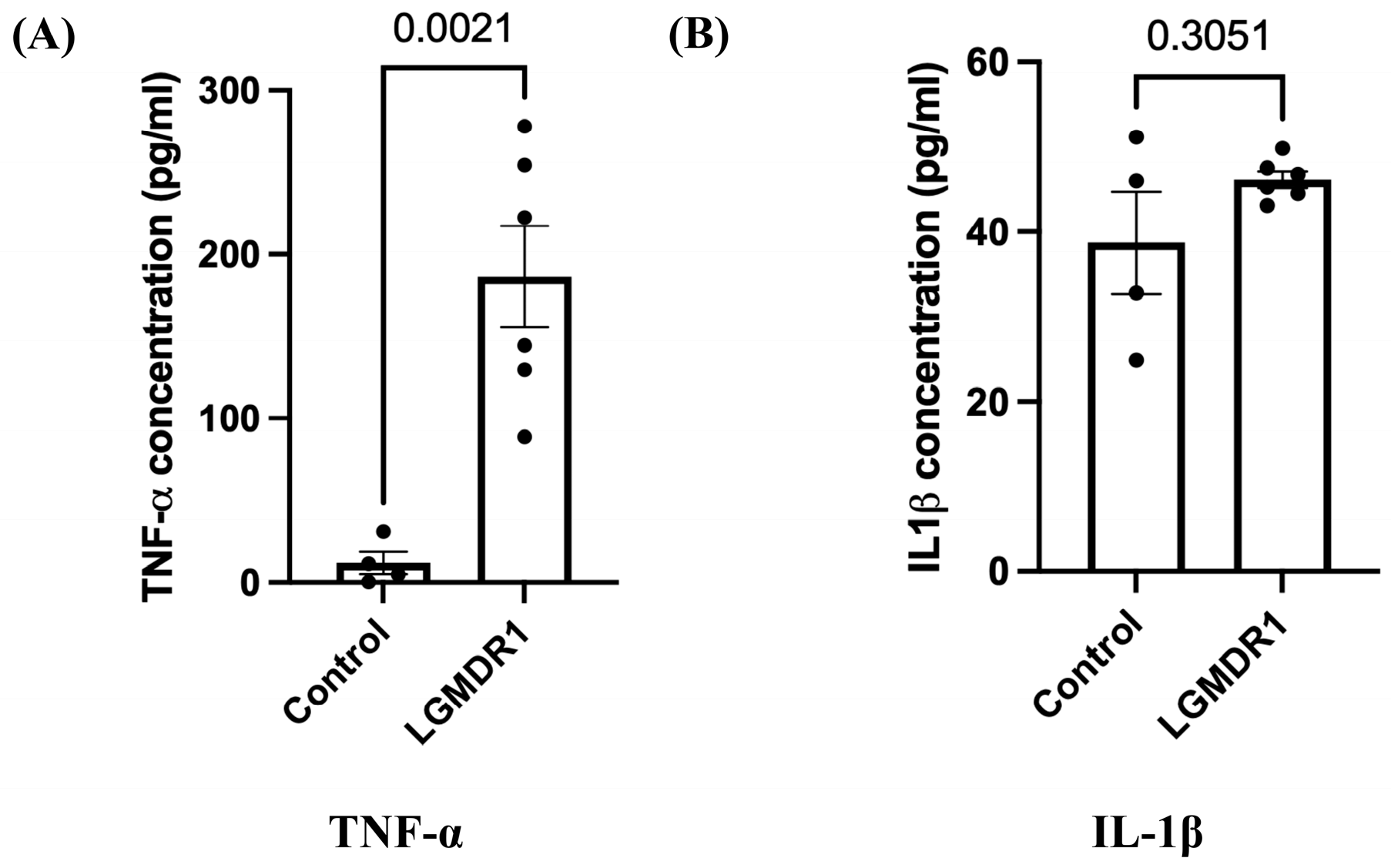
3.2. Expression of Pro-Inflammatory Cytokines in Calpainopathy Patients
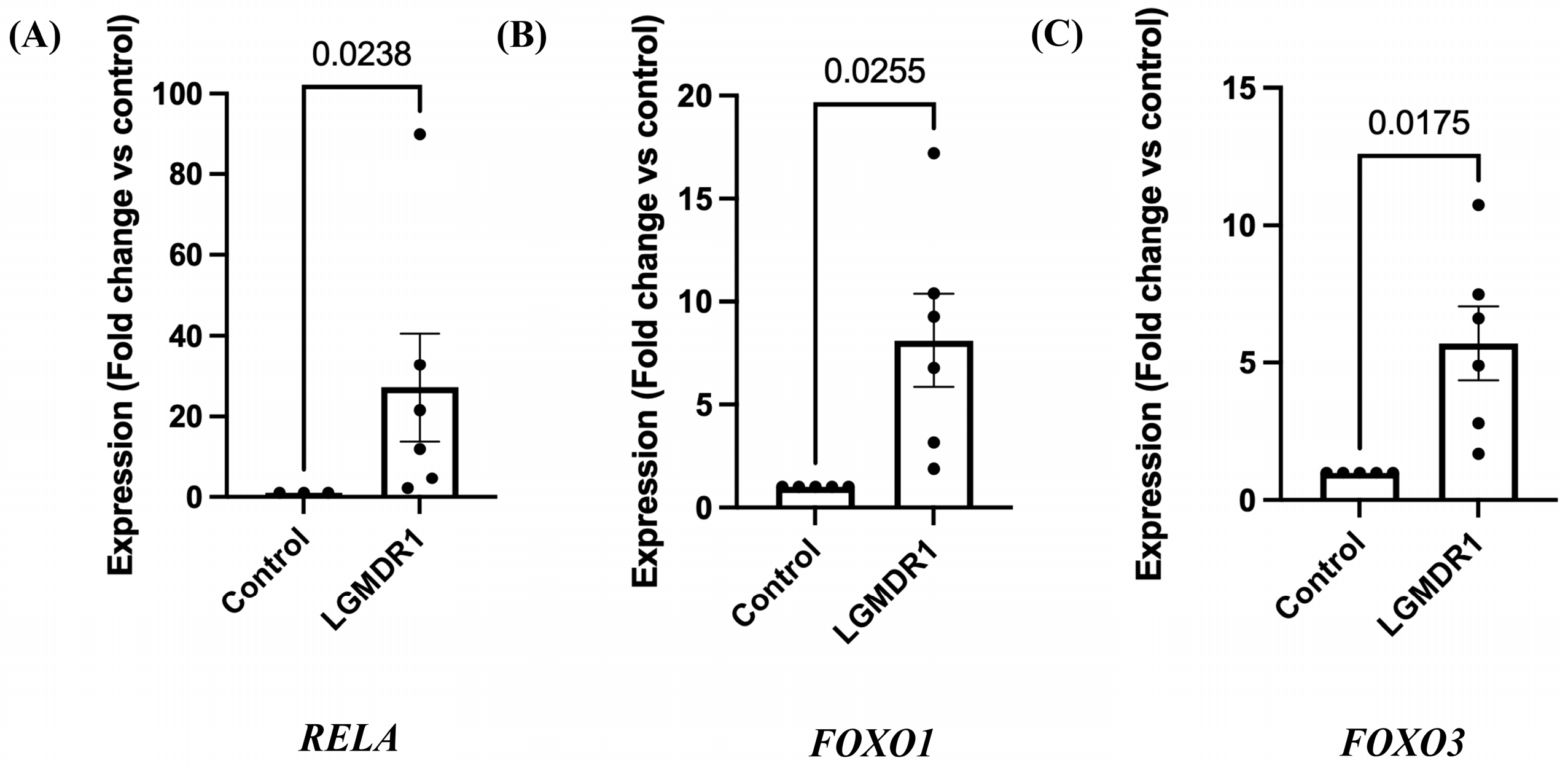
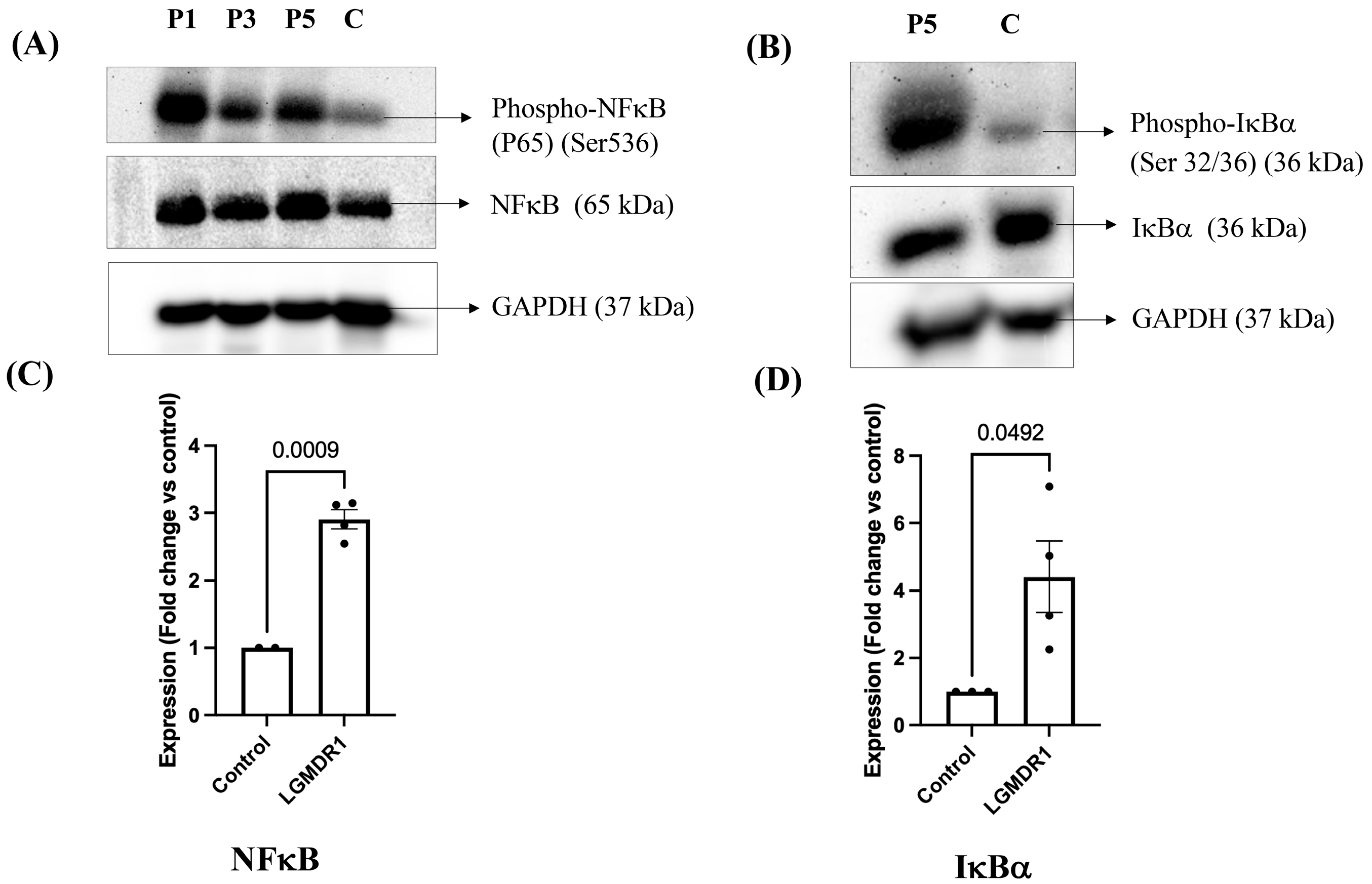
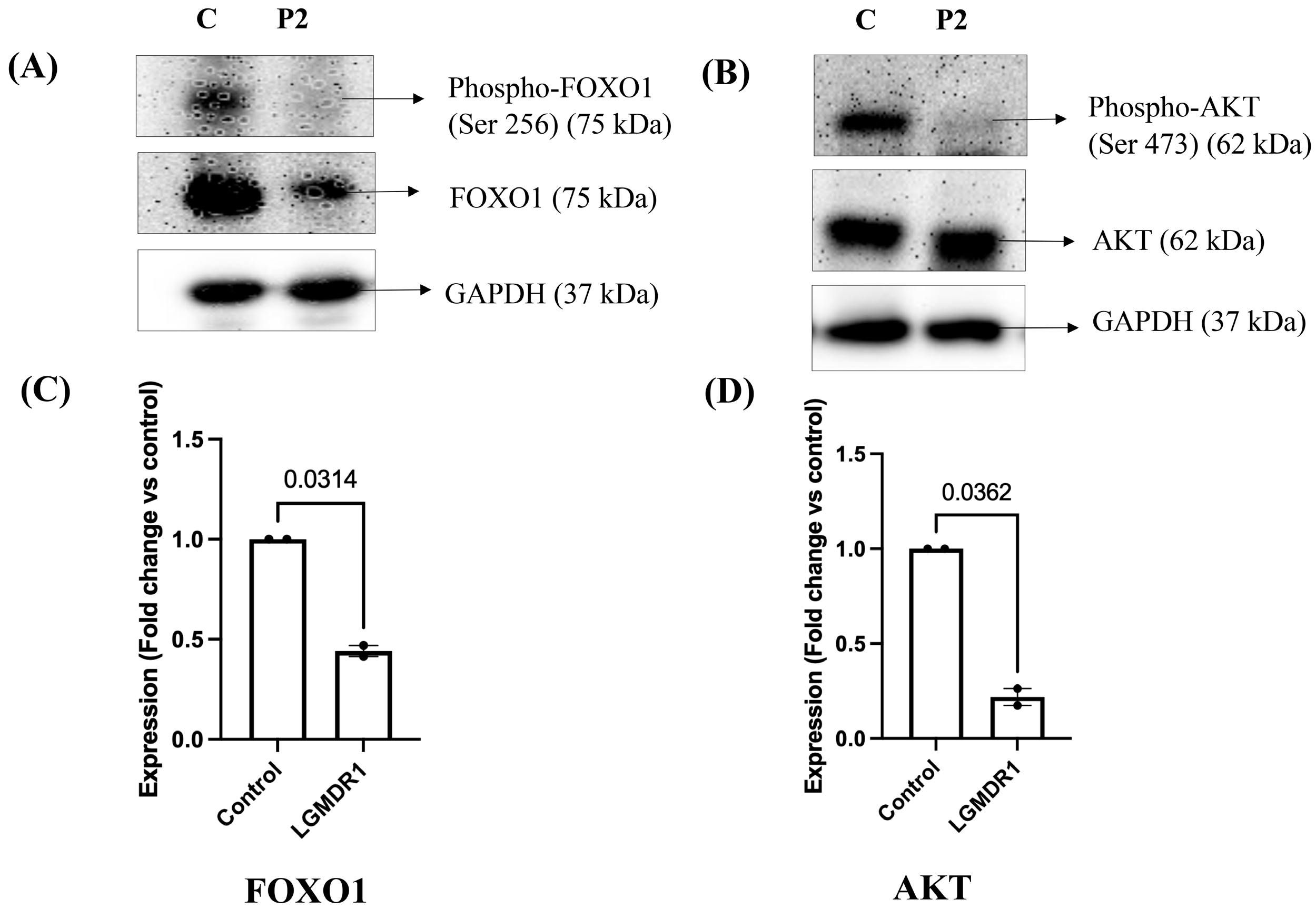
3.3. Expression of Transcription Factors in Muscle Biopsies of Calpainopathy Patients
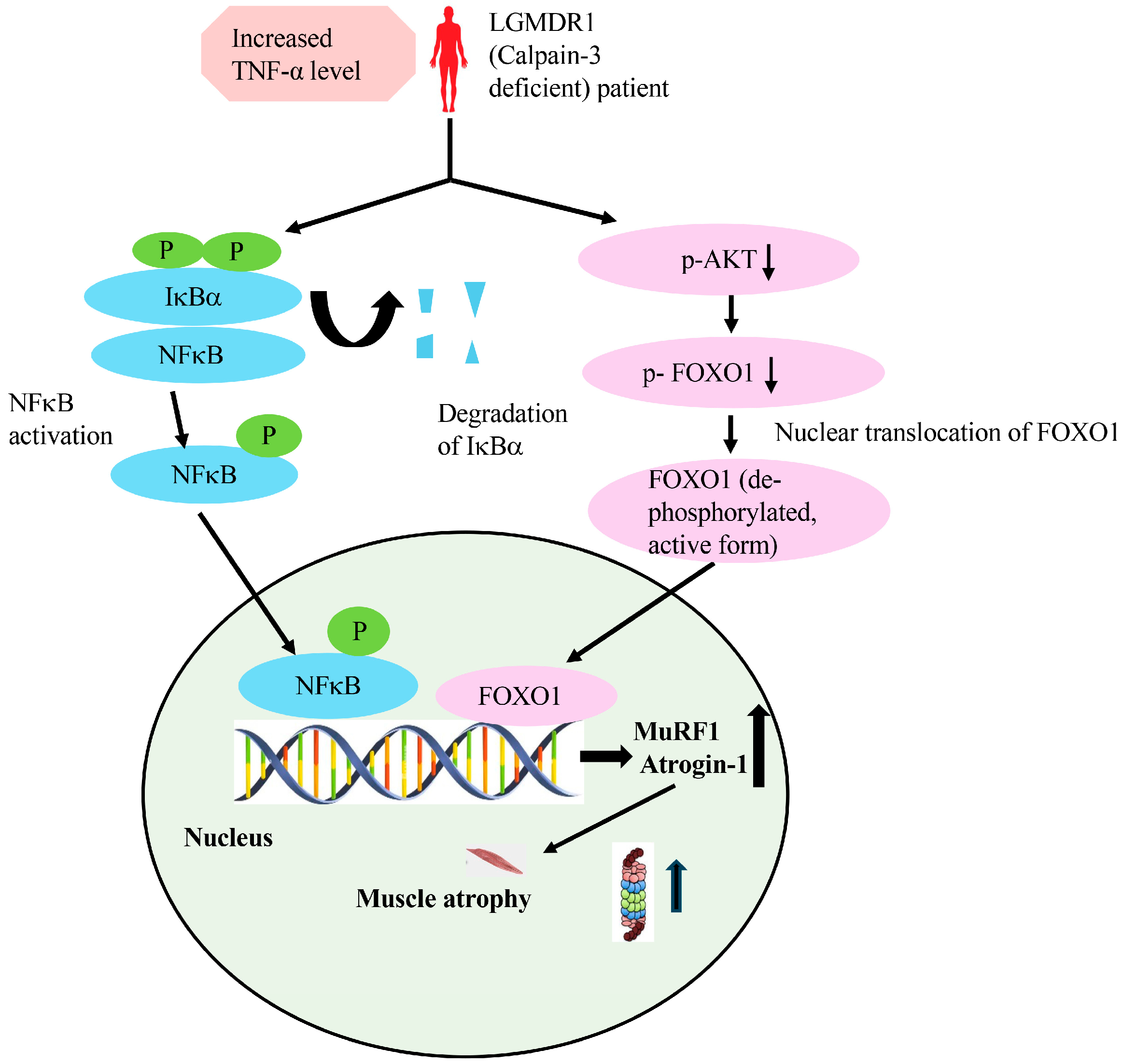
4. Discussion
5. Conclusions
Supplementary Materials
Author Contributions
Funding
Institutional Review Board Statement
Informed Consent Statement
Data Availability Statement
Acknowledgments
Conflicts of Interest
Abbreviations
| MuRF1 | Muscle RING-finger protein-1 |
| TNF-α | Tumor necrosis factor alpha |
| IL-1β | Interleukin 1-beta |
| IL-6 | Interleukin 6 |
| NFκB | Nuclear factor-kappa B |
| IκBα | Nuclear factor-kappa B inhibitor alpha |
| FOXO | Forkhead box transcription factors |
| TRIM63 | Tripartite motif-containing protein 63 |
| FBXO32 | F-box protein 32 |
| AKT | Protein Kinase B |
References
- Richard, I.; Broux, O.; Allamand, V.; Fougerousse, F.; Chiannilkulchai, N.; Bourg, N.; Brenguier, L.; Devaud, C.; Pasturaud, P.; Roudaut, C.; et al. Mutations in the proteolytic enzyme calpain 3 cause limb-girdle muscular dystrophy type 2A. Cell 1995, 81, 27–40. [Google Scholar] [CrossRef] [Scilit]
- Shin, J.-H.; Kim, H.-S.; Lee, C.-H.; Kim, C.-M.; Park, K.-H.; Kim, D.-S. Mutations of CAPN3 in Korean patients with limb-girdle muscular dystrophy. J. Korean Med. Sci. 2007, 22, 463–469. [Google Scholar] [CrossRef] [Scilit] [PubMed]
- Liewluck, T. Limb-girdle muscular dystrophies. Continuum 2025, 31, 1344–1371. [Google Scholar] [CrossRef] [Scilit]
- Zhong, H.; Zheng, Y.; Zhao, Z.; Lin, P.; Xi, J.; Zhu, W.; Lin, J.; Lu, J.; Yu, M.; Zhang, W.; et al. Molecular landscape of CAPN3 mutations in limb-girdle muscular dystrophy type R1: From a Chinese multicentre analysis to a worldwide perspective. J. Med. Genet. 2021, 58, 729–736. [Google Scholar] [CrossRef] [Scilit]
- Zhang, L.; Zhang, Y.; Han, C.; Jiang, J.; Jiang, J.; Cai, X.; Yu, L.; Qi, H.; Fang, Q.; Ding, D. Two novel variants of the CAPN3 gene in Chinese patients with limb-girdle muscular dystrophy recessive 1. Hum. Hered. 2024, 89, 52–59. [Google Scholar] [CrossRef] [Scilit]
- Bardakov, S.N.; Sorochanu, I.; Mkrtchyan, L.A.; Slesarenko, Y.S.; Tsargush, V.A.; Limaev, I.S.; Isaev, A.A.; Yakovlev, I.A.; Deev, R.V. Calpainopathy (limb-girdle muscular dystrophy type R1): Clinical features, diagnostic approaches, and biotechnological treatment methods. J. Neuromuscul. Dis. 2025, 12, 594–618. [Google Scholar] [CrossRef] [Scilit]
- Şahin, İ.O.; Özkul, Y.; Dündar, M. Current and future therapeutic strategies for limb girdle muscular dystrophy type R1: Clinical and experimental approaches. Pathophysiology 2021, 28, 238–249. [Google Scholar] [CrossRef] [Scilit]
- Magri, F.; Del Bo, R.; D’Angelo, M.G.; Sciacco, M.; Gandossini, S.; Govoni, A.; Napoli, L.; Ciscato, P.; Fortunato, F.; Brighina, E.; et al. Frequency and characterisation of anoctamin 5 mutations in a cohort of Italian limb-girdle muscular dystrophy patients. Neuromuscul. Disord. 2012, 22, 934–943. [Google Scholar] [CrossRef] [Scilit]
- Zídková, J.; Kramářová, T.; Kopčilová, J.; Réblová, K.; Haberlová, J.; Mazanec, R.; Voháňka, S.; Gřegořová, A.; Langová, M.; Honzík, T.; et al. Genetic findings in Czech patients with limb girdle muscular dystrophy. Clin. Genet. 2023, 104, 542–553. [Google Scholar] [CrossRef] [Scilit] [PubMed]
- Rico, A.; Guembelzu, G.; Palomo, V.; Martínez, A.; Aiastui, A.; Casas-Fraile, L.; Valls, A.; López de Munain, A.; Sáenz, A. Allosteric modulation of GSK-3β as a new therapeutic approach in limb girdle muscular dystrophy R1 calpain 3-related. Int. J. Mol. Sci. 2021, 22, 7367. [Google Scholar] [CrossRef] [Scilit] [PubMed]
- Sáenz, A.; Leturcq, F.; Cobo, A.M.; Poza, J.J.; Ferrer, X.; Otaegui, D.; Camaño, P.; Urtasun, M.; Vílchez, J.; Gutiérrez-Rivas, E.; et al. LGMD2A: Genotype–phenotype correlations based on a large mutational survey on the calpain 3 gene. Brain 2005, 128, 732–742. [Google Scholar] [CrossRef] [Scilit] [PubMed]
- Shinkai-Ouchi, F.; Itoh, Y.; Shindo, M.; Mikami, K.; Iguchi, Y.; Hata, S.; Tsutsumi, R.; Izumi-Mishima, Y.; Machida, K.; Suzuki, Y.; et al. Distinct systemic metabolic features in limb-girdle muscular dystrophy type R1 mouse models as a potential early pathogenic signature. Biochim. Biophys. Acta Mol. Basis Dis. 2025, 1871, 167983. [Google Scholar] [CrossRef] [Scilit]
- Becker, N.; Moore, S.A.; Jones, K.A. The inflammatory pathology of dysferlinopathy is distinct from calpainopathy, Becker muscular dystrophy, and inflammatory myopathies. Acta Neuropathol. Commun. 2022, 10, 17. [Google Scholar] [CrossRef] [Scilit]
- Ozyilmaz, B.; Kirbiyik, O.; Ozdemir, T.R.; Ozer, O.K.; Kutbay, Y.B.; Erdogan, K.M.; Guvenc, M.S.; Arıkan, Ş.; Turk, T.S.; Kale, M.Y.; et al. Experiences in the molecular genetic and histopathological evaluation of calpainopathies. Neurogenetics 2022, 23, 103–114. [Google Scholar] [CrossRef] [Scilit]
- D’Este, G.; Giorgetti, A.; Cassandrini, D.; Magri, F.; Ronchi, D.; Rubegni, A.; Lopergolo, D.; Malandrini, A.; Merlini, L.; Vattemi, G.; et al. Recurrent CAPN3 p.Asp753Asn Variant Supports a Potential Dominant Calpainopathy with Variable Clinical Expressivity. Int. J. Mol. Sci. 2025, 26, 11384. [Google Scholar] [CrossRef] [Scilit]
- Campuzano-Donoso, M.; Reytor-González, C.; Toral-Noristz, M.; González, Y.; Simancas-Racines, D. Molecular Bases of Myopathies and Their Impact on Clinical Practice: Advances and Future Perspectives. Int. J. Mol. Sci. 2026, 27, 1392. [Google Scholar] [CrossRef] [Scilit]
- Fanin, M.; Nascimbeni, A.C.; Angelini, C. Muscle atrophy in Limb Girdle Muscular Dystrophy 2A: A morphometric and molecular study. Neuropathol. Appl. Neurobiol. 2013, 39, 762–771. [Google Scholar] [CrossRef] [Scilit] [PubMed]
- Kim, J.T.; Jeon, D.H.; Lee, H.J. Molecular Mechanism of Skeletal Muscle Loss and Its Prevention by Natural Resources. Food Sci. Biotechnol. 2024, 33, 3387–3400. [Google Scholar] [CrossRef] [Scilit] [PubMed]
- Fanzani, A.; Conraads, V.M.; Penna, F.; Martinet, W. Molecular and cellular mechanisms of skeletal muscle atrophy: An update. J. Cachexia Sarcopenia Muscle 2012, 3, 163–179. [Google Scholar] [CrossRef] [Scilit]
- Pang, X.; Zhang, P.; Chen, X.; Liu, W. Ubiquitin-Proteasome Pathway in Skeletal Muscle Atrophy. Front. Physiol. 2023, 14, 1289537. [Google Scholar] [CrossRef] [Scilit]
- Singh, A.; Yadav, A.; Phogat, J.; Dabur, R. Dynamics and Interplay between Autophagy and Ubiquitin–Proteasome System Coordination in Skeletal Muscle Atrophy. Curr. Mol. Pharmacol. 2022, 15, 475–486. [Google Scholar] [CrossRef] [Scilit]
- Dong, H.; Lyu, Y.; Huang, C.Y.; Tsai, S.Y. Limiting Cap-Dependent Translation Increases 20S Proteasomal Degradation and Protects the Proteomic Integrity in Autophagy-Deficient Skeletal Muscle. Autophagy 2025, 21, 1212–1227. [Google Scholar] [CrossRef] [Scilit] [PubMed]
- Brooks, P.; Fuertes, G.; Murray, R.Z.; Bose, S.; Knecht, E.; Rechsteiner, M.C.; Hendil, K.B.; Tanaka, K.; Dyson, J.; Rivett, J. Subcellular localization of proteasomes and their regulatory complexes in mammalian cells. Biochem. J. 2000, 346, 155–161. [Google Scholar] [CrossRef]
- Grice, G.L.; Nathan, J.A. The recognition of ubiquitinated proteins by the proteasome. Cell. Mol. Life Sci. 2016, 73, 3497–3506. [Google Scholar] [CrossRef] [Scilit]
- Souza, A.L.; Alves, A.L.; Martinez, C.G.; Sousa, J.C.; Kurtenbach, E. Biomarkers of Skeletal Muscle Atrophy Based on Atrogenes Evaluation: A Systematic Review and Meta-Analysis Study. Int. J. Mol. Sci. 2025, 26, 3516. [Google Scholar] [CrossRef] [Scilit]
- Hirose, T.; Nakazato, K.; Song, H.; Ishii, N. TGF-β1 and TNF-α are involved in the transcription of type I collagen α2 gene in soleus muscle atrophied by mechanical unloading. J. Appl. Physiol. 2008, 104, 170–177. [Google Scholar] [CrossRef] [Scilit]
- Andrianjafiniony, T.; Dupré-Aucouturier, S.; Letexier, D.; Couchoux, H.; Desplanches, D. Oxidative stress, apoptosis, and proteolysis in skeletal muscle repair after unloading. Am. J. Physiol. Cell Physiol. 2010, 299, C307–C315. [Google Scholar] [CrossRef] [Scilit]
- Caron, A.Z.; Drouin, G.; Desrosiers, J.; Trensz, F.; Grenier, G. A novel hindlimb immobilization procedure for studying skeletal muscle atrophy and recovery in mouse. J. Appl. Physiol. 2009, 106, 2049–2059. [Google Scholar] [CrossRef] [Scilit] [PubMed]
- Ghosh, S.; May, M.J.; Kopp, E.B. NF-κB and Rel proteins: Evolutionarily conserved mediators of immune responses. Annu. Rev. Immunol. 1998, 16, 225–260. [Google Scholar] [CrossRef] [Scilit] [PubMed]
- Cai, D.; Frantz, J.D.; Tawa, N.E.; Melendez, P.A.; Oh, B.-C.; Lidov, H.G.W.; Hasselgren, P.-O.; Frontera, W.R.; Lee, J.; Glass, D.J.; et al. IKKβ/NF-κB activation causes severe muscle wasting in mice. Cell 2004, 119, 285–298. [Google Scholar] [CrossRef] [Scilit]
- Adams, V.; Mangner, N.; Gasch, A.; Krohne, C.; Gielen, S.; Hirner, S.; Thierse, H.-J.; Witt, C.C.; Linke, A.; Schuler, G.; et al. Induction of MuRF1 is essential for TNF-α-induced loss of muscle function in mice. J. Mol. Biol. 2008, 384, 48–59. [Google Scholar] [CrossRef] [Scilit]
- Judge, A.R.; Koncarevic, A.; Hunter, R.B.; Liou, H.C.; Jackman, R.W.; Kandarian, S.C. Role for IκBα, but not c-Rel, in skeletal muscle atrophy. Am. J. Physiol. Cell Physiol. 2007, 292, C372–C382. [Google Scholar] [CrossRef] [Scilit] [PubMed]
- Kramerova, I.; Kudryashova, E.; Wu, B.; Germain, S.; Vandenborne, K.; Romain, N.; Haller, R.G.; Verity, M.A.; Spencer, M.J. Mitochondrial abnormalities, energy deficit and oxidative stress are features of calpain 3 deficiency in skeletal muscle. Hum. Mol. Genet. 2009, 18, 3194–3205. [Google Scholar] [CrossRef] [Scilit] [PubMed]
- Rajakumar, D.; Alexander, M.; Oommen, A. Oxidative stress, NF-κB and the ubiquitin proteasomal pathway in the pathology of calpainopathy. Neurochem. Res. 2013, 38, 2009–2018. [Google Scholar] [CrossRef] [Scilit]
- Comim, C.M.; Mathia, G.B.; Hoepers, A.; Tuon, L.; Kapczinski, F.; Dal-Pizzol, F.; Quevedo, J.; Rosa, M.I. Neurotrophins, cytokines, oxidative parameters and functionality in progressive muscular dystrophies. An. Acad. Bras. Cienc. 2015, 87, 1809–1818. [Google Scholar] [CrossRef] [Scilit]
- Fanin, M.; Angelini, C. Protein and genetic diagnosis of limb girdle muscular dystrophy type 2A: The yield and the pitfalls. Muscle Nerve 2015, 52, 163–173. [Google Scholar] [CrossRef] [Scilit]
- Katoh, M.; Katoh, M. Human FOX gene family. Int. J. Oncol. 2004, 25, 1495–1500. [Google Scholar] [CrossRef] [Scilit]
- Brunet, A.; Bonni, A.; Zigmond, M.J.; Lin, M.Z.; Juo, P.; Hu, L.S.; Anderson, M.J.; Arden, K.C.; Blenis, J.; Greenberg, M.E. Akt promotes cell survival by phosphorylating and inhibiting a Forkhead transcription factor. Cell 1999, 96, 857–868. [Google Scholar] [CrossRef] [Scilit]
- Brunet, A.; Kanai, F.; Stehn, J.; Xu, J.; Sarbassova, D.; Frangioni, J.V.; Dalal, S.N.; DeCaprio, J.A.; Greenberg, M.E.; Yaffe, M.B. 14-3-3 transits to the nucleus and participates in dynamic nucleocytoplasmic transport. J. Cell Biol. 2002, 156, 817–828, Correction in: J. Cell Biol. 2002, 157, 533. [Google Scholar] [CrossRef] [Scilit]
- Obsilova, V.; Vecer, J.; Herman, P.; Pabianova, A.; Sulc, M.; Teisinger, J.; Boura, E.; Obsil, T. 14-3-3 protein interacts with nuclear localization sequence of forkhead transcription factor FoxO4. Biochemistry 2005, 44, 11608–11617. [Google Scholar] [CrossRef] [Scilit]
- Sandri, M.; Sandri, C.; Gilbert, A.; Skurk, C.; Calabria, E.; Picard, A.; Walsh, K.; Schiaffino, S.; Lecker, S.H.; Goldberg, A.L. Foxo transcription factors induce the atrophy-related ubiquitin ligase atrogin-1 and cause skeletal muscle atrophy. Cell 2004, 117, 399–412. [Google Scholar] [CrossRef] [Scilit]
- Stitt, T.N.; Drujan, D.; Clarke, B.A.; Panaro, F.; Timofeyva, Y.; Kline, W.O.; Gonzalez, M.; Yancopoulos, G.D.; Glass, D.J. The IGF-1/PI3K/Akt pathway prevents expression of muscle atrophy-induced ubiquitin ligases by inhibiting FOXO transcription factors. Mol. Cell 2004, 14, 395–403. [Google Scholar] [CrossRef] [Scilit]
- Banerjee, S.; Radotra, B.D.; Luthra-Guptasarma, M.; Goyal, M.K. Identification of novel pathogenic variants of calpain-3 gene in limb girdle muscular dystrophy R1. Orphanet J. Rare Dis. 2024, 19, 140. [Google Scholar] [CrossRef] [Scilit]
- Banerjee, S.; Radotra, B.D. Unraveling novel pathogenic CAPN3 variants in limb-girdle muscular dystrophy R1. J. Rare Dis. Res. Treat. 2025, 9, 10–14. [Google Scholar] [CrossRef] [Scilit]
- Cui, X.; Liu, H.; Liu, Y.; Yu, Z.; Wang, D.; Wei, W.; Wang, S. The Role and Mechanisms of Myokines in Sarcopenia: New Intervention Strategies for the Challenges of Aging. Front. Med. 2025, 12, 1665708. [Google Scholar] [CrossRef] [Scilit] [PubMed]
- Kanai, M.; Ganbaatar, B.; Endo, I.; Ohnishi, Y.; Teramachi, J.; Tenshin, H.; Higa, Y.; Hiasa, M.; Mitsui, Y.; Hara, T.; et al. Inflammatory Cytokine-Induced Muscle Atrophy and Weakness Can Be Ameliorated by an Inhibition of TGF-β-Activated Kinase-1. Int. J. Mol. Sci. 2024, 25, 5715. [Google Scholar] [CrossRef] [Scilit]
- Liu, X.; Wen, Y.; Lu, Y. Targeting MuRF1 to combat skeletal muscle wasting in cardiac cachexia: Mechanisms and therapeutic prospects. Med. Sci. Monit. Int. Med. J. Exp. Clin. Res. 2024, 30, e945211. [Google Scholar] [CrossRef] [Scilit]
- Angelini, C.; Tasca, E.; Nascimbeni, A.C.; Fanin, M. Muscle fatigue, nNOS and muscle fiber atrophy in limb girdle muscular dystrophy. Acta Myol. 2014, 33, 119–126. [Google Scholar]
- Pryce, B.R.; Oles, A.; Talbert, E.E.; Romeo, M.J.; Vaena, S.; Sharma, S.; Spadafora, V.; Tolliver, L.; Mahvi, D.A.; Morgan, K.A.; et al. Muscle Inflammation Is Regulated by NF-κB from Multiple Cells to Control Distinct States of Wasting in Cancer Cachexia. Cell Rep. 2024, 43, 114925. [Google Scholar] [CrossRef] [Scilit] [PubMed]
- Liu, D.; Wang, S.; Liu, S.; Wang, Q.; Che, X.; Wu, G. Frontiers in Sarcopenia: Advancements in Diagnostics, Molecular Mechanisms, and Therapeutic Strategies. Mol. Asp. Med. 2024, 97, 101270. [Google Scholar] [CrossRef] [Scilit]
- Joshi, A.S.; Tomaz da Silva, M.; Kumar, S.; Kumar, A. Signaling Networks Governing Skeletal Muscle Growth, Atrophy, and Cachexia. Skelet. Muscle 2025, 15, 29. [Google Scholar] [CrossRef] [Scilit] [PubMed]
- Kamal, K.Y.; Othman, M.A.; Kim, J.H.; Lawler, J.M. Bioreactor Development for Skeletal Muscle Hypertrophy and Atrophy by Manipulating Uniaxial Cyclic Strain: Proof of Concept. NPJ Microgravity 2024, 10, 62. [Google Scholar] [CrossRef] [Scilit]
- Wang, Y.; Meng, J.; Zhang, J.; Tian, L.; Wei, W.; Tang, X.; Zhang, Q.; Ding, D.; Wang, X.; Guo, Z.; et al. Cell Biomechanics on Muscle Atrophy: From Intricate Mechanisms to Therapeutic Frontiers. Ann. Med. 2025, 57, 2540598. [Google Scholar] [CrossRef] [Scilit]


Disclaimer/Publisher’s Note: The statements, opinions and data contained in all publications are solely those of the individual author(s) and contributor(s) and not of MDPI and/or the editor(s). MDPI and/or the editor(s) disclaim responsibility for any injury to people or property resulting from any ideas, methods, instructions or products referred to in the content. |
© 2026 by the authors. Licensee MDPI, Basel, Switzerland. This article is an open access article distributed under the terms and conditions of the Creative Commons Attribution (CC BY) license.
Share and Cite
Banerjee, S.; Radotra, B.D.; Luthra-Guptasarma, M.; Goyal, M.K. Inflammation-Linked Muscle Atrophy in Limb Girdle Muscular Dystrophy R1 (LGMDR1): Insights into Disease Mechanisms. Curr. Issues Mol. Biol. 2026, 48, 361. https://doi.org/10.3390/cimb48040361
Banerjee S, Radotra BD, Luthra-Guptasarma M, Goyal MK. Inflammation-Linked Muscle Atrophy in Limb Girdle Muscular Dystrophy R1 (LGMDR1): Insights into Disease Mechanisms. Current Issues in Molecular Biology. 2026; 48(4):361. https://doi.org/10.3390/cimb48040361
Chicago/Turabian StyleBanerjee, Sukanya, Bishan Dass Radotra, Manni Luthra-Guptasarma, and Manoj K. Goyal. 2026. "Inflammation-Linked Muscle Atrophy in Limb Girdle Muscular Dystrophy R1 (LGMDR1): Insights into Disease Mechanisms" Current Issues in Molecular Biology 48, no. 4: 361. https://doi.org/10.3390/cimb48040361
APA StyleBanerjee, S., Radotra, B. D., Luthra-Guptasarma, M., & Goyal, M. K. (2026). Inflammation-Linked Muscle Atrophy in Limb Girdle Muscular Dystrophy R1 (LGMDR1): Insights into Disease Mechanisms. Current Issues in Molecular Biology, 48(4), 361. https://doi.org/10.3390/cimb48040361