
Gramine Suppresses Cervical Cancer by Targeting CDK2: Integrated Omics-Pharmacology and In Vitro Evidence
 ,
,
Abstract
1. Introduction
2. Materials and Methods
2.1. Cell Culture
2.2. Reagents
2.3. CCK-8 Assay
2.4. Wound Healing Assay
2.5. Flow Cytometry
2.6. Target Collection and Identification
2.7. GO and KEGG Enrichment Analysis and Protein–Protein Interaction (PPI) Network Construction
2.8. Screening of Key Targets and Molecular Docking Accessed on 6 November 2024
2.9. Prediction of the ceRNA Network for Key Genes
2.10. RT-qPCR
2.11. Western Blotting
2.12. Immune Infiltration Analysis
2.13. Statistical Analysis
3. Results
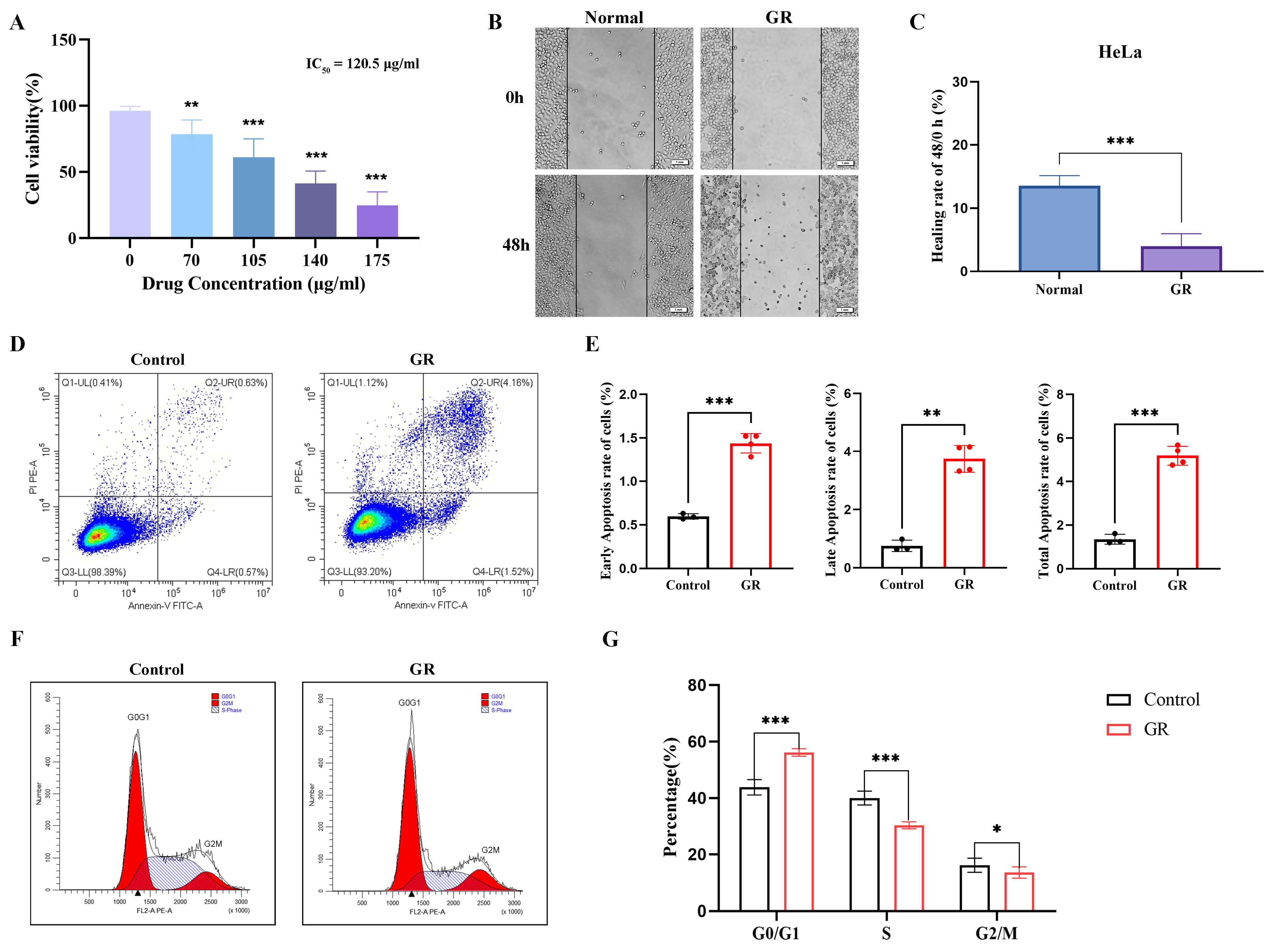
3.1. GR Inhibits Proliferation, Migration, and Induces Apoptosis and Cell Cycle Arrest in HeLa Cells
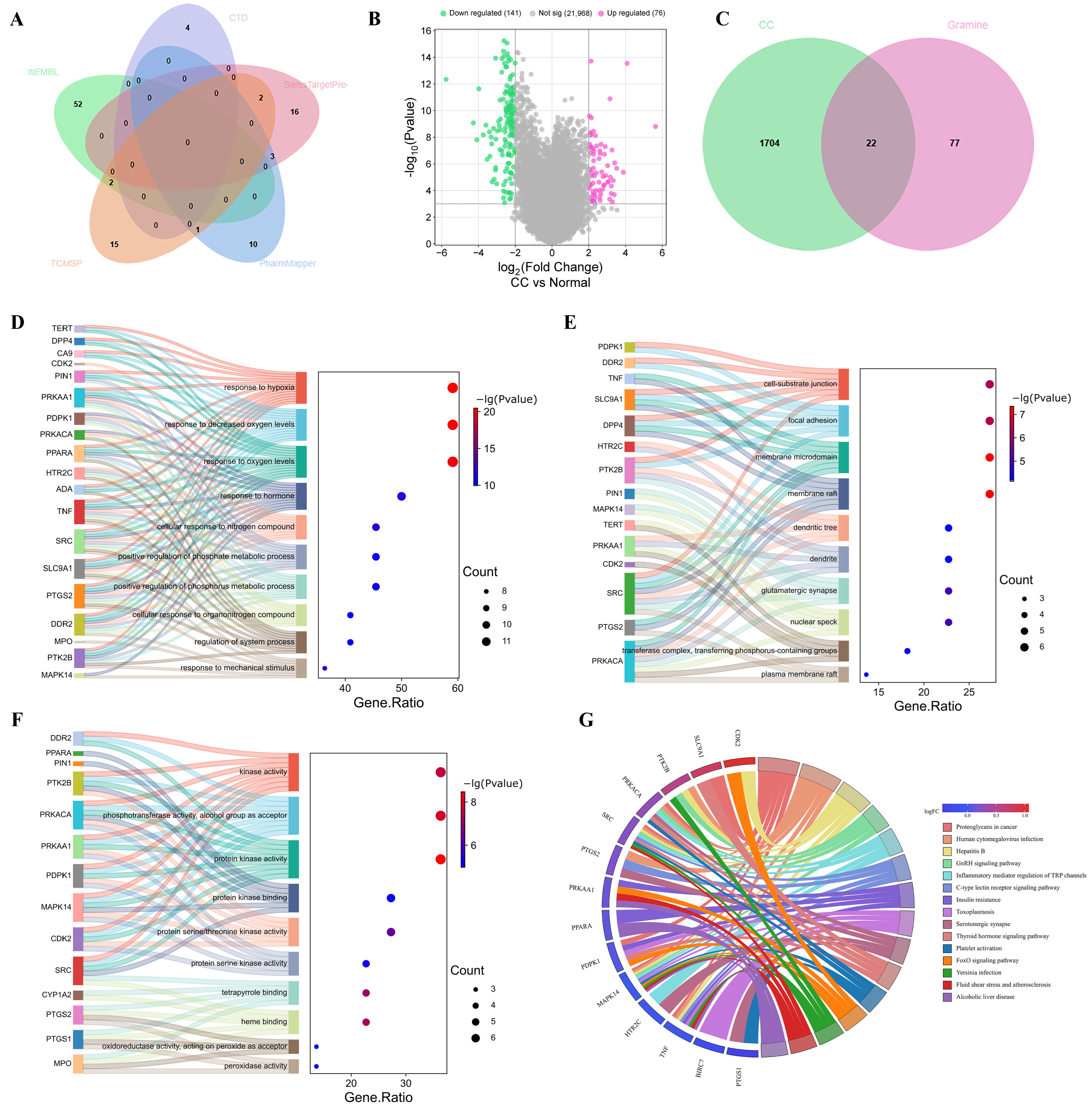
3.2. Identification of GR-Associated Targets and Enrichment Analysis
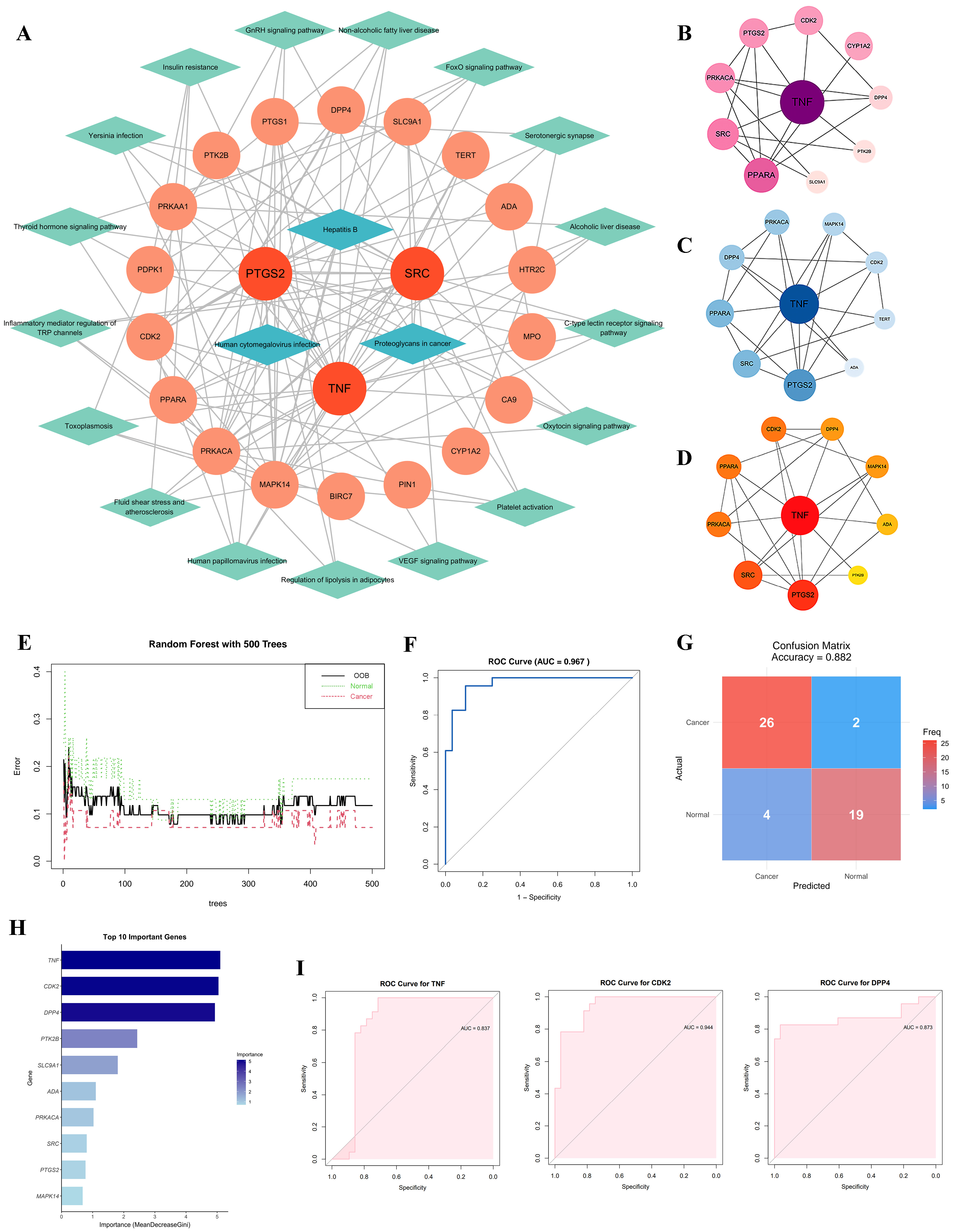
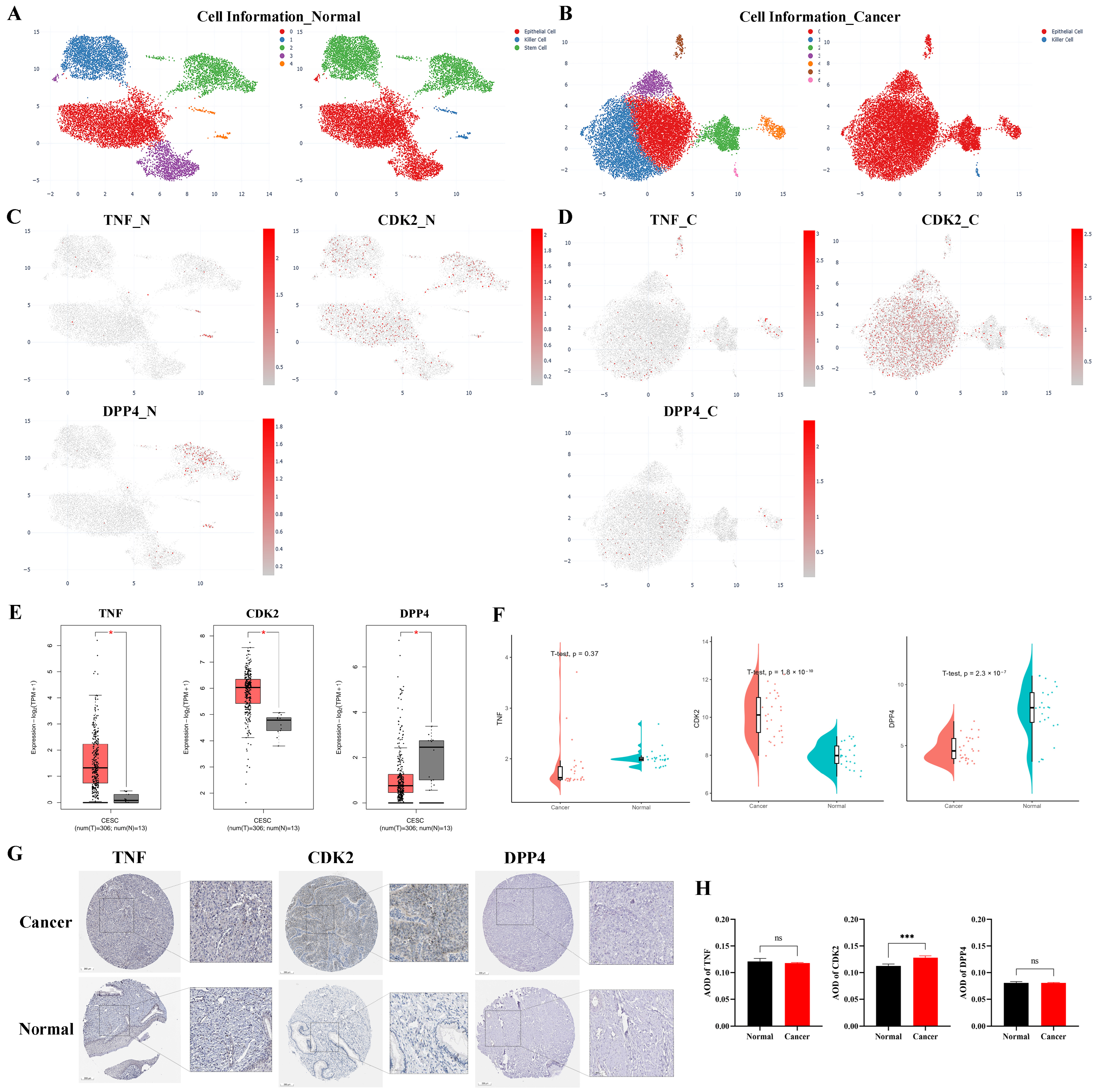
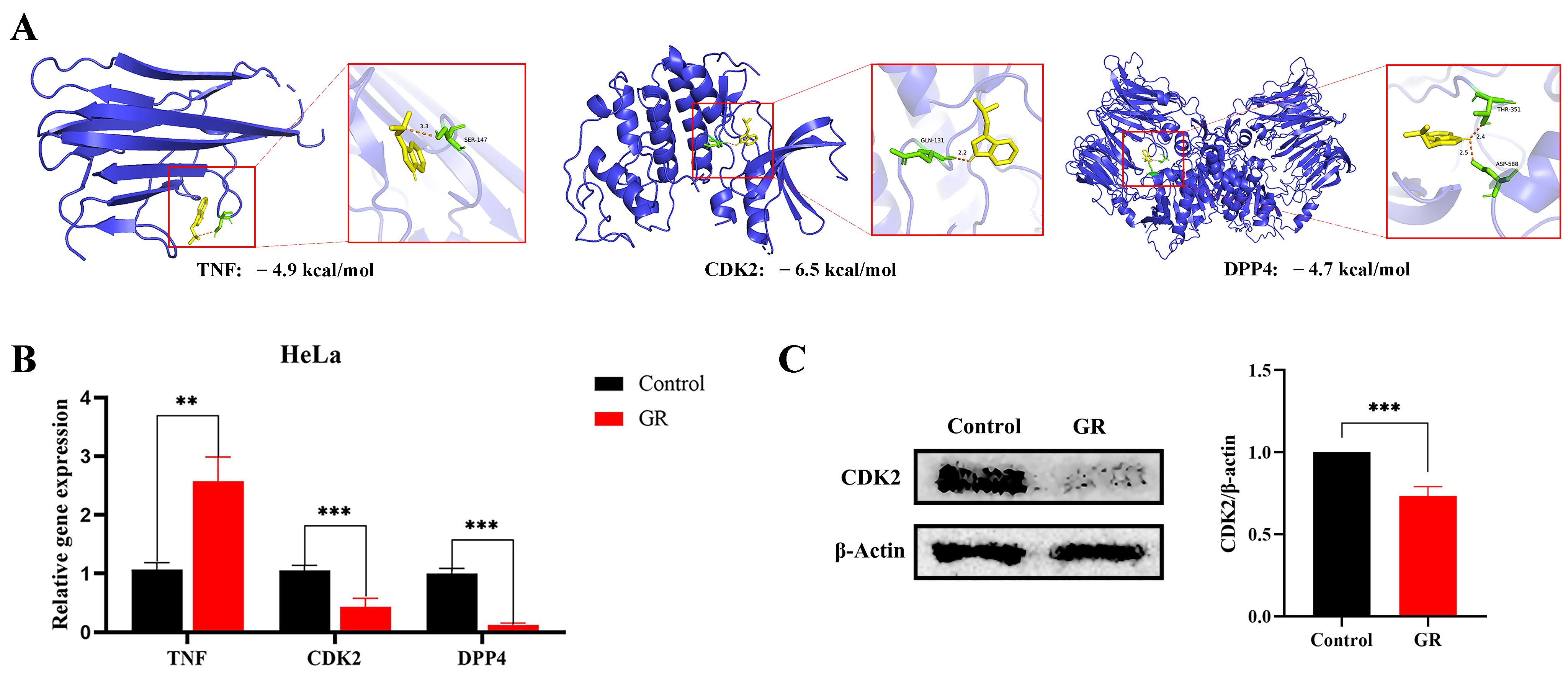
3.3. CDK2 Identified as a Key Target of GR’s Anti-CC Activity
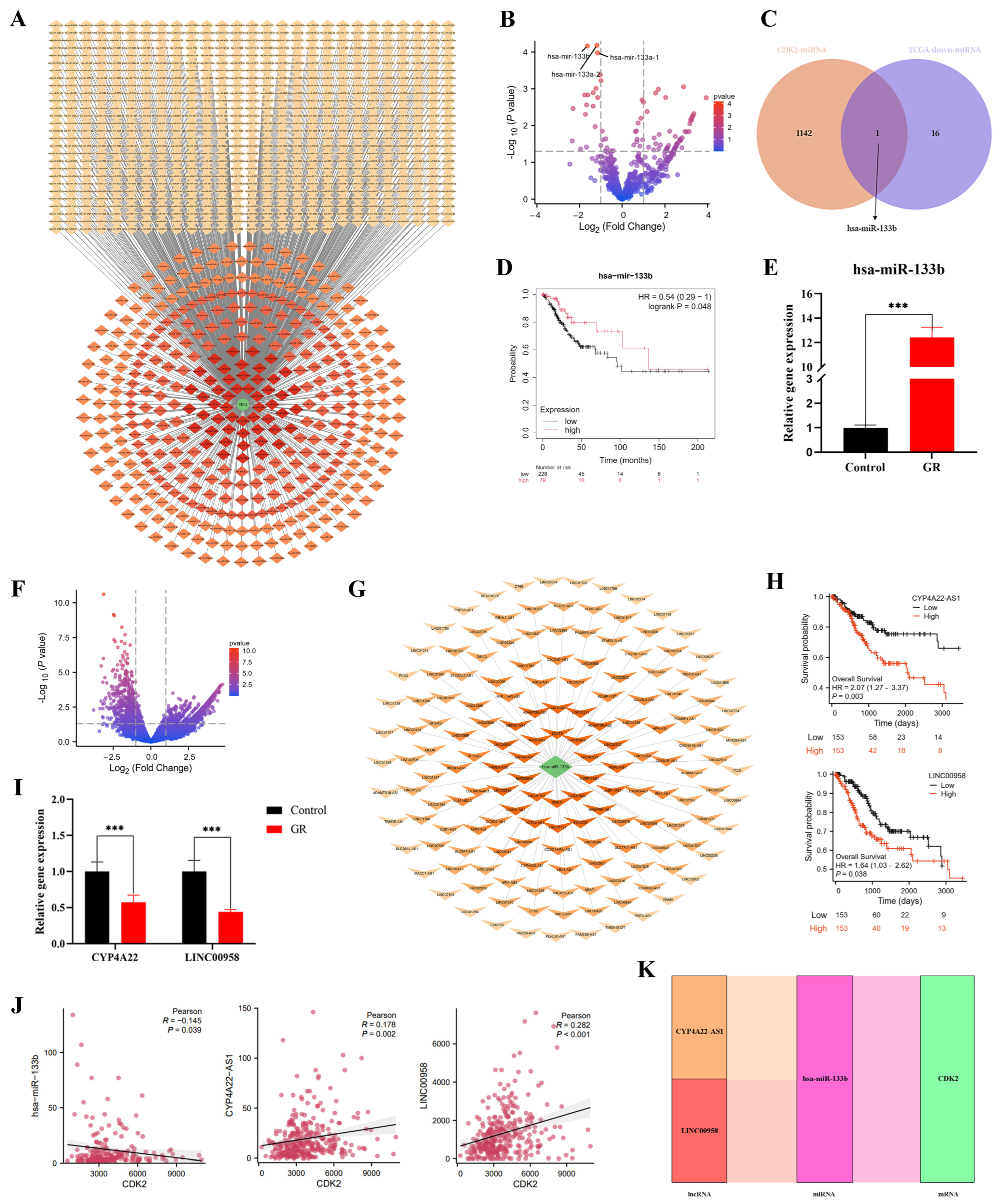
3.4. Construction and Validation of a ceRNA Regulatory Network Upstream of the Core Target CDK2
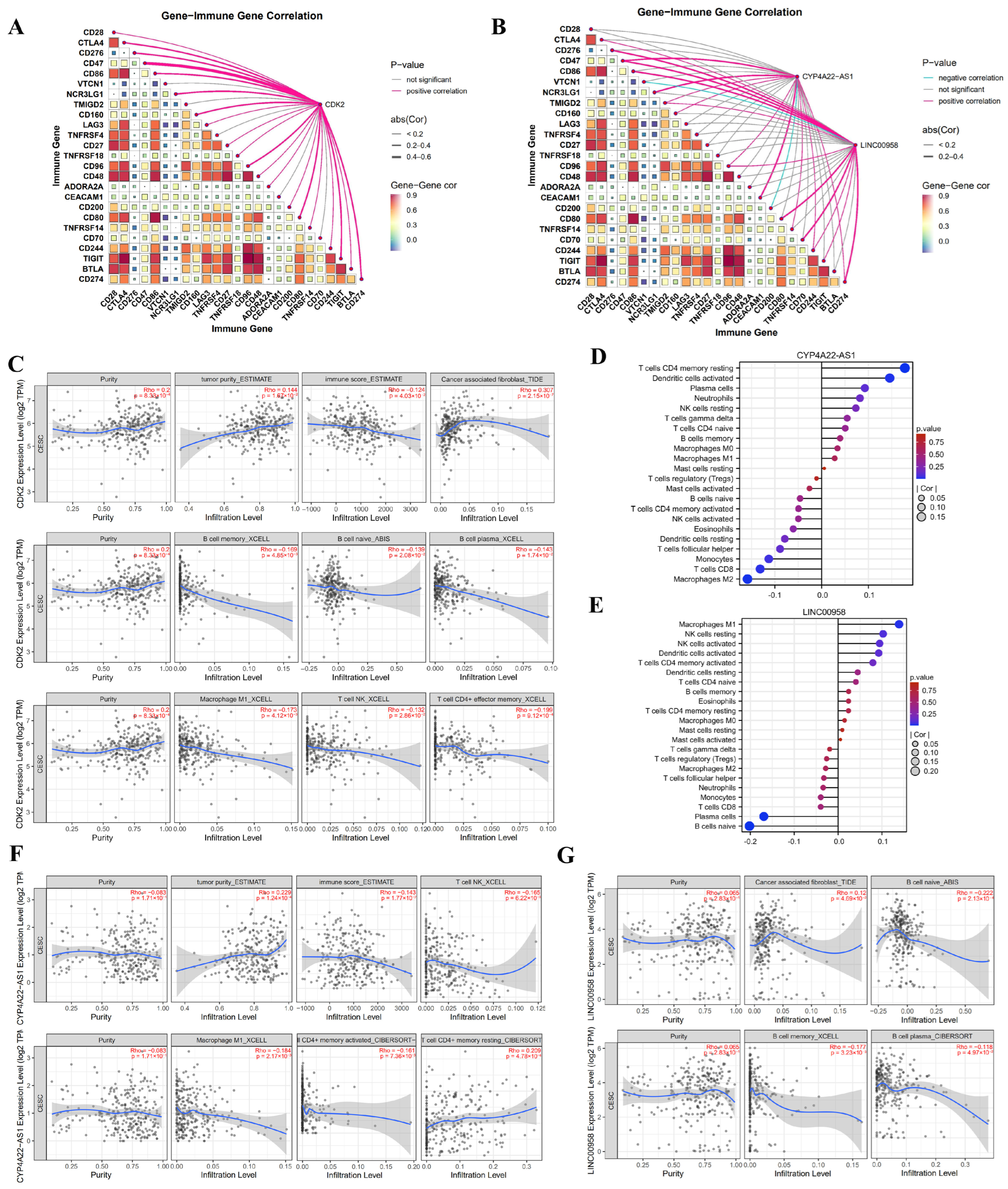
3.5. Immune Regulatory Profiles of CDK2, CYP4A22-AS1, and LINC00958 in CC
4. Discussion
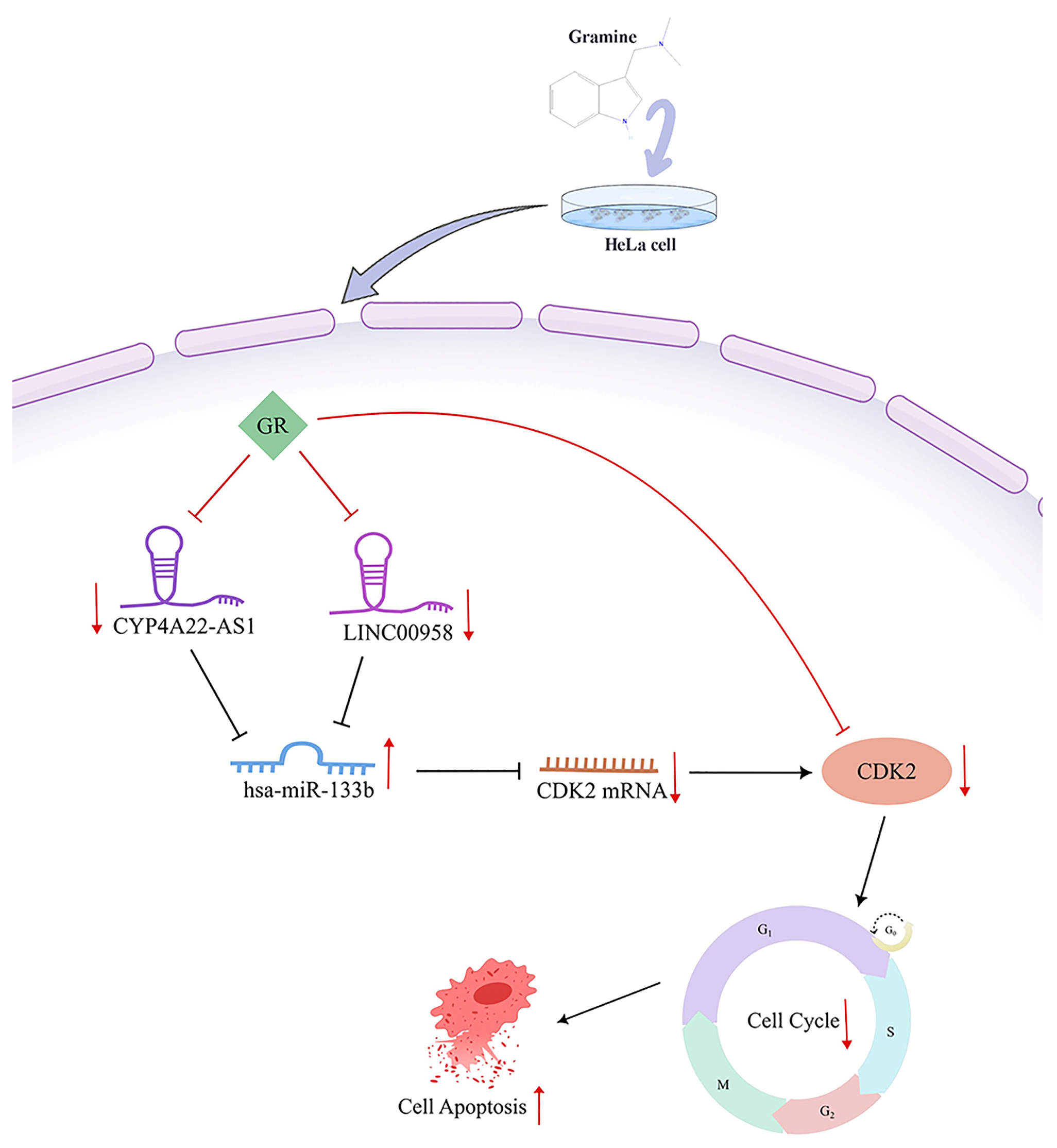
5. Conclusions
Supplementary Materials
Author Contributions
Funding
Institutional Review Board Statement
Informed Consent Statement
Data Availability Statement
Conflicts of Interest
Abbreviations
| CC | Cervical cancer |
| GR | Gramine |
| GO | Gene Ontology |
| KEGG | Kyoto Encyclopedia of Genes and Genomes |
| PPI | Protein−protein interaction |
| CDCP | Cell-omics Data Coordinate Platform |
| HPA | Human Protein Atlas |
| AOD | Average optical density |
| PDB | Protein Data Bank |
| CDK2 | Cyclin-dependent kinase 2 |
| TNF | Tumor necrosis factor |
| DPP4 | Dipeptidyl peptidase 4 |
References
- Arbyn, M.; Weiderpass, E.; Bruni, L.; de Sanjosé, S.; Saraiya, M.; Ferlay, J.; Bray, F. Estimates of incidence and mortality of cervical cancer in 2018: A worldwide analysis. Lancet Glob. Health 2020, 8, e191–e203, Erratum in Lancet Glob. Health 2022, 10, e41. [Google Scholar] [CrossRef] [PubMed]
- Han, B.; Zheng, R.; Zeng, H.; Wang, S.; Sun, K.; Chen, R.; Li, L.; Wei, W.; He, J. Cancer Incidence and Mortality in China, 2022. J. Natl. Cancer Cent. 2024, 4, 47–53. [Google Scholar] [CrossRef]
- He, M.; Xia, L.; Li, J. Potential Mechanisms of Plant-Derived Natural Products in the Treatment of Cervical Cancer. Biomolecules 2021, 11, 1539. [Google Scholar] [CrossRef]
- Ramu, A.; Kathiresan, S.; Ramadoss, H.; Nallu, A.; Kaliyan, R.; Azamuthu, T. Gramine Attenuates EGFR-Mediated Inflammation and Cell Proliferation in Oral Carcinogenesis via Regulation of NF-κB and STAT3 Signaling. Biomed. Pharmacother. 2018, 98, 523–530. [Google Scholar] [CrossRef]
- Li, Y.; Huang, J. Recent Developments of Gramine: Chemistry and Biological Activity. Chin. Pharmacol. Bull. 2025, 41, 718–725. [Google Scholar]
- Zhang, J.; Jia, Q.; Li, N.; Gu, L.; Dan, W.; Dai, J. Protective effect of gramine on airway inflammation and remodeling in asthmatic mice and its mechanism. Molecules 2023, 28, 5695. [Google Scholar]
- Ramu, A.; Kathiresan, S.; Ali Ahmed, B. Gramine Inhibits Angiogenesis and Induces Apoptosis via Modulation of TGF-β Signalling in 7,12 Dimethylbenz[a]Anthracene (DMBA) Induced Hamster Buccal Pouch Carcinoma. Phytomedicine 2017, 33, 69–76. [Google Scholar] [CrossRef]
- Gao, Q.; Luo, L.; Chen, C.; Wen, K.; Zhu, Z.; Tang, X. Transition-Metal-Free Base-Promoted Deaminative Coupling of Gramines with Aminomaleimides. J. Org. Chem. 2023, 88, 13303–13314. [Google Scholar] [CrossRef] [PubMed]
- Zhang, X.-H.; Guo, Q.; Wang, H.-Y.; Li, Y.-H.; Khamis, M.Y.; Ma, L.-Y.; Wang, B.; Liu, H.-M. Gramine-Based Structure Optimization to Enhance Anti-Gastric Cancer Activity. Bioorganic Chem. 2021, 107, 104549. [Google Scholar] [CrossRef]
- Ke, S.; Shi, L.; Cao, X.; Yang, Q.; Liang, Y.; Yang, Z. Heterocycle-Functional Gramine Analogues: Solvent- and Catalyst-Free Synthesis and Their Inhibition Activities against Cell Proliferation. Eur. J. Med. Chem. 2012, 54, 248–254. [Google Scholar] [CrossRef] [PubMed]
- Mattick, J.S. The Genetic Signatures of Noncoding RNAs. PLoS Genet. 2009, 5, e1000459. [Google Scholar] [CrossRef] [PubMed]
- Bartel, D.P. MicroRNAs: Target Recognition and Regulatory Functions. Cell 2009, 136, 215–233. [Google Scholar] [CrossRef]
- Ali Syeda, Z.; Langden, S.S.S.; Munkhzul, C.; Lee, M.; Song, S.J. Regulatory Mechanism of MicroRNA Expression in Cancer. Int. J. Mol. Sci. 2020, 21, 1723. [Google Scholar] [CrossRef] [PubMed]
- Ferrer, J.; Dimitrova, N. Transcription Regulation by Long Non-Coding RNAs: Mechanisms and Disease Relevance. Nat. Rev. Mol. Cell Biol. 2024, 25, 396–415. [Google Scholar] [CrossRef]
- Chen, L.-L. The Expanding Regulatory Mechanisms and Cellular Functions of Circular RNAs. Nat. Rev. Mol. Cell Biol. 2020, 21, 475–490. [Google Scholar] [CrossRef]
- Tay, Y.; Kats, L.; Salmena, L.; Weiss, D.; Tan, S.M.; Ala, U.; Karreth, F.; Poliseno, L.; Provero, P.; Di Cunto, F.; et al. Coding-Independent Regulation of the Tumor Suppressor PTEN by Competing Endogenous mRNAs. Cell 2011, 147, 344–357. [Google Scholar] [CrossRef] [PubMed]
- Karreth, F.A.; Tay, Y.; Perna, D.; Ala, U.; Tan, S.M.; Rust, A.G.; DeNicola, G.; Webster, K.A.; Weiss, D.; Perez-Mancera, P.A.; et al. In Vivo Identification of Tumor- Suppressive PTEN ceRNAs in an Oncogenic BRAF-Induced Mouse Model of Melanoma. Cell 2011, 147, 382–395. [Google Scholar] [CrossRef]
- Shang, C.; Li, Y.; He, T.; Liao, Y.; Du, Q.; Wang, P.; Qiao, J.; Guo, H. The Prognostic miR-532-5p-Correlated ceRNA-Mediated Lipid Droplet Accumulation Drives Nodal Metastasis of Cervical Cancer. J. Adv. Res. 2022, 37, 169–184. [Google Scholar] [CrossRef]
- Zhang, Y.; Cheng, X.; Liang, H.; Jin, Z. Long Non-Coding RNA HOTAIR and STAT3 Synergistically Regulate the Cervical Cancer Cell Migration and Invasion. Chem.-Biol. Interact. 2018, 286, 106–110. [Google Scholar] [CrossRef]
- Guo, L.; Lu, X.; Zheng, L.; Liu, X.; Hu, M. Association of Long Non-Coding RNA HOTAIR Polymorphisms with Cervical Cancer Risk in a Chinese Population. PLoS ONE 2016, 11, e0160039. [Google Scholar] [CrossRef]
- Liang, T.; Wang, Y.; Jiao, Y.; Cong, S.; Jiang, X.; Dong, L.; Zhang, G.; Xiao, D. LncRNA MALAT1 Accelerates Cervical Carcinoma Proliferation by Suppressing miR-124 Expression in Cervical Tumor Cells. J. Oncol. 2021, 2021, 8836078. [Google Scholar] [CrossRef]
- Yang, X.; Zhou, M.; Luan, Y.; Li, K.; Wang, Y.; Yang, X. Identification of Key Genes Associated with Cervical Cancer Based on Bioinformatics Analysis. BMC Cancer 2024, 24, 897. [Google Scholar] [CrossRef]
- Bumrungthai, S.; Ekalaksananan, T.; Evans, M.F.; Chopjitt, P.; Tangsiriwatthana, T.; Patarapadungkit, N.; Kleebkaow, P.; Luanratanakorn, S.; Kongyingyoes, B.; Worawichawong, S.; et al. Up-Regulation of miR-21 Is Associated with Cervicitis and Human Papillomavirus Infection in Cervical Tissues. PLoS ONE 2015, 10, e0127109. [Google Scholar] [CrossRef] [PubMed]
- Li, B.; Guo, X.; Li, N.; Chen, Q.; Shen, J.; Huang, X.; Huang, G.; Wang, F. WNT1, a Target of miR-34a, Promotes Cervical Squamous Cell Carcinoma Proliferation and Invasion by Induction of an E-P Cadherin Switch via the WNT/β-Catenin Pathway. Cell. Oncol. 2020, 43, 489–503. [Google Scholar] [CrossRef]
- Zhang, R.; Zhang, G.M. Advances in research on immunotherapy for cervical cancer. J. Xinxiang Med. Univ. 2025, 42, 338–344. [Google Scholar]
- Jiang, M.; Wang, J.K.; Wu, C.J. Ameliorative Effect of Gramine on 2,4-Dinitrochlorobenzene-InducedAtopic Dermatitis in Mice. Chin. J. Exp. Tradit. Med. Formulae 2022, 28, 19–25. [Google Scholar]
- Zheng, Q.; Zhang, J.; Zhang, T.; Liu, Y.; Du, X.; Dai, X.; Gu, D. Hsacirc0000520 Overexpression Increases CDK2 Expression via miR-1296 to Facilitate Cervical Cancer Cell Proliferation. J. Transl. Med. 2021, 19, 314. [Google Scholar] [CrossRef]
- Zhou, M.; Yang, Z.; Wang, D.; Chen, P.; Zhang, Y. The Circular RNA circZFR Phosphorylates Rb Promoting Cervical Cancer Progression by Regulating the SSBP1/CDK2/Cyclin E1 Complex. J. Exp. Clin. Cancer Res. 2021, 40, 48. [Google Scholar] [CrossRef]
- Gulyaeva, L.F.; Kushlinskiy, N.E. Regulatory Mechanisms of microRNA Expression. J. Transl. Med. 2016, 14, 143. [Google Scholar] [CrossRef]
- Karagonlar, Z.F.; Korhan, P.; Atabey, N. Targeting c-Met in Cancer by MicroRNAs: Potential Therapeutic Applications in Hepatocellular Carcinoma. Drug Dev. Res. 2015, 76, 357–367. [Google Scholar] [CrossRef]
- Song, P.; Yang, F.; Jin, H.; Wang, X. The Regulation of Protein Translation and Its Implications for Cancer. Signal Transduct. Target. Ther. 2021, 6, 68. [Google Scholar] [CrossRef]
- Qin, W.; Dong, P.; Ma, C.; Mitchelson, K.; Deng, T.; Zhang, L.; Sun, Y.; Feng, X.; Ding, Y.; Lu, X.; et al. MicroRNA-133b Is a Key Promoter of Cervical Carcinoma Development through the Activation of the ERK and AKT1 Pathways. Oncogene 2011, 31, 4067–4075. [Google Scholar] [CrossRef]
- Chen, X.; Zhang, Z.; Ma, Y.; Su, H.; Xie, P.; Ran, J. LINC02381 Promoted Cell Viability and Migration via Targeting miR-133b in Cervical Cancer Cells. Cancer Manag. Res. 2020, 12, 3971–3979. [Google Scholar] [CrossRef]
- Wu, L.; Gao, J.; Liu, S.; Jia, Y.; Li, C.; Duan, L. CircRNA Circ_0005273 Contributes to the Cisplatin Resistance of Cervical Cancer Cells by Sponging miR-133b. J. Obstet. Gynaecol. 2022, 42, 3086–3093. [Google Scholar] [CrossRef]
- Xu, W.; Liu, S.; Ma, L.; Cheng, L.; Li, Q.; Qing, L.; Yang, Y.; Dong, Z. Identification of miRNA Signature in Cancer-Associated Fibroblast to Predict Recurrent Prostate Cancer. Comput. Biol. Med. 2024, 180, 108989. [Google Scholar] [CrossRef] [PubMed]
- Yang, S.; Zhang, J.; Zhang, Y.; Wan, X.; Zhang, C.; Huang, X.; Huang, W.; Pu, H.; Pei, C.; Wu, H.; et al. KDM1A Triggers Androgen-Induced miRNA Transcription via H3K4me2 Demethylation and DNA Oxidation. Prostate 2015, 75, 936–946. [Google Scholar] [CrossRef] [PubMed]
- Zhang, H.; Tang, K. Clinical Value of Integrated-signature miRNAs in Esophageal Cancer. Cancer Med. 2017, 6, 1893–1903. [Google Scholar] [CrossRef]
- Yan, Z.; Luo, Z.; Zhang, L.; Li, J.; Liu, J. Integrated Analysis and MicroRNA Expression Profiling Identified Seven miRNAs Associated with Progression of Oral Squamous Cell Carcinoma. J. Cell. Physiol. 2017, 232, 2178–2185. [Google Scholar] [CrossRef]
- Dong, L.; Zhang, L.; Zhao, X.; Zou, H.; Lin, S.; Zhu, X.; Cao, J.; Zhou, C.; Yu, Z.; Zhu, Y.; et al. LncRNA CYP4A22-AS1 Promotes the Progression of Lung Adenocarcinoma through the miR-205-5p/EREG and miR-34c-5p/BCL-2 Axes. Cancer Cell Int. 2023, 23, 194. [Google Scholar] [CrossRef]
- Qin, F.; Xu, H.; Wei, G.; Ji, Y.; Yu, J.; Hu, C.; Yuan, C.; Ma, Y.; Qian, J.; Li, L.; et al. A Prognostic Model Based on the Immune-Related lncRNAs in Colorectal Cancer. Front. Genet. 2021, 12, 658736. [Google Scholar] [CrossRef] [PubMed]
- Cheng, P. A Prognostic 3-long Noncoding RNA Signature for Patients with Gastric Cancer. J. Cell. Biochem. 2018, 119, 9261–9269. [Google Scholar] [CrossRef] [PubMed]
- Wang, L.; Zhong, Y.; Yang, B.; Zhu, Y.; Zhu, X.; Xia, Z.; Xu, J.; Xu, L. LINC00958 Facilitates Cervical Cancer Cell Proliferation and Metastasis by Sponging miR-625-5p to Upregulate LRRC8E Expression. J. Cell. Biochem. 2019, 121, 2500–2509. [Google Scholar] [CrossRef]
- Wei, W.-F.; Zhou, H.-L.; Chen, P.-Y.; Huang, X.-L.; Huang, L.; Liang, L.-J.; Guo, C.-H.; Zhou, C.-F.; Yu, L.; Fan, L.-S.; et al. Cancer-Associated Fibroblast-Derived PAI-1 Promotes Lymphatic Metastasis via the Induction of EndoMT in Lymphatic Endothelial Cells. J. Exp. Clin. Cancer Res. 2023, 42, 160. [Google Scholar] [CrossRef] [PubMed]
- Wen, S.; Lv, X.; Li, P.; Li, J.; Qin, D. Analysis of Cancer-Associated Fibroblasts in Cervical Cancer by Single-Cell RNA Sequencing. Aging 2023, 15, 15340–15359. [Google Scholar] [CrossRef]
- Kim, S.S.; Shen, S.; Miyauchi, S.; Sanders, P.D.; Franiak-Pietryga, I.; Mell, L.; Gutkind, J.S.; Cohen, E.E.W.; Califano, J.A.; Sharabi, A.B. B Cells Improve Overall Survival in HPV-Associated Squamous Cell Carcinomas and Are Activated by Radiation and PD-1 Blockade. Clin. Cancer Res. 2020, 26, 3345–3359. [Google Scholar] [CrossRef]
- Sica, A.; Mantovani, A. Macrophage Plasticity and Polarization: In Vivo Veritas. J. Clin. Investig. 2012, 122, 787–795. [Google Scholar] [CrossRef]
- Chen, Z.; Zhao, B. The Role of Tumor-Associated Macrophages in HPV Induced Cervical Cancer. Front. Immunol. 2025, 16, 1586806. [Google Scholar] [CrossRef]
- Logtenberg, M.E.W.; Scheeren, F.A.; Schumacher, T.N. The CD47-SIRPα Immune Checkpoint. Immunity 2020, 52, 742–752. [Google Scholar] [CrossRef]
- Ni, L.; Dong, C. New B7 Family Checkpoints in Human Cancers. Mol. Cancer Ther. 2017, 16, 1203–1211. [Google Scholar] [CrossRef]
- Zimarino, C.; Moody, W.; Davidson, S.E.; Munir, H.; Shields, J.D. Disruption of CD47-SIRPα Signaling Restores Inflammatory Function in Tumor-Associated Myeloid-Derived Suppressor Cells. iScience 2024, 27, 109546. [Google Scholar] [CrossRef] [PubMed]
- Chen, Y.; Cai, Q.; Pan, C.; Liu, W.; Li, L.; Liu, J.; Gao, M.; Li, X.; Wang, L.; Rao, Y.; et al. CDK2 Inhibition Enhances Antitumor Immunity by Increasing IFN Response to Endogenous Retroviruses. Cancer Immunol. Res. 2022, 10, 525–539. [Google Scholar] [CrossRef] [PubMed]
- Yang, J.; Luo, W.; Ward, P.; Chen, S.-C.; Zebala, J.; Maeda, D.; Yan, C.; Richmond, A. Combined Treatment with CDK4/6, CDK2, and CXCR1/2 Inhibitors Effectively Halts the Growth of BRAF Wild-Type Melanoma Tumors. Front. Oncol. 2025, 15, 1609735. [Google Scholar] [CrossRef] [PubMed]
- Chen, Y.; Liu, W.; Cai, Q.; Pan, C.; Yin, Z.; Tang, Y.; He, Z.; Cheng, G.; Shu, L. CDK2 Inhibition Sensitizes Anthracycline-Induced Immunogenic Cell Death and Enhances the Efficacy of Anti-PD-1 Therapy. Front. Immunol. 2025, 16, 1570040. [Google Scholar] [CrossRef]
- Yan, X.; Yang, Y.; Guan, H.; Zhang, X.; Li, L.; Yu, P. Exosomal LINC00958 Maintains Ovarian Cancer Cell Stemness and Induces M2 Macrophage Polarization via Hedgehog Signaling Pathway and GLI1 Protein. Int. J. Biol. Macromol. 2024, 279, 135080. [Google Scholar] [CrossRef] [PubMed]



| Gene | Forward 5′-3′ | Reverse 5′-3′ |
|---|---|---|
| TNF | CCTCTCTCTAATCAGCCCTCTG | GAGGACCTGGGAGTAGATGAG |
| CDK2 | CCAGGAGTTACTTCTATGCCTGA | TTCATCCAGGGGAGGTACAAC |
| DPP4 | GGGTCACATGGTCACCAGTG | TCTGTGTCGTTAAATTGGGCAT |
| CYP4A22-AS1 | GTGCGTCAGAGCTAGCAAG | AGCATGGTCAGGTTGGTCAG |
| LINC00958 | CTACACAGACGCCAGGTAGC | GGCTGGAGCCCATCCATTAG |
| U6 | CTCGCTTCGGCAGCACA | AACGCTTCACGAATTTGCGT |
| hsa-mir-133b | TTGGTCCCCTTCAACCAGC | GCGAGCACAGAATTAATACGAC |
Disclaimer/Publisher’s Note: The statements, opinions and data contained in all publications are solely those of the individual author(s) and contributor(s) and not of MDPI and/or the editor(s). MDPI and/or the editor(s) disclaim responsibility for any injury to people or property resulting from any ideas, methods, instructions or products referred to in the content. |
© 2026 by the authors. Licensee MDPI, Basel, Switzerland. This article is an open access article distributed under the terms and conditions of the Creative Commons Attribution (CC BY) license.
Share and Cite
Zhou, Z.; Li, J.; Zhao, X.; Xu, H.; Xiao, Y.; Wang, H.; Chen, Y. Gramine Suppresses Cervical Cancer by Targeting CDK2: Integrated Omics-Pharmacology and In Vitro Evidence. Curr. Issues Mol. Biol. 2026, 48, 64. https://doi.org/10.3390/cimb48010064
Zhou Z, Li J, Zhao X, Xu H, Xiao Y, Wang H, Chen Y. Gramine Suppresses Cervical Cancer by Targeting CDK2: Integrated Omics-Pharmacology and In Vitro Evidence. Current Issues in Molecular Biology. 2026; 48(1):64. https://doi.org/10.3390/cimb48010064
Chicago/Turabian StyleZhou, Zhiyan, Jin Li, Xingji Zhao, Hongxia Xu, Yu Xiao, Hongchen Wang, and Ying Chen. 2026. "Gramine Suppresses Cervical Cancer by Targeting CDK2: Integrated Omics-Pharmacology and In Vitro Evidence" Current Issues in Molecular Biology 48, no. 1: 64. https://doi.org/10.3390/cimb48010064
APA StyleZhou, Z., Li, J., Zhao, X., Xu, H., Xiao, Y., Wang, H., & Chen, Y. (2026). Gramine Suppresses Cervical Cancer by Targeting CDK2: Integrated Omics-Pharmacology and In Vitro Evidence. Current Issues in Molecular Biology, 48(1), 64. https://doi.org/10.3390/cimb48010064