Article

Development for Probiotics Based Insulin Delivery System

R&D Center, Cell Biotech, Co., Ltd., 50, Aegibong-ro 409 beon-gil, Gaegok-ri, Wolgot-myeon, Gimpo-si 10003, Gyeonggi-do, Republic of Korea
*
Author to whom correspondence should be addressed.
These authors contributed equally to this work.
Curr. Issues Mol. Biol. 2025, 47(3), 137; https://doi.org/10.3390/cimb47030137
Submission received: 11 December 2024 / Revised: 14 February 2025 / Accepted: 17 February 2025 / Published: 21 February 2025
(This article belongs to the Topic Challenges and Opportunities in Drug Delivery Research)

Abstract

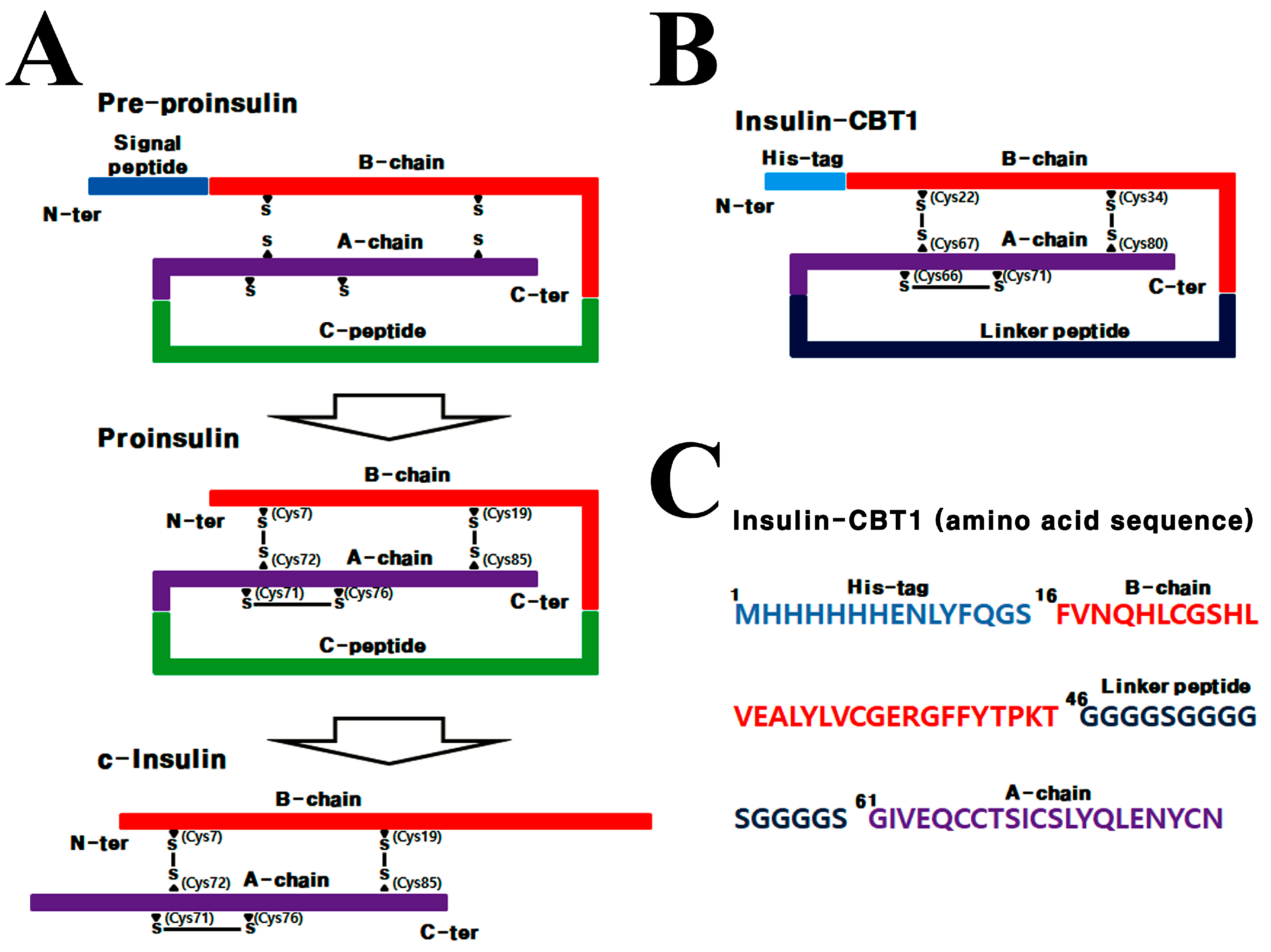
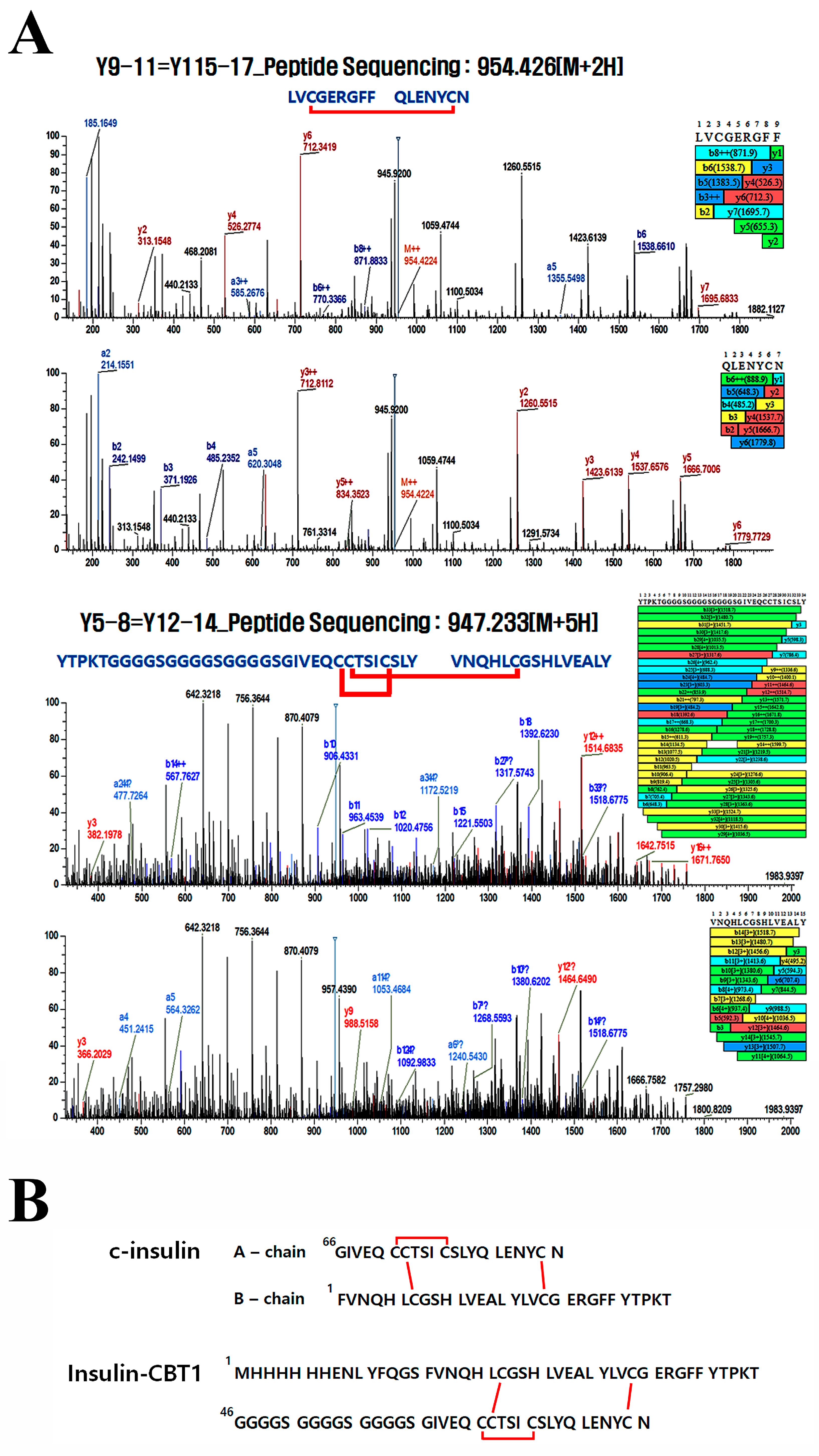
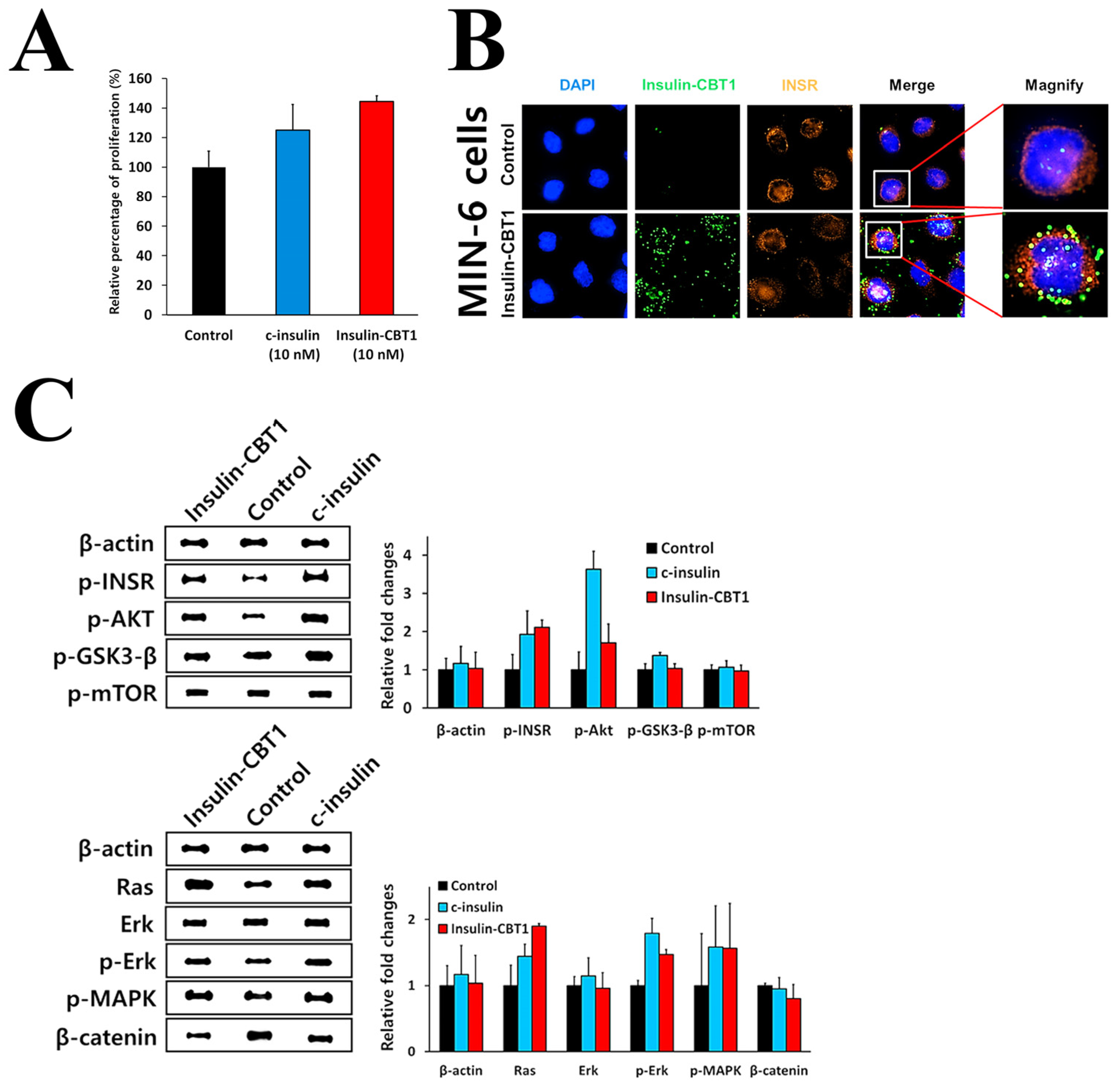
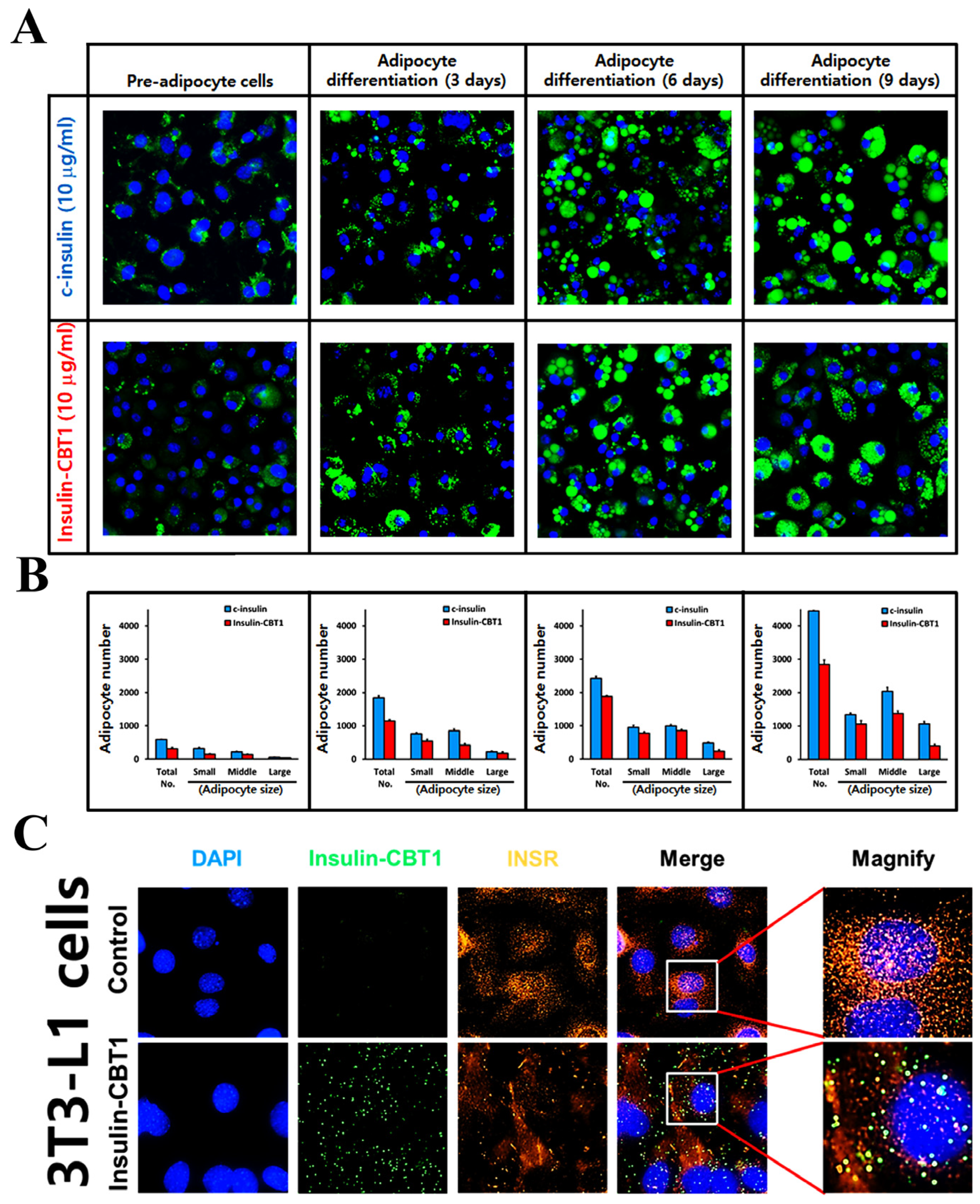
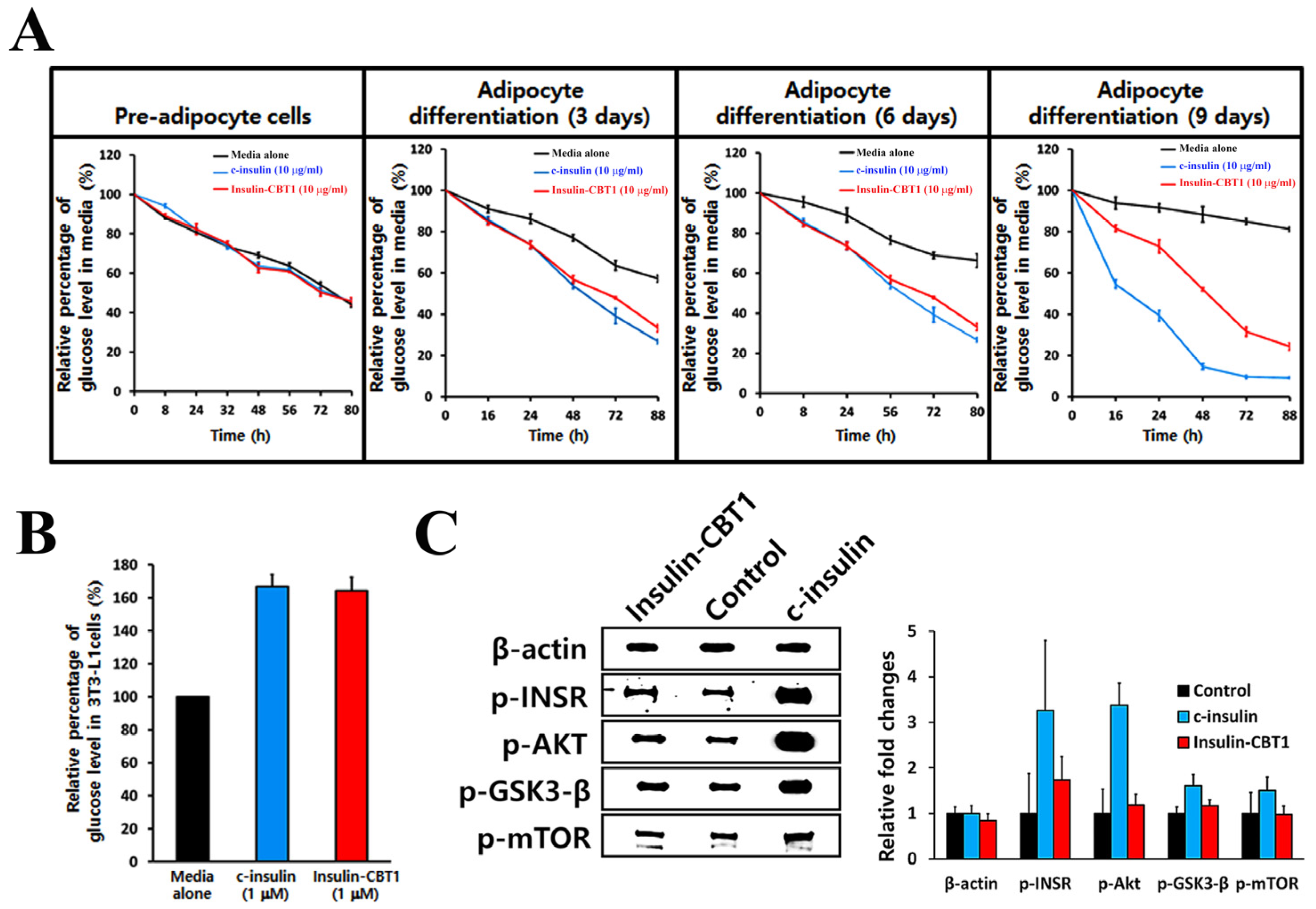
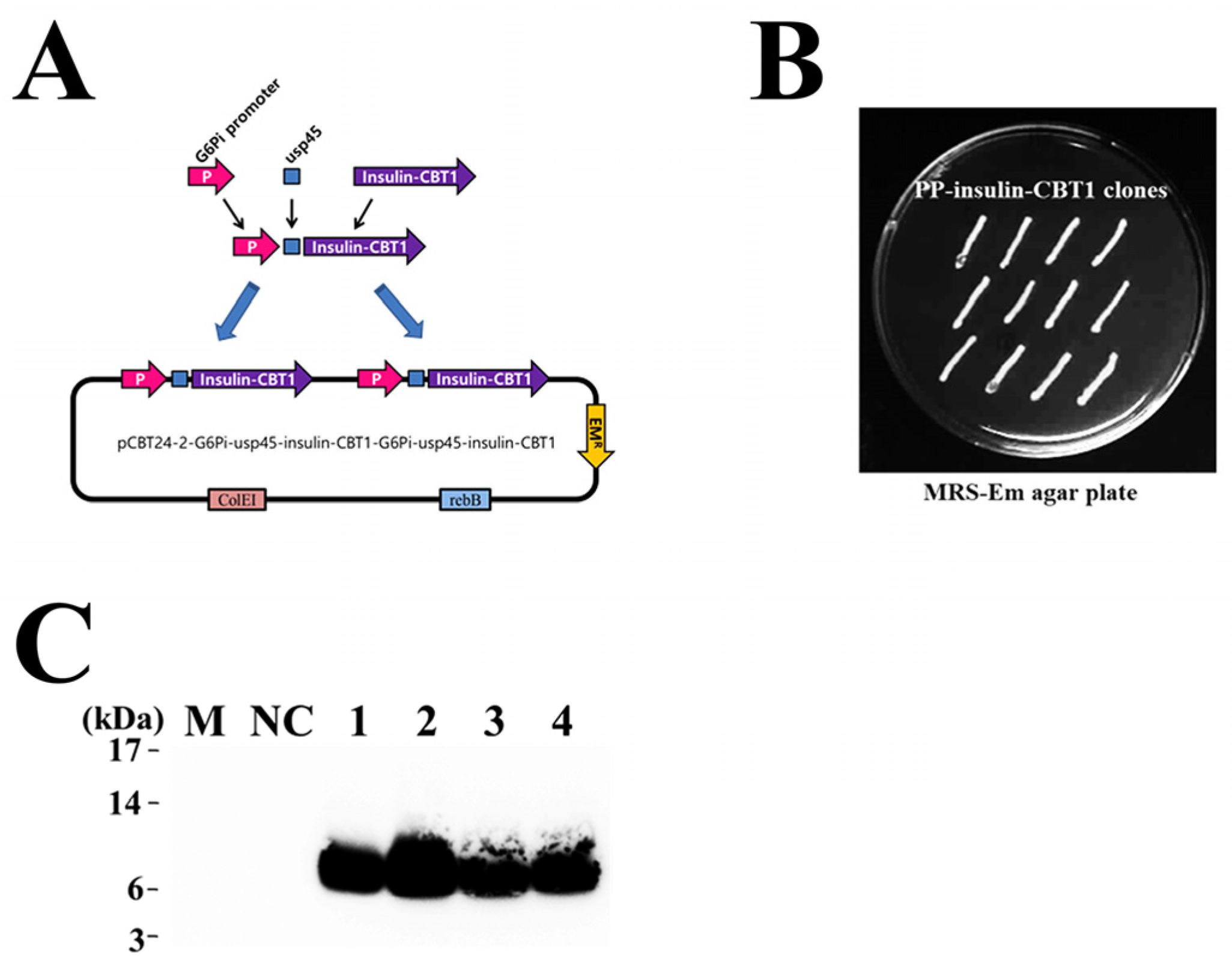
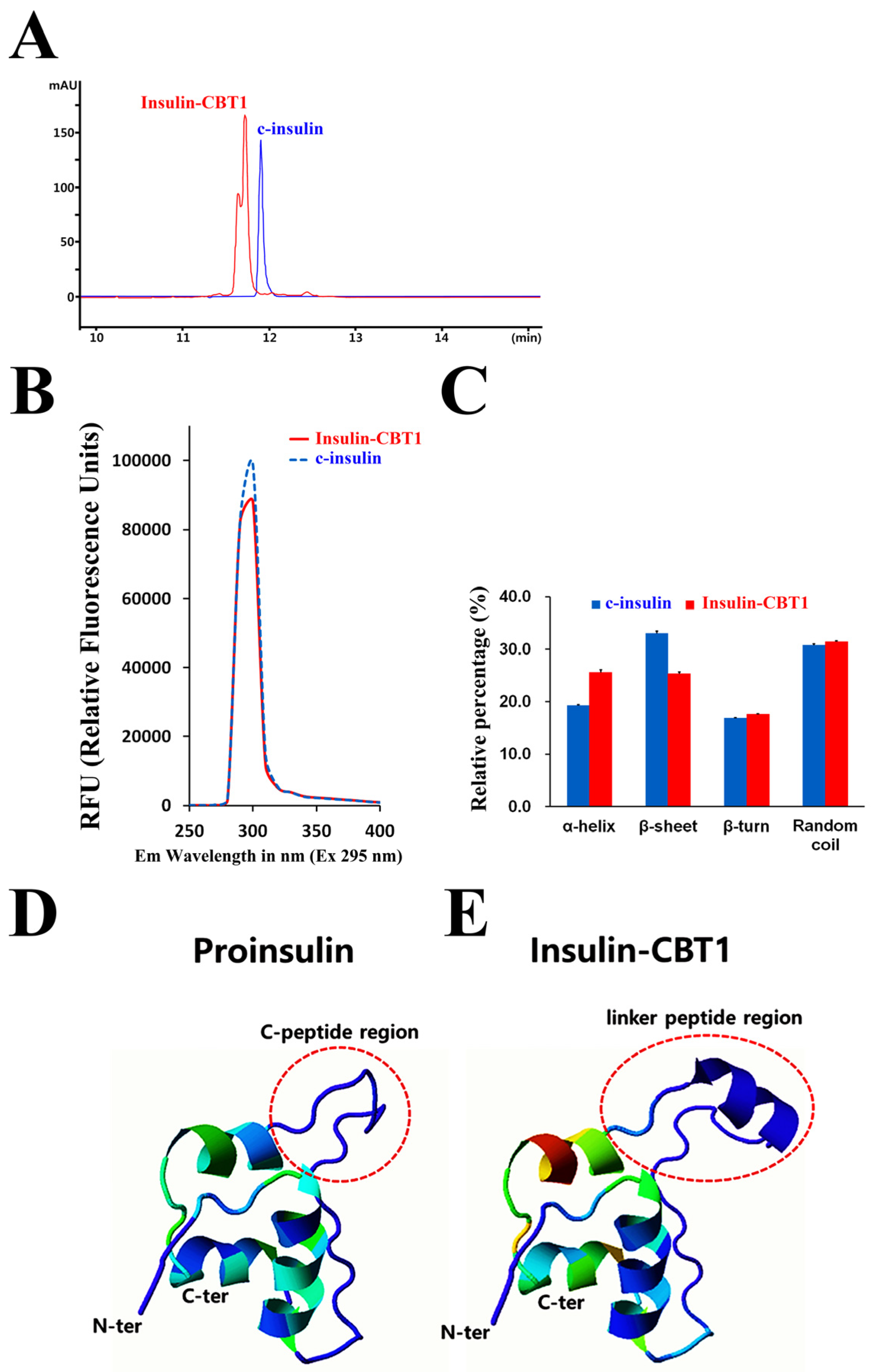
Probiotics show beneficial effects on diabetes mellitus (DM). If probiotics can secrete the recombinant insulins that may help suppress DM development, then it would likely have very few adverse side effects. To produce insulin analogs in bacteria, recombinant insulin (insulin-CBT1) should be the single-chain insulin (SCI) similar to proinsulin. However, insulin-CBT1 should allow the protein to activate insulin receptors directly without the need for proteolytic cleavage. In this study, we evaluated the effect of the flexible linker peptide on the physical and structural characteristics of insulin-CBT1 compared with commercial insulin (c-insulin). In the results, the linker peptide had marked effects on polarity and structure by increasing the α-helix content (19.3%→25.6%). Furthermore, insulin-CBT1 induced MIN6 proliferation 1.75-fold more than c-insulin, whereas differentiation and glucose uptake rates by 3T3-L1 were 39% and 15% lower, respectively. The biological anti-diabetes properties of insulin-CBT1 were well evaluated compared with c-insulin. Furthermore, we first suggest a special method for oral administration of insulin-CBT 1 without damage to the digestive tract. We developed an insulin-CBT1 delivery system using Pediococcus pentosaceus (PP), which has been reported as a potential bacteria in DM. First, insulin-CBT1 was harbored in pCBT2-24, which verified the expression and secretion vector system of PP. We finally confirmed that PP-insulin-CBT1 successfully secreted insulin-CBT1 proteins to culture media. These results presented herein open up new avenues to developing therapeutic options for DM.
Keywords: diabetes mellitus (DM); single-chain insulin (SCI); pancreatic beta-cell proliferation; adipocytes differentiation; glucose uptake diabetes mellitus (DM); single-chain insulin (SCI); pancreatic beta-cell proliferation; adipocytes differentiation; glucose uptake