


Anticancer Ribosomally Synthesized and Post-Translationally Modified Peptides from Plants: Structures, Therapeutic Potential, and Future Directions
Abstract
1. Introduction
2. Biosynthesis of Plant-Derived RiPPs
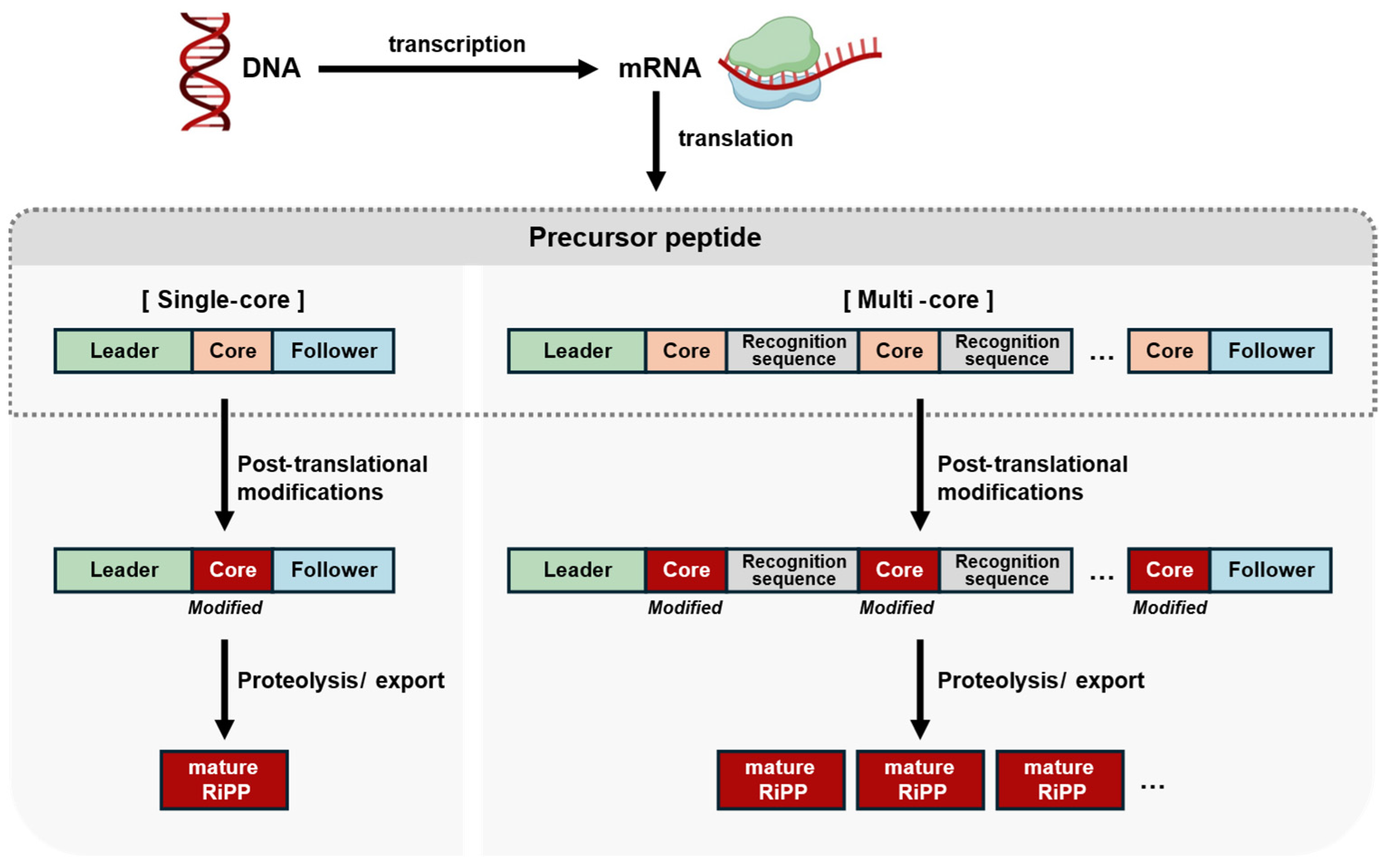
2.1. Ribosomal Synthesis of Precursor Peptides
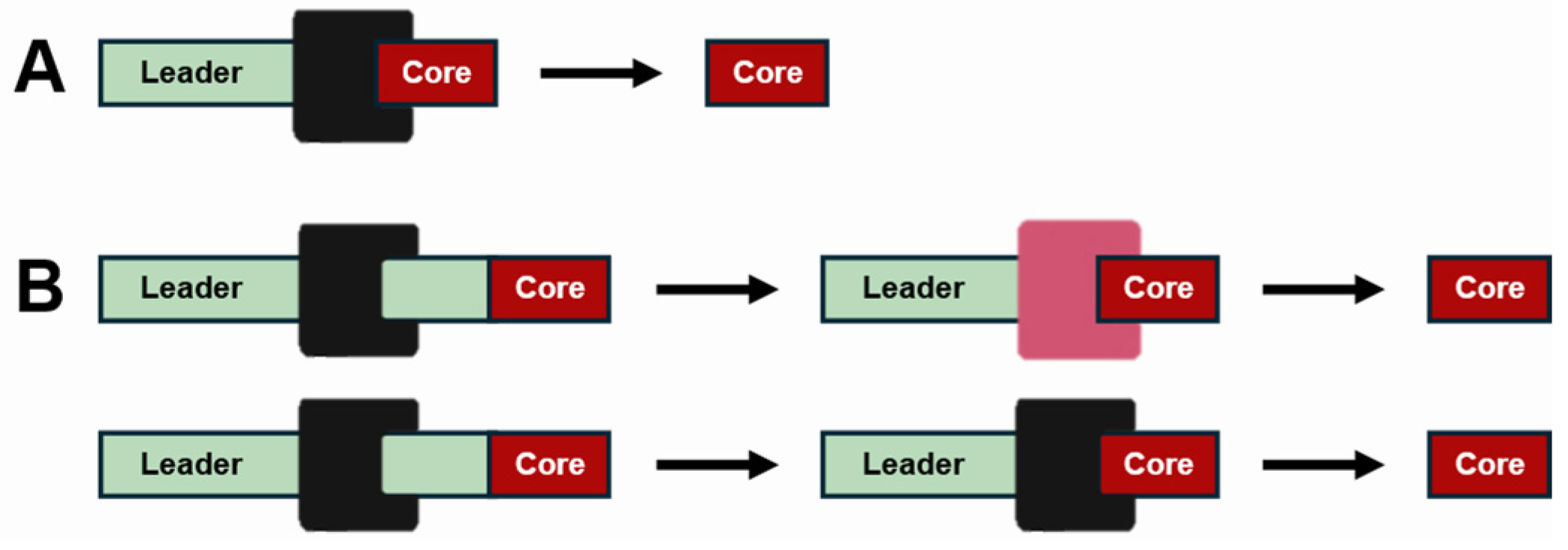
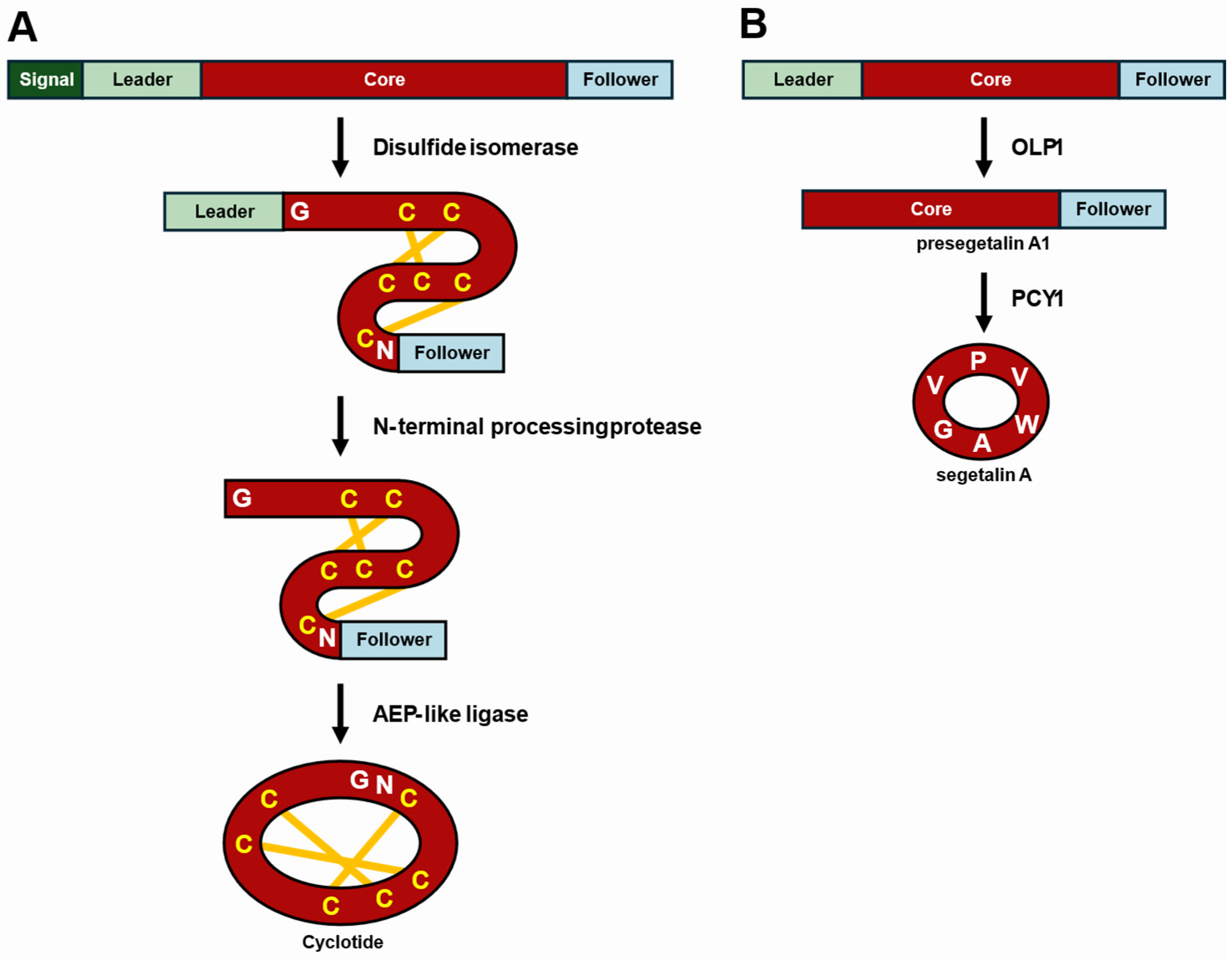
2.2. Post-Translational Modifications
2.3. Genetic and Biochemical Regulation of RiPP Biosynthesis
3. Discovery of Plant-Derived RiPPs
3.1. Ethnobotanical Approaches and Traditional Knowledge
3.2. High-Throughput Screening and Bioassay-Guided Isolation
3.3. Genomic and Bioinformatic Approaches
4. Anticancer RiPPs from Plants
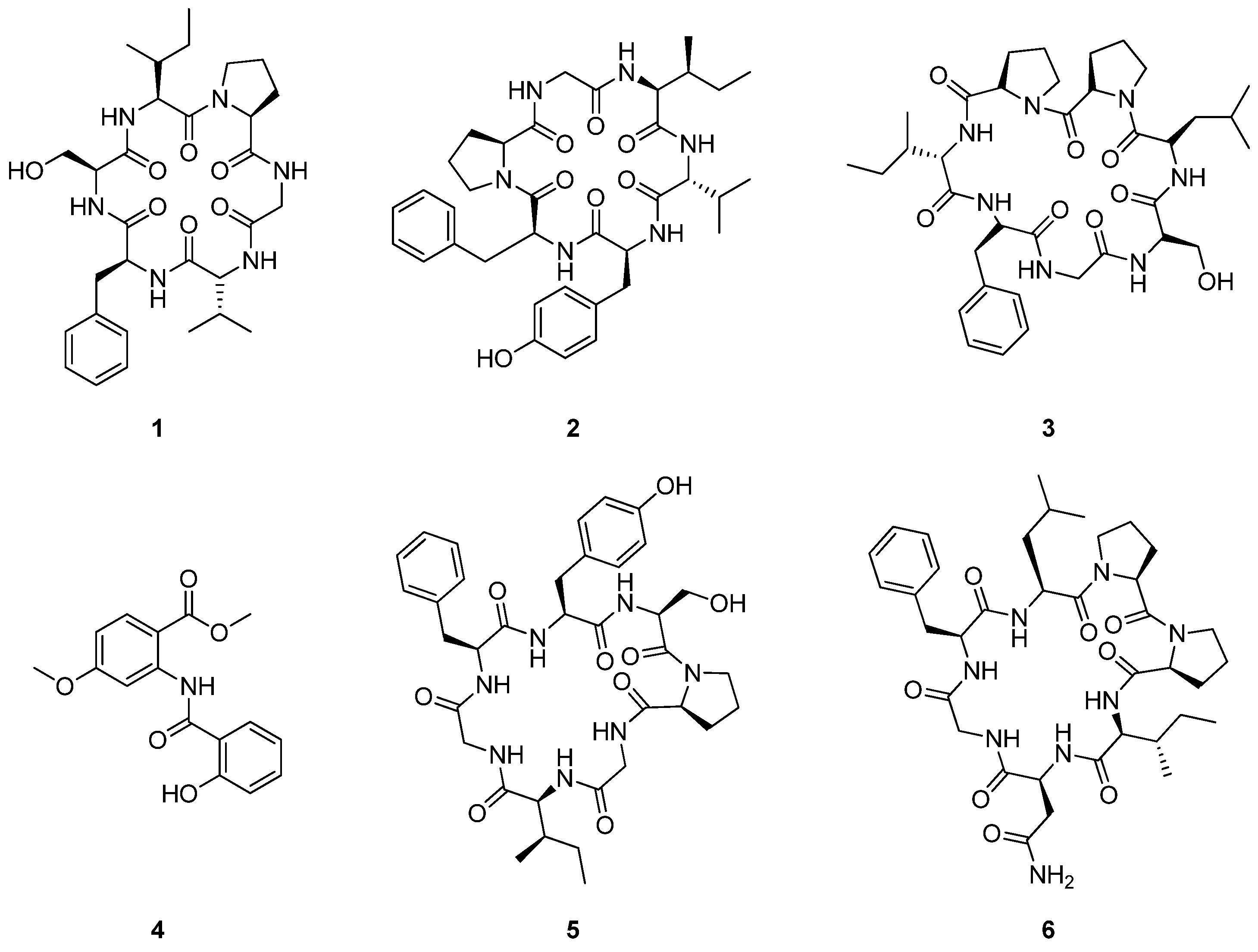
4.1. Anticancer RiPPs from the Caryophyllaceae Family
4.2. Anticancer RiPPs from the Rubiaceae Family
4.3. Anticancer RiPPs from the Euphorbiaceae Family
4.4. Anticancer RiPPs from the Miscellaneous Families
5. Apoptotic Mechanisms Induced by Plant-Derived RiPPs in Cancer Cells

| Compounds | Type | Source (Plant) | Target | Cell Line | Ref. |
|---|---|---|---|---|---|
| Vigno 5 | Cyclotide | Viola ignobilis | Caspase-3, -9 | HeLa | [173] |
| Flaxseed orbitides (extract) | Orbitide | Linum usitatissimum L. | Caspase-3, -9 | SGC-7901 | [174] |
| [1–9-NαC]-crourorb A1 | Orbitide | Croton urucurana | Caspase-3/7 | Huh-7 | [175] |
| [1–9-NαC]- Linusorb B2 | Orbitide | L. usitatissimum L. | Caspase-3, -8 | HepG2 | [176] |
| Caspase-3, -8 | SGC-7901 | [177] | |||
| [1–9-NαC]- Linusorb B3 | Orbitide | L. usitatissimum L. | Caspase-3, -8 | HepG2 | [176] |
| Caspase-3, -8, -9 | SGC-7901 | [177] | |||
| Caspase-3, -9 | C6 | [178] | |||
| Moroidin | Burpitide | Celosia cristata | Caspase-3, -9 | A549 | [155] |
| RA-V | Undefined | Rubia cordifolia | Caspase-3 | H441 | [180] |
| Caspase-3 | H358 | [180] | |||
| R. yunnanensis | Caspase-3, -9 | MCF-7 | [181] | ||
| Caspase-3, -9 | MDA-MB-231 | [181] | |||
| RA-XII | Undefined | R. yunnanensis | Caspase-3, -8, -9 | HepG2 | [182] |
6. Challenges in the Development of Plant-Derived RiPPs as Anticancer Agents
6.1. Complexity of RiPP Biosynthesis
6.2. Low Yield and Purification Challenges
7. Conclusions
Author Contributions
Funding
Data Availability Statement
Conflicts of Interest
References
- Sivaram, S.; Perkins, S.; He, M.; Ginsburg, E.; Dominguez, G.; Vedham, V.; Katz, F.; Parascandola, M.; Bogler, O.; Gopal, S. Building capacity for global cancer research: Existing opportunities and future directions. J. Cancer Educ. 2021, 36, 5–24. [Google Scholar] [CrossRef] [Scilit]
- de Araújo, C.P. Introduction. In Palliative Treatment for Advanced Cancer Patients; Springer: Cham, Switzerland, 2023; pp. 1–7. [Google Scholar]
- OECD. Health at a Glance 2023; OECD Indicator: Paris, France, 2023. [Google Scholar]
- Grizzi, F.; Di Ieva, A.; Russo, C.; Frezza, E.E.; Cobos, E.; Muzzio, P.C.; Chiriva-Internati, M. Cancer initiation and progression: An unsimplifiable complexity. Theor. Biol. Med. Model. 2006, 3, 37. [Google Scholar] [CrossRef] [Scilit] [PubMed]
- Swanton, C.; Bernard, E.; Abbosh, C.; André, F.; Auwerx, J.; Balmain, A.; Bar-Sagi, D.; Bernards, R.; Bullman, S.; DeGregori, J. Embracing cancer complexity: Hallmarks of systemic disease. Cell 2024, 187, 1589–1616. [Google Scholar] [CrossRef] [Scilit]
- Cheema, P.S.; Kumar, G.; Mittal, S.; Parashar, D.; Geethadevi, A.; Jadhav, K.; Tuli, H.S. Metastasis: A major driver of cancer pathogenesis. In Drug Targets in Cellular Processes of Cancer: From Nonclinical to Preclinical Models; Springer: Singapore, 2020; pp. 185–211. [Google Scholar]
- Fan, T.; Kuang, G.; Long, R.; Han, Y.; Wang, J. The overall process of metastasis: From initiation to a new tumor. Biochim. Biophys. Acta Rev. Cancer 2022, 1877, 188750. [Google Scholar] [CrossRef] [Scilit]
- Vijayakumar, S.; Dhakshanamoorthy, R.; Baskaran, A.; Krishnan, B.S.; Maddaly, R. Drug resistance in human cancers—Mechanisms and implications. Life Sci. 2024, 352, 122907. [Google Scholar] [CrossRef] [Scilit]
- Koirala, M.; DiPaola, M. Overcoming cancer resistance: Strategies and modalities for effective treatment. Biomedicines 2024, 12, 1801. [Google Scholar] [CrossRef] [Scilit]
- Nagaraju, G.P.; Kamal, M.A. Challenges in the discovery of novel therapeutic agents in cancer. Curr. Drug Metab. 2019, 20, 931–932. [Google Scholar] [CrossRef] [Scilit] [PubMed]
- Khan, S.U.; Fatima, K.; Aisha, S.; Malik, F. Unveiling the mechanisms and challenges of cancer drug resistance. Cell Commun. Signal. 2024, 22, 109. [Google Scholar] [CrossRef] [Scilit] [PubMed]
- Das, S.; Dey, M.K.; Devireddy, R.; Gartia, M.R. Biomarkers in cancer detection, diagnosis, and prognosis. Sensors 2023, 24, 37. [Google Scholar] [CrossRef] [Scilit] [PubMed]
- Milner, D.A., Jr.; Lennerz, J.K. Technology and future of multi-cancer early detection. Life 2024, 14, 833. [Google Scholar] [CrossRef] [Scilit]
- Ullah, S.; Khan, T.; Khan, T.; Ali, M.; Jan, A.K.; Shinwari, Z.K.; Khan, A.; Al-Farsi, M.; Waqas, M. Phytochemicals for cancer treatment: An update on plant-derived anti-cancer compounds and their mechanisms of action. Curr. Top. Med. Chem. 2024, 24, 1–20. [Google Scholar] [CrossRef] [Scilit] [PubMed]
- Paudel, S.; Mishra, N.; Agarwal, R. Phytochemicals as immunomodulatory molecules in cancer therapeutics. Pharmaceuticals 2023, 16, 1652. [Google Scholar] [CrossRef] [Scilit] [PubMed]
- Chihomvu, P.; Ganesan, A.; Gibbons, S.; Woollard, K.; Hayes, M.A. Phytochemicals in drug discovery—A confluence of tradition and innovation. Int. J. Mol. Sci. 2024, 25, 8792. [Google Scholar] [CrossRef] [Scilit] [PubMed]
- Maddala, V.K.S.; Asha, S.; Singh, S. Phytopharmaceuticals of medicinal plants for the treatment of common illnesses. In Phytopharmaceuticals and Biotechnology of Herbal Plants; CRC Press: Boca Raton, FL, USA, 2022; pp. 201–211. [Google Scholar]
- Ahmed Khalil, A.; Rauf, A.; Alhumaydhi, F.A.; Aljohani, A.S.; Javed, M.S.; Khan, M.A.; Khan, I.A.; El-Esawi, M.A.; Bawazeer, S.; Bouyahya, A. Recent developments and anticancer therapeutics of paclitaxel: An update. Curr. Pharm. Des. 2022, 28, 3363–3373. [Google Scholar] [PubMed]
- Junjua, M.; Jafar, S.; Karamat, F.; Ahmed, F. From lab to pharmacy shelves: The story of a plant derived anticancer drug, “Paclitaxel”. J. Bioresour. Manag. 2015, 2, 4. [Google Scholar]
- Weaver, B.A. How Taxol/Paclitaxel kills cancer cells. Mol. Biol. Cell. 2014, 25, 2677–2681. [Google Scholar] [CrossRef] [Scilit] [PubMed]
- Liebmann, J.; Cook, J.; Lipschultz, C.; Teague, D.; Fisher, J.; Mitchell, J. Cytotoxic studies of paclitaxel (Taxol®) in human tumour cell lines. Br. J. Cancer 1993, 68, 1104–1109. [Google Scholar] [CrossRef] [Scilit] [PubMed]
- Howat, S.; Park, B.; Oh, I.S.; Jin, Y.-W.; Lee, E.-K.; Loake, G.J. Paclitaxel: Biosynthesis, production and future prospects. New Biotechnol. 2014, 31, 242–245. [Google Scholar] [CrossRef] [Scilit] [PubMed]
- Sarkar, S. Role of paclitaxel and vinblastine in modern cancer therapy. In Progress in Chemical and Biological Science; Lincoln University College: Johor, Malaysia, 2023; pp. 15–25. [Google Scholar]
- Rahman, M.A.; Hannan, M.A.; Dash, R.; Rahman, M.H.; Islam, R.; Uddin, M.J.; Sohag, A.A.M.; Rahman, M.H.; Rhim, H. Phytochemicals as a complement to cancer chemotherapy: Pharmacological modulation of the autophagy-apoptosis pathway. Front. Pharmacol. 2021, 12, 639628. [Google Scholar] [CrossRef] [Scilit]
- Velásquez, J.E.; Van der Donk, W.A. Genome mining for ribosomally synthesized natural products. Curr. Opin. Chem. Biol. 2011, 15, 11–21. [Google Scholar] [CrossRef] [Scilit]
- Cao, L.; Do, T.; Link, A.J. Mechanisms of action of ribosomally synthesized and posttranslationally modified peptides (RiPPs). J. Ind. Microbiol. Biotech. 2021, 48, kuab005. [Google Scholar] [CrossRef] [Scilit] [PubMed]
- Skinnider, M.A.; Johnston, C.W.; Edgar, R.E.; Dejong, C.A.; Merwin, N.J.; Rees, P.N.; Magarvey, N.A. Genomic charting of ribosomally synthesized natural product chemical space facilitates targeted mining. Proc. Natl. Acad. Sci. USA 2016, 113, E6343–E6351. [Google Scholar] [CrossRef] [Scilit]
- Russell, A.H.; Truman, A.W. Genome mining strategies for ribosomally synthesised and post-translationally modified peptides. Comput. Struct. Biotechnol. J. 2020, 18, 1838–1851. [Google Scholar] [CrossRef] [Scilit] [PubMed]
- Hu, L.; Qiao, Y.; Liu, J.; Zheng, C.; Wang, X.; Sun, P.; Gu, Y.; Liu, W. Characterization of histidine functionalization and its timing in the biosynthesis of ribosomally synthesized and posttranslationally modified thioamitides. J. Am. Chem. Soc. 2022, 144, 4431–4438. [Google Scholar] [CrossRef] [Scilit]
- Funk, M.A.; Van Der Donk, W.A. Ribosomal natural products, tailored to fit. Acc. Chem. Res. 2017, 50, 1577–1586. [Google Scholar] [CrossRef] [Scilit]
- Cao, L.; Beiser, M.; Koos, J.D.; Orlova, M.; Elashal, H.E.; Schroder, H.V.; Link, A.J. Cellulonodin-2 and lihuanodin: Lasso peptides with an aspartimide post-translational modification. J. Am. Chem. Soc. 2021, 143, 11690–11702. [Google Scholar] [CrossRef] [Scilit] [PubMed]
- Papagianni, M. Ribosomally synthesized peptides with antimicrobial properties: Biosynthesis, structure, function, and applications. Biotechnol. Adv. 2003, 21, 465–499. [Google Scholar] [CrossRef] [Scilit]
- Fisher, M.F.; Zhang, J.; Berkowitz, O.; Whelan, J.; Mylne, J.S. Cyclic peptides in seed of Annona muricata are ribosomally synthesized. J. Nat. Prod. 2020, 83, 1167–1173. [Google Scholar] [CrossRef] [Scilit] [PubMed]
- Craik, D.J.; Lee, M.-H.; Rehm, F.B.; Tombling, B.; Doffek, B.; Peacock, H. Ribosomally-synthesised cyclic peptides from plants as drug leads and pharmaceutical scaffolds. Bioorg. Med. Chem. 2018, 26, 2727–2737. [Google Scholar] [CrossRef] [Scilit] [PubMed]
- Kersten, R.D.; Mydy, L.S.; Fallon, T.R.; de Waal, F.; Shafiq, K.; Wotring, J.W.; Sexton, J.Z.; Weng, J.-K. Gene-guided discovery and ribosomal biosynthesis of moroidin peptides. J. Am. Chem. Soc. 2022, 144, 7686–7692. [Google Scholar] [CrossRef] [Scilit] [PubMed]
- Grundemann, C.; Koehbach, J.; Huber, R.; Gruber, C.W. Do plant cyclotides have potential as immunosuppressant peptides? J. Nat. Prod. 2012, 75, 167–174. [Google Scholar] [CrossRef] [Scilit] [PubMed]
- Pfeiffer, I.P.; Schroder, M.P.; Mordhorst, S. Opportunities and challenges of RiPP-based therapeutics. Nat. Prod. Rep. 2024, 41, 990–1019. [Google Scholar] [CrossRef] [Scilit]
- Gran, L.; Sletten, K.; Skjeldal, L. Cyclic peptides from Oldenlandia affinis DC. Molecular and biological properties. Chem. Biodivers. 2008, 5, 2014–2022. [Google Scholar] [CrossRef] [Scilit]
- Tam, J.P.; Lu, Y.-A.; Yang, J.-L.; Chiu, K.-W. An unusual structural motif of antimicrobial peptides containing end-to-end macrocycle and cystine-knot disulfides. Proc. Natl. Acad. Sci. USA 1999, 96, 8913–8918. [Google Scholar] [CrossRef] [Scilit] [PubMed]
- Jennings, C.; West, J.; Waine, C.; Craik, D.; Anderson, M. Biosynthesis and insecticidal properties of plant cyclotides: The cyclic knotted proteins from Oldenlandia affinis. Proc. Natl. Acad. Sci. USA 2001, 98, 10614–10619. [Google Scholar] [CrossRef] [Scilit] [PubMed]
- Morita, H.; Eda, M.; Iizuka, T.; Hirasawa, Y.; Sekiguchi, M.; Yun, Y.S.; Itokawa, H.; Takeya, K. Structure of a new cyclic nonapeptide, segetalin F, and vasorelaxant activity of segetalins from Vaccaria segetalis. Bioorg. Med. Chem. Lett. 2006, 16, 4458–4461. [Google Scholar] [CrossRef] [Scilit] [PubMed]
- Yahara, S.; Shigeyama, C.; Ura, T.; Wakamatsu, K.; Yasuhara, T.; Nohara, T. Cyclic peptides, acyclic diterpene glycosides and other compounds from Lycium chinense Mill. Chem. Pharm. Bull. 1993, 41, 703–709. [Google Scholar] [CrossRef] [Scilit]
- Vassiliev, P.; Gusev, E.; Komelkova, M.; Kochetkov, A.; Dobrynina, M.; Sarapultsev, A. Computational analysis of CD46 protein interaction with SARS-CoV-2 structural proteins: Elucidating a putative viral entry mechanism into human cells. Viruses 2023, 15, 2297. [Google Scholar] [CrossRef] [Scilit]
- Fu, Y.; Jaarsma, A.H.; Kuipers, O.P. Antiviral activities and applications of ribosomally synthesized and post-translationally modified peptides (RiPPs). Cell. Mol. Life Sci. 2021, 78, 3921–3940. [Google Scholar] [CrossRef] [Scilit]
- Chen, D.; Ermine, K.; Wang, Y.-J.; Chen, X.; Lu, X.; Wang, P.; Beer-Stolz, D.; Yu, J.; Zhang, L. PUMA/RIP3 mediates chemotherapy response via necroptosis and local immune activation in colorectal cancer. Mol. Cancer Ther. 2024, 23, 354–367. [Google Scholar] [CrossRef] [Scilit]
- Raina, K.; Forbes, C.D.; Stronk, R.; Rappi, J.P., Jr.; Eastman, K.J.; Gerritz, S.W.; Yu, X.; Li, H.; Bhardwaj, A.; Forgione, M. Regulated induced proximity targeting chimeras (RIPTACs): A novel heterobifunctional small molecule therapeutic strategy for killing cancer cells selectively. bioRxiv 2023. [Google Scholar] [CrossRef] [Scilit]
- Zhong, G.; Wang, Z.J.; Yan, F.; Zhang, Y.; Huo, L. Recent advances in discovery, bioengineering, and bioactivity-evaluation of ribosomally synthesized and post-translationally modified peptides. ACS Bio Med Chem Au 2023, 3, 1–31. [Google Scholar] [CrossRef] [Scilit]
- Han, S.W.; Won, H.S. Advancements in the application of ribosomally synthesized and post-translationally modified peptides (RiPPs). Biomolecules 2024, 14, 479. [Google Scholar] [CrossRef] [Scilit] [PubMed]
- Ongpipattanakul, C.; Desormeaux, E.K.; DiCaprio, A.; Van Der Donk, W.A.; Mitchell, D.A.; Nair, S.K. Mechanism of action of ribosomally synthesized and post-translationally modified peptides. Chem. Rev. 2022, 122, 14722–14814. [Google Scholar] [CrossRef] [Scilit]
- Bauso, L.V.; La Fauci, V.; Munaò, S.; Bonfiglio, D.; Armeli, A.; Maimone, N.; Longo, C.; Calabrese, G. Biological activity of natural and synthetic peptides as anticancer agents. Int. J. Mol. Sci. 2024, 25, 7264. [Google Scholar] [CrossRef] [Scilit] [PubMed]
- Santos-Aberturas, J.; Chandra, G.; Frattaruolo, L.; Lacret, R.; Pham, T.H.; Vior, N.M.; Eyles, T.H.; Truman, A.W. Uncovering the unexplored diversity of thioamidated ribosomal peptides in Actinobacteria using the RiPPER genome mining tool. Nucleic Acids Res. 2019, 47, 4624–4637. [Google Scholar] [CrossRef] [Scilit] [PubMed]
- Moyer, T.B.; Parsley, N.C.; Sadecki, P.W.; Schug, W.J.; Hicks, L.M. Leveraging orthogonal mass spectrometry based strategies for comprehensive sequencing and characterization of ribosomal antimicrobial peptide natural products. Nat. Prod. Rep. 2021, 38, 489–509. [Google Scholar] [CrossRef] [Scilit]
- Frattaruolo, L.; Lacret, R.; Cappello, A.R.; Truman, A.W. A genomics-based approach identifies a thioviridamide-like compound with selective anticancer activity. ACS Chem. Biol. 2017, 12, 2815–2822. [Google Scholar] [CrossRef] [Scilit] [PubMed]
- Chekan, J.R.; Mydy, L.S.; Pasquale, M.A.; Kersten, R.D. Plant peptides-redefining an area of ribosomally synthesized and post-translationally modified peptides. Nat. Prod. Rep. 2024, 41, 1020–1059. [Google Scholar] [CrossRef] [Scilit]
- Ali, A.; Ambrose, S.; Hussain, D.; Hafeez, F.; Asghar, T.; Shah, S.N.A.; Ahsan, M.; Shakir, M.; Ali, A.; Khan, A.M.A. Antimicrobial resistance and antimicrobial activity of plant-based antimicrobial peptides against bacteria: Plant-based antimicrobial peptides. Lett. Anim. Biol. 2024, 4, 19–27. [Google Scholar] [CrossRef] [Scilit]
- Szerszunowicz, I.; Kozicki, S. Plant-Derived Proteins and Peptides as Potential Immunomodulators. Molecules 2023, 29, 209. [Google Scholar] [CrossRef] [Scilit]
- Kadam, D.; Kadam, A.; Koksel, F.; Aluko, R.E. Plant-derived bioactive peptides: A comprehensive review. Sustain. Food Proteins 2024, 2, 183–214. [Google Scholar] [CrossRef] [Scilit]
- Gruber, C.W. Plant-derived peptides: (neglected) natural products for drug discovery. Planta Med. 2024, 90, 627–630. [Google Scholar] [CrossRef] [Scilit]
- Miller, F.S.; Crone, K.K.; Jensen, M.R.; Shaw, S.; Harcombe, W.R.; Elias, M.H.; Freeman, M.F. Conformational rearrangements enable iterative backbone N-methylation in RiPP biosynthesis. Nat. Commun. 2021, 12, 5355. [Google Scholar] [CrossRef] [Scilit]
- Mahanta, N.; Hudson, G.A.; Mitchell, D.A. Radical S-adenosylmethionine enzymes involved in RiPP biosynthesis. Biochemistry 2017, 56, 5229–5244. [Google Scholar] [CrossRef] [Scilit] [PubMed]
- Oman, T.J.; Van Der Donk, W.A. Follow the leader: The use of leader peptides to guide natural product biosynthesis. Nat. Chem. Biol. 2010, 6, 9–18. [Google Scholar] [CrossRef] [Scilit] [PubMed]
- Jin, L.; Wu, X.; Xue, Y.; Jin, Y.; Wang, S.; Chen, Y. Mutagenesis of NosM leader peptide reveals important elements in nosiheptide biosynthesis. Appl. Environ. Microbiol. 2017, 83, e02880-16. [Google Scholar] [CrossRef] [Scilit] [PubMed]
- Walsh, C.T.; Garneau-Tsodikova, S.; Gatto Jr, G.J. Protein posttranslational modifications: The chemistry of proteome diversifications. Angew. Chem. Int. Ed. 2005, 44, 7342–7372. [Google Scholar] [CrossRef] [Scilit]
- Arnison, P.G.; Bibb, M.J.; Bierbaum, G.; Bowers, A.A.; Bugni, T.S.; Bulaj, G.; Camarero, J.A.; Campopiano, D.J.; Challis, G.L.; Clardy, J. Ribosomally synthesized and post-translationally modified peptide natural products: Overview and recommendations for a universal nomenclature. Nat. Prod. Rep. 2013, 30, 108–160. [Google Scholar] [CrossRef] [Scilit] [PubMed]
- Condie, J.A.; Nowak, G.; Reed, D.W.; Balsevich, J.J.; Reaney, M.J.T.; Arnison, P.G.; Covello, P.S. The biosynthesis of Caryophyllaceae-like cyclic peptides in Saponaria vaccaria L. from DNA-encoded precursors. Plant J. 2011, 67, 682–690. [Google Scholar] [CrossRef] [Scilit] [PubMed]
- Trabi, M.; Mylne, J.S.; Sando, L.; Craik, D.J. Circular proteins from Melicytus (Violaceae) refine the conserved protein and gene architecture of cyclotides. Org. Biomol. Chem. 2009, 7, 2378–2388. [Google Scholar] [CrossRef] [Scilit]
- Rubin, G.M.; Ding, Y. Recent advances in the biosynthesis of RiPPs from multicore-containing precursor peptides. J. Ind. Microbiol. Biotechnol. 2020, 47, 659–674. [Google Scholar] [CrossRef] [Scilit]
- Jones, P.M.; George, A.M. Computational analysis of the MCoTI-II plant defence knottin reveals a novel intermediate conformation that facilitates trypsin binding. Sci. Rep. 2016, 6, 23174. [Google Scholar] [CrossRef] [Scilit] [PubMed]
- Mylne, J.S.; Chan, L.Y.; Chanson, A.H.; Daly, N.L.; Schaefer, H.; Bailey, T.L.; Nguyencong, P.; Cascales, L.; Craik, D.J. Cyclic peptides arising by evolutionary parallelism via asparaginyl-endopeptidase–mediated biosynthesis. Plant Cell 2012, 24, 2765–2778. [Google Scholar] [CrossRef] [Scilit]
- Kersten, R.D.; Weng, J.-K. Gene-guided discovery and engineering of branched cyclic peptides in plants. Proc. Natl. Acad. Sci. USA 2018, 115, E10961–E10969. [Google Scholar] [CrossRef] [Scilit] [PubMed]
- Rodríguez, V. Insights into post-translational modification enzymes from RiPPs: A toolkit for applications in peptide synthesis. Biotechnol. Adv. 2022, 56, 107908. [Google Scholar] [CrossRef] [Scilit] [PubMed]
- Fu, Y.; Xu, Y.; Ruijne, F.; Kuipers, O.P. Engineering lanthipeptides by introducing a large variety of RiPP modifications to obtain new-to-nature bioactive peptides. FEMS Microbiol. Rev. 2023, 47, fuad017. [Google Scholar] [CrossRef] [Scilit] [PubMed]
- Eslami, S.M.; van der Donk, W.A. Proteases involved in leader peptide removal during RiPP biosynthesis. ACS Bio Med Chem Au 2024, 4, 20–36. [Google Scholar] [CrossRef] [Scilit] [PubMed]
- Mittal, S.; Saluja, D. Protein post-translational modifications: Role in protein structure, function and stability. In Proteostasis and Chaperone Surveillance; Singh, L.R., Dar, T.A., Ahmad, P., Eds.; Springer: New Delhi, India, 2015; pp. 25–37. [Google Scholar]
- Haim, A.; Neubacher, S.; Grossmann, T.N. Protein macrocyclization for tertiary structure stabilization. Chembiochem 2021, 22, 2672–2679. [Google Scholar] [CrossRef] [Scilit] [PubMed]
- Thibodeaux, G.N.; McClerren, A.L.; Ma, Y.; Gancayco, M.R.; van der Donk, W.A. Synergistic binding of the lader and core peptides by the lantibiotic synthetase HalM2. ACS Chem. Biol. 2015, 10, 970–977. [Google Scholar] [CrossRef] [Scilit] [PubMed]
- Koehnke, J.; Mann, G.; Bent, A.F.; Ludewig, H.; Shirran, S.; Botting, C.; Lebl, T.; Houssen, W.; Jaspars, M.; Naismith, J.H. Structural analysis of leader peptide binding enables leader-free cyanobactin processing. Nat. Chem. Biol. 2015, 11, 558–563. [Google Scholar] [CrossRef] [Scilit]
- Si, T.; Tian, Q.; Min, Y.; Zhang, L.; Sweedler, J.V.; van der Donk, W.A.; Zhao, H. Rapid screening of lanthipeptide analogs via in-colony removal of leader peptides in Escherichia coli. J. Am. Chem. Soc. 2018, 140, 11884–11888. [Google Scholar] [CrossRef] [Scilit]
- Chekan, J.R.; Estrada, P.; Covello, P.S.; Nair, S.K. Characterization of the macrocyclase involved in the biosynthesis of RiPP cyclic peptides in plants. Proc. Natl. Acad. Sci. USA 2017, 114, 6551–6556. [Google Scholar] [CrossRef] [Scilit] [PubMed]
- Koehnke, J.; Bent, A.F.; Houssen, W.E.; Mann, G.; Jaspars, M.; Naismith, J.H. The structural biology of patellamide biosynthesis. Curr. Opin. Struct. Biol. 2014, 29, 112–121. [Google Scholar] [CrossRef] [Scilit]
- Ayikpoe, R.S.; Shi, C.; Battiste, A.J.; Eslami, S.M.; Ramesh, S.; Simon, M.A.; Bothwell, I.R.; Lee, H.; Rice, A.J.; Ren, H.; et al. A scalable platform to discover antimicrobials of ribosomal origin. Nat. Commun. 2022, 13, 6135. [Google Scholar] [CrossRef] [Scilit] [PubMed]
- Bothwell, I.R.; Caetano, T.; Sarksian, R.; Mendo, S.; van der Donk, W.A. Structural analysis of Class I lanthipeptides from Pedobacter lusitanus NL19 reveals an unusual ring pattern. ACS Chem. Biol. 2021, 16, 1019–1029. [Google Scholar] [CrossRef] [Scilit] [PubMed]
- Lee, H.; van der Donk, W.A. Macrocyclization and backbone modification in RiPP biosynthesis. Annu. Rev. Biochem. 2022, 91, 269–294. [Google Scholar] [CrossRef] [Scilit]
- Craik, D.J.; Daly, N.L.; Bond, T.; Waine, C. Plant cyclotides: A unique family of cyclic and knotted proteins that defines the cyclic cystine knot structural motif. J. Mol. Biol. 1999, 294, 1327–1336. [Google Scholar] [CrossRef] [Scilit]
- Rees, D.C.; Lipscomb, W.N. Refined crystal structure of the potato inhibitor complex of carboxypeptidase A at 2.5 Å resolution. J. Mol. Biol. 1982, 160, 475–498. [Google Scholar] [CrossRef] [Scilit]
- Colgrave, M.L.; Craik, D.J. Thermal, chemical, and enzymatic stability of the cyclotide kalata B1: The importance of the cyclic cystine knot. Biochemistry 2004, 43, 5965–5975. [Google Scholar] [CrossRef] [Scilit]
- Zhang, J.; Liao, B.; Craik, D.J.; Li, J.-T.; Hu, M.; Shu, W.-S. Identification of two suites of cyclotide precursor genes from metallophyte Viola baoshanensis: cDNA sequence variation, alternative RNA splicing and potential cyclotide diversity. Gene 2009, 431, 23–32. [Google Scholar] [CrossRef] [Scilit] [PubMed]
- Gruber, C.W.; Čemažar, M.; Clark, R.J.; Horibe, T.; Renda, R.F.; Anderson, M.A.; Craik, D.J. A novel plant protein-disulfide isomerase involved in the oxidative folding of cystine knot defense proteins. J. Biol. Chem. 2007, 282, 20435–20446. [Google Scholar] [CrossRef] [Scilit] [PubMed]
- Wang, C.K.L.; Kaas, Q.; Chiche, L.; Craik, D.J. CyBase: A database of cyclic protein sequences and structures, with applications in protein discovery and engineering. Nucleic Acids Res. 2007, 36, D206–D210. [Google Scholar] [CrossRef] [Scilit]
- Qu, H.; Jackson, M.A.; Yap, K.; Harvey, P.J.; Gilding, E.K.; Craik, D.J. Production of a structurally validated cyclotide in rice suspension cells is enabled by a supporting biosynthetic enzyme. Planta 2020, 252, 97. [Google Scholar] [CrossRef] [Scilit]
- James, A.M.; Haywood, J.; Leroux, J.; Ignasiak, K.; Elliott, A.G.; Schmidberger, J.W.; Fisher, M.F.; Nonis, S.G.; Fenske, R.; Bond, C.S.; et al. The macrocyclizing protease butelase 1 remains autocatalytic and reveals the structural basis for ligase activity. Plant J. 2019, 98, 988–999. [Google Scholar] [CrossRef] [Scilit]
- Huang, Y.-H.; Kan, M.-W.; Craik, D.J. Protocols for measuring the stability and cytotoxicity of cyclotides. In Methods in Enzymology; Hicks, L.M., Ed.; Academic Press: Cambridge, MA, USA, 2022; Volume 663, pp. 619–640. [Google Scholar]
- Lee, M.-H.; Jackson, M.A.; Rehm, F.B.H.; Barkauskas, D.S.; Ho, W.L.; Yap, K.; Craik, D.J.; Gilding, E.K. Proximity labelling confirms the Involvement of papain-like cysteine proteases and chaperones in cyclotide biosynthesis. Plant Mol. Biol. Rep. 2024, 42, 611–623. [Google Scholar] [CrossRef] [Scilit]
- Fisher, M.F.; Payne, C.D.; Rosengren, K.J.; Mylne, J.S. An orbitide from Ratibida columnifera seed containing 16 amino acid residues. J. Nat. Prod. 2019, 82, 2152–2158. [Google Scholar] [CrossRef] [Scilit] [PubMed]
- Barber, C.J.S.; Pujara, P.T.; Reed, D.W.; Chiwocha, S.; Zhang, H.; Covello, P.S. The two-step biosynthesis of cyclic peptides from Linear Precursors in a member of the plant family Caryophyllaceae Involves cyclization by a serine protease-like enzyme. J. Biol. Chem. 2013, 288, 12500–12510. [Google Scholar] [CrossRef] [Scilit]
- Jackson, M.A.; Nguyen, L.T.T.; Gilding, E.K.; Durek, T.; Craik, D.J. Make it or break it: Plant AEPs on stage in biotechnology. Biotechnol. Adv. 2020, 45, 107651. [Google Scholar] [CrossRef] [Scilit] [PubMed]
- Ortega, M.A.; Van Der Donk, W.A. New insights into the biosynthetic logic of ribosomally synthesized and post-translationally modified peptide natural products. Cell Chem. Biol. 2016, 23, 31–44. [Google Scholar] [CrossRef] [Scilit]
- Seidel, V. Plant-derived chemicals: A source of inspiration for new drugs. Plants 2020, 9, 1562. [Google Scholar] [CrossRef] [Scilit]
- Imtiaz, I.; Schloss, J.; Bugarcic, A. Traditional and contemporary herbal medicines in management of cancer: A scoping review. J. Ayurveda Integr. Med. 2024, 15, 100904. [Google Scholar] [CrossRef] [Scilit]
- Bajpai, P.; Usmani, S.; Kumar, R.; Prakash, O. Recent advances in anticancer approach of traditional medicinal plants: A novel strategy for cancer chemotherapy. Intell. Pharm. 2024, 2, 291–304. [Google Scholar] [CrossRef] [Scilit]
- Ravichandran, S.; Bhargavi, K.M.; Rai, A.; Pandey, T.; Rajput, J.; Sri, R.M.M. Medicinal plants for curing human diseases. Insight Chin. Med. 2023, 6, 570. [Google Scholar] [CrossRef] [Scilit]
- Sheng-Ji, P. Ethnobotanical approaches of traditional medicine studies: Some experiences from Asia. Pharm. Biol. 2001, 39 (Suppl. 1), 74–79. [Google Scholar] [PubMed]
- Fisher, M.F.; Payne, C.D.; Chetty, T.; Crayn, D.; Berkowitz, O.; Whelan, J.; Rosengren, K.J.; Mylne, J.S. The genetic origin of evolidine, the first cyclopeptide discovered in plants, and related orbitides. J. Biol. Chem. 2020, 295, 14510–14521. [Google Scholar] [CrossRef] [Scilit] [PubMed]
- Ficker, C.E.; Arnason, J.T.; Vindas, P.S.; Alvarez, L.P.; Akpagana, K.; Gbeassor, M.; De Souza, C.; Smith, M.L. Inhibition of human pathogenic fungi by ethnobotanically selected plant extracts. Mycoses 2003, 46, 29–37. [Google Scholar] [CrossRef] [Scilit]
- Mayr, L.M.; Bojanic, D. Novel trends in high-throughput screening. Curr. Opin. Pharmacol. 2009, 9, 580–588. [Google Scholar] [CrossRef] [Scilit]
- Mayr, L.M.; Fuerst, P. The future of high-throughput screening. J. Biomol. Screen. 2008, 13, 443–448. [Google Scholar] [CrossRef] [Scilit]
- Fang, X.; Zheng, Y.; Duan, Y.; Liu, Y.; Zhong, W. Recent advances in design of fluorescence-based assays for high-throughput screening. Anal. Chem. 2019, 91, 482–504. [Google Scholar] [CrossRef] [Scilit]
- Henrich, C.J.; Beutler, J.A. Matching the power of high throughput screening to the chemical diversity of natural products. Nat. Prod. Rep. 2013, 30, 1284–1298. [Google Scholar] [CrossRef] [Scilit] [PubMed]
- Kriger, D.; Pasquale, M.A.; Ampolini, B.G.; Chekan, J.R. Mining raw plant transcriptomic data for new cyclopeptide alkaloids. Beilstein J. Org. Chem. 2024, 20, 1548–1559. [Google Scholar] [CrossRef] [Scilit]
- Smit, S.J.; Lichman, B.R. Plant biosynthetic gene clusters in the context of metabolic evolution. Nat. Prod. Rep. 2022, 39, 1465–1482. [Google Scholar] [CrossRef] [Scilit]
- Alami, M.M.; Ouyang, Z.; Zhang, Y.; Shu, S.; Yang, G.; Mei, Z.; Wang, X. The current developments in medicinal plant genomics enabled the diversification of secondary metabolites’ biosynthesis. Int. J. Mol. Sci. 2022, 23, 15932. [Google Scholar] [CrossRef] [Scilit] [PubMed]
- Mehta, A.; Hasija, Y. Bioinformatics approaches for genomics and post genomics applications of anticancer plants. In Anticancer Plants: Mechanisms and Molecular Interactions; Akhtar, M.S., Swamy, M.K., Eds.; Springer: Singapore, 2018; Volume 4, pp. 283–317. [Google Scholar]
- Kautsar, S.A.; Suarez Duran, H.G.; Medema, M.H. Genomic Identification and Analysis of Specialized Metabolite Biosynthetic Gene Clusters in Plants Using PlantiSMASH. In Plant Chemical Genomics: Methods and Protocols; Fauser, F., Jonikas, M., Eds.; Springer: New York, NY, USA, 2018; pp. 173–188. [Google Scholar]
- Chavali, A.K.; Rhee, S.Y. Bioinformatics tools for the identification of gene clusters that biosynthesize specialized metabolites. Brief. Bioinform. 2018, 19, 1022–1034. [Google Scholar] [CrossRef] [Scilit] [PubMed]
- Lorenzo de los Santos, E.; Challis, G. ClusterTools: Functional element identification for the in silico prioritization of biosynthetic gene clusters. Access Microbiol. 2019, 1, 301. [Google Scholar] [CrossRef] [Scilit]
- Horner, D.S.; Pavesi, G.; Castrignano, T.; De Meo, P.D.; Liuni, S.; Sammeth, M.; Picardi, E.; Pesole, G. Bioinformatics approaches for genomics and post genomics applications of next-generation sequencing. Brief. Bioinform. 2010, 11, 181–197. [Google Scholar] [CrossRef] [Scilit]
- Zhang, Y.; Chen, M.; Bruner, S.D.; Ding, Y. Heterologous production of microbial ribosomally synthesized and post-translationally modified peptides. Front. Microbiol. 2018, 9, 1801. [Google Scholar] [CrossRef] [Scilit]
- Voutquenne-Nazabadioko, L.; Gevrenova, R.; Borie, N.; Harakat, D.; Sayagh, C.; Weng, A.; Thakur, M.; Zaharieva, M.; Henry, M. Triterpenoid saponins from the roots of Gypsophila trichotoma Wender. Phytochemistry 2013, 90, 114–127. [Google Scholar] [CrossRef] [Scilit] [PubMed]
- Gevrenova, R.; Joubert, O.; Mandova, T.; Zaiou, M.; Chapleur, Y.; Henry, M. Cytotoxic effects of four Caryophyllaceae species extracts on macrophage cell lines. Pharm. Biol. 2014, 52, 919–925. [Google Scholar] [CrossRef] [Scilit]
- Timité, G.; Mitaine-Offer, A.C.; Miyamoto, T.; Ramezani, M.; Rustaiyan, A.; Mirjolet, J.F.; Duchamp, O.; Lacaille-Dubois, M.A. Structure elucidation of new oleanane-type glycosides from three species of Acanthophyllum. Magn. Reson. Chem. 2010, 48, 370–374. [Google Scholar] [CrossRef] [Scilit] [PubMed]
- Luo, J.-G.; Chen, X.; Kong, L.-Y. Three new triterpenoid saponins from Dianthus superbus. Chem. Pharm. Bull. 2011, 59, 518–521. [Google Scholar] [CrossRef] [Scilit]
- Yu, J.-O.; Liao, Z.-X.; Lei, J.-C.; Hu, X.-M. Antioxidant and cytotoxic activities of various fractions of ethanol extract of Dianthus superbus. Food Chem. 2007, 104, 1215–1219. [Google Scholar] [CrossRef] [Scilit]
- Hsieh, P.-W.; Chang, F.-R.; Wu, C.-C.; Wu, K.-Y.; Li, C.-M.; Chen, S.-L.; Wu, Y.-C. New cytotoxic cyclic peptides and dianthramide from Dianthus superbus. J. Nat. Prod. 2004, 67, 1522–1527. [Google Scholar] [CrossRef] [Scilit]
- Morita, H.; Shishido, A.; Kayashita, T.; Shimomura, M.; Takeya, K.; Itokawa, H. Cyclic peptide from higher plants. part 14. two novel cyclic peptides, Yunnanins A and B from Stellaria yunnanensis. Chem. Lett. 1994, 26, 2415–2418. [Google Scholar] [CrossRef] [Scilit]
- Houshdar Tehrani, M.H.; Gholibeikian, M.; Bamoniri, A.; Mirjalili, B.B.F. Cancer treatment by Caryophyllaceae-type cyclopeptides. Front. Endocrinol. 2020, 11, 600856. [Google Scholar] [CrossRef] [Scilit] [PubMed]
- Morita, H.; Kayashita, T.; Shimomura, M.; Takeya, K.; Itokawa, H. Cyclic peptides from higher plants. 24. yunnanin C, a novel cyclic heptapeptide from Stellaria yunnanensis. J. Nat. Prod. 1996, 59, 280–282. [Google Scholar] [CrossRef] [Scilit] [PubMed]
- Lee, J.; Seo, Y.; Lee, J.; Ju, J. Antioxidant activities of Dianthus chinensis L. extract and its inhibitory activities against nitric oxide production and cancer cell growth and adhesion. J. Korean Soc. Food Sci. Nutr. 2016, 45, 44–51. [Google Scholar] [CrossRef] [Scilit]
- Li, H.-y.; Koike, K.; Ohmoto, T.; Ikeda, K. Dianchinenosides A and B, two new saponins from Dianthus chinensis. J. Nat. Prod. 1993, 56, 1065–1070. [Google Scholar] [CrossRef] [Scilit]
- Lee, J.W.; Kim, J.G.; Han, J.S.; Cho, Y.B.; Lee, Y.J.; Lee, D.; Shin, D.H.; Hong, J.T.; Lee, M.K.; Hwang, B.Y. Dianthiamides A-E, proline-containing orbitides from Dianthus chinensis. Molecules 2021, 26, 7275. [Google Scholar] [CrossRef] [Scilit]
- Son, J.K.; Jung, J.H.; Lee, C.S.; Moon, D.C.; Choi, S.W.; Min, B.S.; Woo, M.H. DNA Topoisomerases I and II inhibition and cytotoxicity of constituents from the roots of Rubia cordifolia. Bull. Korean Chem. Soc. 2006, 27, 1231–1234. [Google Scholar] [CrossRef] [Scilit]
- Itokawa, H.; Mihara, K.; Takeya, K. Studies on a novel anthraquinone and its glycosides isolated from Rubia cordifolia and R. akane. Chem. Pharm. Bull. 1983, 31, 2353–2358. [Google Scholar] [CrossRef] [Scilit]
- Son, J.K.; Jung, S.J.; Jung, J.H.; Fang, Z.; Lee, C.S.; Seo, C.S.; Moon, D.C.; Min, B.S.; Kim, M.R.; Woo, M.H. Anticancer constituents from the roots of Rubia cordifolia L. Chem. Pharm. Bull. 2008, 56, 213–216. [Google Scholar] [CrossRef] [Scilit]
- Tessier, A.; Delaveau, P.; Champion, B. Nouvelles anthraquinones des racines de Rubia cordifolia. Planta Med. 1981, 41, 337–343. [Google Scholar] [CrossRef] [Scilit]
- Zengin, G.; Degirmenci, N.S.; Alpsoy, L.; Aktumsek, A. Evaluation of antioxidant, enzyme inhibition, and cytotoxic activity of three anthraquinones (alizarin, purpurin, and quinizarin). Hum. Exp. Toxicol. 2016, 35, 544–553. [Google Scholar] [CrossRef] [Scilit]
- Lee, J.-E.; Hitotsuyanagi, Y.; Fukaya, H.; Kondo, K.; Takeya, K. New cytotoxic bicyclic hexapeptides, RA-XXIII and RA-XXIV, from Rubia cordifolia L. Chem. Pharm. Bull. 2008, 56, 730–733. [Google Scholar] [CrossRef] [Scilit]
- Balachandran, P.; Ibrahim, M.A.; Zhang, J.; Wang, M.; Pasco, D.S.; Muhammad, I. Crosstalk of cancer signaling pathways by cyclic hexapeptides and anthraquinones from Rubia cordifolia. Molecules 2021, 26, 735. [Google Scholar] [CrossRef] [Scilit] [PubMed]
- Wang, Z.; Zhao, S.-M.; Hu, Y.-Y.; Feng, L.; Zhao, L.-M.; Di, Y.-T.; Tan, N.-H. Rubipodanones AD, naphthohydroquinone dimers from the roots and rhizomes of Rubia podantha. Phytochemistry 2018, 145, 153–160. [Google Scholar] [CrossRef] [Scilit]
- Wang, Z.; Zhao, S.-M.; Zhao, L.-M.; Chen, X.-Q.; Zeng, G.-Z.; Tan, N.-H. Rubipodanin A, the first natural N-desmonomethyl Rubiaceae-type cyclopeptide from Rubia podantha, indicating an important role of the N 9-methyl group in the conformation and bioactivity. PLoS ONE 2015, 10, e0144950. [Google Scholar] [CrossRef] [Scilit] [PubMed]
- Hu, Y.Y.; Feng, L.; Wang, J.; Zhang, X.J.; Wang, Z.; Tan, N.H. Rubipodanin B, a new cytotoxic cyclopeptide from Rubia podantha. Chem. Biodivers. 2019, 16, e1800438. [Google Scholar] [CrossRef] [Scilit] [PubMed]
- Fan, J.-T.; Chen, Y.-S.; Xu, W.-Y.; Du, L.; Zeng, G.-Z.; Zhang, Y.-M.; Su, J.; Li, Y.; Tan, N.-H. Rubiyunnanins A and B, two novel cyclic hexapeptides from Rubia yunnanensis. Tetrahedron Lett. 2010, 51, 6810–6813. [Google Scholar] [CrossRef] [Scilit]
- Tao, J.; Morikawa, T.; Ando, S.; Matsuda, H.; Yoshikawa, M. Bioactive constituents from chinese natural nedicines. XI. inhibitors on NO production and degranulation in RBL-2H3 from Rubia yunnanensis: Structures of rubianosides II, III, and IV, rubianol-g, and rubianthraquinone. Chem. Pharm. Bull. 2003, 51, 654–662. [Google Scholar] [CrossRef] [Scilit] [PubMed]
- Fan, J.-T.; Kuang, B.; Zeng, G.-Z.; Zhao, S.-M.; Ji, C.-J.; Zhang, Y.-M.; Tan, N.-H. Biologically active arborinane-type triterpenoids and anthraquinones from Rubia yunnanensis. J. Nat. Prod. 2011, 74, 2069–2080. [Google Scholar] [CrossRef] [Scilit] [PubMed]
- Liou, M.-J.; Wu, T.-S. Triterpenoids from Rubia yunnanensis. J. Nat. Prod. 2002, 65, 1283–1287. [Google Scholar] [CrossRef] [Scilit]
- Fan, J.-T.; Su, J.; Peng, Y.-M.; Li, Y.; Li, J.; Zhou, Y.-B.; Zeng, G.-Z.; Yan, H.; Tan, N.-H. Rubiyunnanins C–H, cytotoxic cyclic hexapeptides from Rubia yunnanensis inhibiting nitric oxide production and NF-κB activation. Bioorg. Med. Chem. 2010, 18, 8226–8234. [Google Scholar] [CrossRef] [Scilit]
- Intahphuak, S.; Panthong, A.; Kanjanapothi, D.; Taesotikul, T.; Krachangchaeng, C.; Reutrakul, V. Anti-inflammatory and analgesic activities of Mallotus spodocarpus Airy Shaw. J. Ethnopharmacol. 2004, 90, 69–72. [Google Scholar] [CrossRef] [Scilit]
- Sawektreeratana, N.; Krachangchaeng, C.; Pittayanurak, P.; Betterley, N.M.; Chairoungdua, A.; Wongpan, A.; Panvongsa, W.; Janthakit, P.; Nalaoh, P.; Promarak, V. Mallotumides A–C: Potent cytotoxic cycloheptapeptides from the roots of Mallotus spodocarpus. Org. Lett. 2023, 25, 8183–8187. [Google Scholar] [CrossRef] [Scilit]
- Cordeiro, K.W.; Felipe, J.L.; Malange, K.F.; do Prado, P.R.; de Oliveira Figueiredo, P.; Garcez, F.R.; de Cássia Freitas, K.; Garcez, W.S.; Toffoli-Kadri, M.C. Anti-inflammatory and antinociceptive activities of Croton urucurana Baillon bark. J. Ethnopharmacol. 2016, 183, 128–135. [Google Scholar] [CrossRef] [Scilit] [PubMed]
- Lara, L.L.; Nascimento, V.A.; Fernandes, C.C.; Forim, M.R.; Cazal, C.M. Chemical composition and antifungal activity of Zanthoxylum riedelianum stem bark essential oil. Nat. Prod. Res. 2022, 36, 1653–1658. [Google Scholar] [CrossRef] [Scilit] [PubMed]
- Peres, M.T.L.P.; Pizzolatti, M.G.; Yunes, R.A.; Delle Monache, F. Clerodane diterpenes of Croton ururucana. Phytochemistry 1998, 49, 171–174. [Google Scholar] [CrossRef] [Scilit]
- Candido-Bacani, P.d.M.; Figueiredo, P.d.O.; Matos, M.d.F.; Garcez, F.R.; Garcez, W.S. Cytotoxic orbitide from the latex of Croton urucurana. J. Nat. Prod. 2015, 78, 2754–2760. [Google Scholar] [CrossRef] [Scilit] [PubMed]
- Islam, S.; Shajib, M.S.; Ahmed, T. Antinociceptive effect of methanol extract of Celosia cristata Linn. in mice. BMC Complement. Altern Med. 2016, 16, 400. [Google Scholar] [CrossRef] [Scilit] [PubMed]
- Gholizadeh, A.; Kumar, M.; Balasubrahmanyam, A.; Sharma, S.; Narwal, S.; Lodha, M.; Kapoor, H. Antioxidant activity of antiviral proteins from Celosia cristata. J. Plant Biochem. Biotechnol. 2004, 13, 13–18. [Google Scholar] [CrossRef] [Scilit]
- Wang, Y.; Lou, Z.; Wu, Q.-B.; Guo, M.-L. A novel hepatoprotective saponin from Celosia cristata L. Fitoterapia 2010, 81, 1246–1252. [Google Scholar] [CrossRef] [Scilit]
- Liu, X.; Zhang, J.; Guo, K.; Jia, A.; Zhang, M.; Shi, Y.; Liu, C.; Xiao, L.; Sun, Z. Three new oleanane-type triterpenoid saponins from the seeds of Celosia cristata L. Nat. Prod. Res. 2018, 32, 167–174. [Google Scholar] [CrossRef] [Scilit] [PubMed]
- Xu, X.; Jiang, N.; Liu, S.; Jin, Y.; Cheng, Y.; Xu, T.; Wang, X.; Liu, Y.; Zhang, M.; Du, S. Moroidin, a cyclopeptide from the seeds of Celosia cristata that induces apoptosis in A549 human lung cancer cells. J. Nat. Prod. 2022, 85, 1918–1927. [Google Scholar] [CrossRef] [Scilit]
- Chen, C.-Y.; Chang, F.-R.; Pan, W.-B.; Wu, Y.-C. Four alkaloids from Annona cherimola. Phytochemistry 2001, 56, 753–757. [Google Scholar] [CrossRef] [Scilit] [PubMed]
- Quílez, A.; Fernández-Arche, M.; García-Giménez, M.; De la Puerta, R. Potential therapeutic applications of the genus Annona: Local and traditional uses and pharmacology. J. Ethnopharmacol. 2018, 225, 244–270. [Google Scholar] [CrossRef] [Scilit] [PubMed]
- Wélé, A.; Zhang, Y.; Ndoye, I.; Brouard, J.-P.; Pousset, J.-L.; Bodo, B. A cytotoxic cyclic heptapeptide from the seeds of Annona cherimola. J. Nat. Prod. 2004, 67, 1577–1579. [Google Scholar] [CrossRef] [Scilit]
- Bitchi, M.B.; Magid, A.A.; Kabran, F.A.; Yao-Kouassi, P.A.; Harakat, D.; Morjani, H.; Tonzibo, F.Z.; Voutquenne-Nazabadioko, L. Isolation and structure elucidation of cyclopeptide alkaloids from the leaves of Heisteria parvifolia. Phytochemistry 2019, 167, 112081. [Google Scholar] [CrossRef] [Scilit]
- Mseddi, K.; Alimi, F.; Noumi, E.; Veettil, V.N.; Deshpande, S.; Adnan, M.; Hamdi, A.; Elkahoui, S.; Alghamdi, A.; Kadri, A. Thymus musilii Velen. as a promising source of potent bioactive compounds with its pharmacological properties: In vitro and in silico analysis. Arabian J. Chem. 2020, 13, 6782–6801. [Google Scholar] [CrossRef] [Scilit]
- Noumi, E.; Ahmad, I.; Bouali, N.; Patel, H.; Ghannay, S.; ALrashidi, A.A.; Abdulhakeem, M.A.; Patel, M.; Ceylan, O.; Badraoui, R. Thymus musilii velen. methanolic extract: In vitro and in silico screening of its antimicrobial, antioxidant, anti-quorum sensing, antibiofilm, and anticancer activities. Life 2022, 13, 62. [Google Scholar] [CrossRef] [Scilit]
- Salehi, B.; Abu-Darwish, M.S.; Tarawneh, A.H.; Cabral, C.; Gadetskaya, A.V.; Salgueiro, L.; Hosseinabadi, T.; Rajabi, S.; Chanda, W.; Sharifi-Rad, M. Thymus spp. plants-food applications and phytopharmacy properties. Trends Food Sci. Technol. 2019, 85, 287–306. [Google Scholar] [CrossRef] [Scilit]
- Fernandes, C.C.; Vieira, P.C.; Silva, V.C.d.; Dall’Oglio, E.L.; Silva, L.E.d.; Sousa Jr, P.T.d. 6-Acetonyl-N-methyl-dihydrodecarine, a new alkaloid from Zanthoxylum riedelianum. J. Braz. Chem. Soc. 2009, 20, 379–382. [Google Scholar] [CrossRef] [Scilit]
- Ombito, J.O. Phytochemistry and pharmacology of the genus Zanthoxylum (Rutaceae): A review. J. Nat. Prod. 2021, 11, 21–43. [Google Scholar] [CrossRef] [Scilit]
- Lee, S.-S.; Chen, W.-C.; Chen, C.-H. New jujubogenin glycosides from Colubrina asiatica. J. Nat. Prod. 2000, 63, 1580–1583. [Google Scholar] [CrossRef] [Scilit] [PubMed]
- Sangsopha, W.; Lekphrom, R.; Schevenels, F.T.; Kanokmedhakul, K.; Kanokmedhakul, S. Two new bioactive triterpenoids from the roots of Colubrina asiatica. Nat. Prod. Res. 2020, 34, 482–488. [Google Scholar] [CrossRef] [Scilit] [PubMed]
- Nadzir, M.M.; Ibrahim, N.E.; Idris, F.N.; Hisham, S.F. Biosynthesis of silver nanoparticles mediated by Colubrina Asiatica aqueous extract. Mater. Today Proc. 2019, 16, 2403–2407. [Google Scholar] [CrossRef] [Scilit]
- Sangsopha, W.; Kanokmedhakul, K.; Lekphrom, R.; Kanokmedhakul, S. Chemical constituents and biological activities from branches of Colubrina asiatica. Nat. Prod. Res. 2018, 32, 1176–1179. [Google Scholar] [CrossRef] [Scilit] [PubMed]
- Chaudhry, G.-e.-S.; Md Akim, A.; Sung, Y.Y.; Sifzizul, T.M.T. Cancer and apoptosis: The apoptotic activity of plant and marine natural products and their potential as targeted cancer therapeutics. Front. Pharmacol. 2022, 13, 842376. [Google Scholar] [CrossRef] [Scilit] [PubMed]
- Vucic, D.; Fairbrother, W.J. The inhibitor of apoptosis proteins as therapeutic targets in cancer. Clin. Cancer Res. 2007, 13, 5995–6000. [Google Scholar] [CrossRef] [Scilit] [PubMed]
- Gali-Muhtasib, H.; Hmadi, R.; Kareh, M.; Tohme, R.; Darwiche, N. Cell death mechanisms of plant-derived anticancer drugs: Beyond apoptosis. Apoptosis 2015, 20, 1531–1562. [Google Scholar] [CrossRef] [Scilit] [PubMed]
- Nagini, S.; Kaur, S. Caspases: Moonlighting proteins with theranostic potential. In Proteases in Human Diseases; Chakraborti, S., Chakraborti, T., Dhalla, N.S., Eds.; Springer: Singapore, 2017; pp. 375–393. [Google Scholar]
- Esmaeili, M.A.; Abagheri-Mahabadi, N.; Hashempour, H.; Farhadpour, M.; Gruber, C.W.; Ghassempour, A. Viola plant cyclotide vigno 5 induces mitochondria-mediated apoptosis via cytochrome C release and caspases activation in cervical cancer cells. Fitoterapia 2016, 109, 162–168. [Google Scholar] [CrossRef] [Scilit]
- Zou, X.-G.; Li, J.; Sun, P.-L.; Fan, Y.-W.; Yang, J.-Y.; Deng, Z.-Y. Orbitides isolated from flaxseed induce apoptosis against SGC-7901 adenocarcinoma cells. Int. J. Food Sci. Nutr. 2020, 71, 929–939. [Google Scholar] [CrossRef] [Scilit] [PubMed]
- de Matos Cândido-Bacani, P.; Ezan, F.; de Oliveira Figueiredo, P.; Matos, M.d.F.C.; Garcez, F.R.; Garcez, W.S.; Baffet, G. [1–9-NαC]-crourorb A1 isolated from Croton urucurana latex induces G2/M cell cycle arrest and apoptosis in human hepatocarcinoma cells. Toxicol. Lett. 2017, 273, 44–54. [Google Scholar] [CrossRef] [Scilit] [PubMed]
- Peng, C.; Li, J.; Zhao, A.; Yu, S.; Zheng, L.; Deng, Z.Y. Non-oxidized and oxidized flaxseed orbitides differently induce HepG2 cell apoptosis: Involvement of cellular uptake and membrane death receptor DR4. J. Sci. Food Agric. 2024, 104, 4296–4308. [Google Scholar] [CrossRef] [Scilit]
- Zou, X.-G.; Hu, J.-N.; Li, J.; Yang, J.-Y.; Du, Y.-X.; Yu, Y.-F.; Deng, Z.-Y. iCellular uptake of [1–9-NαC]-linusorb B2 and [1–9-NαC]-linusorb B3 isolated from flaxseed, and their antitumor activities in human gastric SGC-7901 cells. J. Funct. Foods 2018, 48, 692–703. [Google Scholar] [CrossRef] [Scilit]
- Sung, N.Y.; Jeong, D.; Shim, Y.Y.; Ratan, Z.A.; Jang, Y.-J.; Reaney, M.J.; Lee, S.; Lee, B.-H.; Kim, J.-H.; Yi, Y.-S. The anti-cancer effect of linusorb B3 from flaxseed oil through the promotion of apoptosis, inhibition of actin polymerization, and suppression of Src activity in glioblastoma cells. Molecules 2020, 25, 5881. [Google Scholar] [CrossRef] [Scilit]
- Sun, H.; Yang, J.; Fan, B.; Ren, M.; Wang, Y.; Chen, G.; Cheng, G. Genome-wide analysis of BURP domain-containing gene family in Solanum lycopersicum and functional analysis of SlRD1 under drought and salt stresses. Int. J. Mol. Sci. 2024, 25, 12539. [Google Scholar] [CrossRef] [Scilit] [PubMed]
- Yang, J.; Yang, T.; Yan, W.; Li, D.; Wang, F.; Wang, Z.; Guo, Y.; Bai, P.; Tan, N.; Chen, L. TAK1 inhibition by natural cyclopeptide RA-V promotes apoptosis and inhibits protective autophagy in Kras-dependent non-small-cell lung carcinoma cells. RSC Adv. 2018, 8, 23451–23458. [Google Scholar] [CrossRef] [Scilit] [PubMed]
- Fang, X.-Y.; Chen, W.; Fan, J.-T.; Song, R.; Wang, L.; Gu, Y.-H.; Zeng, G.-Z.; Shen, Y.; Wu, X.-F.; Tan, N.-H. Plant cyclopeptide RA-V kills human breast cancer cells by inducing mitochondria-mediated apoptosis through blocking PDK1–AKT interaction. Toxicol. Appl. Pharmacol. 2013, 267, 95–103. [Google Scholar] [CrossRef] [Scilit] [PubMed]
- Song, L.; Wang, Z.; Wang, Y.; Guo, D.; Yang, J.; Chen, L.; Tan, N. Natural cyclopeptide RA-XII, a new autophagy inhibitor, suppresses protective autophagy for enhancing apoptosis through AMPK/mTOR/P70S6K pathways in HepG2 cells. Molecules 2017, 22, 1934. [Google Scholar] [CrossRef] [Scilit] [PubMed]
- Dutta, H.; Jain, N. Post-translational modifications and their implications in cancer. Front. Oncol. 2023, 13, 1240115. [Google Scholar] [CrossRef] [Scilit]
- Walsh, G.; Jefferis, R. Post-translational modifications in the context of therapeutic proteins. Nat. Biotechnol. 2006, 24, 1241–1252. [Google Scholar] [CrossRef] [Scilit]
- Gu, W.; Schmidt, E.W. Three principles of diversity-generating biosynthesis. Acc. Chem. Res. 2017, 50, 2569–2576. [Google Scholar] [CrossRef] [Scilit]
- Montalban-Lopez, M.; Scott, T.A.; Ramesh, S.; Rahman, I.R.; van Heel, A.J.; Viel, J.H.; Bandarian, V.; Dittmann, E.; Genilloud, O.; Goto, Y.; et al. New developments in RiPP discovery, enzymology and engineering. Nat. Prod. Rep. 2021, 38, 130–239. [Google Scholar] [CrossRef] [Scilit] [PubMed]
- Fujita, M.; Tanabata, T.; Urano, K.; Kikuchi, S.; Shinozaki, K. RIPPS: A plant phenotyping system for quantitative evaluation of growth under controlled environmental stress conditions. Plant Cell Physiol. 2018, 59, 2030–2038. [Google Scholar] [CrossRef] [Scilit]
- Song, Z.-M.; Cai, C.; Gao, Y.; Lin, X.; Wu, G.; Liang, H.; Zhuo, Q.; Zhang, J.; Cai, P.; Liu, W.; et al. Deciphering the chemical landscape and potential ecological function of RiPPs from the untapped Archaea domain. bioRxiv 2024. [Google Scholar] [CrossRef] [Scilit]
- Alfi, A.; Popov, A.; Kumar, A.; Zhang, K.Y.; Dubiley, S.; Severinov, K.; Tagami, S. Cell-free mutant analysis combined with structure prediction of a lasso peptide biosynthetic protease B2. ACS Synth. Biol. 2022, 11, 2022–2028. [Google Scholar] [CrossRef] [Scilit]
- Li, Y.; Han, Y.; Zeng, Z.; Li, W.; Feng, S.; Cao, W. Discovery and bioactivity of the novel lasso peptide microcin Y. J. Agric. Food Chem. 2021, 69, 8758–8767. [Google Scholar] [CrossRef] [Scilit]
- Li, C.; Jin, K. Chemical strategies towards the development of effective anticancer peptides. Curr. Med. Chem. 2024, 31, 1839–1873. [Google Scholar] [CrossRef] [Scilit]
- Jia, Z.; Zhu, X.; Zhou, Y.; Wu, J.; Cao, M.; Hu, C.; Yu, L.; Xu, R.; Chen, Z. Polypeptides from traditional Chinese medicine: Comprehensive review of perspective towards cancer management. Int. J. Biol. Macromol. 2024, 260, 129423. [Google Scholar] [CrossRef] [Scilit]
- Colalto, C. Aspects of complexity in quality and safety assessment of peptide therapeutics and peptide-related impurities. a regulatory perspective. Regul. Toxicol. Pharmacol. 2024, 153, 105699. [Google Scholar] [CrossRef] [Scilit]
- Comert Onder, F.; Ay, M. Recent developments in natural bioactive peptides: Anticancer potential and structure–activity relationships. In Studies in Natural Products Chemistry; Atta ur, R., Ed.; Elsevier: Amsterdam, The Netherlands, 2022; Volume 75, pp. 329–365. [Google Scholar]
- Fujii, I. Heterologous expression systems for polyketide synthases. Nat. Prod. Rep. 2009, 26, 155–169. [Google Scholar] [CrossRef] [Scilit] [PubMed]
- Watts, A.; Sankaranarayanan, S.; Watts, A.; Raipuria, R.K. Optimizing protein expression in heterologous system: Strategies and tools. Meta Gene 2021, 29, 100899. [Google Scholar] [CrossRef] [Scilit]

Disclaimer/Publisher’s Note: The statements, opinions and data contained in all publications are solely those of the individual author(s) and contributor(s) and not of MDPI and/or the editor(s). MDPI and/or the editor(s) disclaim responsibility for any injury to people or property resulting from any ideas, methods, instructions or products referred to in the content. |
© 2024 by the authors. Licensee MDPI, Basel, Switzerland. This article is an open access article distributed under the terms and conditions of the Creative Commons Attribution (CC BY) license (https://creativecommons.org/licenses/by/4.0/).
Share and Cite
Hwang, H.-J.; Nam, Y.; Jang, C.; Kim, E.L.; Jang, E.S.; Lee, Y.J.; Lee, S.R. Anticancer Ribosomally Synthesized and Post-Translationally Modified Peptides from Plants: Structures, Therapeutic Potential, and Future Directions. Curr. Issues Mol. Biol. 2025, 47, 6. https://doi.org/10.3390/cimb47010006
Hwang H-J, Nam Y, Jang C, Kim EL, Jang ES, Lee YJ, Lee SR. Anticancer Ribosomally Synthesized and Post-Translationally Modified Peptides from Plants: Structures, Therapeutic Potential, and Future Directions. Current Issues in Molecular Biology. 2025; 47(1):6. https://doi.org/10.3390/cimb47010006
Chicago/Turabian StyleHwang, Hyeon-Jeong, Youngsang Nam, Chanhee Jang, Eun La Kim, Eun Seo Jang, Yeo Jin Lee, and Seoung Rak Lee. 2025. "Anticancer Ribosomally Synthesized and Post-Translationally Modified Peptides from Plants: Structures, Therapeutic Potential, and Future Directions" Current Issues in Molecular Biology 47, no. 1: 6. https://doi.org/10.3390/cimb47010006
APA StyleHwang, H.-J., Nam, Y., Jang, C., Kim, E. L., Jang, E. S., Lee, Y. J., & Lee, S. R. (2025). Anticancer Ribosomally Synthesized and Post-Translationally Modified Peptides from Plants: Structures, Therapeutic Potential, and Future Directions. Current Issues in Molecular Biology, 47(1), 6. https://doi.org/10.3390/cimb47010006



