Review

Natural Products as Promising Pharmacological Agents Against Cancer: A Holistic Overview of Their Anti-Cancer Mechanisms of Action of the Last Five Years


by
Sousana K. Papadopoulou
1,
Efthymios Poulios
2,
Agathi Pritsa
1,*,
Evmorfia Psara
2,
Athanasios Migdanis
3,4 and
Constantinos Giaginis
2,*
1
Department of Nutritional Sciences and Dietetics, International Hellenic University, Nea Moudania, 57001 Thessaloniki, Greece
2
Department of Food Science and Nutrition, University of the Aegean, 81400 Myrina, Greece
3
Nutrition and Dietetics Department, University of Thessaly, Argonafton 1C, 42132 Trikala, Greece
4
Nutrition and Dietetics Department, University General Hospital of Larissa, Viopolis Mezourlo, 41110 Larissa, Greece
*
Authors to whom correspondence should be addressed.
Pharmaceuticals 2026, 19(6), 910; https://doi.org/10.3390/ph19060910
Submission received: 16 May 2026 / Revised: 2 June 2026 / Accepted: 3 June 2026 / Published: 9 June 2026
(This article belongs to the Section Natural Products)

Abstract

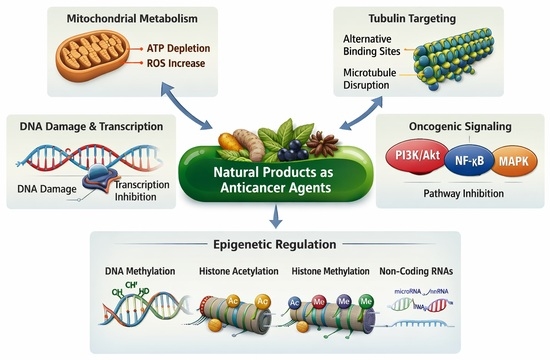
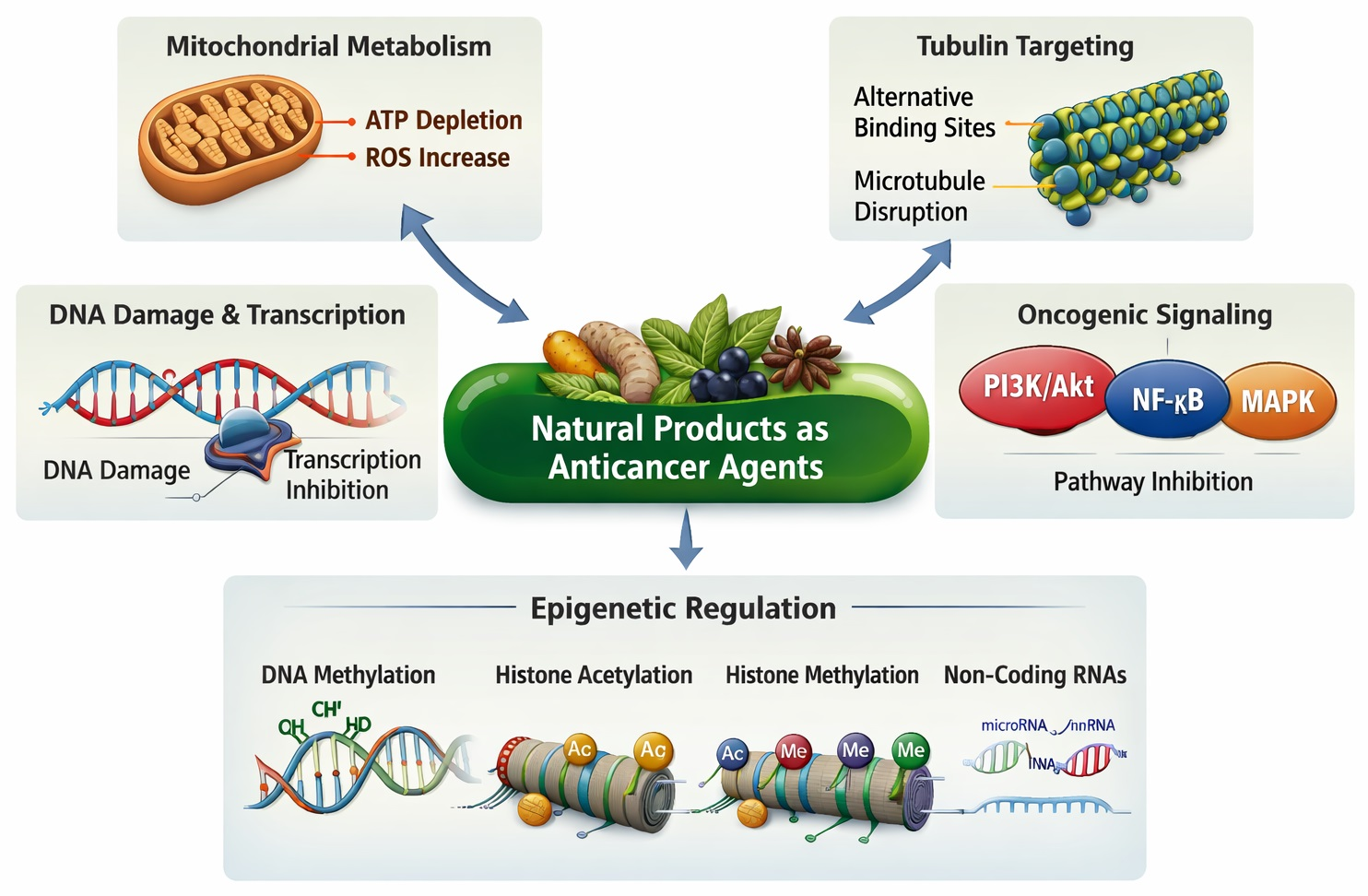
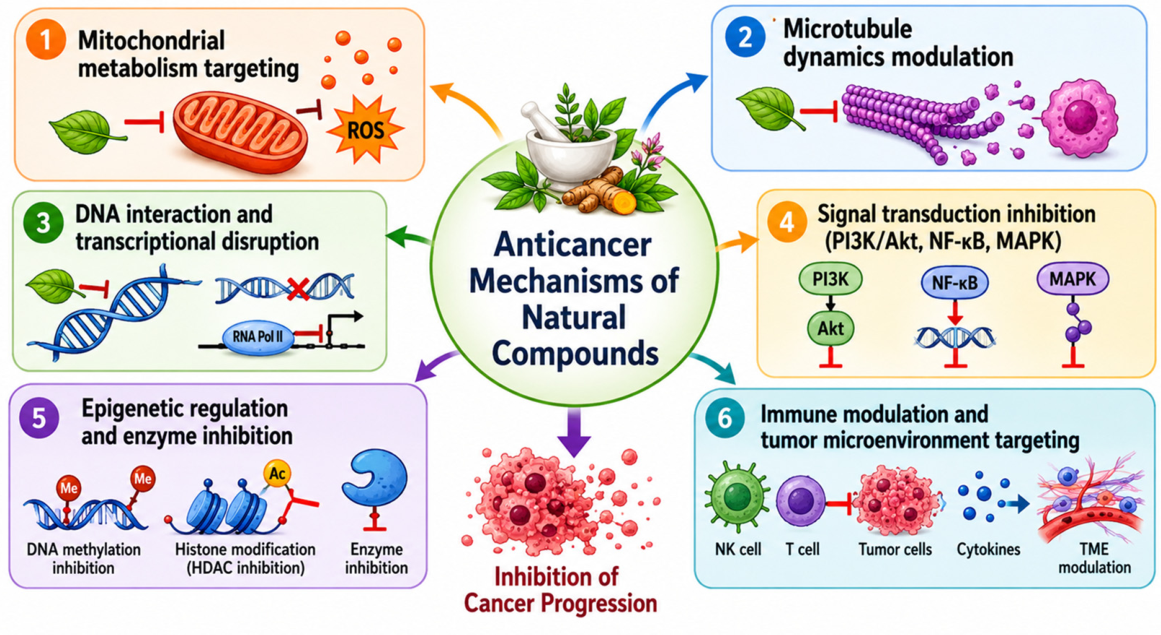
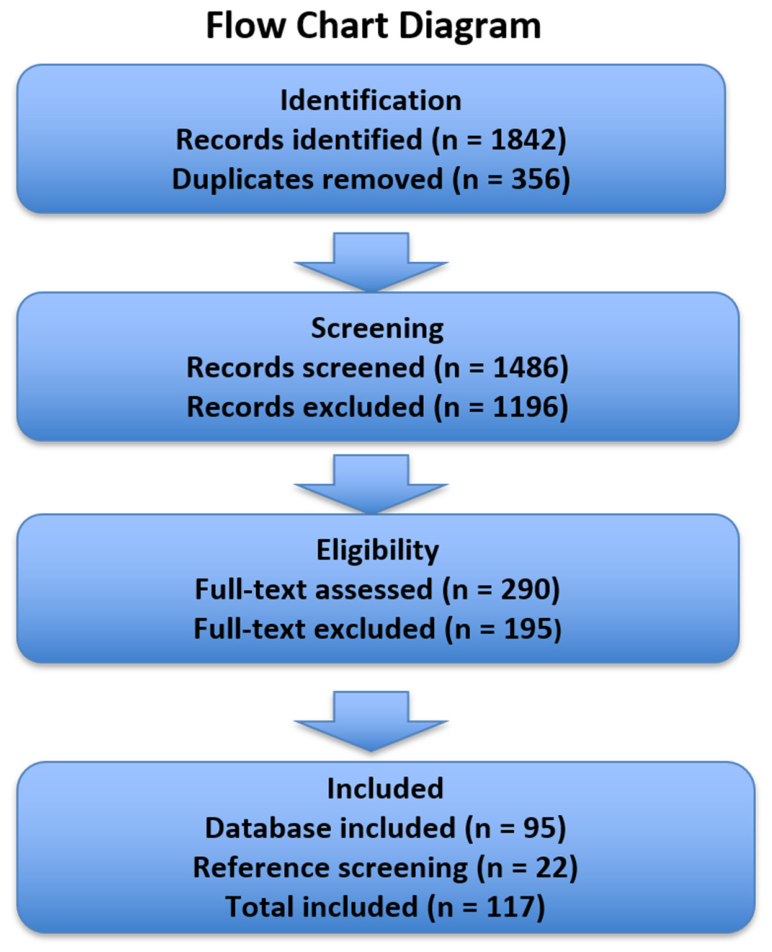
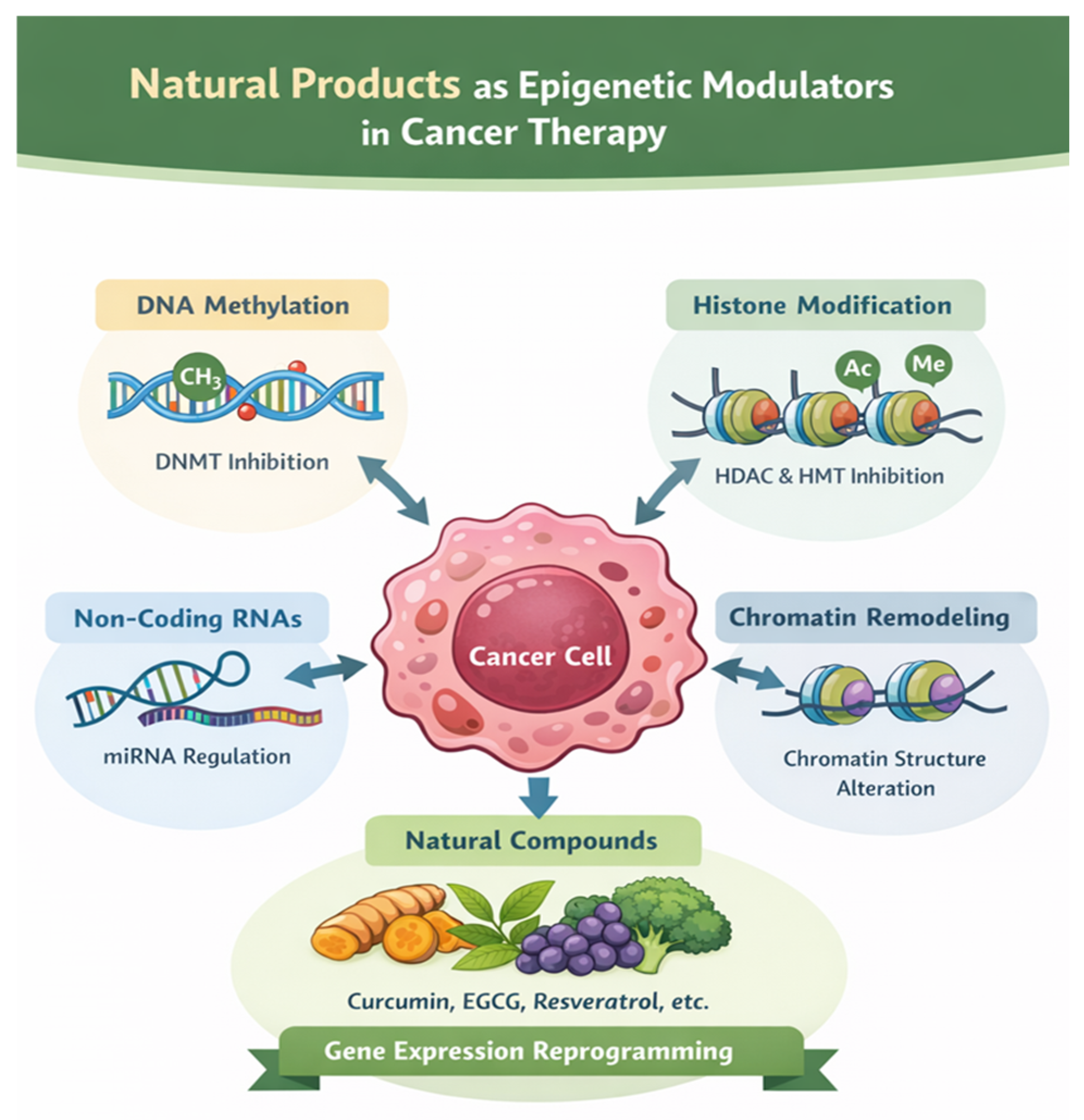
Background/Objectives: Natural products have long been regarded as a cornerstone in the discovery and development of novel therapeutic agents. Accumulating evidence indicates that natural products represent promising pharmacological candidates for cancer treatment. This review provides a holistic overview of novel identified natural products as a continuing source of bioactive compounds, with particular emphasis on recent advances and their applications in anticancer therapy over the past five years. Methods: A literature search was conducted using PubMed, Scopus, and Web of Science to identify relevant studies published within the past five years. Predefined keywords and Boolean operators (e.g., “natural products”, “anticancer”, “drug discovery”, “secondary metabolites”, “signaling pathways”, “epigenetics”) were applied, with search strategies adapted to each database. Eligible studies included original research articles and reviews reporting on newly identified natural products with anticancer activity, with emphasis on chemical diversity, biological effects, and molecular mechanisms of action. Additional references were identified through manual screening of bibliographies. The selected literature was evaluated using a qualitative, interpretative approach consistent with narrative review methodology, and findings were critically synthesized and thematically organized. Results: Growing evidence indicates that multiple newly identified natural products target mitochondrial metabolism and interact with alternative tubulin binding sites, thereby highlighting their potential as anticancer agents. In addition, emerging compounds have been shown to affect DNA integrity and transcriptional regulation, while also acting as systems-level modulators of key oncogenic signaling pathways, including PI3K/Akt, NF-κB, and MAPK. Recent studies further demonstrate that natural products can modulate multiple layers of epigenetic regulation, including DNA methylation, histone acetylation, histone methylation, and non-coding RNA networks. Conclusions: Current evidence supports the concept that natural products primarily function as multi-target biological modulators rather than classical single-target inhibitors in cancer biology. A persistent challenge remains the translational gap between preclinical efficacy and clinical application, as the majority of naturally derived candidate compounds remain confined to in vitro or early in vivo validation. Future progress will therefore depend on systematically aligning the multi-target pharmacology of natural products with defined cancer vulnerabilities and clinically actionable therapeutic strategies.
Keywords: natural products; cancer; drug design and discovery; pharmacological agents; anticancer activity natural products; cancer; drug design and discovery; pharmacological agents; anticancer activity
Graphical Abstract