Phytochemical-Based Therapeutic Strategies for Sarcopenia: From Molecular Mechanisms to Clinical Translation

 ,
,  and
and
Abstract
1. Pathophysiology of Sarcopenia
2. Phytochemicals: Definition and Classification
2.1. Polyphenols
2.2. Terpenes
2.3. Organosulfur Compounds
2.4. Alkaloids
2.5. Phytosterols
2.6. Betalains
3. Polyphenols with Therapeutic Potential in Sarcopenia
3.1. Isoflavone
3.2. Sinensetin
3.3. Quercetin
3.4. Hesperidin
3.5. Apigenin
3.6. Catechins
3.7. Curcumin
4. Carotenoids with Therapeutic Potential in Sarcopenia
4.1. Carotenes
4.2. Xanthophylls
4.3. Carotenoid-Containing Extracts
5. Organosulfur Compounds with Therapeutic Potential in Sarcopenia
5.1. Sulforaphane
5.2. Allicin and S-Allyl Cysteine
5.3. Methylsulfonylmethane
5.4. Ergothioneine
6. Minor Phytochemical Bioactives with Therapeutic Potential in Sarcopenia
7. Translational Perspectives on Functional Recovery in Sarcopenia
8. Potential Drawbacks and Challenges
9. Future Perspectives and Conclusions
Author Contributions
Funding
Institutional Review Board Statement
Informed Consent Statement
Data Availability Statement
Acknowledgments
Conflicts of Interest
Abbreviations
| Akt | Protein Kinase B |
| AMPK | AMP-activated protein kinase |
| CHO | Preoperative Oral Carbohydrate |
| CRP | C-reactive protein |
| EAA | Essential amino acid |
| IGF-1 | Insulin-like growth factor-1 |
| FOXO | Forkhead box O |
| IL-6 | Interlukin-6 |
| IL-15 | Interlukin-15 |
| MAFbx | Muscle atrophy F-box |
| MSM | Methylsulfonylmethane |
| mTOR | Mechanistic target of rapamycin |
| MuRF | Muscle RING Finger 1 |
| NF-κB | Nuclear Factor kappa B |
| Nrf2 | Nuclear factor erythroid 2-related factor 2 |
| PI3K | Phosphoinositide 3-kinase |
| PGC-1α | PPARγ Coactivator-1 alpha |
| PMFs | Polymethoxyflavones |
| ROS | Reactive oxidative species |
| SAC | S-allyl cysteine |
| SIRT3 | Sirtuin 3 |
| TCC | Tea catechin |
| TNFα | Tumor Necrosis Factor alpha |
| WPI | Whey Protein Isolate |
References
- Fearon, K.; Evans, W.J.; Anker, S.D. Myopenia-a new universal term for muscle wasting. J. Cachexia Sarcopenia Muscle 2011, 2, 1–3. [Google Scholar] [CrossRef] [PubMed]
- Clark, B.C.; Manini, T.M. What is dynapenia? Nutrition 2012, 28, 495–503. [Google Scholar] [CrossRef] [PubMed]
- Collins, B.C.; Laakkonen, E.K.; Lowe, D.A. Aging of the musculoskeletal system: How the loss of estrogen impacts muscle strength. Bone 2019, 123, 137–144. [Google Scholar] [CrossRef]
- Fielding, R.A.; Vellas, B.; Evans, W.J.; Bhasin, S.; Morley, J.E.; Newman, A.B.; Abellan van Kan, G.; Andrieu, S.; Bauer, J.; Breuille, D.; et al. Sarcopenia: An undiagnosed condition in older adults. Current consensus definition: Prevalence, etiology, and consequences. International working group on sarcopenia. J. Am. Med. Dir. Assoc. 2011, 12, 249–256. [Google Scholar] [CrossRef]
- Barclay, R.D.; Burd, N.A.; Tyler, C.; Tillin, N.A.; Mackenzie, R.W. The Role of the IGF-1 Signaling Cascade in Muscle Protein Synthesis and Anabolic Resistance in Aging Skeletal Muscle. Front. Nutr. 2019, 6, 146. [Google Scholar] [CrossRef]
- Aman, Y.; Schmauck-Medina, T.; Hansen, M.; Morimoto, R.I.; Simon, A.K.; Bjedov, I.; Palikaras, K.; Simonsen, A.; Johansen, T.; Tavernarakis, N.; et al. Autophagy in healthy aging and disease. Nat. Aging 2021, 1, 634–650. [Google Scholar] [CrossRef]
- Fernandez, A.F.; Sebti, S.; Wei, Y.; Zou, Z.; Shi, M.; McMillan, K.L.; He, C.; Ting, T.; Liu, Y.; Chiang, W.C.; et al. Disruption of the beclin 1-BCL2 autophagy regulatory complex promotes longevity in mice. Nature 2018, 558, 136–140. [Google Scholar] [CrossRef]
- Liang, Z.; Zhang, T.; Liu, H.; Li, Z.; Peng, L.; Wang, C.; Wang, T. Inflammaging: The ground for sarcopenia? Exp. Gerontol. 2022, 168, 111931. [Google Scholar] [CrossRef]
- Lopez-Otin, C.; Blasco, M.A.; Partridge, L.; Serrano, M.; Kroemer, G. The hallmarks of aging. Cell 2013, 153, 1194–1217. [Google Scholar] [CrossRef]
- Lopez-Otin, C.; Blasco, M.A.; Partridge, L.; Serrano, M.; Kroemer, G. Hallmarks of aging: An expanding universe. Cell 2023, 186, 243–278. [Google Scholar] [CrossRef] [PubMed]
- Chan, S.M.H.; Selemidis, S.; Vlahos, R. The Double-Edged Sword of ROS in Muscle Wasting and COPD: Insights from Aging-Related Sarcopenia. Antioxidants 2024, 13, 882. [Google Scholar] [CrossRef]
- Reeve, A.K.; Krishnan, K.J.; Taylor, G.; Elson, J.L.; Bender, A.; Taylor, R.W.; Morris, C.M.; Turnbull, D.M. The low abundance of clonally expanded mitochondrial DNA point mutations in aged substantia nigra neurons. Aging Cell 2009, 8, 496–498. [Google Scholar] [CrossRef]
- Yu-Wai-Man, P.; Lai-Cheong, J.; Borthwick, G.M.; He, L.; Taylor, G.A.; Greaves, L.C.; Taylor, R.W.; Griffiths, P.G.; Turnbull, D.M. Somatic mitochondrial DNA deletions accumulate to high levels in aging human extraocular muscles. Investig. Ophthalmol. Vis. Sci. 2010, 51, 3347–3353. [Google Scholar] [CrossRef]
- Deschenes, M.R. Motor unit and neuromuscular junction remodeling with aging. Curr. Aging Sci. 2011, 4, 209–220. [Google Scholar] [CrossRef]
- Deschenes, M.R.; Flannery, R.; Hawbaker, A.; Patek, L.; Mifsud, M. Adaptive Remodeling of the Neuromuscular Junction with Aging. Cells 2022, 11, 1150. [Google Scholar] [CrossRef] [PubMed]
- Sonjak, V.; Jacob, K.; Morais, J.A.; Rivera-Zengotita, M.; Spendiff, S.; Spake, C.; Taivassalo, T.; Chevalier, S.; Hepple, R.T. Fidelity of muscle fibre reinnervation modulates ageing muscle impact in elderly women. J. Physiol. 2019, 597, 5009–5023. [Google Scholar] [CrossRef]
- Gumpenberger, M.; Wessner, B.; Graf, A.; Narici, M.V.; Fink, C.; Braun, S.; Hoser, C.; Blazevich, A.J.; Csapo, R. Remodeling the Skeletal Muscle Extracellular Matrix in Older Age-Effects of Acute Exercise Stimuli on Gene Expression. Int. J. Mol. Sci. 2020, 21, 7089. [Google Scholar] [CrossRef]
- Pavan, P.; Monti, E.; Bondi, M.; Fan, C.; Stecco, C.; Narici, M.; Reggiani, C.; Marcucci, L. Alterations of Extracellular Matrix Mechanical Properties Contribute to Age-Related Functional Impairment of Human Skeletal Muscles. Int. J. Mol. Sci. 2020, 21, 3992. [Google Scholar] [CrossRef] [PubMed]
- Agoncillo, M.; Yu, J.; Gunton, J.E. The Role of Vitamin D in Skeletal Muscle Repair and Regeneration in Animal Models and Humans: A Systematic Review. Nutrients 2023, 15, 4377. [Google Scholar] [CrossRef]
- Lai, Y.; Ramirez-Pardo, I.; Isern, J.; An, J.; Perdiguero, E.; Serrano, A.L.; Li, J.; Garcia-Dominguez, E.; Segales, J.; Guo, P.; et al. Multimodal cell atlas of the ageing human skeletal muscle. Nature 2024, 629, 154–164. [Google Scholar] [CrossRef] [PubMed]
- Frank, J.; Fukagawa, N.K.; Bilia, A.R.; Johnson, E.J.; Kwon, O.; Prakash, V.; Miyazawa, T.; Clifford, M.N.; Kay, C.D.; Crozier, A.; et al. Terms and nomenclature used for plant-derived components in nutrition and related research: Efforts toward harmonization. Nutr. Rev. 2020, 78, 451–458. [Google Scholar] [CrossRef] [PubMed]
- Liu, R.H. Health-promoting components of fruits and vegetables in the diet. Adv. Nutr. 2013, 4, 384S–392S. [Google Scholar] [CrossRef]
- Chu, Y.F.; Sun, J.; Wu, X.; Liu, R.H. Antioxidant and antiproliferative activities of common vegetables. J. Agric. Food Chem. 2002, 50, 6910–6916. [Google Scholar] [CrossRef]
- Sun, J.; Chu, Y.F.; Wu, X.; Liu, R.H. Antioxidant and antiproliferative activities of common fruits. J. Agric. Food Chem. 2002, 50, 7449–7454. [Google Scholar] [CrossRef]
- Xiang, Z.; Zhu, B.; Yang, X.; Deng, J.; Zhu, Y.; Gan, L.; Yu, M.; Chen, J.; Xia, C.; Chen, S. Comprehensive Analysis of Phenolic Constituents, Biological Activities, and Derived Aroma Differences of Penthorum Chinense Pursh Leaves after Processing into Green and Black Tea. Foods 2024, 13, 399. [Google Scholar] [CrossRef]
- Suleria, H.A.R.; Barrow, C.J.; Dunshea, F.R. Screening and Characterization of Phenolic Compounds and Their Antioxidant Capacity in Different Fruit Peels. Foods 2020, 9, 1206. [Google Scholar] [CrossRef] [PubMed]
- Swislocka, R.; Kowalczyk, N.; Dabrowska, A.; Choinska, R.; Lewandowski, W.; Swiderski, G. Spectroscopic, antioxidant and cytotoxicity studies of vanillic acids. Sci. Rep. 2025, 15, 31396. [Google Scholar] [CrossRef]
- Kaushik, P.; Andujar, I.; Vilanova, S.; Plazas, M.; Gramazio, P.; Herraiz, F.J.; Brar, N.S.; Prohens, J. Breeding Vegetables with Increased Content in Bioactive Phenolic Acids. Molecules 2015, 20, 18464–18481. [Google Scholar] [CrossRef]
- Wijekoon, C.; Netticadan, T.; Siow, Y.L.; Sabra, A.; Yu, L.; Raj, P.; Prashar, S. Potential Associations among Bioactive Molecules, Antioxidant Activity and Resveratrol Production in Vitis vinifera Fruits of North America. Molecules 2022, 27, 336. [Google Scholar] [CrossRef] [PubMed]
- Rimando, A.M.; Kalt, W.; Magee, J.B.; Dewey, J.; Ballington, J.R. Resveratrol, pterostilbene, and piceatannol in vaccinium berries. J. Agric. Food Chem. 2004, 52, 4713–4719. [Google Scholar] [CrossRef]
- Kawai, S.; Okamura, T.; Munekawa, C.; Hasegawa, Y.; Kobayashi, A.; Nakajima, H.; Majima, S.; Nakanishi, N.; Sasano, R.; Hamaguchi, M.; et al. Effect of Isoflavone on Muscle Atrophy in Ovariectomized Mice. Nutrients 2024, 16, 3295. [Google Scholar] [CrossRef]
- Kim, J.A.; Kim, S.M.; Ha, S.E.; Vetrivel, P.; Saralamma, V.V.G.; Kim, E.H.; Kim, G.S. Sinensetin regulates age-related sarcopenia in cultured primary thigh and calf muscle cells. BMC Complement Altern. Med. 2019, 19, 287. [Google Scholar] [CrossRef] [PubMed]
- Parhiz, H.; Roohbakhsh, A.; Soltani, F.; Rezaee, R.; Iranshahi, M. Antioxidant and anti-inflammatory properties of the citrus flavonoids hesperidin and hesperetin: An updated review of their molecular mechanisms and experimental models. Phytother Res. 2015, 29, 323–331. [Google Scholar] [CrossRef] [PubMed]
- del Bano, M.J.; Lorente, J.; Castillo, J.; Benavente-Garcia, O.; Marin, M.P.; Del Rio, J.A.; Ortuno, A.; Ibarra, I. Flavonoid distribution during the development of leaves, flowers, stems, and roots of Rosmarinus officinalis. postulation of a biosynthetic pathway. J. Agric. Food Chem. 2004, 52, 4987–4992. [Google Scholar] [CrossRef]
- Carnat, A.; Carnat, A.P.; Fraisse, D.; Ricoux, L.; Lamaison, J.L. The aromatic and polyphenolic composition of Roman camomile tea. Fitoterapia 2004, 75, 32–38. [Google Scholar] [CrossRef]
- Sakakibara, H.; Honda, Y.; Nakagawa, S.; Ashida, H.; Kanazawa, K. Simultaneous determination of all polyphenols in vegetables, fruits, and teas. J. Agric. Food Chem. 2003, 51, 571–581. [Google Scholar] [CrossRef] [PubMed]
- Munguia, L.; Rubio-Gayosso, I.; Ramirez-Sanchez, I.; Ortiz, A.; Hidalgo, I.; Gonzalez, C.; Meaney, E.; Villarreal, F.; Najera, N.; Ceballos, G. High Flavonoid Cocoa Supplement Ameliorates Plasma Oxidative Stress and Inflammation Levels While Improving Mobility and Quality of Life in Older Subjects: A Double-Blind Randomized Clinical Trial. J. Gerontol. A Biol. Sci. Med. Sci. 2019, 74, 1620–1627. [Google Scholar] [CrossRef]
- Musial, C.; Kuban-Jankowska, A.; Gorska-Ponikowska, M. Beneficial Properties of Green Tea Catechins. Int. J. Mol. Sci. 2020, 21, 1744. [Google Scholar] [CrossRef]
- Vargas-Mendoza, N.; Madrigal-Santillan, E.; Alvarez-Gonzalez, I.; Madrigal-Bujaidar, E.; Anguiano-Robledo, L.; Aguilar-Faisal, J.L.; Morales-Martinez, M.; Delgado-Olivares, L.; Rodriguez-Negrete, E.V.; Morales-Gonzalez, A.; et al. Phytochemicals in Skeletal Muscle Health: Effects of Curcumin (from Curcuma longa Linn) and Sulforaphane (from Brassicaceae) on Muscle Function, Recovery and Therapy of Muscle Atrophy. Plants 2022, 11, 2517. [Google Scholar] [CrossRef]
- Crupi, P.; Faienza, M.F.; Naeem, M.Y.; Corbo, F.; Clodoveo, M.L.; Muraglia, M. Overview of the Potential Beneficial Effects of Carotenoids on Consumer Health and Well-Being. Antioxidants 2023, 12, 1069. [Google Scholar] [CrossRef]
- Jensen, G.L. Inflammation: Roles in aging and sarcopenia. JPEN J. Parenter. Enter. Nutr. 2008, 32, 656–659. [Google Scholar] [CrossRef]
- Bruno, R.R.; Rosa, F.C.; Nahas, P.C.; de Branco, F.M.S.; de Oliveira, E.P. Serum alpha-Carotene, but Not Other Antioxidants, Is Positively Associated with Muscle Strength in Older Adults: NHANES 2001–2002. Antioxidants 2022, 11, 2386. [Google Scholar] [CrossRef]
- El Midaoui, A.; Ghzaiel, I.; Vervandier-Fasseur, D.; Ksila, M.; Zarrouk, A.; Nury, T.; Khallouki, F.; El Hessni, A.; Ibrahimi, S.O.; Latruffe, N.; et al. Saffron (Crocus sativus L.): A Source of Nutrients for Health and for the Treatment of Neuropsychiatric and Age-Related Diseases. Nutrients 2022, 14, 597. [Google Scholar] [CrossRef]
- Baralic, K.; Zivanovic, J.; Maric, D.; Bozic, D.; Grahovac, L.; Antonijevic Miljakovic, E.; Curcic, M.; Buha Djordjevic, A.; Bulat, Z.; Antonijevic, B.; et al. Sulforaphane-A Compound with Potential Health Benefits for Disease Prevention and Treatment: Insights from Pharmacological and Toxicological Experimental Studies. Antioxidants 2024, 13, 147. [Google Scholar] [CrossRef]
- Su, Q.S.; Tian, Y.; Zhang, J.G.; Zhang, H. Effects of allicin supplementation on plasma markers of exercise-induced muscle damage, IL-6 and antioxidant capacity. Eur. J. Appl. Physiol. 2008, 103, 275–283. [Google Scholar] [CrossRef]
- Paul, B.D. Ergothioneine: A Stress Vitamin with Antiaging, Vascular, and Neuroprotective Roles? Antioxid. Redox Signal 2022, 36, 1306–1317. [Google Scholar] [CrossRef] [PubMed]
- Ashihara, H.; Ludwig, I.A.; Katahira, R.; Yokota, T.; Fujimura, T.; Crozier, A. Trigonelline and related nicotinic acid metabolites: Occurrence, biosynthesis, taxonomic considerations, and their roles in planta and in human health. Phytochem. Rev. 2015, 14, 765–798. [Google Scholar] [CrossRef]
- Manach, C.; Scalbert, A.; Morand, C.; Remesy, C.; Jimenez, L. Polyphenols: Food sources and bioavailability. Am. J. Clin. Nutr. 2004, 79, 727–747. [Google Scholar] [CrossRef] [PubMed]
- Williamson, G.; Holst, B. Dietary reference intake (DRI) value for dietary polyphenols: Are we heading in the right direction? Br. J. Nutr. 2008, 99, S55–S58. [Google Scholar] [CrossRef]
- Kim, H.P.; Son, K.H.; Chang, H.W.; Kang, S.S. Anti-inflammatory plant flavonoids and cellular action mechanisms. J. Pharmacol. Sci. 2004, 96, 229–245. [Google Scholar] [CrossRef]
- Bode, A.M.; Dong, Z. Signal transduction and molecular targets of selected flavonoids. Antioxid. Redox Signal 2013, 19, 163–180. [Google Scholar] [CrossRef] [PubMed]
- Ribeiro, D.; Freitas, M.; Lima, J.L.; Fernandes, E. Proinflammatory Pathways: The Modulation by Flavonoids. Med. Res. Rev. 2015, 35, 877–936. [Google Scholar] [CrossRef]
- Kicinska, A.; Jarmuszkiewicz, W. Flavonoids and Mitochondria: Activation of Cytoprotective Pathways? Molecules 2020, 25, 3060. [Google Scholar] [CrossRef]
- Scalbert, A.; Williamson, G. Dietary intake and bioavailability of polyphenols. J. Nutr. 2000, 130, 2073S–2085S. [Google Scholar] [CrossRef]
- Zhang, H.; Yu, D.; Sun, J.; Liu, X.; Jiang, L.; Guo, H.; Ren, F. Interaction of plant phenols with food macronutrients: Characterisation and nutritional-physiological consequences. Nutr. Res. Rev. 2014, 27, 1–15. [Google Scholar] [CrossRef] [PubMed]
- Tetali, S.D. Terpenes and isoprenoids: A wealth of compounds for global use. Planta 2019, 249, 1–8. [Google Scholar] [CrossRef] [PubMed]
- Kaulmann, A.; Bohn, T. Carotenoids, inflammation, and oxidative stress--implications of cellular signaling pathways and relation to chronic disease prevention. Nutr. Res. 2014, 34, 907–929. [Google Scholar] [CrossRef]
- Bohn, T.; Desmarchelier, C.; Dragsted, L.O.; Nielsen, C.S.; Stahl, W.; Ruhl, R.; Keijer, J.; Borel, P. Host-related factors explaining interindividual variability of carotenoid bioavailability and tissue concentrations in humans. Mol. Nutr. Food Res. 2017, 61, 685. [Google Scholar] [CrossRef]
- Priyadarshani, A.M. A review on factors influencing bioaccessibility and bioefficacy of carotenoids. Crit. Rev. Food Sci. Nutr. 2017, 57, 1710–1717. [Google Scholar] [CrossRef]
- Moran, N.E.; Mohn, E.S.; Hason, N.; Erdman, J.W., Jr.; Johnson, E.J. Intrinsic and Extrinsic Factors Impacting Absorption, Metabolism, and Health Effects of Dietary Carotenoids. Adv. Nutr. 2018, 9, 465–492. [Google Scholar] [CrossRef]
- Reboul, E. Mechanisms of Carotenoid Intestinal Absorption: Where Do We Stand? Nutrients 2019, 11, 838. [Google Scholar] [CrossRef] [PubMed]
- Trio, P.Z.; You, S.; He, X.; He, J.; Sakao, K.; Hou, D.X. Chemopreventive functions and molecular mechanisms of garlic organosulfur compounds. Food Funct. 2014, 5, 833–844. [Google Scholar] [CrossRef]
- Ruhee, R.T.; Roberts, L.A.; Ma, S.; Suzuki, K. Organosulfur Compounds: A Review of Their Anti-inflammatory Effects in Human Health. Front. Nutr. 2020, 7, 64. [Google Scholar] [CrossRef]
- Bhatwalkar, S.B.; Mondal, R.; Krishna, S.B.N.; Adam, J.K.; Govender, P.; Anupam, R. Antibacterial Properties of Organosulfur Compounds of Garlic (Allium sativum). Front. Microbiol. 2021, 12, 613077. [Google Scholar] [CrossRef]
- Bhambhani, S.; Kondhare, K.R.; Giri, A.P. Diversity in Chemical Structures and Biological Properties of Plant Alkaloids. Molecules 2021, 26, 3374. [Google Scholar] [CrossRef]
- Zhu, J.; Song, L.; Shen, S.; Fu, W.; Zhu, Y.; Liu, L. Bioactive Alkaloids as Secondary Metabolites from Plant Endophytic Aspergillus Genus. Molecules 2023, 28, 7789. [Google Scholar] [CrossRef]
- Ferreira, M.U. Alkaloids in Future Drug Discovery. Molecules 2022, 27, 1347. [Google Scholar] [CrossRef]
- Patalas-Krawczyk, P.; Malinska, D.; Walczak, J.; Kratzer, G.; Prill, M.; Michalska, B.; Drabik, K.; Titz, B.; Eb-Levadoux, Y.; Schneider, T.; et al. Effects of plant alkaloids on mitochondrial bioenergetic parameters. Food Chem. Toxicol. 2021, 154, 112316. [Google Scholar] [CrossRef] [PubMed]
- Yamada, A.K.; Pimentel, G.D.; Pickering, C.; Cordeiro, A.V.; Silva, V.R.R. Effect of caffeine on mitochondrial biogenesis in the skeletal muscle—A narrative review. Clin. Nutr. ESPEN 2022, 51, 1–6. [Google Scholar] [CrossRef]
- Arora, V.; Campbell, J.N.; Chung, M.K. Fight fire with fire: Neurobiology of capsaicin-induced analgesia for chronic pain. Pharmacol. Ther. 2021, 220, 107743. [Google Scholar] [CrossRef] [PubMed]
- Wu, Y.; Yang, Y.; Du, C.; Peng, X.; Fan, W.; Chang, B.; Shan, C. Berberine attenuates obesity-induced skeletal muscle atrophy via regulation of FUNDC1 in skeletal muscle of mice. Sci. Rep. 2025, 15, 4918. [Google Scholar] [CrossRef] [PubMed]
- Makhmudova, U.; Schulze, P.C.; Lutjohann, D.; Weingartner, O. Phytosterols and Cardiovascular Disease. Curr. Atheroscler. Rep. 2021, 23, 68. [Google Scholar] [CrossRef]
- Poli, A.; Marangoni, F.; Corsini, A.; Manzato, E.; Marrocco, W.; Martini, D.; Medea, G.; Visioli, F. Phytosterols, Cholesterol Control, and Cardiovascular Disease. Nutrients 2021, 13, 2810. [Google Scholar] [CrossRef]
- Nattagh-Eshtivani, E.; Barghchi, H.; Pahlavani, N.; Barati, M.; Amiri, Y.; Fadel, A.; Khosravi, M.; Talebi, S.; Arzhang, P.; Ziaei, R.; et al. Biological and pharmacological effects and nutritional impact of phytosterols: A comprehensive review. Phytother Res. 2022, 36, 299–322. [Google Scholar] [CrossRef]
- Yang, M.; Wang, H.; Zhou, M.; Liu, W.; Kuang, P.; Liang, H.; Yuan, Q. The natural compound sulforaphene, as a novel anticancer reagent, targeting PI3K-AKT signaling pathway in lung cancer. Oncotarget 2016, 7, 76656–76666. [Google Scholar] [CrossRef] [PubMed]
- Sharma, N.; Tan, M.A.; An, S.S.A. Phytosterols: Potential Metabolic Modulators in Neurodegenerative Diseases. Int. J. Mol. Sci. 2021, 22, 12255. [Google Scholar] [CrossRef] [PubMed]
- Xiao, X.; Wang, J.; Zhu, Y.; Deng, B.; Liu, Y.; Wang, S.; Hou, T.; Song, T. Phytosterols Protect against Osteoporosis by Regulating Gut Microbiota. J. Agric. Food Chem. 2023, 71, 14539–14549. [Google Scholar] [CrossRef]
- Spiegel, M.; Gamian, A.; Sroka, Z. Antiradical Activity of Beetroot (Beta vulgaris L.) Betalains. Molecules 2021, 26, 2439. [Google Scholar] [CrossRef]
- Lacerda, V.R.; Bastante, C.C.; Machado, N.D.; Vieites, R.L.; Casas Cardoso, L.; Mantell-Serrano, C. Supercritical extraction of betalains from the peel of different pitaya species. J. Sci. Food Agric. 2024, 104, 5513–5521. [Google Scholar] [CrossRef]
- Louppis, A.P.; Kontominas, M.G.; Constantinou, M.S.; Kosma, I.S.; Badeka, A.V.; Stamatakos, G. Chemical Markers for Differentiating Yellow Prickly Pear (Opuntia ficus-indica) from Southern Greece: Insights from Physicochemical Parameters, Elemental Composition, Antioxidants, and Vitamins. Molecules 2025, 30, 2448. [Google Scholar] [CrossRef]
- Loukili, E.H.; Merzouki, M.; Taibi, M.; Elbouzidi, A.; Hammouti, B.; Kumar Yadav, K.; Khalid, M.; Addi, M.; Ramdani, M.; Kumar, P.; et al. Phytochemical, biological, and nutritional properties of the prickly pear, Opuntia dillenii: A review. Saudi Pharm. J. 2024, 32, 102167. [Google Scholar] [CrossRef] [PubMed]
- Yvonne, R.M.; Socorro Josefina, V.R.; Luis Alfonso, M.; Judith Esmeralda, U.S. Impact of the Food Matrix on the Antioxidant and Hypoglycemic Effects of Betalains from Red Prickly Pear Juice After In Vitro Digestion. Foods 2025, 14, 1757. [Google Scholar] [CrossRef]
- Meador, B.M.; Mirza, K.A.; Tian, M.; Skelding, M.B.; Reaves, L.A.; Edens, N.K.; Tisdale, M.J.; Pereira, S.L. The Green Tea Polyphenol Epigallocatechin-3-Gallate (EGCg) Attenuates Skeletal Muscle Atrophy in a Rat Model of Sarcopenia. J. Frailty Aging 2015, 4, 209–215. [Google Scholar] [CrossRef]
- Kwon, I.S.; Park, D.S.; Shin, H.C.; Seok, M.G.; Oh, J.K. Effects of marine oligomeric polyphenols on body composition and physical ability of elderly individuals with sarcopenia: A pilot study. Phys. Act. Nutr. 2021, 25, 1–7. [Google Scholar] [CrossRef] [PubMed]
- Sidor, A.; Gramza-Michalowska, A. Black Chokeberry Aronia melanocarpa L.-A Qualitative Composition, Phenolic Profile and Antioxidant Potential. Molecules 2019, 24, 3710. [Google Scholar] [CrossRef] [PubMed]
- Cuijpers, I.; Dohmen, C.G.M.; Bouwman, F.G.; Troost, F.J.; Sthijns, M. Hesperetin but not ellagic acid increases myosin heavy chain expression and cell fusion in C2C12 myoblasts in the presence of oxidative stress. Front. Nutr. 2024, 11, 1377071. [Google Scholar] [CrossRef]
- Liao, C.Y.; Anderson, S.S.; Chicoine, N.H.; Mayfield, J.R.; Garrett, B.J.; Kwok, C.S.; Academia, E.C.; Hsu, Y.M.; Miller, D.M.; Bair, A.M.; et al. Evidence that S6K1, but not 4E-BP1, mediates skeletal muscle pathology associated with loss of A-type lamins. Cell Discov. 2017, 3, 17039. [Google Scholar] [CrossRef]
- Elvina, L.; Chen, C.M.; Nguyen, D.H.N.; Wei, C.C.; Su, C.T.; Fang, T.C.; Sutanto, F.; Li, S.C. Bioactive Nutritional Components Within the Planetary Health Diet for Preventing Sarcopenic Obesity and Diabetic Sarcopenia: A Systematic Review. Nutrients 2025, 17, 3656. [Google Scholar] [CrossRef]
- Mirza, K.A.; Pereira, S.L.; Edens, N.K.; Tisdale, M.J. Attenuation of muscle wasting in murine C2C 12 myotubes by epigallocatechin-3-gallate. J. Cachexia Sarcopenia Muscle 2014, 5, 339–345. [Google Scholar] [CrossRef]
- Han, J.W.; Shin, S.K.; Bae, H.R.; Lee, H.; Moon, S.Y.; Seo, W.D.; Kwon, E.Y. Wheat seedlings extract ameliorates sarcopenia in aged mice by regulating protein synthesis and degradation with anti-inflammatory and mitochondrial biogenesis effects. Phytomedicine 2024, 130, 155747. [Google Scholar] [CrossRef]
- Lu, L.; Tian, L. Postmenopausal osteoporosis coexisting with sarcopenia: The role and mechanisms of estrogen. J. Endocrinol. 2023, 259, e230116. [Google Scholar] [CrossRef]
- Gan, R.Y.; Liu, Y.; Li, H.; Xia, Y.; Guo, H.; Geng, F.; Zhuang, Q.G.; Li, H.B.; Wu, D.T. Natural sources, refined extraction, biosynthesis, metabolism, and bioactivities of dietary polymethoxyflavones (PMFs). Food Sci. Hum. Wellness 2024, 13, 27–29. [Google Scholar] [CrossRef]
- Chen, C.; Yang, J.S.; Lu, C.C.; Chiu, Y.J.; Chen, H.C.; Chung, M.I.; Wu, Y.T.; Chen, F.A. Effect of Quercetin on Dexamethasone-Induced C2C12 Skeletal Muscle Cell Injury. Molecules 2020, 25, 3267. [Google Scholar] [CrossRef]
- Otsuka, Y.; Egawa, K.; Kanzaki, N.; Izumo, T.; Rogi, T.; Shibata, H. Quercetin glycosides prevent dexamethasone-induced muscle atrophy in mice. Biochem Biophys. Rep. 2019, 18, 100618. [Google Scholar] [CrossRef]
- Oh, H.J.; Jin, H.; Lee, B.Y. Hesperidin Ameliorates Sarcopenia through the Regulation of Inflammaging and the AKT/mTOR/FoxO3a Signaling Pathway in 22–26-Month-Old Mice. Cells 2023, 12, 2015. [Google Scholar] [CrossRef] [PubMed]
- Choi, W.H.; Son, H.J.; Jang, Y.J.; Ahn, J.; Jung, C.H.; Ha, T.Y. Apigenin Ameliorates the Obesity-Induced Skeletal Muscle Atrophy by Attenuating Mitochondrial Dysfunction in the Muscle of Obese Mice. Mol. Nutr. Food Res. 2017, 61, 1700218. [Google Scholar] [CrossRef]
- Wang, M.; Firrman, J.; Liu, L.; Yam, K. A Review on Flavonoid Apigenin: Dietary Intake, ADME, Antimicrobial Effects, and Interactions with Human Gut Microbiota. BioMed Res. Int. 2019, 2019, 7010467. [Google Scholar] [CrossRef] [PubMed]
- Wang, D.; Yang, Y.; Zou, X.; Zhang, J.; Zheng, Z.; Wang, Z. Antioxidant Apigenin Relieves Age-Related Muscle Atrophy by Inhibiting Oxidative Stress and Hyperactive Mitophagy and Apoptosis in Skeletal Muscle of Mice. J. Gerontol. A Biol. Sci. Med. Sci. 2020, 75, 2081–2088. [Google Scholar] [CrossRef] [PubMed]
- Tokuda, Y.; Mori, H. Essential Amino Acid and Tea Catechin Supplementation after Resistance Exercise Improves Skeletal Muscle Mass in Older Adults with Sarcopenia: An Open-Label, Pilot, Randomized Controlled Trial. J. Am. Nutr. Assoc. 2023, 42, 255–262. [Google Scholar] [CrossRef]
- Bodine, S.C.; Baehr, L.M. Skeletal muscle atrophy and the E3 ubiquitin ligases MuRF1 and MAFbx/atrogin-1. Am. J. Physiol. Endocrinol. Metab. 2014, 307, E469–E484. [Google Scholar] [CrossRef]
- Darawsha, A.; Trachtenberg, A.; Sharoni, Y. ARE/Nrf2 Transcription System Involved in Carotenoid, Polyphenol, and Estradiol Protection from Rotenone-Induced Mitochondrial Oxidative Stress in Dermal Fibroblasts. Antioxidants 2024, 13, 1019. [Google Scholar] [CrossRef] [PubMed]
- Sun, Y.; Zheng, Q.; Sun, J.; Wang, L.; Li, Y. Phytonutrients as potential dietary supplements to ameliorate sarcopenia via the involvement of autophagic pathway. Food Rev. Int. 2024, 40, 2539–2579. [Google Scholar] [CrossRef]
- Heidarzadeh-Esfahani, N.; Eskandarzadeh, S.; Mahmoodi, M.; Makhtoomi, M.; Alavi, S.M.; Shateri, Z.; Nasimi, N.; Nouri, M.; Dabbaghmanesh, M.H. Diet-induced inflammation and its association with sarcopenia in an Iranian population: A case-control study. J. Health Popul. Nutr. 2025, 44, 182. [Google Scholar] [CrossRef]
- Welch, A.A.; Jennings, A.; Kelaiditi, E.; Skinner, J.; Steves, C.J. Cross-Sectional Associations Between Dietary Antioxidant Vitamins C, E and Carotenoid Intakes and Sarcopenic Indices in Women Aged 18–79 Years. Calcif. Tissue Int. 2020, 106, 331–342. [Google Scholar] [CrossRef]
- Sahni, S.; Dufour, A.B.; Fielding, R.A.; Newman, A.B.; Kiel, D.P.; Hannan, M.T.; Jacques, P.F. Total carotenoid intake is associated with reduced loss of grip strength and gait speed over time in adults: The Framingham Offspring Study. Am. J. Clin. Nutr. 2021, 113, 437–445. [Google Scholar] [CrossRef]
- Bartali, B.; Semba, R.D. Carotenoids and healthy aging: The fascination continues. Am. J. Clin. Nutr. 2021, 113, 259–260. [Google Scholar] [CrossRef]
- Polotow, T.G.; Vardaris, C.V.; Mihaliuc, A.R.; Goncalves, M.S.; Pereira, B.; Ganini, D.; Barros, M.P. Astaxanthin supplementation delays physical exhaustion and prevents redox imbalances in plasma and soleus muscles of Wistar rats. Nutrients 2014, 6, 5819–5838. [Google Scholar] [CrossRef]
- Guex, C.G.; Cassanego, G.B.; Dornelles, R.C.; Casoti, R.; Engelmann, A.M.; Somacal, S.; Maciel, R.M.; Duarte, T.; Borges, W.S.; Andrade, C.M.; et al. Tucuma (Astrocaryum aculeatum) extract: Phytochemical characterization, acute and subacute oral toxicity studies in Wistar rats. Drug Chem. Toxicol. 2022, 45, 810–821. [Google Scholar] [CrossRef] [PubMed]
- Villani, A.; Wright, H.; Slater, G.; Buckley, J. A randomised controlled intervention study investigating the efficacy of carotenoid-rich fruits and vegetables and extra-virgin olive oil on attenuating sarcopenic symptomology in overweight and obese older adults during energy intake restriction: Protocol paper. BMC Geriatr. 2018, 18, 2. [Google Scholar]
- Bose, C.; Alves, I.; Singh, P.; Palade, P.T.; Carvalho, E.; Borsheim, E.; Jun, S.R.; Cheema, A.; Boerma, M.; Awasthi, S.; et al. Sulforaphane prevents age-associated cardiac and muscular dysfunction through Nrf2 signaling. Aging Cell 2020, 19, e13261. [Google Scholar] [CrossRef]
- Guo, F.; Fu, L.; Lu, Z. Effect of electroacupuncture combined with sulforaphane in the treatment of sarcopenia in SAMP8 mice. Iran. J. Basic Med. Sci. 2024, 27, 560–566. [Google Scholar] [CrossRef]
- Bautista-Perez, S.M.; Silva-Islas, C.A.; Cardenas-Aguayo, M.D.; Lora-Marin, O.R.; Silva-Lucero, M.D.; Avendano-Estrada, A.; Avila-Rodriguez, M.A.; Lara-Espinosa, J.V.; Hernandez-Pando, R.; Menes-Arzate, M.; et al. Garlic-Derived S-allylcysteine Improves Functional Recovery and Neurotrophin Signaling After Brain Ischemia in Female Rats. Nutrients 2026, 18, 362. [Google Scholar] [CrossRef] [PubMed]
- van der Merwe, M.; Bloomer, R.J. The Influence of Methylsulfonylmethane on Inflammation-Associated Cytokine Release before and following Strenuous Exercise. J. Sports Med. (Hindawi Publ Corp) 2016, 2016, 7498359. [Google Scholar] [CrossRef] [PubMed]
- Ames, B.N. Prolonging healthy aging: Longevity vitamins and proteins. Proc. Natl. Acad. Sci. USA 2018, 115, 10836–10844. [Google Scholar] [CrossRef] [PubMed]
- Membrez, M.; Migliavacca, E.; Christen, S.; Yaku, K.; Trieu, J.; Lee, A.K.; Morandini, F.; Giner, M.P.; Stiner, J.; Makarov, M.V.; et al. Trigonelline is an NAD(+) precursor that improves muscle function during ageing and is reduced in human sarcopenia. Nat. Metab. 2024, 6, 433–447. [Google Scholar] [CrossRef]
- Kumar, P.; Liu, C.; Hsu, J.W.; Chacko, S.; Minard, C.; Jahoor, F.; Sekhar, R.V. Glycine and N-acetylcysteine (GlyNAC) supplementation in older adults improves glutathione deficiency, oxidative stress, mitochondrial dysfunction, inflammation, insulin resistance, endothelial dysfunction, genotoxicity, muscle strength, and cognition: Results of a pilot clinical trial. Clin. Transl. Med. 2021, 11, e372. [Google Scholar] [CrossRef]
- Mantuano, P.; Boccanegra, B.; Bianchini, G.; Cappellari, O.; Tulimiero, L.; Conte, E.; Cirmi, S.; Sanarica, F.; De Bellis, M.; Mele, A.; et al. Branched-Chain Amino Acids and Di-Alanine Supplementation in Aged Mice: A Translational Study on Sarcopenia. Nutrients 2023, 15, 330. [Google Scholar] [CrossRef]
- Nirmala, F.S.; Lee, H.; Cho, Y.; Um, M.Y.; Seo, H.D.; Jung, C.H.; Hahm, J.H.; Ahn, J. Norharmane prevents muscle aging via activation of SKN-1/NRF2 stress response pathways. Redox Biol. 2025, 80, 103512. [Google Scholar] [CrossRef]
- Baek, S.; Kim, J.; Moon, B.S.; Park, S.M.; Jung, D.E.; Kang, S.Y.; Lee, S.J.; Oh, S.J.; Kwon, S.H.; Nam, M.H.; et al. Camphene Attenuates Skeletal Muscle Atrophy by Regulating Oxidative Stress and Lipid Metabolism in Rats. Nutrients 2020, 12, 3731. [Google Scholar] [CrossRef]
- Ryu, Y.; Lee, D.; Jung, S.H.; Lee, K.J.; Jin, H.; Kim, S.J.; Lee, H.M.; Kim, B.; Won, K.J. Sabinene Prevents Skeletal Muscle Atrophy by Inhibiting the MAPK-MuRF-1 Pathway in Rats. Int. J. Mol. Sci. 2019, 20, 4955. [Google Scholar] [CrossRef]
- Zielinska-Blajet, M.; Feder-Kubis, J. Monoterpenes and Their Derivatives-Recent Development in Biological and Medical Applications. Int. J. Mol. Sci. 2020, 21, 7078. [Google Scholar] [CrossRef]
- Civiletto, G.; Brunetti, D.; Lizzo, G.; Muller, K.; Jacot, G.E.; Daskalaki, I.; Sizzano, F.; Huh, M.; Di Meo, I.; Colombo, M.N.; et al. Herbal terpenoids activate autophagy and mitophagy through modulation of bioenergetics and protect from metabolic stress, sarcopenia and epigenetic aging. Nat. Aging 2025, 5, 2003–2021. [Google Scholar] [CrossRef]
- Hien, T.T.T.; Thang, H.D.; Tuan, H.A.; Tai, P.T.; Tung, N.M.; Van Khoi, N.; Hien, N.T.T.; Tram, L.H.; Van Kiem, P.; Nhiem, N.X.; et al. Four new lignans obtained from the leaves of Schisandra cauliflora and their effect on skeletal muscle cell proliferation. J. Nat. Med. 2023, 77, 928–938. [Google Scholar] [CrossRef] [PubMed]
- American College of Sports Medicine. American College of Sports Medicine position stand. Progression models in resistance training for healthy adults. Med. Sci. Sports Exerc. 2009, 41, 687–708. [Google Scholar] [CrossRef]
- Chang, M.C.; Choo, Y.J. Effects of Whey Protein, Leucine, and Vitamin D Supplementation in Patients with Sarcopenia: A Systematic Review and Meta-Analysis. Nutrients 2023, 15, 521. [Google Scholar] [CrossRef]
- Xie, C.; Yan, R.; Tao, R. Combined resistance training and amino acid-based supplementation for sarcopenia in older adults: A systematic review and meta-analysis. BMC Musculoskelet. Disord. 2026, 27, 35. [Google Scholar] [CrossRef]
- Midttun, M.; Overgaard, K.; Zerahn, B.; Pedersen, M.; Rashid, A.; Ostergren, P.B.; Paulin, T.K.; Podenphanth, T.W.; Karlsson, L.K.; Rosendahl, E.; et al. Beneficial effects of exercise, testosterone, vitamin D, calcium and protein in older men-A randomized clinical trial. J. Cachexia Sarcopenia Muscle 2024, 15, 1451–1462. [Google Scholar] [CrossRef] [PubMed]
- Tuan, S.H.; Chang, L.H.; Sun, S.F.; Li, C.H.; Chen, G.B.; Tsai, Y.J. Assessing the Clinical Effectiveness of an Exergame-Based Exercise Training Program Using Ring Fit Adventure to Prevent and Postpone Frailty and Sarcopenia Among Older Adults in Rural Long-Term Care Facilities: Randomized Controlled Trial. J. Med. Internet Res. 2024, 26, e59468. [Google Scholar] [CrossRef] [PubMed]
- Kawser Hossain, M.; Abdal Dayem, A.; Han, J.; Yin, Y.; Kim, K.; Kumar Saha, S.; Yang, G.M.; Choi, H.Y.; Cho, S.G. Molecular Mechanisms of the Anti-Obesity and Anti-Diabetic Properties of Flavonoids. Int. J. Mol. Sci. 2016, 17, 569. [Google Scholar] [CrossRef]
- Kim, D.Y.; Kang, Y.H.; Kang, M.K. Umbelliferone attenuates diabetic sarcopenia by modulating mitochondrial quality and the ubiquitin-proteasome system. Phytomedicine 2025, 144, 156930. [Google Scholar] [CrossRef]
- Li, X.; Zhang, Z.S.; Zhang, X.H.; Yang, S.N.; Liu, D.; Diao, C.R.; Wang, H.; Zheng, F.P. Cyanidin inhibits EMT induced by oxaliplatin via targeting the PDK1-PI3K/Akt signaling pathway. Food Funct. 2019, 10, 592–601. [Google Scholar] [CrossRef]
- Zhu, M.L.; Zhang, P.M.; Jiang, M.; Yu, S.W.; Wang, L. Myricetin induces apoptosis and autophagy by inhibiting PI3K/Akt/mTOR signalling in human colon cancer cells. BMC Complement Med. Ther. 2020, 20, 209. [Google Scholar] [CrossRef]
- Momtaz, S.; Memariani, Z.; El-Senduny, F.F.; Sanadgol, N.; Golab, F.; Katebi, M.; Abdolghaffari, A.H.; Farzaei, M.H.; Abdollahi, M. Targeting Ubiquitin-Proteasome Pathway by Natural Products: Novel Therapeutic Strategy for Treatment of Neurodegenerative Diseases. Front. Physiol. 2020, 11, 361. [Google Scholar] [CrossRef]
- Buhrmann, C.; Mobasheri, A.; Busch, F.; Aldinger, C.; Stahlmann, R.; Montaseri, A.; Shakibaei, M. Curcumin modulates nuclear factor kappaB (NF-kappaB)-mediated inflammation in human tenocytes in vitro: Role of the phosphatidylinositol 3-kinase/Akt pathway. J. Biol. Chem. 2011, 286, 28556–28566. [Google Scholar] [CrossRef] [PubMed]
- Hamalainen, M.; Nieminen, R.; Vuorela, P.; Heinonen, M.; Moilanen, E. Anti-inflammatory effects of flavonoids: Genistein, kaempferol, quercetin, and daidzein inhibit STAT-1 and NF-kappaB activations, whereas flavone, isorhamnetin, naringenin, and pelargonidin inhibit only NF-kappaB activation along with their inhibitory effect on iNOS expression and NO production in activated macrophages. Mediat. Inflamm. 2007, 2007, 45673. [Google Scholar] [CrossRef]
- Kim, S.O.; Kundu, J.K.; Shin, Y.K.; Park, J.H.; Cho, M.H.; Kim, T.Y.; Surh, Y.J. [6]-Gingerol inhibits COX-2 expression by blocking the activation of p38 MAP kinase and NF-kappaB in phorbol ester-stimulated mouse skin. Oncogene 2005, 24, 2558–2567. [Google Scholar] [CrossRef]
- Ha, T.K.Q.; Pham, H.T.T.; Cho, H.M.; Tran, V.O.; Yang, J.L.; Jung, D.W.; Williams, D.R.; Oh, W.K. 12,23-Dione dammarane triterpenes from Gynostemma longipes and their muscle cell proliferation activities via activation of the AMPK pathway. Sci. Rep. 2019, 9, 1186. [Google Scholar] [CrossRef]
- Jeong, H.Y.; Jeun, J.; Yoon, Y.; Jang, Y.J. Lariciresinol and secoisolariciresinol enhance myogenic differentiation and mitochondrial biogenesis in C2C12 myotubes. Food Sci. Biotechnol. 2026, 35, 193–201. [Google Scholar] [CrossRef] [PubMed]
- Jeong, T.; Hong, S.; Sung, J.; Jeong, H.S.; Lee, H.; Lee, J. Effect of post-harvest ultrasound treatment on phytochemical enhancement in Gynura procumbens leaves and their protection against oxidative stress-induced muscle atrophy. J. Sci. Food Agric. 2026, 106, 2270–2279. [Google Scholar] [CrossRef]
- Gorza, L.; Germinario, E.; Tibaudo, L.; Vitadello, M.; Tusa, C.; Guerra, I.; Bondi, M.; Salmaso, S.; Caliceti, P.; Vitiello, L.; et al. Chronic Systemic Curcumin Administration Antagonizes Murine Sarcopenia and Presarcopenia. Int. J. Mol. Sci. 2021, 22, 11789. [Google Scholar] [CrossRef]
- Gras, S.; Blasco, A.; Modol-Caballero, G.; Tarabal, O.; Casanovas, A.; Piedrafita, L.; Barranco, A.; Das, T.; Rueda, R.; Pereira, S.L.; et al. Beneficial effects of dietary supplementation with green tea catechins and cocoa flavanols on aging-related regressive changes in the mouse neuromuscular system. Aging 2021, 13, 18051–18093. [Google Scholar] [CrossRef] [PubMed]
- Yamamoto, A.; Honda, S.; Ogura, M.; Kato, M.; Tanigawa, R.; Fujino, H.; Kawamoto, S. Lemon Myrtle (Backhousia citriodora) Extract and Its Active Compound, Casuarinin, Activate Skeletal Muscle Satellite Cells In Vitro and In Vivo. Nutrients 2022, 14, 1078. [Google Scholar] [CrossRef] [PubMed]
- Jang, H.D.; Lee, C.H.; Kwon, Y.E.; Kim, T.H.; Kim, E.J.; Jung, J.I.; Min, S.I.; Cheong, E.J.; Jang, T.Y.; Kim, H.K.; et al. Effects of Alnus japonica Pilot Scale Hot Water Extracts on a Model of Dexamethasone-Induced Muscle Loss and Muscle Atrophy in C57BL/6 Mice. Int. J. Mol. Sci. 2025, 26, 3656. [Google Scholar] [CrossRef]
- Aliwa, B.; Horvath, A.; Traub, J.; Feldbacher, N.; Habisch, H.; Fauler, G.; Madl, T.; Stadlbauer, V. Altered gut microbiome, bile acid composition and metabolome in sarcopenia in liver cirrhosis. J. Cachexia Sarcopenia Muscle 2023, 14, 2676–2691. [Google Scholar] [CrossRef]
- Bai, Y.; Zhang, X.; Ouyang, F.; Wu, Y.; Wang, Y.; Zhang, J.; Meng, F.; Ren, S. Coix seed oil alleviates collagen-induced arthritis-associated muscle atrophy and functional decline by modulating gut microbiota dysbiosis. Phytomedicine 2025, 146, 157134. [Google Scholar] [CrossRef]
- Da Silva Rodrigues, G.; Lopes da Silva, L.S.; Crystine da Silva Sobrinho, A.; Benjamim, J.; Abud, G.F.; Ortiz, G.U.; Cristini de Freitas, E.; Bueno, C.R., Jr. Dietary polyphenols and sarcopenia: Epigenetic mechanisms and geroscience perspectives for muscle health in aging. Front. Aging 2025, 6, 1696473. [Google Scholar] [CrossRef]
- Aubertin-Leheudre, M.; Lord, C.; Khalil, A.; Dionne, I.J. Six months of isoflavone supplement increases fat-free mass in obese-sarcopenic postmenopausal women: A randomized double-blind controlled trial. Eur. J. Clin. Nutr. 2007, 61, 1442–1444. [Google Scholar] [CrossRef]
- Kim, H.; Kim, M.; Kojima, N.; Fujino, K.; Hosoi, E.; Kobayashi, H.; Somekawa, S.; Niki, Y.; Yamashiro, Y.; Yoshida, H. Exercise and Nutritional Supplementation on Community-Dwelling Elderly Japanese Women With Sarcopenic Obesity: A Randomized Controlled Trial. J. Am. Med. Dir. Assoc. 2016, 17, 1011–1019. [Google Scholar] [CrossRef]
- Mafi, F.; Biglari, S.; Ghardashi Afousi, A.; Gaeini, A.A. Improvement in Skeletal Muscle Strength and Plasma Levels of Follistatin and Myostatin Induced by an 8-Week Resistance Training and Epicatechin Supplementation in Sarcopenic Older Adults. J. Aging Phys. Act. 2019, 27, 384–391. [Google Scholar] [CrossRef] [PubMed]
- Rondanelli, M.; Cereda, E.; Klersy, C.; Faliva, M.A.; Peroni, G.; Nichetti, M.; Gasparri, C.; Iannello, G.; Spadaccini, D.; Infantino, V.; et al. Improving rehabilitation in sarcopenia: A randomized-controlled trial utilizing a muscle-targeted food for special medical purposes. J. Cachexia Sarcopenia Muscle 2020, 11, 1535–1547. [Google Scholar] [CrossRef]
- Boutry-Regard, C.; Vinyes-Pares, G.; Breuille, D.; Moritani, T. Supplementation with Whey Protein, Omega-3 Fatty Acids and Polyphenols Combined with Electrical Muscle Stimulation Increases Muscle Strength in Elderly Adults with Limited Mobility: A Randomized Controlled Trial. Nutrients 2020, 12, 1866. [Google Scholar] [CrossRef]
- Besora-Moreno, M.; Jimenez-Ten Hoevel, C.; Queral, J.; Bernal, G.; Perez-Merino, L.; Puzo, J.; Conangla-Ferrin, L.; Constance Sleebos, L.; van Helden, W.; Llaurado, E.; et al. Effects of Phenolic-Rich Extra Virgin Olive Oil and Prebiotics on Sarcopenia in Older Adults: FOOP-Sarc Project. J. Cachexia Sarcopenia Muscle 2026, 17, e70247. [Google Scholar] [CrossRef] [PubMed]
- Aqil, F.; Munagala, R.; Jeyabalan, J.; Vadhanam, M.V. Bioavailability of phytochemicals and its enhancement by drug delivery systems. Cancer Lett. 2013, 334, 133–141. [Google Scholar] [CrossRef]
- Rathaur, P.; Jonar, S.R. Metabolism and Pharmacokinetics of Phytochemicals in the Human Body. Curr. Drug Metab. 2019, 20, 1085–1102. [Google Scholar] [CrossRef] [PubMed]
- Monagas, M.; Urpi-Sarda, M.; Sanchez-Patan, F.; Llorach, R.; Garrido, I.; Gomez-Cordoves, C.; Andres-Lacueva, C.; Bartolome, B. Insights into the metabolism and microbial biotransformation of dietary flavan-3-ols and the bioactivity of their metabolites. Food Funct. 2010, 1, 233–253. [Google Scholar] [CrossRef]
- Bordenave, N.; Hamaker, B.R.; Ferruzzi, M.G. Nature and consequences of non-covalent interactions between flavonoids and macronutrients in foods. Food Funct. 2014, 5, 18–34. [Google Scholar] [CrossRef]
- Direito, R.; Sousa, I.; Antunes, F.; Barbalho, S.M.; Simoes, S.; Bronze, M.R.; Reis, C.; Gaspar, M.M.; Figueira, M.E. Phytosomal delivery enhances bioactivity of Hylocereus costaricensis phenolic extract. Front. Nutr. 2025, 12, 1659572. [Google Scholar] [CrossRef] [PubMed]


| Phytochemical | Subclass | Key Compounds in Sarcopenia Research | Natural Source |
|---|---|---|---|
| Polyphenols | Phenolic acids | Gallic Acid https://pubchem.ncbi.nlm.nih.gov/compound/Gallic-Acid | Tealeaves [25], apples, pomegranates, mangoes, pineapple, strawberries, raspberries, and citrus peels [26] |
Vannilic acid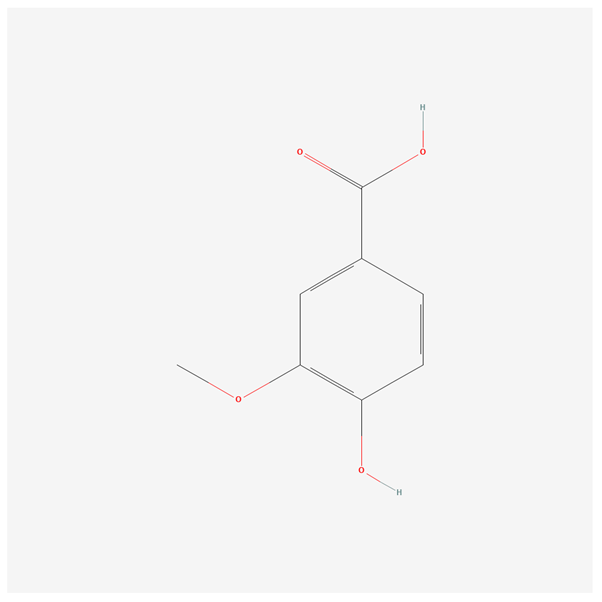 https://pubchem.ncbi.nlm.nih.gov/compound/Vanillic-Acid | Basil, oregano, rosemary, thyme, grains (rice and corn), date palm, olive trees, oranges, guavas, and cherries [27] | ||
Caffeic acid https://pubchem.ncbi.nlm.nih.gov/compound/Caffeic-Acid | Carrots, broccoli, and zucchini [28] | ||
Ferulic acid https://pubchem.ncbi.nlm.nih.gov/compound/Ferulic-Acid | Red beet, radish, pepper, turnips, and cucumber [28] | ||
Sinapic acid https://pubchem.ncbi.nlm.nih.gov/compound/Sinapic-acid | Broccoli, Chinese cabbage, cauliflower, turnips, white cabbage, and peas [28] | ||
| Stilbenes | Resveratrol https://pubchem.ncbi.nlm.nih.gov/compound/Resveratrol | Grapes, lingonberries, blueberries, peanuts, and pistachios [29] | |
Pterostilbene https://pubchem.ncbi.nlm.nih.gov/compound/Pterostilbene | Grapes and wine, [30] | ||
| Flavonoids | Isoflavone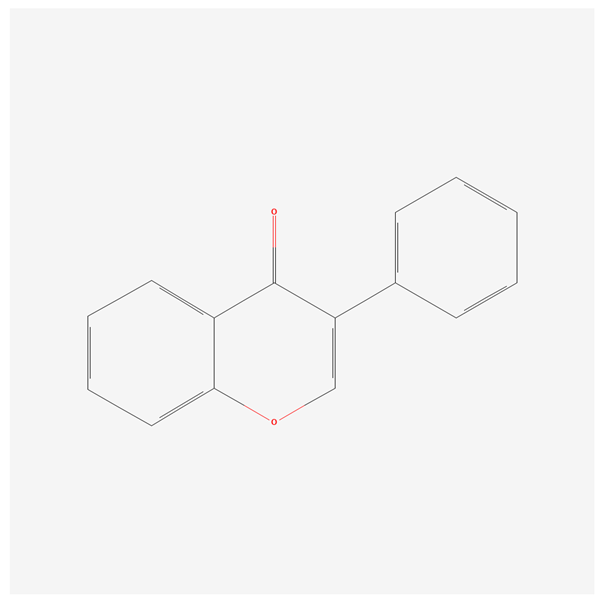 https://pubchem.ncbi.nlm.nih.gov/compound/Isoflavone | Soy [31] | |
Sinensetin https://pubchem.ncbi.nlm.nih.gov/compound/Sinensetin | Citrus fruits [32] | ||
Quercetin https://pubchem.ncbi.nlm.nih.gov/compound/Quercetin | Fruits, vegetables, herbs, and beverages | ||
Hesperidin https://pubchem.ncbi.nlm.nih.gov/compound/Hesperidin | Citrus fruits [33] and rosemary [34] | ||
Apigenin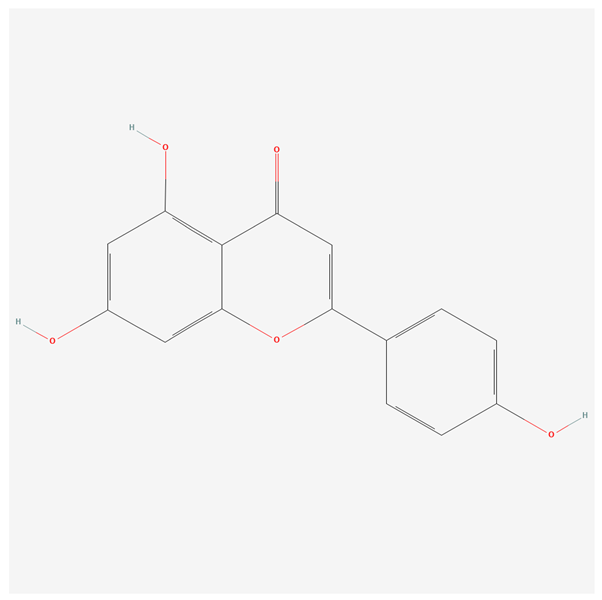 https://pubchem.ncbi.nlm.nih.gov/compound/Apigenin. | Roman chamomile tea [35], parsley, celery, broccoli, bell peppers and herbs [36] | ||
Epigallocatechin-3-gallate https://pubchem.ncbi.nlm.nih.gov/compound/Epigallocatechin-Gallate | Green tea, black tea, coffee, berries, grapes, wine, and cocoa [37,38] | ||
Epicatechin-3-gallate https://pubchem.ncbi.nlm.nih.gov/compound/Epicatechin-3-Gallate | |||
Epicatechin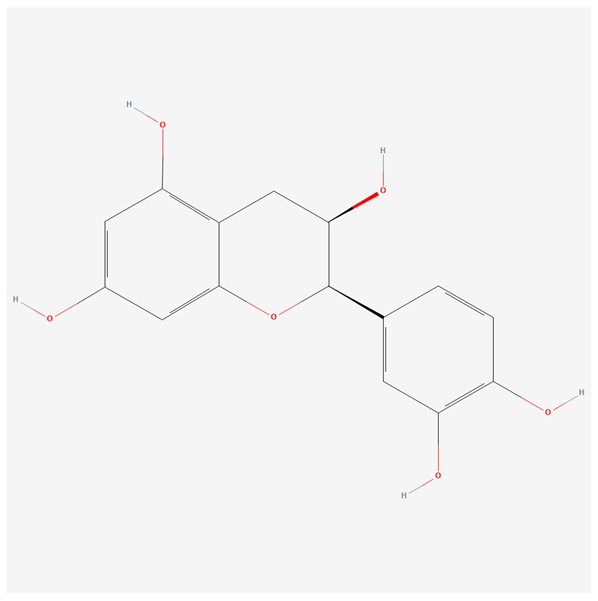 https://pubchem.ncbi.nlm.nih.gov/compound/Epicatechin | |||
| Curcuminoid | Curcumin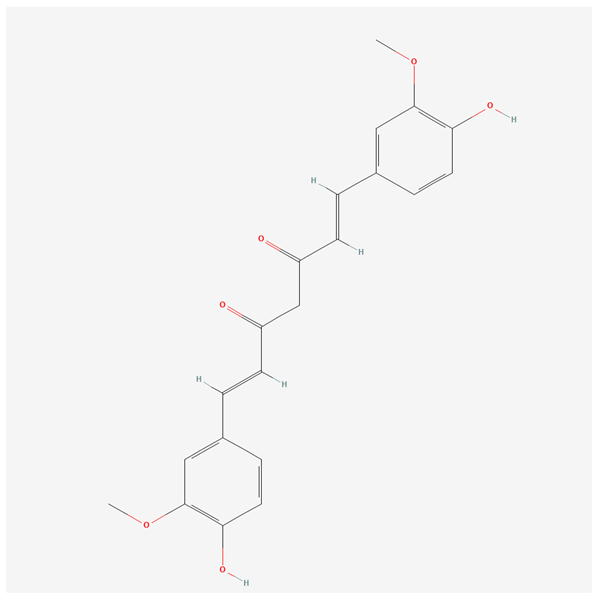 https://pubchem.ncbi.nlm.nih.gov/compound/Curcumin | Turmeric [39] | |
| Terpenes | Carotenoids | α-Carotene https://pubchem.ncbi.nlm.nih.gov/compound/Alpha-Carotene. | Carrots, pumpkin, sweet potatoes, winter squash, cantaloupe, mandarin oranges, apricots, green beans, broccoli, and peas |
β-Carotene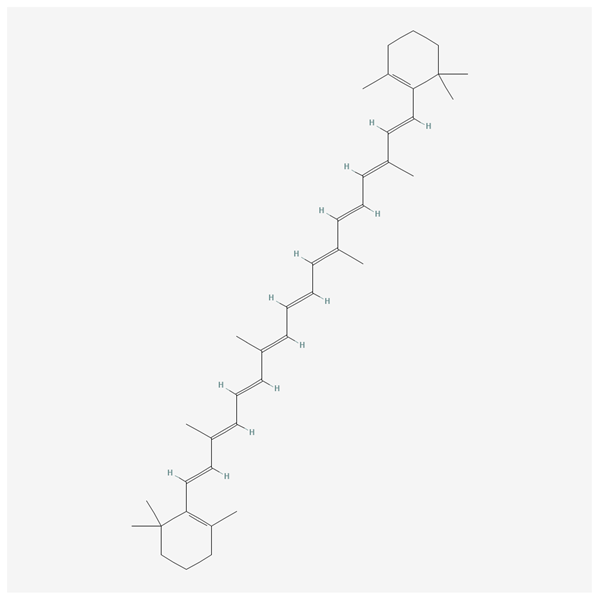 https://pubchem.ncbi.nlm.nih.gov/compound/Beta-Carotene | Carrots, sweet potatoes, pumpkin, butternut squash, dark leafy greens (kale, spinach), cantaloupe, red/yellow bell peppers, apricots, broccoli, and peas [40] | ||
Carotenoid https://pubchem.ncbi.nlm.nih.gov/compound/Carotenoids | Orange, yellow, and red fruits and vegetables (carrots, tomatoes, and sweet potatoes, pumpkin, cantaloupe, bell peppers, mangoes), dark leafy greens (kale, spinach), and microalgae (Dunaliella salina, Haematococcus pluvialis) [41] | ||
Lycopene https://pubchem.ncbi.nlm.nih.gov/compound/Lycopene | Tomatoes (especially processed/cooked tomato products such as tomato paste, sauce, and juice), watermelon, pink grapefruit, guava, and apricots [40] | ||
Lutein https://pubchem.ncbi.nlm.nih.gov/compound/Lutein-A | Dark leafy greens (kale, spinach, collards, turnip greens), broccoli, peas, summer squash, egg yolks, sweet yellow corn, avocados, and red peppers [42] | ||
Zeaxanthin https://pubchem.ncbi.nlm.nih.gov/compound/Zeaxanthin | Dark leafy greens (kale, spinach, broccoli), corn, orange peppers, egg yolks, orange juice, honeydew melon, kiwi, and grapes [42] | ||
| Tetraterpene | Astaxanthin https://pubchem.ncbi.nlm.nih.gov/compound/Astaxanthin | Haematococcus pluvialis microalgae (primary natural source), wild salmon, rainbow trout, shrimp, lobster, crab, krill, and crayfish [40] | |
Crocin https://pubchem.ncbi.nlm.nih.gov/compound/Crocin | Saffron (Crocus sativus), gardenia fruit (Gardenia jasminoides), and Perilla frutescens [43] | ||
Crocetin https://pubchem.ncbi.nlm.nih.gov/compound/Crocetin | |||
| Monoterpenes | Thymol https://pubchem.ncbi.nlm.nih.gov/compound/Thymol | Thyme, oregano, and aromatic plant oils | |
Carvacrol https://pubchem.ncbi.nlm.nih.gov/compound/Carvacrol | |||
Camphene https://pubchem.ncbi.nlm.nih.gov/compound/Camphene | |||
| Organosulfur Compounds | Isothiocyanate | Sulforaphane https://pubchem.ncbi.nlm.nih.gov/compound/Sulforaphane | Cruciferous vegetables, e.g., broccoli, cabbage, and kale [44] |
Allicin https://pubchem.ncbi.nlm.nih.gov/compound/Allicin | Raw bulb of garlic. Shallots, garlic chives, and wild leeks [45]. | ||
S-Allyl Cysteine https://pubchem.ncbi.nlm.nih.gov/compound/S-Allylcysteine | Black (aged) garlic [45] | ||
Methylsulfonylmethane https://pubchem.ncbi.nlm.nih.gov/compound/Dimethyl-Sulfone | Green plants, algae, fruits and vegetables | ||
Ergothioneine https://pubchem.ncbi.nlm.nih.gov/compound/Ergothioneine | Dietary mushrooms [46] | ||
| Alkaloids | Pyridine alkaloid | Trigonelline https://pubchem.ncbi.nlm.nih.gov/compound/Trigonelline | Fenugreek, coffee, etc. [47] |
| Indole Alkaloid | Norharmane https://pubchem.ncbi.nlm.nih.gov/compound/Beta-Carboline | Coffee |
| First Author, Year | Population | Intervention, Dose, and Sample Size | Phytochemical(s) | Endpoint | Outcomes |
|---|---|---|---|---|---|
| Aubertin-Leheudre et al., 2007 [147] | Post-menopausal obese-sarcopenic women (57–75 years old) | Isoflavone supplementation 70 mg/day (n = 12) vs. placebo (n = 6) | Isoflavones (Flavonoids) | 24 weeks | Animal protein intake is associated with a better preservation of muscle mass index |
| Kim et al., 2016 [148] | Elderly women (over 70 years old) with sarcopenic obesity | Exercise only, exercise + EAA and TCC, EAA and TCC supplementation (n = 307) | Tea Catechin | 12 weeks | Exercise plus EAA and TCC reduces body fat mass and improves muscle mass |
| Mungia et al., 2019 [37] | Male and female adults between 55 and 90 years old | Flavonoid rich mixture, alkalinized cocoa which eliminates flavonoid content, or placebo (n = 134) | Cocoa flavonoid-epicatechin | 12 weeks | Regular flavonoids consumption positively affects blood oxidative stress and inflammation end points, and physical performance |
| Mafi et al., 2019 [149] | Older males (68.63 ± 2.86 years) with sarcopenia | Resistance training, epicatechin, and resistance training + epicatechin (n = 62) | Epicatechin | 8 weeks | Resistance training combined with epicatechin improves muscle growth factors and prevents the progression of sarcopenia |
| Rondanelli et al., 2020 [150] | Older male and female adults with sarcopenia (≥65 years, 81 ± 6 years) | Supplementation with the experimental formula or Placebo (n = 140) | Protein-based nutritional formula enriched with leucine and vitamin D | 4–8 weeks | Protein-based nutritional formula enriched with leucine and vitamin D improves physical performance and function, as well as muscle mass |
| Boutry-Regard et al., 2020 [151] | Older adults (60–90 years old) with mobility limitations | Electrical muscle stimulation 2×/week plus daily supplement: 20 g carbohydrate + placebo capsules (n = 12), 20 g whey protein isolate + placebo capsules (n = 15), or 20 g whey protein isolate + omega-3 fatty acids, rutin, and curcumin capsules (n = 10) | Rutin (polyphenol), curcumin (polyphenol), fish oil-derived omega-3 fatty acids (EPA, DHA) | 12 weeks | Whey protein isolate plus bioactives capsules containing omega-3 fatty acids, rutin, and curcumin improves knee extension strength and gait speed |
| Tokuda et al., 2022 [99] | Older adults with sarcopenia (≥65 years) | Resistance exercise (RE) only, RE with essential amino acids (RE + EAA), and RE with EAA and tea catechins (RE + EAA + TCC) [n = 54] | Tea Catechin | 24 weeks | Essential amino acids and tea catechin supplementation after resistance exercise improve skeletal muscle mass among older adults with sarcopenia. |
| Besora-Moreno et al., 2026 [152] | Men and women (69.6 ± 4.1 years) with probable sarcopenia | Refined olive oil (ROO; 30 mL/day; 90 mg caffeic acid) + maltodextrin placebo (7.5 g/day); EVOO (30 mL/day; 296–300 mg caffeic acid) + maltodextrin placebo (7.5 g/day); or (3) EVOO + prebiotic (EVOO + PREB; 30 mL/day + 7.5 g/day) [n = 38] | Phenolic compounds | 12 weeks | Consuming phenolic-rich refined olive oil alone or combined with prebiotics improves muscle mass |
Disclaimer/Publisher’s Note: The statements, opinions and data contained in all publications are solely those of the individual author(s) and contributor(s) and not of MDPI and/or the editor(s). MDPI and/or the editor(s) disclaim responsibility for any injury to people or property resulting from any ideas, methods, instructions or products referred to in the content. |
© 2026 by the authors. Licensee MDPI, Basel, Switzerland. This article is an open access article distributed under the terms and conditions of the Creative Commons Attribution (CC BY) license.
Share and Cite
Le-Chan, G.; Amoah, N.Q.; Sofia, H.M.; Quee, A.H.; Chan, S.S.K.; Thomas-Charles, C.A. Phytochemical-Based Therapeutic Strategies for Sarcopenia: From Molecular Mechanisms to Clinical Translation. Pharmaceuticals 2026, 19, 905. https://doi.org/10.3390/ph19060905
Le-Chan G, Amoah NQ, Sofia HM, Quee AH, Chan SSK, Thomas-Charles CA. Phytochemical-Based Therapeutic Strategies for Sarcopenia: From Molecular Mechanisms to Clinical Translation. Pharmaceuticals. 2026; 19(6):905. https://doi.org/10.3390/ph19060905
Chicago/Turabian StyleLe-Chan, Gengyun, Nicole Q. Amoah, Hailey M. Sofia, Aidan H. Quee, Sunny S. K. Chan, and Cindy A. Thomas-Charles. 2026. "Phytochemical-Based Therapeutic Strategies for Sarcopenia: From Molecular Mechanisms to Clinical Translation" Pharmaceuticals 19, no. 6: 905. https://doi.org/10.3390/ph19060905
APA StyleLe-Chan, G., Amoah, N. Q., Sofia, H. M., Quee, A. H., Chan, S. S. K., & Thomas-Charles, C. A. (2026). Phytochemical-Based Therapeutic Strategies for Sarcopenia: From Molecular Mechanisms to Clinical Translation. Pharmaceuticals, 19(6), 905. https://doi.org/10.3390/ph19060905