The Role of Phytocompounds and the Physiological Response of the Skin in Common Dermatological Conditions: A Narrative Review and Bibliometric Analysis of Trends

 , , ,
, , ,  , , and
Abstract
1. Introduction
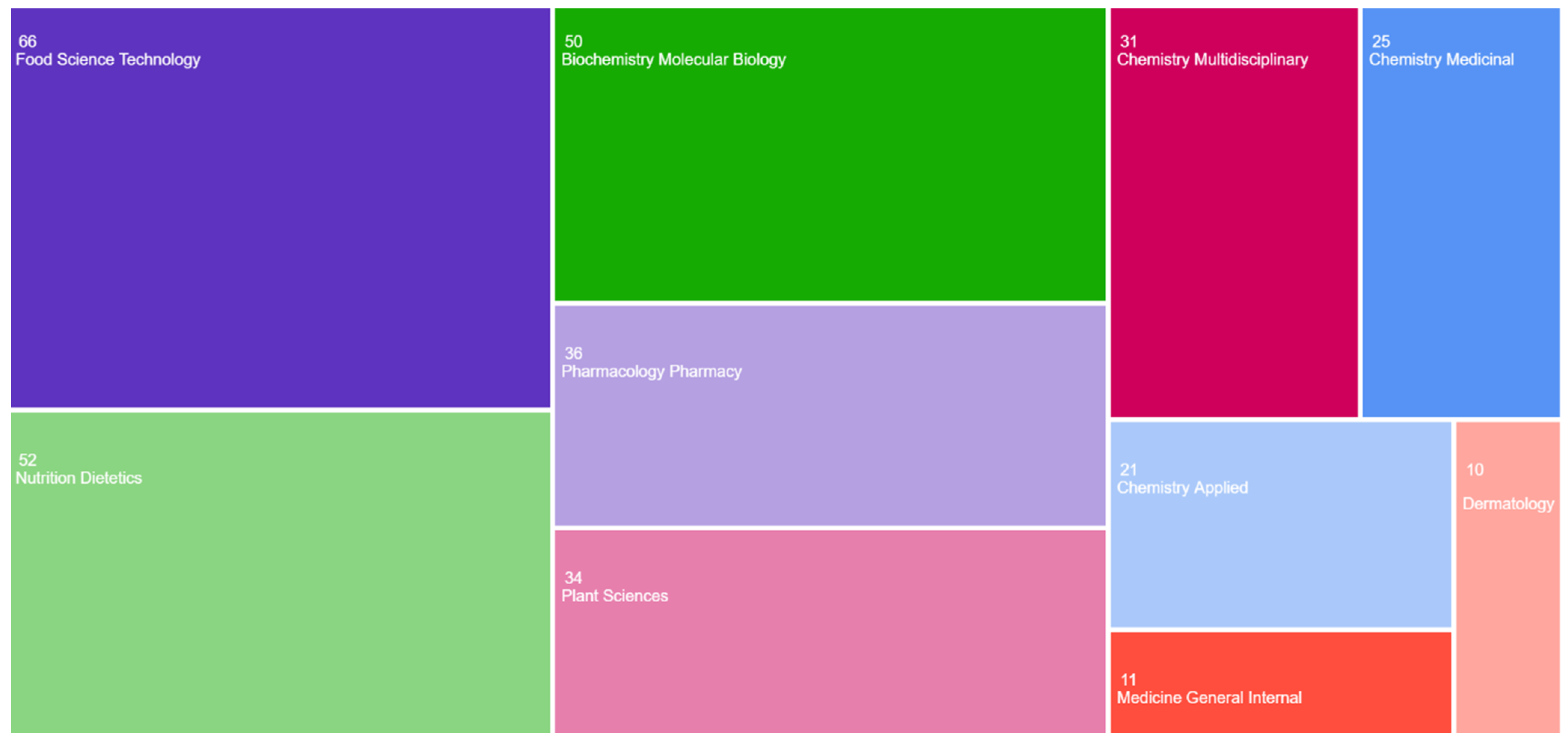
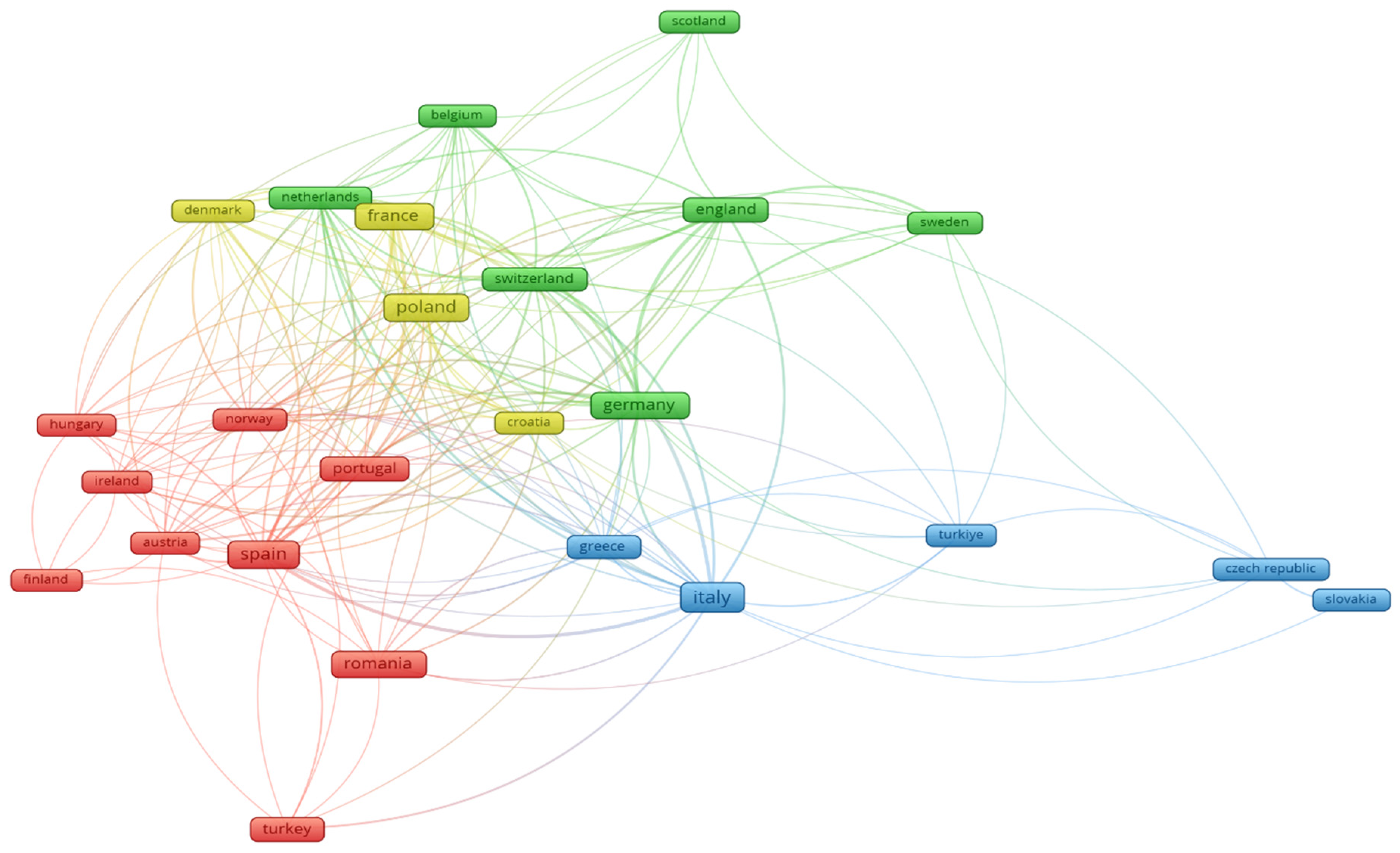
2. Bibliometric Study, Exploratory and Descriptive Research Design
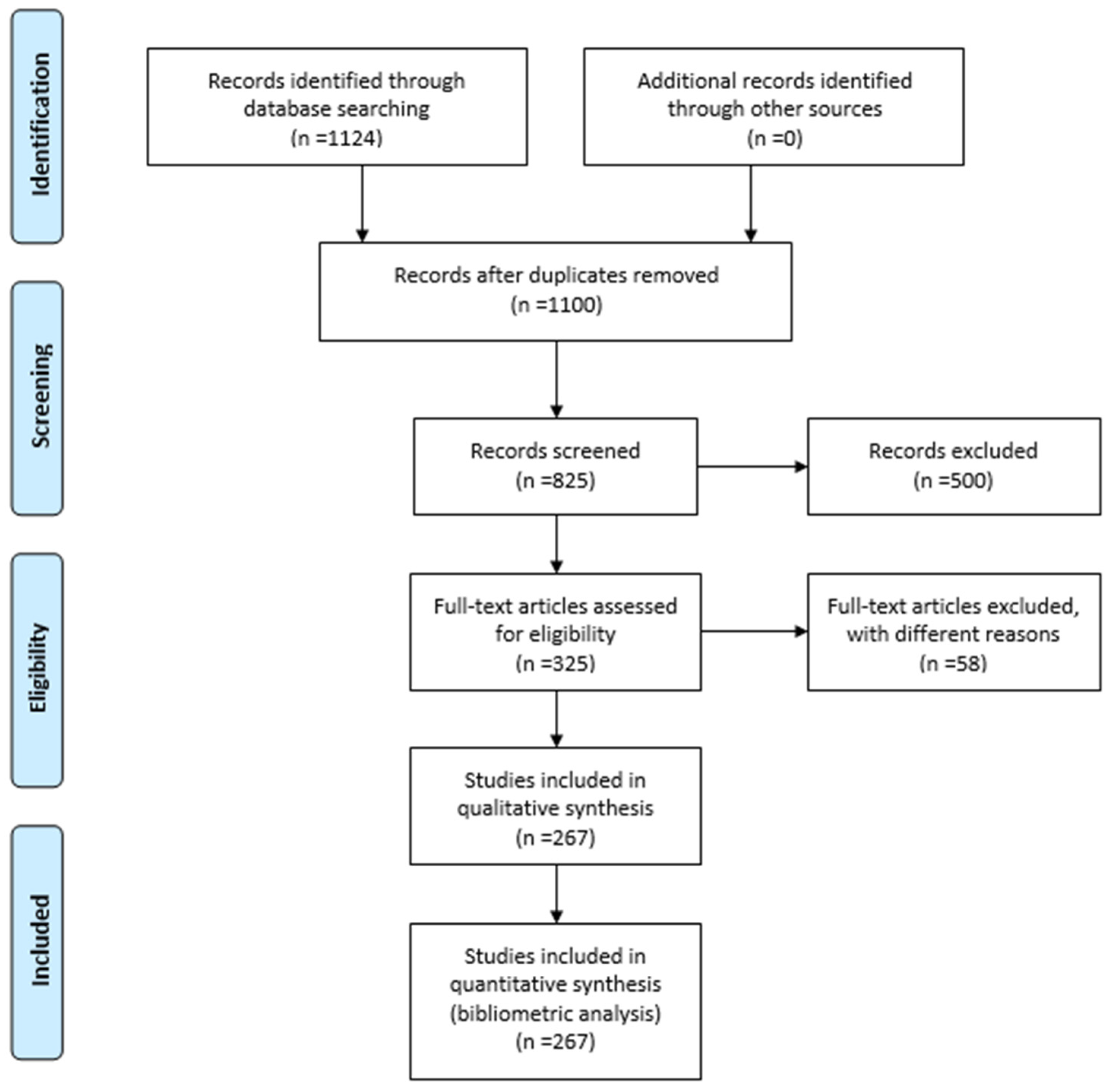
2.1. Screening of Scientific Studies with Research Topics Common to the Field of Interest in Order to Carry Out This Scientific Review
2.2. Search Strategies
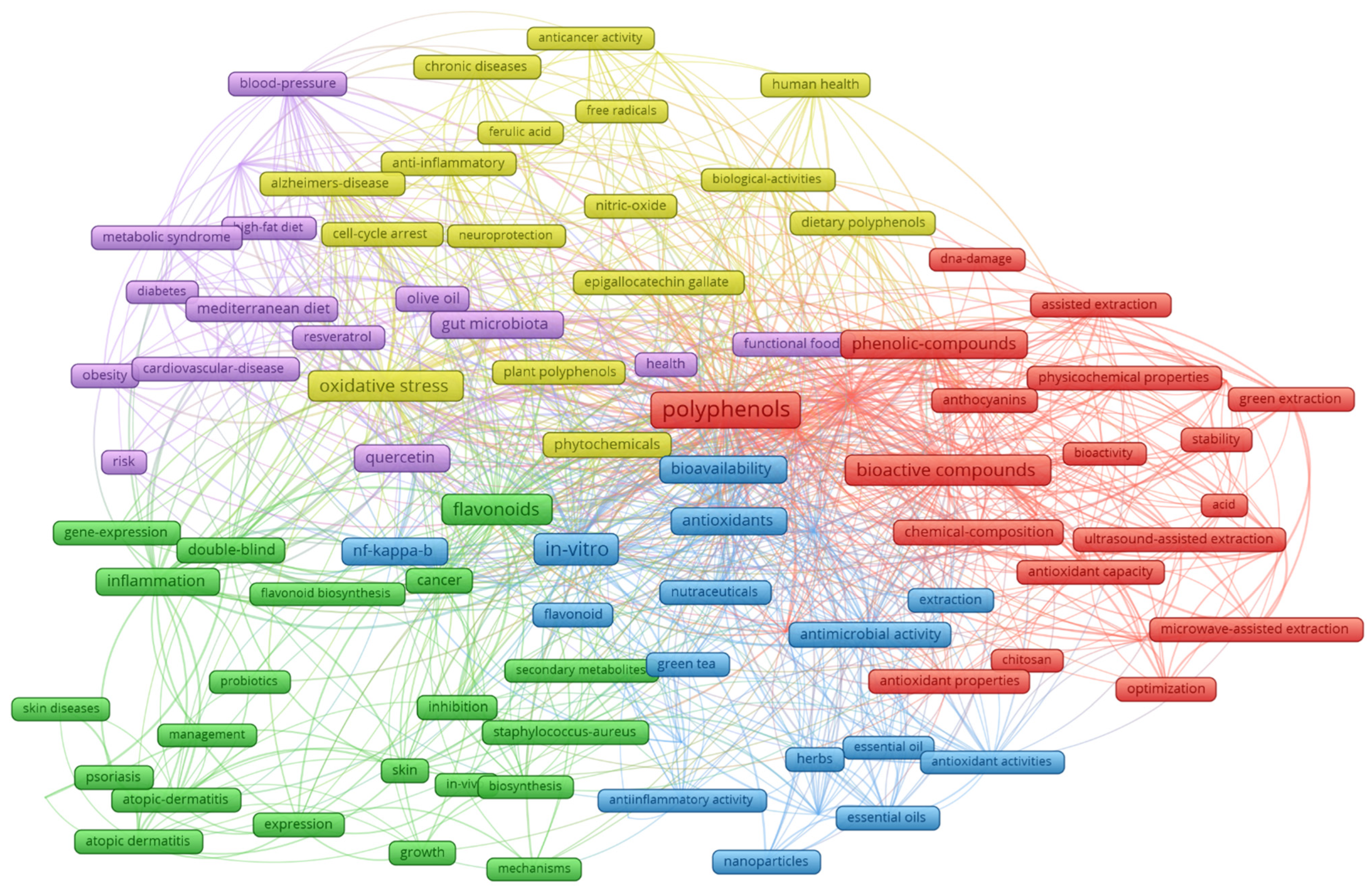
2.3. Bibliometric Analysis of Keywords
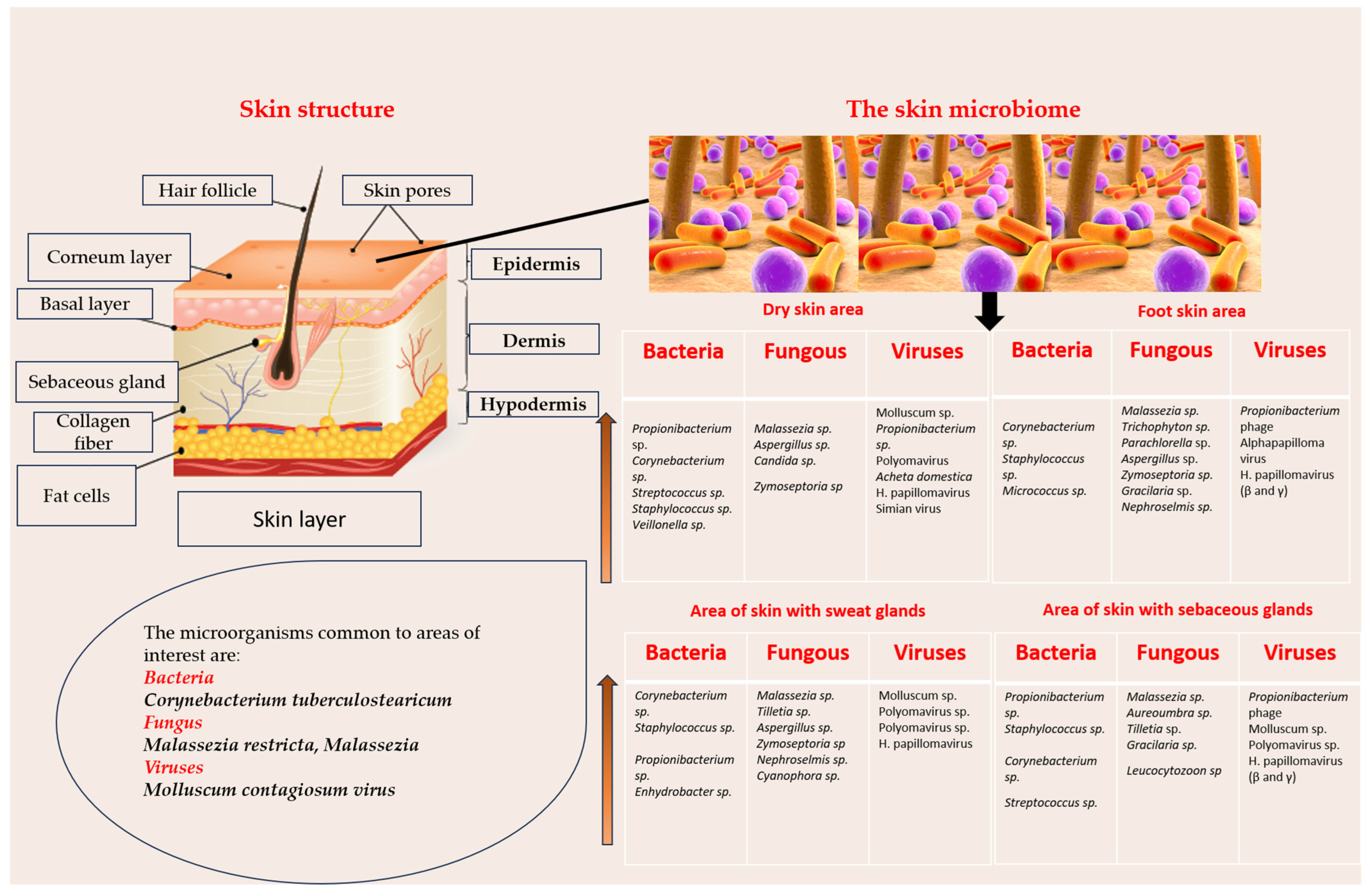
3. Skin Physiology, Microbiome Composition and Physiological Response Capacity Against Disruptive Factors
4. The Most Common Skin Conditions
4.1. Skin Photoaging
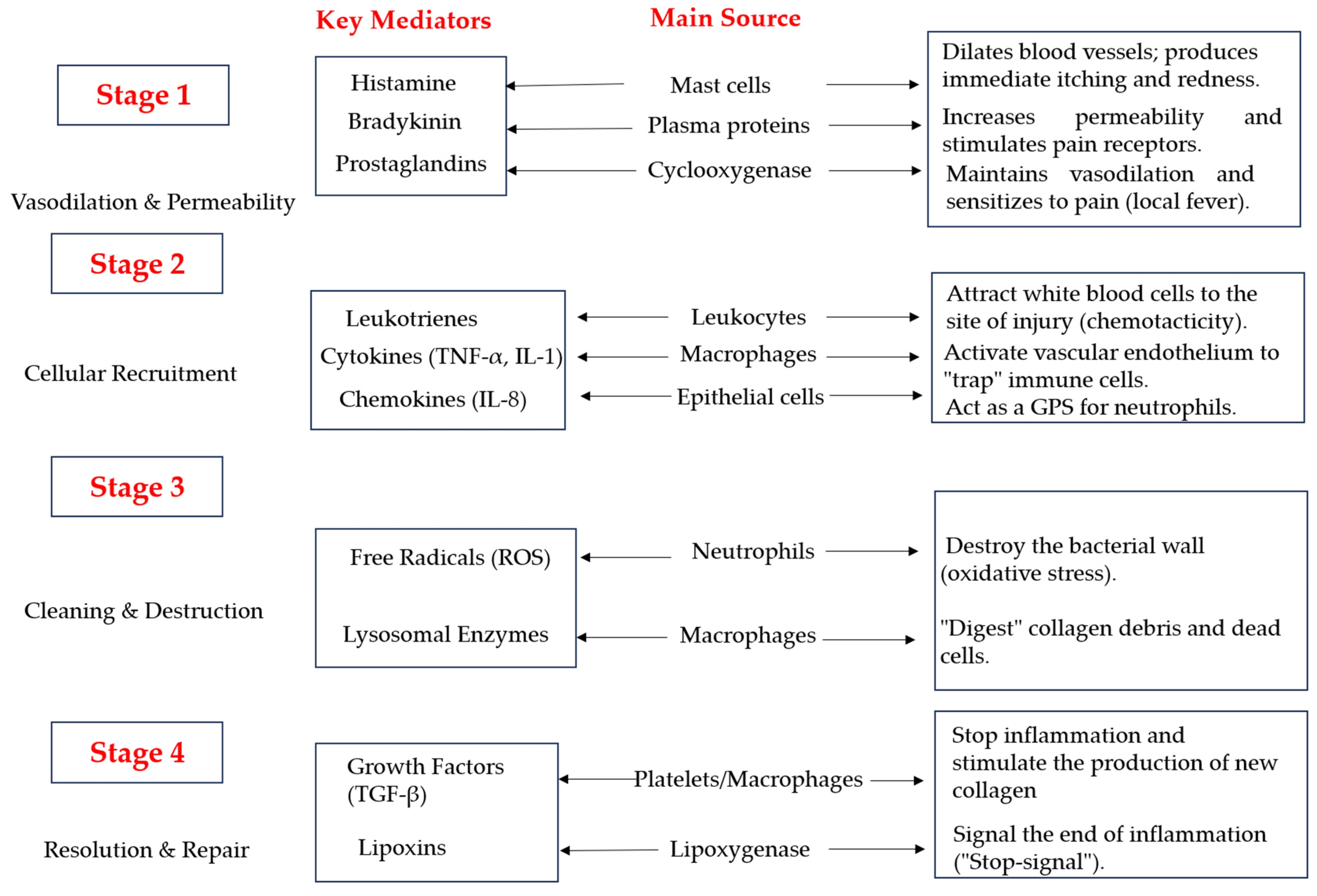
4.2. Skin Inflammation
4.3. Skin Hyperpigmentation and Hypopigmentation
4.3.1. Influence of UV Radiation and Hormonal Factors
4.3.2. Physiological Changes Associated with Senescence and Genetics
4.3.3. Post-Inflammatory Hyperpigmentation (PIH) and Acne Pathology
4.3.4. Iatrogenic Factors and Systemic Correlations
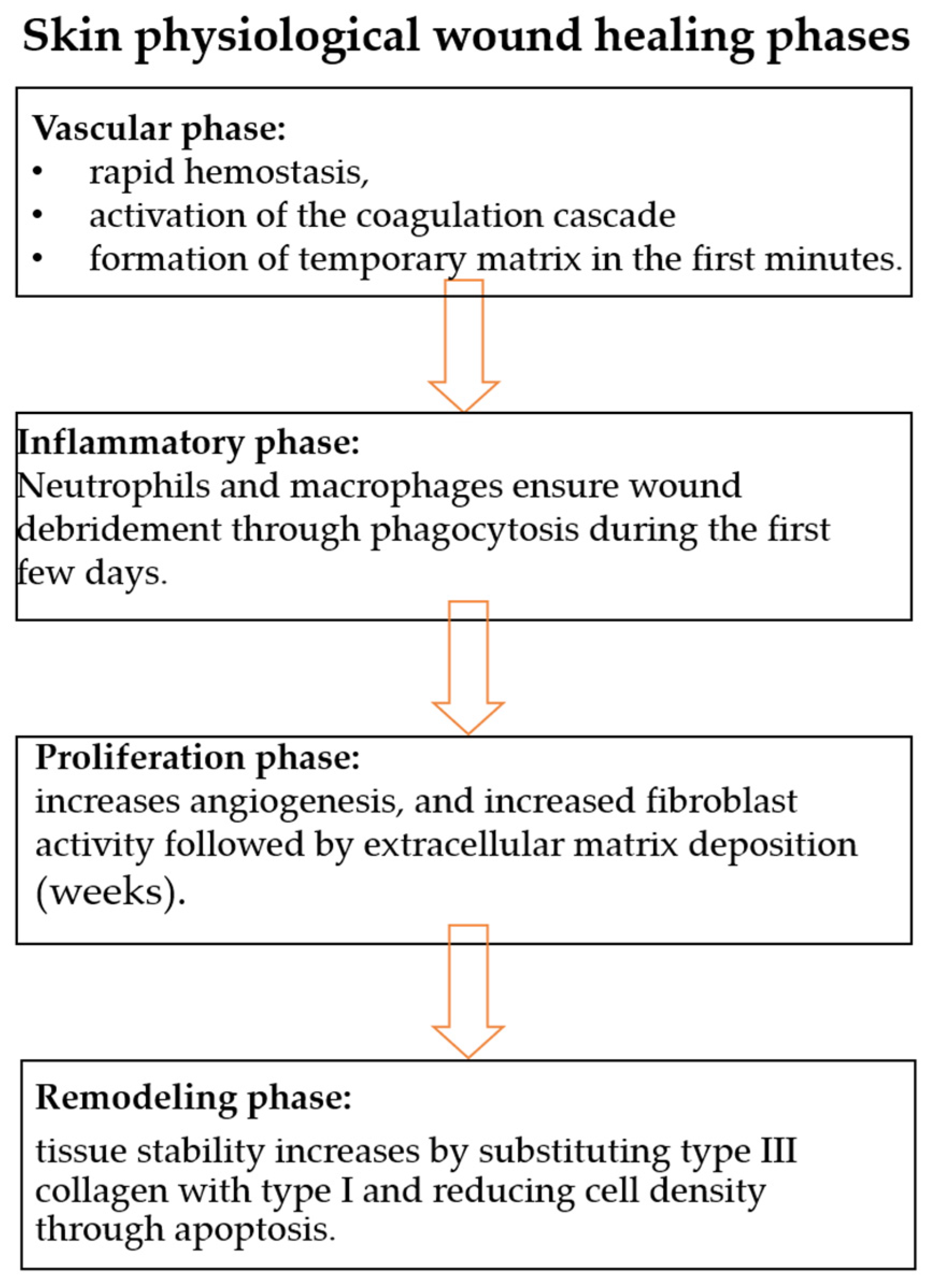
4.4. Skin Wounds with Possible Microbial Infection
5. Phytochemical Compounds Recognized for Their Beneficial Properties on the Skin and Their Mechanisms in the Healing Process of Dermal Pathologies
6. New Strategies for Approaching Dermatological Treatments
7. Limitations and Future Perspectives
8. Conclusions
Author Contributions
Funding
Institutional Review Board Statement
Informed Consent Statement
Data Availability Statement
Conflicts of Interest
References
- Fernandes, A.; Rodrigues, P.M.; Pintado, M.; Tavaria, F.K. A Systematic Review of Natural Products for Skin Applications: Targeting Inflammation, Wound Healing, and Photo-Aging. Phytomedicine 2023, 115, 154824. [Google Scholar] [CrossRef]
- Cioce, A.; Cavani, A.; Cattani, C.; Scopelliti, F. Role of the Skin Immune System in Wound Healing. Cells 2024, 13, 624. [Google Scholar] [CrossRef] [PubMed]
- Byrd, A.L.; Belkaid, Y.; Segre, J.A. The Human Skin Microbiome. Nat. Rev. Microbiol. 2018, 16, 143–155. [Google Scholar] [CrossRef]
- Arda, O.; Göksügür, N.; Tüzün, Y. Basic Histological Structure and Functions of Facial Skin. Clin. Dermatol. 2014, 32, 3–13. [Google Scholar] [CrossRef]
- Flowers, L.; Grice, E.A. The Skin Microbiota: Balancing Risk and Reward. Cell Host Microbe 2020, 28, 190–200. [Google Scholar] [CrossRef] [PubMed]
- Koh, L.F.; Ong, R.Y.; Common, J.E. Skin Microbiome of Atopic Dermatitis. Allergol. Int. 2022, 71, 31–39. [Google Scholar] [CrossRef]
- Bastos, E.L.; Quina, F.H.; Baptista, M.S. Endogenous Photosensitizers in Human Skin. Chem. Rev. 2023, 123, 9720–9785. [Google Scholar] [CrossRef] [PubMed]
- Csekes, E.; Račková, L. Skin Aging, Cellular Senescence and Natural Polyphenols. Int. J. Mol. Sci. 2021, 22, 12641. [Google Scholar] [CrossRef]
- Tončić, R.J.; Kezić, S.; Hadžavdić, S.L.; Marinović, B. Skin Barrier and Dry Skin in the Mature Patient. Clin. Dermatol. 2018, 36, 109–115. [Google Scholar] [CrossRef]
- Yakupu, A.; Aimaier, R.; Yuan, B.; Chen, B.; Cheng, J.; Zhao, Y.; Peng, Y.; Dong, J.; Lu, S. The Burden of Skin and Subcutaneous Diseases: Findings from the Global Burden of Disease Study 2019. Front. Public Health 2023, 11, 1145513. [Google Scholar] [CrossRef]
- Qu, F.; Geng, R.; Liu, Y.; Zhu, J. Advanced Nanocarrier- and Microneedle-Based Transdermal Drug Delivery Strategies for Skin Diseases Treatment. Theranostics 2022, 12, 3372–3406. [Google Scholar] [CrossRef]
- Michalak, M.; Pierzak, M.; Kręcisz, B.; Suliga, E. Bioactive Compounds for Skin Health: A Review. Nutrients 2021, 13, 203. [Google Scholar] [CrossRef]
- Gokce, E.H.; Korkmaz, E.; Dellera, E.; Sandri, G.; Bonferoni, M.C.; Ozer, O. Resveratrol-Loaded Solid Lipid Nanoparticles versus Nanostructured Lipid Carriers: Evaluation of Antioxidant Potential for Dermal Applications. Int. J. Nanomed. 2012, 7, 1841–1850. [Google Scholar] [CrossRef]
- Ahmad, J.; Gautam, A.; Komath, S.; Bano, M.; Garg, A.; Jain, K. Topical Nano-Emulgel for Skin Disorders: Formulation Approach and Characterization. Recent Pat. Antiinfect. Drug Discov. 2019, 14, 36–48. [Google Scholar] [CrossRef]
- Kaul, S.; Gulati, N.; Verma, D.; Mukherjee, S.; Nagaich, U. Role of Nanotechnology in Cosmeceuticals: A Review of Recent Advances. J. Pharm. 2018, 2018, 3420204. [Google Scholar] [CrossRef]
- Ghasemiyeh, P.; Mohammadi-Samani, S. Potential of Nanoparticles as Permeation Enhancers and Targeted Delivery Options for Skin: Advantages and Disadvantages. Drug Des. Dev. Ther. 2020, 14, 3271–3289. [Google Scholar] [CrossRef]
- Moher, D.; Liberati, A.; Tetzlaff, J.; Altman, D.; The PRISMA Group. Preferred Reporting Items for Systematic Reviews and Meta-Analyses: The PRISMA Statement. J. Clin. Epidemiol. 2009, 62, 1006–1012. [Google Scholar] [CrossRef]
- Zhan, Y.; Liang, J.; Zhou, S.; Zhang, C.; Chen, X.; Gao, L.; Zhao, J.; He, Y.; Zhao, M.; Lu, Q. Structure Characterization and Repair of UVB-Induced Skin Inflammation of Rhamnomannan Derived from Roseomonas Mucosa DL-1. Int. J. Biol. Macromol. 2025, 320, 145903. [Google Scholar] [CrossRef]
- Ren, X.; Shi, Y.; Zhao, D.; Xu, M.; Li, X.; Dang, Y.; Ye, X. Naringin Protects Ultraviolet B-Induced Skin Damage by Regulating P38 MAPK Signal Pathway. J. Dermatol. Sci. 2016, 82, 106–114. [Google Scholar] [CrossRef]
- Khavkin, J.; Ellis, D.A.F. Aging Skin: Histology, Physiology, and Pathology. Facial Plast. Surg. Clin. N. Am. 2011, 19, 229–234. [Google Scholar] [CrossRef]
- Kottner, J.; Fastner, A.; Lintzeri, D.-A.; Griffiths, C.E.M.; Blume-Peytavi, U. Improving Skin Health of Community-Dwelling Older People: A Scoping Review Protocol. BMJ Open 2023, 13, e071313. [Google Scholar] [CrossRef] [PubMed]
- Grice, E.A.; Segre, J.A. The Skin Microbiome. Nat. Rev. Microbiol. 2011, 9, 244–253. [Google Scholar] [CrossRef]
- Pistone, D.; Meroni, G.; Panelli, S.; D’Auria, E.; Acunzo, M.; Pasala, A.R.; Zuccotti, G.V.; Bandi, C.; Drago, L. A Journey on the Skin Microbiome: Pitfalls and Opportunities. Int. J. Mol. Sci. 2021, 22, 9846. [Google Scholar] [CrossRef]
- Sun, N.; Ogulur, I.; Mitamura, Y.; Yazici, D.; Pat, Y.; Bu, X.; Li, M.; Zhu, X.; Babayev, H.; Ardicli, S.; et al. The Epithelial Barrier Theory and Its Associated Diseases. Allergy 2024, 79, 3192–3237. [Google Scholar] [CrossRef]
- Pîrvulescu, L.-E.; Popescu, S.-C.; Popescu, R.; Voiculescu, V.-M.; Negrei, C. Skin Microbiome, Nanotoxicology, and Regulatory Gaps: Chronic Cosmetic Exposure and Skin Barrier Dysfunction-A Systematic Review. Pharmaceutics 2025, 17, 1246. [Google Scholar] [CrossRef]
- Zheng, Y.; Liang, H.; Li, Z.; Tang, M.; Song, L. Skin Microbiome in Sensitive Skin: The Decrease of Staphylococcus Epidermidis Seems to Be Related to Female Lactic Acid Sting Test Sensitive Skin. J. Dermatol. Sci. 2020, 97, 225–228. [Google Scholar] [CrossRef]
- Haniffa, M.; Gunawan, M.; Jardine, L. Human Skin Dendritic Cells in Health and Disease. J. Dermatol. Sci. 2015, 77, 85–92. [Google Scholar] [CrossRef]
- Piipponen, M.; Li, D.; Landén, N.X. The Immune Functions of Keratinocytes in Skin Wound Healing. Int. J. Mol. Sci. 2020, 21, 8790. [Google Scholar] [CrossRef]
- Clemente-Suárez, V.J.; Redondo-Flórez, L.; Beltrán-Velasco, A.I.; Martín-Rodríguez, A.; Martínez-Guardado, I.; Navarro-Jiménez, E.; Laborde-Cárdenas, C.C.; Tornero-Aguilera, J.F. The Role of Adipokines in Health and Disease. Biomedicines 2023, 11, 1290. [Google Scholar] [CrossRef] [PubMed]
- Kovács, D.; Fazekas, F.; Oláh, A.; Törőcsik, D. Adipokines in the Skin and in Dermatological Diseases. Int. J. Mol. Sci. 2020, 21, 9048. [Google Scholar] [CrossRef] [PubMed]
- Zhang, H.; Xia, M.; Li, H.; Zeng, X.; Jia, H.; Zhang, W.; Zhou, J. Implication of Immunobiological Function of Melanocytes in Dermatology. Clin. Rev. Allergy Immunol. 2025, 68, 30. [Google Scholar] [CrossRef]
- Gromkowska-Kępka, K.J.; Puścion-Jakubik, A.; Markiewicz-Żukowska, R.; Socha, K. The Impact of Ultraviolet Radiation on Skin Photoaging—Review of in Vitro Studies. J. Cosmet. Dermatol. 2021, 20, 3427–3431. [Google Scholar] [CrossRef]
- Kostyuk, V.; Potapovich, A.; Albuhaydar, A.R.; Mayer, W.; De Luca, C.; Korkina, L. Natural Substances for Prevention of Skin Photoaging: Screening Systems in the Development of Sunscreen and Rejuvenation Cosmetics. Rejuvenation Res. 2018, 21, 91–101. [Google Scholar] [CrossRef] [PubMed]
- Sathe, N.C.; Gillespie, E. Photosensitivity and Photodermatoses. In StatPearls; StatPearls Publishing: Treasure Island, FL, USA, 2026. [Google Scholar]
- Heerfordt, I.M.; Lerche, C.M.; Philipsen, P.A.; Wulf, H.C. Experimental and Approved Treatments for Skin Photosensitivity in Individuals with Erythropoietic Protoporphyria or X-Linked Protoporphyria: A Systematic Review. Biomed. Pharmacother. 2023, 158, 114132. [Google Scholar] [CrossRef] [PubMed]
- Chaiprasongsuk, A.; Panich, U. Role of Phytochemicals in Skin Photoprotection via Regulation of Nrf2. Front. Pharmacol. 2022, 13, 823881. [Google Scholar] [CrossRef]
- Gieniusz, E.; Skrzydlewska, E.; Łuczaj, W. Current Insights into the Role of UV Radiation-Induced Oxidative Stress in Melanoma Pathogenesis. Int. J. Mol. Sci. 2024, 25, 11651. [Google Scholar] [CrossRef]
- Shirley, S.N.; Watson, A.E.; Yusuf, N. Pathogenesis of Inflammation in Skin Disease: From Molecular Mechanisms to Pathology. Int. J. Mol. Sci. 2024, 25, 10152. [Google Scholar] [CrossRef] [PubMed]
- Umar, M.; Sastry, K.S.; Al Ali, F.; Al-Khulaifi, M.; Wang, E.; Chouchane, A.I. Vitamin D and the Pathophysiology of Inflammatory Skin Diseases. Skin Pharmacol. Physiol. 2018, 31, 74–86. [Google Scholar] [CrossRef]
- Matar, D.Y.; Ng, B.; Darwish, O.; Wu, M.; Orgill, D.P.; Panayi, A.C. Skin Inflammation with a Focus on Wound Healing. Adv. Wound Care 2023, 12, 269–287. [Google Scholar] [CrossRef]
- Thangam, E.B.; Jemima, E.A.; Singh, H.; Baig, M.S.; Khan, M.; Mathias, C.B.; Church, M.K.; Saluja, R. The Role of Histamine and Histamine Receptors in Mast Cell-Mediated Allergy and Inflammation: The Hunt for New Therapeutic Targets. Front. Immunol. 2018, 9, 1873. [Google Scholar] [CrossRef]
- Garzorz-Stark, N.; Weidinger, S.; Sticherling, M.; Ghoreschi, K.; Enk, A.; Eyerich, K. Inflammatory Skin Diseases. Dtsch. Arztebl. Int. 2025, 122, 277–282. [Google Scholar] [CrossRef]
- Frazier, W.; Bhardwaj, N. Atopic Dermatitis: Diagnosis and Treatment. Am. Fam. Physician 2020, 101, 590–598. [Google Scholar]
- Diotallevi, F.; Campanati, A.; Martina, E.; Radi, G.; Paolinelli, M.; Marani, A.; Molinelli, E.; Candelora, M.; Taus, M.; Galeazzi, T.; et al. The Role of Nutrition in Immune-Mediated, Inflammatory Skin Disease: A Narrative Review. Nutrients 2022, 14, 591. [Google Scholar] [CrossRef]
- Fleshner, L.; Roster, K.; Farabi, B.; Hirani, R.; Tepper, K.; Pitchumoni, C.S.; Safai, B.; Marmon, S. Follicular Skin Disorders, Inflammatory Bowel Disease, and the Microbiome: A Systematic Review. Int. J. Mol. Sci. 2024, 25, 10203. [Google Scholar] [CrossRef]
- D’Orazio, J.; Jarrett, S.; Amaro-Ortiz, A.; Scott, T. UV Radiation and the Skin. Int. J. Mol. Sci. 2013, 14, 12222–12248. [Google Scholar] [CrossRef]
- Thawabteh, A.M.; Jibreen, A.; Karaman, D.; Thawabteh, A.; Karaman, R. Skin Pigmentation Types, Causes and Treatment—A Review. Molecules 2023, 28, 4839. [Google Scholar] [CrossRef] [PubMed]
- Slominski, A.T.; Zmijewski, M.A.; Plonka, P.M.; Szaflarski, J.P.; Paus, R. How UV Light Touches the Brain and Endocrine System Through Skin, and Why. Endocrinology 2018, 159, 1992–2007. [Google Scholar] [CrossRef] [PubMed]
- Triebner, K.; Bifulco, E.; Barrera-Gómez, J.; Basagaña, X.; Benediktsdóttir, B.; Forsberg, B.; Franklin, K.A.; Garcia-Larsen, V.; Leynaert, B.; Lindberg, E.; et al. Ultraviolet Radiation as a Predictor of Sex Hormone Levels in Postmenopausal Women: A European Multi-Center Study (ECRHS). Maturitas 2021, 145, 49–55. [Google Scholar] [CrossRef]
- Parikh, R.; Sorek, E.; Parikh, S.; Michael, K.; Bikovski, L.; Tshori, S.; Shefer, G.; Mingelgreen, S.; Zornitzki, T.; Knobler, H.; et al. Skin Exposure to UVB Light Induces a Skin-Brain-Gonad Axis and Sexual Behavior. Cell Rep. 2021, 36, 109579. [Google Scholar] [CrossRef] [PubMed]
- Ortonne, J.P.; Arellano, I.; Berneburg, M.; Cestari, T.; Chan, H.; Grimes, P.; Hexsel, D.; Im, S.; Lim, J.; Lui, H.; et al. A Global Survey of the Role of Ultraviolet Radiation and Hormonal Influences in the Development of Melasma. J. Eur. Acad. Dermatol. Venereol. 2009, 23, 1254–1262. [Google Scholar] [CrossRef]
- Zhang, J.; Wang, T.; Li, Z.; Qin, C.; Dai, J.; Zhao, Y.; Wu, S.; Jia, Z. Hormonal Crosstalk in Melasma: Unraveling the Dual Roles of Estrogen and Progesterone in Melanogenesis. Int. J. Mol. Sci. 2025, 26, 10856. [Google Scholar] [CrossRef]
- Liu, W.; Chen, Q.; Xia, Y. New Mechanistic Insights of Melasma. Clin. Cosmet. Investig. Dermatol. 2023, 16, 429–442. [Google Scholar] [CrossRef]
- Lee, H.; Hong, Y.; Kim, M. Structural and Functional Changes and Possible Molecular Mechanisms in Aged Skin. Int. J. Mol. Sci. 2021, 22, 12489. [Google Scholar] [CrossRef]
- Hughes, B.K.; Bishop, C.L. Current Understanding of the Role of Senescent Melanocytes in Skin Ageing. Biomedicines 2022, 10, 3111. [Google Scholar] [CrossRef]
- Ho, C.Y.; Dreesen, O. Faces of Cellular Senescence in Skin Aging. Mech. Ageing Dev. 2021, 198, 111525. [Google Scholar] [CrossRef] [PubMed]
- Davis, E.C.; Callender, V.D. Postinflammatory Hyperpigmentation. J. Clin. Aesthet. Dermatol. 2010, 3, 20–31. [Google Scholar]
- Auffret, N.; Leccia, M.-T.; Ballanger, F.; Claudel, J.P.; Dahan, S.; Dréno, B. Acne-Induced Post-Inflammatory Hyperpigmentation: From Grading to Treatment. Acta Derm.-Venereol. 2025, 105, adv42925. [Google Scholar] [CrossRef] [PubMed]
- Kashetsky, N.; Feschuk, A.; Pratt, M.E. Post-Inflammatory Hyperpigmentation: A Systematic Review of Treatment Outcomes. J. Eur. Acad. Dermatol. Venereol. 2024, 38, 470–479. [Google Scholar] [CrossRef]
- Nautiyal, A.; Wairkar, S. Management of Hyperpigmentation: Current Treatments and Emerging Therapies. Pigment. Cell Melanoma Res. 2021, 34, 1000–1014. [Google Scholar] [CrossRef] [PubMed]
- Kanlayavattanakul, M.; Lourith, N. Skin Hyperpigmentation Treatment Using Herbs: A Review of Clinical Evidences. J. Cosmet. Laser Ther. 2018, 20, 123–131. [Google Scholar] [CrossRef]
- Mohamed, F.; Raal, F.J. Hyperpigmentation from Addison’s Disease. N. Engl. J. Med. 2021, 384, 1752. [Google Scholar] [CrossRef]
- Armenta, A.M.; Henkel, E.D.; Ahmed, A.M. Pigmentation Disorders in the Elderly. Drugs Aging 2019, 36, 235–245. [Google Scholar] [CrossRef] [PubMed]
- Brar, G.; Dhaliwal, A.; Brar, A.S.; Sreedevi, M.; Ahmadi, Y.; Irfan, M.; Golbari, R.; Zumárraga, D.; Yateem, D.; Lysak, Y.; et al. A Comprehensive Review of the Role of UV Radiation in Photoaging Processes Between Different Types of Skin. Cureus 2025, 17, e81109. [Google Scholar] [CrossRef] [PubMed]
- Bergqvist, C.; Ezzedine, K. Vitiligo: A Review. Dermatology 2020, 236, 571–592. [Google Scholar] [CrossRef]
- Kingston, P.; Jones, M.; Luu, M. Common Causes of Hypopigmentation in Children. Pediatr. Rev. 2025, 46, 545–556. [Google Scholar] [CrossRef]
- Wu, B.; He, M.; Liu, T.; Zhao, W.; Ye, J.; Jiang, T.; Teng, C.; Huang, Y.; Zhang, Y.; Li, J.; et al. New Variant in KITLG Shapes the Pathogenesis of Familial Progressive Hyper- and Hypo-Pigmentation. Mol. Genet. Genom. 2026, 301, 51. [Google Scholar] [CrossRef] [PubMed]
- Takuathung, M.N.; Potikanond, S.; Sookkhee, S.; Mungkornasawakul, P.; Jearanaikulvanich, T.; Chinda, K.; Wikan, N.; Nimlamool, W. Anti-psoriatic and anti-inflammatory effects of Kaempferia parviflora in keratinocytes and macrophage cells. Biomed. Pharmacother. 2021, 143, 112229. [Google Scholar] [CrossRef]
- Perez-Bootello, J.; Cova-Martin, R.; Naharro-Rodriguez, J.; Segurado-Miravalles, G. Vitiligo: Pathogenesis and New and Emerging Treatments. Int. J. Mol. Sci. 2023, 24, 17306. [Google Scholar] [CrossRef] [PubMed]
- Peña, O.A.; Martin, P. Cellular and Molecular Mechanisms of Skin Wound Healing. Nat. Rev. Mol. Cell Biol. 2024, 25, 599–616. [Google Scholar] [CrossRef]
- Sorg, H.; Sorg, C.G.G. Skin Wound Healing: Of Players, Patterns, and Processes. Eur. Surg. Res. 2023, 64, 141–157. [Google Scholar] [CrossRef]
- Baron, J.M.; Glatz, M.; Proksch, E. Optimal Support of Wound Healing: New Insights. Dermatology 2020, 236, 593–600. [Google Scholar] [CrossRef] [PubMed]
- Martin, P. Wound Healing--Aiming for Perfect Skin Regeneration. Science 1997, 276, 75–81. [Google Scholar] [CrossRef]
- Uberoi, A.; McCready-Vangi, A.; Grice, E.A. The Wound Microbiota: Microbial Mechanisms of Impaired Wound Healing and Infection. Nat. Rev. Microbiol. 2024, 22, 507–521. [Google Scholar] [CrossRef]
- Tomic-Canic, M.; Burgess, J.L.; O’Neill, K.E.; Strbo, N.; Pastar, I. Skin Microbiota and Its Interplay with Wound Healing. Am. J. Clin. Dermatol. 2020, 21, 36–43. [Google Scholar] [CrossRef] [PubMed]
- Olah, N.; Petrescu, S.; Marian, E.; Tünde, J.; Marc, F.; Dobjanschi, L.; Honiges, A.; Kiss, R.; Bechir, E.; Curt-Mola, F.; et al. The Study of Antioxidant Capacity in Extracts from Vegetal Sources with Hypoglycaemic Action. Rev. Chim. 2019, 70, 102–106. [Google Scholar] [CrossRef]
- Kloter, E.; Albanese, F.; Schweighoffer, R.; Wolf, U. Phytotherapy in Paediatric Skin Disorders—A Systematic Literature Review. Complement. Ther. Med. 2023, 74, 102942. [Google Scholar] [CrossRef]
- Givol, O.; Kornhaber, R.; Visentin, D.; Cleary, M.; Haik, J.; Harats, M. A Systematic Review of Calendula Officinalis Extract for Wound Healing. Wound Repair Regen. 2019, 27, 548–561. [Google Scholar] [CrossRef]
- Li, W.; Chen, H.; Xie, Z.; Gao, J.; Wang, M.; Chen, Z.; Li, Y.; Guo, Z.; Huang, S.; Jia, J.; et al. Exploring the Mechanism of Dihydromyricetin in Alleviating Psoriasis Based on Metabolomics, Network Pharmacology and Experimental Validation. J. Ethnopharmacol. 2026, 360, 121167. [Google Scholar] [CrossRef] [PubMed]
- Bae, S.; Jeong, N.-H.; Choi, Y.-A.; Lee, B.; Jang, Y.H.; Lee, S.; Kim, S.-H. Lupeol Alleviates Atopic Dermatitis-like Skin Inflammation in 2,4-Dinitrochlorobenzene/Dermatophagoides Farinae Extract-Induced Mice. BMC Pharmacol. Toxicol. 2023, 24, 27. [Google Scholar] [CrossRef]
- Ndiaye, M.; Philippe, C.; Mukhtar, H.; Ahmad, N. The Grape Antioxidant Resveratrol for Skin Disorders: Promise, Prospects, and Challenges. Arch. Biochem. Biophys. 2011, 508, 164–170. [Google Scholar] [CrossRef]
- Domingo, D.S.; Camouse, M.M.; Hsia, A.H.; Matsui, M.; Maes, D.; Ward, N.L.; Cooper, K.D.; Baron, E.D. Anti-Angiogenic Effects of Epigallocatechin-3-Gallate in Human Skin. Int. J. Clin. Exp. Pathol. 2010, 3, 705–709. [Google Scholar]
- Pivetta, T.P.; Simões, S.; Araújo, M.M.; Carvalho, T.; Arruda, C.; Marcato, P.D. Development of Nanoparticles from Natural Lipids for Topical Delivery of Thymol: Investigation of Its Anti-Inflammatory Properties. Colloids Surf. B Biointerfaces 2018, 164, 281–290. [Google Scholar] [CrossRef]
- Vollono, L.; Falconi, M.; Gaziano, R.; Iacovelli, F.; Dika, E.; Terracciano, C.; Bianchi, L.; Campione, E. Potential of Curcumin in Skin Disorders. Nutrients 2019, 11, 2169. [Google Scholar] [CrossRef] [PubMed]
- Ahmad, R.S.; Hussain, M.B.; Sultan, M.T.; Arshad, M.S.; Waheed, M.; Shariati, M.A.; Plygun, S.; Hashempur, M.H. Biochemistry, Safety, Pharmacological Activities, and Clinical Applications of Turmeric: A Mechanistic Review. Evid. Based Complement. Altern. Med. 2020, 2020, 7656919. [Google Scholar] [CrossRef]
- Michel, P.; Żbikowska, H.M.; Rudnicka, K.; Gonciarz, W.; Krupa, A.; Gajewski, A.; Machała, P.; Olszewska, M.A. Anti-Inflammatory, Antioxidant and Photoprotective Activity of Standardised Gaultheria procumbens L. Leaf, Stem, and Fruit Extracts in UVA-Irradiated Human Dermal Fibroblasts. J. Ethnopharmacol. 2024, 319, 117219. [Google Scholar] [CrossRef] [PubMed]
- Imb, M.; Véghelyi, Z.; Maurer, M.; Kühnel, H. Exploring Senolytic and Senomorphic Properties of Medicinal Plants for Anti-Aging Therapies. Int. J. Mol. Sci. 2024, 25, 10419. [Google Scholar] [CrossRef] [PubMed]
- Abirami, S.; Edwin Raj, B.; Soundarya, T.; Kannan, M.; Sugapriya, D.; Al-Dayan, N.; Ahmed Mohammed, A. Exploring Antifungal Activities of Acetone Extract of Selected Indian Medicinal Plants against Human Dermal Fungal Pathogens. Saudi J. Biol. Sci. 2021, 28, 2180–2187. [Google Scholar] [CrossRef]
- Balada, C.; Díaz, V.; Castro, M.; Echeverría-Bugueño, M.; Marchant, M.J.; Guzmán, L. Protective Effects of Microsorum scolopendria (Burm.f.) Copel. Leaf and Rhizome Extracts on Oxidative Stress and Inflammation Induced by Staphylococcus aureus and Staphylococcus epidermidis. Antioxidants 2025, 14, 1194. [Google Scholar] [CrossRef]
- Lee, Y.; Choi, H.K.; N’deh, K.P.U.; Choi, Y.-J.; Fan, M.; Kim, E.-K.; Chung, K.-H.; An, A.J.H. Inhibitory Effect of Centella Asiatica Extract on DNCB-Induced Atopic Dermatitis in HaCaT Cells and BALB/c Mice. Nutrients 2020, 12, 411. [Google Scholar] [CrossRef]
- Kim, J.-E.; Song, D.; Kim, J.; Choi, J.; Kim, J.R.; Yoon, H.-S.; Bae, J.-S.; Han, M.; Lee, S.; Hong, J.S.; et al. Oral Supplementation with Cocoa Extract Reduces UVB-Induced Wrinkles in Hairless Mouse Skin. J. Investig. Dermatol. 2016, 136, 1012–1021. [Google Scholar] [CrossRef]
- Kao, E.-S.; Wang, C.-J.; Lin, W.-L.; Chu, C.-Y.; Tseng, T.-H. Effects of Polyphenols Derived from Fruit of Crataegus pinnatifida on Cell Transformation, Dermal Edema and Skin Tumor Formation by Phorbol Ester Application. Food Chem. Toxicol. 2007, 45, 1795–1804. [Google Scholar] [CrossRef]
- Ibrahim, F.M.; Abdelhameed, M.F.; Shalaby, E.S.; Ragab, N.A.; Nagy, A.M.; Vilas-Boas, A.A.; Ahmed, K.A.; Pintado, M.; El Habbasha, E.S. Topical Cream Loaded with Upcycled Citrus Bioactive Chitosan-Pectin Nanoparticle Protects Skin from UV-Induced Photoaging. Int. J. Biol. Macromol. 2026, 344, 150374. [Google Scholar] [CrossRef]
- Al-Qaisi, T.; Al-Rawadeih, S.; Alsarayreh, A.; Qaisi, Y.A.; Al-Limoun, M.; Alqaraleh, M.; Khleifat, K. The Effects of Anchusa Azurea Methanolic Extract on Burn Wound Healing: Histological, Antioxidant, and Anti-Inflammatory Evaluation. Burns 2024, 50, 1812–1822. [Google Scholar] [CrossRef]
- Reduan, F.H.; Shaari, R.M.; Sayuti, N.S.A.; Mustapha, N.M.; Abu Bakar, M.Z.; Sithambaram, S.; Hamzah, H. Acute and Subacute Dermal Toxicity of Ethanolic Extract of Melastoma Malabathricum Leaves in Sprague-Dawley Rats. Toxicol. Res. 2020, 36, 203–210. [Google Scholar] [CrossRef] [PubMed]
- Khan, M.K.; Khan, I.A.; Iqbal, M.O.; Eed, E.M.; Ahmad, A.; Naeem, M.; Ashiq, H.T.; Munawar, N. The Antimicrobial Effect of Curcuma Longa and Allium Sativum Decoction in Rats Explains Its Utility in Wound Care. Am. J. Transl. Res. 2024, 16, 6159–6167. [Google Scholar] [CrossRef] [PubMed]
- Song, H.-K.; Kim, H.J.; Kim, S.C.; Kim, T. Therapeutic Effects of Sigesbeckia Pubescens Makino Against Atopic Dermatitis-Like Skin Inflammation Through the JAK2/STAT Signaling Pathway. Int. J. Mol. Sci. 2025, 26, 4191. [Google Scholar] [CrossRef]
- Dorjsembe, B.; Nho, C.W.; Choi, Y.; Kim, J.-C. Extract from Black Soybean Cultivar A63 Extract Ameliorates Atopic Dermatitis-like Skin Inflammation in an Oxazolone-Induced Murine Model. Molecules 2022, 27, 2751. [Google Scholar] [CrossRef]
- Afrasiabian, H.; Hododi, R.; Imanieh, M.; Salehi, A. Therapeutic Effects of Sansevieria Trifasciata Ointment in Callosities of Toes. Glob. J. Health Sci. 2016, 9, 264. [Google Scholar] [CrossRef]
- Ikarashi, N.; Fujitate, N.; Togashi, T.; Takayama, N.; Fukuda, N.; Kon, R.; Sakai, H.; Kamei, J.; Sugiyama, K. Acacia Polyphenol Ameliorates Atopic Dermatitis in Trimellitic Anhydride-Induced Model Mice via Changes in the Gut Microbiota. Foods 2020, 9, 773. [Google Scholar] [CrossRef]
- Gómez-Farto, A.; Jiménez-Escobar, A.L.; Pérez-González, N.; Castán, H.; Clares, B.; Arias-Santiago, S.; Montero-Vílchez, T. Development of an Emulgel for the Effective Treatment of Atopic Dermatitis: Biocompatibility and Clinical Investigation. Gels 2024, 10, 370. [Google Scholar] [CrossRef] [PubMed]
- Li, Y.-F.; Ouyang, S.-H.; Tu, L.-F.; Wang, X.; Yuan, W.-L.; Wang, G.-E.; Wu, Y.-P.; Duan, W.-J.; Yu, H.-M.; Fang, Z.-Z.; et al. Caffeine Protects Skin from Oxidative Stress-Induced Senescence through the Activation of Autophagy. Theranostics 2018, 8, 5713–5730. [Google Scholar] [CrossRef] [PubMed]
- Nosrati, H.; Khodaei, M.; Alizadeh, Z.; Banitalebi-Dehkordi, M. Cationic, Anionic and Neutral Polysaccharides for Skin Tissue Engineering and Wound Healing Applications. Int. J. Biol. Macromol. 2021, 192, 298–322. [Google Scholar] [CrossRef]
- Algarin, Y.A.; Pulumati, A.; Jaalouk, D.; Tan, J.; Nouri, K. The Role of Vitamins and Nutrients in Rosacea. Arch. Dermatol. Res. 2024, 316, 142. [Google Scholar] [CrossRef]
- Merakeb, M.S.; Bribi, N.; Ferhat, R.; Aziez, M.; Yanat, B. Alkaloids Extract from Linum usitatissimum Attenuates 12-OTetradecanoylphorbol- 13-Acetate (TPA)-Induced Inflammation and Oxidative Stress in Mouse Skin. Anti-Inflamm. Anti-Allergy Agents Med. Chem. 2023, 21, 179–187. [Google Scholar] [CrossRef]
- Molefe, P.F.; Ghasemishahrestani, Z.; Mbele, M.; Khanyile, S.; Farrant, J.; Khumalo, N.P.; Bayat, A. African Medicinal Plants in Cutaneous Wound Repair: A Comprehensive Analysis of the Role of Phytochemicals. Int. Wound J. 2025, 22, e70742. [Google Scholar] [CrossRef]
- Burlec, A.F.; Hăncianu, M.; Ivănescu, B.; Macovei, I.; Corciovă, A. Exploring the Therapeutic Potential of Natural Compounds in Psoriasis and Their Inclusion in Nanotechnological Systems. Antioxidants 2024, 13, 912. [Google Scholar] [CrossRef]
- Majtan, J.; Bucekova, M.; Jesenak, M. Natural Products and Skin Diseases. Molecules 2021, 26, 4489. [Google Scholar] [CrossRef] [PubMed]
- Garcia-Orue, I.; Santos-Vizcaino, E.; Uranga, J.; de la Caba, K.; Guerrero, P.; Igartua, M.; Hernandez, R.M. Agar/Gelatin Hydro-Film Containing EGF and Aloe Vera for Effective Wound Healing. J. Mater. Chem. B 2023, 11, 6896–6910. [Google Scholar] [CrossRef] [PubMed]
- Ribeiro, D.M.L.; Carvalho Júnior, A.R.; Vale de Macedo, G.H.R.; Chagas, V.L.; Silva, L.d.S.; Cutrim, B.d.S.; Santos, D.M.; Soares, B.L.L.; Zagmignan, A.; de Miranda, R.d.C.M.; et al. Polysaccharide-Based Formulations for Healing of Skin-Related Wound Infections: Lessons from Animal Models and Clinical Trials. Biomolecules 2019, 10, 63. [Google Scholar] [CrossRef]
- Januszewski, J.; Forma, A.; Zembala, J.; Flieger, M.; Tyczyńska, M.; Dring, J.C.; Dudek, I.; Świątek, K.; Baj, J. Nutritional Supplements for Skin Health—A Review of What Should Be Chosen and Why. Medicina 2023, 60, 68. [Google Scholar] [CrossRef]
- Seth, I.; Lim, B.; Cevik, J.; Gracias, D.; Chua, M.; Kenney, P.S.; Rozen, W.M.; Cuomo, R. Impact of Nutrition on Skin Wound Healing and Aesthetic Outcomes: A Comprehensive Narrative Review. JPRAS Open 2024, 39, 291–302. [Google Scholar] [CrossRef]
- Wang, Z.; Xu, R.; Yang, H.; Li, R.; Ding, J.; Chang, Y.; Zuo, R. Vitamin E Regulates the Collagen Contents in the Body Wall of Sea Cucumber (Apostichopus japonicus) via Its Antioxidant Effects and the TGF-β/Smads Pathway. Antioxidants 2024, 13, 847. [Google Scholar] [CrossRef]
- Jiang, N.; Quan, T.; Li, R.; Chen, Y.; Gao, T. Role of Nutritional Elements in Skin Homeostasis: A Review. Biomolecules 2025, 15, 808. [Google Scholar] [CrossRef] [PubMed]
- Pullar, J.M.; Carr, A.C.; Vissers, M.C.M. The Roles of Vitamin C in Skin Health. Nutrients 2017, 9, 866. [Google Scholar] [CrossRef] [PubMed]
- Maeng, J.; Jeong, S.; Kim, H.; Nam, G. Multi-Target Strategies for Enhancing Ceramide Production: A Review of Bioactive Ingredients in Cosmetic Science. Cosmetics 2026, 13, 8. [Google Scholar] [CrossRef]
- Pincemail, J.; Meziane, S. On the Potential Role of the Antioxidant Couple Vitamin E/Selenium Taken by the Oral Route in Skin and Hair Health. Antioxidants 2022, 11, 2270. [Google Scholar] [CrossRef]
- Giménez Martínez, R.J.; Rivas García, F.; March Cerdá, J.C.; Hernández-Ruíz, Á.; González Castro, M.I.; Valverde-Merino, M.-I.; Huertas Camarasa, F.J.; Lloris Meseguer, F.; López-Viota Gallardo, M. Bioactive Substances and Skin Health: An Integrative Review from a Pharmacy and Nutrition Perspective. Pharmaceuticals 2025, 18, 373. [Google Scholar] [CrossRef] [PubMed]
- Rohilla, S.; Rohilla, A.; Narwal, S.; Dureja, H.; Bhagwat, D.P. Global Trends of Cosmeceutical in Nanotechnology: A Review. Pharm. Nanotechnol. 2023, 11, 410–424. [Google Scholar] [CrossRef]
- Sethi, M.; Rana, R.; Sambhakar, S.; Chourasia, M.K. Nanocosmeceuticals: Trends and Recent Advancements in Self Care. AAPS PharmSciTech 2024, 25, 51. [Google Scholar] [CrossRef]
- Kim, E.A.; Park, J.S.; Kim, M.S.; Jeong, M.Y.; Park, H.J.; Choi, J.H.; Seo, J.H.; Choi, Y.S.; Kang, M.J. High-Payload Nanosuspension of Centella Asiatica Extract for Improved Skin Delivery with No Irritation. Int. J. Nanomed. 2021, 16, 7417–7432. [Google Scholar] [CrossRef]
- Plyduang, T.; Atipairin, A.; Sae Yoon, A.; Sermkaew, N.; Sakdiset, P.; Sawatdee, S. Formula Development of Red Palm (Elaeis guineensis) Fruit Extract Loaded with Solid Lipid Nanoparticles Containing Creams and Its Anti-Aging Efficacy in Healthy Volunteers. Cosmetics 2022, 9, 3. [Google Scholar] [CrossRef]
- Intawong, S.; Kaewiad, K.; Muangman, T.; Kriangkrai, W. Enhancing Skin Permeation of Phlai Oil and Ginger Extracts through Lipid Nanoparticle Encapsulation for Anti-Inflammatory Topical Products. BMC Complement. Med. Ther. 2025, 25, 196. [Google Scholar] [CrossRef]
- Mostafa, E.S.; Maher, A.; Mostafa, D.A.; Gad, S.S.; Nawwar, M.A.M.; Swilam, N. A Unique Acylated Flavonol Glycoside from Prunus persica (L.) Var. Florida Prince: A New Solid Lipid Nanoparticle Cosmeceutical Formulation for Skincare. Antioxidants 2021, 10, 436. [Google Scholar] [CrossRef]
- Khan, Z.U.; Khan, T.; Mannan, A.; Ali, A.; Ni, J. In Vitro and Ex Vivo Evaluation of Mangifera indica L. Extract-Loaded Green Nanoparticles in Topical Emulsion against Oxidative Stress and Aging. Biomedicines 2022, 10, 2266. [Google Scholar] [CrossRef]
- Chinembiri, T.N.; Gerber, M.; du Plessis, L.H.; du Preez, J.L.; Hamman, J.H.; du Plessis, J. Topical Delivery of Withania Somnifera Crude Extracts in Niosomes and Solid Lipid Nanoparticles. Pharmacogn. Mag. 2017, 13, S663–S671. [Google Scholar] [CrossRef] [PubMed]
- Shrotriya, S.N.; Vidhate, B.V.; Shukla, M.S. Formulation and Development of Silybin Loaded Solid Lipid Nanoparticle Enriched Gel for Irritant Contact Dermatitis. J. Drug Deliv. Sci. Technol. 2017, 41, 164–173. [Google Scholar] [CrossRef]
- Rigon, R.B.; Fachinetti, N.; Severino, P.; Santana, M.H.A.; Chorilli, M. Skin Delivery and in Vitro Biological Evaluation of Trans-Resveratrol-Loaded Solid Lipid Nanoparticles for Skin Disorder Therapies. Molecules 2016, 21, 116. [Google Scholar] [CrossRef]
- Gonçalves, C.; Ramalho, M.J.; Silva, R.; Silva, V.; Marques-Oliveira, R.; Silva, A.C.; Pereira, M.C.; Loureiro, J.A. Lipid Nanoparticles Containing Mixtures of Antioxidants to Improve Skin Care and Cancer Prevention. Pharmaceutics 2021, 13, 2042. [Google Scholar] [CrossRef] [PubMed]
- Aanisah, N.; Sulistiawati, S.; Djabir, Y.Y.; Asri, R.M.; Sumarheni, S.; Chabib, L.; Hamzah, H.; Permana, A.D. Development of Solid Lipid Nanoparticle-Loaded Polymeric Hydrogels Containing Antioxidant and Photoprotective Bioactive Compounds of Safflower (Carthamus tinctorius L.) for Improved Skin Delivery. Langmuir 2023, 39, 1838–1851. [Google Scholar] [CrossRef]
- Saporito, F.; Sandri, G.; Bonferoni, M.C.; Rossi, S.; Boselli, C.; Icaro Cornaglia, A.; Mannucci, B.; Grisoli, P.; Vigani, B.; Ferrari, F. Essential Oil-Loaded Lipid Nanoparticles for Wound Healing. Int. J. Nanomed. 2018, 13, 175–186. [Google Scholar] [CrossRef] [PubMed]
- Miere, F.; Vicaş, S.; Adrian, T.; Ganea, M.; Cavalu, D.; Luminita, F.; Vicas, L.; Mureşan, M.; Pallag, A.; Dobjanschi, L. Preparation and Characterization of Two Different Liposomal Formulations with Bioactive Natural Extract for Multiple Applications. Processes 2021, 9, 432. [Google Scholar] [CrossRef]
- Suryawati, N.; Jawi, I. Potential Development of Turmeric Extract Nanoparticles as a Topical Anti-Inflammatory Agent. Bali Med. J. 2020, 9, 573. [Google Scholar] [CrossRef]
- Kishta, M.S.; Abd-Rabou, A.A.; Sarkissian, G.K.; Elwakil, A.I.; Elsabry, D.M.; Zagzoug, Y.M.; Hussein, S.R.; Abdallah, A.N. Exosome Mediated Delivery of Epigallocatechin 3 Gallate as a Novel Approach to Alleviate Psoriasis Symptoms through Cytokine and Apoptotic Pathway Modulation. Sci. Rep. 2025, 15, 30013. [Google Scholar] [CrossRef]
- Natania, F.; Iriawati, I.; Ayuningtyas, F.D.; Barlian, A. Potential of Plant-Derived Exosome-like Nanoparticles from Physalis Peruviana Fruit for Human Dermal Fibroblast Regeneration and Remodeling. Pharm. Nanotechnol. 2025, 13, 358–371. [Google Scholar] [CrossRef] [PubMed]
- Kakadia, P.G.; Conway, B.R. Design and Development of Essential Oil Based Nanoemulsion for Topical Application of Triclosan for Effective Skin Antisepsis. Pharm. Dev. Technol. 2022, 27, 554–564. [Google Scholar] [CrossRef]
- Gul, H.; Naseer, R.D.; Abbas, I.; Khan, E.A.; Rehman, H.U.; Nawaz, A.; Azad, A.K.; Albadrani, G.M.; Altyar, A.E.; Albrakati, A.; et al. The Therapeutic Application of Tamarix Aphylla Extract Loaded Nanoemulsion Cream for Acid-Burn Wound Healing and Skin Regeneration. Medicina 2022, 59, 34. [Google Scholar] [CrossRef]
- Eid, A.M.; Abualhasan, M.; Khaliliya, Y.; Sinan, Z.; Khaliliya, A. An Investigation into the Potent Anticancer, Antimicrobial, and Anti-Inflammatory Activities of a Punica Granatum Nanoemulgel. Biomedicine 2025, 15, 24–35. [Google Scholar] [CrossRef]
- Michalak, M. Plant Extracts as Skin Care and Therapeutic Agents. Int. J. Mol. Sci. 2023, 24, 15444. [Google Scholar] [CrossRef] [PubMed]



| Phytocompounds | Test Type | Administration | Bioactivity | Mechanism of Action | Ref. |
|---|---|---|---|---|---|
| Dihydromyricetin | In vivo test on mice with induced psoriasis | Cream applied 1–6 days | Antipsoriasis, anti-inflammatory | ↑ antioxidant activity; downregulated the expression of Ki67, IL-17, and IL-23 in mouse skin tissue; inhibited TNF-α-induced hyperproliferation of HaCaT cells. | [79] |
| Lupeol | In vivo and in vitro tests in models with atopic dermatitis induced | Oral | Anti-inflammatory against atopic dermatitis, antioxidant | ↓ IgE and IgG2a; ↓ protein secretion of T helper 2 cytokines, Th1 cytokines, and pro-inflammatory cytokine; suppressed epidermal and dermal thickening. | [80] |
| Resveratrol | In vivo and in vitro tests | Different cosmetics formula | Anti-aging, antioxidant, photoprotective, anti-inflammatory | ↓ ROS; inhibition of NF-κB and MMP expression; activation of SIRT1 signaling. | [81] |
| Epigallocatechin gallate (EGCG) | In vivo tests | Cream 2.5% 6 weeks | Anti-acne, anti-inflammatory, anti-angiogenic | ↓ ROS; inhibition of inflammatory cytokines and NF-κB signaling; antiangiogenic activity; regulation of keratinocyte proliferation. | [82] |
| Thymol | In vivo and in vitro tests | Topical application (gel/nanoparticles) | Antimicrobial, antifungal anti-inflammatory | ↓ inflammatory mediators and oxidative stress; antimicrobial and antioxidant effects. | [83] |
| Curcumin | In vitro and in vivo tests | Topical application; oral administration | Wound healing, anti-inflammatory | ↓ ROS; inhibition of NF-κB and pro-inflammatory cytokines; promotion of collagen synthesis and wound repair. | [84,85] |
| Plant Material/Plant Extract | Tests Type | Administration | Bioactivity | Mechanism of Action | Ref. |
|---|---|---|---|---|---|
| Gaultheria procumbens L. | In vitro on UVA-irradiated human dermal fibroblasts | Application of the extract in the range of 0.5–100 µg/mL | Anti-aging Antioxidant Anti-inflammatory | ↑ Cell viability ↓ Kinase activity ↓ Inflammatory factors | [86] |
| Green tea | In vitro on dermal fibroblasts | Different concentration of the extract | Anti-aging Senolytic Senomorphic | ↓ Inflammatory factors Antioxidant effect → ↓ ROS killing of cellular senescent cells without harming the “normal” cells | [87] |
| Matricaria chamomilla | |||||
| Solidago virgaurea | |||||
| Reishi | |||||
| Lycium barbarum | |||||
| Acalypha indica | In vitro tests | Extract application on fungal isolates from skin | Antifungal | Antifungal effect, MIC at 10–100 Ig/mL | [88] |
| Lawsonia inermis | |||||
| Allium sativum | |||||
| Citrus limon | |||||
| Microsorum scolopendria | In vitro on dermal fibroblast | Extract application | Antioxidant, Antifungal | ↓ ROS Strong antifungal capacity against S. aureus and S. epidermitis | [89] |
| Eisenia bicyclis ethanolic extract | In vitro and in vivo tests | Application of the extract to keratinocyte cells and oral administration in mouse models | Photoprotective Anti-aging | Regulating MMP-1 and Procollagen type I production; Up-regulating glutathione peroxidase 1 (GPx1) and heme oxygenase-1 (HO-1); | [90] |
| Centella asiatica | In vitro on keratinocytes cell line | Extract application in range 100–500 µg/mL | Against atopic dermatitis Anti-inflammatory effect | Inhibited the expression of interleukin-6 (IL-6) and TNF-α | [90] |
| Cacao powder | In vivo | Oral | Anti-aging Anti-wrinkle | ↓ UVB-induced wrinkles; regulation of genes involved in the production and maintenance of the dermal matrix; inhibition of UVB-induced matrix metalloproteinase-1 expression | [91] |
| Crataegus pinnatifida extract | In vivo on mice groups | Dermal application | Antioxidant Anti-inflammatory Antitumoral | ↓ ROS ↓ edema ↓ the inflammatory process ↓ the incidence of tumor occurrence and ↓ the size | [92] |
| Grapefruit extract | In vivo on mice groups | Dermal application, cream with pectin–chitosan nanoparticles with extract included | Photoprotector against UV radiation Anti-aging | ↓ eritema ↓ ROS ↓ skin peeling ↓ inflammation Down-regulation for biochemical markers associated with extracellular matrix degradation, inflammation, and basement membrane disruption. | [93] |
| Anchusa azurea methanolic extract | In vivo on mice with induced burn wounds | Dermal application, 1% and 10% ointment with plant extract | Wound healing Regenerator Antioxidant | ↓ the inflammatory process ↓ IL-6 ↑ IL-10 ↑ the process of scarring and wound healing | [94] |
| Melastoma malabathricum ethanolic extract | In vivo on mice models | Dermal application 2.5%, 5%, 10% for 28 days | Nontoxic for the skin | Not significant modification for biochemical parameters → extract was non-toxic for the skin. | [95] |
| Curcuma longa and Allium sativum decoction | In vivo on rat models | Dermal application | Wound healing Antioxidant Antibacterial Anti-inflammatory | ↓ ROS ↓ the circumference of the wound causes it to heal. | [96] |
| Sigesbeckia pubescens | Against atopic dermatitis | Inhibited proinflammatory chemokine production; Protect the skin barrier | [97] | ||
| Black Soybean Cultivar A63 | In vivo on mice models with atopic dermatitis induced with oxazolone | Dermal application 22 days long | Against atopic dermatitis | ↓ epidermal thickness ↓ inflammatory cell infiltration, ↓ Interleukin (IL)-4 and IL-5, restored damaged skin barrier tissues | [98] |
| Sansevieria trifasciata | In vivo | Application ointment with plant extract 5, 10, 20% | Reparative effect in callosities of toes | All participants in the study were improved within 4 weeks such that the recovery time for the 5% ointment was 25 days, while for 10% and 20% ointment, it was 15 and 10 days, respectively. | [99] |
| Plant Extract or Compound | Delivery System | Role | Ref. |
|---|---|---|---|
| Centella asiatica | Lipid nanoparticles | Against Sclerodermia | [121] |
| Elaeis guineensis | Solid lipid nanoparticles | Anti-aging | [122] |
| Ginger extract | Lipid nanoparticles | Anti-inflammatory | [123] |
| Prunus persica (L.) var. Florida Prince | Solid lipid nanoparticles | Skincare/cosmetics | [124] |
| Mangifera indica L. | Green nanoparticles | Oxidative stress and antiaging | [125] |
| Withania somnifera | Niosomes and solid lipid nanoparticles | Skin cancer/melanoma | [126] |
| Silybin extract | Solid lipid nanoparticles-enriched gel | Against irritant contact dermatitis | [127] |
| Trans-Resveratrol | Solid lipid nanoparticles | Skin disorder therapies | [128] |
| Mix of polyphenols | Nanostructured lipid carriers | Cancer prevention | [129] |
| Carthamus tinctorius L. | Solid lipid nanoparticle loaded polymeric hydrogels | Anti-aging | [130] |
| Resveratrol | Nanostructured lipid carriers and solid lipid nanoparticles | Antioxidant | [13] |
| Eucalyptus or rosemary essential oils | Solid lipid nanoparticles | Wound healing | [131] |
| Stellaria media | Giant liposome | Wound healing and antioxidant | [132] |
| Turmeric | Nanoparticle | Anti-inflammatory | [133] |
| Epigallocatechin 3 gallate | Exosome | Against psoriasis | [134] |
| Physalis peruviana | Exosomes and solid lipid nanoparticles | Dermal fibroblast regeneration and remodeling | [135] |
| Thymol | Nanoemulgels | Against acnea vulgaris | [14] |
| Chrysin | Nanoemulgel | Anticancer | [14] |
| Essential oil | Nanoemulsion | Antisepsis | [136] |
| Tamarix aphylla | Nanoemulsion | Regenerate burn wound healing | [137] |
| Punica granatum | Nanoemulgel | Potent anticancer, antimicrobial, and anti-inflammatory activities | [138] |
Disclaimer/Publisher’s Note: The statements, opinions and data contained in all publications are solely those of the individual author(s) and contributor(s) and not of MDPI and/or the editor(s). MDPI and/or the editor(s) disclaim responsibility for any injury to people or property resulting from any ideas, methods, instructions or products referred to in the content. |
© 2026 by the authors. Licensee MDPI, Basel, Switzerland. This article is an open access article distributed under the terms and conditions of the Creative Commons Attribution (CC BY) license.
Share and Cite
Nagy, C.; Miere, F.; Ganea, M.; Vicaș, L.G.; Mureșan, M.E.; Antonescu, A.; Vicas, S.I.; Dobjanschi, L. The Role of Phytocompounds and the Physiological Response of the Skin in Common Dermatological Conditions: A Narrative Review and Bibliometric Analysis of Trends. Pharmaceuticals 2026, 19, 757. https://doi.org/10.3390/ph19050757
Nagy C, Miere F, Ganea M, Vicaș LG, Mureșan ME, Antonescu A, Vicas SI, Dobjanschi L. The Role of Phytocompounds and the Physiological Response of the Skin in Common Dermatological Conditions: A Narrative Review and Bibliometric Analysis of Trends. Pharmaceuticals. 2026; 19(5):757. https://doi.org/10.3390/ph19050757
Chicago/Turabian StyleNagy, Csaba, Florina Miere (Groza), Mariana Ganea, Laura Grațiela Vicaș, Mariana Eugenia Mureșan, Angela Antonescu, Simona Ioana Vicas, and Luciana Dobjanschi. 2026. "The Role of Phytocompounds and the Physiological Response of the Skin in Common Dermatological Conditions: A Narrative Review and Bibliometric Analysis of Trends" Pharmaceuticals 19, no. 5: 757. https://doi.org/10.3390/ph19050757
APA StyleNagy, C., Miere, F., Ganea, M., Vicaș, L. G., Mureșan, M. E., Antonescu, A., Vicas, S. I., & Dobjanschi, L. (2026). The Role of Phytocompounds and the Physiological Response of the Skin in Common Dermatological Conditions: A Narrative Review and Bibliometric Analysis of Trends. Pharmaceuticals, 19(5), 757. https://doi.org/10.3390/ph19050757