1. Introduction
Postmenopausal osteoporosis, characterized by reduced bone mineral density (BMD) and deteriorated bone structure, significantly impacts a person’s quality of life and increases their risk of fractures [
1,
2]. In China, it is estimated that osteoporosis-related fractures will triple by 2050 and, as such, this represents a significant future economic and healthcare burden [
3]. Estrogen deficiency, the primary cause of postmenopausal osteoporosis, disrupts the balance between bone resorption and formation, leading to accelerated bone loss. Moreover, this pathological process is exacerbated by increased fat accumulation, a phenomenon frequently observed in postmenopausal women due to metabolic dysregulation [
4].
Despite being a cornerstone treatment for postmenopausal osteoporosis, estrogen replacement therapy (ERT) is associated with significant risks that limit its clinical utility and long-term safety as a treatment for this condition [
5]. Numerous large-scale studies have established a strong association between exogenous estrogen administration and increased incidences of adverse effects, including breast cancer [
6], endometrial hyperplasia [
7], thromboembolic events [
8], and cardiovascular complications [
5]. Arguably, such safety concerns indicate that ERT may be a suboptimal choice for postmenopausal women, particularly those with a history of hormone-dependent cancers or predisposing risk factors. As such, the identification and use of alternative therapeutic strategies that offer beneficial effects of estrogen therapy without such off-target effects remains a significant unmet need [
9].
The cellular basis for postmenopausal osteoporosis remains understudied; however, the actions of mesenchymal stem cells (MSCs) and their capacity to differentiate into osteoblasts or adipocytes are known to be critical to maintaining bone homeostasis in this context. In postmenopausal women, MSCs exhibit impaired osteogenic differentiation and enhanced adipogenic differentiation, contributing to decreased bone formation and increased marrow fat [
10]. Of the cellular signalling mechanisms involved, the mammalian target of rapamycin (mTOR) signaling pathway is crucial as a regulator of MSC differentiation [
11]. In the context of nutrient excess or high-energy states, overactivation of mechanistic target of rapamycin complex 1 (mTORC1) promotes adipogenesis while inhibiting osteogenesis, thereby exacerbating bone loss and fat accumulation in this setting. Targeting this pathway offers a potential therapeutic strategy to address such pathological traits simultaneously [
11].
Kun-Ling Wan Formula (KLW), a compound traditional Chinese medicine, has been used clinically for treating estrogen-deficiency-related disorders such as infertility and polycystic ovary syndrome. Comprising a formulation derived from 31 herbal components (
Table S1), the plant species names have been verified using the World Flora Online database
https://www.worldfloraonline.org (accessed on 27 October 2025). KLW is known for its multifaceted therapeutic properties, including exerting hormone regulation and anti-inflammatory effects [
12]. However, its therapeutic potential for postmenopausal osteoporosis and fat accumulation remains unexplored. Here, we have investigated the effects of KLW treatment in ovariectomized (OVX) mice, a preclinical model of postmenopausal pathologies. To contextualize our study of the efficacy of treatment with KLW which is a compound formulation, we conducted parallel experiments using two well-characterized natural phytochemicals, namely psoralen (PSO) and asperosaponin VI (ASP), as positive controls. Both PSO, a major bioactive component of Psoralea corylifolia [
13], as well as ASP, a principal saponin derived from Dipsacus asperoides [
14], have been extensively reported to ameliorate bone loss in ovariectomized rodents by enhancing osteogenic activity and inhibiting osteoclastic bone resorption [
14,
15,
16,
17,
18,
19,
20]. Their inclusion in this study design is relevant as they represent gold-standard natural agents in anti-osteoporosis research, such that we assess the bone-protective effects of KLW alongside treatment through these control experiments to benchmark our findings.
3. Discussion
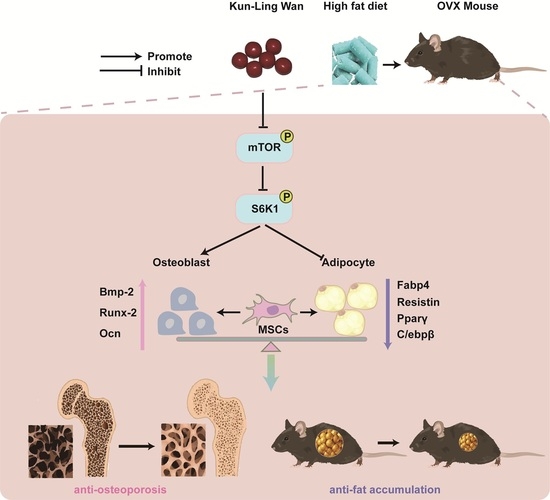
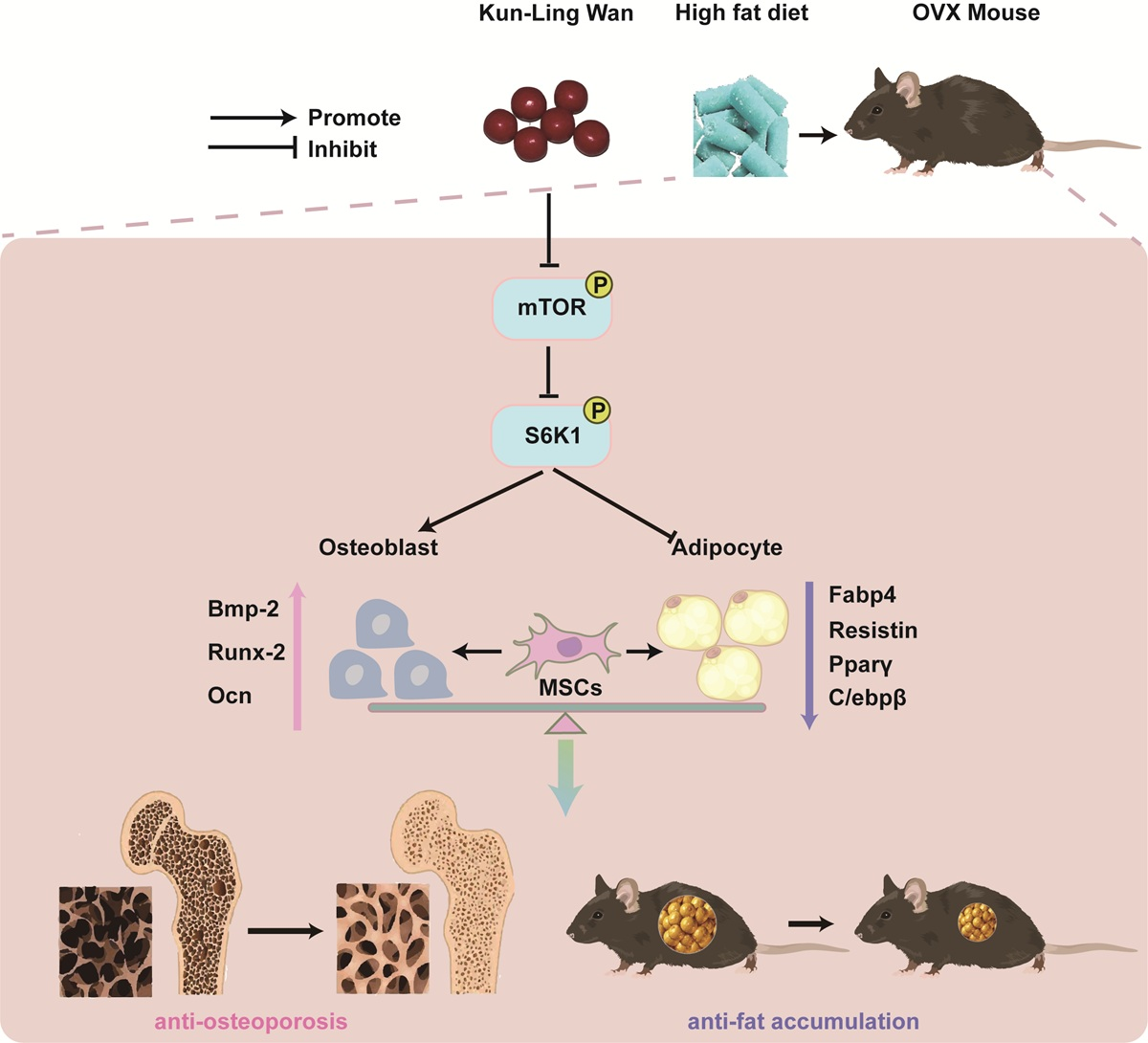
In this study, we demonstrated that Kun-Ling Wan Formula (KLW), a classic herbal formula, could ameliorate osteoporosis and reduce fat accumulation in a preclinical model of osteoporosis in OVX mice fed a high-fat diet. Moreover, we found that the effects of KLW treatment were not associated with side-effects otherwise observed with estrogen-treatment. In addition, we found that the dual beneficial actions of KLW on bone and fat metabolism were associated with molecular markers of mTOR signal inhibition. Therefore, this study provides a pharmacological basis for the potential clinical use of KLW in osteoporosis as well as the putative underlying molecular mechanism through which it transduces its therapeutic effects on metabolic regulation and other pathological traits in this context.
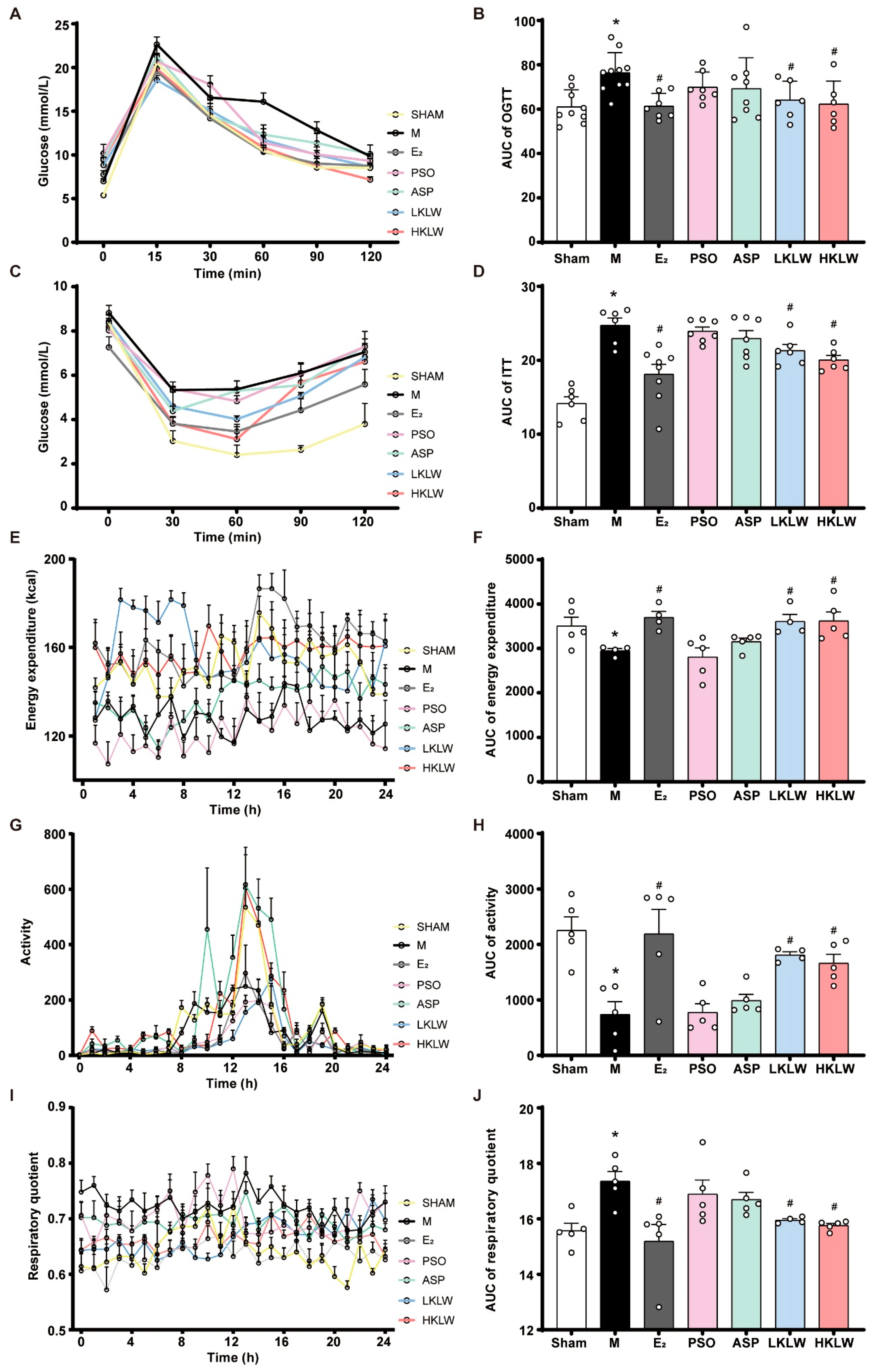
The differential effects of KLW on adiposity and metabolic parameters under HFD and NCD conditions provide important mechanistic insights. While treatment with KLW could ameliorate osteoporosis in both HFD and NCD dietary regimens, its potent fat-reducing and metabolic-improving effects were evident only in HFD-fed OVX mice for the obvious reason that NCD does not induce fat production. This indicates that the anti-osteoporotic action of KLW is likely a direct action, possibly through a mechanism which targets the bone marrow microenvironment that is independent of adipose tissue signalling. In contrast, its systemic metabolic benefits may require a pre-existing, overtly dysmetabolic background—such as that created by HFD to become fully manifest. The HFD challenge may induce a state of widespread mTOR hyperactivation in peripheral metabolic tissues (e.g., liver, adipose tissue) [
24] which, in turn, is effectively managed by KLW treatment through its capacity to suppress mTOR-inhibitory signalling. Consequently, KLW not only rectifies MSC fate determination in bone but also enhances whole-body lipid oxidation and energy expenditure, leading to a significant reduction in adipose tissue formation and improvements in glucose homeostasis. This context-dependent efficacy observed in our studies could be interpreted to explain that treatment with KLW normalizes aberrant mTOR signaling primarily under pathological conditions of osteoporosis in a preclinical model, and these results support the notion that KLW may be a potential new therapeutic strategy for managing the intertwined pathologies of osteoporosis and metabolic syndrome in postmenopausal women.
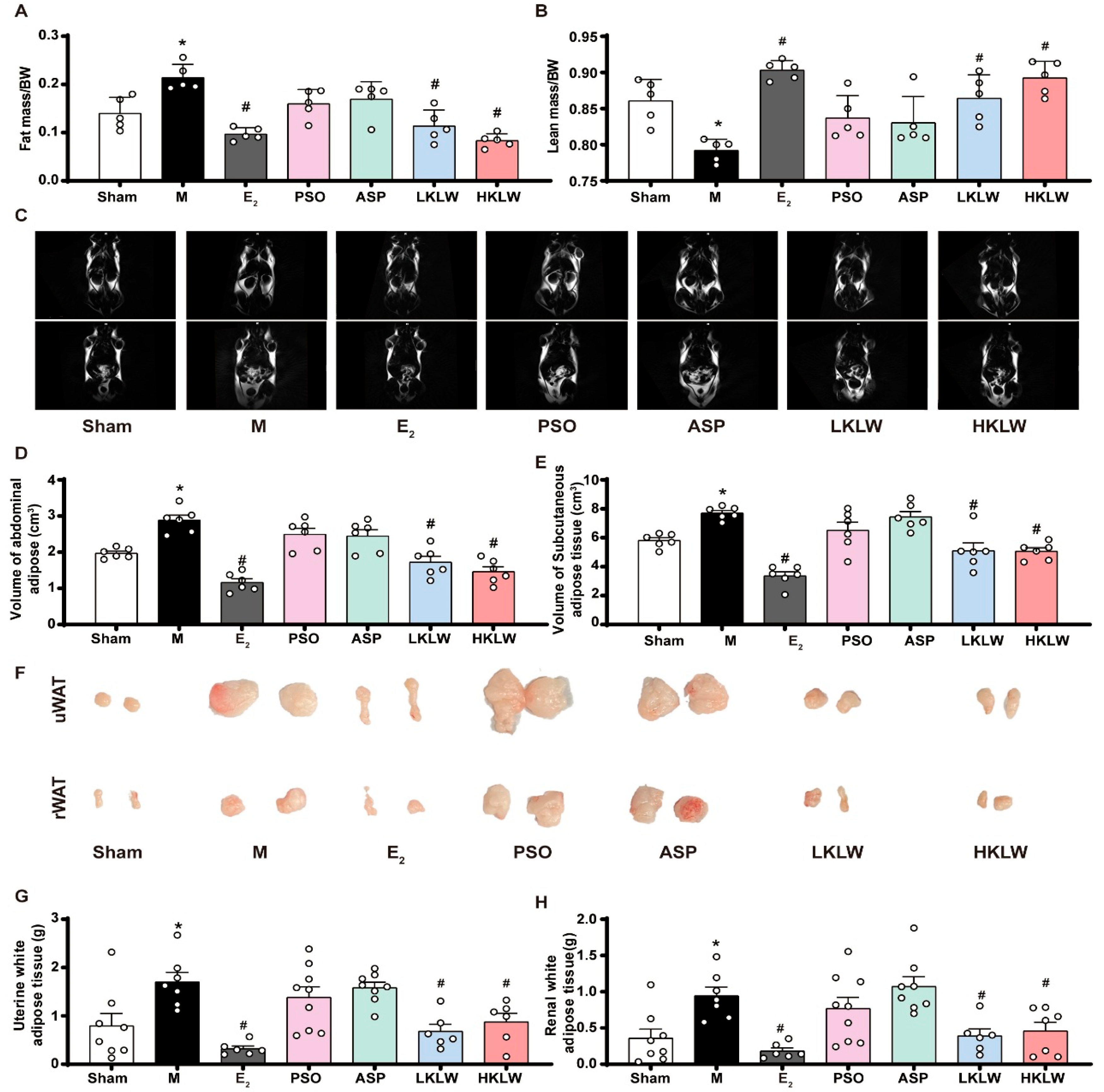
The dissociation between body weight and adiposity in HFD mice following KLW treatment is a noteworthy finding. While no significant change in total body weight was observed, a marked reduction in body fat percentage and absolute fat mass was accompanied by a concurrent increase in lean mass. This body composition shift can be attributed to the dual actions of KLW: it not only promoted lipolysis and inhibited adipogenesis, leading to fat loss, but also likely facilitated the preservation and/or accretion of lean tissue, potentially through improved systemic insulin sensitivity and energy expenditure. Consequently, the net effect on overall body weight remained neutral, underscoring the limitation of relying solely on body weight as an endpoint and highlighting the necessity of body composition analysis in metabolic studies.
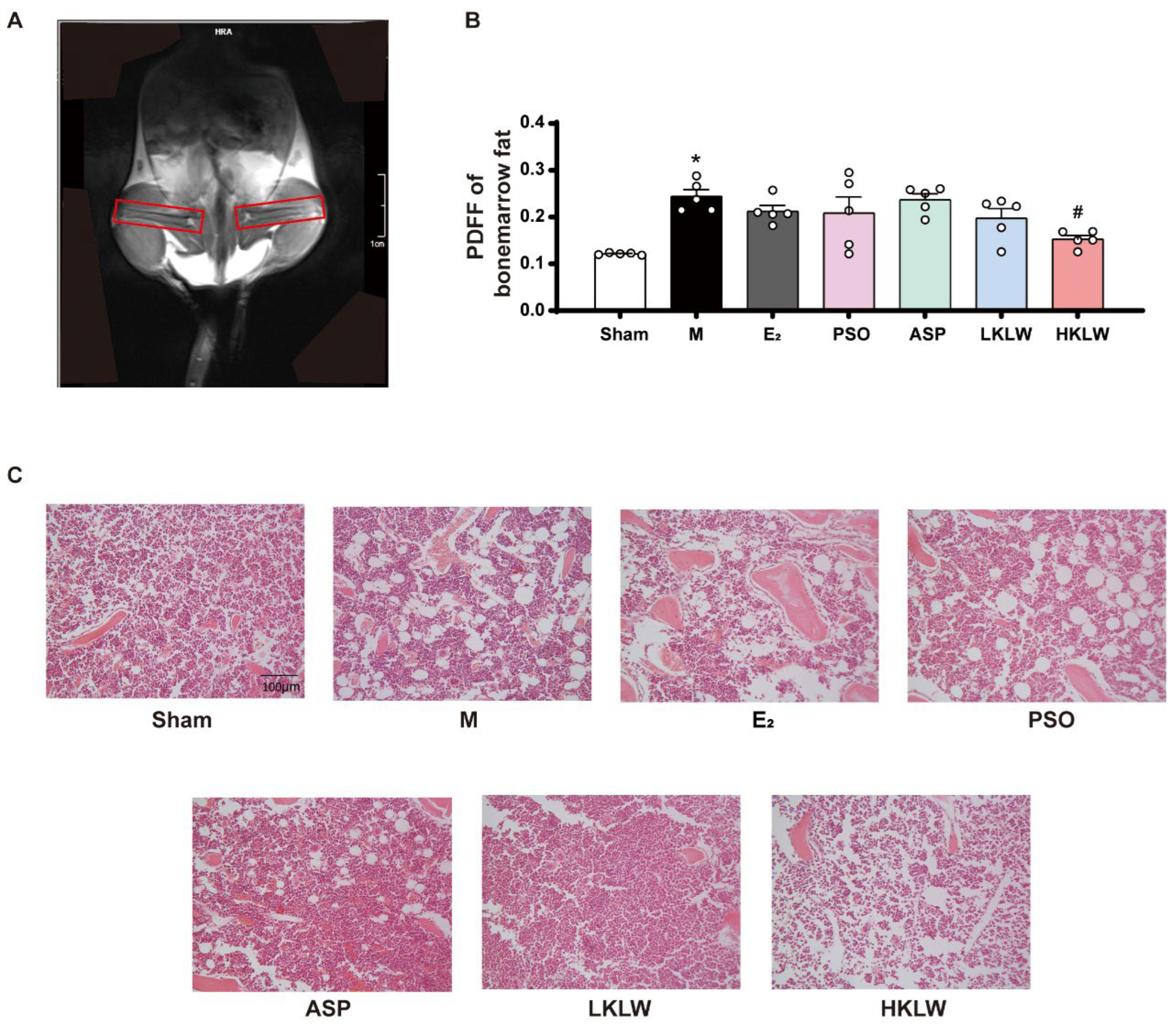
A particularly intriguing finding of our study is the differential impact of KLW and estrogen on bone marrow adiposity. While both treatments effectively improved bone mass, only KLW treatment could significantly reduce the expansion of marrow adipose tissue induced by ovariectomy in both HFD and NCD. This discrepancy can be attributed to their distinct mechanisms of action. Estrogen primarily exerts its protective effect by suppressing osteoclastic bone resorption [
25], with relatively modest direct effects on mesenchymal stem cell (MSC) differentiation. In contrast, KLW, through its bioactive components that we find likely targeting mTOR kinase through direct binding with mTOR, actively reprograms the fate determination of MSCs. By inhibiting mTORC1 signaling—a master regulator that promotes adipogenesis at the expense of osteogenesis [
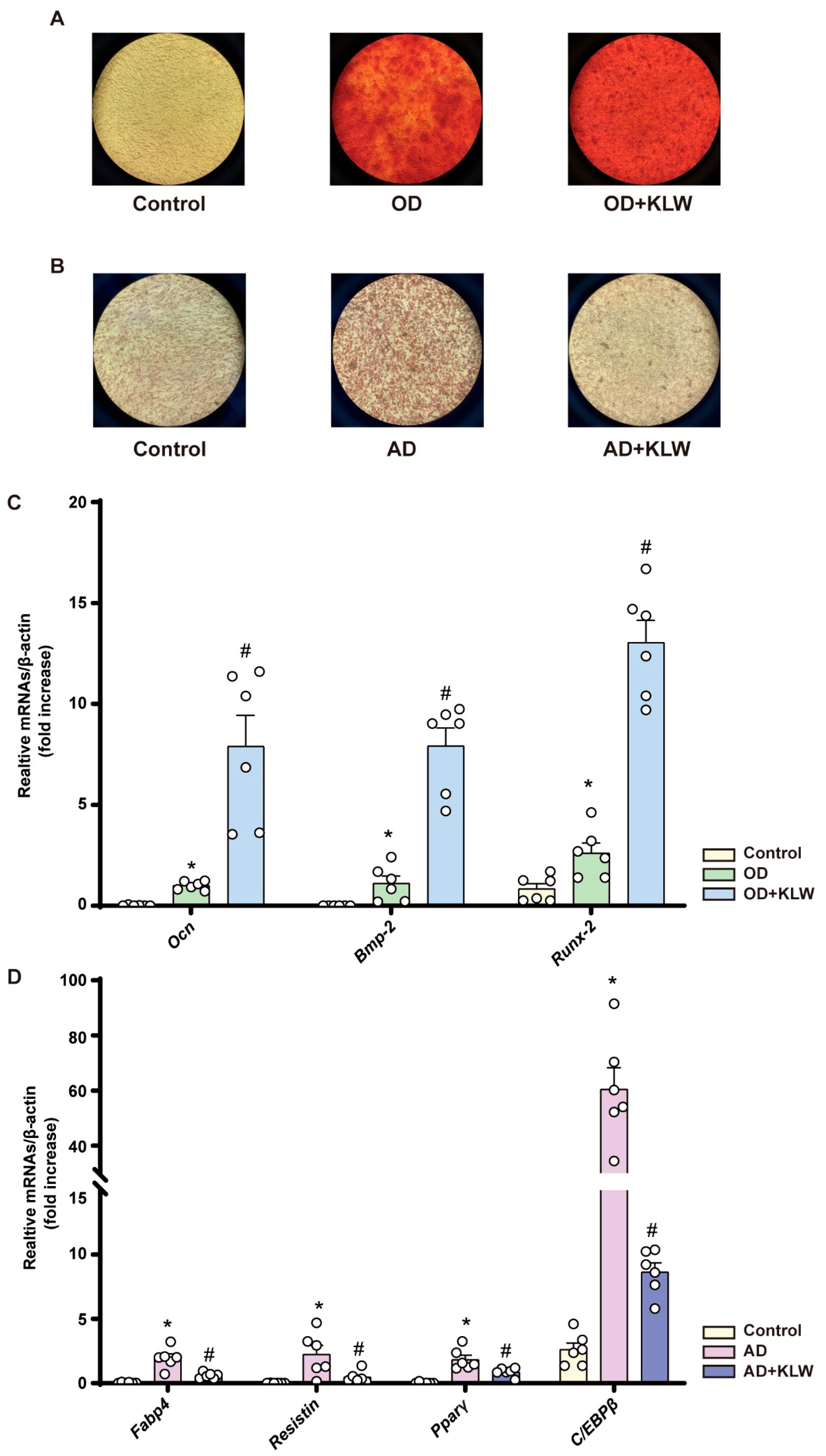
26]—KLW shifts the differentiation balance toward the osteoblastic lineage and away from the adipocytic lineage. This fundamental difference in molecular targeting may explain why KLW, unlike estrogen, achieves the dual benefit of increasing bone formation and concurrently reducing marrow fat accumulation.
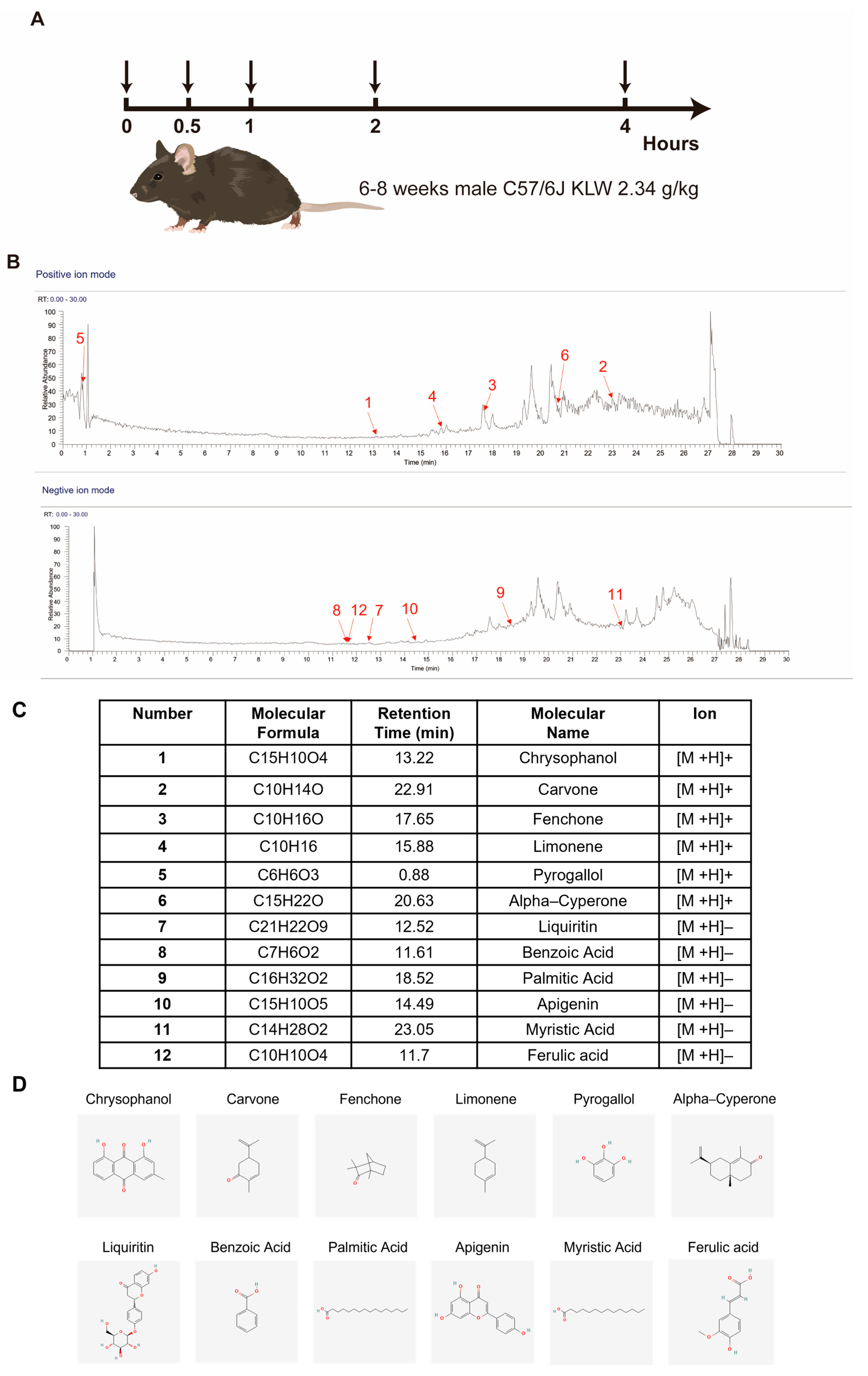
In this study, KLW-containing serum was used for in vitro experiments, which is a common approach in the study of herbal formulas as it partially reflects the in vivo metabolic profile of the drug. However, we acknowledge the limitations of this method, including the complexity of the serum matrix, unclear concentrations of active components, and batch-to-batch variability. To address these limitations, we have analyzed the components of KLW-containing serum and identified potential active compounds. In future studies, we will use standardized extracts or purified active compounds at defined concentrations for in vitro validation, in order to more precisely elucidate the pharmacologically active basis and mechanism of action of KLW.
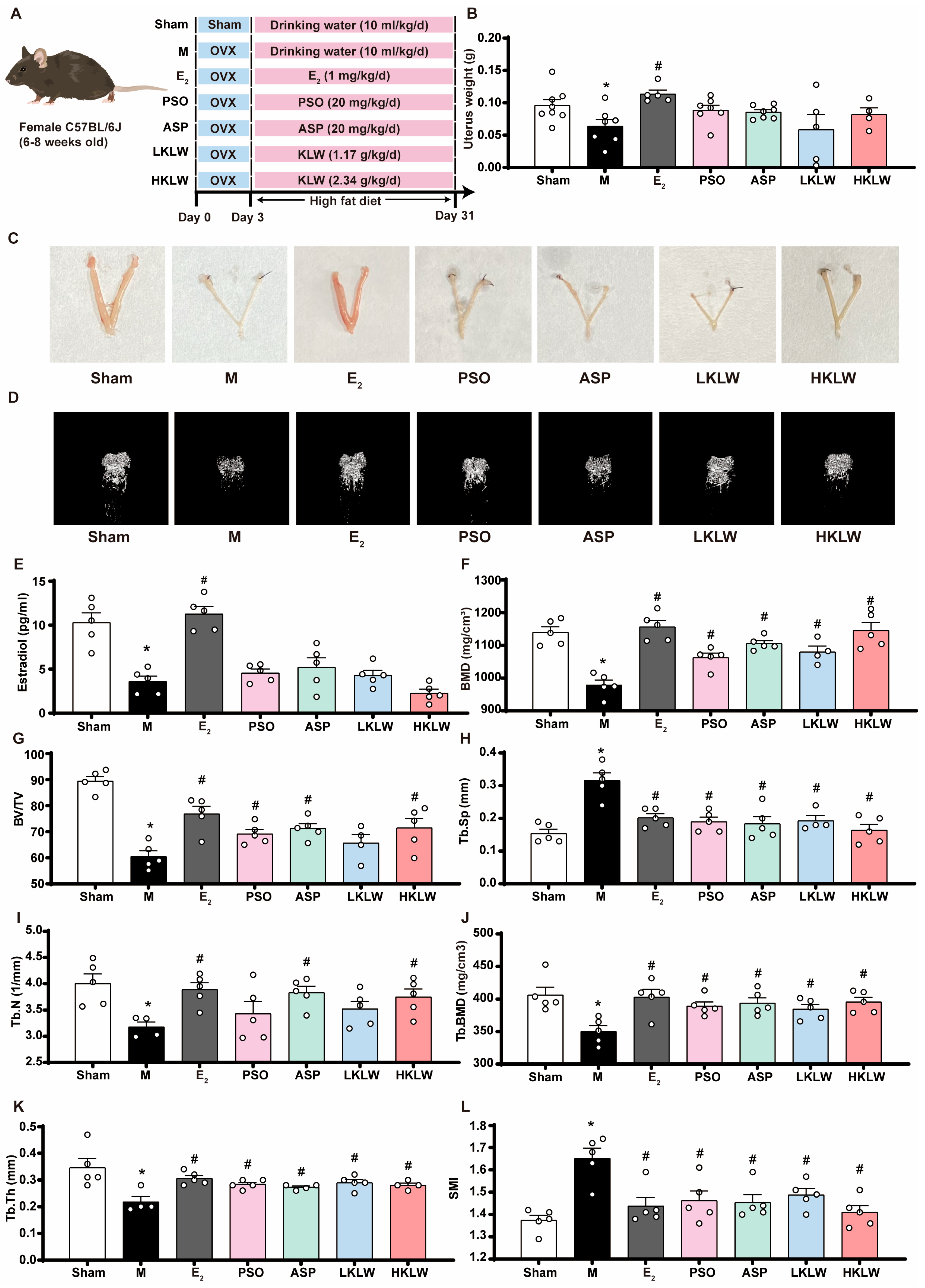
Based on our findings, KLW demonstrates a distinct and multi-faceted therapeutic profile that offers considerable advantages over both conventional estrogen replacement therapy as well as through single-component phytochemical interventions such as PSO or ASP. Firstly, KLW exhibits dual efficacy by simultaneously addressing bone loss and metabolic dysfunction. While estrogen effectively improved bone mineral density, it failed to reduce bone marrow adiposity in high-fat diet-fed OVX mice. Similarly, both PSO and ASP showed no significant effects on visceral fat reduction or glucose metabolism regulation. In contrast, KLW uniquely restored bone microarchitecture, reduced marrow and peripheral fat accumulation, and enhanced whole-body insulin sensitivity, indicating its capacity to co-regulate the “bone–fat–metabolism” axis. A key distinction between KLW and existing therapies lies in its dual efficacy across distinct metabolic states. This capacity to concurrently confer bone protection and metabolic improvement positions KLW as a promising therapeutic candidate for the growing population of patients with coexisting osteoporosis and obesity. Secondly, KLW presents a favorable safety profile attributable to its non-estrogenic mechanism. Notably, our study found that KLW administration did not increase uterine weight or elevate circulating estrogen levels, thereby circumventing the risks associated with estrogen-dependent pathways, such as breast hyperplasia, endometrial proliferation, and thromboembolic events.
A limitation of this study is the lack of absolute quantification for all detected serum components. Given that KLW comprises 31 herbal ingredients and yields a complex chemical profile, comprehensive quantification would require certified reference standards for each individual compound, many of which are not commercially available. Nevertheless, the consistent multi-batch fingerprint and the identification of key serum-available constituents provide a reliable basis for the interpretation of our biological findings. In addition, only a subset of proteomic findings, specifically the mTOR signaling axis, was subjected to in-depth experimental validation. While the proteomics screen served as a valuable discovery tool to nominate dysregulated pathways, comprehensive validation of all differentially expressed proteins was beyond the scope of this investigation. Future studies employing targeted proteomic approaches will be necessary to fully elucidate the broader proteomic landscape influenced by KLW.
The multi-target synergistic action of KLW underscores the strength of herbal formulae over single compounds. Unlike single-component treatment agents (in this study, PSO or ASP) that act through limited targets, KLW employs a combination of bioactive compounds (including apigenin, chrysophanol, and others confirmed in serum) that collectively modulate key signaling nodes, particularly the mTOR pathway, to influence osteogenesis, suppress adipogenesis, and improve metabolic homeostasis. This network-based mechanism aligns with the holistic philosophy of traditional medicine and provides a robust pharmacological foundation for its efficacy in complex conditions. KLW is effective to ameliorate the adipogenesis and osteoporosis features of a preclinical model of OVX + HFD mice, and that our findings raise the possibility that KLW might be an attractive therapy for postmenopausal osteoporosis through future clinical trials. Future investigations should focus on pharmacokinetic interactions among KLW’s multiple components and their translational potential in clinical settings.
4. Materials and Methods
4.1. Animals and Experimental Design
Female C57BL/6J mice (6–8 weeks old, weighing approximately 18–21 g) were obtained from the Experimental Animal Center of Peking University Health Science Center. All procedures were conducted in accordance with the Regulations for the Administration of Laboratory Animals issued by the Ministry of Health of the People’s Republic of China (Document No. 55, 2001). The animals were subjected to standard housing conditions and fed a high-fat diet (60% kcal from fat, D12492, HFD, Research Diets, New Brunswick, NJ, USA, provided by Beijing Boaopack Biotechnology Co., Ltd., Beijing, China). The experimental protocol was approved by the Animal Ethics Committee of Peking University Health Science Center (Approval No. LA2021134), and all procedures were performed in accordance with the guidelines of the Peking University Animal Research Committee. Healthy female C57BL/6J mice (6–8 weeks old) were randomly assigned to sham or bilateral ovariectomy (OVX) surgery groups. The OVX surgical procedures for mice were performed under aseptic conditions. Mice were anesthetized via intraperitoneal injection of a ketamine (100 mg/kg) and xylazine (10 mg/kg) mixture. Following confirmation of anesthesia for each mouse, the hair on their dorsal lumbar area was shaved and disinfected. A single midline incision (approximately 1–1.5 cm) was made in the skin over the lumbar spine. For the OVX group, for each ovary, a small opening was made in the underlying muscle wall just lateral to the midline. The ovarian fat pad, which contains the ovary, was gently exteriorized using forceps. The ovary was identified, and the uterine horn was ligated with sterile suture below the oviduct and ovary. The ovary was then removed by excision above the ligation. The uterine horn was returned into the abdominal cavity, and the muscle wall was closed with a single suture. The same procedure was repeated on the contralateral side. In sham-operated mice, an identical protocol was followed, from anesthesia to midline skin incision and the exteriorization of the ovarian fat pads; however, the ovaries were not ligated or excised and were returned intact into the abdominal cavity. For all animals, the skin incision was finally closed with wound clips.
All OVX mice were weighed, and their body weights were used to perform stratified randomization using a computer-generated random number sequence (Microsoft Excel RAND function). This ensured an even distribution of baseline body weight across all experimental groups prior to the initiation of treatment. OVX mice were further divided into six treatment groups, namely Sham (drinking water), Model (M, drinking water), Estradiol (E
2, 1 mg/kg/day), Psoralen (PSO, 20 mg/kg/day), Asperosaponin VI (ASP, 20 mg/kg/day), Low-dose KLW (LKLW, 1.17 g/kg/day) and High-dose KLW (HKLW, 2.34 g/kg/day). Kun-Ling Wan Formula (KLW) was supplied by Tasly Pharmaceutical Group Co., Ltd. (Tianjin, China; batch no. 20180843). The clinical dosage of KLW in adults is defined as 0.13 g/kg/day. Thus, an equivalent murine dose was defined as 1.17 g/kg/day according to established interspecies dose conversion criteria [
27]. An additional high-dosage group received 2.34 g/kg/day, representing twice the clinical equivalence, to investigate dose-responsive therapeutic efficacy. Psoralen (PSO) and asperosaponin VI (ASP), each with a purity exceeding 98%, were procured from Bailensi Co., Ltd. (Chengdu, China). These compounds were selected as positive controls based on their well-documented efficacy in enhancing osteogenic activity and attenuating bone loss in established preclinical models of postmenopausal osteoporosis. β-Estradiol was obtained from Sigma-Aldrich (St. Louis, MO, USA). All mice were fed a high-fat diet and treated via daily oral gavage for 28 days. During the outcome assessment phase, the investigators responsible for collecting and weighing tissue were blinded to the group allocation. Specifically, animals were identified only by cage numbers and ear tags, with the corresponding treatment codes kept in a sealed document by a separate lab member not involved in the tissue harvest or data analysis.
4.2. microCT Analysis
The femurs of mice were carefully isolated, ensuring the preservation of the femoral head, and excess muscle tissue was removed. The femurs were then fixed in 10% formalin for 48 h. After fixation, the femurs were placed on a specimen holder and scanned using a microCT scanner (Quantum FX, PerkinElmer, Waltham, MA, USA). Structural images of the trabeculae in the femoral head were obtained, along with relevant trabecular bone data.
4.3. MRI Analysis
Mice were numbered and anesthetized using isoflurane via a Midmark anesthesia machine (Midmark, Versailles, OH, USA). For body composition analysis using nuclear magnetic resonance (NMR), mice were sequentially numbered and weighed, and then individually placed into the NMR machine (TRIO, Siemens, Munich, Germany). The corresponding body weight readings for each mouse were then entered into the system prior to measurement. The NMR analysis provided data on fat mass and lean mass, which were statistically analyzed to calculate the ratios of fat mass to body weight and lean mass to body weight, respectively. This method allowed for precise and non-invasive quantification of body composition in the treated mice.
For femurs fat analysis, the lower body of each mouse was scanned with a medium coil in the MRI scanner (TRIO, Siemens, Munich, Germany). The percentages of fat content in the bone marrow of both femurs were assessed, and the average values were calculated.
4.4. Oral Glucose Tolerance Tests (OGTT) and Insulin Tolerance Tests (ITT)
For oral glucose tolerance tests (OGTT), mice were fasted for 16–18 h overnight prior to sampling. A glucose solution was prepared by dissolving 5 g of glucose in 1 mL of physiological saline, which was then boiled and diluted to a final volume of 5 mL. The glucose solution was administered via oral gavage at a dose of 3 g glucose per kg body weight, calculated as 3 µL × body weight (g). Blood glucose levels were measured at 0, 15, 30, 60, 90, and 120 min post-administration. For insulin tolerance tests (ITT), mice were fasted for 6 h during the day and 4 h at night prior to sampling. Insulin was diluted in physiological saline to a concentration of 1/3 U/mL and administered via intraperitoneal injection at a dose of 3 µL × body weight (g). Blood glucose levels were recorded at 0, 15, 30, 60, 90, and 120 min following insulin injection. Both tests were conducted to evaluate glucose metabolism and insulin sensitivity in treated mice.
4.5. Metabolic Cage Experiments
Prior to the experiment, mice were acclimatized to metabolic cages for a minimum of 48 h to minimize stress-induced variability in metabolic parameter readings, with ad libitum access to food and water provided throughout this period. Metabolic cages (CLAMS, Columbus Instruments, Columbus, OH, USA) were calibrated according to the manufacturer’s instructions to ensure accurate measurement of oxygen consumption (VO2), carbon dioxide production (VCO2), food intake, water consumption, and locomotor activity, with the cages maintained in a controlled environment featuring a 12-h light/dark cycle, constant temperature (22 ± 1 °C), and humidity (50 ± 10%). Following acclimatization, baseline metabolic parameters were recorded over a 24-h period to establish individual reference values for each mouse, including VO2, VCO2, respiratory exchange ratio (RER), energy expenditure, food and water intake, and spontaneous activity.
4.6. HE Staining
Tissue samples including mouse femurs and adipose tissue were fixed in 4% paraformaldehyde for 24–48 h, followed by decalcification of bone specimens in EDTA solution for 4 weeks with needle-puncture verification of complete decalcification; all tissues were processed through graded ethanol dehydration, xylene clearance, and paraffin embedding using standard histological protocols (Leica EG1150H embedding station, Leica Biosystems, Nussloch, Germany); serial sections were cut at 5 μm thickness using a rotary microtome (Leica RM2235, Leica Biosystems, Nussloch, Germany), mounted on poly-lysine coated slides. Tissue sections were dewaxed through three changes of xylene (10 min each) and rehydrated in a graded ethanol series (100%, 95%, 85%, 70%—3 min each) followed by a 5-min rinse in distilled water. Nuclei were stained with Mayer’s hematoxylin solution (Sigma-Aldrich, St. Louis, MO, USA) for 8 min at room temperature, followed by washing in running tap water for 10 min until sections turned blue. Cytoplasmic staining was performed using eosin Y solution (0.5% in distilled water) for 3 min. Sections were then dehydrated through graded alcohols (70%, 85%, 95%, 100%—1 min each) and cleared in three changes in xylene (3 min each). Finally, slides were mounted with neutral balsam (Sigma-Aldrich) under cover slips and air-dried for 24 h before microscopic examination. All staining procedures were performed at room temperature with gentle agitation, and reagents were freshly prepared every two weeks to ensure consistent staining quality.
4.7. MSC Differentiation
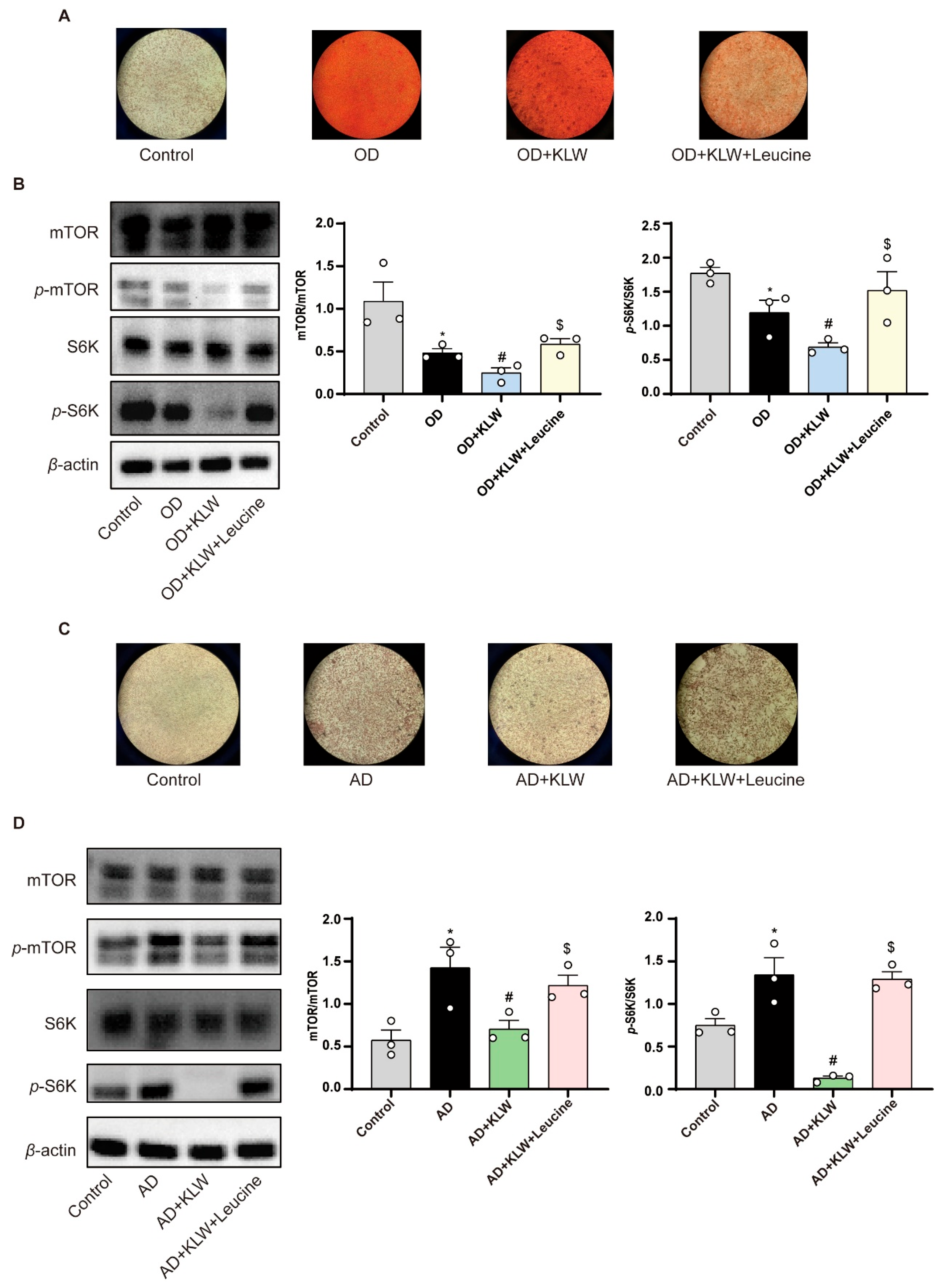
The C3H10T1/2 mouse embryonic mesenchymal stem cell line was purchased from Zhongqiao Xinzhou (Shanghai, China). Cells were cultured in DMEM supplemented with 10% fetal bovine serum (FBS), 100 U/mL penicillin, and 100 U/mL streptomycin, with the culture medium pre-warmed at 37 °C for 30 min before use. For adipogenic differentiation, the culture medium was supplemented with 1 μg/mL insulin, 1 μmol/L dexamethasone, and 0.5 mmol/L 3-isobutyl-1-methylxanthine (IBMX). For osteogenic differentiation, the medium was supplemented with 0.1 μmol/L dexamethasone, 10 mmol/L β-glycerophosphate disodium, 2.5 mmol/L calcium chloride, and 10−8 mol/L vitamin D. Osteogenic differentiation experiments or cell passaging procedures were performed when cultured cells reached 70–80% confluency, whereas adipogenic differentiation was initiated once the cells reached 100% confluency.
4.8. Oil Red O Staining
Cells were cultured in wells containing coverslips until collection. On the day of the experiment adherent cells on such coverslips within each well of culture plates were gently washed three times with PBS. The cells were then fixed with 4% paraformaldehyde for 30 min, followed by three washes with PBS. An oil red O stock solution was diluted to a working solution through a 3:2 ratio with deionized water and filtered through filter paper for use. Cells were stained with the working oil red O solution for approximately 30 min, ensuring that the solution completely covered the bottom of the plate. Excess dye was removed by rinsing with 75% ethanol, followed by PBS washing. The samples were then mounted with glycerol gelatin and observed under a microscope.
4.9. Alizarin Red Staining
Adherent cells cultured on coverslips within culture plates were gently washed three times with PBS, followed by fixation in 4% paraformaldehyde for 30 min. The samples were then washed three times with PBS. After staining with Alizarin Red solution for 5 min, the cells were washed three times with PBS. Calcium deposition-positive cells were observed under a microscope, displaying an orange-red color.
4.10. Western Blot
Protein extraction and Western blot analysis were both performed as follows: mouse femurs were flushed with RIPA lysis buffer (Thermo Fisher, #89900, Waltham, MA, USA) containing protease and phosphatase inhibitors (Roche, #04906845001, Basel, Switzerland) to collect bone marrow cells, while adherent cells were directly lysed in culture plates; total protein concentration was determined using BCA assay (Pierce, #23225, Waltham, MA, USA) with bovine serum albumin as standard. For each lysate preparation, 30 μg of protein was prepared and separated using a 4–12% Bis-Tris gradient gel (Invitrogen, #NP0335BOX, Carlsbad, CA, USA) and transferred on to a PVDF membrane (Millipore, #IPFL00010, Billerica, MA, USA) through a wet transfer system (electrophoresis at 100 V for 90 min). Subsequently, membranes were blocked with 5% BSA in TBST for 1 h at room temperature and incubated overnight at 4 °C with primary antibodies against mTOR (Cell Signaling, #2983, 1:1000, Danvers, MA, USA), p-mTOR (Ser2448, Cell Signaling, #5536, 1:800), S6K (Cell Signaling, #9202, 1:1000), and p-S6K (Thr389, Cell Signaling, #9234, 1:800). The next day, three washes with TBST were performed on the PVDF membranes, followed by incubation with HRP-conjugated secondary antibodies (Jackson ImmunoResearch, #115-035-003, 1:5000, West Grove, PA, USA) for 1 h at room temperature. Immunodetected protein bands were visualized using ECL substrate (Bio-Rad, #1705060, Hercules, CA, USA) and quantified by ImageLab software (version 6.1) with immunoblotted signals for β-actin (Cell Signaling, #4967, 1:5000, Danvers, MA, USA) used as loading controls.
4.11. Quantitative Polymerase Chain Reaction (QPCR)
Total RNA was extracted from mouse femurs and cultured cells using TRIzol reagent (Invitrogen, #15596026, Carlsbad, CA, USA) according to the manufacturer’s protocol. Bone marrow was flushed with TRIzol using a 21-gauge needle and homogenized using a rotor-stator homogenizer (IKA T10 basic) at 20,000 rpm for 30 s while cultured cells were directly lysed in TRIzol. RNA concentration and purity were both determined using a NanoDrop spectrophotometer (Thermo Scientific, Waltham, MA, USA) with all samples confirmed to feature A260/A280 ratios of between 1.8 and 2.0. Next, 1 μg of total RNA from each sample was reverse transcribed into cDNA using PrimeScript RT Master Mix (Takara, #RR036A, Kusatsu, Japan) with the following cycling conditions: 37 °C for 15 min and 85 °C for 5 s; quantitative PCR was performed using TB Green Premix Ex Taq II (Takara, #RR820A, Kusatsu, Japan) on a QuantStudio 6 Flex system (Applied Biosystems, Waltham, MA, USA) with the following parameters: initial denaturation at 95 °C for 30 s, followed by 40 cycles of 95 °C for 5 s and 60 °C for 30 s; all reactions were run in triplicate with melt curve analysis to confirm amplification specificity, and relative gene expression was calculated using the 2
(−ΔΔCt) method with signals for β-actin QPCR as an endogenous control. Primer sequences used in this study are provided in
Supplementary Table S2.
4.12. Preparation of Drug-Containing Serum
Sprague-Dawley (SD) rats weighing 160–180 g were administered KLW via oral gavage at a dose of 1.82 g/kg for three consecutive days, ensuring consistent dosing time each day. One hour after the final gavage, blood was collected from the abdominal aorta of each mouse. After allowing the blood samples to coagulate at room temperature, these were centrifuged at 1000× g for 20 min at 4 °C. The supernatant serum was then collected for each sample, aliquoted, and stored at −20 °C. Before use, the serum was filtered through a cell strainer.
4.13. Mass Spectrometric Identification of Active Constituents in the Sera of Mice
Serum samples of control and treated mice were prepared by protein precipitation with ice-cold acetonitrile (1:3 serum:acetonitrile ratio) followed by centrifugation at 14,000× g for 15 min at 4 °C. The supernatant was then transferred to autosampler vials and analyzed using an UHPLC-Q-TOF/MS system (Agilent 1290 Infinity II/6550 iFunnel, Santa Clara, CA, USA) with a ZORBAX Eclipse Plus C18 column (2.1 × 100 mm, 1.8 μm) maintained at 40 °C. Chromatographic separation was achieved using a binary gradient of 0.1% formic acid in water (mobile phase A) and 0.1% formic acid in acetonitrile (mobile phase B) at a flow rate of 0.3 mL/min with the following elution program: 0–2 min 5% B, 2–20 min 5–95% B, 20–25 min 95% B, 25–25.1 min 95% to 5% B, 25.1–30 min 5% B. MS detection was performed in both positive and negative ionization modes with the following parameters: gas temperature 250 °C, drying gas 12 L/min, nebulizer 35 psi, sheath gas temperature 350 °C, sheath gas flow 11 L/min, fragmentor voltage 175 V, and mass range m/z 100–1700. Reference mass correction was applied using reference ions at m/z 121.0509 and 922.0098 in positive mode and m/z 112.9856 and 966.0007 in negative mode. Data acquisition and analyses were performed using MassHunter Workstation Software (version B.10.0) with targeted screening for known KLW components and untargeted profiling for potential metabolites.
4.14. Target Predictions for KLW Components
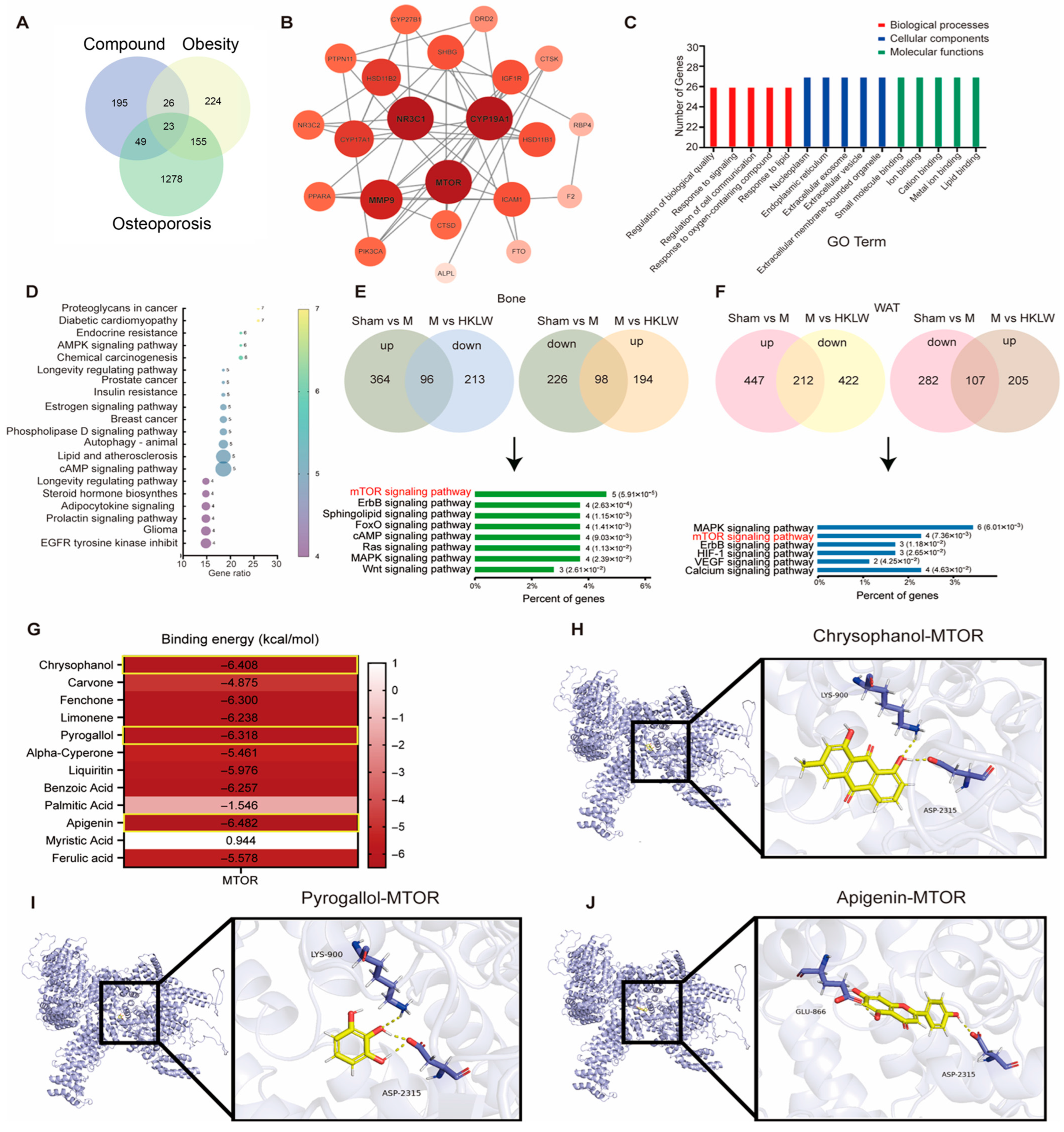
Putative protein targets of KLW were predicted using the Swiss Target Prediction platform
http://www.swisstargetprediction.ch (accessed on 20 October 2025). This tool employs both two-dimensional and three-dimensional chemical similarity assessments to identify the most probable protein targets of small molecules, with prediction confidence rankings based on a proprietary scoring algorithm [
28]. To ensure comprehensive target coverage while maintaining prediction reliability, all predicted targets with a probability score > 0 were retained for initial analysis.
4.15. Therapeutic Targets for Osteoporosis and Obesity
4.16. Protein–Protein Interaction (PPI) Network
A protein–protein interaction (PPI) network was constructed using the STRING database
https://string-db.org/ (accessed on 27 October 2025) based on the predicted therapeutic targets of the compound formulation for osteoporosis and obesity [
29]. The minimum required interaction score was set to “medium confidence” (0.400) to ensure reliable interactions. A PPI enrichment
p-value threshold of <1.0 × 10
−6 was applied. Subsequently, the resulting network was imported into Cytoscape (version 3.10), and the CytoNCA plugin was used to compute the degree centrality (DC) of each node [
30]. To identify core therapeutic targets in an unbiased manner, hub targets were defined as nodes with a DC value ≥ twofold the median DC value of all nodes in the PPI network. This threshold-based approach has been widely adopted in network pharmacology studies to objectively prioritize biologically significant targets. Final visualization of the PPI network was performed using Cytoscape software (version 3.10) [
31].
4.17. Functional Annotation and Pathway Enrichment Analysis
Gene Ontology (GO) enrichment analysis was conducted using the “clusterProfiler” R package, covering three functional categories: GOTERM_BP_DIRECT (biological process), GOTERM_CC_DIRECT (cellular component), and GOTERM_MF_DIRECT (molecular function). Kyoto Encyclopedia of Genes and Genomes (KEGG) pathway enrichment and disease association analyses were performed using the DAVID database [
24].
4.18. Molecular Docking
Molecular docking studies were performed using the Glide module (Schrödinger Suite 2022-1, Schrödinger, LLC, New York, NY, USA) with the following protocol: the crystal structure of mTOR kinase domain (PDB ID: 4JT6) was prepared through Protein Preparation Wizard involving hydrogen addition, bond order assignment, removal of crystallographic water molecules beyond 5 Å from the ligand, and optimization of protonation states at pH 7.0 ± 2.0; the co-crystallized ligand was used to define the centroid of the active site grid box (15 × 15 × 15 Å). The small molecule compound was prepared using LigPrep module with OPLS4 force field to generate possible ionization states and stereoisomers at pH 7.0 ± 2.0. Docking calculations were executed in standard precision (SP) mode with flexible ligand sampling and enhanced van der Waals scaling for nonpolar atoms. Resultant poses were ranked according to Glide docking score and visual inspection was conducted using Maestro molecular visualization platform to analyze key hydrogen bonding and hydrophobic interactions within the phosphorylation pocket.
4.19. Molecular Dynamics Simulations
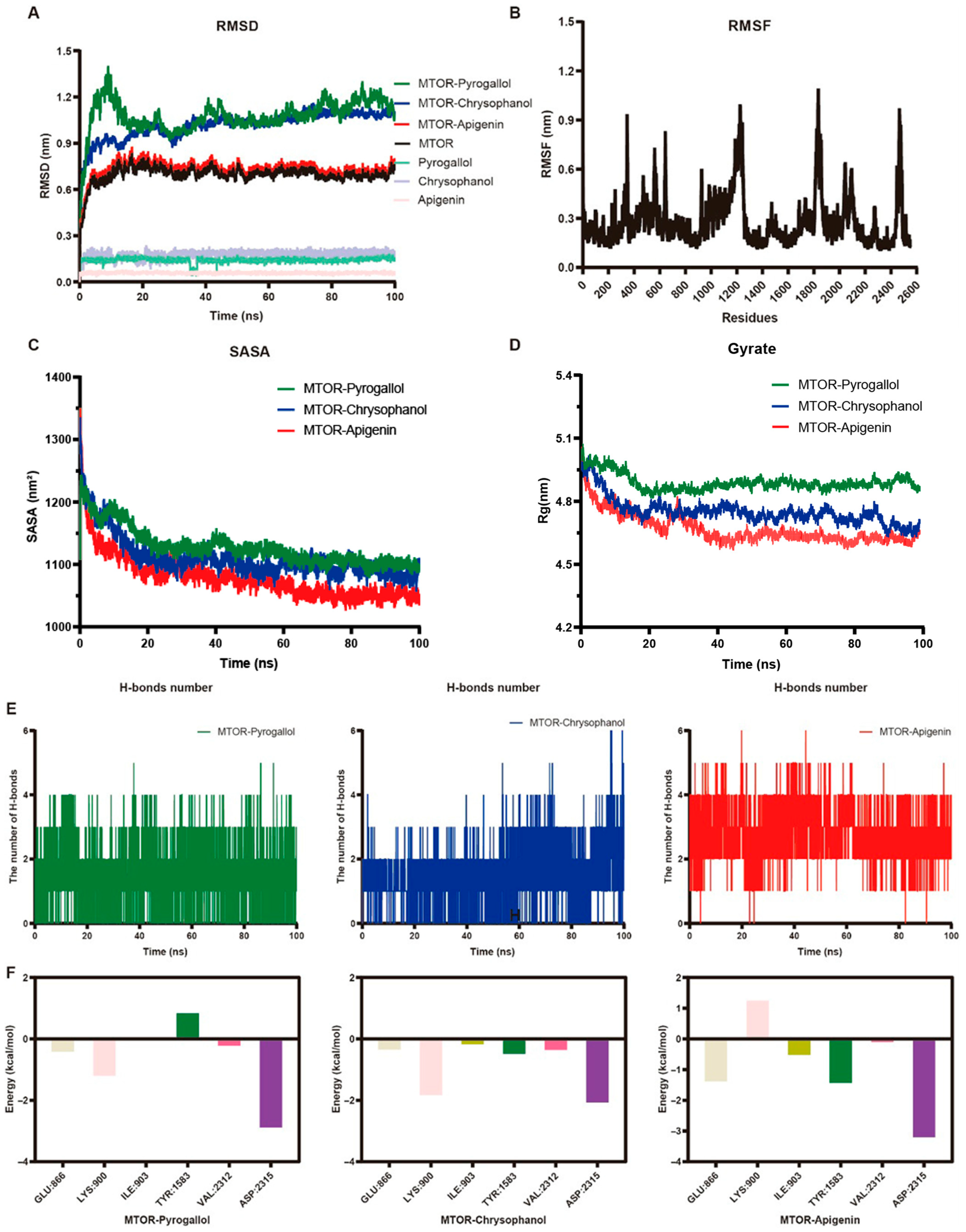
Gromacs2022.3 software (version 2022.3) was used for molecular dynamics simulation studies. For small molecule preprocessing, AmberTools22 (version 22) is used to add GAFF force-fields to small molecules, while Gaussian 16 W is used to hydrogenate small molecules and to calculate RESP potential. The simulation conditions were carried out at a static temperature of 300 K and atmospheric pressure (1 Bar). Amber99sb-ildn was used as force field features, while water molecules were used as the solvent (Tip3p water model), and the total charge of the simulation system was neutralized by adding 3 Na+ ions. The simulation system adopts the steepest descent method to minimize the energy, and then carries out the isothermal isovolumic ensemble (NVT) equilibrium and isothermal isobaric ensemble (NPT) equilibrium for 100,000 steps, respectively, with the coupling constant of 0.1 ps and the duration of 100 ps. Finally, free molecular dynamics simulations were performed. The process consisted of 5,000,000 steps, the step length was 2fs, and the total duration was 100 ns. After each simulation was completed, the built-in tool of the software was used to analyze the trajectory, and the root-mean-square variance (RMSD), root-mean-square fluctuation (RMSF) and protein rotation radius of each amino acid trajectory were all calculated, combined with the free energy topography and other data features.
4.20. Statistical Analyses
Statistical analyses were performed using GraphPad Prism 9.0 with data expressed as the mean ± SEM. Each data point (circle) represents an individual animal, and the number of circles per group indicates the sample size (n) for that group. Comparisons among multiple groups were conducted using one-way ANOVA followed by Tukey’s multiple comparisons test. No data were excluded from the data analysis. Significance was set at p < 0.05.





 ,
,