Development and Optimization of an Apremilast-Loaded Nanoemulsion Gel for Topical Psoriasis Treatment with In Vitro Anti-Inflammatory Studies Using RAW 264.7 Cells
 ,
,
Abstract
1. Introduction
2. Results and Discussion
2.1. Screening the Solubility of APM in Various Oils, Surfactants, and Co-Surfactants
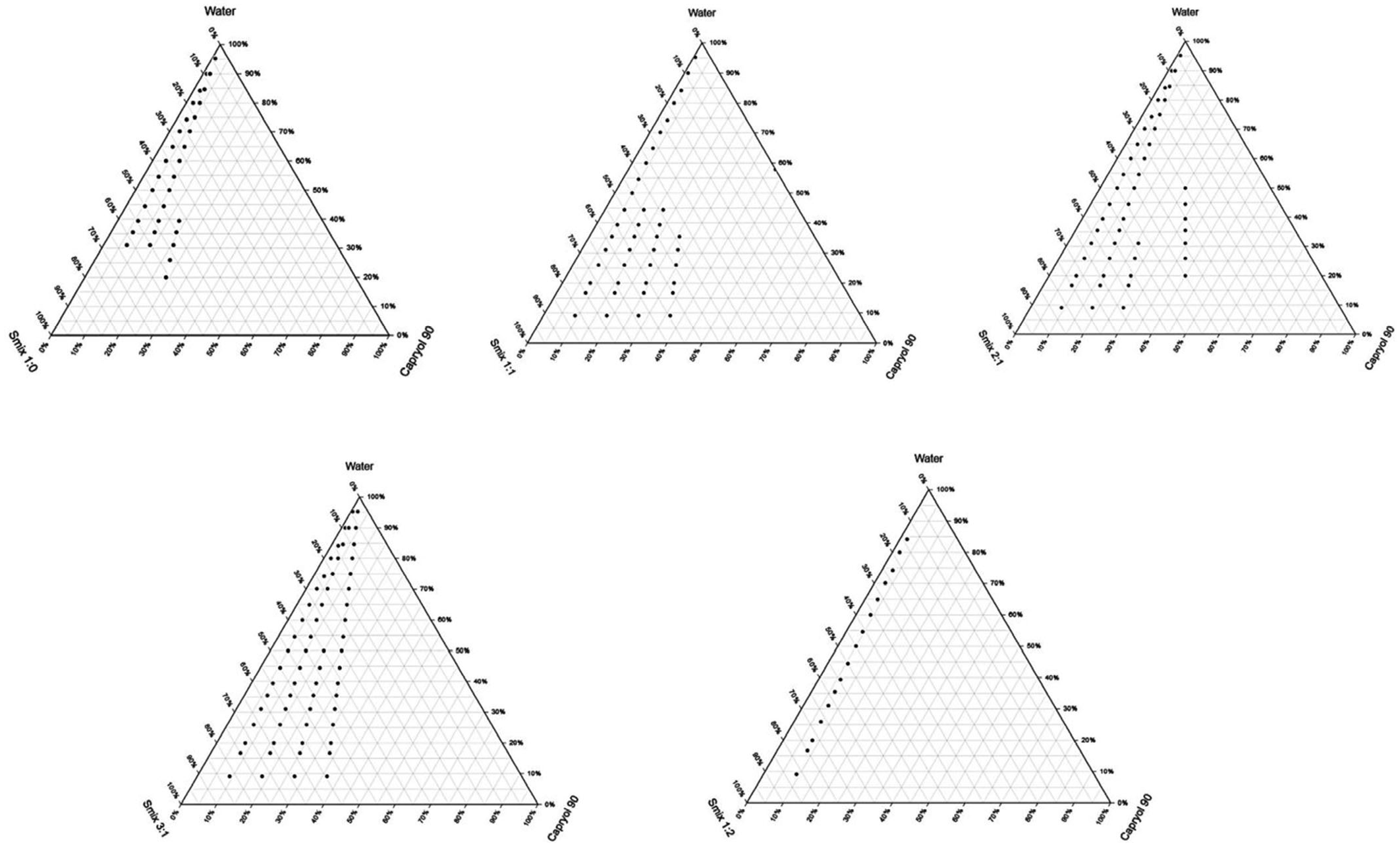
2.2. Development of Pseudo-Ternary Phase Diagrams
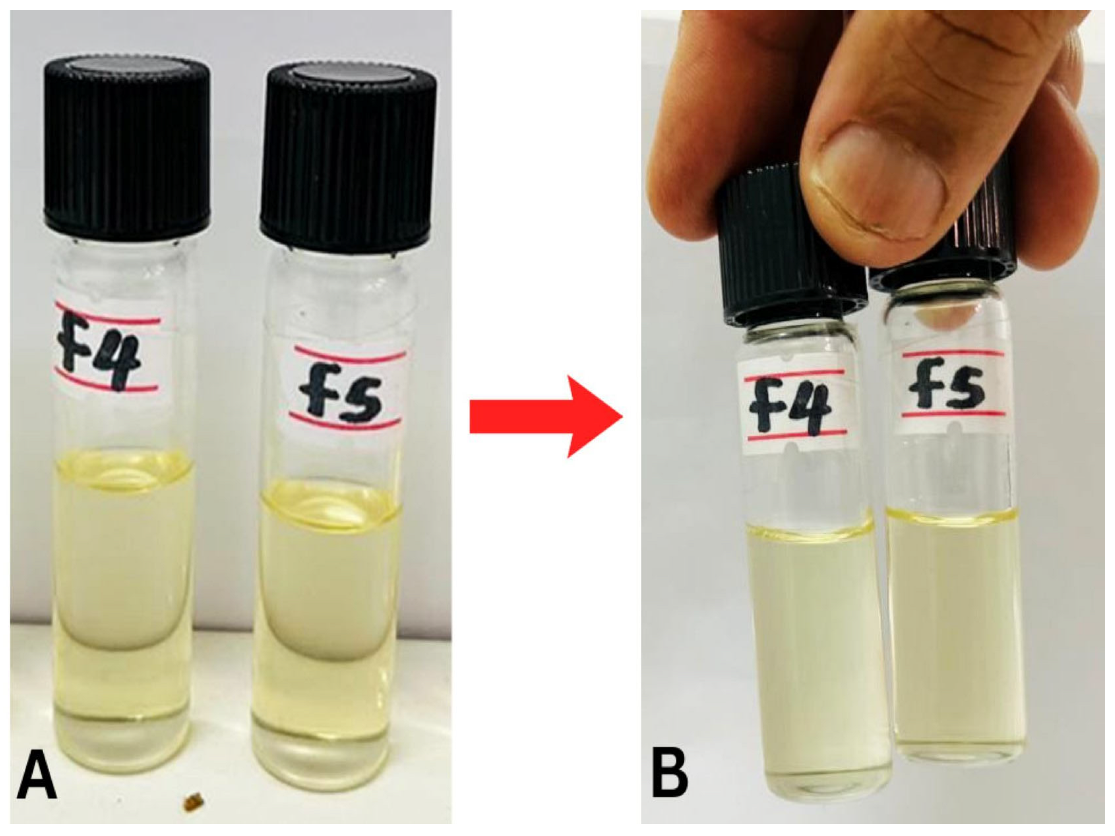
2.3. Thermodynamic Stability Study
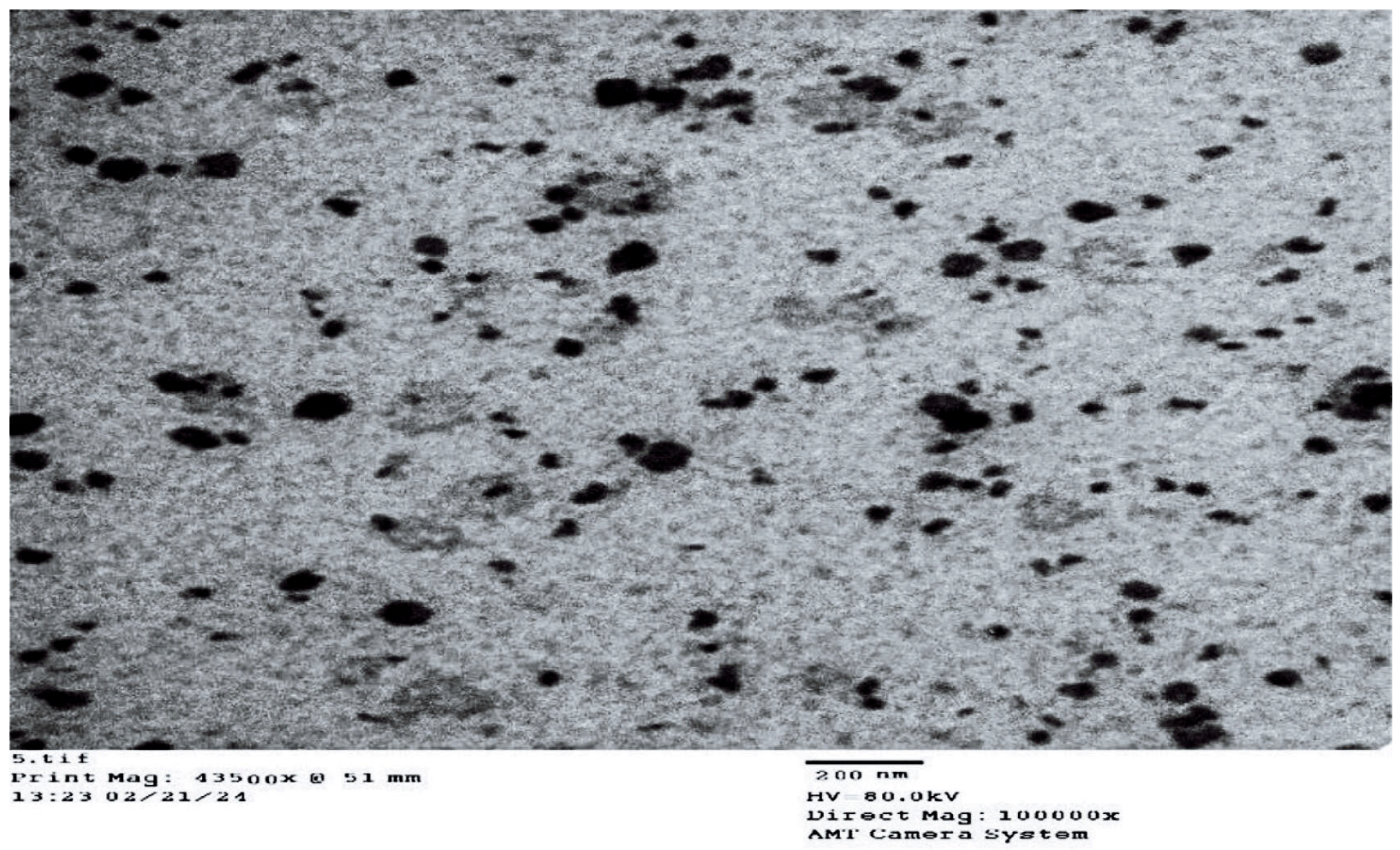
2.4. Characterization of Optimized Formulation
2.4.1. Physicochemical Characteristics of APM-Loaded NE Formulations
2.4.2. Viscosity and pH
2.4.3. Entrapment Efficiency
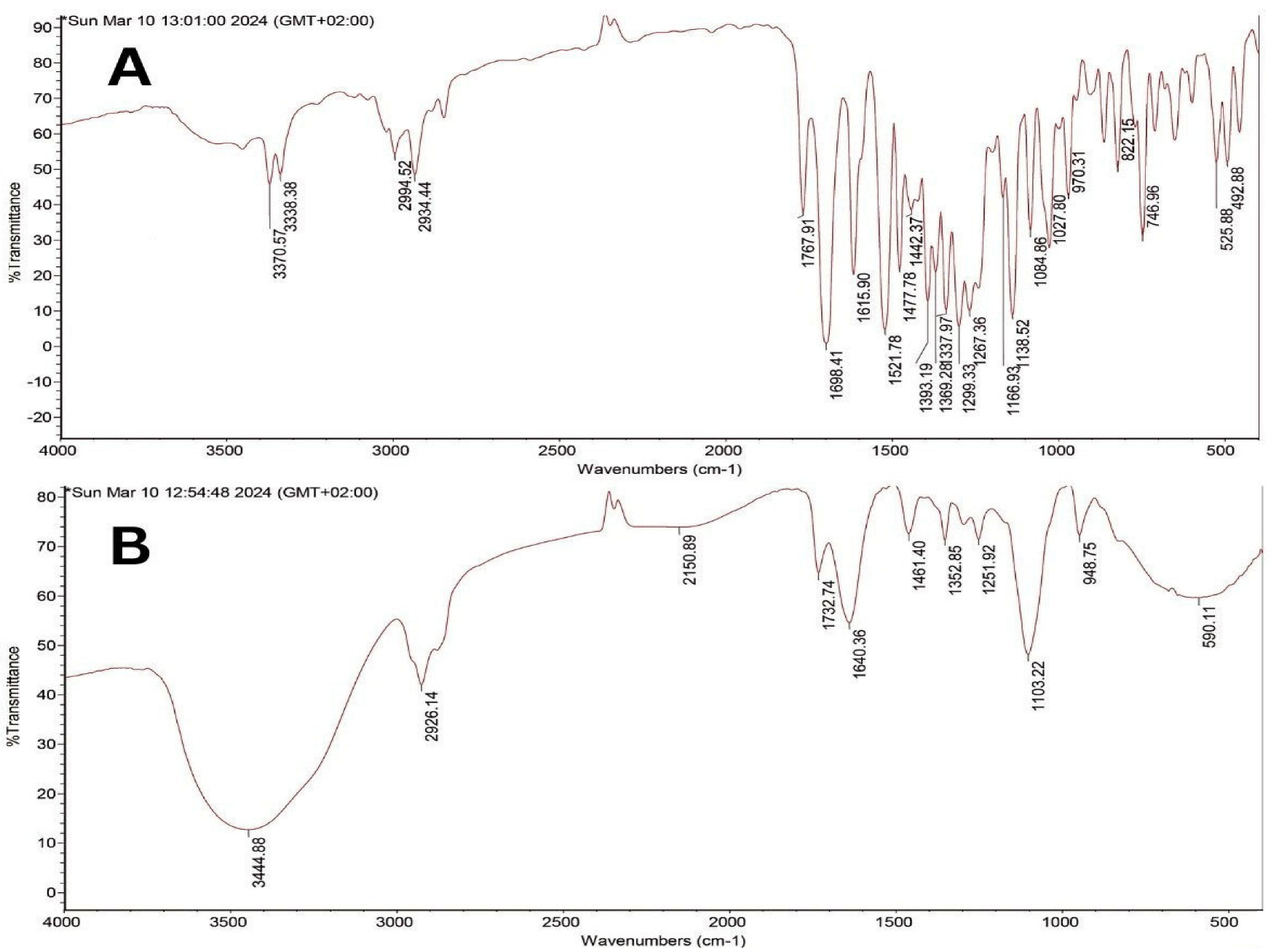
2.5. Characterization of Drug–Excipient Compatibility
2.6. In Vitro Drug Release and Release Kinetics
2.7. Evaluation of APM-NEG
2.7.1. Visual Characterization of APM-NEG
2.7.2. pH and Viscosity
2.7.3. Spreadability
2.8. Drug Content
2.9. Ex Vivo Skin Permeation and Flux Profile Studies
2.10. Ex Vivo Skin Deposition Studies
2.11. In Vivo Anti-Inflammatory Study
2.12. Histopathological Study
2.13. Microphage Cell Line Anti-Inflammatory Studies
2.13.1. Cell Viability
2.13.2. Anti-Inflammatory Assay
3. Materials and Method
3.1. Materials
3.2. Methods
3.2.1. Solubility Screening of APM in Selected Oils, Surfactants, and Co-Surfactants
3.2.2. Development of Pseudo-Ternary Phase Diagrams
3.2.3. Thermodynamic Stability Studies
3.2.4. Preparation of APM-Loaded-NEs
3.2.5. Characterization of APM-NEs
Globule Size, Size Distribution, and Zeta Potential
Transmission Electron Microscopy (TEM)
Refractive Index and Percentage Transmittance
Determination of Viscosity and pH
3.2.6. RP HPLC
3.2.7. Entrapment Efficiency
3.2.8. Drug–Excipient Interaction Studies
3.2.9. In Vitro Release and Release Kinetics Studies
3.2.10. Preparation of APM-Loaded-NEG and CR-APMG
3.2.11. Evaluation of APM-NE Gel
pH and Viscosity
Spreadability
3.2.12. Drug Content Determination
3.2.13. Ex Vivo and In Vivo Animal Studies
Animals and Ethical Approval
Ex Vivo Skin Permeation Studies and Flux Profile
Skin Deposition Studies
Anti-Inflammatory Study
Histopathological Studies
3.2.14. In Vitro Anti-Inflammatory Studies
Cell Culture Conditions
Cell Viability Assay Using the Sulforhodamine B (SRB) Method
In Vitro Anti-Inflammatory Study
3.3. Statistical Analysis
4. Conclusions
Author Contributions
Funding
Institutional Review Board Statement
Data Availability Statement
Acknowledgments
Conflicts of Interest
References
- Parisi, R.; Symmons, D.P.M.; Griffiths, C.E.M.; Ashcroft, D.M. The Identification and Management of Psoriasis and Associated Comorbidity project team. Global epidemiology of psoriasis: A systematic review of incidence and prevalence. J. Investig. Dermatol. 2013, 133, 377–385. [Google Scholar] [CrossRef]
- Adışen, E. Interleukin-23 inhibitors. Turkderm-Turk. Arch. Dermatol. Venereol. 2022, 56, 61–66. [Google Scholar] [CrossRef]
- Raychaudhuri, S.K.; Maverakis, E.; Raychaudhuri, S.P. Diagnosis and classification of psoriasis. Autoimmun. Rev. 2014, 13, 490–495. [Google Scholar] [CrossRef]
- Kuchekar, A.; Pujari, R.; Kuchekar, S.; Dhole, S.; Mule, P. Psoriasis: A comprehensive review. Int. J. Pharm. Life Sci. 2011, 6, 857–873. [Google Scholar]
- Lebwohl, M.; Sherer, D.; Washenik, K.; Krueger, G.G.; Menter, A.; Koo, J.; Feldman, S.R. A randomized, double-blind, placebo-controlled study of clobetasol propionate 0.05% foam in the treatment of nonscalp psoriasis. Int. J. Dermatol. 2002, 41, 269–274. [Google Scholar] [CrossRef] [PubMed]
- Barrea, L.; Savanelli, M.C.; Di Somma, C.; Napolitano, M.; Megna, M.; Colao, A.; Savastano, S. Vitamin D and its role in psoriasis: An overview of the dermatologist and nutritionist. Rev. Endocr. Metab. Disord. 2017, 18, 195–205. [Google Scholar] [CrossRef] [PubMed]
- Silva-Abreu, M.; Sosa, L.; Espinoza, L.C.; Fábrega, M.-J.; Rodríguez-Lagunas, M.J.; Mallandrich, M.; Calpena, A.C.; Garduño-Ramírez, M.L.; Rincón, M. Efficacy of Apremilast Gels in Mouse Model of Imiquimod-Induced Psoriasis Skin Inflammation. Pharmaceutics 2023, 15, 2403. [Google Scholar] [CrossRef]
- Wang, C.; Lin, A. Efficacy of topical calcineurin inhibitors in psoriasis. J. Cutan. Med. Surg. 2014, 18, 8–14. [Google Scholar] [CrossRef]
- Van De Kerkhof, P.C. Update on retinoid therapy of psoriasis in: An update on the use of retinoids in dermatology. Dermatol. Ther. 2006, 19, 252–263. [Google Scholar] [CrossRef]
- Zeichner, J.A. Use of topical coal tar foam for the treatment of psoriasis in difficult-to-treat areas. J. Clin. Aesthet. Dermatol. 2010, 3, 37–40. [Google Scholar] [PubMed]
- Sehgal, V.N.; Verma, P.; Khurana, A. Anthralin/dithranol in dermatology. Int. J. Dermatol. 2014, 53, e449–e460. [Google Scholar] [CrossRef]
- Dogra, S.; Mahajan, R. Systemic methotrexate therapy for psoriasis: Past, present and future. Clin. Exp. Dermatol. 2013, 38, 573–588. [Google Scholar] [CrossRef] [PubMed]
- Gyulai, R.; Bagot, M.; Griffiths, C.E.; Luger, T.; Naldi, L.; Paul, C.; Puig, L.; Kemény, L.; Psoriasis International Network. Current practice of methotrexate use for psoriasis: Results of a worldwide survey among dermatologists. J. Eur. Acad. Dermatol. Venereol. 2015, 29, 224–231. [Google Scholar] [CrossRef]
- Maza, A.; Montaudié, H.; Sbidian, E.; Gallini, A.; Aractingi, S.; Aubin, F.; Bachelez, H.; Cribier, B.; Joly, P.; Jullien, D.; et al. Oral cyclosporin in psoriasis: A systematic review on treatment modalities, risk of kidney toxicity and evidence for use in non-plaque psoriasis. J. Eur. Acad. Dermatol. Venereol. 2011, 25, 19–27. [Google Scholar] [CrossRef] [PubMed]
- Lee, C.S.; Koo, J. A review of acitretin, a systemic retinoid for the treatment of psoriasis. Expert Opin. Pharmacother. 2005, 6, 1725–1734. [Google Scholar] [CrossRef] [PubMed]
- Zhang, P.; Wu, M.X. A clinical review of phototherapy for psoriasis. Lasers Med. Sci. 2018, 33, 173–180. [Google Scholar] [CrossRef]
- Hire, P.; Gondkar, S.; Bachhav, R. Formulation development and evaluatio Formulation, Optimization and in vitro Evaluation of Apremilast Nanoemulgel for Topical Delivery n of topical nanoemulgel of apremilast. World J. Pharm. Med. Res. 2025, 11, 307–319. [Google Scholar]
- Kitzen, J.; Pergolizzi, J., Jr.; Taylor, R., Jr.; Raffa, R. Crisaborole and Apremilast: PDE4 Inhibitors with Similar Mechanism of Action, Different Indications for Management of Inflammatory Skin Conditions. Pharmacol. Pharm. 2018, 9, 357–381. [Google Scholar] [CrossRef][Green Version]
- Li, H.; Zuo, J.; Tang, W. Phosphodiesterase-4 Inhibitors for the Treatment of Inflammatory Diseases. Front. Pharmacol. 2018, 9, 1048. [Google Scholar] [CrossRef]
- Mulleria, S.S.; Marina, K.; Ghetia, S.M. Formulation, Optimization and in vitro Evaluation of Apremilast Nanoemulgel for Topical Delivery. Int. J. Pharm. Investig. 2021, 11, 230–237. [Google Scholar] [CrossRef]
- Schett, G.; Wollenhaupt, J.; Papp, K.; Joos, R.; Rodrigues, J.F.; Vessey, A.R.; Hu, A.; Stevens, R.; de Vlam, K.L. Oral apremilast in the treatment of active psoriatic arthritis: Results of a multicenter, randomized, double-blind, placebo-controlled study. Arthritis Rheum. 2012, 64, 3156–3167. [Google Scholar] [CrossRef]
- Sharma, V.; Jami, V.; Setti, M.L.V.; Choudhury, A.A.; Basha, A.M. Optimization, evaluation and comparative IVPT study of micro and nano liposomal topical formulations of apremilast. Mater. Today Proc. 2022, 1, 1–11. [Google Scholar] [CrossRef]
- Parmar, P.K.; Bansal, A.K. Novel nanocrystal-based formulations of apremilast for improved topical delivery. Drug Deliv. Transl. Res. 2021, 11, 966–983. [Google Scholar] [CrossRef] [PubMed]
- Yang, L.; Wu, P.; Xu, J.; Xie, D.; Wang, Z.; Wang, Q.; Chen, Y.; Li, C.H.; Zhang, J.; Chen, H.; et al. Development of apremilast solid dispersion using TPGS and PVPVA with enhanced solubility and bioavailability. AAPS PharmSciTech 2021, 22, 142. [Google Scholar] [CrossRef]
- Shetty, D.; Yarlagadda, D.L.; Brahmam, B.; Dengale, S.J.; Lewis, S.A. Investigating the influence of the type of polymer on sustaining the supersaturation from amorphous solid dispersions of Apremilast and its pharmacokinetics. J. Drug Deliv. Sci. Technol. 2023, 84, 104520. [Google Scholar] [CrossRef]
- Alfehaid, F.S.; Nair, A.B.; Shah, H.; Aldhubiab, B.; Shah, J.; Mewada, V.; Jacob, S.; Attimarad, M. Enhanced transdermal delivery of apremilast loaded ethosomes: Optimization, characterization and in vivo evaluation. J. Drug Deliv. Sci. Technol. 2024, 91, 105211. [Google Scholar] [CrossRef]
- Rahangdale, M.; Pandey, P. Development and characterization of apremilast transethosomal gel for transdermal delivery. Int. J. Pharm. Sci. Nanotechnol. 2021, 14, 5508–5518. [Google Scholar] [CrossRef]
- Rapalli, V.K.; Sharma, S.; Roy, A.; Alexander, A.; Singhvi, G. Solid lipid nanocarriers embedded hydrogel for topical delivery of apremilast: In-vitro, ex-vivo, dermatopharmacokinetic and anti-psoriatic evaluation. J. Drug Deliv. Sci. Technol. 2021, 63, 102442. [Google Scholar] [CrossRef]
- Ahmed, M.M.; Anwer, M.K.; Fatima, F.; Alali, A.S.; Kalam, M.A.; Zafar, A.; Alshehri, S.; Ghoneim, M.M. Development of apremilast nanoemulsion-loaded chitosan gels: In vitro evaluations and anti-inflammatory and wound healing studies on a rat model. Gels 2022, 8, 253. [Google Scholar] [CrossRef]
- Zhao, L.; Chen, J.; Bai, B.; Song, G.; Zhang, J.; Yu, H.; Huang, S.; Wang, Z.; Lu, G. Topical drug delivery strategies for enhancing drug effectiveness by skin barriers and delivery systems. Front. Pharmacol. 2024, 14, 1333986. [Google Scholar] [CrossRef]
- Shakeel, F.; Raish, M.; Anwer, M.K.; Al-Shdefat, R.I. Self-nanoemulsifying drug delivery system of sinapic acid: In vitro and in vivo evaluation. J. Mol. Liq. 2016, 224, 351–358. [Google Scholar] [CrossRef]
- Elsewedy, H.S. Insights of Nanoemulsion as a Drug Delivery System: An Overview of Current Trends and Applications. Indian J. Pharm. Educ. Res. 2025, 59, 472–492. [Google Scholar] [CrossRef]
- Maestrelli, F.; Gonzalez-Rodriguez, M.L.; Rabasco, A.M.; Mura, P. Effect of preparation technique on the properties of liposomes encapsulating ketoprofen-cyclodextrin complexes aimed for transdermal delivery. Int. J. Pharm. 2006, 312, 53–60. [Google Scholar] [CrossRef] [PubMed]
- Naz, Z.; Ahmad, F.J. Curcumin-loaded colloidal carrier system: Formulation optimization, mechanistic insight, ex vivo and in vivo evaluation. Int. J. Nanomed. 2015, 10, 4293–4307. [Google Scholar] [CrossRef]
- Akhter, A.; Shirazi, J.H.; Shoaib Khan, H.M.; Hussain, M.D.; Kazi, M. Development and evaluation of nanoemulsion gel loaded with bioactive extract of Cucumis melo var. agrestis: A novel approach for enhanced skin permeability and antifungal activity. Heliyon 2024, 10, e35069. [Google Scholar] [CrossRef]
- Ali, A.; Ansari, V.A.; Ahmad, U.; Akhtar, J.; Jahan, A. Nanoemulsion: An Advanced Vehicle for Efficient Drug Delivery. Drug Res. 2017, 67, 617–631. [Google Scholar] [CrossRef]
- Li, P.; Ghosh, A.; Wagner, R.F.; Joshi, Y.M.; Serajuddin, A.T.M. Effect of combined use of nonionic surfactant on formation of oil-in-water microemulsions. Int. J. Pharm. 2005, 288, 27–34. [Google Scholar] [CrossRef]
- Suma, R.; Shailesh, K.; Chakraborty, T.; Khanum, A.; Kumar, S.H. Design and development of microemulsion of apremilast as a potential doasge form for the efficient treatment of psoriatic nail dystrophy through transungual route. Int. J. Pharm. Sci. Res. 2025, 16, 1049–1059. [Google Scholar]
- Suryawanshi, R.M.; Gilhotra, R.M.; Dhakad, P.K.; Gupta, T. Formulation Design and Development of Azilsartan Nano-emulsion for the Solubility Enhancement. Int. J. Drug Deliv. Technol. 2025, 15, 285–295. [Google Scholar] [CrossRef]
- Juniatik, M.; Hidayati, K.; Wulandari, F.P.; Pangestuti, N.; Munawaroh, N.; Martien, R.; Utami, S. Formulation of nanoemulsion mouthwash combination of lemongrass oil (Cymbopogon citratus) and kaffir lime oil (Citrus hystrix) against Candida albicans ATCC 10231. Tradit. Med. J. 2017, 22, 7–15. [Google Scholar]
- Kumar, S. Role of nano-emulsion in pharmaceutical sciences—A review. AJRPSB 2014, 2, 15. [Google Scholar]
- Danaei, M.; Dehghankhold, M.; Ataei, S.; Hasanzadeh Davarani, F.; Javanmard, R.; Dokhani, A.; Khorasani, S.; Mozafari, M.R. Impact of Particle Size and Polydispersity Index on the Clinical Applications of Lipidic Nanocarrier Systems. Pharmaceutics 2018, 10, 57. [Google Scholar] [CrossRef]
- Jores, K.; Mehnert, W.; Drechsler, M.; Bunjes, H.; Johann, C.; Mäder, K. Investigations on the structure of solid lipid nanoparticles by atomic force microscopy. Int. J. Pharm. 2004, 267, 89–97. [Google Scholar]
- Warisnoicharoen, W.; Lansley, A.B.; Lawrence, M.J. Nonionic oil-in-water microemulsions: The effect of oil type on phase behaviour. Int. J. Pharm. 2000, 198, 7–27. [Google Scholar] [CrossRef]
- Oliveira, C.A.; Gouvea, M.M.; Antunes, G.R.; de Freitas, Z.M.F.; de Carvalho Marques, F.F.; Ricci Junior, E. Nanoemulsion containing 8-methoxypsoralen for topical treatment of dermatoses: Development, characterization and ex vivo permeation in porcine skin. Int. J. Pharm. 2018, 547, 1–9. [Google Scholar] [CrossRef]
- Malik, M.R.; Al-Harbi, F.F.; Nawaz, A.; Amin, A.; Farid, A.; Mohaini, M.A.; Alsalman, A.J.; Hawaj, M.A.A.; Alhashem, Y.N. Formulation and Characterization of Chitosan Decorated Multiple Nanoemulsion for Topical Delivery in vitro and ex vivo. Molecules 2022, 27, 3183. [Google Scholar] [CrossRef]
- Panonnummal, R.; Jayakumar, R.; Sabitha, M. Comparative anti-psoriatic efficacy studies of clobetasol loaded chitin nanogel and marketed cream. Eur. J. Pharm. Sci. 2017, 96, 193–206. [Google Scholar] [CrossRef] [PubMed]
- Xiong, K.; Ma, X.; Cao, N.; Liu, L.; Sun, L.; Zou, Q.; Wei, P. Identification, characterization and HPLC quantification of impurities in apremilast. Anal. Methods 2016, 8, 1889–1897. [Google Scholar] [CrossRef]
- Rai, V.K.; Mishra, N.; Yadav, K.S.; Yadav, N.P. Nanoemulsion as pharmaceutical carrier for dermal and transdermal drug delivery: Formulation development, stability issues, basic considerations and applications. J. Control. Release 2018, 270, 203–225. [Google Scholar] [CrossRef]
- Zahid, F.; Batool, S.; Ud-Din, F.; Ali, Z.; Nabi, M.; Khan, S.; Salman, O.; Khan, G.M. Antileishmanial Agents Co-loaded in Transfersomes with Enhanced Macrophage Uptake and Reduced Toxicity. AAPS PharmSciTech 2022, 23, 226. [Google Scholar] [CrossRef] [PubMed]
- Nurman, S.; Yulia, R.; Irmayanti; Noor, E.; Sunarti, T.C. The Optimization of Gel Preparations Using the Active Compounds of Arabica Coffee Ground Nanoparticles. Sci. Pharm. 2019, 87, 32. [Google Scholar] [CrossRef]
- Sharma, S.; Sahni, J.K.; Ali, J.; Baboota, S. Effect of high pressure homogenization on formulation of TPGS loaded nanoemulsion of rutin—Pharmacodynamic and antioxidant studies. Drug Deliv. 2015, 22, 541–551. [Google Scholar] [CrossRef]
- Zhang, X.; Retyunskiy, V.; Qiao, S.; Zhao, Y.; Tzeng, C.-M. Alloferon-1 ameliorates acute inflammatory responses in λ-carrageenan-induced paw edema in mice. Sci. Rep. 2022, 12, 16689. [Google Scholar] [CrossRef] [PubMed]
- Elsamman, M.; El-Borady, O.M.; Nasr, M.M.; Al-Amgad, Z.; Metwally, A.A. Development of propolis, hyaluronic acid, and vitamin K nano-emulsion for the treatment of second-degree burns in albino rats. BMC Complement. Med. Ther. 2024, 24, 92. [Google Scholar] [CrossRef] [PubMed]
- Zhang, G.B.; He, Z.F.; Shang, W.Z.; Wang, A.W.; Wu, Y.F.; Huang, H.Y. Effect of triethanolamine on the biological characteristics of diffuse large B-cell lymphoma cells. Chin. J. Gen. Pract. 2022, 20, 785–788. [Google Scholar]
- Kaštelan, M.; Prpić-Massari, L.; Brajac, I. Apoptosis in psoriasis. Acta Dermatovenerol. Croat. 2009, 17, 182–186. [Google Scholar]
- Lowes, M.A.; Russell, C.B.; Martin, D.A.; Towne, J.E.; Krueger, J.G. The IL-23/T17 pathogenic axis in psoriasis is amplified by keratinocyte responses. Trends Immunol. 2013, 34, 174–181. [Google Scholar] [CrossRef]
- Spiclin, P.; Homar, M.; Zupancic, V.A.; Gasperlin, M. Sodium ascorbyl phosphate in topical microemulsions. Int. J. Pharm. 2003, 256, 65–73. [Google Scholar] [CrossRef]
- Shafiq-un-Nabi, S.; Shakeel, F.; Talegaonkar, S.; Ali, J.; Baboota, S.; Ahuja, A.; Khar, R.K.; Ali, M. Formulation development and optimization using nanoemulsion technique: A technical note. AAPS PharmSciTech 2007, 8, 28. [Google Scholar] [CrossRef]
- Shakeel, F.; Haq, N.; Alanazi, F.K.; Alsarra, I. Impact of various nonionic surfactants on self-nanoemulsification efficiency of two grades of Capryol (Capryol-90 and Capryol-PGMC). J. Mol. Liq. 2013, 182, 57–63. [Google Scholar] [CrossRef]
- Abushal, A.S.; Aleanizy, F.S.; Alqahtani, F.Y.; Shakeel, F.; Iqbal, M.; Haq, N.; Alsarra, I.A. Self-Nanoemulsifying Drug Delivery System (SNEDDS) of Apremilast: In Vitro Evaluation and Pharmacokinetics Studies. Molecules 2022, 27, 3085. [Google Scholar] [CrossRef] [PubMed]
- Sureshkumar, R.; Gowthamarajan, K.; Bhavani, P. Nanoemulsion for lymphatic absorption: Investigation of fenofibrate nanoemulsion system for lymphatic uptake. Int. J. Chem. Tech. Res. 2015, 7, 832–841. [Google Scholar]
- Sarango-Granda, P.; Silva-Abreu, M.; Calpena, A.; Halbaut, L.; Fábrega, M.J.; Rodríguez-Lagunas, M.; Díaz-Garrido, N.; Badia, J.; Espinoza, L. Apremilast Microemulsion as Topical Therapy for Local Inflammation: Design, Characterization and Efficacy Evaluation. Pharmaceuticals 2020, 13, 484. [Google Scholar] [CrossRef]
- Amin, B.H.; Ahmed, H.Y.; El Gazzar, E.M.; Badawy, M.M.M. Enhancement the Mycosynthesis of Selenium Nanoparticles by Using Gamma Radiation. Dose Response 2021, 19, 15593258211059323. [Google Scholar] [CrossRef]
- Shofia, S.I.; Jayakumar, K.; Mukherjee, A.; Chandrasekaran, N. Efficiency of brown seaweed (Sargassum longifolium) polysaccharides encapsulated in nanoemulsion and nanostructured lipid carrier against colon cancer cell lines HCT 116. RSC Adv. 2018, 8, 15973–15984. [Google Scholar] [CrossRef]
- Khuroo, T.; Mohamed, E.M.; Dharani, S.; Immadi, S.; Nutan, M.T.; Lu, D.; Ali, H.I.; Khan, M.A.; Rahman, Z. In-situ implant formulation of laurate and myristate prodrugs of dolutegravir for ultra-long delivery. J. Pharm. Sci. 2022, 111, 2312–2321. [Google Scholar] [CrossRef]
- Kajbafvala, A.; Salabat, A.; Salimi, A. Formulation, characterization, and in vitro/ex vivo evaluation of quercetin-loaded microemulsion for topical application. Pharm. Dev. Technol. 2018, 23, 741–750. [Google Scholar] [CrossRef] [PubMed]
- Jeengar, M.K.; Rompicharla, S.V.; Shrivastava, S.; Chella, N.; Shastri, N.R.; Naidu, V.G.; Sistla, R. Emu oil based nano-emulgel for topical delivery of curcumin. Int. J. Pharm. 2016, 506, 222–236. [Google Scholar] [CrossRef]
- Ganarajan, G.; Sharma, D.C.; Tangri, P.; Kothiyal, P. Design and characterization of apremilast loaded emulgel for topical treatment. Int. J. Pharm. Biol. Sci. 2018, 8, 552–562. [Google Scholar]
- Coneac, G.H.; Vlaia, V.; Olariu, I.V.; Muț, A.M.; Anghel, D.F.; Ilie, C.I.; Popoiu, C.M.; Lupuleasa, D.; Vlaia, L.L. Development and Evaluation of New Microemulsion-Based Hydrogel Formulations for Topical Delivery of Fluconazole. AAPS PharmSciTech 2015, 16, 889–904. [Google Scholar] [CrossRef]
- Tas, C.; Ozkan, Y.; Savaser, S.; Baykara, T. In vitro release studies of chlorpheniramine maleate from gels prepared by different cellulose derivatives. IL Farm. 2003, 58, 605–611. [Google Scholar] [CrossRef] [PubMed]
- Madan, J.R.; Khobaragade, S.; Dua, K.; Awasthi, R. Formulation, optimization, and in vitro evaluation of nanostructured lipid carriers for topical delivery of Apremilast. Dermatol. Ther. 2020, 33, e13370. [Google Scholar] [CrossRef]
- Ansari, M.J.; Alshetaili, A.; Aldayel, I.A.; Alablan, F.M.; Alsulays, B.; Alshahrani, S.; Alalaiwe, A.; Ansari, M.N.; Ur Rehman, N.; Shakeel, F. Formulation, characterization, in vitro and in vivo evaluations of self-nanoemulsifying drug delivery system of luteolin. J. Taibah Univ. Sci. 2020, 14, 1386–1401. [Google Scholar] [CrossRef]
- Faisal, M.S.; Eljroushi, Z.M.; Sawan, M.S. Anti-inflammatory activity of ethanolic extract of Cnicus Benedictus. Lebda Med. J. 2021, 7, 273–278. [Google Scholar] [CrossRef]
- Gharred, N.; Ali, L.M.A.; Bettache, N.; Dridi-Dhaouadi, S.; Morere, A.; Menut, C. In Vitro Anti-inflammatory Activity of Three Inula Species Essential Oils in Lipopolysaccharide-Stimulated RAW 264.7 Macrophages. Chem. Afr. 2023, 6, 1933–1942. [Google Scholar] [CrossRef]
- Kim, C.; Le, D.; Lee, M. Diterpenoids Isolated from Podocarpus macrophyllus Inhibited the Inflammatory Mediators in LPS-Induced HT-29 and RAW 264.7 Cells. Molecules 2021, 26, 4326. [Google Scholar] [CrossRef] [PubMed]





| NEs Code | PS * (nm) | PDI * | ZP (mV) * | RI * | %T * |
|---|---|---|---|---|---|
| F1 | 275.5 ± 8.2 | 0.623 ± 0.005 | −2.87 ± 0.21 | 1.361 ± 0.02 | 96.94 ± 0.48 |
| F2 | 231.6 ± 7.4 | 0.561 ± 0.003 | −2.03 ± 0.18 | 1.341 ± 0.01 | 97.12 ± 0.18 |
| F3 | 217.0 ± 6.6 | 0.522 ± 0.004 | −2.66 ± 0.12 | 1.339 ± 0.06 | 97.62 ± 0.20 |
| F4 | 195.06 ± 5.4 | 0.483 ± 0.012 | −2.17 ± 0.24 | 1.344 ± 0.03 | 98.92 ± 0.28 |
| F5 | 147.4 ± 2.4 | 0.447 ± 0.008 | −2.75 ± 0.22 | 1.338 ± 0.04 | 99.57 ± 0.33 |
| F6 | 165.9 ± 5.1 | 0.468 ± 0.013 | −2.37 ± 0.28 | 1.349 ± 0.02 | 98.32 ± 0.46 |
| Formulation Code | pH | Viscosity (mPa.s) | Spreadability | Drug Content (%) | |
|---|---|---|---|---|---|
| Diameter (cm) | Spreadability (%) | ||||
| F5 | 6.3 ± 0.03 | 54.1 ± 0.85 *** | – | – | 99.15 ± 1.28 |
| F5G | 6.7 ± 0.04 | 730.1 ± 10.36 *** | 6.5 ± 0.05 *** | 650 | 97.82 ± 1.42 |
| CR-APMG | 7.2 ± 0.03 | 13,059 ± 41.25 | 4.1 ± 0.05 | 410 | 96.8 ± 2.37 |
| Formulation Code | Flux Jss (µg/cm2/h) | Permeability Coefficient Kp (×10−3 cm/h) | Enhancement Ratio ER |
|---|---|---|---|
| F5 | 28.90 ± 0.83 * | 14.45 ± 0.002 | 2.02 ± 0.05 |
| F5G | 24.31 ± 0.22 * | 9.72 ± 0.001 | 1.70 ± 0.02 |
| CR-APMG | 14.28 ± 0.18 | 5.71 ± 0.01 | 1.00 |
| APM-NEs Codes | Components (% v/v) | Smix Ratio | ||
|---|---|---|---|---|
| Oil (Capryol 90) | Smix (Tween 20 and Labrasol) | Water | ||
| F1 | 7 | 33 | 60 | 1:1 |
| F2 | 9 | 35 | 56 | 1:1 |
| F3 | 12 | 40 | 48 | 2:1 |
| F4 | 13 | 42 | 45 | 2:1 |
| F5 | 18 | 50 | 32 | 3:1 |
| F6 | 15 | 45 | 40 | 3:1 |
Disclaimer/Publisher’s Note: The statements, opinions and data contained in all publications are solely those of the individual author(s) and contributor(s) and not of MDPI and/or the editor(s). MDPI and/or the editor(s) disclaim responsibility for any injury to people or property resulting from any ideas, methods, instructions or products referred to in the content. |
© 2026 by the authors. Licensee MDPI, Basel, Switzerland. This article is an open access article distributed under the terms and conditions of the Creative Commons Attribution (CC BY) license.
Share and Cite
Sawan, M.S.; Faisal, M.S.; El-Megrab, N.A.; El-Nahas, H.M. Development and Optimization of an Apremilast-Loaded Nanoemulsion Gel for Topical Psoriasis Treatment with In Vitro Anti-Inflammatory Studies Using RAW 264.7 Cells. Pharmaceuticals 2026, 19, 691. https://doi.org/10.3390/ph19050691
Sawan MS, Faisal MS, El-Megrab NA, El-Nahas HM. Development and Optimization of an Apremilast-Loaded Nanoemulsion Gel for Topical Psoriasis Treatment with In Vitro Anti-Inflammatory Studies Using RAW 264.7 Cells. Pharmaceuticals. 2026; 19(5):691. https://doi.org/10.3390/ph19050691
Chicago/Turabian StyleSawan, Mustafa Saleem, Mohammad Shah Faisal, Nagia Ahmed El-Megrab, and Hanan Mohammed El-Nahas. 2026. "Development and Optimization of an Apremilast-Loaded Nanoemulsion Gel for Topical Psoriasis Treatment with In Vitro Anti-Inflammatory Studies Using RAW 264.7 Cells" Pharmaceuticals 19, no. 5: 691. https://doi.org/10.3390/ph19050691
APA StyleSawan, M. S., Faisal, M. S., El-Megrab, N. A., & El-Nahas, H. M. (2026). Development and Optimization of an Apremilast-Loaded Nanoemulsion Gel for Topical Psoriasis Treatment with In Vitro Anti-Inflammatory Studies Using RAW 264.7 Cells. Pharmaceuticals, 19(5), 691. https://doi.org/10.3390/ph19050691