


Mechanism of Xiao-ai-fei Honey Ointment, a Traditional Uyghur Multi-Ingredient Medicinal Preparation, Against Cervical Cancer Based on Network Pharmacology and In Vitro Evaluation of Anti-Cancer Activity

 ,
,  , and
, and
Abstract
1. Introduction
2. Results
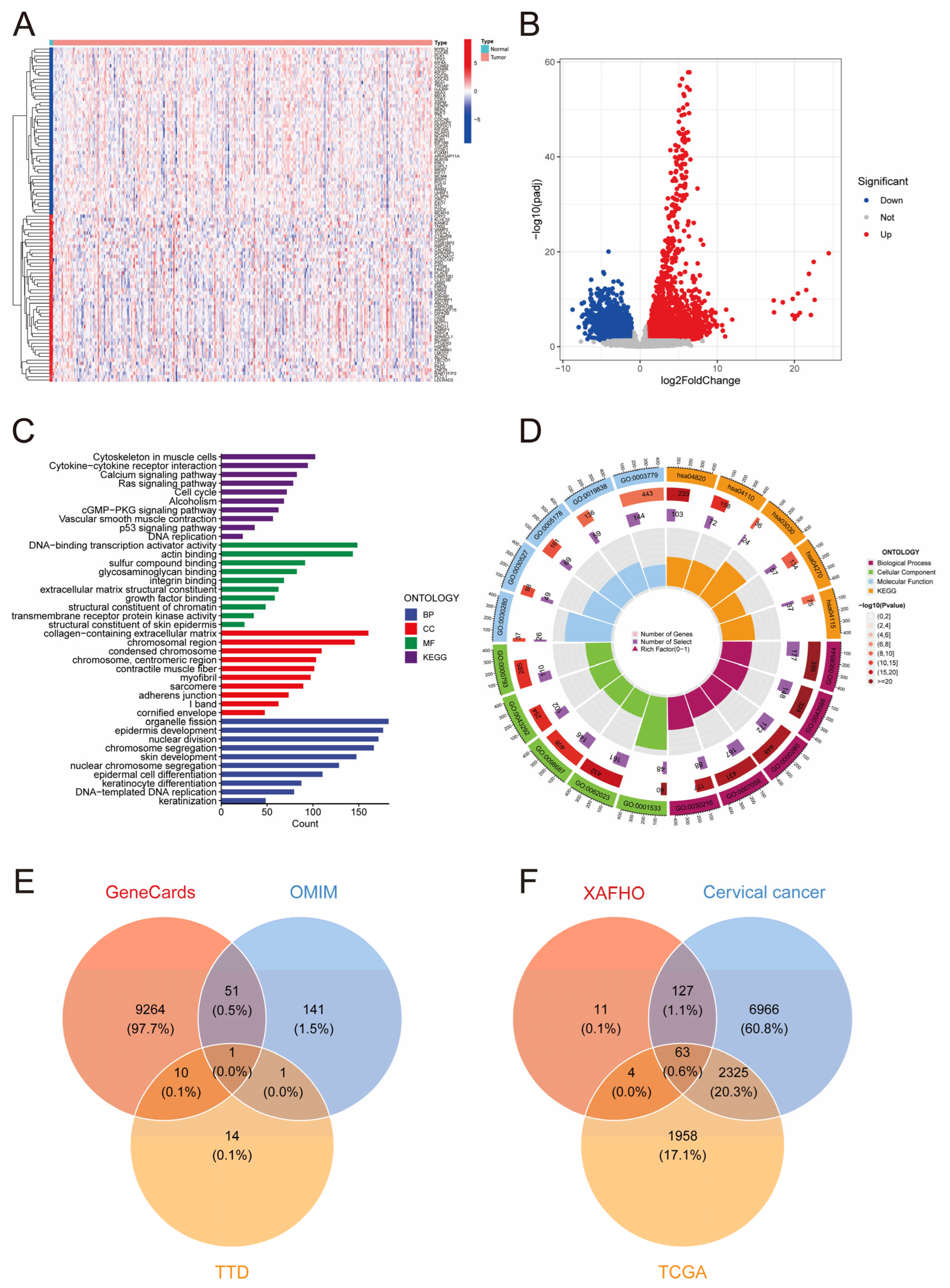
2.1. Identification of Differentially Expressed Genes (DEGs)
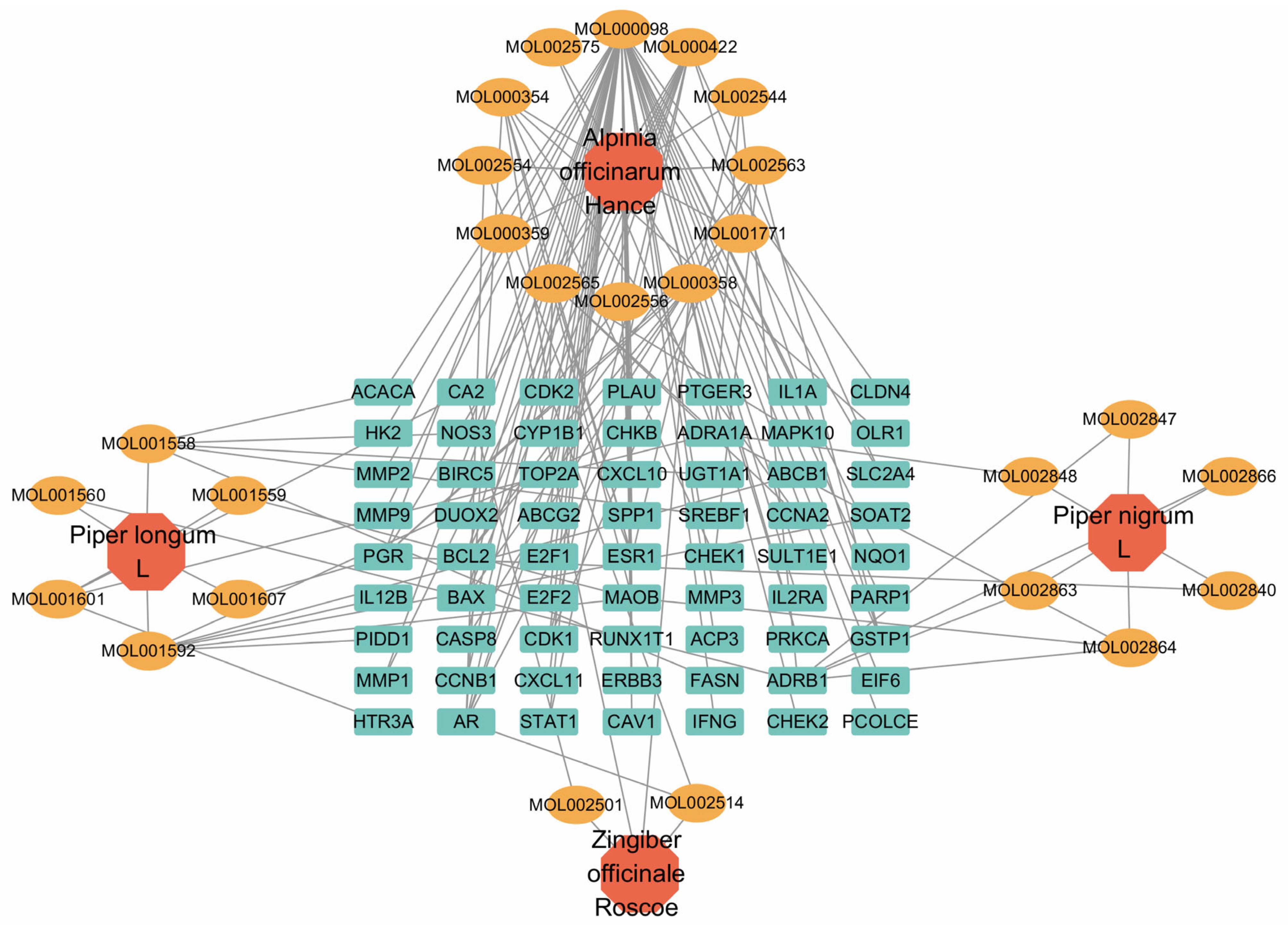
2.2. Acquisition of Active Components and Disease Targets of XAFHO and Intersection Analysis
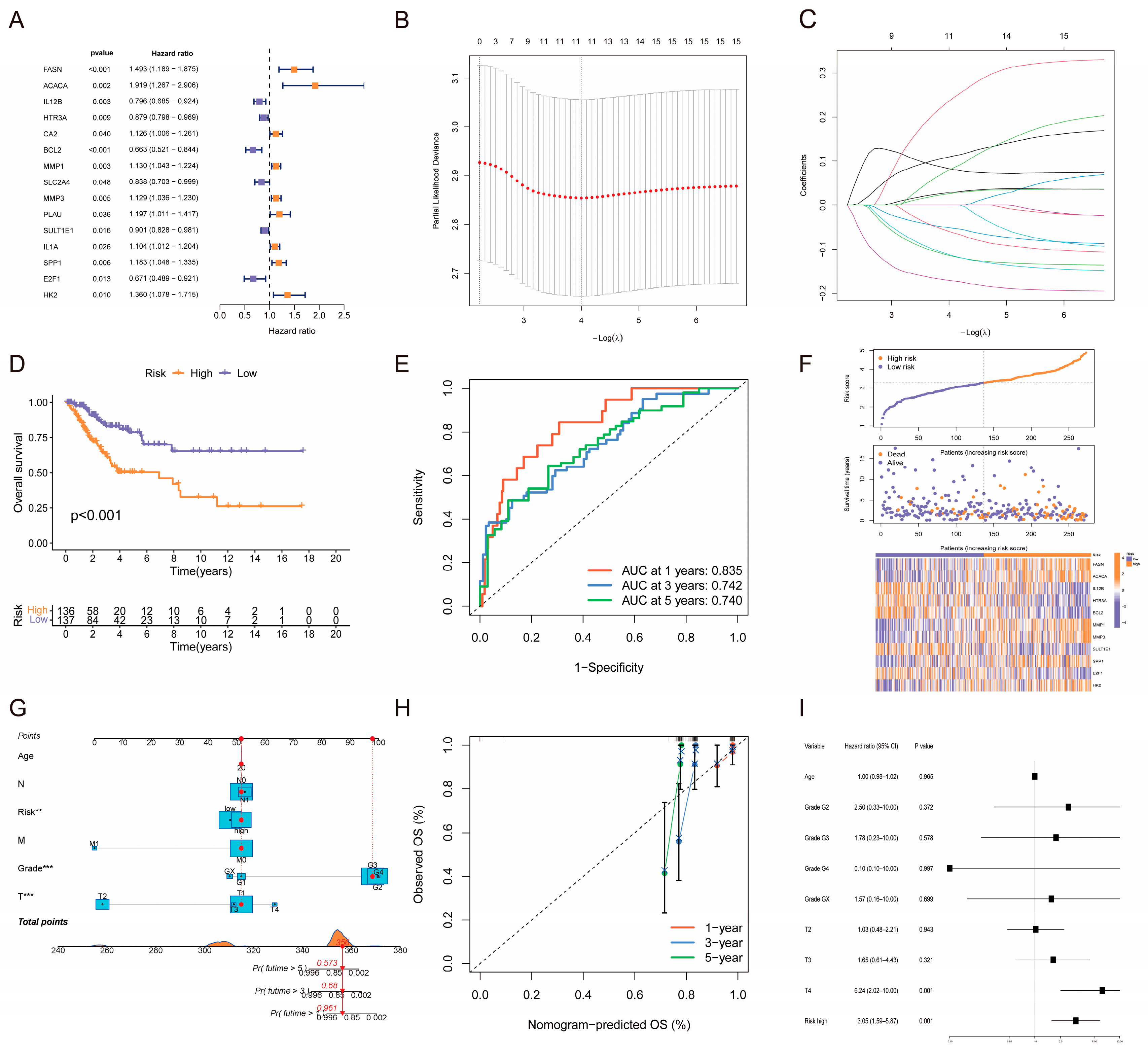
2.3. Construction and Validation of Prognostic Models
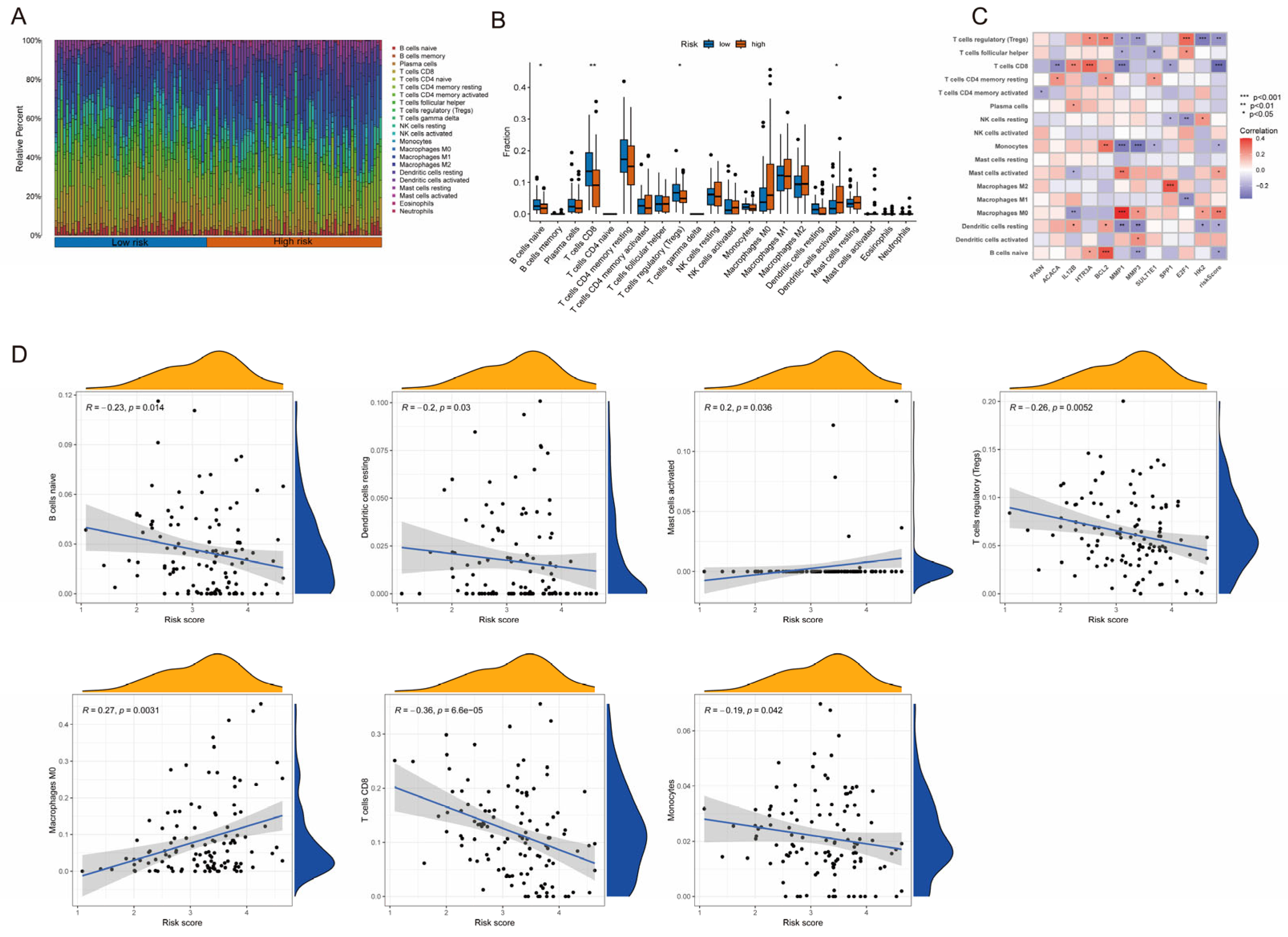
2.4. Distinct Tumor Immune Microenvironment Characteristics Between Risk Subgroups
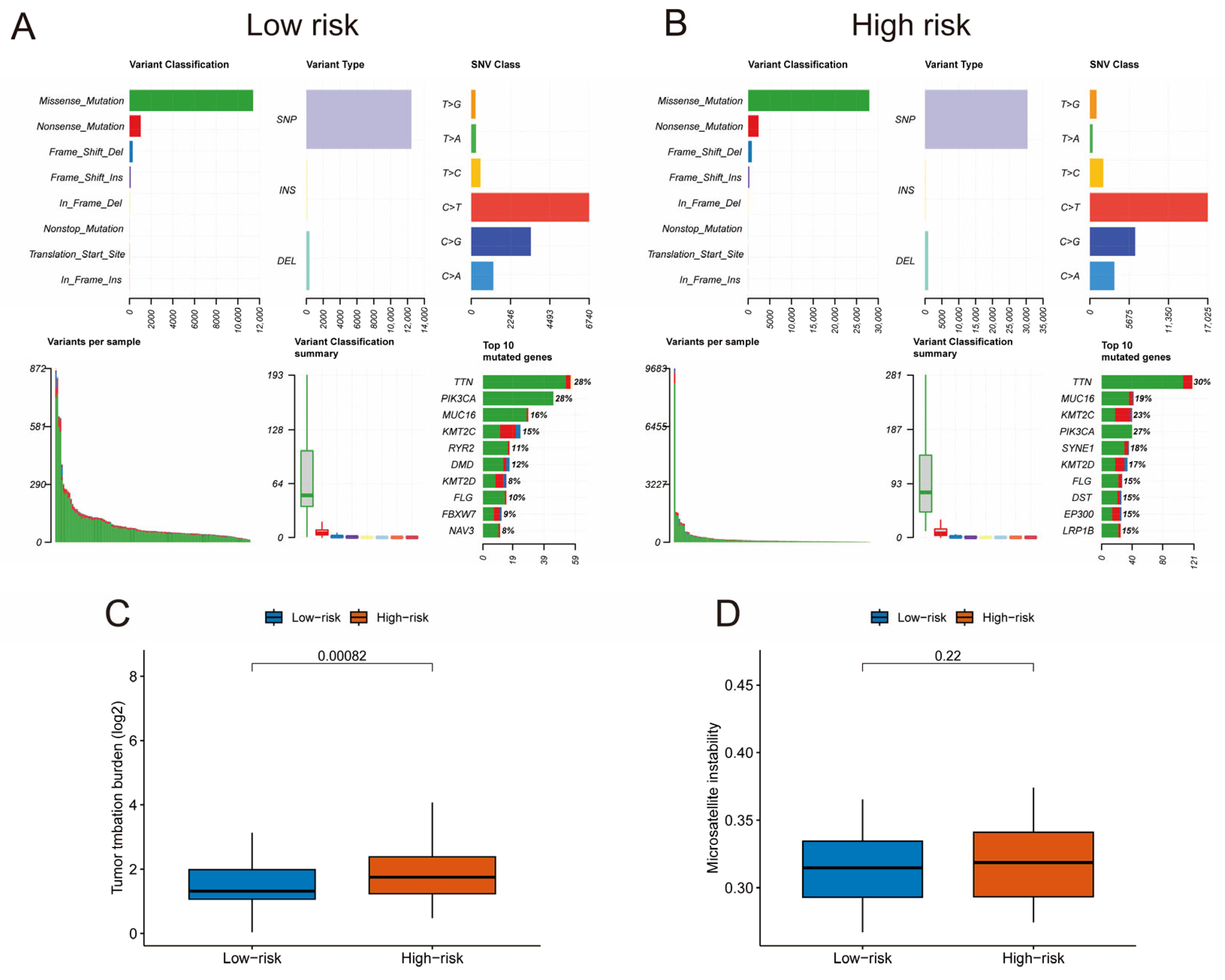
2.5. Characterization of Somatic Mutations and Genomic Instability
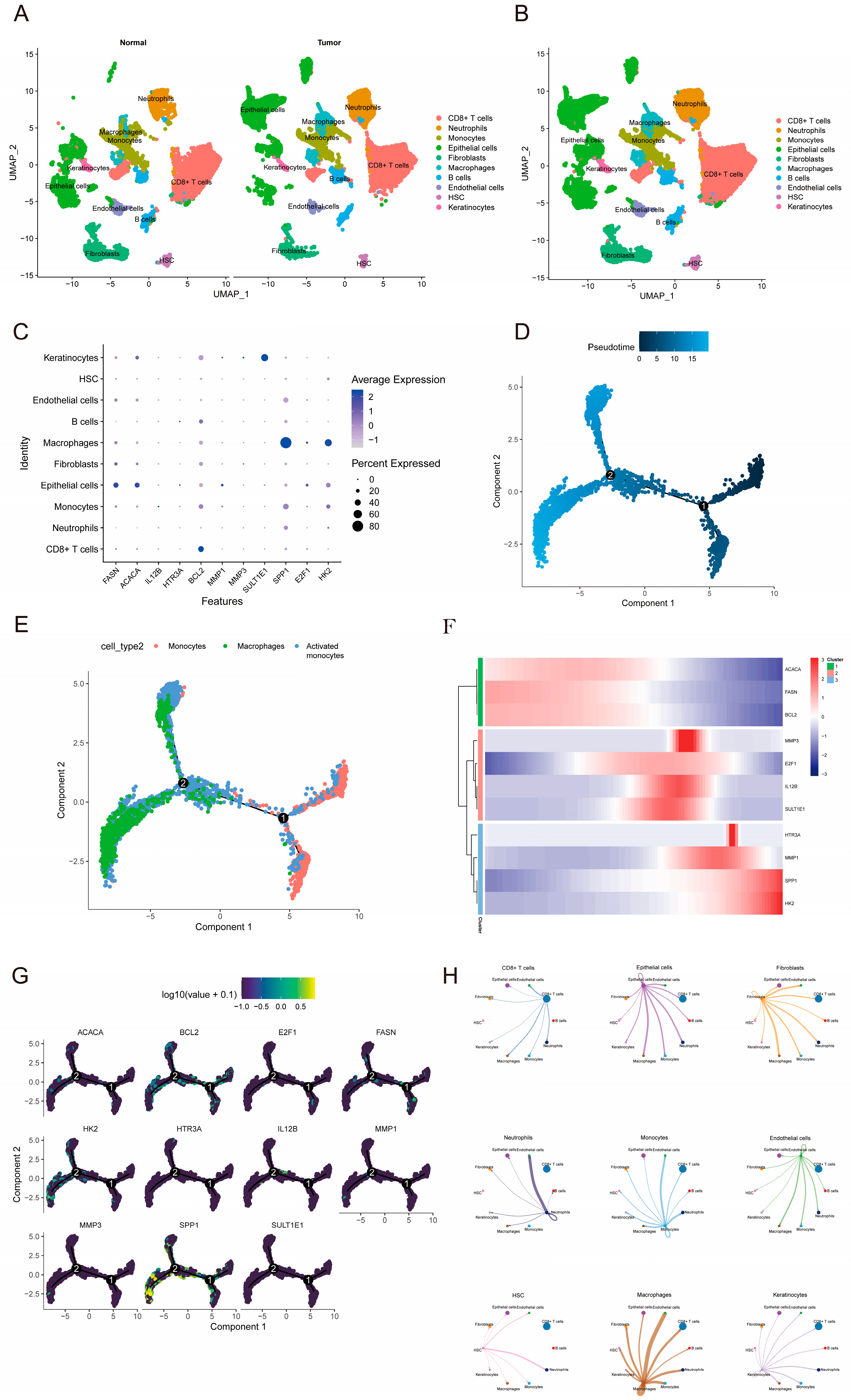
2.6. Analysis of the Cervical Cancer Microenvironment at Single-Cell Resolution and Investigation into the Cellular Origin and Function of Prognostic Genes
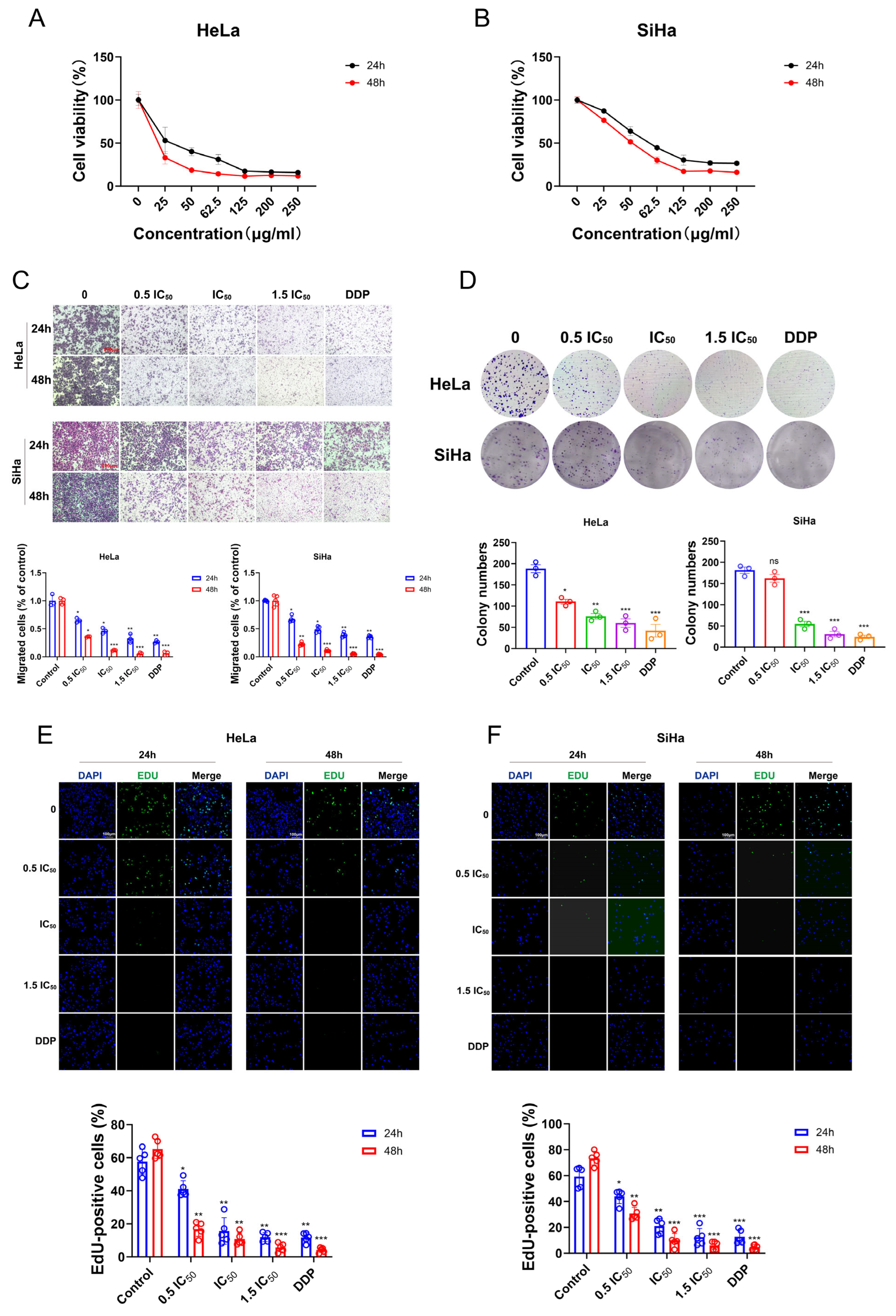
2.7. Effects of XAFHO on the Malignant Biological Behavior of Cervical Cancer Cells
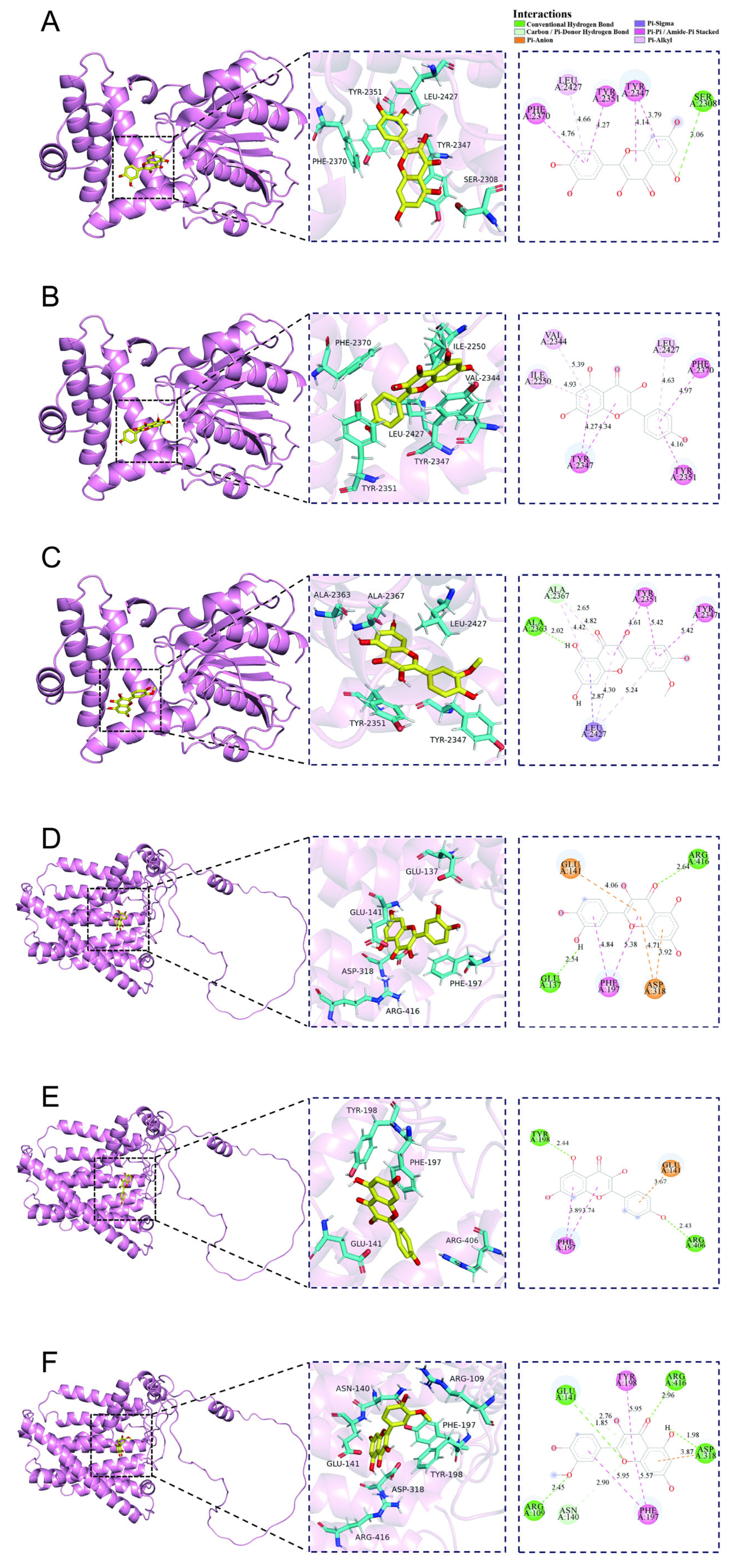
2.8. Molecular Docking Analysis
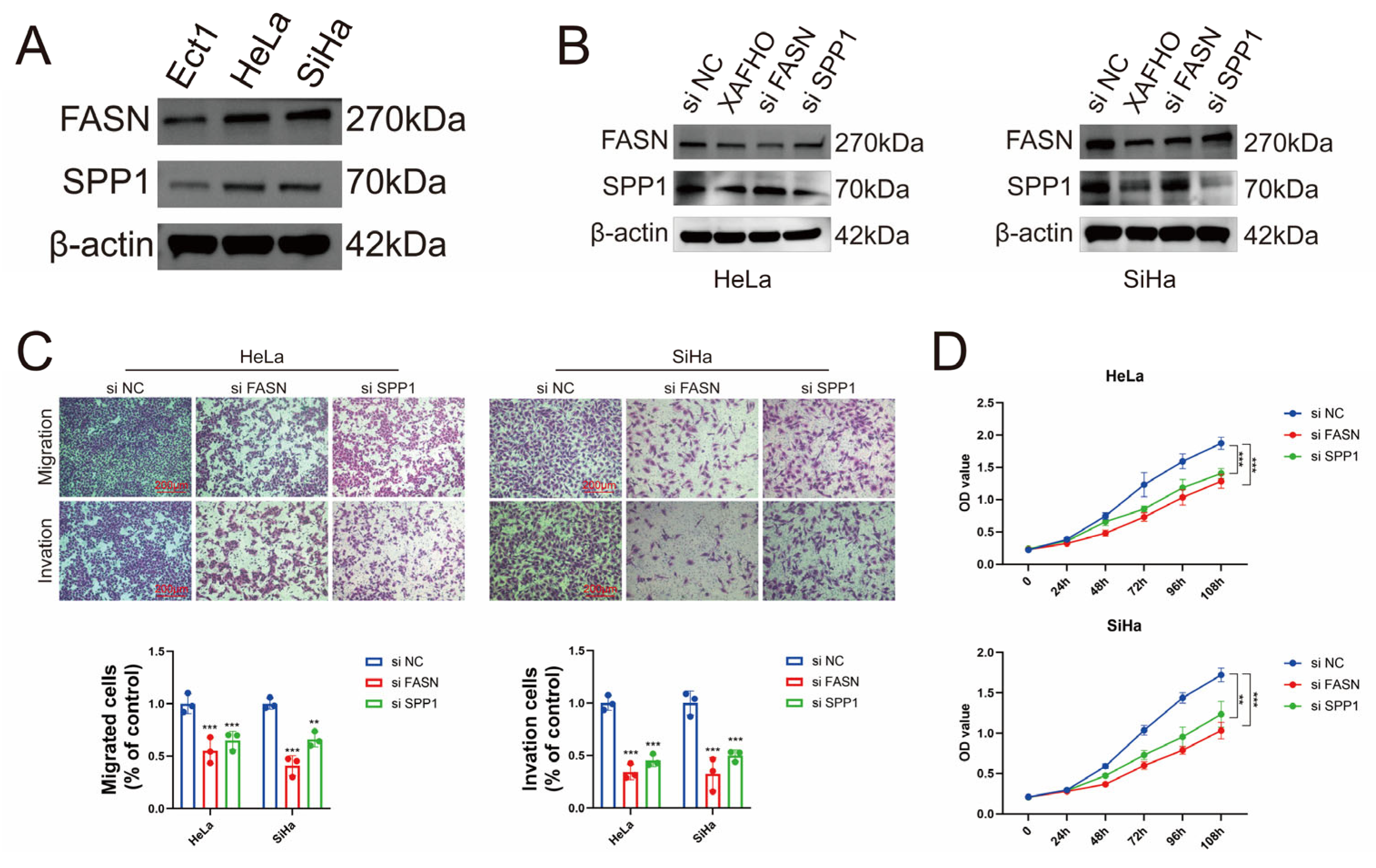
2.9. The Impact of the Knockdown of FASN and SPP1 on the Biological Behavior of Cervical Cancer Cells
3. Discussion
4. Materials and Methods
4.1. Data Acquisition
4.2. Acquisition of Drug Components and Targets
4.3. Differential Gene Identification and Enrichment Analysis
4.4. Identification of Prognostic Genes
4.5. Construction of the Gene-Associated Prognostic Model
4.6. Validation of the Prognostic Model
4.7. Immune Infiltration and Mutation Analysis
4.8. Single-Cell RNA Sequencing Analysis
4.9. Preparation of XAFHO
4.10. Cell Proliferation Assays
4.11. Transwell Migration and Invasion Assays
4.12. EdU Assays
4.13. Western Blot Assays
4.14. RT-qPCR
4.15. Cell Culture and Transfection
4.16. Molecular Docking
4.17. Statistical Analysis
5. Conclusions
Supplementary Materials
Author Contributions
Funding
Institutional Review Board Statement
Informed Consent Statement
Data Availability Statement
Conflicts of Interest
Abbreviations
| XAFHO | Xiao-ai-fei Honey Ointment |
| HPV | Human Papillomavirus |
| TCGA | The Cancer Genome Atlas |
| DEG | Differentially Expressed Gene |
| LASSO | Least Absolute Shrinkage and Selection Operator |
| TMB | Tumor Mutational Burden |
| TIME | Tumor Immune Microenvironment |
| MSI | Microsatellite Instability |
| FASN | Fatty Acid Synthase |
| SPP1 | Secreted Phosphoprotein 1 |
| TGFB1 | Transforming Growth Factor Beta 1 |
| TGFβR1/R2 | Transforming Growth Factor Beta Receptor 1/2 |
| GO | Gene Ontology |
| KEGG | Kyoto Encyclopedia of Genes and Genomes |
| BP | Biological Process |
| CC | Cellular Component |
| MF | Molecular Function |
| TCMSP | Traditional Chinese Medicine Systems Pharmacology Database |
| OB | Oral Bioavailability |
| DL | Druglikeness |
| OMIM | Online Mendelian Inheritance in Man |
| TTD | Therapeutic Target Database |
| ACACA | Acetyl-CoA Carboxylase Alpha |
| CA2 | Carbonic Anhydrase 2 |
| MMP1 | Matrix Metallopeptidase 1 |
| MMP3 | Matrix Metallopeptidase 3 |
| IL1A | Interleukin 1 Alpha |
| HK2 | Hexokinase 2 |
| IL12B | Interleukin 12B |
| HTR3A | 5-Hydroxytryptamine Receptor 3A |
| BCL2 | B-Cell Lymphoma 2 |
| SLC2A4 | Solute Carrier Family 2 Member 4 |
| SULT1E1 | Sulfotransferase Family 1E Member 1 |
| E2F2 | E2F Transcription Factor 2 |
| HR | Hazard Ratio |
| CI | Confidence Interval |
| OS | Overall Survival |
| ROC | Receiver Operating Characteristic |
| AUC | Area Under the Curve |
| Treg | Regulatory T Cell |
| TTN | Titin |
| PIK3CA | Phosphatidylinositol-4,5-Bisphosphate 3-Kinase Catalytic Subunit Alpha |
| MUC16 | Mucin 16 |
| KMT2C | Lysine Methyltransferase 2C |
| scRNA-seq | Single-Cell RNA Sequencing |
| GEO | Gene Expression Omnibus |
| UMAP | Uniform Manifold Approximation and Projection |
| TGFβR1_R2 | Transforming Growth Factor Beta Receptor 1 and 2 |
| DDP | Cisplatin |
| IC50 | Half-Maximal Inhibitory Concentration |
| EdU | 5-Ethynyl-2‘-Deoxyuridine |
| PDB | Protein Data Bank |
| PCA | Principal Component Analysis |
| DMSO | Dimethyl Sulfoxide |
| CCK-8 | Cell Counting Kit-8 |
| DMEM | Dulbecco’s Modified Eagle Medium |
| FBS | Fetal Bovine Serum |
| PD-1 | Programmed Cell Death Protein 1 |
| PD-L1 | Programmed Death-Ligand 1 |
References
- Jin, Y.; Wu, Q.; Pan, S.; Zhou, Q.; Liu, H.; Zhang, Q.; Zhang, J.; Zhu, X. Baicalein enhances cisplatin sensitivity in cervical cancer cells by promoting cuproptosis through the Akt pathway. Biomed. Pharmacother. 2024, 179, 117415. [Google Scholar] [CrossRef]
- Perkins, R.B.; Wentzensen, N.; Guido, R.S.; Schiffman, M. Cervical Cancer Screening: A Review. JAMA 2023, 330, 547–558. [Google Scholar] [CrossRef] [PubMed]
- Bhattacharjee, R.; Dey, T.; Kumar, L.; Kar, S.; Sarkar, R.; Ghorai, M.; Malik, S.; Jha, N.K.; Vellingiri, B.; Kesari, K.K.; et al. Cellular landscaping of cisplatin resistance in cervical cancer. Biomed. Pharmacother. 2022, 153, 113345. [Google Scholar] [CrossRef] [PubMed]
- Liu, Y.; Yang, Z.; Feng, L.; Xia, Y.; Wei, G.; Lu, W. Advance in Nanomedicine for Improving Mucosal Penetration and Effective Therapy of Cervical Cancer. Small 2024, 20, e2303772. [Google Scholar] [CrossRef] [PubMed]
- Monk, B.J.; Enomoto, T.; Kast, W.M.; McCormack, M.; Tan, D.S.P.; Wu, X.; González-Martín, A. Integration of immunotherapy into treatment of cervical cancer: Recent data and ongoing trials. Cancer Treat. Rev. 2022, 106, 102385. [Google Scholar] [CrossRef]
- Xiang, X.; Tao, X.; Hua, K.; Jiang, H.; Ding, J. Single-cell RNA sequencing reveals tumor heterogeneity in small cell neuroendocrine cervical carcinoma. Commun. Biol. 2025, 8, 184. [Google Scholar] [CrossRef]
- Abudurusuli, K.; Talihati, Z.; Hailati, S.; Han, M.Y.; Nuer, M.; Khan, N.; Maihemuti, N.; Dilimulati, D.; Nueraihemaiti, N.; Simayi, J.; et al. Investigation of target genes and potential mechanisms related to compound Xiao-ai-fei honey ointment based on network pharmacology and bioinformatics analysis. Medicine 2023, 102, e34629. [Google Scholar] [CrossRef]
- Mirensha, Y.; Rena, K.; Palida, A.; Cong, Y. Studies on the anti-inflammation of the compound Xiao-ai-fei honey ointment. Pharmacol. Clin. Tradit. Chin. Med. 2014, 30, 166–168. [Google Scholar]
- Ajiguli, A.; Jianatikezi, A.; Reziwanguli, W. Observation of the efficacy of temperament adjustment method combined with Xiao-ai-fei honey ointment in the treatment of menopausal uterine fibroids. Chin. J. Ethnomed. Ethnopharm. 2017, 26, 93–95. [Google Scholar]
- Liang, Q.; Huynh, T.M.; Ng, Y.Z.; Isbister, G.K.; Hodgson, W.C. In Vitro Neurotoxicity of Chinese Krait (Bungarus multicinctus) Venom and Neutralization by Antivenoms. Toxins 2021, 13, 49. [Google Scholar] [CrossRef]
- Mao, Y.C.; Liu, P.Y.; Lai, K.L.; Luo, Y.; Chen, K.T.; Lai, C.S. Clinical Characteristics of Snakebite Envenomings in Taiwan. Toxins 2024, 17, 14. [Google Scholar] [CrossRef]
- Lu, L.; Shi, D.; Chen, N.; Wu, C.; Zhang, H.; Zhong, S.; Ji, J.; Zheng, Y.; Cheng, J.; Huang, S.; et al. Purification and Oxidative Scavenging of Total Alkaloids of Piperis longi fructus Based on Adsorption Kinetics and Thermodynamic Theory. Molecules 2025, 30, 1476. [Google Scholar] [CrossRef] [PubMed]
- Liao, C.P.; Ge, S.S.; Aratan, C.; Gao, Y.; Tu, Y. Research progress on Piperis Longi Fructus and predictive analysis of its quality markers. Zhongguo Zhong Yao Za Zhi 2022, 47, 5182–5192. (In Chinese) [Google Scholar] [PubMed]
- Abubakar, I.B.; Malami, I.; Yahaya, Y.; Sule, S.M. A review on the ethnomedicinal uses, phytochemistry and pharmacology of Alpinia officinarum Hance. J. Ethnopharmacol. 2018, 224, 45–62. [Google Scholar] [CrossRef] [PubMed]
- Lee, J.; Kim, K.A.; Jeong, S.; Lee, S.; Park, H.J.; Kim, N.J.; Lim, S. Anti-inflammatory, anti-nociceptive, and anti-psychiatric effects by the rhizomes of Alpinia officinarum on complete Freund’s adjuvant-induced arthritis in rats. J. Ethnopharmacol. 2009, 126, 258–264. [Google Scholar] [CrossRef]
- Takooree, H.; Aumeeruddy, M.Z.; Rengasamy, K.R.R.; Venugopala, K.N.; Jeewon, R.; Zengin, G.; Mahomoodally, M.F. A systematic review on black pepper (Piper nigrum L.): From folk uses to pharmacological applications. Crit. Rev. Food Sci. Nutr. 2019, 59, S210–S243. [Google Scholar] [CrossRef]
- Zhang, M.; Qiu, B.; Sun, M.; Wang, Y.; Wei, M.; Gong, Y.; Yan, M. Preparation of Black pepper (Piper nigrum L.) essential oil nanoparticles and its antitumor activity on triple negative breast cancer in vitro. J. Food Biochem. 2022, 46, e14406. [Google Scholar] [CrossRef]
- Balusamy, S.R.; Samad, A.; Singh, P.; Sunderraj, S.; Elsadek, M.F.; Altwaijry, N.; Sukweenadhi, J.; Perumalsamy, H. Comparative anti-cancer properties of carene isoforms induced apoptotic cell death in stomach and lung cancer cell lines. Naunyn-Schmiedebergs Arch. Pharmacol. 2026, 399, 329–348. [Google Scholar] [CrossRef]
- Haniadka, R.; Saldanha, E.; Sunita, V.; Palatty, P.L.; Fayad, R.; Baliga, M.S. A review of the gastroprotective effects of ginger (Zingiber officinale Roscoe). Food Funct. 2013, 4, 845–855. [Google Scholar] [CrossRef]
- Chen, X.; Chen, G.; Wang, Z.; Kan, J. A comparison of a polysaccharide extracted from ginger (Zingiber officinale) stems and leaves using different methods: Preparation, structure characteristics, and biological activities. Int. J. Biol. Macromol. 2020, 151, 635–649. [Google Scholar] [CrossRef]
- Yakufu, M. Fundamental Study on Substantial Basis of Anti-Gastric Cancer Activity of Compound Xiao-ai-fei Mi-gao. Ph.D. Thesis, Xinjiang Medical University, Urumqi, China, September 2014. [Google Scholar]
- Schwartz, M.; Zhang, Y.; Rosenblatt, J.D. B cell regulation of the anti-tumor response and role in carcinogenesis. J. Immunother. Cancer 2016, 4, 40. [Google Scholar] [CrossRef] [PubMed]
- Van Berckelaer, C.; Van Laere, S.; Vermeulen, C.; Kockx, M.; Waumans, Y.; Marien, K.; Rypens, C.; Missal, N.; Berditchevski, F.; Bertucci, F.; et al. The spatial immune landscape predicts outcome and reveals the central role of tumor-associated macrophages in inflammatory breast cancer biology. Breast Cancer Res. 2026, 28, 34. [Google Scholar] [CrossRef] [PubMed]
- Mbongue, J.C.; Nieves, H.A.; Torrez, T.W.; Langridge, W.H. The Role of Dendritic Cell Maturation in the Induction of Insulin-Dependent Diabetes Mellitus. Front. Immunol. 2017, 8, 327. [Google Scholar] [CrossRef] [PubMed]
- Sangaletti, S.; Tripodo, C.; Sandri, S.; Torselli, I.; Vitali, C.; Ratti, C.; Botti, L.; Burocchi, A.; Porcasi, R.; Tomirotti, A.; et al. Osteopontin shapes immunosuppression in the metastatic niche. Cancer Res. 2014, 74, 4706–4719. [Google Scholar] [CrossRef]
- Wang, Z.; Zhang, T.; Wang, B.; Li, S. TCM network pharmacology: New perspective integrating network target with artificial intelligence and multi-modal multi-omics technologies. Chin. J. Nat. Med. 2025, 23, 1425–1434. [Google Scholar] [CrossRef]
- Zhang, Z.; Liu, M.; An, Y.; Gao, C.; Wang, T.; Zhang, Z.; Zhang, G.; Li, S.; Li, W.; Li, M.; et al. Targeting immune microenvironment in cervical cancer: Current research and advances. J. Transl. Med. 2025, 23, 888. [Google Scholar] [CrossRef]
- Lin, Z.; Zhou, Y.; Liu, Z.; Nie, W.; Cao, H.; Li, S.; Li, X.; Zhu, L.; Lin, G.; Ding, Y.; et al. Deciphering the tumor immune microenvironment: Single-cell and spatial transcriptomic insights into cervical cancer fibroblasts. J. Exp. Clin. Cancer Res. 2025, 44, 194. [Google Scholar] [CrossRef]
- Sun, Y.; Zhou, Y.; Peng, Q.; Zhou, W.; Li, X.; Wang, R.; Yin, Y.; Huang, H.; Yao, H.; Li, Q.; et al. SERINC2-mediated serine metabolism promotes cervical cancer progression and drives T cell exhaustion. Int. J. Biol. Sci. 2025, 21, 1361–1377. [Google Scholar] [CrossRef]
- Li, C.; Liu, D.; Yang, S.; Hua, K. Integrated single-cell transcriptome analysis of the tumor ecosystems underlying cervical cancer metastasis. Front. Immunol. 2022, 13, 966291. [Google Scholar] [CrossRef]
- Li, C.; Hua, K. Dissecting the Single-Cell Transcriptome Network of Immune Environment Underlying Cervical Premalignant Lesion, Cervical Cancer and Metastatic Lymph Nodes. Front. Immunol. 2022, 13, 897366. [Google Scholar] [CrossRef]
- Ma, B.; Ren, C.; Yin, Y.; Zhao, S.; Li, J.; Yang, H. Immune cell infiltration and prognostic index in cervical cancer: Insights from metabolism-related differential genes. Front. Immunol. 2024, 15, 1411132. [Google Scholar] [CrossRef] [PubMed]
- Gao, C.; Zhou, Q.; Liu, L.; Liu, H.; Yang, Y.; Qu, S.; He, Q.; Huang, Y.; He, X.; Wang, H. Stratification by Mutational Landscape Reveals Differential Immune Infiltration and Predicts the Recurrence and Clinical Outcome of Cervical Cancer. Phenomics 2025, 5, 384–403. [Google Scholar] [CrossRef] [PubMed]
- Zhang, X.; Wang, Y.; A, G.; Qu, C.; Chen, J. Pan-Cancer Analysis of PARP1 Alterations as Biomarkers in the Prediction of Immunotherapeutic Effects and the Association of Its Expression Levels and Immunotherapy Signatures. Front. Immunol. 2021, 12, 721030. [Google Scholar] [CrossRef] [PubMed]
- Huang, X.; He, M.; Peng, H.; Tong, C.; Liu, Z.; Zhang, X.; Shao, Y.; Zhu, D.; Zhang, J.; Yin, J.C.; et al. Genomic profiling of advanced cervical cancer to predict response to programmed death-1 inhibitor combination therapy: A secondary analysis of the CLAP trial. J. Immunother. Cancer 2021, 9, e002223. [Google Scholar] [CrossRef]
- Jones, S.F.; Infante, J.R. Molecular Pathways: Fatty Acid Synthase. Clin. Cancer Res. 2015, 21, 5434–5438. [Google Scholar] [CrossRef]
- Puig, T.; Porta, R.; Colomer, R. Fatty acid synthase: A new anti-tumor target. Med. Clin. 2009, 132, 359–363. [Google Scholar] [CrossRef]
- Chajès, V.; Cambot, M.; Moreau, K.; Lenoir, G.M.; Joulin, V. Acetyl-CoA carboxylase alpha is essential to breast cancer cell survival. Cancer Res. 2006, 66, 5287–5294. [Google Scholar] [CrossRef]
- Rossi, S.; Ou, W.; Tang, D.; Bhattacharya, N.; Dei Tos, A.P.; Fletcher, J.A.; Loda, M. Gastrointestinal stromal tumours overexpress fatty acid synthase. J. Pathol. 2006, 209, 369–375. [Google Scholar] [CrossRef]
- Wang, X.; Du, Q.; Mai, Q.; Zou, Q.; Wang, S.; Lin, X.; Chen, Q.; Wei, M.; Chi, C.; Peng, Z.; et al. Targeting FASN en-hances cisplatin sensitivity via SLC7A11-mediated ferroptosis in cervical cancer. Transl. Oncol. 2025, 56, 102396. [Google Scholar] [CrossRef]
- Deepti, P.; Pasha, A.; Kumbhakar, D.V.; Doneti, R.; Heena, S.K.; Bhanoth, S.; Poleboyina, P.K.; Yadala, R.; S D, A.; Pawar, S.C. Overexpression of Secreted Phosphoprotein 1 (SPP1) predicts poor survival in HPV positive cervical cancer. Gene 2022, 824, 146381. [Google Scholar] [CrossRef]



Disclaimer/Publisher’s Note: The statements, opinions and data contained in all publications are solely those of the individual author(s) and contributor(s) and not of MDPI and/or the editor(s). MDPI and/or the editor(s) disclaim responsibility for any injury to people or property resulting from any ideas, methods, instructions or products referred to in the content. |
© 2026 by the authors. Licensee MDPI, Basel, Switzerland. This article is an open access article distributed under the terms and conditions of the Creative Commons Attribution (CC BY) license.
Share and Cite
Abasi, X.; Liang, D.; Rezhake, R.; Tuerxun, G.; Zhuo, Q.; Ju, X.; Su, H.; Yang, J.; Abulizi, G. Mechanism of Xiao-ai-fei Honey Ointment, a Traditional Uyghur Multi-Ingredient Medicinal Preparation, Against Cervical Cancer Based on Network Pharmacology and In Vitro Evaluation of Anti-Cancer Activity. Pharmaceuticals 2026, 19, 686. https://doi.org/10.3390/ph19050686
Abasi X, Liang D, Rezhake R, Tuerxun G, Zhuo Q, Ju X, Su H, Yang J, Abulizi G. Mechanism of Xiao-ai-fei Honey Ointment, a Traditional Uyghur Multi-Ingredient Medicinal Preparation, Against Cervical Cancer Based on Network Pharmacology and In Vitro Evaluation of Anti-Cancer Activity. Pharmaceuticals. 2026; 19(5):686. https://doi.org/10.3390/ph19050686
Chicago/Turabian StyleAbasi, Xiariwana, Di Liang, Remila Rezhake, Gulixian Tuerxun, Qian Zhuo, Xian Ju, Hongyu Su, Jing Yang, and Guzhalinuer Abulizi. 2026. "Mechanism of Xiao-ai-fei Honey Ointment, a Traditional Uyghur Multi-Ingredient Medicinal Preparation, Against Cervical Cancer Based on Network Pharmacology and In Vitro Evaluation of Anti-Cancer Activity" Pharmaceuticals 19, no. 5: 686. https://doi.org/10.3390/ph19050686
APA StyleAbasi, X., Liang, D., Rezhake, R., Tuerxun, G., Zhuo, Q., Ju, X., Su, H., Yang, J., & Abulizi, G. (2026). Mechanism of Xiao-ai-fei Honey Ointment, a Traditional Uyghur Multi-Ingredient Medicinal Preparation, Against Cervical Cancer Based on Network Pharmacology and In Vitro Evaluation of Anti-Cancer Activity. Pharmaceuticals, 19(5), 686. https://doi.org/10.3390/ph19050686