Pattern Recognition Algorithms in Pharmacogenomics and Drug Repurposing—Case Study: Ribavirin and Lopinavir



Abstract
1. Introduction
2. Related Work
2.1. Pattern Recognition in Pharmacogenomics
2.2. Pattern Recognition in Drug Repurposing
2.3. Pattern Recognition in Drug Repurposing and Pharmacogenomics
3. Methods
3.1. Machine Learning Algorithms for Classification and Regression
3.2. Deep Learning Techniques
3.3. Genome-Wide Association Studies and Statistical Analysis
3.4. Biomarker Identification and Feature Selection
3.5. Network-Based and Integrative Approaches
4. Results and Discussion
4.1. Case Study 1: Ribavirin Pharmacogenomics in COVID-19
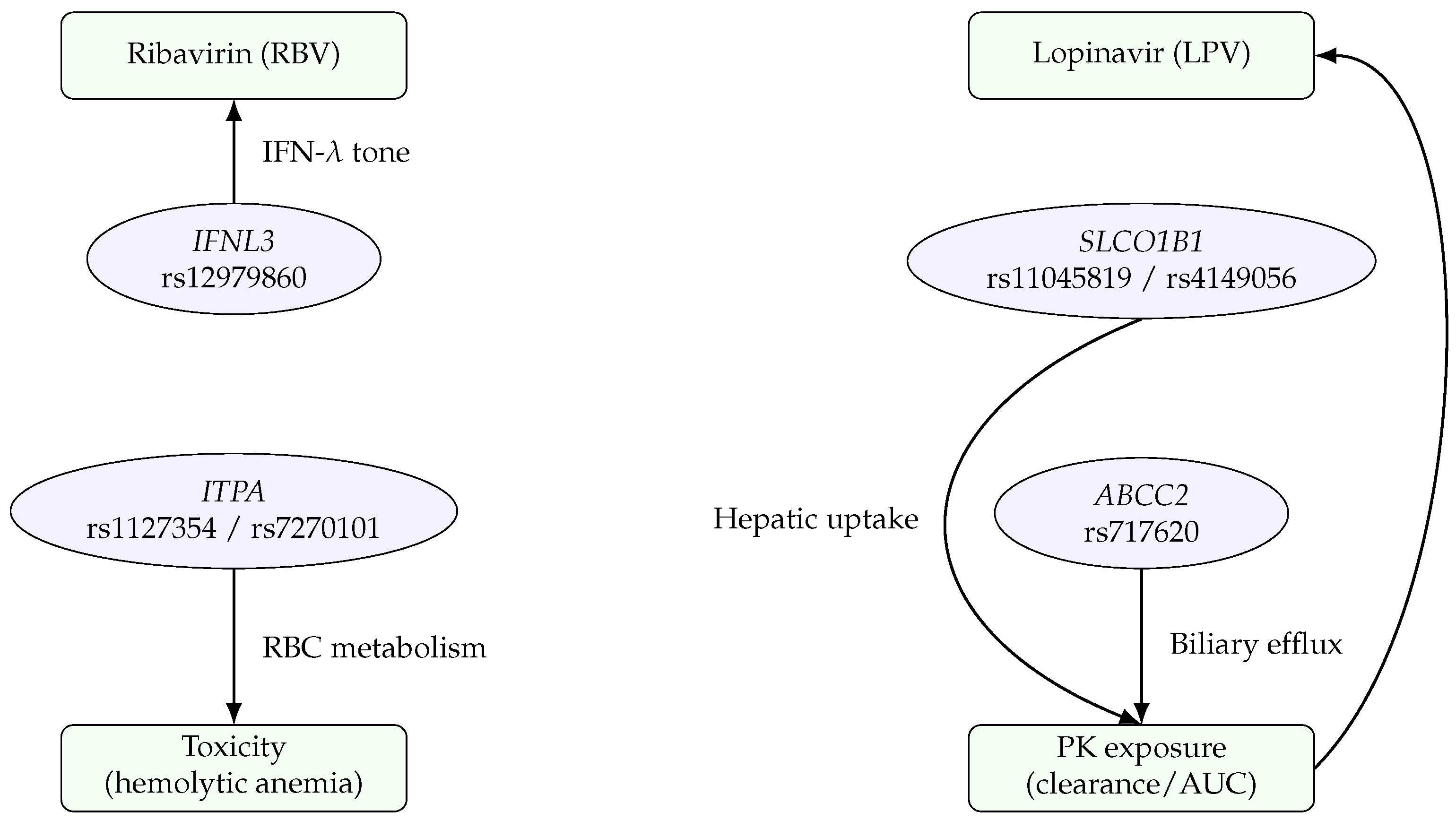
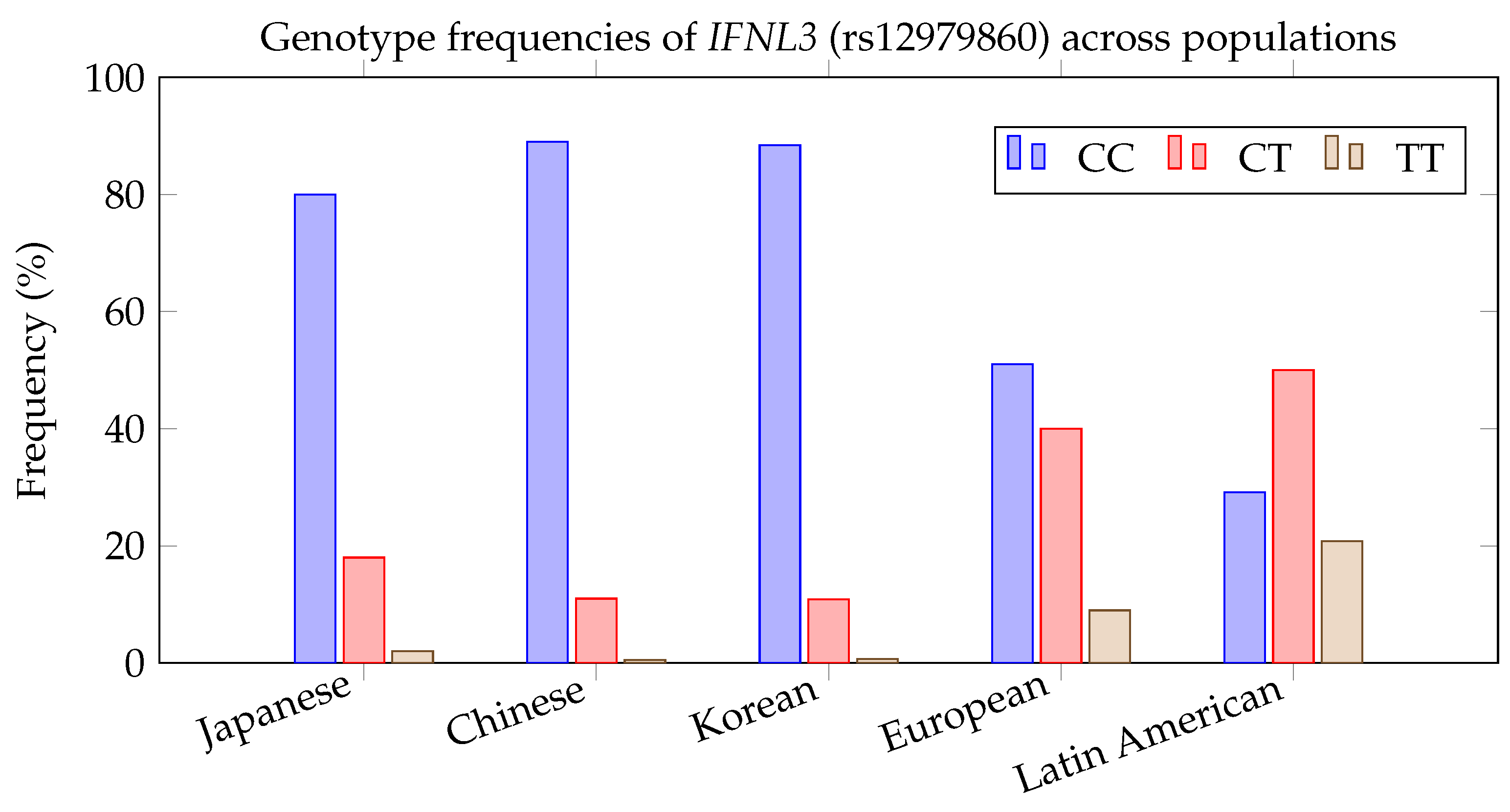
4.2. Ribavirin: Pharmacogenomic Findings and Repurposing Beyond HCV
4.3. Case Study 2: Lopinavir Pharmacogenomics and Machine Learning Repurposing
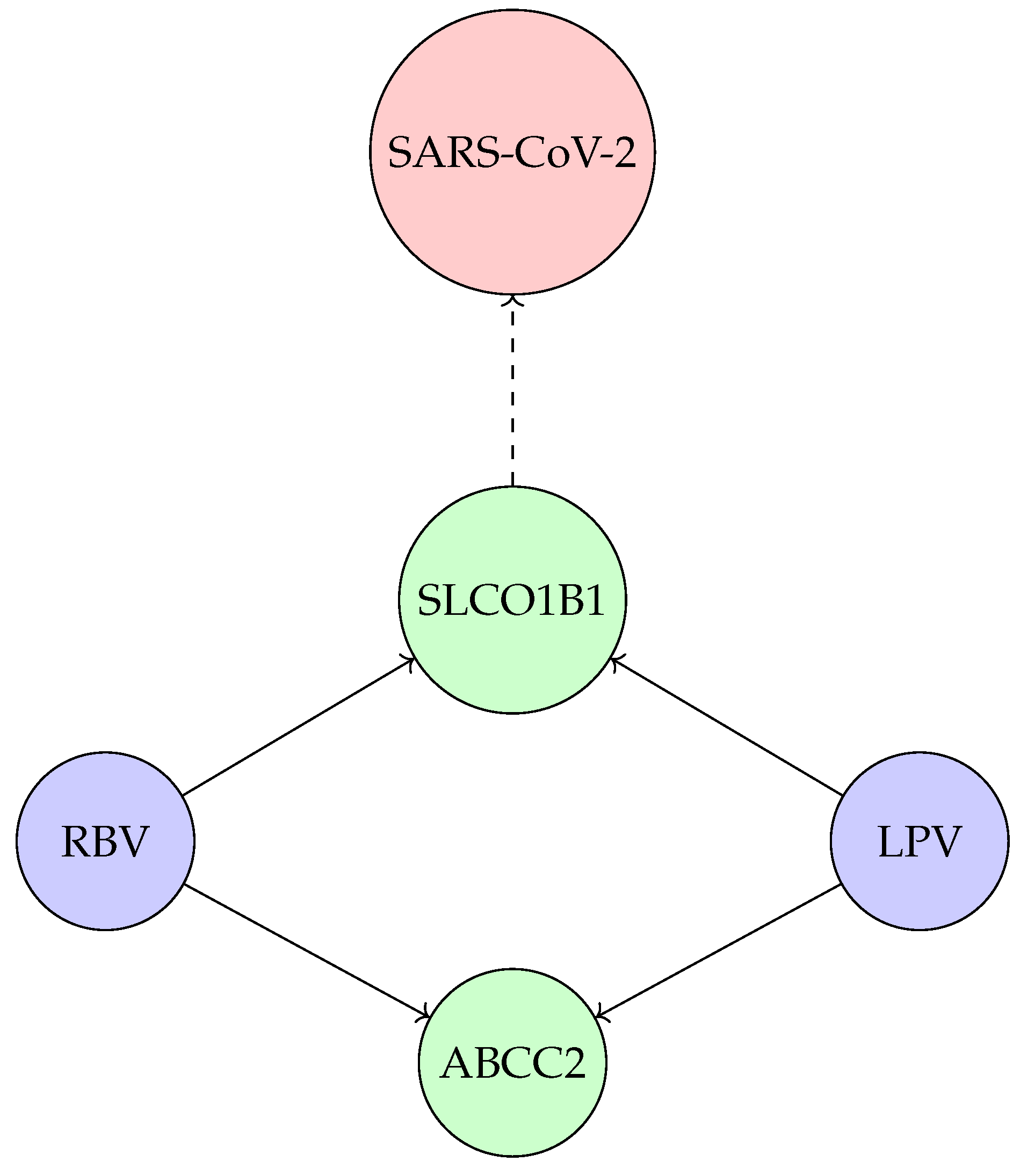
4.4. Lopinavir: Pharmacogenomic Interactions and Antiviral Efficacy
4.5. AI-Assisted Drug Repurposing: Successes and Limitations
- (1)
- Disadvantages and error profiles of AI-based repurposing.
- (2)
- Regulatory status and protocols toward a real drug substance.
- (3)
- Outlook: how AI can yield more reliable results.
- (4)
- Health risks associated with AI techniques.
5. Conclusions and Future Work
- Integration of multi-omics and clinical data: Pattern recognition models must evolve beyond single-modality inputs. A genomic signal may be informative, but its predictive power is amplified when integrated with other biological and clinical features. Multi-omics data—including transcriptomics, proteomics, and metabolomics—combined with real-world evidence such as electronic health records (EHRs), comorbidity profiles, and longitudinal treatment data, offer a more complete basis for inference. Emerging architectures in multimodal deep learning are well-suited to such integrative tasks. However, realizing this potential depends on coordinated data-sharing efforts, high-quality annotation standards, and robust ethical safeguards to protect patient privacy.
- Algorithms for causality and interpretability: One key limitation of current AI approaches in pharmacogenomics and drug repurposing is their reliance on correlational patterns. Future models must incorporate causal reasoning to distinguish confounding from true biological effects. Furthermore, interpretability is not optional. Clinicians and regulators need to understand why a model recommends a certain drug for a given patient or condition. Causal inference methods (e.g., structural causal models and counterfactual analysis), interpretable ML techniques (e.g., attention visualization and SHAP values), and hybrid approaches that embed mechanistic biological knowledge (e.g., pathway-aware networks) are all promising directions to enhance the transparency and trustworthiness of pattern recognition in biomedicine.
- Emphasis on combination therapies and complex patterns: Much of the existing work in both pharmacogenomics and repurposing has focused on single-drug, single-gene associations. Yet clinical reality often involves combination regimens and polygenic influences. Pattern recognition must account for drug–drug interactions, potential synergistic or antagonistic effects, and stratified patient responses. Deep learning frameworks for drug synergy prediction and tools to derive polygenic risk or response scores from large-scale genomic data are being actively developed and should be incorporated into future studies. The COVID-19 experience has illustrated the limitations of monotherapy and the potential of strategic combinations—such as antivirals paired with immunomodulators—identified via complementary pattern signals.
- Real-time learning and adaptation: A major lesson from the pandemic is the need for adaptable models that update as new data arrive. Static predictions based on early assumptions may not hold as evidence evolves. Pattern recognition systems should be designed for continuous learning, ideally within federated learning architectures that respect data sovereignty. These systems can ingest updated clinical trial results, EHR data, and genomic findings to recalibrate drug prioritization, dosing strategies, or patient stratification recommendations. Such responsiveness enhances both the scientific robustness and the clinical utility of AI-guided pharmacotherapy.
- Implementation and ethical considerations: As pattern recognition systems mature, implementation challenges will become paramount. Clinical decision support tools that integrate AI-derived predictions into prescribing workflows must be co-designed with end users to ensure usability and safety. Regulatory frameworks will need to assess not only the efficacy of drugs but also the validity of the algorithms used to select or personalize them. Ethically, special care is needed to avoid algorithmic bias. For example, pharmacogenomic patterns derived from a limited subset of populations may not generalize, potentially exacerbating health disparities. Diverse, representative training datasets and transparent reporting of model performance across subgroups are essential safeguards.
5.1. Preclinical Validation of Computational Hypotheses
- Conduct biochemical binding assays (e.g., surface plasmon resonance, fluorescence polarization, or differential scanning fluorimetry) to verify predicted affinities between ribavirin/lopinavir and their proposed viral or host targets.
- Perform molecular docking and dynamics simulations under controlled conditions to quantify binding stability, validate predicted Kd ranges, and assess allosteric or competitive effects suggested by the deep learning models.
- Use transcriptomic perturbation assays in human cell lines to confirm that predicted signature reversals (from CMap or LINCS data) correspond to actual gene expression changes upon drug exposure.
5.2. Pharmacogenomic Stratification In Vitro
- Establish CRISPR/Cas9-edited cell lines carrying specific variants such as IFNL3 rs12979860, ITPA rs1127354/rs7270101, SLCO1B1 rs4149056, and ABCC2 rs717620 to reproduce interindividual variability.
- Assess differences in antiviral efficacy, cytotoxicity, and metabolite accumulation across genotypes under identical drug concentrations.
- Apply omics-level readouts (RNA-seq and metabolomics) to validate that genotype-dependent patterns predicted by machine learning correspond to real molecular phenotypes.
5.3. In Vivo Pharmacokinetic and Pharmacodynamic Modeling
- Conduct pharmacokinetic (PK) profiling in humanized or transgenic models carrying orthologous polymorphisms of ITPA or SLCO1B1, evaluating differences in absorption, clearance, and toxicity.
- Integrate experimental PK/PD parameters into machine learning simulations to iteratively retrain predictive models, achieving bidirectional refinement between computation and biology.
5.4. Early-Phase Clinical Validation and Biomarker Translation
- Design phase I–II genotype-stratified clinical trials for ribavirin or lopinavir combinations, recruiting participants based on their IFNL3, ITPA, or transporter genotypes.
- Collect and integrate multi-omics patient data (genomic, transcriptomic, metabolomic) into the same computational framework used in silico, closing the feedback loop between prediction and observation.
- Employ explainable AI techniques (e.g., SHAP and integrated gradients) to interpret patient-specific outcomes and refine biomarker selection for precision dosing.
5.5. Concluding Remarks
Author Contributions
Funding
Data Availability Statement
Conflicts of Interest
Abbreviations
| AI | Artificial Intelligence |
| ABCC2 | ATP-Binding Cassette Subfamily C Member 2 (MRP2) |
| ANN | Artificial Neural Network |
| AUC | Area Under the Curve |
| AUPRC | Area Under the Precision–Recall Curve |
| CC | Cytokine Cluster (context: genotype CC for IFNL3 rs12979860) |
| CNN | Convolutional Neural Network |
| CPI | Compound–Protein Interaction |
| COVID-19 | Coronavirus Disease 2019 |
| DL | Deep Learning |
| DTI | Drug–Target Interaction |
| GNN | Graph Neural Network |
| GWAS | Genome-Wide Association Study/Studies |
| IFNL3 | Interferon Lambda 3 |
| ITPA | Inosine Triphosphatase |
| Kd | Dissociation Constant (binding affinity) |
| LASSO | Least Absolute Shrinkage and Selection Operator |
| LINCS | Library of Integrated Network-Based Cellular Signatures |
| LPV | Lopinavir |
| ML | Machine Learning |
| MPXV | Monkeypox Virus |
| mRMR | minimum Redundancy Maximum Relevance |
| MT-DTI | Molecule Transformer–Drug–Target Interaction |
| PPI | Protein–Protein Interaction |
| PGx | Pharmacogenomics |
| PK | Pharmacokinetics |
| PD | Pharmacodynamics |
| RBV | Ribavirin |
| RF | Random Forest |
| RNN | Recurrent Neural Network |
| SARS-CoV-2 | Severe Acute Respiratory Syndrome Coronavirus 2 |
| SLC28A1/A2/A3 | Solute Carrier Family 28 Members (Nucleoside Transporters) |
| SLC29A1 | Solute Carrier Family 29 Member 1 (ENT1 Transporter) |
| SLCO1B1 | Solute Carrier Organic Anion Transporter Family Member 1B1 (OATP1B1) |
| SNP | Single-Nucleotide Polymorphism |
| SVM | Support Vector Machine |
| TxGNN | Therapeutic Graph Neural Network |
| VCTatMLP | Virus–Compound–Target attentional Multi-Layer Perceptron |
| VCTatDot | Virus–Compound–Target attentional Dot-Product Model |
References
- Ke, W.; Hwang, Y.; Lin, E. Pharmacogenomics of drug efficacy in the interferon treatment of chronic hepatitis C using classification algorithms. Adv. Appl. Bioinform. Chem. 2010, 3, 39–44. [Google Scholar] [CrossRef]
- Lin, E.; Hwang, Y.; Wang, S.; Gu, Z.J.; Chen, E.Y. An artificial neural network approach to the drug efficacy of interferon treatments. Pharmacogenomics 2006, 7, 1017–1024. [Google Scholar] [CrossRef]
- Lin, E.; Hwang, Y. A support vector machine approach to assess drug efficacy of interferon-α and ribavirin combination therapy. Mol. Diagn. Ther. 2008, 12, 219–223. [Google Scholar] [CrossRef] [PubMed]
- Diao, J.A.; Raza, M.M.; Venkatesh, K.P.; Kvedar, J.C. Computational drug repurposing in the age of COVID-19: Mixing antiviral cocktails in silico. NPJ Digit. Med. 2022, 5, 52. [Google Scholar] [CrossRef] [PubMed]
- Richardson, P.; Griffin, I.; Tucker, C.; Smith, D.; Oechsle, O.; Phelan, A.; Stebbing, J. Baricitinib as potential treatment for 2019-nCoV acute respiratory disease. Lancet 2020, 395, e30–e31. [Google Scholar] [CrossRef] [PubMed]
- Biswas, M.; Sawajan, N.; Rungrotmongkol, T.; Sanachai, K.; Ershadian, M.; Sukasem, C. Pharmacogenetics and Precision Medicine Approaches for the Improvement of COVID-19 Therapies. Front. Pharmacol. 2022, 13, 835136. [Google Scholar] [CrossRef]
- Huang, K.; Chandak, P.; Wang, Q.; Havaldar, S.; Vaid, A.; Leskovec, J.; Nadkarni, G.; Glicksberg, B.S.; Gehlenborg, N.; Zitnik, M. A foundation model for clinician-centered drug repurposing. Nat. Med. 2024, 30, 3601–3613. [Google Scholar] [CrossRef]
- Subramanian, A.; Narayan, R.; Corsello, S.M.; Peck, D.D.; Natoli, T.E.; Lu, X.; Gould, J.; Davis, J.F.; Tubelli, A.A.; Asiedu, J.K.; et al. A Next Generation Connectivity Map: L1000 Platform and the First 1,000,000 Profiles. Cell 2017, 171, 1437–1452.e17. [Google Scholar] [CrossRef]
- Himmelstein, D.S.; Lizee, A.; Hessler, C.; Brueggeman, L.; Chen, D.; Hadley, D.; Green, A.; Khankhanian, P.; Baranzini, S.E. Systematic integration of biomedical knowledge prioritizes drugs for repurposing. eLife 2017, 6, e26726. [Google Scholar] [CrossRef]
- Krishnamurthy, N.; Grimshaw, A.A.; Axson, S.A.; Choe, S.H.; Miller, J.E. Drug repurposing: A systematic review on root causes, barriers and facilitators. BMC Health Serv. Res. 2022, 22, 970. [Google Scholar] [CrossRef]
- Lin, E.; Hwang, Y.; Liang, K.; Chen, E.Y. Pattern-recognition techniques with haplotype analysis in pharmacogenomics. Pharmacogenomics 2007, 8, 75–83. [Google Scholar] [CrossRef]
- Lin, E.; Lin, C.; Lane, H. Machine Learning and Deep Learning for the Pharmacogenomics of Antidepressant Treatments. Clin. Psychopharmacol. Neurosci. 2021, 19, 577–588. [Google Scholar] [CrossRef] [PubMed]
- Thompson, A.J.; Fellay, J.; Patel, K.; Tillmann, H.L.; Naggie, S.; Ge, D.; Urban, T.J.; Shianna, K.V.; Muir, A.J.; Fried, M.W.; et al. Variants in the ITPA gene protect against ribavirin-induced hemolytic anemia and decrease the need for ribavirin dose reduction. Gastroenterology 2010, 139, 1181–1190. [Google Scholar] [CrossRef] [PubMed]
- Wang, C.; Hwang, Y.; Lin, E. Pharmacogenomics of chronic hepatitis C therapy with genome-wide association studies. J. Exp. Pharmacol. 2010, 2, 73–82. [Google Scholar] [CrossRef] [PubMed]
- Li, H.; Huang, F.; Liao, H.; Li, Z.; Feng, K.; Huang, T.; Cai, Y.D. Identification of COVID-19-Specific Immune Markers Using a Machine Learning Method. Front. Mol. Biosci. 2022, 9, 952626. [Google Scholar] [CrossRef]
- Chithrananda, S.; Grand, G.; Ramsundar, B. ChemBERTa: Large-Scale Self-Supervised Pretraining for Molecular Property Prediction. arXiv 2020, arXiv:2010.09885. [Google Scholar]
- Huang, K.; Fu, T.; Gao, W.; Zhao, Y.; Roohani, Y.; Leskovec, J.; Coley, C.; Xiao, C.; Sun, J. DeepPurpose: A deep learning library for drug–target interaction prediction. Bioinformatics 2020, 36, 5545–5547. [Google Scholar] [CrossRef]
- Preuer, K.; Lewis, R.P.I.; Hochreiter, S.; Bender, A.; Bulusu, K.C.; Klambauer, G. DeepSynergy: Predicting anti-cancer drug synergy with Deep Learning. Bioinformatics 2018, 34, 1538–1546. [Google Scholar] [CrossRef]
- Wan, F.; Zhu, Y.X.; Hu, H.; Dai, A.J.; Cai, X.; Chen, L.; Gong, H.; Xia, T.; Yang, D.; Wang, M.-W.; et al. DeepCPI: A Deep Learning-Based Framework for Large-Scale in silico Drug Screening. Genom. Proteom. Bioinform. 2019, 17, 478–495. [Google Scholar] [CrossRef]
- Wu, Y.; Gao, M.; Zeng, M.; Zhang, J.; Li, M. BridgeDPI: A novel Graph Neural Network for predicting drug–protein interactions. Bioinformatics 2022, 38, 2571–2578. [Google Scholar] [CrossRef]
- Zheng, J.; Xiao, X.; Qiu, W.-R. DTI-BERT: Identifying Drug-Target Interactions in Cellular Networking Based on BERT and Deep Learning Method. Front. Genet. 2022, 13, 859188. [Google Scholar] [CrossRef] [PubMed]
- Corsello, S.M.; Bittker, J.A.; Liu, Z.; Gould, J.; McCarren, P.; Hirschman, J.E.; Johnston, S.E.; Vrcic, A.; Wong, B.; Khan, M.; et al. The Drug Repurposing Hub: A next-generation drug library and information resource. Nat. Med. 2017, 23, 405–408. [Google Scholar] [CrossRef] [PubMed]
- Beck, B.R.; Shin, B.C.; Choi, Y.S.; Park, S.; Kang, K.T. Predicting commercially available antiviral drugs that may act on the novel coronavirus (SARS-CoV-2) through a drug-target interaction deep learning model. Comput. Struct. Biotechnol. J. 2020, 18, 784–790. [Google Scholar] [CrossRef] [PubMed]
- RECOVERY Collaborative Group. Effect of Hydroxychloroquine in Hospitalized Patients with COVID-19. N. Engl. J. Med. 2020, 383, 2030–2040. [Google Scholar] [CrossRef]
- RECOVERY Collaborative Group. Lopinavir–ritonavir in patients admitted to hospital with COVID-19 (RECOVERY): A randomised, controlled, open-label, platform trial. Lancet 2020, 396, 1345–1352. [Google Scholar] [CrossRef]
- WHO Solidarity Trial Consortium. Repurposed Antiviral Drugs for COVID-19—Interim WHO Solidarity Trial Results. N. Engl. J. Med. 2021, 384, 497–511. [Google Scholar] [CrossRef]
- Kalil, A.C.; Patterson, T.F.; Mehta, A.K.; Tomashek, K.M.; Wolfe, C.R.; Ghazaryan, V.; Marconi, V.C.; Ruiz-Palacios, G.M.; Hsieh, L.; Kline, S.; et al. Baricitinib plus Remdesivir for Hospitalized Adults with Covid-19. N. Engl. J. Med. 2021, 384, 795–807. [Google Scholar] [CrossRef]
- Pinzi, L.; Rastelli, G.; Bisi, N. How drug repurposing can advance drug discovery. Front. Drug Discov. 2024, 4, 1460100. [Google Scholar] [CrossRef]
- Pan, X.; Lin, X.; Cao, D.; Zeng, X.; Yu, P.S.; He, L.; Nussinov, R.; Cheng, F. Deep Learning for Drug Repurposing: Methods, Databases, and Applications. WIREs Comput. Mol. Sci. 2022, 12, e1597. [Google Scholar] [CrossRef]
- Zhou, Y.; Hou, Y.; Shen, J.; Mehra, R.; Kallianpur, A.; Culver, D.A.; Gack, M.U.; Farha, S.; Zein, J.; Comhair, S.; et al. A network medicine approach to investigation and population-based validation of disease manifestations and drug repurposing for COVID-19. PLoS Biol. 2020, 18, e3000970. [Google Scholar] [CrossRef]
- Zhou, Y.; Hou, Y.; Shen, J.; Huang, Y.; Martin, W.; Cheng, F. Network-based drug repurposing for novel coronavirus 2019-nCoV/SARS-CoV-2. Cell Discov. 2020, 6, 14. [Google Scholar] [CrossRef]
- Kalil, A.C.; Stebbing, J. Baricitinib: The first immunomodulatory treatment to reduce COVID-19 mortality in a placebo-controlled trial. Lancet Respir. Med. 2021, 9, 1349–1351. [Google Scholar] [CrossRef]
- Howell, R.; Clarke, M.A.; Reuschl, A.K.; Chen, T.; Abbott-Imboden, S.; Singer, M.; Lowe, D.M.; Bennett, C.L.; Chain, B.; Jolly, C.; et al. Executable network of SARS-CoV-2–host interaction predicts drug combination treatments. npj Digit. Med. 2022, 5, 18. [Google Scholar] [CrossRef]
- Self, W.H.; Semler, M.W.; Leither, L.M.; Casey, J.D.; Angus, D.C.; Brower, R.G.; Chang, S.Y.; Collins, S.P.; Eppensteiner, J.C.; Filbin, M.R.; et al. Effect of Hydroxychloroquine on Clinical Status at 14 Days in Hospitalized Patients With COVID-19. JAMA 2020, 324, 2165–2176. [Google Scholar] [CrossRef] [PubMed]
- Cao, B.; Wang, Y.; Wen, D.; Liu, W.; Wang, J.; Fan, G.; Ruan, L.; Song, B.; Cai, Y.; Wei, M.; et al. A Trial of Lopinavir–Ritonavir in COVID-19. N. Engl. J. Med. 2020, 382, 1787–1799. [Google Scholar] [CrossRef] [PubMed]
- Alhumaid, S.; Al Mutair, A.; Al Alawi, Z.; Alhmeed, N.; Zaidi, A.R.Z.; Tobaiqy, M. Efficacy and Safety of Lopinavir/Ritonavir for Treatment of COVID-19: A Systematic Review and Meta-Analysis. Trop. Med. Infect. Dis. 2020, 5, 180. [Google Scholar] [CrossRef] [PubMed]
- Brown, A.S.; Patel, C.J. A review of validation strategies for computational drug repositioning. Brief. Bioinform. 2018, 19, 174–177. [Google Scholar] [CrossRef]
- Cousins, H.C.; Nayar, A.; Altman, R. Computational approaches to drug repurposing: Methods, challenges, and opportunities. Annu. Rev. Biomed. Data Sci. 2024, 7, 15–29. [Google Scholar] [CrossRef]
- Majidifar, S.; Hooshmand, M. VCTatDot and VCTatMLP: Novel deep learning models with triadic attention embeddings for synergistic drug combination prediction. Sci. Rep. 2025, 15, 35113. [Google Scholar] [CrossRef]
- Hashemi, M.; Zabihian, A.; Hajsaeedi, M.; Hooshmand, M. Antivirals for monkeypox virus: Proposing an effective machine/deep learning framework. PLoS ONE 2024, 19, e0299342. [Google Scholar] [CrossRef]
- Kalakoti, Y.; Yadav, S.; Sundar, D. TransDTI: Transformer-Based Language Models for Estimating DTIs and Building a Drug Recommendation Workflow. ACS Omega 2022, 7, 2706–2717. [Google Scholar] [CrossRef]
- Whata, A.; Chimedza, C. Deep Learning for SARS-CoV-2 Genome Sequences. IEEE Access 2021, 9, 59597–59611. [Google Scholar] [CrossRef] [PubMed]
- Mondello, A.; Dal Bo, M.; Toffoli, G.; Polano, M. Machine learning in onco-pharmacogenomics: A path to precision medicine with many challenges. Front. Pharmacol. 2024, 14, 1260276. [Google Scholar] [CrossRef] [PubMed]
- Del Casale, A.; Sarli, G.; Bargagna, P.; Polidori, L.; Alcibiade, A.; Zoppi, T.; Borro, M.; Gentile, G.; Zocchi, C.; Ferracuti, S.; et al. Machine Learning and Pharmacogenomics at the Time of Precision Psychiatry. Curr. Neuropharmacol. 2023, 21, 2395–2408. [Google Scholar] [CrossRef] [PubMed]
- Wekesa, J.S.; Kimwele, M. A review of multi-omics data integration through deep learning approaches for disease diagnosis, prognosis, and treatment. Front. Genet. 2023, 14, 1199087. [Google Scholar] [CrossRef]
- Zheng, Y.; Liu, Y.; Yang, J.; Dong, L.; Zhang, R.; Tian, S.; Yu, Y.; Ren, L.; Hou, W.; Zhu, F.; et al. Multi-omics data integration using ratio-based quantitative features. Nat. Biotechnol. 2024, 42, 1133–1149. [Google Scholar] [CrossRef]
- Jiang, W.; Li, Q.; Wang, Z. Network-based multi-omics integrative analysis methods in drug discovery: A systematic review. BioData Mining 2025, 18, 27. [Google Scholar] [CrossRef]
- Pandi, M.-T.; Koromina, M.; Tsafaridis, I.; Patsilinakos, S.; Christoforou, E.; van der Spek, P.J.; Patrinos, G.P. A novel machine learning-based approach for the computational functional assessment of pharmacogenomic variants. Hum. Genom. 2021, 15, 51. [Google Scholar] [CrossRef]
- Syedbasha, M.; Egli, A. Interferon lambda: Modulating immunity in infectious diseases. Front. Immunol. 2017, 8, 119. [Google Scholar] [CrossRef]
- Ridruejo, E. Treatment of chronic hepatitis C with pegylated interferon and ribavirin in treatment-naive patients in “true life”. Eur. J. Gastroenterol. Hepatol. 2011, 23, 195. [Google Scholar] [CrossRef]
- Pineda-Tenor, D.; García-Álvarez, M.; Jiménez-Sousa, M.A.; Vázquez-Morón, S.; Resino, S. Relationship between ITPA polymorphisms and hemolytic anemia in HCV-infected patients after ribavirin-based therapy: A meta-analysis. J. Transl. Med. 2015, 13, 320. [Google Scholar] [CrossRef]
- Lubomirov, R.; di Iulio, J.; Fayet, A.; Colombo, S.; Martinez, R.; Marzolini, C.; Furrer, H.; Vernazza, P.; Calmy, A.; Cavassini, M.; et al. ADME pharmacogenetics: Investigation of the pharmacokinetics of the antiretroviral agent lopinavir coformulated with ritonavir. Pharmacogenetics Genom. 2010, 20, 217–230. [Google Scholar] [CrossRef]
- de Bitencorte, J.T.; de Almeida, S.; Crescente, I.M.; de Lima, L.; Brandão-Mello, C.E.; Villela-Nogueira, C.A.; de Souza, E.F.; de Mello, C.E.; Bassani, L.; Villela, D.A.M.; et al. Association of interferon lambda-4 rs12979860 polymorphism with HCV-related hepatocellular carcinoma in a Brazilian population. World J. Hepatol. 2021, 13, 109–125. [Google Scholar] [CrossRef] [PubMed]
- Indolfi, G.; Mangone, G.; Bartolini, E.; Nebbia, G.; Calvo, P.L.; Moriondo, M.; Tovo, P.A.; de Martino, M.; Azzari, C.; Resti, M. Comparative Analysis of rs12979860 SNP of the IFNL3 Gene in Children with Hepatitis C and Ethnic Matched Controls Using 1000 Genomes Project Data. PLoS ONE 2014, 9, e85899. [Google Scholar] [CrossRef][Green Version]
- Kil, H.; Kim, S.Y.; Choi, M.J.; Kim, H.K.; Kim, S.H.; Kim, Y.W.; Kwon, S.H.; Lee, C.H.; Kim, S.H.; Kim, D.H. Role of Interleukin-28B Genetic Polymorphisms in Korean Patients with Chronic Hepatitis C. Gut Liver 2014, 8, 70–76. [Google Scholar] [CrossRef]
- Mansilla, F.C.; Parodi, A.; Pineda, L.; Giliberto, F.; Grasso, D.; Biondi, M.L. Impacto de la ancestría genética en la distribución del polimorfismo rs12979860 de IFNL3 en la población de Buenos Aires. BAG J. Basic Appl. Genet. 2022, 33, 19–28. [Google Scholar] [CrossRef]
- Takahashi, T.; Luzum, J.A.; Nicol, M.R.; Jacobson, P.A. Pharmacogenomics of COVID-19 therapies. npj Genom. Med. 2020, 5, 35. [Google Scholar] [CrossRef] [PubMed]
- Patel, C.N.; Mall, R.; Bensmail, H. AI-Driven Drug Repurposing and Binding Pose Metadynamics Identifies Novel Targets for Monkeypox Virus. J. Infect. Public Health 2023, 16, 799–807. [Google Scholar] [CrossRef]



| Approach | Data Type | Strengths | Limitations | Refs. |
|---|---|---|---|---|
| Knowledge graphs/ network mining | Drug–target, PPI, pathway graphs | Mechanistic paths; explainability; rapid hypothesis generation | Knowledge bias; incomplete graphs | [4,5] |
| Deep DTI/ chemogenomics | Molecular structures; target features | Learns complex nonlinear drug–target patterns | Data hungry; limited PK/PD context | [23,29] |
| Signature reversal (transcriptomics) | Drug/cell expression signatures | Matches drug-induced changes against disease signatures | Sensitive to batch effects and biological context | [30,31] |
| Executable/ systems networks | Virus–host causal models | Combination prediction; mechanistic insight | Heavy modeling effort; calibration needed | [4] |
| Technique | Task | Inputs | Typical Use in PGx | Refs. |
|---|---|---|---|---|
| SVM | Classification | SNPs; clinical covariates | Predict response to IFN + RBV | [1,3,14] |
| Random Forest | Feature selection | SNPs; gene expression | Biomarker ranking (variable importance) | [15] |
| Penalized GLM (LASSO) | Sparse modeling | High-dim. SNPs/omics | Compact predictive signatures | [14] |
| ANN/CNN/RNN | Representation learning | Sequences; multi-omics | Nonlinear patterns; sequence models | [2,12,42] |
| Haplotype analysis + pattern recognition | Association/cls. | Phased SNPs | Haplotype-aware predictors | [11] |
| GWAS + ML | Hybrid discovery | Genome-wide SNPs | From association to prediction | [14] |
| Drug | Gene | Variant (rsID) | Reported Effect | Refs. |
|---|---|---|---|---|
| RBV | IFNL3 | rs12979860 | Higher SVR with CC genotype in HCV; inferred relevance to RBV-based regimens | [13,49,50] |
| RBV | ITPA | rs1127354, rs7270101 | Reduced risk of RBV-induced hemolytic anemia (ITPase deficiency) | [13,51] |
| LPV | SLCO1B1 | rs11045819 (*4) | Increased LPV clearance (lower exposure) | [52] |
| LPV | SLCO1B1 | rs4149056 (*5) | Decreased LPV clearance (higher exposure) | [52] |
| LPV | ABCC2 | rs717620 | Transport variation associated with PK differences | [52] |
Disclaimer/Publisher’s Note: The statements, opinions and data contained in all publications are solely those of the individual author(s) and contributor(s) and not of MDPI and/or the editor(s). MDPI and/or the editor(s) disclaim responsibility for any injury to people or property resulting from any ideas, methods, instructions or products referred to in the content. |
© 2025 by the authors. Licensee MDPI, Basel, Switzerland. This article is an open access article distributed under the terms and conditions of the Creative Commons Attribution (CC BY) license (https://creativecommons.org/licenses/by/4.0/).
Share and Cite
Calvo, H.; Islas-Díaz, D.; Hernández-Laureano, E. Pattern Recognition Algorithms in Pharmacogenomics and Drug Repurposing—Case Study: Ribavirin and Lopinavir. Pharmaceuticals 2025, 18, 1649. https://doi.org/10.3390/ph18111649
Calvo H, Islas-Díaz D, Hernández-Laureano E. Pattern Recognition Algorithms in Pharmacogenomics and Drug Repurposing—Case Study: Ribavirin and Lopinavir. Pharmaceuticals. 2025; 18(11):1649. https://doi.org/10.3390/ph18111649
Chicago/Turabian StyleCalvo, Hiram, Diana Islas-Díaz, and Eduardo Hernández-Laureano. 2025. "Pattern Recognition Algorithms in Pharmacogenomics and Drug Repurposing—Case Study: Ribavirin and Lopinavir" Pharmaceuticals 18, no. 11: 1649. https://doi.org/10.3390/ph18111649
APA StyleCalvo, H., Islas-Díaz, D., & Hernández-Laureano, E. (2025). Pattern Recognition Algorithms in Pharmacogenomics and Drug Repurposing—Case Study: Ribavirin and Lopinavir. Pharmaceuticals, 18(11), 1649. https://doi.org/10.3390/ph18111649