Article

Development of Syringaldehyde as an Agonist of the GLP-1 Receptor to Alleviate Diabetic Disorders in Animal Models

1
Department of Neurosurgery, Da Chien General Hospital, Miaoli City 36052, Taiwan
2
Department of Nursing, Tzu Chi University of Science and Technology, Hualien City 970302, Taiwan
3
Graduate Institute of Medical Science, Chang Jung Christian University, Tainan City 71101, Taiwan
4
Department of Pharmacy, College of Pharmacy and Health Care, Tajen University, Pingtung 90741, Taiwan
*
Authors to whom correspondence should be addressed.
Pharmaceuticals 2024, 17(4), 538; https://doi.org/10.3390/ph17040538
Submission received: 15 March 2024 / Revised: 10 April 2024 / Accepted: 17 April 2024 / Published: 22 April 2024
(This article belongs to the Section Pharmacology)

Abstract

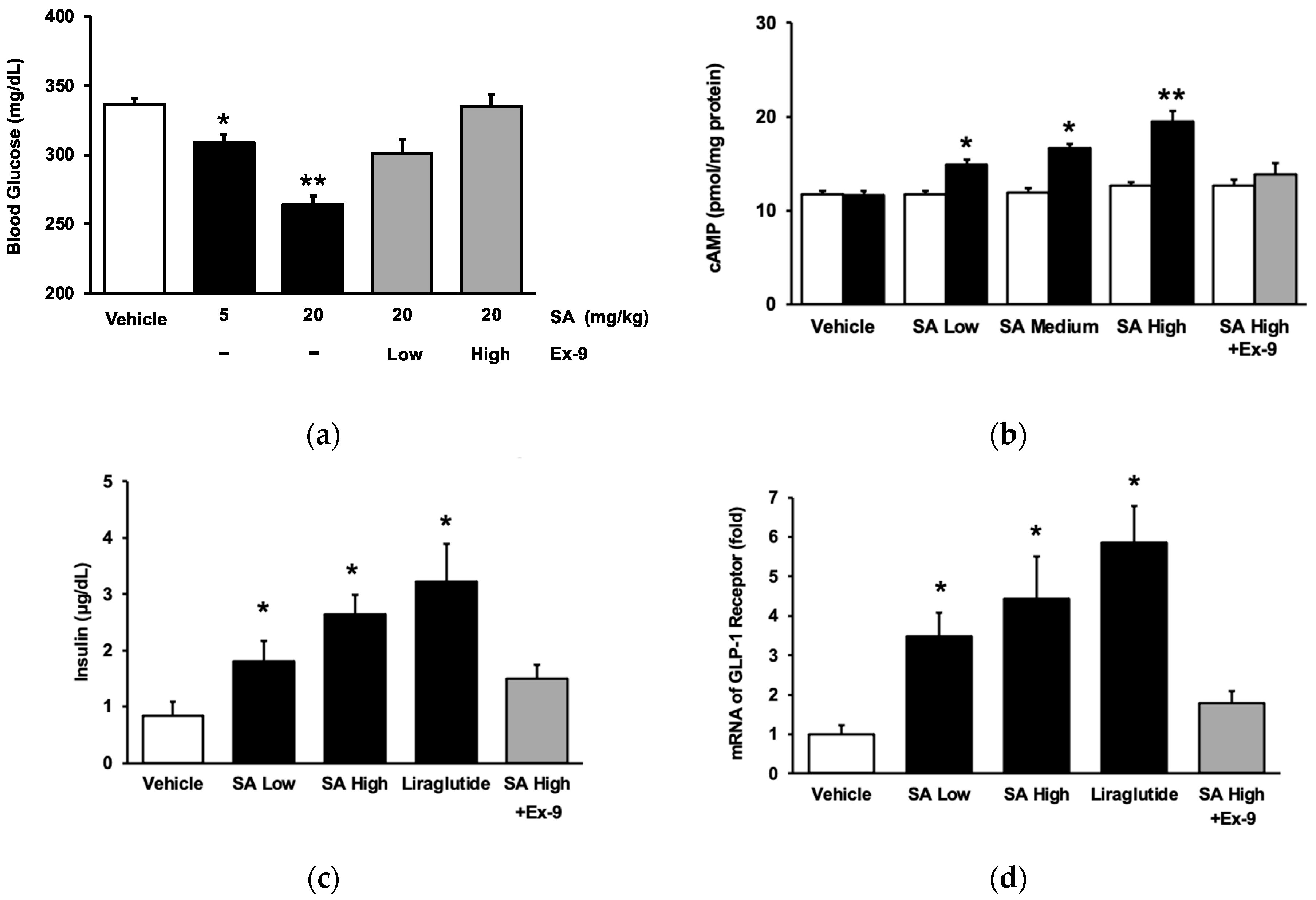
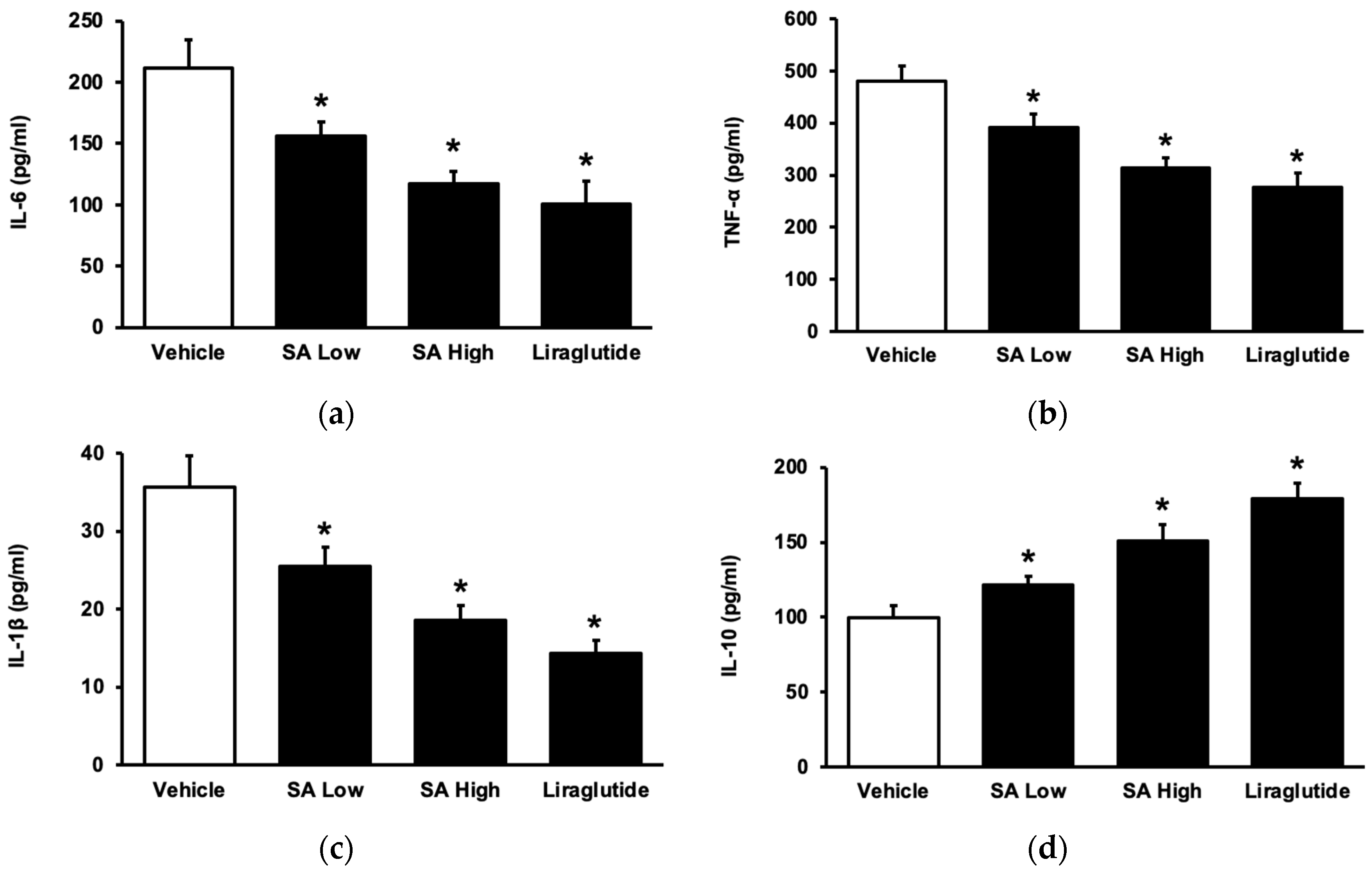
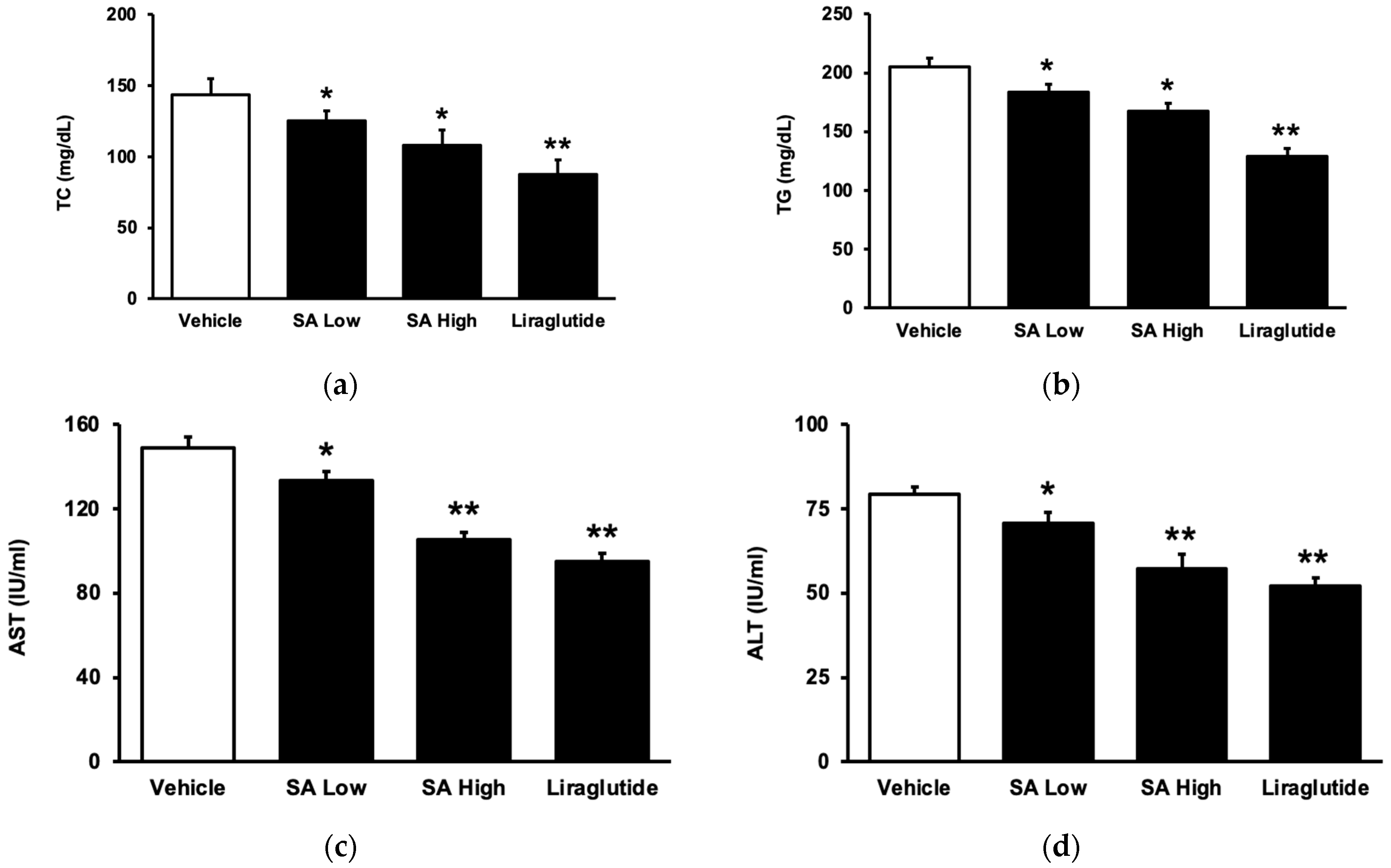
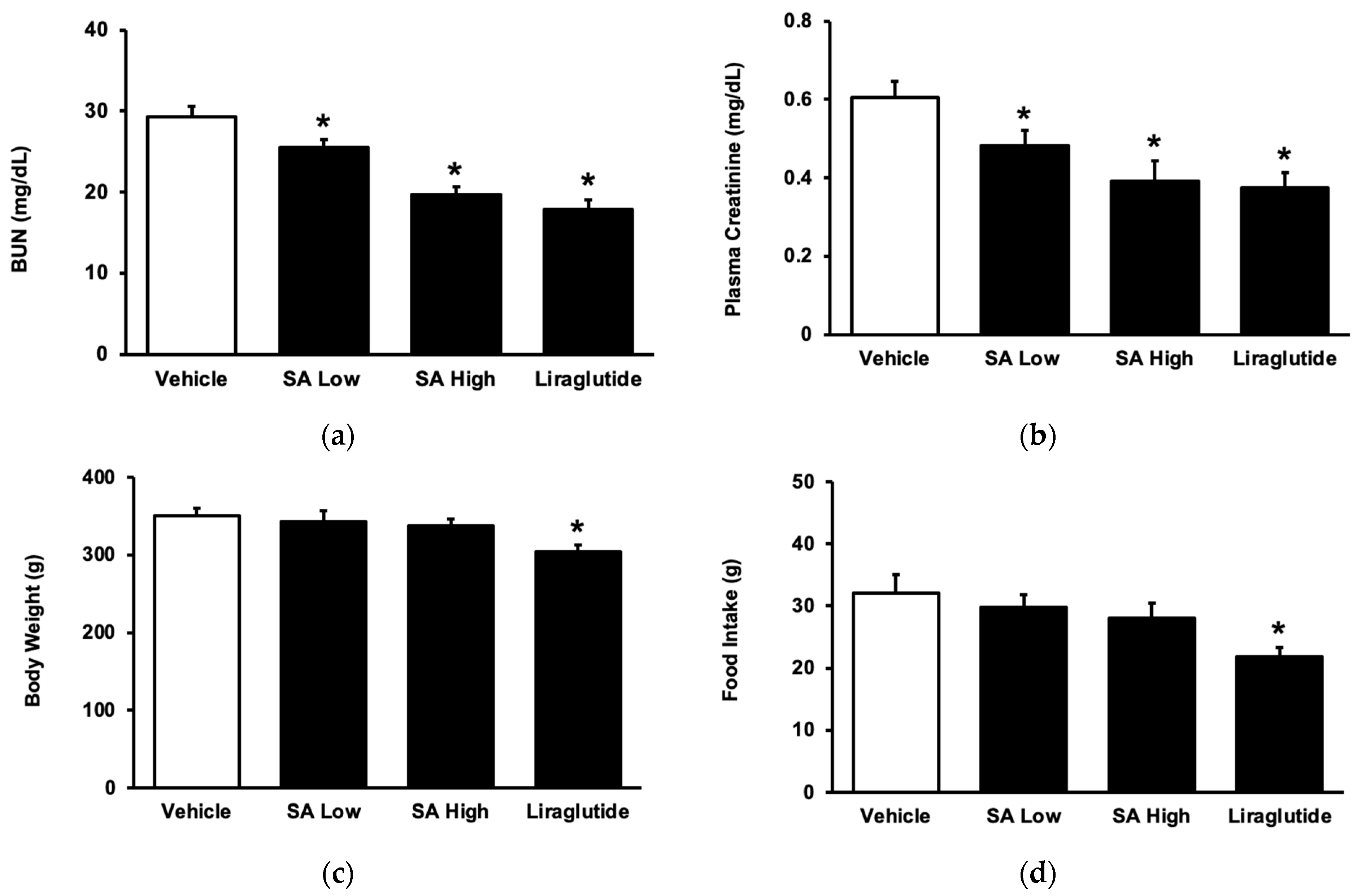
The phenolic aldehyde syringaldehyde (SA) has been shown to have an antihyperglycemic effect in diabetic rats due to increased glucose utilization and insulin sensitivity. To understand the direct effect of SA on the GLP-1 receptor, STZ-induced diabetic rats were used. The levels of pro-inflammatory cytokines, liver enzymes, and renal function were measured using specific ELISA kits. The mechanisms of SA effects were investigated using CHO-K1 cells, pancreatic Min-6 cells, and cardiomyocyte H9c2 cells. The results indicated that the antihyperglycemic effect of SA in diabetic rats was abolished by blocking the GLP-1 receptor with an antagonist. SA has a direct effect on the GLP-1 receptor when using CHO-K1 cells transfected with the exogenous GLP-1 receptor gene. In addition, SA stimulated insulin production in Min-6 cells by activating GLP-1 receptors. SA caused a dose-dependent rise in GLP-1 receptor mRNA levels in cardiac H9c2 cells. These in vitro results support the notion that SA has a direct effect on the GLP-1 receptor. Otherwise, SA inhibited the increase of pro-inflammatory cytokines, including interleukins and tumor TNF-α, in type 1 diabetic rats in a dose-dependent manner. Moreover, as with liraglutide, SA reduced plasma lipid profiles, including total cholesterol and triglyceride, in mixed diet-induced type 2 diabetic rats. Intriguingly, chronic treatment with SA (as with liraglutide) reversed the functions of both the liver and the kidney in these diabetic rats. SA displayed less efficiency in reducing body weight and food consumption compared to liraglutide. In conclusion, SA effectively activates GLP-1 receptors, resulting in a reduction in diabetic-related complications in rats. Therefore, it is beneficial to develop SA as a chemical agonist for clinical applications in the future.
Keywords: syringaldehyde; liraglutide; GLP-1 receptor; inflammatory cytokines; complications; diabetic rats syringaldehyde; liraglutide; GLP-1 receptor; inflammatory cytokines; complications; diabetic rats