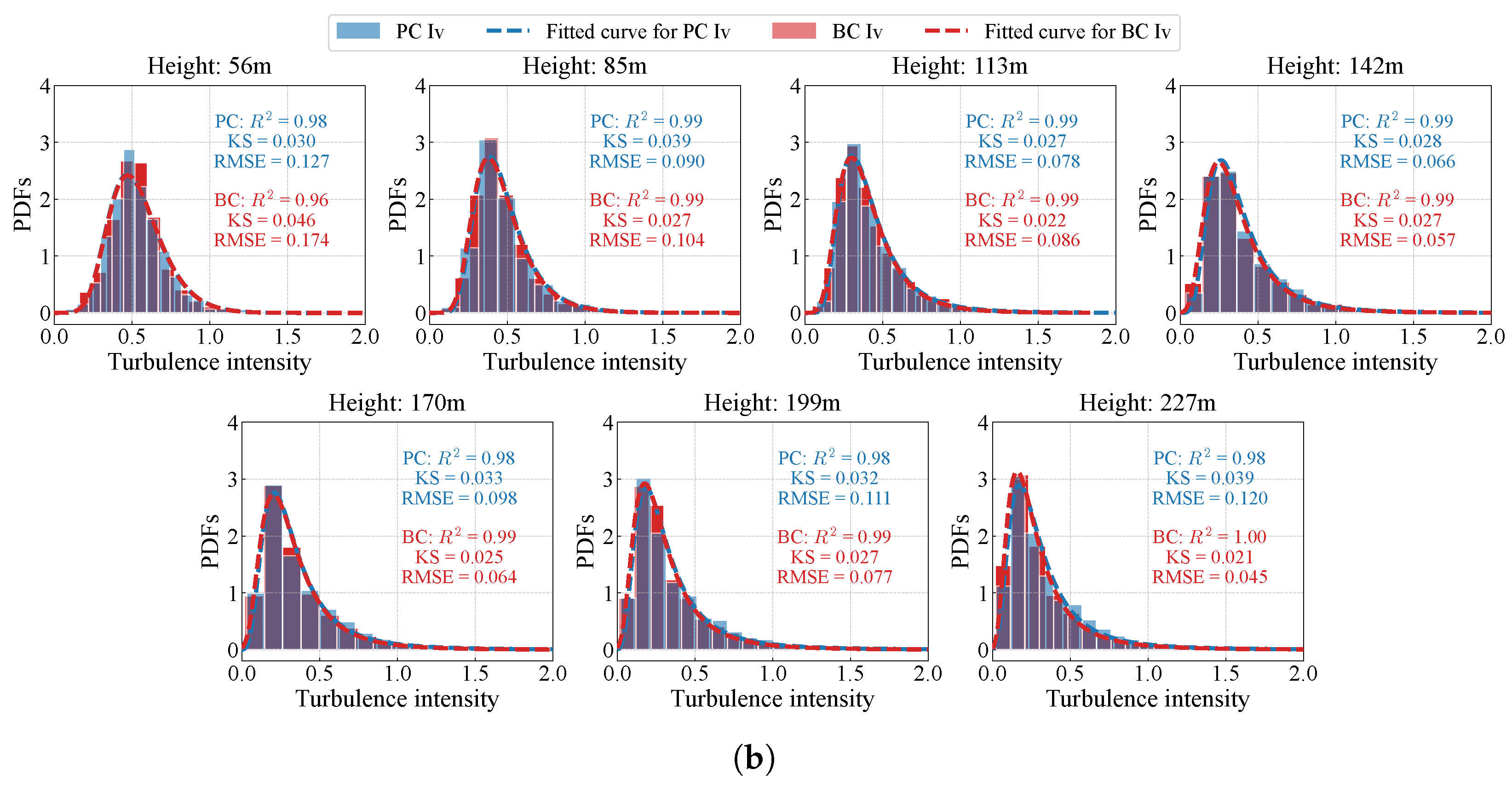
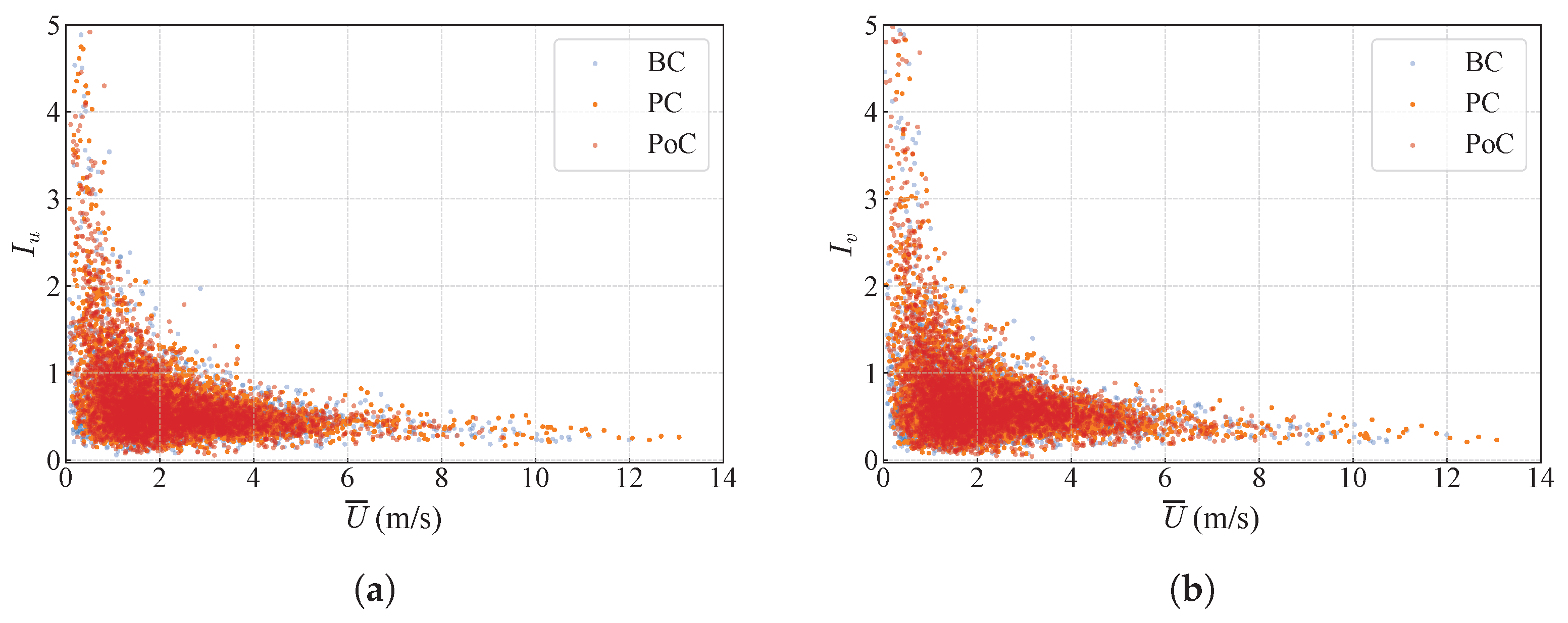
3.1. Wind Characteristics Along the Bridge Tower Axis
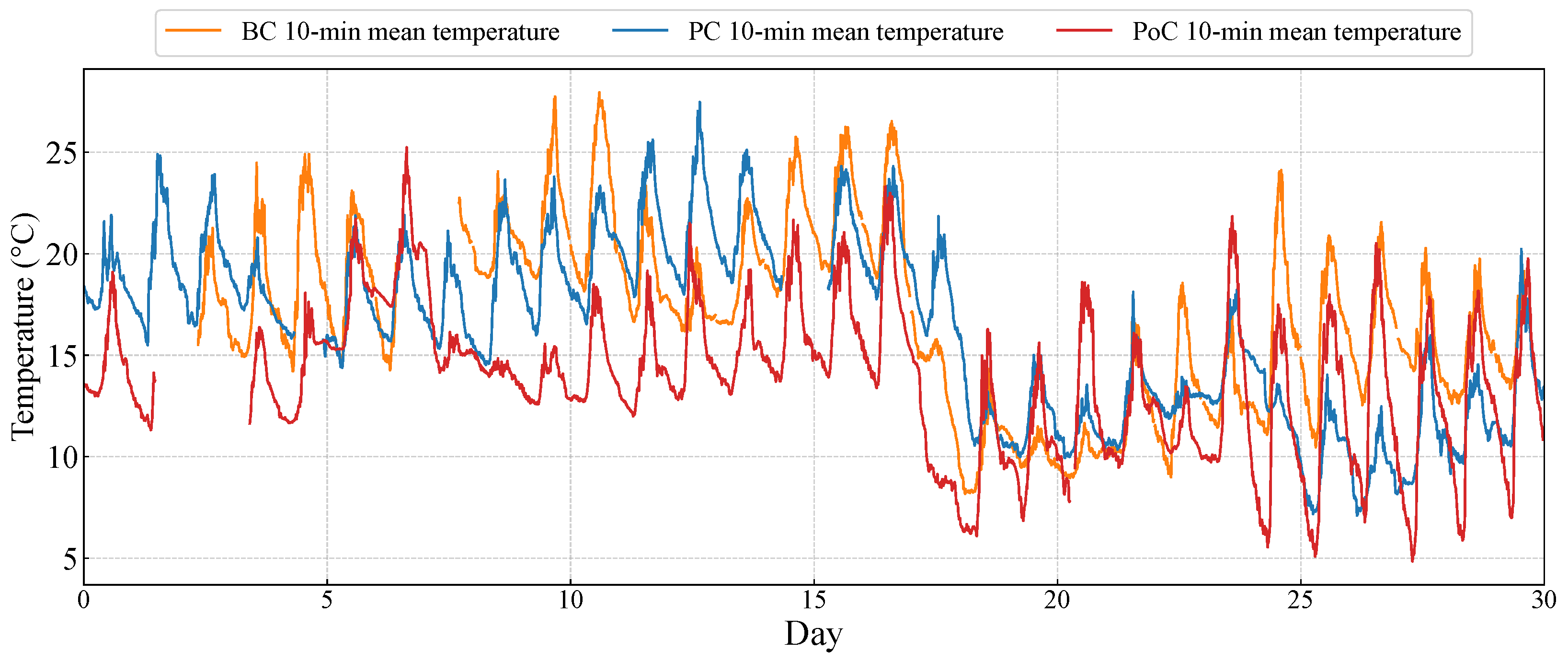
To ensure the comparability of the datasets and to mitigate the influence of inter-annual meteorological variations, several control measures are implemented. Considering that seasonal synoptic patterns and thermal effects significantly influence wind characteristics in complex mountain terrains [
39,
40], we selected data from the similar calendar months across different years. This seasonal matching strategy ensures that the background climatic conditions and solar radiation intensity remain as consistent as possible. As shown in
Figure 3, the temperature time series for both periods exhibit high consistency in both absolute values and trends, particularly the sharp decline observed after day. This suggests that the thermal forcing mechanisms driving the local valley winds are similar. By controlling for these primary environmental variables, the influence of natural climatic fluctuations is minimized.
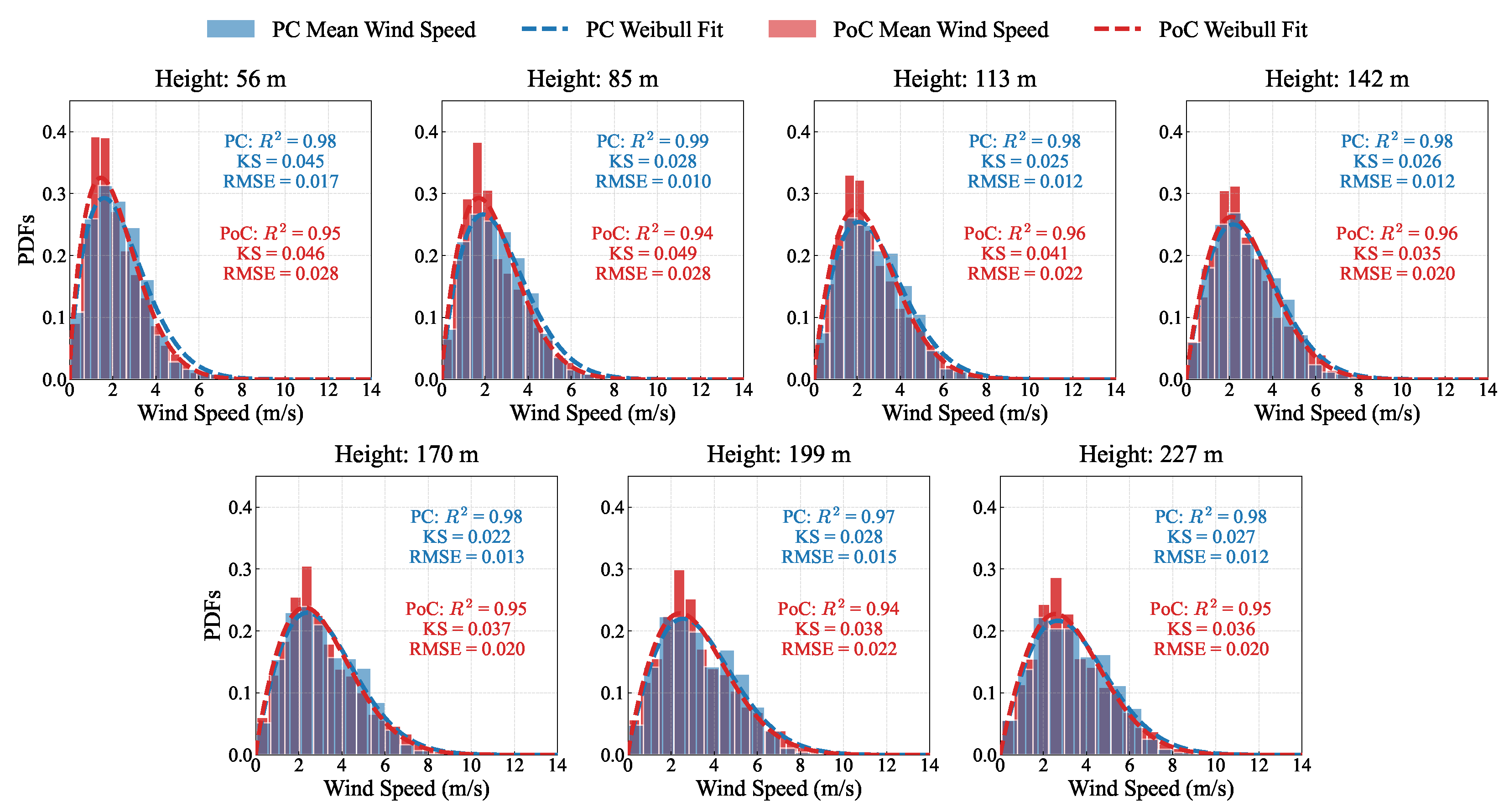
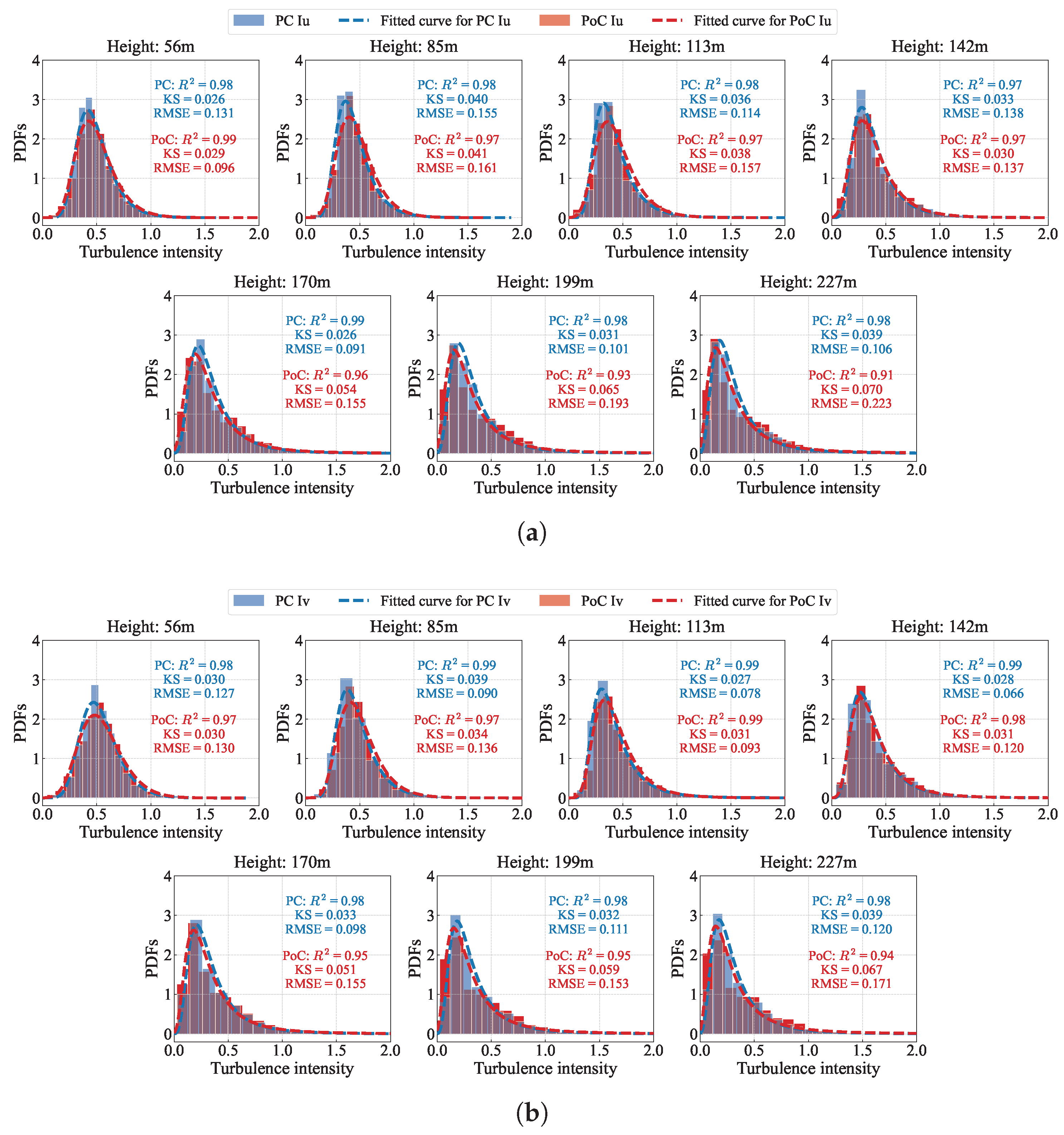
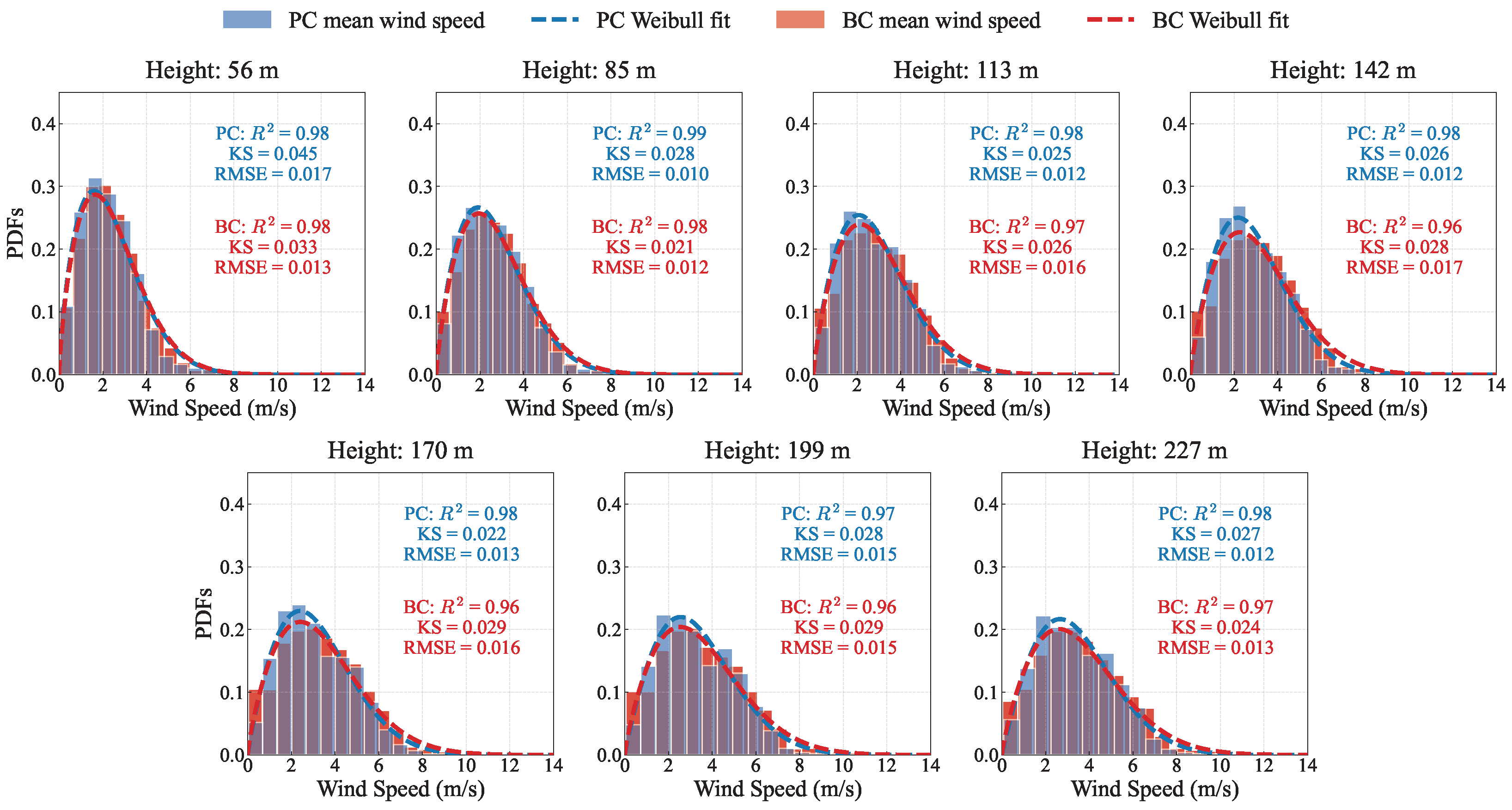
To investigate the differences in the statistical characteristics of wind speed before and after the bridge’s construction, the probability density function diagram is shown in
Figure 4. It can be observed that, after the bridge’s completion, the distribution of 10 min mean wind speed becomes more concentrated, with a smaller, more defined peak. Before the bridge’s completion, as height increases, the 10 min mean wind speed gradually show a bimodal distribution with two peaks. However, this pattern is not observed after the bridge is completed. For 10 min mean wind speed, we fit the data to a Weibull distribution, which has been widely validated for modeling wind speed data due to its flexibility in capturing the characteristic shape of wind speed distributions across different meteorological conditions [
41]. The probability density function (PDF) of the Weibull distribution is given by
where
,
is the location parameter,
is the scale parameter, and
is the shape parameter.
To measure the fit quality, three statistical indicators are employed, including the Kolmogorov–Smirnov (KS) test, the coefficient of determination (
), and the root mean square error (RMSE). The Kolmogorov–Smirnov (KS) test is used to quantify the maximum absolute difference between the empirical cumulative distribution function (ECDF) and the theoretical cumulative distribution function (CDF). It is defined as
where
and
denote the empirical and theoretical cumulative distribution functions, respectively. A smaller KS statistic indicates better agreement between the fitted distribution and the observed data. The coefficient of determination (
) [
42] evaluates the proportion of variance in the observed data explained by the fitted model, and is expressed as
where
is the mean value of the observations
,
is the fitted values. The root mean square error (RMSE) measures the average magnitude of the fitting error and is given by
After the bridge was constructed, the coefficient of determination (
) for fitting the mean wind speed distribution at various heights using the Weibull distribution is lower than the coefficient of determination (
) before construction. While
ranged from 0.97 to 0.99,
reached a maximum of only 0.96. Meanwhile, for the Weibull fitting of the mean wind speed, the KS statistics and RMSE values obtained after bridge construction are generally higher than those prior to construction. However, as shown in
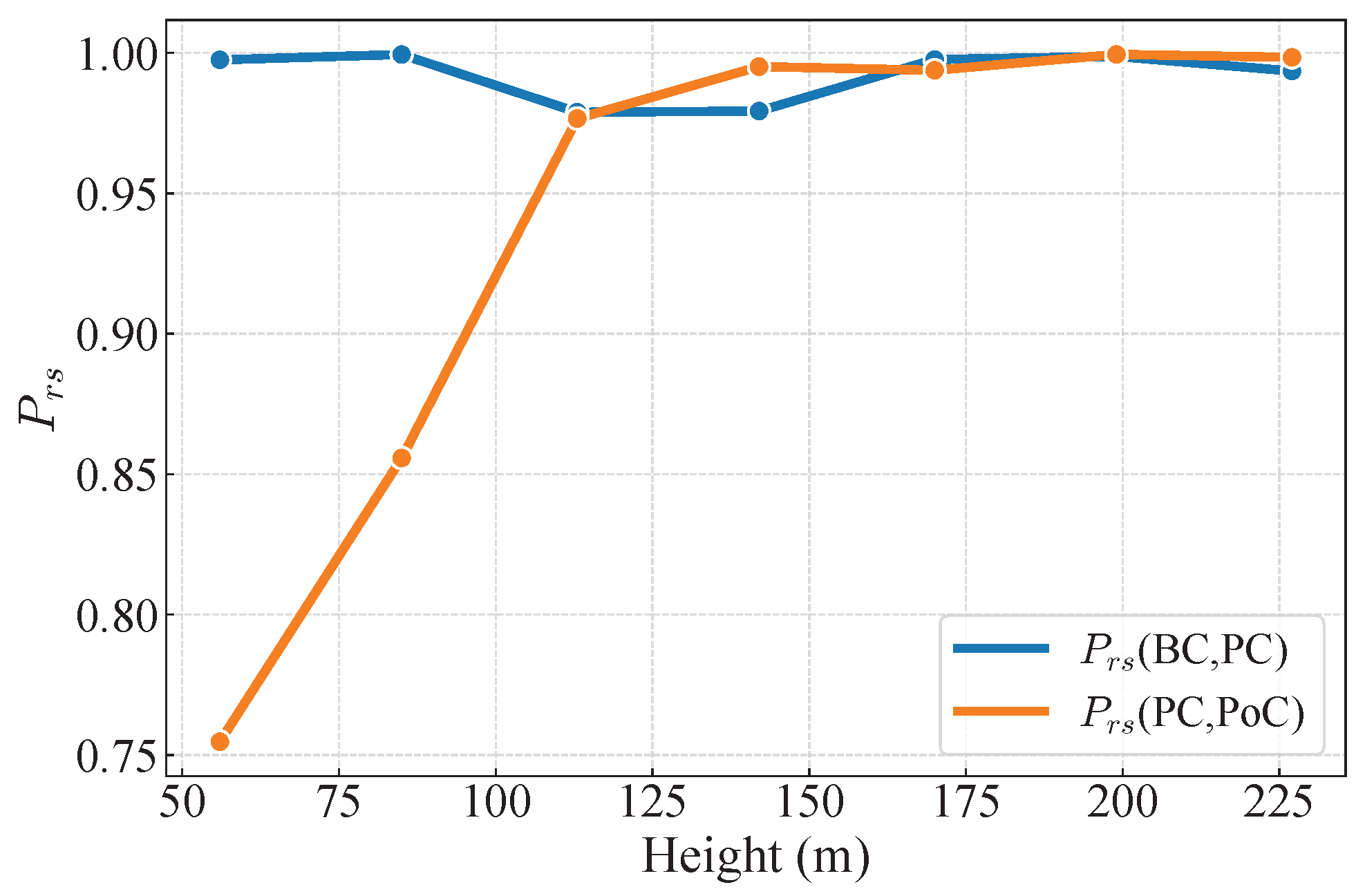
Figure A1, the probability densities of the two different periods before bridge construction are highly similar, and the Kolmogorov–Smirnov (KS) test and root mean square error (RMSE) for the Weibull distribution fitting are both very small, with the coefficient of determination exceeding 0.96. This indicates that the bridge structure had an impact on the probability distribution of mean wind speed. Under natural conditions, the statistical characteristics of wind speed in the atmospheric boundary layer are typically well described by a single Weibull distribution. However, after the bridge is constructed, the bridge tower acts as bluff bodies, causing flow separation and generating wake regions on the leeward side, which leads to a noticeable velocity deficit. As a result, the disturbed wind speed reflects a mix of free-stream flow and wake-affected flow, which skews the probability distribution by increasing the weight in the lower wind speed range and, consequently, reduces the goodness-of-fit of the Weibull model. This reduction in goodness-of-fit is limited and the Weibull distribution still provides a satisfactory description of the probability density of mean wind speed.
To quantify the variations in average wind speed induced by the bridge, the Kolmogorov–Smirnov (KS) test was conducted. Due to the large sample size, one-fifth of the data was randomly sampled, and the KS test was repeated 1000 times, with the average result reported. This approach was applied consistently in all analyses. The statistical results, including
p-values and KS statistics (
D), are summarized in
Table 1. When the measurement height is below the bridge tower (H < 142 m), the
p-values are consistently below 0.05. The relatively large
D values further confirm that the observed differences are not only statistically significant, but also physically substantial. In contrast, once the height exceeds 142 m, the
p-values increase above 0.05 and the
D statistics drop below 0.1, suggesting a negligible discrepancy between the two datasets. Furthermore, as a baseline comparison, the significance tests for the pre-construction period yield
p-values consistently exceeding 0.05 and
D values below 0.1, which demonstrate minimal inter-annual variability across the corresponding months prior to construction. Collectively, these findings indicated that the aerodynamic interference of the bridge tower on wind speed distributions is primarily confined within its vertical structural extent.
The 10 min mean wind speed at various heights before and after the bridge’s completion, along with their maximum values, are recorded in
Table 2. It is evident that wind speed at all heights are generally lower after the bridge’s construction. However, as height increases, the difference between pre-construction and post-construction 10 min mean wind speed gradually decreases, stabilizing markedly above 142 m, corresponds to the height of the bridge tower’s top. However, before the bridge construction, the differences in the corresponding months of consecutive years within the bridge tower height range are all below 5.4% (see
Table A1). At the same time, the maximum 10 min mean wind speed show larger discrepancies between pre-construction and post-construction conditions at lower elevations. In contrast, the differences in the maximum 10 min mean wind speed for the corresponding months of consecutive years before the bridge construction are all below 10%. The wind field at higher elevations experience minimal interference from bridge tower structures, although wind speed differences still persist. Moreover, slight differences in the mean wind speed values are also observed before the bridge construction. However, these differences can be considered independent of structural effects and are more likely attributable to natural variability caused by climatic factors such as atmospheric circulation. As a result, the greater disparity in the wind field observed at lower elevations before and after the bridge’s construction is attributed to interference from the bridge tower, which reduces wind speed. Underestimating wind speed leads to a non-linear reduction in calculated wind loads (
), potentially resulting in insufficient structural safety margins. Such inaccuracies risk structural damage during extreme wind events, leading to increased maintenance costs and compromised operational safety. Based on the above findings, wind speed within the height range influenced by the bridge tower (i.e., below 142 m) should be corrected in wind-resistant design to avoid underestimation of both the mean wind speed and the maximum 10 min mean wind speed. In contrast, above the tower height, attention should be paid to wind speed recovery, which may result in increased mean wind loads and amplified fluctuating wind effects due to the re-establishment of vertical wind speed gradients.
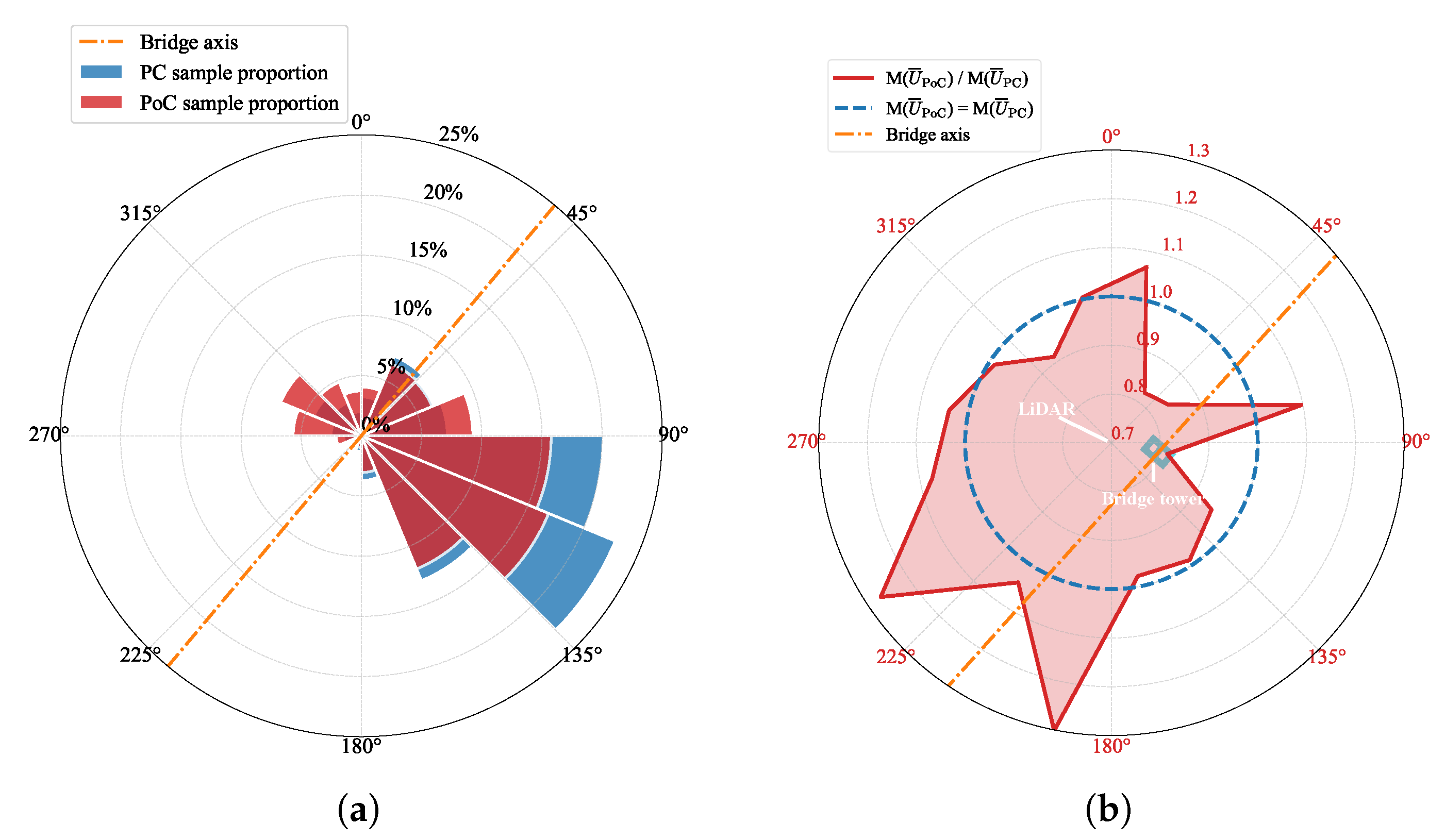
The probability density function of the 10 min mean wind speed is affected by the presence of bridge structures. However, since the LiDAR is positioned on one side of the bridge structure, the measured wind speed from different directions may exhibit variations due to structural interference. To investigate these variations, a wind rose and a radar diagram are plotted as shown in
Figure 5. The same wind direction sector division method is adopted, and the mean wind speed within each sector is averaged for comparison. After bridge construction, the proportion of wind direction in sectors
decreased, while the occurrence of wind direction in sectors
increased. At the same time, the mean wind speed associated with the wind directions observed most frequently in sectors
decreases after the bridge is built. This change is consistent with the layout of the site: the LiDAR is located on the northwest side of the bridge, and the wind that originated from the sectors
is weakened by the structural shielding of the bridge. It is clearly evident that the wind passing through the bridge tower experiences the most significant reduction. In other directions, the sample size is relatively small and the variations in wind speed before and after the bridge’s construction display a degree of randomness.
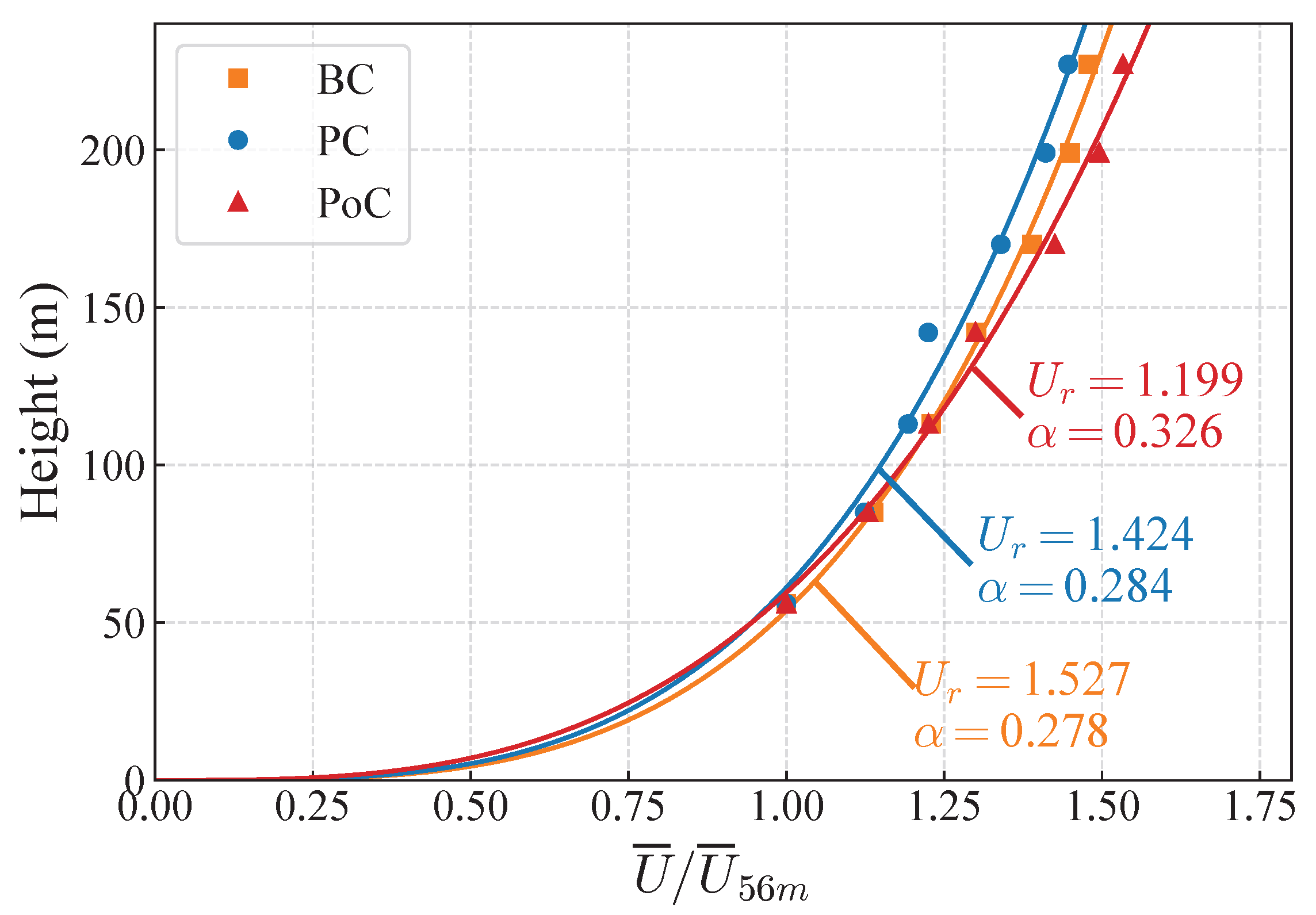
The full sample of 10 min mean wind speed was selected to investigate the influence of the bridge tower on the vertical growth pattern of the mean wind speed. Exponential fitting was applied to the full sample, and the resulting wind speed profile is shown in
Figure 6. The parameters of the exponential law for the 10 min mean wind speed at a height of 10 m were determined by the least squares method. The equation is expressed as follows [
43]:
where
represents the mean 10 min average wind speed at height
z,
denotes the mean 10 min average wind speed at 10 m, and
is the wind profile exponent. The wind profiles during the pre-construction period (PC) and the baseline period (BC) showed negligible differences, with the surface roughness coefficients differing by about 2%. The wind profile exponent is greater due to the influence of the bridge structure, with a difference of approximately 15%. This result suggests that the vertical wind speed gradient increases, with wind speed rising more rapidly with height after the bridge is constructed. The presence of the bridge structure impedes near-surface wind flow. The attenuated vertical gradient distorts the standard wind profile, leading to miscalculated load distributions across the tower height. This modification also alters the spatial correlation and aerodynamic damping, which are critical for the bridge’s aeroelastic stability and fatigue assessment.
3.2. Wind Characteristics Along the Bridge Deck Axis
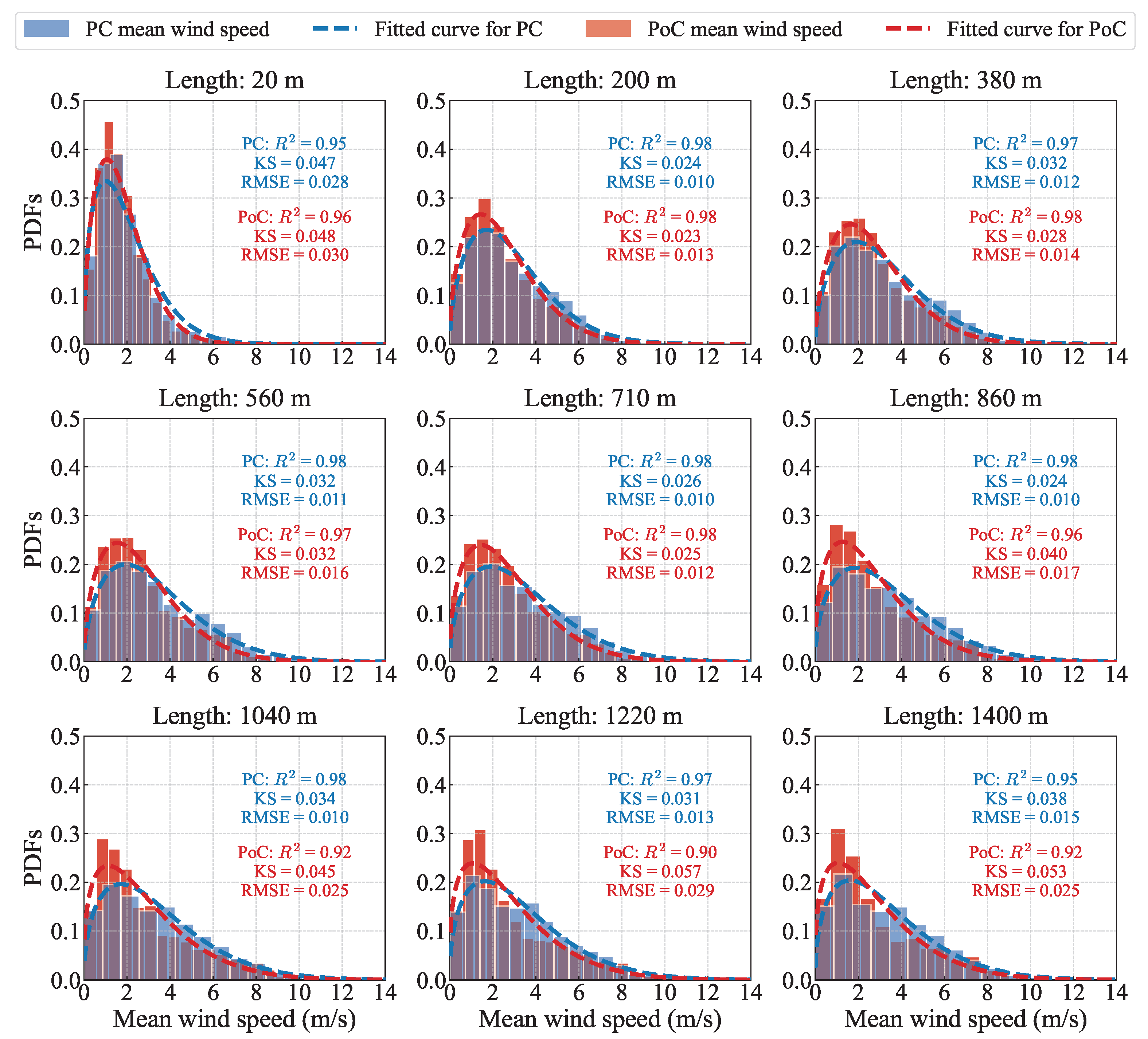
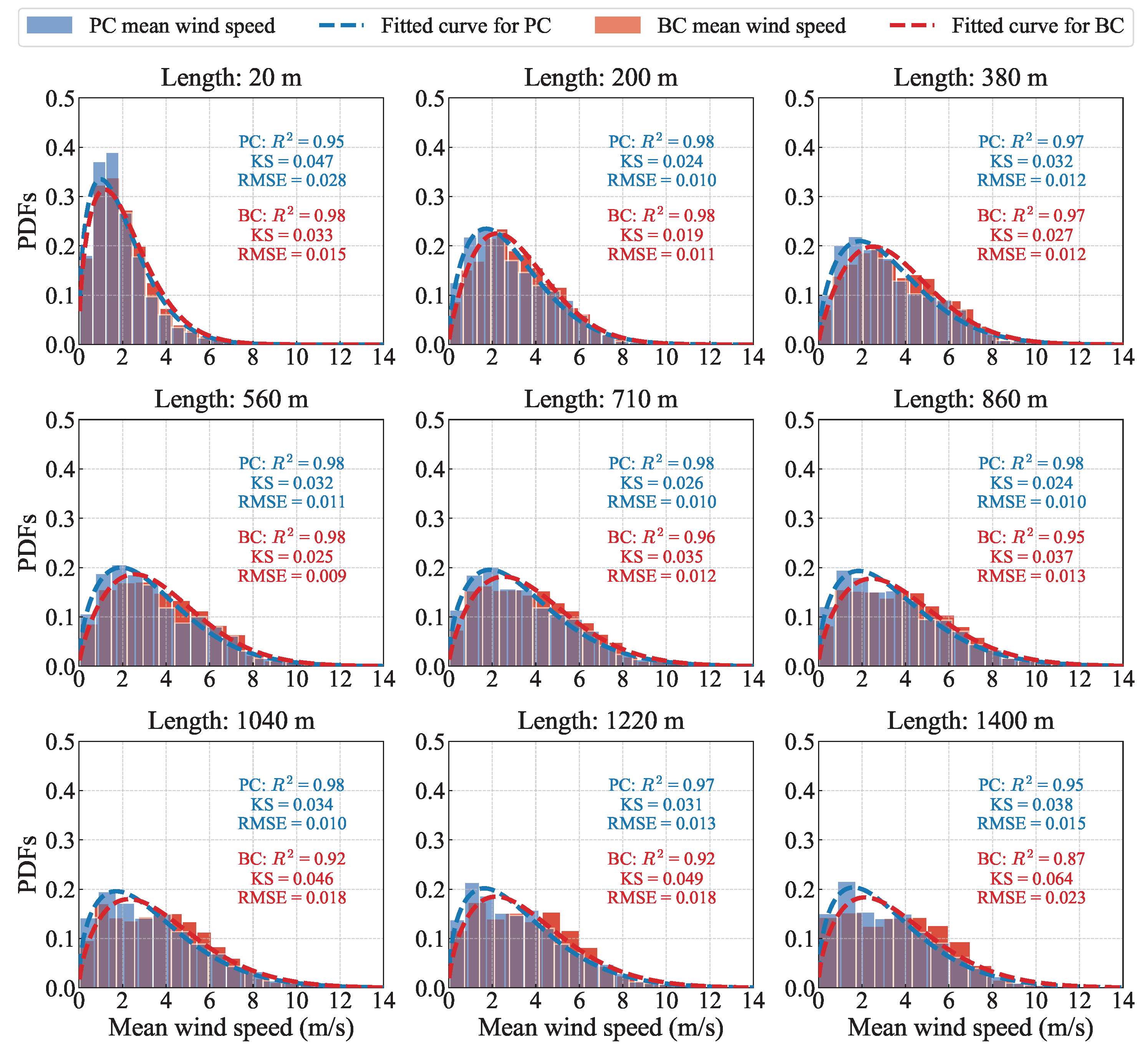
To investigate the statistical characteristics of the 10 min mean wind speed measured along the bridge deck, a probability density curve was plotted, as shown in
Figure 7. Similarly to the description in
Section 3.1, the probability density curve after bridge construction becomes more concentrated, with the peak corresponding to a lower wind speed. Before bridge construction, the probability density shapes for the same months across two consecutive years are largely consistent. For the mean wind speed, we fit the data to a Weibull distribution. It is evident that, when taking the midpoint of the span as a reference, the coefficients of determination for the mean wind speed at measurement points closer to the LiDAR are nearly identical before and after the bridge’s construction. However, at measurement points beyond the midpoint and farther from the LiDAR,
are significantly lower than
, with values even dropping to a minimum of 0.9. Similar patterns are observed in the reference group (see in
Figure A2), likely due to poorer observational quality at distant points. Meanwhile, when the Weibull distribution is used to fit the mean wind speed, the RMSE and KS statistics showed little change between pre- and post-construction periods. Considering all three indicators comprehensively, it can be concluded that the presence of the bridge deck impacted the probability distribution of mean wind speed. Nevertheless, the Weibull distribution still demonstrates good applicability in describing the statistical characteristics of the mean wind speed.
To evaluate the influence of the bridge girder structure on the spanwise wind field, the Kolmogorov–Smirnov (KS) test was conducted. The statistical results, including
p-values and KS statistics (
D), are summarized in
Table 3. For the reference group, except at the 1400 m position, the
p-values are all greater than 0.05, and the test statistics are relatively small, around 0.11, indicating that the probability distribution of the mean wind speed shows no significant differences. However, in the comparison before and after bridge construction, at nearly all measurement positions (from 380 m to 1400 m), the
p-values are less than 0.05, demonstrating a statistically significant difference in the mean wind speed before and after construction. Notably, the test statistic reached a maximum of 0.187 at the mid-span region, suggesting that the main girder structure has the strongest regulating effect on the wind field at the mid-span.
Table 4 summarizes the statistical characteristics of wind speed. After the bridge is constructed, both the mean and maximum wind speed decrease, with the reduction in mean wind speed being most pronounced at the mid-span, reaching 22.35%. In contrast, for the reference group before bridge construction, the differences in mean wind speed across the measurement positions remain around 10% (see in
Table A2), primarily due to natural variations caused by atmospheric circulation and other climatic factors. The increase in the difference of mean wind speed toward the mid-span after construction indicates that the flow environment is more affected by bridge construction in the mid-span region. In contrast, the measurement points near the bridge tower and the side span are already influenced by terrain-induced disturbances before construction, resulting in a comparatively smaller incremental impact after the bridge is completed. Furthermore, the along-bridge wind field should be appropriately corrected, especially in the mid-span region where the interference effects of the bridge deck and tower are most significant, to avoid errors in the estimation of aerodynamic loads.
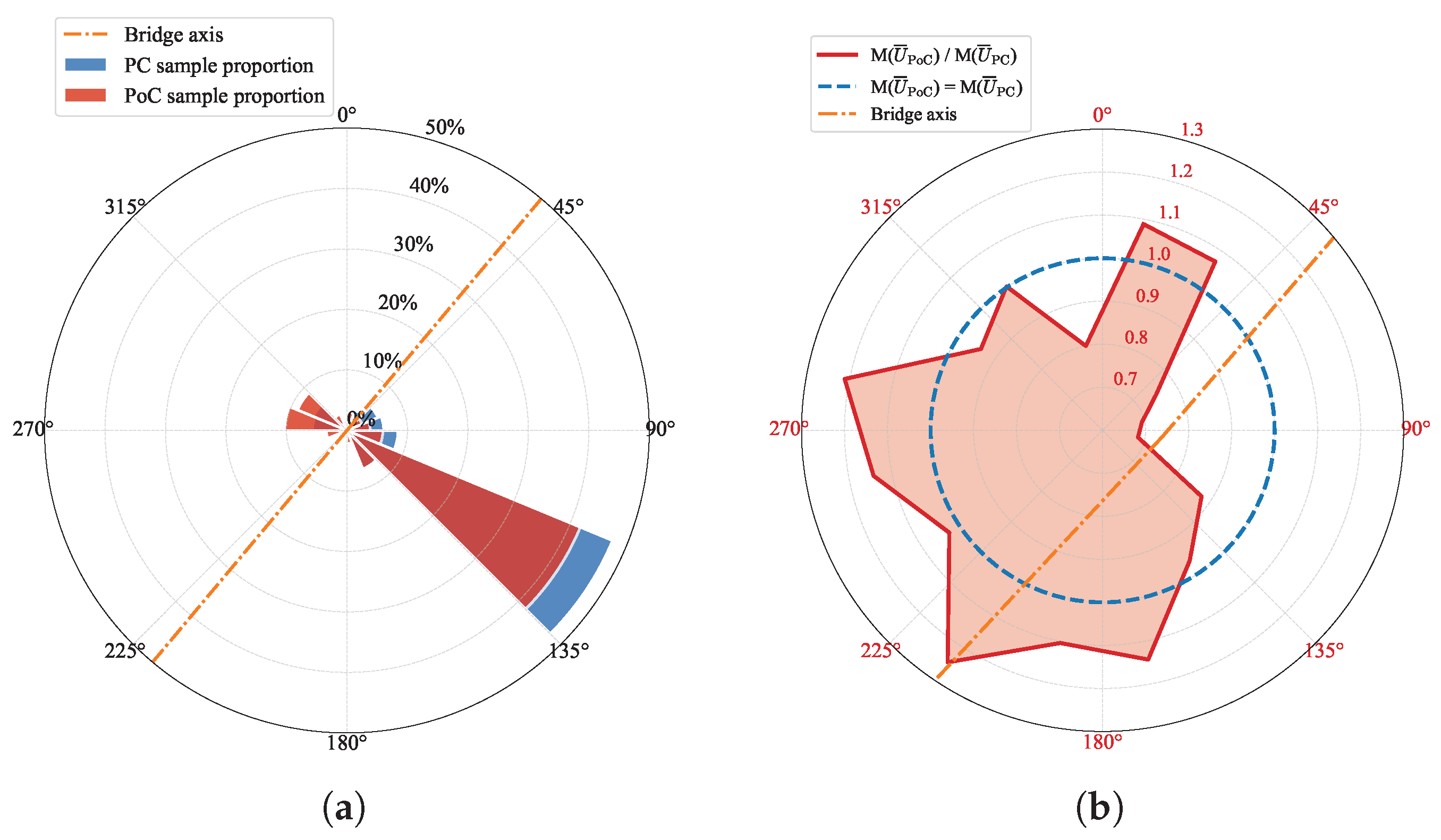
Similarly, to investigate the impact of the bridge structure on the wind speed in different wind directions, the wind speed direction rose and the ratio factor radar diagram were plotted, as shown in
Figure 8.
Figure 8 shows that the wind speed samples at the mid-span measurement point largely maintain consistent flow directions before and after bridge construction. A comparison of the wind direction frequencies in
Figure 5a and
Figure 8a indicates that the dominant wind sectors did not undergo significant shifts. Constrained by the valley terrain, the wind tends to follow the orientation of the valley, roughly perpendicular to the bridge’s axis. Therefore, the wind directions are predominantly in sectors
, with the majority of directions falling in sectors
. Wind speed originating from the east experience a noticeable decrease after the bridge is completed. This change aligns with the description in
Section 3.1, suggesting that the reduction in wind speed in this direction is due to structural interference caused by the bridge deck.