1. Introduction
Alpine skiing is a sport in which performance is often determined by differences of only milliseconds, meaning that even subtle technical inefficiencies can substantially affect race outcomes. Previous research has shown that skiing performance is strongly influenced by the interaction between trajectory selection, movement coordination, and terrain characteristics, particularly in high-speed, turn-intensive disciplines such as giant slalom [
1,
2]. However, accurately capturing these performance determinants under real training conditions remains challenging, as many existing assessment methods are either laboratory-bound, technically complex, or insufficiently integrated for practical coaching use [
3,
4]. The outdoor nature of the sport, large elevation changes, highly variable course topography, and challenges associated with obtaining accurate field-based measurements limit the effectiveness of traditional performance-monitoring methods. These constraints underscore the need for accessible technologies capable of reliably capturing skier trajectories and providing objective, actionable feedback without requiring advanced analytical expertise. The OptiPath application was developed in response to this need, enabling video-based extraction of skiing trajectories, comparison with ideal paths defined by gate configuration, and rapid identification of deviations in real training environments. To maximize usability, the system was designed to rely on commonly available devices such as smartphones, operate independently of specialized IT skills, and remain robust across diverse terrain conditions, despite the positioning inaccuracies inherent to general-purpose equipment.
Advances in motion analysis have highlighted the value of integrating biomechanical and kinematic information into contemporary alpine skiing training methodologies.
In giant slalom skiing, trajectory-related kinematic variables and joint-level biomechanical measures represent complementary performance indicators: trajectory geometry reflects spatial efficiency and tactical line selection relative to gate positioning, while joint kinematics and acceleration patterns capture movement execution, force application, and the ability to maintain speed and stability through successive turns.
The sport requires rapid directional transitions, precise edge control, and optimized posture at high speeds, conditions in which athletes and coaches benefit from data-driven feedback systems. Previous work has explored rapid-feedback frameworks in elite environments [
1], as well as structured assessment models for field sports [
2]. Therefore, field-deployable tools capable of jointly assessing trajectory characteristics and joint-level movement patterns are increasingly relevant for performance diagnostics and technique feedback in giant slalom skiing. Quantitative modeling approaches have been proposed to objectively evaluate deviations from idealized skiing trajectories and associated performance gaps [
3].
To operationalize this biomechanical framework within real training environments, wearable inertial sensors were incorporated to capture lower-limb kinematics, including three-dimensional acceleration and angular displacement. XSensDOT sensors offer a practical balance between measurement accuracy, portability, and minimal interference with athletic performance, making them well suited for outdoor winter-sport contexts where laboratory-based motion capture systems are impractical [
4]. Such characteristics make wearable inertial sensors particularly suitable for field-based performance diagnostics in alpine skiing, where ecological validity and minimal disruption of training routines are critical.
Despite the increasing use of artificial intelligence and wearable technologies in sport science, accessible systems that integrate biomechanical sensing with trajectory-based performance analysis in alpine skiing remain limited. Previous studies have demonstrated the potential of AI-driven approaches for performance prediction and injury risk assessment [
5], as well as real-time pose estimation techniques applicable to dynamic sports [
6]. However, many existing solutions are restricted to elite environments due to high costs, operational complexity, or the need for specialized equipment [
7].
Correlating trajectory-based metrics with biomechanical variables such as knee flexion and multidirectional acceleration provides a multidimensional understanding of skiing technique. Prior studies demonstrate that combining spatial and biomechanical analyses improves the interpretation of complex athletic movements and supports the identification of subtle execution errors, fostering structured and progressive training [
8]. Recent literature further emphasizes the expanding role of wearable biomechanics in sport performance enhancement and injury prevention [
9] and shows how multilayered feedback from wearable systems can enhance motor learning and technical correction in skill-intensive sports [
10]. Platforms such as SnowMotion have demonstrated the feasibility of IMU-based real-time feedback in skiing [
11], reinforcing the relevance of integrated solutions [
12]. Additionally, contemporary perspectives highlight the importance of real-time data visualization in coaching workflows, enabling faster corrective decisions and improved athlete engagement [
13].
Despite these advances, important gaps remain in the current literature. Most existing approaches address either biomechanical variables or trajectory geometry in isolation, limiting the ability to explain why performance deviations occur during skiing. Moreover, accessible, low-cost systems that integrate video-based trajectory analysis with wearable inertial sensing in real training environments remain scarce. In particular, the relationship between gate-by-gate trajectory deviations, biomechanical execution patterns, and performance outcomes in giant slalom skiing has not yet been systematically investigated. Addressing these gaps requires performance assessment frameworks that jointly interpret spatial trajectory behavior and biomechanical execution using wearable and video-based systems that are feasible in real training environments.
Accordingly, the present study was designed to address these gaps by testing the hypothesis that integrating video-based trajectory analysis with wearable inertial sensing provides a more comprehensive and informative assessment of alpine skiing performance than trajectory analysis alone. Specifically, it was hypothesized that:
- (1)
The OptiPath system can reliably quantify deviations from an ideal skiing trajectory during giant slalom skiing;
- (2)
Greater trajectory deviations are associated with distinct biomechanical patterns, including reduced knee flexion and altered acceleration profiles, as measured using wearable IMU sensors;
- (3)
Athletes who demonstrate more efficient biomechanical execution may achieve competitive performance outcomes even when skiing longer trajectories.
2. Materials and Methods
2.1. Study Design and Participants
The experimental setup was designed to replicate realistic alpine skiing conditions while maintaining sufficient control over key parameters. A giant slalom course (GS) containing ten gates was established on a 100 m slope, with approximately 10 m spacing between gates.
Thirty competitive youth athletes (14–16 years), all affiliated with local alpine skiing clubs, participated in the study. Each athlete performed multiple runs along the course while maintaining predetermined lateral offsets of 0.5, 1.0, 1.5, or 2.0 m from each gate. This controlled design enabled systematic assessment of how trajectory deviations influence path length and performance outcomes.
Participants were selected in collaboration with club coaches to ensure technical homogeneity and regular training participation. Athletes with recent injuries or medical restrictions were excluded from the study.
2.2. Ethical Considerations
The study was conducted in accordance with the Declaration of Helsinki. According to national regulations and institutional policies applicable at Transilvania University of Brașov, formal ethical approval by an institutional review board was not required, as the procedures involved exclusively non-invasive performance monitoring during regular training sessions and did not include the collection of medical, clinical, or sensitive personal data.
Written informed consent was obtained from the legal guardians of all participants prior to data acquisition, and assent was obtained from the athletes themselves. Authorization to conduct the study and to use training-derived performance data for scientific purposes was provided by the governing bodies of the participating alpine skiing clubs.
2.3. Data Acquisition
All runs were recorded using smartphone cameras positioned laterally to the course, employing the manufacturer’s default video recording settings. These settings provided sufficient temporal and spatial resolution for reliable gate detection and trajectory extraction using the OptiPath computer-vision pipeline, a custom in-house software developed by the authors for this study. As the analysis focused on spatial trajectory reconstruction rather than frame-level temporal event detection, the use of standardized default recording parameters did not compromise the accuracy or robustness of the trajectory measurements.
GPS-based tracking was performed using the Ski Track Lite application (version 3.4, Fitness & Sports Apps SRL, Carbonate, Como, Italy), which provided coordinate measurements with three-decimal precision despite an approximate ±4 m positional error. GPS data were used to establish gate coordinates and served as a spatial reference for trajectory analysis [
14,
15].
Video recordings and inertial sensor data were acquired concurrently during each trial. High-resolution video footage was recorded at a fixed frame rate using smartphone cameras positioned laterally to the course. Xsens DOT sensors (Xsens Technologies B.V., Enschede, The Netherlands) recorded inertial data at a sampling frequency of 60 Hz using second-generation hardware (v2) with firmware version 2.0.0 and Xsens DOT software version 2021.0. Temporal synchronization between video and IMU data streams was achieved by aligning the start of each recording using a common temporal reference, based on the initial gate passage visible in the video and the corresponding acceleration peak detected in the IMU signals. This procedure ensured consistent frame-to-sample alignment across trials and enabled combined spatial–biomechanical analysis.
2.4. Data Processing and Modeling
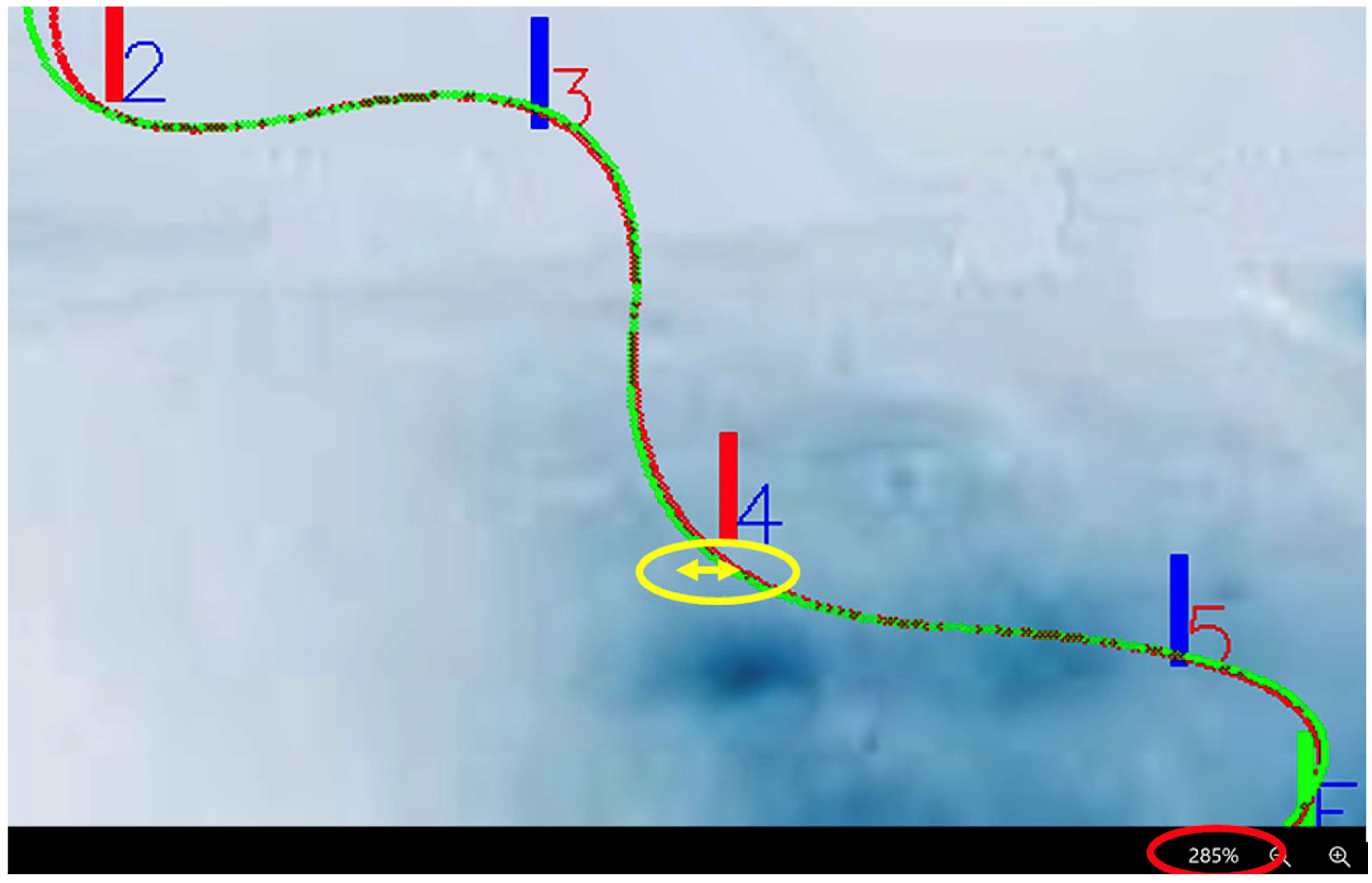
Trajectory analysis was performed using OptiPath, a Python-based desktop application developed for this study. OptiPath integrates computer-vision algorithms with geometric modeling to automatically detect gates and extract skier paths, building on advances in markerless motion capture and pose estimation [
16]. These trajectories are then compared with mathematically generated ideal trajectories based on carving equations [
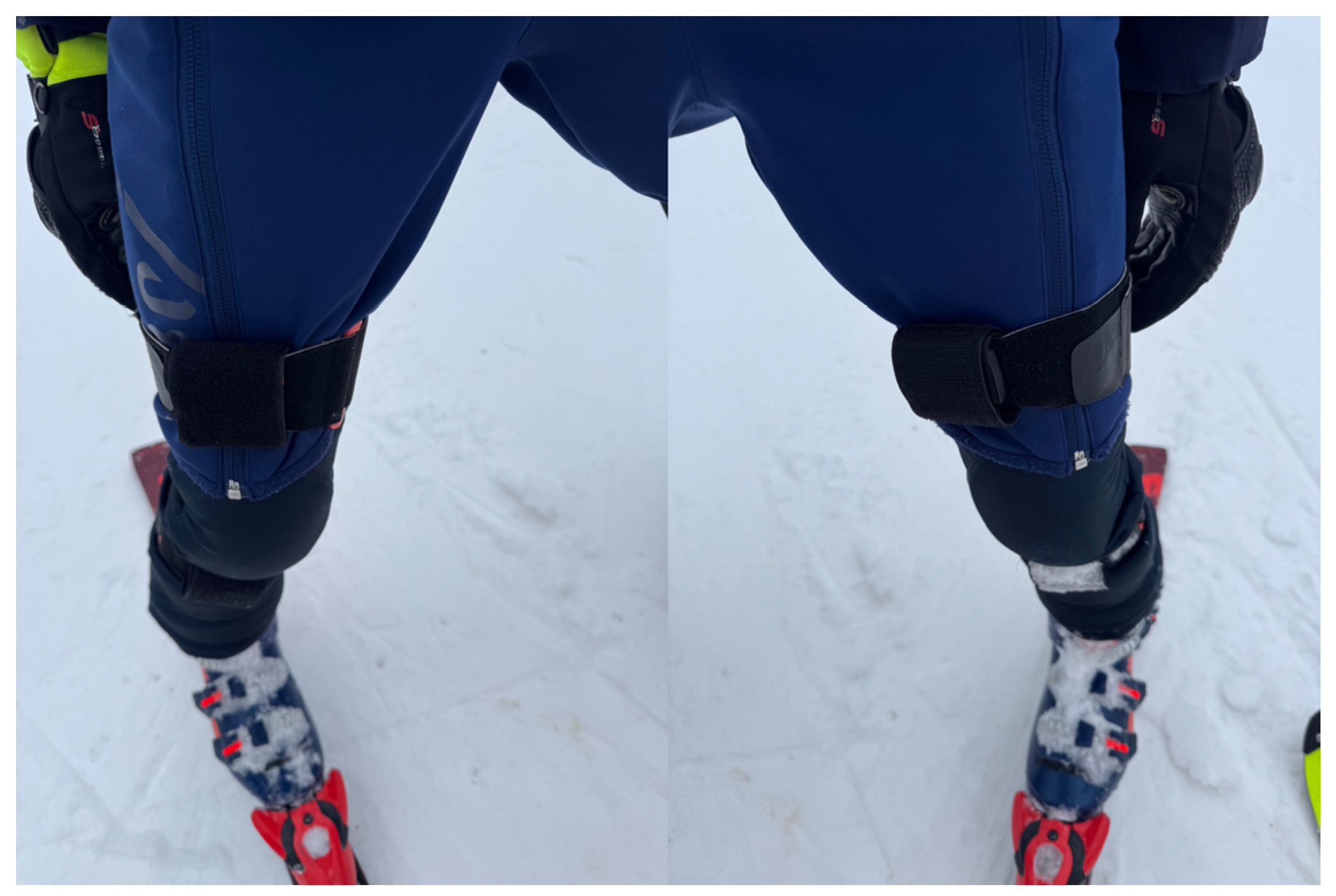
17].
To complement spatial data with biomechanical insight, XSensDOT inertial measurement units (IMUs) were mounted bilaterally on the thigh and shin, and in the lumbar region. Sensors recorded tri-axial acceleration and angular displacement at 60 Hz, enabling detailed analysis of segmental kinematics—particularly knee flexion—and trunk behavior during turns. The importance of sensor placement and orientation for IMU accuracy in skiing has been emphasized in the recent literature [
18].
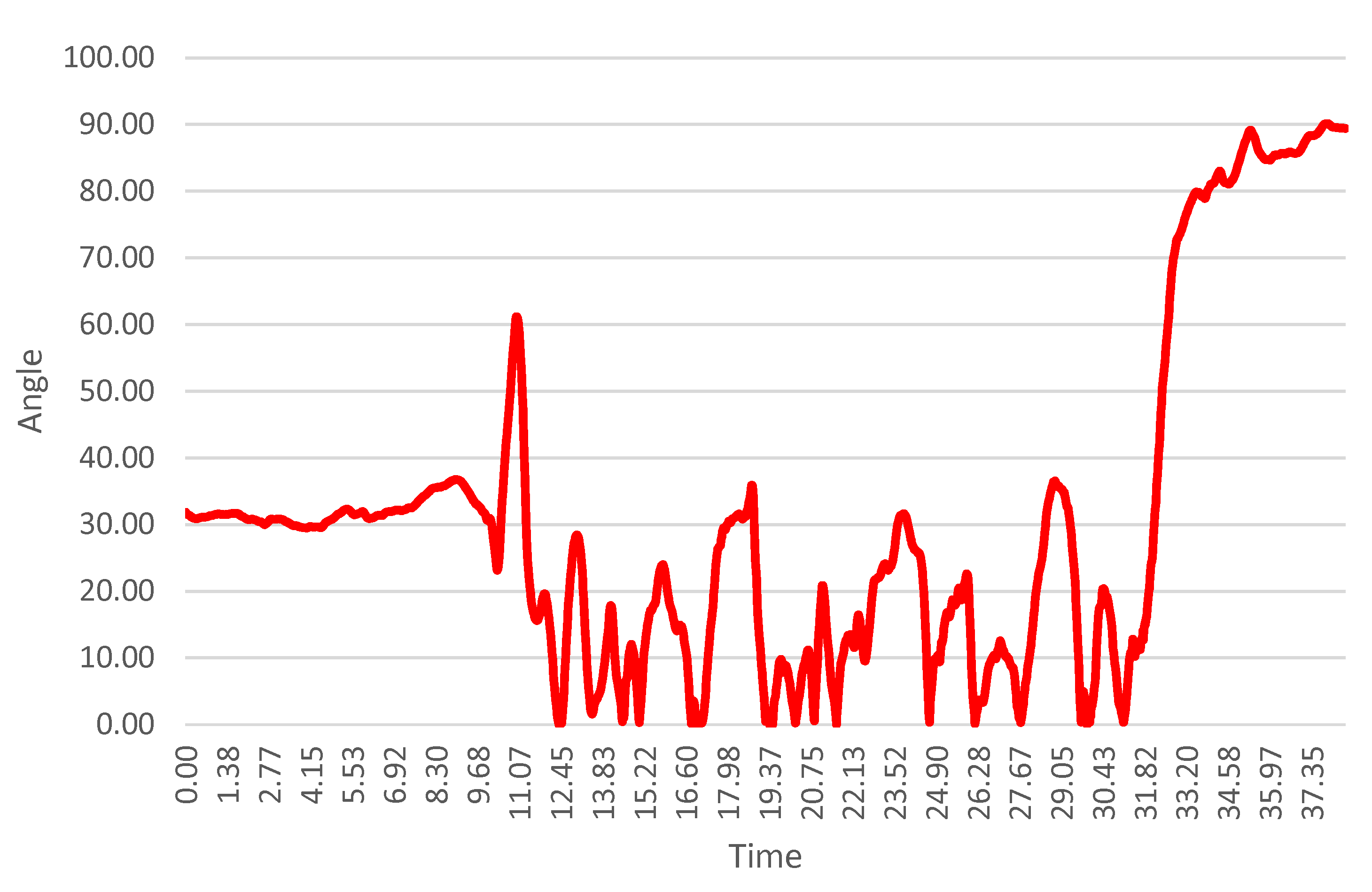
Raw inertial sensor data were processed using custom Python scripts (Python version 3.8). Acceleration and angular velocity signals were filtered using a low-pass Butterworth filter to reduce high-frequency noise associated with vibration and sensor movement artifacts (
Figure 1). Sensor coordinate systems were transformed into a common anatomical reference frame based on sensor orientation at initialization.
Knee flexion angles were derived from the relative orientation between thigh and shank sensors using joint angle reconstruction based on segmental orientation data. Acceleration components were analyzed along three orthogonal axes corresponding to vertical, lateral, and forward directions relative to the skier’s movement. All biomechanical variables were computed consistently across trials to ensure comparability between subjects and conditions.
Joint angles were expressed using Euler angle representations. To minimize the risk of singularities and discontinuities associated with Euler-based formulations, angle ranges were limited to the sagittal-plane motion relevant for knee flexion during giant slalom skiing, and orientation sequences were selected consistently across all trials.
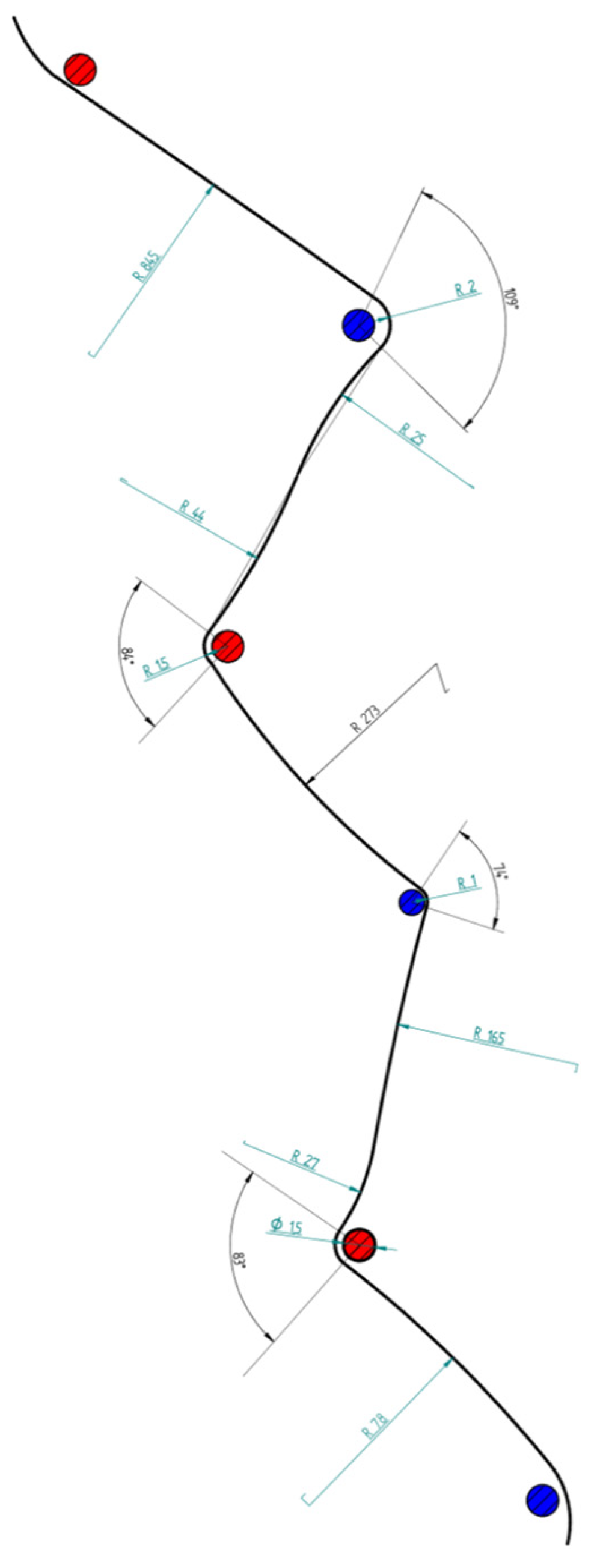
All collected data—including trajectory deviations, biomechanical variables, and calculated inefficiencies—were compiled into comparative datasets and visual overlays. Microsoft Excel and Python scripts were used for post-processing. Turn radius and angular displacement at each gate were derived from the curvature of the skier’s path. To estimate path length, the following assumptions were made: (1) the skier traveled along a circular arc around each gate, (2) radius and angle of the arc were known for each gate, and (3) each turn was completed using a single circular arc of constant radius. The arc-based path segment was computed using:
where:
tji—extra path for gate i;
ri—is the estimated radius of the skier’s path around gate i;
αi—is the corresponding angular displacement of gate i.
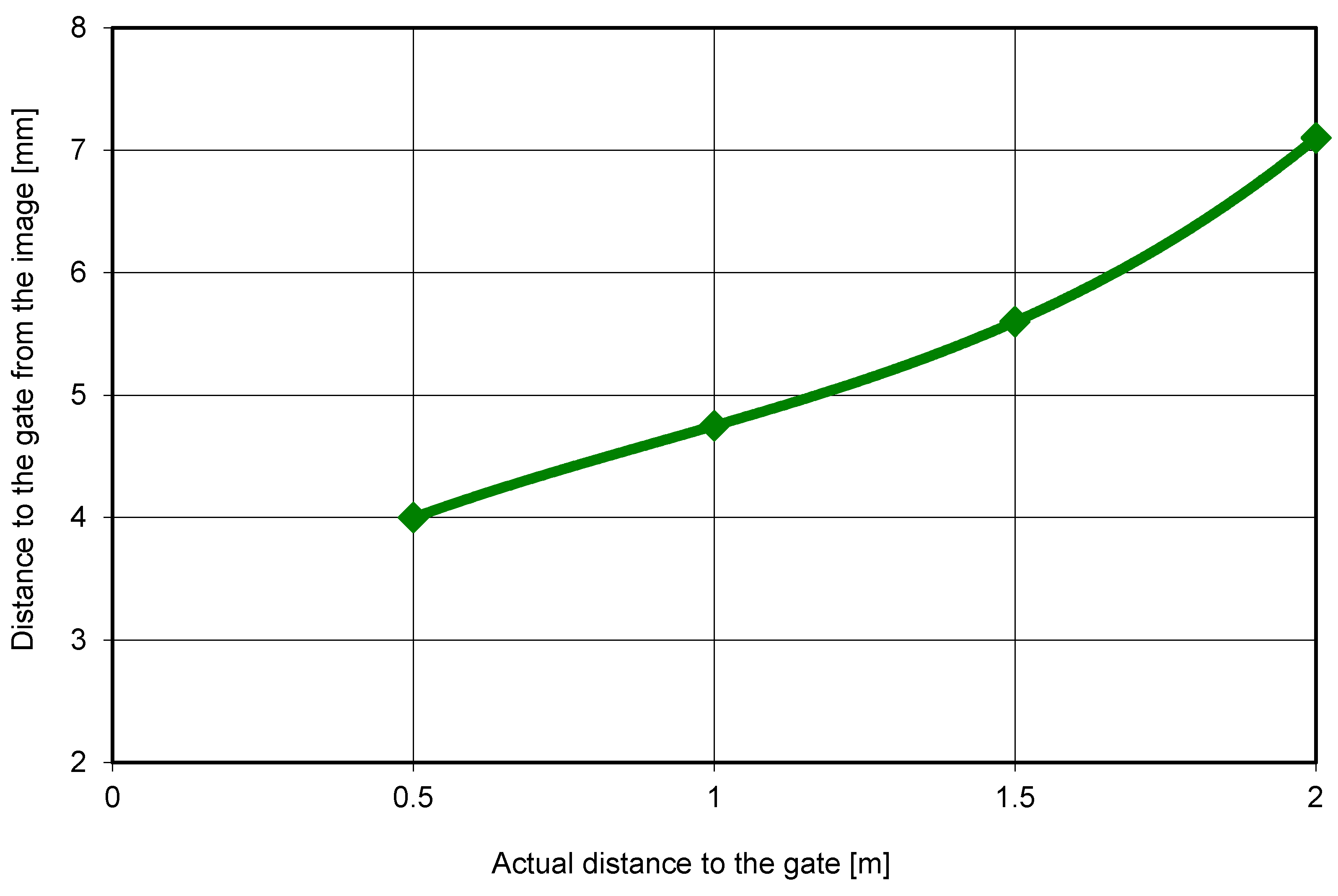
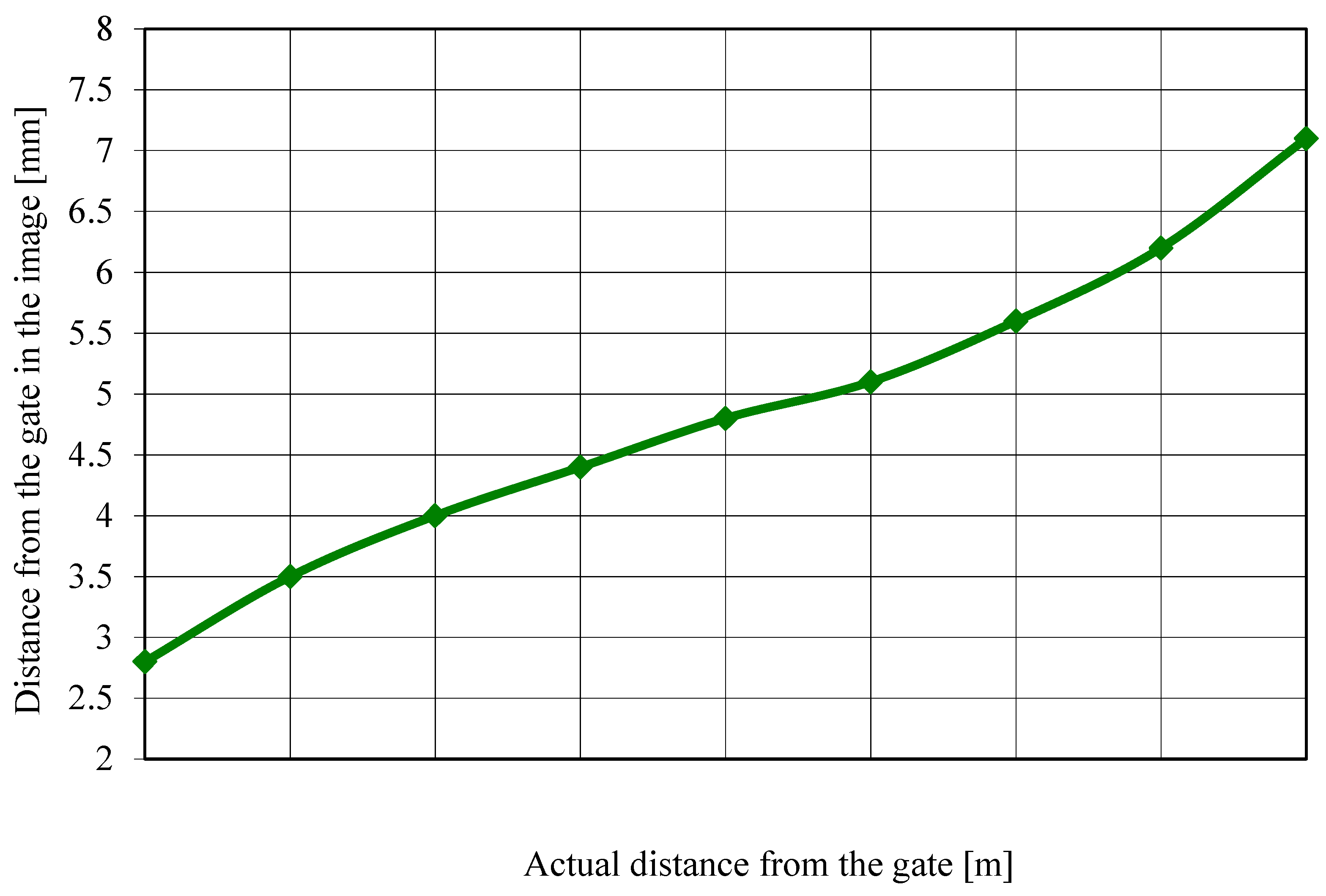
Polynomial regression was selected to map image-based measurements to real-world spatial coordinates due to its robustness in approximating nonlinear relationships under field conditions, where perspective distortion and camera placement variability are unavoidable. This approach provides a stable transformation while minimizing overfitting within the calibrated distance range.
The arc-based trajectory estimation model was adopted based on established biomechanical and physical representations of carved ski turns, in which the skier’s center of mass follows a quasi-circular path around each gate. The primary assumptions of this model include a constant turn radius per gate and smooth, continuous directional changes, which are consistent with controlled giant slalom skiing. Together, these modeling choices allow the estimation of additional path length and associated time loss in a computationally efficient and biomechanically interpretable manner.
To calibrate OptiPath’s trajectory outputs, seven distinct giant slalom course configurations were set up at different locations, each featuring unique gate layouts and terrain characteristics. Seven athletes completed all configurations, performing three runs at each prescribed lateral distance (0.5, 1.0, 1.5, and 2.0 m). GPS coordinates of all gates were recorded prior to trials. The coordinates and corresponding .mov video files were then uploaded to the application, which generated ideal and actual trajectories for each run. Subsequent analysis quantified how skiing closer to or further from the gate altered total path length.
2.5. Statistical Analysis
Descriptive statistics were used to summarize trajectory deviations, knee flexion angles, and acceleration variables across participants and trials. Given the exploratory and methodological nature of the study, no inferential statistical comparisons were performed. All biomechanical and trajectory-related variables were processed and analyzed consistently across subjects to ensure comparability between conditions.
The term “correlation” is used descriptively throughout the
Section 3 and
Section 4 to denote observed relationships between biomechanical and trajectory-related variables, without implying inferential statistical testing or significance.
Figure 2 provides a schematic representation of the geometric assumptions underlying the arc-based trajectory estimation method. The illustration clarifies how turn radius (r) and angular displacement (α) are defined and used in the computation of additional path length around each gate. Quantitative results derived from this modeling approach are presented in
Section 3.
The data collected during calibration were processed, and knowing the distance at which the athlete passed each gate for every recording, the graph shown in
Figure 3 was constructed.
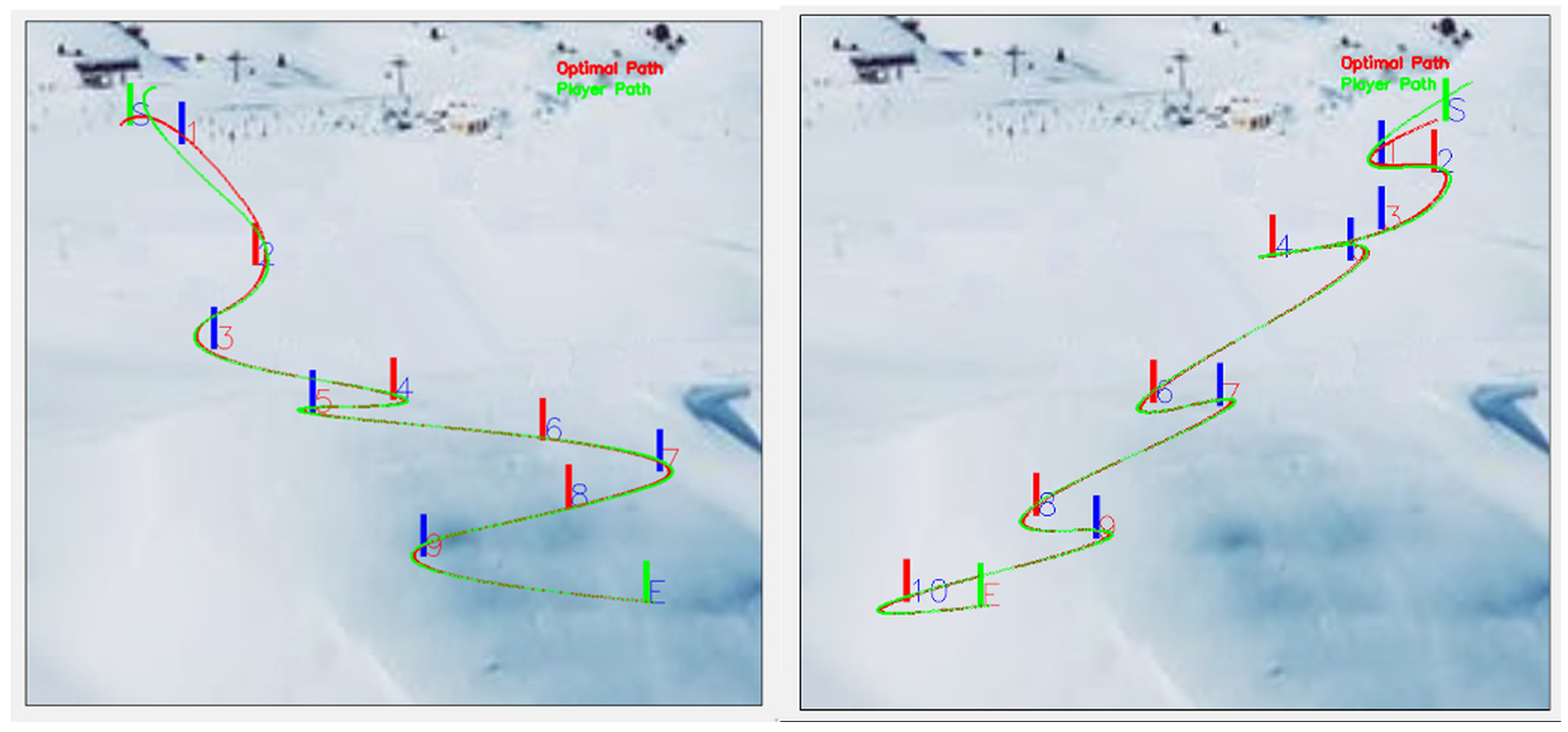
Figure 3 illustrates these differences between the course’s representative segments.
4. Discussion
The findings of the present study demonstrate that alpine skiing performance emerges from the interaction between spatial trajectory characteristics and biomechanical execution, confirming the relevance of jointly analyzing path kinematics and joint-level movement patterns as sport-specific performance indicators. While trajectory deviation represents an intuitive and quantifiable determinant of performance, the results indicate that athletes who followed longer paths did not necessarily record inferior race times. Instead, performance outcomes were strongly influenced by kinematic patterns, force application strategies, and coordination between the trunk and lower limbs. This observation is consistent with previous studies indicating that alpine skiing performance emerges from the interaction between trajectory selection and movement execution rather than from geometric optimization alone [
8,
14].
Trajectory analysis performed using the OptiPath system showed a high level of consistency and relative accuracy in identifying deviations from the mathematically defined ideal line under controlled training conditions. This capability allows coaches and analysts to localize inefficiencies at specific gates or course segments with precision. However, as evidenced by the results, geometric information alone does not fully explain performance variability among athletes. Several subjects maintained competitive times despite substantial deviations from the ideal trajectory, suggesting the presence of compensatory biomechanical strategies that mitigate geometric inefficiencies.
Although knee flexion angles provided valuable insight into lower limb movement patterns, their interpretation should be considered in light of the applied signal processing approach. The angles discussed in this study were derived from filtered inertial sensor orientation data and represent smoothed joint kinematics rather than raw measurements. While this processing enhances signal stability and interpretability under field conditions, it may attenuate short-duration peaks associated with rapid absorption or high-frequency movement components. Consequently, the reported knee flexion values should be interpreted as representative movement trends rather than exact instantaneous joint extremes. Future work incorporating higher sampling rates, additional sensor fusion strategies, or complementary optical validation could further strengthen joint angle accuracy. Similar considerations regarding the interpretation of IMU-derived joint kinematics under field conditions have been reported in previous biomechanical studies on alpine skiing and other dynamic sports [
4,
14].
Although the sensor configuration allowed estimation of relative orientation between the thigh and lumbar segments, hip joint angles were not included in the present kinematic model. This decision was motivated by the increased uncertainty associated with hip angle estimation using limited IMU configurations under dynamic field conditions, where soft tissue artifacts and sensor alignment errors may compromise joint-level accuracy. Consequently, the analysis focused on knee flexion and trunk motion as more robust and reliable indicators of lower-limb function and whole-body coordination during giant slalom skiing. Future studies may extend this framework by incorporating refined hip joint modeling through additional sensors or complementary validation methods.
The biomechanical data captured by the XSensDOT sensors were essential for identifying these compensatory mechanisms. Across participants, knee flexion values were generally limited, rarely exceeding 60°, indicating insufficient lowering of the center of mass during turning phases. Such limitations can reduce effective ski–snow interaction and edge engagement. Nevertheless, athletes who achieved superior performance often compensated through alternative strategies, including more efficient trunk rotation, precise weight transfer, and dynamic forward projection. In this context, data from the lumbar sensor proved particularly informative, providing insight into trunk behavior and upper–lower body coordination—factors that play a critical role in maintaining balance, stability, and directional control but are frequently underestimated in conventional performance assessments. The importance of trunk coordination and upper–lower body synchronization for balance and directional control in alpine skiing has been previously highlighted in biomechanical analyses of skilled and elite skiers [
7,
14].
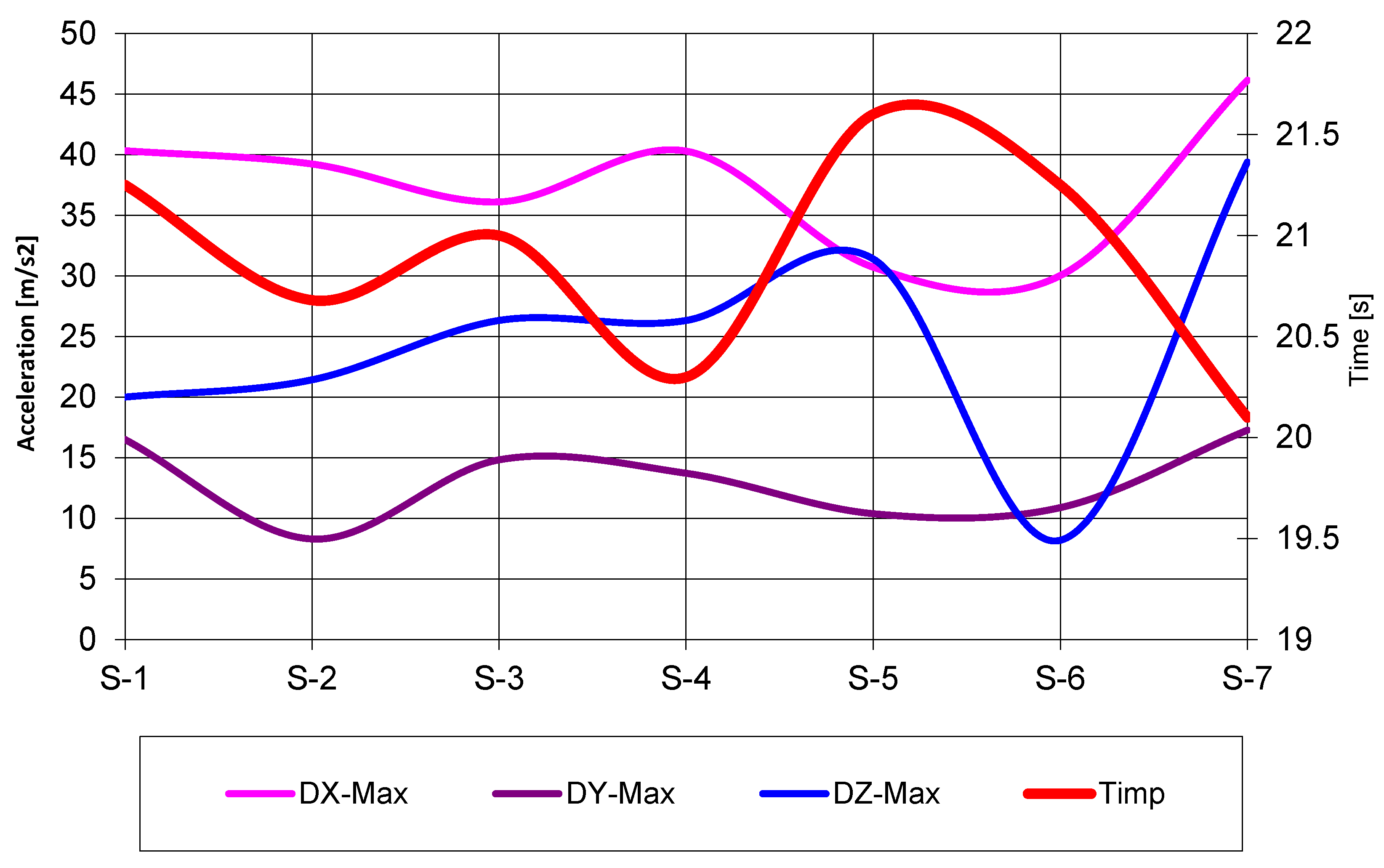
Acceleration patterns further clarified the relationship between movement quality and performance. Athletes characterized by high forward acceleration combined with controlled vertical loading generally exhibited smoother turn execution and reduced reliance on corrective movements. Conversely, elevated lateral acceleration values were associated with unstable turns, irregular direction changes, and increased trajectory elongation. These observations are consistent with previous biomechanical findings showing that efficient energy transfer and controlled acceleration patterns are associated with improved skiing performance and reduced corrective movements [
7,
14].
Taken together, these results emphasize that the interaction between trajectory geometry and biomechanical execution is central to alpine skiing performance. Athletes who closely adhered to an ideal geometric line but lacked sufficient knee flexion, trunk coordination, or forward propulsion frequently underperformed relative to those who followed longer trajectories but demonstrated superior neuromuscular control. This finding reinforces the multidimensional nature of skiing performance and highlights the limitations of relying solely on trajectory-based metrics for technical evaluation.
The integrated OptiPath–XSensDOT system offers several practical advantages for performance analysis and coaching. First, it provides objective, frame-by-frame geometric tracking that enables rapid identification of inefficient skiing lines. Second, it supplies detailed segmental kinematic information that reveals the biomechanical causes underlying observed deviations. Third, it supports individualized technical feedback by accounting for athlete-specific biomechanical signatures rather than applying generic correction models. Finally, its portability, low cost, and suitability for outdoor environments make it well adapted to real-world training scenarios.
It is also important to consider the influence of terrain variability and snow conditions on both trajectory behavior and inertial sensor measurements. Variations in slope inclination, surface hardness, and snow friction can affect ski–snow interaction, turn radius, and load transmission through the lower limbs. These external factors may contribute to changes in trajectory geometry as well as to fluctuations in measured acceleration and joint kinematics. Although the present study was conducted under controlled training conditions, such environmental variability is inherent to alpine skiing and represents a relevant contextual factor when interpreting field-based biomechanical data. Accounting for these influences is essential for transferring analytical findings into practical coaching applications. Similar effects of terrain variability and snow conditions on kinematic and inertial measurements have been reported in field-based analyses of alpine skiing [
14].
By combining spatial and biomechanical data within a unified framework, this approach supports evidence-based coaching, facilitates monitoring of technical development over time, and may also assist in return-to-sport decision-making following injury by providing objective indicators of movement quality and coordination.
Study Limitations
Despite the strengths of the proposed integrated analysis framework, several limitations should be acknowledged. First, the study sample consisted exclusively of youth athletes (14–16 years), which limits the generalizability of the findings to older or elite skier populations. Second, although wearable inertial sensors provide practical field-based biomechanical measurements, IMU-derived joint kinematics are subject to sensor drift, soft tissue artifacts, and orientation uncertainties, particularly under dynamic outdoor skiing conditions. Third, trajectory estimation relied on video-based reconstruction and GPS-referenced gate positioning, which may introduce spatial inaccuracies related to camera perspective, terrain variability, and the limited precision of consumer-grade GPS devices. Additionally, environmental factors such as snow hardness, surface friction, and slope inclination could not be fully standardized and may have influenced both movement execution and sensor measurements. Finally, given the exploratory and methodological focus of the study, inferential statistical testing was not performed, and the observed relationships should therefore be interpreted descriptively. Future research should address these limitations by including broader athlete populations, implementing advanced sensor fusion strategies, and employing higher-resolution positioning systems.
5. Conclusions
This study demonstrates that integrating computer vision-based trajectory modeling with wearable inertial sensing provides a robust and multidimensional framework for performance diagnostics in alpine skiing. The OptiPath system enables objective quantification of skier trajectories and path-related deviations, while XSensDOT inertial sensors add essential biomechanical context by capturing joint kinematics, trunk coordination, and multi-axis acceleration patterns. Together, these complementary tools allow observable performance outcomes to be directly linked to their underlying biomechanical execution.
The findings confirm that alpine skiing performance cannot be interpreted solely through geometric indicators such as trajectory length. Although skiing closer to the ideal line reduces path length, shorter trajectories did not consistently result in faster run times. Instead, superior performance was associated with more efficient biomechanical execution, characterized by higher forward acceleration, reduced lateral corrections, and effective coordination between the trunk and lower limbs. These results highlight the multidimensional nature of skiing performance and the limitations of trajectory-based metrics when used in isolation.
By combining spatial and biomechanical information within a unified, field-deployable framework, the proposed OptiPath–XSensDOT approach supports evidence-based coaching and individualized technical feedback in real training environments. Future work should focus on expanding validation to broader athlete populations, refining biomechanical modeling, and enhancing spatial accuracy through advanced positioning or multi-camera solutions.