1. Introduction
Quantitative gait analysis is a fundamental component of modern rehabilitation medicine, providing objective information to support clinical assessment, treatment planning, and the monitoring of functional recovery. In many orthopedic and neurological conditions, however, patients do not walk independently but rely on assistive devices such as crutches, canes, or walkers. In these cases, the walking aid becomes an active part of the biomechanical system, contributing to load transfer, balance, stability, and compensatory motor strategies, and its characterization is therefore as important as lower-limb motion analysis [
1]. Different assistive devices and gait strategies can affect walking speed, posture, support conditions, and stability, particularly in subjects with neurological impairments such as incomplete spinal cord injury [
2], while crutch-assisted walking specifically modifies the distribution of mechanical loads across the body and increases the metabolic and mechanical demand on the upper limbs [
3].
One of the main clinical challenges in crutch-assisted gait is the control of partial weight-bearing (PWB). Patients are instructed to load the affected limb with a prescribed fraction of body weight while transferring the remainder through the crutches [
4]. Compliance with these prescriptions is difficult to enforce: excessive loading may compromise tissue healing or surgical fixation, whereas insufficient loading may impair recovery and contribute to muscle weakness [
5]. In routine practice, PWB compliance is typically assessed through therapist observation or patient perception, approaches that are inherently subjective and unable to detect meaningful deviations from the target load. This limitation has motivated a growing line of research on instrumented walking aids capable of providing quantitative, objective information during assisted locomotion.
Early instrumented crutch systems integrated force sensors and IMUs to monitor load distribution and rehabilitation progress outside conventional laboratory settings [
6,
7]. These works demonstrated the feasibility of embedding sensing elements into standard forearm crutches, but they were primarily designed for monitoring purposes and were not subjected to rigorous quantitative validation against reference instrumentation. A more metrologically grounded approach was taken by Chamorro-Moriana et al. [
8], who validated a compact force-sensing crutch against stationary force platforms. While this work established the reliability of the force measurement, the validation relied on discrete stance events captured by a fixed force plate, which inherently limits the number of analyzable steps per trial and is known to induce targeting behavior in which participants modify their step length to deliberately contact the plate surface, altering the natural walking pattern [
9,
10].
Subsequent systems expanded the sensing architecture to include inertial and wireless capabilities. Sesar et al. [
11] developed an instrumented crutch tip capable of measuring axial force and estimating pitch angle, validating the orientation estimates against a Vicon motion capture system during walking. However, that study focused primarily on pitch estimation accuracy and did not provide simultaneous validation of both kinetic and kinematic signals during continuous gait. Sardini et al. [
12,
13] developed wireless instrumented crutches measuring axial and shear forces together with tilt angles, and they later extended the platform to support real-time biofeedback; validation was performed under controlled laboratory conditions but did not address continuous dynamic walking across multiple consecutive strides. Seylan et al. [
14] proposed a low-cost instrumented crutch for estimating ground reaction force components from pressure and inclination data. While demonstrating feasibility for portable kinetic assessment, their estimation framework relied on a simplified quasi-static model that may not generalize to the impact dynamics and inertial perturbations characteristic of real gait.
Sensorized crutch tips have been proposed as minimally invasive alternatives for extracting functional indicators in persons with multiple sclerosis [
15,
16]. Spatial and temporal gait parameters derived from instrumented crutches have also been used for classification and characterization of different assisted-gait strategies [
17,
18], confirming that the walking aid can serve as an informative interface for objective user–device assessment. Design and feedback applications have further explored modifications of the crutch–ground interface [
19], audio-guided PWB training, and smart crutches for exoskeleton-assisted rehabilitation [
20]. More recent platforms integrate smart crutches with mobile health applications and haptic feedback, pointing toward patient-centered monitoring outside the laboratory [
21,
22]. In parallel, instrumented crutches have been integrated into wearable robotic systems for gait-phase detection, user-intention recognition, and exoskeleton control [
23,
24].
Despite the breadth of these developments, a critical limitation persists across most of the existing literature. The dynamic validation of instrumented crutches has not been addressed with the rigor required to establish their use as reliable measurement instruments. Most systems were validated under static, quasi-static, or tightly constrained walking conditions, or against stationary force platforms that capture only isolated, non-consecutive stance events. Crucially, none of the existing validation studies simultaneously evaluated both kinetic and kinematic performance, force and orientation, during continuous, stride-by-stride assisted walking. This gap is significant because dynamic walking introduces inertial perturbations, ground-impact transients, and time-varying crutch inclinations that are absent in bench calibrations and may substantially affect measurement accuracy in real use.
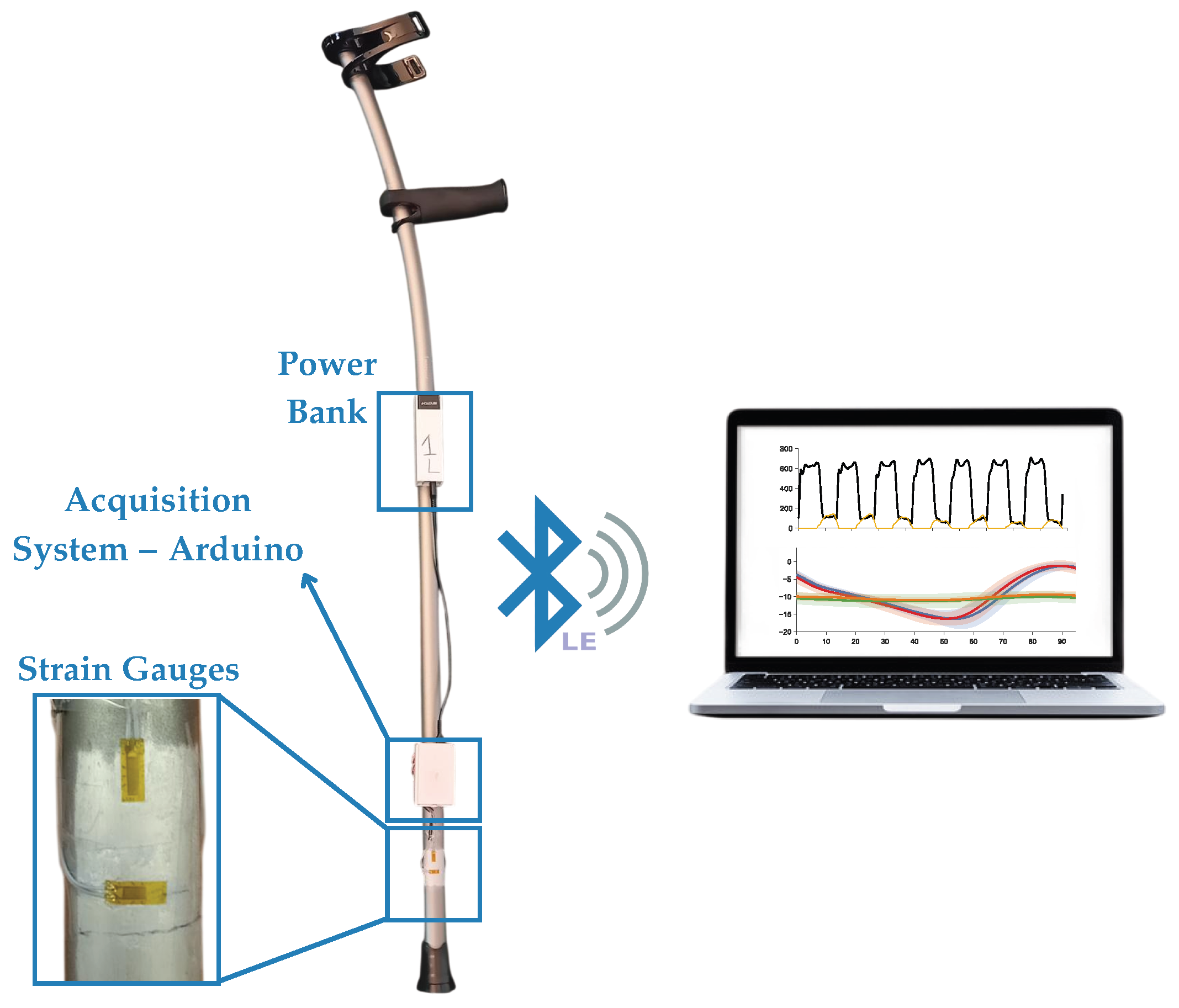
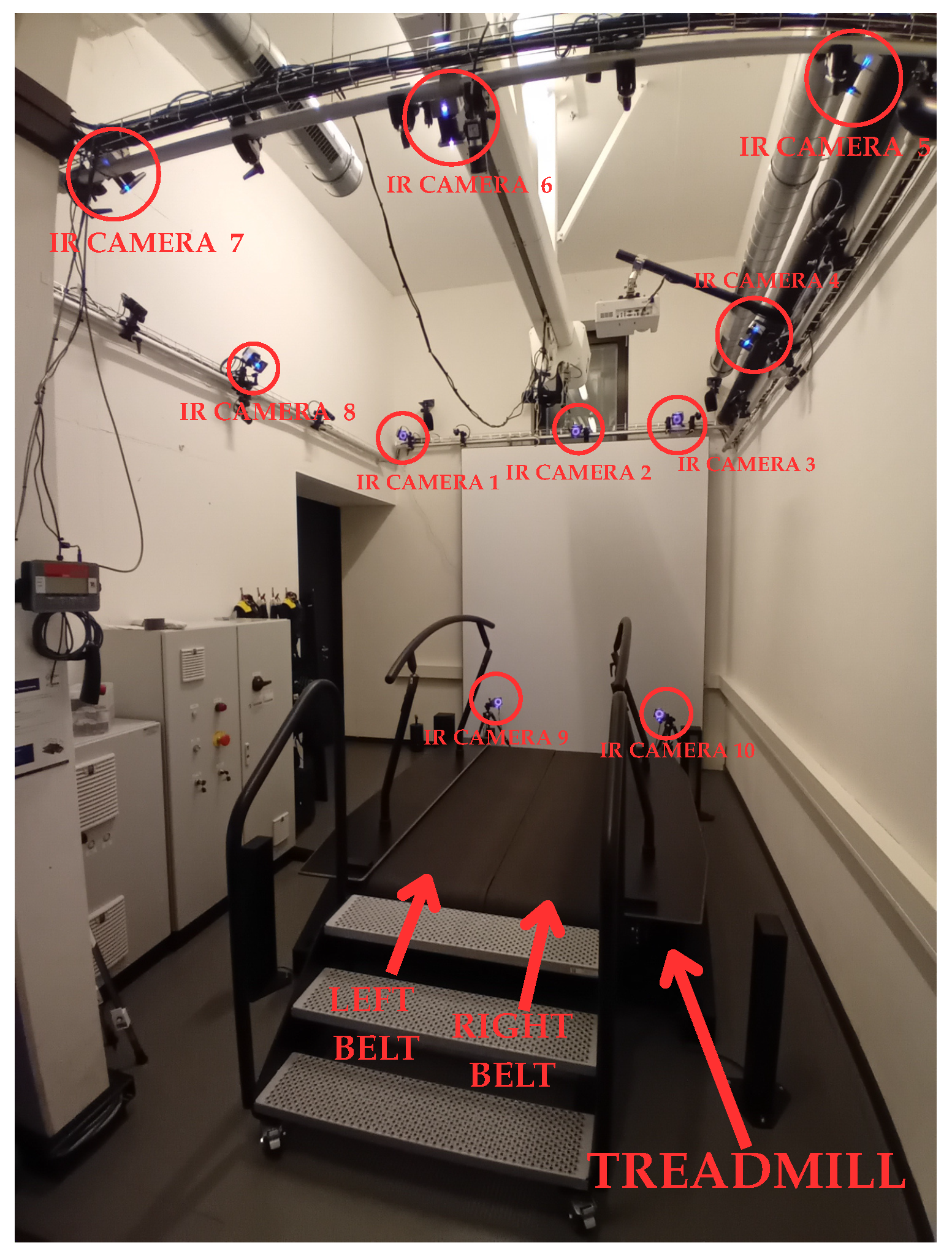
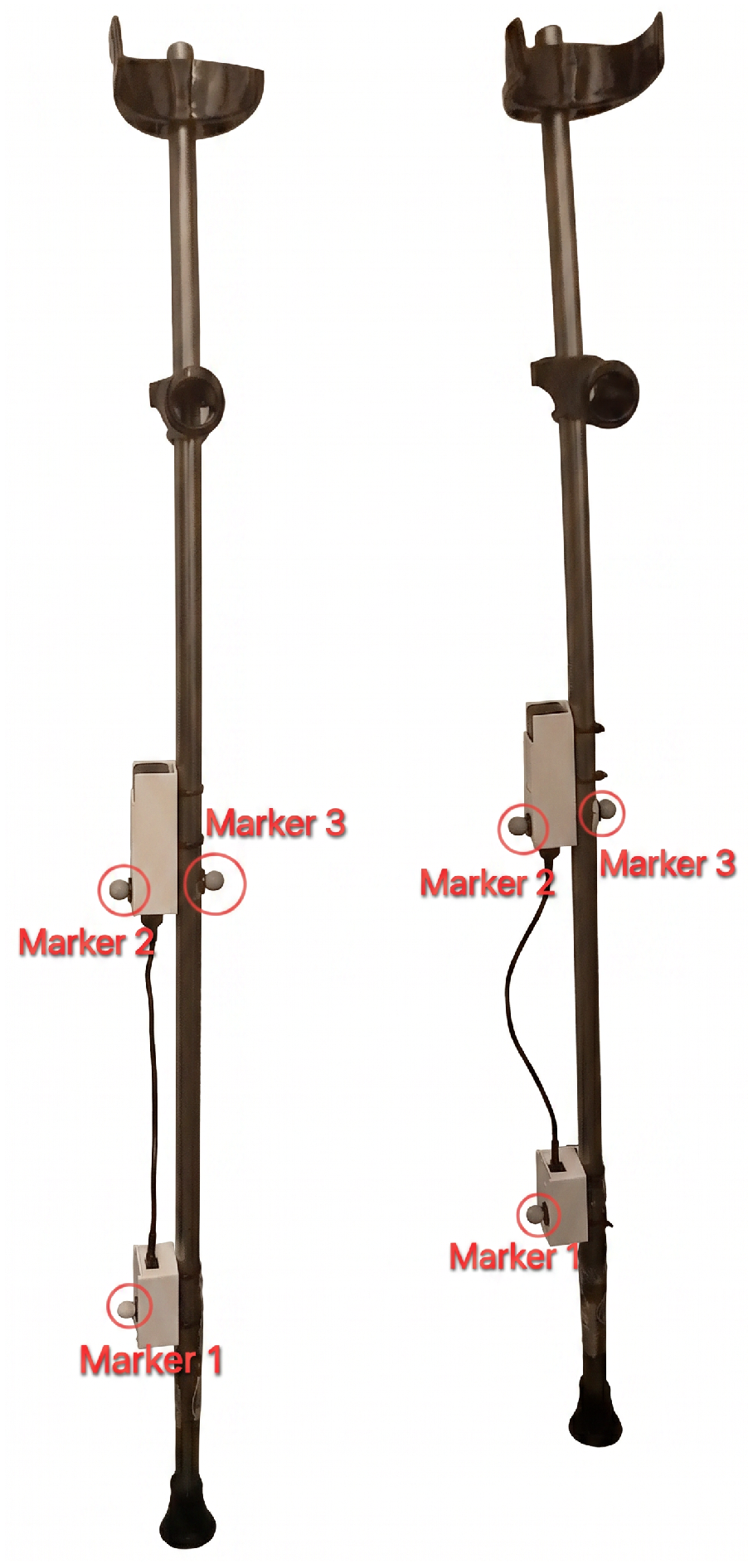
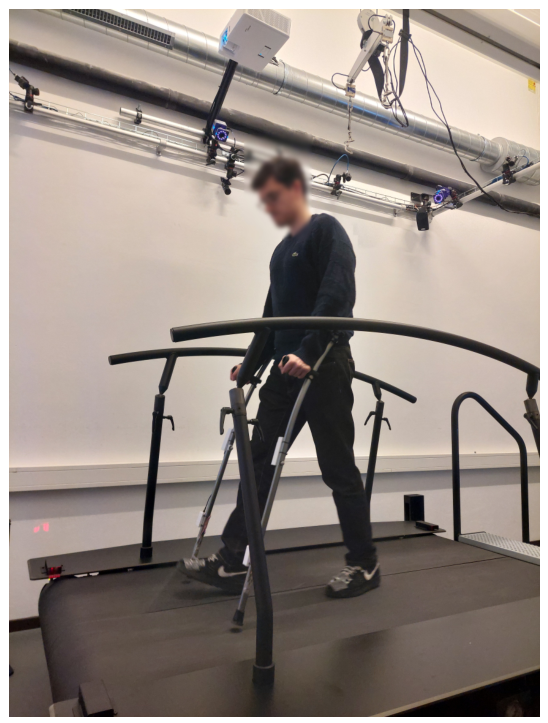
This work addresses this gap by presenting the design and dynamic validation of a sensorized forearm crutch system integrating a full Wheatstone bridge strain-gauge module and a 6-axis IMU. The primary contribution of this study is a comprehensive dynamic validation framework that simultaneously evaluates axial load and crutch orientation during continuous assisted gait against synchronized reference instrumentation. Unlike prior studies relying on stationary force platforms, validation was performed against a dual-belt instrumented treadmill combined with an optoelectronic motion capture system.
When applied to continuous assisted gait, stationary force plates present inherent constraints. Their restricted sensing area reduces the probability of obtaining valid foot contacts in a single pass, often requiring repeated non-consecutive runway trials that may not reflect steady-state gait [
25]. Moreover, subjects may adopt targeting strategies to accurately strike the plate, potentially altering natural gait patterns [
9,
10]. Conventional force plate setups are therefore not well suited for continuous analysis of assisted walking, where multiple contacts from both lower limbs and assistive devices may occur in close temporal succession.
The dual-belt instrumented treadmill overcomes these limitations by enabling continuous, stride-by-stride bilateral force measurement at a precisely controlled and reproducible walking speed [
26,
27], without constraining foot or crutch placement. This provides a statistically robust reference that is more representative of continuous assisted gait than isolated force-plate steps, offering a practical ground truth for dynamic validation under controlled continuous gait conditions.
Beyond accuracy assessment, the validated system enables the extraction of a set of quantitative biomechanical descriptors, axial crutch load, cadence, crutch contact variability, load asymmetry, pitch asymmetry, and crutch stance/swing asymmetries, which are commonly used to characterize gait dynamics in terms of temporal variability, stability, and inter-limb coordination [
28,
29,
30]. These features provide a compact kinematic and kinetic representation of continuous assisted gait, supporting the objective evaluation of the sensorized forearm crutch and enabling partial weight-bearing quantification during assisted walking.
4. Discussion
The static and dynamic validation results demonstrate that the proposed instrumented crutches provide reliable measurements of both axial force and orientation under conditions representative of assisted gait.
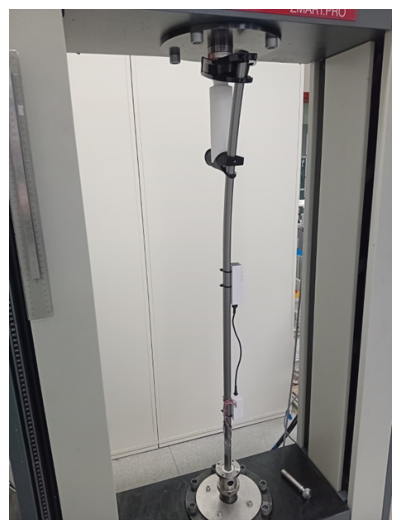
The calibration procedure revealed linear and repeatable responses for both devices, supporting the robustness of the sensing architecture. However, the two crutches exhibited significantly different sensitivities. This finding indicates that identical force loads produce different electrical outputs in the two devices, making a common calibration equation unsuitable. The reduced agreement observed when pooling calibration data from both crutches further confirms that independent calibration coefficients are mandatory to prevent systematic errors in force estimation [
13]. Notably, these sensitivity differences did not affect the estimation of bilateral loading asymmetry, as each device was calibrated independently. Force metrics were derived from values already converted into physical units (N) using device-specific equations, thereby eliminating any influence of sensor-to-sensor variability on symmetry calculations.
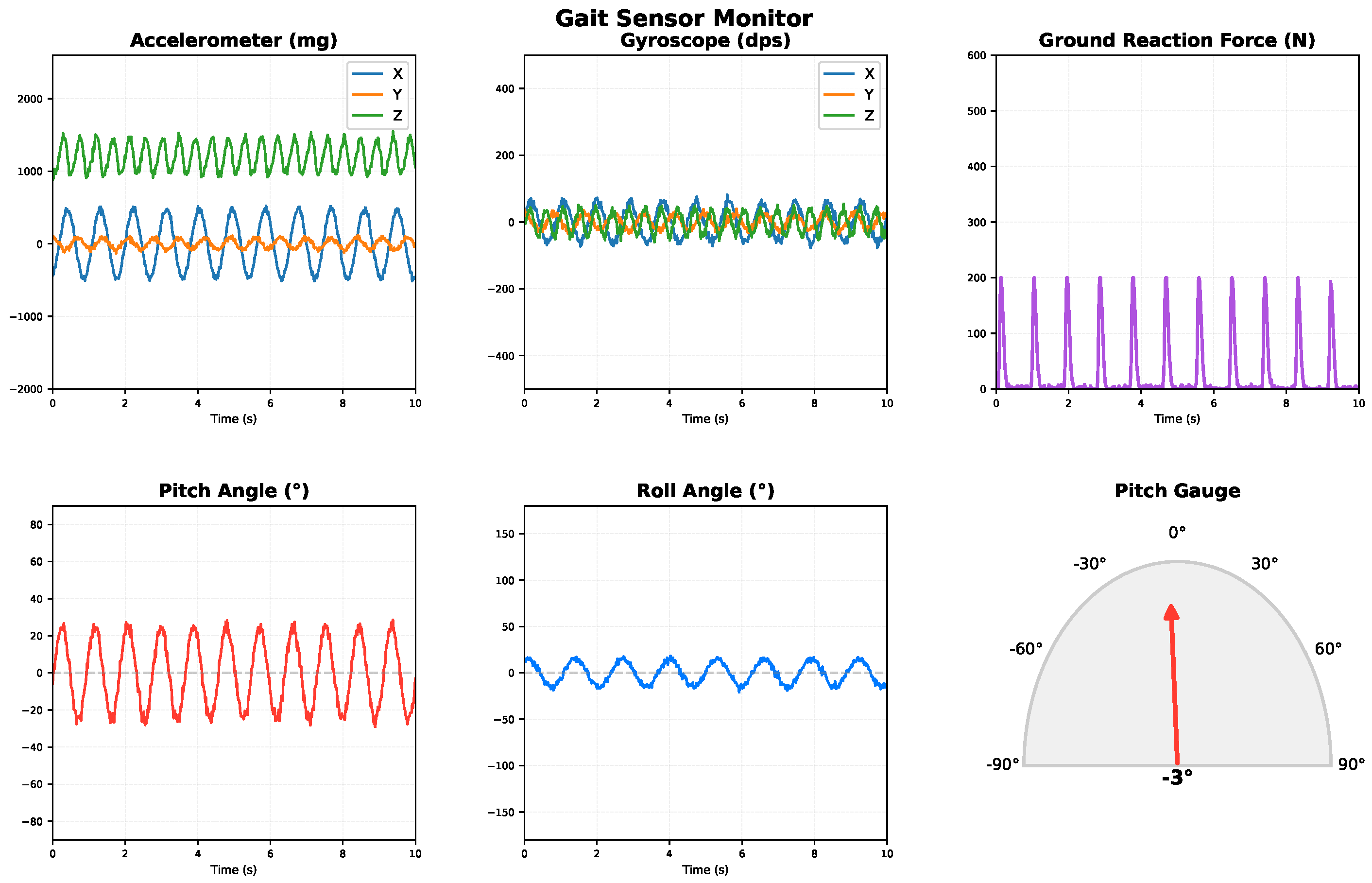
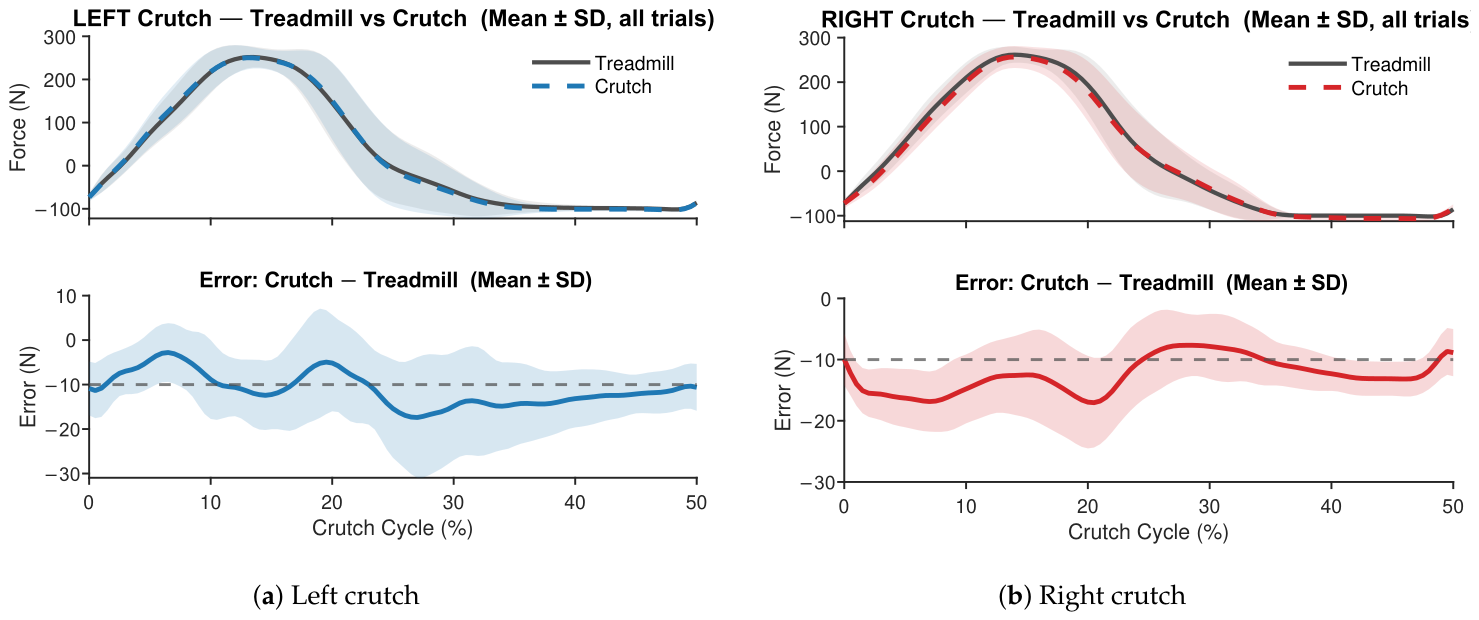
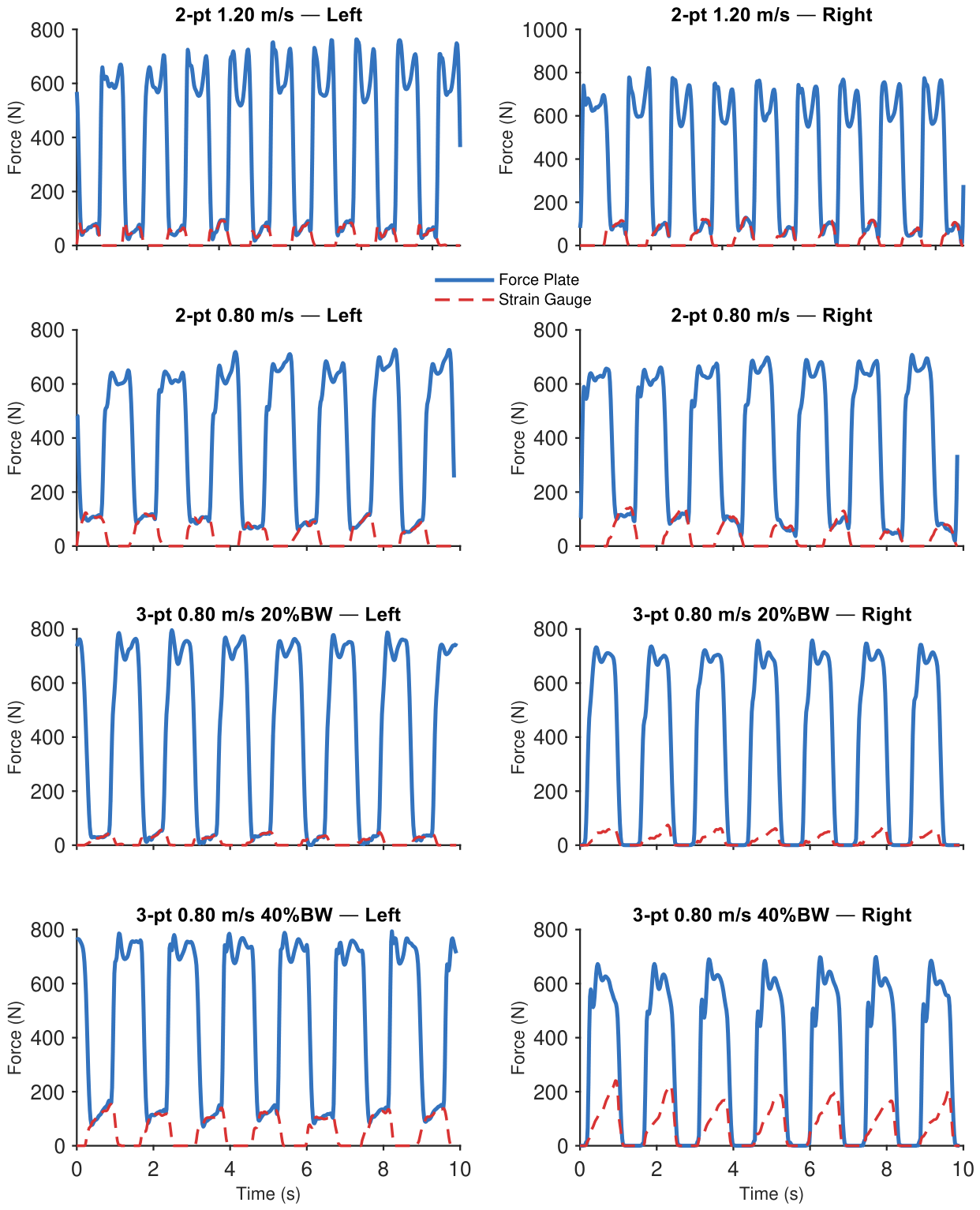
Under dynamic walking conditions, force measurements showed high agreement with the instrumented treadmill reference. The low RMSE values, high coefficients of determination (
), and consistent temporal alignment of points of interest indicate that the sensing subsystem accurately captures the kinetics of crutch loading. This precision is essential for the objective quantification of weight-bearing and for the reliable identification of loading events within the gait cycle. Overall, the measurement performance is comparable to values reported for previous instrumented crutch systems [
13,
37].
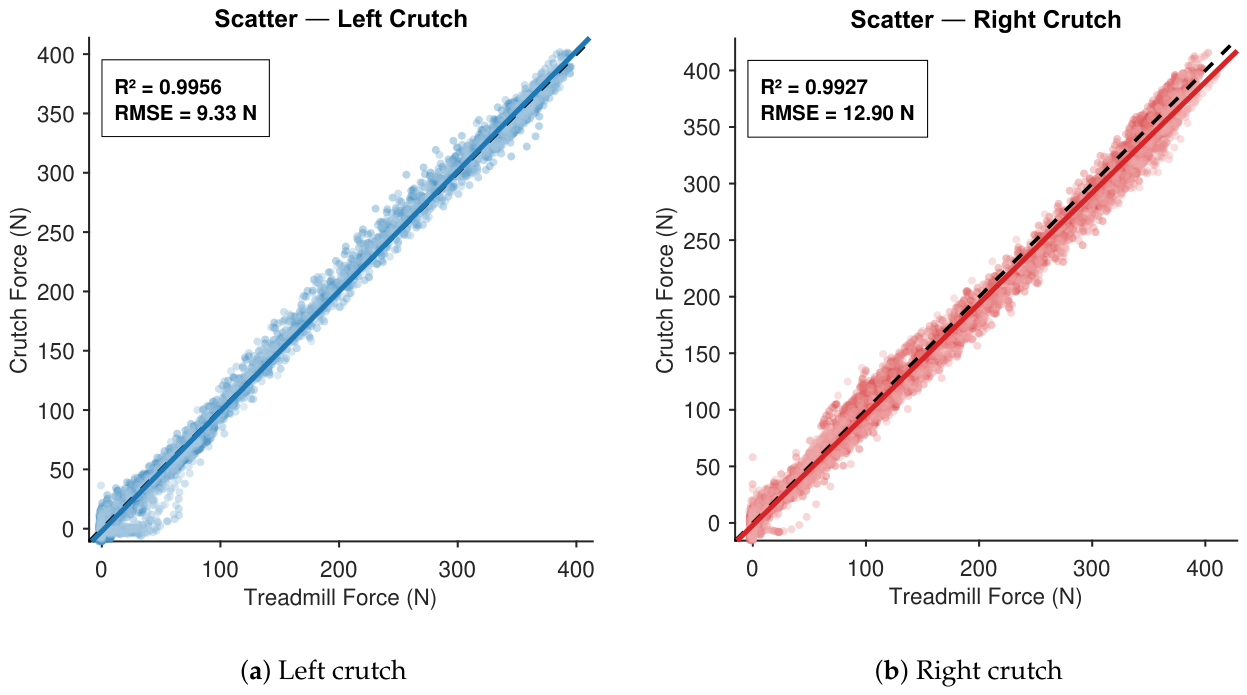
The swing-through non-weight-bearing condition was deliberately selected for strain-gauge validation because it spans the full range of axial loads transmitted through the crutch, from near-zero during the swing phase to values approaching full body-weight transfer during stance. As shown in the scatter plots (
Figure 8), the agreement between crutch and treadmill forces remained high (
) across this entire range, including the lower force magnitudes (approximately 20–40% BW) corresponding to the partial weight-bearing levels used in the 2-point and 3-point gait trials. The validated accuracy can therefore be considered representative of the force ranges encountered across all gait conditions analyzed in this study.
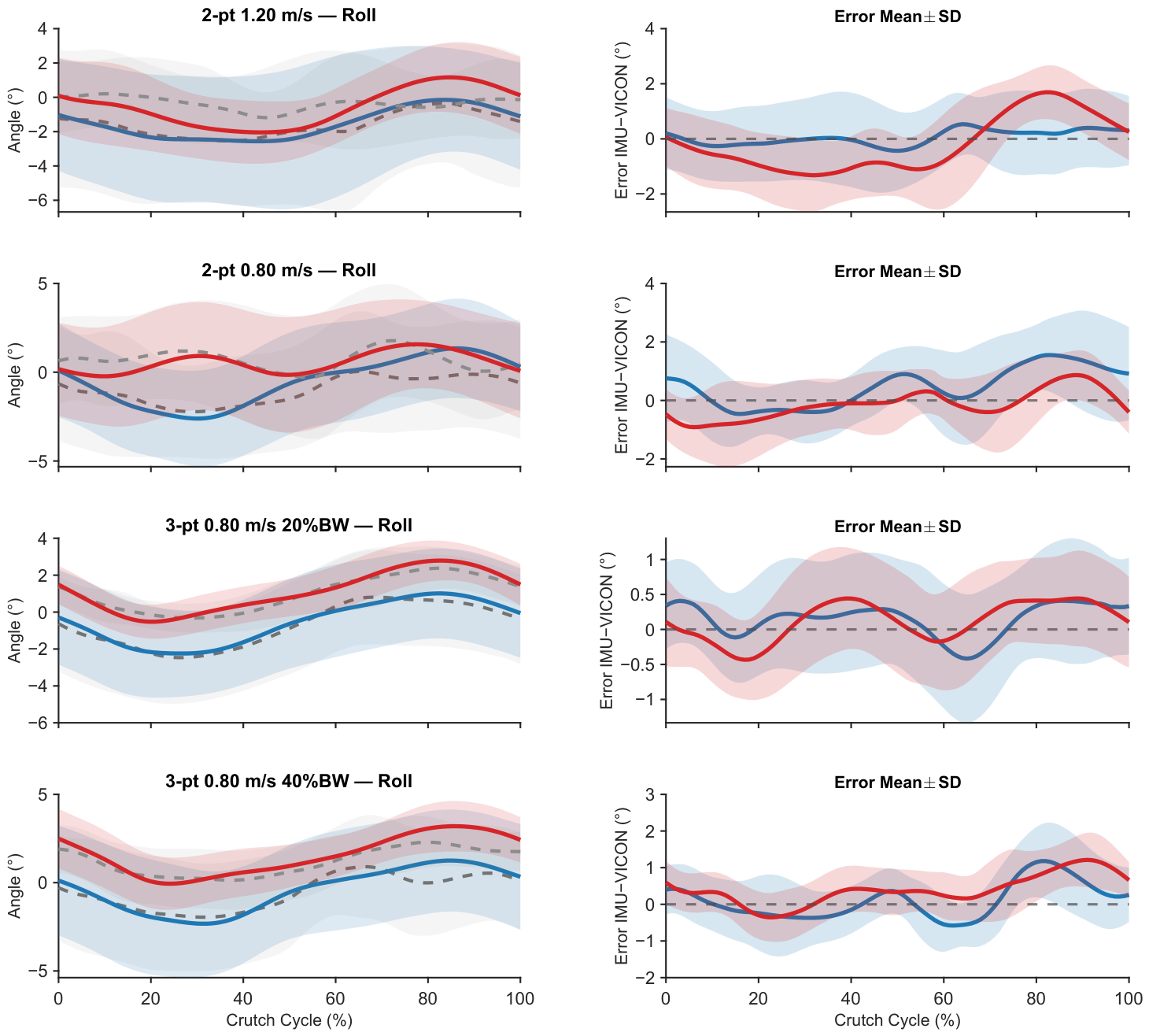
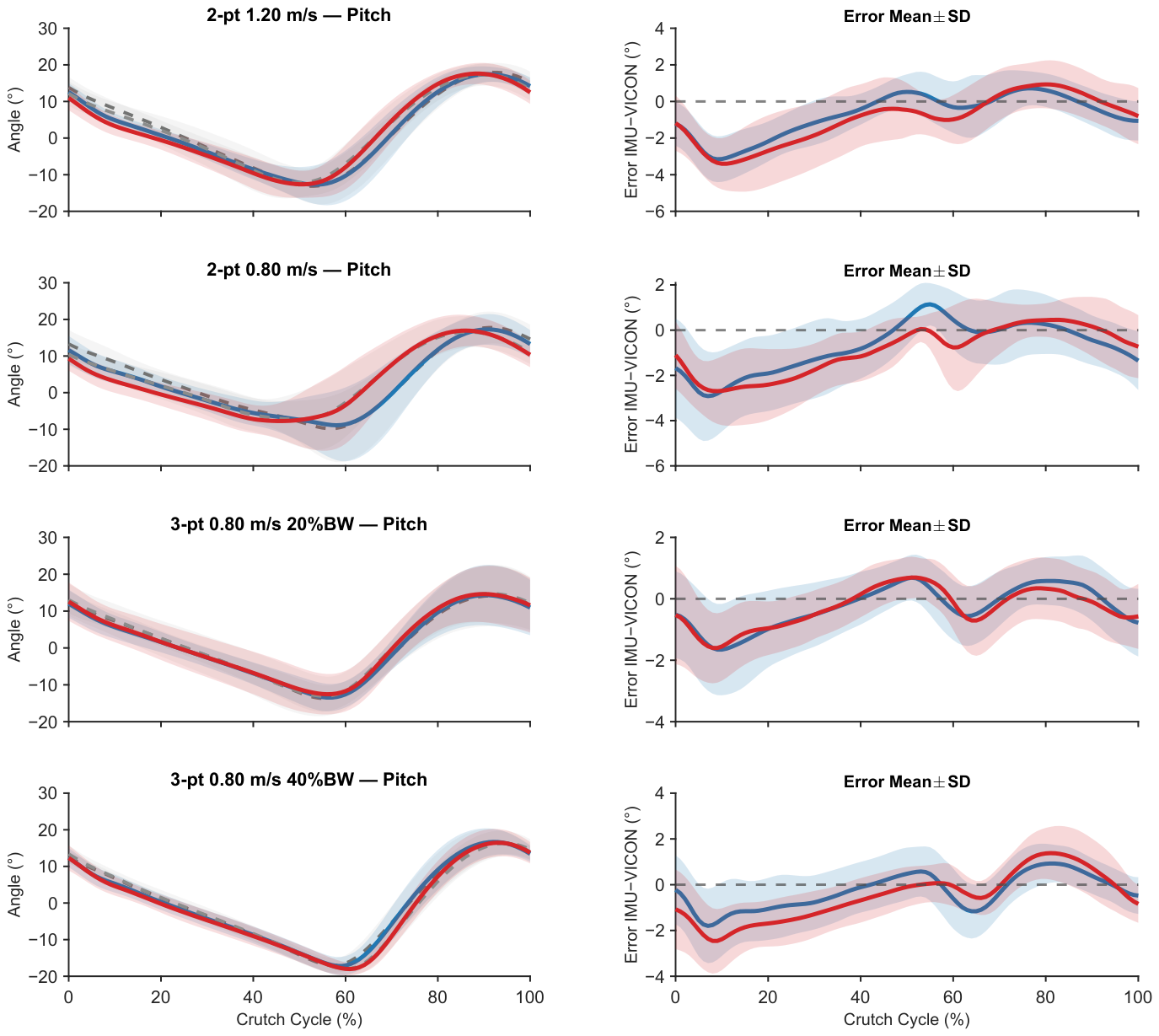
Regarding orientation estimation, static validation confirmed that the IMU achieves its highest accuracy within the angular range typically encountered during assisted walking. Dynamic validation showed pitch accuracy comparable to literature values [
11]. The high relative error observed in the roll axis was primarily a consequence of the small range of motion recorded during these specific trials (<5°), where even minimal absolute noise represents a large percentage of the total movement. Nevertheless, the roll signal remains fundamental for safety-related applications, as the ability to detect sudden and large changes in lateral inclination is essential for identifying anomalous events such as a crutch slipping or a potential fall. The negligible mean bias across both axes further confirms that these orientation estimates are stable and suitable for both quantitative gait characterization and the detection of atypical loading or placement patterns.
The dual-belt treadmill provided a rigorous reference for validating crutch-assisted gait. Furthermore, the synchronization of kinetic data with the Vicon system allowed for a comprehensive multimodal validation within a unified experimental framework.
The biomechanical metrics extracted from the validated force and orientation signals provide an initial demonstration of the range of information that can be obtained from the proposed instrumented crutches during continuous assisted gait. The measured parameters were able to discriminate between the investigated gait conditions and reflected the expected effects of different loading prescriptions and walking strategies.
The force measurements showed a clear increase in crutch loading between the two 3-point gait conditions. The combined load supported by the crutches increased from 20.99% BW during the 20% BW task to 49.07% BW during the 40% BW task, demonstrating the capability of the system to objectively quantify partial weight-bearing behavior. While the participants closely matched the prescribed target in the 20% BW condition, a tendency toward higher-than-prescribed loading was observed in the 40% BW condition. These findings illustrate the potential of the proposed system to identify deviations from prescribed weight-bearing instructions and to provide objective information on load distribution during assisted locomotion.
Temporal parameters were also sensitive to changes in gait conditions. Cadence increased from 75.86 steps/min during 2-point gait at 0.80 m/s to 94.09 steps/min at 1.20 m/s, reflecting the expected adaptation to increased walking speed. Crutch contact variability and crutch stance/swing asymmetry exhibited relatively large standard deviations across participants, indicating a substantial inter-participant variability in crutch-handling strategies despite the use of standardized gait patterns.
The asymmetry metrics further highlighted differences between gait conditions. Load asymmetry was greatest during the 3-point gait at 40% BW, suggesting that higher upper-limb loading may amplify side-to-side differences in support distribution. In contrast, lower asymmetry values were observed during the 2-point gait conditions, indicating a more balanced bilateral use of the crutches.
The orientation measurements revealed relatively consistent pitch patterns across all tasks. Peak pitch values remained within a similar range regardless of gait strategy or walking speed, suggesting that participants adopted comparable crutch placement mechanics throughout the experiments. Roll excursions remained limited, generally within a few degrees from the neutral position, which is consistent with the constrained lateral motion expected during stable crutch-assisted walking.
Although the present study was not designed to investigate clinical outcomes, these results demonstrate that the validated sensing platform can provide a comprehensive set of temporal, kinetic, and kinematic descriptors from instrumented crutches alone. Such information could support future studies aimed at quantifying weight-bearing compliance, gait symmetry, walking stability, and adaptations to different assisted-gait strategies.
In future clinical use, a sensorized forearm crutch could become a practical tool for monitoring and guiding partial weight-bearing during gait rehabilitation, particularly after orthopedic surgery or lower-limb injury. By providing objective load measurements, it could help clinicians ensure that patients adhere to prescribed unloading targets, reducing the risk of overloading, underloading, and poor gait symmetry. Its primary application would be in physiotherapy clinics and rehabilitation laboratories, where therapists could individualize targets, track progress objectively, and adjust feedback to each patient’s needs. With further validation, the system could also support home-based or community walking, making recovery more continuous and better connected to real-world mobility.
Some limitations of the present study should be acknowledged. The validation was conducted on a small sample of five unimpaired participants, which limits generalizability to clinical populations with orthopedic or neurological impairments. Additionally, testing was performed exclusively on a treadmill, which does not fully reproduce overground or real-world walking conditions. Further validation in larger and more representative clinical samples, as well as in overground and community-based settings, is therefore warranted.
5. Conclusions
This study presented and validated a pair of instrumented forearm crutches for the continuous and synchronous measurement of axial load and crutch orientation during assisted gait. The integration of strain-gauge-based force sensing and inertial measurement units within the crutch frame enables the acquisition of kinetic and kinematic parameters in a single, wearable platform.
Device-specific calibration was found to be mandatory due to significant inter-device sensitivity differences. Dynamic validation against an instrumented dual-belt treadmill and an optical motion capture system confirmed high accuracy for both force () and orientation estimation, with performance consistent with previously reported instrumented crutch systems.
Beyond metrological performance, the system demonstrated the ability to discriminate between gait conditions and to detect deviations from prescribed partial weight-bearing targets, providing a comprehensive set of temporal, kinetic, and kinematic descriptors from a single platform. The substantial inter-participant variability observed even in unimpaired participants underlines the importance of objective, continuous monitoring in assisted gait rehabilitation.
Future work will focus on validating the system in clinical populations, including patients after orthopedic surgery or lower-limb injury, to assess its performance across a wider range of pathological gait patterns and loading asymmetries. A larger and more diverse sample of participants will be recruited to improve the generalizability of the findings. Validation under overground and real-world conditions will also be pursued to overcome the ecological constraints of treadmill-based testing. The implementation of real-time feedback mechanisms will be investigated, with the long-term goal of supporting home-based recovery and connecting rehabilitation to real-world mobility.




 ,
,