Article

Real-Time Railway Hazard Detection Using Distributed Acoustic Sensing and Hybrid Ensemble Learning


1
TCDD Railway Maintenance Directorate, Karabük University, Karabük 78100, Türkiye
2
Department of Biomedical Engineering, Ankara Medipol University, Ankara 06050, Türkiye
3
Department of Computer Engineering, Karabuk University, Karabük 78050, Türkiye
*
Author to whom correspondence should be addressed.
Sensors 2025, 25(13), 3992; https://doi.org/10.3390/s25133992
Submission received: 4 May 2025 / Revised: 19 June 2025 / Accepted: 23 June 2025 / Published: 26 June 2025

Abstract

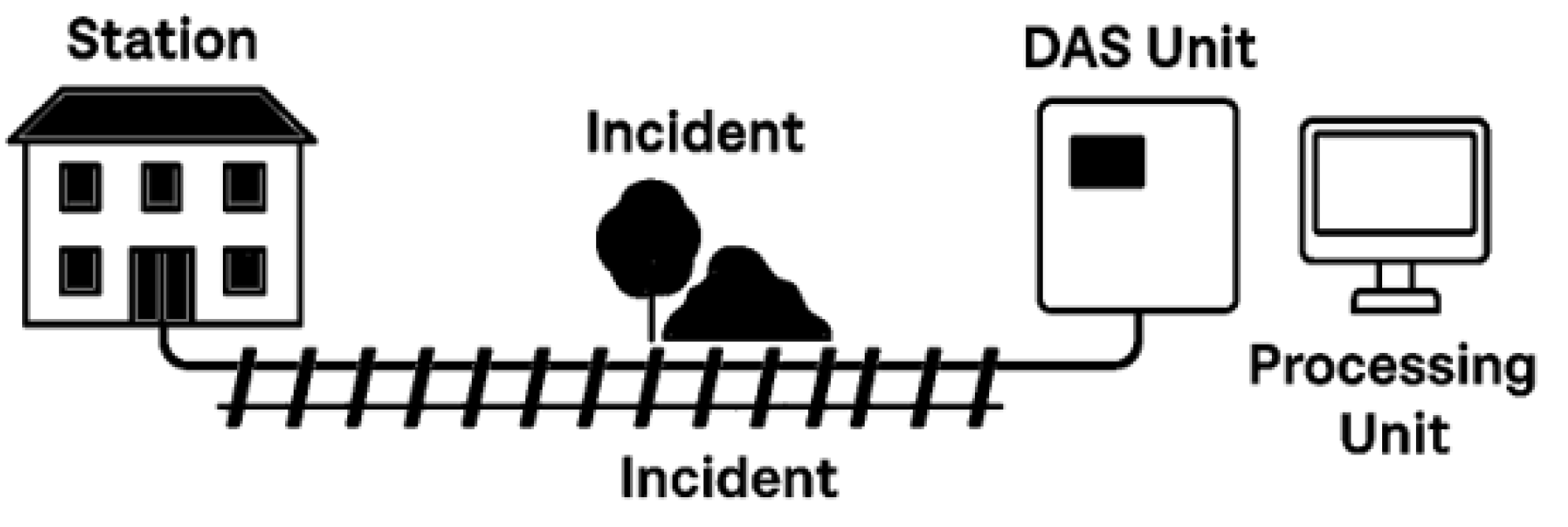
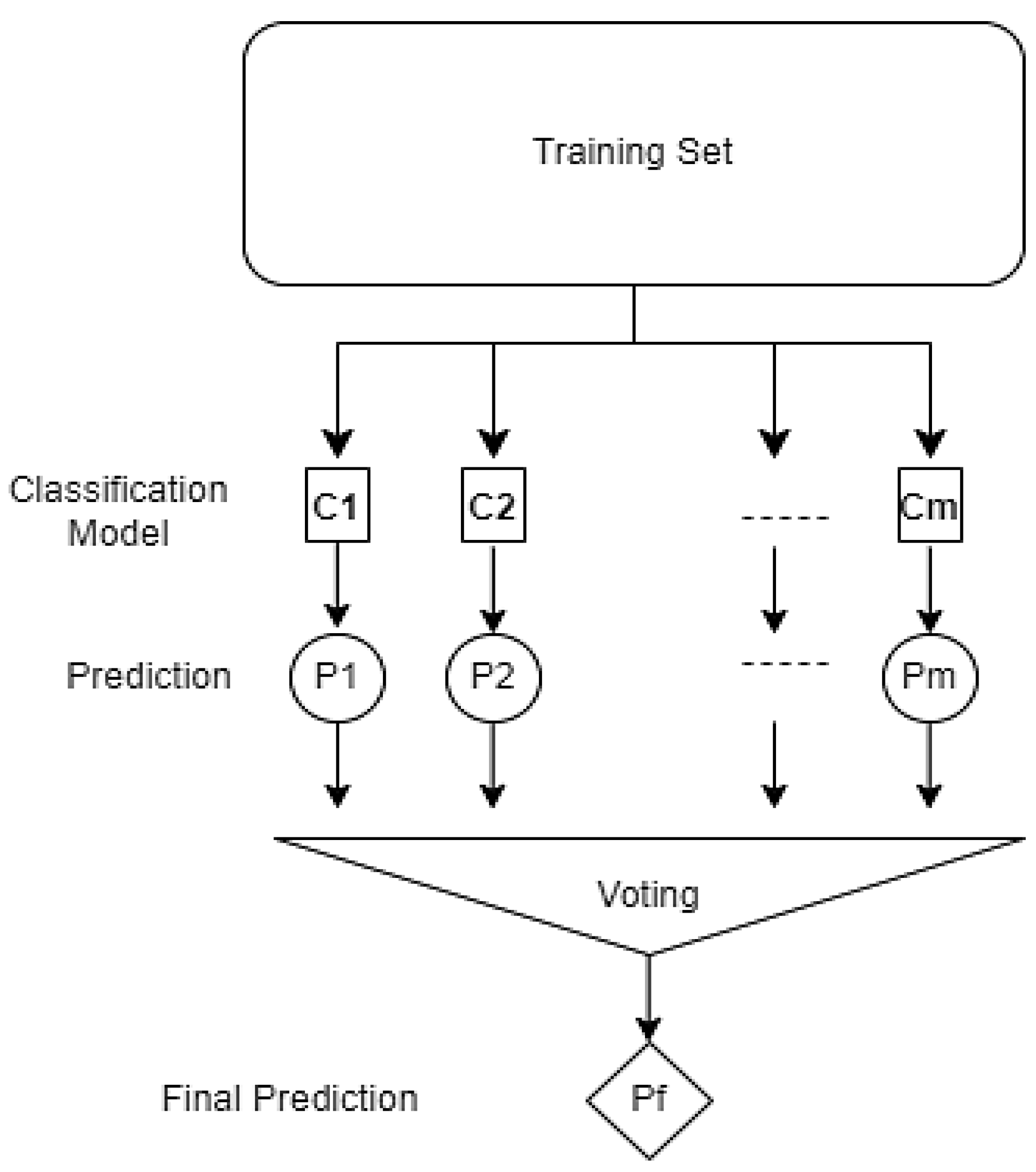
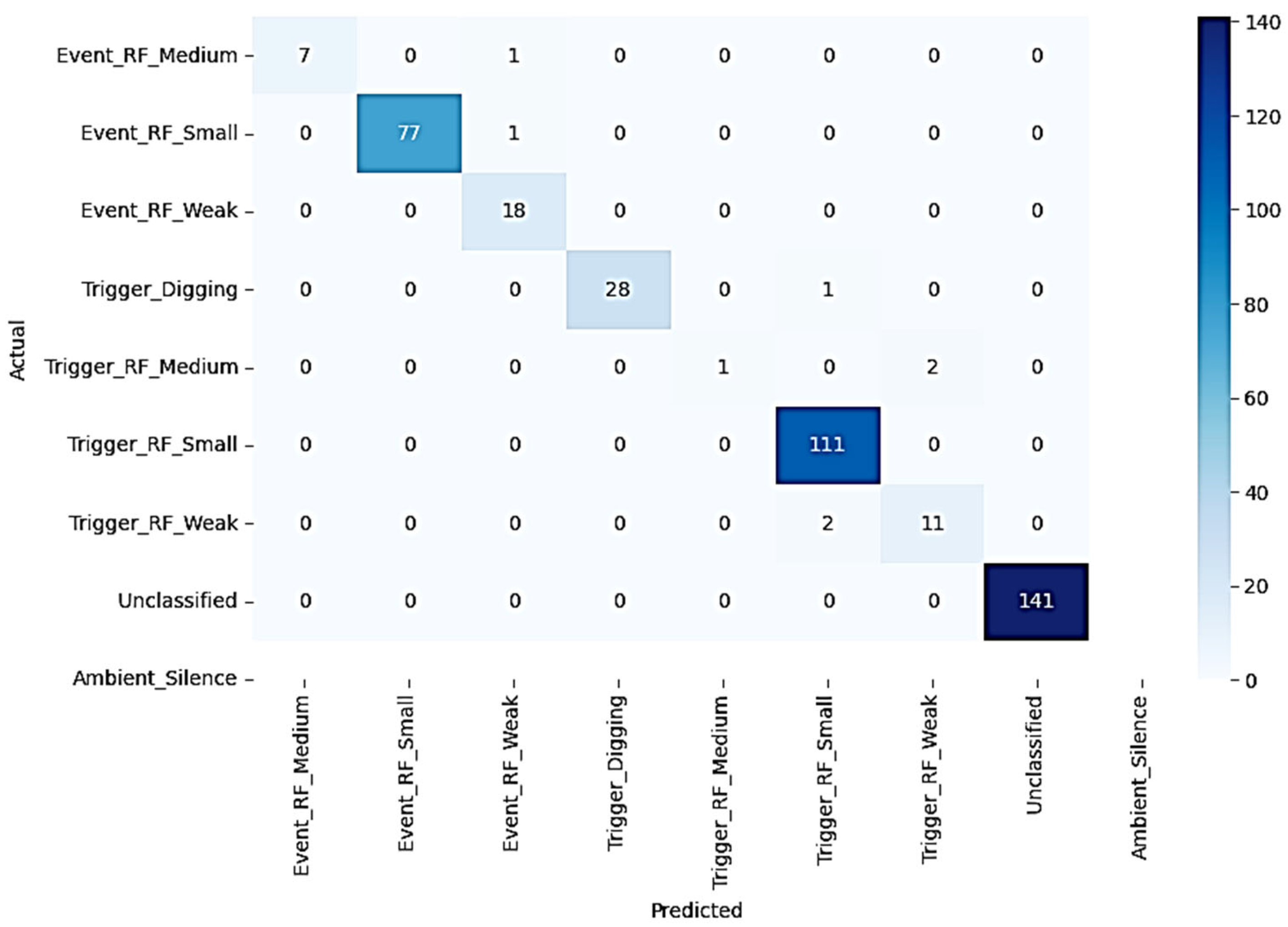
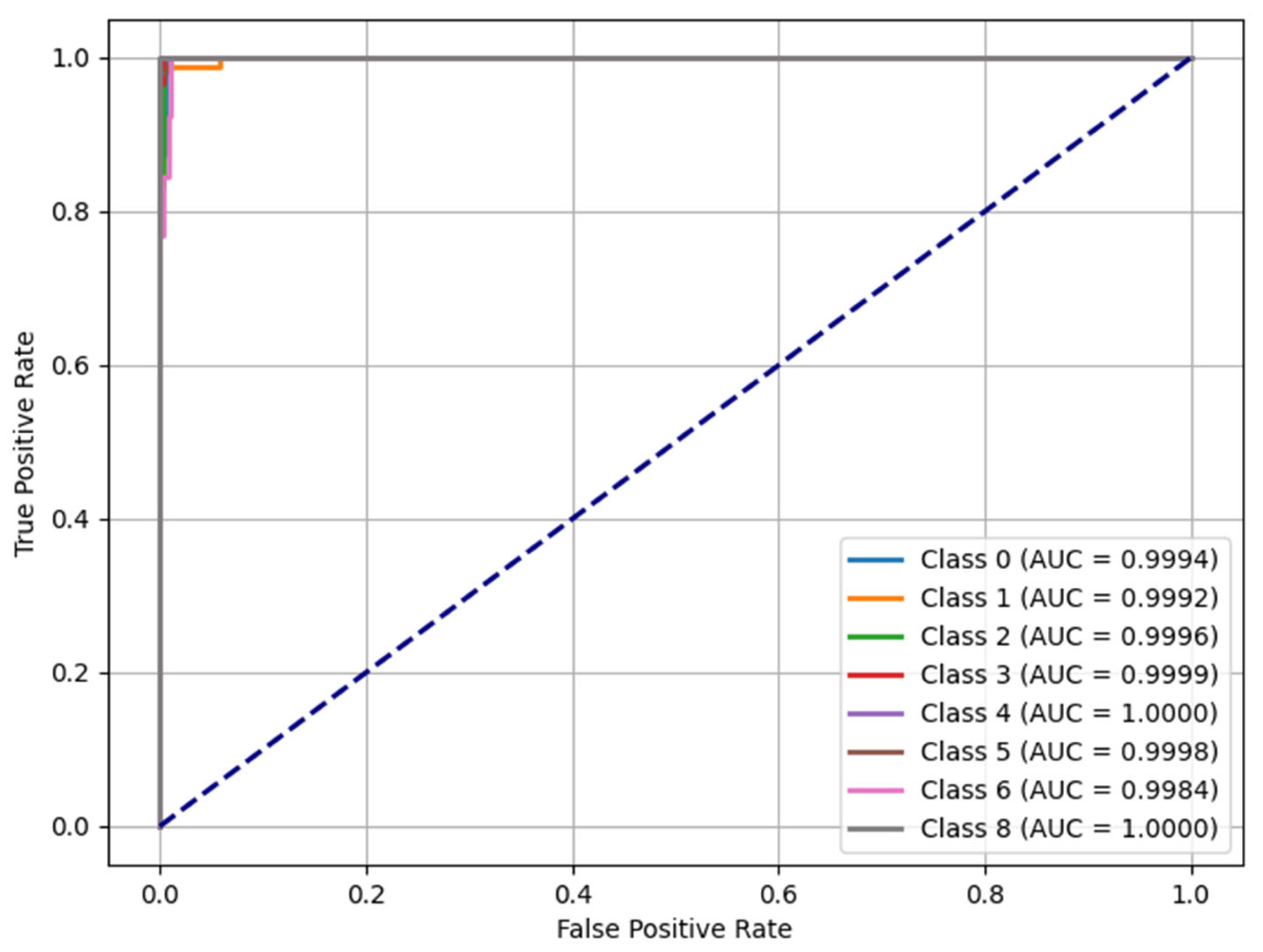
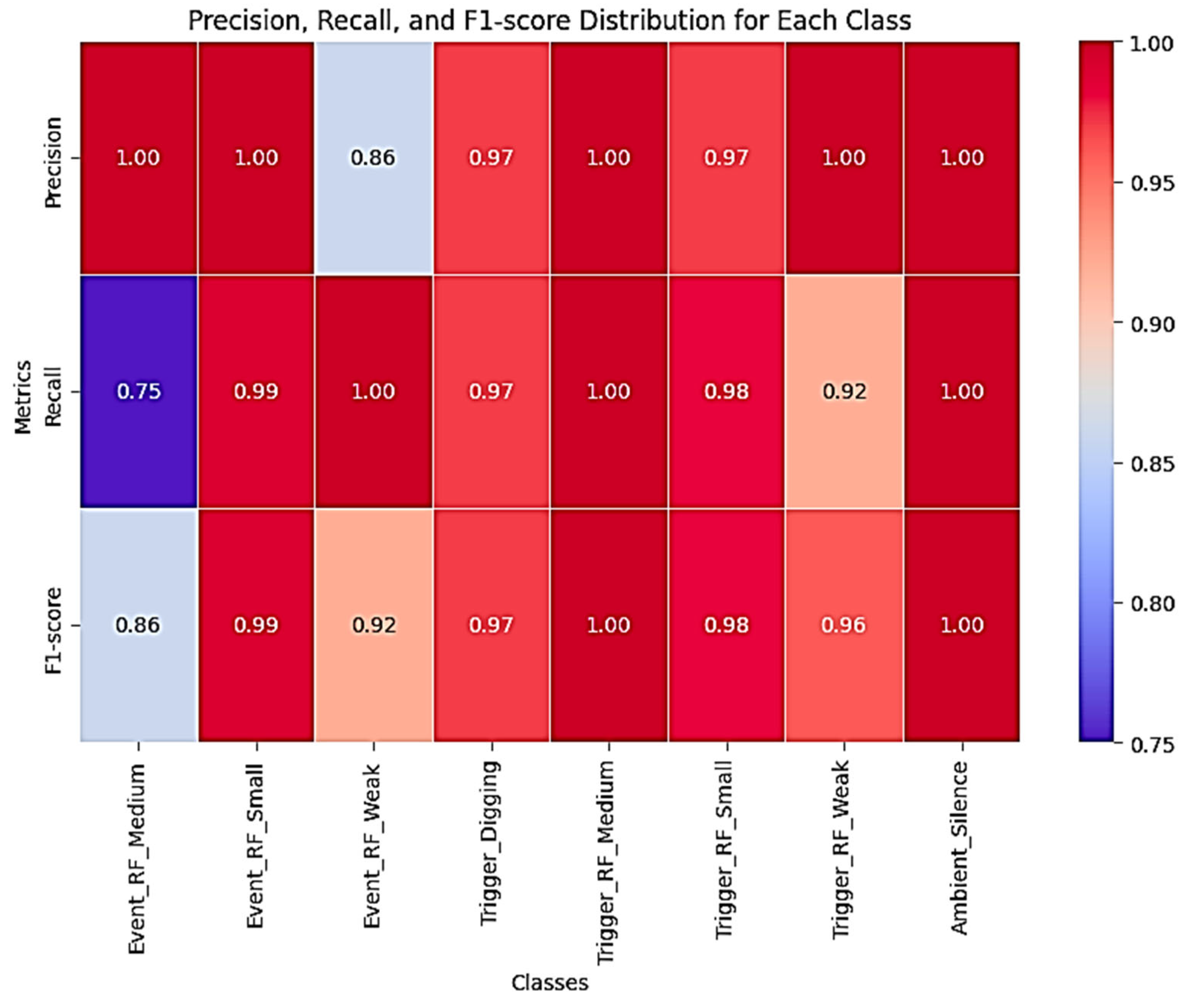
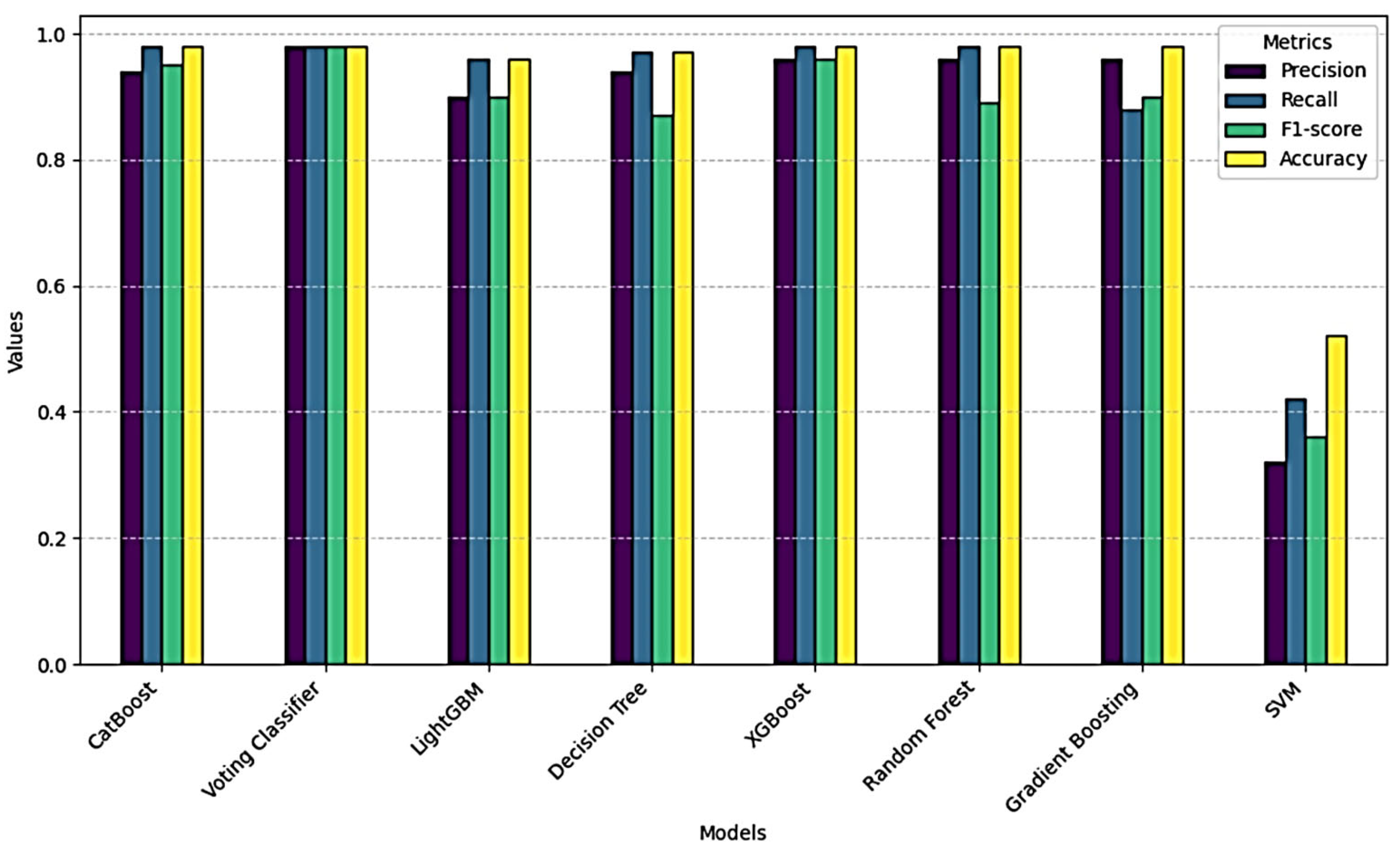
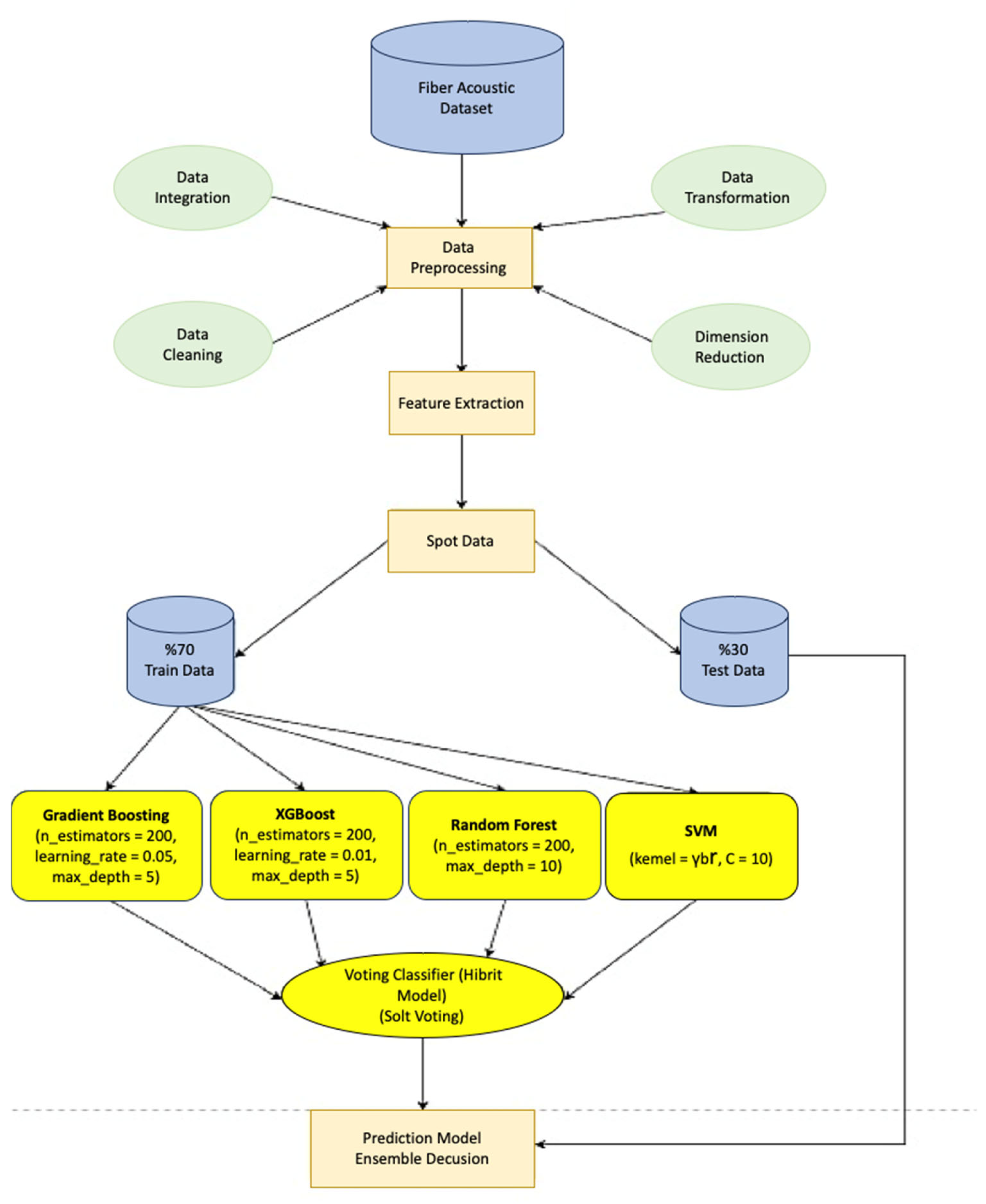
Rockfalls on railways are considered a natural disaster under the topic of landslides. It is an event that varies regionally due to landforms and climate. In addition to traffic density, the Karabük–Yenice railway line also passes through mountainous areas, river crossings, and experiences heavy seasonal rainfall. These conditions necessitate the implementation of proactive measures to mitigate risks such as rockfalls, tree collapses, landslides, and other geohazards that threaten the railway line. Undetected environmental events pose a significant threat to railway operational safety. The study aims to provide early detection of environmental phenomena using vibrations emitted through fiber optic cables. This study presents a real-time hazard detection system that integrates Distributed Acoustic Sensing (DAS) with a hybrid ensemble learning model. Using fiber optic cables and the Luna OBR-4600 interrogator, the system captures environmental vibrations along a 6 km railway corridor in Karabük, Türkiye. CatBoosting, Support Vector Machine (SVM), LightGBM, Decision Tree, XGBoost, Random Forest (RF), and Gradient Boosting Classifier (GBC) algorithms were used to detect the incoming signals. However, the Voting Classifier hybrid model was developed using SVM, RF, XGBoost, and GBC algorithms. The signaling system on the railway line provides critical information for safety by detecting environmental factors. Major natural disasters such as rockfalls, tree falls, and landslides cause high-intensity vibrations due to environmental factors, and these vibrations can be detected through fiber cables. In this study, a hybrid model was developed with the Voting Classifier method to accurately detect and classify vibrations. The model leverages an ensemble of classification algorithms to accurately categorize various environmental disturbances. The system has proven its effectiveness under real-world conditions by successfully detecting environmental events such as rockfalls, landslides, and falling trees with 98% success for Precision, Recall, F1 score, and accuracy.
Keywords: railway safety; aura; fiber optic sensors; machine learning; voting classifier; real-time rockfall monitoring railway safety; aura; fiber optic sensors; machine learning; voting classifier; real-time rockfall monitoring