Recent Advances in Calixarene-Based Fluorescent Sensors for Biological Applications



Abstract
1. Introduction
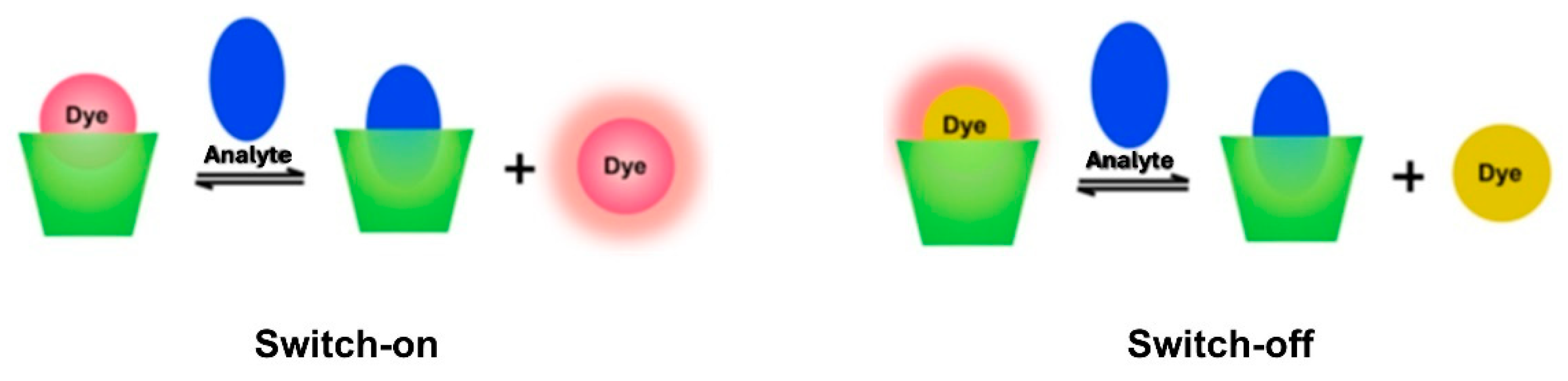
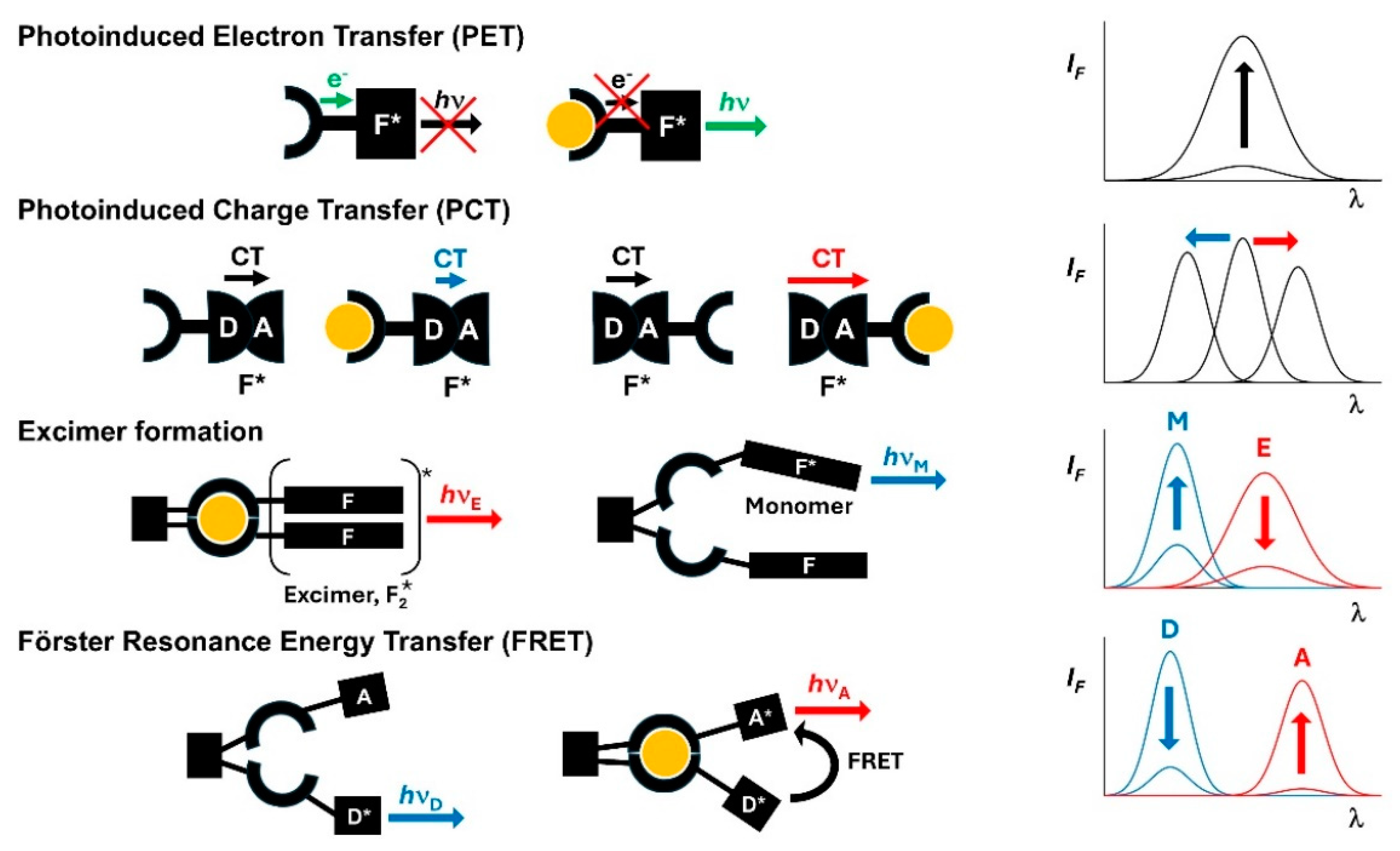
2. Fluorescence Mechanisms
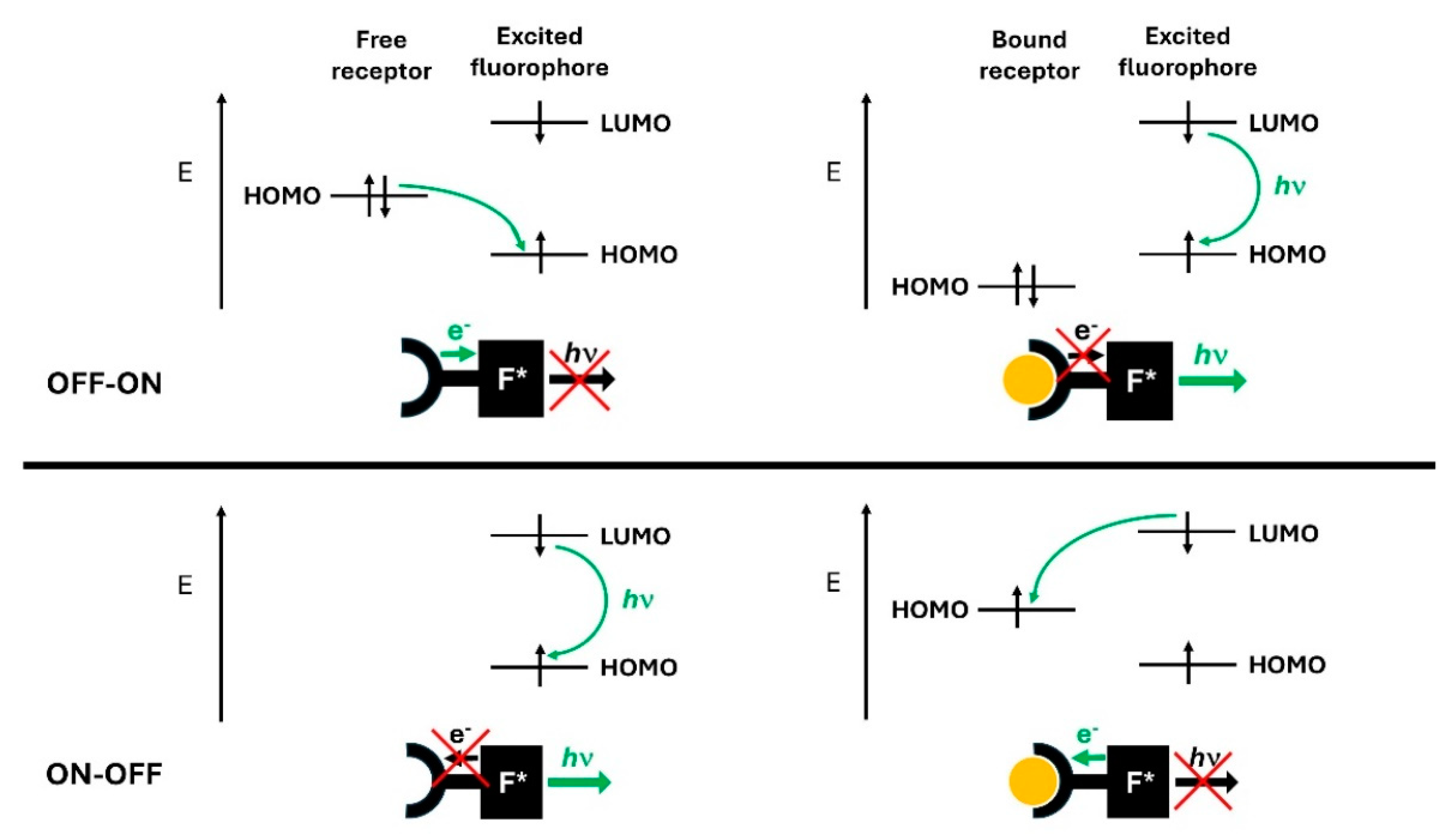
2.1. PET (Photoinduced Electron Transfer)
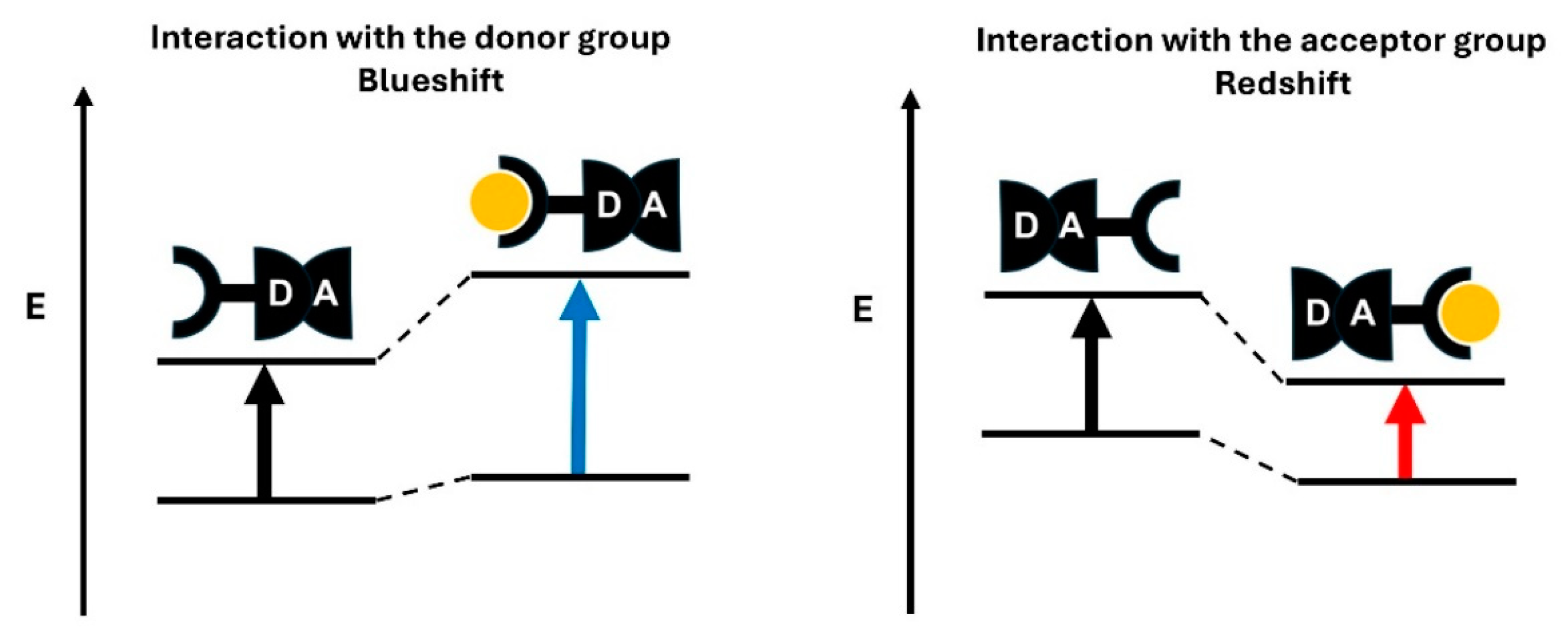
2.2. PCT (Photoinduced Charge Transfer)
2.3. Excimer Formation or Disappearance
2.4. FRET (Förster Resonance Energy Transfer)
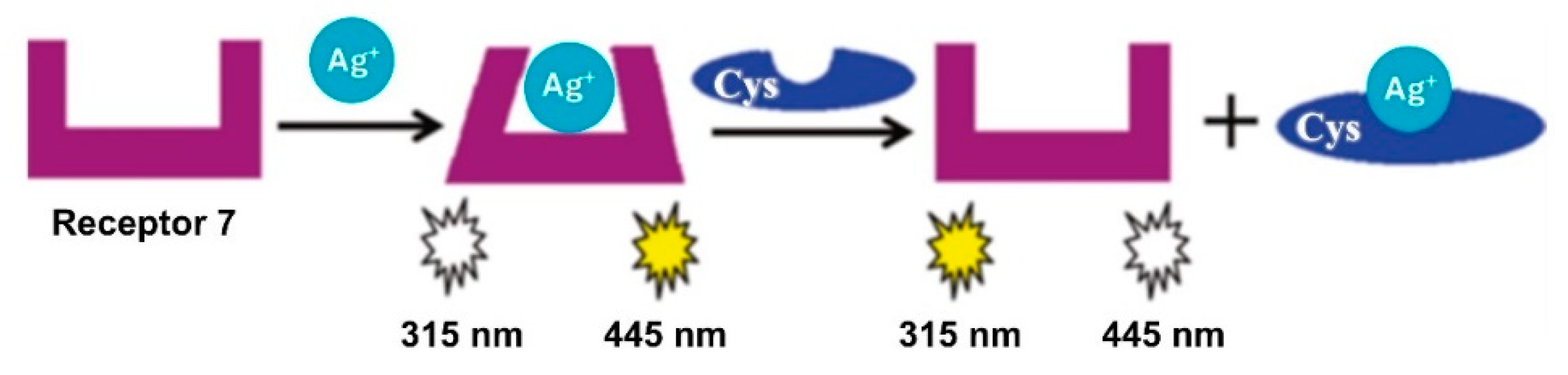
3. Detection of Biologically Relevant Ions
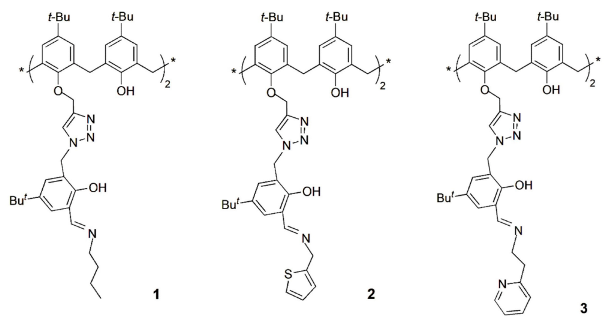
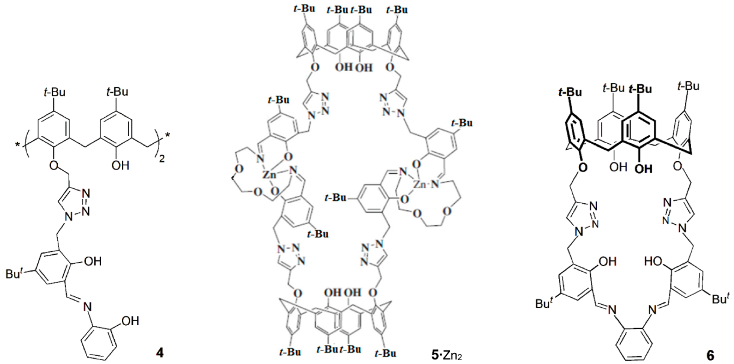
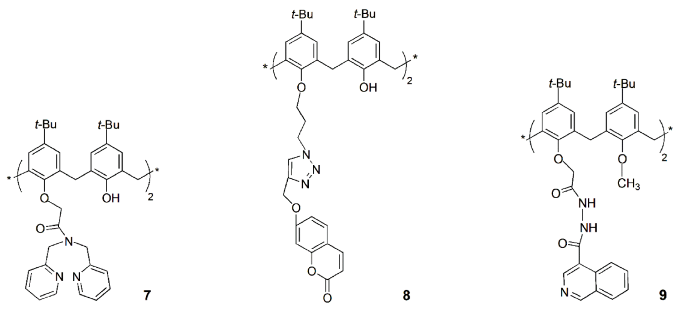
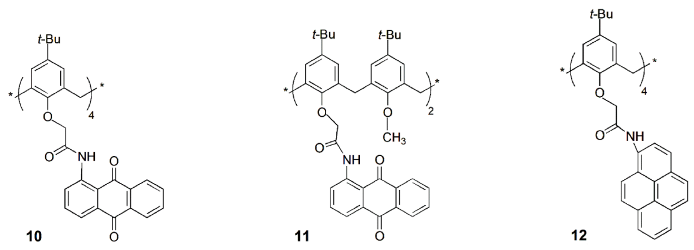
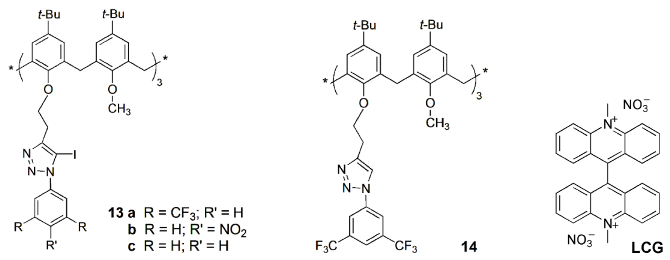
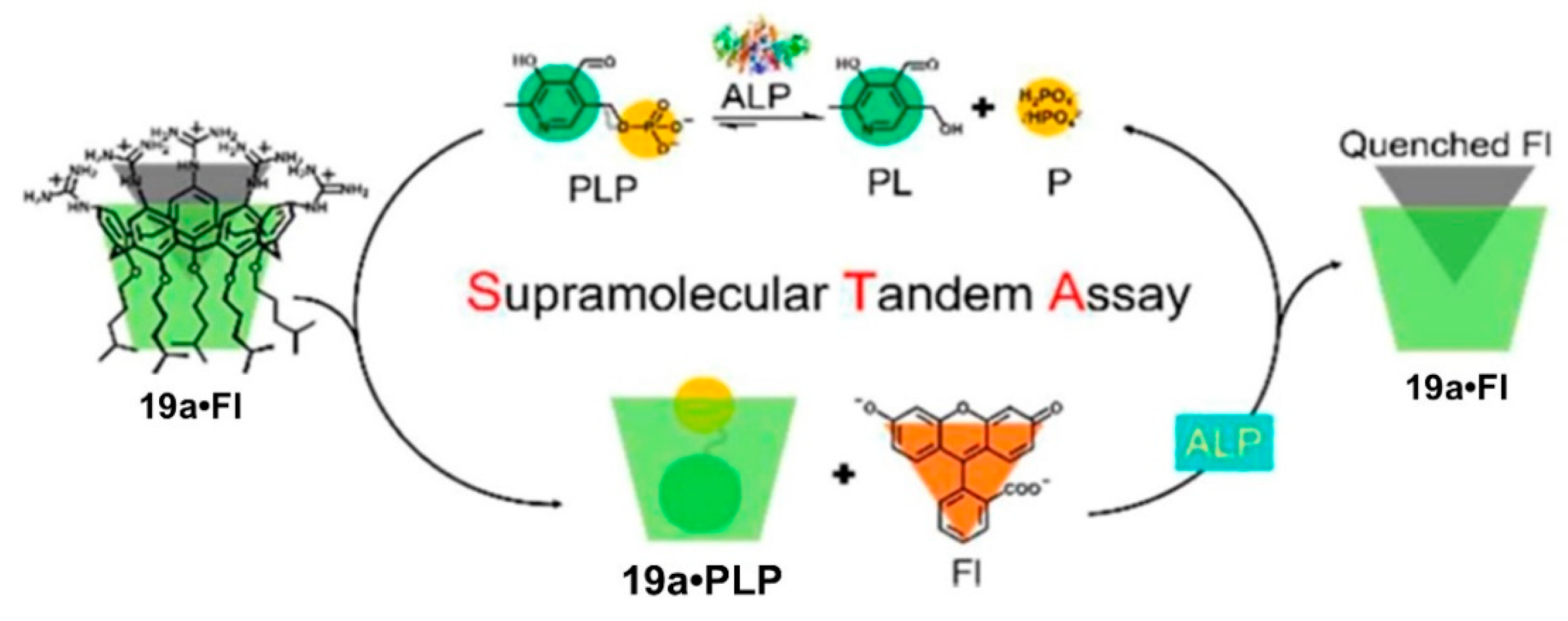
4. Sensing of Biomolecules
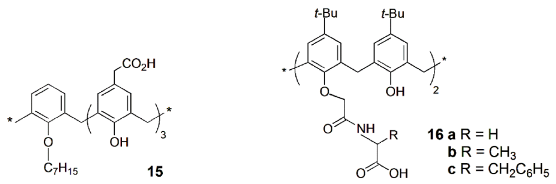
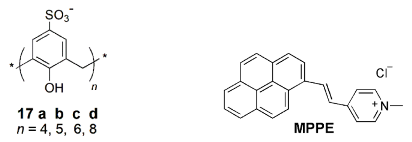

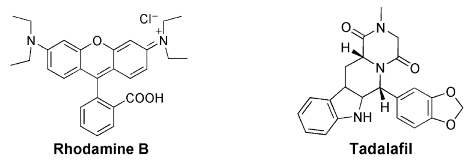
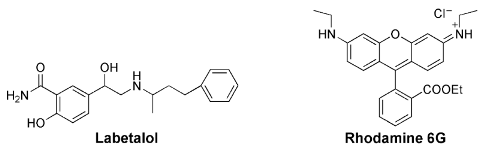
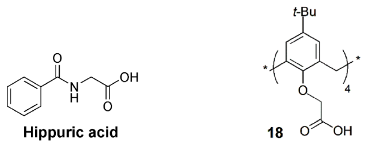
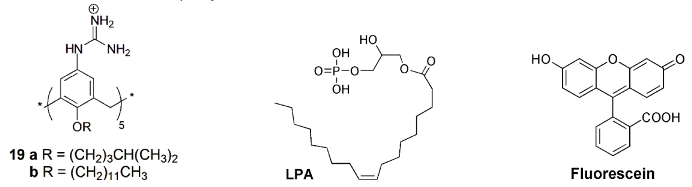
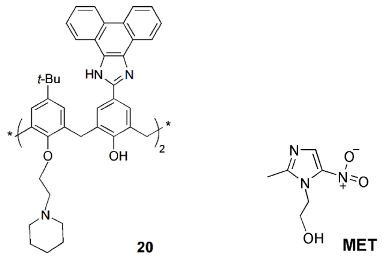
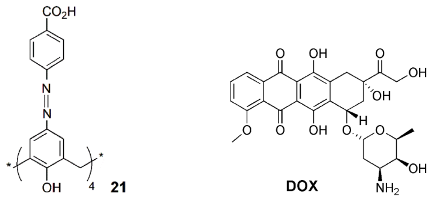
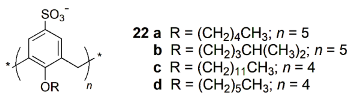
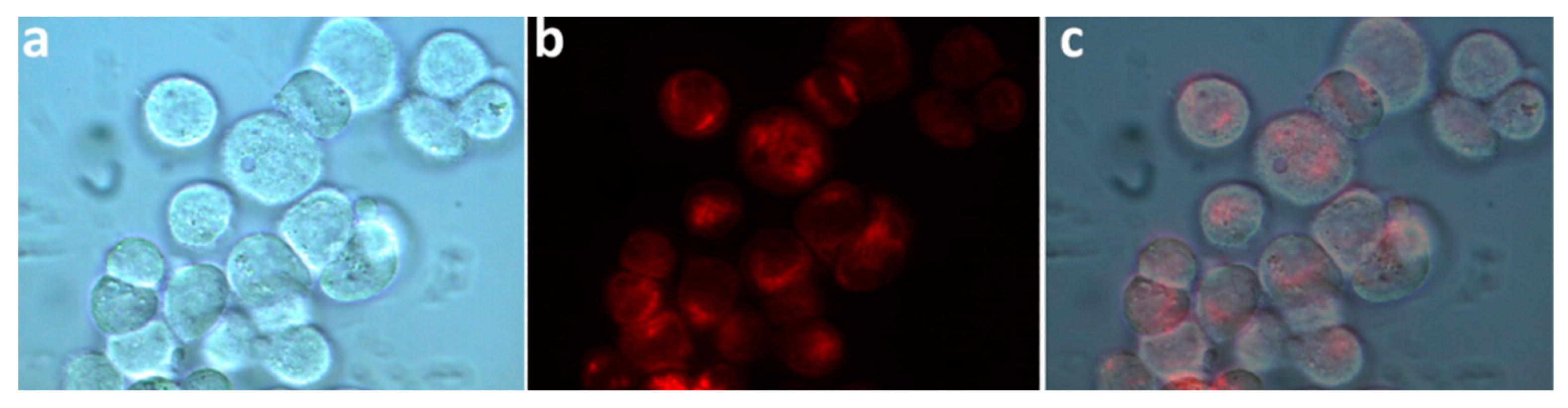
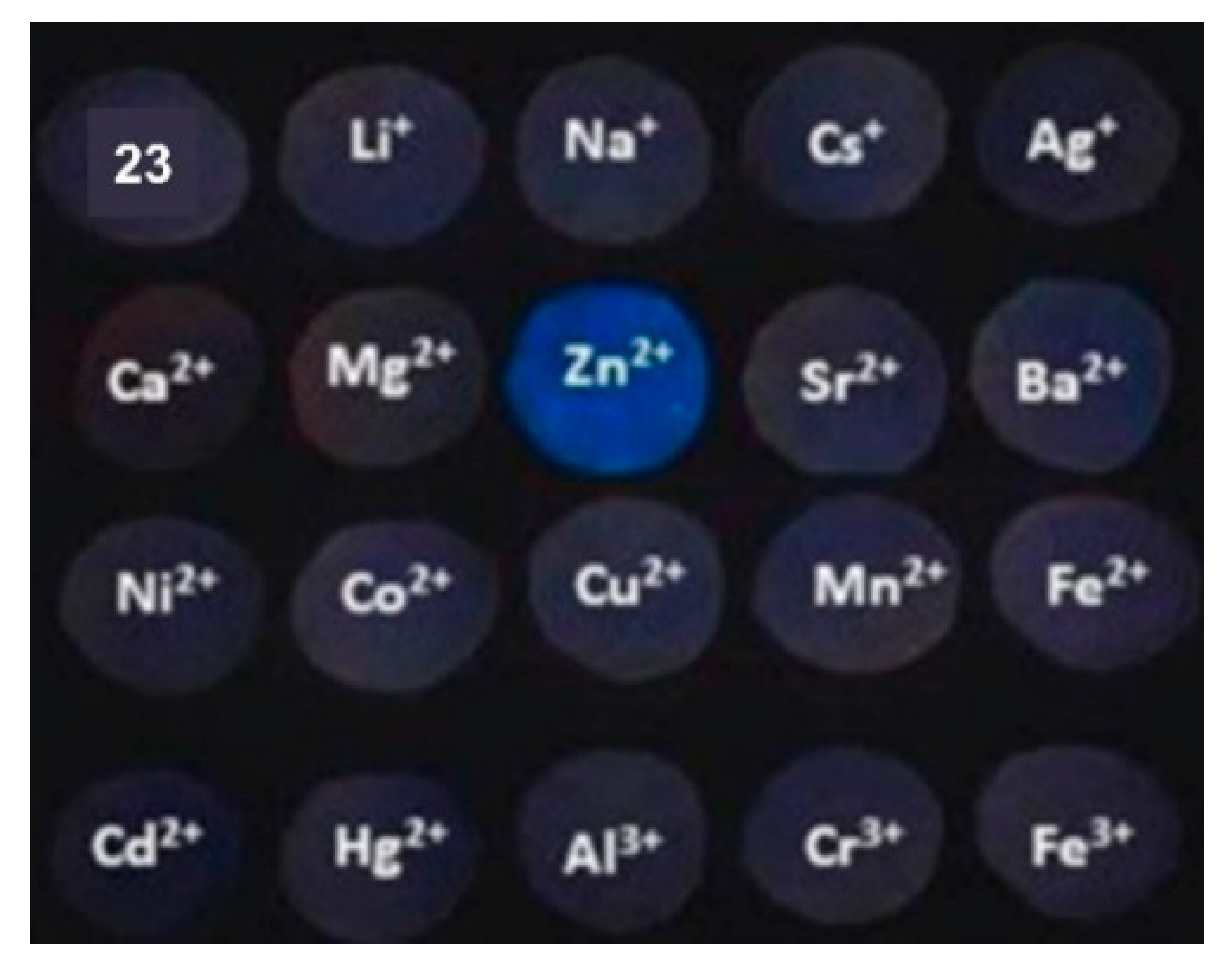
5. Studies in Living Cells and Applications in Bioimaging
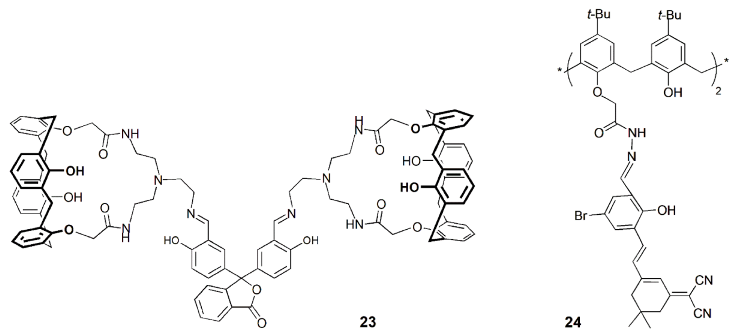
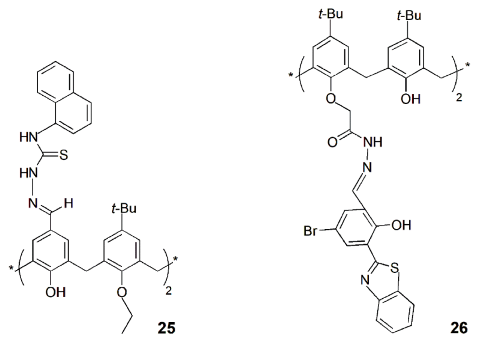
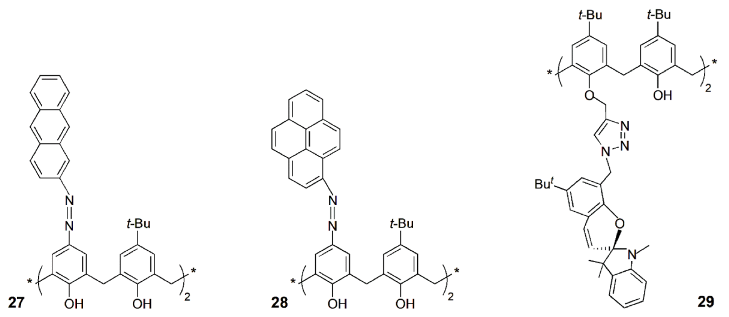
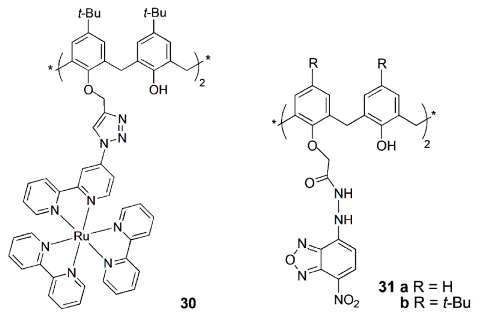
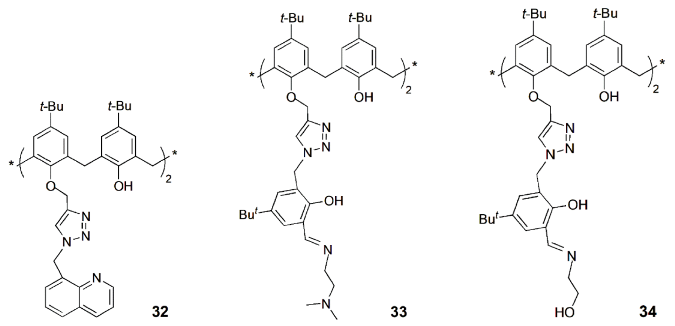
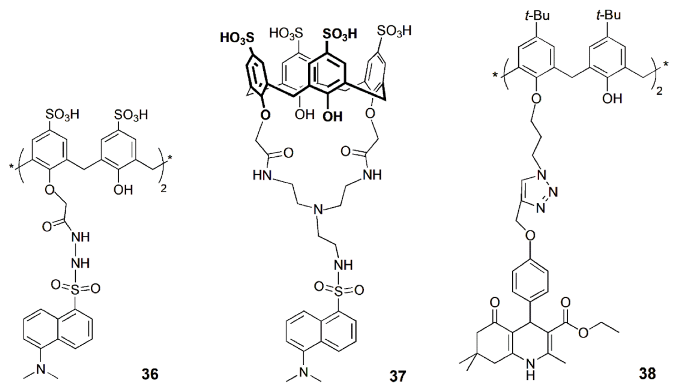
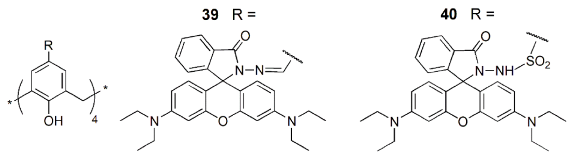
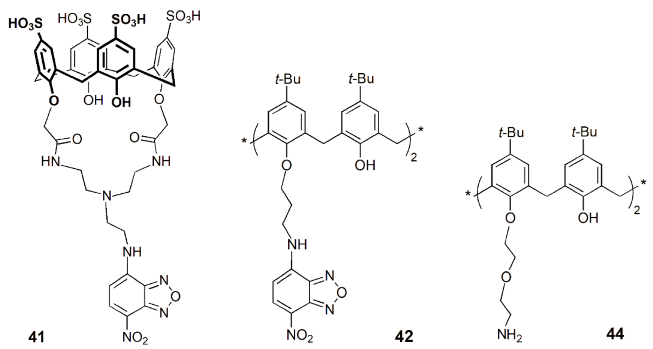
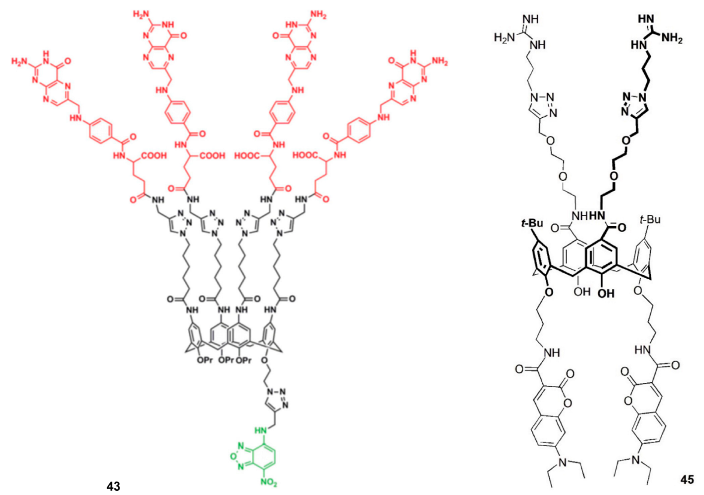 |
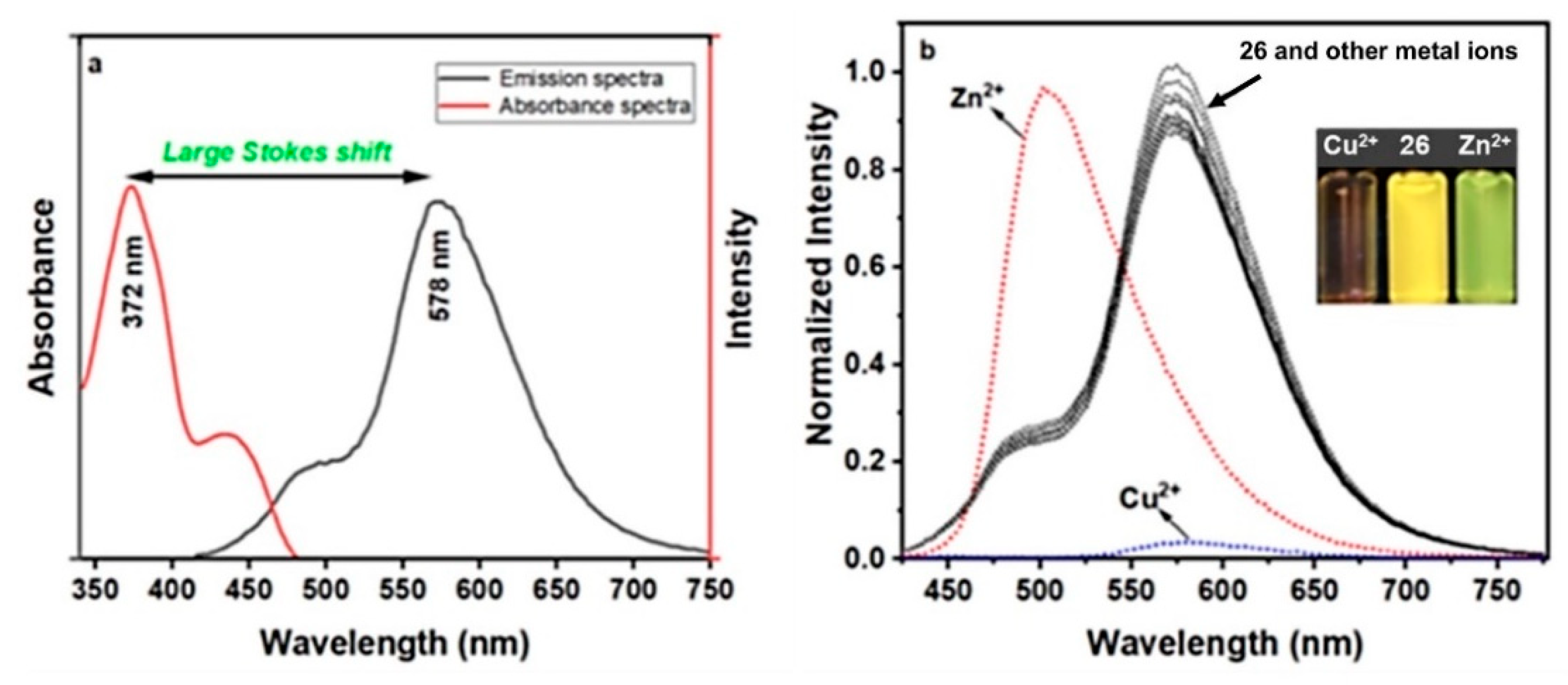
| (Reproduced from ref. [82] with permission of The Royal Society of Chemistry.) |
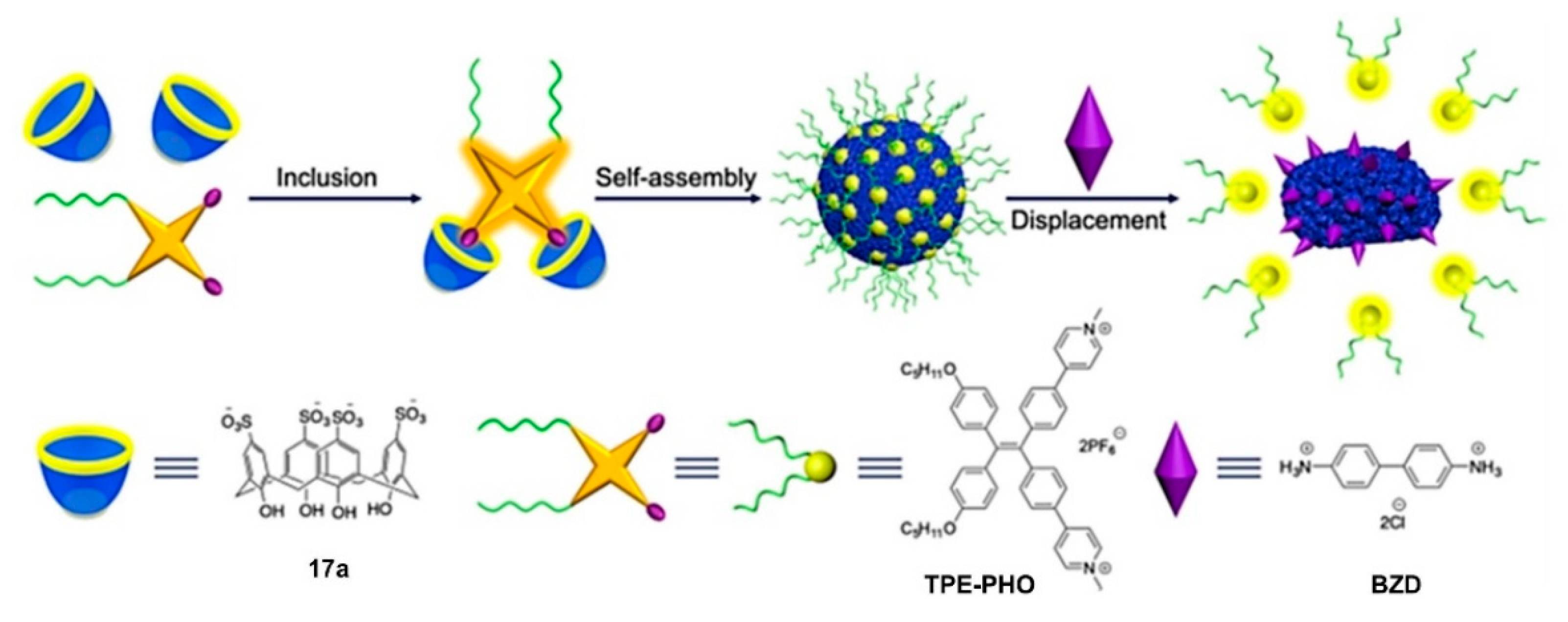
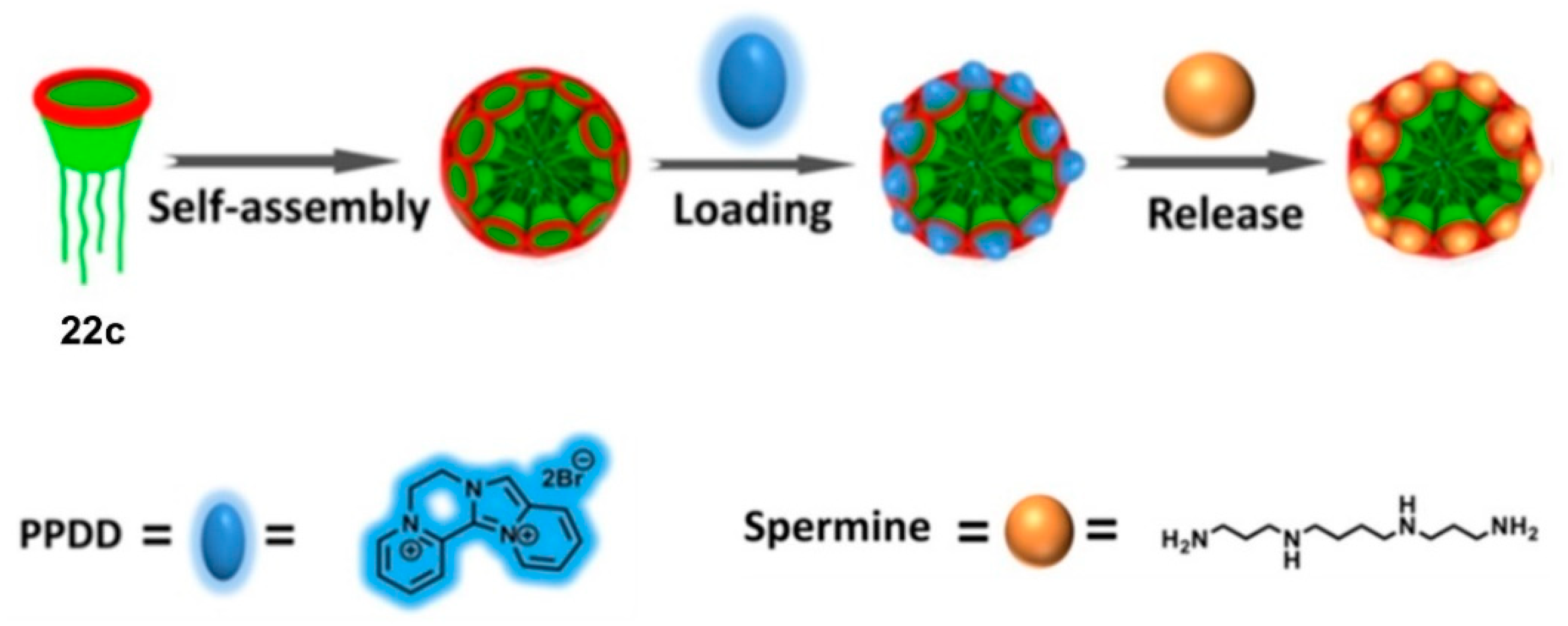
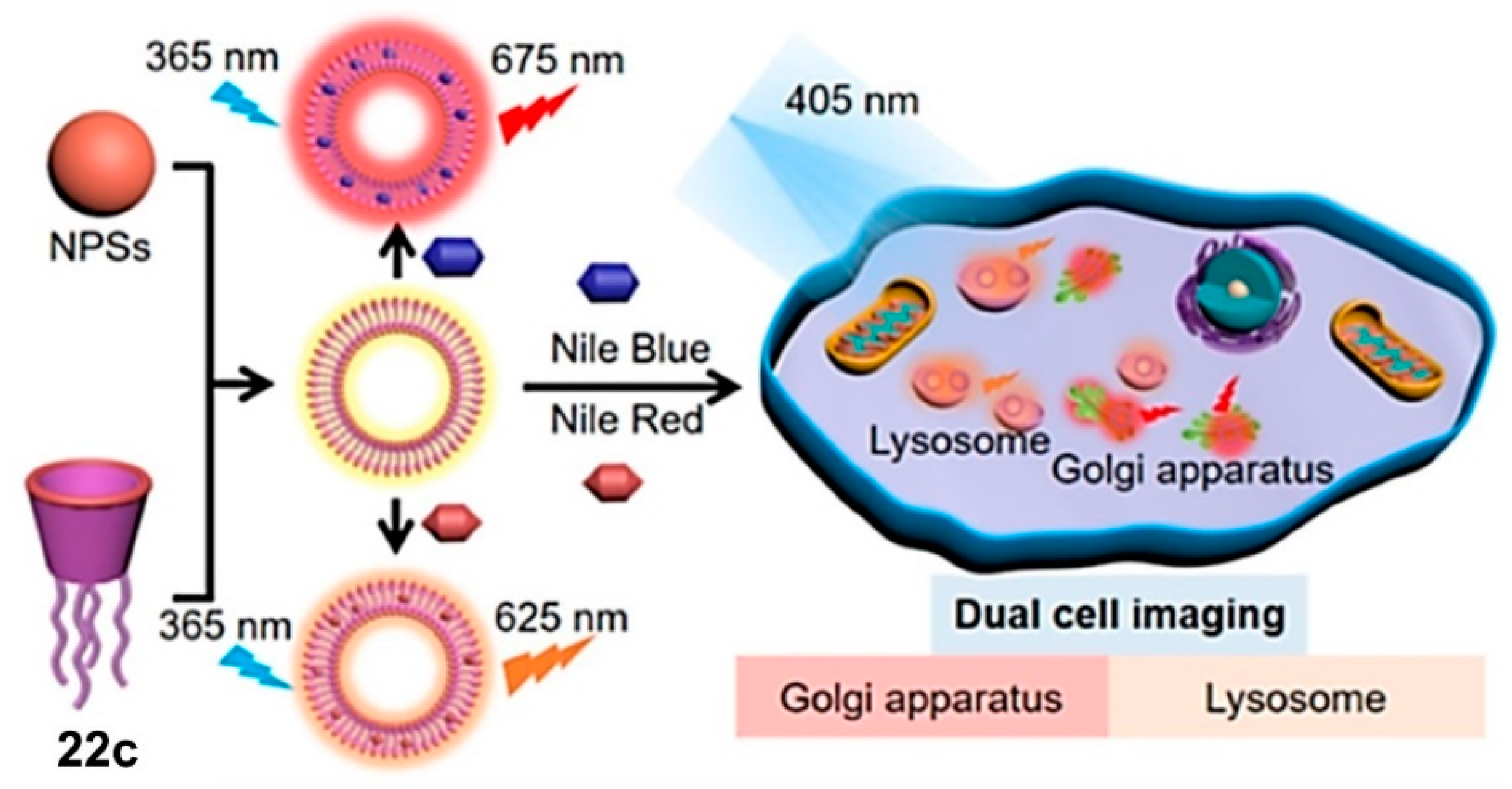
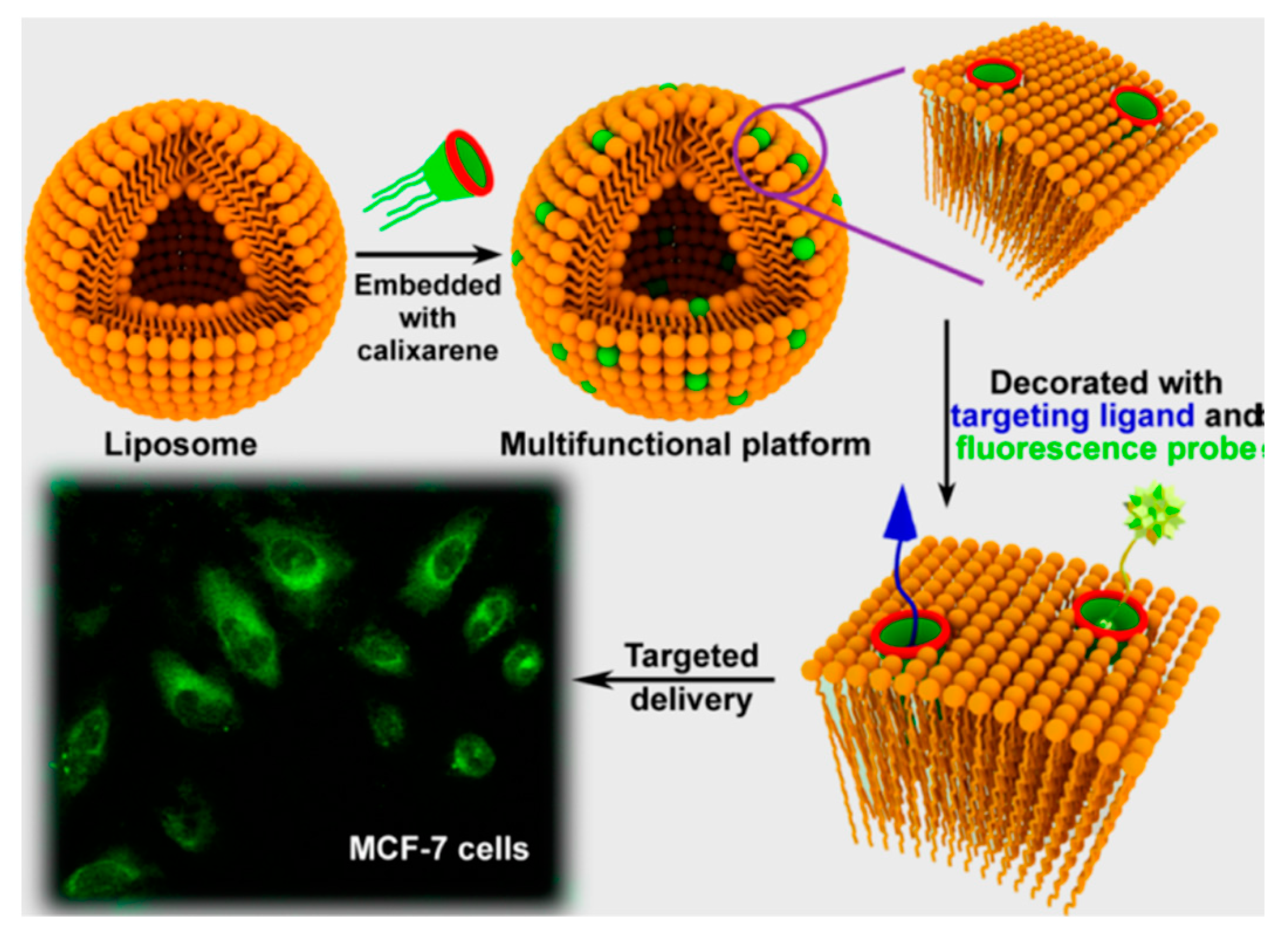
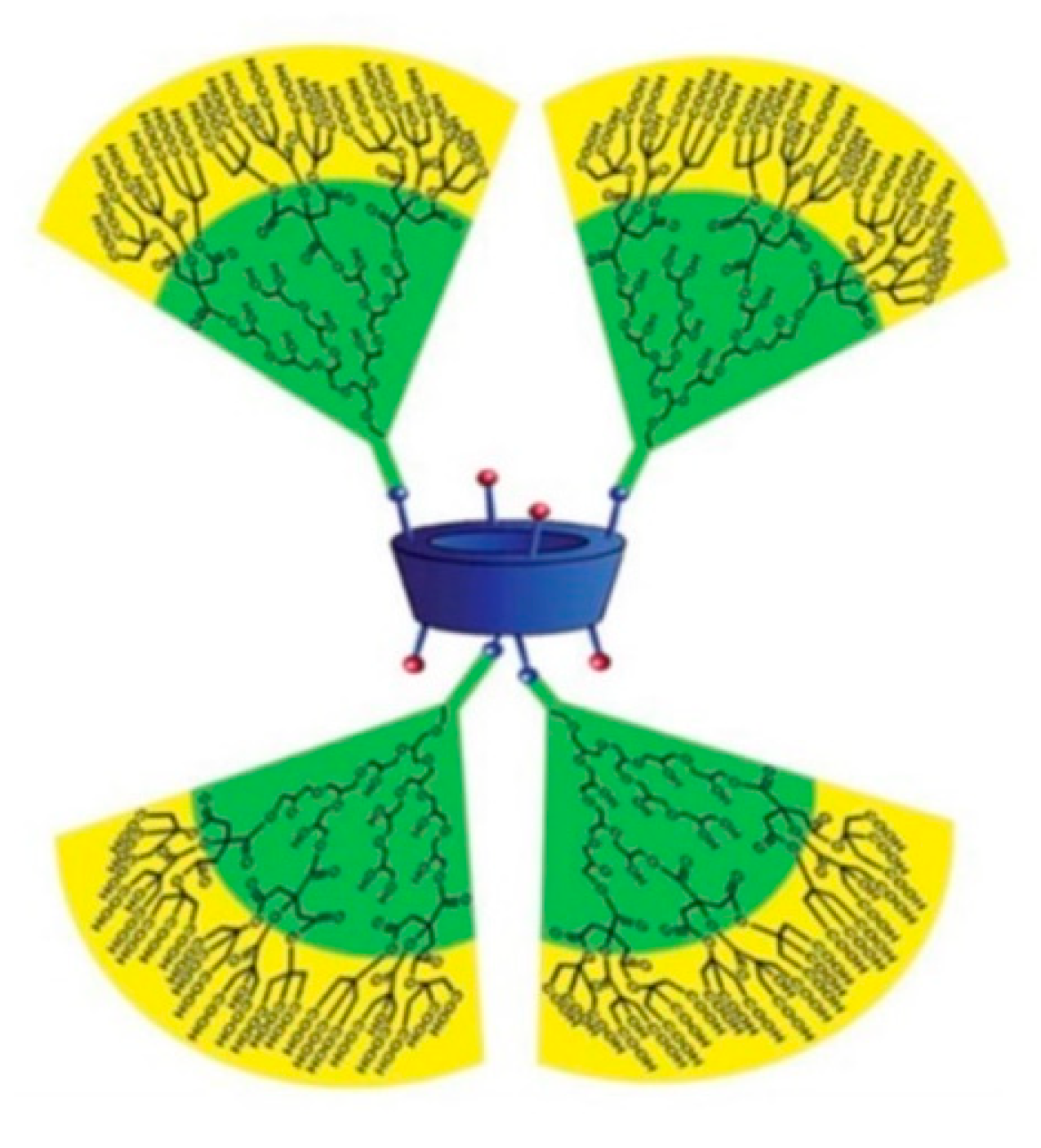
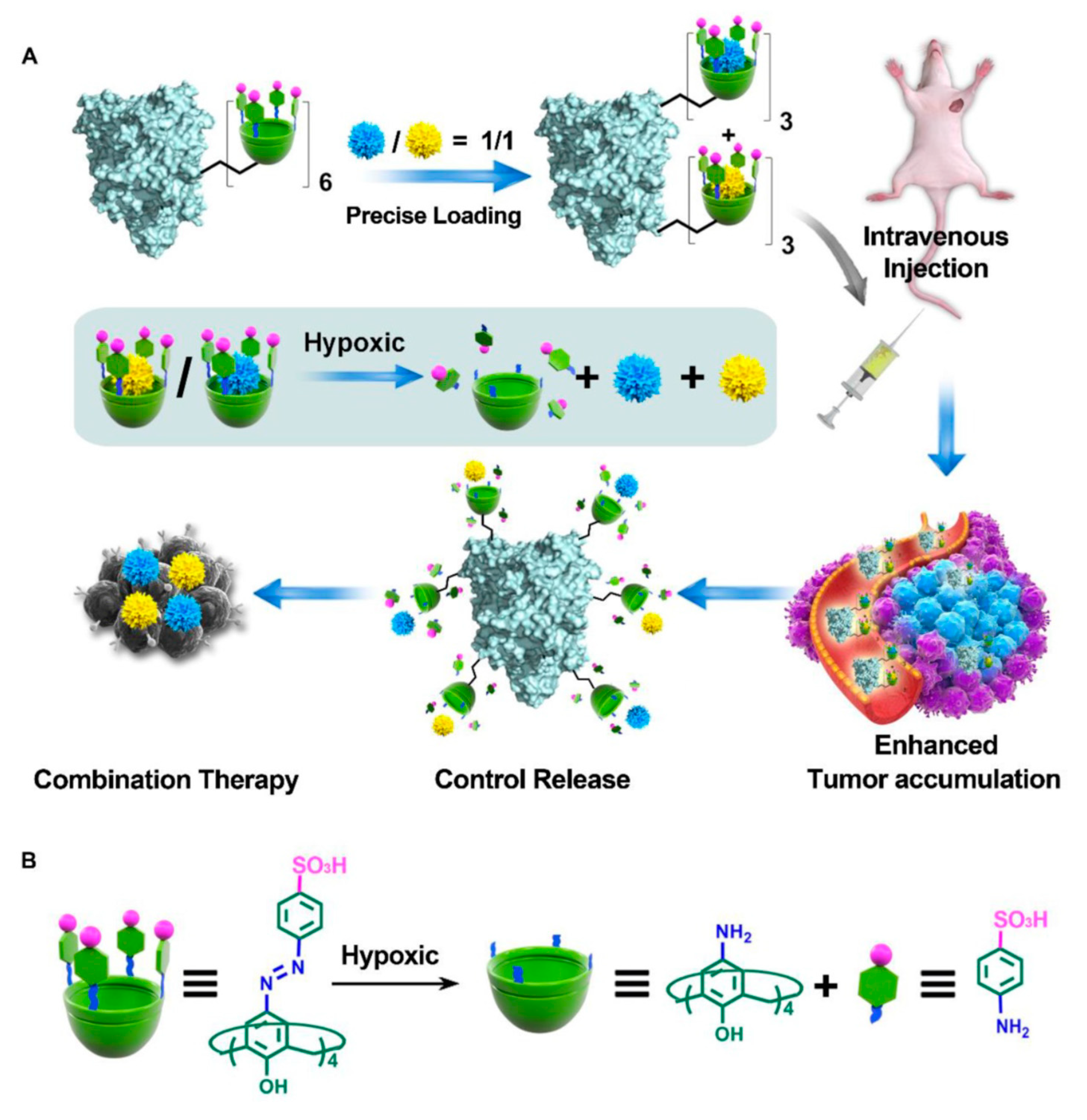
6. Nanoparticles and Nanoaggregates for Imaging and Drug Delivery
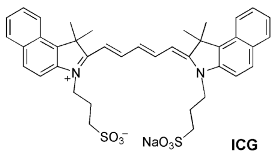
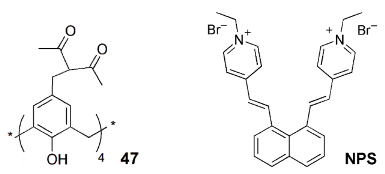
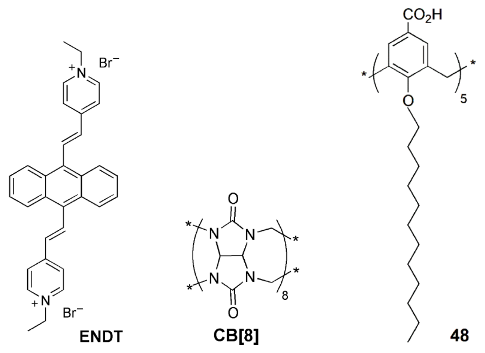
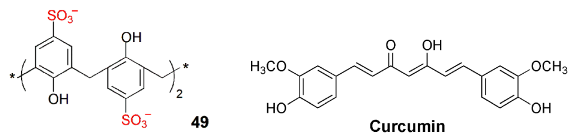
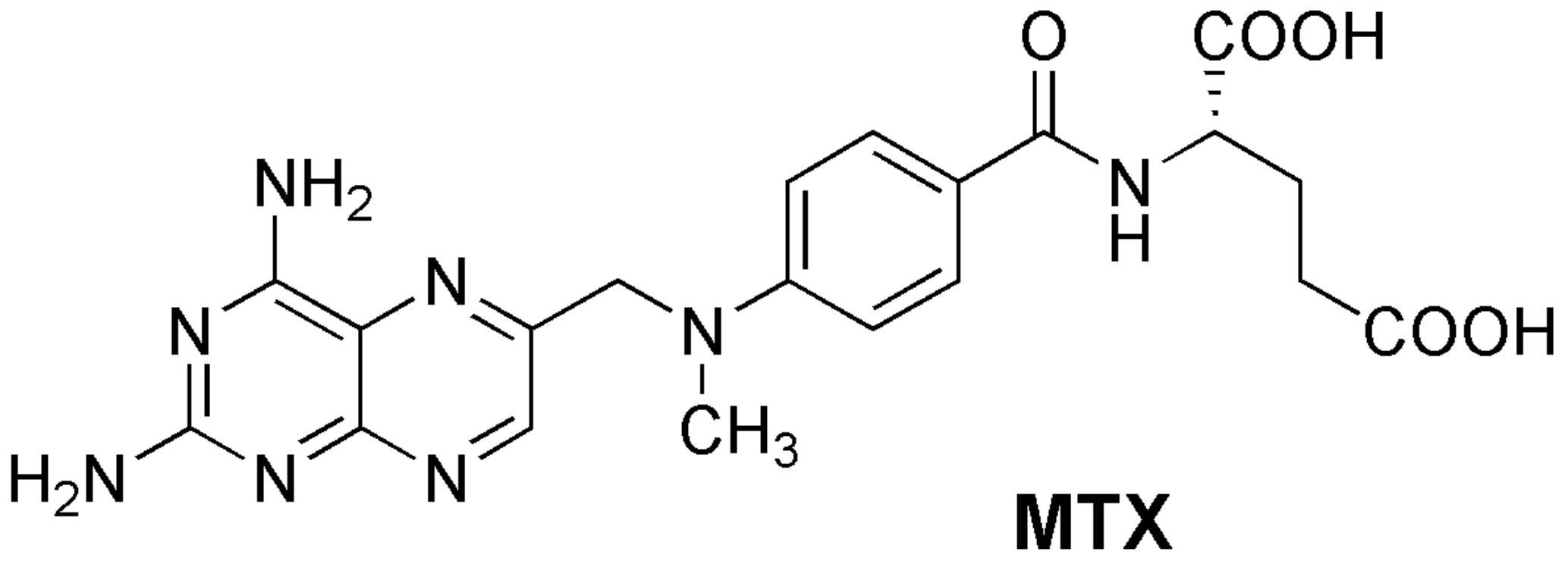
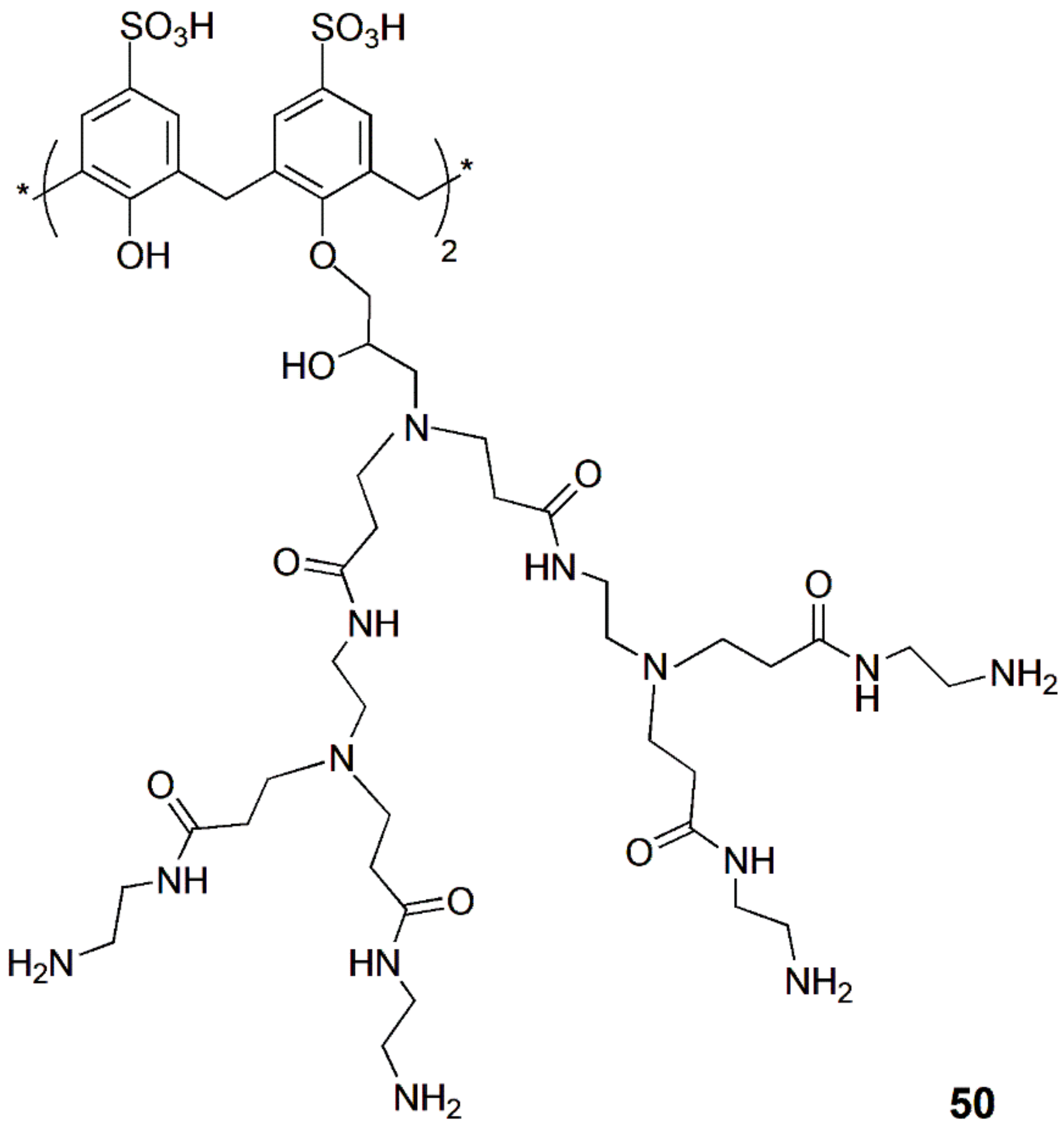
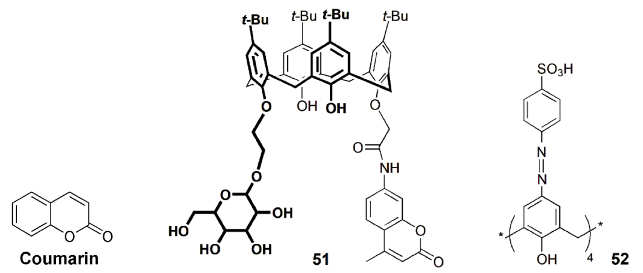
7. Outlook
Author Contributions
Funding
Conflicts of Interest
Abbreviations
| AIE | Aggregation-induced emission |
| Asp | Aspartic acid |
| ATP | Adenosine triphosphate |
| BDA | Biomarker displacement activation |
| BSA | Bovine serum albumin |
| CHEF | Chelation-enhanced fluorescence |
| Cys | Cysteine |
| Cyst | Cystamine |
| DBO | 1-aminomethyl-2,3-diazabicyclo [2.2.2]oct-2-ene |
| DOX | Doxorubicin |
| DTT | Dithiothreitol |
| ENDT | 4,4′-Anthracene-9,10-diylbis(ethene-2,1-diyl)bis(1-ethylpyridin-1-ium) bromide |
| FI | Fluorescein |
| FRET | Förster resonance energy transfer |
| Glu | Glutamic acid |
| GSH | Reduced glutathione |
| GSSG | Oxidized glutathione |
| has | Human serum albumin |
| Hcy | Homocysteine |
| HEPES | 4-(2-hydroxyethyl)-1-piperazine ethane sulfonic acid |
| His | Histidine |
| IC50 | Half-maximal inhibitory concentration |
| ICG | Indocyanine green |
| IDA | Indicator displacement assay |
| α-LA | α-Lactalbumin |
| LCG | Lucigenin |
| LPA | Lysophosphatidic acid |
| MET | Metronidazole |
| MPA | Mercaptopropionic acid |
| MPPE | (E)-1-(N-methylpyridinium-4-yl)-2-(1-pyrenyl)ethene chloride |
| MTX | Methotrexate |
| NPSs | Naphthyl-diphenylvinylpiridinium derivatives |
| PBS | Phosphate buffered saline |
| PCT | Photoinduced charge transfer |
| PET | Photoinduced electron transfer |
| PPDD | Pyrido[1,2-α]pyrido[1′,2′:3,4]imidazo-[2,1-c]-6,7-dihydropyrazinium dibromide |
| TMAO | Trimethylamine N-oxide |
References
- Guo, D.S.; Liu, Y. Supramolecular chemistry of p-sulfonatocalix[n]arenes and its biological applications. Acc. Chem. Res. 2014, 47, 1925–1934. [Google Scholar] [CrossRef] [Scilit] [PubMed]
- Noruzi, E.B.; Molaparast, M.; Zarei, M.; Shaabani, B.; Kariminezhad, Z.; Ebadi, B.; Irannejad, V.S.; Rahimi, M.; Pietrasik, J. Para-sulfonatocalix[n]arene-based biomaterials: Recent progress in pharmaceutical and biological applications. Eur. J. Med. Chem. 2020, 190, 112121. [Google Scholar] [CrossRef] [Scilit] [PubMed]
- Zhong, W.; Hooley, R.J. Combining excellent selectivity with broad target scope: Biosensing with arrayed deep cavitand hosts. Acc. Chem. Res. 2022, 55, 1035–1046. [Google Scholar] [CrossRef] [Scilit] [PubMed]
- Hazarika, B.; Singh, V.P. Macrocyclic supramolecular biomaterials in anti-cancer therapeutics. Chin. Chem. Lett. 2023, 34, 108220. [Google Scholar] [CrossRef] [Scilit]
- Lazar, A.N.; Perret, F.; Perez-Lloret, M.; Michaud, M.; Coleman, A.W. Promises of anionic calix[n]arenes in life science: State of the art in 2023. Eur. J. Med. Chem. 2024, 264, 115994. [Google Scholar] [CrossRef] [Scilit]
- Gutsche, C.D. Calixarenes. In Monographs in Supramolecular Chemistry; The Royal Society of Chemistry: London, UK, 2008. [Google Scholar]
- Neri, P.; Sesseler, J.L.; Wang, M.-X. (Eds.) Calixarenes and Beyond; Springer International Publishing: Cham, Switzerland, 2016. [Google Scholar]
- Kumar, R.; Sharma, A.; Singh, H.; Suating, P.; Kim, H.S.; Sunwoo, K.; Shim, I.; Gibb, B.C.; Kim, J.S. Revisiting fluorescent calixarenes: From molecular sensors to smart materials. Chem. Rev. 2019, 119, 9657–9721. [Google Scholar] [CrossRef] [Scilit]
- Jiang, C.; Song, Z.; Yu, L.; Ye, S.; He, H. Fluorescent probes based on macrocyclic hosts: Construction, mechanism and analytical applications. Trends Anal. Chem. 2020, 133, 116086. [Google Scholar] [CrossRef] [Scilit]
- Guo, C.; Sedgwick, A.C.; Hirao, T.; Sessler, J.L. Supramolecular fluorescent sensors: An historical overview and update. Coord. Chem. Rev. 2021, 427, 213560. [Google Scholar] [CrossRef] [Scilit]
- Ren, H.; Wang, H.; Wen, W.; Li, S.; Li, N.; Huo, F.; Yin, C. A summary of calixarene-based fluorescent sensors developed during the past five years. Chem. Commun. 2023, 59, 13790. [Google Scholar] [CrossRef] [Scilit]
- Valeur, B.; Berberan-Santos, M.N. Molecular Fluorescence. Principles and Applications, 2nd ed.; Wiley-VCH: Weinheim, Germany, 2012. [Google Scholar]
- Miranda, A.S.; Martelo, L.M.; Fedorov, A.A.; Berberan-Santos, M.N.; Marcos, P.M. Fluorescence properties of p-tert-butyldihomooxacalix[4]arene derivatives and the effect of anion complexation. New J. Chem. 2017, 41, 5967–5973. [Google Scholar] [CrossRef] [Scilit]
- Ghale, G.; Nau, W.M. Dynamically analyte-responsive macrocyclic host-fluorophore systems. Acc. Chem. Res. 2014, 47, 2150–2159. [Google Scholar] [CrossRef] [Scilit] [PubMed]
- Wang, Y.Y.; Kong, Y.; Zheng, Z.; Geng, W.C.; Zhao, Z.Y.; Sun, H.; Guo, D.S. Complexation of a guanidinium-modified calixarene with diverse dyes and investigation of the corresponding photophysical response. Beilstein J. Org. Chem. 2019, 15, 1394–1406. [Google Scholar] [CrossRef] [Scilit] [PubMed]
- Lou, X.-Y.; Song, N.; Yang, Y.-W. Fluorescence resonance energy transfer Systems in Supramolecular Macrocyclic Chemistry. Molecules 2017, 22, 1640. [Google Scholar] [CrossRef] [Scilit] [PubMed]
- Mummidivarapu, V.V.; Joseph, R.; Rao, C.P.; Pathak, R.K. Suprareceptors emerging from click chemistry: Comparing the triazole based scaffolds of calixarenes, cyclodextrins, cucurbiturils and pillararenes. Coord. Chem. Rev. 2023, 493, 215256. [Google Scholar] [CrossRef] [Scilit]
- Pathak, R.K.; Dikundwar, A.G.; Row, T.N.G.; Rao, C.P. A lower rim triazole linked calix[4]arene conjugate as a fluorescence switch on sensor for Zn2+ in blood serum milieu. Chem. Commun. 2010, 46, 4345–4347. [Google Scholar] [CrossRef] [Scilit]
- Pathak, R.K.; Hinge, V.K.; Mondal, M.; Rao, C.P. Triazole-linked thiophene conjugate of calix[4]arene: Its selective recognition of Zn2+ and as biomimetic model in supporting the events of the metal detoxification and oxidative stress involving metallothionein. J. Org. Chem. 2011, 76, 10039–10049. [Google Scholar] [CrossRef] [Scilit]
- Pathak, R.K.; Tabbasum, K.; Hinge, V.K.; Rao, C.P. Selective recognition of cysteine in its free and protein-bound states by the Zn2+ complex of a triazole-based calix[4]arene conjugate. Chem. Eur. J. 2011, 17, 13999–14003. [Google Scholar] [CrossRef] [Scilit]
- Pathak, R.K.; Dessingou, J.; Rao, C.P. Multiple sensor array of Mn2+, Fe2+, Co2+, Ni2+, Cu2+ and Zn2+ complexes of a triazole linked imino-phenol based calix[4]arene conjugate for the selective recognition of Asp, Glu, Cys and His. Anal. Chem. 2012, 84, 8294–8300. [Google Scholar] [CrossRef] [Scilit]
- Mummidivarapu, V.V.; Pathak, R.K.; Hinge, V.K.; Dessingou, J.; Rao, C.P. A fluorescent di-zinc (II) complex f bis-calix[4]arene conjugate as chemosensing-ensemble for the selective recognition of ATP. Supramol. Chem. 2014, 26, 538–546. [Google Scholar] [CrossRef] [Scilit]
- Mummidivarapu, V.V.; Pathak, R.K.; Rao, C.P. Structure of a di-zinc complex of a bis-calix[4]arene conjugate and its sensing of cysteine among the amino acids. Supramol. Chem. 2016, 28, 536–543. [Google Scholar] [CrossRef] [Scilit]
- Nehra, A.; Hinge, V.K.; Rao, C.P. Phenylene-diimine-capped conjugate of lower rim 1,3-calix[4]arene as molecular receptor for Mg2+ via arm conformational changes followed by aggregation and mimicking the species by molecular mechanics. J. Org. Chem. 2014, 79, 5763–5770. [Google Scholar] [CrossRef] [Scilit] [PubMed]
- Joseph, R.; Ramanujam, B.; Acharya, A.; Rao, C.P. Lower rim 1,3-di{bis(2-picolyl)} amide derivative of calix[4]arene (L) as ratiometric primary sensor toward Ag+ and the complex of Ag+ as secondary sensor toward Cys: Experimental, computational, and microscopy studies and INHIBIT logic gate properties of L. J. Org. Chem. 2009, 74, 8181–8190. [Google Scholar] [CrossRef] [Scilit]
- Hosseinzadeh, R.; Domehri, E.; Tajbakhsh, M.; Bekhradnia, A. New fluorescent sensor based on a calix[4]arene bearing two triazole-coumarin units for copper ions: Application for Cu2+ detection in human blood serum. J. Inc. Phenom. Macrocycl. Chem. 2019, 93, 245–252. [Google Scholar] [CrossRef] [Scilit]
- Sutariya, P.G.; Pandya, A.; Lodha, A.; Menon, S.K. Fluorescence switch on–off–on receptor constructed of quinoline allied calix[4]arene for selective recognition of Cu2+ from blood serum and F− from industrial waste water. Analyst 2013, 138, 2531–2535. [Google Scholar] [CrossRef] [Scilit] [PubMed]
- Sutariya, P.G.; Soni, H.; Gandhi, S.A.; Pandya, A. Novel luminescent paper based calix[4]arene chelation enhanced fluorescence-photoinduced electron transfer probe for Mn2+, Cr3+ and F−. J. Luminesc. 2019, 208, 6–17. [Google Scholar] [CrossRef] [Scilit]
- Sutariya, P.G.; Soni, H.; Gandhi, S.A.; Pandya, A. Novel tritopic calix[4]arene CHEF-PET fluorescence paper based probe for La3+, Cu2+ and Br−: Its computational investigation and application to real samples. J. Luminesc. 2019, 212, 171–179. [Google Scholar] [CrossRef] [Scilit]
- Sutariya, P.G.; Soni, H.; Gandhi, S.A.; Pandya, A. Luminescent behaviour of pyrene-allied calix[4]arene for the highly pH-selective recognition and determination of Zn2+, Hg2+ and I− via the CHEF-PET mechanism: Computational experiment and paper-based device. New J. Chem. 2019, 43, 9855–9864. [Google Scholar] [CrossRef] [Scilit]
- Singh, A.; Torres-Huerta, A.; Vanderlinden, T.; Renier, N.; Martinez-Crespo, L.; Tumanov, N.; Wouters, J.; Bartik, K.; Jabin, I.; Valkenier, H. Calix[6]arenes with halogen bond donor groups as selective and efficient anion transporters. Chem. Commun. 2022, 58, 6255–6258. [Google Scholar] [CrossRef] [Scilit]
- Nault, L.F.A.; Girardot, C.; Leydier, A.; Coleman, A.W.; Perrotton, T.; Magnard, S.; Baubichon-Cortay, H. Magnesium dependent complexation of tri-anionic calix[4]arene detergents by the nucleotide binding domain 1 (NBD1) of multidrug resistance protein MRP1. New J. Chem. 2010, 34, 1812–1815. [Google Scholar] [CrossRef] [Scilit]
- Acharya, A.; Ramanujam, B.; Chinta, J.P.; Rao, C.P. 1,3-Diamido-calix[4]arene conjugates of amino acids: Recognition of –COOH side chain present in amino acids, peptides, and proteins by experimental and computational studies. J. Org. Chem. 2011, 76, 127–137. [Google Scholar] [CrossRef] [Scilit]
- Minaker, S.A.; Daze, K.D.; Ma, M.C.F.; Hof, F. Antibody-free reading of the histone code using a simple chemical sensor array. J. Am. Chem. Soc. 2012, 134, 11674–11680. [Google Scholar] [CrossRef] [Scilit] [PubMed]
- Nilam, M.; Henning, A. Enzyme assays with supramolecular chemosensors–the label-free approach. RSC Adv. 2022, 12, 10725–10748. [Google Scholar] [CrossRef] [Scilit] [PubMed]
- Nau, W.M.; Ghale, G.; Henning, A.; Bakirci, H.; Bailey, D.M. Substrate-selective supramolecular tandem assays: Monitoring enzyme inhibition of arginase and diamine oxidase by fluorescent dye displacement from calixarene and cucurbituril macrocycles. J. Am. Chem. Soc. 2009, 131, 11558–11570. [Google Scholar] [CrossRef] [Scilit] [PubMed]
- Guo, D.S.; Uzunova, V.D.; Su, X.; Liu, Y.; Nau, W.M. Operational calixarene-based fluorescent sensing systems for choline and acetylcholine and their application to enzymatic reactions. Chem. Sci. 2011, 2, 1722–1734. [Google Scholar] [CrossRef] [Scilit]
- Florea, M.; Kudithipudi, S.; Rei, A.; González-Álvarez, M.J.; Jeltsch, A.; Nau, W.M. A fluorescence-based supramolecular tandem assay for monitoring lysine methyltransferase activity in homogenous solution. Chem. Eur. J. 2012, 18, 3521–3528. [Google Scholar] [CrossRef] [Scilit]
- Ghale, G.; Lanctôt, A.G.; Kreissl, H.T.; Jacob, M.H.; Weingart, H.; Winterhalter, M.; Nau, W.M. Chemosensing ensembles for monitoring biomembrane transport in real time. Angew. Chem. Int. Ed. 2014, 53, 2762–2765. [Google Scholar] [CrossRef] [Scilit]
- Guo, D.S.; Yang, J.; Liu, Y. Specifically monitoring butyrylcholinesterase by supramolecular tandem assay. Chem. Eur. J. 2013, 19, 8755–8759. [Google Scholar] [CrossRef] [Scilit]
- Sayed, M.; Shinde, K.; Shah, R.; Pal, H. pH-Responsive indicator displacement assay of acetylcholine based on acridine-p-sulfonatocalix[4]arene supramolecular system: Fluorescence off/on switching and reversible pKa shift. ChemistrySelect 2016, 5, 989–999. [Google Scholar] [CrossRef] [Scilit]
- Liu, Y.C.; Peng, S.; Angelova, L.; Nau, W.M.; Hennig, A. Label-free fluorescent kinase and phosphatase enzyme assays with supramolecular host-dye pairs. CemistryOpen 2019, 8, 1350–1354. [Google Scholar] [CrossRef] [Scilit]
- Zheng, Z.; Geng, W.C.; Li, H.B.; Guo, D.S. Sensitive fluorescence detection of saliva pepsin by a supramolecular tandem assay enables the diagnosis of gastroesophageal reflux disease. Supramol. Chem. 2021, 33, 80–87. [Google Scholar] [CrossRef] [Scilit]
- Yu, H.; Chai, X.; Geng, W.C.; Zhang, L.; Ding, F.; Guo, D.S. Facile and label-free fluorescence strategy for evaluating the influence of bioactive ingredients on FMO3 activity via supramolecular host-guest reporter pair. Biosens. Bioelectron. 2021, 192, 113488. [Google Scholar] [CrossRef] [Scilit] [PubMed]
- Duan, Q.; Wang, L.; Wang, F.; Zhang, H.; Lu, K. Calix[n]arene/pillar[n]arene-functionalized graphene nanocomposites and their applications. Front. Chem. 2020, 8, 504. [Google Scholar] [CrossRef] [Scilit] [PubMed]
- Yang, L.; Zhao, H.; Li, Y.; Ran, X.; Deng, G.; Xie, X.; Li, C.P. Florescent detection of tadalafil based on competitive host-guest interaction using p-sulfonated calix[6]arene functionalized graphene. ACS Appl. Mater. Interfaces 2015, 48, 26557–26565. [Google Scholar] [CrossRef] [Scilit] [PubMed]
- Ye, H.; Yang, L.; Zhao, G.; Zhang, Y.; Ran, X.; Wu, S.; Zou, S.; Xie, X.; Zhao, H.; Li, C.P. A FRET-based fluorescent approach for labetalol sensing using calix[6]arene functionalized MnO2@graphene as a receptor. RSC Adv. 2016, 6, 79350–79360. [Google Scholar] [CrossRef] [Scilit]
- Yang, L.; Xie, X.; Cai, L.; Ran, X.; Li, Y.; Yin, T.; Zhao, H.; Li, C.P. p-Sulfonated calix[8]arene functionalized graphene as a “turn on” fluorescent sensing platform for aconitine determination. Biosens. Bioelectron. 2016, 82, 146–154. [Google Scholar] [CrossRef] [Scilit]
- Du, Y.; Li, X.; Zheng, H.; Lv, X.; Jia, Q. Design of a calix[4]arene-functionalized metal-organic framework probe for highly sensitive and selective monitor of hippuric acid for indexing toluene exposure. Anal. Chim. Acta 2018, 1001, 134–142. [Google Scholar] [CrossRef] [Scilit]
- Zheng, Z.; Geng, W.C.; Gao, J.; Wang, Y.Y.; Sun, H.; Guo, D.S. Ultrasensitive and specific fluorescence detection of a cancer biomarker via nanomolar binding to a guanidinium-modified calixarene. Chem. Sci. 2018, 9, 2087–2091. [Google Scholar] [CrossRef] [Scilit]
- Gao, J.; Li, J.; Geng, W.C.; Chen, F.Y.; Duan, X.; Zheng, Z.; Ding, D.; Guo, D.S. Biomarker displacement activation: A general host−guest strategy for targeted phototheranostics in vivo. J. Am. Chem. Soc. 2018, 140, 4945–4953. [Google Scholar] [CrossRef] [Scilit]
- Hu, X.Y.; Gao, J.; Chen, F.Y.; Guo, D.S. A host-guest drug delivery nanosystem for supramolecular chemotherapy. J. Control. Release 2020, 324, 124–133. [Google Scholar] [CrossRef] [Scilit]
- Feng, H.T.; Li, Y.; Duan, X.; Wang, X.; Qi, C.; Lam, J.W.Y.; Ding, D.; Tang, B.Z. Substitution Activated Precise Phototheranostics through Supramolecular Assembly of AIEgen and Calixarene. J. Am. Chem. Soc. 2020, 142, 15966–15974. [Google Scholar] [CrossRef] [Scilit]
- Yu, H.; Geng, W.C.; Zheng, Z.; Gao, J.; Guo, D.S.; Wang, Y. Facile fluorescence monitoring of gut microbial metabolite trimethylamine N-oxide via molecular recognition of guanidinium-modified calixarene. Theranostics 2019, 9, 4624–4632. [Google Scholar] [CrossRef] [Scilit] [PubMed]
- Yue, Y.X.; Kong, Y.; Yang, F.; Zheng, Z.; Hu, X.Y.; Guo, D.S. Supramolecular tandem assay for pyridoxal-5′-phosphate by the reporter pair of guanidinocalix[5]arene and fluorescein. ChemistryOpen 2019, 8, 1437–1440. [Google Scholar] [CrossRef] [Scilit] [PubMed]
- Simsir, E.A.; Erdemir, S.; Tabakci, M.; Tabakci, B. Nano-scale selective and sensitive optical sensor for metronidazole based on fluorescence quenching: 1H-Phenanthro [9,10-d] imidazolylcalix[4]arene fluorescent probe. Anal. Chim. Acta 2021, 1162, 338494. [Google Scholar] [CrossRef] [Scilit] [PubMed]
- Zhang, T.X.; Zhang, Z.Z.; Yue, Y.X.; Hu, X.Y.; Huang, F.; Shi, L.; Liu, Y.; Guo, D.S. A general hypoxia-responsive molecular container for tumor-targeted therapy. Adv. Mater. 2020, 13, 1908435. [Google Scholar] [CrossRef] [Scilit] [PubMed]
- Barba-Bon, A.; Pan, Y.C.; Biedermann, F.; Guo, D.S.; Nau, W.M. Fluorescence monitoring of peptide transport pathways into large and giant vesicles by supramolecular host−dye reporter pairs. J. Am. Chem. Soc. 2019, 141, 20137–20145. [Google Scholar] [CrossRef] [Scilit]
- Pan, Y.C.; Barba-Bon, A.; Tian, H.W.; Ding, F.; Hennig, A.; Nau, W.M.; Nau, W.M. An amphiphilic sulfonatocalix[5]arene as an activator for membrane transport of lysine-rich peptides and proteins. Angew. Chem. Int. Ed. 2021, 60, 1875–1882. [Google Scholar] [CrossRef] [Scilit]
- Duan, Y.M.; Tian, H.W.; Li, H.B.; Wang, K.P.; Chen, S.; Guo, D.S.; Hu, Z.Q. A host-dye complex for sensitive fluorescence detection and clearing of spermine in cells. Sens. Actuators B Chem. 2023, 386, 133757. [Google Scholar] [CrossRef] [Scilit]
- Nag, R.; Rao, C.P. Supramolecular conjugates of calixarenes in biological cells by microscopy. J. Chem. Sci. 2021, 133, 92. [Google Scholar] [CrossRef] [Scilit]
- Pathak, R.K.; Tabbasum, K.; Rai, A.; Panda, D.; Rao, C.P. Pyrophosphate sensing by a fluorescent Zn2+ bound triazole linked imino-thiophenyl conjugate of calix[4]arene in HEPES buffer medium: Spectroscopy, microscopy, and cellular studies. Anal. Chem. 2012, 84, 5117–5123. [Google Scholar] [CrossRef] [Scilit]
- Pathak, R.K.; Tabbasum, K.; Rai, A.; Panda, D.; Rao, C.P. A Zn2+ specific triazole based calix[4]arene conjugate (L) as a fluorescence sensor for histidine and cysteine in HEPES buffer milieu. Analyst 2012, 137, 4069–4075. [Google Scholar] [CrossRef] [Scilit]
- Pathak, R.K.; Hinge, V.K.; Rai, A.; Panda, D.; Rao, C.P. Imino-phenolic-pyridyl conjugates of calix[4]arene (L1 and L2) as primary fluorescence switch-on sensors for Zn2+ in solution and in HeLa cells and the recognition of pyrophosphate and ATP by [ZnL2]. Inorg. Chem. 2012, 51, 4994–5005. [Google Scholar] [CrossRef] [Scilit] [PubMed]
- Erdemir, S.; Malkondu, S.; Kocyigit, O. A reversible calix[4]arene armed phenolphthalein based fluorescent probe for the detection of Zn2+ and an application in living cells. Luminescence 2019, 34, 106–112. [Google Scholar] [CrossRef] [Scilit] [PubMed]
- Erdemir, S.; Malkondu, S. Calix[4]arene based a NIR-fluorescent sensor with an enhanced stokes shift for the real-time visualization of Zn (II) in living cells. Sens. Actuators B Chem. 2020, 306, 127574. [Google Scholar] [CrossRef] [Scilit]
- Anandababu, A.; Anandan, S.; Syed, A.; Marraiki, N.; Ashokkumar, M. Upper rim modified calix[4]arene towards selective turn-on fluorescence sensor for spectroscopically silent metal ions. Inorg. Chim. Acta 2021, 516, 120133. [Google Scholar] [CrossRef] [Scilit]
- Erdemir, S.; Aydin, D.; Oguz, M. A ratiometric and switchable fluorescent sensor based on calixarene-HBT with a large stokes shift for the real-time detecting of Zn2+ and Cu2+ in living cells. IEEE Sens. J. 2023, 23, 6734–6741. [Google Scholar] [CrossRef] [Scilit]
- Elçin, S.; Deligöz, H.; Bhatti, A.A.; Oguz, M.; Karakurt, S. Synthesis and evaluation of fluorescence properties of Cu2+ selective azocalix[4]arenes and their application in living cell imaging. Sens. Actuators B Chem. 2016, 234, 345–352. [Google Scholar] [CrossRef] [Scilit]
- Nag, R.; Polepalli, S.; Hussain, M.A.; Rao, C.P. Ratiometric Cu2+ binding, cell imaging, mitochondrial targeting, and anticancer activity with nanomolar IC50 by spiro-indoline-conjugated calix[4]arene. ACS Omega 2019, 4, 13231–13240. [Google Scholar] [CrossRef] [Scilit]
- Ramachandran, M.; Anandan, S.; Ashokkumar, M. A luminescent on-off probe based calix[4]arene linked through triazole with ruthenium (II) polypyridine complexes to sense copper (II) and sulfide ions. New J. Chem. 2019, 43, 9832–9842. [Google Scholar] [CrossRef] [Scilit]
- Alizada, M.; Gul, A.; Oguz, M.; Kursunlu, A.N.; Yilmaz, M. Ion sensing of sister sensors based-on calix[4]arene in aqueous medium and their bioimaging applications. Dyes Pigments 2021, 184, 108741. [Google Scholar] [CrossRef] [Scilit]
- Pathak, R.K.; Dessingou, J.; Hinge, V.K.; Thawari, A.G.; Basu, S.K.; Rao, C.P. Quinoline driven fluorescence turn on 1,3-bis-calix[4]arene conjugate-based receptor to discriminate Fe3+ from Fe2+. Anal. Chem. 2013, 85, 3707–3714. [Google Scholar] [CrossRef] [Scilit]
- Pathak, R.K.; Hinge, V.K.; Mahesh, K.; Rai, A.; Panda, D.; Rao, C.P. Cd2+ complex of a triazole-based calix[4]arene conjugate as a selective fluorescent chemosensor for Cys. Anal. Chem. 2012, 84, 6907–6913. [Google Scholar] [CrossRef] [Scilit] [PubMed]
- Mummidivarapu, V.V.; Hinge, V.K.; Rao, C.P. Interaction of a dinuclear fluorescent Cd (II) complex of calix[4]arene conjugate withphosphates and its applicability in cell imaging. Dalton Trans. 2015, 44, 1130–1141. [Google Scholar] [CrossRef] [Scilit] [PubMed]
- Erdemir, S.; Kocyigit, O.; Karakurt, S. A new perylene bisimide-armed calix[4]-aza-crown as “turn on” fluorescent sensor for Hg2+ ion and its application to living cells. Sens. Actuators B Chem. 2015, 220, 381–388. [Google Scholar] [CrossRef] [Scilit]
- Oguz, M.; Bhatti, A.A.; Karakurt, S.; Aktas, M.; Yilmaz, M. New water soluble Hg2+ selective fluorescent calix[4]arenes: Synthesis and application in living cells imaging. Spectrochim. Acta Part A Mol. Biomol. Spectroscoy 2017, 171, 340–345. [Google Scholar] [CrossRef] [Scilit]
- Khan, B.; Hameed, A.; Minhaz, A.; Shah, M.R. Synthesis and characterisation of calix[4]arene based bis (triazole)-bis(hexahydroquinoline): Probing highly selective fluorescence quenching towards mercury (Hg2+) analyte. J. Hazard. Mater. 2018, 347, 349–358. [Google Scholar] [CrossRef] [Scilit]
- Yilmaz, B.; Keskinates, M.; Bayrakci, M. Novel integrated sensing system of calixarene and rhodamine molecules for selective colorimetric and fluorometric detection of Hg2+ ions in living cells. Spectrochim. Acta Part A Mol. Biomol. Spectroscoy 2021, 245, 118904. [Google Scholar] [CrossRef] [Scilit]
- Dinda, S.K.; Upadhyay, A.; Polepalli, S.; Hussain, M.A.; Rao, C.P. Development of nitrobenzoxadiazole-appended calix[4]arene conjugate (L) for selective sensing of trivalent Cr3+, Fe3+ and Al3+ ions in solution and in the solid state and imaging MCF7 cells by {L + Al3+}. ACS Omega 2019, 4, 7723–7733. [Google Scholar] [CrossRef] [Scilit]
- Uttam, B.; Kandi, R.; Hussain, M.A.; Rao, C.P. Fluorescent lower rim 1,3-dibenzooxadiazole conjugate of calix[4]arene in selective sensing of fluoride in solution and in biological cells using confocal microscopy. J. Org. Chem. 2018, 83, 11850–11859. [Google Scholar] [CrossRef] [Scilit]
- Consoli, G.M.L.; Granata, G.; Fragassi, G.; Grossi, M.; Sallese, M.; Geraci, C. Design and synthesis of a multivalent fluorescent folate–calix[4]arene conjugate: Cancer cell penetration and intracellular localization. Org. Biomol. Chem. 2015, 13, 3298–3307. [Google Scholar] [CrossRef] [Scilit]
- Santos, D.; Medeiros-Silva, J.; Cegonho, S.; Alves, E.; Ramilo-Gomes, F.; Santos, A.O.; Silvestre, S.; Cruz, C. Cell proliferation effects of calix[4]arene derivatives. Tetrahedron 2015, 71, 7593–7599. [Google Scholar] [CrossRef] [Scilit]
- Samanta, K.; Ranade, D.S.; Upadhyay, A.; Kulkarni, P.P.; Rao, C.P. A bimodal, cationic, and water-soluble calix[4]arene conjugate: Design, synthesis, characterization and transfection of red fluorescent protein encoded plasmid in cancer cells. ACS Appl. Mater. Interfaces 2017, 9, 5109–5117. [Google Scholar] [CrossRef] [Scilit] [PubMed]
- Oguz, M.; Bhatti, A.A.; Dogan, B.; Karakurt, S.; Durdagi, S.; Yilmaz, M. Formation of the inclusion complex of water soluble fluorescent calix[4]arene and naringenin: Solubility, cytotoxic effect and molecular modelling studies. J. Biomol. Struct. Dyn. 2020, 38, 3801–3813. [Google Scholar] [CrossRef] [Scilit] [PubMed]
- Jin, T.; Tsuboi, S.; Komatsuzaki, A.; Imamura, Y.; Muranaka, Y.; Sakata, T.; Yasuda, H. Enhancement of aqueous stability and fluorescence brightness of indocyanine green using small calix[4]arene micelles for near-infrared fluorescence imaging. Med. Chem. Commun. 2016, 7, 623–631. [Google Scholar] [CrossRef] [Scilit]
- Shulov, I.; Rodik, R.V.; Arntz, Y.; Reisch, A.; Kalchenko, V.I.; Klymchenko, A.S. Protein-sized bright fluorogenic nanoparticles based on cross-linked calixarene micelles with cyanine corona. Angew. Chem. Int. Ed. 2016, 55, 15884–15888. [Google Scholar] [CrossRef] [Scilit] [PubMed]
- Zairov, R.; Mustafina, A.; Shamsutdinova, N.; Nizameev, I.; Moreira, B.; Sudakova, S.; Podyachev, S.; Fattakhova, A.; Safina, G.; Lundstrom, I.; et al. High performance magneto-fluorescent nanoparticles assembled from terbium and gadolinium 1,3-diketones. Sci. Rep. 2017, 7, 40486. [Google Scholar] [CrossRef] [Scilit]
- Chen, X.M.; Chen, Y.; Yu, Q.; Gu, B.H.; Liu, Y. Supramolecular assemblies with near-infrared emission mediated in two stages by cucurbituril and amphiphilic calixarene for lysosome-targeted cell imaging. Angew. Chem. Int. Ed. 2018, 57, 12519. [Google Scholar] [CrossRef] [Scilit]
- Chen, X.M.; Cao, Q.; Bisoyi, H.K.; Wang, M.; Yang, H.; Li, Q. An efficient near-infrared emissive artificial supramolecular light-harvesting system for imaging in the Golgi apparatus. Angew. Chem. Int. Ed. 2020, 59, 10493–10497. [Google Scholar] [CrossRef] [Scilit]
- Chen, C.; Ni, X.; Tian, H.W.; Liu, Q.; Guo, D.S.; Ding, D. Calixarene-based supramolecular AIE dots with highly inhibited nonradiative decay and intersystem crossing for ultrasensitive fluorescence image-guided cancer surgery. Angew. Chem. Int. Ed. 2020, 59, 10008–10012. [Google Scholar] [CrossRef] [Scilit]
- Hou, X.F.; Zhang, S.; Chen, X.; Bisoyi, H.K.; Xu, T.; Liu, J.; Chen, D.; Chen, X.M.; Li, Q. Synchronous imaging in Golgi apparatus and lysosome enabled by amphiphilic calixarene-based artificial light-harvesting systems. ACS Appl. Mater. Interfaces 2022, 14, 22443–22453. [Google Scholar] [CrossRef] [Scilit]
- Wang, K.; Guo, D.S.; Wang, X.; Liu, Y. Multistimuli responsive supramolecular vesicles based on the recognition of p-sulfonatocalixarene and its controllable release of doxorubicin. ACS Nano 2011, 5, 2880–2894. [Google Scholar] [CrossRef] [Scilit]
- Wang, Y.X.; Zhang, Y.M.; Wang, Y.L.; Liu, Y. Multifunctional vehicle of amphiphilic calix[4]arene mediated by liposome. Chem. Mater. 2015, 27, 2848–2854. [Google Scholar] [CrossRef] [Scilit]
- Rafiee, Z.; Kakanejadifard, A.; Hosseinzadeh, R.; Nematib, M.; Adeli, M. Synthesis of calixarene–polyglycerol conjugates and their self-assembly toward nano and microtubes. RSC Adv. 2016, 6, 17470–17473. [Google Scholar] [CrossRef] [Scilit]
- Rahimi, M.; Karimian, R.; Mostafidi, E.; Noruzi, E.B.; Taghizadeh, S.; Shokouhid, B.; Kafil, H.S. Highly branched amine-functionalized p-sulfonatocalix[4]arene decorated with human plasma proteins as a smart, targeted, and stealthy nano-vehicle for the combination chemotherapy of MCF7 cells. New J. Chem. 2018, 42, 13010–13024. [Google Scholar] [CrossRef] [Scilit]
- Zhang, L.; Liu, S.; Li, Y.; Liang, M.; Zhao, H.; Yang, W. Monoglycocalix[4]arene-based nanoparticles for tumor selective drug delivery via GLUT1 recognition of hyperglycolytic cancers. Org. Biomol. Chem. 2022, 20, 4884–4887. [Google Scholar] [CrossRef] [Scilit]
- Liu, Q.; Zhang, T.X.; Zheng, Y.; Wang, C.; Kang, Z.; Zhao, Y.; Chai, J.; Li, H.B.; Guo, D.S.; Liu, Y.; et al. Calixarene-embedded nanoparticles for interference-free gene–drug combination cancer therapy. Small 2021, 17, 2006223. [Google Scholar] [CrossRef] [Scilit]
- Xu, L.; Chai, J.; Wang, Y.; Zhao, X.; Guo, D.S.; Shi, L.; Zhang, Z.; Liu, Y. Calixarene-integrated nano-drug delivert system for tumor-targeted delivery and tracking of anti-cancer drugs in vivo. Nano Res. 2022, 15, 7295–7303. [Google Scholar] [CrossRef] [Scilit]
- Wang, Y.; Zhang, Z.; Zhao, X.; Xu, L.; Zheng, Y.; Li, H.B.; Guo, D.S.; Shi, L.; Liu, Y. Calixarene-modified albumin for stoichiometric delivery of multiple drugs in combination-chemotherapy. Theranostics 2022, 12, 3747–3757. [Google Scholar] [CrossRef] [Scilit]
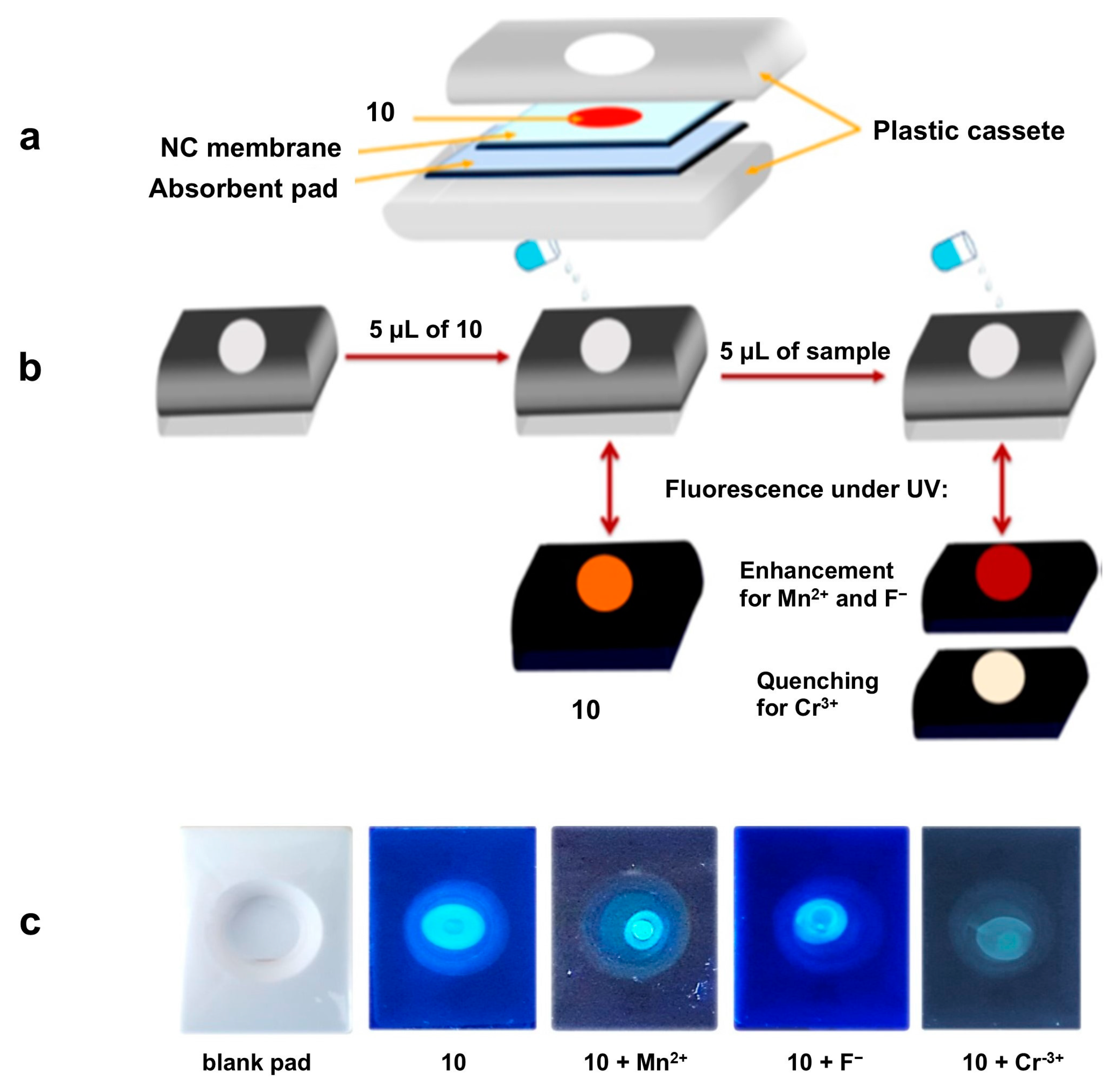
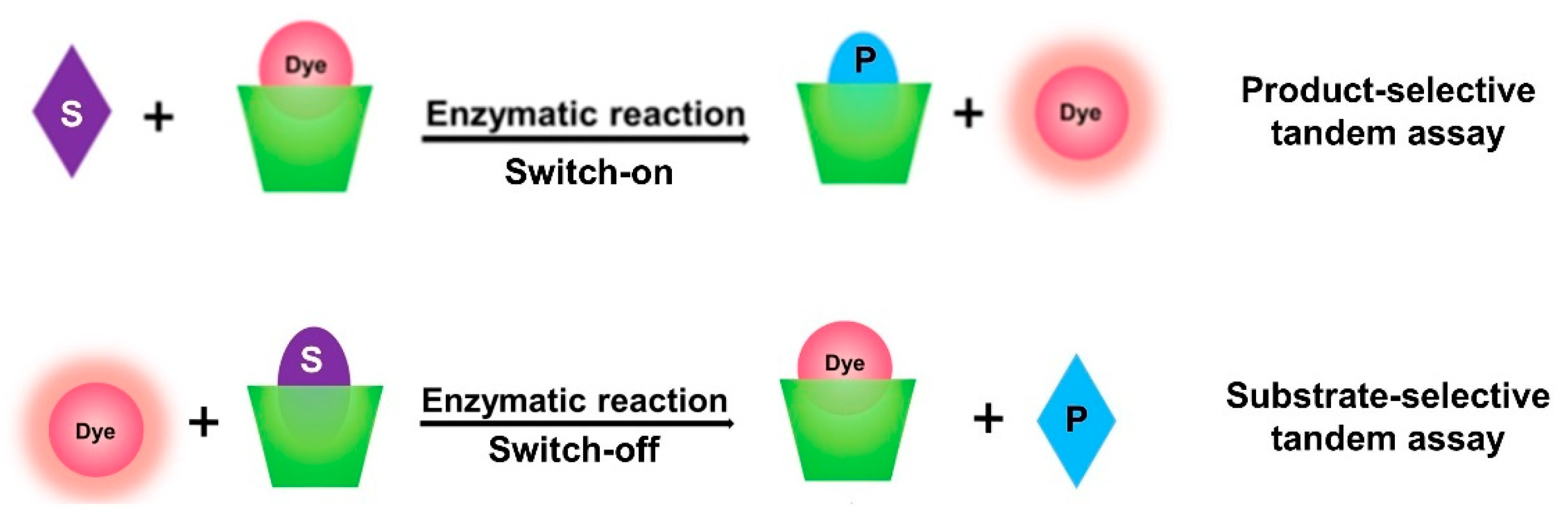
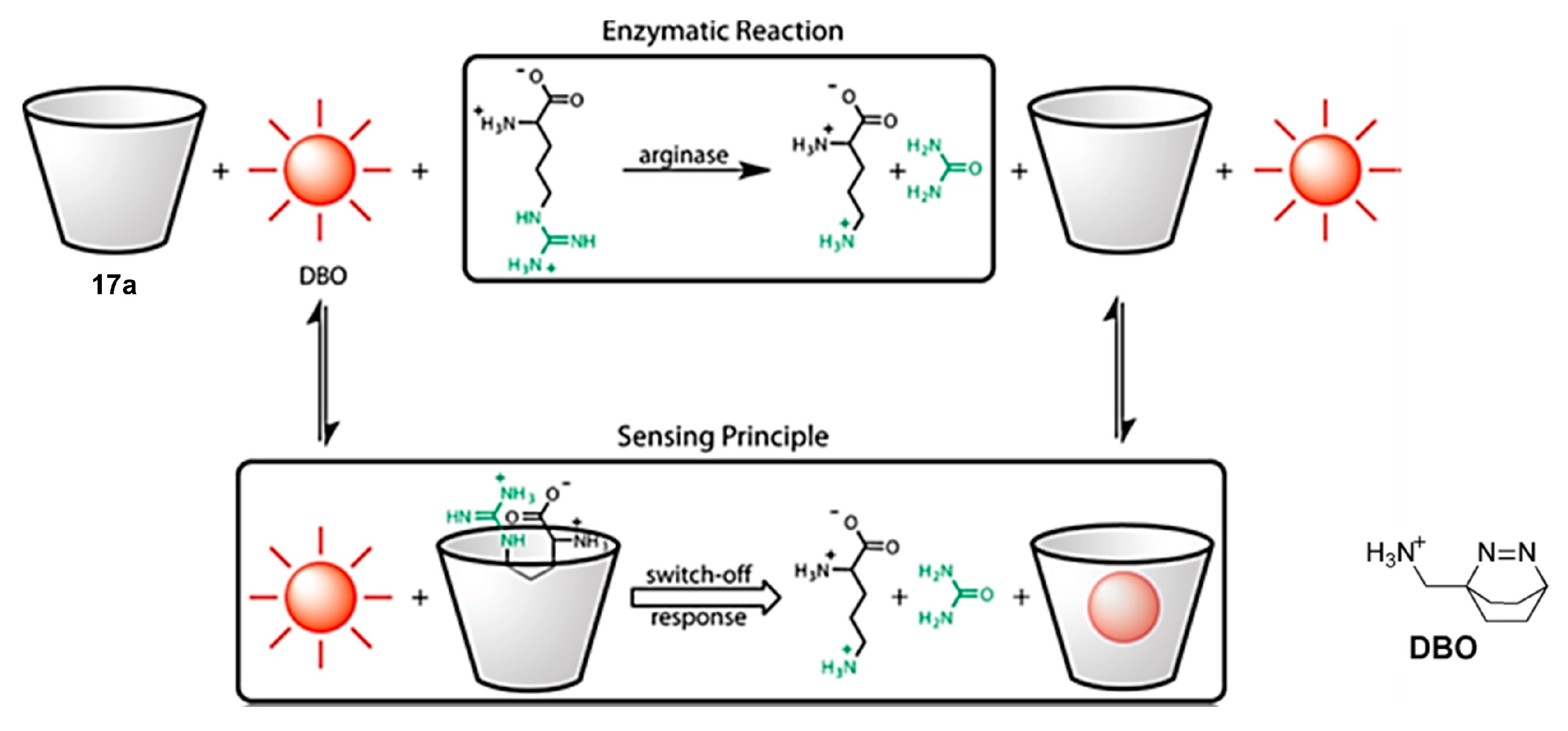
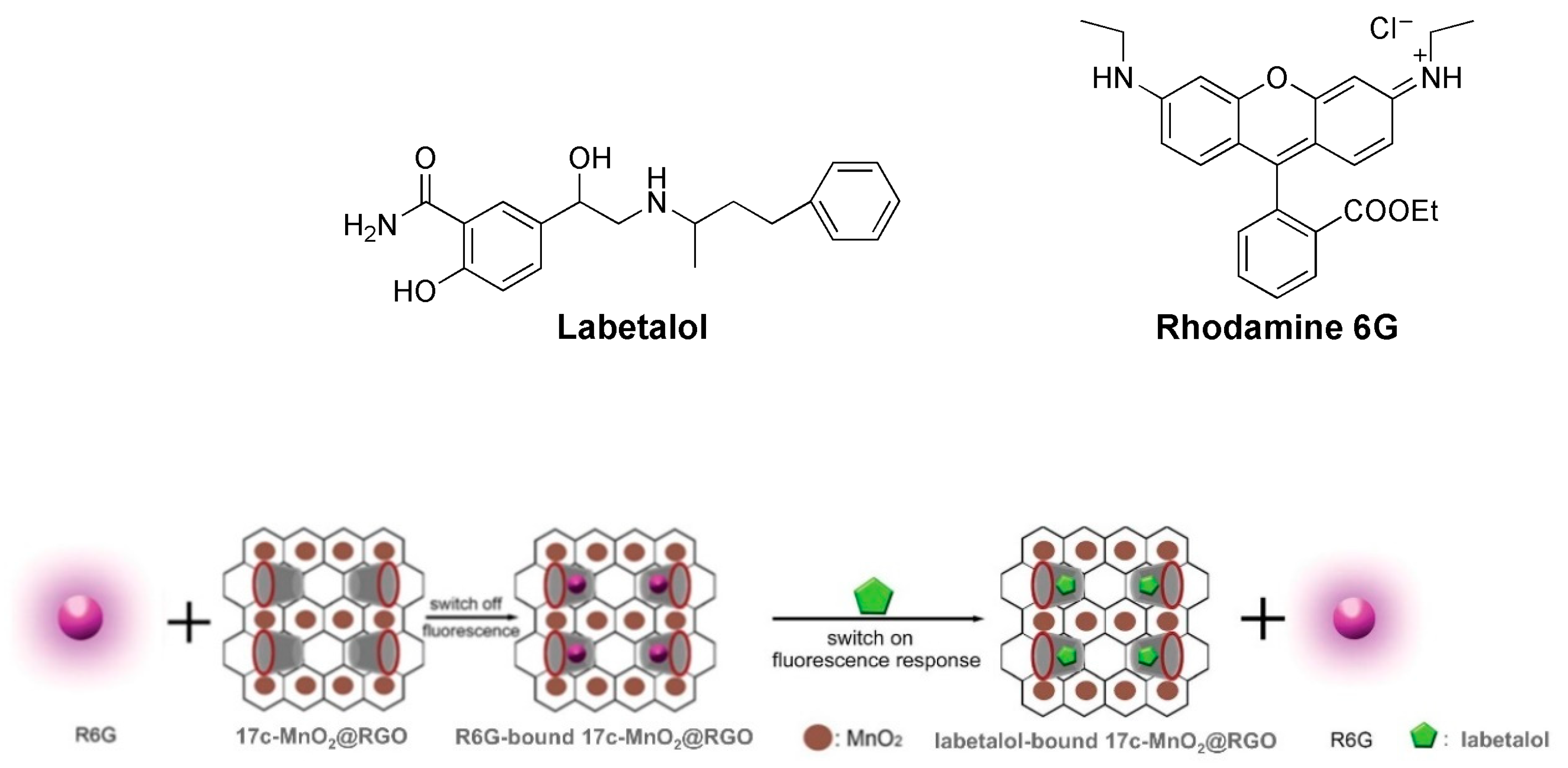


| Sensor | Guest | Detection Limit | Ref. |
|---|---|---|---|
| 1 | Zn2+ | 36 ppb | [18] |
| 6 | Mg2+ | 0.21 ppm | [24] |
| 8 | Cu2+ | 5.4 × 10⁻⁷ M | [26] |
| 9 | Cu2+ | 4.2 nM | [27] |
| 9 | F− | 2.2 nM | [27] |
| 10 | Mn2+ | 11 nM | [28] |
| 10 | Cr3+ | 4 nM | [28] |
| 10 | F− | 19 nM | [28] |
| 11 | La3+ | 0.88 nM | [29] |
| 11 | Cu2+ | 0.19 nM | [29] |
| 11 | Br− | 0.15 nM | [29] |
| 12 | Mn2+ | 6.4 nM | [30] |
| 12 | Hg2+ | 2.9 nM | [30] |
| 12 | I− | 21 nM | [30] |
Disclaimer/Publisher’s Note: The statements, opinions and data contained in all publications are solely those of the individual author(s) and contributor(s) and not of MDPI and/or the editor(s). MDPI and/or the editor(s) disclaim responsibility for any injury to people or property resulting from any ideas, methods, instructions or products referred to in the content. |
© 2024 by the authors. Licensee MDPI, Basel, Switzerland. This article is an open access article distributed under the terms and conditions of the Creative Commons Attribution (CC BY) license (https://creativecommons.org/licenses/by/4.0/).
Share and Cite
Marcos, P.M.; Berberan-Santos, M.N. Recent Advances in Calixarene-Based Fluorescent Sensors for Biological Applications. Sensors 2024, 24, 7181. https://doi.org/10.3390/s24227181
Marcos PM, Berberan-Santos MN. Recent Advances in Calixarene-Based Fluorescent Sensors for Biological Applications. Sensors. 2024; 24(22):7181. https://doi.org/10.3390/s24227181
Chicago/Turabian StyleMarcos, Paula M., and Mário N. Berberan-Santos. 2024. "Recent Advances in Calixarene-Based Fluorescent Sensors for Biological Applications" Sensors 24, no. 22: 7181. https://doi.org/10.3390/s24227181
APA StyleMarcos, P. M., & Berberan-Santos, M. N. (2024). Recent Advances in Calixarene-Based Fluorescent Sensors for Biological Applications. Sensors, 24(22), 7181. https://doi.org/10.3390/s24227181