Article

Privacy Preserving Image Encryption with Optimal Deep Transfer Learning Based Accident Severity Classification Model


by
Uddagiri Sirisha
and
Bolem Sai Chandana
*
School of Computer Science and Engineering, VIT-AP University, Amaravathi 522237, India
*
Author to whom correspondence should be addressed.
Sensors 2023, 23(1), 519; https://doi.org/10.3390/s23010519
Submission received: 30 November 2022 / Revised: 25 December 2022 / Accepted: 29 December 2022 / Published: 3 January 2023

Abstract

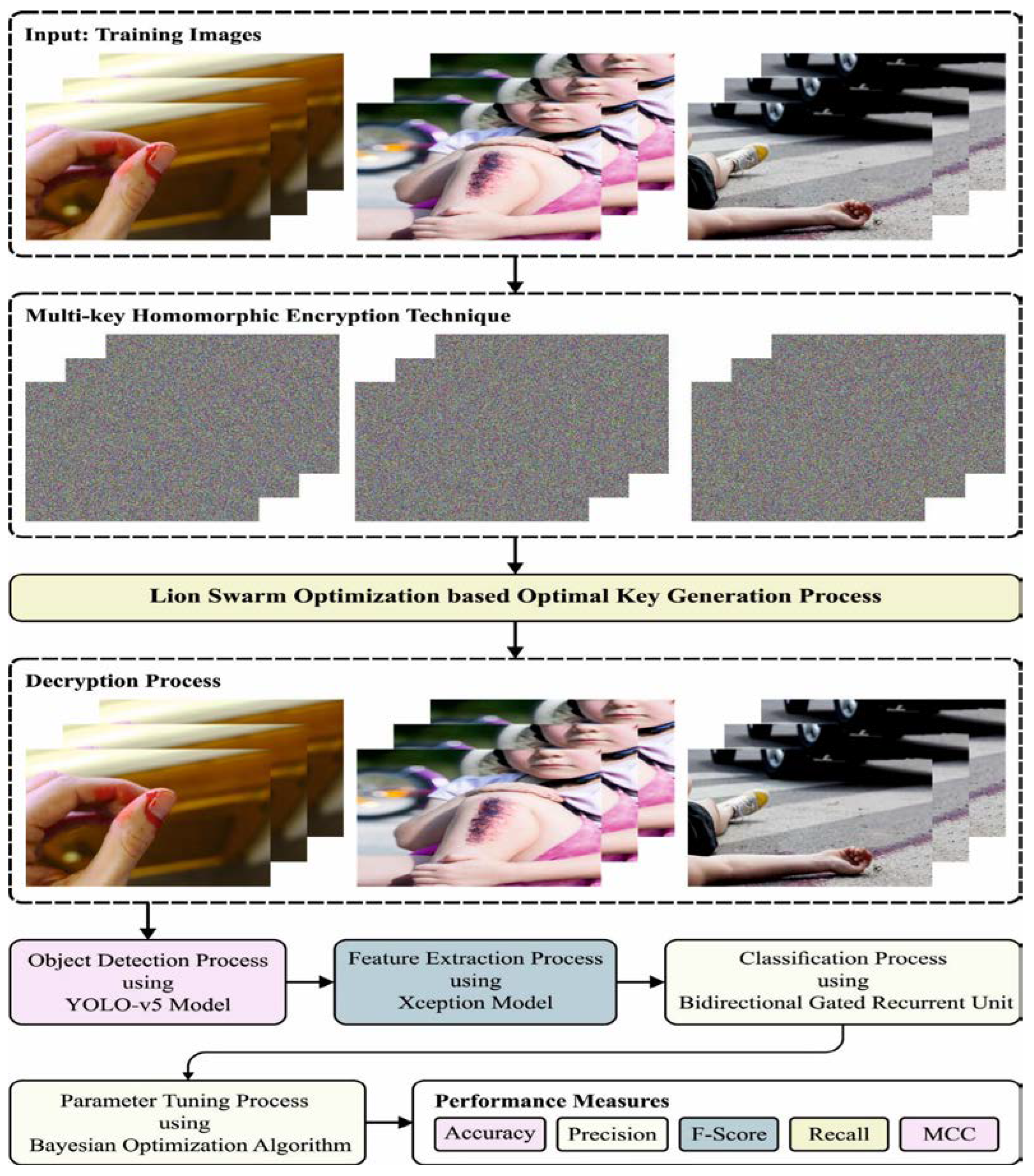
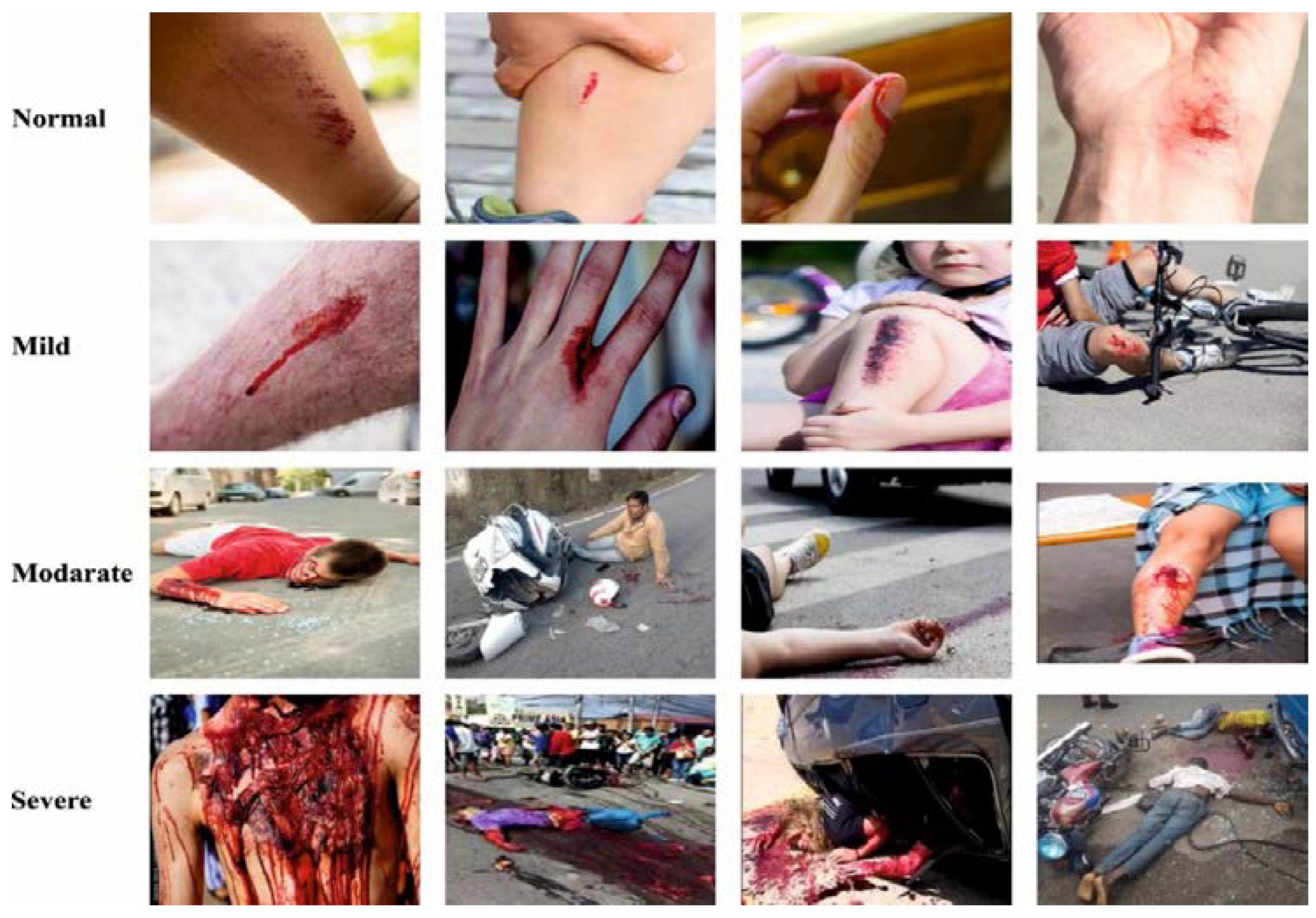
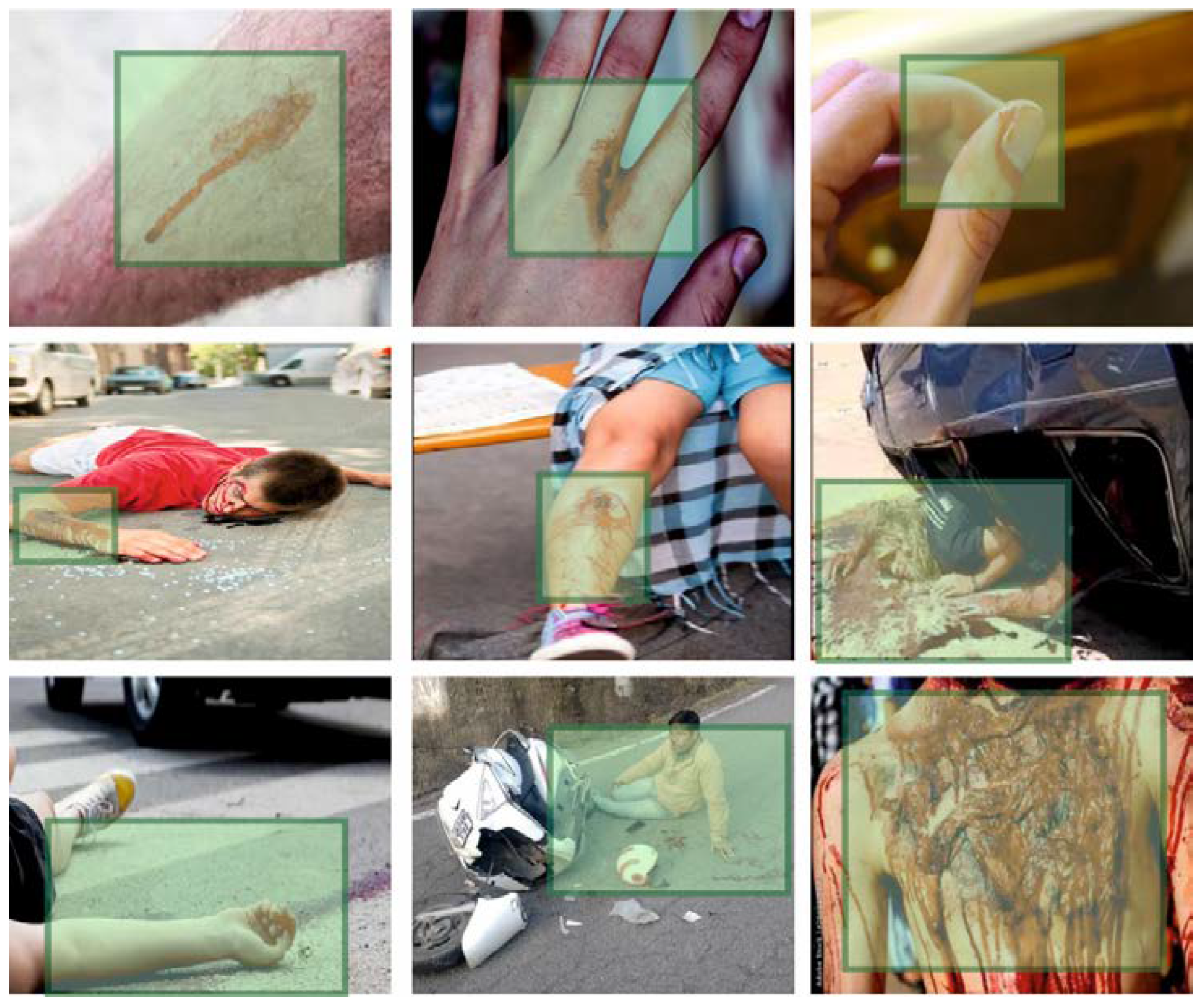
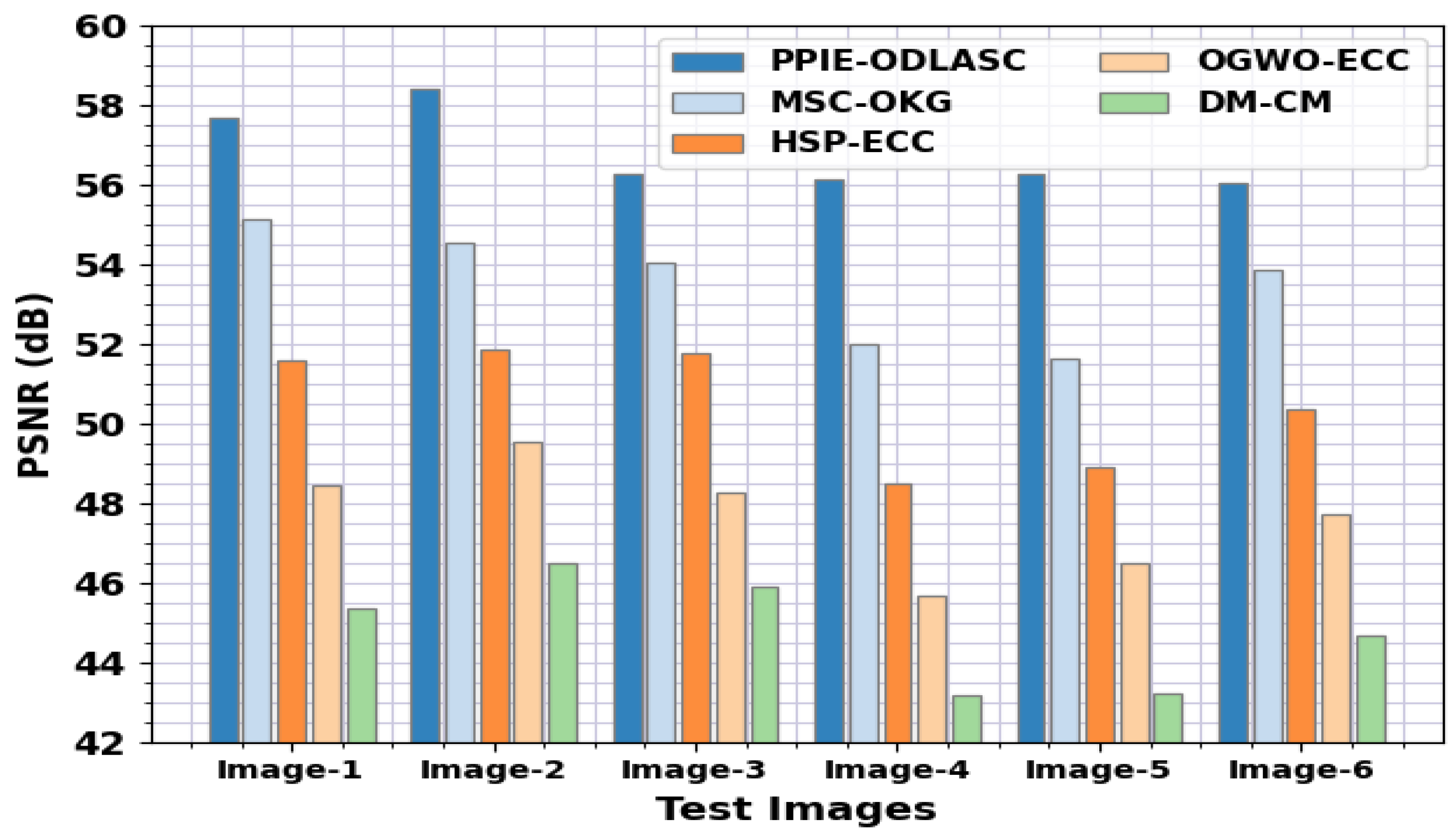
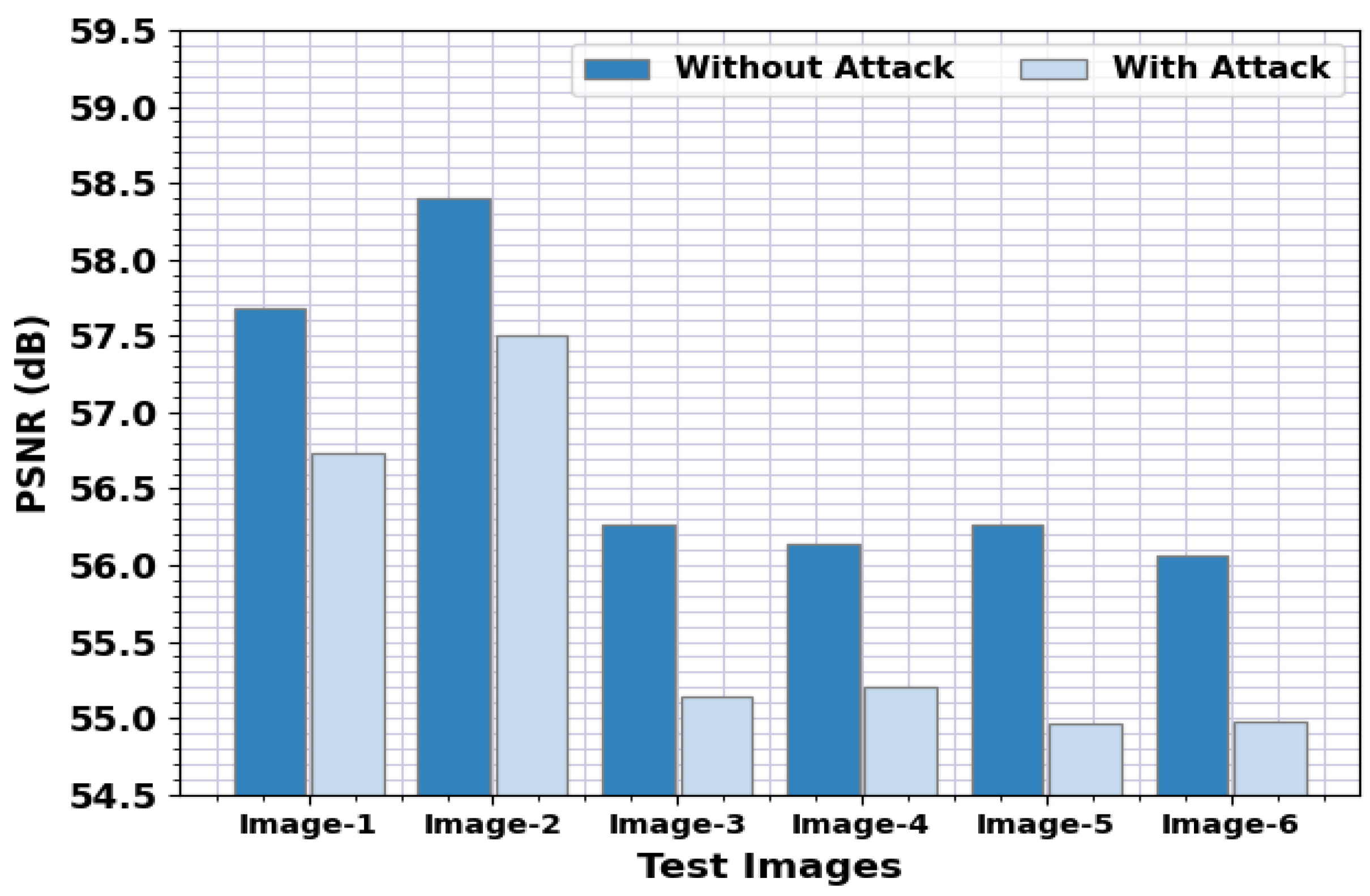
Effective accident management acts as a vital part of emergency and traffic control systems. In such systems, accident data can be collected from different sources (unmanned aerial vehicles, surveillance cameras, on-site people, etc.) and images are considered a major source. Accident site photos and measurements are the most important evidence. Attackers will steal data and breach personal privacy, causing untold costs. The massive number of images commonly employed poses a significant challenge to privacy preservation, and image encryption can be used to accomplish cloud storage and secure image transmission. Automated severity estimation using deep-learning (DL) models becomes essential for effective accident management. Therefore, this article presents a novel Privacy Preserving Image Encryption with Optimal Deep-Learning-based Accident Severity Classification (PPIE-ODLASC) method. The primary objective of the PPIE-ODLASC algorithm is to securely transmit the accident images and classify accident severity into different levels. In the presented PPIE-ODLASC technique, two major processes are involved, namely encryption and severity classification (i.e., high, medium, low, and normal). For accident image encryption, the multi-key homomorphic encryption (MKHE) technique with lion swarm optimization (LSO)-based optimal key generation procedure is involved. In addition, the PPIE-ODLASC approach involves YOLO-v5 object detector to identify the region of interest (ROI) in the accident images. Moreover, the accident severity classification module encompasses Xception feature extractor, bidirectional gated recurrent unit (BiGRU) classification, and Bayesian optimization (BO)-based hyperparameter tuning. The experimental validation of the proposed PPIE-ODLASC algorithm is tested utilizing accident images and the outcomes are examined in terms of many measures. The comparative examination revealed that the PPIE-ODLASC technique showed an enhanced performance of 57.68 dB over other existing models.
Keywords: accident images; privacy preserving; key generation; deep learning; severity classification; hyperparameter tuning accident images; privacy preserving; key generation; deep learning; severity classification; hyperparameter tuning