Article

An Accelerating Reduction Approach for Incomplete Decision Table Using Positive Approximation Set

1
School of Electronic and Information Engineering, Xi’an Jiaotong University, Xi’an 710049, China
2
MOE Key Lab for Intelligent Network and Network Security, Xi’an Jiaotong University, Xi’an 710049, China
*
Author to whom correspondence should be addressed.
Sensors 2022, 22(6), 2211; https://doi.org/10.3390/s22062211
Submission received: 19 January 2022 / Revised: 9 March 2022 / Accepted: 11 March 2022 / Published: 12 March 2022
(This article belongs to the Special Issue Recent Advances in Big Data and Cloud Computing)

Abstract

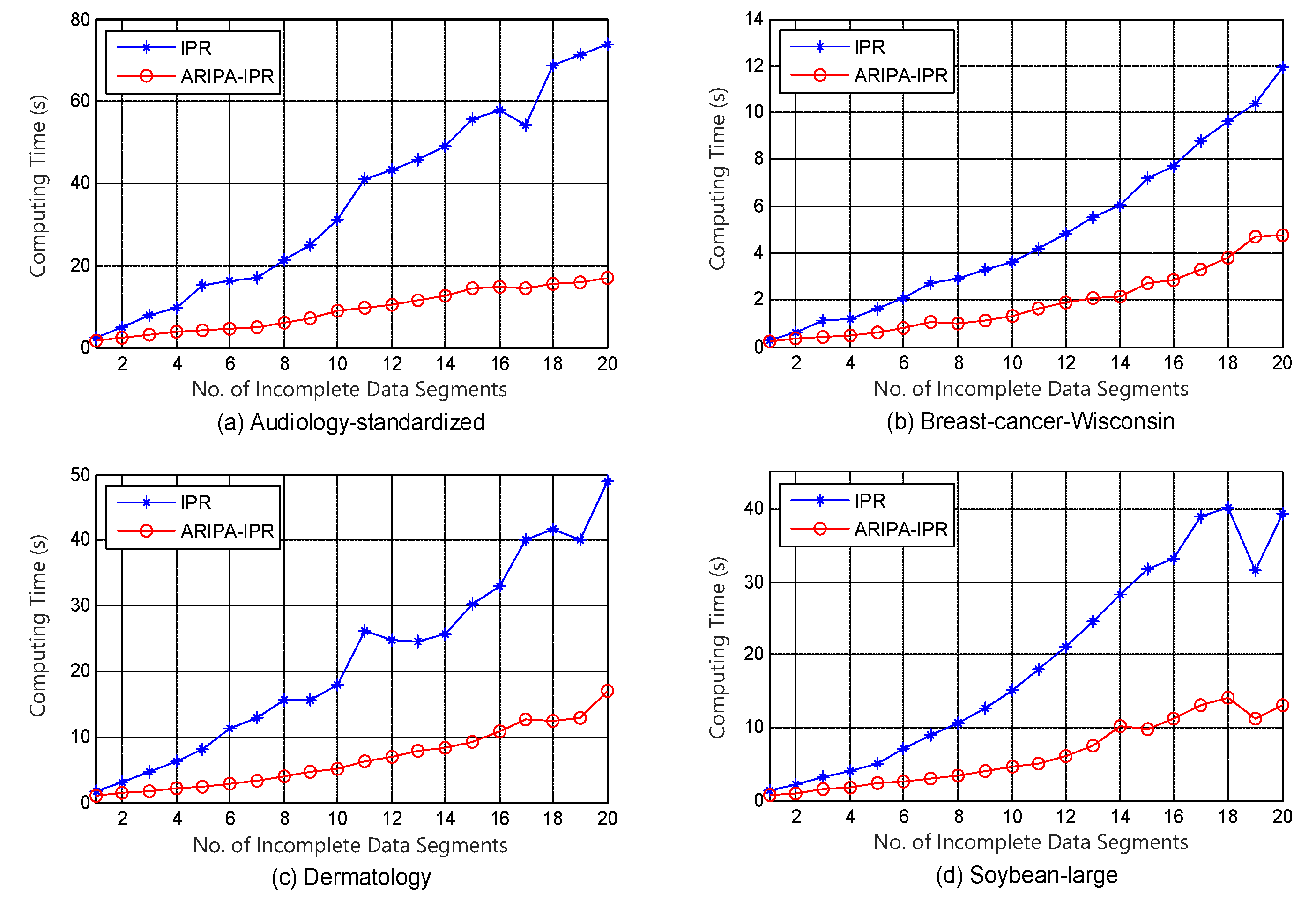
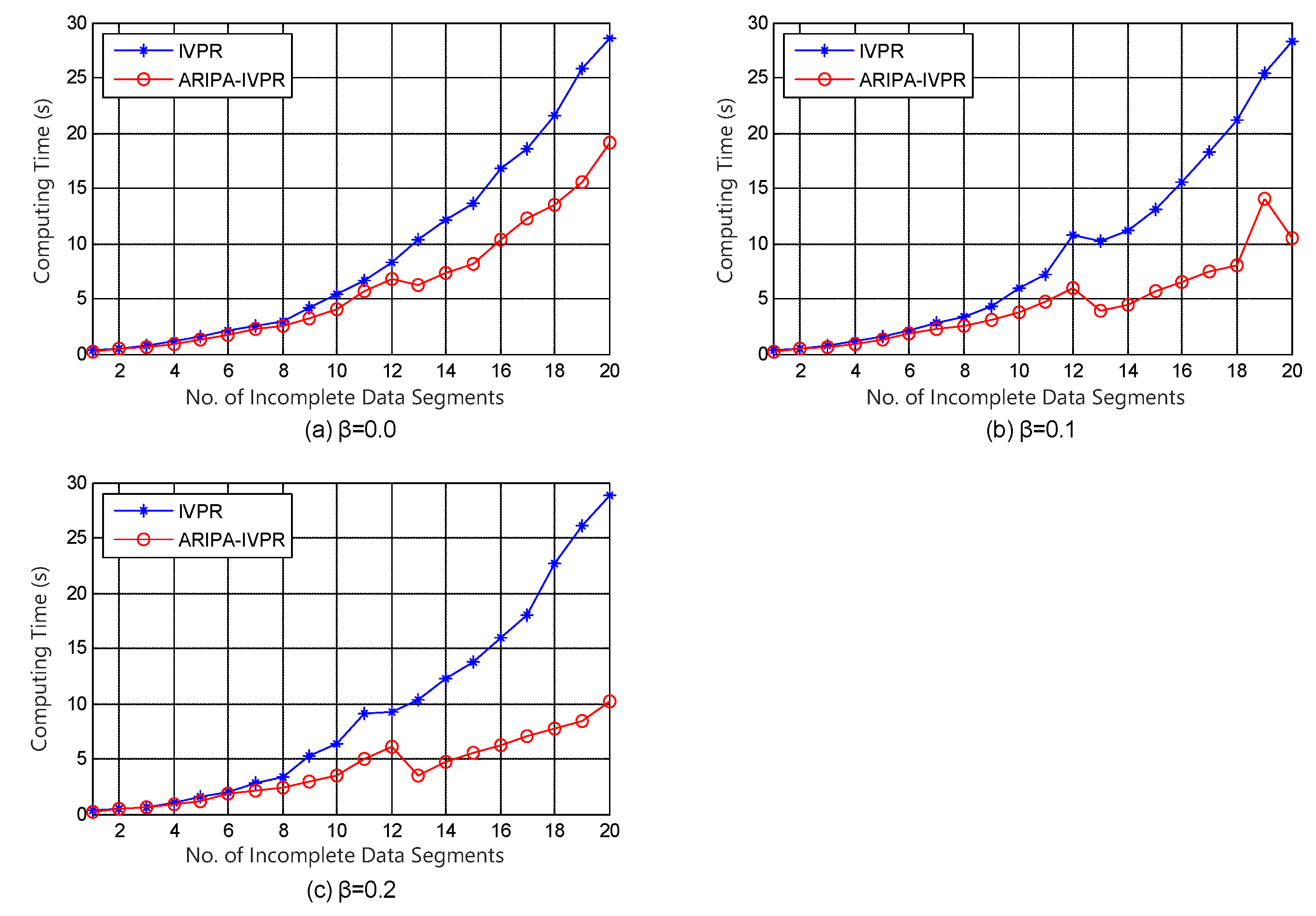
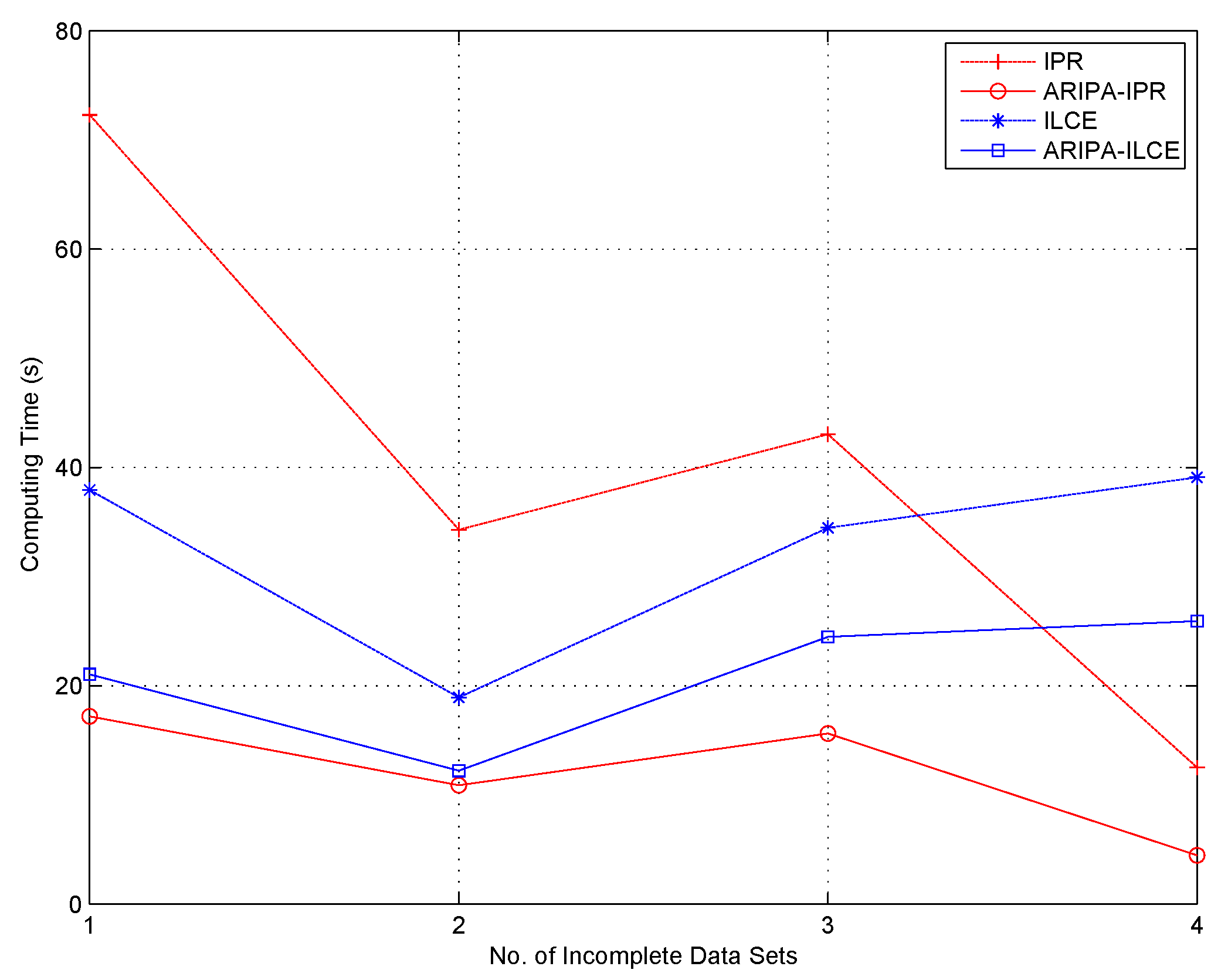
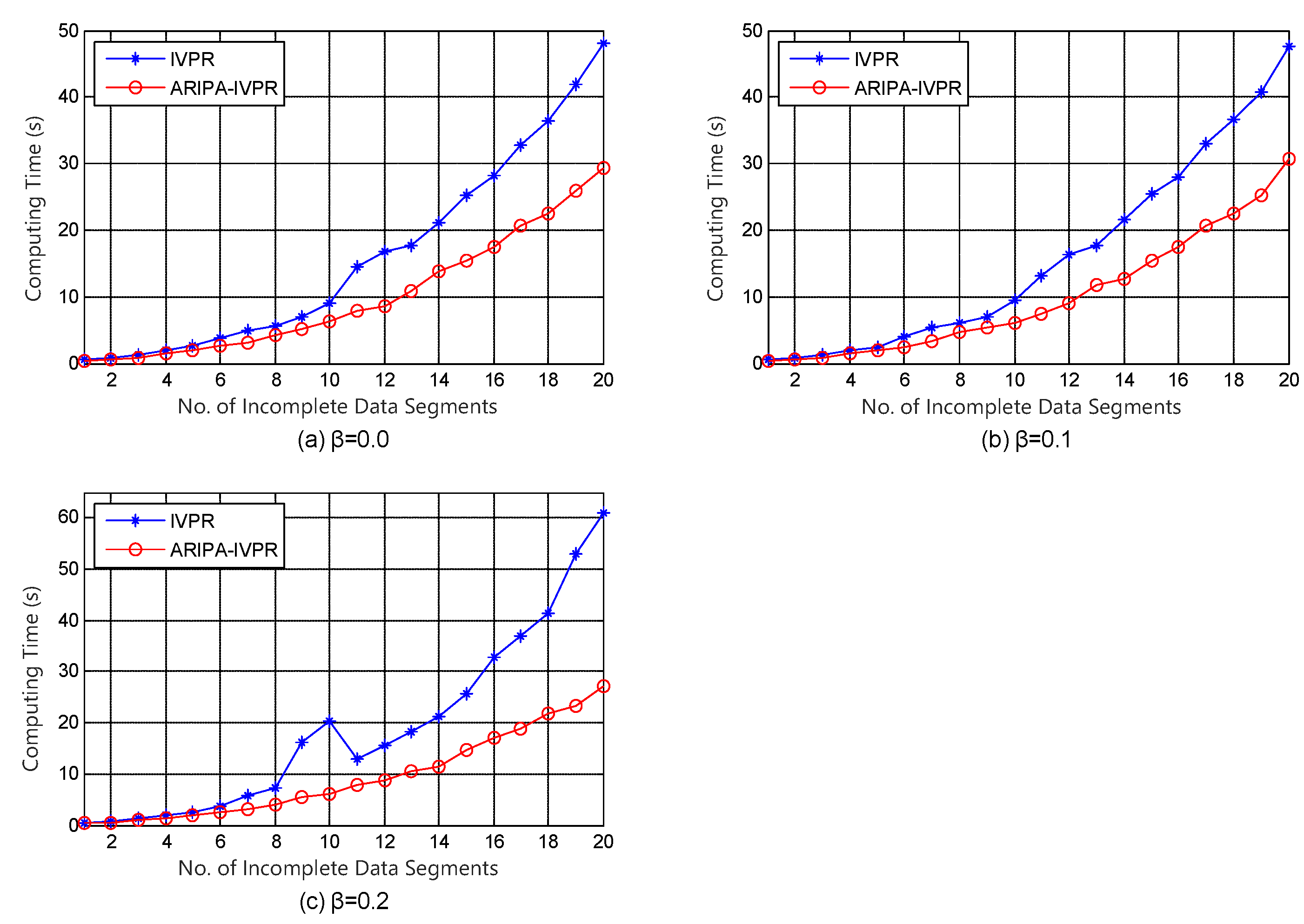
Due to the explosive growth of data collected by various sensors, it has become a difficult problem determining how to conduct feature selection more efficiently. To address this problem, we offer a fresh insight into rough set theory from the perspective of a positive approximation set. It is found that a granularity domain can be used to characterize the target knowledge, because of its form of a covering with respect to a tolerance relation. On the basis of this fact, a novel heuristic approach ARIPA is proposed to accelerate representative reduction algorithms for incomplete decision table. As a result, ARIPA in classical rough set model and ARIPA-IVPR in variable precision rough set model are realized respectively. Moreover, ARIPA is adopted to improve the computational efficiency of two existing state-of-the-art reduction algorithms. To demonstrate the effectiveness of the improved algorithms, a variety of experiments utilizing four UCI incomplete data sets are conducted. The performances of improved algorithms are compared with those of original ones as well. Numerical experiments justify that our accelerating approach enhances the existing algorithms to accomplish the reduction task more quickly. In some cases, they fulfill attribute reduction even more stably than the original algorithms do.
Keywords: rough set; incomplete decision table; variable precision model; attribute reduction; positive approximation set rough set; incomplete decision table; variable precision model; attribute reduction; positive approximation set