Article

Computational Analysis of a Multi-Layered Skin and Cardiac Pacemaker Model Based on Neural Network Approach †

1
Department of Electromagnetic and Biomedical Engineering, Faculty of Electrical Engineering, University of Zilina, Univerzitna 1, 01026 Zilina, Slovakia
2
Department of Mathematics Applications and Methods for Artificial Intelligence, Faculty of Applied Mathematics, Silesian University of Technology, 44-100 Gliwice, Poland
3
Institute of Energy and Fuel Processing Technology, 41-803 Zabrze, Poland
4
Department of Mechatronics, Silesian University of Technology, Akademicka 10a, 44-100 Gliwice, Poland
5
Department of Electrical, Electronics and Informatics Engineering, University of Catania, Viale Andrea Doria 6, 95125 Catania, Italy
*
Author to whom correspondence should be addressed.
This paper is an extended version of our paper published in: “Simulation and Assessment of Pacemaker RF Exposure (2.4 GHz) by PIFA Antenna”; Zuzana Psenakova, Maros Smondrk, Jan Barabas, Grazia Lo Sciuto, Mariana Benova in Proceedings of the 2016 ELEKTRO Conference, Strebske Pleso, Slovakia, 16–18 May 2016.
Sensors 2022, 22(17), 6359; https://doi.org/10.3390/s22176359
Submission received: 12 July 2022 / Revised: 17 August 2022 / Accepted: 21 August 2022 / Published: 24 August 2022

Abstract

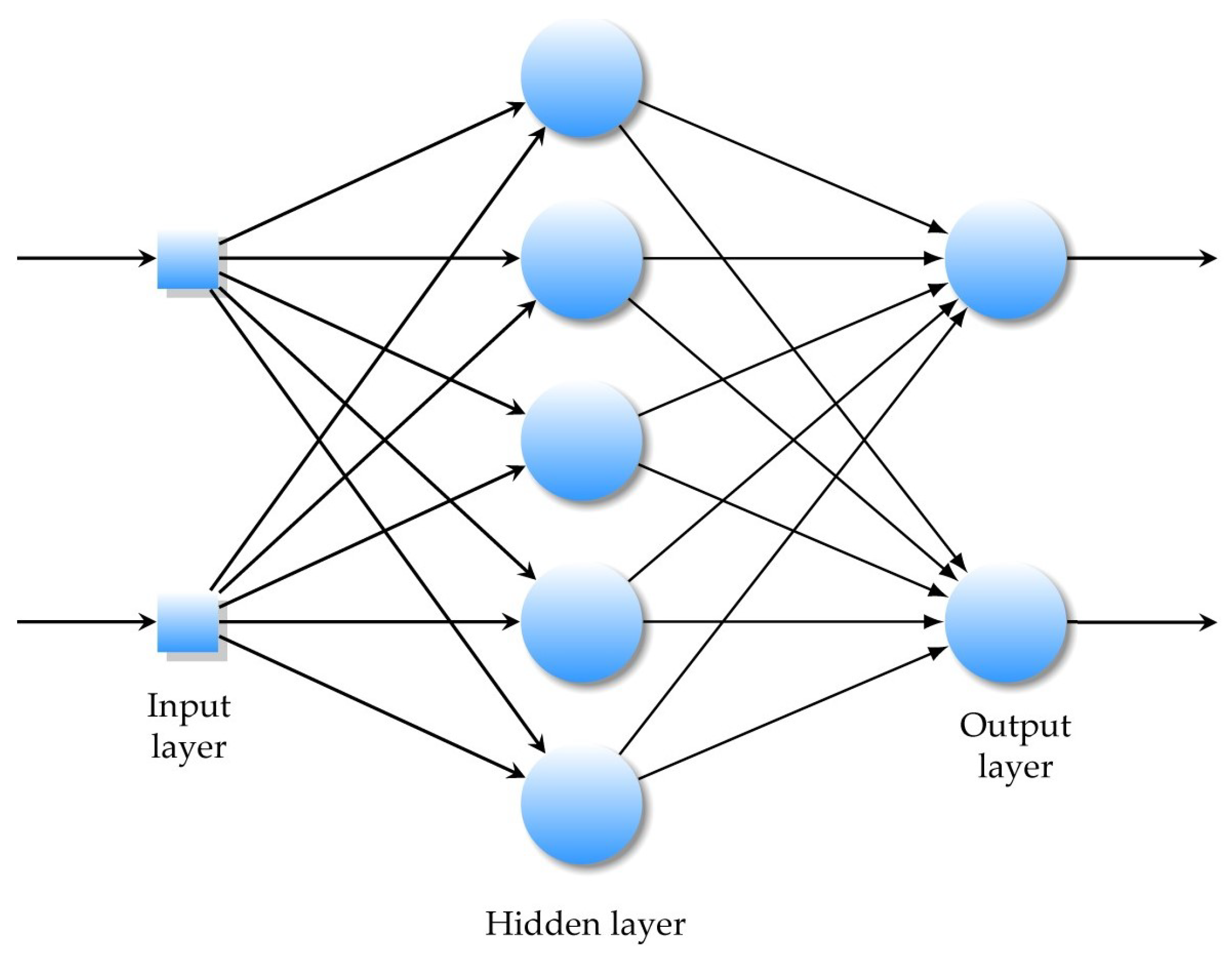
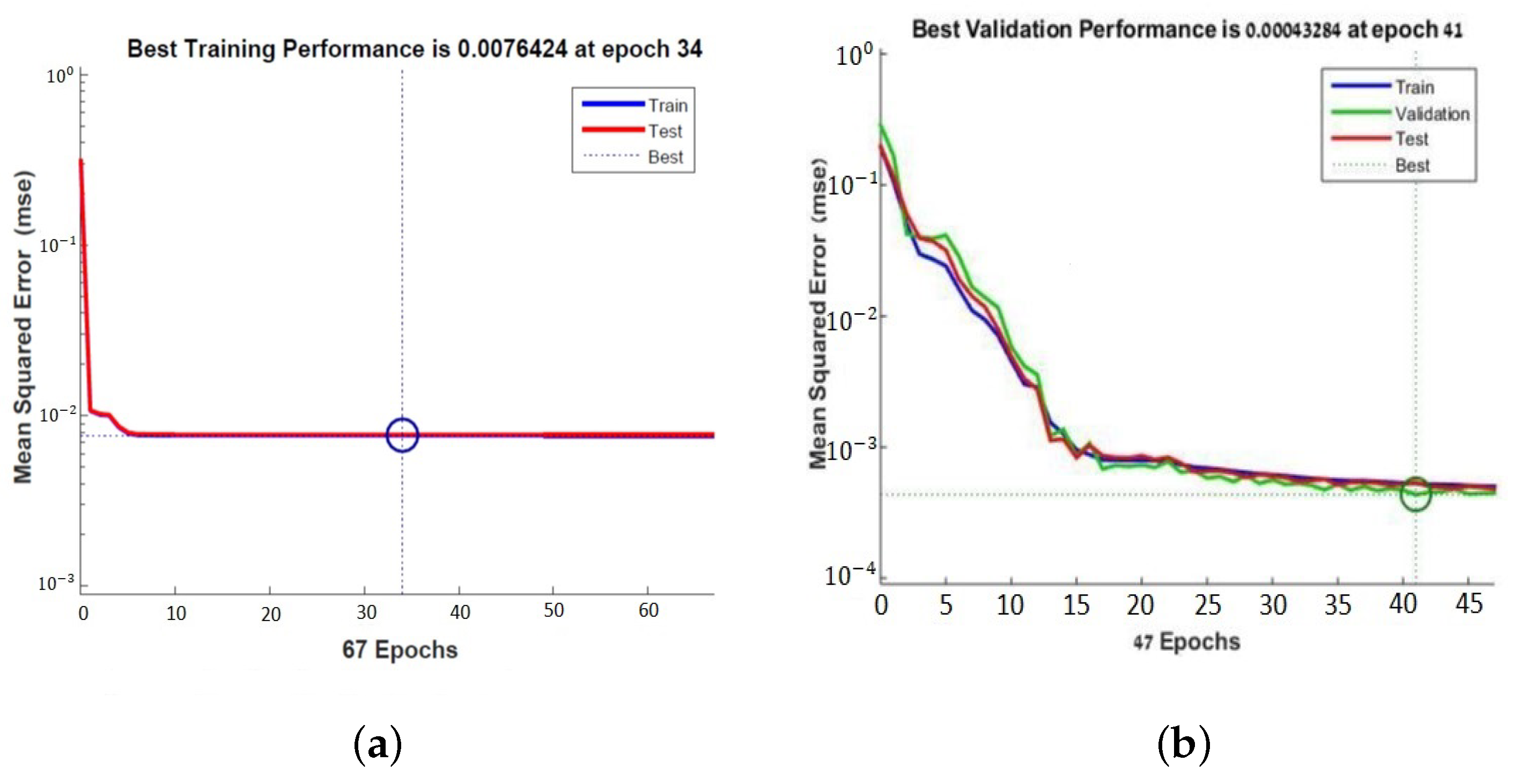
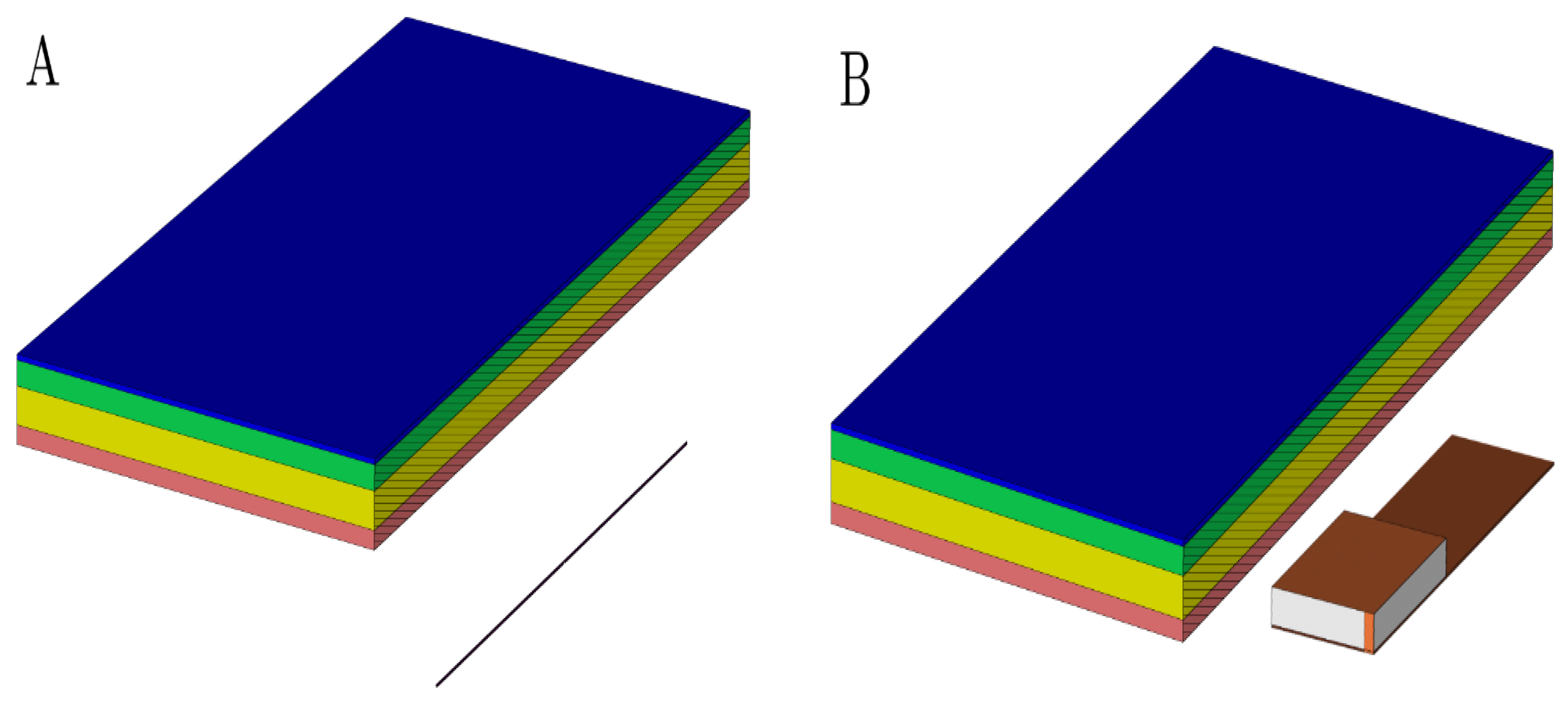
The presented study discusses the possible disturbing effects of the electromagnetic field of antennas used in mobile phones or WiFi technologies on the pacemaker in the patient’s body. This study aims to obtain information on how the thickness of skin layers (such as the thickness of the hypodermis) can affect the activity of a pacemaker exposed to a high-frequency electromagnetic field. This study describes the computational mathematical analysis and modeling of the heart pacemaker inserted under the skin exposed to various electromagnetic field sources, such as a PIFA antenna and a tuned dipole antenna. The finite integration technique (FIT) for a pacemaker model was implemented within the commercially available CST Microwave simulation software studio. Likewise, the equations that describe the mathematical relationship between the subcutaneous layer thickness and electric field according to different exposures of a tuned dipole and a PIFA antenna are used and applied for training a neural network. The main output of this study is the creation of a mathematical model and a multilayer feedforward neural network, which can show the dependence of the thickness of the hypodermis on the size of the electromagnetic field, from the simulated data from CST Studio.
Keywords: pacemaker; hypodermis layer thickness; feedforward neural network pacemaker; hypodermis layer thickness; feedforward neural network