
You are currently viewing a new version of our website. To view the old version click .
Sensors
  • Article
  • Open Access

19 July 2022

Feedforward Control of Piezoelectric Ceramic Actuators Based on PEA-RNN
,
,
,
and
1
Shanghai Institute of Applied Physics, Chinese Academy of Sciences, Shanghai 201800, China
2
Shanghai Advanced Research Institute, Chinese Academy of Sciences, Shanghai 201204, China
3
University of Chinese Academy of Sciences, Beijing 100049, China
*
Author to whom correspondence should be addressed.
This article belongs to the Section Intelligent Sensors

Abstract

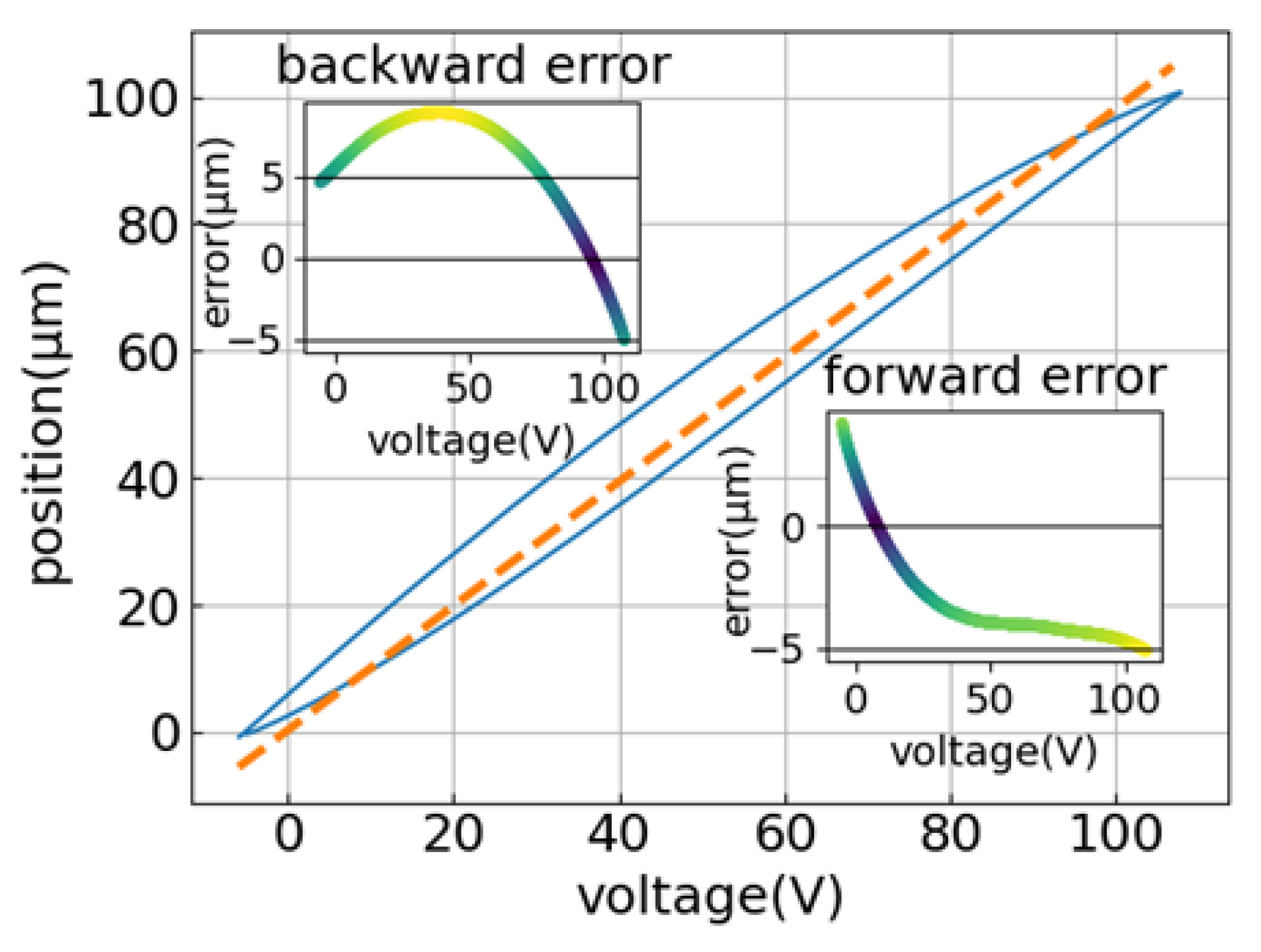
Multilayer perceptron (MLP) has been demonstrated to implement feedforward control of the piezoelectric actuator (PEA). To further improve the control accuracy of the neural network, reduce the training time, and explore the possibility of online model updating, a novel recurrent neural network named PEA-RNN is established in this paper. PEA-RNN is a three-input, one-output neural network, including one gated recurrent unit (GRU) layer, seven linear layers, and one residual connection in the linear layers. The experimental results show that the displacement linearity error of piezoelectric ceramics reaches 8.96 μ m in the open-loop condition. After using PEA-RNN compensation, the maximum displacement error of piezoelectric ceramics is reduced to 0.465 μ m at the operating frequency of 10 Hz, which proves that PEA-RNN can accurately compensate piezoelectric ceramics’ dynamic hysteresis nonlinearity. At the same time, the training epochs of PEA-RNN are only 5% of the MLP, and fewer training epochs provide the possibility to realize online updates of the model in the future.

1. Introduction

The Shanghai Synchrotron Radiation Facility (SSRF), which operates nearly 5000 h a year, has massive data resources, and the high availability of data brings enormous opportunities for the application of artificial intelligence technology in the field of synchrotron radiation. In recent years, SSRF has explored intelligent beamlines based on the differential evolution algorithm and achieved initial success [1]. However, in the online test, the researchers found that, after the introduction of the second crystal pitch axis of the monochromator [2], the excellent individuals were inherited to the next generation due to its poor motion repeatability, resulting in the intelligent algorithm not converging. SSRF uses many PEAs to achieve micro displacements. However, due to the inherent hysteresis nonlinearity and creep properties, and the defects of the control algorithm, the motion accuracy is not high enough, and the motion repeatability is poor. Studies have shown that, without considering the error caused by vibration, the uncertainty introduced by piezoelectric ceramic hysteresis is generally 15–20%, and the creep error is 1–5% [3].
For a long time, the hysteresis nonlinearity and compensation technology of piezoelectric ceramics have been research hotspots for scholars. The early classical feedforward control technology used mathematical methods to establish a fitting model of the hysteresis loop and to obtain the relationship between the excitation voltage and the actual output displacement by solving its inverse model. Physics-based models and phenomenological models [4] were the main classifications of the hysteresis model in the past. The micro-electromechanical models [5] are typical phenomenological models. Because this classification method is limited, the classifications of rate-independent hysteresis models and rate-dependent hysteresis models according to whether the input rate is considered [6] are more reasonable. Rate-independent hysteresis models include the classic Preisach model [7], the classic Maxwell model [8], and the polynomial model [9]. Furthermore, rate-dependent hysteresis models include the Bouc–Wen mode [10,11] and the micromechanical model [12,13]. Due to the complex nonlinear characteristics, although scholars have proposed many mathematical models, there are certain limitations in the description of the hysteresis loop by various models. Therefore, there has been no widely accepted general model. More and more researchers have introduced other new piezoelectric ceramic feedforward control methods, such as using the Radial basis function(RBF) network [14] and neural network self-turning control [15].
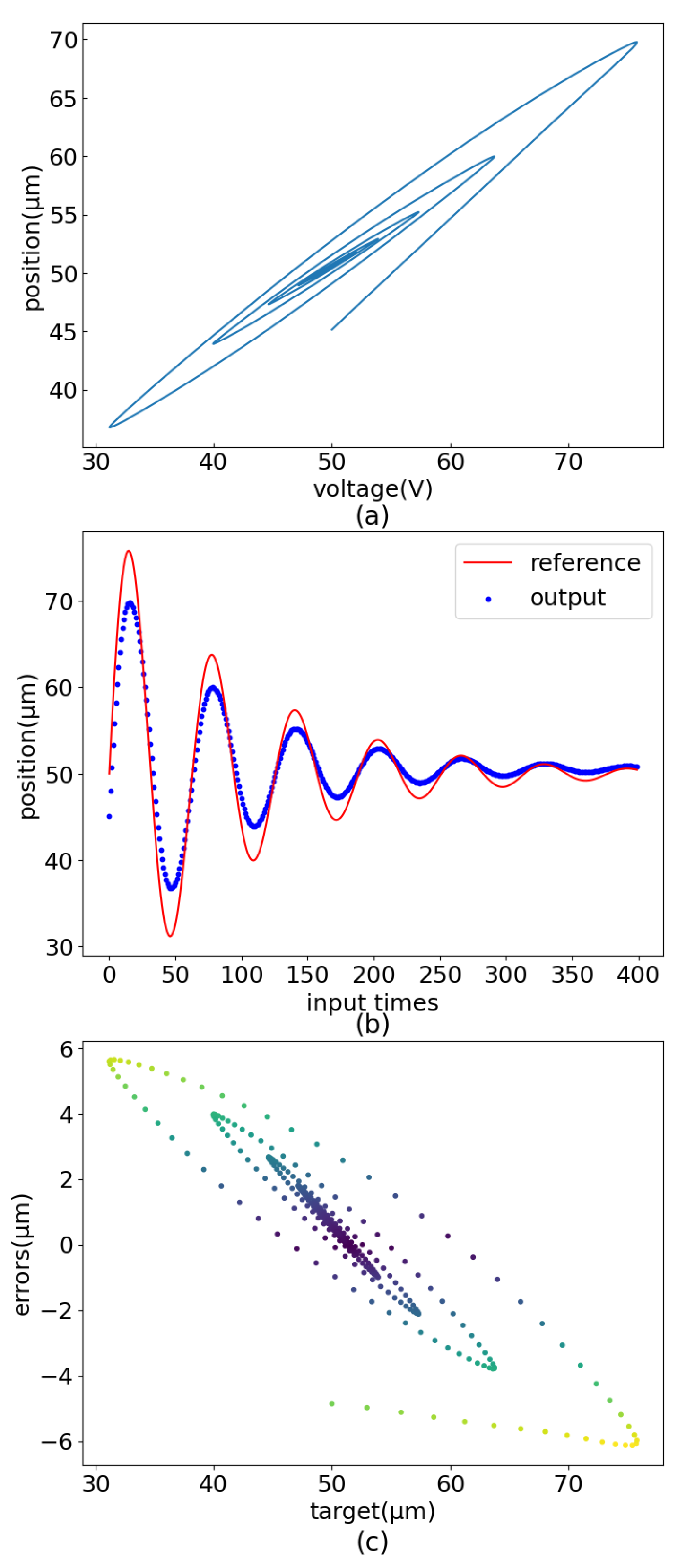
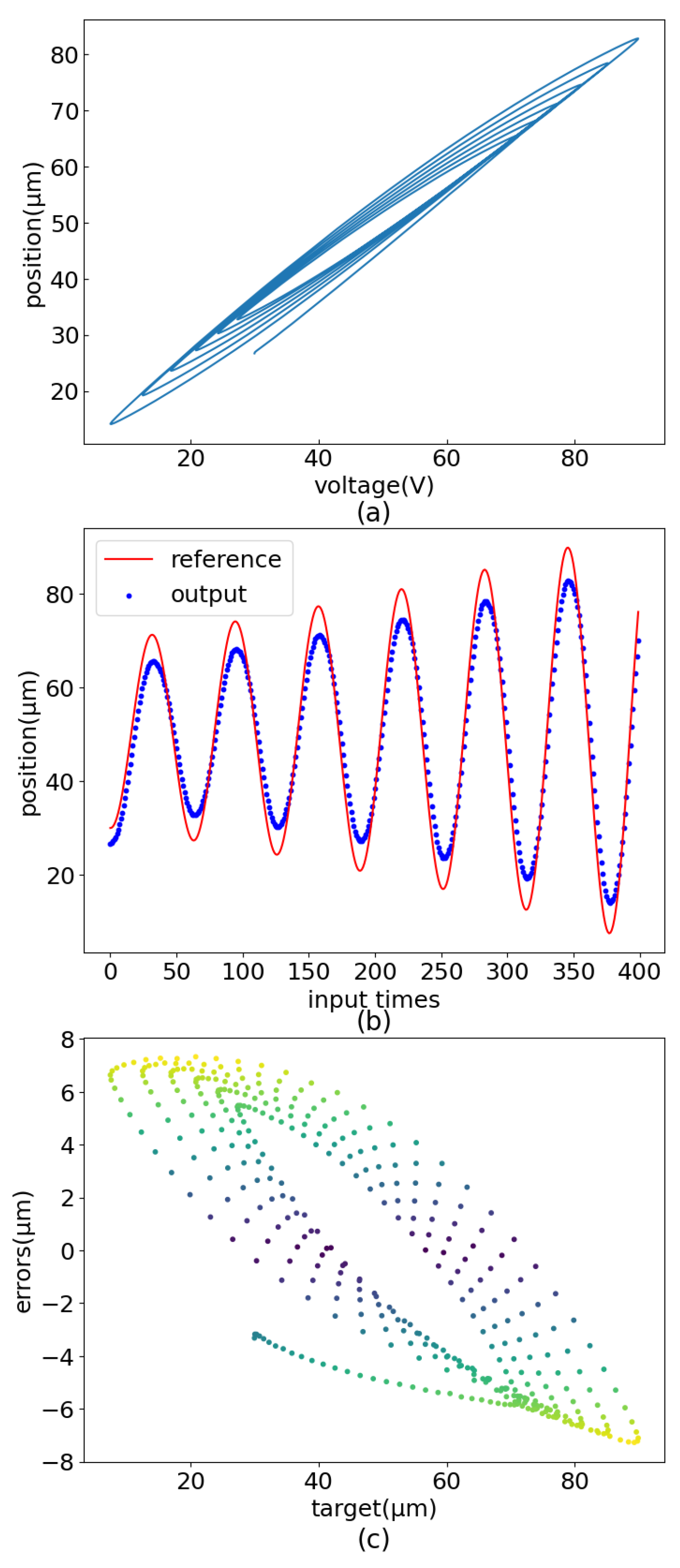
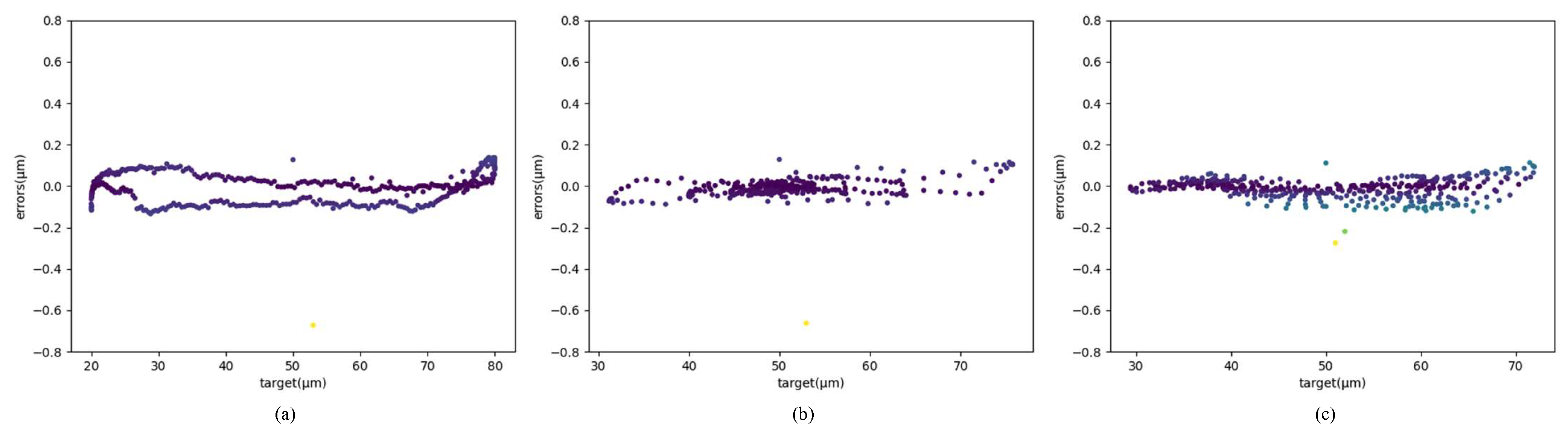
MLP has been demonstrated to implement feedforward control of PEA. However, MLP needs too many training epochs, and the control displacement error has jumps and other shortcomings, as shown in Figure 1. Based on the control strategy realized by the MLP, this paper further enriches the piezoelectric ceramic operation dataset and adopts a new network structure(PEA-RNN) that conforms to data characteristics. Accurate displacement output of piezoelectric ceramics is achieved with fewer training epochs. The test results show that, under the operating frequency of 10 Hz, the precision of the controlled precision is improved from 8.96 μ m to 0.465 μ m after using PEA-RNN compensation. The influence of each network structure (mainly including MLP and residual connection) is verified further to prove the rationality of the network structure.
Figure 1. Control flaws of MLP. (a) Sinusoidal error distribution. (b) Dampened sinusoidal error distribution. (c) Amplified sinusoidal error distribution.
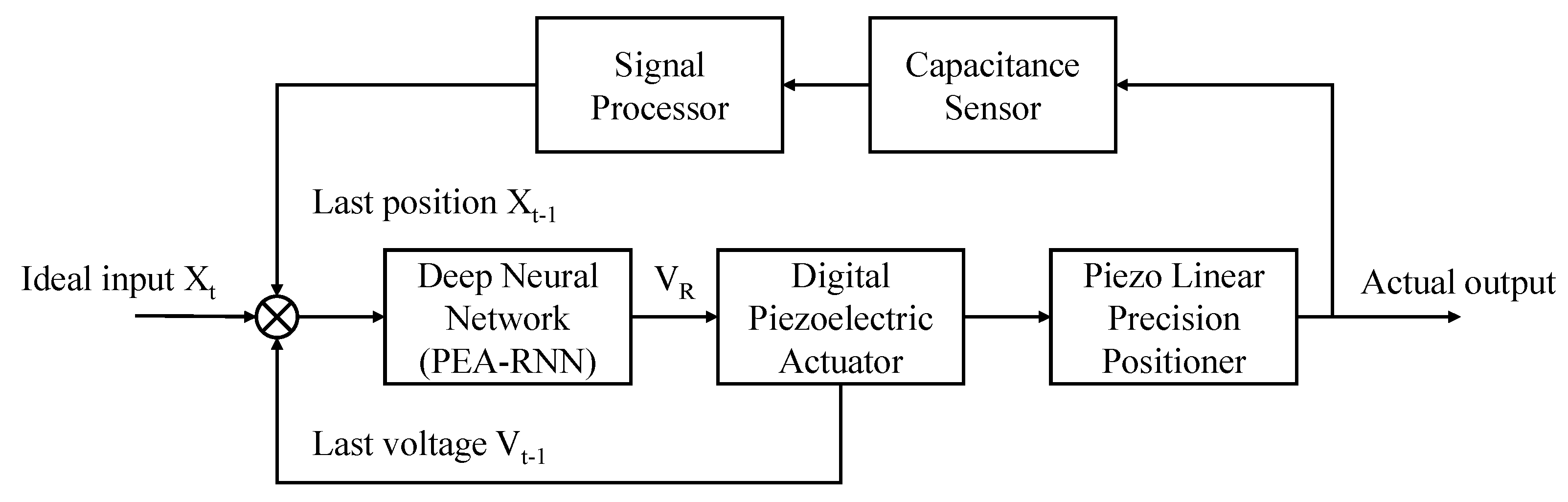
The rest of this paper is organized as follows: In Section 2, the performance of the experimental platform is evaluated, and the control strategy is preliminarily determined, then the related neural network structures are introduced. Next, the training and the application of PEA-RNN are illustrated, and the effects of MLP and residual connections are verified in Section 3. Finally, this paper is concluded in Section 4.

3. Training and Application of PEA-RNN

3.1. Network Training

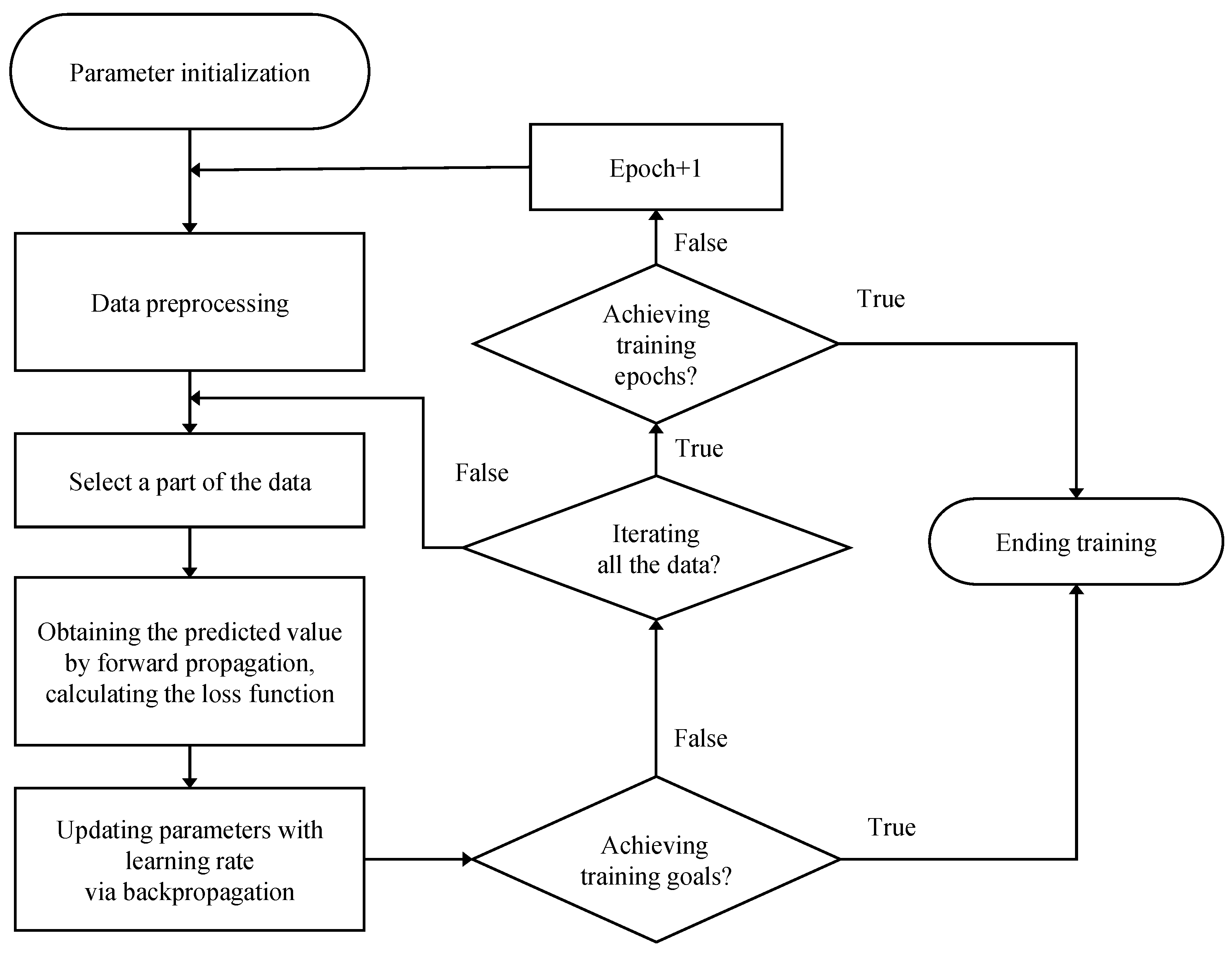
The training process is shown in Figure 12. Firstly, initialize the weight value parameters, scramble the dataset randomly, and divide it into a training dataset and a verification dataset according to the ratio of 8:2. Then, take out the training data in groups, take the current actual displacement, the last time voltage and the last time displacement as the input of the neural network, set the initial state to all zeros, and calculate the voltage prediction layer by layer through the forward propagation algorithm. After getting the prediction, compare it with the current actual voltage and calculate the loss value (mean square error, MSE). The neural network weight parameters are updated according to the optimizer in the backpropagation algorithm. Whenever the loss value on the training dataset decreases, the network is verified using the verification dataset. If the loss value is the minimum loss value on the verification dataset at this time, the current neural network parameters are saved.
Figure 12. Neural network training process flow chart.
In the experiment, the loss function used is the MSE function, and the specific expression is:
MSE = 1 n i = 1 n y i y ^ i 2
where n represents the number of samples.
The optimizer uses the most commonly Adam [22], which can adaptively adjust the learning rate α so that the training can converge faster. The parameter update formula is:
w t w t 1 α t · m t / v t + ϵ ^
In the formula, w t is the weight parameter to be updated; w t 1 is the weight parameter at the last moment; α t is the learning rate, and m t is the first-order moment estimation value of the gradient, which can adaptively adjust the speed of the learning rate change; v t is the second-order moment estimate of the gradient, which can prevent the parameter from falling into a local minimum; ϵ ^ = 10 8 , which is used to prevent the divisor from being 0.
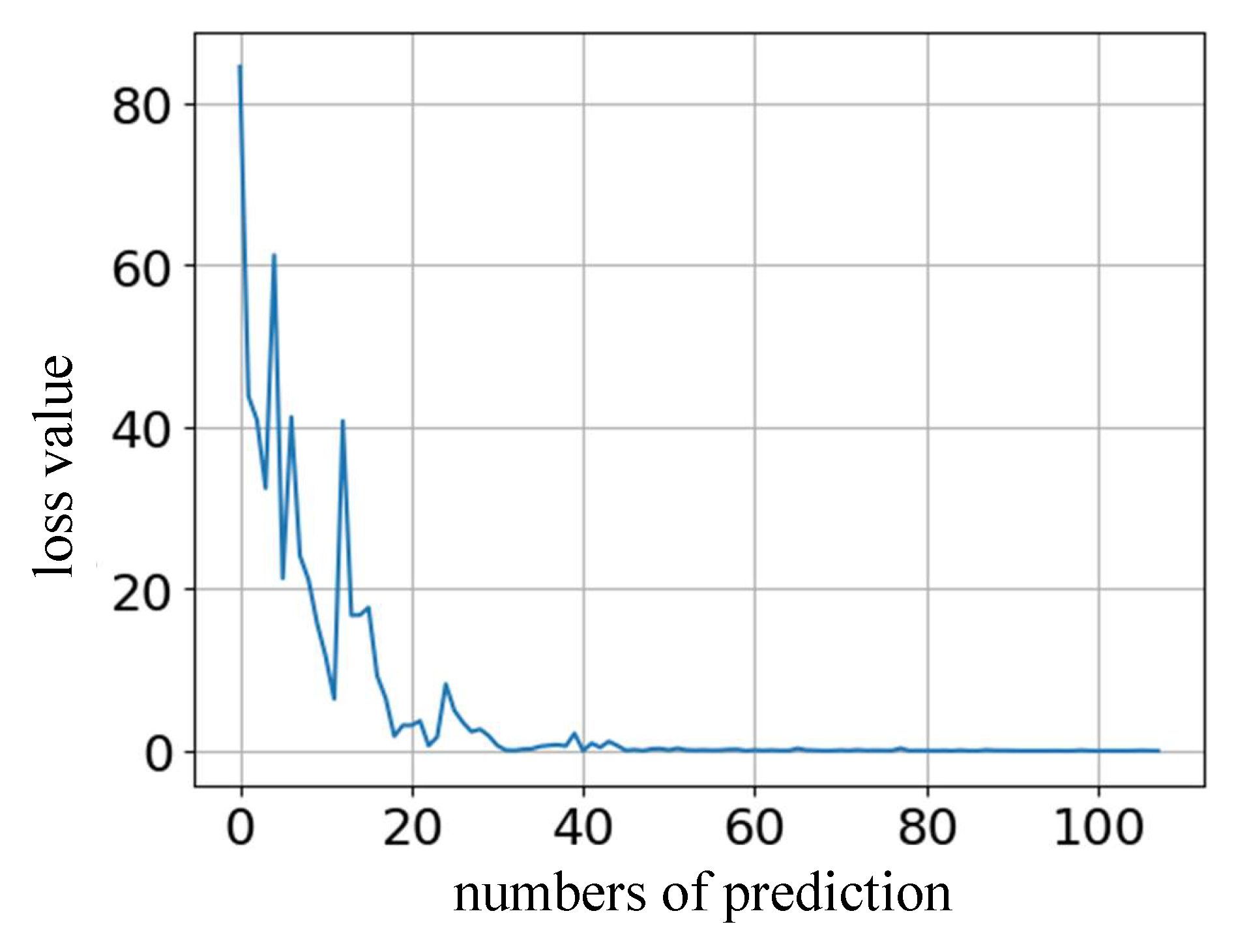
The total dataset comprises the piezoelectric ceramic operating data, with 16,020 sets. During the experiment, set the Batch Size to 32 and the learning rate to 0.01. After 5000 epochs of training, a model that meets the accuracy requirements is obtained. The error decrease on the validation dataset is shown in Figure 13.
Figure 13. RNN Prediction Error Curve.

3.2. Network Application

3.2.1. The Overall Structure of PEA-RNN

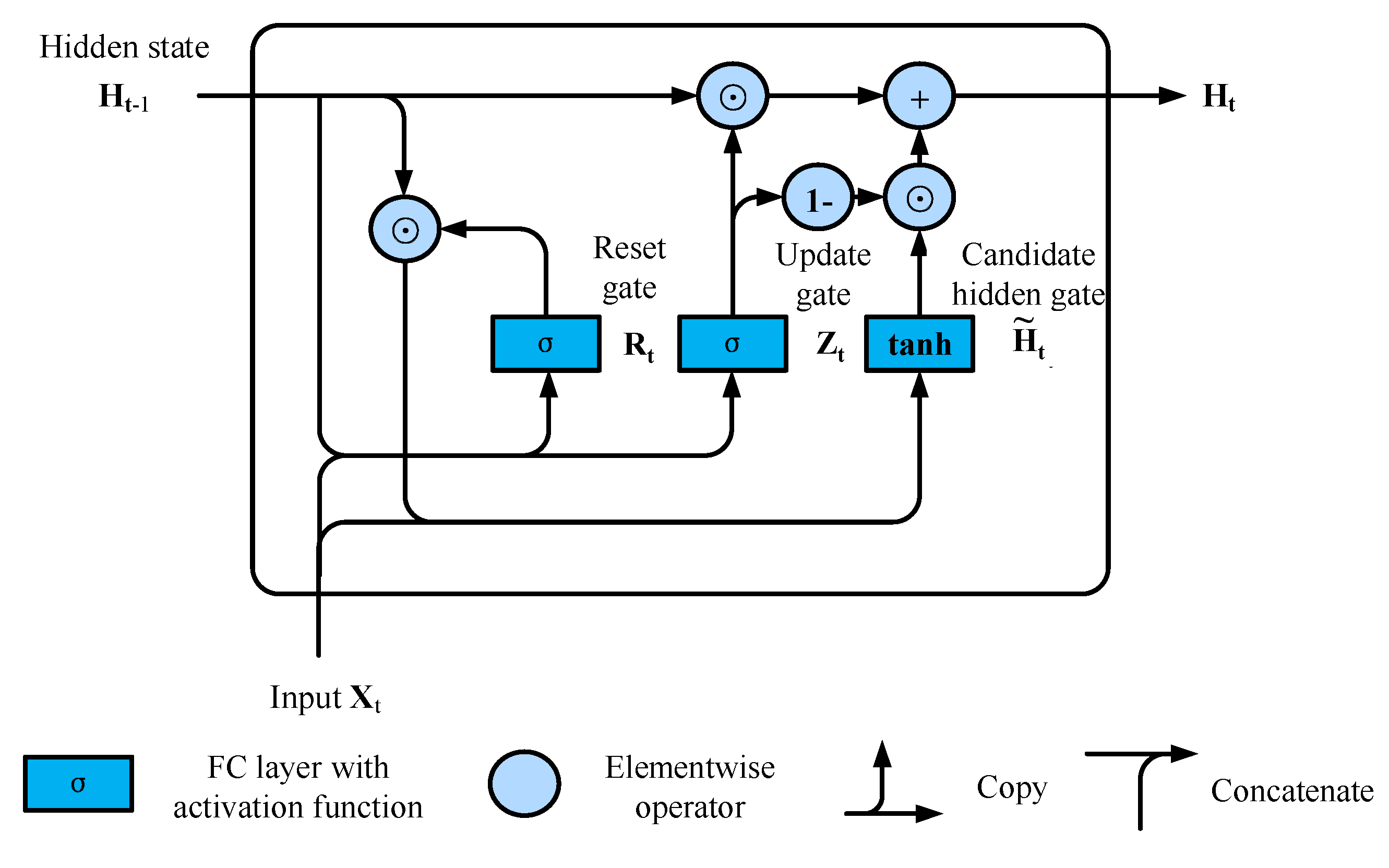
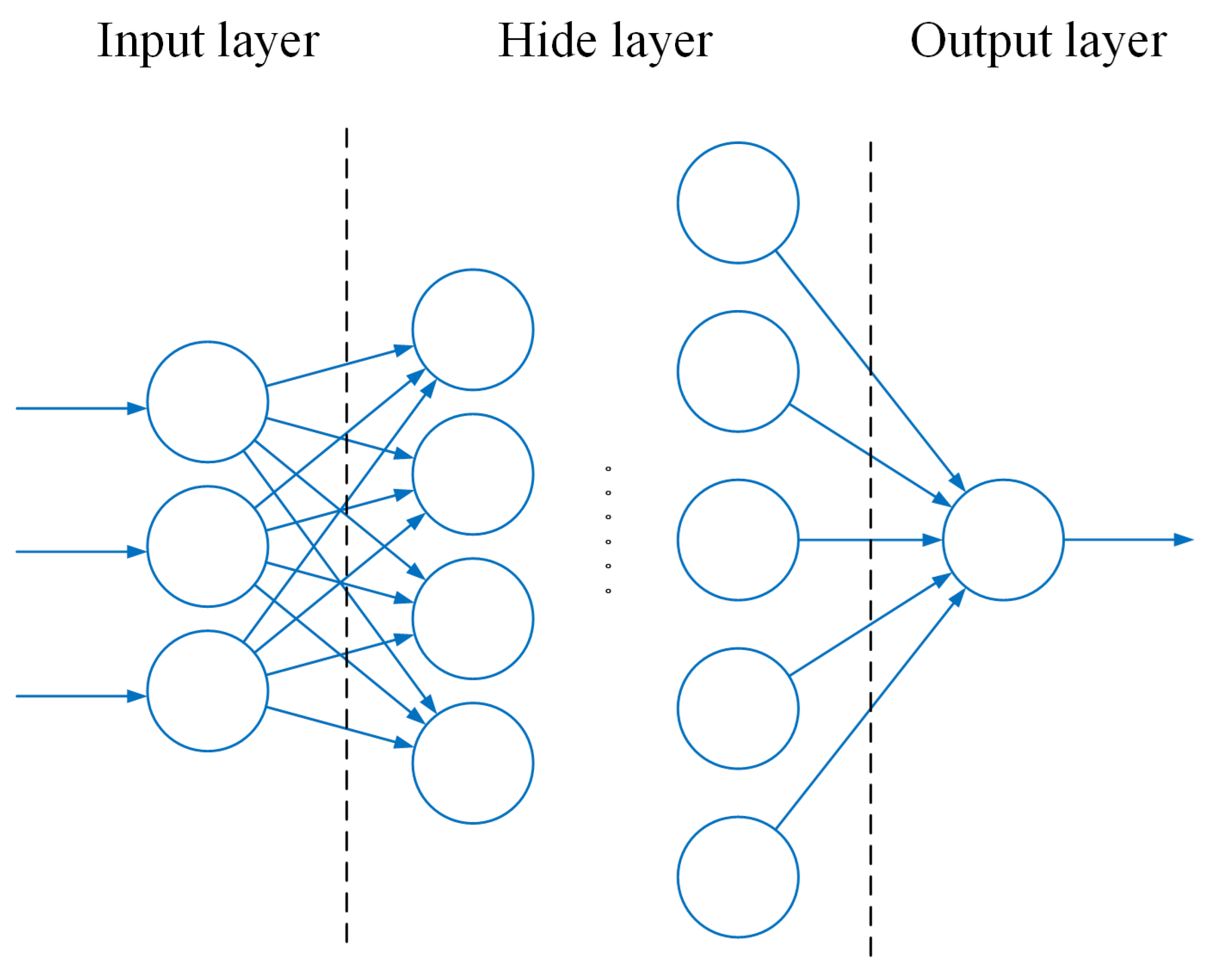
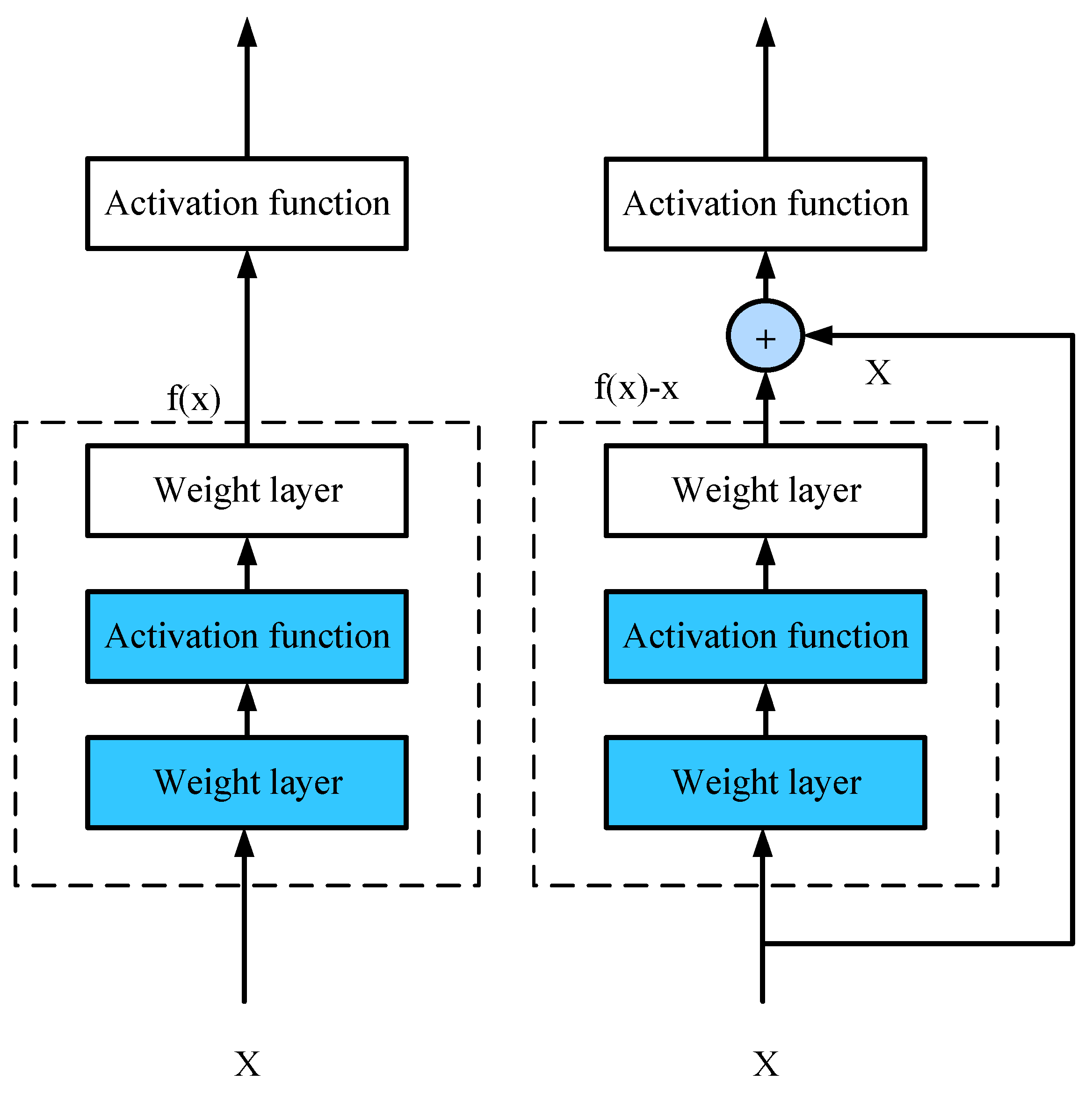
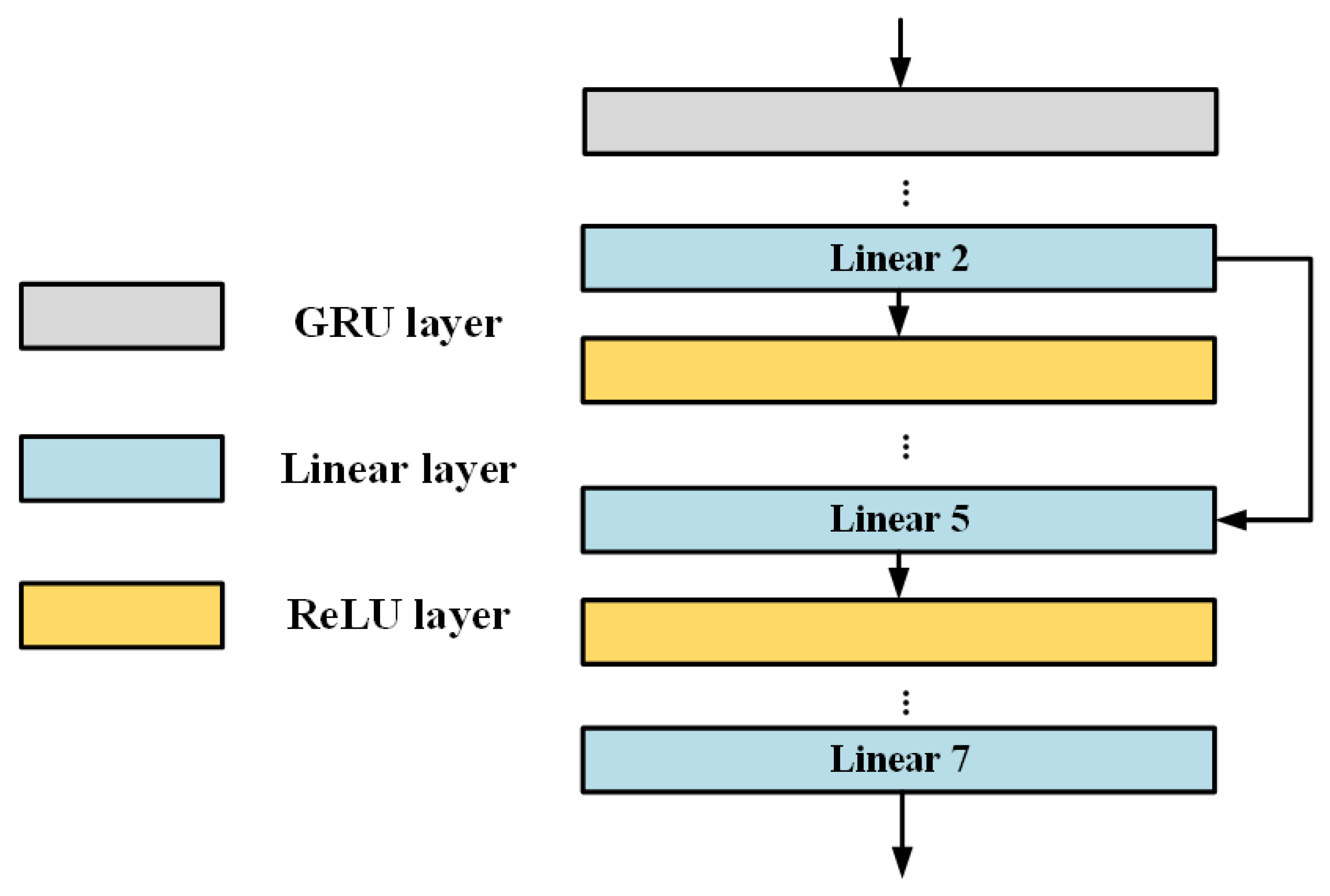
As shown in Figure 14 and Table 1, the designed deep neural network includes one recurrent layer (hidden state dimension is 128) and seven linear layers. The ReLU function is used as the activation function between the linear layers, and the second layer of the linear layer connects with the fifth layer by Residual connection. The input layer contains three dimensions (current actual displacement, the last time voltage, and the last time displacement), and the output layer is one-dimensional (input voltage prediction).
Figure 14. PEA-RNN Structure Diagram.
Table 1. RNN Specific Structure Parameters.
According to the design, for the ideal input voltage V k required to move to the target displacement x k at time k , the operation process is as follows:
Step 1: The target displacement x k , the output displacement x k 1 and the input voltage V k 1 at time k 1 directly form the input matrix X ( k ) ( X ( k ) R 1 × 3 ) of the neural network at time k , and set the initial hidden state matrix H 0 ( k ) ( H 0 ( k ) R 1 × 128 ) to zero:
X ( k ) = x k 1 V k 1 x k
H 0 k = 0
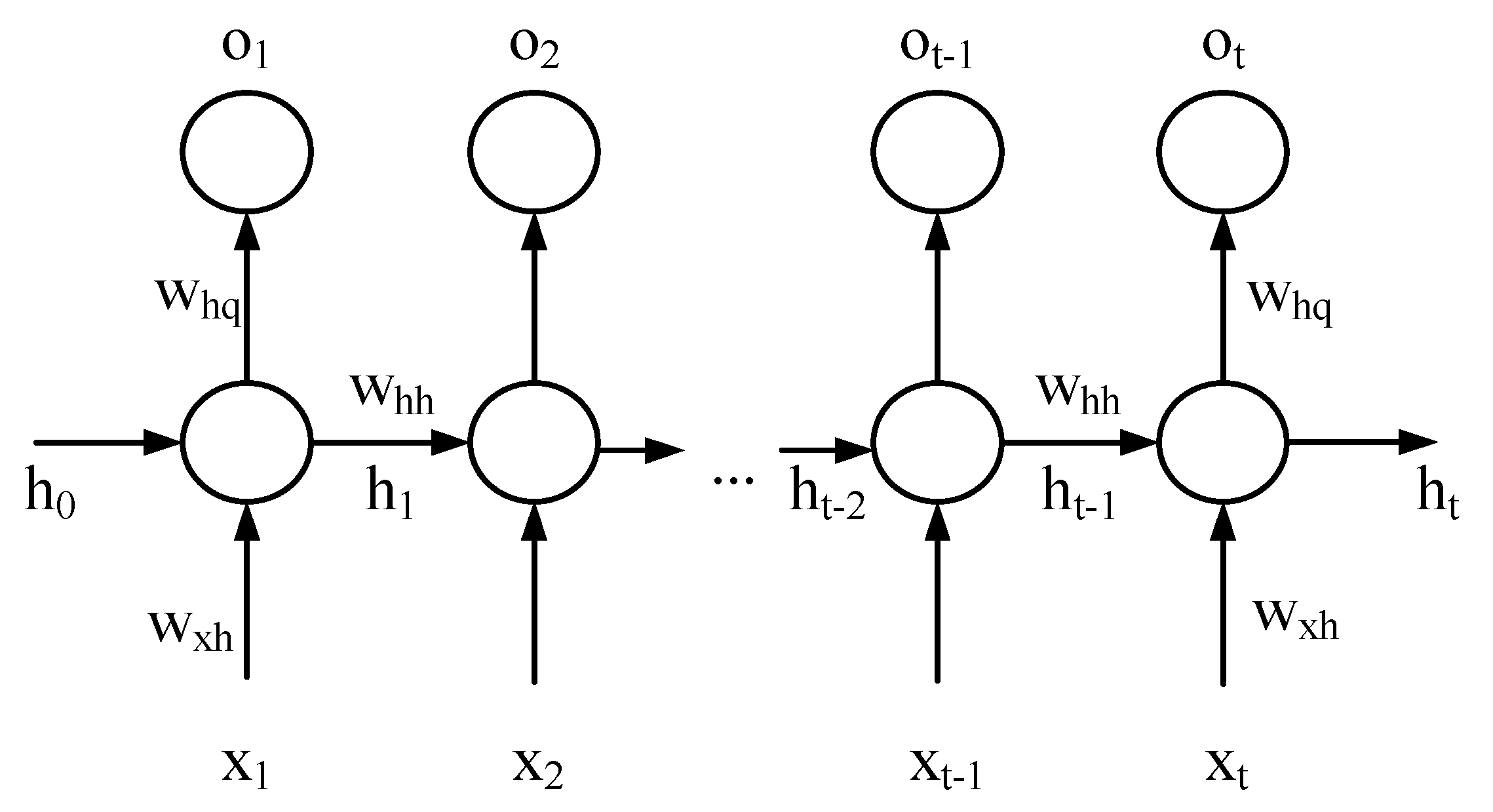
Step 2: GRU processes the input matrix sequentially and then outputs the corresponding result and the hidden state matrix containing trend information.
H 1 ( k ) = Z 0 ( k ) H 0 ( k ) + 1 Z 0 ( k ) H ˜ 0 ( k )
H 2 ( k ) = Z 1 ( k ) H 1 ( k ) + 1 Z 1 ( k ) H ˜ 1 ( k )
H 3 ( k ) = Z 2 ( k ) H 2 ( k ) + 1 Z 2 ( k ) H ˜ 2 ( k )
Step 3: The output result H 3 ( k ) of GRU reduces the dimension from 128 to 3 through a linear layer, and obtains the operation result of the recurrent layer O RNN ( k ) ( O RNN ( k ) R 1 × 3 ).
Step 4: The operation result of the recurrent layer O RNN ( k ) continues to be used as the input of the MLP X MLP ( k ) . After the calculation of the MLP, the dimension is reduced from 3 to 1, This result is the ideal input voltage V k at time k .
X MLP ( k ) = O RNN ( k )
V k = F X MLP ( k )
where F ( · ) represents the complex nonlinear computation constructed by the MLP.
After the calculation of the recurrent layer and the MLP, the ideal input voltage V k of the piezoelectric driver is finally obtained.
V k = f x k , x k 1 , V k 1

3.2.2. Experimental Test

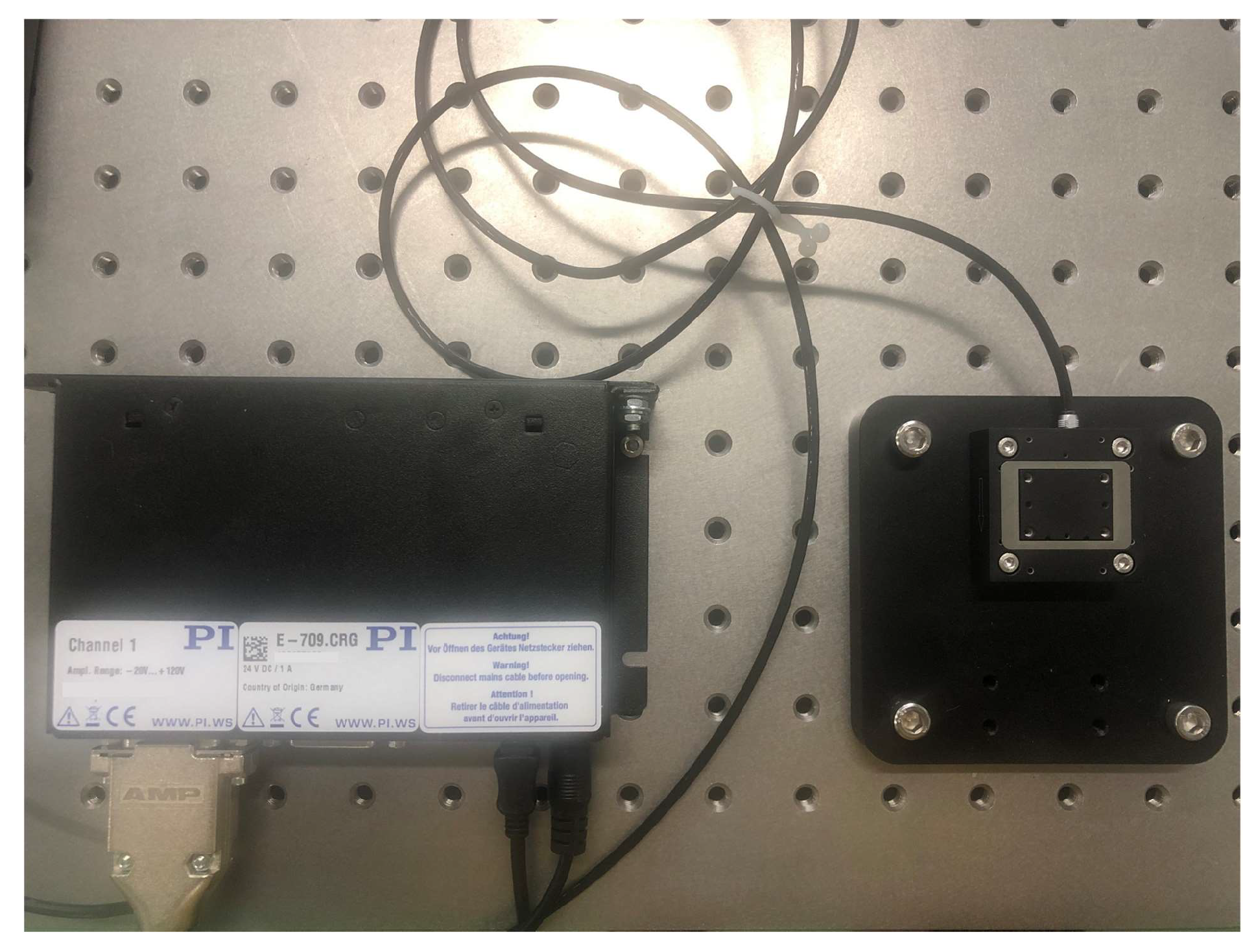
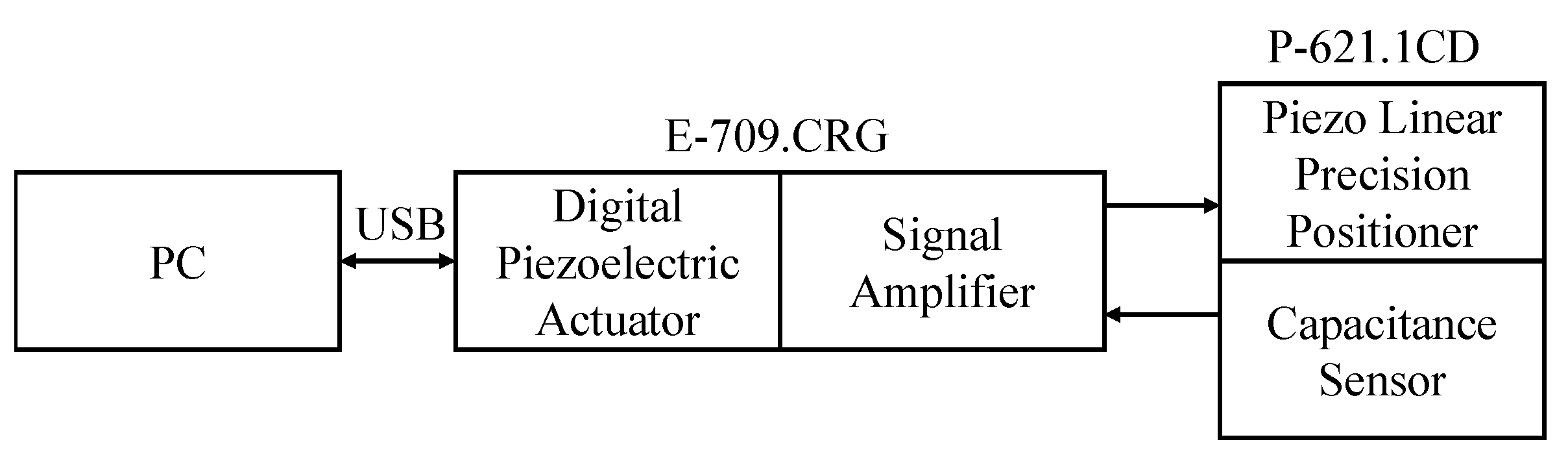
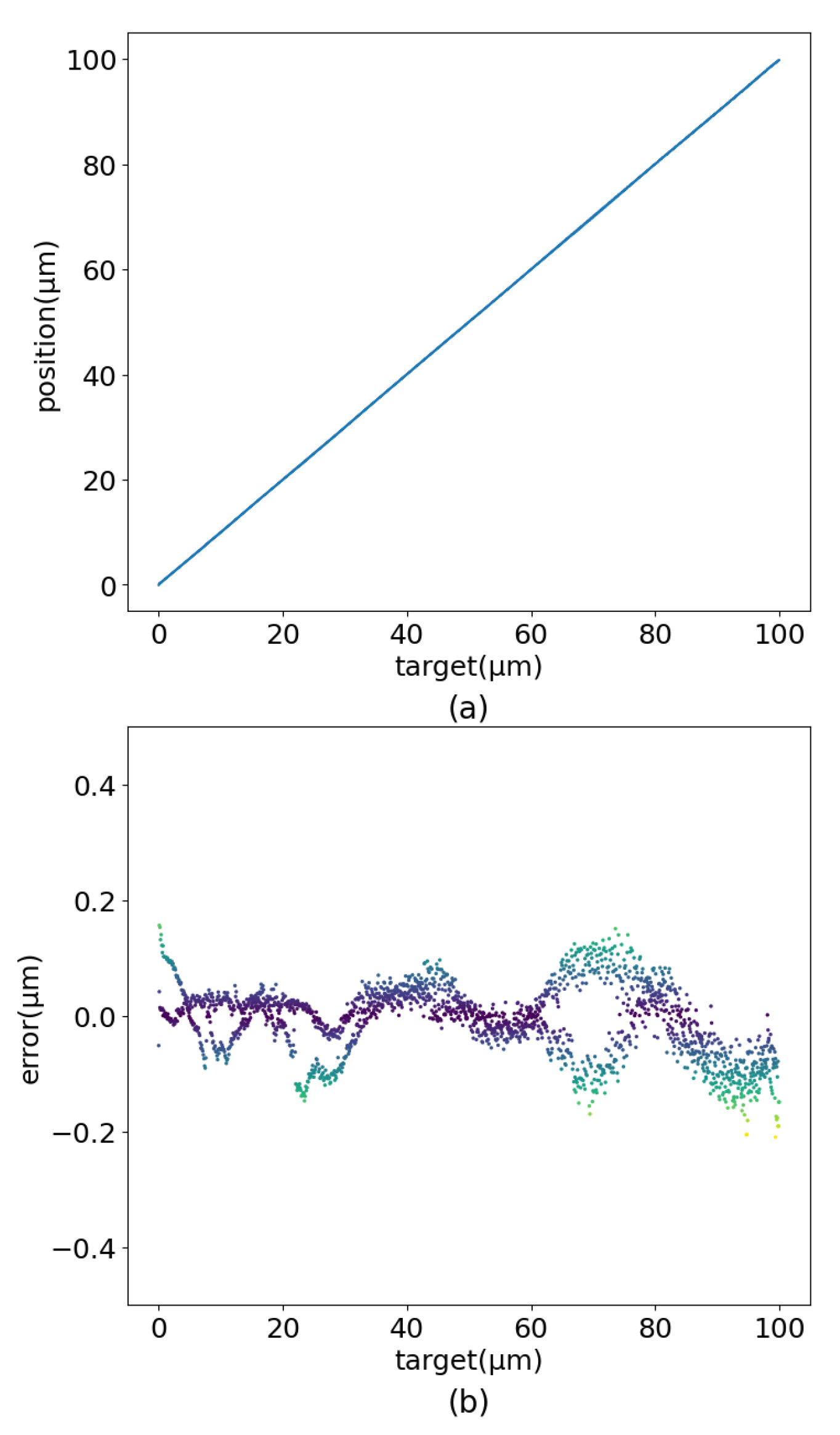
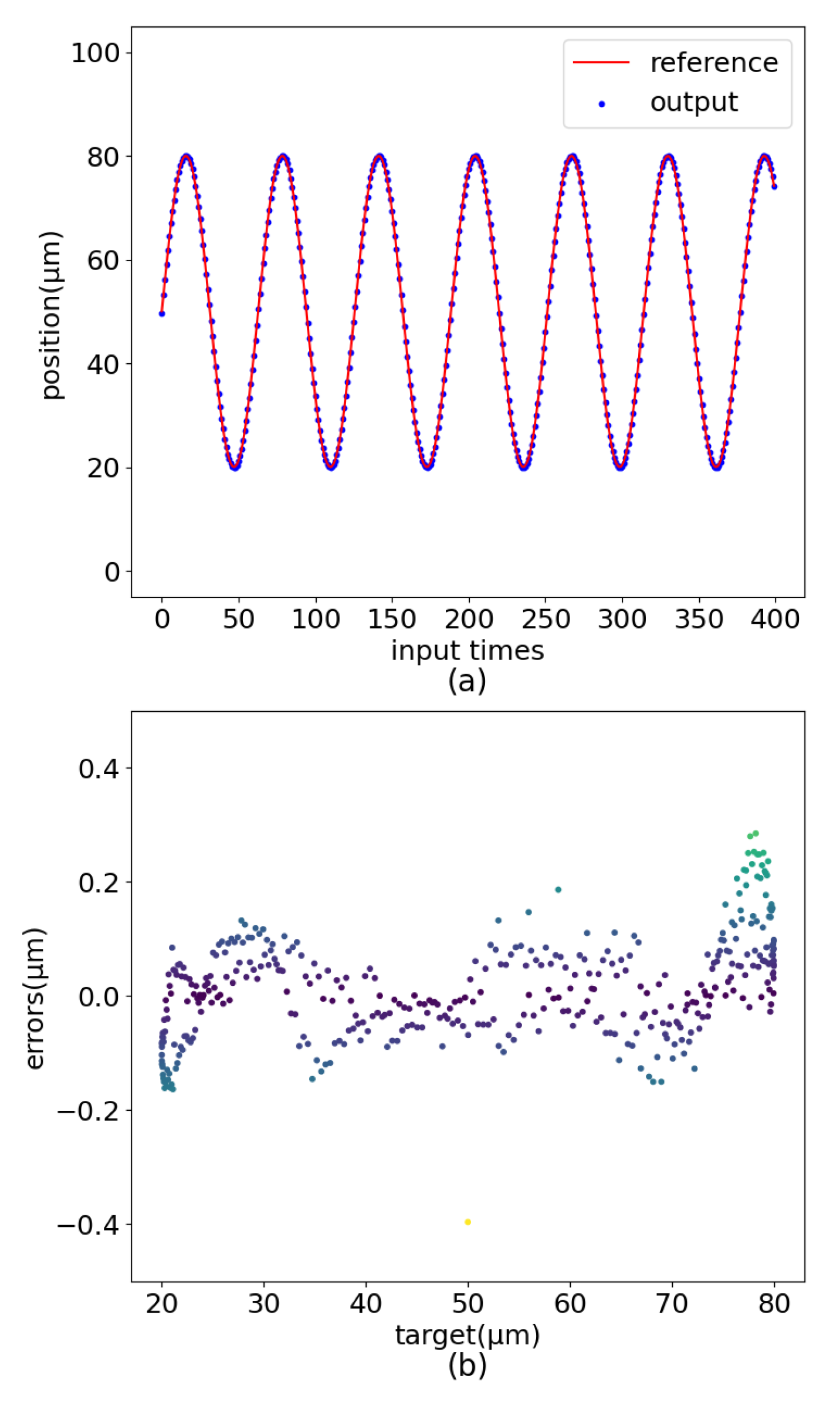
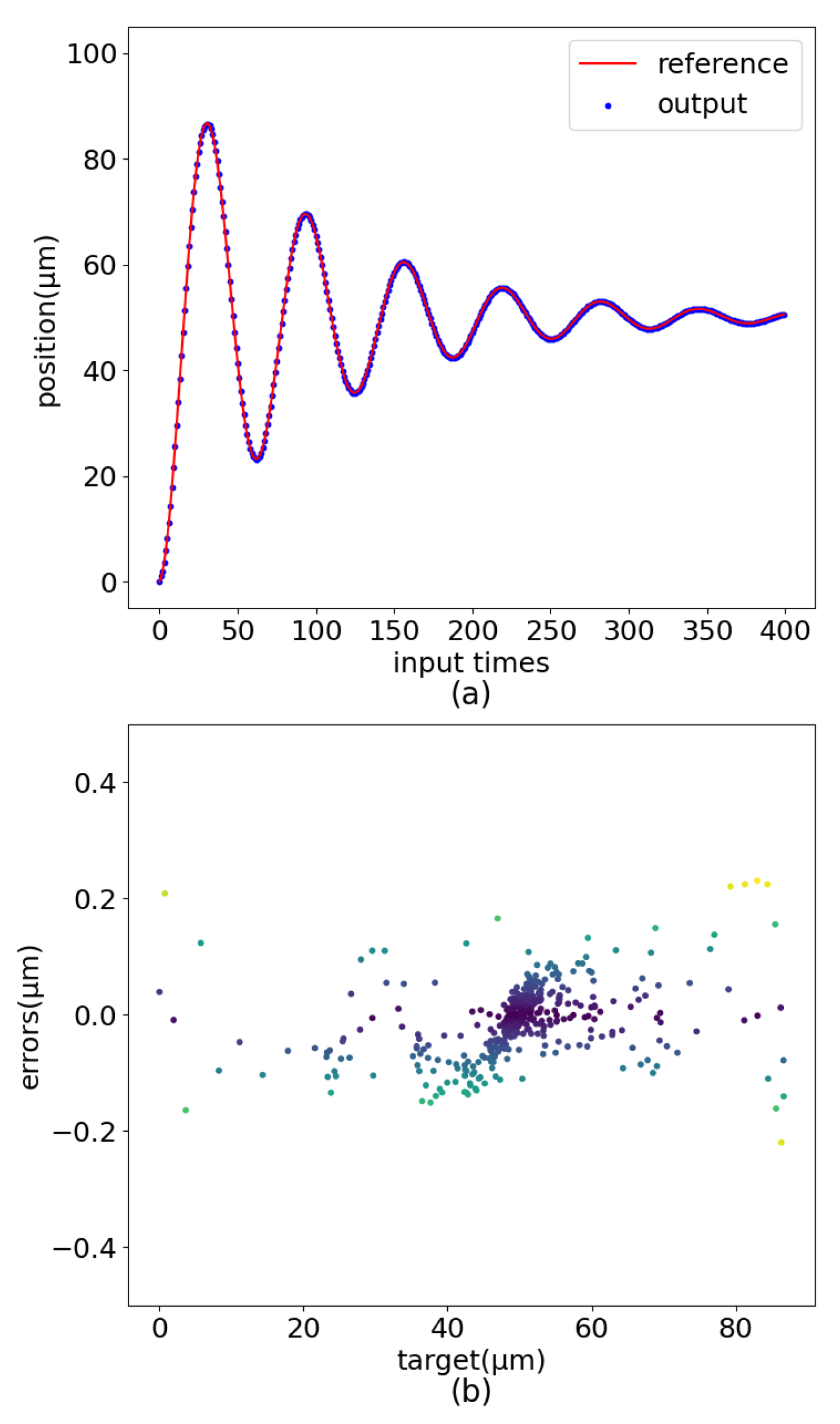
According to Figure 15, the validity of the model was verified on the experimental platform (Figure 2). Set the target position on the PC to change with the linear motion trajectory, sinusoidal motion trajectory, amplified sinusoidal motion trajectory, and damped sinusoidal motion trajectory with a working frequency of 10 Hz. After PEA-RNN feedforward compensation, the prediction is sent to the controller to generate input voltage. Finally, test the actual position of the positioner.
Figure 15. Linear motion control renderings. (a) Output. (b) Error.
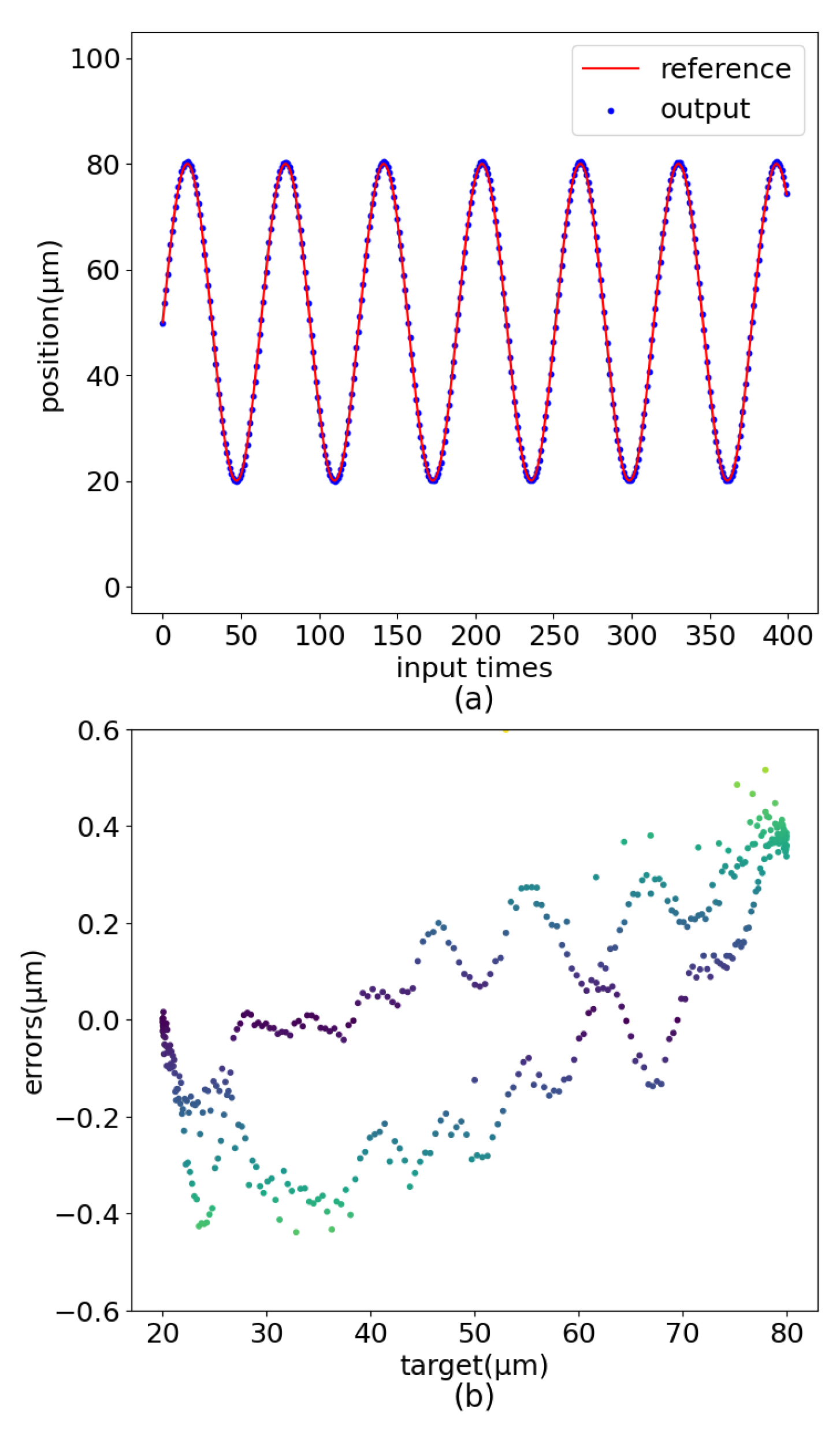
The experimental results are shown in Figure 16, Figure 17 and Figure 18. When set as the step signal, the target position has a good linear relationship with the actual position, and the maximum error value is 0.210 μ m. When the target is set to a sinusoidal signal, the maximum error is 0.396 μ m. When the target is set to a dampened sinusoidal signal, the maximum error is 0.230 μ m. The maximum error is 0.465 μ m when the target is set to an amplified sinusoidal signal.
Figure 16. Sinusoidal motion control renderings. (a) Curve comparision. (b) Error distribution.
Figure 17. Dampened Sinusoidal motion control renderings. (a) Curve comparision. (b) Error distribution.
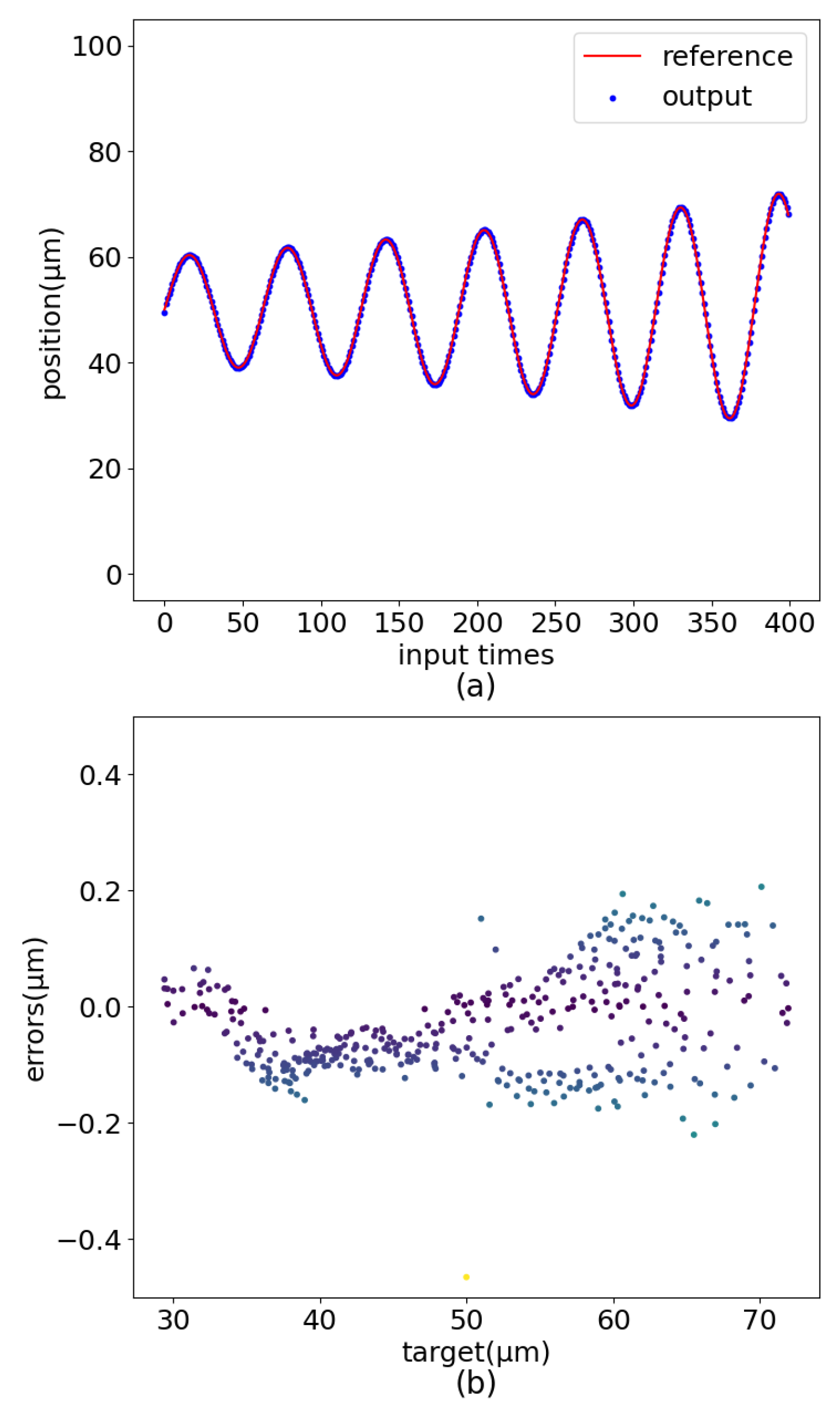
Figure 18. Amplified Sinusoidal motion control renderings. (a) Curve comparision. (b) Error distribution.

3.3. Ablation Experiment

To more clearly demonstrate the contribution of each structure in the PEA-RNN to the model, two ablation experiments were performed to evaluate the effect of the MLP and the residual connection, respectively.

3.3.1. The Impact of MLP

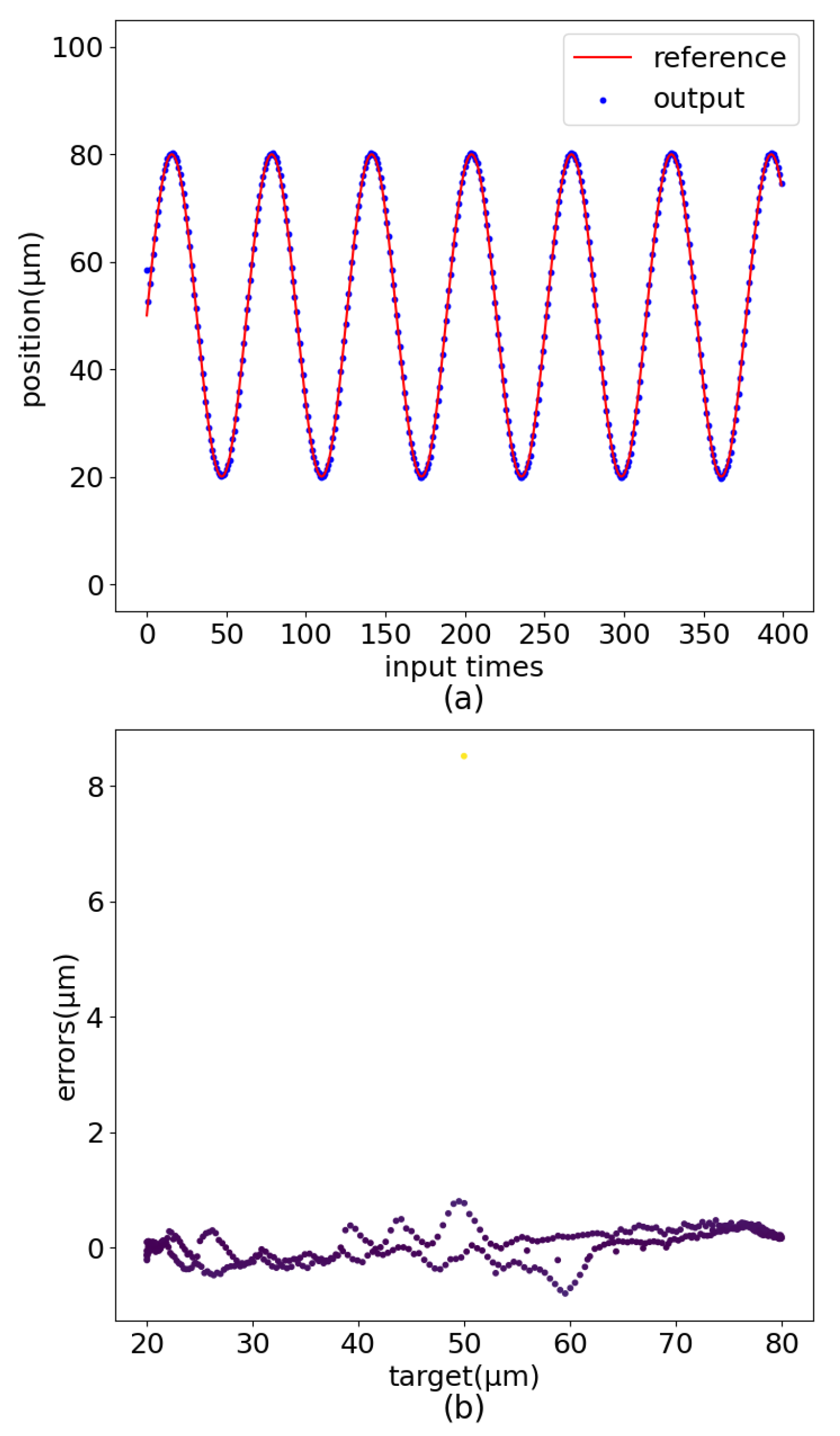
This experiment aims to verify the effect of MLP on the control accuracy of PEA-RNN. The experimental method adopted is to directly delete the MLP in PEA-RNN, so the new network has only one GRU layer. After the network is fully trained with the same training strategy as the original, the output error of the piezoelectric ceramic is tested under the condition that the input is a sinusoidal signal. The results are shown in Figure 19. The maximum output error is 0.599 μ m, an increase of 51.3% compared to the original network.
Figure 19. PEA-RNN without MLP control errors. (a) Curve comparision. (b) Error distribution.
After removing the MLP, the new network is a normal RNN, including a GRU layer. The linear fitting ability of the network is reduced, the error distribution is also relatively discrete, and the error at the starting point is significant. The MLP at the tail can enhance the nonlinear expression ability of PEA-RNN so that the model can describe the hysteresis nonlinearity of piezoelectric ceramics in appropriate detail.

3.3.2. The Impact of Residual Connection

This section evaluates its impact on model performance by removing the residual connection in PEA-RNN alone, and the experimental test results are shown in Figure 20. At the beginning of the piezoelectric ceramic displacement output, the error is too large, indicating that the neural network has not completely fitted the original curve after the same epochs of training, and the training error has not dropped to a relative minimum. A part of the error value is around ±1 μ m, which is far worse than the original network control accuracy.
Figure 20. PEA-RNN without Residual Connection control errors. (a) Curve comparision. (b) Error distribution.
The role of the residual connection is to speed up the neural network training process. At the same time, it is beneficial to build a deeper network, which can also increase the nonlinear expression ability of the network.

4. Conclusions

Based on the PyTorch framework, this paper builds a deep neural network model named PEA-RNN, with one recurrent layer and seven linear layers. The ReLU function is used as the activation function between the linear layers. The residual connection is used between the second and fifth layers of the linear layers. The model’s design principle and training process is given, and the model obtained by training is applied to the feedforward compensation of the positioner.
The test results show that the maximum displacement error is reduced from 8.96 μ m to 0.465 μ m under the control of PEA-RNN with the input of the 10 Hz operating frequency. Through ablation experiments to verify the role of each structure in the PEA-RNN, MLP can effectively enhance the nonlinear expression ability of the model, and the residual connection can not only accelerate the training process but also enhance the nonlinear expression of the model. These results show that PEA-RNN constructed in this paper can accurately describe the dynamic hysteresis nonlinearity of piezoelectric ceramics, realize the real-time intelligent beam line modulation system, and create the possibility for online updating of the model.

Author Contributions

Conceptualization, Y.X. and L.Z. (Lifang Zheng); methodology, Y.X. and W.J.; software, Y.X.; validation, Y.X. and L.Z. (Lifang Zheng); formal analysis, Y.X.; investigation, Y.X.; resources, L.Z. (Limin Zhang); data curation, Y.X. and L.Z. (Lifang Zheng); writing—original draft preparation, Y.X. and L.Z. (Lifang Zheng); writing—review and editing, Y.X.; supervision, L.Z. (Lifang Zheng) and Y.Z.; project administration, L.Z. (Lifang Zheng), L.Z. (Limin Zhang) and Y.Z.; funding acquisition, Y.Z. All authors have read and agreed to the published version of the manuscript.

Funding

This research was funded by the National Natural Science Foundation of China Youth Fund grant 12105351.

Conflicts of Interest

The authors declare no conflict of interest.

Abbreviations

The following abbreviations are used in this manuscript:
MLPMultilayer perceptron
PEAPiezoelectric actuator
RBFRadial basis function
GRUGated recurrent unit
SSRFShanghai Synchrotron Radiation Facility
PIPhysik Instrumente
MSEMean square error
ReLULinear rectification function

References

  1. Shi, Y.; Gao, M.; Jia, W.; Yin, G.; Gao, X.; Du, Y.; Zheng, L. Intelligent commissioning system based on EPICS and differential evolution algorithm for synchrotron radiation beamline. Nucl. Tech. 2020, 43, 3–9. [Google Scholar]
  2. Jia, W.; Ma, S.; Zheng, L. The control system for water-cooled DCMS in SSRF. Nucl. Sci. Tech. 2015, 26, 26–31. [Google Scholar]
  3. Zhou, X. Research of Control in the Micro-Positioning System Actuated by Piezo-Ceramic. Ph.D. Thesis, Zhejiang University, Zhejiang, China, 2004. [Google Scholar]
  4. Gu, G.Y.; Zhu, L.M.; Su, C.Y.; Ding, H.; Fatikow, S. Modeling and control of piezo-actuated nanopositioning stages: A survey. IEEE Trans. Autom. Sci. Eng. 2014, 13, 313–332. [Google Scholar] [CrossRef]
  5. Landis, C.M. Non-linear constitutive modeling of ferroelectrics. Curr. Opin. Solid State Mater. Sci. 2004, 8, 59–69. [Google Scholar] [CrossRef]
  6. Gan, J.; Zhang, X. A review of nonlinear hysteresis modeling and control of piezoelectric actuators. AIP Adv. 2019, 9, 040702. [Google Scholar] [CrossRef] [Green Version]
  7. Preisach, F. Über die magnetische Nachwirkung. Z. für Phys. 1935, 94, 277–302. [Google Scholar] [CrossRef]
  8. Maas, J.; Schulte, T.; Frohleke, N. Model-based control for ultrasonic motors. IEEE/ASME Trans. Mechatron. 2000, 5, 165–180. [Google Scholar] [CrossRef] [Green Version]
  9. Lining, S.; Changhai, R.; Weibin, R.; Liguo, C.; Minxiu, K. Tracking control of piezoelectric actuator based on a new mathematical model. J. Micromechan. Microeng. 2004, 14, 1439. [Google Scholar] [CrossRef]
  10. Bouc, R. A mathematical model for hysteresis. Acta Acust. United Acust. 1971, 24, 16–25. [Google Scholar]
  11. Wen, Y.K. Method for random vibration of hysteretic systems. J. Eng. Mech. Div. 1976, 102, 249–263. [Google Scholar] [CrossRef]
  12. Delibas, B.; Arockiarajan, A.; Seemann, W. Rate dependent properties of perovskite type tetragonal piezoelectric materials using micromechanical model. Int. J. Solids Struct. 2006, 43, 697–712. [Google Scholar] [CrossRef] [Green Version]
  13. Kamlah, M.; Tsakmakis, C. Phenomenological modeling of the non-linear electro-mechanical coupling in ferroelectrics. Int. J. Solids Struct. 1999, 36, 669–695. [Google Scholar] [CrossRef]
  14. Liu, D.; Fang, Y.; Wang, H.; Dong, X. Adaptive novel MSGA-RBF neurocontrol for piezo-ceramic actuator suffering rate-dependent hysteresis. Sens. Actuators A Phys. 2019, 297, 111553. [Google Scholar] [CrossRef]
  15. Li, W.; Zhang, C.; Gao, W.; Zhou, M. Neural network self-tuning control for a piezoelectric actuator. Sensors 2020, 20, 3342. [Google Scholar] [CrossRef] [PubMed]
  16. Instrumente, P. E-709.CRG. Available online: https://www.physikinstrumente.store/eu/E-709.CRG/ (accessed on 14 July 2022).
  17. Instrumente, P. P-621.1CD. Available online: https://www.physikinstrumente.store/eu/p-621.1cd/ (accessed on 14 July 2022).
  18. Xiong, Y.; Jia, W.; Zhang, L.; Zheng, L. Research on Feedforward Compensation of Piezoelectric Ceramics Based on Deep Neural Network(DNN). Piezoelectrics Acoustooptics 2022, 44, 35. [Google Scholar]
  19. Zhang, A.; Li, M.; Lipton, Z.C.; Simola, A.J. Dive Into Deep Learning; Posts & Telecom Press Co., Ltd.: Beijing, China, 2019. [Google Scholar]
  20. Cho, K.; Van Merriënboer, B.; Gulcehre, C.; Bahdanau, D.; Bougares, F.; Schwenk, H.; Bengio, Y. Learning phrase representations using RNN encoder-decoder for statistical machine translation. arXiv 2014, arXiv:1406.1078. [Google Scholar]
  21. He, K.; Zhang, X.; Ren, S.; Sun, J. Deep residual learning for image recognition. In Proceedings of the IEEE Conference on Computer Vision and Pattern Recognition, Las Vegas, NV, USA, 27–30 June 2016; pp. 770–778. [Google Scholar]
  22. Kingma, D.P.; Ba, J. Adam: A method for stochastic optimization. arXiv 2014, arXiv:1412.6980. [Google Scholar]
Publisher’s Note: MDPI stays neutral with regard to jurisdictional claims in published maps and institutional affiliations.

Article Metrics

Citations

Article Access Statistics

Multiple requests from the same IP address are counted as one view.