Article

Neural Network Based IRSs-UEs Association and IRSs Optimal Placement in Multi IRSs Aided Wireless System

1
Department of Telecommunications, University Politehnica of Bucharest, 060042 Bucharest, Romania
2
Department of Electrical Engineering, Aswan University, Aswan 81528, Egypt
*
Author to whom correspondence should be addressed.
Sensors 2022, 22(14), 5216; https://doi.org/10.3390/s22145216
Submission received: 7 June 2022 / Revised: 30 June 2022 / Accepted: 6 July 2022 / Published: 12 July 2022
(This article belongs to the Special Issue Wireless Sensing and Intelligent Reflective Surfaces)

Abstract

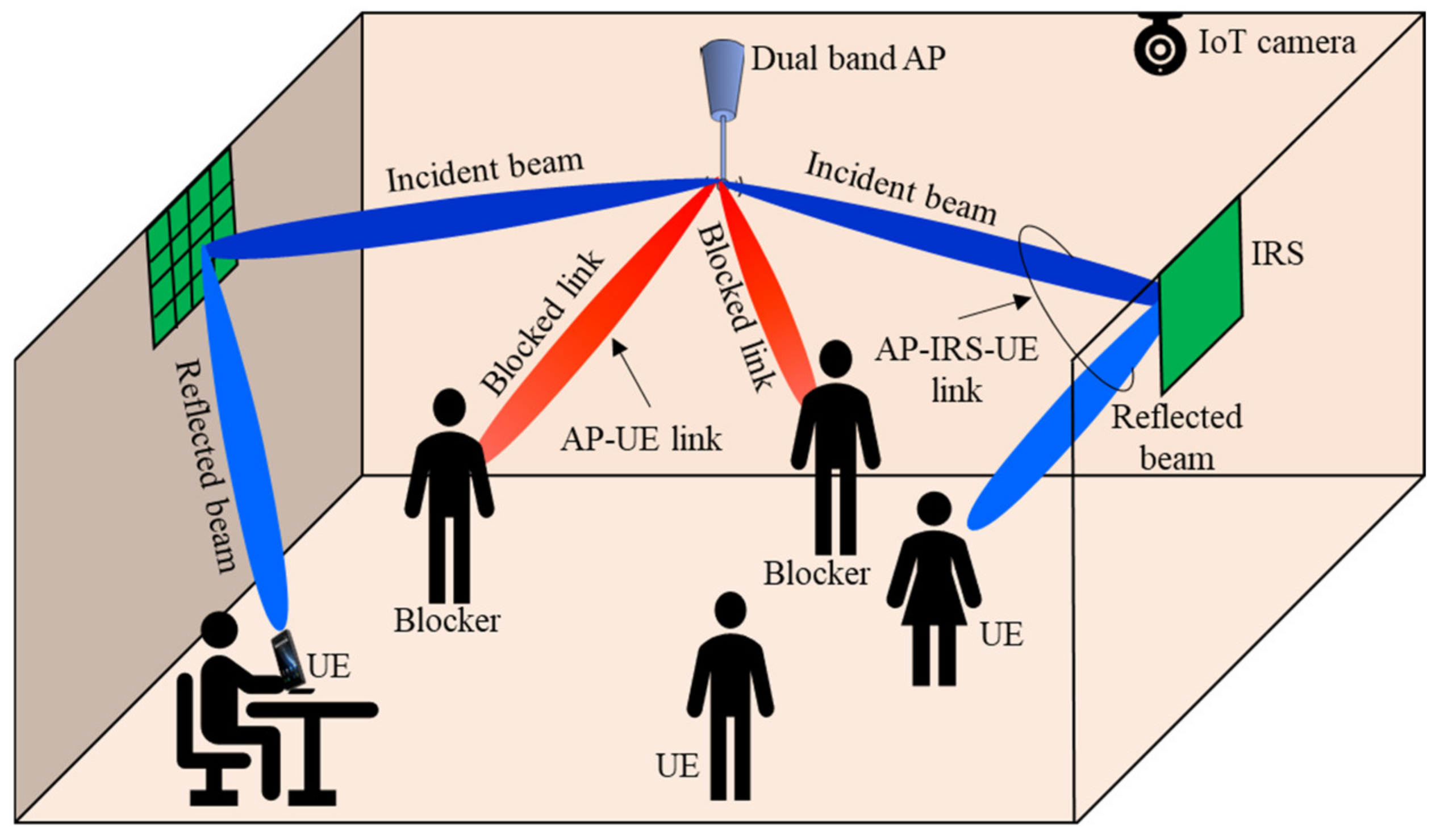
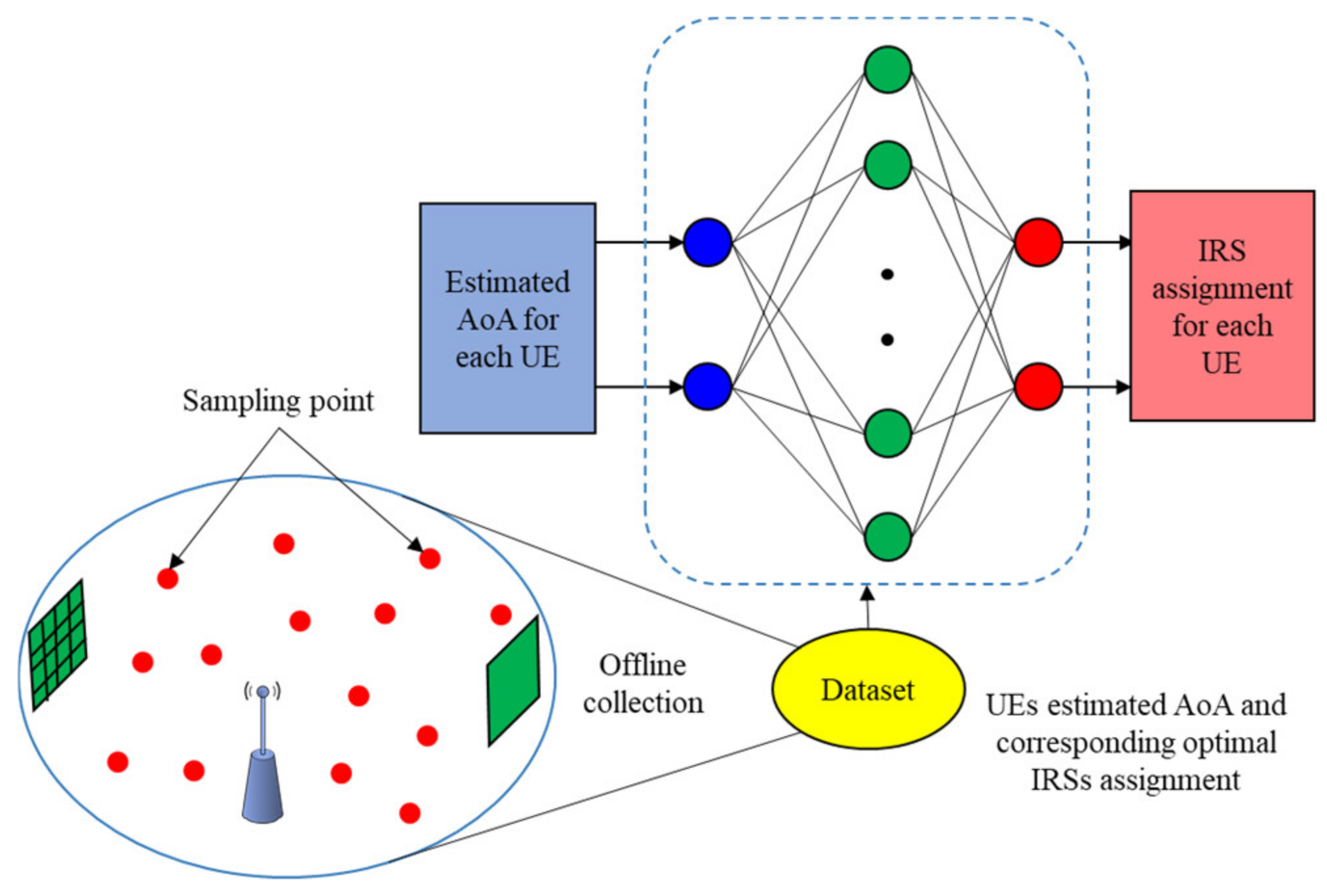
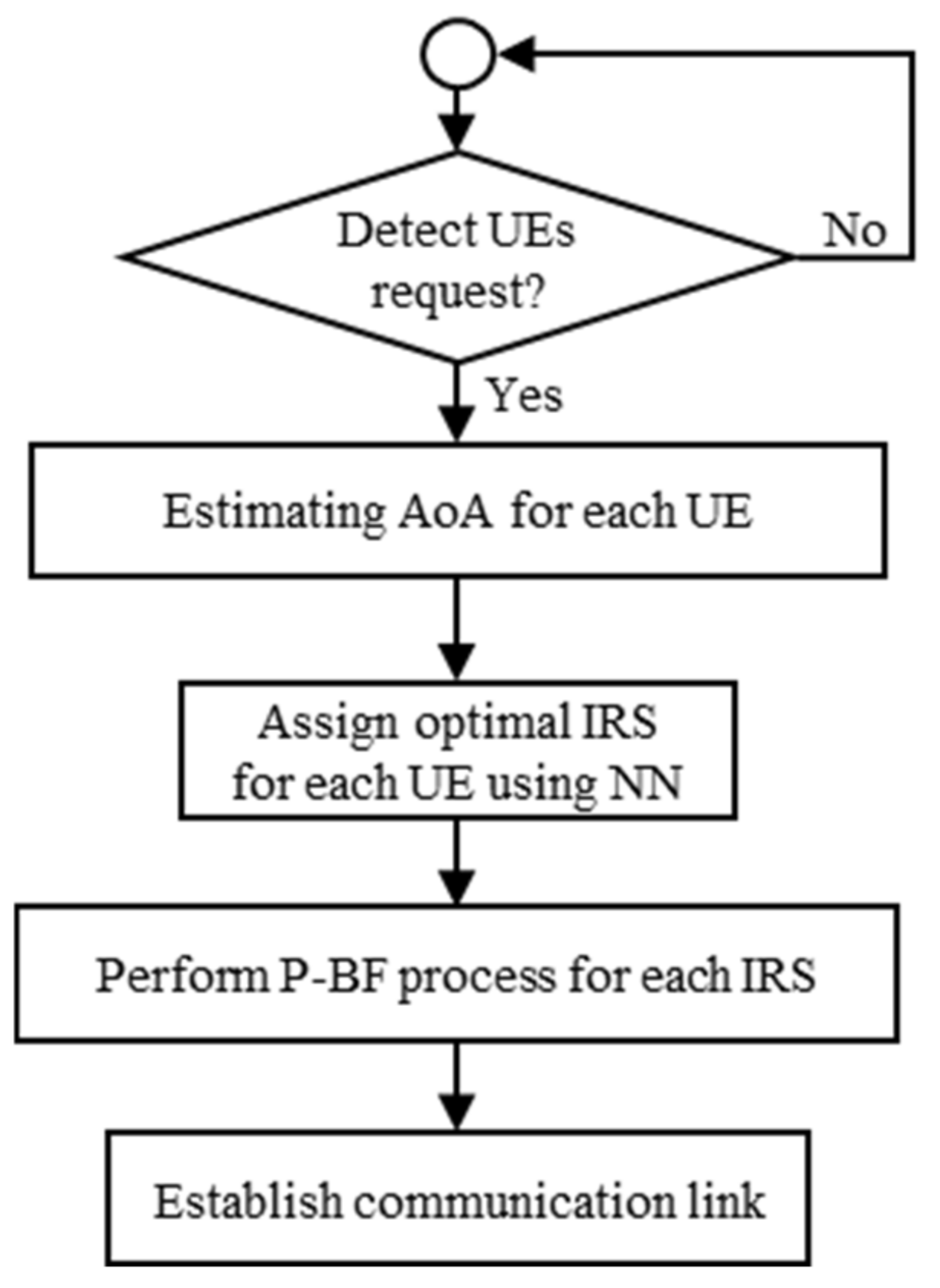
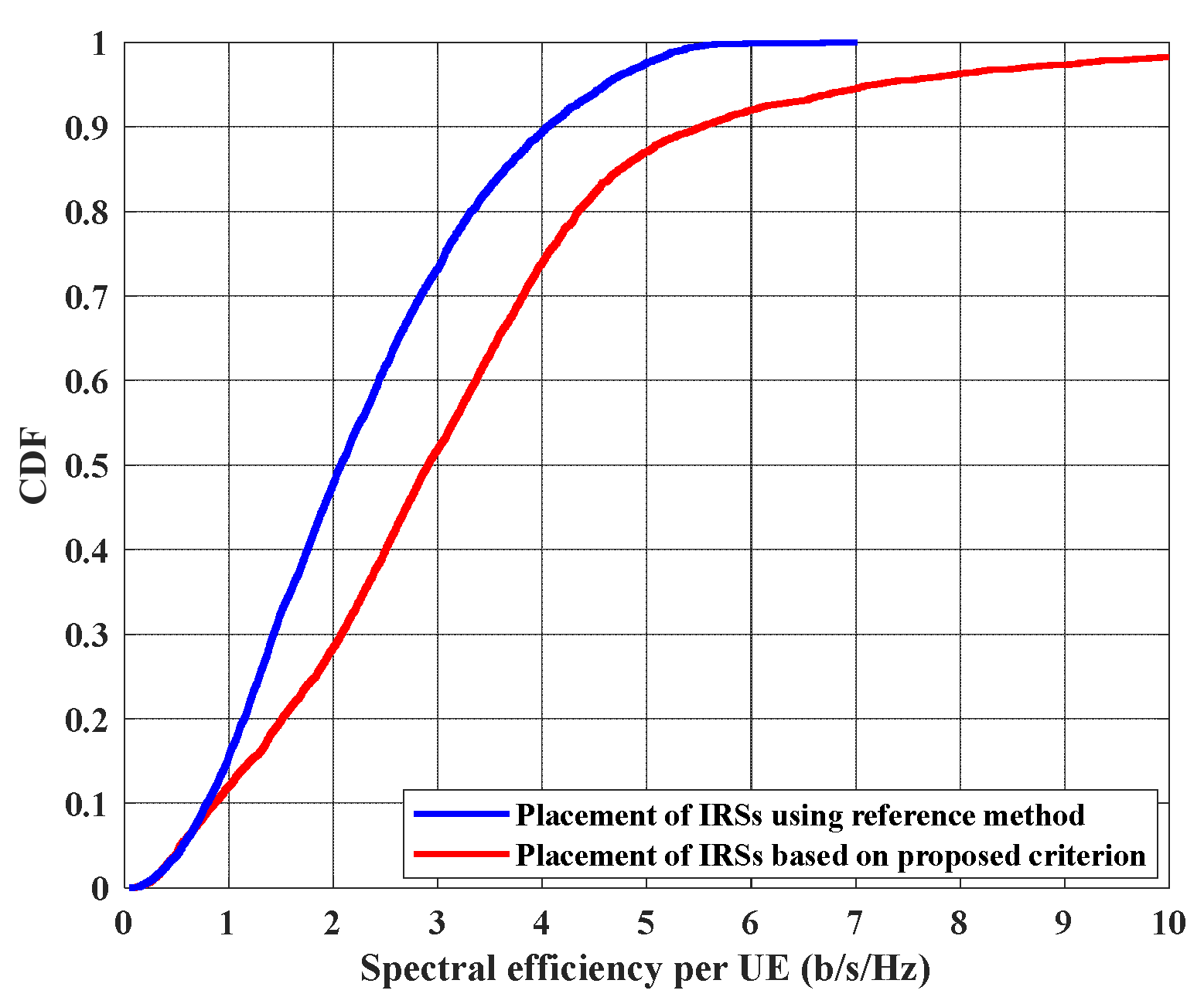
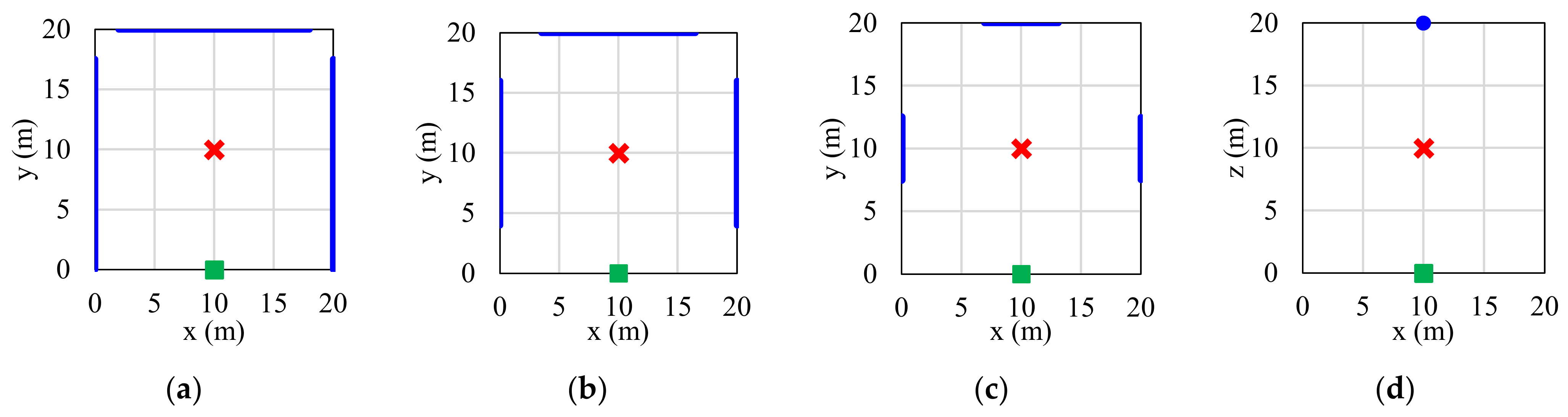
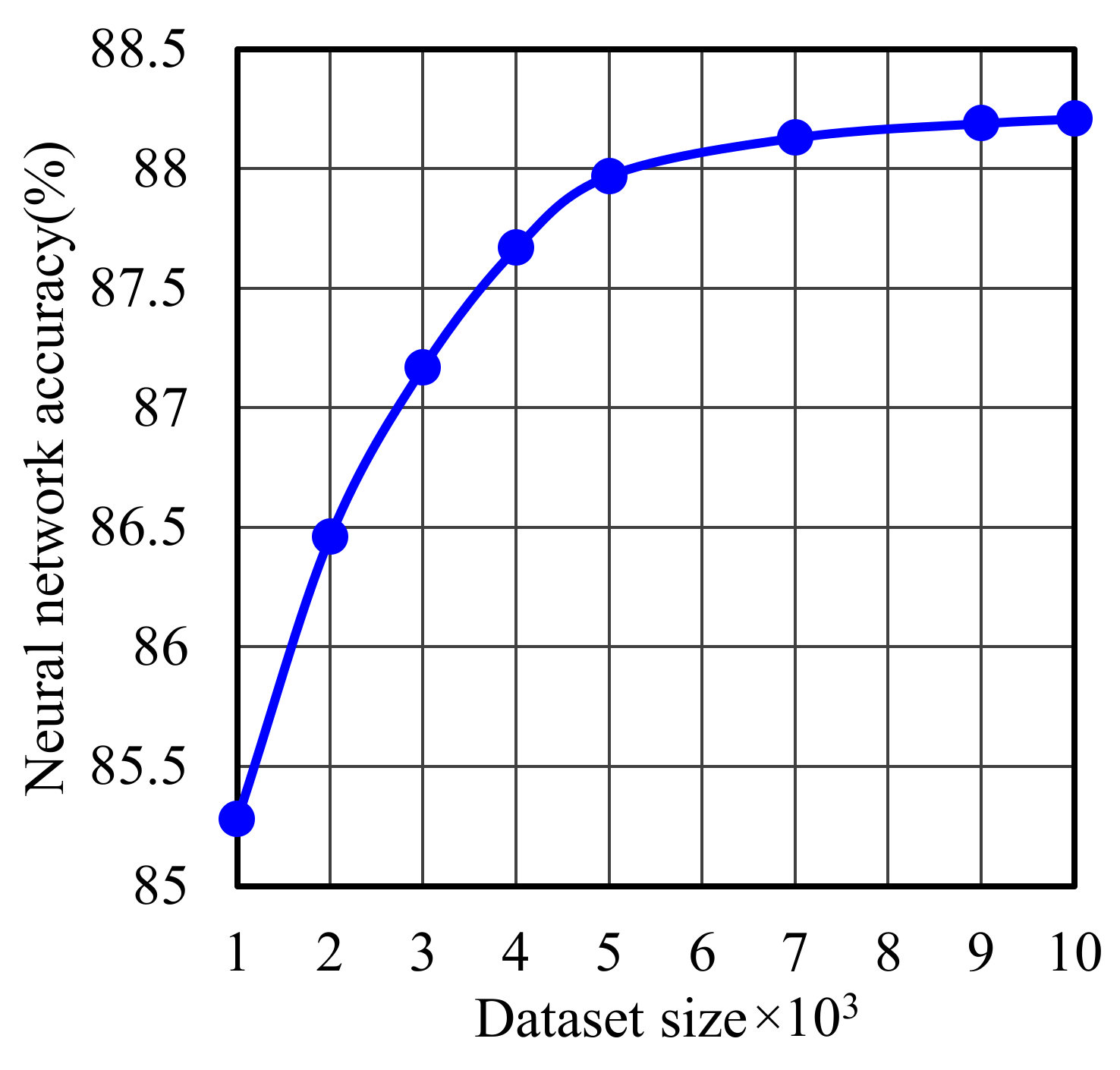
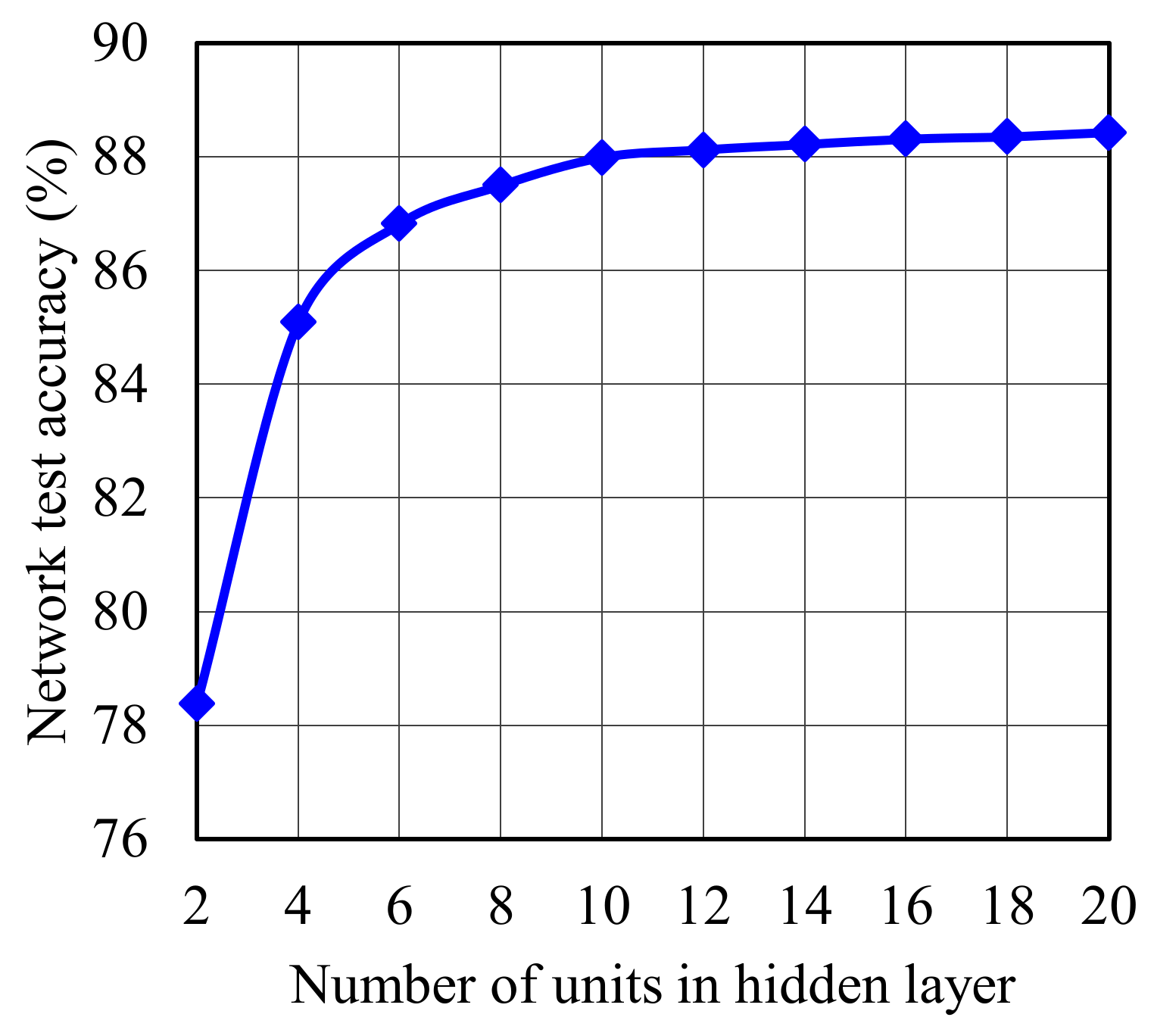
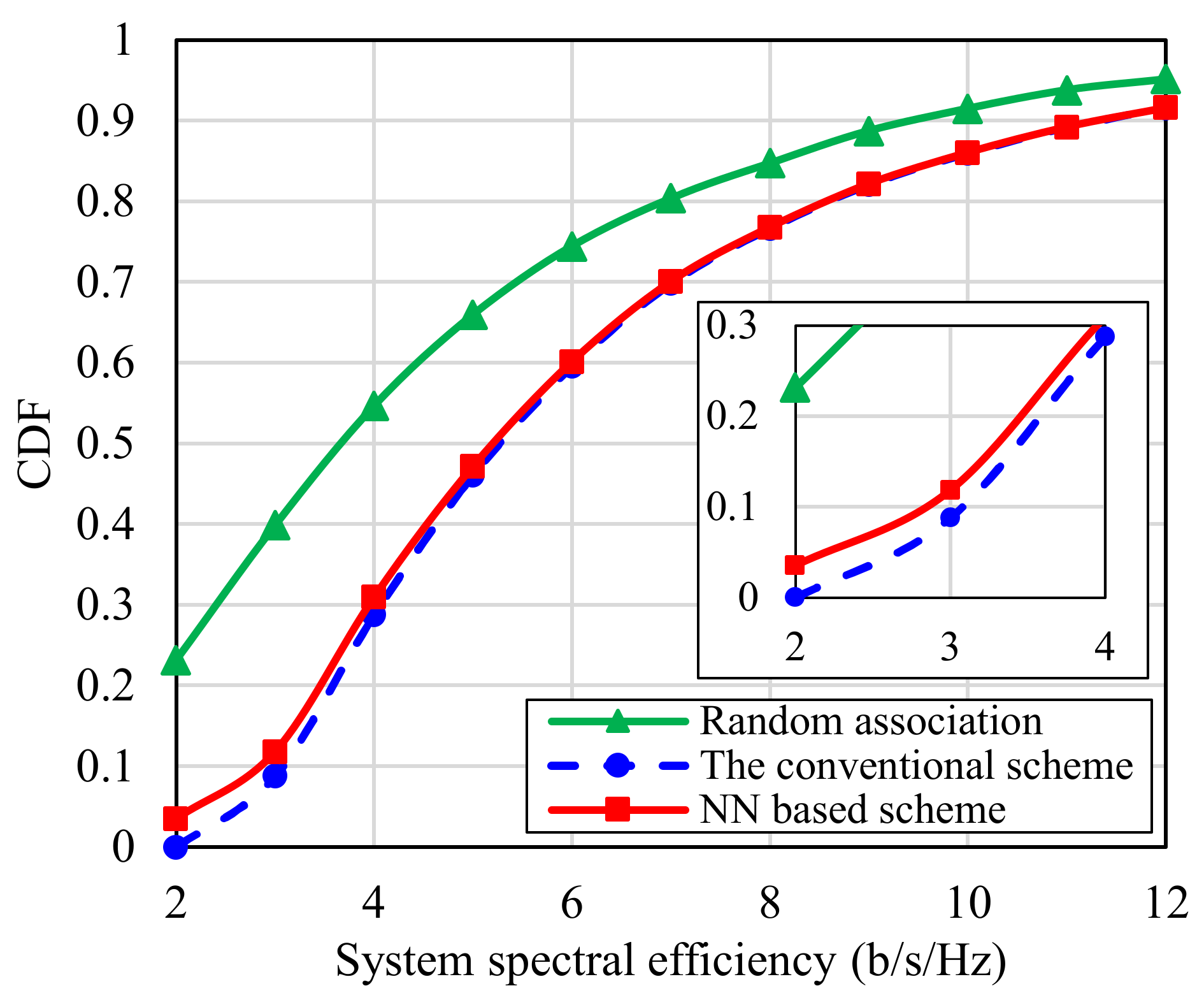
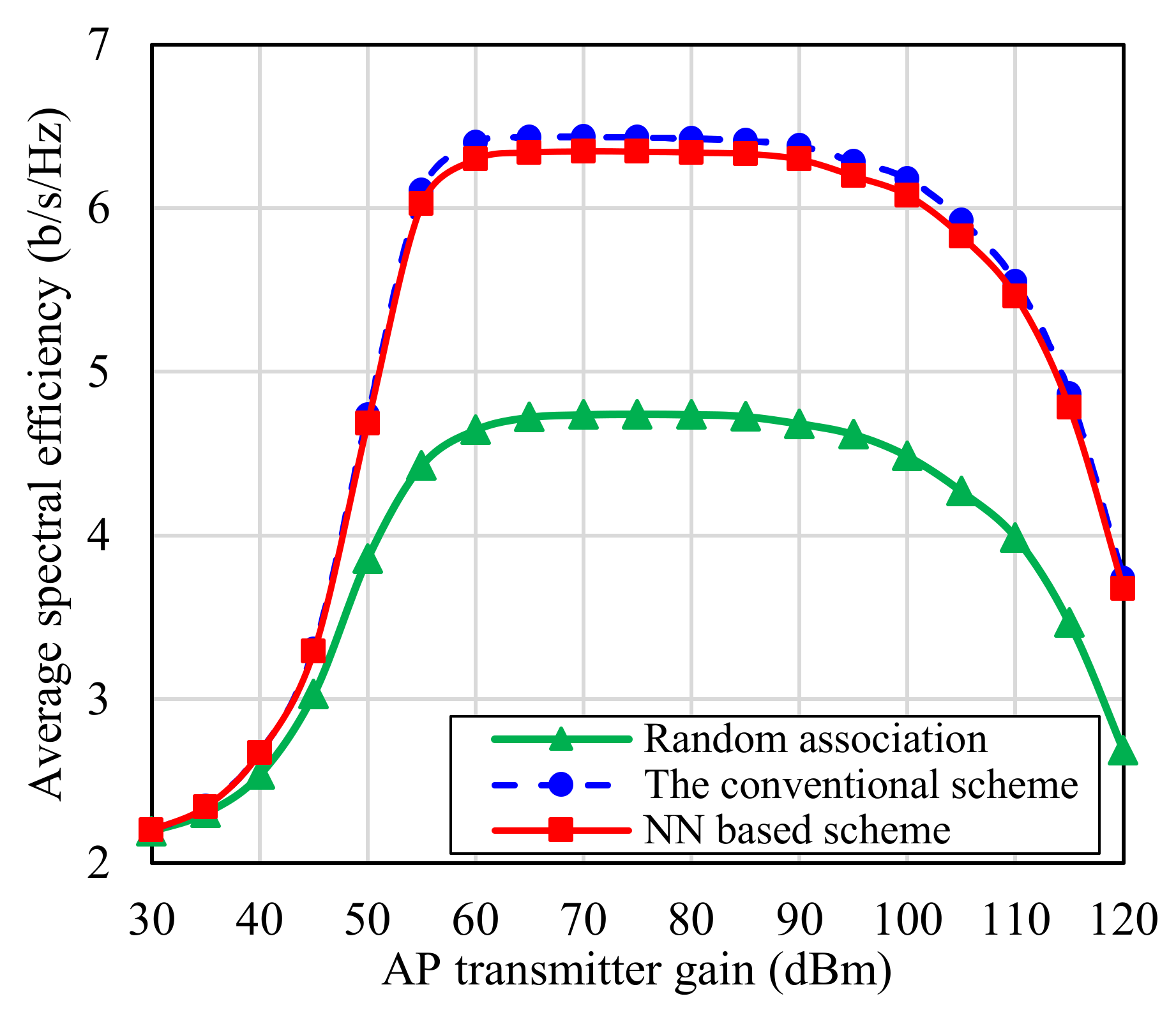
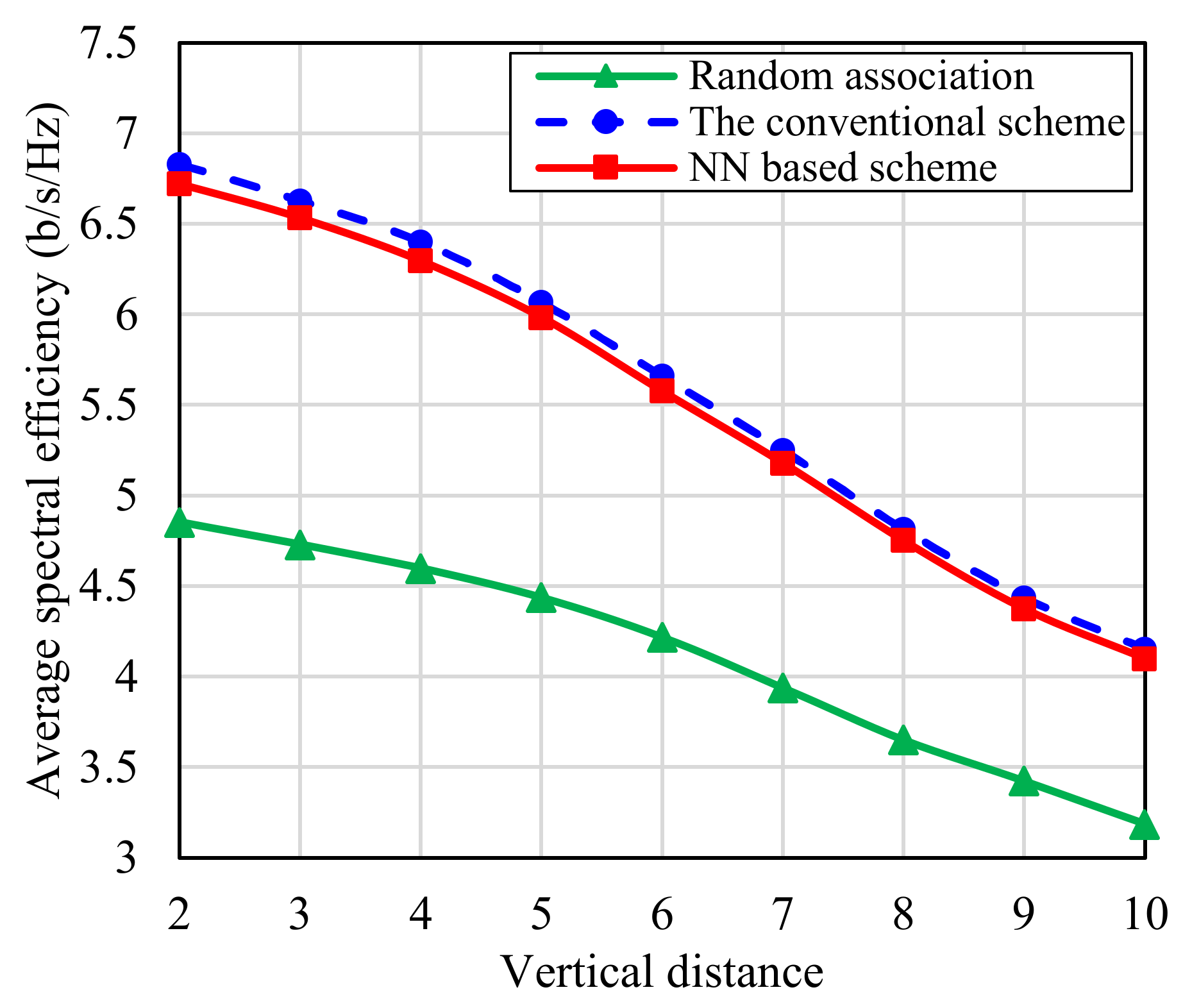
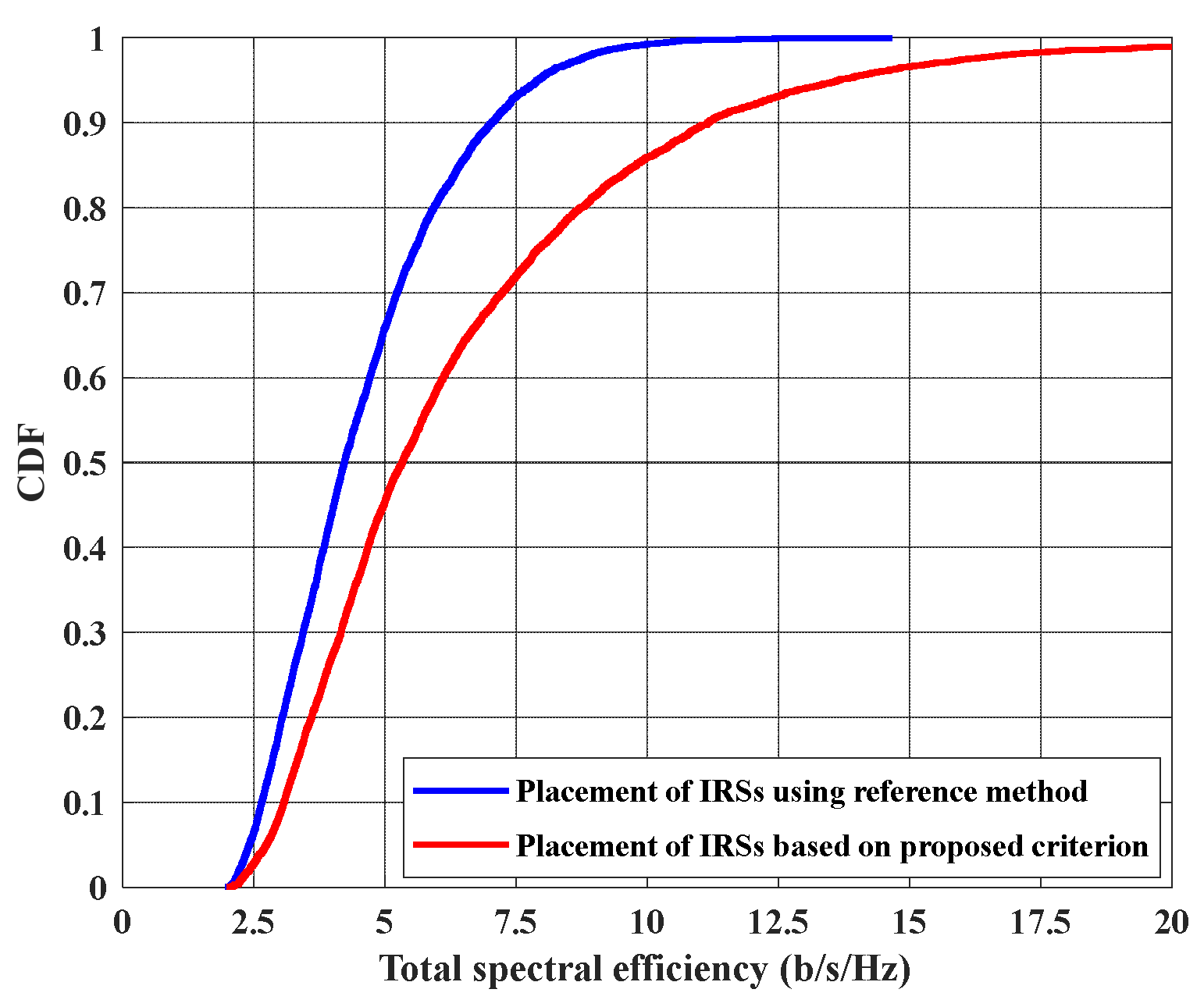
Implementing intelligent reflecting surfaces (IRSs), in high frequency based beyond 5G networks, has become a necessity to overcome the harsh blockage issues that exist in these bands. IRSs can supply user equipment (UEs) with multi alternative virtual line of sight (LOS) links, hence enhancing the spectral efficiency (SE) of the system. As a result of deploying multi IRSs as communication assistants, the step of IRSs-UEs association is required to optimally assign each UE to its best IRS; consideration of the interference between different links is needed, to maximize the system performance. However, this process will be a time and power consuming problem, if conventional schemes, which exhaustively search all possible association patterns to find the optimum one for communication, is adapted. Although iterative search based schemes can reduce this complexity, they still need feedback signaling in real time. Hence, they will be inefficient in terms of power consumption and delay. Moreover, optimal placement of the multi-IRSs in the network, to enlarge the system performance, is still an open issue and needs to be studied. Consequently, in this paper, to handle the IRSs-UEs association problem, we propose a neural network (NN) based scheme using a multi-IRSs aided multi input multi output (MIMO) system. In this system, the estimated angles of arrival (AoAs) of UEs are used as input features for the NN, which is trained to associate each UE to its best IRS based on this information; then, within each IRS, passive beamforming is performed. Adapting this NN in online mode guarantees obtaining better performance while relaxing the complexity of association and increasing response time, giving a performance comparable to the exhaustive and iterative search based schemes. The proposed NN based scheme determines the association pattern without searching or feedback signals. Moreover, the proposed approach maintains the system SE nearly similar to the optimum performance obtained by the conventional scheme. Secondly, a criterion is suggested for optimal deployment of multi IRSs in the network, depending on maximizing the average summation UEs signal-to-interference-plus-noise ratio (SINR). Numerical results prove that this strategy outperforms a reference one, which aims to guarantee certain performance by maximizing minimum UE SINR. In contrast the proposed strategy achieves better system and per UE spectral efficiency.
Keywords: intelligent reflecting surfaces (IRS); neural network; IRSs-UEs association; passive beamforming; optimal placement; 5G and beyond networks intelligent reflecting surfaces (IRS); neural network; IRSs-UEs association; passive beamforming; optimal placement; 5G and beyond networks