Article

Highway Regional Classification Method Based on Traffic Flow Characteristics for Highway Safety Assessment
Department of Highway and Transportation Research, Korea Institute of Civil Engineering and Building Technology (KICT), Goyang 10223, Korea
Sensors 2022, 22(1), 86; https://doi.org/10.3390/s22010086
Submission received: 15 November 2021 / Revised: 2 December 2021 / Accepted: 21 December 2021 / Published: 23 December 2021
(This article belongs to the Special Issue Recent Theories and Applications in Transportation and Mobility)

Abstract

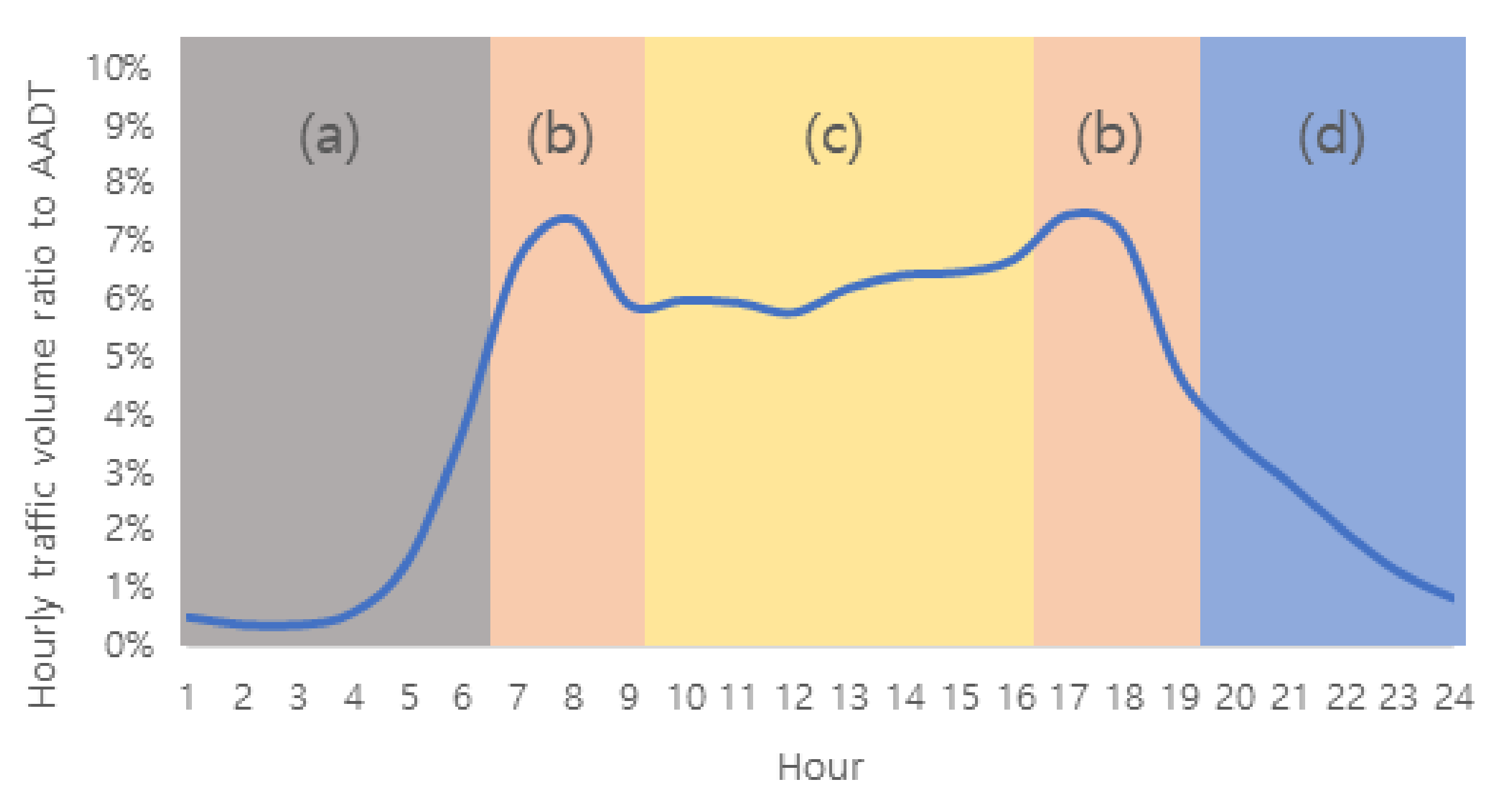
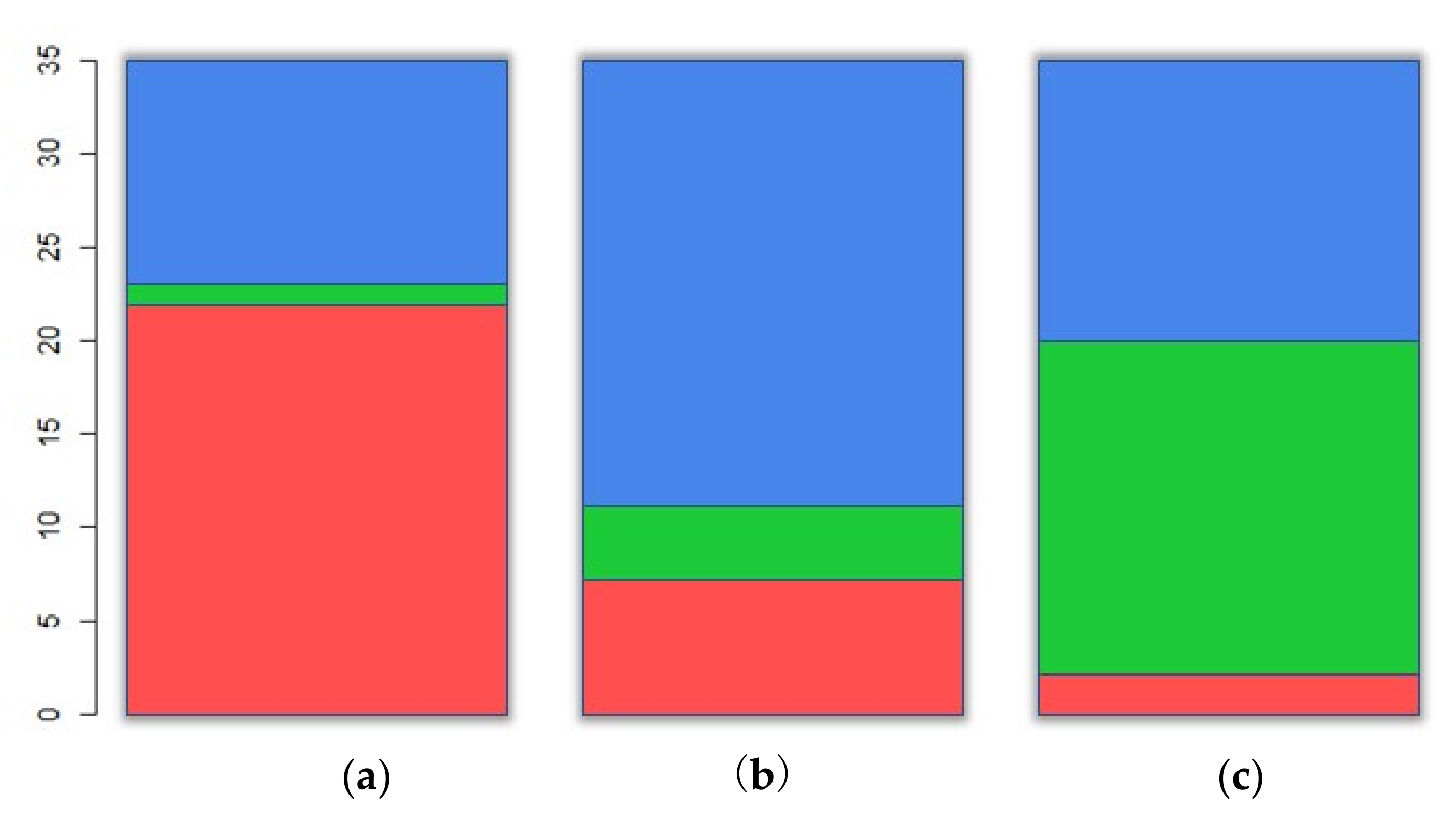
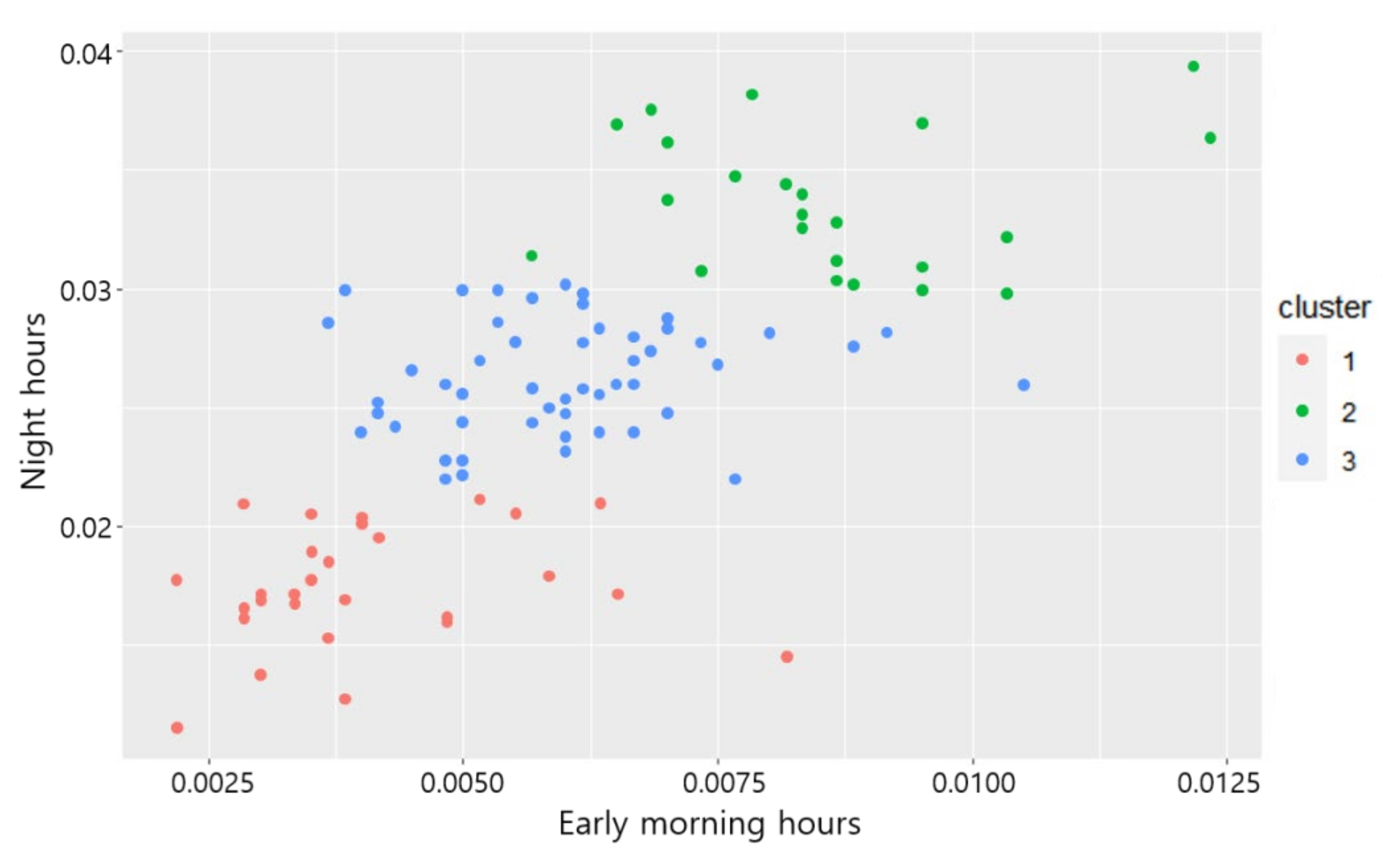
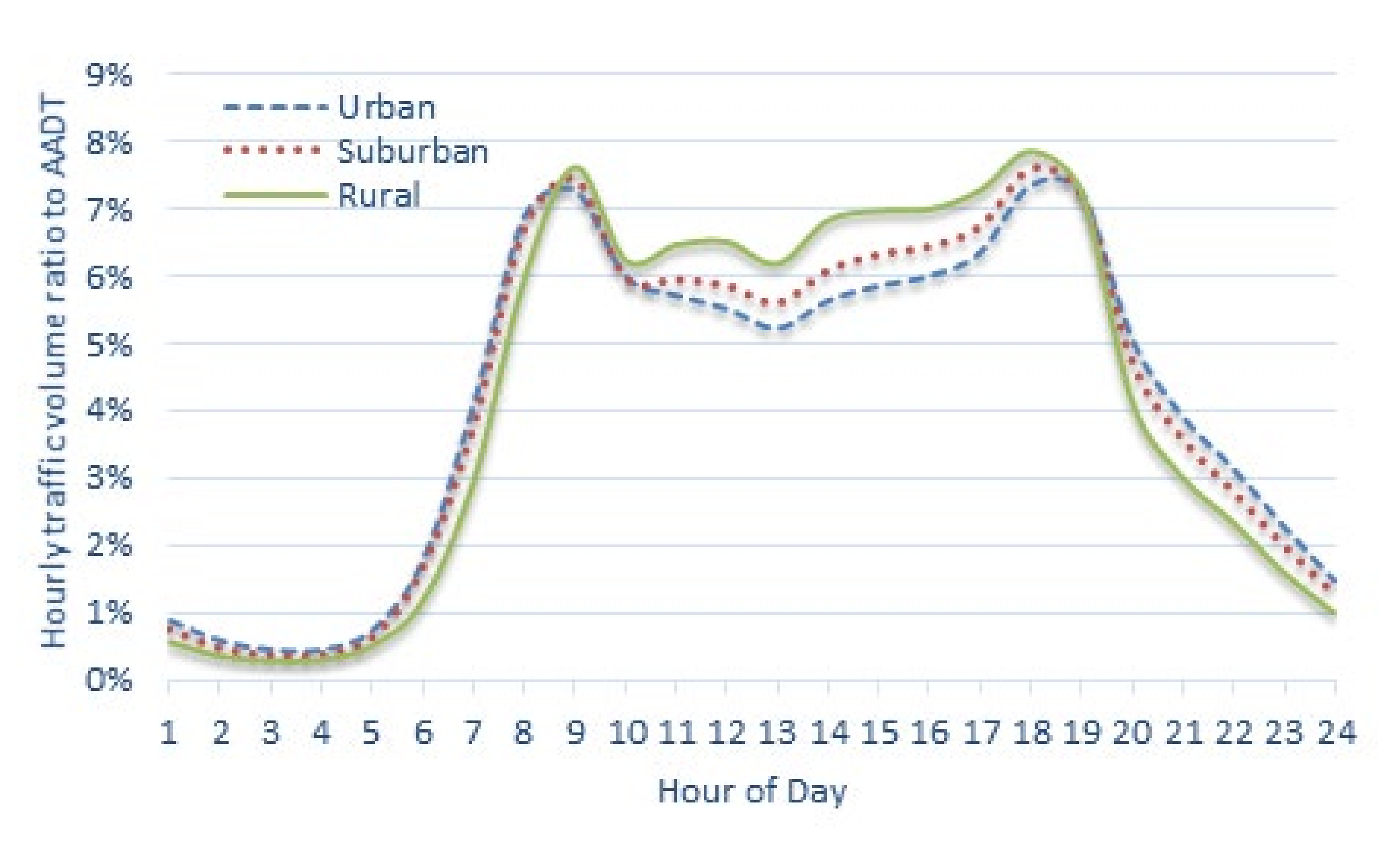
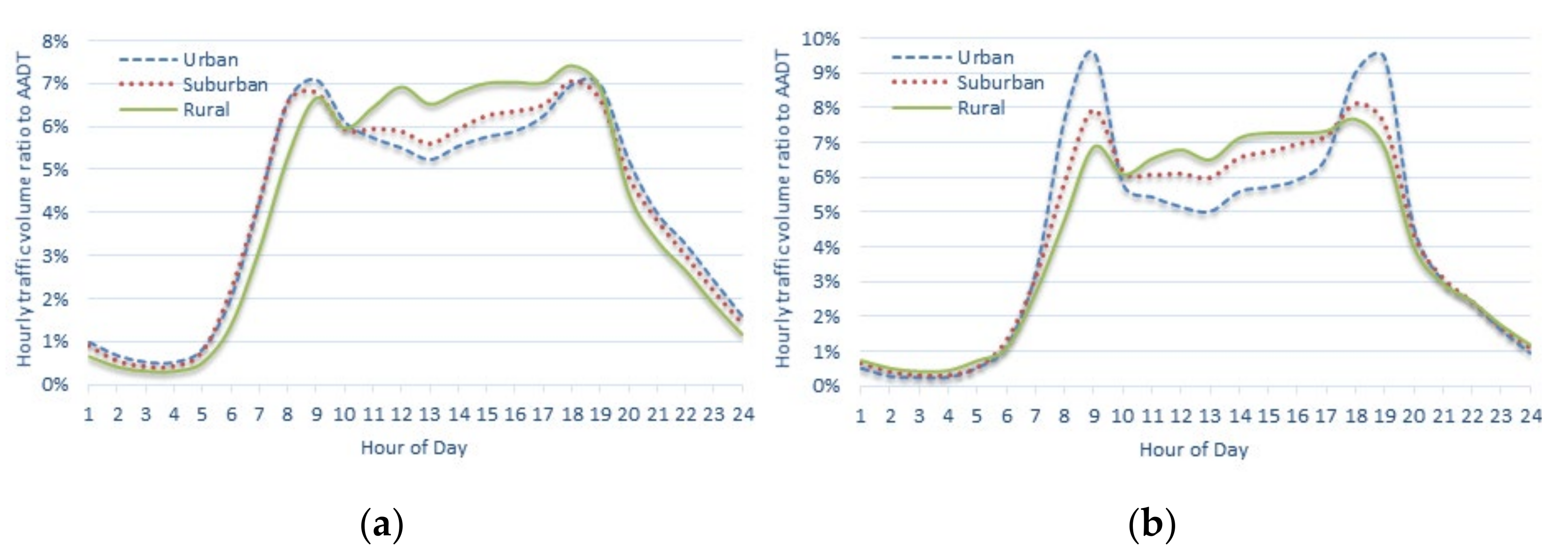
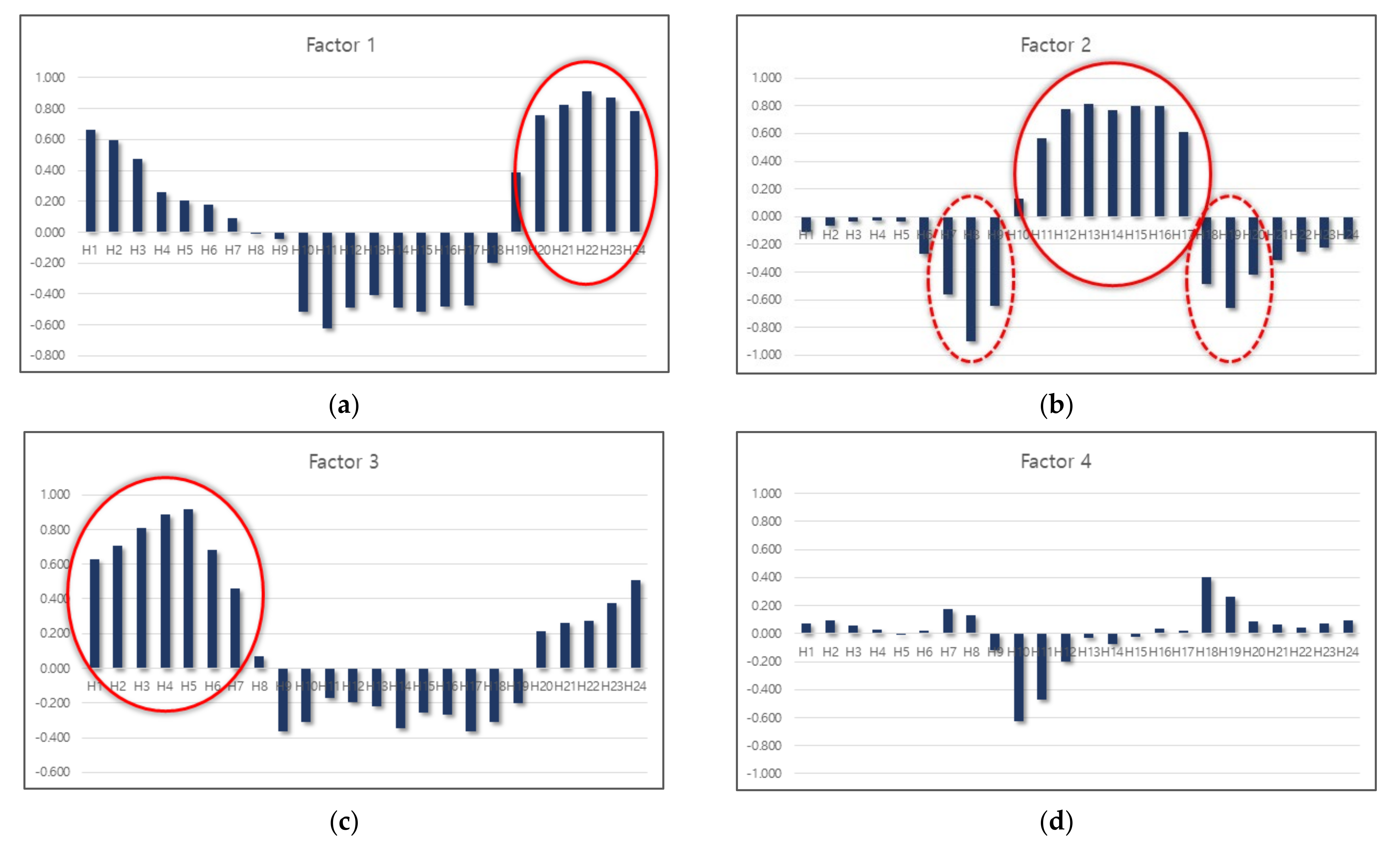
Accurate regional classification of highways is a critical prerequisite to implement a tailored safety assessment. However, there has been inadequate research on objective classification considering traffic flow characteristics for highway safety assessment purposes. We propose an objective and easily applicable classification method that considers the administrative divisions of South Korea. We evaluated the feasibility of this method through various theoretical analysis techniques using the data collected from 536 permanent traffic volume counting stations for the national highways in South Korea in 2019. The ratio of the annual average hourly traffic volume to the annual average daily traffic was used as the explanatory variable. The corresponding results of factor and cluster analyses with this ratio showed a 61% concordance with the urban, suburban, and rural areas classified by the administrative divisions. The results of two-sample goodness-of-fit tests also confirmed that the difference in the three distributions of hourly volume ratios was statistically significant. The results of this study can help enhance highway safety and facilitate the development and application of more appropriate highway safety assessment tools, such as Road Assessment Programs or crash prediction models, for specific regions using the proposed method.
Keywords: regional classification; administrative division system; hourly traffic volume ratio; cluster analysis; two-sample goodness-of-fit test regional classification; administrative division system; hourly traffic volume ratio; cluster analysis; two-sample goodness-of-fit test