Article

Towards a Simulation Framework for Smart Indoor Spaces


Department of Computing Science, University of Alberta, Edmonton, AB T6G 2R3, Canada
*
Author to whom correspondence should be addressed.
Sensors 2020, 20(24), 7137; https://doi.org/10.3390/s20247137
Submission received: 15 November 2020 / Revised: 9 December 2020 / Accepted: 9 December 2020 / Published: 12 December 2020
(This article belongs to the Section Internet of Things)

Abstract

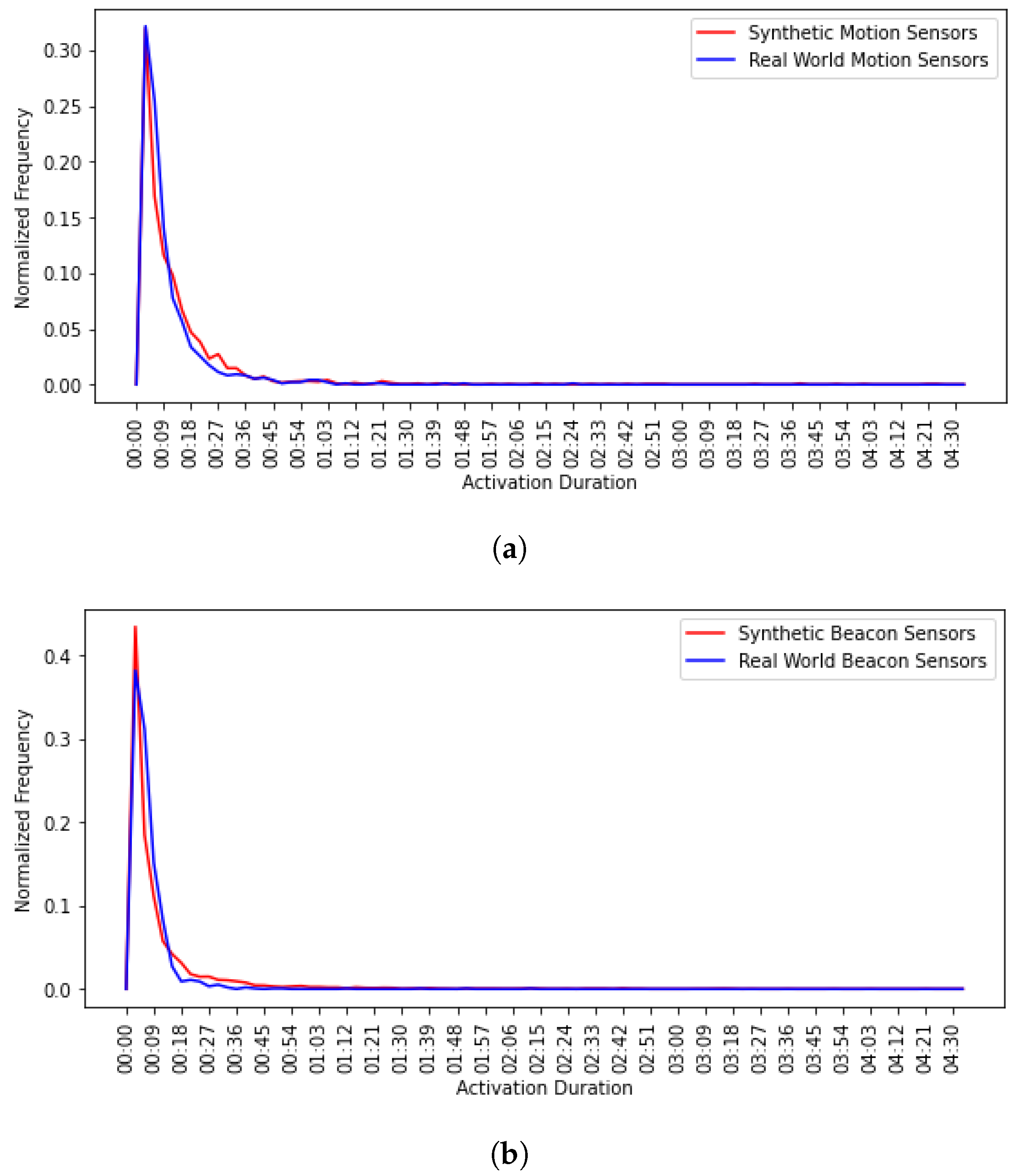
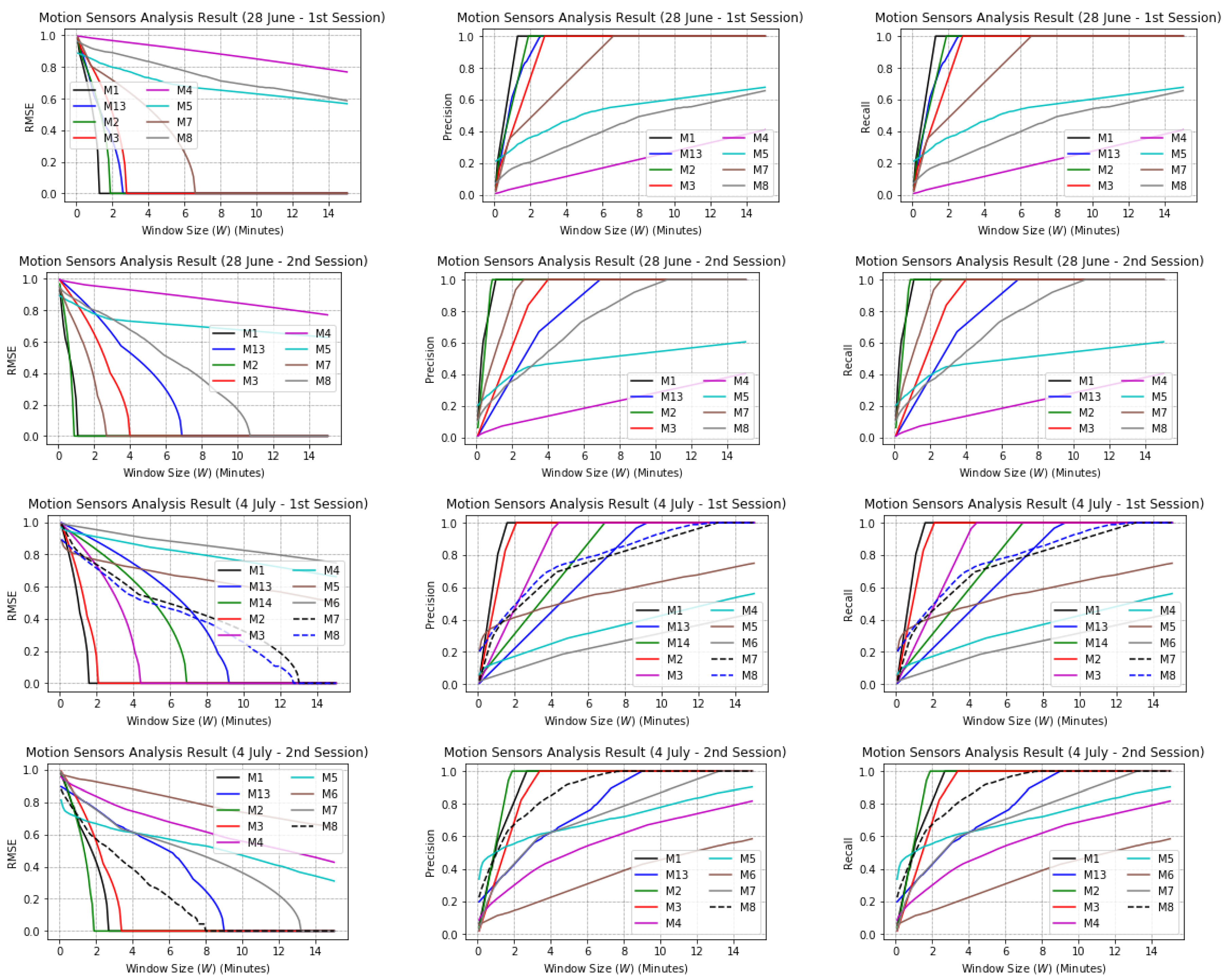
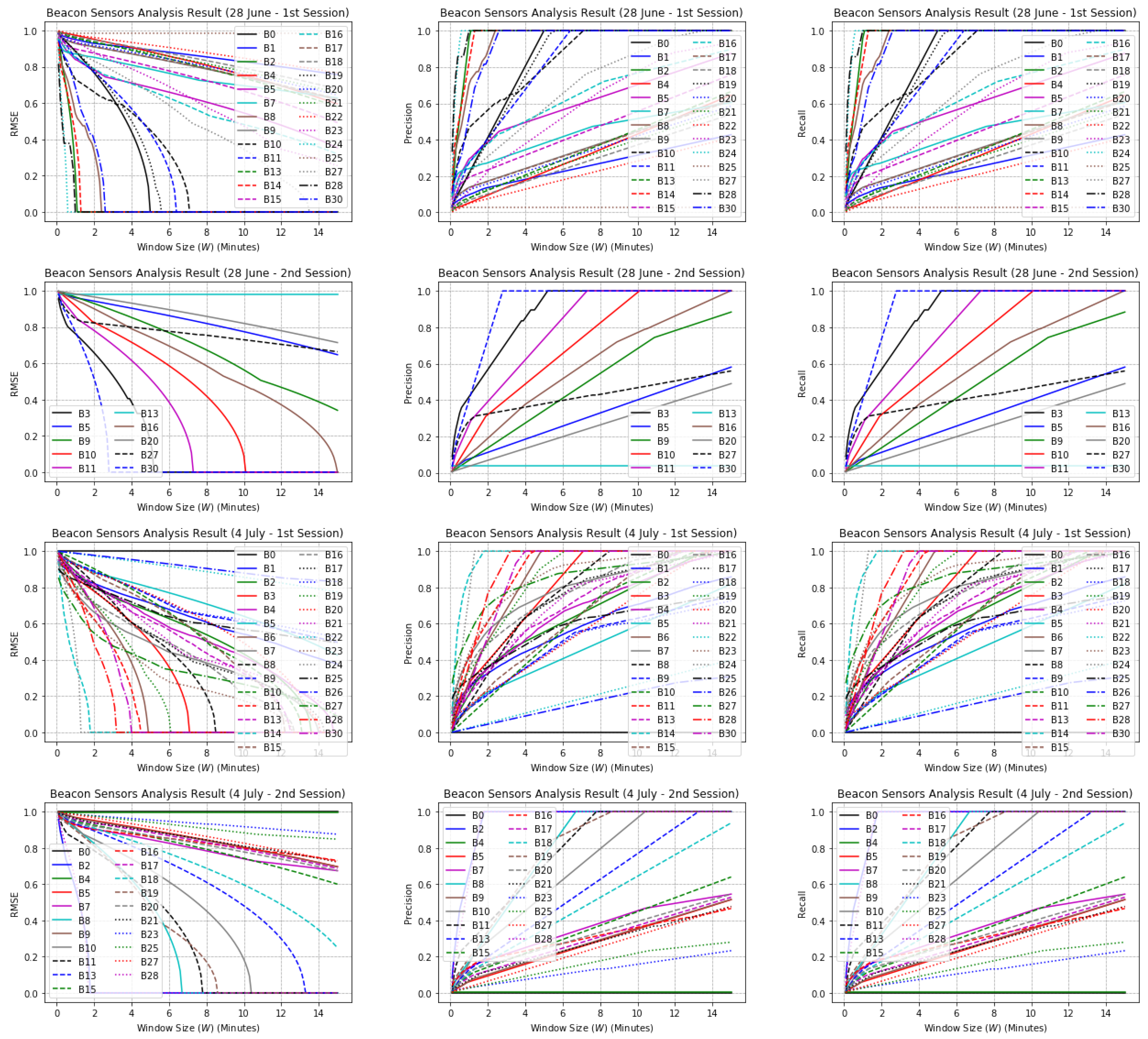
The effectiveness of sensor-based applications for smart homes and smart buildings is conditioned upon the deployment configuration of their underlying sensors. Real-world evaluation of alternative possible sensor-deployment configurations is labor-intensive, costly, and time-consuming, which implies the need for a simulation-based methodology. In this work, we report on such a methodology that supports the modeling of indoor spaces, the activities of their occupants, and the behaviors of different types of sensors. We argue that, in order for a simulation to be useful for the purpose of evaluating a sensor deployment configuration, it has to generate realistic event streams of individual sensors over time, as well as realistic compositions of sensor events within a time window. We have evaluated our simulator for smart indoor spaces, SIMsis toolkit, in the context of our Smart-Condo ambient-assisted living platform, supporting the observation and analysis of activities of daily living (ADLs). Our findings indicate that SIMsis produces realistic agent traces and sensor readings, and has the potential to support the process of developing and deploying sensor-based applications.
Keywords: smart home; sensor deployment evaluation; simulation; space model; agent model; sensor model smart home; sensor deployment evaluation; simulation; space model; agent model; sensor model