Article

A New Planar Microwave Sensor for Building Materials Complex Permittivity Characterization


by
João G. D. Oliveira
1,2,
José G. Duarte Junior
1,
Erica N. M. G. Pinto
3,
Valdemir P. Silva Neto
1 and
Adaildo G. D’Assunção
1,*
1
Department of Communication Engineering, Federal University of Rio Grande do Norte, Caixa Postal 1655, Natal CEP 59078-970, RN, Brazil
2
SIDIA Institute of Science and Technology, Manaus CEP 69055-035, AM, Brazil
3
Avenida Universitária Leto Fernandes, Federal Rural University of the Semi-Arid, Caraúbas CEP 59780-000, RN, Brazil
*
Author to whom correspondence should be addressed.
Sensors 2020, 20(21), 6328; https://doi.org/10.3390/s20216328
Submission received: 24 August 2020 / Revised: 30 September 2020 / Accepted: 12 October 2020 / Published: 6 November 2020
(This article belongs to the Special Issue Antenna Measurement Techniques and Sensor Systems)

Abstract

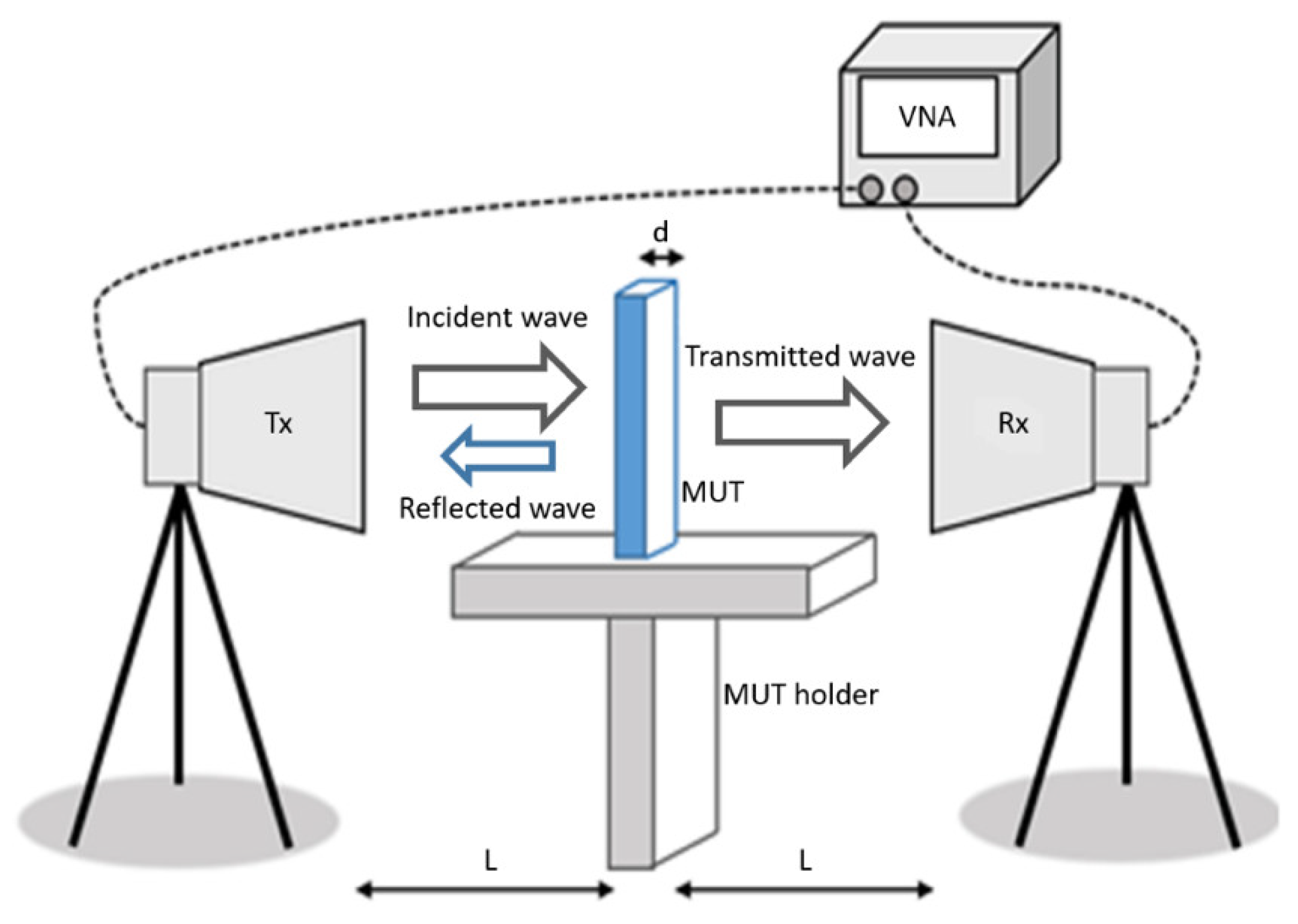
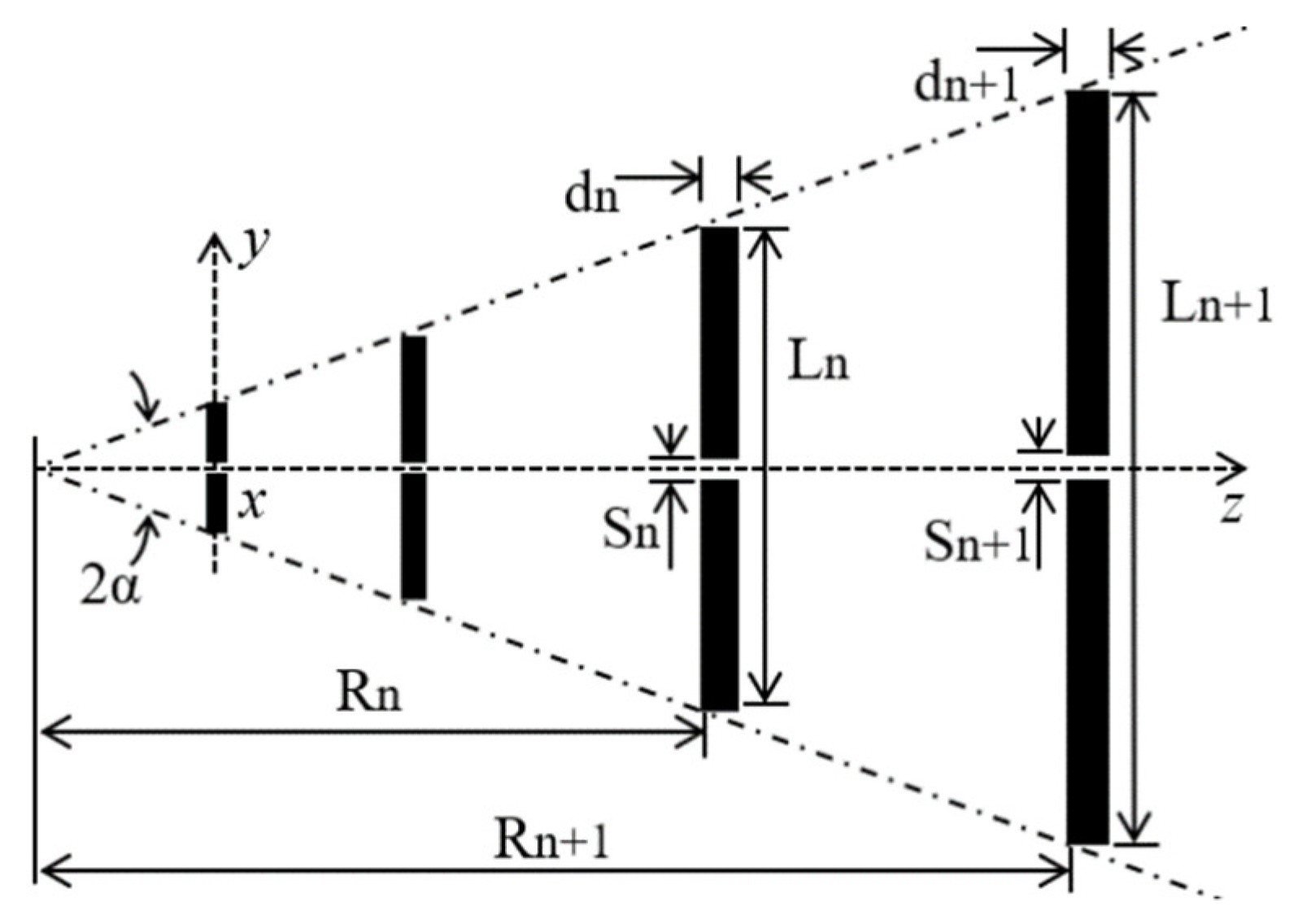
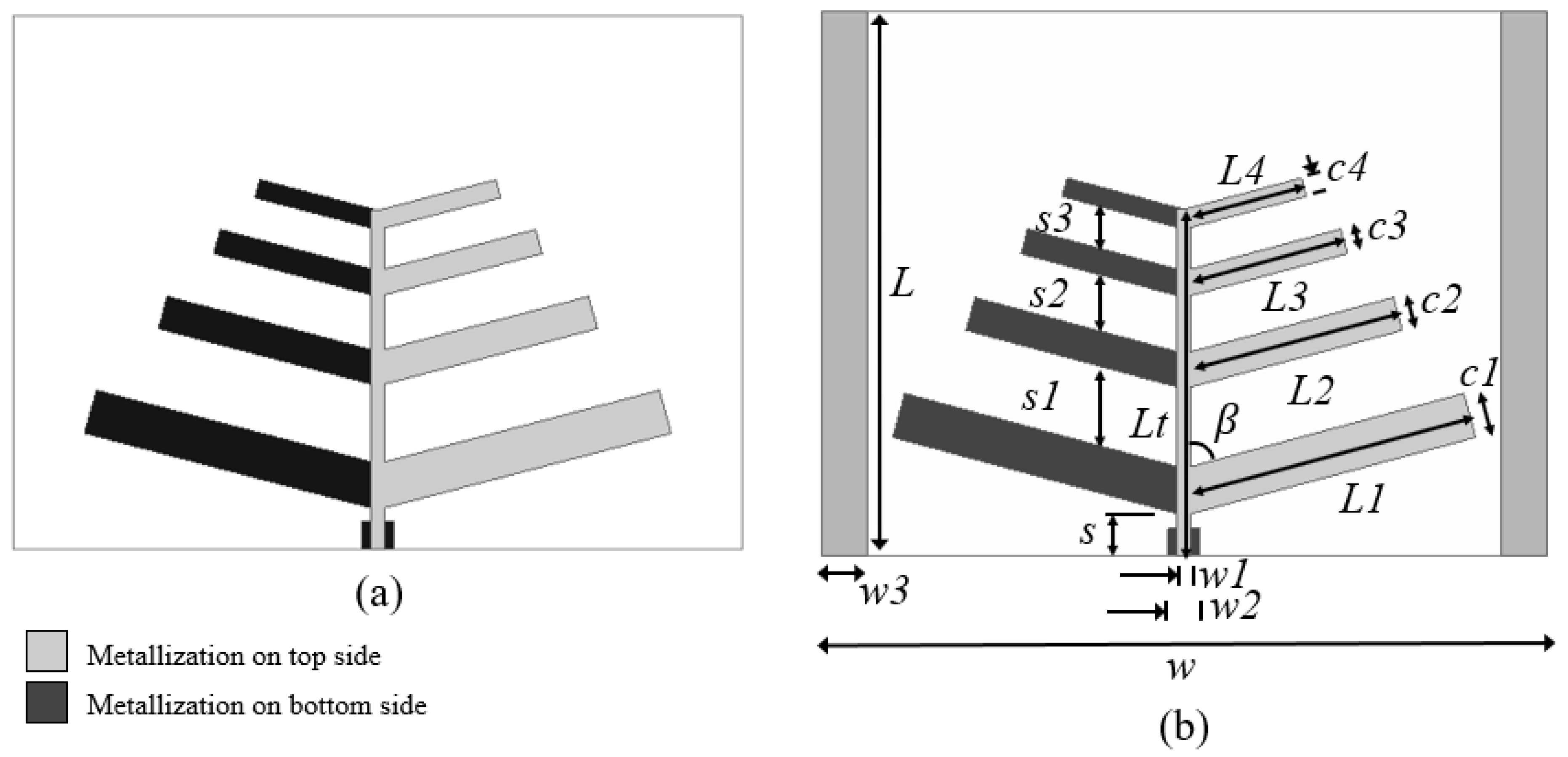
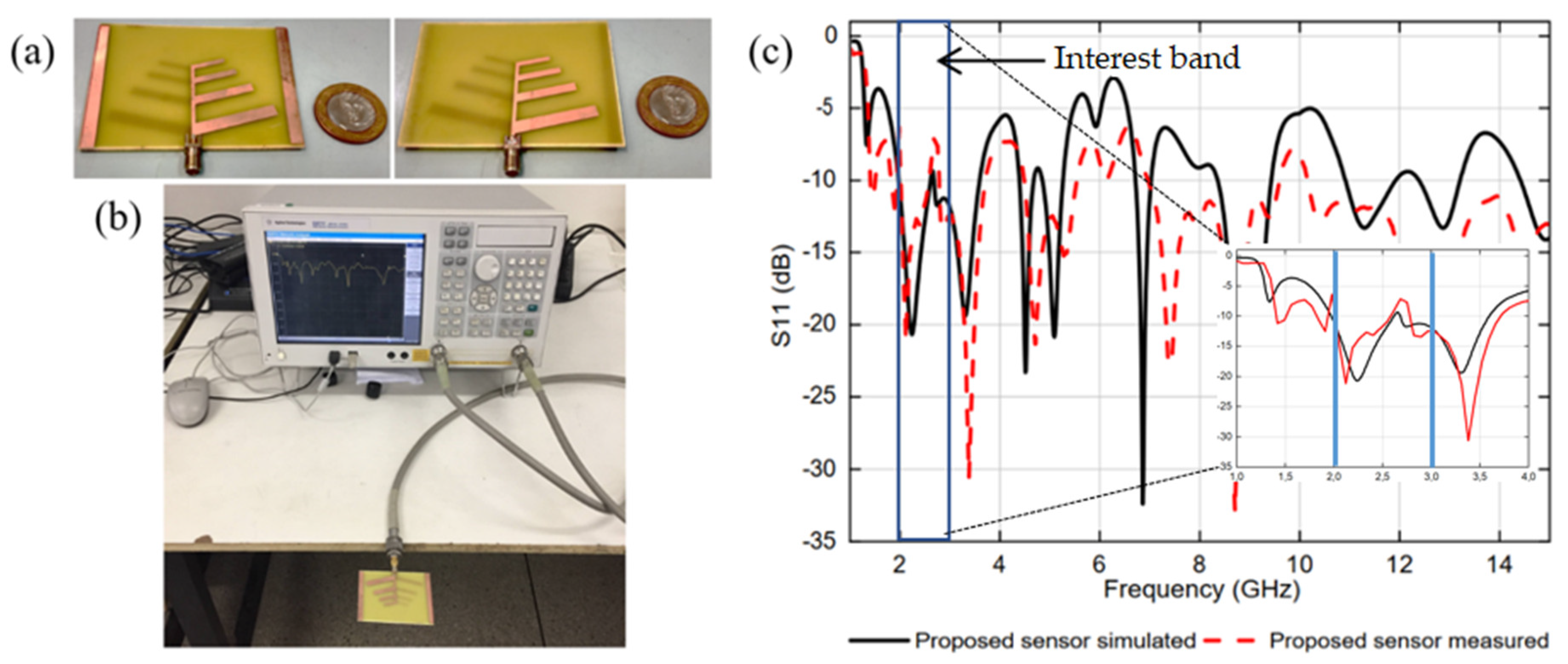
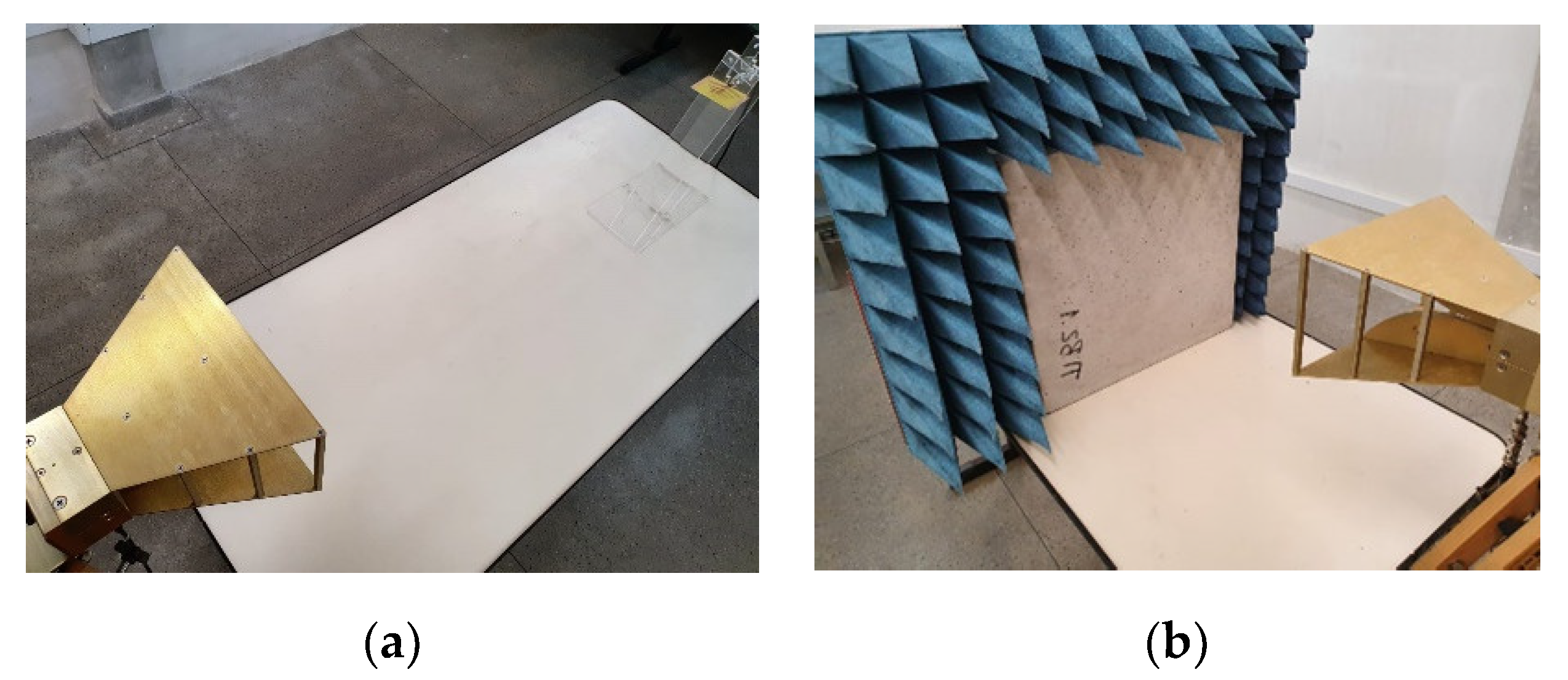
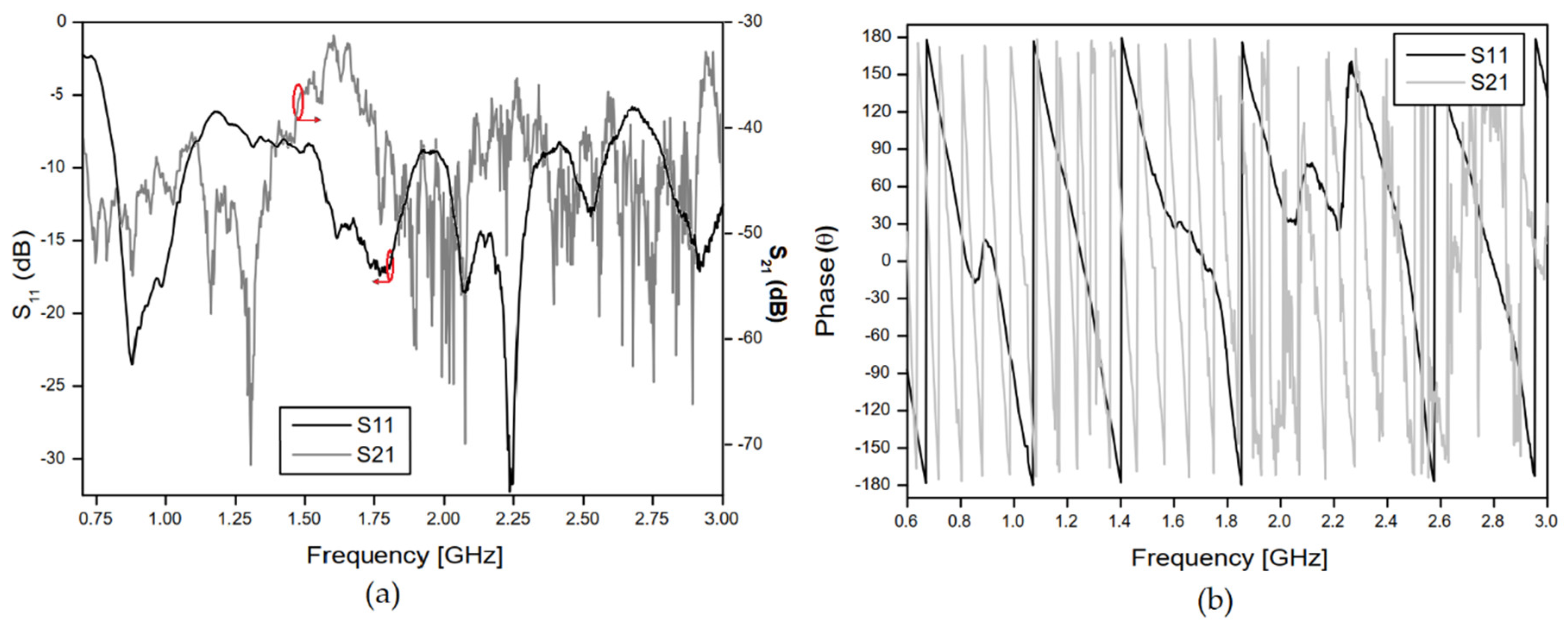
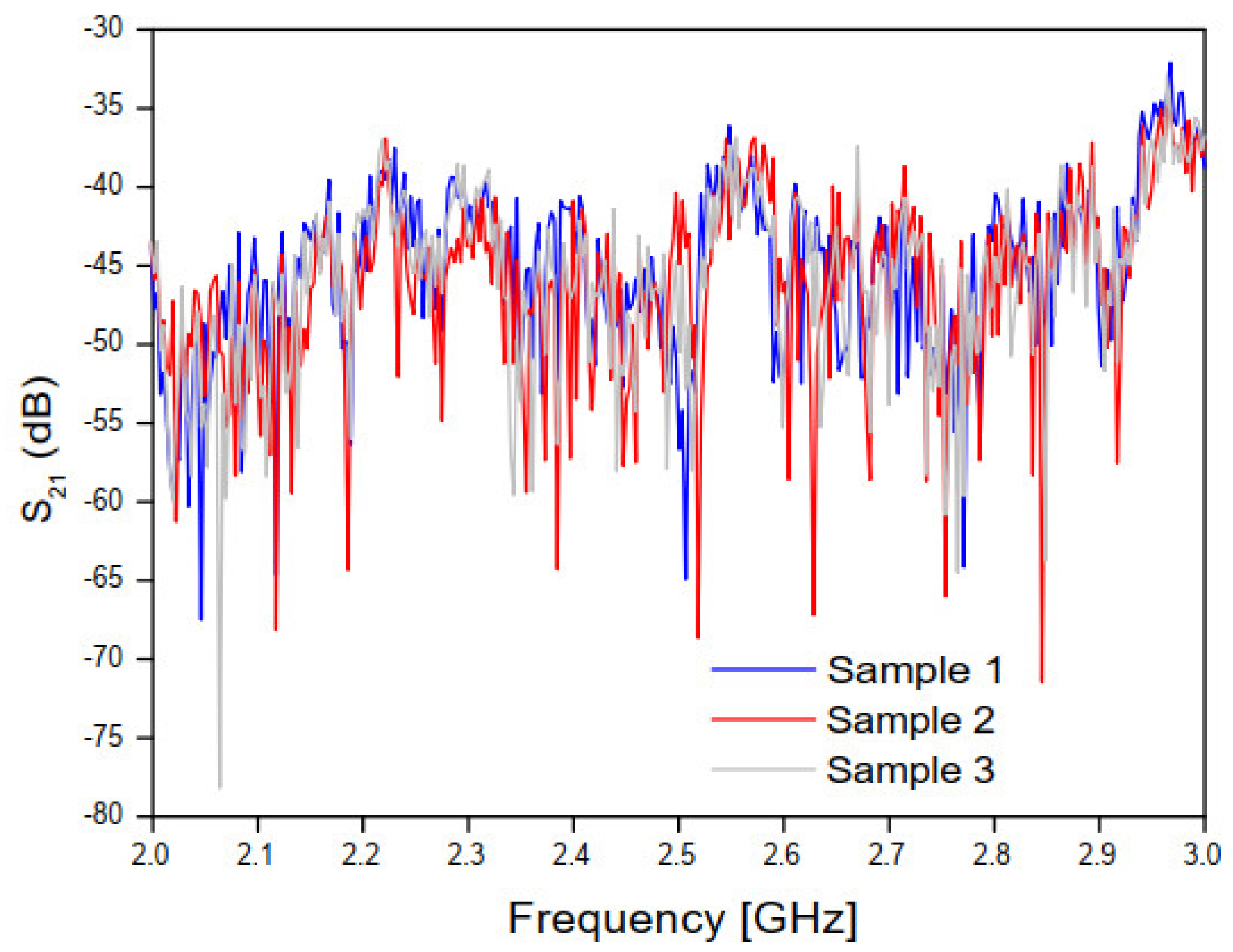
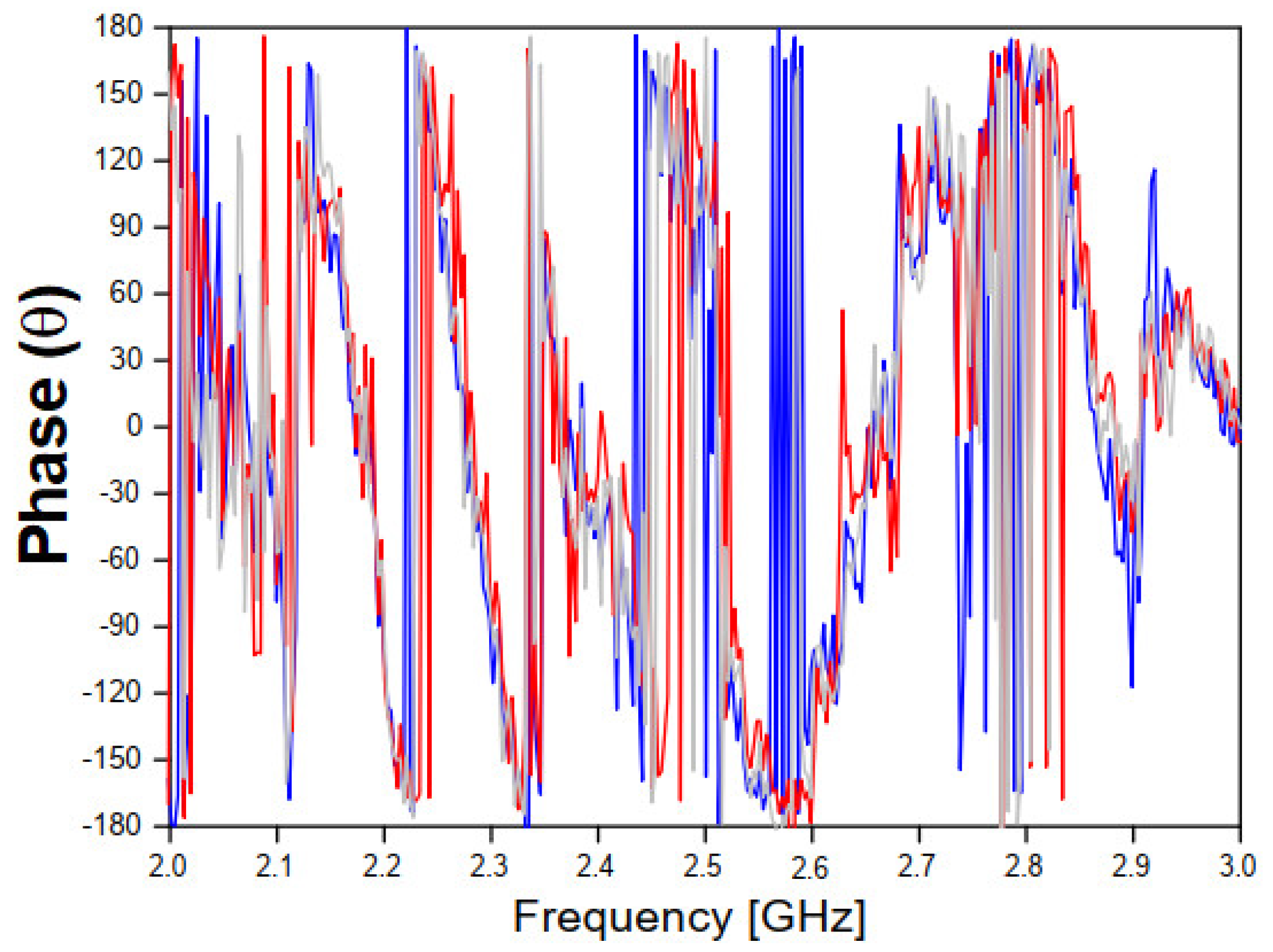
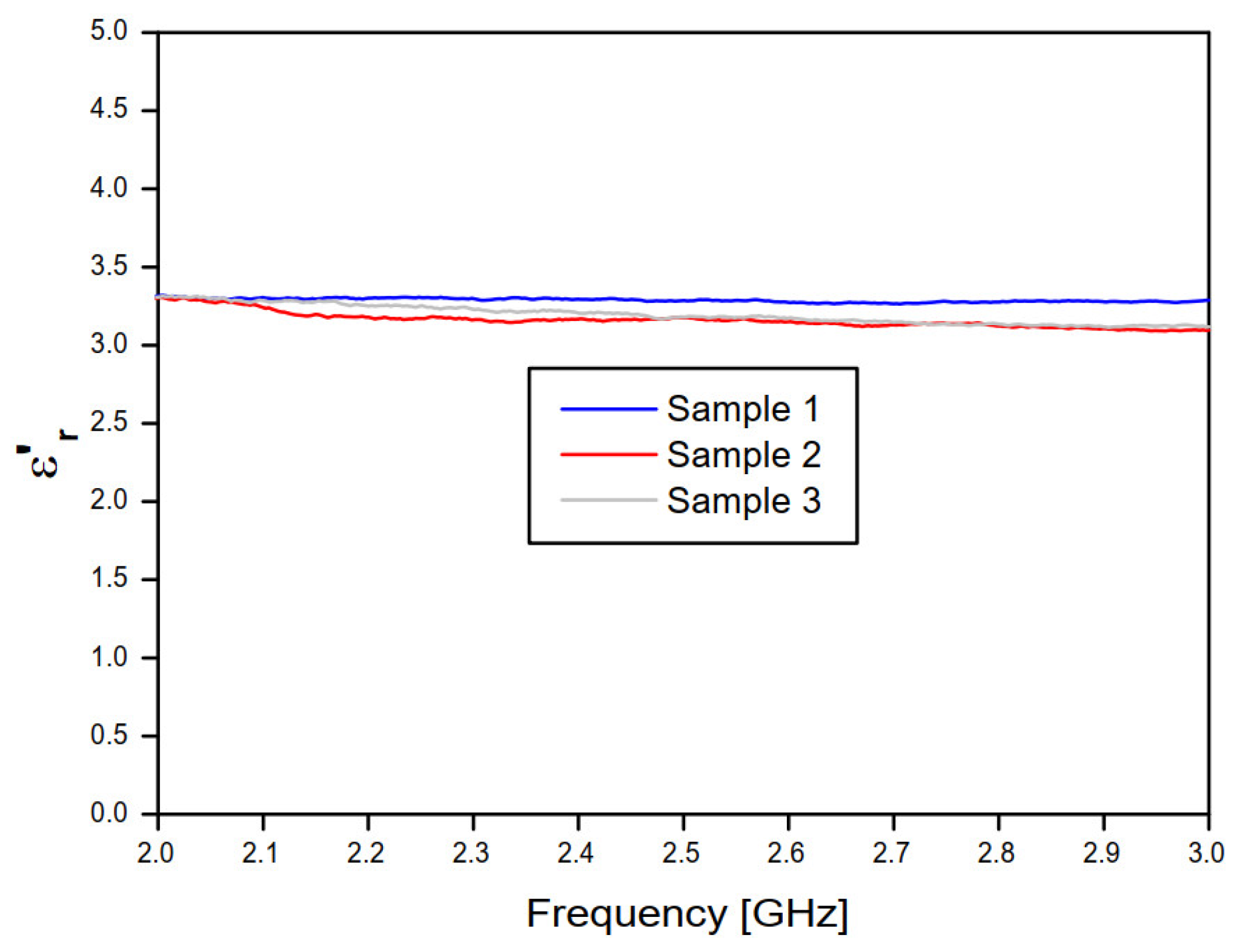
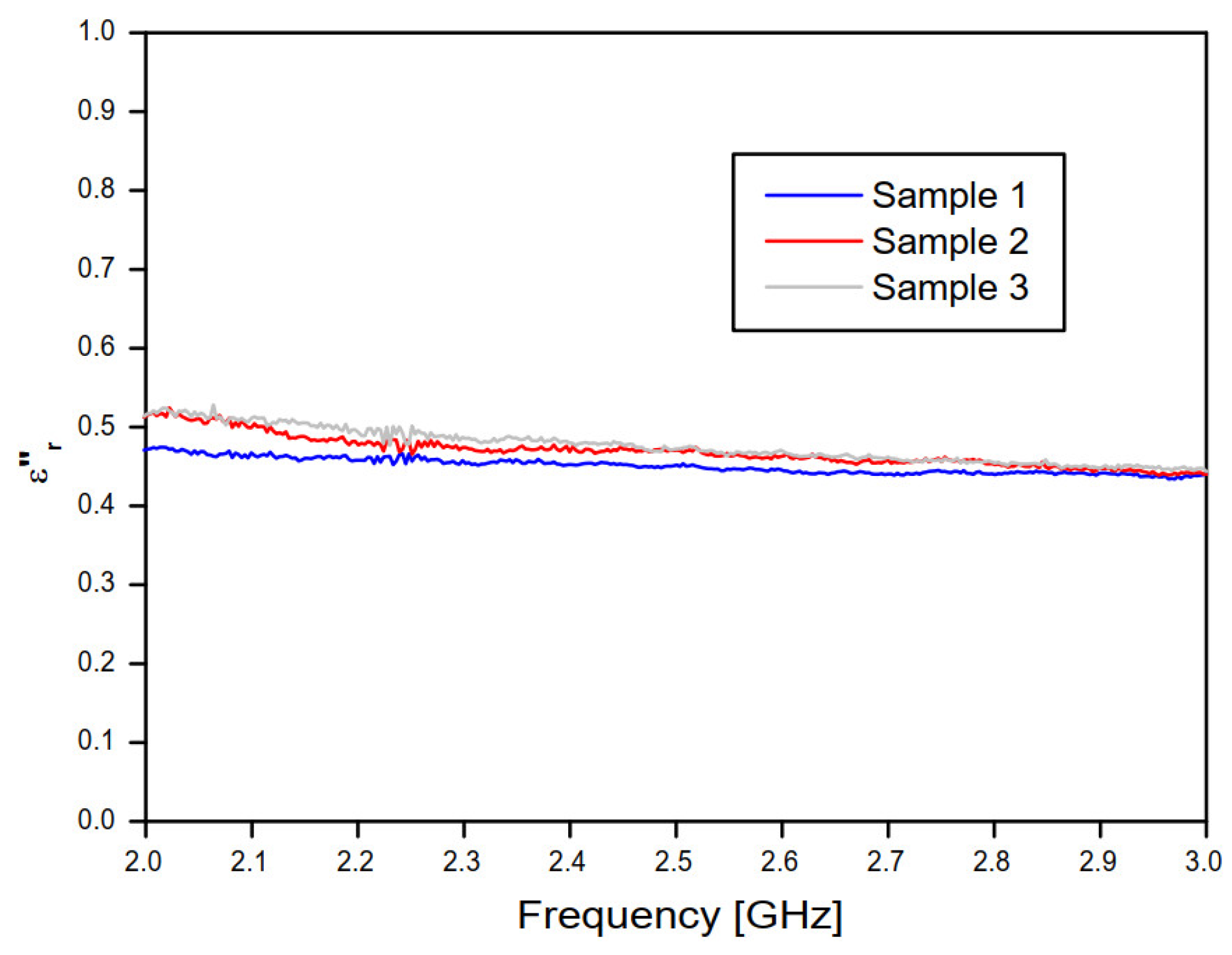
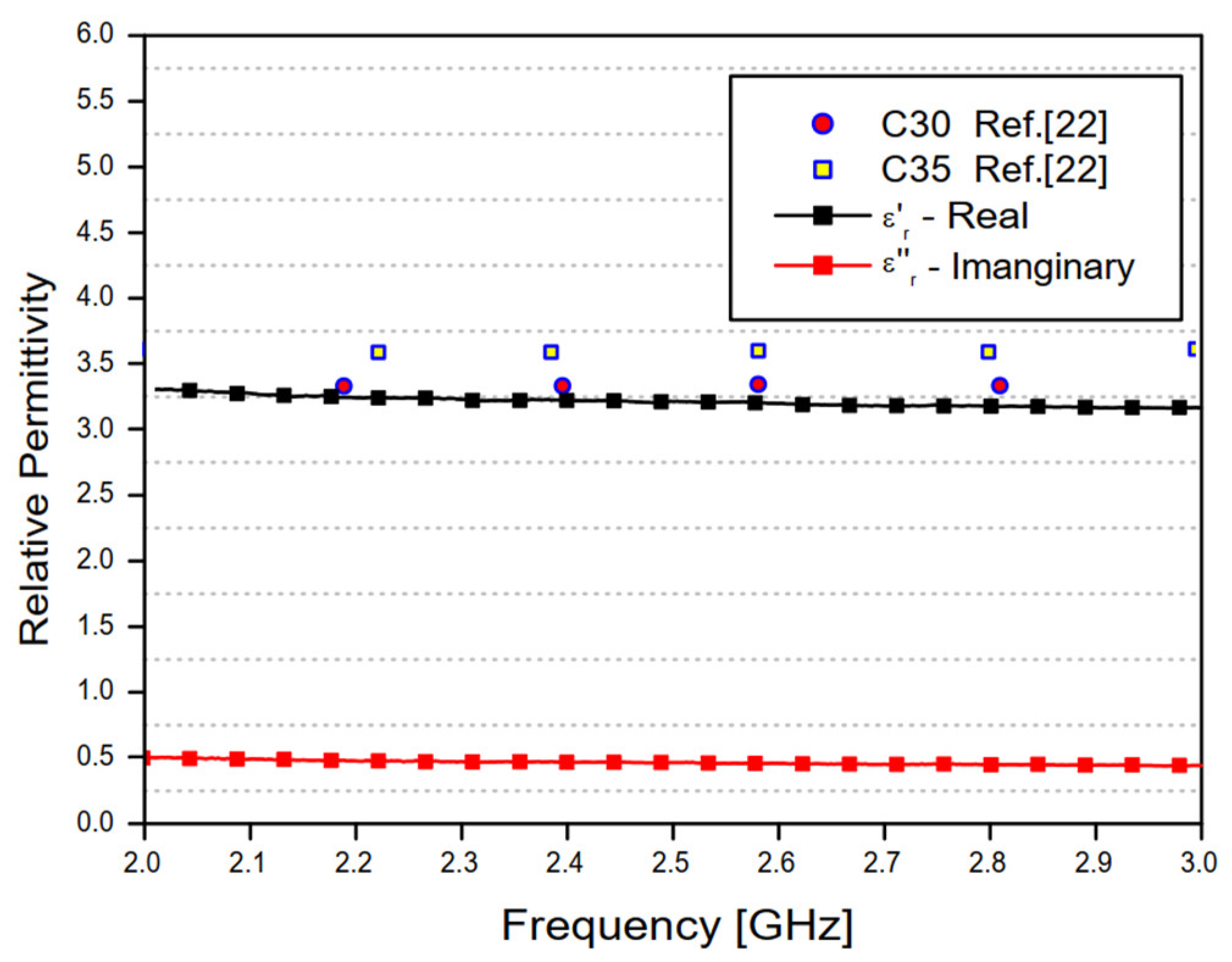
A new microwave sensor is proposed to characterize the complex relative permittivity of building non-magnetic materials and used in the characterization of three concrete samples. The proposed sensor structure consists of a log-periodic planar antenna with microstrip elements tilted forward by an angle β and printed, alternately, on the top and bottom sides of a dielectric layer. The operation principle is based on the measurement of the scattering parameters S11 and S21 in a free space propagation transmitter-receiver setup, for both cases with the material under test (MUT) sample (non-line-of-sight, NLOS) and without it (line-of-sight, LOS). A prototype is fabricated and measured to determine the scattering parameters of concrete samples. After measurements, the obtained results are used in the efficient and accurate Nicolson–Ross–Weir (NRW) method, making it possible to estimate the values of the complex relative permittivity of the concrete blocks. The sensor design is demonstrated from initial simulations to measurements for validation of the developed prototype. The obtained results for the complex relative permittivity of concrete are in agreement with those available in the literature and the difference between the simulated and measurement results for the sensor antenna resonant frequency is 4.71%. The used measurement setup can be applied to characterize different types of solid or liquid dielectric materials.
Keywords: microwave sensor; microstrip antenna; log-periodic; high directivity; concrete characterization; dielectric measurements microwave sensor; microstrip antenna; log-periodic; high directivity; concrete characterization; dielectric measurements