Article

User Oriented Transmit Antenna Selection in Massive Multi-User MIMO SDR Systems


1
College of Electronics and Information Engineering, Shenzhen University, Nanhai Avenue 3688, Shenzhen 518060, China
2
Guangdong Provincial Mobile Terminal Microwave and Millimeter Wave Antenna Engineering Research Center, College of Electronics and Information Engineering, Shenzhen University, Shenzhen 518060, China
3
College of Computer Science Software Engineering, Shenzhen University, Nanhai Avenue 3688, Shenzhen 518060, China
*
Author to whom correspondence should be addressed.
Sensors 2020, 20(17), 4867; https://doi.org/10.3390/s20174867
Submission received: 27 July 2020 / Revised: 24 August 2020 / Accepted: 26 August 2020 / Published: 28 August 2020
(This article belongs to the Special Issue Multi-Antenna Techniques for 5G and beyond 5G Communications)

Abstract

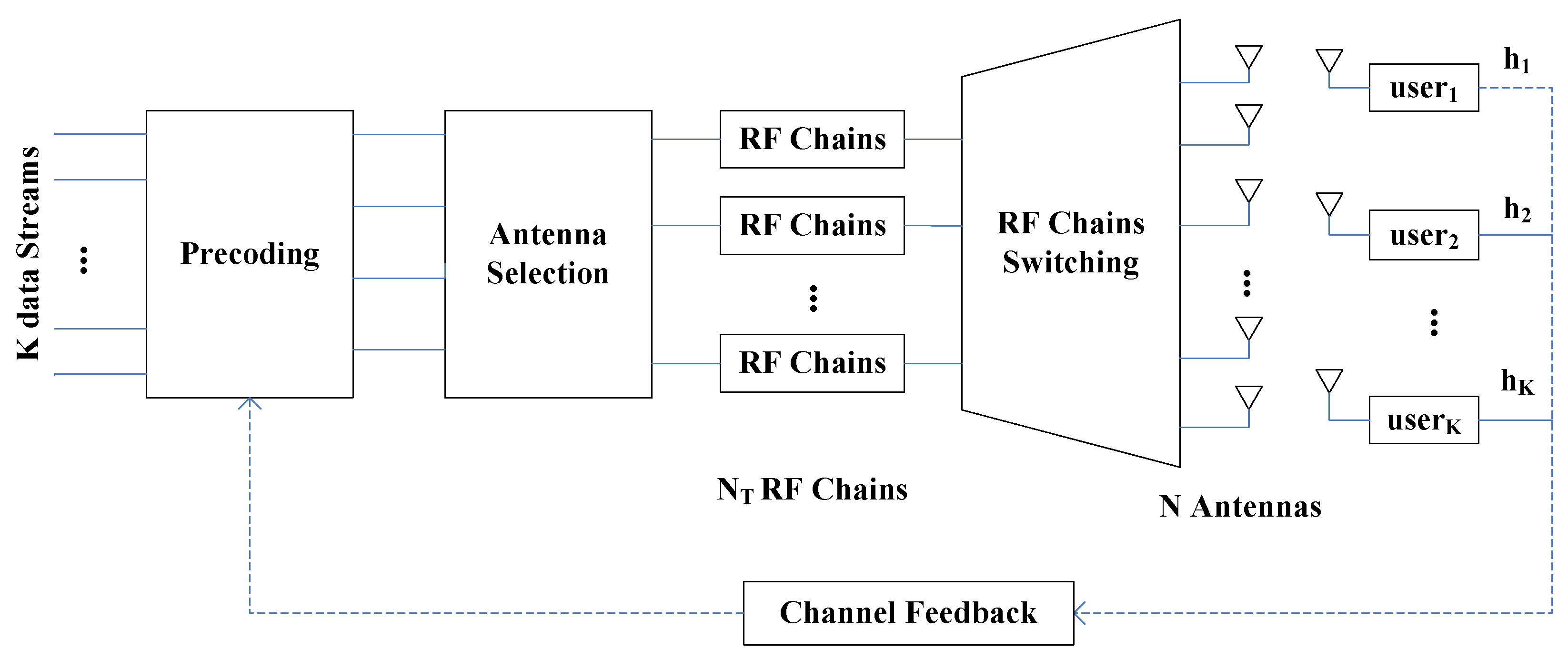
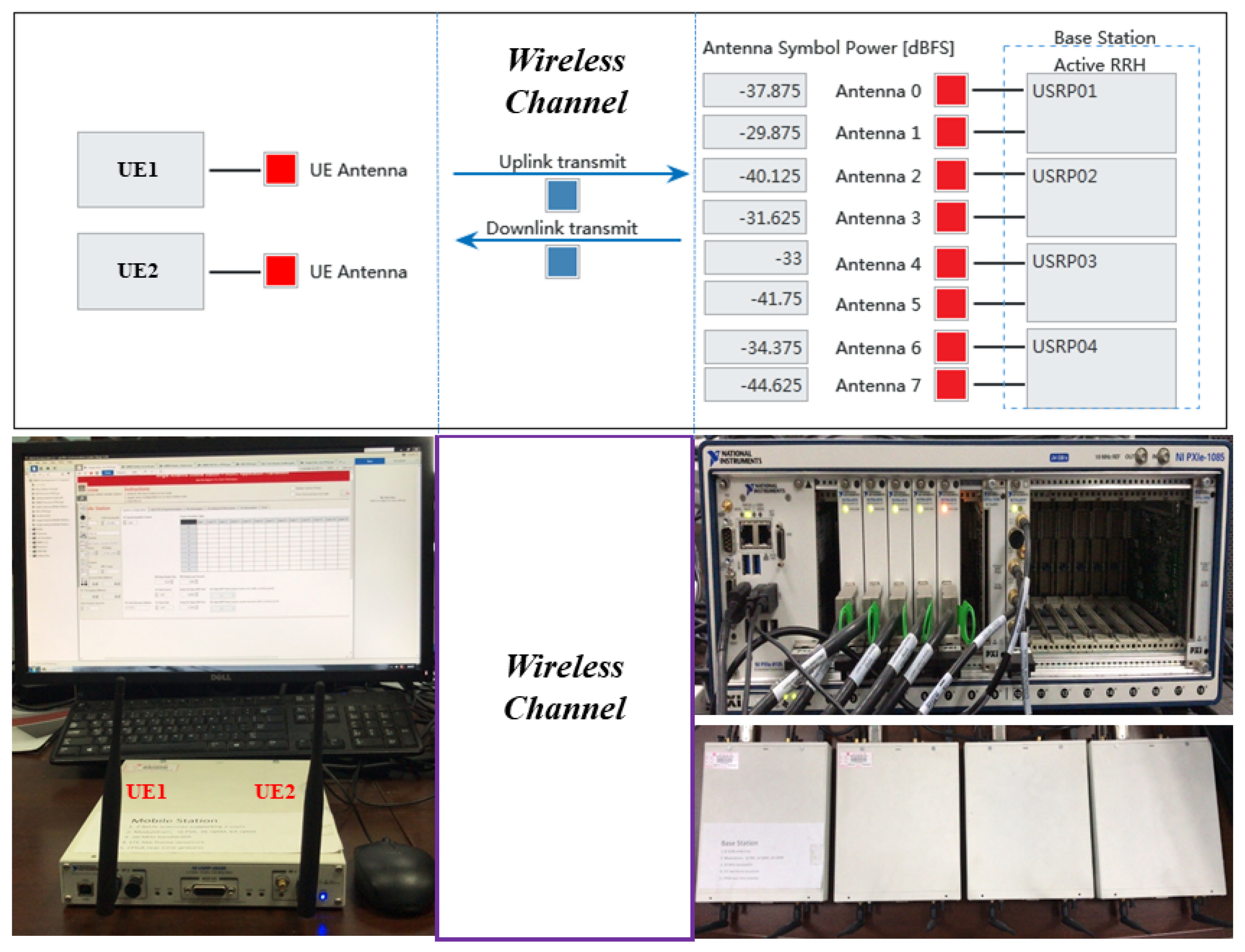
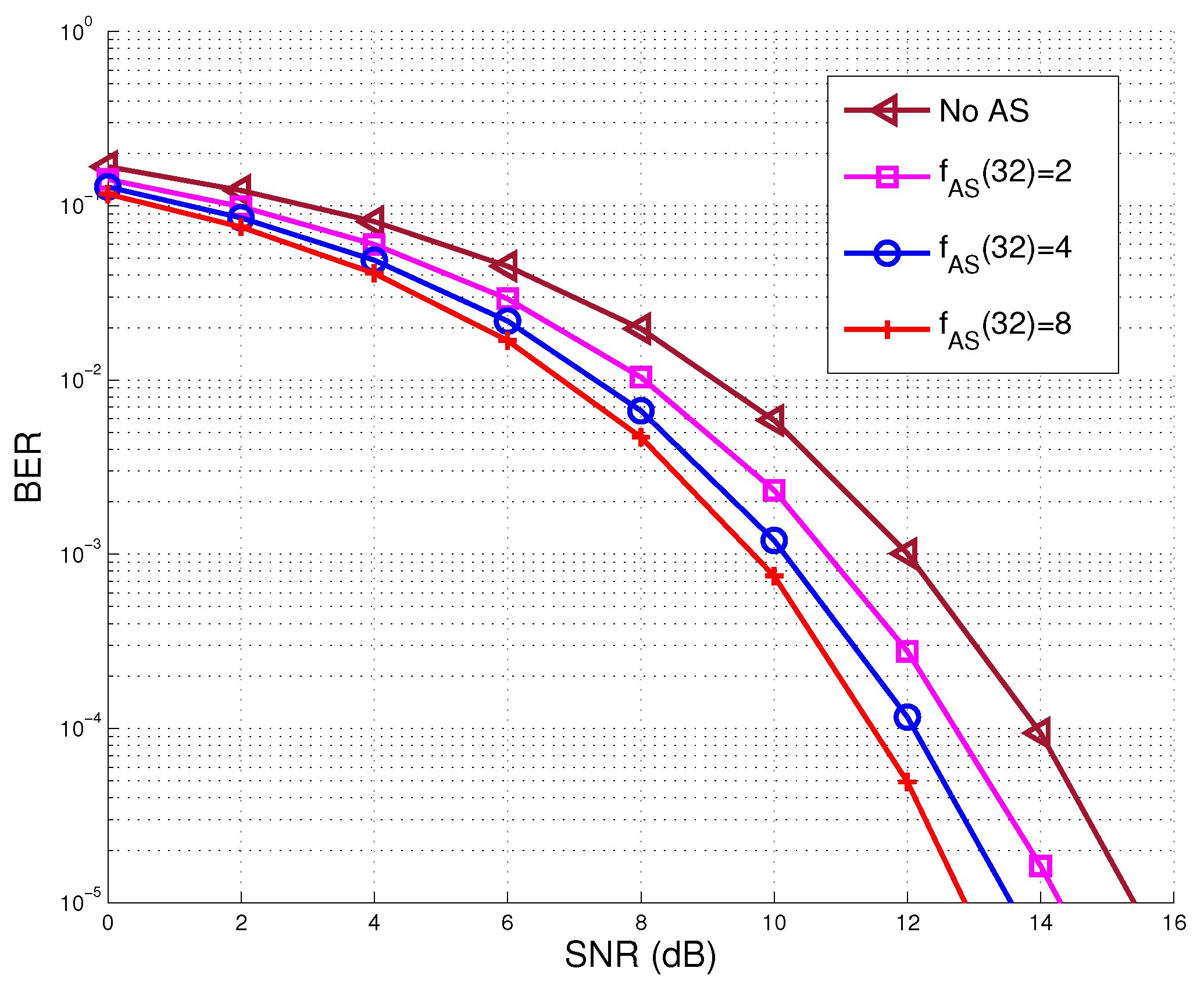
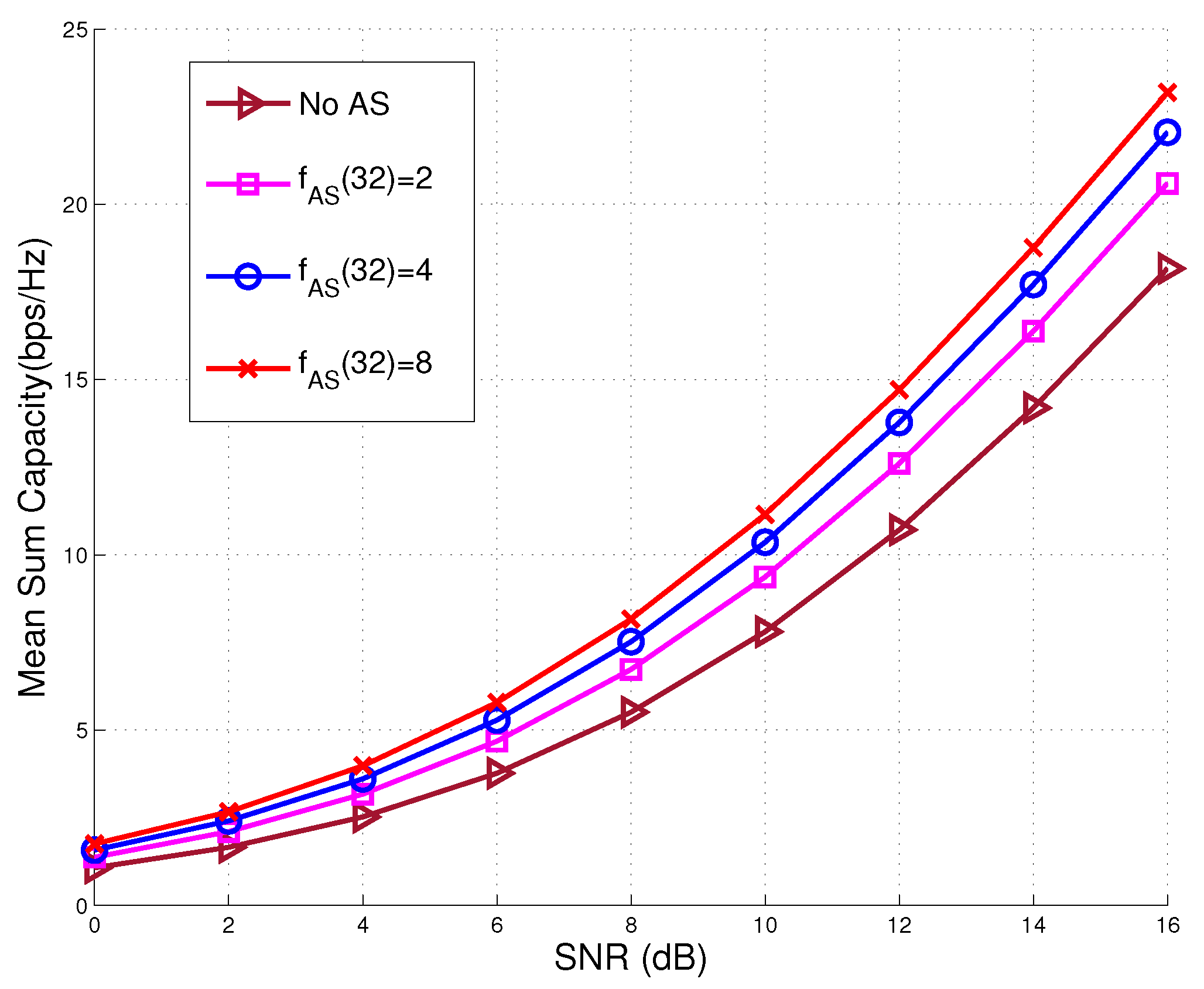
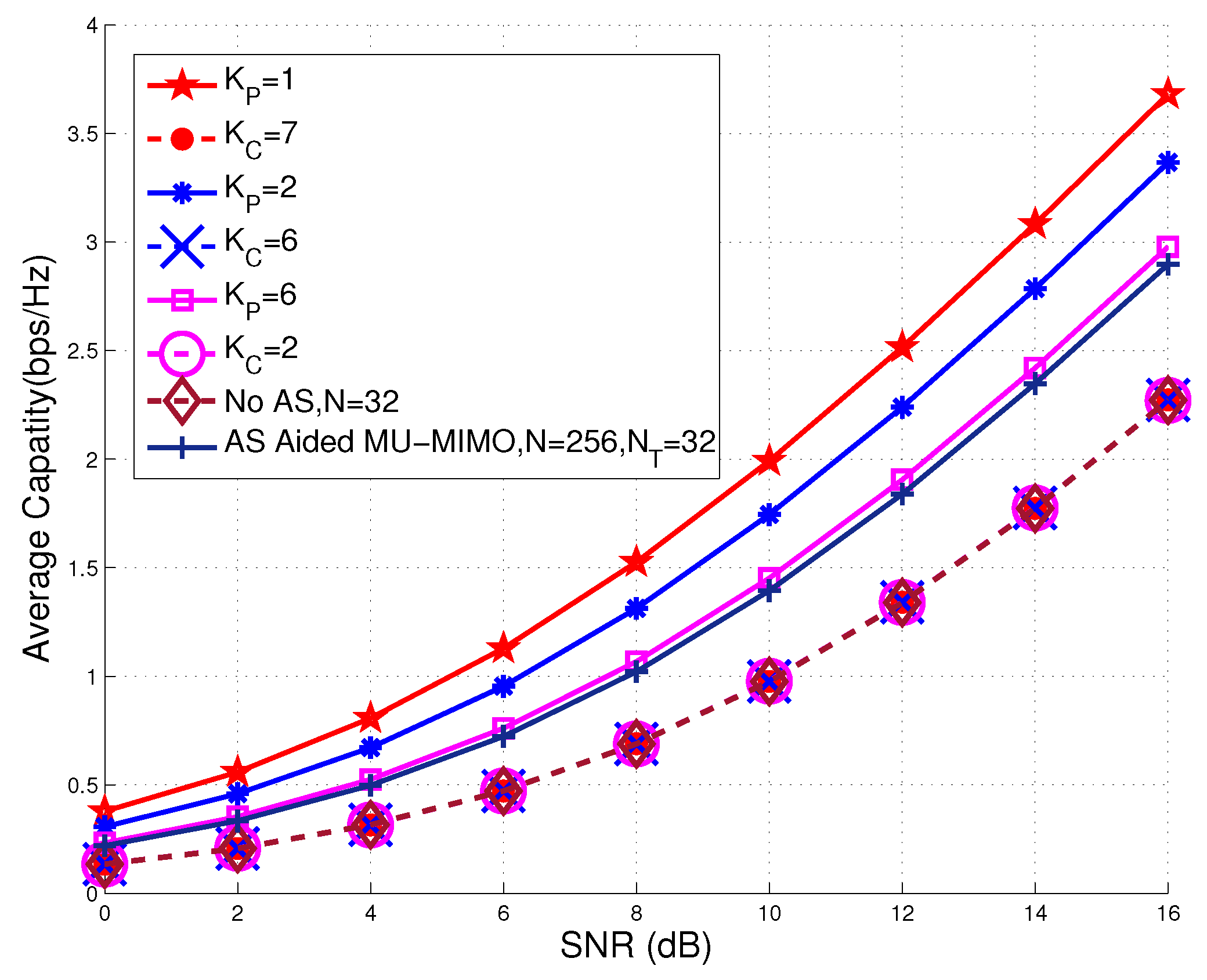
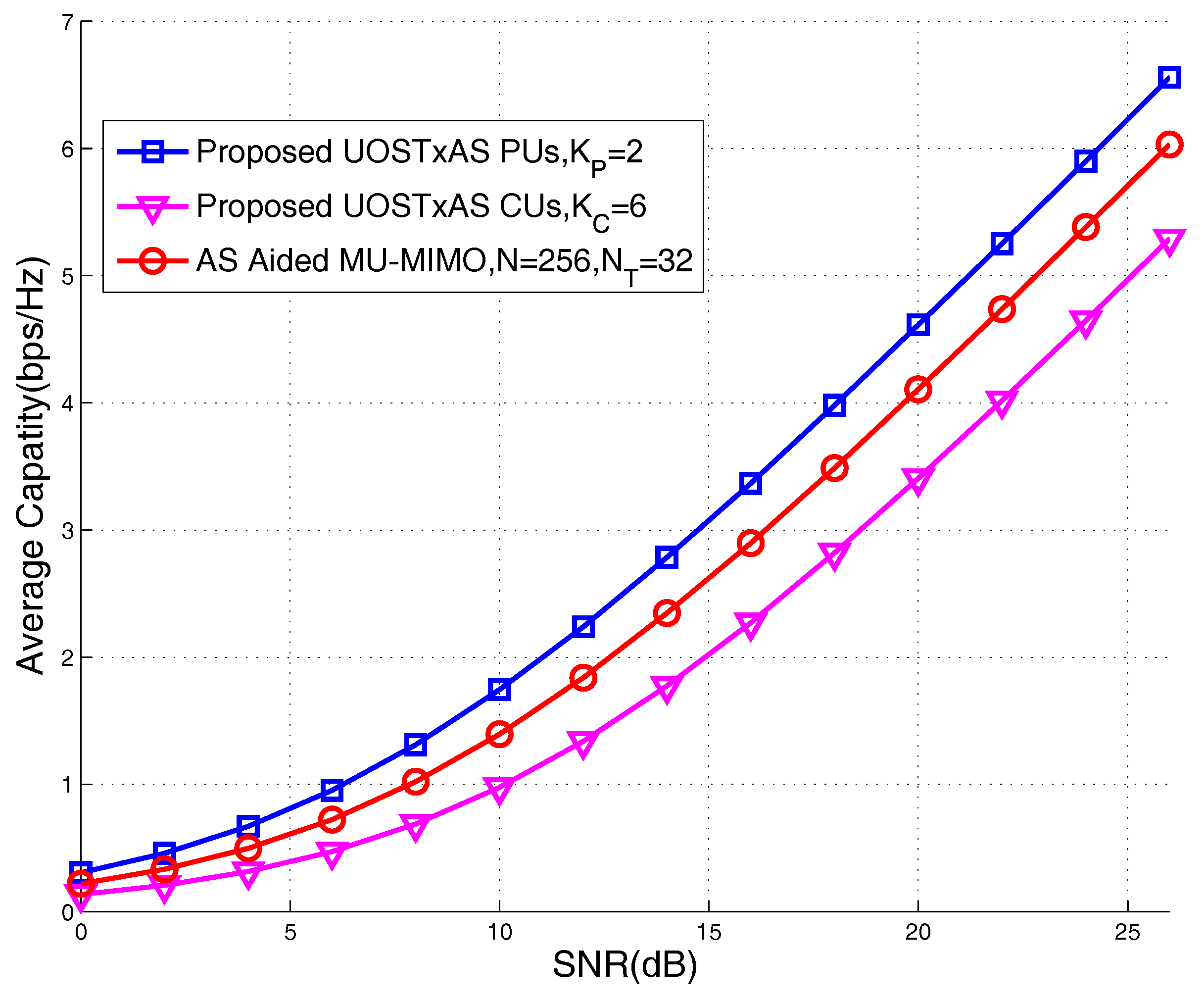
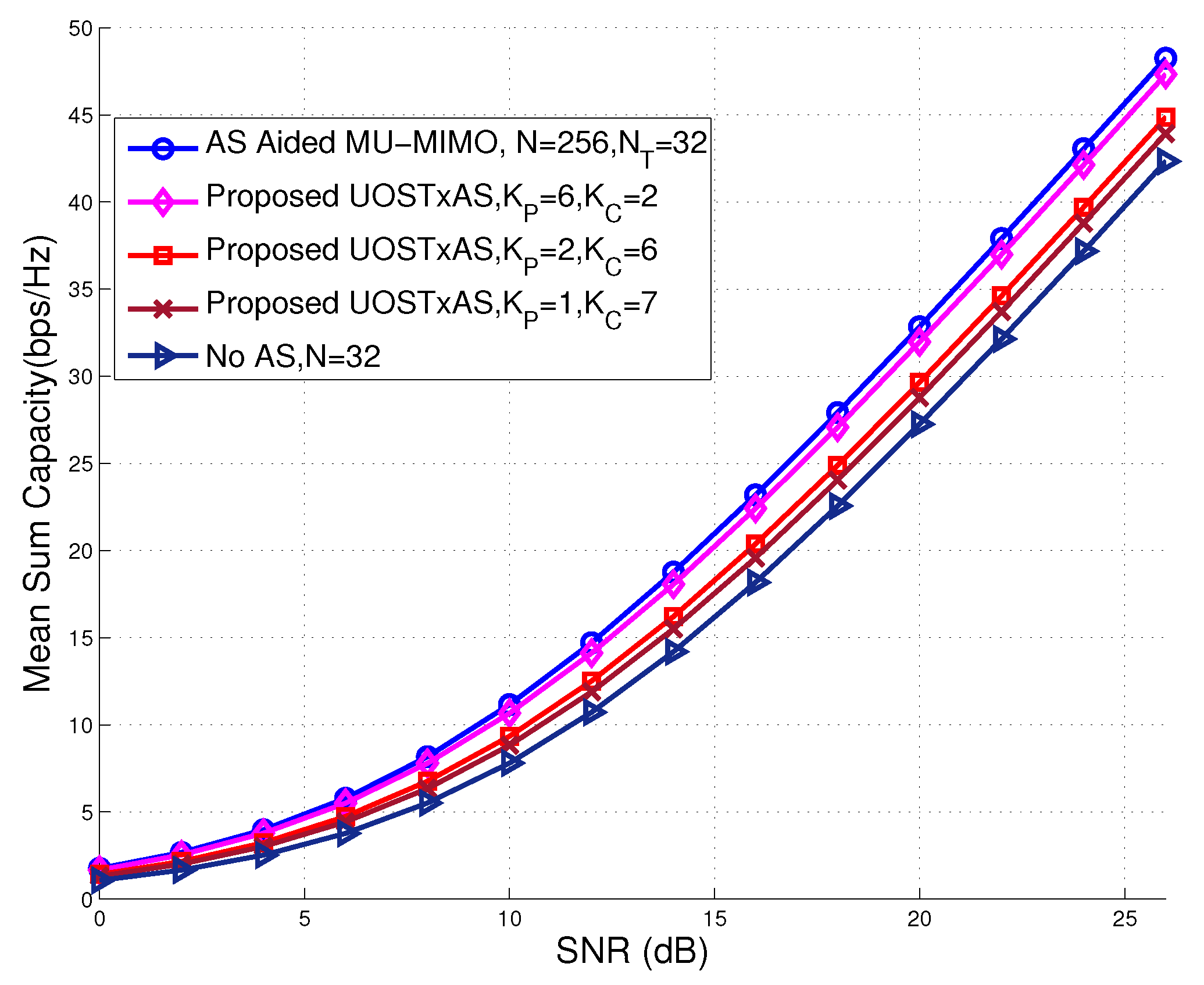
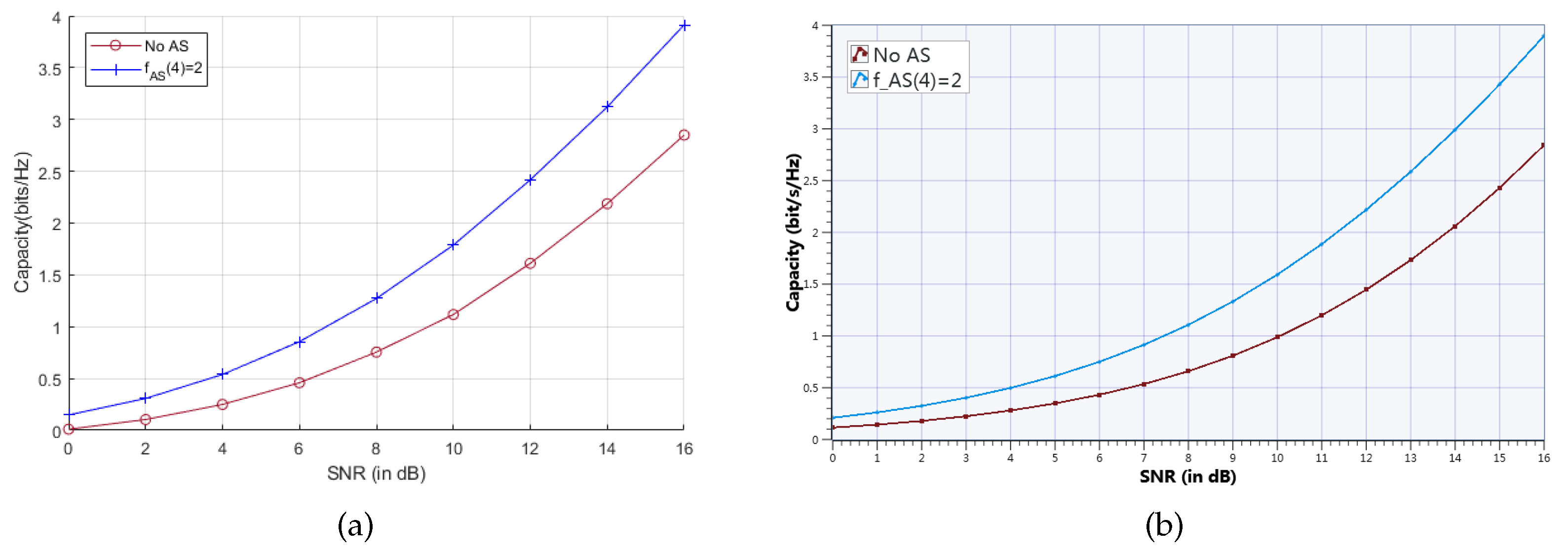
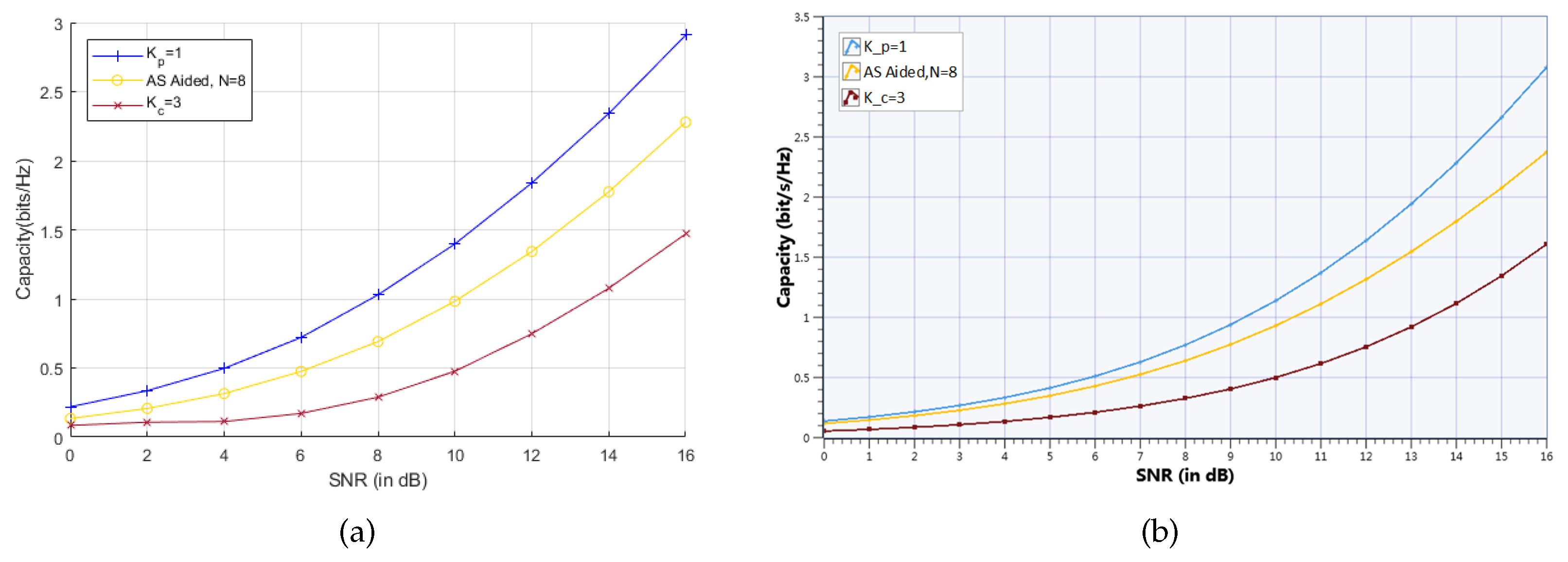
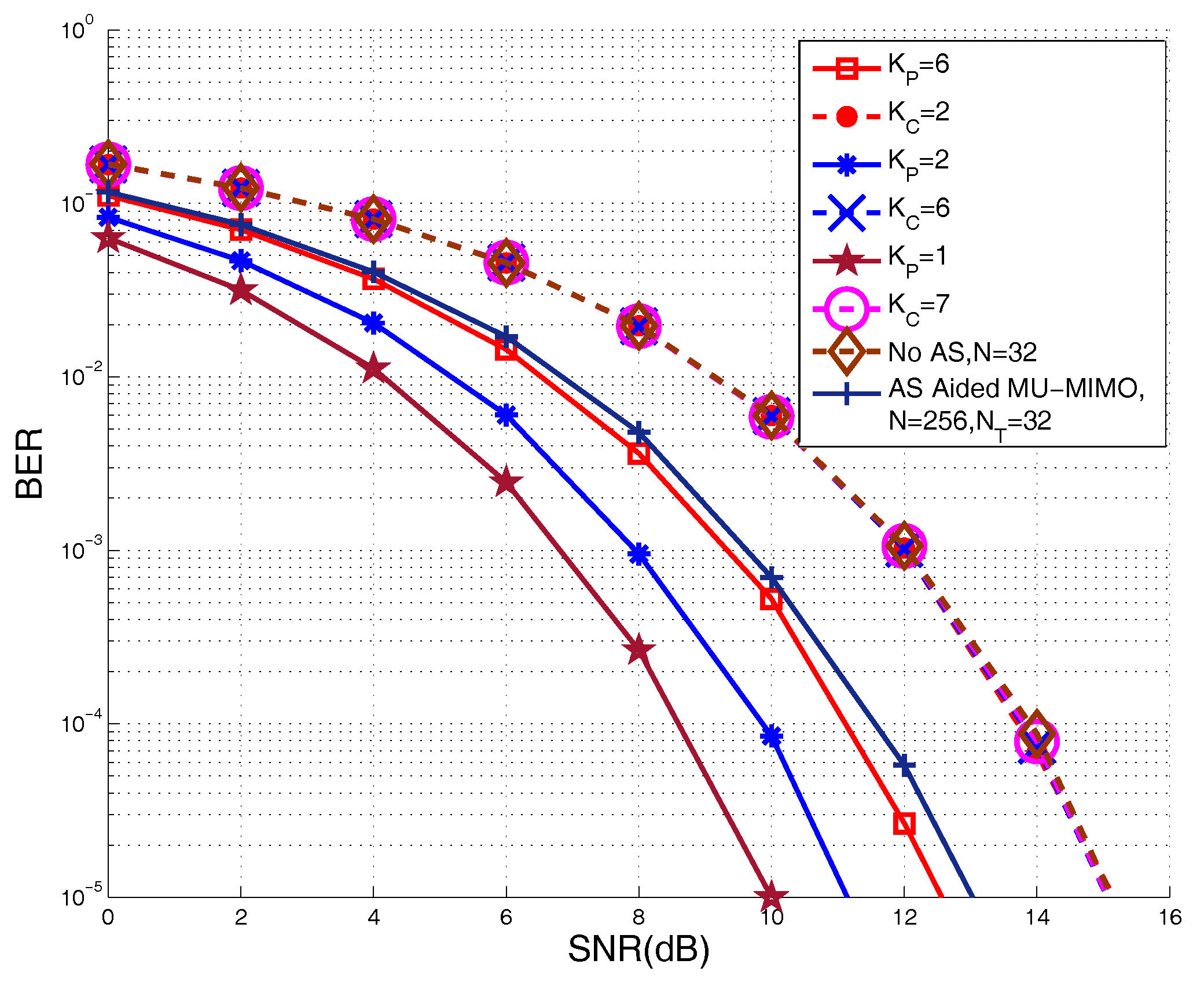
A transmit antenna selection (TxAS) aided multi-user multiple-input multiple-output (MU-MIMO) system is proposed for operating in the MIMO downlink channel environments, which shows significant improvement in terms of higher data rate when compared to the conventional MU-MIMO systems operating without adopting TxAS, while maintaining low hardware costs. We opt for employing a simple yet efficient zero-forcing beamforming (ZFBF) linear precoding scheme at the transmitter in order to reduce the decoding complexity when considering users’ side. Moreover, considering that users within the same cell may require various qualities of service (QoS), we further propose a novel user-oriented smart TxAS (UOSTxAS) scheme, of which the main idea is to carry out AS based on the QoS requirements of different users. At last, we implement the proposed UOSTxAS scheme in the software defined radio (SDR) MIMO communication hardware platform, which is the first prototype hardware system that runs the UOSTxAS MU-MIMO scheme. Our results show that, by employing TxAS, the proposed UOSTxAS scheme is capable of offering higher data rates for priority users, while reasonably ensuring the performance of the common users requiring lower rates both in simulation and in the implemented SDR MIMO communication platform.
Keywords: massive multi-user multiple-input multiple-output (massive MU-MIMO); transmit antenna selection; precoding; user-oriented; software defined radio (SDR) massive multi-user multiple-input multiple-output (massive MU-MIMO); transmit antenna selection; precoding; user-oriented; software defined radio (SDR)