Article

A PSO-Based Uneven Dynamic Clustering Multi-Hop Routing Protocol for Wireless Sensor Networks


School of Information Science and Engineering, East China University of Science and Technology, Shanghai 200237, China
*
Author to whom correspondence should be addressed.
Sensors 2019, 19(8), 1835; https://doi.org/10.3390/s19081835
Submission received: 24 February 2019 / Revised: 28 March 2019 / Accepted: 14 April 2019 / Published: 17 April 2019
(This article belongs to the Section Sensor Networks)

Abstract

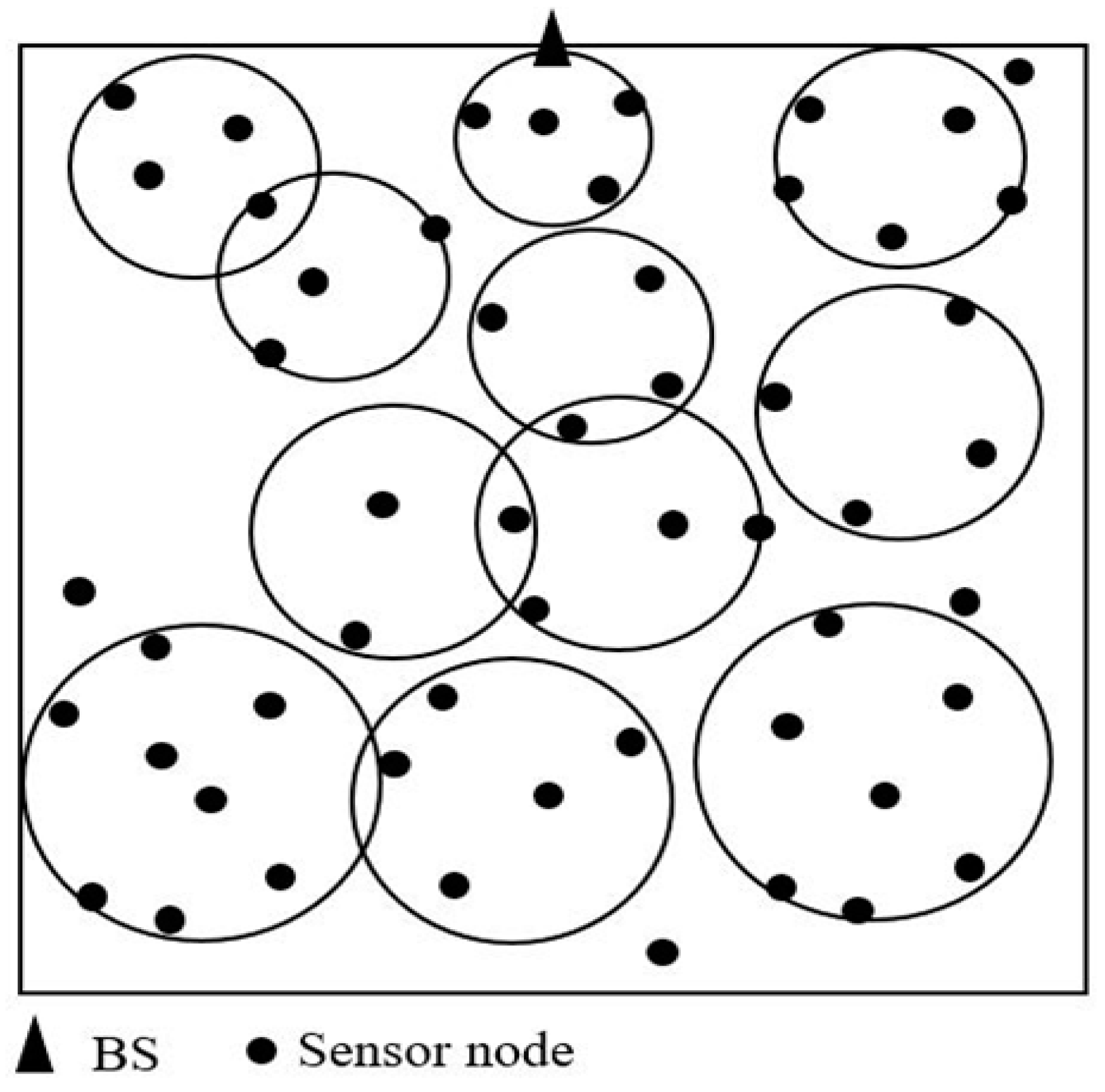
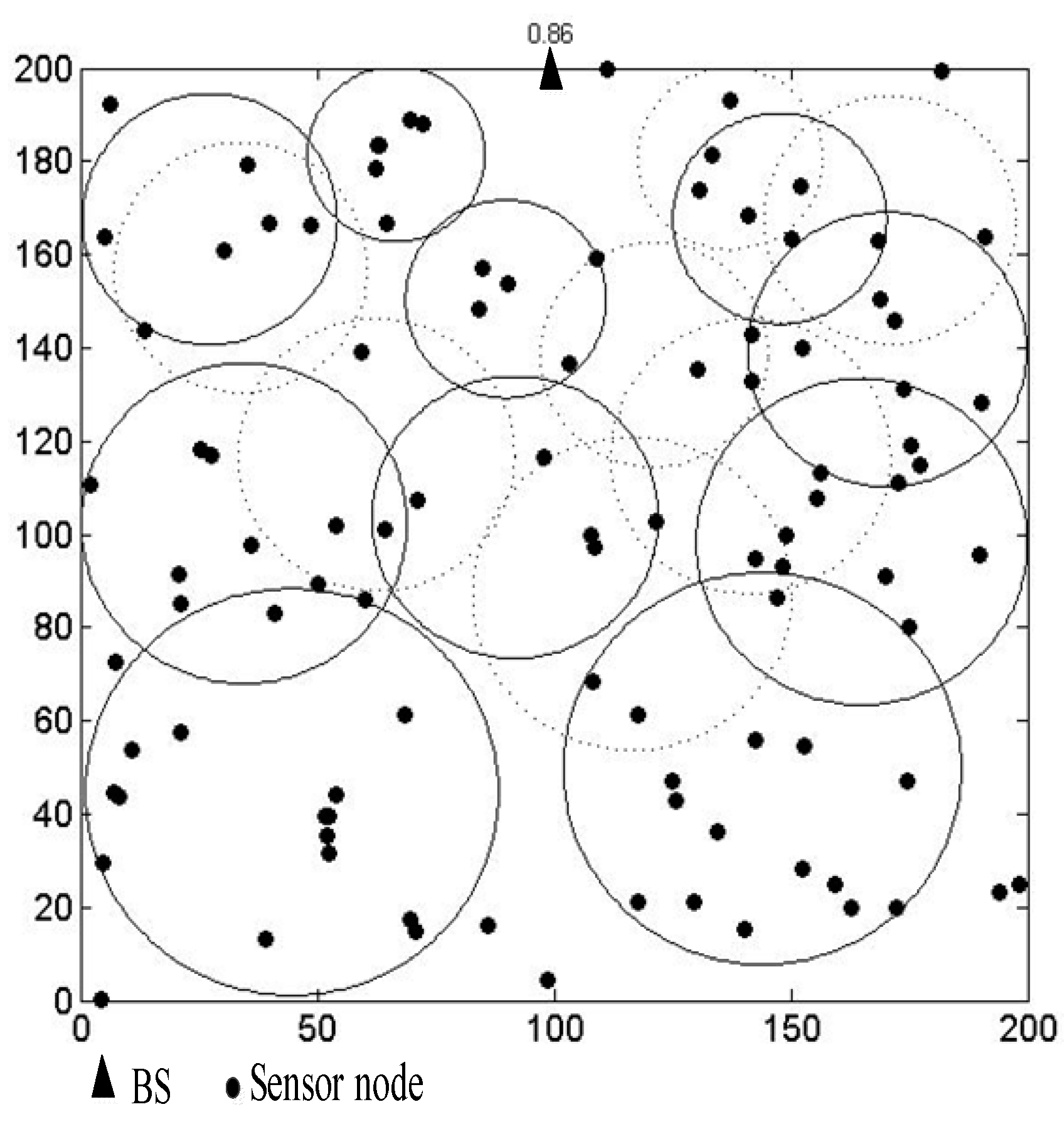
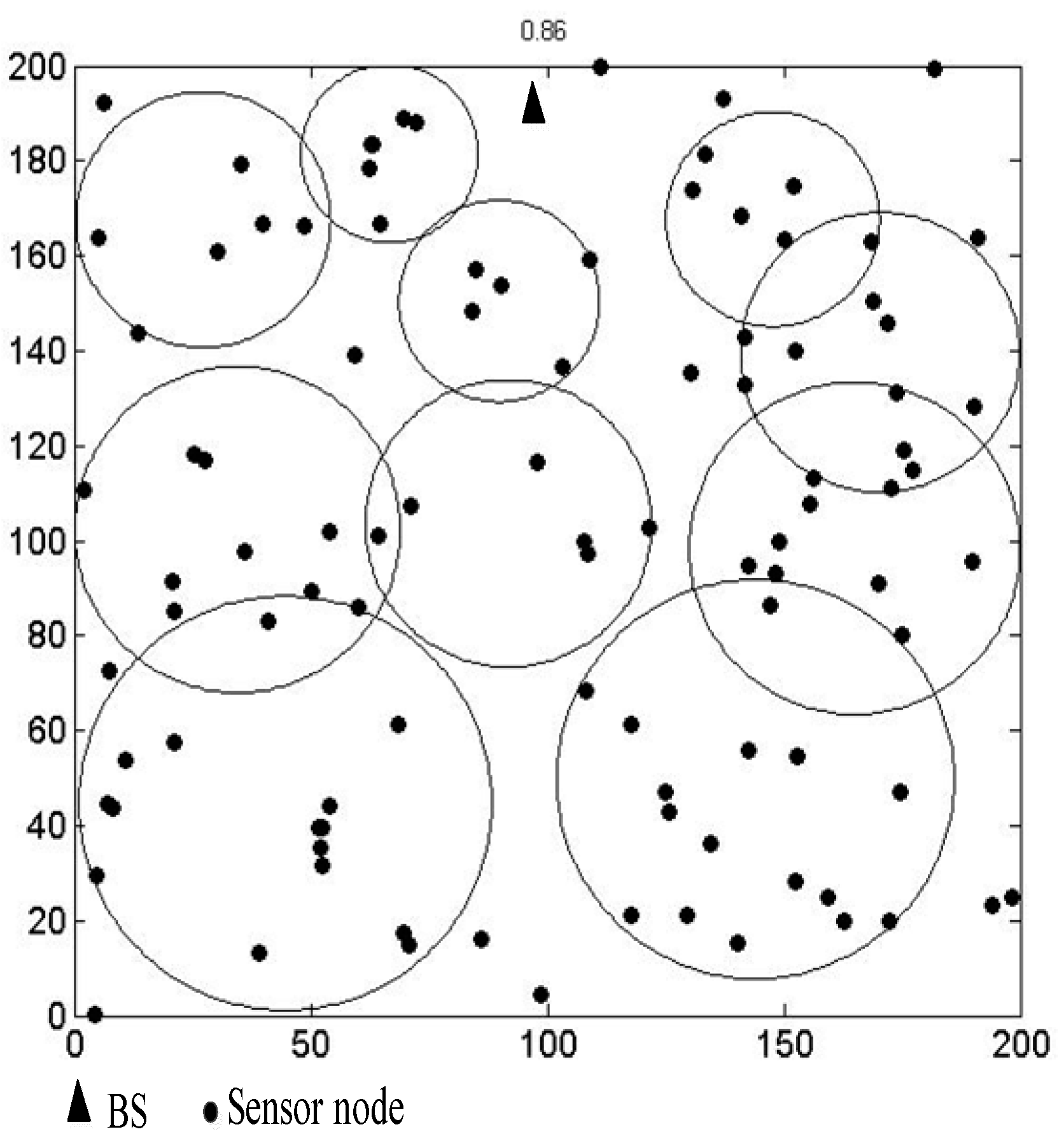
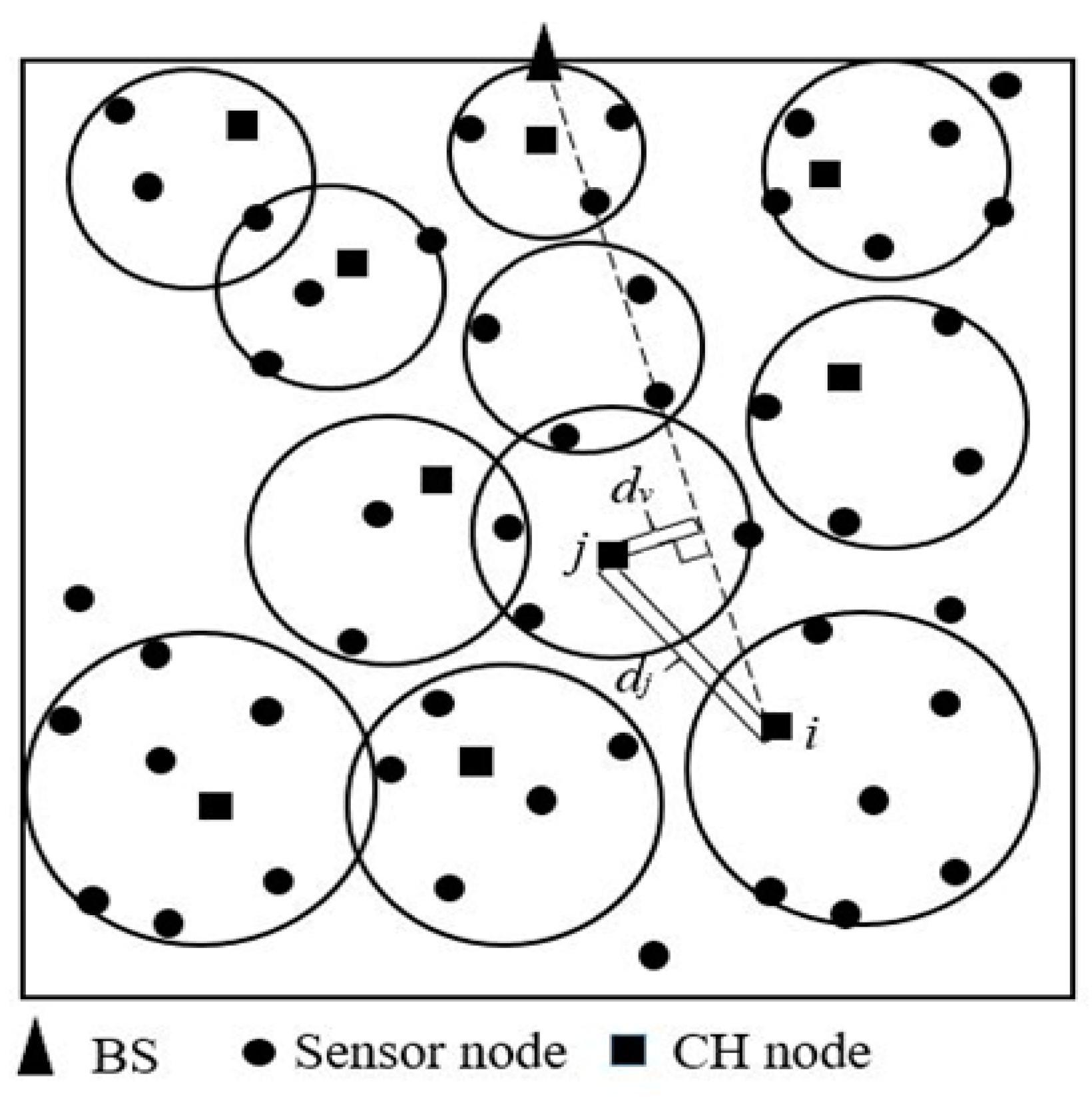
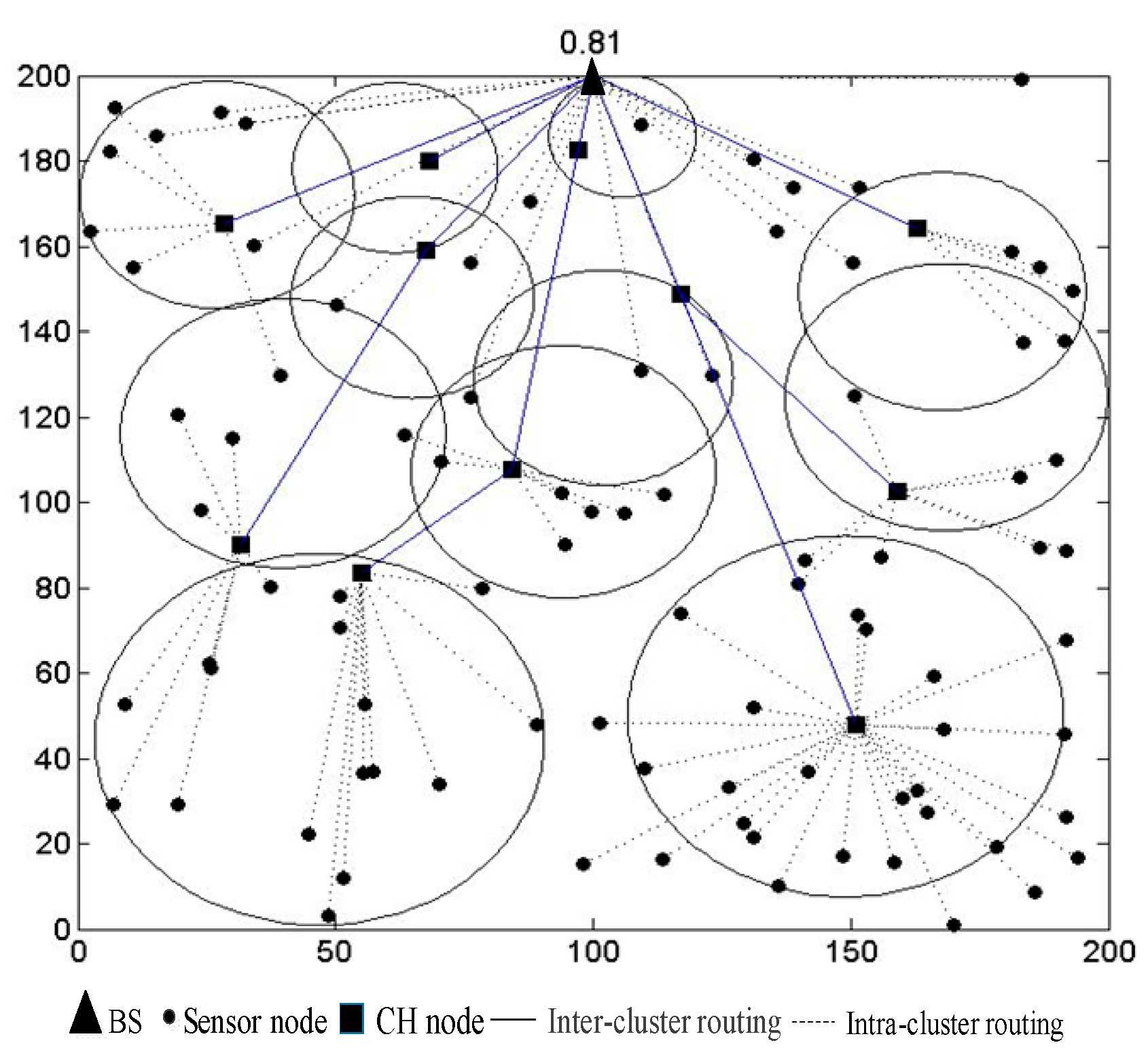
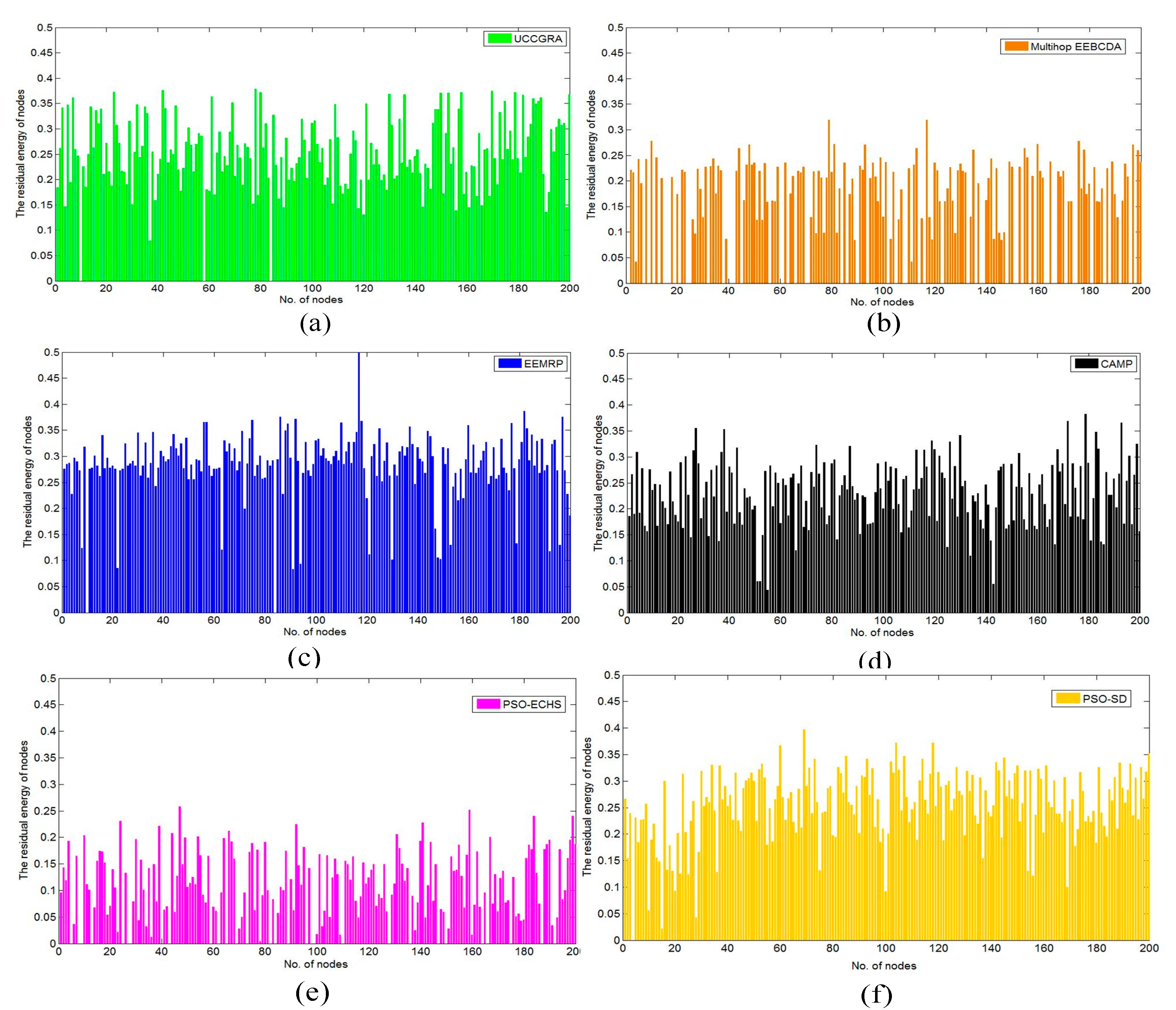
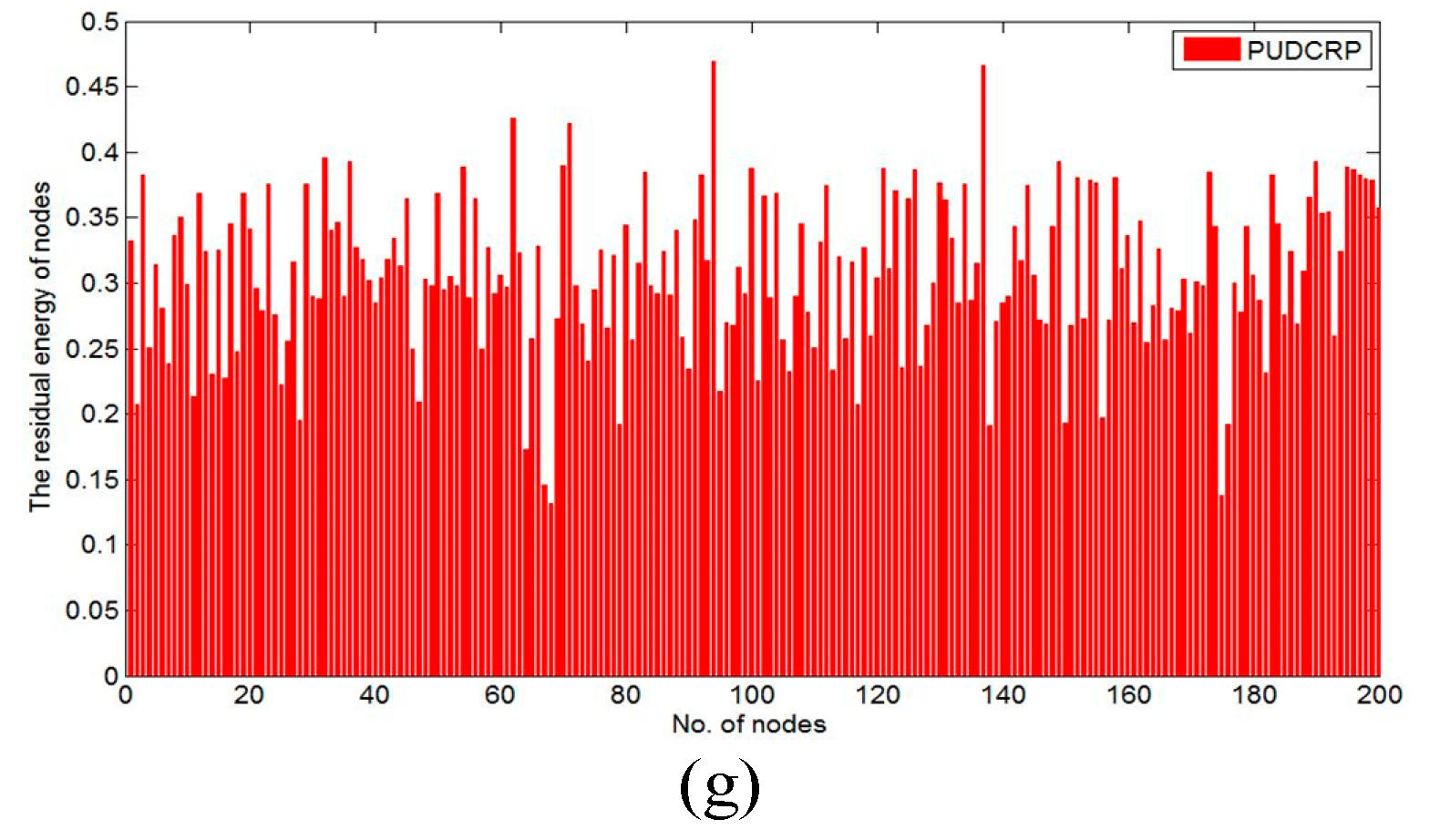
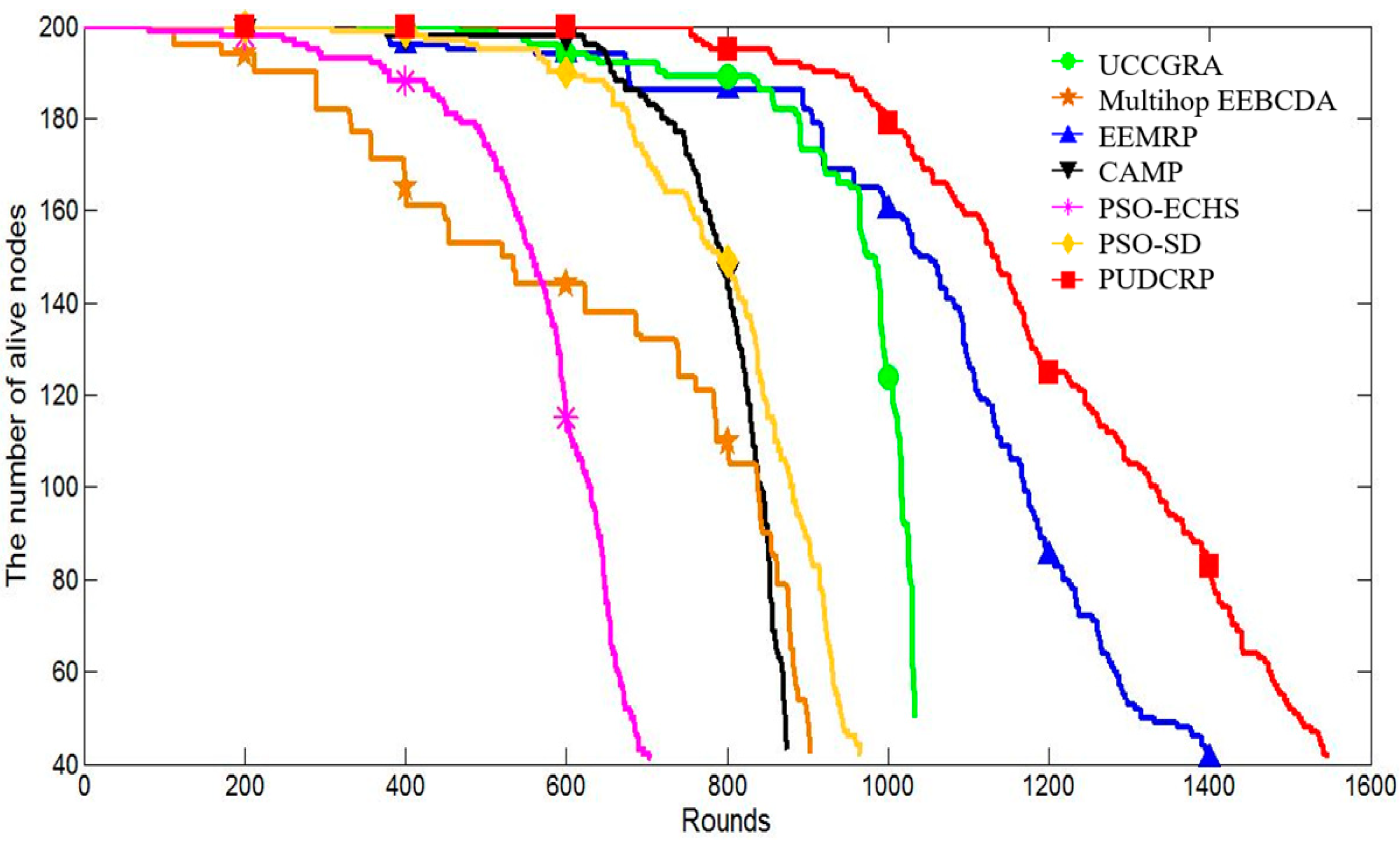
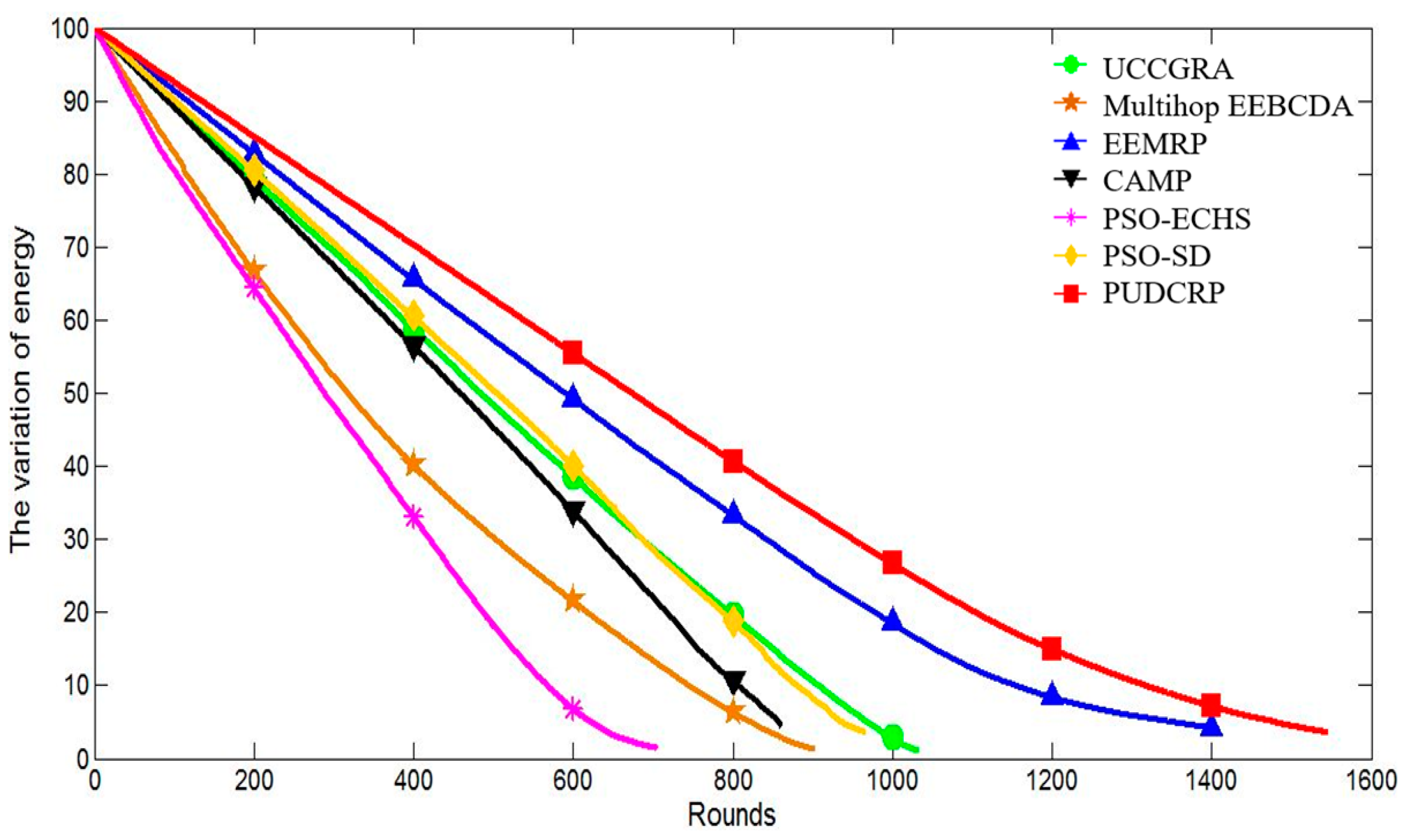
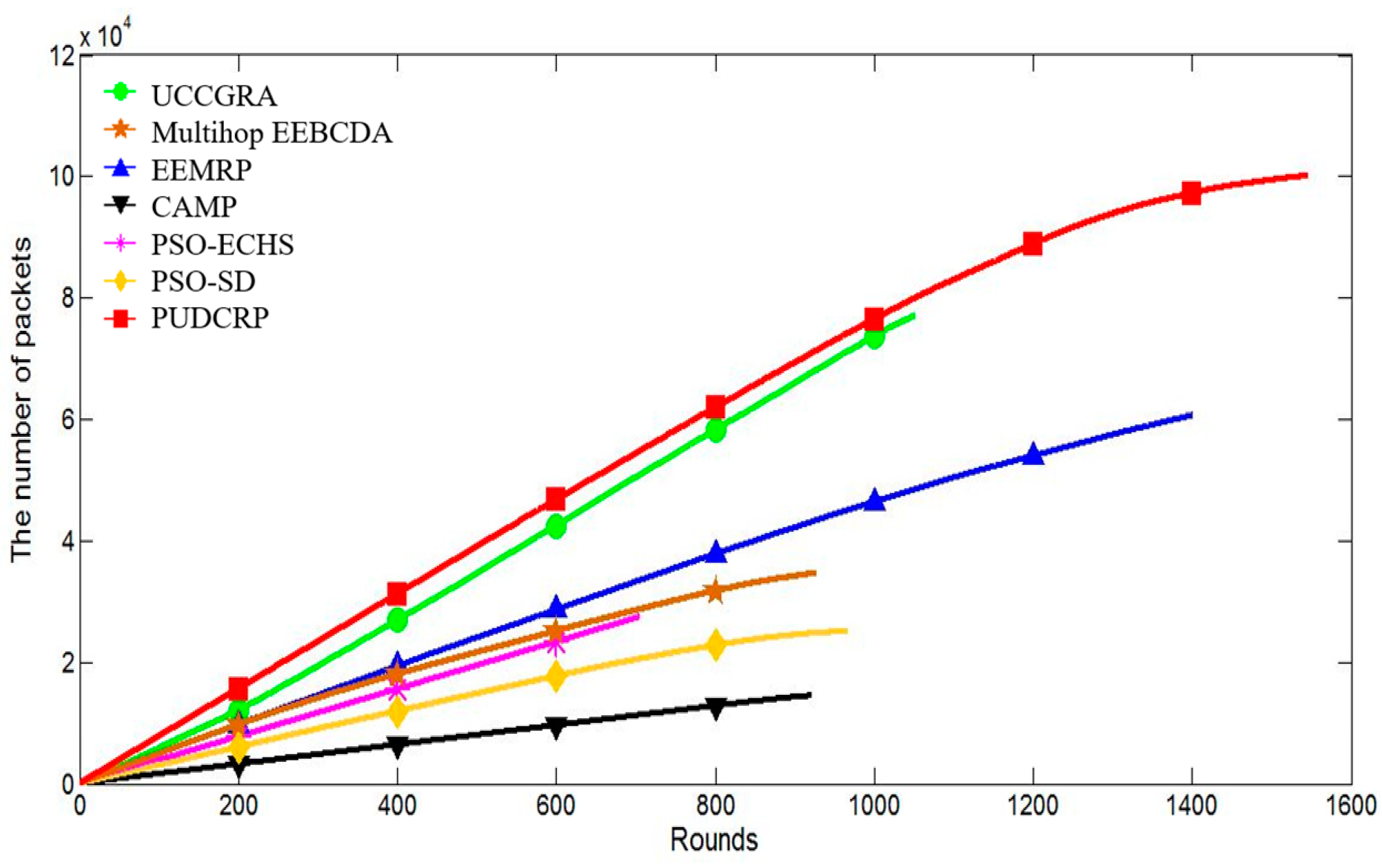
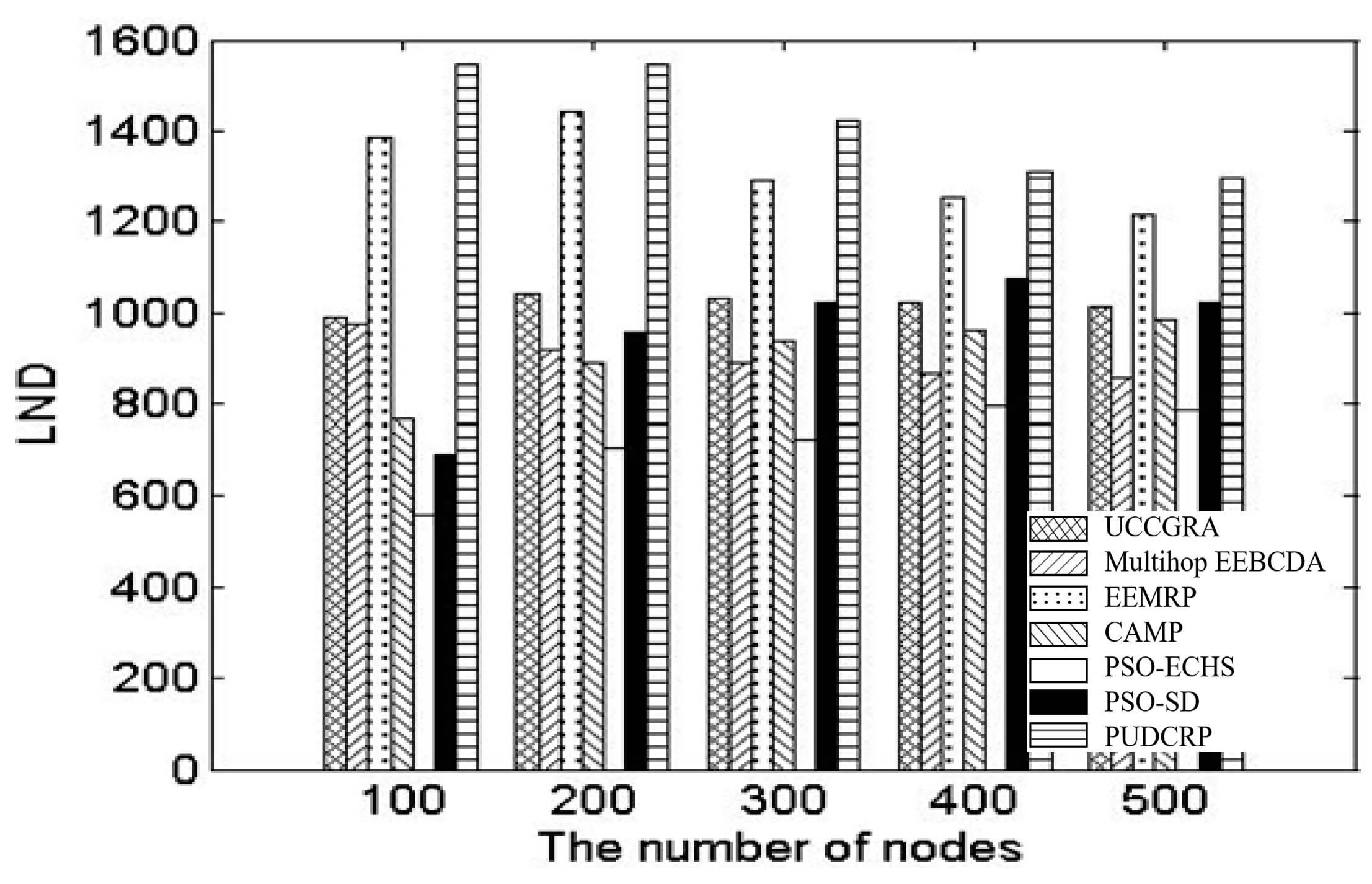
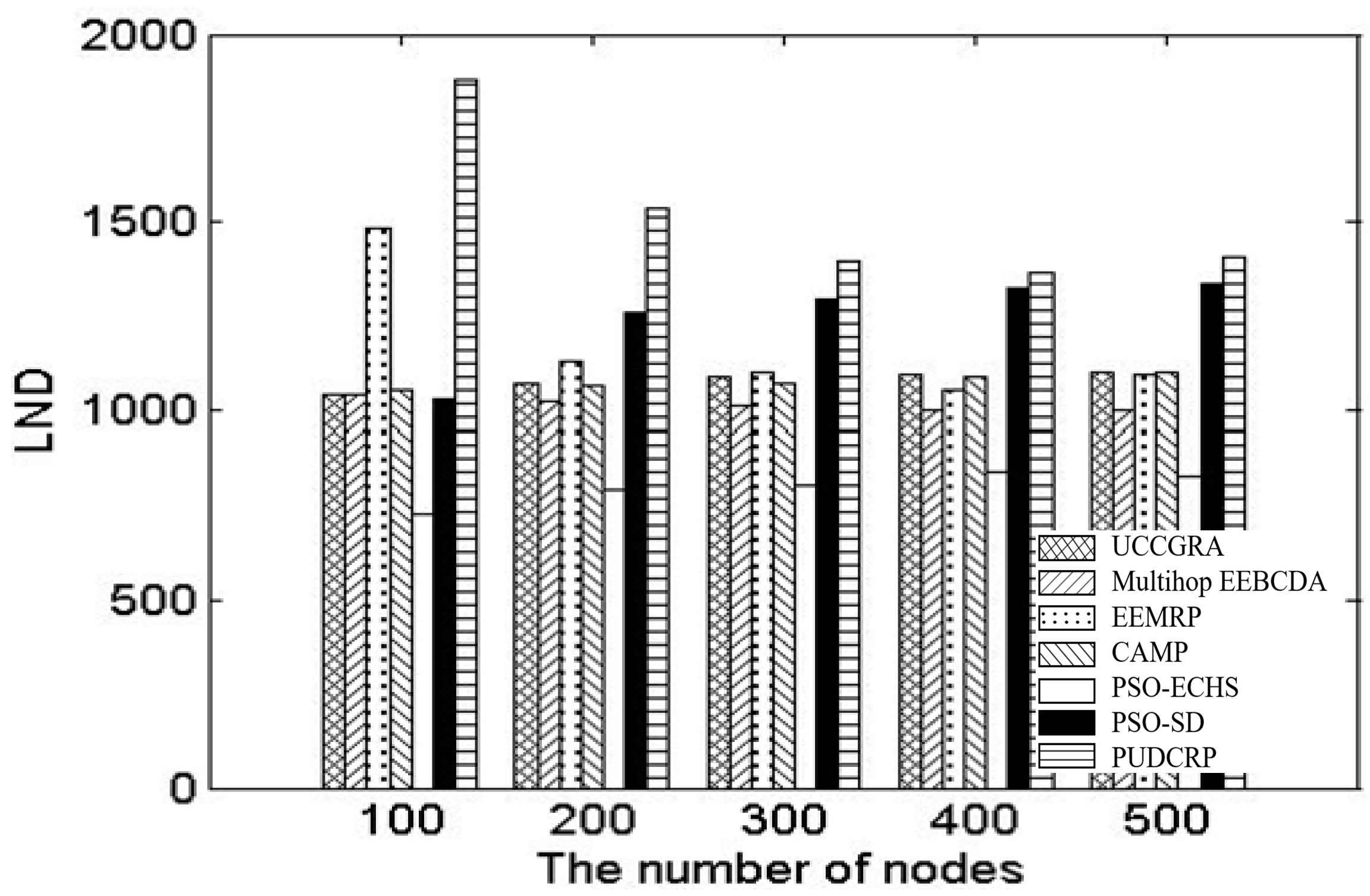
Since wireless sensor networks (WSNs) are powered by energy-constrained batteries, many energy-efficient routing protocols have been proposed to extend the network lifetime. However, most of the protocols do not well balance the energy consumption of the WSNs. The hotspot problem caused by unbalanced energy consumption in the WSNs reduces the network lifetime. To solve the problem, this paper proposes a PSO (Particle Swarm Optimization)-based uneven dynamic clustering multi-hop routing protocol (PUDCRP). In the PUDCRP protocol, the distribution of the clusters will change dynamically when some nodes fail. The PSO algorithm is used to determine the area where the candidate CH (cluster head) nodes are located. The adaptive clustering method based on node distribution makes the cluster distribution more reasonable, which balances the energy consumption of the network more effectively. In order to improve the energy efficiency of multi-hop transmission between the BS (Base Station) and CH nodes, we also propose a connecting line aided route construction method to determine the most appropriate next hop. Compared with UCCGRA, multi-hop EEBCDA, EEMRP, CAMP, PSO-ECHS and PSO-SD, PUDCRP prolongs the network lifetime by between 7.36% and 74.21%. The protocol significantly balances the energy consumption of the network and has better scalability for various sizes of network.
Keywords: particle swarm optimization; clustering; routing protocol; wireless sensor networks particle swarm optimization; clustering; routing protocol; wireless sensor networks