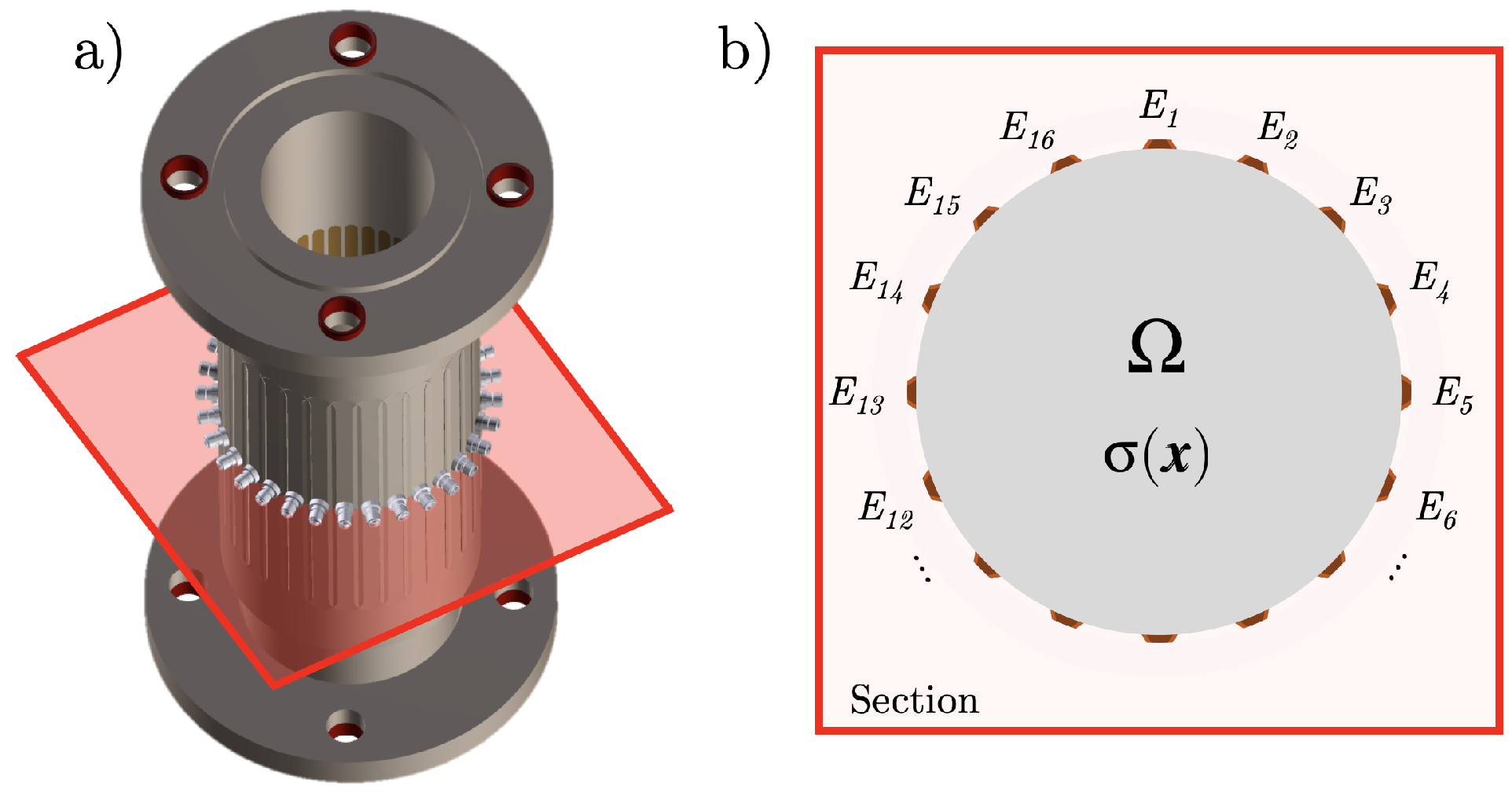
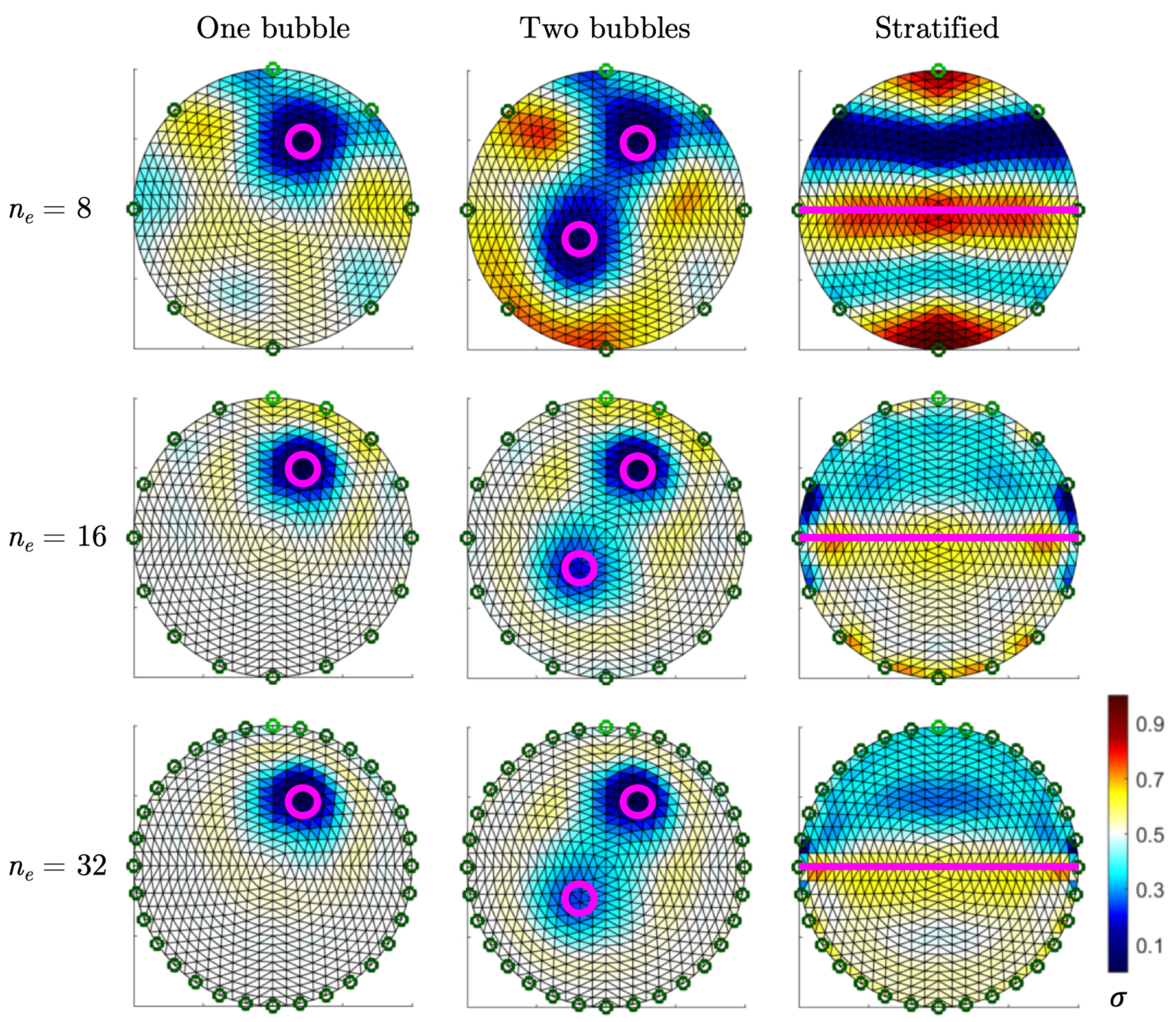
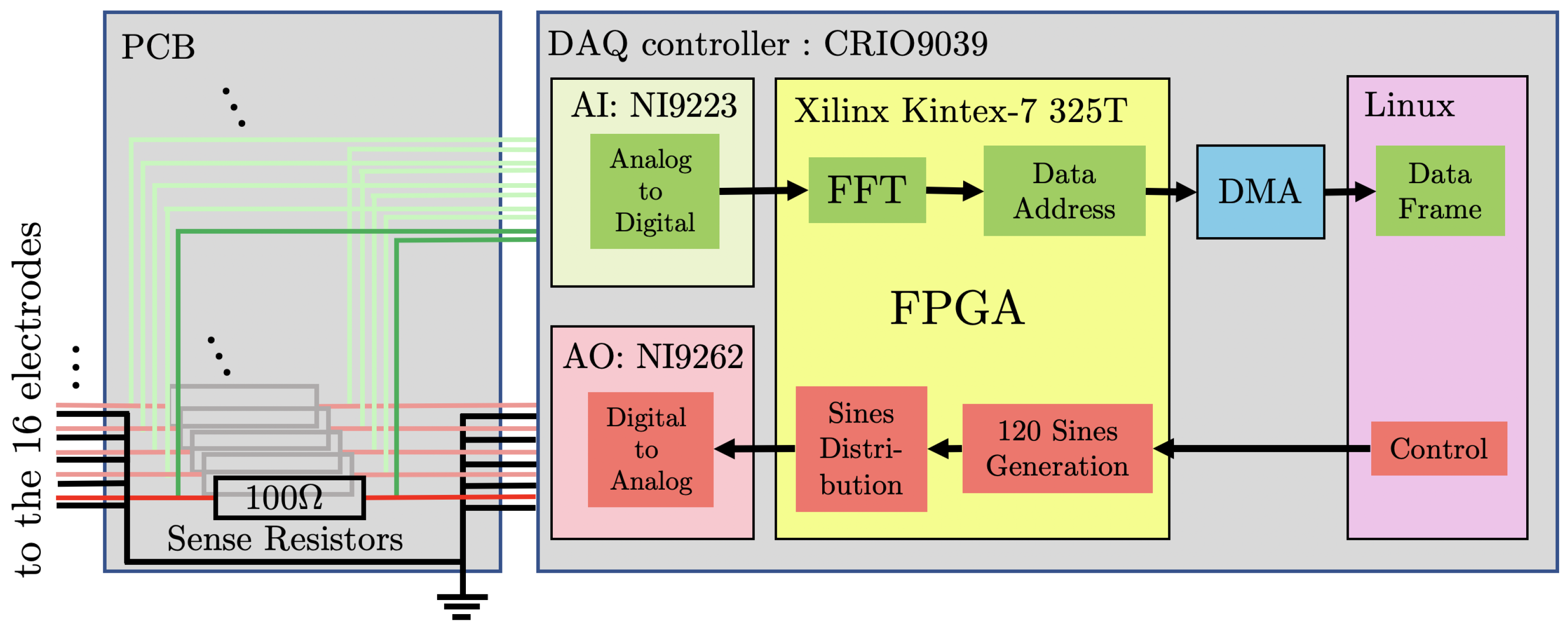
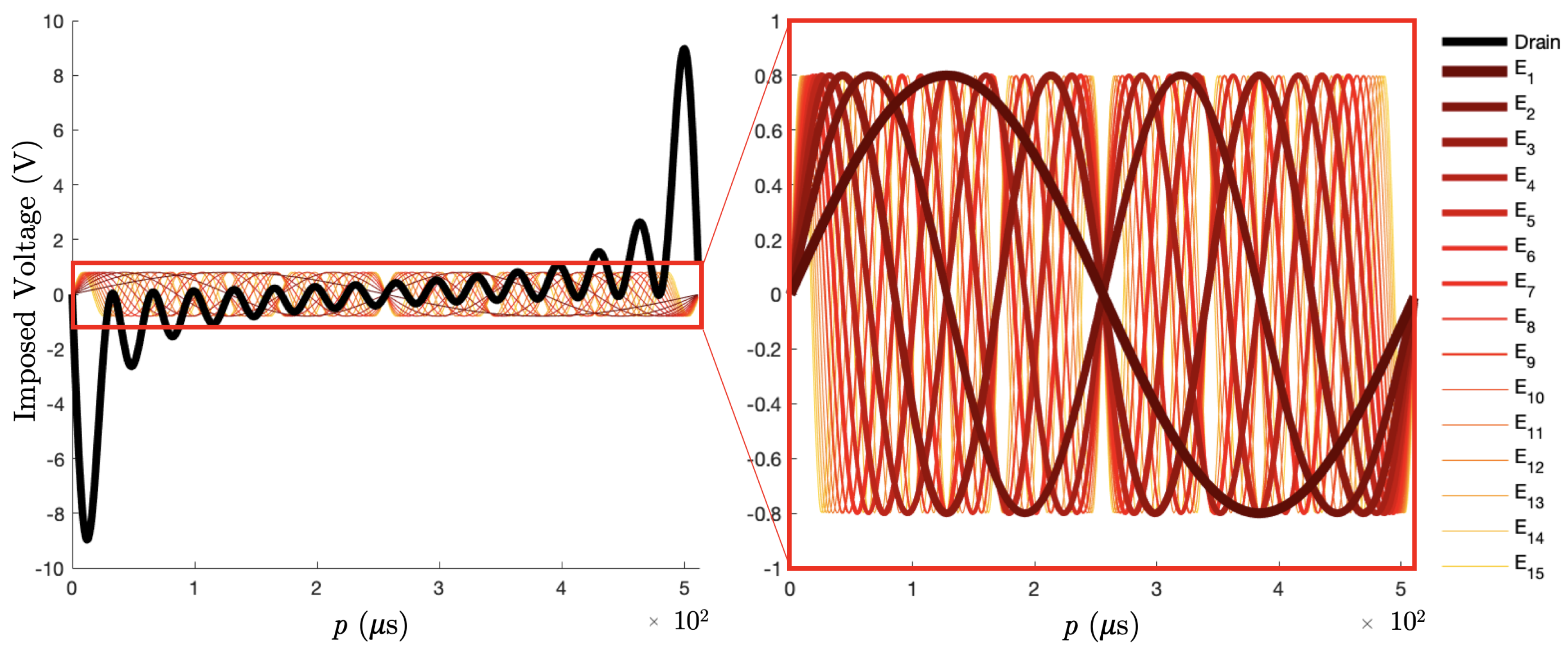
On the Implementation of Simultaneous Multi-Frequency Excitations and Measurements for Electrical Impedance Tomography †

 ,
,  , ,
, , Abstract
Share and Cite
Darnajou, M.; Dupré, A.; Dang, C.; Ricciardi, G.; Bourennane, S.; Bellis, C. On the Implementation of Simultaneous Multi-Frequency Excitations and Measurements for Electrical Impedance Tomography. Sensors 2019, 19, 3679. https://doi.org/10.3390/s19173679
Darnajou M, Dupré A, Dang C, Ricciardi G, Bourennane S, Bellis C. On the Implementation of Simultaneous Multi-Frequency Excitations and Measurements for Electrical Impedance Tomography. Sensors. 2019; 19(17):3679. https://doi.org/10.3390/s19173679
Chicago/Turabian StyleDarnajou, Mathieu, Antoine Dupré, Chunhui Dang, Guillaume Ricciardi, Salah Bourennane, and Cédric Bellis. 2019. "On the Implementation of Simultaneous Multi-Frequency Excitations and Measurements for Electrical Impedance Tomography" Sensors 19, no. 17: 3679. https://doi.org/10.3390/s19173679
APA StyleDarnajou, M., Dupré, A., Dang, C., Ricciardi, G., Bourennane, S., & Bellis, C. (2019). On the Implementation of Simultaneous Multi-Frequency Excitations and Measurements for Electrical Impedance Tomography. Sensors, 19(17), 3679. https://doi.org/10.3390/s19173679