Article

Characteristics of the BDS Carrier Phase Multipath and Its Mitigation Methods in Relative Positioning


Department of Surveying and Geo-informatics, Central South University, Changsha 410083, China
*
Author to whom correspondence should be addressed.
Sensors 2017, 17(4), 796; https://doi.org/10.3390/s17040796
Submission received: 4 March 2017 / Revised: 4 April 2017 / Accepted: 5 April 2017 / Published: 7 April 2017
(This article belongs to the Section Remote Sensors)

Abstract

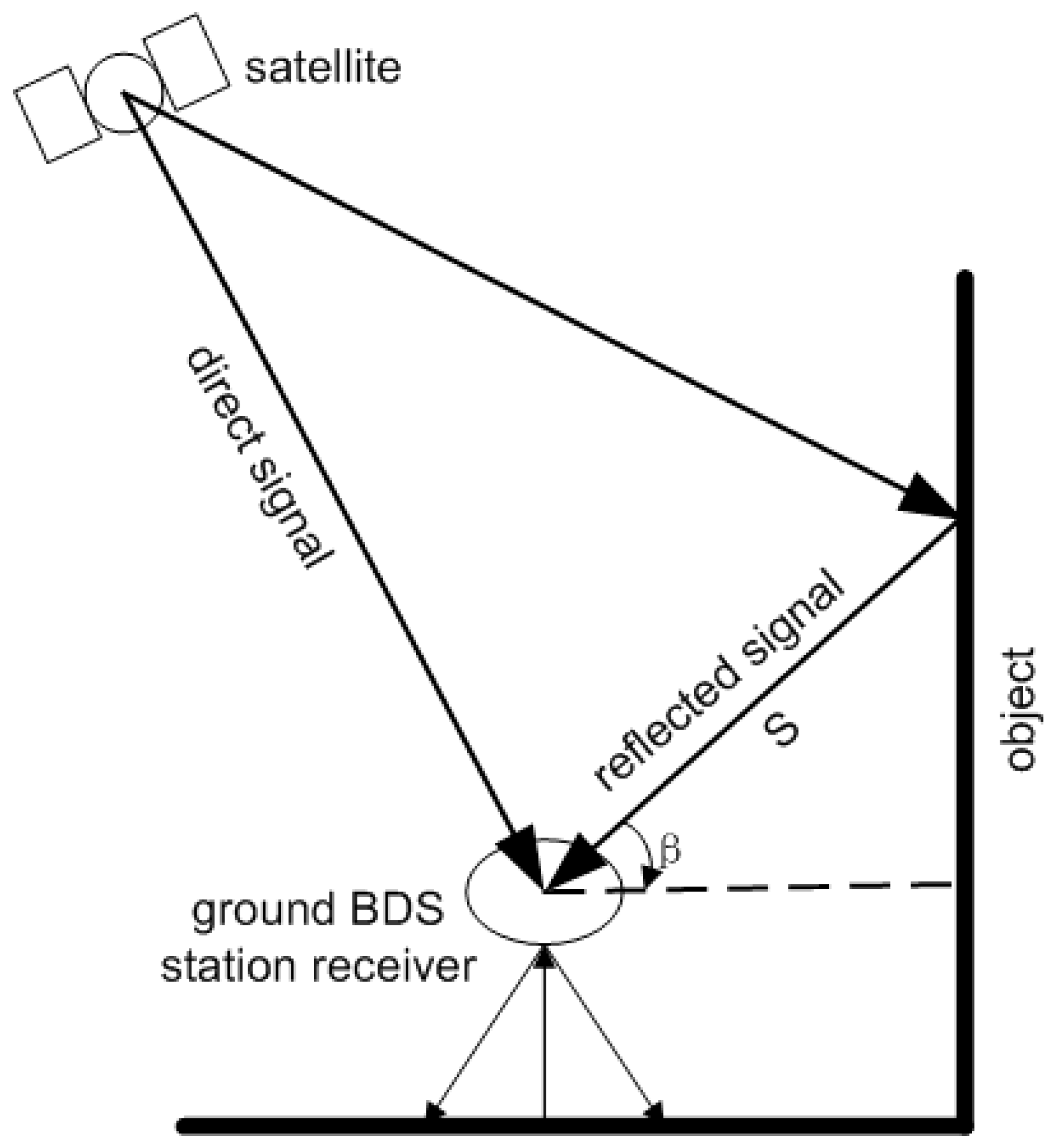
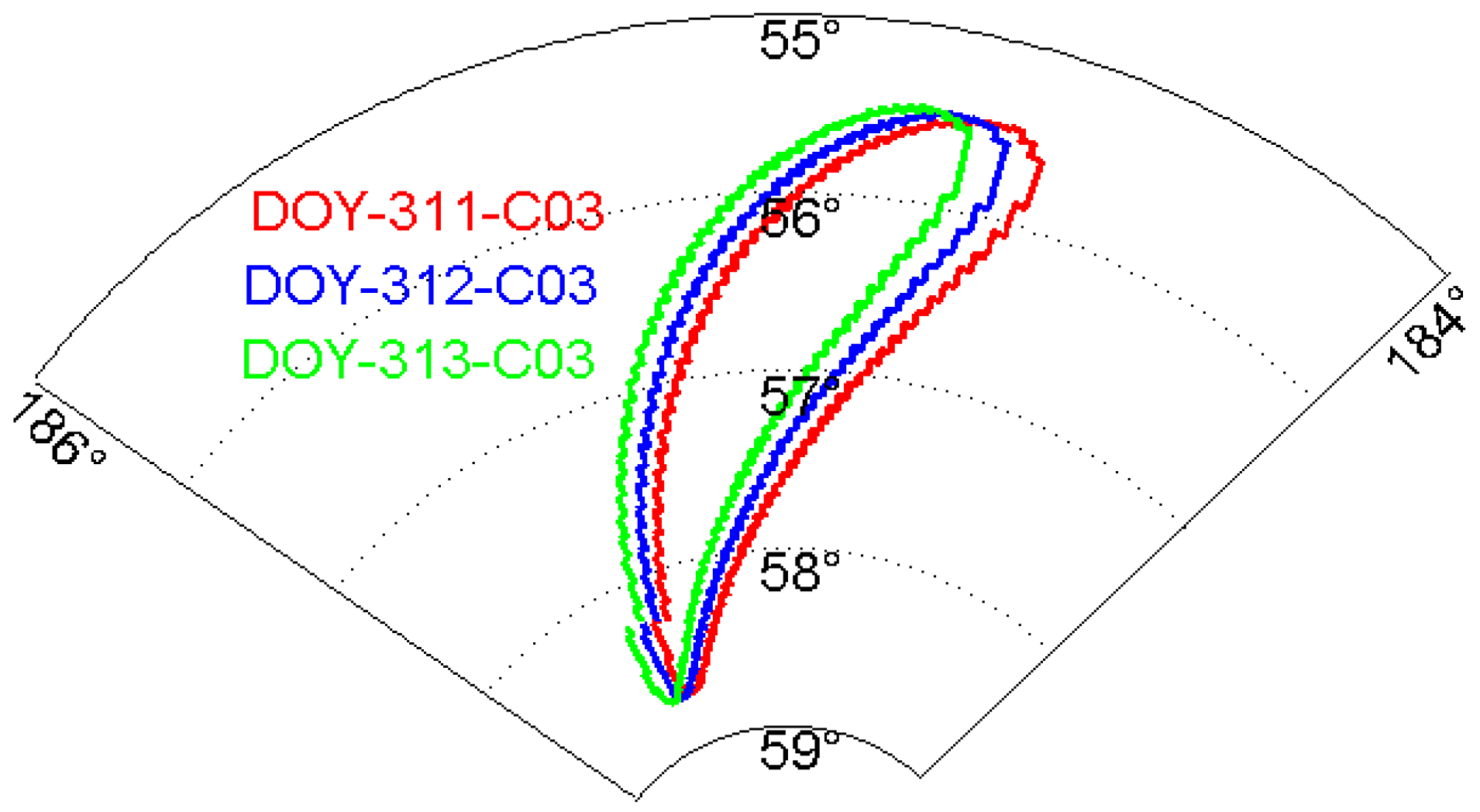
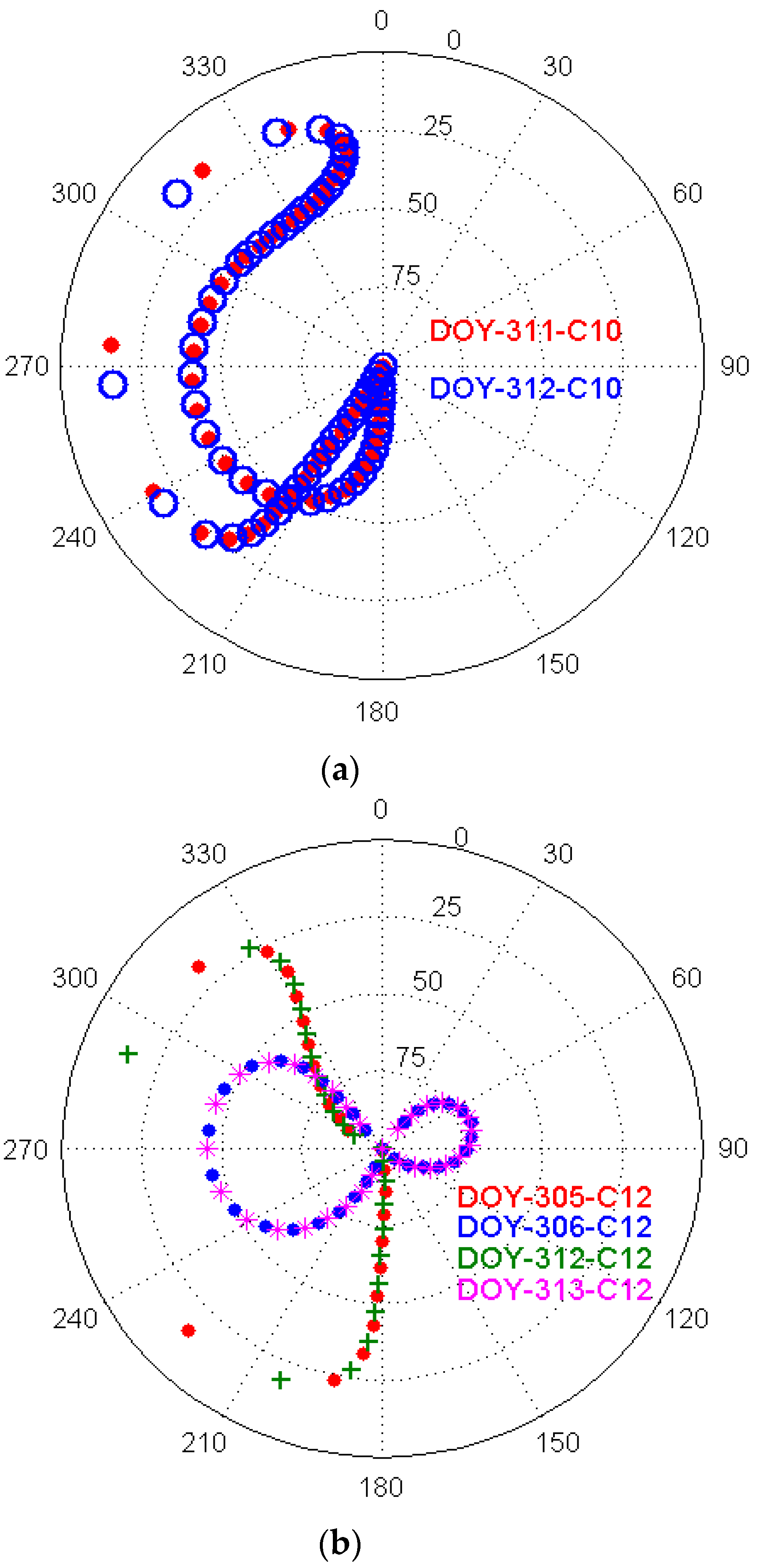
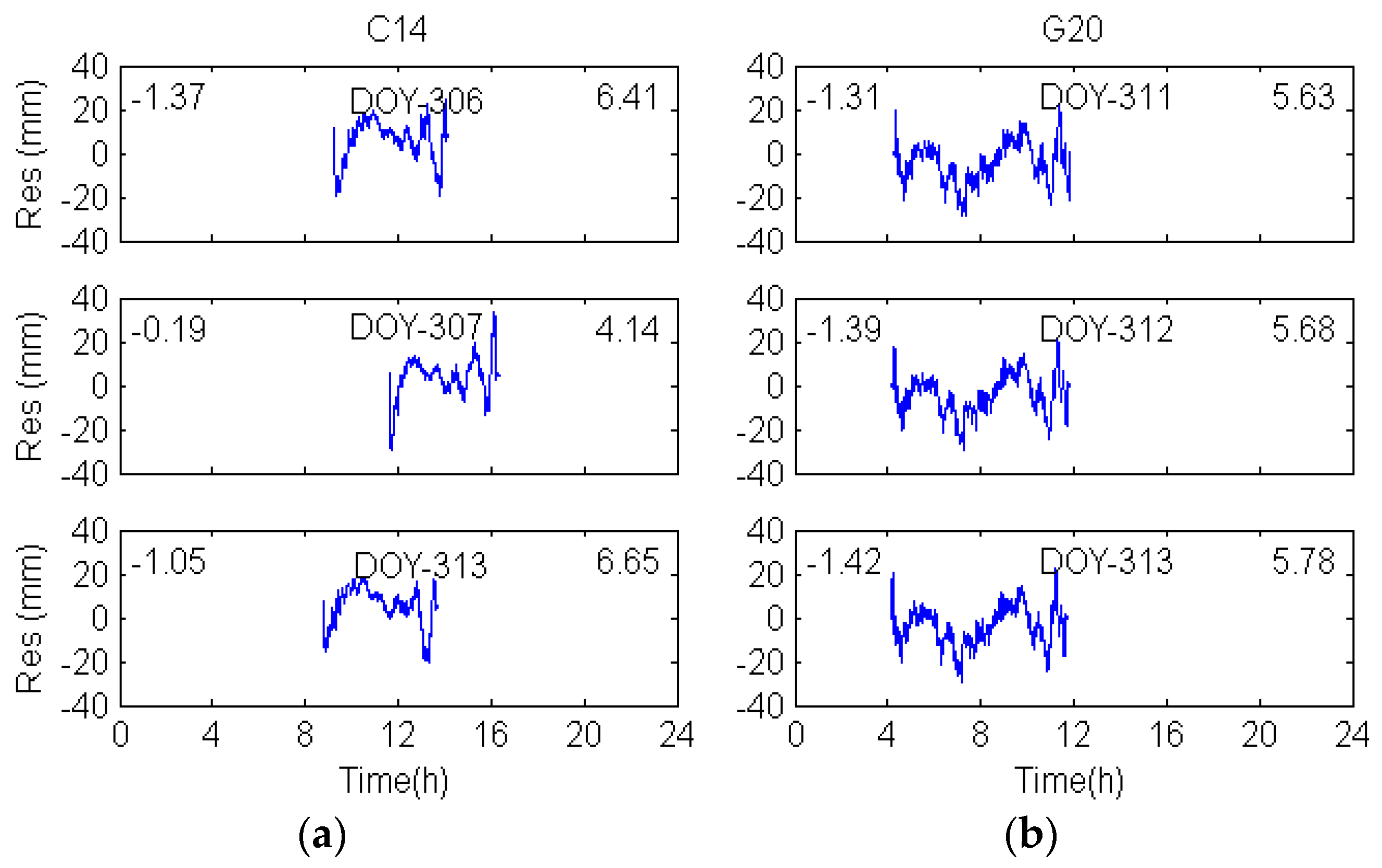
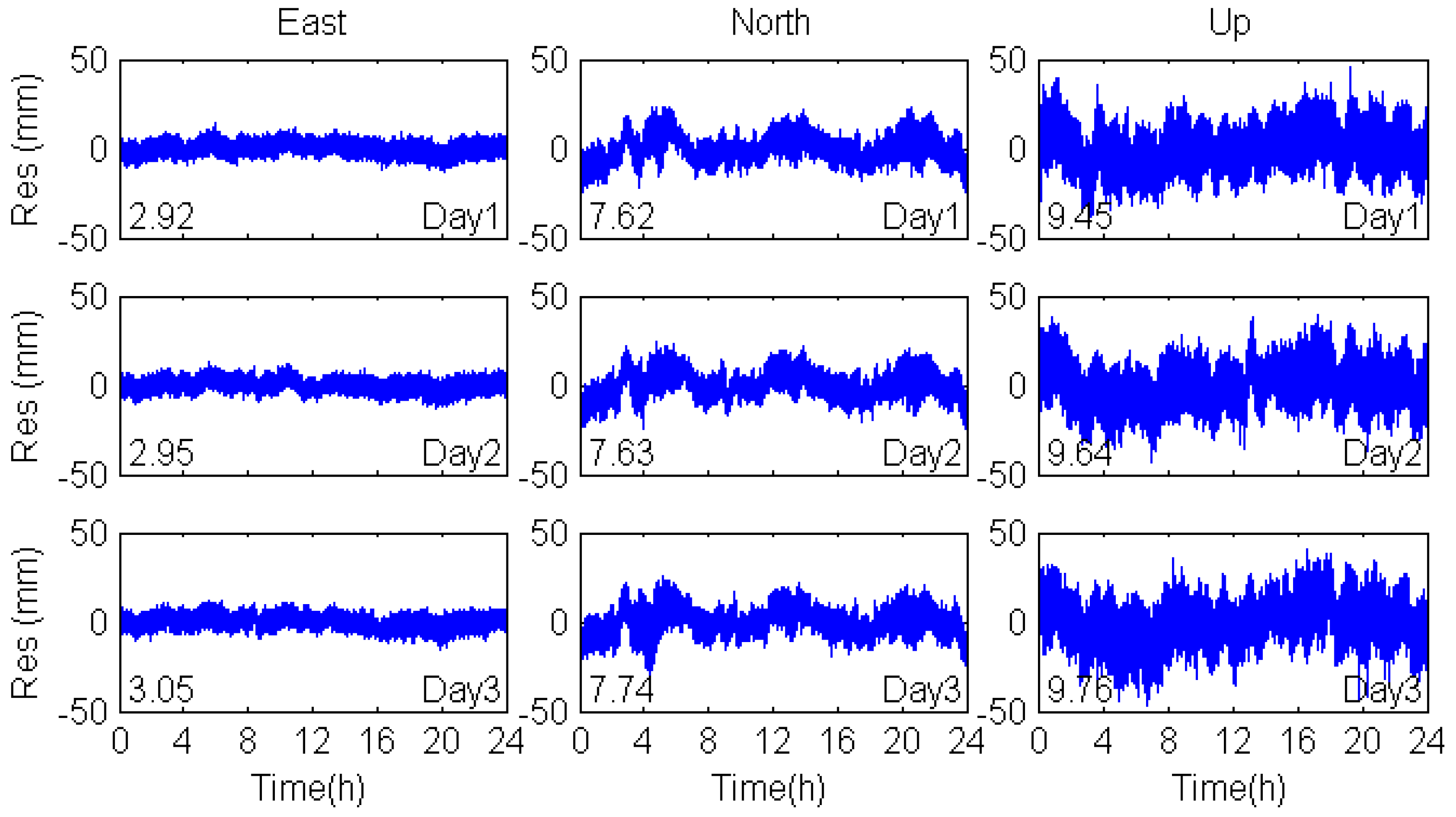
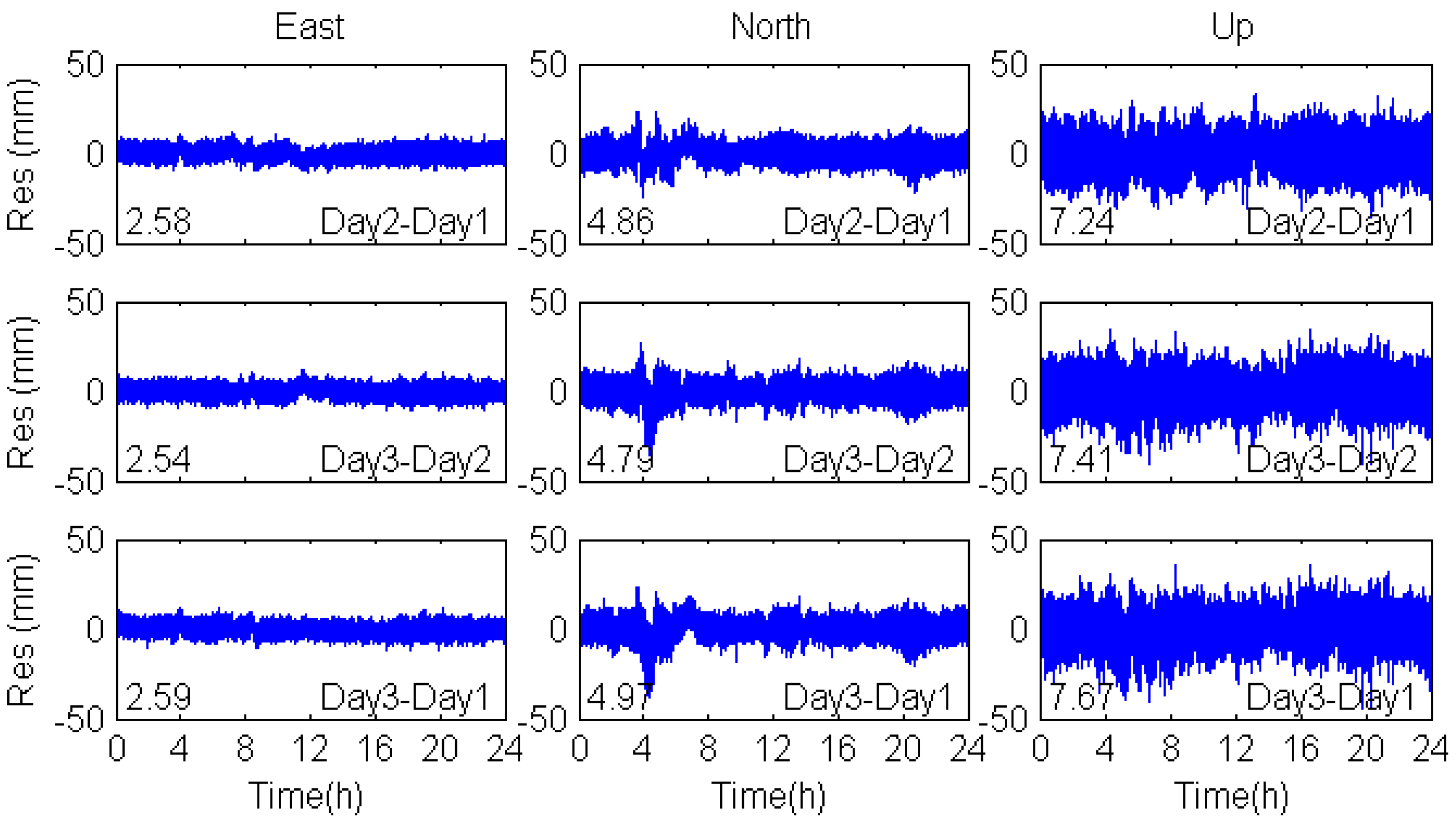
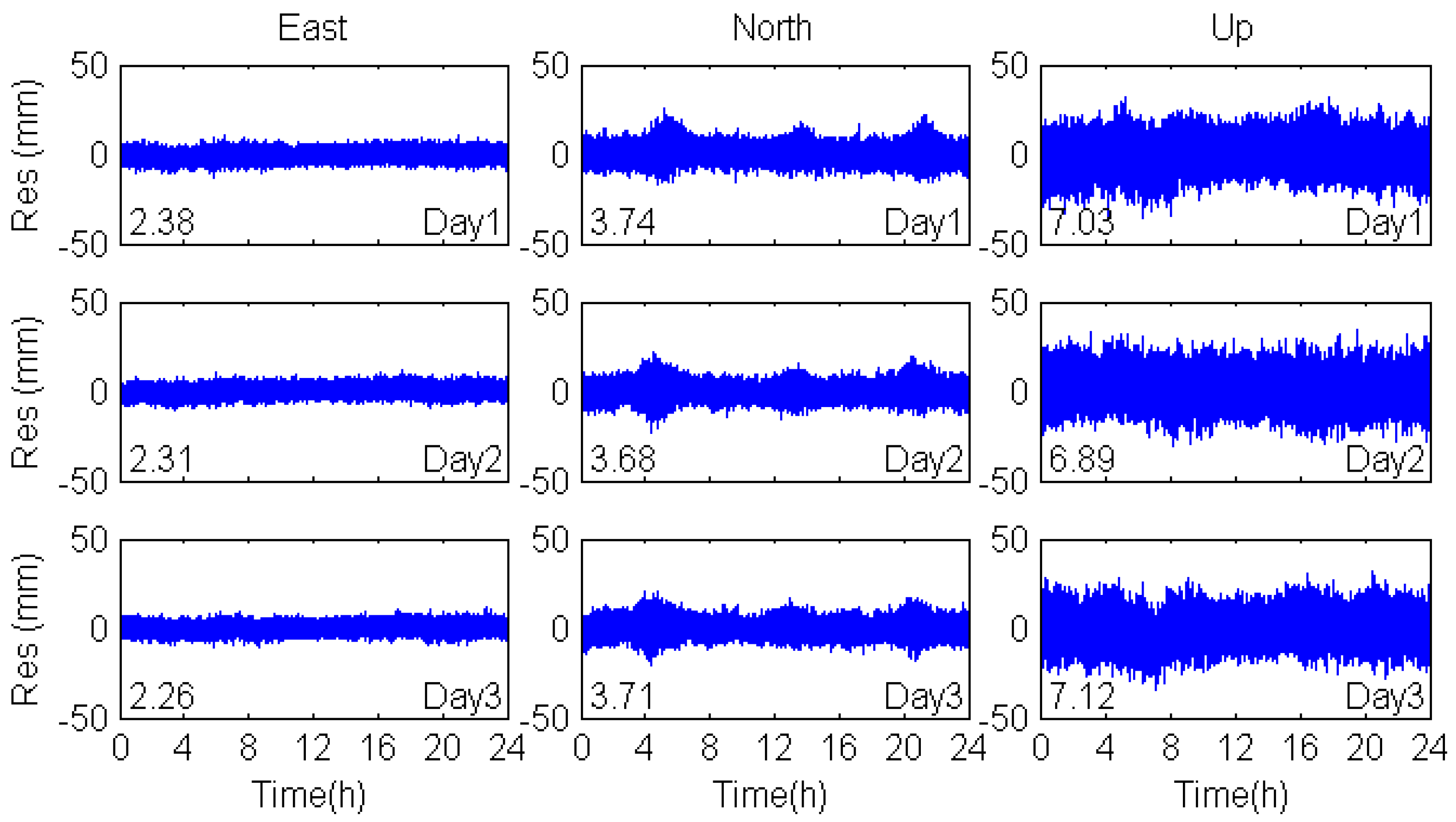
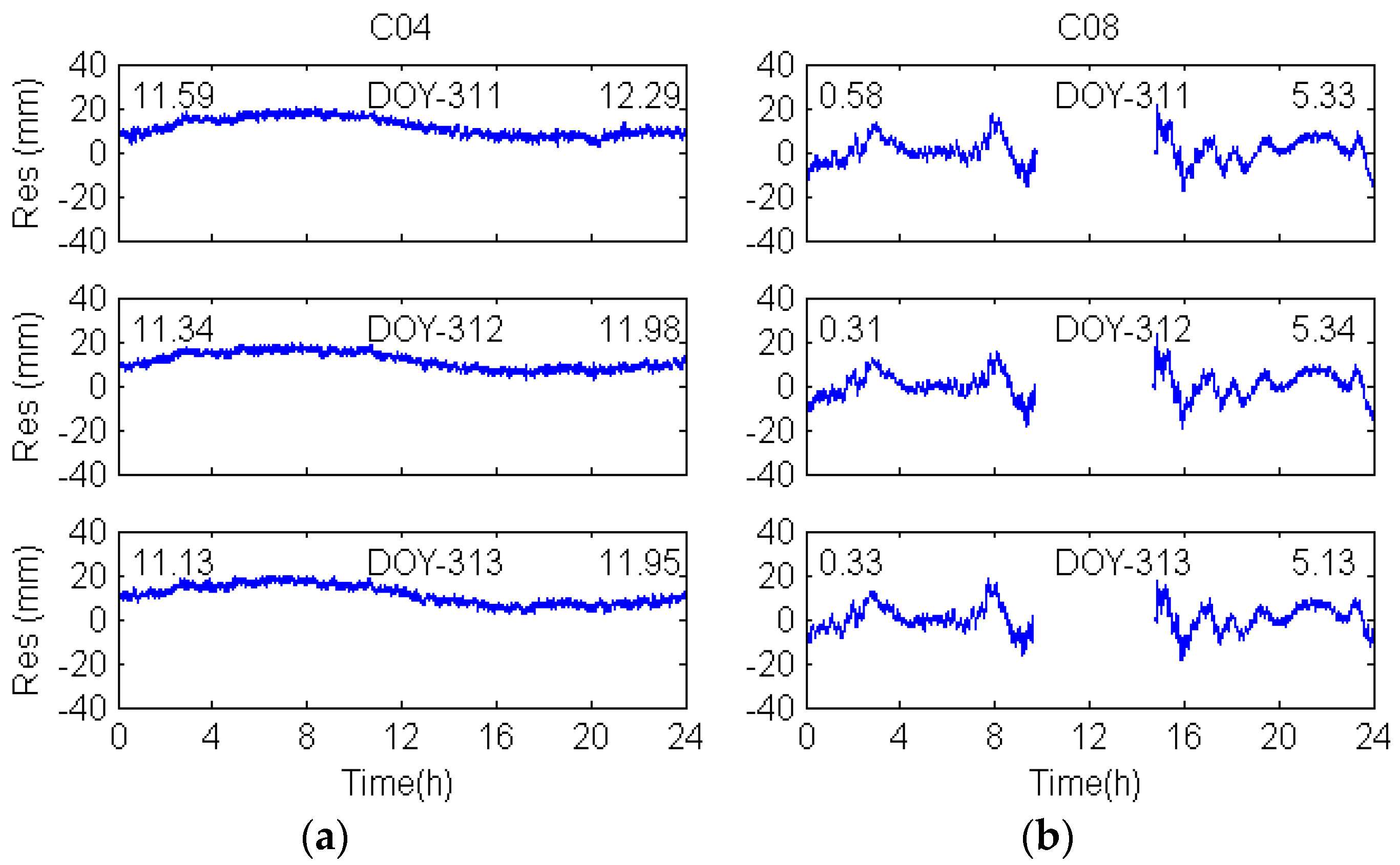
The carrier phase multipath effect is one of the most significant error sources in the precise positioning of BeiDou Navigation Satellite System (BDS). We analyzed the characteristics of BDS multipath, and found the multipath errors of geostationary earth orbit (GEO) satellite signals are systematic, whereas those of inclined geosynchronous orbit (IGSO) or medium earth orbit (MEO) satellites are both systematic and random. The modified multipath mitigation methods, including sidereal filtering algorithm and multipath hemispherical map (MHM) model, were used to improve BDS dynamic deformation monitoring. The results indicate that the sidereal filtering methods can reduce the root mean square (RMS) of positioning errors in the east, north and vertical coordinate directions by 15%, 37%, 25% and 18%, 51%, 27% in the coordinate and observation domains, respectively. By contrast, the MHM method can reduce the RMS by 22%, 52% and 27% on average. In addition, the BDS multipath errors in static baseline solutions are a few centimeters in multipath-rich environments, which is different from that of Global Positioning System (GPS) multipath. Therefore, we add a parameter representing the GEO multipath error in observation equation to the adjustment model to improve the precision of BDS static baseline solutions. And the results show that the modified model can achieve an average precision improvement of 82%, 54% and 68% in the east, north and up coordinate directions, respectively.
Keywords: BDS; carrier phase; multipath effects; double difference; static baseline solution BDS; carrier phase; multipath effects; double difference; static baseline solution