Article

An Analytical Model for BDS B1 Spreading Code Self-Interference Evaluation Considering NH Code Effects


1
School of Aeronautics and Astronautics, Shanghai Jiao Tong University, Shanghai 200240, China
2
Centre for Transport Studies, Imperial College London, London SW7 2BU, UK
*
Author to whom correspondence should be addressed.
These authors contributed equally to this work.
Sensors 2017, 17(4), 663; https://doi.org/10.3390/s17040663
Submission received: 13 February 2017 / Revised: 19 March 2017 / Accepted: 21 March 2017 / Published: 23 March 2017
(This article belongs to the Section Remote Sensors)

Abstract

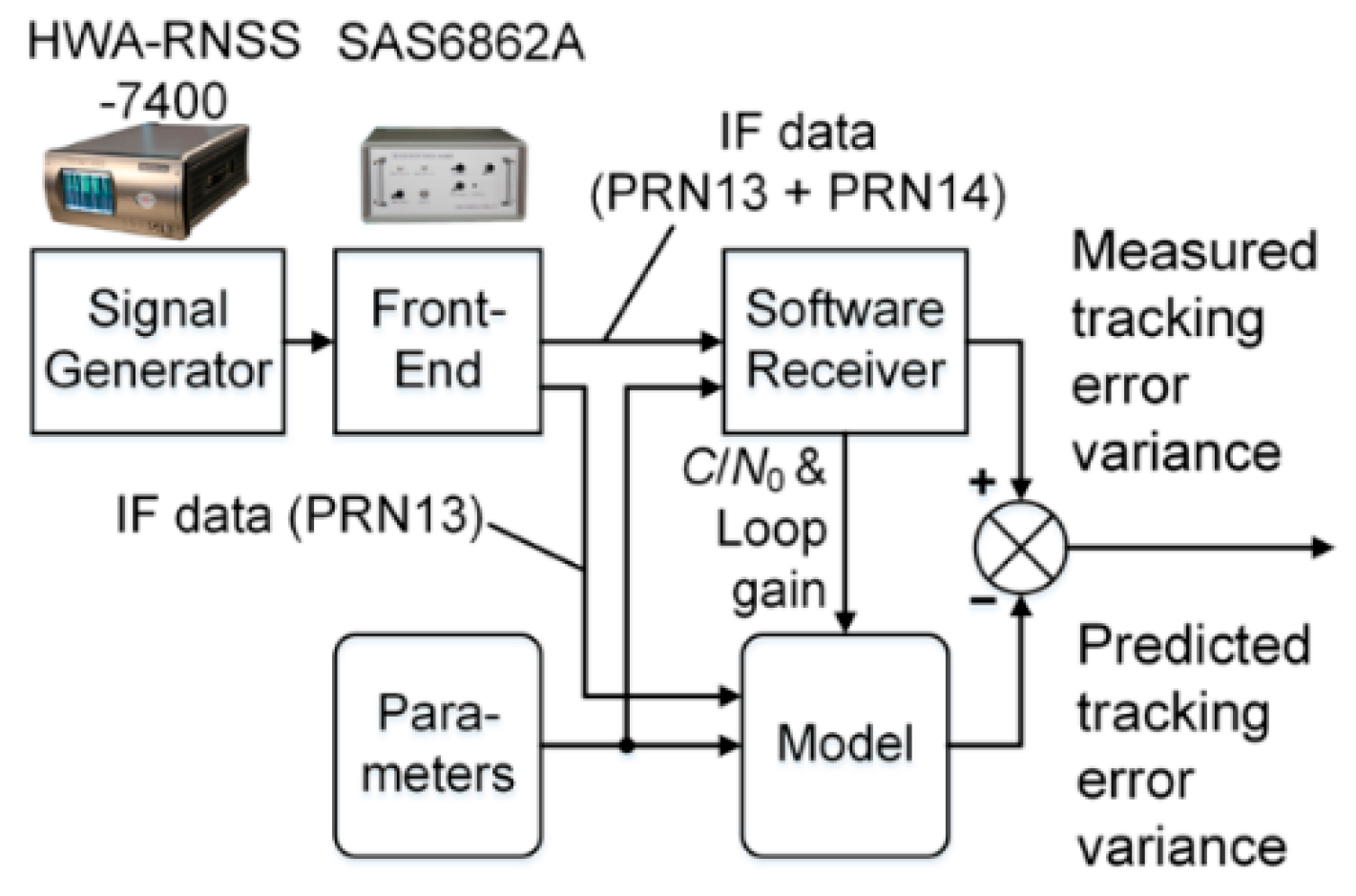
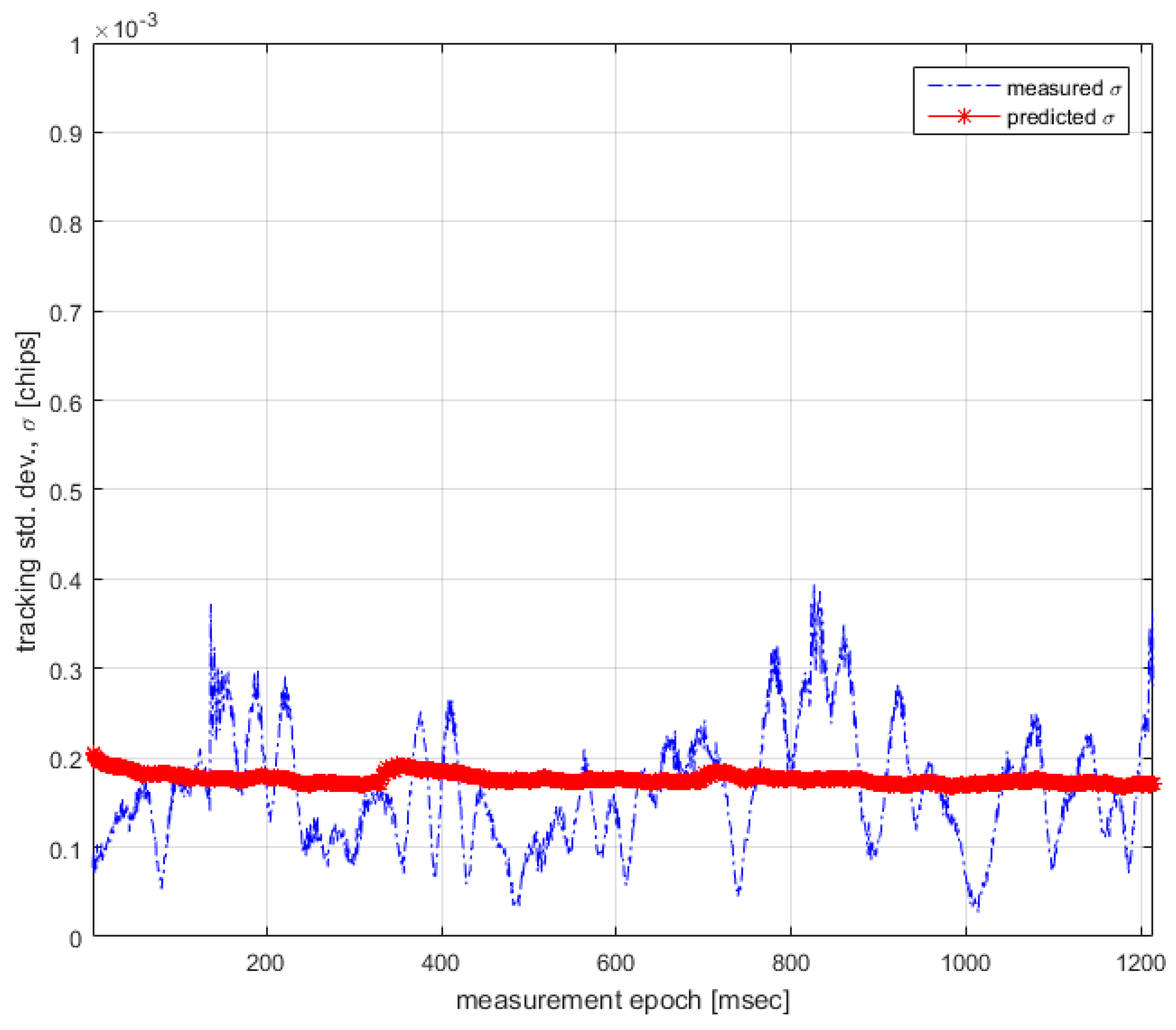
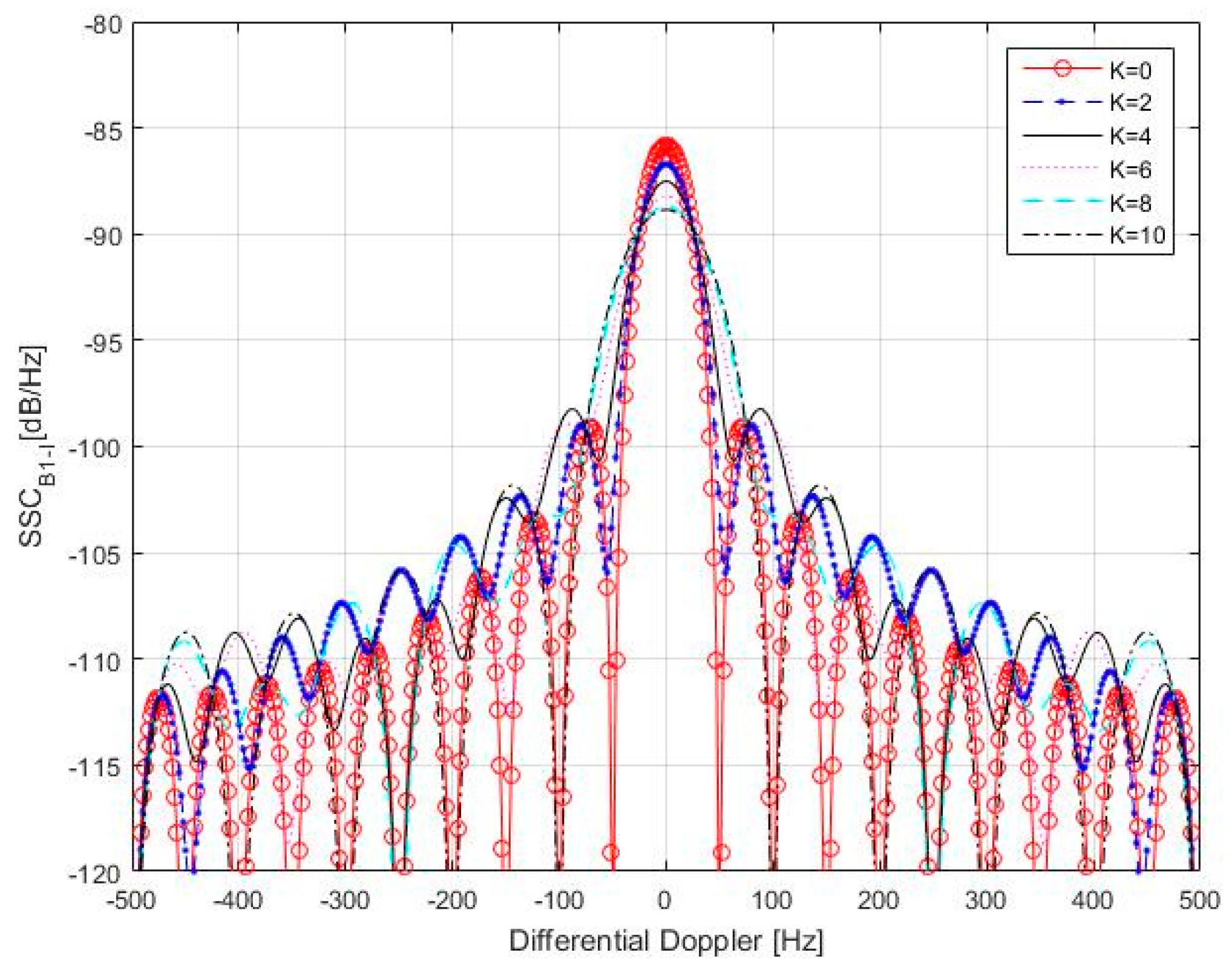
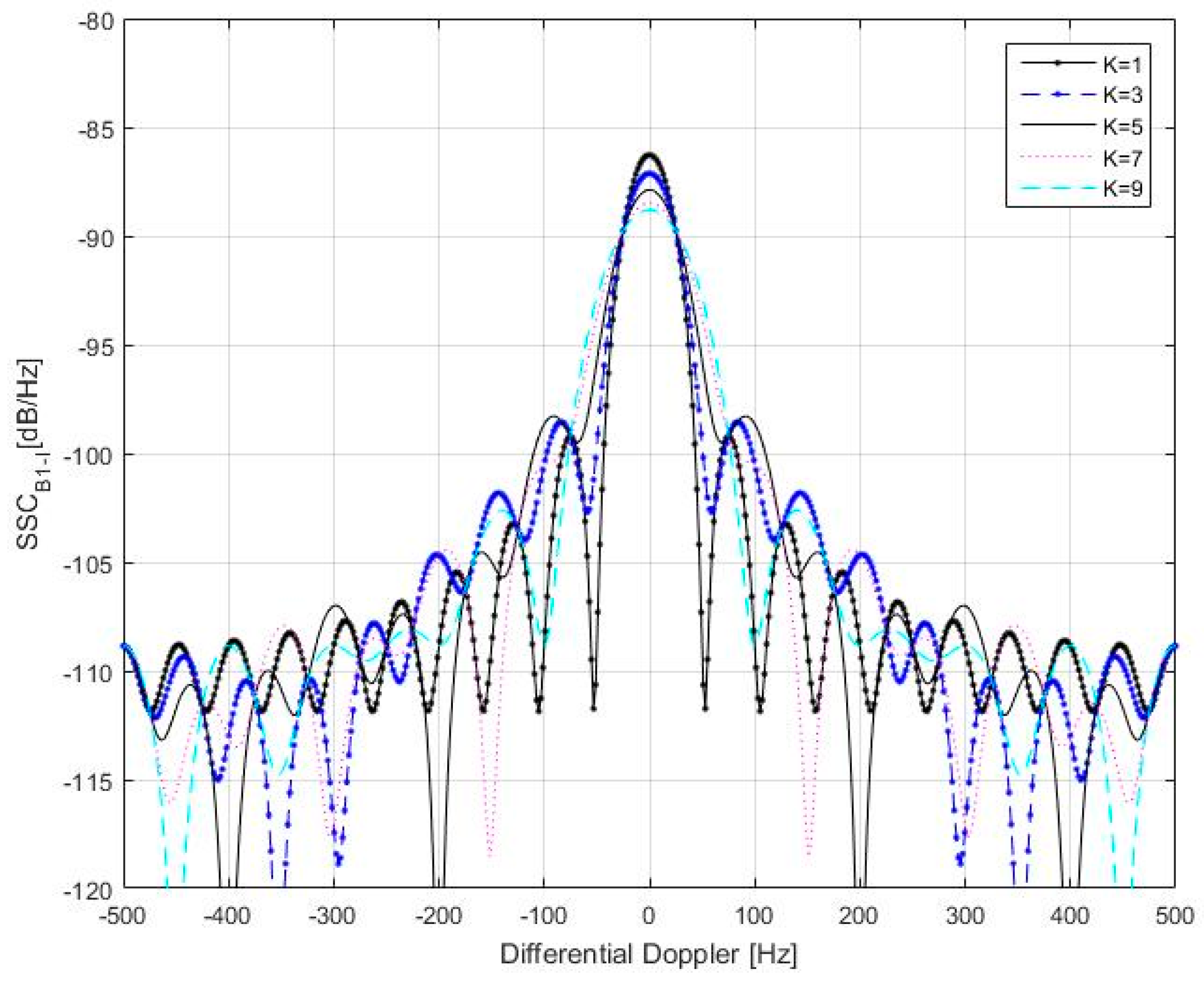
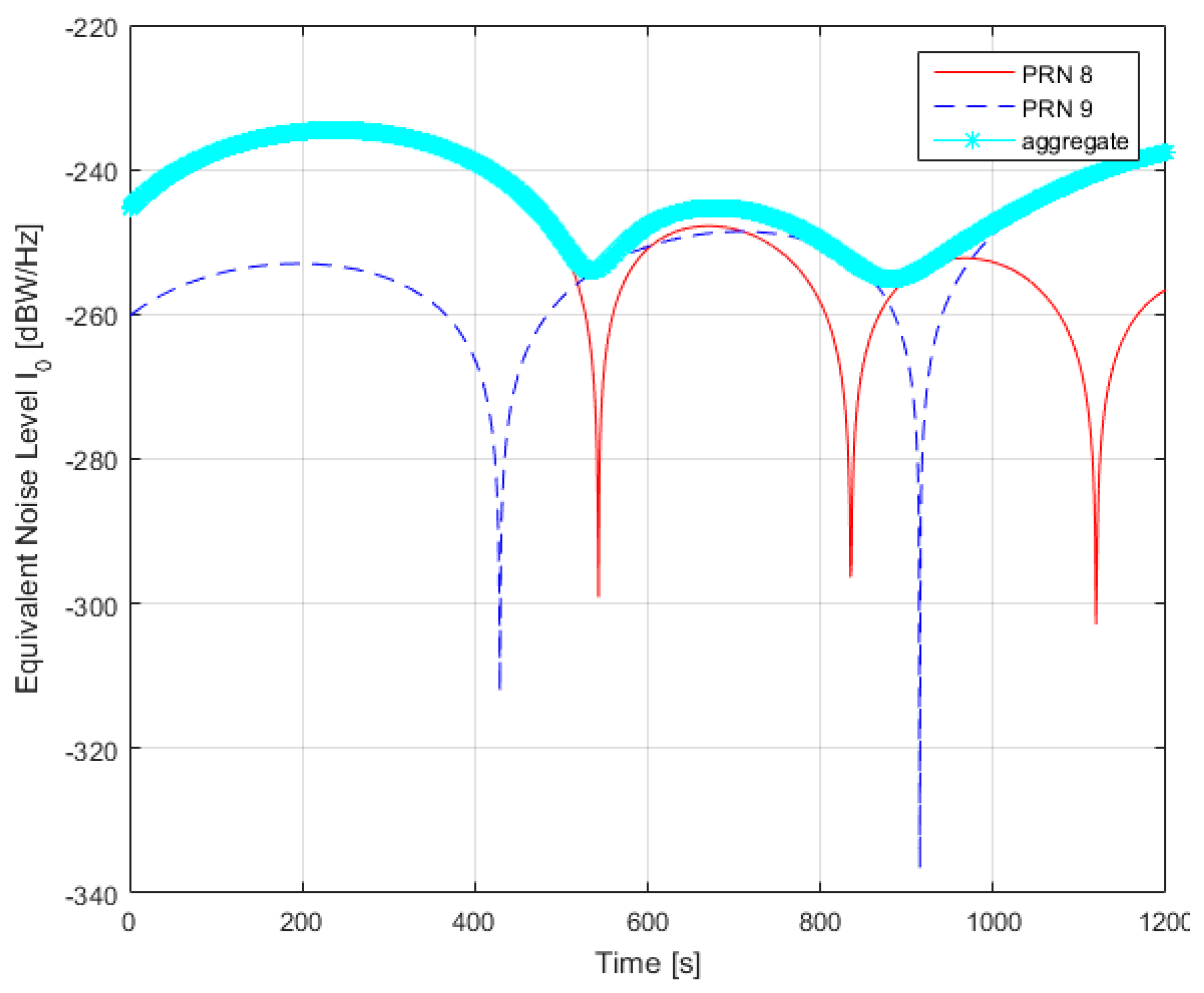
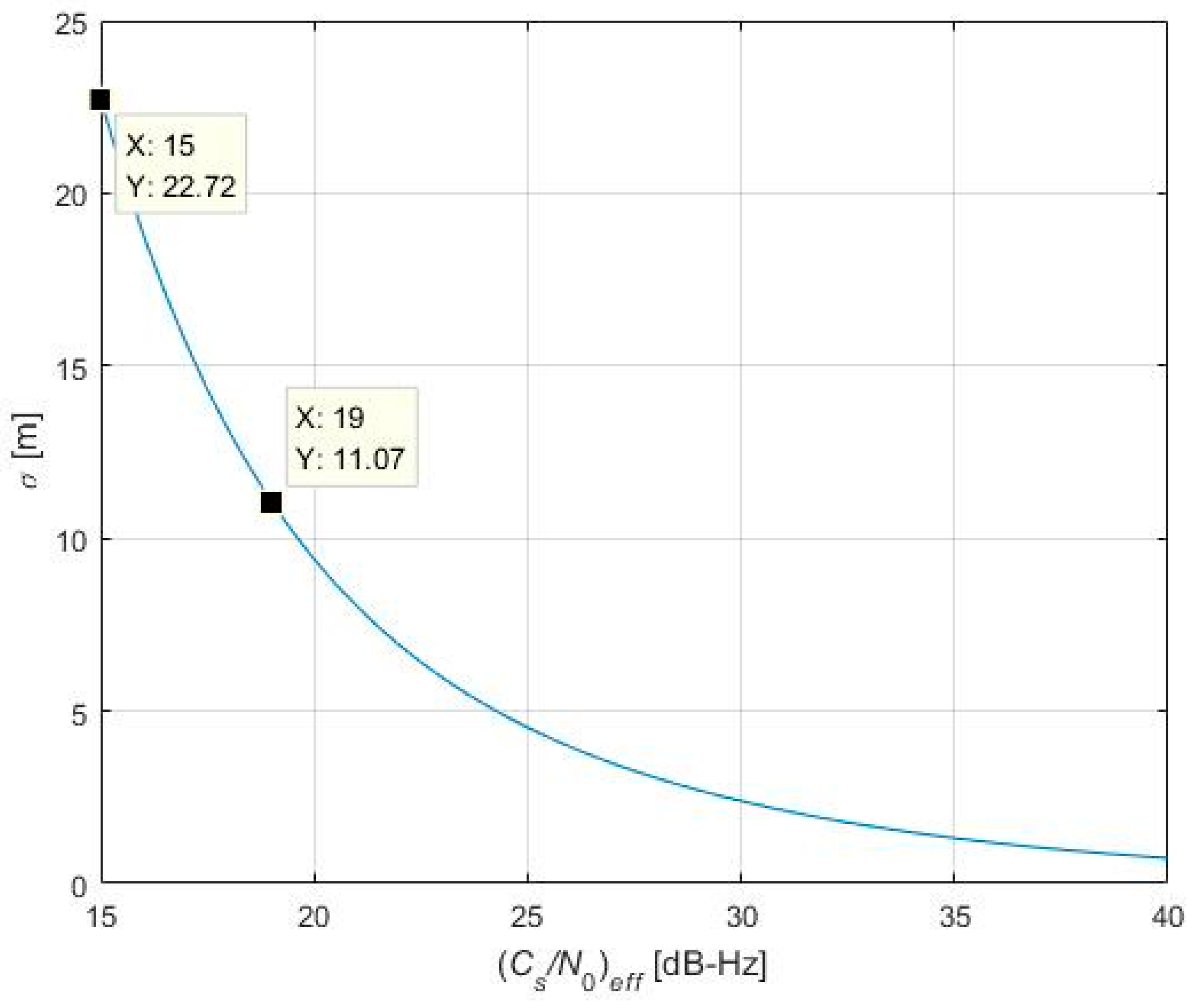
The short spreading code used by the BeiDou Navigation Satellite System (BDS) B1-I or GPS Coarse/Acquistiion (C/A) can cause aggregately undesirable cross-correlation between signals within each single constellation. This GPS-to-GPS or BDS-to-BDS correlation is referred to as self-interference. A GPS C/A code self-interference model is extended to propose a self-interference model for BDS B1, taking into account the unique feature of the B1-I signal transmitted by BDS medium Earth orbit (MEO) and inclined geosynchronous orbit (IGSO) satellites—an extra Neumann-Hoffmann (NH) code. Currently there is no analytical model for BDS self-interference and a simple three parameter analytical model is proposed. The model is developed by calculating the spectral separation coefficient (SSC), converting SSC to equivalent white noise power level, and then using this to calculate effective carrier-to-noise density ratio. Cyclostationarity embedded in the signal offers the proposed model additional accuracy in predicting B1-I self-interference. Hardware simulator data are used to validate the model. Software simulator data are used to show the impact of self-interference on a typical BDS receiver including the finding that self-interference effect is most significant when the differential Doppler between desired and undesired signal is zero. Simulation results show the aggregate noise caused by just two undesirable spreading codes on a single desirable signal could lift the receiver noise floor by 3.83 dB under extreme C/N0 (carrier to noise density ratio) conditions (around 20 dB-Hz). This aggregate noise has the potential to increase code tracking standard deviation by 11.65 m under low C/N0 (15–19 dB-Hz) conditions and should therefore, be avoided for high-sensitivity applications. Although the findings refer to Beidou system, the principle weakness of the short codes illuminated here are valid for other satellite navigation systems.
Keywords: BDS; short spreading code; high-sensitivity; spectral separation coefficient; self-interference; Neumann-Hoffmann BDS; short spreading code; high-sensitivity; spectral separation coefficient; self-interference; Neumann-Hoffmann