Article

A Cycle-Based Data Aggregation Scheme for Grid-Based Wireless Sensor Networks

Department of Computer Science and Information Engineering, National United University, Miaoli 36003, Taiwan
*
Author to whom correspondence should be addressed.
Sensors 2014, 14(5), 8447-8464; https://doi.org/10.3390/s140508447
Submission received: 4 December 2013 / Revised: 1 May 2014 / Accepted: 5 May 2014 / Published: 13 May 2014
(This article belongs to the Section Sensor Networks)

Abstract

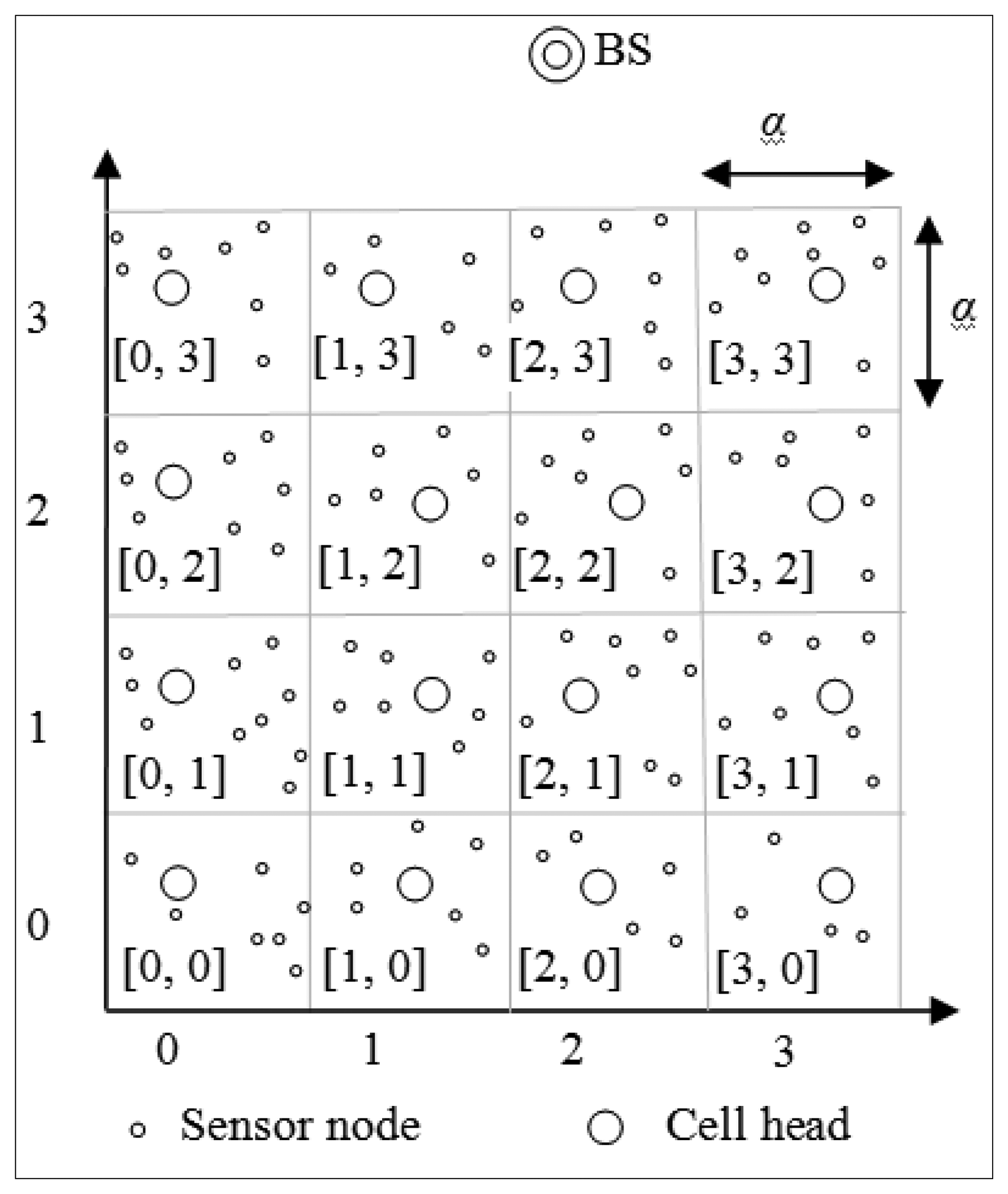
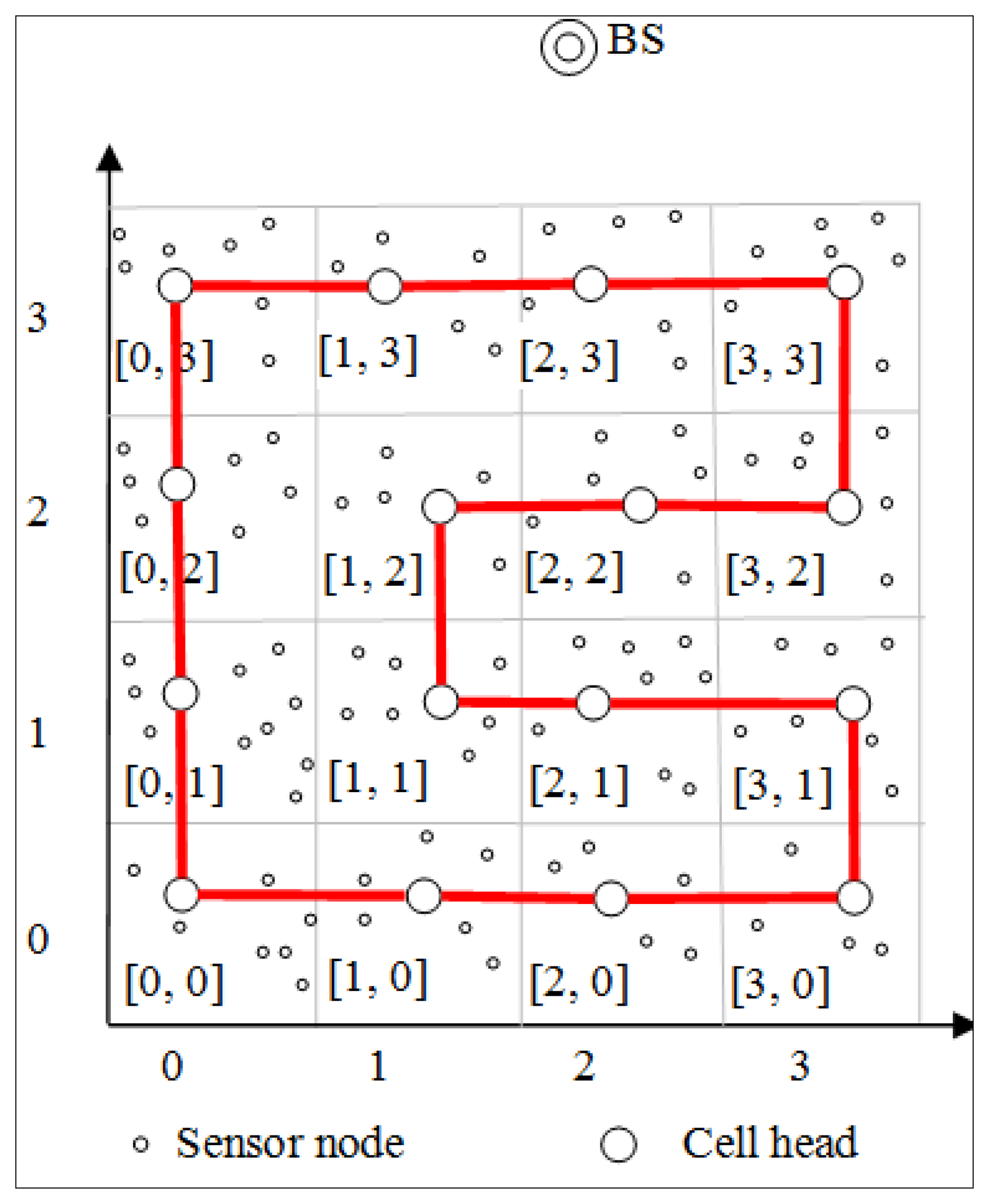
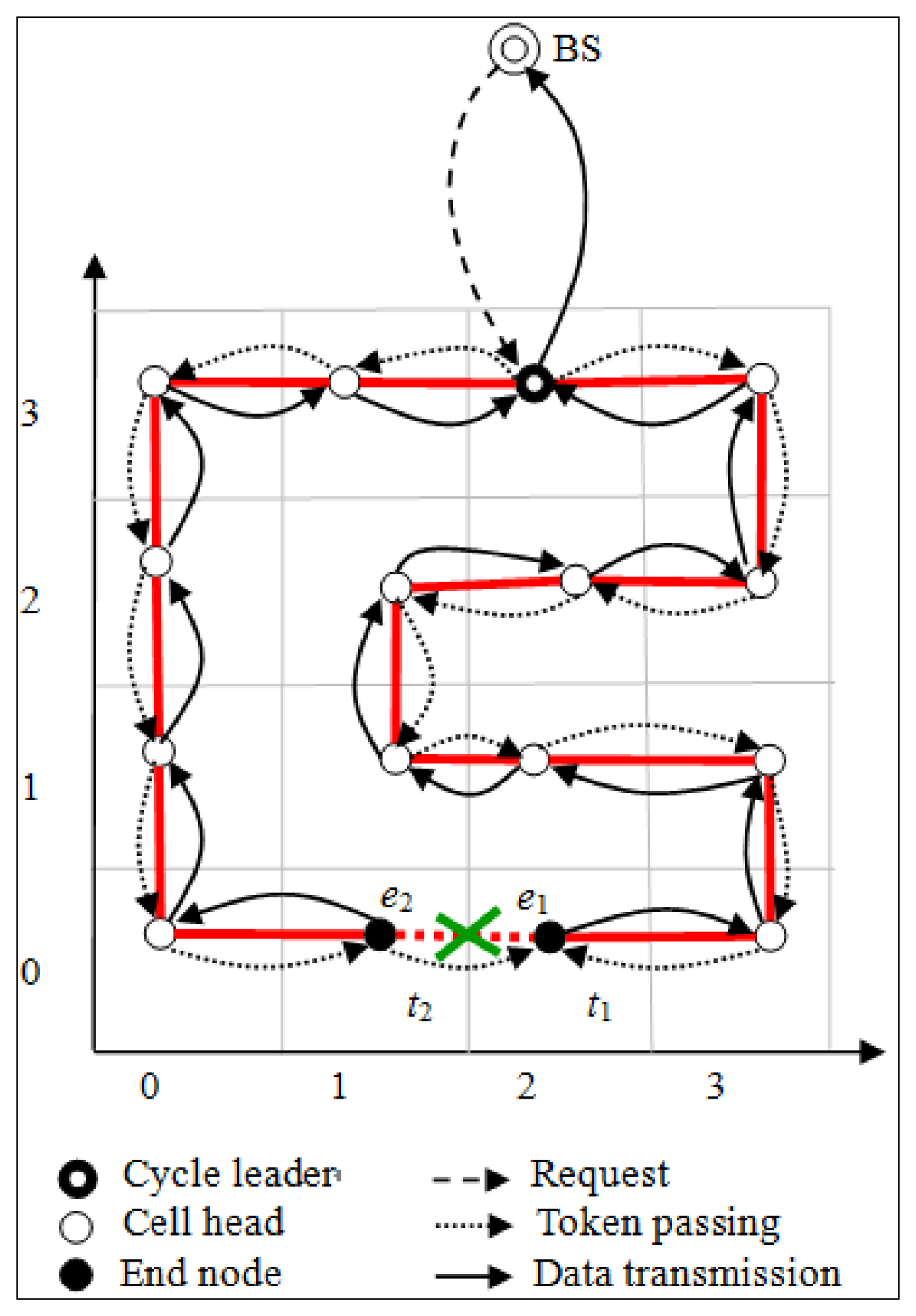
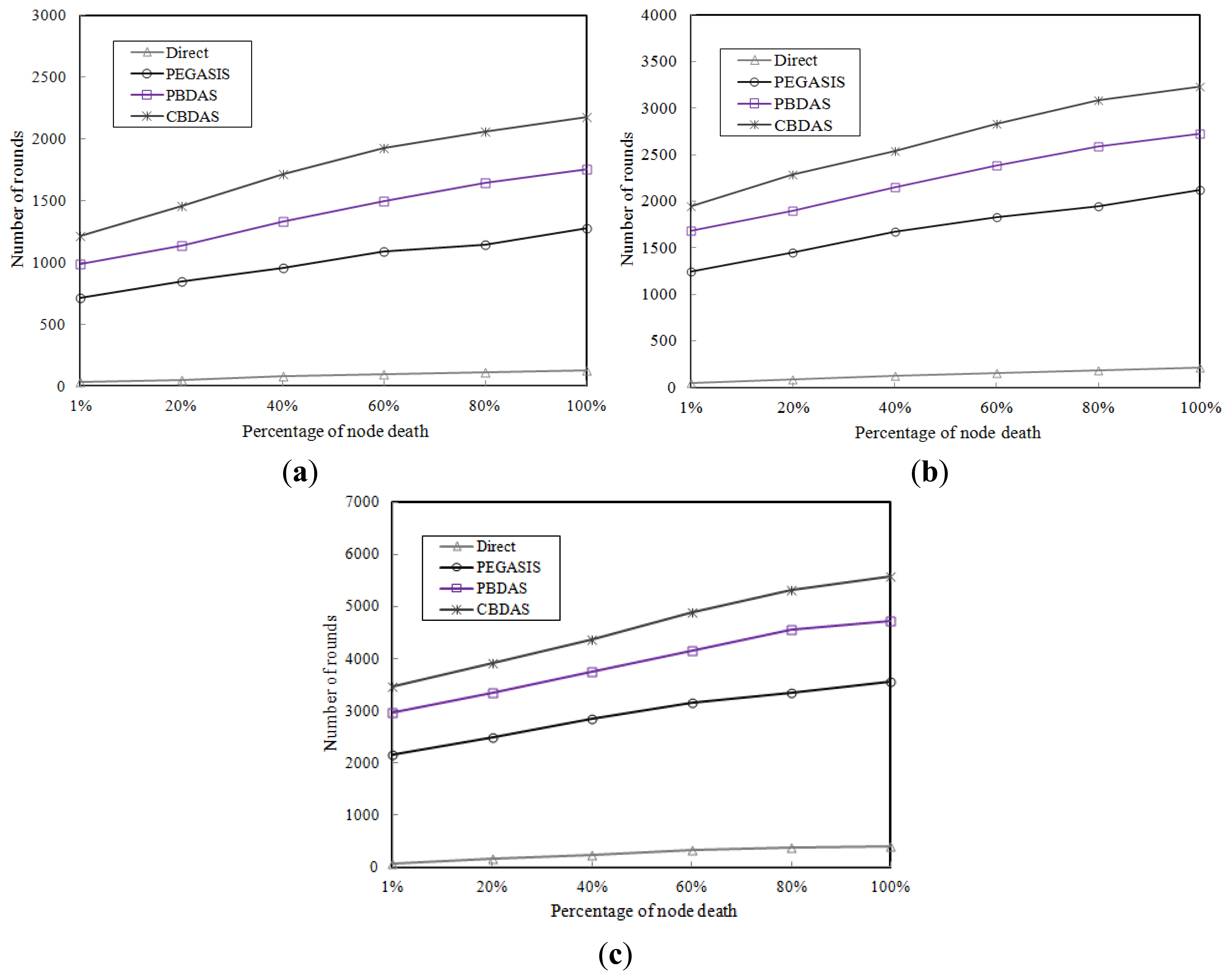
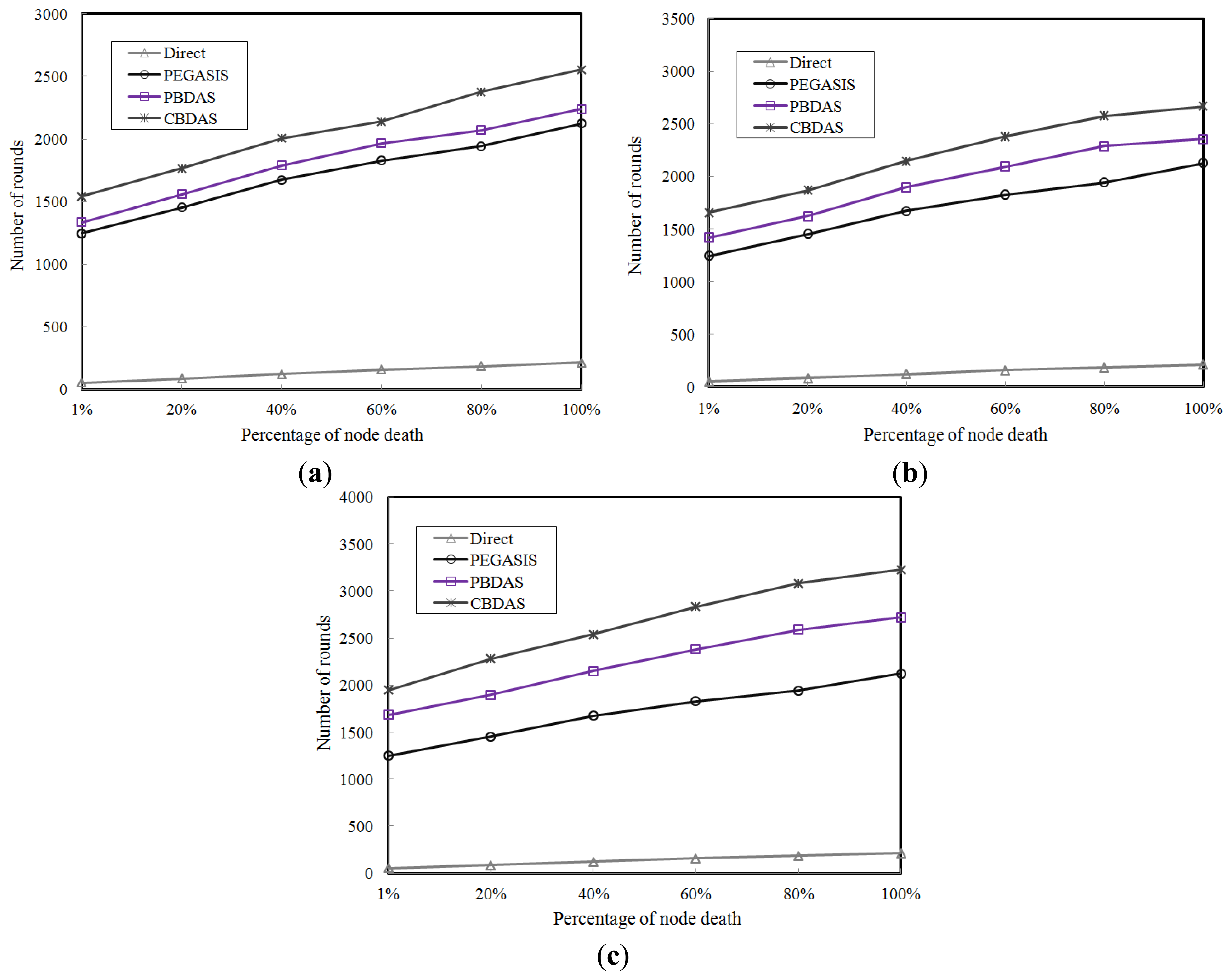
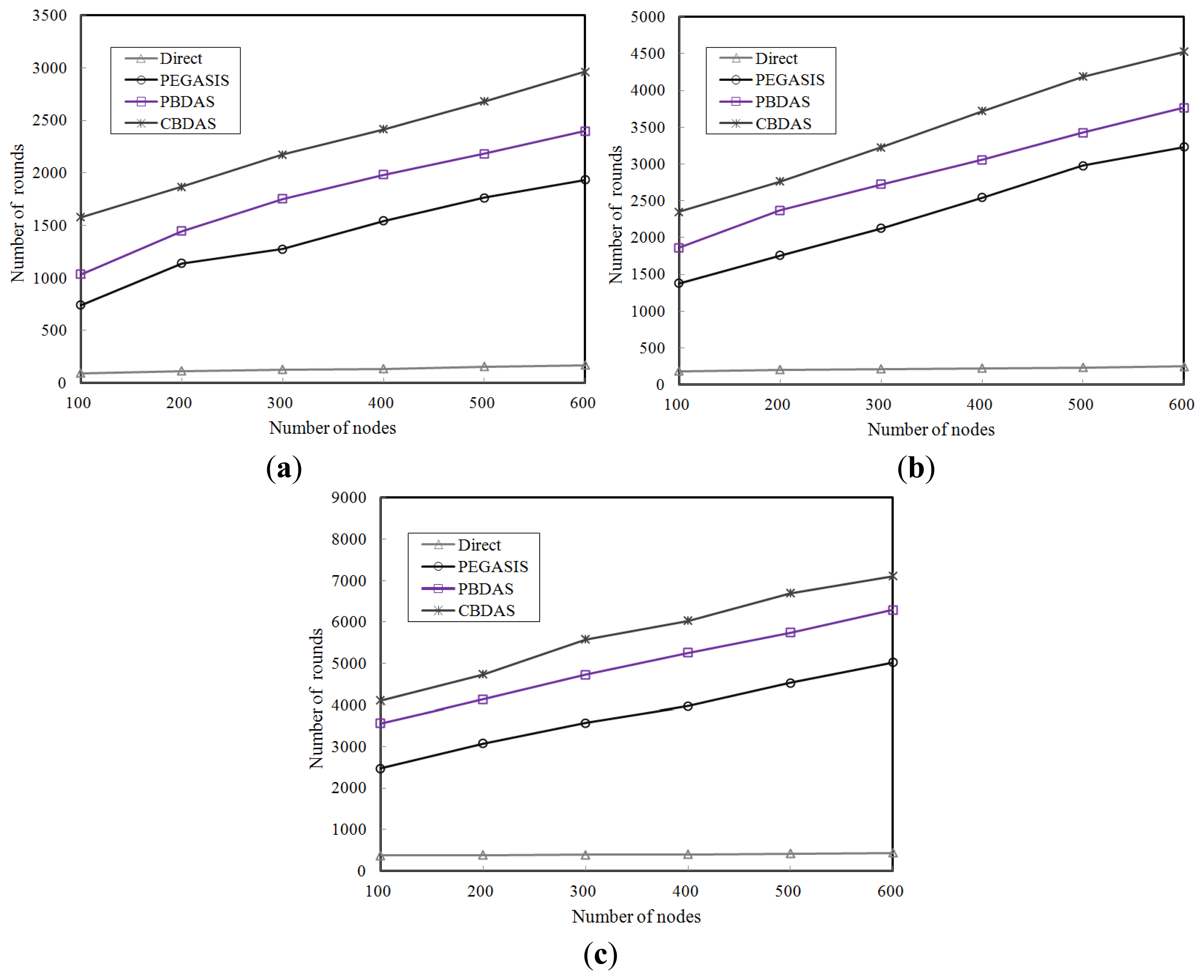
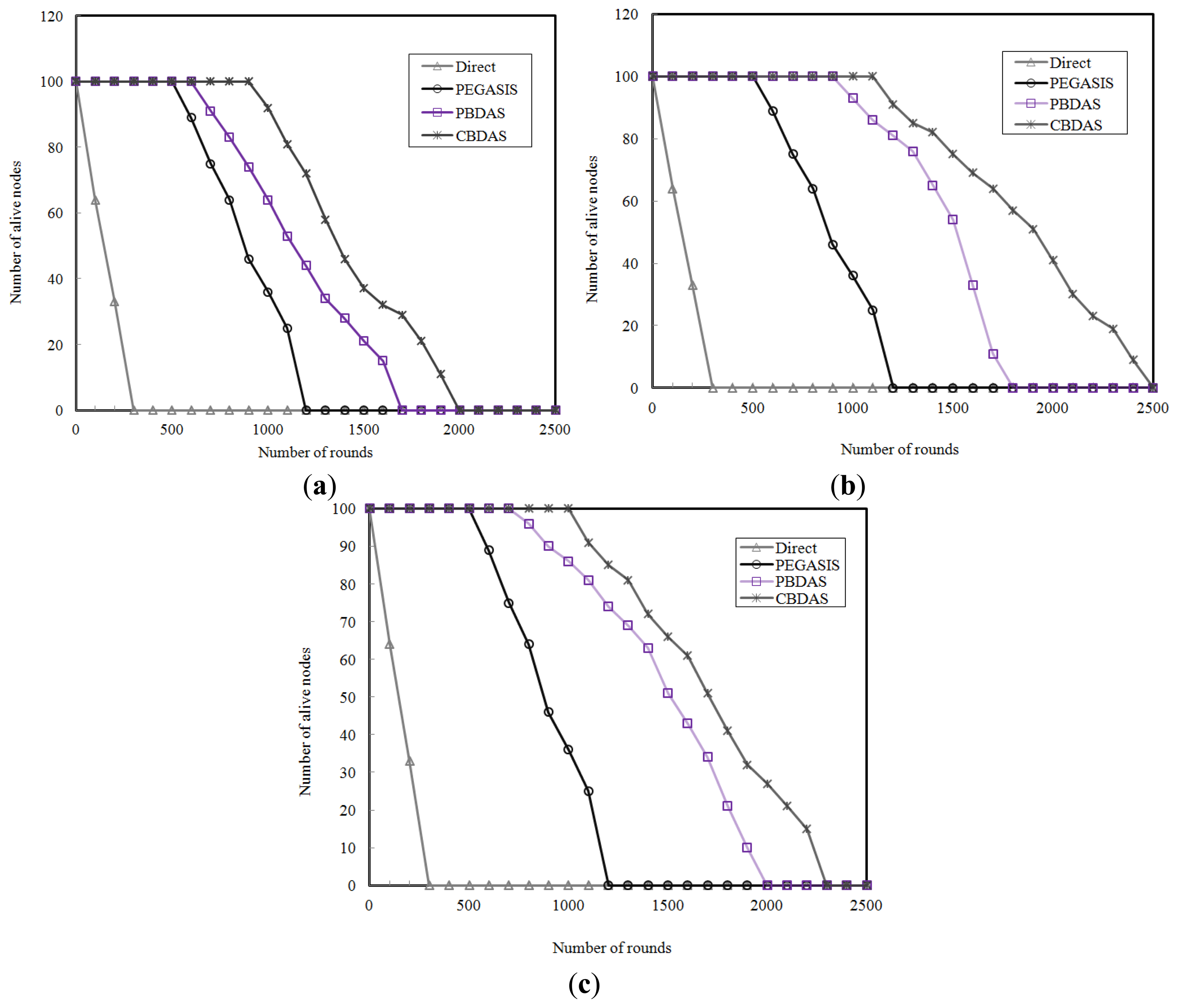
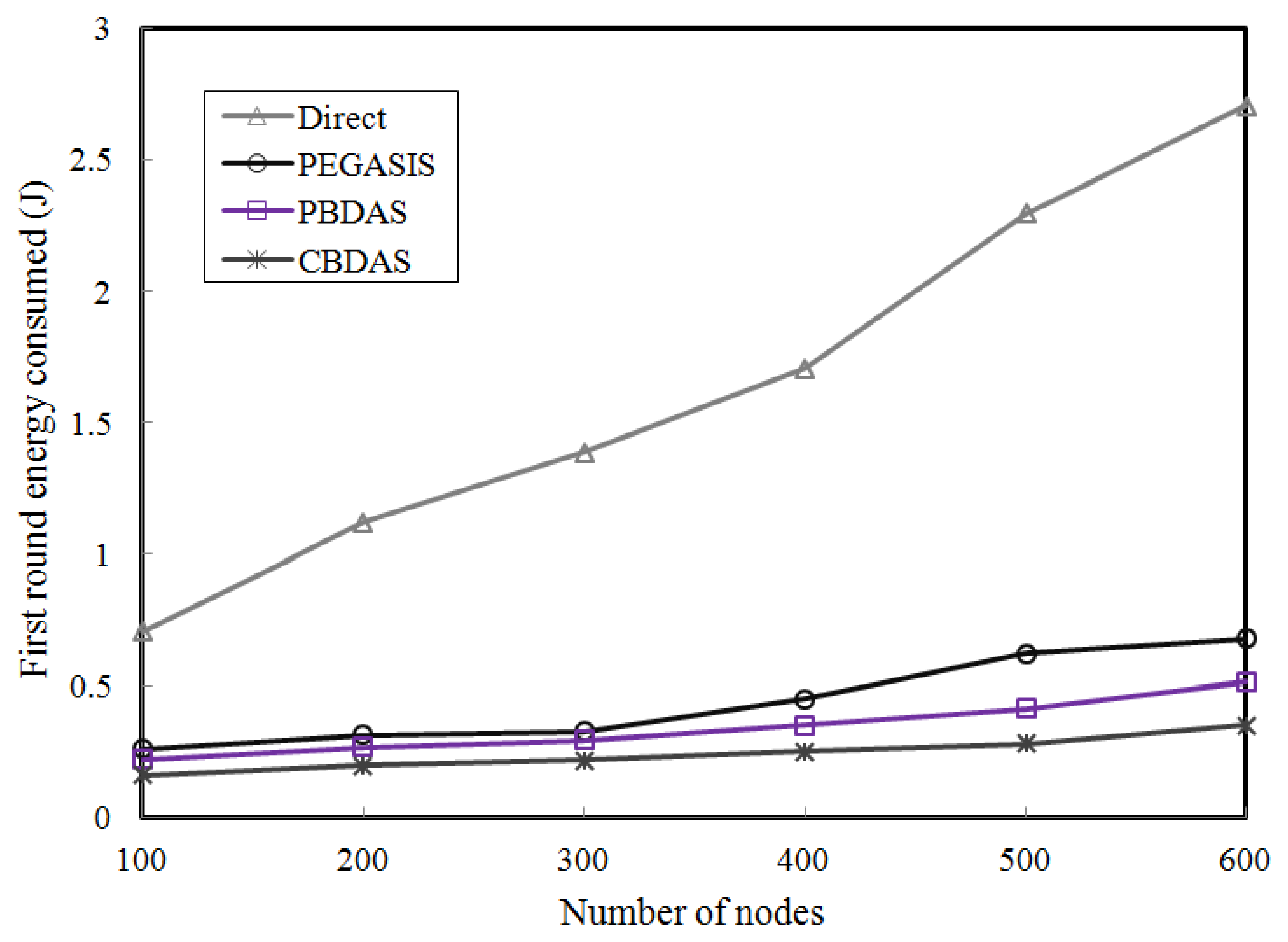
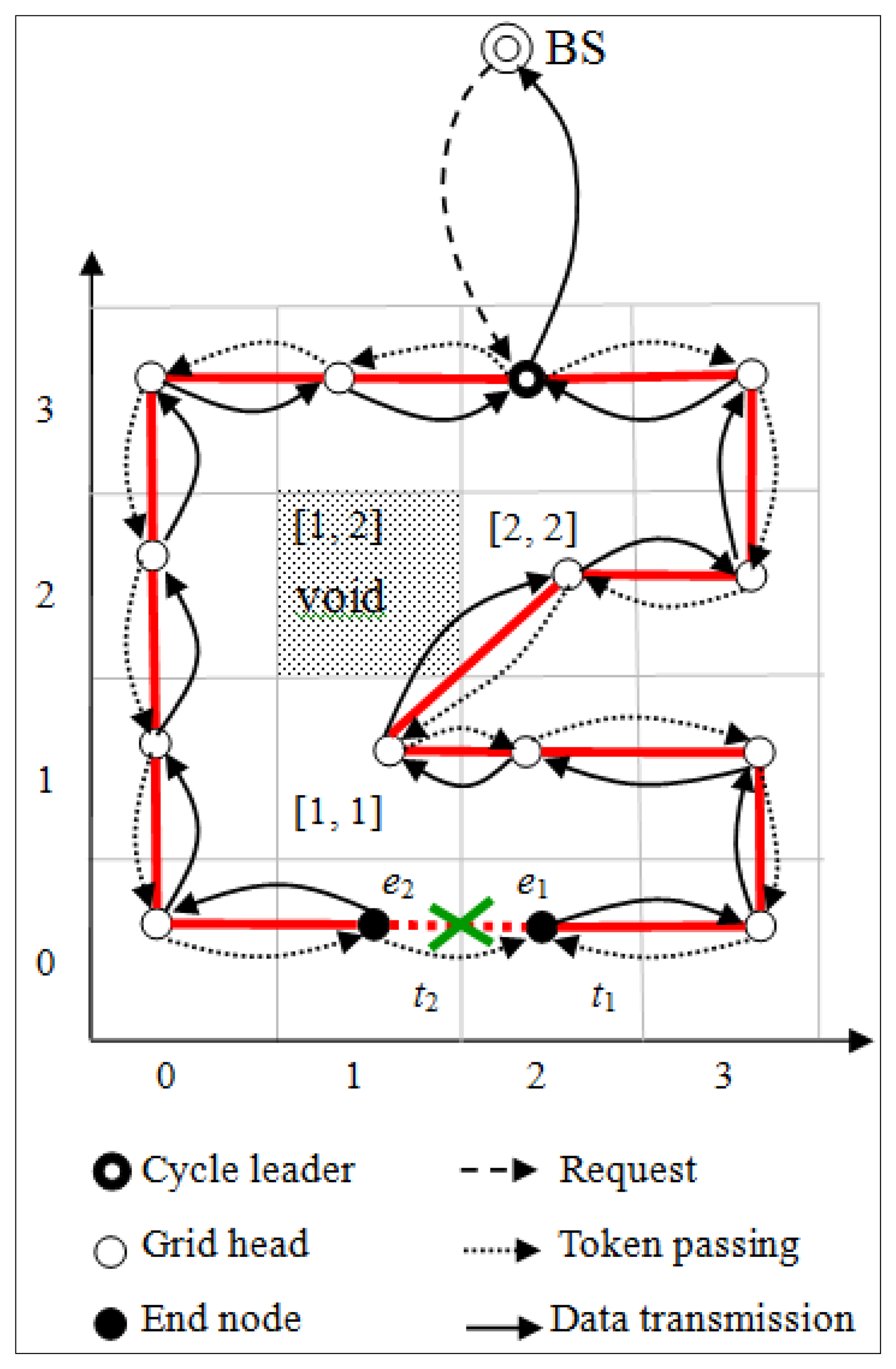
In a wireless sensor network (WSN), a great number of sensor nodes are deployed to gather sensed data. These sensor nodes are typically powered by batteries so their energy is restricted. Sensor nodes mainly consume energy consumption in data transmission, especially for a long distance. Since the location of the base station (BS) is remote, the energy consumed by each node to directly transmit its data to the BS is considerable and the node will die very soon. A well-designed routing protocol is thus essential to reduce the energy consumption. In this paper, we propose a Cycle-Based Data Aggregation Scheme (CBDAS) for grid-based WSNs. In CBDAS, the whole sensor field is divided into a grid of cells, each with a head. We prolong the network lifetime by linking all cell heads together to form a cyclic chain so that the gathered data can move in two directions. For data gathering in each round, the gathered data moves from node to node along the chain, getting aggregated. Finally, a designated cell head, the cycle leader, directly transmits to the BS. CBDAS performs data aggregation at every cell head so as to substantially reduce the amount of data that must be transmitted to the BS. Only cell heads need disseminate data so that the number of data transmissions is greatly diminished. Sensor nodes of each cell take turns as the cell head, and all cell heads on the cyclic chain also take turns being cycle leader. The energy depletion is evenly distributed so that the nodes’ lifetime is extended. As a result, the lifetime of the whole sensor network is extended. Simulation results show that CBDAS outperforms protocols like Direct, PEGASIS, and PBDAS.
Keywords: base station; cell head; cycle leader; grid-based; wireless sensor networks base station; cell head; cycle leader; grid-based; wireless sensor networks