Article

Rhizosphere Fungal Communities of Invasive vs. Native Plants in a Karst Ecosystem

1
Guizhou Institute of Mountain Resources, Guiyang 550001, China
2
Guizhou Key Laboratory of Agricultural Biosafety, Guiyang 550001, China
3
Guizhou Botanical Garden, Guiyang 550001, China
*
Author to whom correspondence should be addressed.
Diversity 2026, 18(3), 160; https://doi.org/10.3390/d18030160
Submission received: 9 February 2026 / Revised: 27 February 2026 / Accepted: 2 March 2026 / Published: 5 March 2026

Abstract

Plant invasions severely threaten the stability and biodiversity of fragile ecosystems in karst areas. Elucidating the microbial mechanisms underlying the interactions between invasive plants and native plants in rhizosphere soil is crucial for preventing plant invasions. In this study, high-throughput sequencing was used to compare the differences in rhizosphere fungi between two invasive and native plants in the Guizhou karst region. These findings provide theoretical support for understanding the ecological impact of invasive plants and for developing ecological management strategies based on soil microorganisms. The results revealed the following: (1) A total of 16 soil samples were included in the study, which comprised 1 phylum, 50 classes, 112 orders, 245 families, 463 genera and 629 species. (2) No significant differences were observed in the Ace, Chao, Shannon, Simpson and Sobs indices of the rhizosphere fungal communities between invasive plants and native plants (p > 0.05). (3) At the phylum level, no significant difference was observed in the community compositions of invasive and native plants; the dominant phyla were Ascomycota, Mortierellomycota and Basidiomycota; at the genus level, there were significant differences in the community composition of invasive and native plants, and the relative abundances of Minimedusa, Monocillium and Gymnopus in the rhizosphere soil of invasive plants were significantly higher (p < 0.05). (4) Functional predictions based on FUNGuild indicated a higher relative abundance of saprotrophic fungi associated with invasive plants. Community assembly processes for both invasive and native plants were primarily governed by stochastic ecological processes (e.g., drift). These findings suggest that plant invasion is associated with shifts in the composition and potential ecological functions of rhizosphere fungal communities in the karst area.

1. Introduction

Global invasive alien species have caused losses of up to 1.28 trillion US dollars, an average of 26.8 billion US dollars per year. These statistics remain underestimates, and there is currently no sign of a decline in these losses [1]. The cost of governance is extremely high, especially regarding the prevention of invasive species in karst areas [2]. Invasive plants alter the structure of soil microbial communities [3], creating a positive feedback loop that is conducive to their own growth while inhibiting the growth of native species [4]. A meta-analysis indicated that invasive plants, on average, reduce the richness of native plants by more than 20% and significantly reduce animal diversity [5].
The karst area in the central Guizhou region possesses unique characteristics. This karst area is a core component of the ecological barrier in southwestern China, covering a large area and exhibiting high biodiversity [6]. It plays a role in water regulation and helps safeguard the security of karst groundwater resources [7]. However, karst ecosystems are remarkably vulnerable. The soil layer is thin, which is accompanied with soil erosion, poor soil quality, a soil formation rate lower than the soil erosion rate, and severe soil desertification [8]. Moreover, biological invasions amplify this vulnerability. Exotic invasive plants possess strong competitive abilities and allelopathic effects, which destroy native plant diversity and disrupt the soil microecological balance [9,10]. In karst habitats, physical disturbance caused by the root systems of invasive plants in the shallow soil layer can accelerate the exposure of bedrock [11]. Additionally, organic acids produced by the decomposition of litter activate the dissolution of carbonate rocks, resulting in a vicious cycle of “soil erosion–desertification–invasion spread” [12].
The invasion of Ageratina adenophora can alter the community structure, function and quantity of soil microorganisms. This species influences the structure of rhizosphere fungal communities through multiple pathways, such as changing the chemical properties of the soil and releasing allelochemicals [13]. The invasion of Ageratina adenophora can change the soil pH, nutrient content, and organic matter content [14,15], and these changes directly affect the composition and diversity of soil fungal communities. This manifests as a decrease in pH [14] and an increase in the nitrogen content [16], which directly promote the growth of specific fungi. Furthermore, the invasion of Ageratina adenophora may alter the community structure of arbuscular mycorrhizal (AM) fungi [17], increasing the plant’s adaptability and establishing a mutualistic relationship with AM fungi [18], which further promotes the invasion. This invasion also changes the function of the soil microbial community, affecting the efficiency of organic matter decomposition [19]. In addition, the invasion of Ageratina adenophora affects the carbon and nitrogen cycles of the soil [20], considerably impacting ecosystem stability.
Karst ecosystems possess significant ecological value; however, they are fragile and vulnerable to biological invasion. Root-associated soil fungal communities are crucial for maintaining plant health and ecosystem functions, and invasive plants often facilitate their invasion by altering these community structures. Currently, research on soil microorganisms, especially root-associated fungal communities, in the Ageratina adenophora-invaded areas of the central Guizhou karst region is relatively scarce. We hypothesized that the successful invasion of Ageratina adenophora in the fragile karst ecosystem of central Guizhou is partially driven by its ability to reshape the structure and function of rhizosphere soil fungal communities. Specifically, we predicted that (i) the diversity and composition of fungal communities associated with A. adenophora would differ significantly from those of coexisting native plants; and (ii) these alterations would enhance nutrient cycling and pathogenic suppression, thereby creating a belowground feedback mechanism that favors the invader over native species. Therefore, this study aims to compare the structural and functional differences between the root-associated fungal communities of Ageratina adenophora and those of its native plants, to reveal the key driving factors, to elucidate the plant invasion mechanism in fragile karst ecosystems from the perspective of root-associated fungal communities, and to provide theoretical support for the control of Ageratina adenophora in the central Guizhou region.

2. Materials and Methods

2.1. Site Description

The study area is located in Guanling County, Anshun city, Guizhou province (latitude 25.90882058°N, longitude 105.60709029°E), a typical karst area that has been invaded by Ageratina adenophora. Other invasive plant species include Bidens pilosa and the native plants Artemisia and Nitraria. The annual average temperature is 16.2 °C. The terrain consists primarily of hills and mountains, with an elevation of 1064 m and an annual average precipitation of 1370 mm.

2.2. Sample Collection

To determine the differences in the root-associated soil fungal communities between invasive and native plants, the invasive species Ageratina adenophora (Age) and Bidens pilosa L. (Bid) were selected, alongside the primary native associated species Artemisia argyi H. (Art) and Sophora davidii (Sop). To ensure the homogeneity of the samples, the vegetation coverage, aspect, slope position, and soil type of the selected sampling sites were kept identical, without external interference, and with similar community structure. Sampling was conducted in August 2024 during the peak plant growth season, and all the samples were collected simultaneously. Root-associated soil samples were collected from four species across four replicate sampling sites, resulting in a total of 16 soil samples. Sampling sites were spaced ≥ 50 m apart and located within a 2 km radius to ensure spatial independence while maintaining consistent climatic and soil conditions.
For soil collection, tools including sterile shovels, centrifuge tubes, scissors, forceps, sieves, sterile soft-bristled brushes, and dry ice were used. After removing the surface soil, root-associated soil samples were collected within a depth range of 10 cm from the base of the plant. The soil clumps containing the target plant’s entire root system were extracted. Large, loose soil that is not in close contact with the roots was carefully separated. The root system was gently shaken to remove loosely adhering soil. The soil that remained tightly attached to the roots (approximately < 2 mm in thickness) was operationally defined as rhizosphere soil. A sterile soft-bristled brush was then used to gently collect this soil layer into sterile centrifuge tubes. Samples were numbered and immediately stored in liquid nitrogen [21].

2.3. DNA Extraction, Library Construction and Sequencing

DNA extraction was performed using an E.Z.N.A.® soil DNA kit (Omega Bio-tek, Norcross, GA, USA) according to the manufacturer’s instructions. Subsequently, 1% agarose gel electrophoresis was used to monitor the quality of the genomic DNA. The DNA concentration and purity were determined using the NanoDrop2000 (Thermo Scientific, Waltham, MA, USA).
Based on the extracted DNA template, PCR amplification of the full-length ITS2 region was performed using primers with barcodes (5’-CTTGGTCATTTAGAGGAAGTAA-3’) and ITS2R (5’-TCCTCCGCTTATTGATATGC-3’). The products were detected by 2% agarose gel electrophoresis, purified by magnetic beads, and quantified using a Qubit 4.0 (Thermo Fisher Scientific, Waltham, MA, USA). Following sequencing depth requirements, the purified products were mixed proportionately. These mixed samples were used to construct a library using the SMRTbell prep kit 3.0 (Pacifc Biosciences, Menlo Park, CA, USA) and sequenced on the PacBio Sequel IIe System (Shanghai Meiji Biomedical Technology Co., Ltd. Shanghai, China).

2.4. Data Analysis

Quality control of the raw paired-end sequencing reads was performed using fastp (version 0.19.6, https://github.com/OpenGene/fastp (accessed on 12 June 2025)), and read merging was conducted with FLASH (version 1.2.11, https://ccb.jhu.edu/software/FLASH/index.shtml (accessed on 15 June 2025)). Following quality control and merging, the optimized sequences were subjected to denoising using the DADA2 plugin within the QIIME2 pipeline to generate amplicon sequence variants (ASVs) [22]. Taxonomic assignment of the amplicon sequence variants (ASVs) was conducted using the Naive Bayes classifier implemented in QIIME2, with reference to the Silva 16S rRNA gene database (version 138).
Data analysis was performed using the MajorBio cloud platform (https://cloud.majorbio.com (accessed on 19 June 2025)). Intergroup comparisons of alpha diversity were conducted using the Wilcoxon rank-sum test. Principal coordinate analysis (PCoA) based on the Bray–Curtis distance algorithm was used to test the similarity of fungal community structures between samples. Linear discriminant analysis effect size (LEfSe) (LDA > 2, p < 0.05) was used to identify fungal groups with significantly different abundances from the phylum level to the genus level [23].

3. Results

3.1. Fungal Abundance and Community Composition

Following quality control and sequence noise reduction of the original sequencing data, optimised data with an average length of 350 bp were obtained. The total number of raw reads was 1,404,034. Using ASV as the basic classification unit, a total of 1 phylum, 50 classes, 112 orders, 245 families, 463 genera, and 629 species were identified across the 16 soil samples (Table 1).
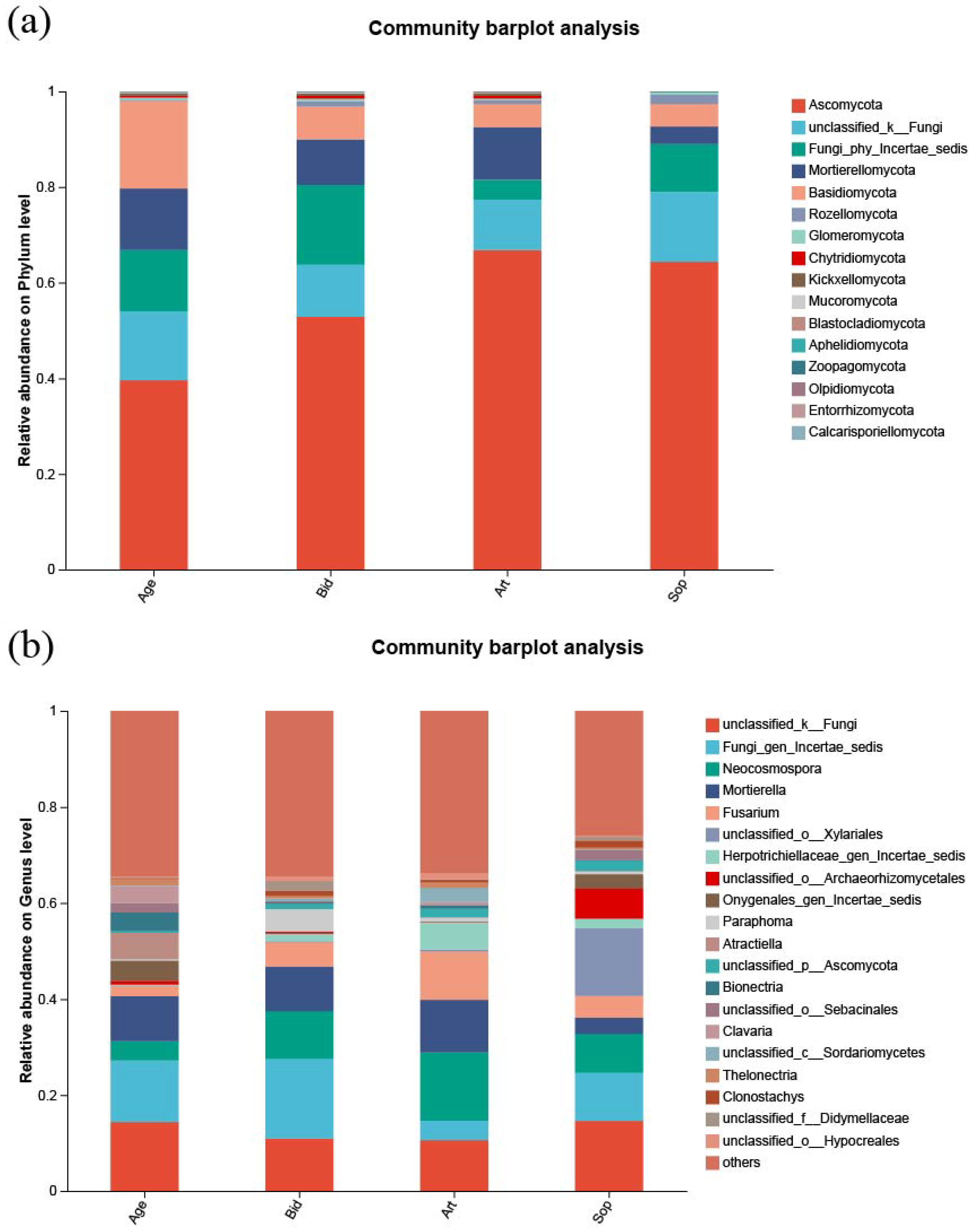
Across different plant species, Ascomycota, Mortierellomycota and Basidiomycota were the predominant phyla, exhibiting the highest relative abundance (Figure 1a). At the genus level, Neocosmospora, Mortierella and Fusarium were the common dominant genera for all four plants (Figure 1b).
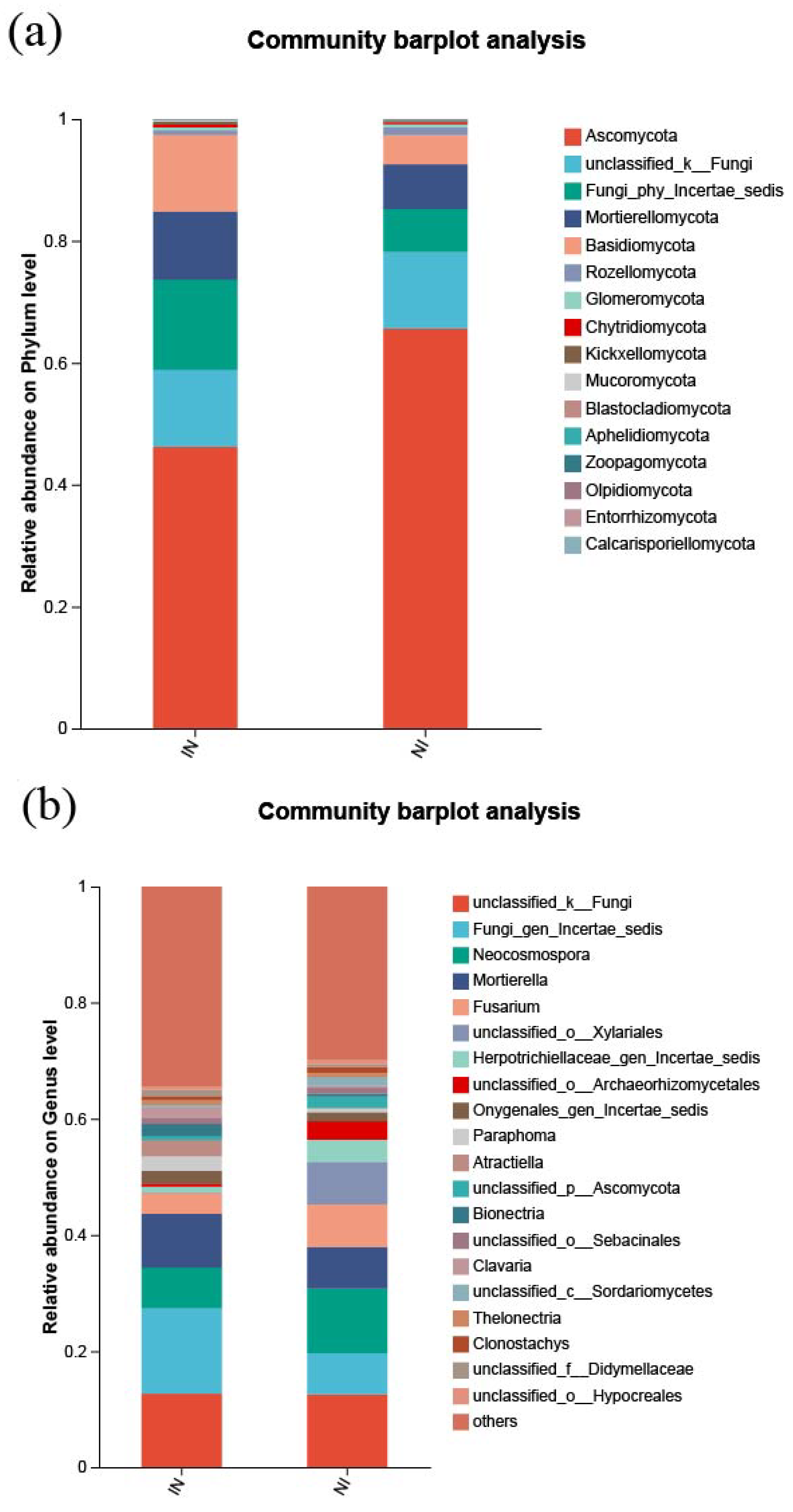
When comparing invasive and native plants, Ascomycota, Mortierellomycota, and Basidiomycota remained the dominant phyla. However, the relative abundance of Basidiomycota in the root-associated soil of native plants was greater than that in the root-associated soil of invasive plants (Figure 2a). At the genus level, Neocosmospora, Mortierella, and Fusarium were the common dominant genera. The relative abundances of Neocosmospora and Fusarium in the root-associated soil of native plants were higher (Figure 2b).
Fungal functional types were classified into three primary groups, namely, pathotrophic, symbiotrophic, and saprotrophic, and further subdivided into 12 guilds on the basis of resource acquisition. These included animal pathogens, arbuscular mycorrhizal fungi, ectomycorrhizal fungi, ericoid mycorrhizal fungi, foliar endophytes, lichenicolous fungi, lichenised fungi, mycoparasites, plant pathogens, undefined root endophytes, undefined saprotrophs, and wood saprotrophs.
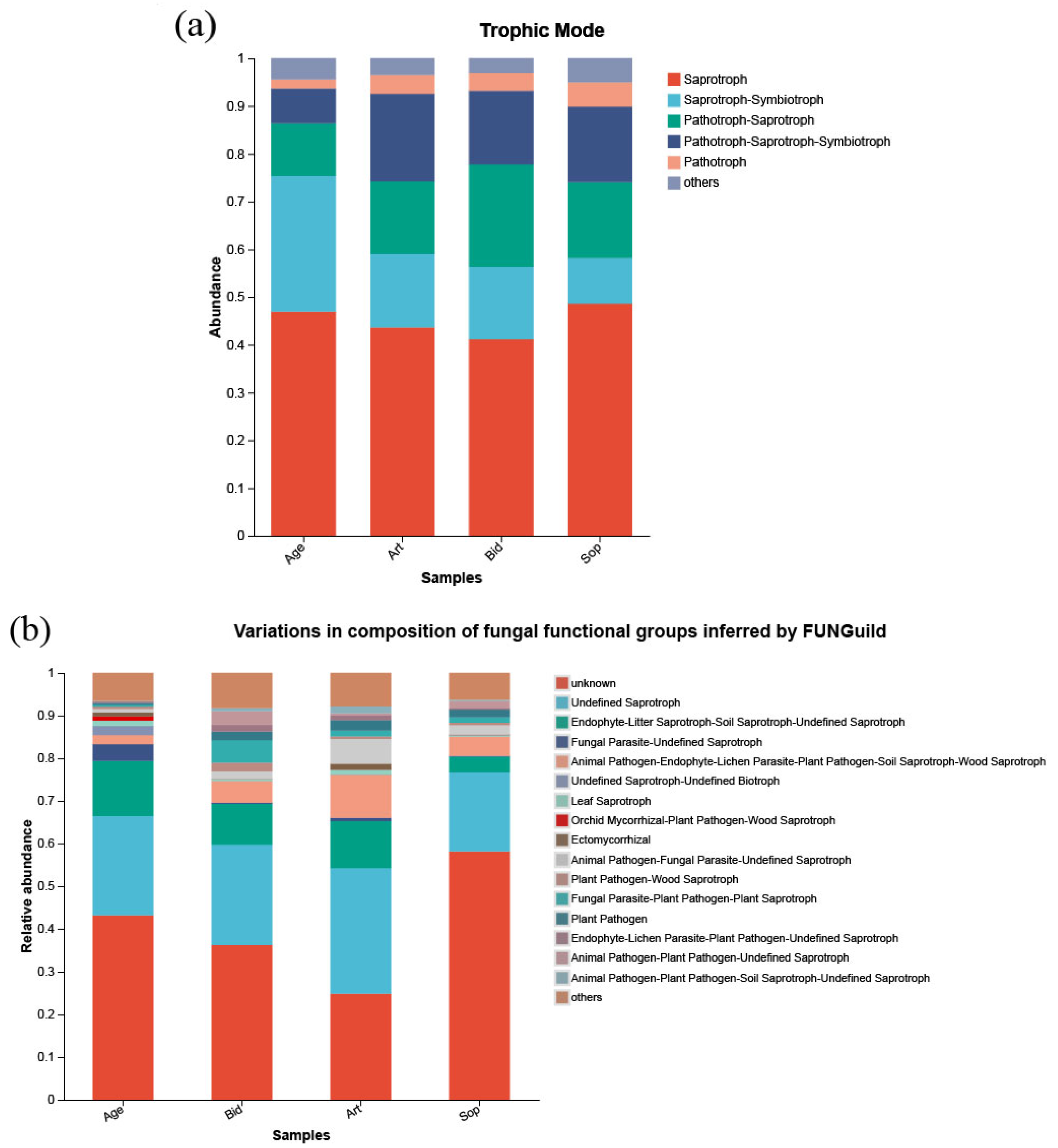
Analysis of the fungal communities in the rhizosphere soil of the four plant species revealed five functional types: pathotroph, pathotroph–saprotroph, pathotroph–saprotroph–symbiotroph, saprotroph, and saprotroph–symbiotroph (Figure 3a). The guilds primarily comprised endophyte-litter saprotroph–soil saprotroph–undefined saprotroph and fungal parasite–undefined saprotroph. Species abundance in the root zone of Bidens pilosa was higher than that in the other three species, particularly for the animal pathogen–endophyte–lichen parasite–plant pathogen–soil saprotroph–wood saprotroph guild.

3.2. Fungal Community Diversity

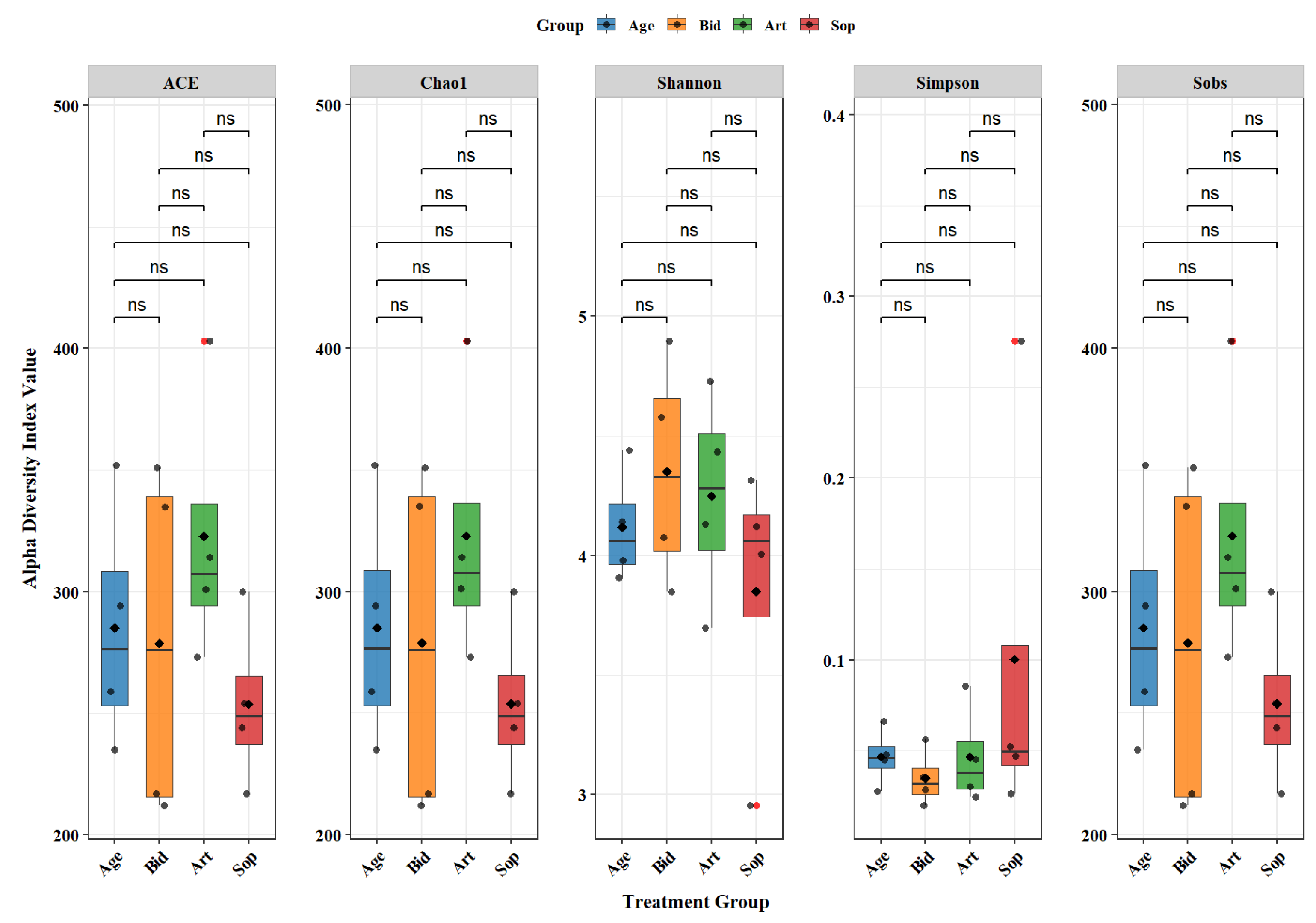
To compare the richness and diversity of the fungal communities, alpha diversity analysis was conducted. No significant differences were found in the Ace, Chao, Shannon, Simpson, or Sobs indices of the root-associated soil fungi among the four species (p > 0.05). Thus, although differences in specific fungal types and quantities existed, the overall diversity performance was somewhat similar (Figure 4).
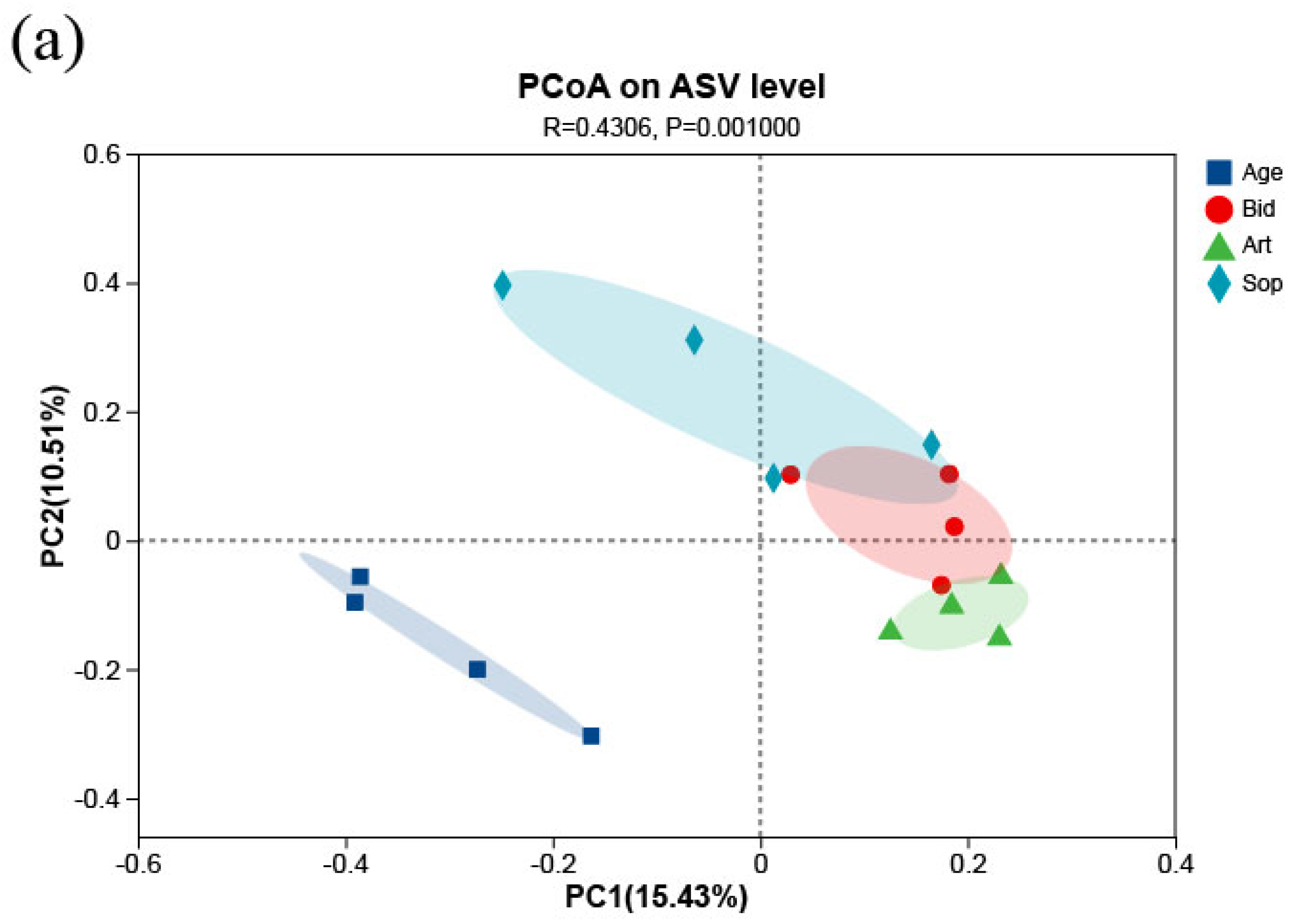
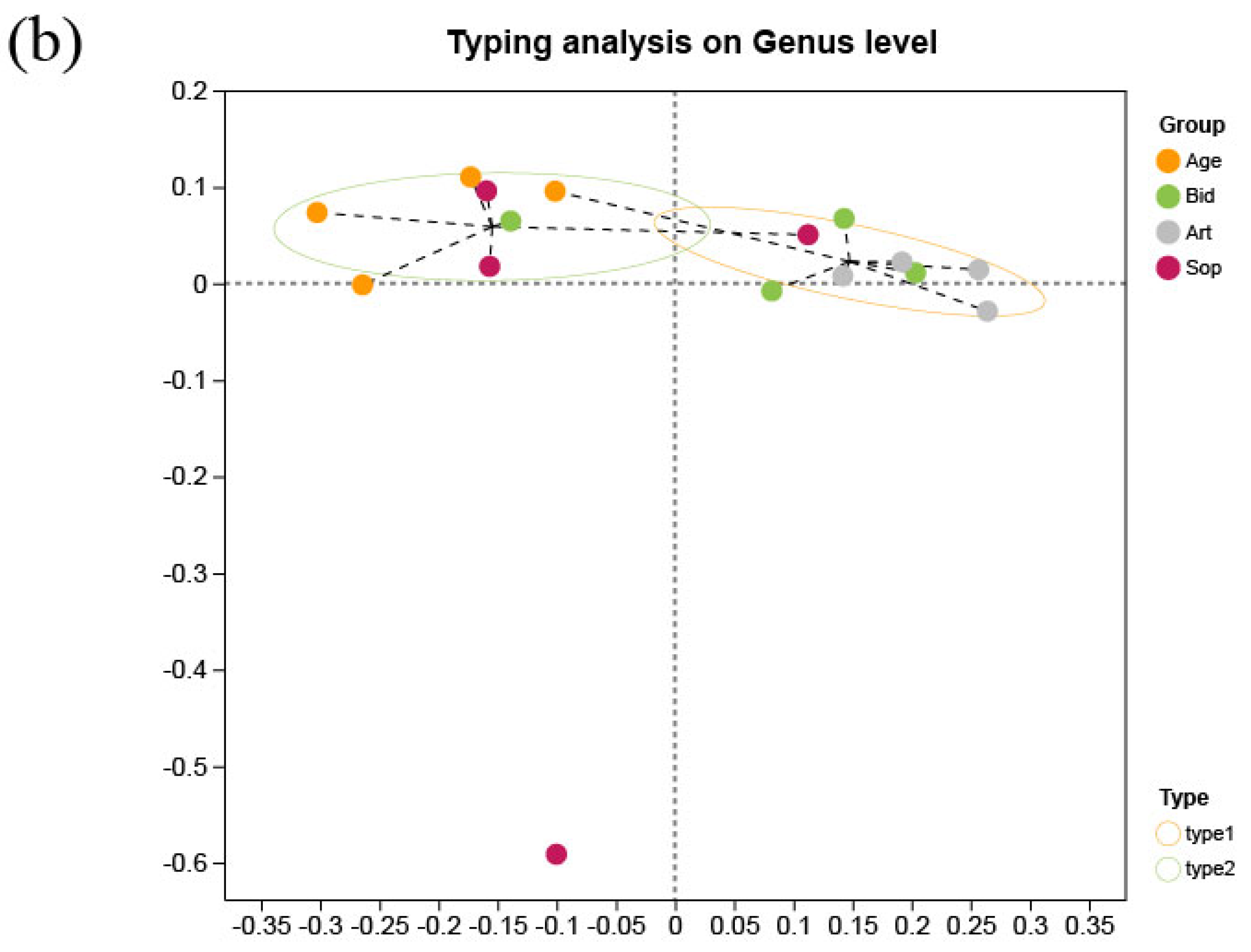
PCoA based on Bray–Curtis distance was used to analyse the composition differences in the root-associated soil fungal communities of the four species. Significant differences were observed between Ageratina adenophora and the other three species (Bidens pilosa, Artemisia argyi, and Sophora davidii) (Figure 5a). By using the statistical clustering method to compare the typing of the dominant fungal communities in different samples, the four species were classified into two types: Ageratina adenophora and Sophora davidii belonged to one category, while Bidens pilosa and Artemisia argyi belonged to the other category (Figure 5b).

3.3. Diversity of Fungal Composition

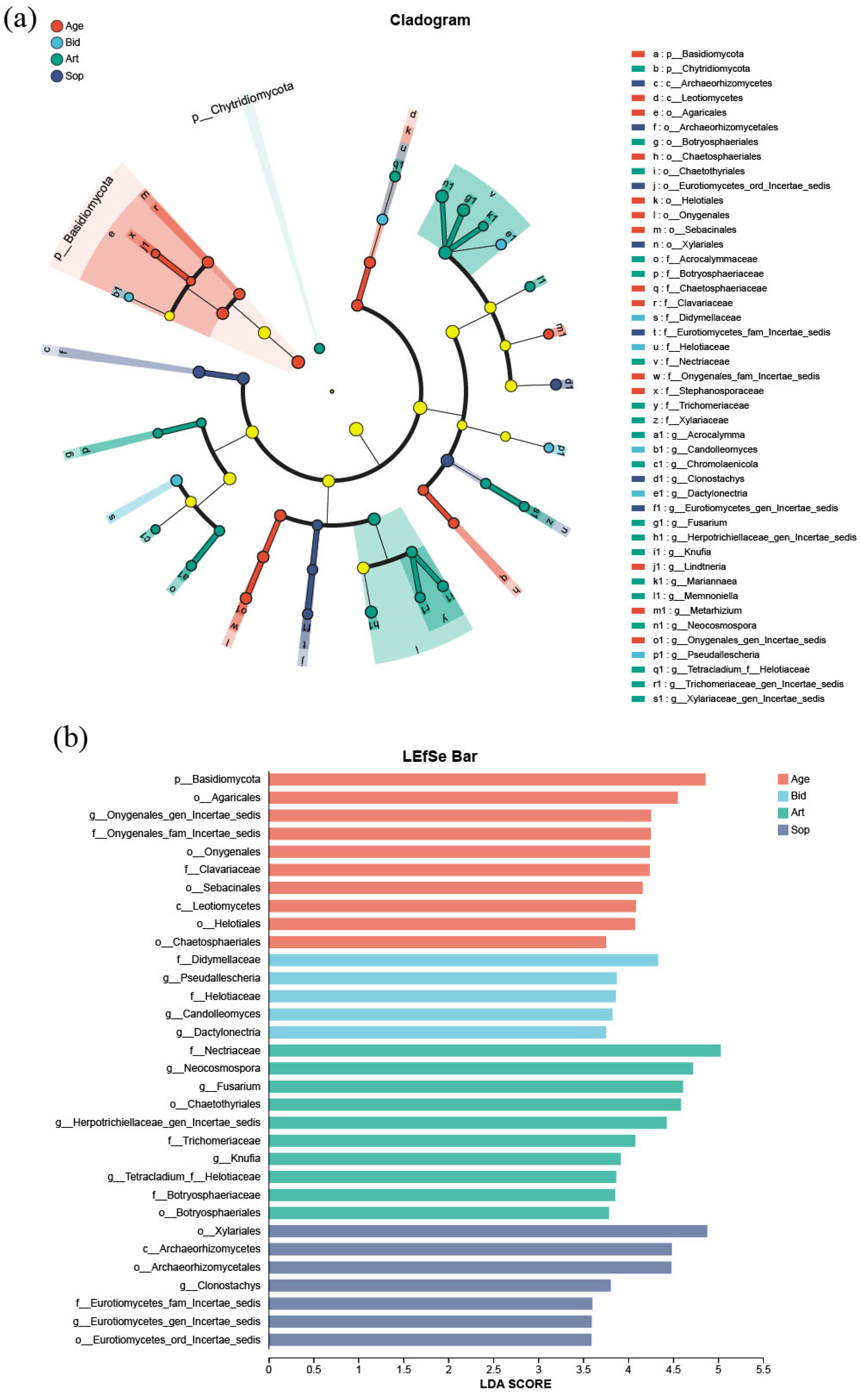
The differences in species levels (phylum, class, order, family, genus, and species) at various hierarchical levels obtained in different groups are presented in the form of a dendrogram. The LDA value is used to measure the extent of the species’ influence on the difference. There are significant differences among different species groups. The Ageratina adenophora group exhibited 10 significantly different categories, with Basidiomycota and Agaricales exerting the greatest influence on the difference effect; the Bidens pilosa L. (Bid) group had 5 significantly different categories, and Didymellaceae has the greatest influence on the difference effect; the Artemisia argyi H (Art) group showed 10 significantly different categories, and Nectriaceae had the greatest influence on the difference effect; the Sophora davidii) group had 7 significantly different categories, and Xylariales had the greatest influence on the difference effect (Figure 6).
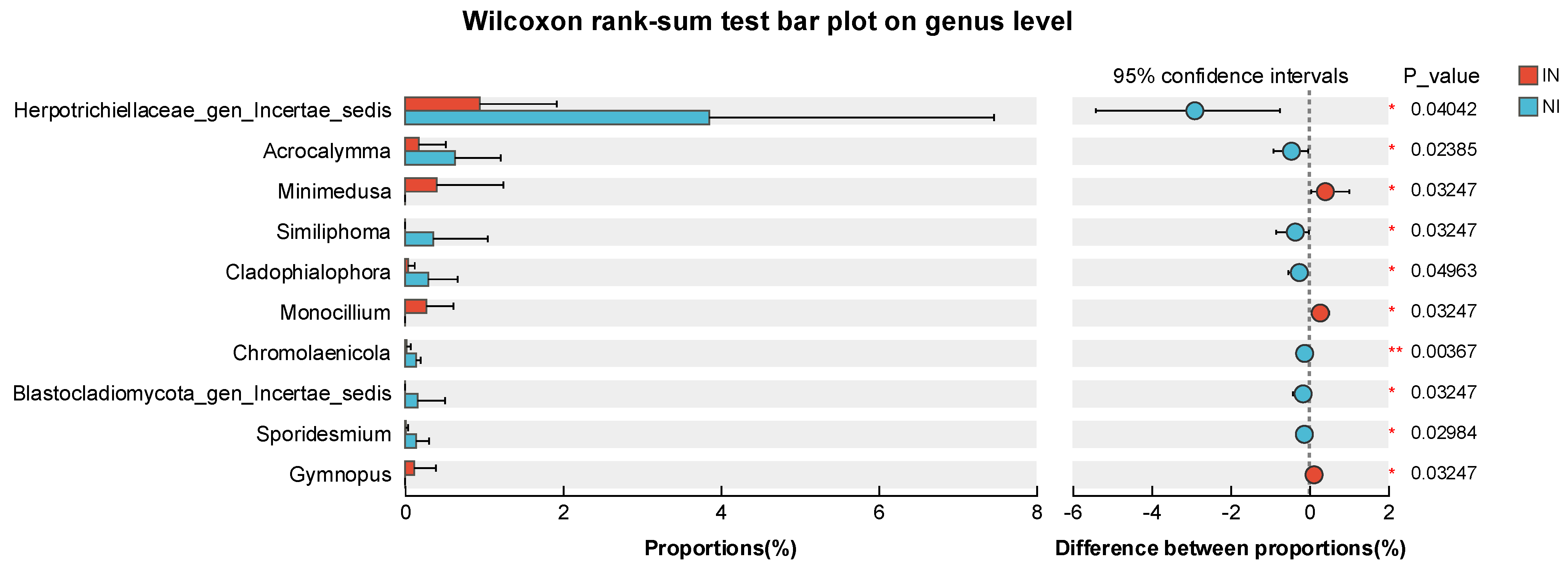
Under identical environmental conditions, the soil fungal composition differed significantly between the root zones of invasive and native plants. The relative abundances of Herpotrichiellaceae_gen_Incertae_sedis, Acrocalymma, Similiphoma, Cladophialophora, Chromolaenicola, Blastocladiomycota_gen_Incertae_sedis, and Sporidesmium in the soil of native plants were significantly higher than those in the soil of invasive plants (p < 0.05), while the relative abundances of Minimedusa, Monocillium and Gymnopus in the soil of invasive plants were significantly higher than those in the soil of native plants (p < 0.05) (Figure 7).

3.4. Core Fungal and Endemic Species in the Region

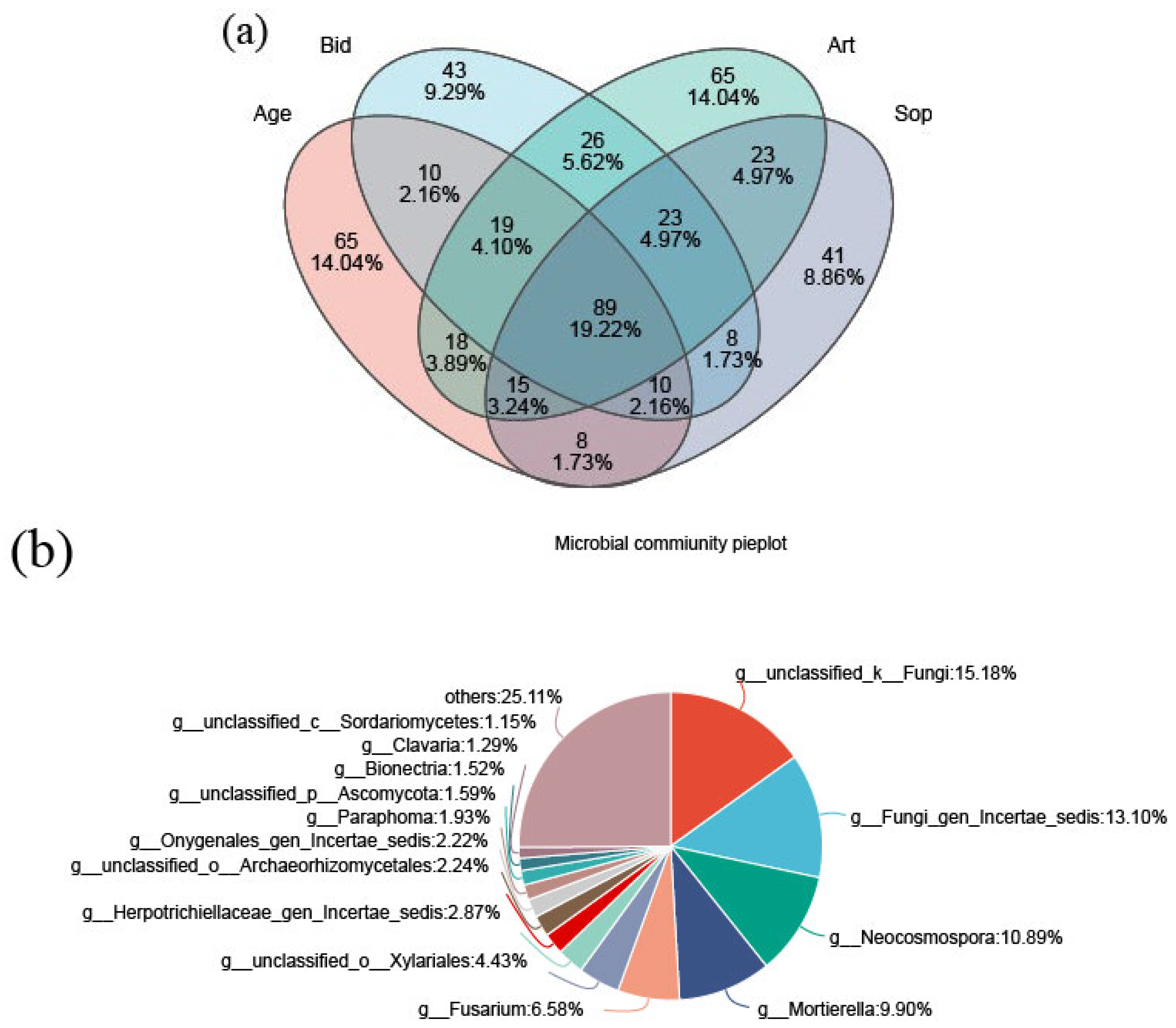
The fungal communities present in the rhizosphere soil of the four species represent the core fungal communities and dominate under the given habitat conditions. There are a total of 89 genera, accounting for 19.22% of the total (Figure 8a). Among the fungal communities, Neocosmospora, Mortierella and Fusarium constituted the largest proportions of these core communities, and the genera are classified into Saprotroph, Saprotroph–Symbiotroph and Pathotroph–Saprotroph–Symbiotroph groups (Figure 8b).
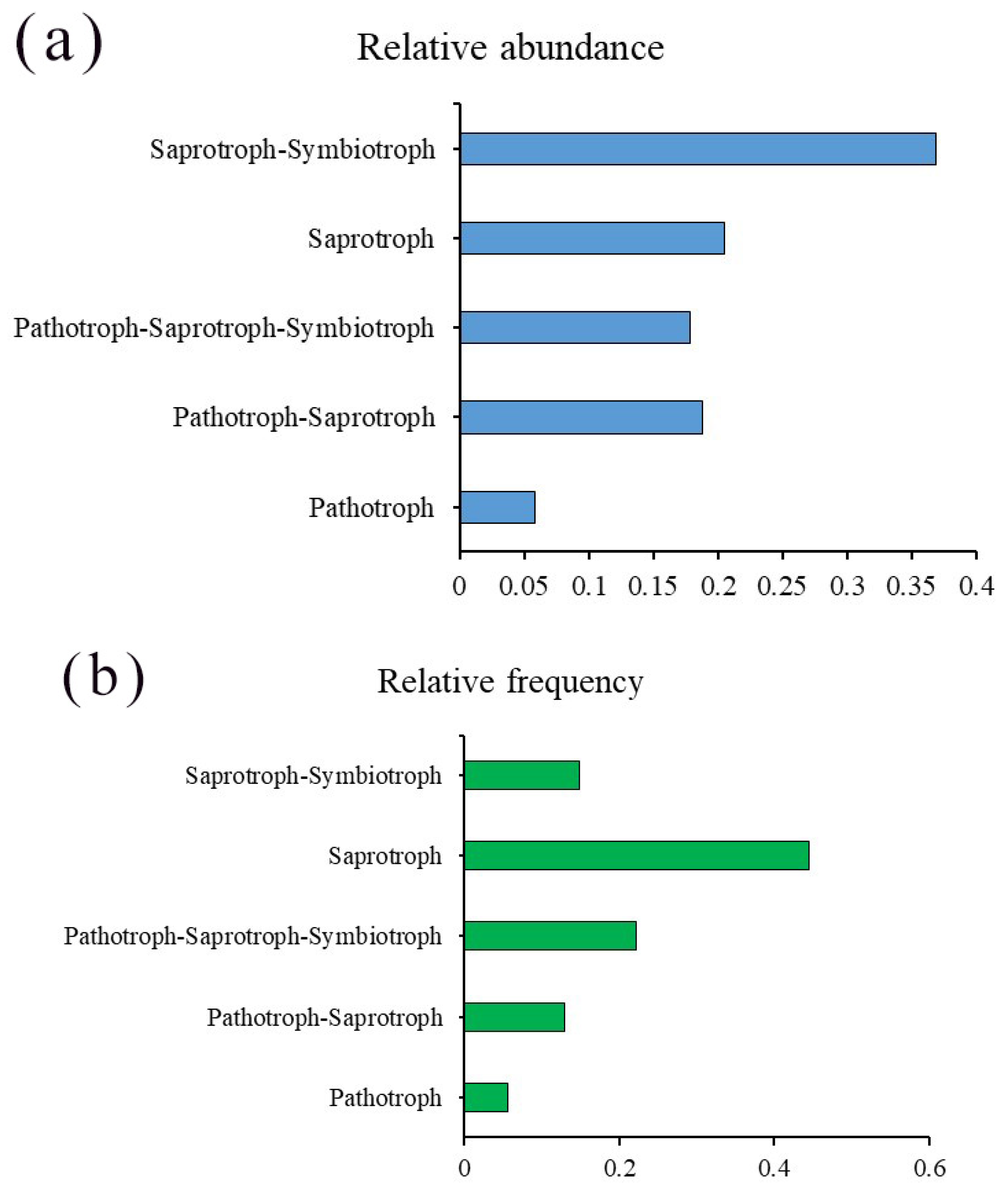
These core fungi in the rhizosphere soil of 4 species, comprising 89 genera, were categorized into 5 functional groups: Pathotroph, Pathotroph–Saprotroph, Pathotroph–Saprotroph–Symbiotroph, Saprotroph, and Saprotroph–Symbiotroph (Figure 9a). Saprotroph–symbiotrophs exhibited the highest abundance, while pathotrophs were the least abundant. Saprotrophs were the most frequently occurring functional type, and pathotrophs were the least frequently occurring functional type. Saprotrophs were relatively common (Figure 9b).
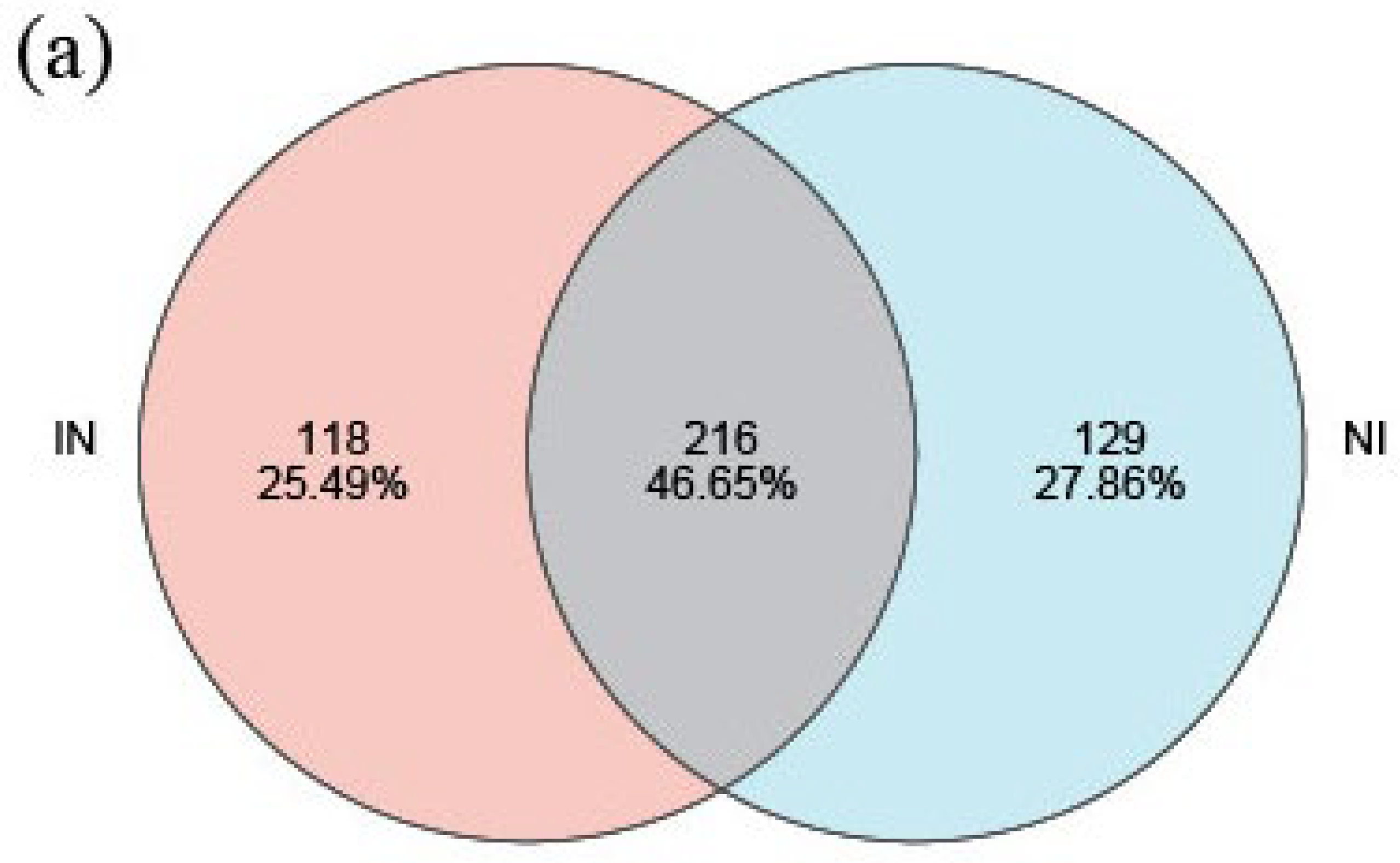
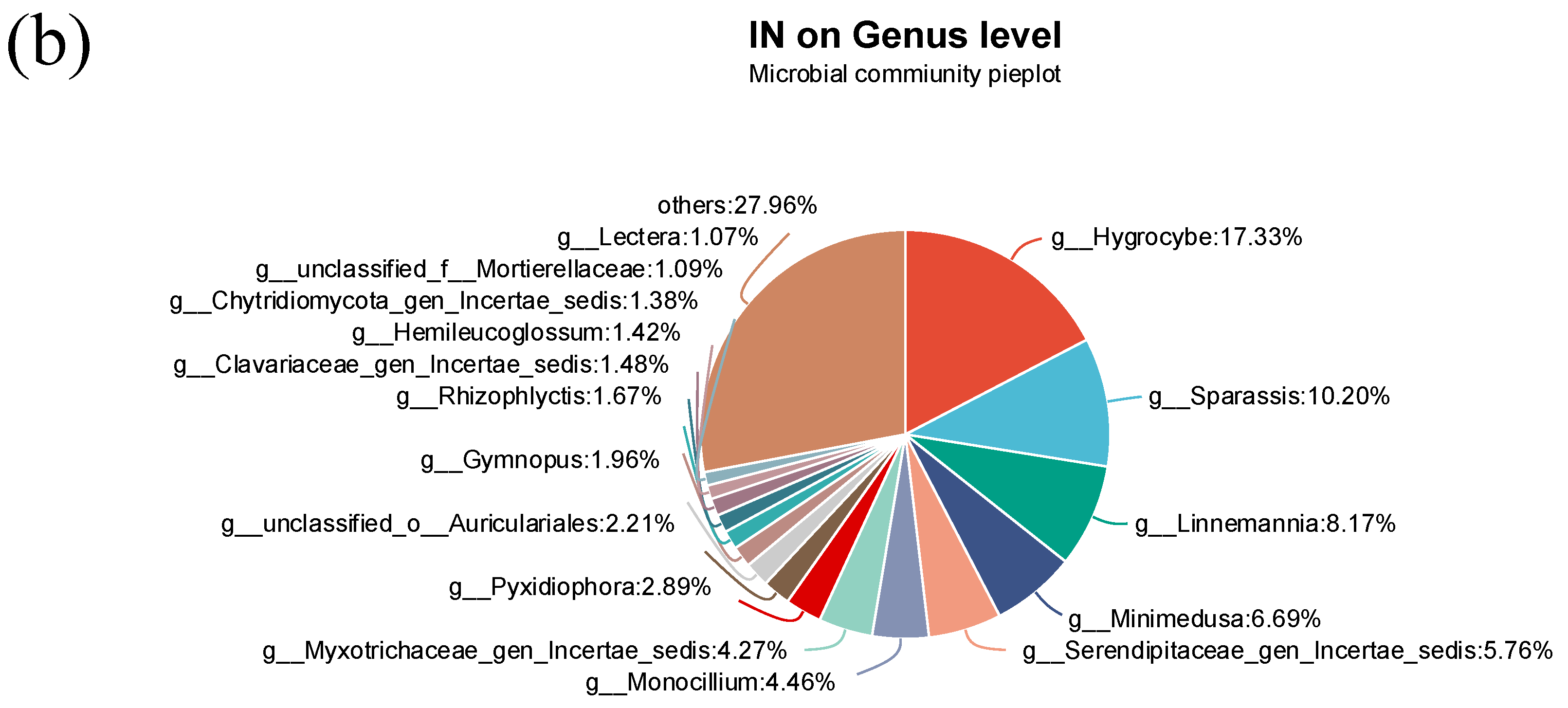
A total of 216 genera were common to both invasive and native plants. However, 118 genera (25.49%) were associated with only invasive plants (Figure 10a). In the fungal community of the root zone soil of invasive plants, Hygrocybe, Sparassis, and Linnemannia were the most abundant (Figure 10b), and they belong to the genus Saprotroph.

3.5. Invasive and Native Plant Fungal Communities

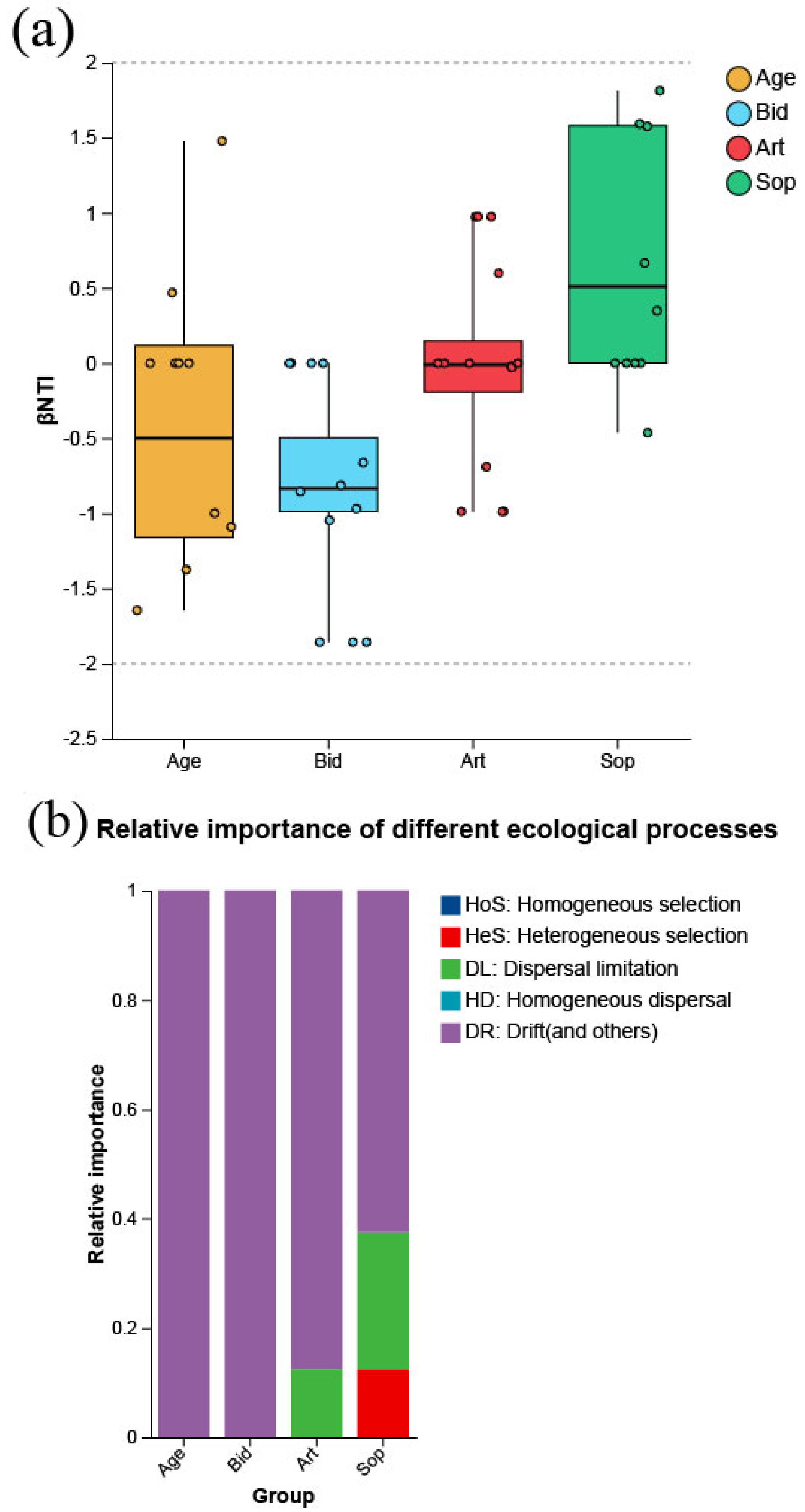
Analysis using the β-nearest neighbour index (βNTI) and the Raup–Crick index (RCBray) was employed to infer the ecological processes governing community assembly. No statistically significant differences were detected in the assembly processes between invasive and native plant fungal communities (Figure 11a). For both invasive and native plants, stochastic processes, particularly drift (and other undominated processes), played a dominant role in shaping community structure. While deterministic processes such as variable selection (HeS) and dispersal limitation (DL) contributed to the assembly of native plant communities, their overall influence was not sufficient to result in a statistically distinct assembly mechanism compared to that of invasive plants (Figure 11b). This suggests that in the nutrient-poor and heterogeneous soils of the karst region, stochastic events may be a primary driver of fungal community assembly for both plant types.

4. Discussion

4.1. Soil Community Characteristics in the Rhizosphere

The composition, structure and function of fungal communities in the rhizosphere soil are influenced by vegetation type, soil properties and environmental factors [24,25]. In general, the soil in karst areas is nutrient-poor and has a low moisture content. These complex factors shape unique rhizosphere soil fungal communities [26,27]. Vegetation succession leads to shifts in soil physical and chemical properties, such as alterations to soil moisture, soil pH and soil microbial communities [24,28,29]. This study revealed that the dominant fungal phyla for both invasive and native plants were Ascomycota, Mortierellomycota, and Basidiomycota. However, the relative abundance of Basidiomycota in the rhizosphere soil of native plants was higher than in that in the rhizosphere soil of invasive plants, which is consistent with previous findings [24]. The dominant fungal communities in the soil of the Guizhou karst region are primarily Basidiomycota and Ascomycota.

4.2. The Main Fungal and Endemic Species in the Region

Understanding the composition, structure, function and nutritional modes of soil fungal communities in karst areas is crucial for clarifying regional ecosystem functions. The geology of karst areas is unique, characterised by exposed rocks, thin soil layers, nutrient deficiency, and severe soil erosion. These factors have a significant impact on the rhizosphere soil fungal community, leading to changes in the fungal community [16,25,30,31]. The dominant fungi in the karst soil of the central Guizhou region are mainly Mortierella, Fusarium, and Aspergillus [19,24], which is consistent with the results of this study. The primary nutritional types are Saprotrophs, and they play important roles in organic matter decomposition and nutrient cycling.

4.3. The Impact of Plant Invasion on Fungal Communities

Plant invasion can alter soil microbial communities, leading to differences between the rhizosphere soils of invasive and native plants [32,33]. Previous studies have proposed several mechanisms underlying these changes, including modifications to soil physicochemical properties [34,35,36], shifts in symbiotic relationships [37,38], and the accumulation of soil pathogens [39].
In this study, we observed significant differences in the composition of fungal communities in the rhizosphere soil of invasive plants. At the genus level, the relative abundances of Herpotrichiellaceae_gen_Incertae_sedis, Acrocalymma, and Cladophialophora were significantly higher in native plant soil (p < 0.05). Conversely, Minimedusa, Monocillium, and Gymnopus were significantly enriched in the soil of invasive plants (p < 0.05). Based on FUNGuild predictions, some of these genera are associated with putative functional roles such as saprotrophy, which may have implications for nutrient cycling. These findings indicate that plant invasion is associated with significant restructuring of the soil fungal community.

5. Conclusions

In typical karst regions, a comparison of root-associated soil fungal communities between invasive and native plants revealed that specific fungal genera, such as Minimedusa, Monocillium, and Gymnopus, were significantly enriched in the rhizospheres of invasive plants. Functional prediction based on FUNGuild indicated an increased relative abundance of saprotrophic fungi associated with invasion, while community assembly processes for both plant types were primarily dominated by stochastic ecological events, with no significant divergence detected. These findings suggest that plant invasion is associated with distinct shifts in the composition and potential ecological functions of root-associated soil fungal communities in fragile karst ecosystems.

Author Contributions

Conceptualisation: J.W. (Jiawei Wu) and W.L.; original draft preparation: J.W. (Jiawei Wu) and J.W. (Jiaguo Wang); writing—review and editing: J.W. (Jiawei Wu), J.W. (Jiaguo Wang) and W.L.; project administration: J.W. (Jiawei Wu). All authors have read and agreed to the published version of the manuscript.

Funding

This study was supported by the Youth Science and Technology Development Project of Guizhou Academy of Sciences (Project Number: 52000024P00280H10021H), the Gui Zhou Key Laboratory of Agricultural Biosecurity (Project Number: QKHZSYS [2025]024), and the earmarked fund of the Gui Zhou Modern Agriculture Research System (Project Number: GZSTCYJSTX2026-01).

Institutional Review Board Statement

The study conducted by the authors of this article did not involve human participants or animals.

Informed Consent Statement

Not applicable.

Data Availability Statement

The original contributions presented in this study are included in the article. Further inquiries can be directed to the corresponding author(s).

Acknowledgments

We extend our sincere gratitude to Weijie Li for his support and Jiaguo Wang for his assistance. We acknowledge AJE (www.aje.cn) for professional language editing services.

Conflicts of Interest

We affirm that no competing financial interests or personal relationships exist that could be reasonably construed as influencing the research presented in this work.

References

  1. Diagne, C.; Leroy, B.; Vaissière, A.; Gozlan, R.E.; Roiz, D.; Jarić, I.; Salles, J.; Bradshaw, C.J.A.; Courchamp, F. High and rising economic costs of biological invasions worldwide. Nature 2021, 592, 571–576, Erratum in Nature 2021, 608, E35. [Google Scholar] [CrossRef] [PubMed]
  2. Pejchar, L.; Mooney, H.A. Invasive species, ecosystem services and human well-being. Trends Ecol. Evol. 2009, 24, 497–504. [Google Scholar] [CrossRef] [PubMed]
  3. Callaway, R.M.; Ridenour, W.M. Novel Weapons: Invasive Success and the Evolution of Increased Competitive Ability. Front. Ecol. Environ. 2004, 2, 436–443. [Google Scholar] [CrossRef]
  4. Van der Putten, W.H.; Bardgett, R.D.; Bever, J.D.; Bezemer, T.M.; Casper, B.B.; Fukami, T.; Kardol, P.; Klironomos, J.N.; Kulmatiski, A.; Schweitzer, J.A.; et al. Plant–soil feedbacks: The past, the present and future challenges. J. Ecol. 2013, 101, 265–276. [Google Scholar] [CrossRef]
  5. Vilà, M.; Espinar, J.L.; Hejda, M.; Hulme, P.E.; Jarošík, V.; Maron, J.L.; Pergl, J.; Schaffner, U.; Sun, Y.; Pyšek, P. Ecological impacts of invasive alien plants: A meta-analysis of their effects on species, communities and ecosystems. Ecol. Lett. 2011, 14, 702–708. [Google Scholar] [CrossRef]
  6. Clements, R.; Sodhi, N.S.; Schilthuizen, M.; Ng, P.K.L. Limestone Karsts of Southeast Asia: Imperiled Arks of Biodiversity. Bioscience 2006, 56, 733–742. [Google Scholar] [CrossRef]
  7. Hartmann, A.; Goldscheider, N.; Wagener, T.; Lange, J.; Weiler, M. Karst water resources in a changing world: Review of hydrological modeling approaches. Rev. Geophys. 2014, 52, 218–242. [Google Scholar] [CrossRef]
  8. Jiang, Z.; Lian, Y.; Qin, X. Rocky desertification in Southwest China: Impacts, causes, and restoration. Earth-Sci. Rev. 2014, 132, 1–12. [Google Scholar] [CrossRef]
  9. Cheng, J.; Jin, H.; Zhang, J.; Xu, Z.; Yang, X.; Liu, H.; Xu, X.; Min, D.; Lu, D.; Qin, B. Effects of Allelochemicals, Soil Enzyme Activities, and Environmental Factors on Rhizosphere Soil Microbial Community of Stellera chamaejasme L. along a Growth-Coverage Gradient. Microorganisms 2022, 10, 158. [Google Scholar] [CrossRef]
  10. Qu, T.; Du, X.; Peng, Y.; Guo, W.; Zhao, C.; Losapio, G. Invasive species allelopathy decreases plant growth and soil microbial activity. PLoS ONE 2021, 16, e246685. [Google Scholar] [CrossRef]
  11. Xia, T.; Wang, Y.; He, Y.; Wu, C.; Shen, K.; Tan, Q.; Kang, L.; Guo, Y.; Wu, B.; Han, X. An invasive plant experiences greater benefits of root morphology from enhancing nutrient competition associated with arbuscular mycorrhizae in karst soil than a native plant. PLoS ONE 2020, 15, e234410. [Google Scholar] [CrossRef]
  12. Li, S.; Liu, C.; Chen, J.; Wang, S. Karst ecosystem and environment: Characteristics, evolution processes, and sustainable development. Agric. Ecosyst. Environ. 2021, 306, 107173. [Google Scholar] [CrossRef]
  13. Wan-Xue, L.; Hong-Bang, N.; Fang-Haoo, W.; Bo, L. Effects of leachates of the invasive plant, Ageratina adenophora (Sprengel) on soil microbial community. Acta Ecol. Sin. 2010, 30, 196–200. [Google Scholar] [CrossRef]
  14. Xia, Y.; Feng, J.; Zhang, H.; Xiong, D.; Kong, L.; Seviour, R.; Kong, Y. Effects of soil pH on the growth, soil nutrient composition, and rhizosphere microbiome of Ageratina adenophora. PeerJ 2024, 12, e17231. [Google Scholar] [CrossRef] [PubMed]
  15. Yu, F.; Huang, X.; Duan, C.; He, S.; Zhang, G.; Liu, C.; Fu, D.; Shao, H. Impacts of Ageratina adenophora invasion on soil physical–chemical properties of Eucalyptus plantation and implications for constructing agro-forest ecosystem. Ecol. Eng. 2014, 64, 130–135. [Google Scholar] [CrossRef]
  16. Zhao, L.; Hou, R. Human causes of soil loss in rural karst environments: A case study of Guizhou, China. Sci. Rep. 2019, 9, 3225. [Google Scholar] [CrossRef]
  17. Xu, W.; Pan, Q.; Zhang, Q.; Song, D.; Sun, L.; Wang, Y.; Zhang, J.; Yang, H.; Han, X.; Dong, L. Synergistic changes in AM fungi and soil abiotic properties in rhizosphere soils of invasive Solidago canadensis may confer its stronger dominance in communities. Plant Soil 2024, 498, 561–577. [Google Scholar] [CrossRef]
  18. Gou, X.; Kong, W.; Sadowsky, M.J.; Chang, X.; Qiu, L.; Liu, W.; Shao, M.; Wei, X. Global responses of soil bacteria and fungi to inoculation with arbuscular mycorrhizal fungi. Catena 2024, 237, 107817. [Google Scholar] [CrossRef]
  19. Zhao, C.; Long, J.; Liao, H.; Zheng, C.; Li, J.; Liu, L.; Zhang, M. Dynamics of soil microbial communities following vegetation succession in a karst mountain ecosystem, Southwest China. Sci. Rep. 2019, 9, 2160. [Google Scholar] [CrossRef]
  20. Tian, C.; Wang, W.; Wang, H.; Chen, H.; Tian, J. Plant invasion mediates the regulation of topsoil organic carbon sequestration by the fungal community in coastal wetlands. Catena 2023, 227, 107118. [Google Scholar] [CrossRef]
  21. Barillot, C.D.C.; Sarde, C.; Bert, V.; Tarnaud, E.; Cochet, N. A standardized method for the sampling of rhizosphere and rhizoplan soil bacteria associated to a herbaceous root system. Ann. Microbiol. 2012, 63, 471–476. [Google Scholar] [CrossRef]
  22. Barberan, A.; Bates, S.T.; Casamayor, E.O.; Fierer, N. Using network analysis to explore co-occurrence patterns in soil microbial communities. ISME J. 2012, 6, 343–351, Erratum in ISME J. 2014, 8, 952. [Google Scholar] [CrossRef] [PubMed]
  23. Schloss, P.D.; Westcott, S.L.; Ryabin, T.; Hall, J.R.; Hartmann, M.; Hollister, E.B.; Lesniewski, R.A.; Oakley, B.B.; Parks, D.H.; Robinson, C.J.J.; et al. Introducing mothur: Open-source, platform-independent, community-supported software for describing and comparing microbial communities. Appl. Environ. Microbiol. 2009, 75, 7537–7541. [Google Scholar] [CrossRef] [PubMed]
  24. Wang, W.; Peng, P.; Li, J.; Liao, X.; Zhang, W.; Wang, K.; Zhao, J. Effects of Vegetation Succession on Soil Microbial Communities on Karst Mountain Peaks. Forests 2024, 15, 586. [Google Scholar] [CrossRef]
  25. Zou, X.; Yao, K.; Zeng, Z.; Zeng, F.; Lu, L.; Zhang, H. Effect of different vegetation restoration patterns on community structure and co-occurrence networks of soil fungi in the karst region. Front. Plant Sci. 2024, 15, 1440951. [Google Scholar] [CrossRef]
  26. Qi, D.; Wieneke, X.; Xue, P.; He, L.; DeSilva, U. Total nitrogen is the main soil property associated with soil fungal community in karst rocky desertification regions in southwest China. Sci. Rep. 2021, 11, 10809. [Google Scholar] [CrossRef]
  27. Xu, H.; Du, H.; Zeng, F.; Song, T.; Peng, W. Diminished rhizosphere and bulk soil microbial abundance and diversity across succession stages in Karst area, southwest China. Appl. Soil Ecol. 2021, 158, 103799. [Google Scholar] [CrossRef]
  28. Jiang, S.; Song, M.; Du, H.; Wang, F.; Song, T.; Chen, H.; Zeng, F.; Peng, W. Soil Properties Regulate Soil Microbial Communities During Forest Succession in a Karst Region of Southwest China. Microorganisms 2024, 12, 2136. [Google Scholar] [CrossRef]
  29. Li, Y.; Tang, Q.; Yuan, C.; Zhu, S.; Ye, Y.; Wu, P.; Cui, Y.; Ding, F. Changes in Community Structure and Functional Characteristics of Soil Bacteria and Fungi along Karst Vegetation Succession. Forests 2023, 14, 1562. [Google Scholar] [CrossRef]
  30. Zhang, P.; Li, L.; Pan, G.; Ren, J. Soil quality changes in land degradation as indicated by soil chemical, biochemical and microbiological properties in a karst area of southwest Guizhou, China. Environ. Geol. 2006, 51, 609–619. [Google Scholar] [CrossRef]
  31. Zhao, M.; Lu, X.; Zhao, H.; Yang, Y.; Hale, L.; Gao, Q.; Liu, W.; Guo, J.; Li, Q.; Zhou, J.; et al. Ageratina adenophora invasions are associated with microbially mediated differences in biogeochemical cycles. Sci. Total Environ. 2019, 677, 47–56. [Google Scholar] [CrossRef] [PubMed]
  32. Batten, K.M.; Scow, K.M.; Davies, K.F.; Harrison, S.P. Two Invasive Plants Alter Soil Microbial Community Composition in Serpentine Grasslands. Biol. Invasions 2006, 8, 217–230. [Google Scholar] [CrossRef]
  33. Coats, V.C.; Rumpho, M.E. The rhizosphere microbiota of plant invaders: An overview of recent advances in the microbiomics of invasive plants. Front. Microbiol. 2014, 5, 368. [Google Scholar] [CrossRef] [PubMed]
  34. Luo, X.; Liu, N.; Lambers, H.; Cai, H.; Hou, E.; Huang, Y.; Jian, S.; Kuang, Y.; Wen, D.; Zhang, L. Plant invasion alters soil phosphorus cycling on tropical coral islands: Insights from Wollastonia biflora and Chromolaena odorata invasions. Soil Biol. Biochem. 2024, 193, 109412. [Google Scholar] [CrossRef]
  35. Su, X.; Su, X.; Zhou, G.; Du, Z.; Yang, S.; Ni, M.; Qin, H.; Huang, Z.; Zhou, X.; Deng, J. Drought accelerated recalcitrant carbon loss by changing soil aggregation and microbial communities in a subtropical forest. Soil Biol. Biochem. 2020, 148, 107898. [Google Scholar] [CrossRef]
  36. Zhang, S.; Liu, J.; Zhao, H.; Li, Q.; Zhang, H.; Zhao, M. Flaveria bidentis invasion modifies soil physicochemical properties and increases microorganism community diversity. J. Soils Sediments 2024, 24, 2437–2448. [Google Scholar] [CrossRef]
  37. Koch, A.M.; Antunes, P.M.; Maherali, H.; Hart, M.M.; Klironomos, J.N. Evolutionary asymmetry in the arbuscular mycorrhizal symbiosis: Conservatism in fungal morphology does not predict host plant growth. New Phytol. 2017, 214, 1330–1337. [Google Scholar] [CrossRef]
  38. Xia, Y.; Dong, M.; Yu, L.; Kong, L.; Seviour, R.; Kong, Y. Compositional and functional profiling of the rhizosphere microbiomes of the invasive weed Ageratina adenophora and native plants. PeerJ 2021, 9, e10844. [Google Scholar] [CrossRef]
  39. Mangla, S.; Inderjit, N.; Callaway, R.M. Exotic invasive plant accumulates native soil pathogens which inhibit native plants. J. Ecol. 2007, 96, 58–67. [Google Scholar] [CrossRef]
Figure 1. Community composition of fungi among different plant groups. (a) The composition and relative abundance of the top 16 most abundant fungal phyla in the rhizosphere soil of different plant species; (b) The composition and relative abundance of the top 20 most abundant fungal genera in the rhizosphere soil of different plant species. Low-abundance taxa were grouped into “Others”.
Diversity 18 00160 g001
Figure 2. Composition of fungal communities in the rhizosphere soil of invasive and native plants. (a) Fungal community composition at the phylum level, showing the top 16 most abundant phyla and their relative abundances in the rhizosphere soils of invasive and non-invasive plants; (b) Fungal community composition at the genus level, showing the top 20 most abundant genera and their relative abundances in the rhizosphere soils of invasive and non-invasive plants, with low-abundance taxa grouped into “Others”. Note: IN: Invasive plant root-associated soil fungal community, NI: The fungal community in the rhizosphere soil of native plants.
Diversity 18 00160 g002
Figure 3. Relative abundance of different trophic modes and guilds. (a) Functional groups of rhizosphere soil fungal communities associated with different plant species; (b) Distribution of functional group abundances in rhizosphere soil fungal communities among different plant species, visually illustrating the distribution patterns of dominant functional groups across samples.
Diversity 18 00160 g003
Figure 4. Alpha Diversity Analysis. Note: “ns” indicates no significant correlation. Each “colored dot” represents an individual sample observation, with different colors typically indicating different groups.
Diversity 18 00160 g004
Figure 5. Beta diversity analysis based on the Bray-Curtis distance. Note: (a) PCoA, which examines the similarity or difference in the composition of sample communities. (b) Microbial profiling analysis, which investigates the typing patterns of the dominant microbial communities in different samples.
Diversity 18 00160 g005aDiversity 18 00160 g005b
Figure 6. LEfSe analysis and LDA values. (a) A cladogram illustrating taxonomic differences at various phylogenetic levels. This visualization highlights distinct taxa across different hierarchical levels between groups. Nodes in different colors represent microbial lineages that are significantly enriched in the corresponding group and contribute substantially to the observed inter-group differences, whereas nodes in pale yellow indicate taxa with no significant differences between groups or no substantial contribution to group differentiation. (b) Linear discriminant analysis (LDA) effect size showing the LDA scores of differentially abundant rhizosphere soil fungal taxa among different plant species. This plot demonstrates the magnitude of influence of the identified biomarker species on the differences between groups, with higher LDA scores indicating a greater contribution of the taxon’s abundance to the observed inter-group differences.
Diversity 18 00160 g006
Figure 7. Comparison of significant species differences in soil fungi between invaded and noninvaded plants. Note: IN: Invasive plant root-associated soil fungal community, NI: The fungal community in the rhizosphere soil of native plants. The rightmost column represents the p value, * 0.01 < p ≤ 0.05, ** 0.001 < p ≤ 0.01.
Diversity 18 00160 g007
Figure 8. Core fungal communities in the rhizosphere soil of the four plant species. (a) Core fungal communities in the rhizosphere soil of different plant species. Different colors represent different groups, with overlapping areas indicating species shared among multiple groups (or samples) and non-overlapping areas representing species unique to a particular group (or sample). The numbers indicate the corresponding species counts. (b) Relative abundance of functional groups within the core fungal communities in the rhizosphere soil of the four plant species.
Diversity 18 00160 g008
Figure 9. Nutritional types and occurrence frequencies of soil fungal communities in the rhizosphere. (a) Relative abundance of fungal functional groups in the rhizosphere soil of the four plant species; (b) Relative frequency of fungal functional groups in the rhizosphere soil of the four plant species.
Diversity 18 00160 g009
Figure 10. Core fungal communities in the rhizosphere soil of invasive and native plants. (a) Number of fungal genera in the rhizosphere soils of invasive and non-invasive plants. Different colors represent different groups, with overlapping areas indicating genera shared among multiple groups and non-overlapping areas representing genera unique to a particular group. The numbers indicate the corresponding genus counts. (b) Proportion of fungal species in the rhizosphere soils of the four plant species at the species level. Note: IN: Invasive plant root-associated soil fungal community, NI: The fungal community in the rhizosphere soil of native plants.
Diversity 18 00160 g010aDiversity 18 00160 g010b
Figure 11. Analysis of soil community structure in the rhizospheres of the 4 plant species. (a) This figure shows the β-nearest taxon index (βNTI) values among the selected sample groups. The x-axis represents the group names, and the y-axis represents the range of βNTI values for each group. (b) The relative contributions of deterministic and stochastic ecological processes to the microbial community structure in the rhizosphere soil fungal communities of different plant species. For each group, longer bars indicate a greater influence of the corresponding ecological process on the changes in community structure.
Diversity 18 00160 g011
Table 1. Number of Fungi in Different Taxonomic Categories.
TaxonKingdomPhylumClassOrderFamilyGenusSpeciesASV
Number116501122454636292548
Note: The basic unit of the operation.
Disclaimer/Publisher’s Note: The statements, opinions and data contained in all publications are solely those of the individual author(s) and contributor(s) and not of MDPI and/or the editor(s). MDPI and/or the editor(s) disclaim responsibility for any injury to people or property resulting from any ideas, methods, instructions or products referred to in the content.