Next Article in Journal
A Step Too Far: Culling a Native Australian Honeyeater, the Noisy Miner (Manorina melanocephalis), for ‘Conservation’: Biases, Contradictions, and Myth-Making
Next Article in Special Issue
Relationship Between Macroinvertebrate Community Characteristics and Environmental Factors in the Han River Basin
Previous Article in Journal
Diversity of Upstream-Migrating Fish Passing Xayaburi Hydroelectric Power Plant in Northern Laos
Previous Article in Special Issue
Global Evolution and Methodological Trends in River and Lake Health Research (1991–2024): A Bibliometric and Systematic Review
 
 
Due to scheduled maintenance work on our servers, there may be short service disruptions on this website between 11:00 and 12:00 CEST on March 28th.
Article

Multi-Dimensional Characterization of Seasonal Phytoplankton Community Dynamics in Urban Water Bodies of Beijing


1
Beijing Hydrology Center, Beijing 100089, China
2
Changjiang Basin Ecology and Environment Monitoring and Scientific Research Center, Changjiang Basin Ecology and Environment Administration, Ministry of Ecology and Environment, Wuhan 430010, China
3
Hubei Provincial Key Laboratory for Basin Ecology Intelligent Monitoring-Prediction and Protection, Wuhan 430010, China
*
Authors to whom correspondence should be addressed.
Diversity 2026, 18(2), 98; https://doi.org/10.3390/d18020098
Submission received: 22 December 2025 / Revised: 29 January 2026 / Accepted: 3 February 2026 / Published: 5 February 2026

Abstract

Phytoplankton play a central role in aquatic ecosystems as primary producers and serve as key bioindicators of water quality. This study systematically examined the seasonal dynamics (spring, summer, autumn) of phytoplankton communities in Beijing’s urban water bodies by integrating α-diversity, co-occurrence networks, β-diversity decomposition, and environmental driver analysis. Results indicated that spring exhibited the highest α-diversity (Margalef index: 2.95, Shannon index: 2.99) and optimal ecological conditions, with community assembly primarily influenced by spatial processes. Summer was characterized by cyanobacterial dominance, a peak in algal density (957.35 ± 4818.65 ind./L), and tightly connected, cooperative networks with high clustering and positive interactions. In autumn, β-diversity increased significantly (0.9030), driven predominantly by taxa turnover, while co-occurrence networks became more modular and less connected, indicating enhanced environmental filtering. Key environmental drivers, including temperature, total phosphorus, total nitrogen, and organic pollution indices, shaped community structure, with their relative influence shifting seasonally. A random forest model, trained on multiple biodiversity indices and algal density, effectively captured nonlinear ecological patterns, confirming the highest ecological quality in spring and a marginal decline in autumn. These findings highlight the seasonal transition in assembly mechanisms—from spatial to environmental processes—and support tailored management strategies.

1. Introduction

Phytoplankton are primary producers in aquatic ecosystems and play core roles in energy flow and material cycling [1]. The dynamics of their community structure hold important indicative significance for water body health, effectively reflecting environmental issues such as eutrophication and algal blooms [2]. In urban water bodies, under the continuous influence of human activities, research on the spatiotemporal dynamic characteristics of phytoplankton communities possesses significant practical value for the protection and management of water environments.
Existing studies have yielded certain insights into the response relationships between phytoplankton communities and environmental factors (including nutrients, temperature, hydrology, etc.). For instance, phytoplankton community composition undergoes significant changes across seasons and spatial scales [3,4], and water temperature, dissolved oxygen, chemical oxygen demand, nitrite, and ammonia nitrogen are all key environmental factors affecting phytoplankton community composition [5]. Meanwhile, human activities induce changes in the aquatic environment, such as increases in nitrogen and phosphorus concentrations and their ratios, rises in water temperature, and decreases in turbidity, which in turn exert profound impacts on phytoplankton community composition [6]. However, most current studies focus on traditional indicators such as species diversity and density analysis. Although emerging research perspectives—including species interaction networks and community assembly mechanisms—have been applied to phytoplankton studies [7,8,9], most studies fail to integrate multi-dimensional data from species to interactions and from local to spatial scales. This makes it difficult to systematically reveal the entire process of seasonal succession of phytoplankton communities in urban water bodies.
Taking the water bodies of Beijing as the research object, this study aims to systematically explore the seasonal dynamic characteristics of phytoplankton communities. By comprehensively applying methods such as α diversity analysis, ecological network construction, community assembly analysis, and random forest model evaluation, this study intends to address the following scientific questions: (1) How do the composition, diversity characteristics, and ecological network structure of phytoplankton communities change with seasons? (2) What are the environmental driving factors influencing community assembly and their seasonal evolution patterns? (3) What is the relative importance of spatial processes and environmental filtering in the community assembly process, and what are their seasonal transition characteristics? Through the exploration of these questions, this study will provide a scientific basis for the ecological assessment and management of urban water bodies.

2. Materials and Methods

2.1. Study Area

Beijing is the capital of China. Rivers in Beijing belong to the Haihe River Basin, with five major river systems within the region. The northernmost part of Beijing is the Chaobai River System, whose watercourses flow through five districts: Yanqing, Miyun, Huairou, Shunyi, and Tongzhou. The North Canal River System lies in the central plain area, passing through Beijing’s more developed regions. Originating from Changping District, it flows through three provinces/municipalities (Beijing, Tianjin, and Hebei) and covers five districts in Beijing: Changping, Haidian, Shunyi, Chaoyang, and Tongzhou. The Yongding River is located in western Beijing, originating from Shanxi Province and flowing through four provinces/municipalities (Shanxi, Hebei, Beijing, and Tianjin). Its watercourses within Beijing pass through five districts: Mentougou, Shijingshan, Fengtai, Fangshan, and Daxing. The Daqing River is in the southern part of Beijing, flowing through Hebei Province and Beijing, and entering Beijing via Fangshan District. The Jiyun River is in the northeastern part of Beijing, originating from Xinglong County, Hebei Province. As one of the main tributaries of the Jiyun River Basin, it primarily involves Pinggu District in Beijing. This study covers the five major river systems in Beijing.

2.2. Sampling and Laboratory Analysis

Phytoplankton samples were collected in Beijing in May (spring, dry season), August (summer, wet season), and October (autumn, normal season) 2024. A total of 182 sampling sites were set up, covering all water systems in Beijing (Figure 1). At each site, 1.5 L of surface water was collected using an organic glass water sampler and fixed with 1% Lugol’s solution (Shandong Xiaochong Biotechnology Co., Ltd., Jinan, China). Samples were transported to the laboratory for sedimentation and concentration, and then adjusted to a final volume of 30 mL. After thorough homogenization, 0.1 mL of the concentrated sample was placed in a plankton counting chamber (Shandong Xiaochong Biotechnology Co., Ltd., Jinan, China). Algae were identified to the genus level under a microscope (OLYMPUS CX43, Tokyo, Japan) at 10 × 40 magnification for quantitative analysis [10,11,12].
In situ measurements of water temperature (Temp), pH, dissolved oxygen (DO), and conductivity (Cond) at each site were performed using a YSI multi-parameter water quality analyzer (YSI Inc., 6600v2, Yellow Springs, OH, USA). Permanganate index (PI), ammonia nitrogen (NH3-N), total nitrogen (TN), total phosphorus (TP), five-day biochemical oxygen demand (BOD5), chemical oxygen demand (COD), turbidity (Tur), and fluoride (F) were determined following the Standard Methods for the Examination of Water and Wastewater [13].

2.3. Data Analysis

The Shannon–Wiener diversity index, Pielou evenness index, and Margalef richness index of phytoplankton communities were calculated using the “vegan” package v2.7.2 in R software. The Kruskal–Wallis rank sum test was used to compare differences in phytoplankton density, Shannon–Wiener diversity index, Pielou evenness index, and Margalef richness index among different seasons. The co-occurrence network was explored based on the Spearman’s correlation matrix assembled with R package “igraph v1.3.5” and visualized based on Gephi v0.9.1 software according to a related study [8].
The Bray–Curtis distance index was used to characterize the β-diversity of communities, where a larger Bray–Curtis distance indicates greater differences (maximum distance = 1) and higher β-diversity. β-diversity could be decomposed into two components: turnover and nestedness [14]. Spatial distance matrices between different communities were calculated using latitude and longitude coordinates obtained via the global positioning system and the “distm” function in the “geosphere” v1.5 R package [15]. Changes in community diversity were analyzed by creating distance decay curves and environmental decay curves using log-transformed community similarity (1—Bray–Curtis distance index) and log-transformed distances (spatial and environmental). Additionally, linear regression (via the “lm” function in the “stats” v4.1.2 package) was used to investigate the effects of spatial distance matrices and environmental factor matrices on β-diversity in the study area.
The Redundancy analysis (RDA), Detrended correspondence analysis (DCA), Variance Inflation Factor (VIF), and Mantel test were performed to analyze the association between the community composition and environmental conditions using the R “vegan v2.6.4” package. Environmental factors with VIF of more than 10 were eliminated, and DCA was then used to analyze the data; RDA was utilized for analysis because it was discovered that the maximum axis length was greater than 4 [16].
The aquatic ecological status was evaluated using the random forest algorithm based on four indicators: Shannon–Wiener index, Pielou evenness index, Margalef richness index, and algae density [17]. These four indicators were classified into five evaluation grades, as shown in Table 1. According to the threshold ranges in Table 1, 100 groups of data were randomly generated for each evaluation grade, resulting in a total of 500 groups of samples. Among them, 350 groups were randomly selected as training samples and 150 groups as test samples to construct the random forest model. Subsequently, the results obtained in this study were input into the model to calculate the aquatic ecological health status of each region.

3. Results

3.1. Algal Diversity and Community Composition

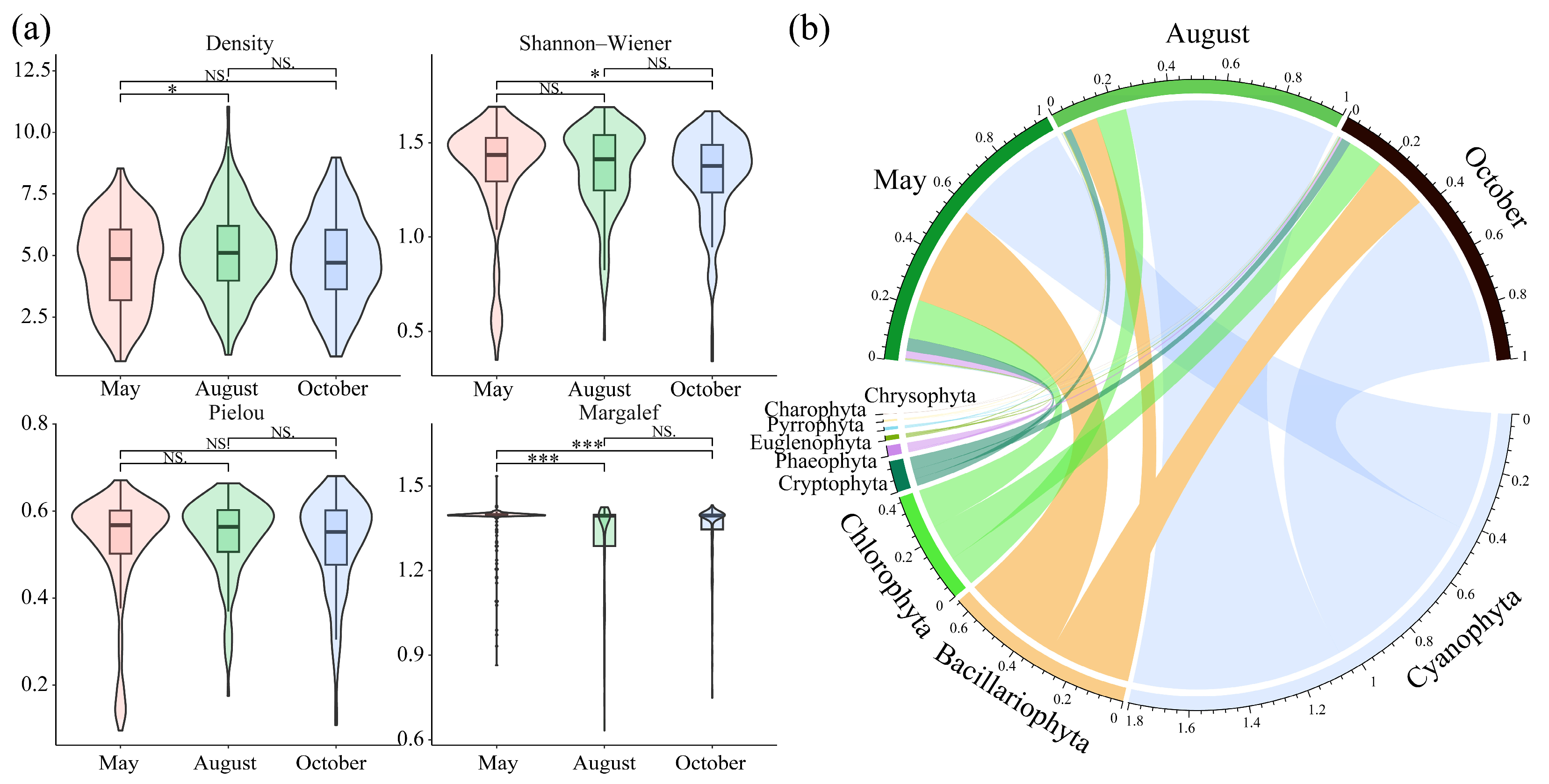
In the phytoplankton survey of Beijing, the average phytoplankton density in August was 957.35 ± 4818.65 ind./L, which was significantly higher (Kruskal–Wallis rank sum test, p < 0.05) than that in May (356.44 ± 619.05 ind./L) and October (518.93 ± 1094.86 ind./L) (Figure 2). In terms of diversity, the mean Margalef richness index in May was 2.95 ± 0.31, significantly higher (p < 0.05) than that in August (2.74 ± 0.54) and October (2.85 ± 0.40), indicating the highest phytoplankton taxa richness in May. The Shannon–Wiener index in May (2.99 ± 0.90) was significantly higher (p < 0.05) than that in October (2.87 ± 0.76), reflecting a higher overall community diversity in May. No significant difference was observed in the Pielou evenness index among the three months. Combining the three core indices (Shannon–Wiener index, Pielou evenness index, and Margalef richness index), May exhibited the highest diversity.
In the phytoplankton community of Beijing, Cyanophyta, Bacillariophyta, and Chlorophyta were the dominant phyla in May, August, and October, showing distinct seasonal succession characteristics during the sampling period (Figure 2). Regarding density dynamics, the proportion of Cyanophyta was relatively low in May, increased sharply to a peak in August (becoming the absolute dominant phylum), and declined in October. Both Bacillariophyta and Chlorophyta accounted for a high proportion of density in May, ranking second only to Cyanophyta in dominance. Their density proportions decreased in August and slightly recovered in October.

3.2. Characteristics of Algal Ecological Networks

Topological indices of the phytoplankton correlation network in Beijing showed significant seasonal variations in May, August, and October (Table 2). The number of edges (edges_num) gradually decreased from 5404 in May to 5336 in August, and further to 4697 in October. This trend was consistent with the dynamic change in graph density (May: 0.2462; August: 0.2431; October: 0.2140), indicating a gradual reduction in the connectivity of the network from spring to autumn.
In terms of edge composition, the number of positive edges (positive_edges) reached a peak in August (3637), which was higher than that in May (3552) and October (3259). In contrast, the number of negative edges (negative_edges) continuously decreased from 1852 in May to 1699 in August, and further to 1438 in October. This suggests that mutual promotion among phytoplankton taxa was most prominent in summer, while competitive or inhibitory relationships gradually weakened with seasonal progression.
Both the average degree (May: 51.47; August: 50.82; October: 44.73) and average weighted degree (May: 0.32; August: 0.22; October: 0.19) showed a continuous downward trend from May to October, implying that the average number of connections per node and the average connection strength between nodes decreased sequentially with the advance of seasons. The average path length slightly increased from 1.75 in May to 1.79 in October, while the graph diameter remained stable at 2 across the three months. This indicates that although the efficiency of information transmission within the network slightly decreased over time, the maximum distance between the farthest nodes in the network remained unchanged.
The clustering coefficient reached the highest value in August (0.32), with lower values in May (0.30) and October (0.28), suggesting the strongest aggregation of phytoplankton taxa in summer. Both betweenness centralization and degree centralization increased slightly from May to October, indicating a gradual enhancement in the uneven distribution of node centrality and an increasingly obvious trend of the network being dominated by a few highly central nodes.
In addition, the network modularity increased sequentially from 0.19 in May to 0.23 in August and 0.27 in October, indicating that the modular structure of the phytoplankton correlation network became more prominent with seasonal progression. Overall, the number of edges, average degree, average weighted degree, number of negative edges, and graph density of the phytoplankton correlation network in Beijing showed a decreasing trend with seasonal advancement. The number of positive edges and clustering coefficient were the highest in August, while modularity, betweenness centralization, and degree centralization were the highest in October. The network exhibited distinct seasonal characteristics: the strongest connectivity and taxa aggregation in summer, and the most prominent modular structure and central node dominance in autumn.

3.3. Characteristics of Algal β Diversity

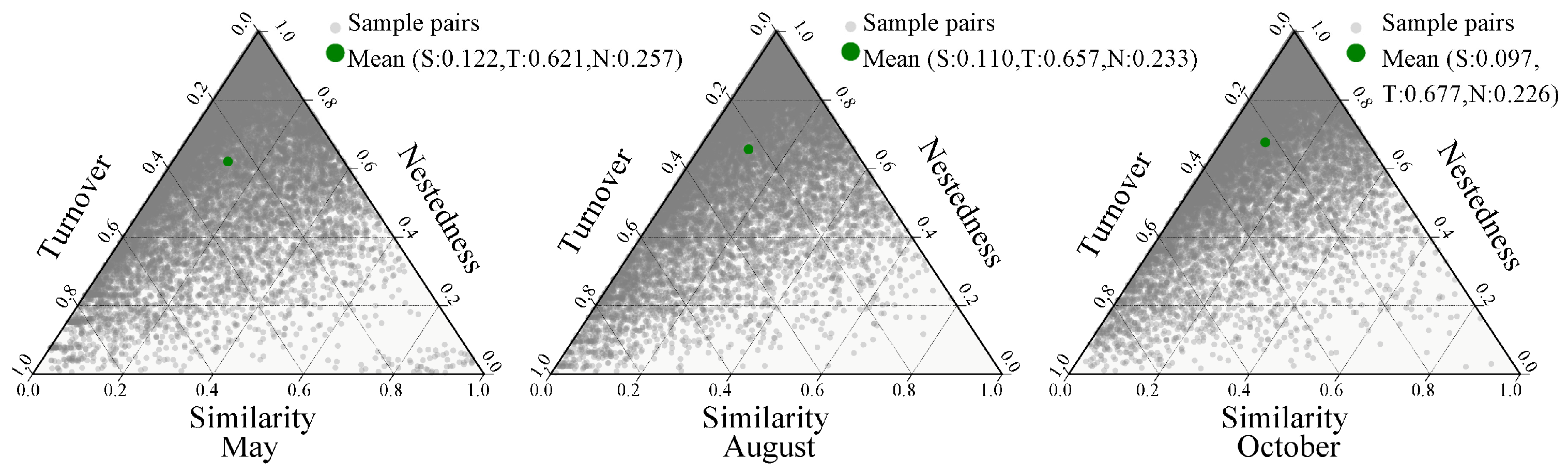
To clarify the β diversity partitioning characteristics of phytoplankton in Beijing across different months, ternary plots were used to decompose β diversity into turnover, nestedness, and similarity components (Figure 3). The results showed that the average β diversity of phytoplankton communities in May was 0.8778, with turnover, nestedness, and similarity averaging 0.6208, 0.2570, and 0.1222, respectively. In August, the average β diversity increased to 0.8897, the turnover component rose to 0.6565, nestedness slightly decreased (0.2332), and similarity was 0.1103. In October, the average β diversity further increased to 0.9030, the turnover component continued to rise to 0.6770, nestedness decreased to 0.2260, and similarity dropped to 0.0970.
These results indicate that with seasonal progression, the differences in taxa composition of phytoplankton among local habitats in Beijing’s water bodies continued to expand. This variation was mainly driven by taxa turnover (replacement) between different sampling sites rather than nestedness (gain-loss) processes, reflecting the enhanced effect of environmental filtering or stochastic processes on community structure in autumn.
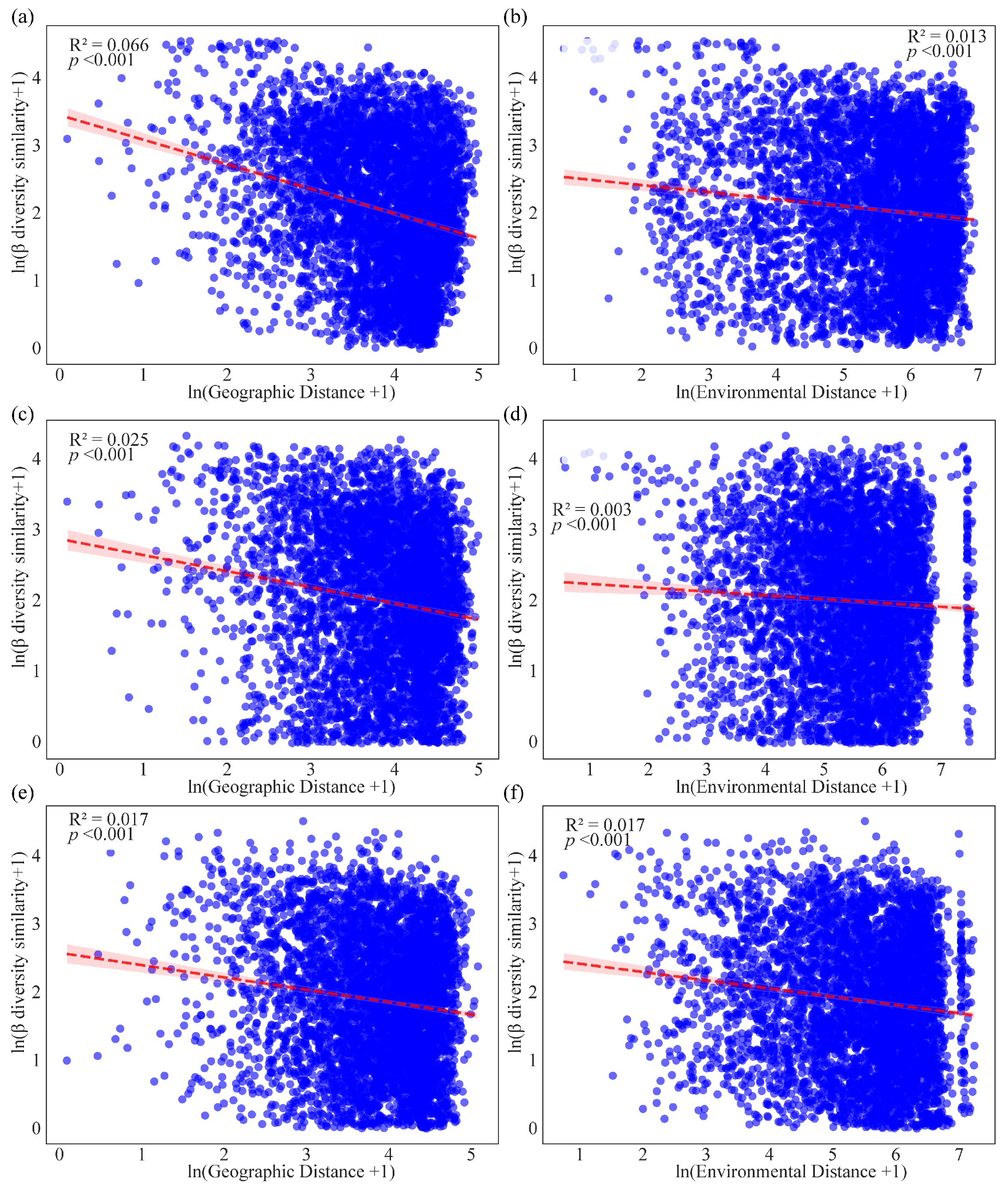
The distance decay curves of phytoplankton β diversity similarity with spatial distance and environmental distance in Beijing (Figure 4) showed significant distance decay effects in May, August, and October. Specifically, the similarity between sampling sites gradually decreased with the increase in spatial distance and environmental distance, but there were obvious differences in decay intensity and the contribution of driving factors among different months.
Regression analysis results showed that the geographic distance decay was the strongest in May (R2 = 0.066, p < 0.001, slope = −0.365), followed by environmental distance decay (R2 = 0.013, p < 0.001, slope = −0.104). In August, the intensity of geographic distance decay sharply decreased to R2 = 0.025 (slope = −0.228), and environmental distance decay was further weakened (R2 = 0.003, p < 0.001, slope = −0.054). By October, the geographic distance decay continued to decrease to R2 = 0.017 (slope = −0.181), while the environmental distance decay recovered to R2 = 0.017 (slope = −0.121), which was equal to the intensity of geographic decay.
Overall, spatial processes dominated the β diversity pattern in spring, but their effect gradually weakened with seasonal progression. Environmental filtering was significantly enhanced in autumn and became comparable to spatial processes, suggesting obvious seasonal shifts in the mechanisms driving phytoplankton community assembly.

3.4. Environmental Drivers and Ecological Assessment of Algal Communities

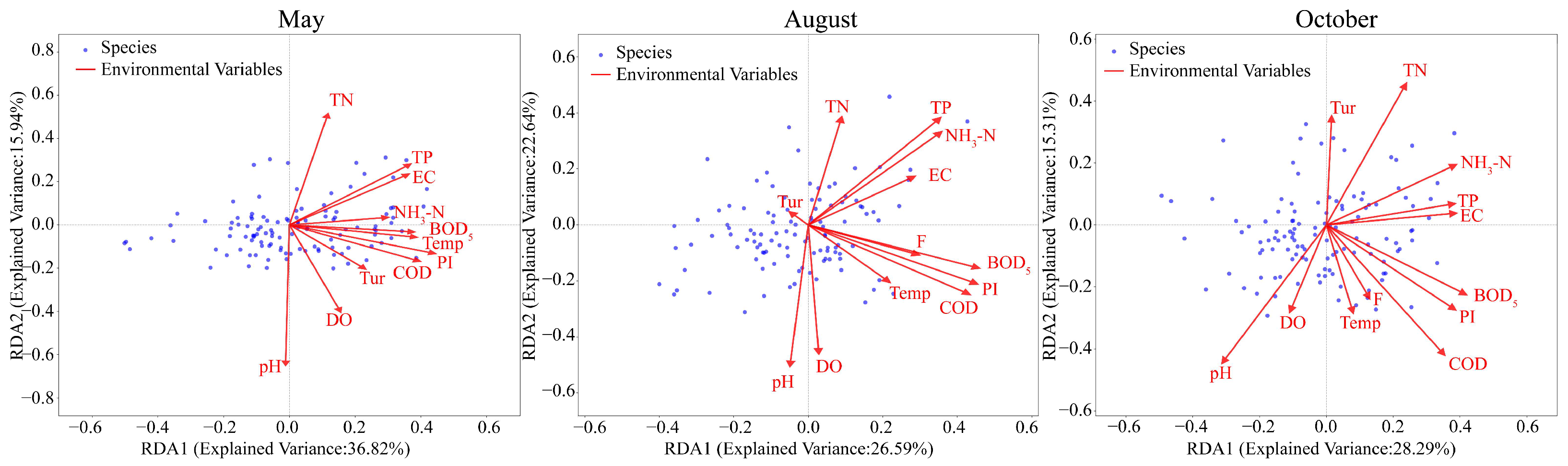
Redundancy analysis (RDA) showed that the phytoplankton community structure was mainly jointly driven by temperature (Temp), electrical conductivity (EC), total phosphorus (TP), total nitrogen (TN), five-day biochemical oxygen demand (BOD5), and permanganate index (PI) in all three seasons, with their explanatory powers reaching significant levels (p < 0.01) (Figure 5).
In May, the first and second axes together explained 52.8% of the community variation, which was significantly higher than that in August (49.2%) and October (43.6%), indicating the strongest constraint of environmental gradients on taxa distribution in spring. The correlation coefficients of TP, BOD5, and PI were 0.138, 0.141, and 0.153, respectively, suggesting that phosphorus loading and organic pollution were the key limiting factors in spring.
In August, the coupling strength between the community and the environment slightly decreased, but the variable dimension increased (fluoride, F was introduced), and the explanatory power of the second axis rose to 22.6%, reflecting enhanced environmental heterogeneity in summer. At this time, the significance of TN (r = 0.127) and F (r = 0.117) was prominent, implying that nitrogen and mineral elements played important roles in community reorganization in summer.
In October, the explanatory rate of the first two axes further decreased to 43.6%, indicating weakened environmental filtering effects in autumn. However, TP, TN, BOD5, chemical oxygen demand (COD), and PI remained significant at p < 0.01, and pH (r = 0.118) and F (r = 0.100) were also significant, indicating that nutrients and water alkalinity–acidity jointly determined the community pattern in autumn.
In summary, the phytoplankton community in Beijing’s urban water bodies showed obvious seasonal pattern shifts: dominated by “phosphorus–organic pollution” in spring, superimposed with “nitrogen–mineral element” effects in summer, and evolving into a co-regulation mode of “nutrients–pH–mineral elements” in autumn.

3.5. Ecological Assessment of Algal Communities

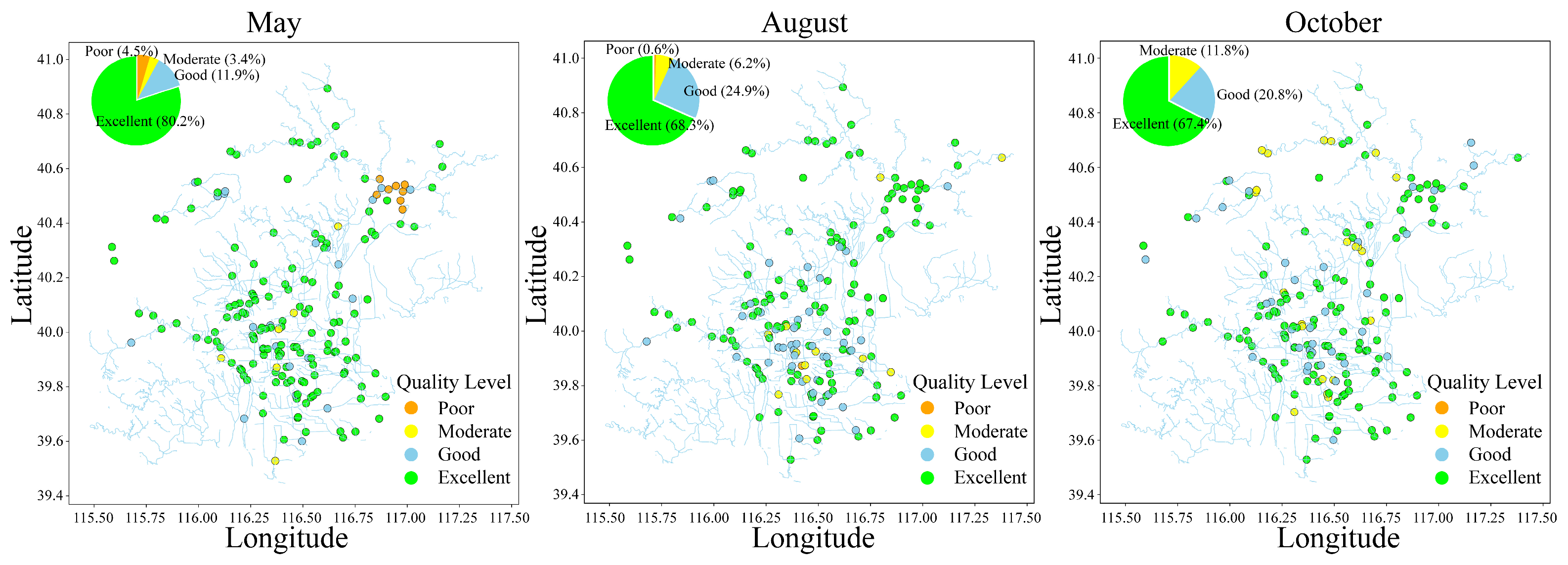
The random forest model constructed based on the Shannon index, Pielou index, Margalef index, and algal density showed significant seasonal differences in the ecological quality of algal communities (Figure 6). The ecological status of water bodies was optimal in May, with the proportion of the Excellent grade as high as 80.11%, and only 4.55% of the sampling sites were classified as Poor. This reflects high algal diversity, balanced community structure, and moderate density in spring.
In August, the proportion of Excellent decreased to 68.36%, the Good grade increased to 24.86%, and the Poor grade sharply dropped to 0.56%, suggesting that although local disturbances increased in summer, the overall status remained good. In October, the Excellent grade further decreased to 67.42%, and the Moderate grade significantly increased to 11.80%, indicating increased environmental pressure, decreased diversity, and a marginal degradation trend of ecological quality in autumn.
In conclusion, the random forest model effectively captured the synergistic changes in multiple indices in a non-linear manner, revealing the seasonal succession characteristics of algal communities from optimal in spring, stable in summer, to slightly declining in autumn.

4. Discussion

4.1. Environmental-Driven Seasonal Succession of Phytoplankton Community Structure and Diversity

This study revealed significant seasonal dynamics in the community structure and diversity of phytoplankton in Beijing, a pattern primarily driven by the seasonal turnover of key environmental factors. In spring (May), the higher Margalef richness index and Shannon–Wiener index indicated the optimal taxa richness and community α diversity during this period. Meanwhile, the community structure was most strongly constrained by environmental gradients (with the highest RDA explanatory power). Redundancy analysis (RDA) showed that the community was closely associated with total phosphorus (TP), five-day biochemical oxygen demand (BOD5), and permanganate index (PI) in spring. Increases in their concentrations can lead to water eutrophication and subsequent algal blooms [19,20], indicating that spring community composition was mainly dominated by “phosphorus limitation” and organic pollution pressure. The relatively low temperature and nutrient levels in spring may have provided broader ecological niches for the coexistence of various algae (e.g., Bacillariophyta and Chlorophyta), thereby forming a highly diverse and stable community state [21], which is consistent with the optimal ecological quality evaluated by the random forest model in spring.
With the progression to summer (August), the environmental driving mechanism underwent a distinct shift. Elevated water temperature and changes in nutrient concentrations (e.g., the prominent importance of total nitrogen, TN) collectively created a filtering environment conducive to the explosive growth of Cyanophyta [22]. The physiological advantages of Cyanophyta under high-temperature and high-nitrogen–phosphorus conditions (e.g., nitrogen-fixing capacity, buoyancy regulation) allowed them to occupy an absolute dominant position in competition, resulting in a sharp increase in their density and becoming the absolute dominant phylum. This “competitive exclusion” effect dominated by a few taxa (e.g., Cyanophyta) directly led to the highest algal density in summer, while taxa richness and overall diversity were significantly lower than those in spring [23]. Meanwhile, the enhanced environmental heterogeneity (increased explanatory power of the second RDA axis) and the introduction of new variables such as fluoride reflected the increased dimensions of environmental filters in summer, which further reshaped the community composition.
In autumn (October), the overall effect of environmental filtering weakened (with the lowest RDA explanatory power), but the driving factors became more diverse. Phytoplankton community composition was influenced by multiple factors including nutrients, pH, and mineral elements. In autumn, temperature decreased, the dominance of Cyanophyta weakened, and the proportions of Bacillariophyta and Chlorophyta slightly recovered. However, changes in water temperature, pH, and sustained nutrient pressure may have directly affected the algal community composition [24,25], preventing the recovery of community diversity to the spring level. The structural succession process from “multiple-taxa equilibrium” in spring, and “single-taxa dominance” in summer, to “transitional state” in autumn intuitively reflects the dynamic response characteristics of phytoplankton communities in Beijing’s water bodies to seasonal environmental filters.
In summary, the essence of the seasonal succession of phytoplankton communities in Beijing’s water bodies is the result of seasonal “filtering” of communities by core environmental factors (temperature and nutrients) through altering resource availability and competitive patterns.

4.2. Seasonal Changes in Ecological Network Structure Reveal Taxa Interactions and Community Stability

Network analysis in this study revealed ecologically meaningful seasonal dynamics of internal interactions within Beijing’s phytoplankton community, providing a deeper perspective beyond taxa composition for understanding community assembly mechanisms and stability [26]. The network structure in summer (August) exhibited typical “synergy–aggregation” characteristics: the highest number of positive edges, the highest clustering coefficient, and relatively high connectivity collectively depicted a community landscape under relatively sufficient resource conditions [27,28]. Under such conditions, taxa may exhibit more resource sharing, mutualism, or synergistic responses to environmental changes rather than intense competition. This closely connected cooperative network may have enhanced the community’s buffering capacity and stability in coping with environmental fluctuations (e.g., temperature changes) during summer [29,30,31].
However, with the progression to autumn (October), the network structure underwent a directional shift. The continuous decline in the number of edges, graph density, average degree, and average weighted degree indicated that interactions between taxa—whether positive or negative—were comprehensively weakened [27,32]. More critically, the significant increase in network modularity and the rise in betweenness/degree centralization together suggested that the community was gradually fragmenting into multiple independent modules, each dominated by a few core nodes (taxa) [33,34,35]. This structure implies reduced community redundancy, with its functions potentially relying more on a small number of keystone taxa. Once these central nodes are subjected to environmental disturbances, the stability of their respective modules and even the entire network may suffer significant impacts.
This transition from a “closely cooperative” network in summer to a “modular-center-dominated” network in autumn may be closely related to changes in environmental pressure. In summer with abundant resources, taxa can develop complex cooperative relationships. In autumn, however, increased environmental pressures—such as changes in nutrient forms and decreased water temperature—intensify niche differentiation, leading to weakened direct interactions between taxa. The community thus adapts to stress by forming modules with tight internal connections but isolated from each other. This finding mutually corroborates the conclusion of “enhanced turnover effect” in the β diversity results, collectively indicating that the intensified environmental filtering in autumn is reshaping the community at both the taxa composition and taxa interaction levels [16]. Therefore, the seasonal changes in network structure reveal the intrinsic rhythm of taxa interactions among phytoplankton in Beijing.

4.3. β Diversity Partitioning Reveals Seasonal Shifts in Community Assembly Mechanisms

Through β diversity partitioning, this study revealed significant seasonal shifts in the ecological processes driving the spatial patterns of phytoplankton in Beijing. A key finding is that as the season progressed from spring to autumn, the differences in taxa composition among sampling sites (β diversity) continued to increase, and this process was mainly driven by taxa turnover rather than nestedness. This result holds important ecological significance: patterns dominated by taxa turnover typically arise from deterministic environmental filtering or competitive exclusion associated with niche differentiation—i.e., different habitats select distinct taxa assemblages adapted to their specific conditions [16,36]. This indicates that from spring to autumn, the heterogeneity of the aquatic environment in Beijing or the intensity of its selection on taxa continuously increased, leading to extensive “replacement” of taxa among different sampling sites.
This conclusion is highly consistent with our distance decay analysis results, collectively reflecting a shift in driving mechanisms. In spring (May), the β diversity pattern was mainly dominated by spatial processes (dispersal limitation), as evidenced by the strongest geographic distance–decay relationship. This may be attributed to favorable hydrological conditions and high water connectivity in spring, where taxa dispersal capacity became the key determinant of their distribution—consistent with the stochastic processes emphasized by the neutral theory [37,38]. However, with seasonal progression, the effect of spatial processes continued to weaken, and by autumn (October), the effect of environmental processes was significantly enhanced [39]. This mechanism shift from “dispersal-dominated” to “environmental filtering-dominated” profoundly reflects the seasonal environmental changes in Beijing’s urban water bodies. Through nutrient accumulation in summer, more intense environmental filters with higher spatial heterogeneity may have formed by autumn, thereby surpassing dispersal limitation to become the primary force shaping community patterns.
In summary, the assembly of phytoplankton communities in Beijing is not governed by a single process but by the dynamic balance in the relative importance of stochastic (spatial) and deterministic (environmental) processes [40]. Although historical contingencies of taxa dispersal exist in communities across spring, summer, and autumn, the autumn community is more strongly influenced by the determinism of environmental filtering.

4.4. Ecological Quality Assessment and Management Implications

Comprehensive evaluation based on the random forest model revealed significant seasonal differences in the ecological quality of Beijing’s water bodies, specifically characterized by the optimal state in spring, stability in summer, and a marginal degradation trend in autumn. The optimal ecological quality in spring was consistent with the highest algal diversity, closely connected ecological network, and relatively homogeneous community structure dominated by spatial dispersal processes. In summer, despite the peak total algal density driven by cyanobacterial proliferation (resulting in decreased diversity), the ecological quality remained at a good level. In autumn, factors such as reduced α diversity and ecological network modularization may have led to poorer evaluation results. These findings confirm that integrating multiple algal community indices can reliably assess the ecological status of water bodies. The random forest model effectively captured the complex non-linear relationships among these indices, and its evaluation results were more robust than single indices—indicating that algal community structure is a sensitive indicator reflecting the health of aquatic ecosystems [17,41].

5. Conclusions

This study systematically clarified the seasonal dynamic patterns of phytoplankton communities in Beijing: (1) Spring was characterized by the optimal algal diversity and ecological quality, with community assembly mainly dominated by spatial processes. (2) In summer, driven by elevated water temperature and changes in nutrients, a pattern of absolute cyanobacterial dominance was formed, with algal density reaching a peak, while the ecological network maintained high synergy and stability. (3) In autumn, with the significant enhancement of environmental filtering, the community structure exhibited obvious spatial heterogeneity, manifested as increased β diversity and intensified network modularization. The study demonstrates that environmental factors affect phytoplankton communities by altering resource patterns and taxa interaction relationships.
It should be noted that the conclusions of this study are based on data from three seasonal sampling campaigns conducted in May, August, and October 2024. These time points represent typical spring, summer, and autumn conditions in Beijing’s urban water bodies. Although the four-month intervals between consecutive sampling events may have missed short-term fluctuations in phytoplankton population cycles and transient changes in physicochemical factors, this sampling design effectively captured key environmental gradients that drive phytoplankton community assembly and succession in temperate urban aquatic ecosystems. Certainly, a more intensive temporal sampling scheme—such as monthly sampling—would undoubtedly provide a more continuous and detailed reflection of intra-annual community dynamics and short-term ecological processes. Despite this limitation, the consistent and robust seasonal patterns identified in this study offer important scientific insights for ecological assessment and seasonally targeted management of urban water bodies in Beijing.

Author Contributions

Conceptualization, D.W., B.L. and Y.H.; Methodology, D.W.; Software, D.W.; Validation, D.W.; Formal analysis, D.W.; Investigation D.W., B.L., Y.W., J.Y., T.D., K.S., S.Y., S.X., L.G., R.D. and Z.C.; Resources, D.W.; Data curation, D.W.; Writing—original draft, D.W., B.L. and Y.H.; Writing—review & editing, D.W., B.L. and Y.H.; Visualization, D.W.; Supervision, B.L. and Y.H.; Project administration, B.L. and Y.H.; Funding acquisition, Y.P. and Y.H. All authors have read and agreed to the published version of the manuscript.

Funding

This research was funded by the Young Top-Notch Talent Cultivation Program of Hubei Province (2024) [KY2025040184], and the National Key Research and Development Program of China (2021YFC3200103).

Institutional Review Board Statement

Not applicable.

Data Availability Statement

The underlying dataset is subject to confidentiality restrictions under relevant environmental data management regulations and is available from the corresponding authors only upon reasonable request.

Conflicts of Interest

The authors declare that they have no known competing financial interests or personal relationships that could have appeared to influence the work reported in this paper.

References

  1. Cloern, J.E.; Foster, S.; Kleckner, A. Phytoplankton Primary Production in the World’s Estuarine-Coastal Ecosystems. Biogeosciences 2014, 11, 2477–2501. [Google Scholar] [CrossRef]
  2. Dorgham, M.M. Effects of Eutrophication. In Eutrophication: Causes, Consequences and Control: Volume 2; Springer: Berlin/Heidelberg, Germany, 2013; pp. 29–44. [Google Scholar]
  3. Hu, Y.; Liu, X.; Xing, W.; Hu, Z.; Liu, G. Marker Gene Analysis Reveals the Spatial and Seasonal Variations in the Eukaryotic Phytoplankton Community Composition in the Yangtze River, Three Gorges Reservoir, China. J. Plankton Res. 2019, 41, 835–848. [Google Scholar] [CrossRef]
  4. Ren, H.; Ren, H.; Duan, C.; Zhang, T.; Zhou, X.; Li, S.; Liu, R.; Hu, Y. Spatial Distribution and Variation of Suspended Solids in the Main Channel of the Middle Route of the South-to North Water Diversion Project and Relationships with Phytoplankton Community. Resour. Environ. Yangtze Basin 2022, 31, 2473–2480. [Google Scholar]
  5. Liu, Y.; Xu, X.; Wang, T.; Ni, J. Microscopic View of Phytoplankton along the Yangtze River. Sci. China Technol. Sci. 2019, 62, 1873–1884. [Google Scholar] [CrossRef]
  6. Jiang, Z.; Liu, J.; Chen, J.; Chen, Q.; Yan, X.; Xuan, J.; Zeng, J. Responses of Summer Phytoplankton Community to Drastic Environmental Changes in the Changjiang (Yangtze River) Estuary during the Past 50 Years. Water Res. 2014, 54, 1–11. [Google Scholar] [CrossRef] [PubMed]
  7. D’Alelio, D.; Libralato, S.; Wyatt, T.; Ribera d’Alcalà, M. Ecological-Network Models Link Diversity, Structure and Function in the Plankton Food-Web. Sci. Rep. 2016, 6, 21806. [Google Scholar] [CrossRef]
  8. Hu, Y.; Zhang, J.; Huang, J.; Zhou, M.; Hu, S. The Biogeography of Colonial Volvocine Algae in the Yangtze River Basin. Front. Microbiol. 2023, 14, 1078081. [Google Scholar] [CrossRef]
  9. Klais, R.; Norros, V.; Lehtinen, S.; Tamminen, T.; Olli, K. Community Assembly and Drivers of Phytoplankton Functional Structure. Funct. Ecol. 2017, 31, 760–767. [Google Scholar] [CrossRef]
  10. Hu, H.; Wei, Y. The Freshwater Algae of China: Systematics, Taxonomy and Ecology; Science Press: Beijing, China, 2006. [Google Scholar]
  11. Lee, R.E. Phycology; Cambridge University Press: Cambridge, UK, 2018. [Google Scholar]
  12. Wehr, J.D.; Sheath, R.G.; Kociolek, J.P. Freshwater Algae of North America: Ecology and Classification; Elsevier: Amsterdam, The Netherlands, 2015. [Google Scholar]
  13. Wei, F.S.; State Environmental Protection Administration of China. Water and Wastewater Monitoring and Analysis Methods, 4th ed.; Environmental Science Press: Beijing, China, 2002. [Google Scholar]
  14. Baselga, A.; Orme, C.D.L. Betapart: An R Package for the Study of Beta Diversity. Methods Ecol. Evol. 2012, 3, 808–812. [Google Scholar] [CrossRef]
  15. Hijmans, R.J. Introduction to theGeospherePackage, Version 1.2-19; 2019. The Comprehensive R Archive Network. Available online: https://cloud.r-project.org/web/packages/geosphere/ (accessed on 2 February 2026).
  16. Hu, Y.; Zhang, J.; Wang, Y.; Hu, S. Distinct Mechanisms Shape Prokaryotic Community Assembly across Different Land-Use Intensification. Water Res. 2023, 245, 120601. [Google Scholar] [CrossRef]
  17. Hu, Y.; Zhang, J.; Huang, J.; Hu, S. Environmental Drivers and Aquatic Ecosystem Assessment of Periphytic Algae at Inflow Rivers in Six Lakes over the Yangtze River Basin. Water 2022, 14, 2184. [Google Scholar] [CrossRef]
  18. Zhang, Y.; Gao, W.; Li, Y.; Jiang, Y.; Chen, X.; Yao, Y.; Messyasz, B.; Yin, K.; He, W.; Chen, Y. Characteristics of the Phytoplankton Community Structure and Water Quality Evaluation in Autumn in the Huaihe River (China). Int. J. Environ. Res. Public Health 2021, 18, 12092. [Google Scholar] [CrossRef] [PubMed]
  19. Hu, Y.; Su, H.; Song, H.; Xiong, Q.; Zhou, Z.; Huang, B.; Wang, X.; Xiao, N.; Yu, M. Synergistic Impacts of Anthropogenic and Climatic Drivers on Total Phosphorus Dynamics in a Mega River Basin. Environ. Technol. Innov. 2025, 39, 104259. [Google Scholar] [CrossRef]
  20. Lv, J.; Wu, H.; Chen, M. Effects of Nitrogen and Phosphorus on Phytoplankton Composition and Biomass in 15 Subtropical, Urban Shallow Lakes in Wuhan, China. Limnologica 2011, 41, 48–56. [Google Scholar] [CrossRef]
  21. Olofsson, M.; Hagan, J.G.; Karlson, B.; Gamfeldt, L. Large Seasonal and Spatial Variation in Nano-and Microphytoplankton Diversity along a Baltic Sea—North Sea Salinity Gradient. Sci. Rep. 2020, 10, 17666. [Google Scholar] [CrossRef]
  22. Babanazarova, O.; Sidelev, S.; Schischeleva, S. The Structure of Winter Phytoplankton in Lake Nero, Russia, a Hypertrophic Lake Dominated by Planktothrix-like Cyanobacteria. Aquat. Biosyst. 2013, 9, 18. [Google Scholar] [CrossRef]
  23. Hu, Y.-X.; Cao, L.; Qu, R.-C.; Huang, J.; Hu, S.; Zhou, Z.; Wang, Y.-C.; Zhang, J. Community Composition and Assessment of the Aquatic Ecosystem of Periphytic Algae in the Yangtze River Basin. Environ. Sci. 2022, 43, 3998–4007. [Google Scholar]
  24. Agrawal, S. Factors Controlling Induction of Reproduction in Algae—Review: The Text. Folia Microbiol. 2012, 57, 387–407. [Google Scholar] [CrossRef]
  25. Huang, J.; Deng, Y.; Li, T.-c.; Hu, M.-m.; Liu, W.; Wang, Y.-c.; Wang, Y.-c.; Hu, Y.-x. Altitude Distribution and Environmental Impact of Eukaryotic Plankton in the Nujiang River Basin. J. Changjiang River Sci. Res. Inst. 2023, 40, 59. [Google Scholar]
  26. Liu, X.; Chang, Z.; Liu, L.; Li, J.; Gao, J.; Wang, Y.; Su, Y.; Hu, Y.; Peng, Y. Dynamics of Water Quality and Microbial Communities in the Middle Route of the South-to-North Water Diversion Project: Characterization and Driving Mechanisms. Microorganisms 2025, 13, 1895. [Google Scholar] [CrossRef]
  27. Layeghifard, M.; Hwang, D.M.; Guttman, D.S. Disentangling Interactions in the Microbiome: A Network Perspective. Trends Microbiol. 2017, 25, 217–228. [Google Scholar] [CrossRef] [PubMed]
  28. Watts, D.J.; Strogatz, S.H. Collective Dynamics of ‘Small-World’Networks. Nature 1998, 393, 440–442. [Google Scholar] [CrossRef]
  29. Dunne, J.A.; Williams, R.J.; Martinez, N.D. Food-Web Structure and Network Theory: The Role of Connectance and Size. Proc. Natl. Acad. Sci. USA 2002, 99, 12917–12922. [Google Scholar] [CrossRef]
  30. Thébault, E.; Fontaine, C. Stability of Ecological Communities and the Architecture of Mutualistic and Trophic Networks. Science 2010, 329, 853–856. [Google Scholar] [CrossRef] [PubMed]
  31. Yuan, M.M.; Guo, X.; Wu, L.; Zhang, Y.; Xiao, N.; Ning, D.; Shi, Z.; Zhou, X.; Wu, L.; Yang, Y.; et al. Climate Warming Enhances Microbial Network Complexity and Stability. Nat. Clim. Change 2021, 11, 343–348. [Google Scholar] [CrossRef]
  32. Luke, D.A. A User’s Guide to Network Analysis in R; Springer: Berlin/Heidelberg, Germany, 2015; Volume 72. [Google Scholar]
  33. Dallas, T.A.; Han, B.A.; Nunn, C.L.; Park, A.W.; Stephens, P.R.; Drake, J.M. Host Traits Associated with Species Roles in Parasite Sharing Networks. Oikos 2019, 128, 23–32. [Google Scholar] [CrossRef]
  34. Mamet, S.D.; Redlick, E.; Brabant, M.; Lamb, E.G.; Helgason, B.L.; Stanley, K.; Siciliano, S.D. Structural Equation Modeling of a Winnowed Soil Microbiome Identifies How Invasive Plants Re-Structure Microbial Networks. ISME J. 2019, 13, 1988–1996. [Google Scholar] [CrossRef]
  35. Newman, M.; Barabási, A.-L.; Watts, D.J. The Structure and Dynamics of Networks; Princeton University Press: Princeton, NJ, USA, 2011. [Google Scholar]
  36. Godsoe, W.; Bellingham, P.J.; Moltchanova, E. Disentangling Niche Theory and Beta Diversity Change. Am. Nat. 2022, 199, 510–522. [Google Scholar] [CrossRef]
  37. Zhou, J.; Ning, D. Stochastic Community Assembly: Does It Matter in Microbial Ecology? Microbiol. Mol. Biol. Rev. 2017, 81, e00002-17. [Google Scholar] [CrossRef]
  38. Zhou, S.; Zhang, D. Neutral Theory in Community Ecology. Front. Biol. China 2008, 3, 1–8. [Google Scholar] [CrossRef]
  39. Vandermeer, J.H. Niche Theory. Annu. Rev. Ecol. Syst. 1972, 3, 107–132. [Google Scholar] [CrossRef]
  40. Gravel, D.; Canham, C.D.; Beaudet, M.; Messier, C. Reconciling Niche and Neutrality: The Continuum Hypothesis. Ecol. Lett. 2006, 9, 399–409. [Google Scholar] [CrossRef]
  41. Woo, S.Y.; Jung, C.G.; Lee, J.W.; Kim, S.J. Evaluation of Watershed Scale Aquatic Ecosystem Health by SWAT Modeling and Random Forest Technique. Sustainability 2019, 11, 3397. [Google Scholar] [CrossRef]
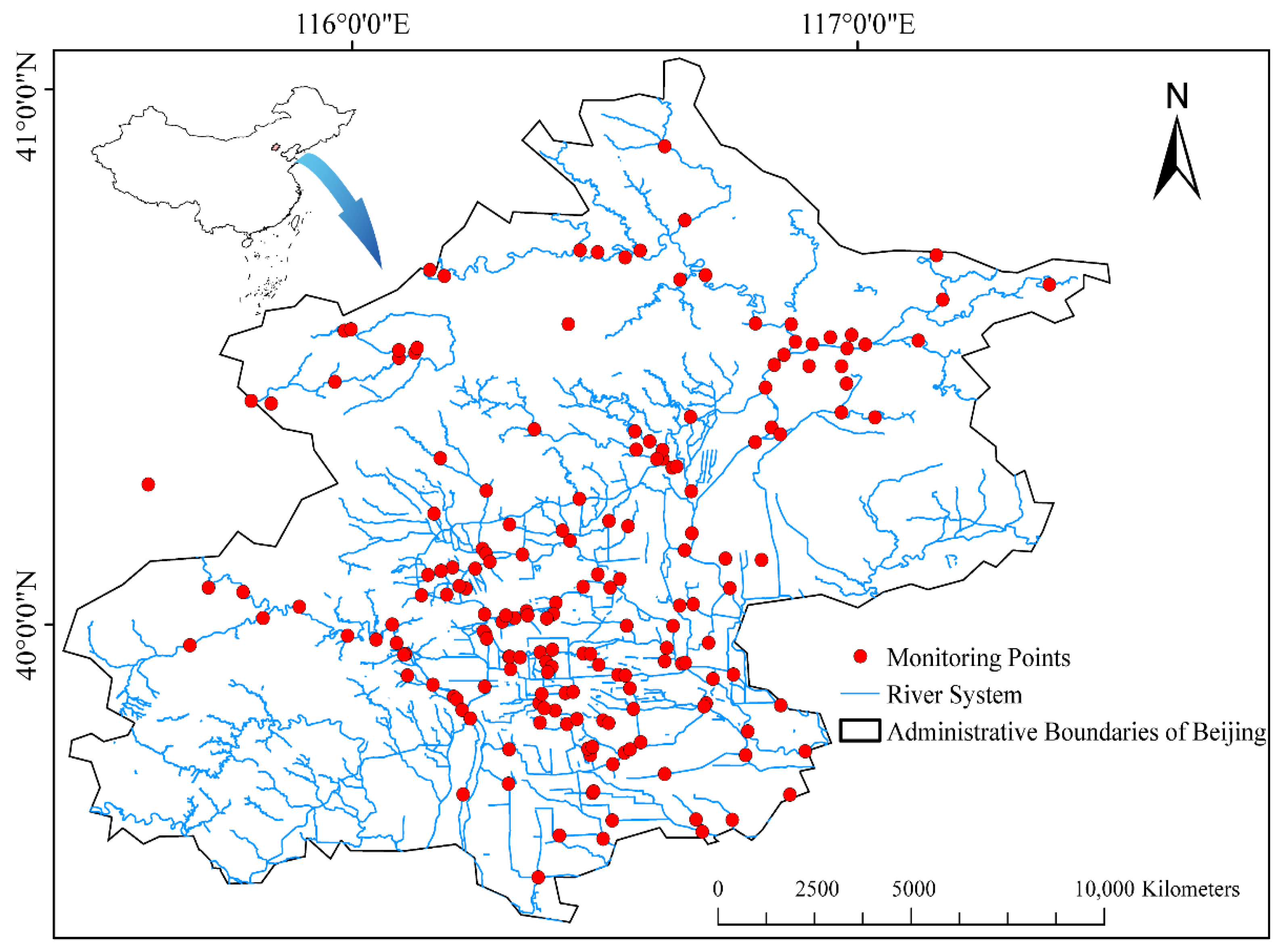
Figure 1. Layout map of sampling sites for phytoplankton investigation in Beijing.
Diversity 18 00098 g001
Figure 2. Phytoplankton α diversity and community composition. (a) Differences in phytoplankton density and α diversity across three surveys via rank sum test; NS. represents not significant, * represents p < 0.05, and *** represents p < 0.001. (b) Chord diagrams of phytoplankton community composition from the three surveys, where the width of the color bands in the circle is proportional to the proportion of the corresponding algae.
Diversity 18 00098 g002
Figure 3. β diversity partitioning of phytoplankton from the three surveys.
Diversity 18 00098 g003
Figure 4. Spatial distance decay curves and environmental distance decay curves based on phytoplankton community similarity across three surveys. The figure presents six distance–decay curves illustrating the relationship between microbial community β-diversity similarity and increasing distance. The three subplots on the left depict spatial distance–decay relationships, while the three on the right represent environmental distance–decay relationships. Each scatter point in the plots corresponds to a pairwise comparison between sampling sites, with the x-axis indicating the geographical or environmental distance between sites and the y-axis representing their log-transformed community similarity index. The overall distribution of points reveals a clear trend of decreasing similarity with increasing distance. The red curves fitted to the data represent statistical trends, whose pronounced negative slopes visually quantify the strength of the distance–decay effect. (a) Spatial distance–decay curve in May; (b) environmental distance–decay curve in May; (c) spatial distance–decay curve in August; (d) environmental distance–decay curve in August; (e) spatial distance–decay curve in October; (f) environmental distance–decay curve in October.
Diversity 18 00098 g004
Figure 5. Redundancy analysis (RDA) of phytoplankton and environmental factors in the three surveys.
Diversity 18 00098 g005
Figure 6. Ecological assessment results based on the random forest model across three surveys.
Diversity 18 00098 g006
Table 1. Parameters considered for ecosystem assessment.
GradeShannon–Wiener 1Pielou 1Margalef 2Density 3
BadH = 0J = 0M = 0100,000,000 ≤ D
Poor0 < H ≤ 10 < J ≤ 0.30 < M ≤ 150,000,000 ≤ D < 100,000,000
Moderate1 < H ≤ 20.3 < J ≤ 0.51 < M ≤ 210,000,000 ≤ D < 50,000,000
Good2 < H ≤ 30.5 < J ≤ 0.82 < M ≤ 32,000,000 ≤ D < 10,000,000
ExcellentH > 30.8 < J ≤ 13 < M0 ≤ D < 2,000,000
1 The classification standards are based on: Technical guidelines for water ecological monitoring—aquatic organism monitoring and evaluation of lakes and reservoirs (HJ 1296—2023), Technical guidelines for water ecological monitoring—aquatic organism monitoring and evaluation of rivers (HJ 1295—2023). 2 Margalef index grading is consistent with Shannon–Wiener index, supported by Zhang et al. (2021) [18]. 3 The classification standards are based on: Technical specifications for monitoring and evaluating algal bloom based on remote sensing and field monitoring (HJ 1098—2020).
Table 2. Correlation network of phytoplankton across three surveys.
Topological IndicesMayAugustOctober
Nodes Num210210210
Edges Num540453364697
Positive Edges355236373259
Negative Edges185216991438
Average Degree51.4666750.8190544.73333
Average Weight Degree0.3162670.2176540.192651
Average Path Length1.7537481.7568471.785965
Graph Density0.2462520.2431530.214035
Clustering Coefficient0.3010220.3194640.27594
Betweenness Centralization0.0001260.0001310.000154
Degree Centralization0.0036410.0036560.003797
Modularity0.1955050.2276110.270897
Disclaimer/Publisher’s Note: The statements, opinions and data contained in all publications are solely those of the individual author(s) and contributor(s) and not of MDPI and/or the editor(s). MDPI and/or the editor(s) disclaim responsibility for any injury to people or property resulting from any ideas, methods, instructions or products referred to in the content.