Short Note

N-(3,4-Dimethoxyphenethyl)-2-propylpentanamide

Department of Organic Chemistry, Faculty of Chemistry, University of Plovdiv, 24 Tsar Assen Str., 4000 Plovdiv, Bulgaria
*
Author to whom correspondence should be addressed.
Molbank 2026, 2026(2), M2152; https://doi.org/10.3390/M2152
Submission received: 28 February 2026 / Revised: 10 March 2026 / Accepted: 12 March 2026 / Published: 13 March 2026
(This article belongs to the Section Structure Determination)

Abstract

In this Short Note type article, we report the synthesis of a new hybrid molecule, N-(3,4-dimethoxyphenethyl)-2-propylpentanamide, using a solvent-minimized mechanochemical method that provides a simple and efficient synthetic approach. The process achieved high yield. The compound was confirmed by melting-point analysis, 1H and 13C NMR, IR spectroscopy, and mass spectrometry.

1. Introduction

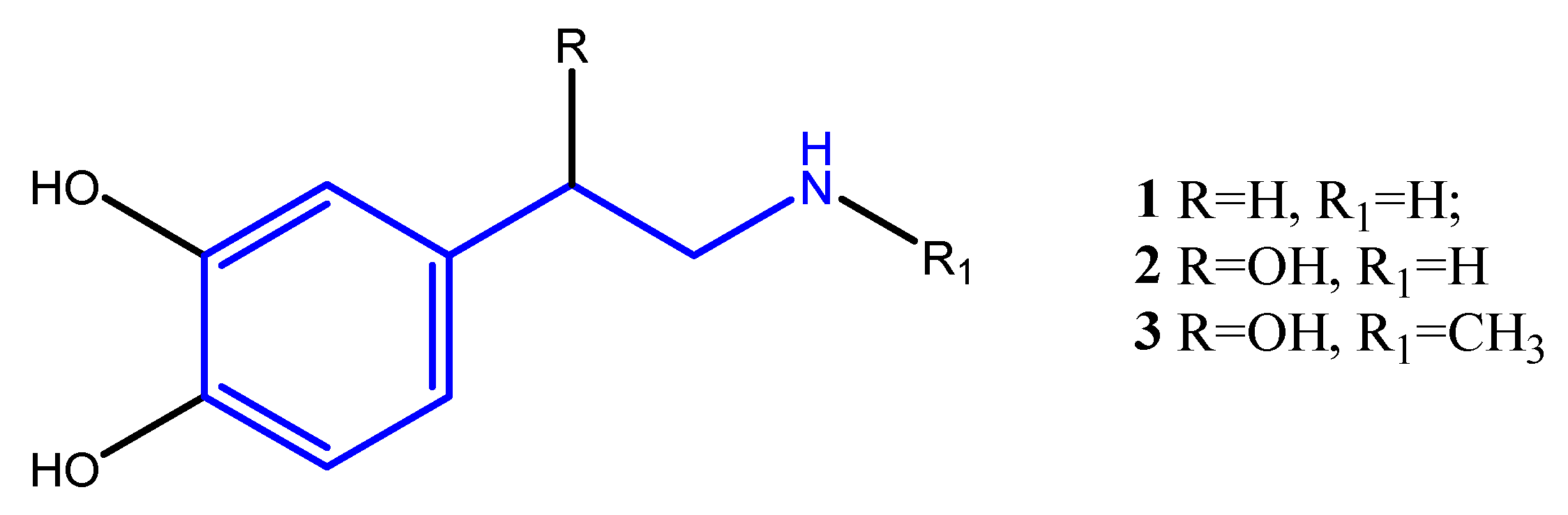
The 2-phenethyl moiety plays a crucial role in medicinal chemistry and is significant in biological applications. Important endogenous catecholamines, such as dopamine 1, norepinephrine 2, and epinephrine 3 (Figure 1), are open-chain 2-phenethylamines essential for dopaminergic neurons responsible for voluntary movement, stress response, and mood regulation [1]
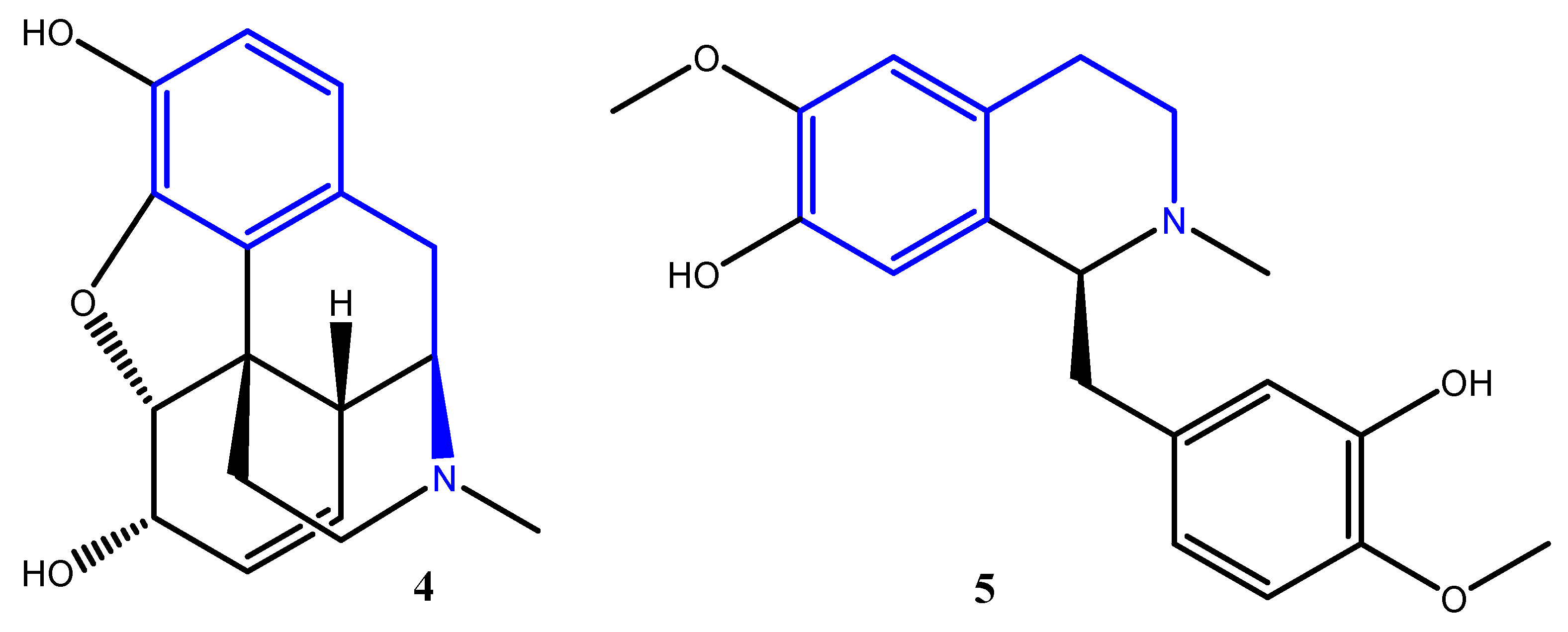
Adrenergic neurotransmitters and their derivatives exert significant influence over complex brain activities, including cognition, emotional regulation, and memory [2]. Additionally, this unit serves as the structural core of numerous natural alkaloids, including morphine 4, and (S)-reticuline 5, (Figure 2), tied to complex cyclic structures formed through natural biosynthesis [3,4].
Homoveratrylamine is a dimethyl derivative of dopamine that has garnered significant interest for its effects on the central nervous system [5]. Compounds made from homoveratrylamine are being investigated for potential medical use in the management of serious conditions including Parkinson’s disease and heart failure [6].
Valproic acid is a commonly prescribed medication for seizure disorders, recognized for its role as an epigenetic agent. It induces histone acetylation and influences the methylation status of both DNA and histones, leading to changes in gene expression [7]. As a short-chain fatty acid, valproic acid, along with its sodium salt, functions as a GABA transaminase inhibitor and blocks voltage-gated sodium channels as well as T-type calcium channels [8]. Numerous phase I and II clinical trials are investigating valproic acid’s potential as an anti-cancer agent [9,10], particularly when paired with other chemotherapeutic medications. Moreover, it has demonstrated the capability to downregulate the surface expression of ACE2 and NRP1, which are important factors in mediating SARS-CoV-2 infection [11] understanding its relevance beyond neurological conditions [12,13].
The amide bond is vital in peptides, natural products, and pharmaceuticals, with its preparation from carboxylic acids and amines being crucial for drug production. It is important in synthetic organic chemistry as a building block and catalyst. Mechanochemical approaches to amidation have been developed, focusing on solvent-free amide synthesis through mechanochemical processes using activated carboxylic acid derivatives [14,15].
The design of novel hybrid molecules combining valproic acid and homoveratrylamine is a promising strategy for exploring multifunctional therapeutic agents. The rational conjugation of valproic acid, a clinically established antiepileptic and epigenetic modulator [16], with homoveratrylamine, a dopamine-derived moiety with central nervous system activity and therapeutic potential in Parkinson’s disease and cardiovascular disorders [17], may yield hybrid compounds with complementary or synergistic pharmacological profiles.

2. Results and Discussion

This study presents the implementation of mechanochemical synthesis for the preparation of N-(3,4-dimethoxyphenethyl)-2-propylpentanamide. The target amide was obtained by first activating valproic acid via its transformation into the corresponding acyl chloride, which was subsequently subjected to solvent-free amidation with homoveratrylamine (3,4-dimethoxyphenethylamine) under ball-milling conditions (Scheme 1).
Analysis of the spectral data (Figure S1: 1H NMR; Figure S2: 13C NMR; Figure S3: IR; Figure S4: HRMS) confirms the successful synthesis and isolation of the target hybrid molecule. In addition, the narrow melting point range further indicates the high purity of compound 8.

3. Materials and Methods

All reagents and chemicals were purchased from commercial suppliers (Sigma-Aldrich S.A. and Riedel-de Haën, Sofia, Bulgaria) and were used without further purification. Mechanosynthesis was conducted using a Retsch Planetary Ball Mill PM 200 (University of Plovdiv, Faculty of Chemistry; RETSCH, Haan, Germany) equipped with a 25 mL stainless steel grinding jar. The grinding media consisted of 28 g of 12 mm hardened steel grinding balls. NMR spectra were recorded on a Bruker Avance II+600 spectrometer (BAS-IOCCP-Sofia, Bruker, Billerica, MA, USA), operating at 600 MHz for 1H and 150.9 MHz for 13C. Spectra were acquired in DMSO-d6, with chemical shifts (δ) referenced to tetramethylsilane (TMS, δ = 0.00 ppm) and coupling constants (J) reported in hertz (Hz). All NMR measurements were performed at ambient temperature (approximately 295 K). Melting points were determined using a Boetius hot-stage apparatus (University of Plovdiv, Faculty of Chemistry; Boetius, Germany) and are reported uncorrected. IR spectra were obtained on a Bruker Alpha II FT-IR spectrometer (University of Plovdiv, Faculty of Chemistry; Bruker, Billerica, MA, USA). High-resolution mass spectrometry (HRMS) analyses were conducted using a Q Exactive Plus mass spectrometer equipped with a heated electrospray ionization (HESI-II) source (Thermo Fisher Scientific, Bremen, Germany) and coupled to a Dionex Ultimate 3000RSLC UHPLC system (Thermo Fisher Scientific, Waltham, MA, USA). Thin-layer chromatography (TLC) was carried out on 0.2 mm silica gel 60 plates (Fluka, Merck KGaA, Darmstadt, Germany).

3.1. Synthetic Procedure

3.1.1. Obtaining 2-Propylpentanoyl Chloride 7

Valproic acid (1.0 mmol, 0.1442 g) was dissolved in toluene (20 mL), and an excess of thionyl chloride (1.2 mmol, 0.087 mL) was added. The reaction mixture was refluxed at 110–115 °C for 2 h to convert the carboxylic acid into the corresponding acid chloride. After completion, the volatile components and excess toluene were removed under reduced pressure using a rotary evaporator. The resulting residue was dissolved in a small volume of dichloromethane and used directly in the subsequent reaction without further purification.

3.1.2. Synthesis of N-(3,4-Dimethoxyphenethyl)-2-propylpentanamide 8

2-(3,4-dimethoxyphenyl)ethan-1-amine (1 mmol, 0.1812 g), 2-propylpentanoyl chloride (1 mmol, 0.1626 g), and Et3N (0.168 mL, 1.2 mmol) were placed in a 25 mL stainless steel grinding jar, along with four 12 mm hardened steel grinding balls. Mechanochemical reaction was performed in a Retsch PM 200 planetary ball mill with constant rotation of planetary (500 rpm) for 1 min. Progress of the reaction was monitored by thin-layer chromatography (petroleum ether/diethyl ether 1:3 (v/v)), confirming complete consumption of the amine starting material. Subsequent to that, the milling jar contents underwent a double wash with dichloromethane (10 mL) and water (5 mL) each, leading to the separation of the two layers. The aqueous layer was then subjected to extraction with dichloromethane (2 × 10 mL), and the combined organic fractions were washed with dilute aqueous hydrochloric acid (HCl:H2O = 1:4), saturated aqueous sodium carbonate (Na2CO3), and brine. The organic phase was separated, dried over anhydrous sodium sulfate, and concentrated under reduced pressure. The crude product was purified by short-column chromatography on neutral aluminum oxide (Al2O3) using CH2Cl2 as eluent to afford the new hybrid molecule 8.
  • N-(3,4-dimethoxyphenethyl)-2-propylpentanamide 8
White solid (m.p. 108–109 °C), yield 93% (0.2859 g), Rf = 0.47 (petroleum/diethyl ether = 1/3 v/v), 1H NMR (600 MHz, DMSO) δ 7.74 (t, J = 5.7 Hz, 1H), 6.77 (d, J = 8.1 Hz, 1H), 6.73 (d, J = 2.0 Hz, 1H), 6.63 (dd, J = 8.2, 2.1 Hz, 1H), 3.67 (s, 3H), 3.64 (s, 3H), 3.20 (q, J = 7.1, 5.8 Hz, 2H), 2.56 (t, J = 7.2 Hz, 2H), 2.05–1.98 (m, 1H), 1.37–1.30 (m, 2H), 1.16–1.10 (m, 2H), 1.09–1.02 (m, 4H), 0.74 (t, J = 7.2 Hz, 6H). 13C NMR (151 MHz, DMSO) δ 175.15 (C=O), 149.05 (Csp2-OCH3), 147.66 (Csp2-OCH3), 132.49 (Csp2H), 120.91 (Csp2H), 113.03 (Csp2H), 112.32 (Csp2H), 55.99 (OCH3), 55.79 (OCH3), 45.73 (CH), 40.50 (CH2NH), 35.36 (CH2CH2NH), 35.34 (2 × CHCH2CH2CH3), 20.65 (2 × CH2CH2CH3), 14.46 (2 × CH3). Electrospray ionization (ESI) m/z calculated for [M + Na]+ C18H29NNaO3+ = 330.2040, found 330.2031 (mass error ∆m = −2.73 ppm). IR (KBr) vmax, cm−1: 3289 ν (N-H), 2955 νas (CH3), 2930 νas (CH2), 2871 νs (CH3), 1640 ν (C=O), 1452 δas (CH3), 1389 δs (CH3).

Supplementary Materials

The following supporting information can be downloaded at: Figure S1: 1H-NMR spectrum of compound 8; Figure S2: 13C-NMR spectrum of compound 8; Figure S3: IR spectrum of compound 8; Figure S4: ESI-HRMS of compound 8.

Author Contributions

Conceptualization, I.I. and S.M.; methodology, S.M.; software, S.M.; validation, I.I., S.M. and D.B.; formal analysis, D.D., N.D. and D.V.; investigation, S.M.; resources, I.I.; data curation, S.M. and D.B.; writing—original draft preparation, S.M., D.B. and D.D.; writing—review and editing, S.M. and I.I.; visualization, S.M.; supervision, I.I.; project administration, S.M.; funding acquisition, I.I. All authors have read and agreed to the published version of the manuscript.

Funding

This research received no external funding.

Data Availability Statement

The data presented in this study are available in this article and the Supplementary Materials.

Acknowledgments

The authors thank the Faculty of Chemistry at the “Paisii Hilendarski” University of Plovdiv.

Conflicts of Interest

The authors declare no conflicts of interest.

References

  1. Chinta, S.J.; Andersen, J.K. Dopaminergic neurons. Int. J. Biochem. Cell Biol. 2005, 37, 942–946. [Google Scholar] [CrossRef] [PubMed]
  2. Libersat, F.; Pflueger, H.-J. Monoamines and the Orchestration of Behavior. BioScience 2004, 54, 17–25. [Google Scholar] [CrossRef]
  3. Nieto, C.T.; Manchado, A.; Belda, L.; Diez, D.; Garrido, N.M. 2-Phenethylamines in Medicinal Chemistry: A Review. Molecules 2023, 28, 855. [Google Scholar] [CrossRef] [PubMed]
  4. Gebauer, L.; Rafehi, M.; Brockmöller, J. Stereoselectivity in the Membrane Transport of Phenylethylamine Derivatives by Human Monoamine Transporters and Organic Cation Transporters 1, 2, and 3. Biomolecules 2022, 12, 1507. [Google Scholar] [CrossRef] [PubMed]
  5. Usifoh, C.; Lambert, D.; Wouters, J.; Scriba, G. Synthesis and anticonvulsant activity of N,N-phthaloyl derivatives of central nervous system inhibitory amino acids. Arch. Pharm. 2001, 334, 323–331. [Google Scholar] [CrossRef]
  6. Diaz, G.; Miranda, I.; Diaz, M. Quinolines, Isoquinolines, Angustureine, and Congeneric Alkaloids—Occurrence, Chemistry, and Biological Activity. In Phytochemicals—Isolation, Characterization and Role in Human Health, 1st ed.; Rao, A., Rao, L., Eds.; Intech Open: London, UK, 2015. [Google Scholar] [CrossRef]
  7. Göttlicher, M.; Minucci, S.; Zhu, P.; Krämer, O.; Schimpf, A.; Giavara, S.; Sleeman, J.; Coco, F.; Nervi, C.; Pelicci, P.; et al. Valproic acid defines a novel class of HDAC inhibitors inducing differentiation of transformed cells. EMBO J. 2001, 20, 6969–6978. [Google Scholar] [CrossRef] [PubMed]
  8. Perucca, E. Pharmacological and therapeutic properties of valproate: A summary after 35 years of clinical experience. CNS Drugs 2002, 16, 695–714. [Google Scholar] [CrossRef] [PubMed]
  9. Booth, L.; Roberts, J.; Poklepovic, A.; Kirkwood, J.; Dent, P. HDAC inhibitors enhance the immunotherapy response of melanoma cells. Oncotarget 2017, 8, 83155–83170. [Google Scholar] [CrossRef] [PubMed]
  10. Heers, H.; Stanislaw, J.; Harrelson, J.; Lee, M. Valproic acid as an adjunctive therapeutic agent for the treatment of breast cancer. Eur. J. Pharmacol. 2018, 835, 61–74. [Google Scholar] [CrossRef] [PubMed]
  11. Saiz, M.; De Diego, M.; López-García, D.; Corte-Iglesias, V.; Raneros, A.; Astola, I.; Asensi, V.; López-Larrea, C.; Suarez-Alvarez, B. Epigenetic targeting of the ACE2 and NRP1 viral receptors limits SARS-CoV-2 infectivity. Clin. Epigenet. 2021, 13, 187. [Google Scholar] [CrossRef] [PubMed]
  12. de Campos Vidal, B.; Mello, M.L. Sodium valproate (VPA) interactions with DNA and histones. Int. J. Biol. Macromol. 2020, 163, 219–231. [Google Scholar] [CrossRef] [PubMed]
  13. Mao, N.-D.; Xu, Y.; Yao, X.; Gao, Y.; Hui, Z.; Che, H.; Wang, C.; Lu, J.; Yu, J.; Hu, S.; et al. Design, synthesis, and biological evaluation of novel AAK1/HDACs dual inhibitors against SARS-CoV-2 entry. Bioorg. Chem. 2024, 153, 107973. [Google Scholar] [CrossRef] [PubMed]
  14. Mkrtchyan, S.; Shkoor, M.; Phanindrudu, M.; Medved, M.; Sevastyanova, O.; Iaroshenko, V. Mechanochemical Defluorinative Arylation of Trifluoroacetamides: An Entry to Aromatic Amides. J. Org. Chem. 2023, 88, 863–870. [Google Scholar] [CrossRef] [PubMed]
  15. Dalidovich, T.; Mishra, K.; Shalima, T.; Kudrjašova, M.; Kananovich, D.; Aav, R. Mechanochemical Synthesis of Amides with Uronium-Based Coupling Reagents: A Method for Hexa-amidation of Biotin[6]uril. ACS Sustain. Chem. Eng. 2020, 8, 15703–15715. [Google Scholar] [CrossRef]
  16. Romoli, M.; Mazzocchetti, P.; D’Alonzo, R.; Siliquini, S.; Rinaldi, V.; Verrotti, A.; Calabresi, P.; Costa, C. Valproic Acid and Epilepsy: From Molecular Mechanisms to Clinical Evidences. Curr. Neuropharmacol. 2019, 17, 926–946. [Google Scholar] [CrossRef] [PubMed]
  17. Satheesh, C.; Kumar, P.; Shivakumar, N.; Lingaraju, K.; Krishna, P.; Rajanaika, H.; Hosamani, A. Synthesis, structural characterization, antimicrobial and DNA binding studies of homoleptic zinc and copper complexes of NO Schiff bases derived from homoveratrylamine. Inorg. Chim. Acta 2019, 495, 118929. [Google Scholar] [CrossRef]
Figure 1. Structural formulas of open-chain 2-phenethylamines.
Molbank 2026 m2152 g001
Figure 2. Structural formulas of morphine 4 and (S)-reticuline 5.
Molbank 2026 m2152 g002
Scheme 1. Mechanosynthesis of N-(3,4-dimethoxyphenethyl)-2-propylpentanamide 8.
Molbank 2026 m2152 sch001
Disclaimer/Publisher’s Note: The statements, opinions and data contained in all publications are solely those of the individual author(s) and contributor(s) and not of MDPI and/or the editor(s). MDPI and/or the editor(s) disclaim responsibility for any injury to people or property resulting from any ideas, methods, instructions or products referred to in the content.