Antifungal Activity of Punica granatum L. Peel Extract and Chitosan Nanoparticle-Coated Formulation Against Candida Infections

 ,
,  , and
, and
Abstract
1. Introduction
2. Results
2.1. Chemical Composition of PGPE
2.2. Chitosan Characterization Analysis of PGPE-CSNPs
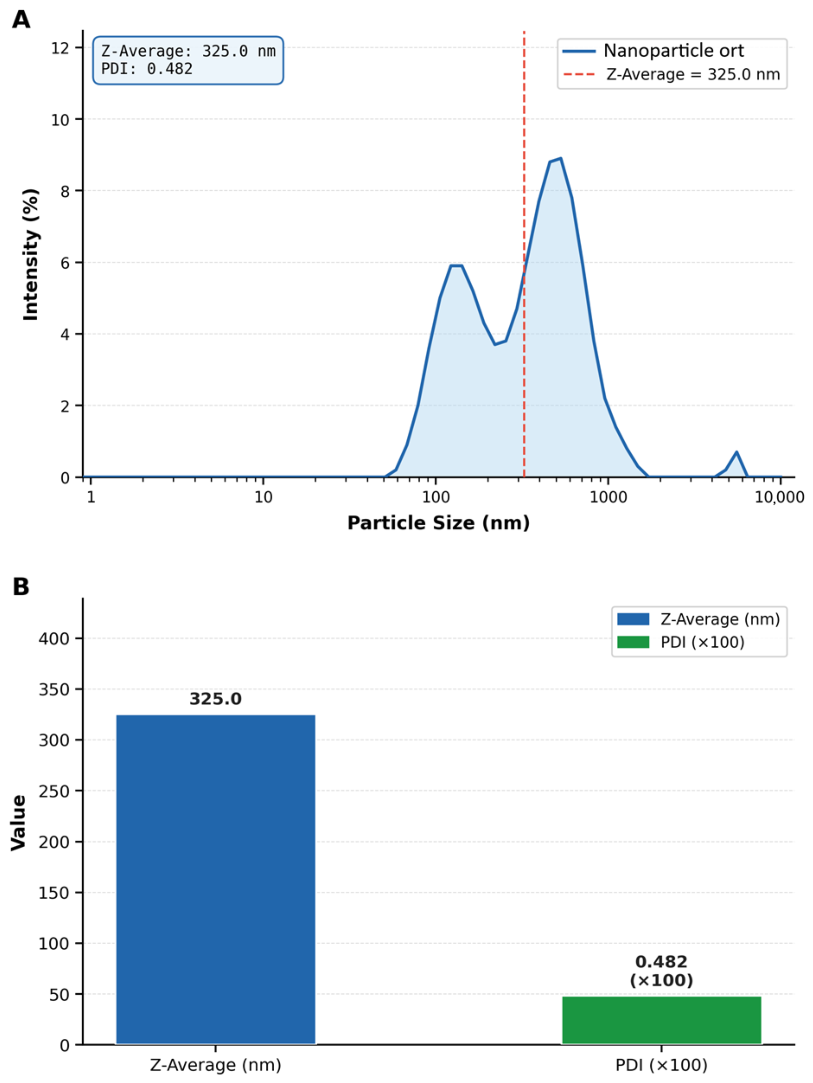
2.2.1. Zeta Potential
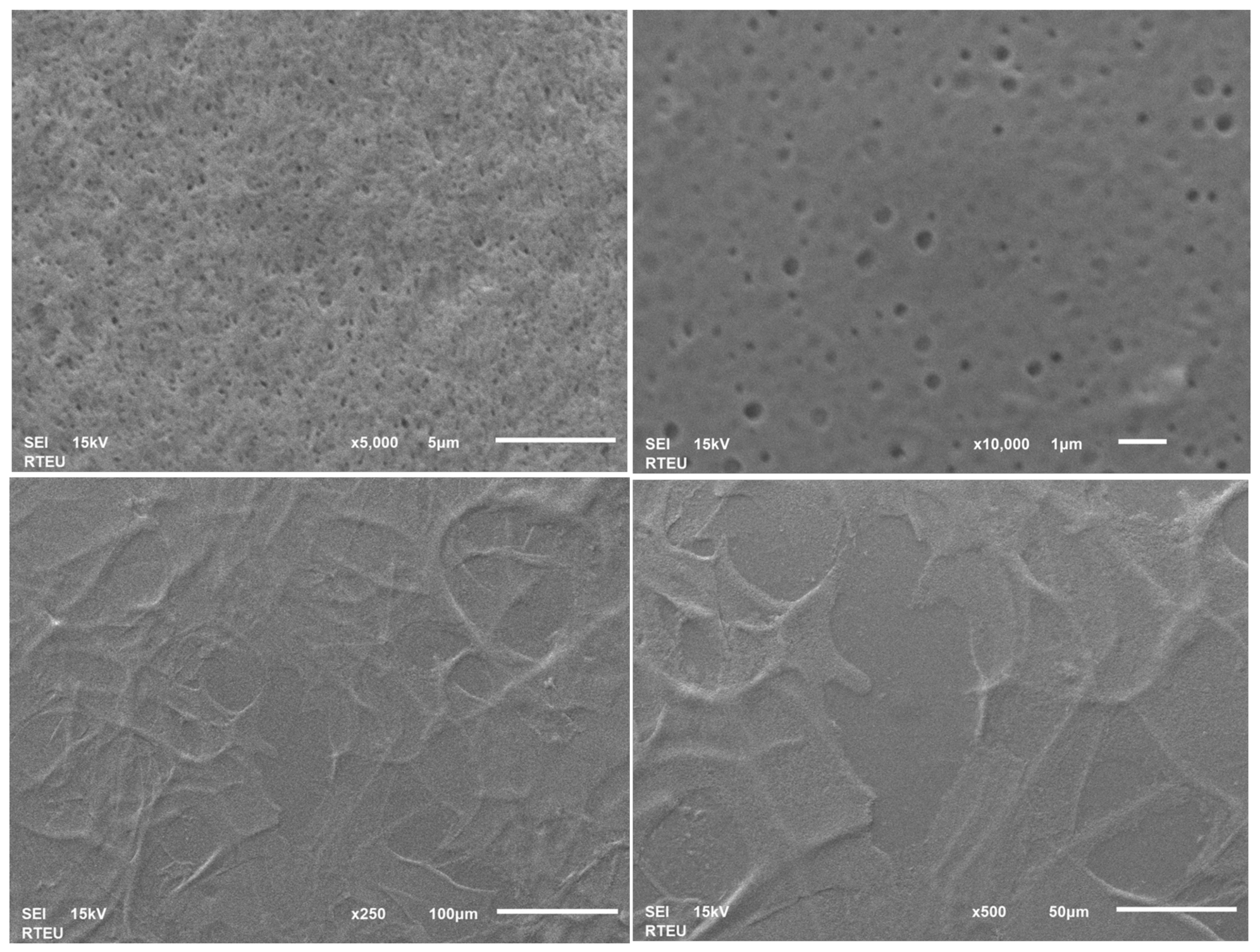
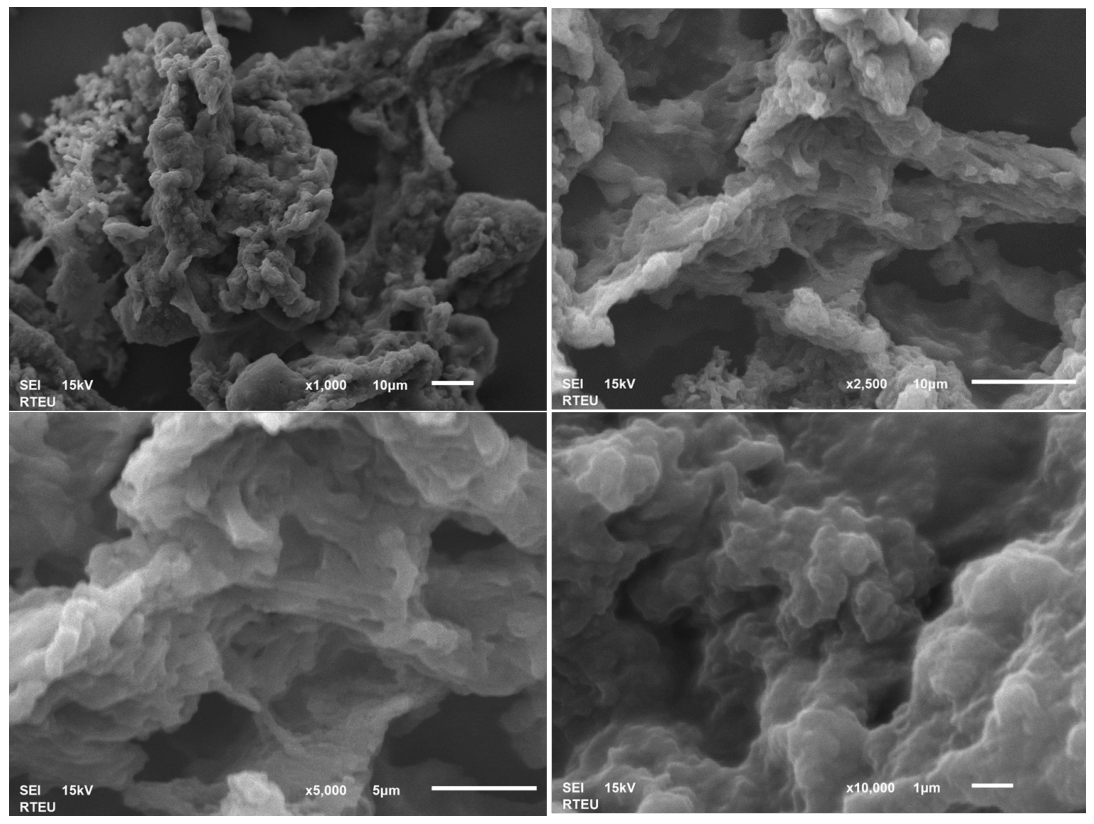
2.2.2. Scanning Electron Microscopy (SEM)
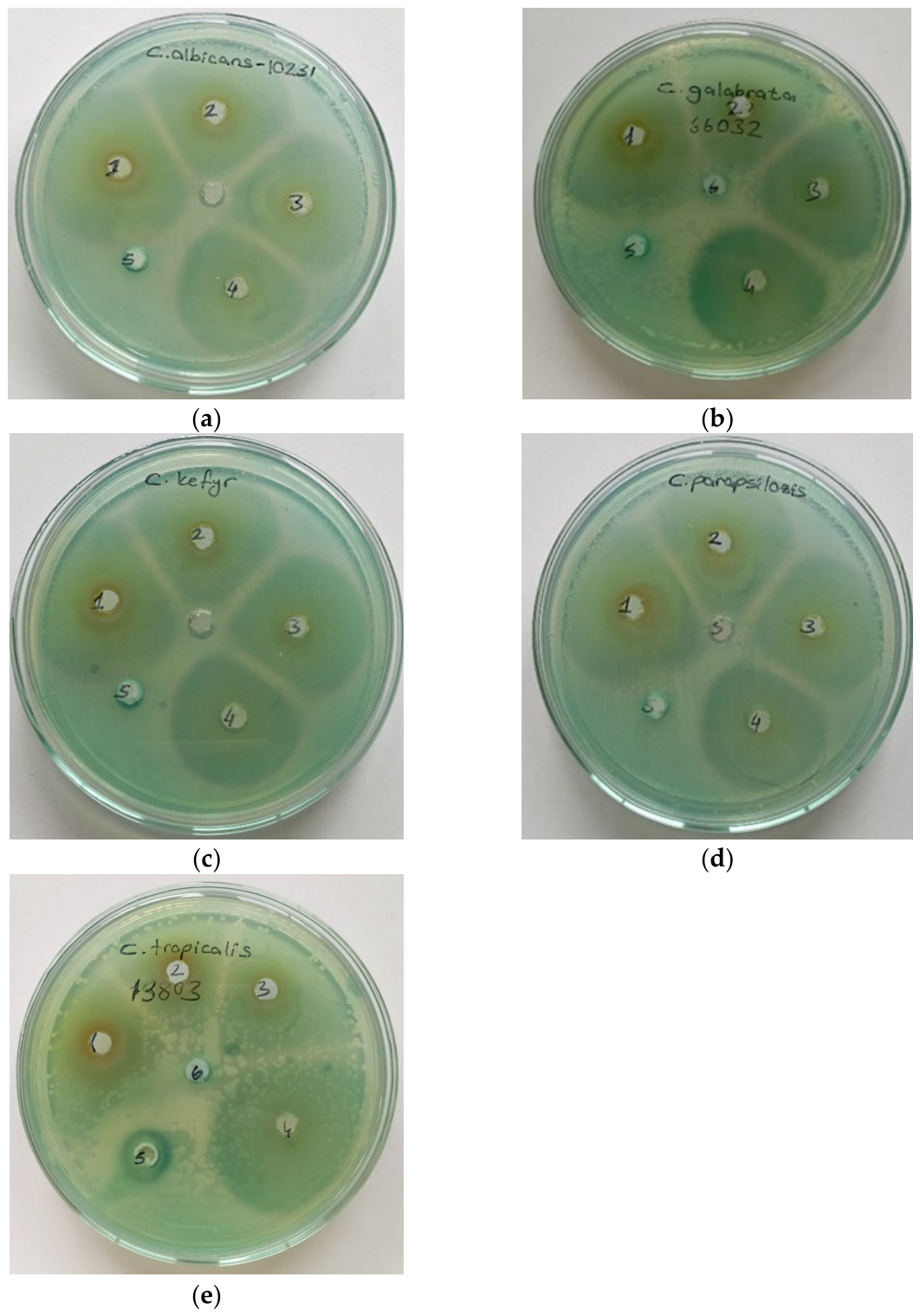
2.3. Agar Well Diffusion Analysis
2.4. Disk Diffusion Assay
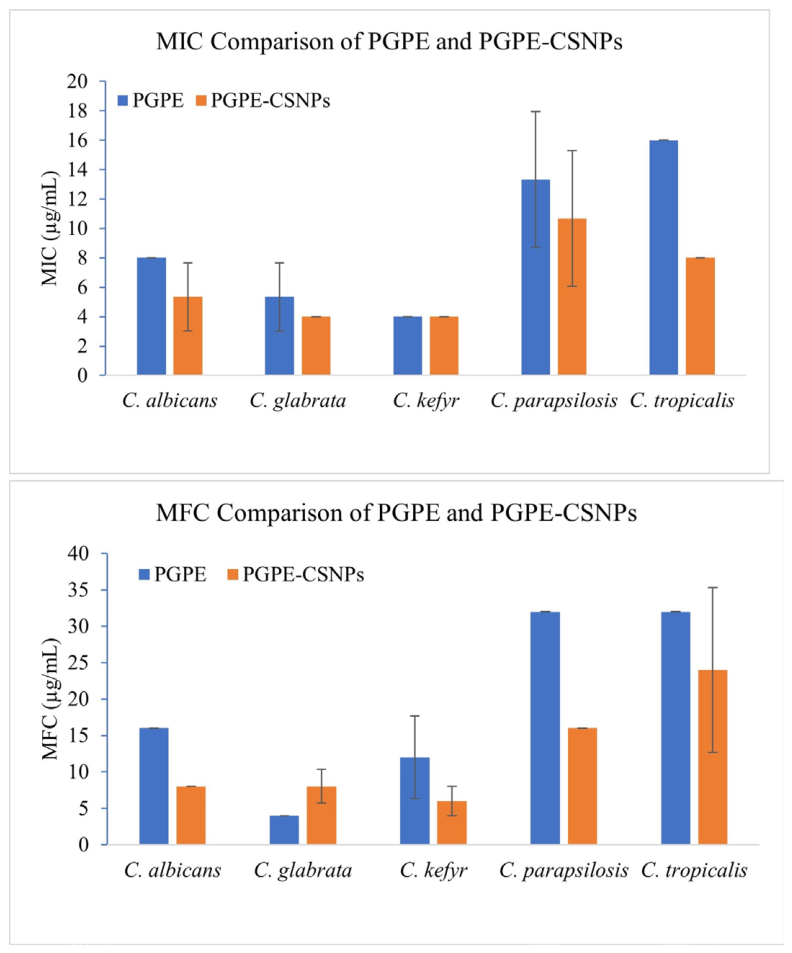
2.5. MIC and MFC Tests
3. Discussion
4. Materials and Methods
4.1. Preparation of Punica Granatum Peel Extract (PGPE)
4.2. Phytochemical Analysis of PGPE
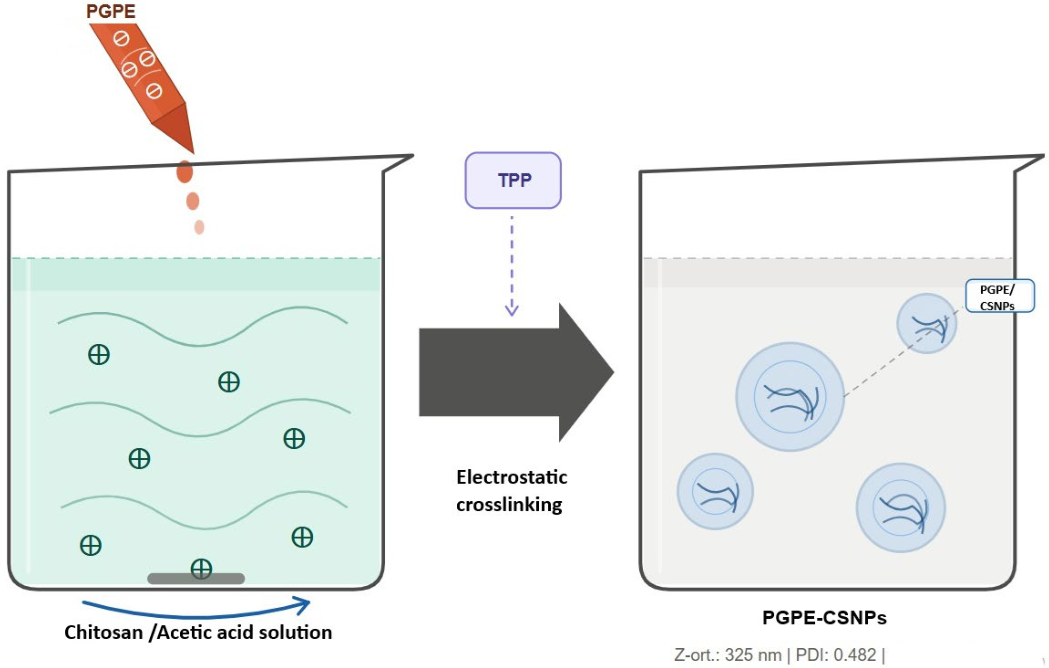
4.3. Preparation of Chitosan Nanoparticles, Characterization and Extract Loading
4.4. Test Strains and Culture Conditions
4.5. Antifungal Susceptibility Testing
4.5.1. Agar Well Diffusion Method
4.5.2. Disk Diffusion Method
4.5.3. Determination of Minimum Inhibitory Concentration (MIC) and Minimum Fungicidal Concentration (MFC) Values
4.6. Statistical Analysis
5. Conclusions
Author Contributions
Funding
Institutional Review Board Statement
Informed Consent Statement
Data Availability Statement
Conflicts of Interest
Correction Statement
References
- Klepacka, J.; Zakrzewska, Z.; Czogała, M.; Wojtaszek-Główka, M.; Krzysztofik, E.; Czogała, W.; Skoczeń, S. Fungal Infection Testing in Pediatric Intensive Care Units—A Single Center Experience. Int. J. Environ. Res. Public Health 2022, 19, 1716. [Google Scholar] [CrossRef] [PubMed]
- Ostrosky-Zeichner, L.; Sobel, J. Fungal Infections, An Issue of Infectious Disease Clinics of North America; Elsevier Health Sciences: Amsterdam, The Netherlands, 2021; Volume 35. [Google Scholar]
- Bajwa, S.; Kulshrestha, A. Fungal infections in intensive care unit: Challenges in diagnosis and management. Ann. Med. Health Sci. Res. 2013, 3, 238–244. [Google Scholar] [CrossRef] [PubMed] [PubMed Central]
- Harsha, M.V.; Venkatachalam, S.; Pooja, M.; Paranjothy, M. Emerging fungal pathogens—A major threat to human life. Int. J. Pharm. Sci. Res. 2017, 8, 1923–1934. [Google Scholar] [CrossRef]
- Lamoth, F.; Lockhart, S.R.; Berkow, E.L.; Calandra, T. Changes in the epidemiological land- scape of invasive candidiasis. J. Antimicrob. Chemother. 2018, 73, i4–i13. [Google Scholar] [CrossRef] [PubMed]
- CDC. COVID-19: U.S. Impact on Antimicrobial Resistance, Special Report 2022; U.S. Department of Health and Human Services, CDC: Atlanta, GA, USA, 2022. [Google Scholar] [CrossRef]
- Rayan, R.A. Flare of the silent pandemic in the era of the COVID-19 pandemic: Obstacles and opportunities. World J. Clin. Cases 2023, 11, 1267. [Google Scholar] [CrossRef] [PubMed]
- Robbins, N.; Wright, G.D.; Cowen, L.E. Antifungal Drugs: The Current Armamentarium and Development of New Agents. Microbiol. Spectr. 2016, 4, 10.1128. [Google Scholar] [CrossRef] [PubMed]
- Fisher, M.C.; Hawkins, N.J.; Sanglard, D.; Gurr, S.J. Worldwide emergence of resistance to antifungal drugs challenges human health and food security. Science 2018, 360, 739–742. [Google Scholar] [CrossRef] [PubMed]
- Sudbery, P. Growth of Candida albicans hyphae. Nat. Rev. Microbiol. 2011, 9, 737–748. [Google Scholar] [CrossRef]
- Prasad, P.; Tippana, M. Morphogenic plasticity: The pathogenic attribute of Candida albicans. Curr. Genet. 2023, 69, 77–89. [Google Scholar] [CrossRef] [PubMed]
- WHO. Fungal Priority Pathogens List to Guide Research, Development and Public Health Action; WHO: Geneva, Switzerland, 2022; ISBN 978-92-4-006024-1. Available online: https://www.who.int/publications/i/item/9789240060241 (accessed on 25 October 2022).
- Zareshahrabadi, Z.; Khaliji, S.; Roudbari, M.; Zomorodian, K. Antifungal Drug Susceptibility Profile of Candida kefyr Isolated from Clinical Samples and Dairy Products. Can. J. Infect. Dis. Med. Microbiol. 2024, 2024, 6594366. [Google Scholar] [CrossRef] [PubMed] [PubMed Central]
- Staab, J.F.; Neofytos, D.; Rhee, P.; Jiménez-Ortigosa, C.; Zhang, S.X.; Perlin, D.S.; Marr, K.A. Target Enzyme Mutations Confer Differential Echinocandin Susceptibilities in Candida kefyr. Antimicrob. Agents Chemother. 2014, 58, 5421–5427. [Google Scholar] [CrossRef]
- Perlin, D.S.; Rautemaa-Richardson, R.; Alastruey-Izquierdo, A. The global problem of antifungal resistance: Prevalence, mechanisms, and management. Lancet Infect. Dis. 2017, 12, e383–e392. [Google Scholar] [CrossRef] [PubMed]
- Rosenberg, A.; Ene, I.V.; Bibi, M.; Zakin, S.; Segal, E.S.; Ziv, N.; Dahan, A.M.; Colombo, A.L.; Bennett, R.J.; Berman, J. Antifungal tolerance is a subpopulation effect distinct from resistance and is associated with persistent candidemia. Nat. Commun. 2018, 9, 2470. [Google Scholar] [CrossRef] [PubMed] [PubMed Central]
- Mendonça, A.M.S.; Monteiro, C.A.; Moraes-Neto, R.N.; Monteiro, A.S.; Mondego-Oliveira, R.; Nascimento, C.E.C.; da Silva, L.C.N.; Lima-Neto, L.G.; Carvalho, R.C.; de Sousa, E.M. Ethyl Acetate Fraction of Punica granatum and Its Galloyl-HHDP-Glucose Compound, Alone or in Combination with Fluconazole, Have Antifungal and Antivirulence Properties against Candida spp. Antibiotics 2022, 11, 265. [Google Scholar] [CrossRef] [PubMed] [PubMed Central]
- Reddy, M.K.; Gupta, S.K.; Jacob, M.R.; Khan, S.I.; Ferreira, D. Punica granatum L.’den Elde Edilen Tanin Açısından Zengin Fraksiyonların, Ellagitanninlerin ve Fenolik Asitlerin Antioksidan, Sıtma Önleyici ve Antimikrobiyal Aktiviteleri. Planta Med. 2007, 73, 461–467. [Google Scholar] [CrossRef] [PubMed]
- Sanjai, C.; Gaonkar, S.L.; Hakkimane, S.S. Harnessing Nature’s Toolbox: Naturally Derived Bioactive Compounds in Nanotechnology Enhanced Formulations. ACS Omega 2024, 9, 43302–43318. [Google Scholar] [CrossRef] [PubMed] [PubMed Central]
- Zhang, H.M.; Shen, L. Chitosan as a potential biocontrol agent of plant pathogens and its multiple acting mechanisms: A review. Int. J. Biol. Macromol. 2025, 334, 148984. [Google Scholar] [CrossRef] [PubMed]
- Kalagatur, N.K.; Nirmal Ghosh, O.S.; Sundararaj, N.; Mudili, V. Antifungal Activity of Chitosan Nanoparticles Encapsulated with Cymbopogon martinii Essential Oil on Plant Pathogenic Fungi Fusarium graminearum. Front. Pharmacol. 2018, 9, 610. [Google Scholar] [CrossRef]
- Amaral, A.C.; Saavedra, P.H.V.; Oliveira Souza, A.C.; de Melo, M.T.; Tedesco, A.C.; Morais, P.C.; Soares Felipe, M.S.; Bocca, A.L. Miconazole loaded chitosan-based nanoparticles for local treatment of vulvovaginal candidiasis fungal infections. Colloids Surf. B Biointerfaces 2019, 174, 409–415. [Google Scholar] [CrossRef] [PubMed]
- Fernandes Costa, A.; Evangelista Araujo, D.; Santos Cabral, M.; Teles Brito, I.; Borges de Menezes Leite, L.; Pereira, M.; Correa Amaral, A. Development, characterization, and in vitro-in vivo evaluation of polymeric nanoparticles containing miconazole and farnesol for treatment of vulvovaginal candidiasis. Med. Mycol. 2019, 57, 52–62. [Google Scholar] [CrossRef] [PubMed]
- Calvo, P.; Remunan-Lopez, C.; Vila-Jato, J.L.; Alonso, M.J. Novel hydrophilic chitosan-polyethylene oxide nanoparticles as protein carriers. J. Appl. Polym. Sci. 1997, 63, 125–132. [Google Scholar] [CrossRef]
- Hazen, K.C. Fungicidal versus fungistatic activity of terbinafine and itraconazole: An in vitro comparison. J. Am. Acad. Dermatol. 1998, 38, S37–S41. [Google Scholar] [CrossRef] [PubMed]
- Bilal, H.; Shafiq, M.; Hou, B.; Islam, R.; Khan, M.N.; Khan, R.U.; Zeng, Y. Distribution and antifungal susceptibility pattern of Candida species from mainland China: A systematic analysis. Virulence 2022, 13, 1573–1589. [Google Scholar] [CrossRef] [PubMed]
- Pfaller, M.A.; Diekema, D.J. Epidemiology of invasive candidiasis: A persistent public health problem. Clin. Microbiol. Rev. 2007, 20, 133–163. [Google Scholar] [CrossRef] [PubMed] [PubMed Central]
- Arendrup, M.C.; Patterson, T.F. Multidrug-Resistant Candida: Epidemiology, Molecular Mechanisms, and Treatment. J. Infect. Dis. 2017, 216, S445–S451. [Google Scholar] [CrossRef] [PubMed]
- Nivoix, Y.; Ledoux, M.P.; Herbrecht, R. Antifungal Therapy: New and Evolving Therapies. Semin. Respir. Crit. Care Med. 2020, 41, 158–174. [Google Scholar] [CrossRef] [PubMed]
- Moosa, M.Y.; Alangaden, G.J.; Manavathu, E.; Chandrasekar, P.H. Resistance to amphotericin B does not emerge during treatment for invasive aspergillosis. J. Antimicrob. Chemother. 2002, 49, 209–213. [Google Scholar] [CrossRef]
- Lemke, A.; Kiderlen, A.F.; Kayser, O. Amphotericin B. Appl. Microbiol. Biotechnol. 2005, 68, 151–162. [Google Scholar] [CrossRef] [PubMed]
- Newman, D.J.; Cragg, G.M. Natural products as sources of new drugs over the nearly four decades from 01/1981 to 09/2019. J. Nat. Prod. 2020, 83, 770–803. [Google Scholar] [CrossRef]
- Lansky, E.P.; Newman, R.A. Punica granatum (pomegranate) and its potential for prevention and treatment of inflammation and cancer. J. Ethnopharmacol. 2007, 109, 177–206. [Google Scholar] [CrossRef]
- Guo, C.; Yang, J.; Wei, J.; Li, Y.; Xu, J.; Jiang, Y. Antioxidant activities of peel, pulp and seed fractions of common fruits as determined by FRAP assay. Nutr. Res. 2003, 23, 1719–1726. [Google Scholar] [CrossRef]
- Foss, S.R.; Nakamura, C.V.; Ueda-Nakamura, T.; Cortez, D.A.G.; Endo, E.H.; Dias Filho, B.P. Antifungal activity of pomegranate peel extract and isolated compound punicalagin against dermatophytes. BMC Complement. Altern. Med. 2014, 13, 32. [Google Scholar] [CrossRef]
- Abdollahzadeh, S.; Mashouf, R.Y.; Mortazavi, H.; Moghaddam, M.H.; Roozbahani, N.; Vahedi, M. Antibacterial and antifungal activities of Punica granatum peel extracts against oral pathogens. J. Dent. 2011, 8, 1–6. [Google Scholar]
- Rongai, D.; Pulcini, P.; Di Lernia, G.; Nota, P.; Preka, P.; Milano, F. Punicalagin content and antifungal activity of different pomegranate (Punica granatum L.) genotypes. Horticulturae 2019, 5, 52. [Google Scholar] [CrossRef]
- Sahin, K.; Sahin Aktura, S.; Bahceci, I.; Yazici, Z.A.; Oskay, B.; Ejder, N.; Yurteri, E.; Bal Altuntas, D. Chitosan Coating Enhances the Antimicrobial Activity of Punica granatum L. Phenolic Compounds. Life 2025, 15, 1878. [Google Scholar] [CrossRef] [PubMed] [PubMed Central]
- Sahin, K.; Sahin Aktura, S.; Bahceci, I.; Mercantepe, T.; Tumkaya, L.; Topcu, A.; Mercantepe, F.; Duran, O.F.; Uydu, H.A.; Yazici, Z.A. Is Punica granatum Efficient Against Sepsis? A Comparative Study of Amifostine Versus Pomegranate. Life 2025, 15, 78. [Google Scholar] [CrossRef] [PubMed] [PubMed Central]
- Sahin Aktura, S.; Sahin, K.; Tumkaya, L.; Mercantepe, T.; Topcu, A.; Pinarbas, E.; Yazici, Z.A. The Nephroprotective Effect of Punica granatum Peel Extract on LPS-Induced Acute Kidney Injury. Life 2024, 14, 1316. [Google Scholar] [CrossRef] [PubMed] [PubMed Central]
- Hernández-Abril, P.A.; López-Meneses, A.K.; Lizardi-Mendoza, J.; Plascencia-Jatomea, M.; Luque-Alcaraz, A.G. Cellular Internalization and Toxicity of Chitosan Nanoparticles Loaded with Nobiletin in Eukaryotic Cell Models (Saccharomyces cerevisiae and Candida albicans). Materials 2024, 17, 1525. [Google Scholar] [CrossRef] [PubMed]
- Aghaei, S.; Yadegari, M.H.; Rajabibazl, M.; Ansari, S.; Amani, J. Chitosan nanoparticles loaded with ribavirin, carboplatin, and thyme oil downregulate SNQ2, ERG11, CDR1, and MDR1 in Candida strains. Sci. Rep. 2025, 15, 42633. [Google Scholar] [CrossRef] [PubMed] [PubMed Central]
- Hadi, Z.; Ferdousi, A.; Paknejadi, M. Effects of Thymus daenensis Essential Oil-loaded chitosan Nanoparticles on BCR1 Gene Expression in Candida Parapsilosis. Arch. Razi Inst. 2024, 79, 973–980. [Google Scholar] [CrossRef] [PubMed] [PubMed Central]
- Alghuthaymi, M.A. Antifungal Nanocomposites from Honeybee Chitosan and Royal Jelly-Mediated Nanosilver for Suppressing Biofilm and Hyphal Formation of Candida albicans. Polymers 2025, 17, 1916. [Google Scholar] [CrossRef]
- Vitali, A.; Stringaro, A.; Colone, M.; Muntiu, A.; Angiolella, L. Antifungal Carvacrol Loaded Chitosan Nanoparticles. Antibiotics 2021, 11, 11. [Google Scholar] [CrossRef] [PubMed] [PubMed Central]
- Davidova, S.; Galabov, A.S.; Satchanska, G. Antibacterial, Antifungal, Antiviral Activity, and Mechanisms of Action of Plant Polyphenols. Microorganisms 2024, 12, 2502. [Google Scholar] [CrossRef] [PubMed] [PubMed Central]
- Berkow, E.L.; Lockhart, S.R.; Ostrosky-Zeichner, L. Antifungal Susceptibility Testing: Current Approaches. Clin. Microbiol. Rev. 2020, 33, e00069-19. [Google Scholar] [CrossRef] [PubMed] [PubMed Central]
- Nayak, R.; Rai, V.K.; Pradhan, D.; Halder, J.; Rajwar, T.K.; Dash, P.; Das, C.; Mishra, A.; Mahanty, R.; Saha, I.; et al. Exploring the Biofilm Inhibition Potential of a Novel Phytic Acid-Crosslinked Chitosan Nanoparticle: In Vitro and In Vivo Investigations. AAPS PharmSciTech 2024, 25, 106. [Google Scholar] [CrossRef] [PubMed]
- Endo, E.H.; Ueda-Nakamura, T.; Nakamura, C.V.; Filho, B.P. Activity of spray-dried microparticles containing pomegranate peel extract against Candida albicans. Molecules 2012, 17, 10094–10107. [Google Scholar] [CrossRef] [PubMed] [PubMed Central]
- Hasheminejad, N.; Khodaiyan, F.; Safari, M. Improving the antifungal activity of clove essential oil encapsulated by chitosan nanoparticles. Food Chem. 2019, 275, 113–122. [Google Scholar] [CrossRef] [PubMed]
- Salem, M.F.; Abd-Elraoof, W.A.; Tayel, A.A.; Alzuaibr, F.M.; Abonama, O.M. Antifungal application of biosynthesized selenium nanoparticles with pomegranate peels and nanochitosan as edible coatings for citrus green mold protection. J. Nanobiotechnol. 2022, 20, 182. [Google Scholar] [CrossRef] [PubMed] [PubMed Central]
- Alotaibi, M.A.; Tayel, A.A.; Zidan, N.S.; El Rabey, H.A. Bioactive coatings from nano-biopolymers/plant extract composites for complete protection from mycotoxigenic fungi in dates. J. Sci. Food Agric. 2019, 99, 4338–4343. [Google Scholar] [CrossRef] [PubMed]
- Subair, S.; Singh, N.; Maru, M.; Prakash, S.; Hasanar, M. An Antimicrobial Fabric Using Nano-Herbal Encapsulation of Essential Oils. J. Vis. Exp. 2023, 194, e65187. [Google Scholar] [CrossRef]
- Denev, P.; Kratchanova, M.; Ciz, M.; Lojek, A.; Vasicek, O.; Nedelcheva, P.; Blazheva, D.; Toshkova, R.; Gardeva, E.; Yossifova, L.; et al. Biological activities of selected polyphenol-rich fruits related to immunity and gastrointestinal health. Food Chem. 2014, 15, 37–44. [Google Scholar] [CrossRef]
- EUCAST. European Committee on Antimicrobial Susceptibility Testing Broth Microdilution—EUCAST Reading Guide v 4.0. 2022. Available online: https://www.eucast.org/ (accessed on 1 January 2024).





| Compound | Concentration (µg/g) |
|---|---|
| Punicalagin (PUN) (A) | 4528.03 |
| Punicalagin (PUN) (B) | 2591.46 |
| Epigallocatechingallate (EGCG) | 186.88 |
| Chlorogenicacid (CGA) | 60.39 |
| Ellagic acid (EA) | 46.38 |
| Caffeine (CAF) | 16.32 |
| 2,4-dihydroxybenzoicacid (2,4-DHBA) | 11.19 |
| Catechinhydrate (CH) | 5.67 |
| Ferulic acid (FA) | 4.42 |
| Gallic acid (GA) | 2.89 |
| Ursolicacid (UA) | 2.44 |
| Caffeic acid (CA) | 1.58 |
| Quercetin (Q) | 0.78 |
| p-coumaric acid (p-CA) | 0.19 |
| Parameter | CSNPs | PGPE-CSNPs |
|---|---|---|
| Surface morphology (SEM observation) | Irregular, rough, fibrous-network structure | Smooth, compact, homogeneous surface |
| Aggregation level (particle clustering) | Prominent aggregate formation present | Reduced aggregation−PGPE coating effect |
| Surface pore structure | Large, irregular, open pores | Nanometric, uniform pore dots (PGPE) |
| Macroscale structure | Wrinkled, layered network form | Flat, broad sheets−PGPE coating layers |
| PGPE (µg/mL) | ||||||
|---|---|---|---|---|---|---|
| 800 | 400 | 200 | 100 | 50 | NC | |
| C. albicans | 28.33 ± 2.89 | 27.33 ± 2.31 | 25.00 ± 1.00 | 27.33 ± 2.52 | 25.67 ± 2.08 | 0 |
| C. glabrata | 29.33 ± 3.79 | 24.00 ± 2.00 | 22.67 ± 2.31 | 21.33 ± 1.15 | 13.67 ± 1.53 | 0 |
| C. kefyr | 31.67 ± 0.58 | 30.33 ± 0.58 | 30.00 ± 0.00 | 30.00 ± 0.00 | 28.00 ± 0.00 | 0 |
| C. parapsilosis | 26.67 ± 5.77 | 22.33 ± 6.03 | 20.00 ± 6.93 | 17.33 ± 6.35 | 15.67 ± 7.51 | 0 |
| C. tropicalis | 27.33 ± 2.31 | 26.33 ± 0.58 | 23.67 ± 0.58 | 23.67 ± 2.89 | 23.67 ± 2.89 | 0 |
| PGPE | PGPE-CSNPs | AMB | FLU | |
|---|---|---|---|---|
| C. albicans | 28.33 ± 2.89 | 15.67 ± 0.58 | 17.67 ± 0.58 | 32.33 ± 2.08 a,b,c |
| C. glabrata | 29.33 ± 3.79 a,b | 35.67 ± 1.15 a,b | 16.33 ± 0.58 | 29.00 ± 1.73 a |
| C. kefyr | 31.67 ± 0.58 a | 37.67 ± 0.58 a | 12.33 ± 0.58 | 43.33 ± 5.77 a,b,c |
| C. parapsilosis | 26.67 ± 5.77 a | 29.00 ± 1.00 a,b | 16.00 ± 0.00 | 36.00 ± 3.46 a,b,c |
| C. tropicalis | 27.33 ± 2.31 a | 29.00 ± 1.00 a,b | 16.00 ± 0.00 | 34.00 ± 2.65 a,b,c |
| PGPE | PGPE-CSNPs | |||
|---|---|---|---|---|
| MIC (µg/mL) | MFC (µg/mL) | MIC (µg/mL) | MFC (µg/mL) | |
| C. albicans | 8 | 16 | 4 | 8 |
| C. glabrata | 4 | 4 | 4 | 4 |
| C. kefyr | 4 | 8 | 4 | 4 |
| C. parapsilosis | 16 | 32 | 8 | 16 |
| C. tropicalis | 16 | 32 | 8 | 16 |
Disclaimer/Publisher’s Note: The statements, opinions and data contained in all publications are solely those of the individual author(s) and contributor(s) and not of MDPI and/or the editor(s). MDPI and/or the editor(s) disclaim responsibility for any injury to people or property resulting from any ideas, methods, instructions or products referred to in the content. |
© 2026 by the authors. Licensee MDPI, Basel, Switzerland. This article is an open access article distributed under the terms and conditions of the Creative Commons Attribution (CC BY) license.
Share and Cite
Sahin, K.; Sahin Aktura, S.; Bahceci, I.; Bal Altuntas, D.; Otegeceli, M.M. Antifungal Activity of Punica granatum L. Peel Extract and Chitosan Nanoparticle-Coated Formulation Against Candida Infections. Int. J. Mol. Sci. 2026, 27, 4127. https://doi.org/10.3390/ijms27094127
Sahin K, Sahin Aktura S, Bahceci I, Bal Altuntas D, Otegeceli MM. Antifungal Activity of Punica granatum L. Peel Extract and Chitosan Nanoparticle-Coated Formulation Against Candida Infections. International Journal of Molecular Sciences. 2026; 27(9):4127. https://doi.org/10.3390/ijms27094127
Chicago/Turabian StyleSahin, Kazim, Sena Sahin Aktura, Ilkay Bahceci, Derya Bal Altuntas, and Muharrem Mert Otegeceli. 2026. "Antifungal Activity of Punica granatum L. Peel Extract and Chitosan Nanoparticle-Coated Formulation Against Candida Infections" International Journal of Molecular Sciences 27, no. 9: 4127. https://doi.org/10.3390/ijms27094127
APA StyleSahin, K., Sahin Aktura, S., Bahceci, I., Bal Altuntas, D., & Otegeceli, M. M. (2026). Antifungal Activity of Punica granatum L. Peel Extract and Chitosan Nanoparticle-Coated Formulation Against Candida Infections. International Journal of Molecular Sciences, 27(9), 4127. https://doi.org/10.3390/ijms27094127