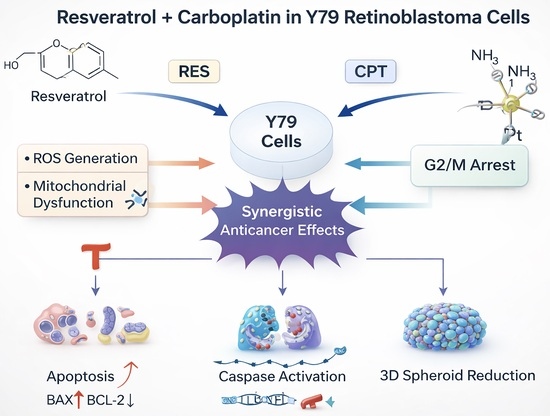
Synergistic Anticancer Effects of Resveratrol and Carboplatin in Y79 Retinoblastoma Cells: Mechanistic Insights into Apoptosis, G2/M Arrest, and ROS-Dependent Mitochondrial Dysfunction



Abstract
1. Introduction
2. Results
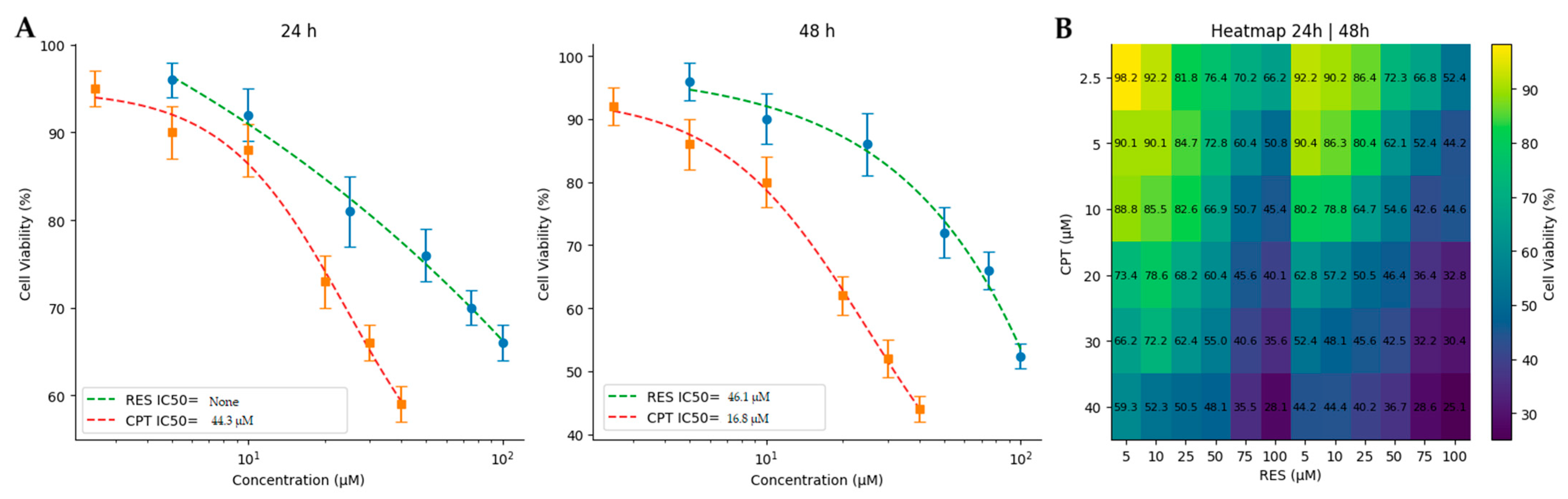
2.1. Dose- and Time-Dependent Cytotoxic Effects of RES and CPT in Y79 Retinoblastoma Cells (MTT Assay)
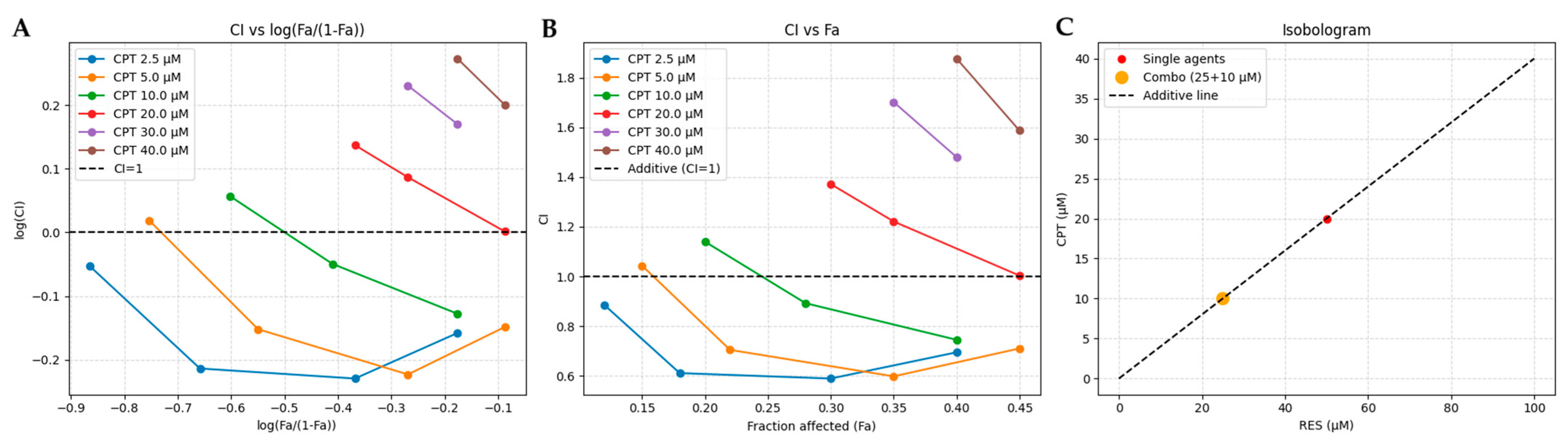
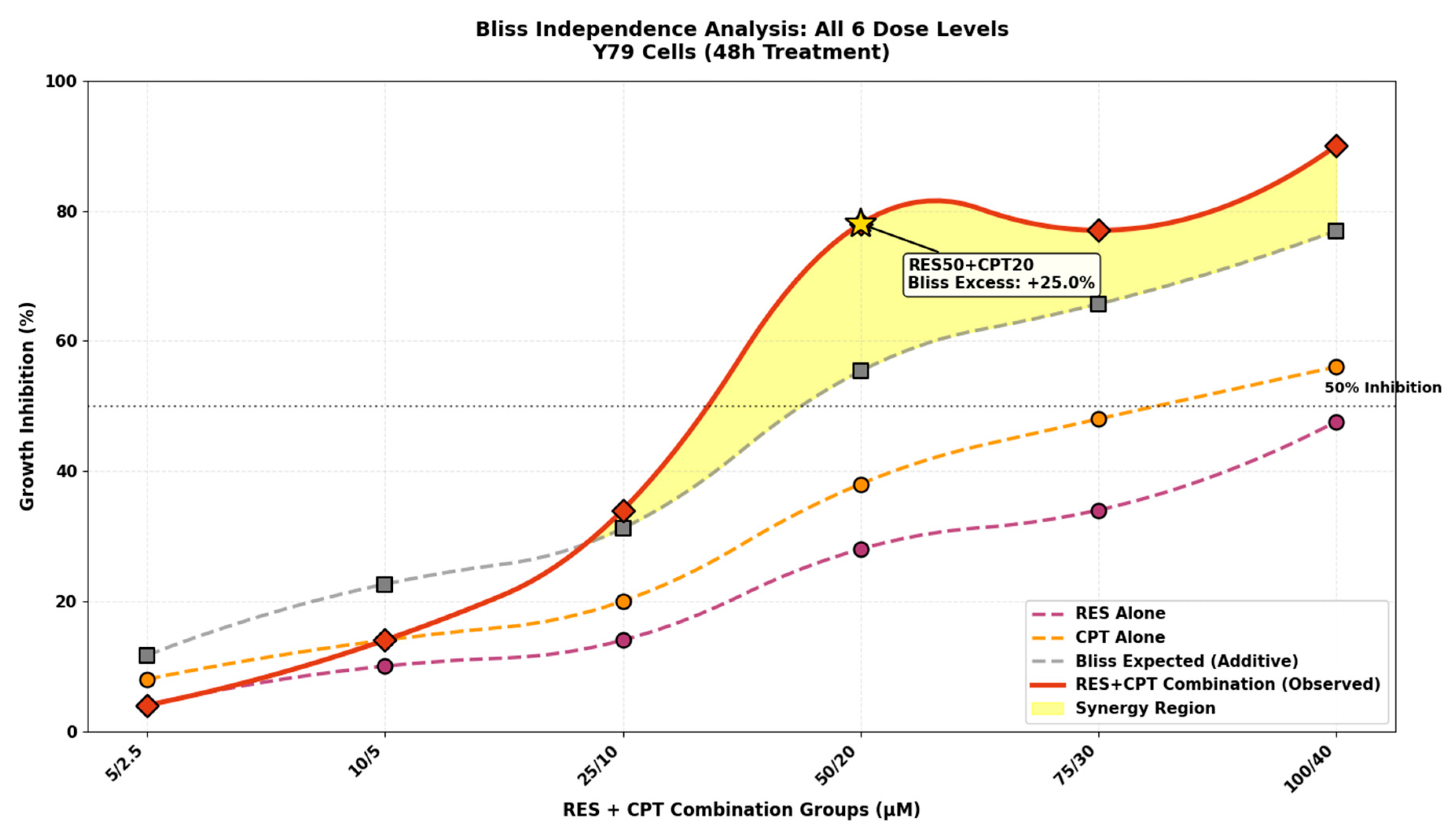
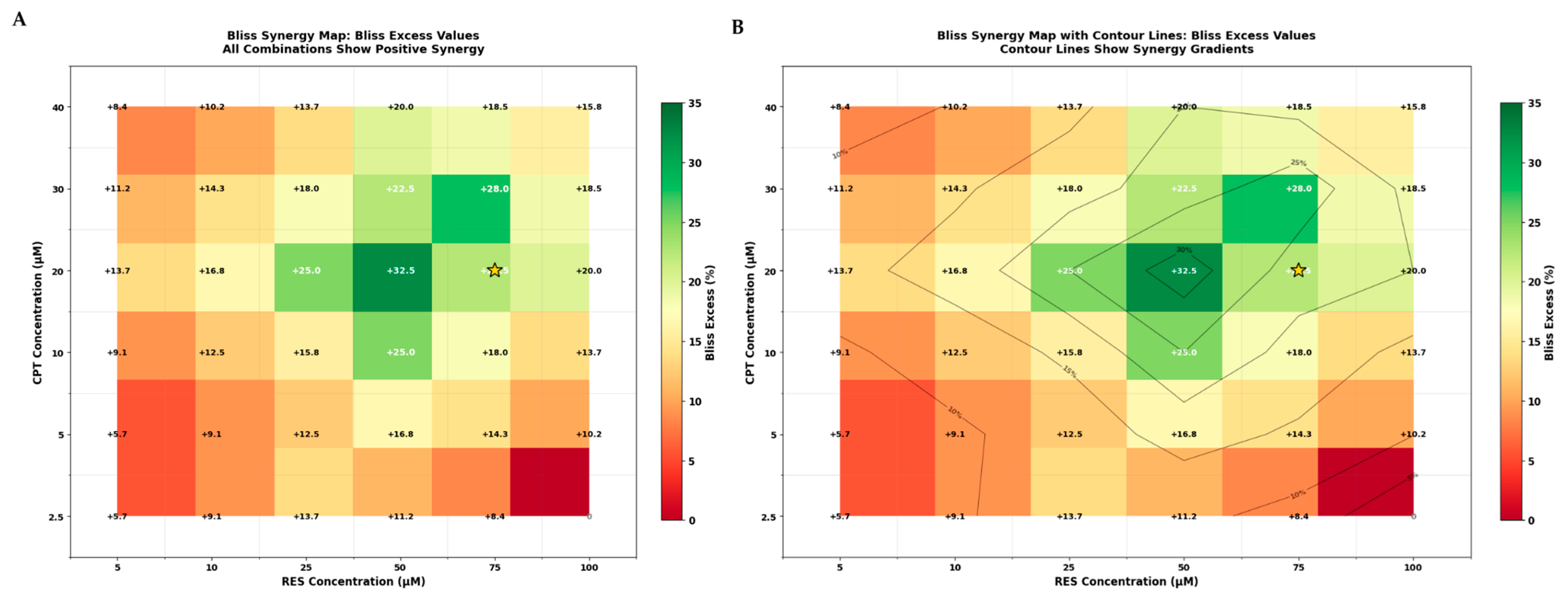
2.2. Mathematical Validation of RES–CPT Synergy in Y79 Cells Using CI and Bliss Models
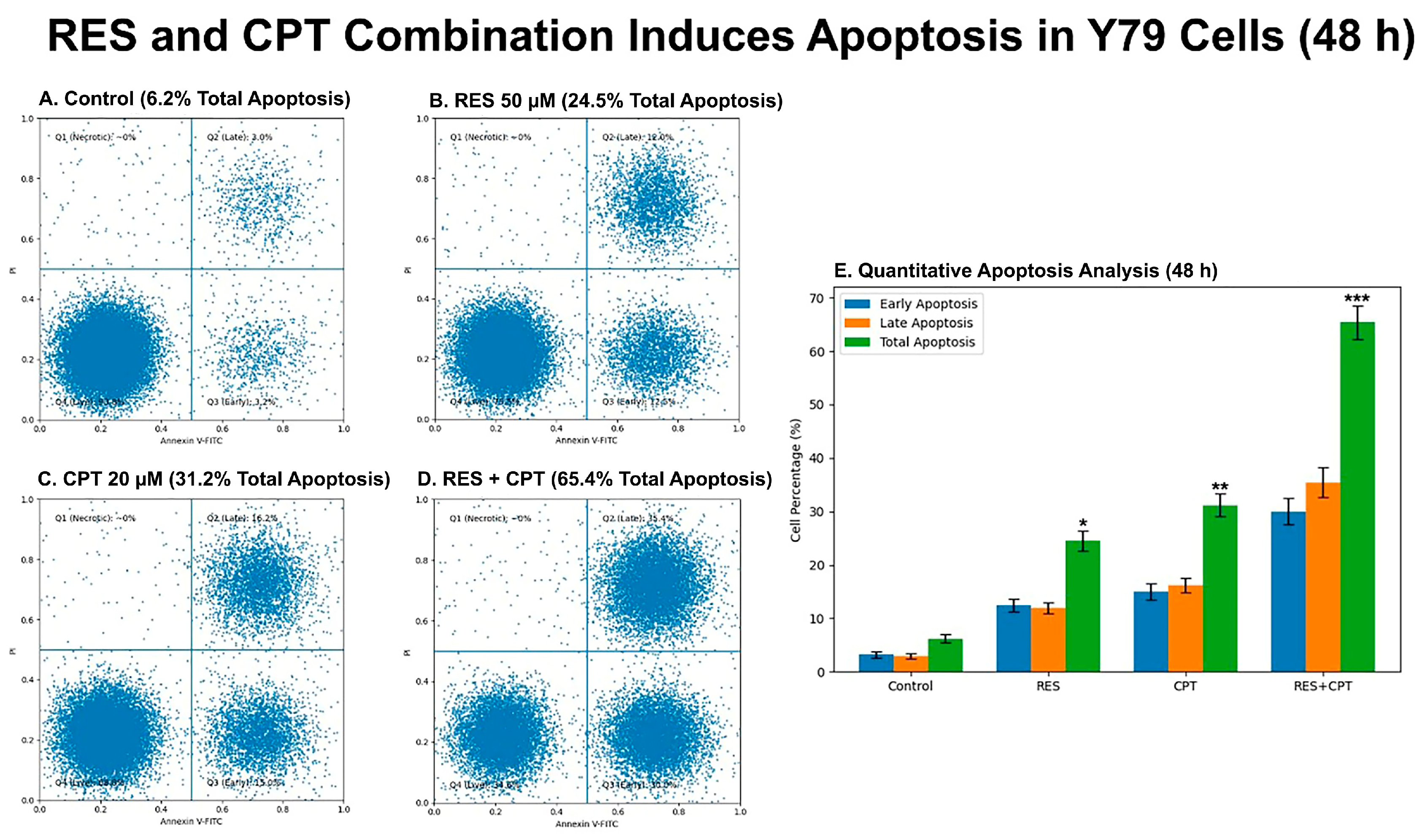
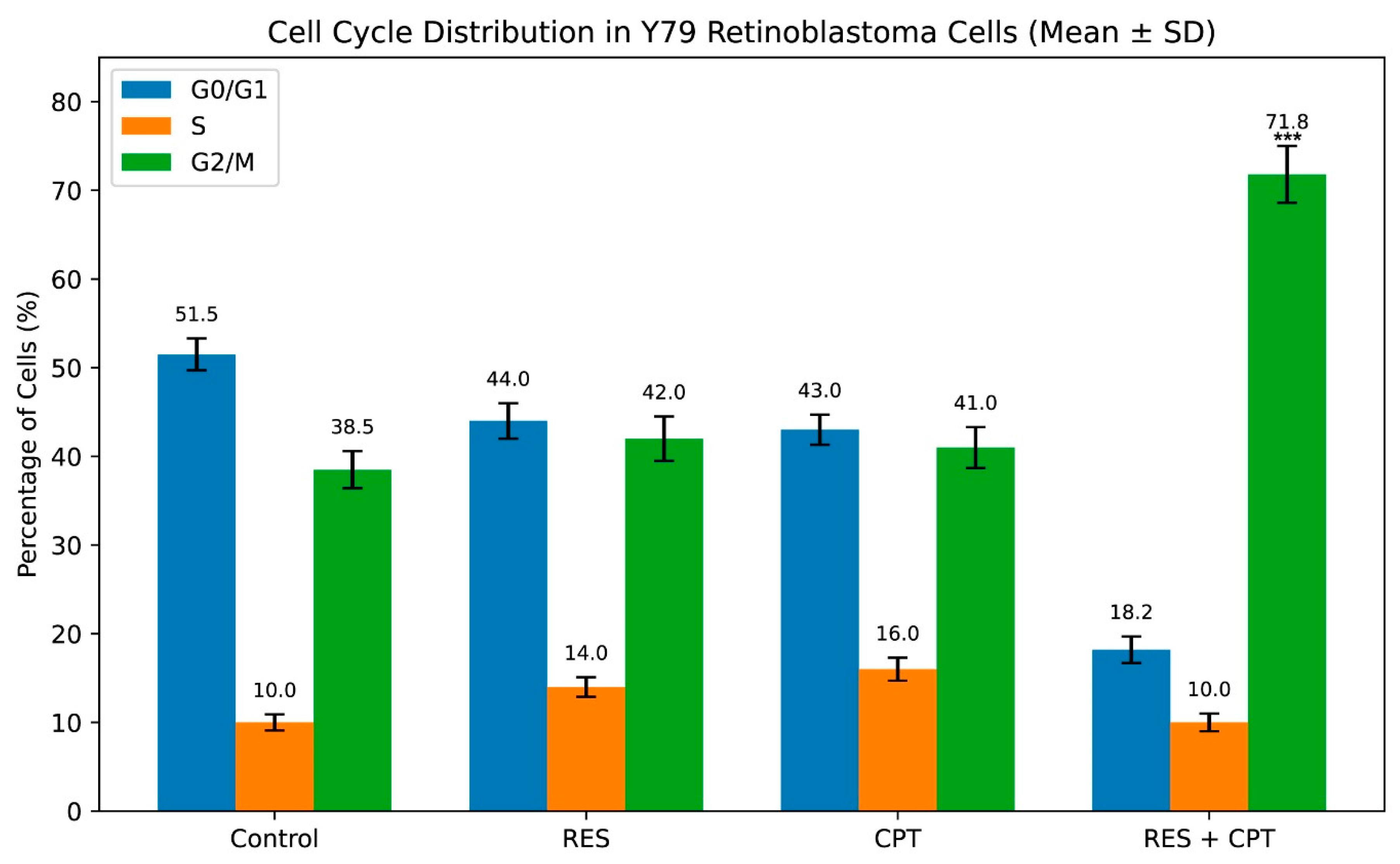
2.3. RES-CPT Combination Induces Apoptosis and G2/M Cell Cycle Arrest in Y79 Cells
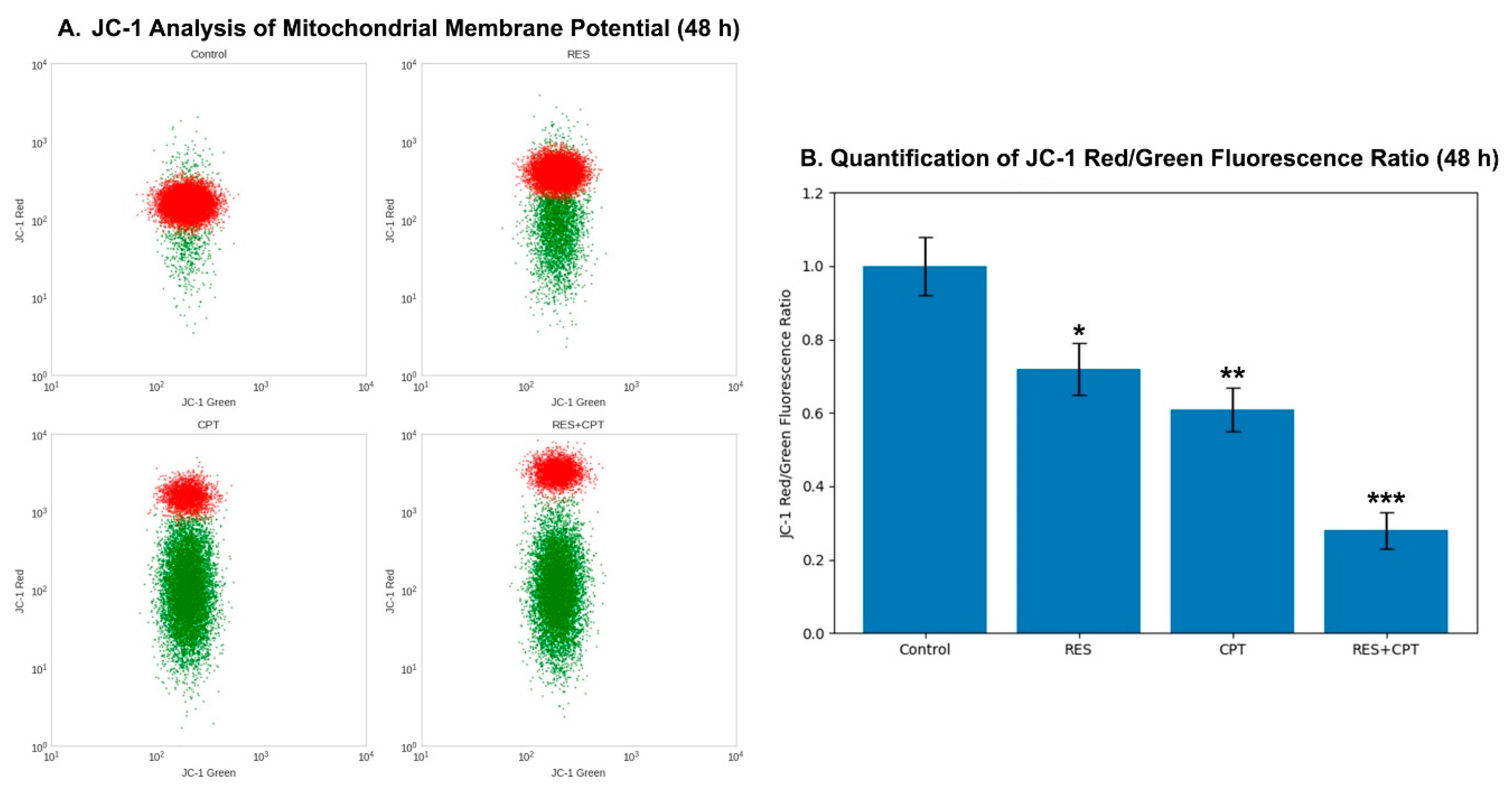
2.4. RES–CPT Co-Treatment Promotes Mitochondrial Depolarization and ROS Accumulation in Y79 Cells
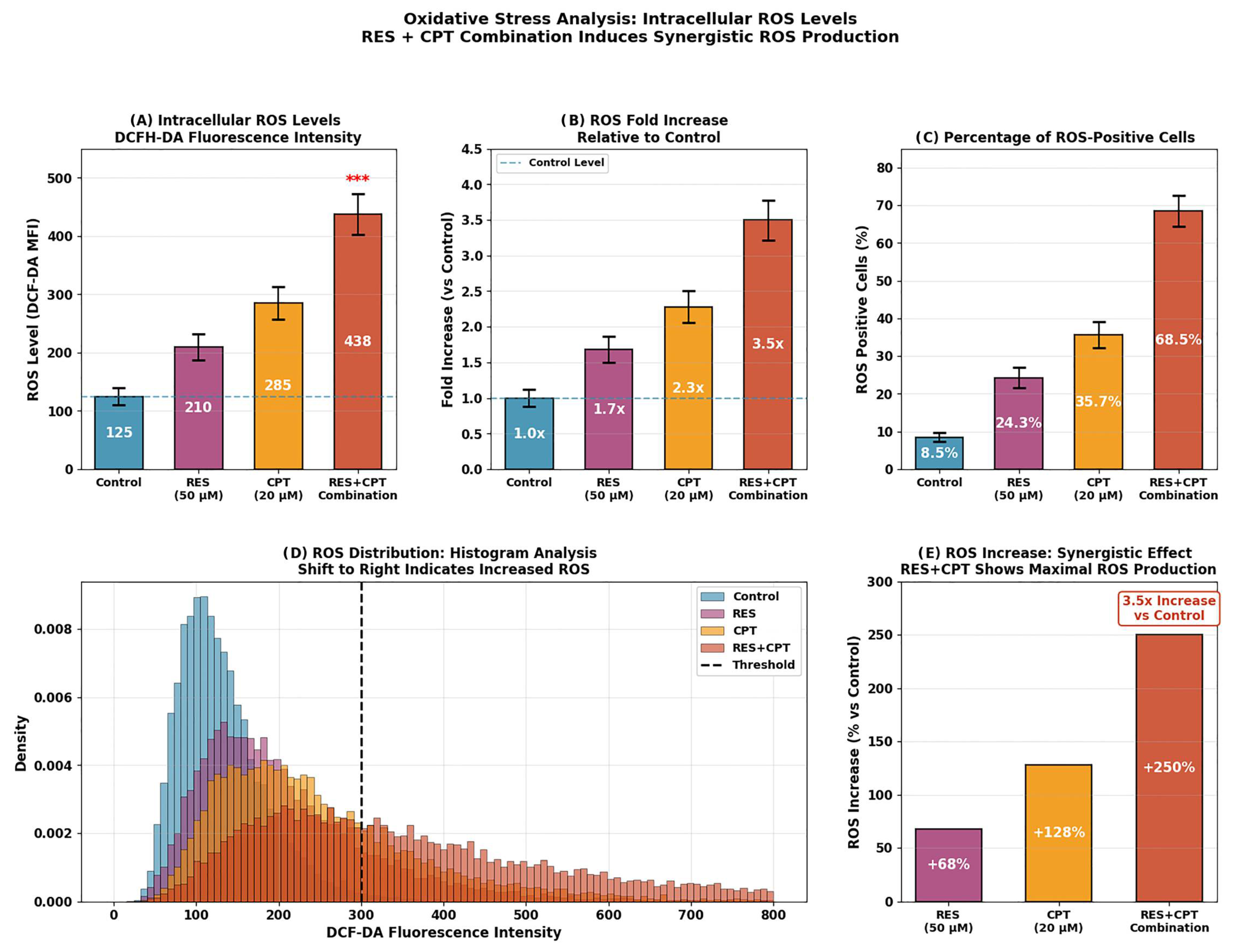
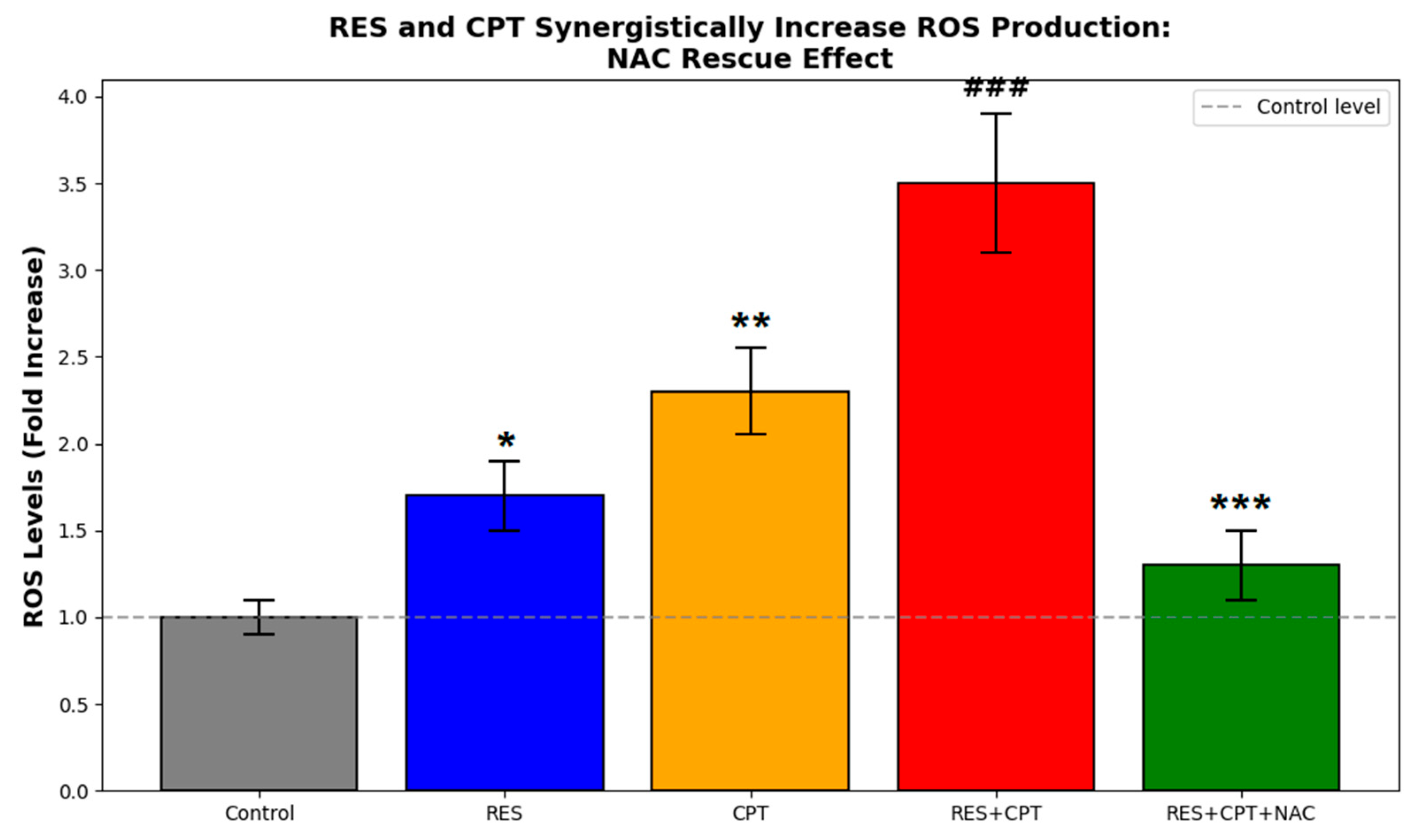
2.5. RES–CPT Combination Significantly Enhances Intracellular ROS Production in Y79 Cells
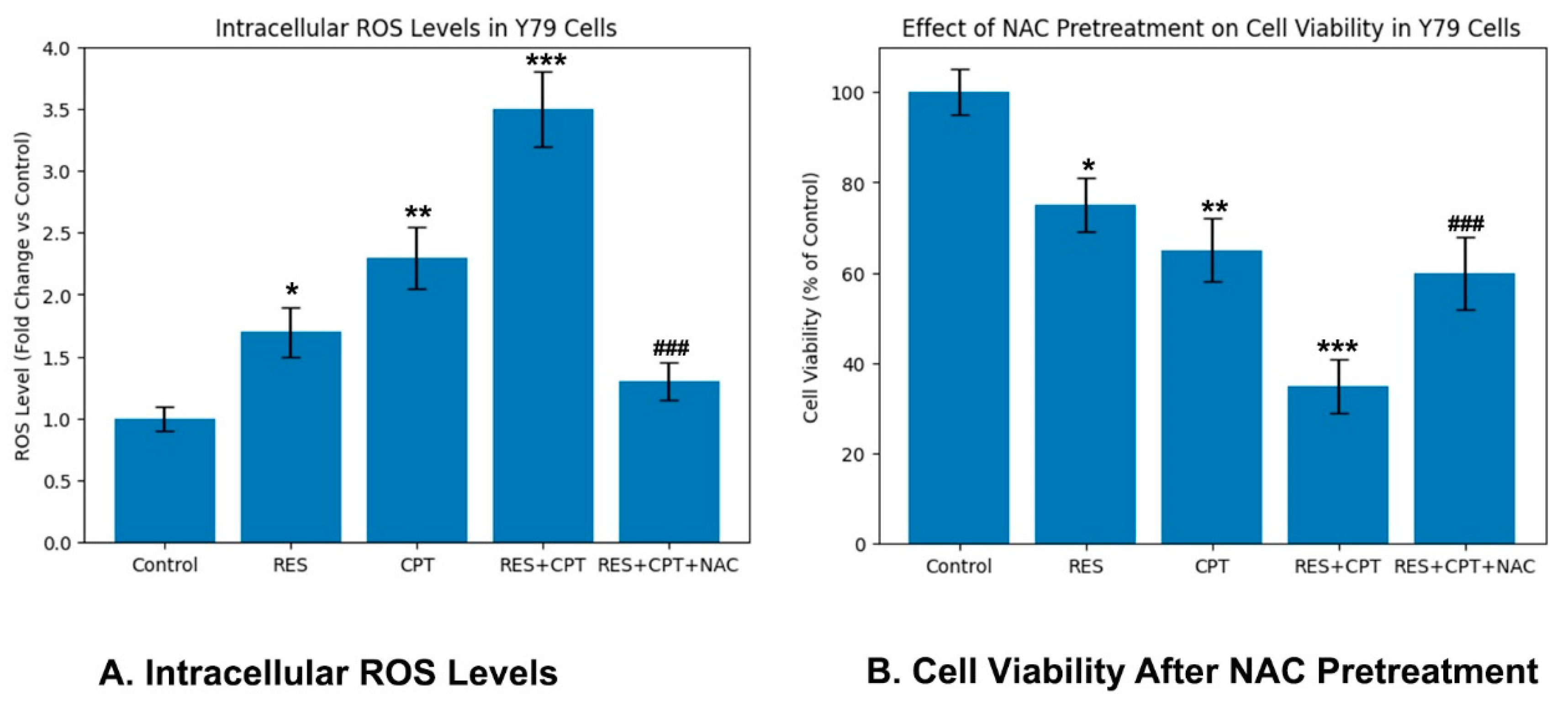
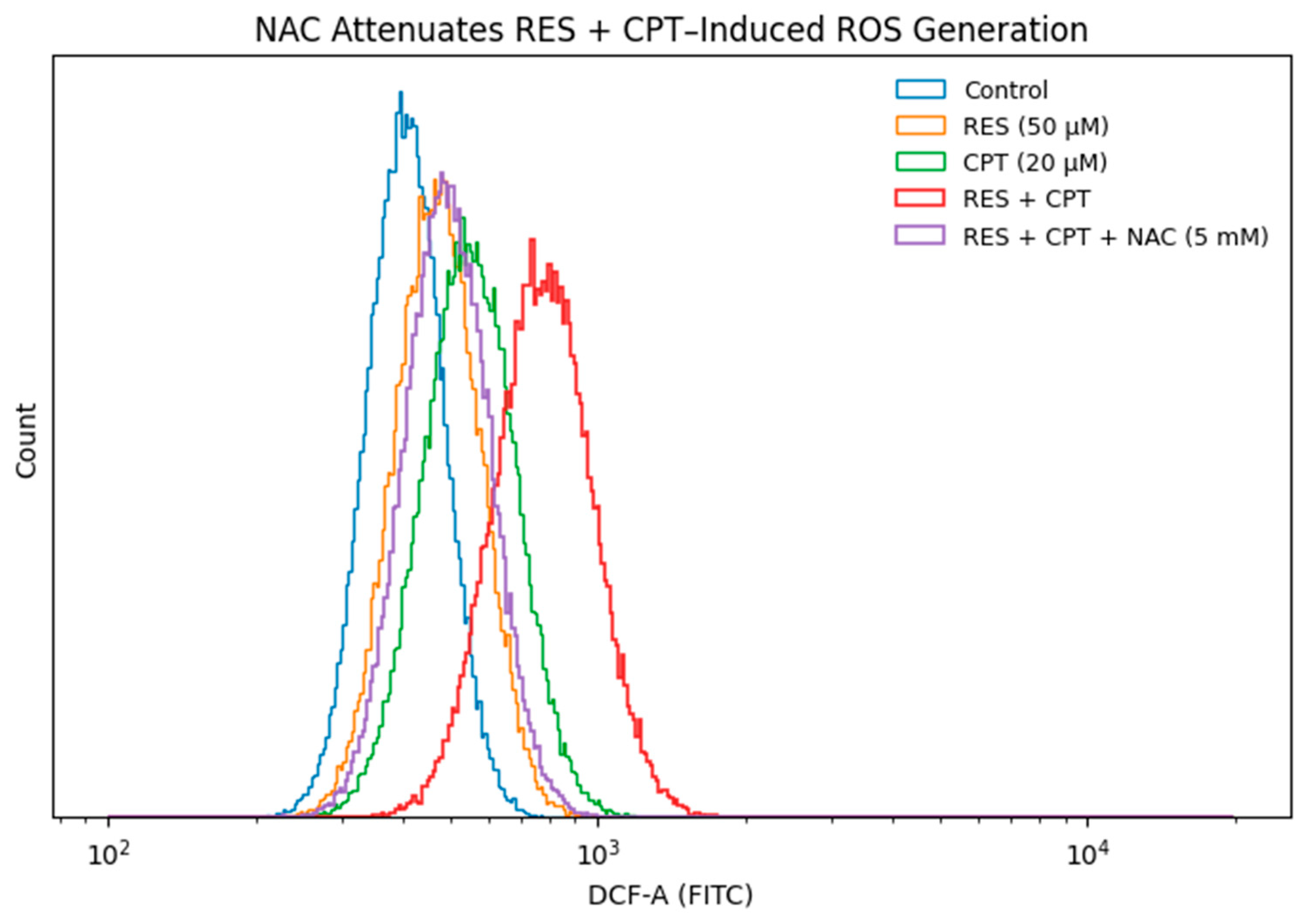
2.6. NAC Pretreatment Attenuates ROS Accumulation and Partially Restores Cell Viability in Y79 Cells
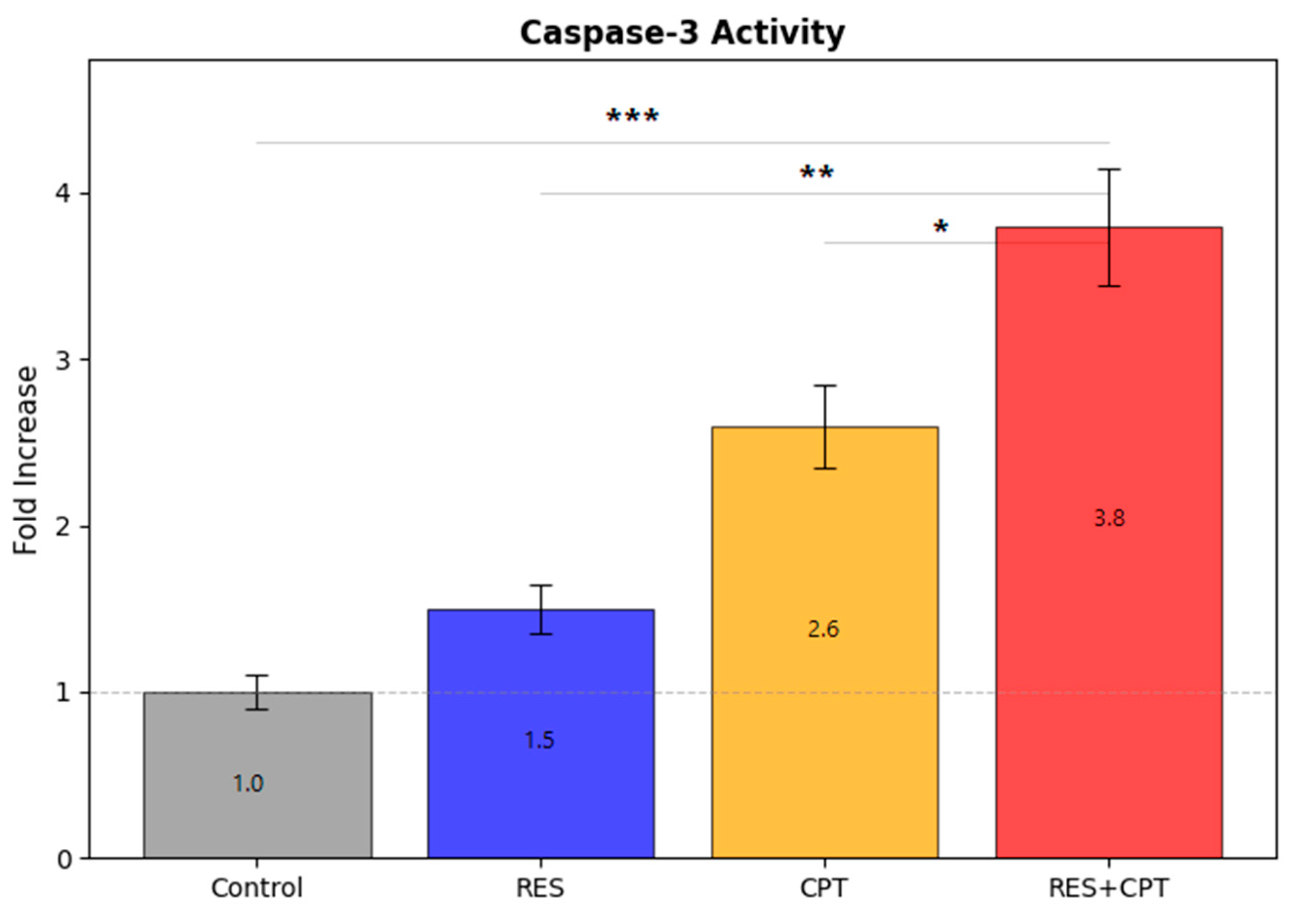
2.7. RES-CPT Combination Enhances Caspase-3 Enzymatic Activity in Y79 Cells
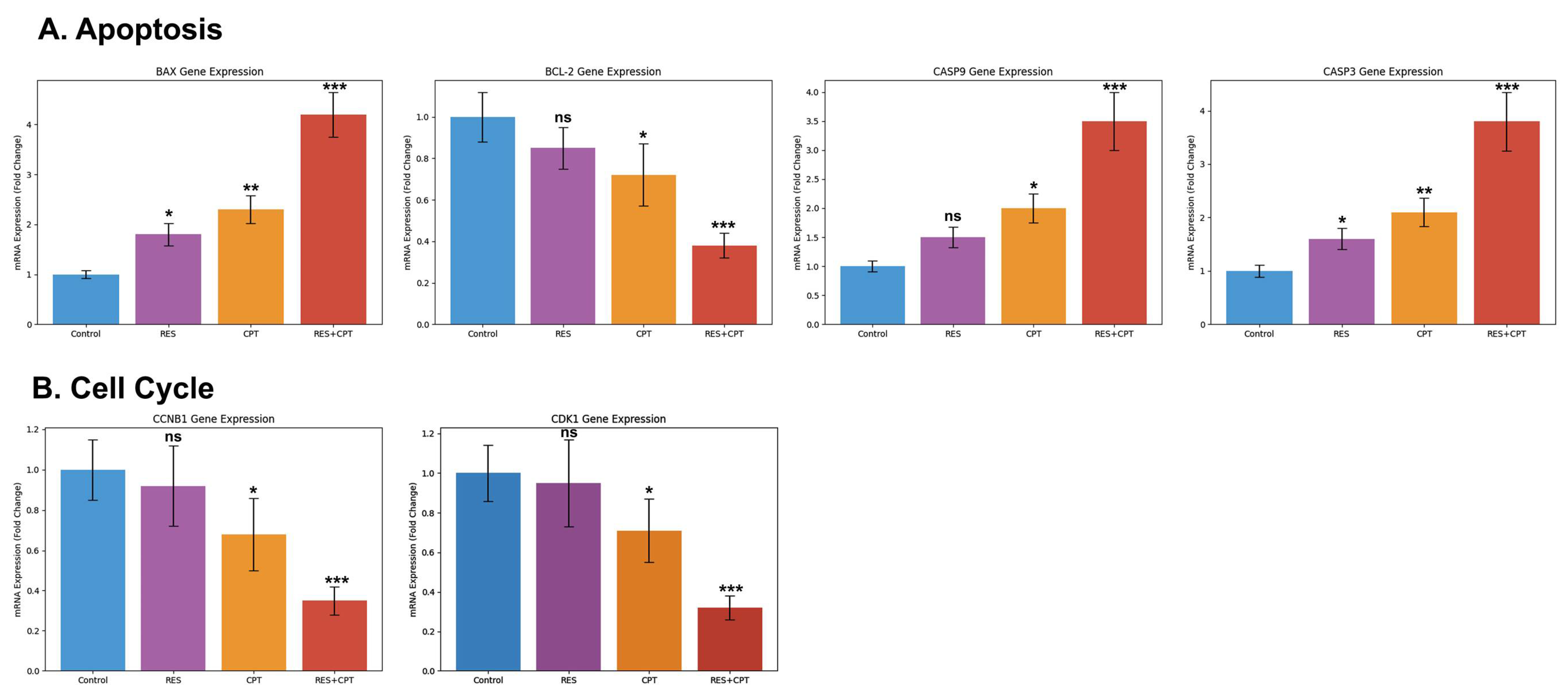
2.8. RES-CPT Co-Treatment Modulates Apoptosis and Cell Cycle-Related Gene Expression in Y79 Cells
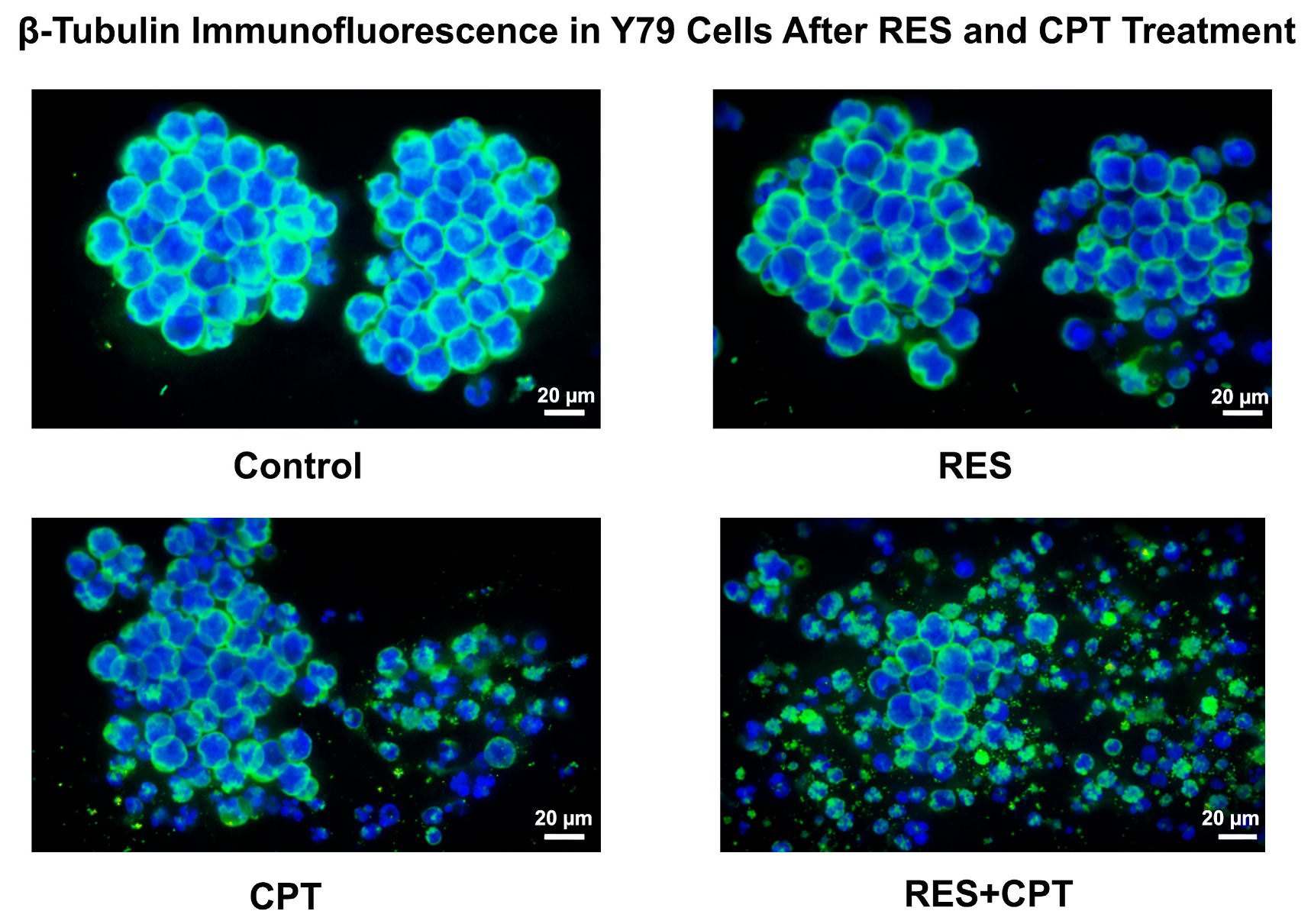
2.9. RES-CPT Co-Treatment Induces Cytoskeletal Disruption and Apoptotic Morphology in Y79 Cells
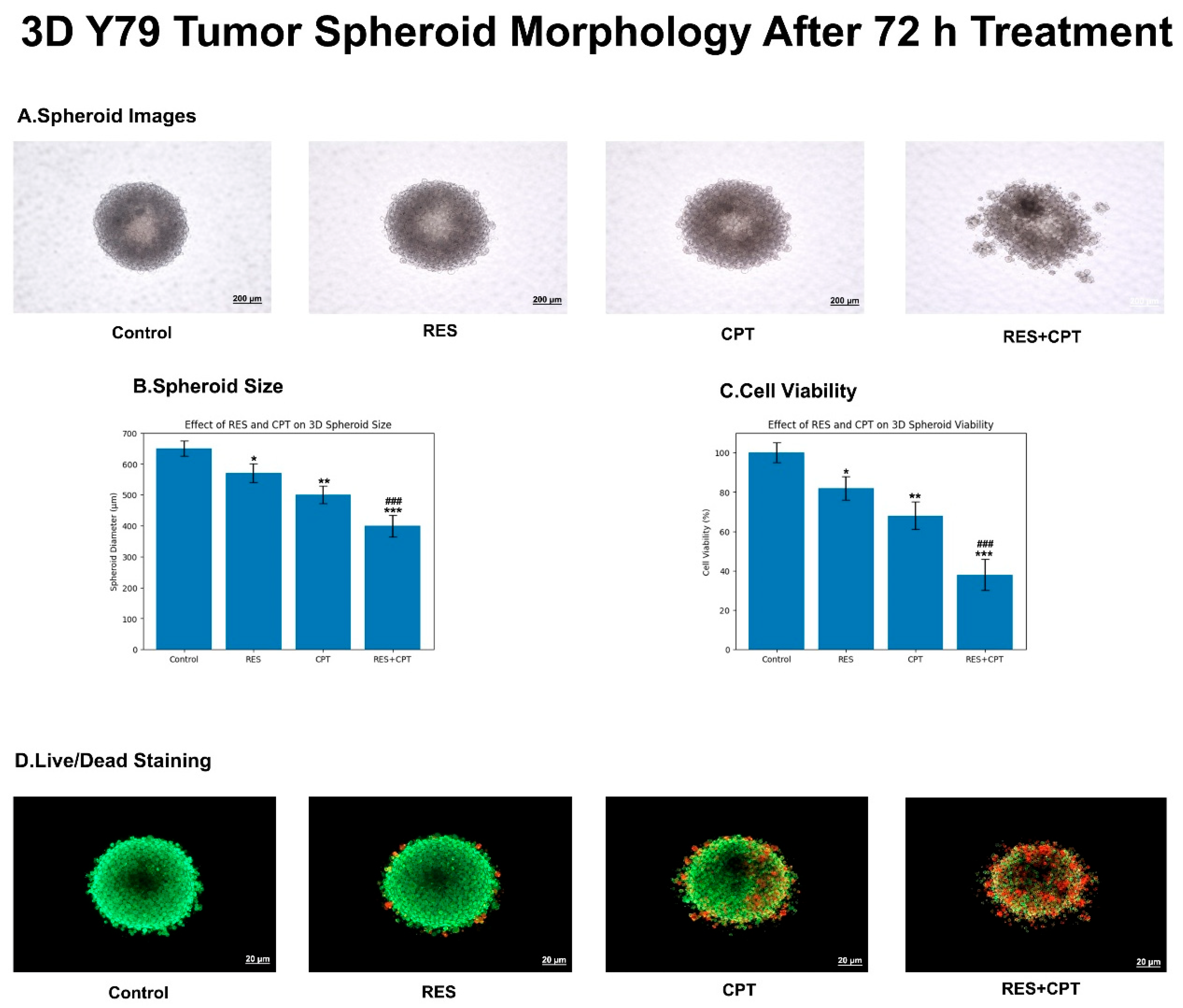
2.10. Evaluation of the Effects of RES and CPT in a 3D Tumor Spheroid Model
2.10.1. Formation and Morphological Alterations of 3D Tumor Spheroids
2.10.2. Quantitative Reduction in Spheroid Size Following RES and CPT Co-Treatment
2.10.3. Suppression of Cell Viability in 3D Tumor Spheroids by RES and CPT Combination
2.10.4. Live/Dead Fluorescence Staining Reveals Enhanced Cell Death in RES + CPT-Treated Spheroids
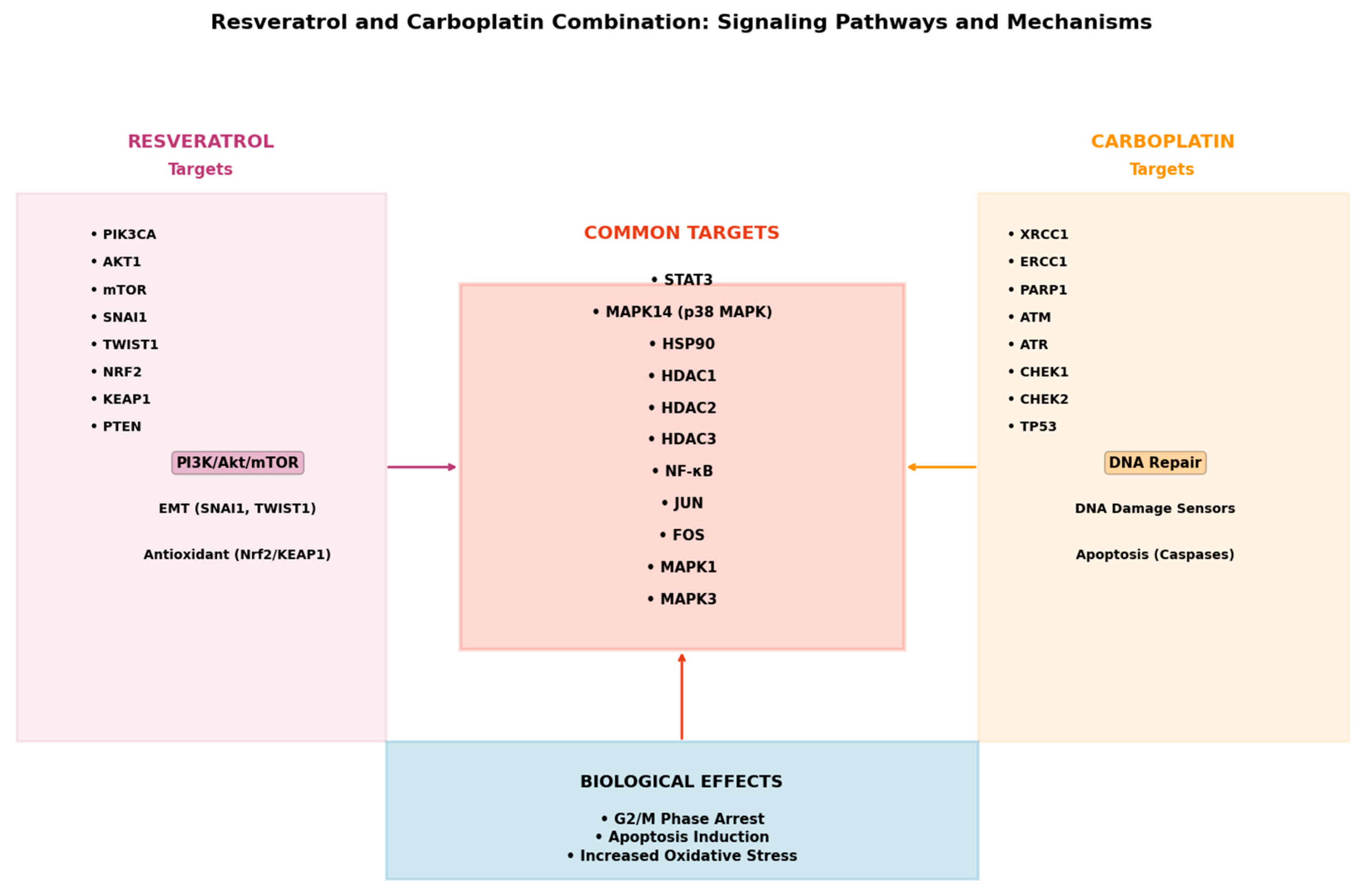
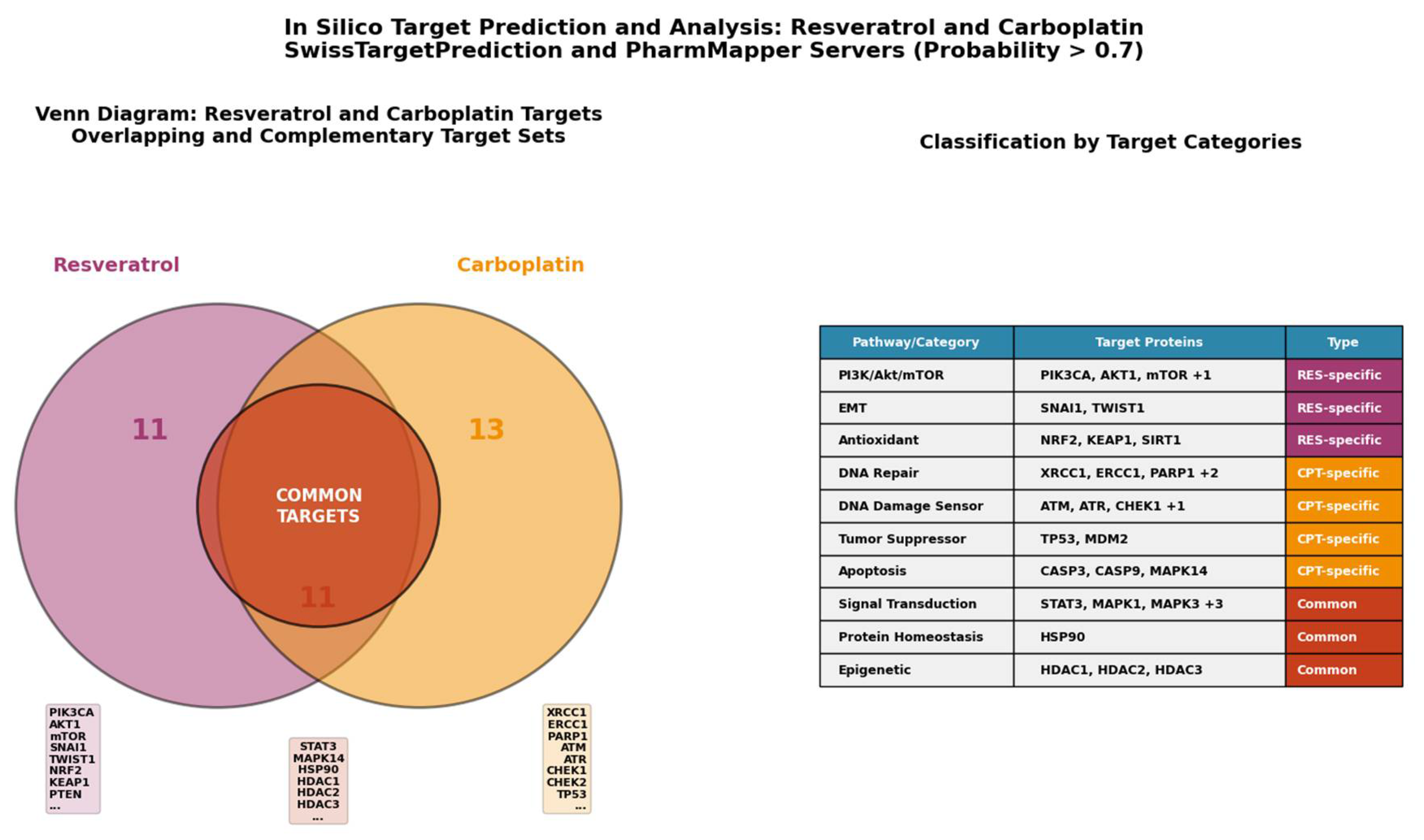
2.11. In Silico Target Prediction and Network Interaction Analysis of RES and CPT
3. Discussion
4. Materials and Methods
4.1. Chemicals and Reagents
4.2. Culture Conditions of the Human Y79 Retinoblastoma Cell Line
4.3. Experimental Design and Drug Treatment Protocol
4.4. Cell Viability Assessment by MTT Assay
4.5. Drug Interaction and Synergy Analysis (CI and Bliss Model)
4.6. Flow Cytometric Analysis of Apoptosis (Annexin V-FITC/PI Assay)
4.7. Flow Cytometric Analysis of Cell Cycle Distribution (PI Staining)
4.8. Assessment of Mitochondrial Membrane Potential (ΔΨm) by JC-1 Staining
4.9. Flow Cytometric Measurement of Intracellular ROS (DCFH-DA Assay)
4.10. Evaluation of ROS-Dependent Cytotoxicity by NAC Pretreatment
- Control (0.1% DMSO)
- NAC alone (5 mM)
- RES (50 µM)
- CPT (20 µM)
- RES + CPT
- RES + NAC
- CPT + NAC
- RES + CPT + NAC
4.10.1. Intracellular ROS Measurement Following NAC Pretreatment
4.10.2. Cell Viability Assessment by MTT Assay After NAC Pretreatment
4.11. Colorimetric Assay for Caspase-3 Activity
4.12. Quantitative Real-Time PCR (RT-qPCR) Analysis
4.13. Immunocytochemical Evaluation of β-Tubulin Organization
4.14. Three-Dimensional Tumor Spheroid Culture and Analysis
4.14.1. Formation of 3D Y79 Tumor Spheroids
4.14.2. Drug Treatment of 3D Spheroids
- Control (0.1% DMSO);
- RES (50 µM);
- CPT (20 µM);
- RES + CPT.
4.14.3. Bright-Field Imaging and Spheroid Size Quantification
4.14.4. Cell Viability Assessment in 3D Spheroids
4.14.5. Live/Dead Fluorescence Staining and Image Acquisition
4.15. Statistical Analysis
5. Conclusions
Author Contributions
Funding
Institutional Review Board Statement
Informed Consent Statement
Data Availability Statement
Conflicts of Interest
Abbreviations
| ACTB | Actin Beta (reference gene) |
| AKT | Protein Kinase B |
| ANOVA | Analysis of Variance |
| ATM | Ataxia Telangiectasia Mutated |
| ATR | Ataxia Telangiectasia and Rad3-Related |
| BAX | BCL-2-Associated X Protein |
| BCL-2 | B-Cell Lymphoma 2 |
| CCNB1 | Cyclin B1 |
| CDK1 | Cyclin-Dependent Kinase 1 |
| CHEK1/2 | Checkpoint Kinase 1/2 |
| CI | Combination Index |
| CO2 | Carbon Dioxide |
| CPT | Carboplatin |
| Ct | Threshold Cycle |
| DCFH-DA | 2′,7′-Dichlorodihydrofluorescein Diacetate |
| DAPI | 4′,6-Diamidino-2-Phenylindole |
| DNA | Deoxyribonucleic Acid |
| DMSO | Dimethyl Sulfoxide |
| EMT | Epithelial–Mesenchymal Transition |
| ERCC1 | Excision Repair Cross-Complementation Group 1 |
| Fa | Fraction Affected |
| FBS | Fetal Bovine Serum |
| FITC | Fluorescein Isothiocyanate |
| GAPDH | Glyceraldehyde-3-Phosphate Dehydrogenase |
| G2/M | Gap 2/Mitosis Phase |
| HDAC | Histone Deacetylase |
| HSP90 | Heat Shock Protein 90 |
| IC50 | Half Maximal Inhibitory Concentration |
| KEAP1 | Kelch-Like ECH-Associated Protein 1 |
| MAPK14 | Mitogen-Activated Protein Kinase 14 (p38 MAPK) |
| MFI | Mean Fluorescence Intensity |
| MTT | 3-(4,5-Dimethylthiazol-2-yl)-2,5-Diphenyltetrazolium Bromide |
| mTOR | Mammalian Target of Rapamycin |
| NAC | N-Acetylcysteine |
| Nrf2 | Nuclear Factor Erythroid 2-Related Factor 2 |
| PARP1 | Poly(ADP-Ribose) Polymerase 1 |
| PBS | Phosphate-Buffered Saline |
| PI | Propidium Iodide |
| PI3K | Phosphoinositide 3-Kinase |
| RB | Retinoblastoma |
| RB1 | Retinoblastoma 1 Gene |
| RES | Resveratrol |
| RNA | Ribonucleic Acid |
| ROS | Reactive Oxygen Species |
| RT-qPCR | Quantitative Reverse Transcription Polymerase Chain Reaction |
| SD | Standard Deviation |
| STAT3 | Signal Transducer and Activator of Transcription 3 |
| TP53 | Tumor Protein p53 |
| TRITC | Tetramethylrhodamine Isothiocyanate |
| ULA | Ultra-Low Attachment |
| XRCC1 | X-Ray Repair Cross-Complementing Protein 1 |
| ΔΨm | Mitochondrial Membrane Potential |
References
- Dimaras, H.; Kimani, K.; Dimba, E.A.; Gronsdahl, P.; White, A.; Chan, H.S.; Gallie, B.L. Retinoblastoma. Lancet 2012, 379, 1436–1446. [Google Scholar] [CrossRef] [PubMed]
- Abramson, D.H.; Shields, C.L.; Munier, F.L.; Chantada, G.L. Treatment of retinoblastoma in 2015: Agreement and disagreement. JAMA Ophthalmol. 2015, 133, 1341–1347. [Google Scholar] [CrossRef] [PubMed]
- Yousef, Y.A.; Soliman, S.E.; Astudillo, P.P.P.; Durairaj, P.; Dimaras, H.; Chan, H.S.L.; Heon, E.; Gallie, B.L. Intra-arterial chemotherapy for retinoblastoma: A systematic review. JAMA Ophthalmol. 2016, 134, 584–591. [Google Scholar] [CrossRef]
- Rodriguez-Galindo, C.; Orbach, D.B.; VanderVeen, D. Retinoblastoma. Pediatr. Clin. N. Am. 2015, 62, 201–223. [Google Scholar] [CrossRef]
- Özdemir, İ.; Afşin, Y.; Tuncer, M.C.; Öztürk, Ş. Combined hesperidin and doxorubicin treatment induces apoptosis and modulates inflammatory cytokines in HeLa cervical cancer cells. Int. J. Mol. Sci. 2025, 26, 8753. [Google Scholar] [CrossRef]
- Samuel, V.P.; Gupta, G.; Dahiya, R.; Jain, D.A.; Mishra, A.; Dua, K. Current update on preclinical and clinical studies of resveratrol, a naturally occurring phenolic compound. Crit. Rev. Eukaryot. Gene Expr. 2019, 29, 529–537. [Google Scholar] [CrossRef]
- Singh, A.P.; Singh, R.; Verma, S.S.; Rai, V.; Kaschula, C.H.; Maiti, P.; Gupta, S.C. Health benefits of resveratrol: Evidence from clinical studies. Med. Res. Rev. 2019, 39, 1851–1891. [Google Scholar] [CrossRef]
- Ko, J.H.; Sethi, G.; Um, J.Y.; Shanmugam, M.K.; Arfuso, F.; Kumar, A.P.; Bishayee, A.; Ahn, K.S. The Role of Resveratrol in Cancer Therapy. Int. J. Mol. Sci. 2017, 18, 2589. [Google Scholar] [CrossRef]
- Cakina, S.; İrkin, L.C.; Öztürk, Ş. Protective effects of curcumin and resveratrol on kidney tissue on cadmium-induced oxidative stress in rats. Gazi Med. J. 2024, 35, 145–148. [Google Scholar] [CrossRef]
- Pervaiz, S.; Holme, A.L. Resveratrol: Its biologic targets and functional activity. Antioxid. Redox Signal. 2009, 11, 2851–2897. [Google Scholar] [CrossRef] [PubMed]
- Kelland, L. The resurgence of platinum-based cancer chemotherapy. Nat. Rev. Cancer 2007, 7, 573–584. [Google Scholar] [CrossRef] [PubMed]
- Ghosh, S. Cisplatin: The first metal based anticancer drug. Bioorg. Chem. 2019, 88, 102925. [Google Scholar] [CrossRef]
- Li, W.; Cao, L.; Chen, X.; Lei, J.; Ma, Q. Resveratrol inhibits hypoxia-driven ROS-induced invasive and migratory ability of pancreatic cancer cells via suppression of the Hedgehog signaling pathway. Oncol. Rep. 2016, 35, 1718–1726. [Google Scholar] [CrossRef]
- Yin, H.; Wang, Y.; Chen, W.; Zhong, S.; Liu, Z.; Zhao, J. Drug-resistant CXCR4-positive cells have the molecular characteristics of EMT in NSCLC. Gene 2016, 594, 23–29. [Google Scholar] [CrossRef]
- Annaji, M.; Poudel, I.; Boddu, S.H.S.; Arnold, R.D.; Tiwari, A.K.; Babu, R.J. Resveratrol-loaded nanomedicines for cancer applications. Cancer Rep. 2021, 4, e1353. [Google Scholar] [CrossRef]
- Sun, Y.; Zhou, Q.M.; Lu, Y.Y.; Zhang, H.; Chen, Q.L.; Zhao, M.; Su, S.B. Resveratrol inhibits the migration and metastasis of MDA-MB-231 human breast cancer by reversing TGF-β1-induced epithelial-mesenchymal transition. Molecules 2019, 24, 1131. [Google Scholar] [CrossRef]
- Sareen, D.; van Ginkel, P.R.; Takach, J.C.; Mohiuddin, A.; Darjatmoko, S.R.; Albert, D.M.; Polans, A.S. Mitochondria as the primary target of resveratrol-induced apoptosis in human retinoblastoma cells. Investig. Ophthalmol. Vis. Sci. 2006, 47, 3708–3716. [Google Scholar] [CrossRef]
- van Ginkel, P.R.; Sareen, D.; Subramanian, L.; Walker, Q.; Darjatmoko, S.R.; Lindstrom, M.J.; Kulkarni, A.; Albert, D.M.; Polans, A.S. Resveratrol inhibits tumor growth of human neuroblastoma and mediates apoptosis by directly targeting mitochondria. Clin. Cancer Res. 2007, 13, 5162–5169. [Google Scholar] [CrossRef]
- Wang, D.; Lippard, S.J. Cellular processing of platinum anticancer drugs. Nat. Rev. Drug Discov. 2005, 4, 307–320. [Google Scholar] [CrossRef] [PubMed]
- Siddik, Z.H. Cisplatin: Mode of cytotoxic action and molecular basis of resistance. Oncogene 2003, 22, 7265–7279. [Google Scholar] [CrossRef] [PubMed]
- Chou, T.C. Theoretical basis, experimental design, and computerized simulation of synergism and antagonism in drug combination studies. Pharmacol. Rev. 2006, 58, 621–681, Erratum in Pharmacol. Rev. 2007, 59, 124. [Google Scholar] [CrossRef]
- Foucquier, J.; Guedj, M. Analysis of drug combinations: Current methodological landscape. Pharmacol. Res. Perspect. 2015, 3, e00149, Erratum in Pharmacol. Res. Perspect. 2019, 7, e00549. [Google Scholar] [CrossRef]
- Nessa, M.U.; Beale, P.; Chan, C.; Yu, J.Q.; Huq, F. Synergism from combinations of cisplatin and oxaliplatin with quercetin and thymoquinone in human ovarian tumour models. Anticancer Res. 2011, 31, 3789–3797. [Google Scholar]
- Moar, K.; Brahma, M.; Pant, A.; Maruthi, M.; Maurya, P.K. Synergistic Anticancer Activity of Resveratrol with Cisplatin and Carboplatin in A549 Lung Adenocarcinoma Cells. Int. J. Clin. Exp. Pathol. 2024, 17, 411–420. [Google Scholar] [CrossRef]
- Vernousfaderani, E.K.; Akhtari, N.; Rezaei, S.; Rezaee, Y.; Shiranirad, S.; Mashhadi, M.; Hashemi, A.; Khankandi, H.P.; Behzad, S. Resveratrol and Colorectal Cancer: A Molecular Approach to Clinical Researches. Curr. Top. Med. Chem. 2021, 21, 2634–2646. [Google Scholar] [CrossRef] [PubMed]
- Hankittichai, P.; Thaklaewphan, P.; Wikan, N.; Ruttanapattanakul, J.; Potikanond, S.; Smith, D.R.; Nimlamool, W. Resveratrol enhances cytotoxic effects of cisplatin by inducing cell cycle arrest and apoptosis in ovarian adenocarcinoma SKOV-3 cells through activating the p38 MAPK and suppressing AKT. Pharmaceuticals 2023, 16, 755. [Google Scholar] [CrossRef]
- Liang, Y.C.; Tsai, S.H.; Chen, L.; Lin-Shiau, S.Y.; Lin, J.K. Resveratrol-induced G2 arrest through the inhibition of CDK7 and p34CDC2 kinases in colon carcinoma HT-29 cells. Biochem. Pharmacol. 2003, 65, 1053–1060. [Google Scholar] [CrossRef]
- Kroemer, G.; Galluzzi, L.; Brenner, C. Mitochondrial membrane permeabilization in cell death. Physiol. Rev. 2007, 87, 99–163. [Google Scholar] [CrossRef] [PubMed]
- Zorov, D.B.; Juhaszova, M.; Sollott, S.J. Mitochondrial reactive oxygen species (ROS) and ROS-induced ROS release. Physiol. Rev. 2014, 94, 909–950. [Google Scholar] [CrossRef] [PubMed]
- de la Lastra, C.A.; Villegas, I. Resveratrol as an antioxidant and pro-oxidant agent: Mechanisms and clinical implications. Biochem. Soc. Trans. 2007, 35, 1156–1160. [Google Scholar] [CrossRef]
- Marullo, R.; Werner, E.; Degtyareva, N.; Moore, B.; Altavilla, G.; Ramalingam, S.S.; Doetsch, P.W. Cisplatin induces a mitochondrial-ROS response that contributes to cytotoxicity depending on mitochondrial redox status and bioenergetic functions. PLoS ONE 2013, 8, e81162. [Google Scholar] [CrossRef]
- Birkinshaw, R.W.; Czabotar, P.E. The BCL-2 family of proteins and mitochondrial outer membrane permeabilisation. Semin. Cell Dev. Biol. 2017, 72, 152–162. [Google Scholar] [CrossRef] [PubMed]
- Berman, A.Y.; Motechin, R.A.; Wiesenfeld, M.Y.; Holz, M.K. The therapeutic potential of resveratrol: A review of clinical trials. NPJ Precis. Oncol. 2017, 1, 35. [Google Scholar] [CrossRef]
- Duman, E.; Maçin, A.; Özdemir, İ.; Öztürk, Ş.; Tuncer, M.C. Synergistic Antitumor Effects of Rosmarinic Acid and Cisplatin in Retinoblastoma: Evidence from 2D and 3D Tumor Models. Biomedicines 2026, 14, 602. [Google Scholar] [CrossRef]
- Moser, C.; Ruemmele, P.; Gehmert, S.; Schenk, H.; Kreutz, M.P.; Mycielska, M.E.; Hackl, C.; Kroemer, A.; Schnitzbauer, A.A.; Stoeltzing, O.; et al. STAT5b as molecular target in pancreatic cancer inhibition of tumor growth, angiogenesis, and metastases. Neoplasia 2012, 14, 915–925. [Google Scholar] [CrossRef]
- Duman, E.; Maçin, A.; Özdemir, İ.; Öztürk, Ş.; Tuncer, M.C. Quercetin Sensitizes Retinoblastoma Cells to Mitomycin C Through Transcriptional Modulation of p53-Regulated Apoptotic Genes: A Preclinical Study. Pharmaceuticals 2026, 19, 545. [Google Scholar] [CrossRef]
- Whitesell, L.; Lindquist, S.L. HSP90 and the chaperoning of cancer. Nat. Rev. Cancer 2005, 5, 761–772. [Google Scholar] [CrossRef] [PubMed]
- Bolden, J.E.; Peart, M.J.; Johnstone, R.W. Anticancer activities of histone deacetylase inhibitors. Nat. Rev. Drug Discov. 2006, 5, 769–784. [Google Scholar] [CrossRef] [PubMed]
- Jordan, M.A.; Wilson, L. Microtubules as a target for anticancer drugs. Nat. Rev. Cancer 2004, 4, 253–265. [Google Scholar] [CrossRef]
- Chabert, P.; Fougerousse, A.; Brouillard, R. Anti-mitotic properties of resveratrol analog (z)-3,5,4′-trimethoxystilbene. BioFactors 2006, 27, 37–46. [Google Scholar] [CrossRef]





| TARGET GENE | Forward Primer (5′→3′) | Reverse Primer (5′→3′) |
|---|---|---|
| BAX | TCAGGATGCGTCCACCAAGAAG | TGTGTCCACGGCGGCAATCATC |
| BCL2 | ATCGCCCTGTGGATGACTGAGT | GCCAGGAGAAATCAAACAGAGGC |
| CASP3 | AGAGGGGATCGTTGTAGAAGCTG | CACAAGCGACTGGATGAACCA |
| CASP9 | CCTCATCATCAACAACCTGG | AAGTCCCTTTCGCAGAAACAG |
| CCNB1 | CCGTCCATGCGGAAGATC | ATGGCCAGCGGGAAGAC |
| CDK1 | GGAAACCAGGAAGCCTAGCATC | GGATGATTCAGTGCCATTTTGCC |
| ACTB | CATTGCTGACAGGATGCAGAAGG | TGCTGGAAGGTGGACAGTGAGG |
| GAPDH | GGAGCGAGATCCCTCCAAAAT | GGCTGTTGTCATACTTCTCATGG |
Disclaimer/Publisher’s Note: The statements, opinions and data contained in all publications are solely those of the individual author(s) and contributor(s) and not of MDPI and/or the editor(s). MDPI and/or the editor(s) disclaim responsibility for any injury to people or property resulting from any ideas, methods, instructions or products referred to in the content. |
© 2026 by the authors. Licensee MDPI, Basel, Switzerland. This article is an open access article distributed under the terms and conditions of the Creative Commons Attribution (CC BY) license.
Share and Cite
Maçin, A.; Duman, E.; Özdemir, İ.; Tuncer, M.C. Synergistic Anticancer Effects of Resveratrol and Carboplatin in Y79 Retinoblastoma Cells: Mechanistic Insights into Apoptosis, G2/M Arrest, and ROS-Dependent Mitochondrial Dysfunction. Int. J. Mol. Sci. 2026, 27, 3473. https://doi.org/10.3390/ijms27083473
Maçin A, Duman E, Özdemir İ, Tuncer MC. Synergistic Anticancer Effects of Resveratrol and Carboplatin in Y79 Retinoblastoma Cells: Mechanistic Insights into Apoptosis, G2/M Arrest, and ROS-Dependent Mitochondrial Dysfunction. International Journal of Molecular Sciences. 2026; 27(8):3473. https://doi.org/10.3390/ijms27083473
Chicago/Turabian StyleMaçin, Aydın, Erkan Duman, İlhan Özdemir, and Mehmet Cudi Tuncer. 2026. "Synergistic Anticancer Effects of Resveratrol and Carboplatin in Y79 Retinoblastoma Cells: Mechanistic Insights into Apoptosis, G2/M Arrest, and ROS-Dependent Mitochondrial Dysfunction" International Journal of Molecular Sciences 27, no. 8: 3473. https://doi.org/10.3390/ijms27083473
APA StyleMaçin, A., Duman, E., Özdemir, İ., & Tuncer, M. C. (2026). Synergistic Anticancer Effects of Resveratrol and Carboplatin in Y79 Retinoblastoma Cells: Mechanistic Insights into Apoptosis, G2/M Arrest, and ROS-Dependent Mitochondrial Dysfunction. International Journal of Molecular Sciences, 27(8), 3473. https://doi.org/10.3390/ijms27083473