In Vitro and In Vivo Validation of Endothelium-Derived Potential Therapeutics for Myocardial Ischemia/Reperfusion Injury Identified by an AI-Enhanced Single-Cell and Virtual-Cell Paradigm

Abstract
1. Introduction
2. Results
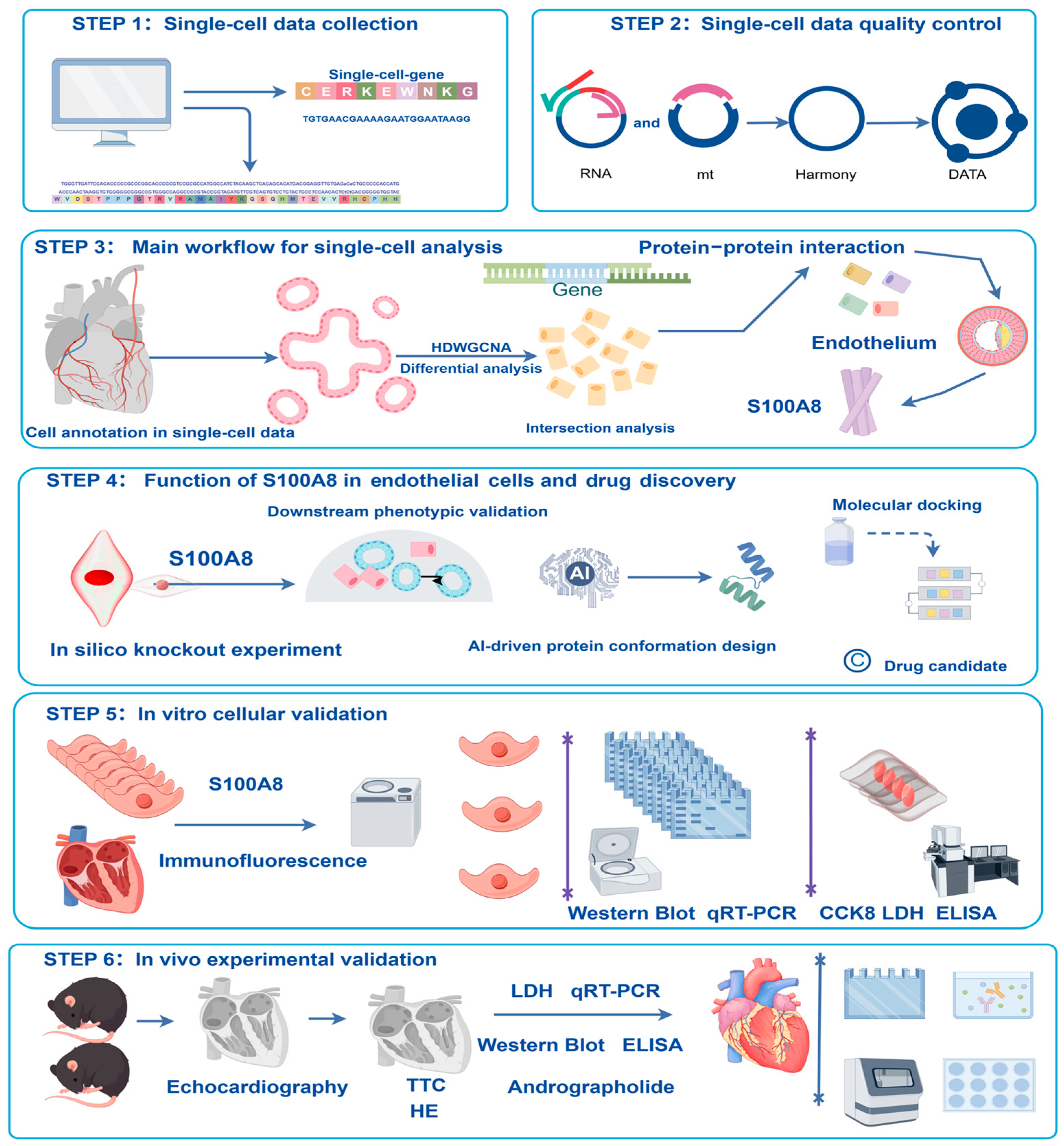
2.1. A Detailed Engineering Workflow Diagram Is Provided in Figure 1

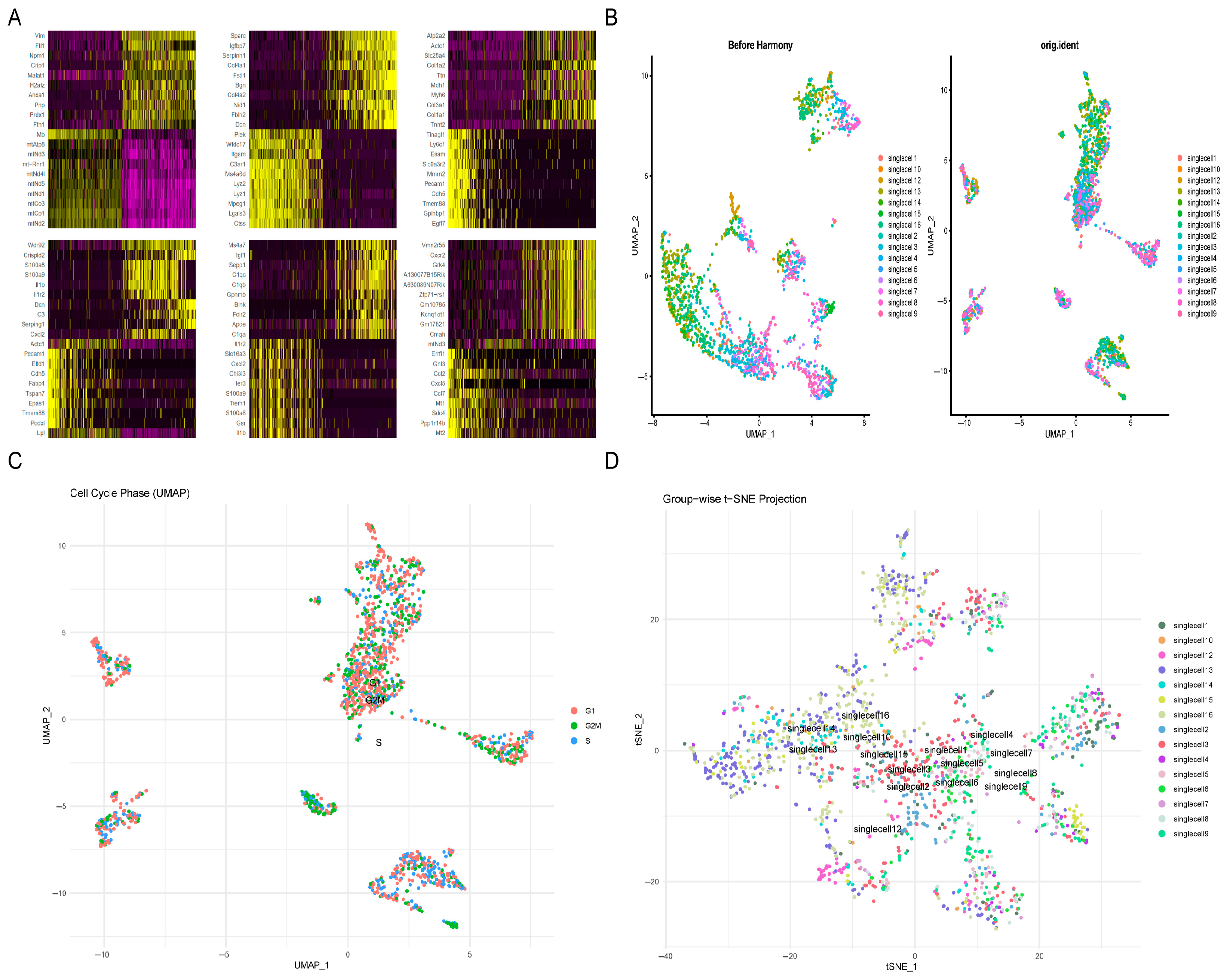
2.2. Integration and Quality Control of Single-Cell RNA-Seq Data
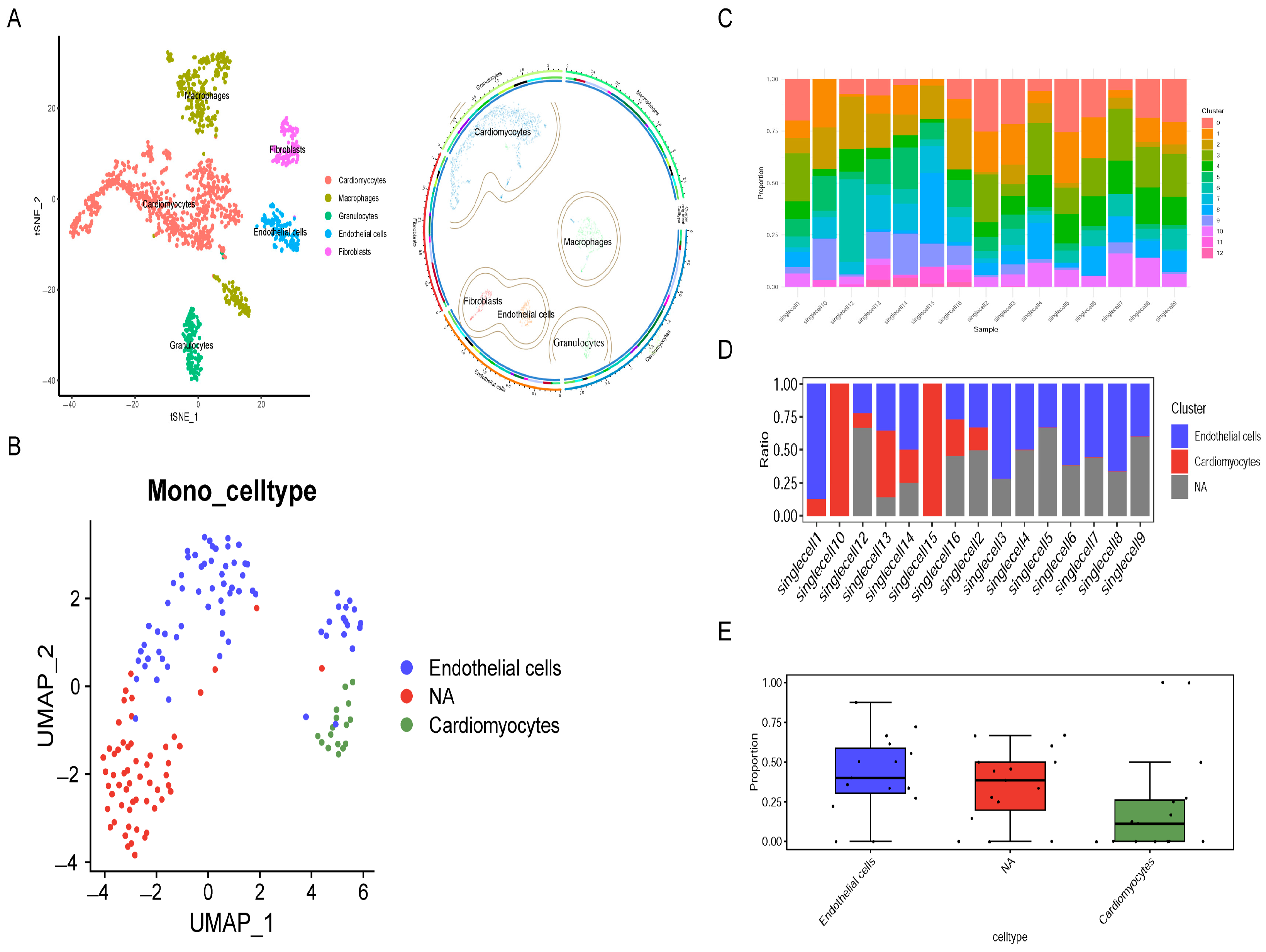
2.3. Cell Annotation Results
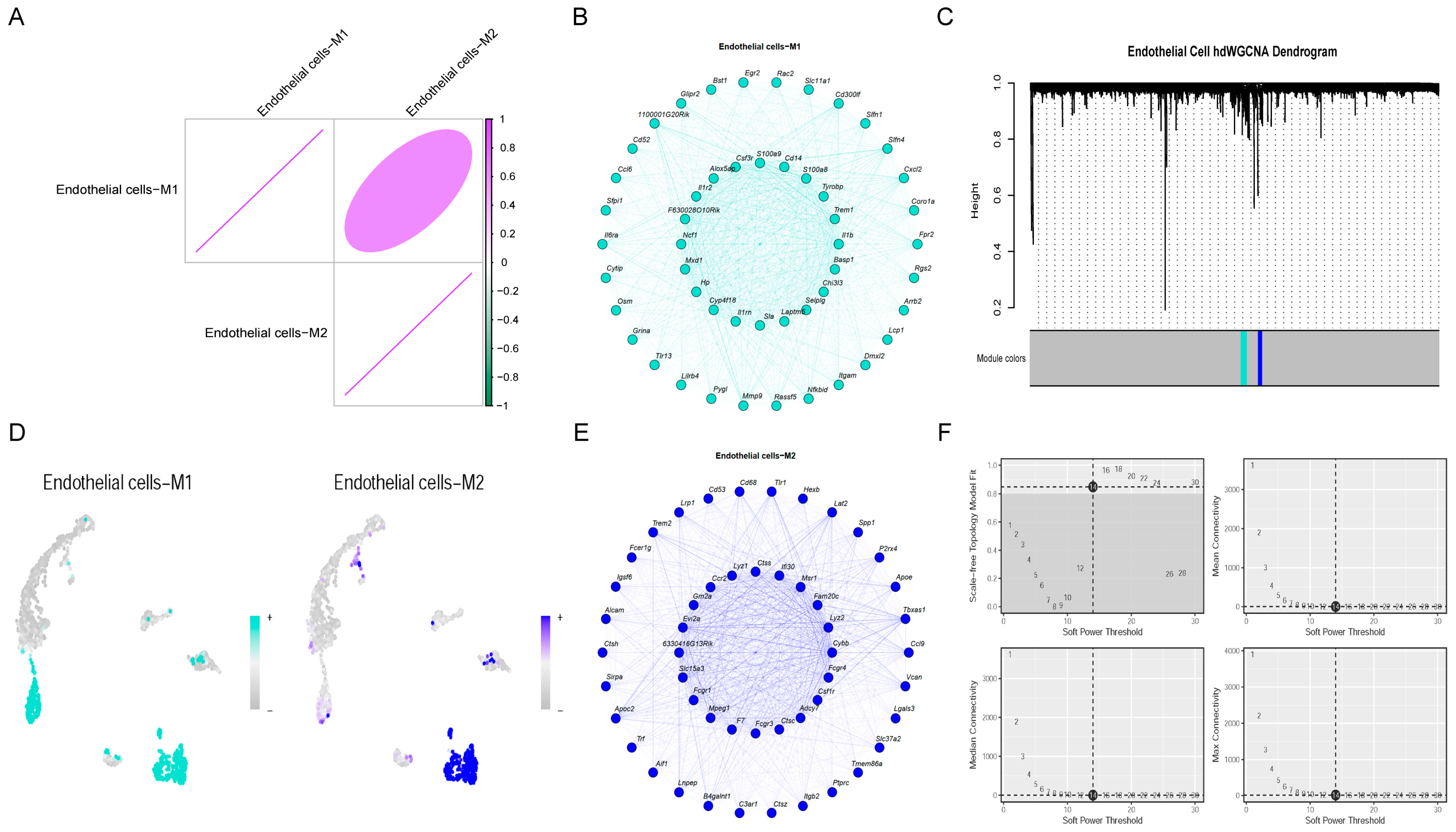
2.4. Co-Expression Analysis
2.5. Characteristic Features of Differentially Expressed Genes in Endothelial Cell Subgroups
2.6. Endothelial DEGs and HDWGCNA Co-Expression Module Genes
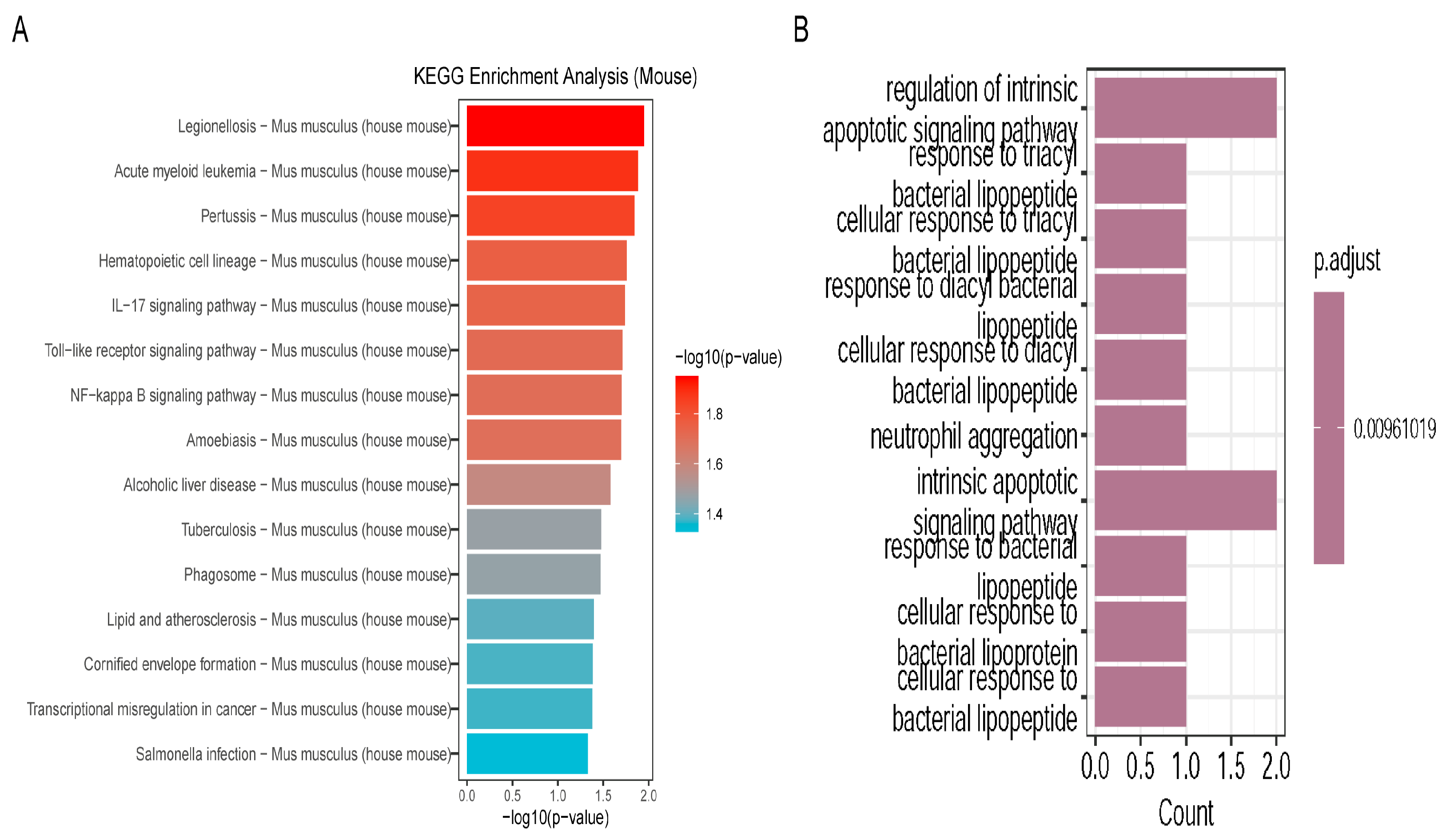
2.7. Enrichment Analysis
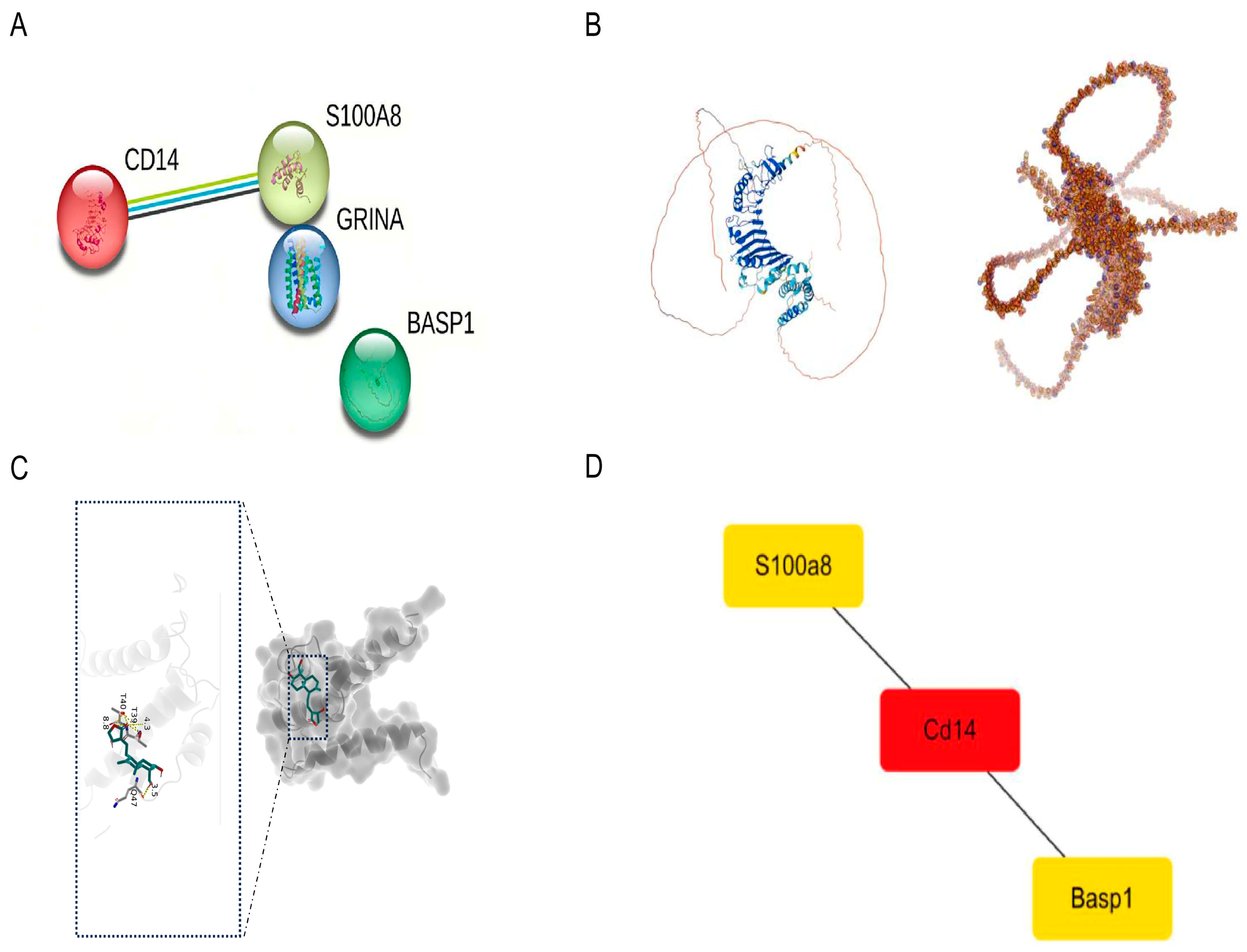
2.8. Core Gene Screening and AI-Based Protein Interaction Analysis
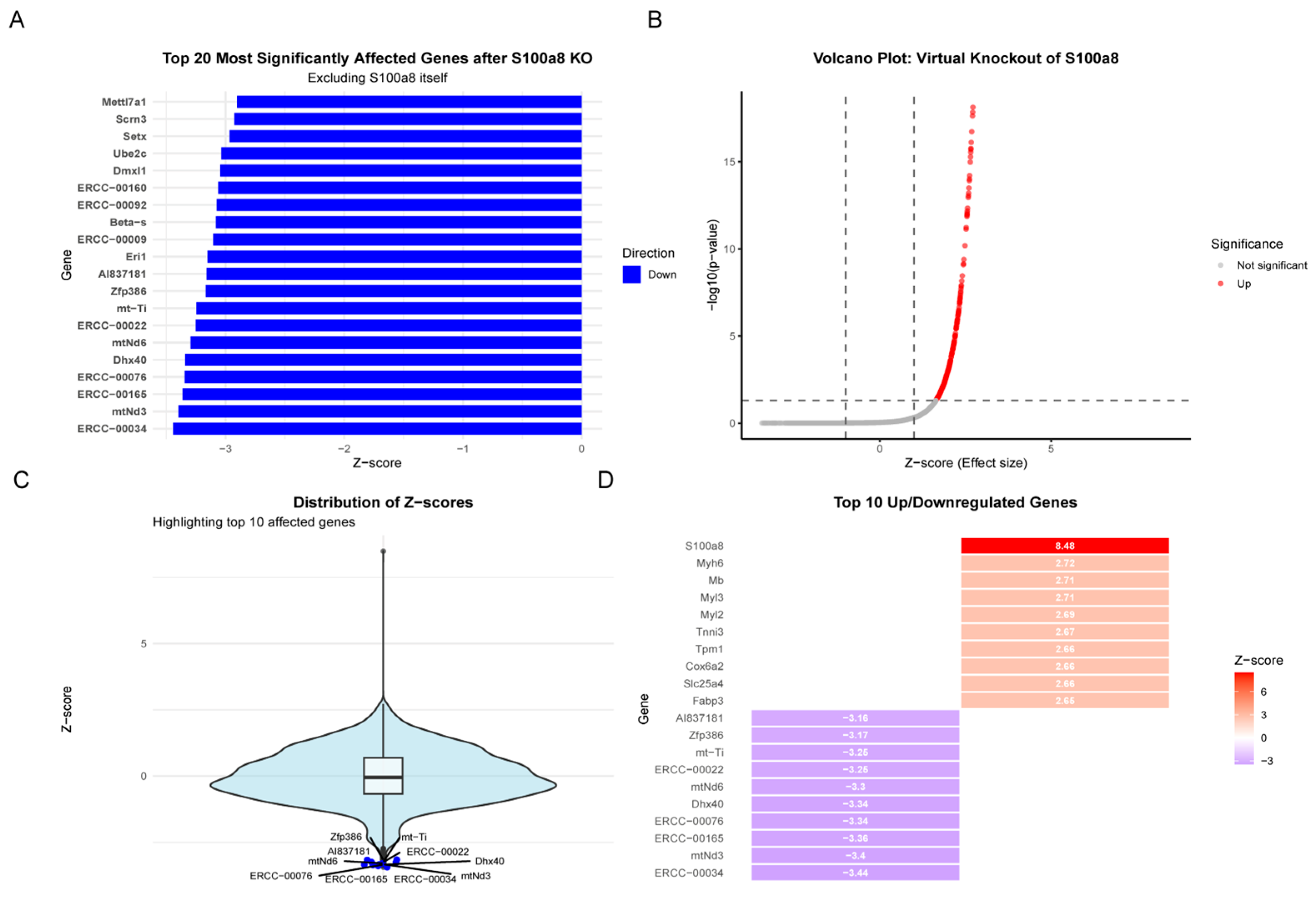
2.9. Transcriptional Changes After Virtual S100A8 Knockout
2.10. Small Molecule Drug Screening and Molecular Docking Validation
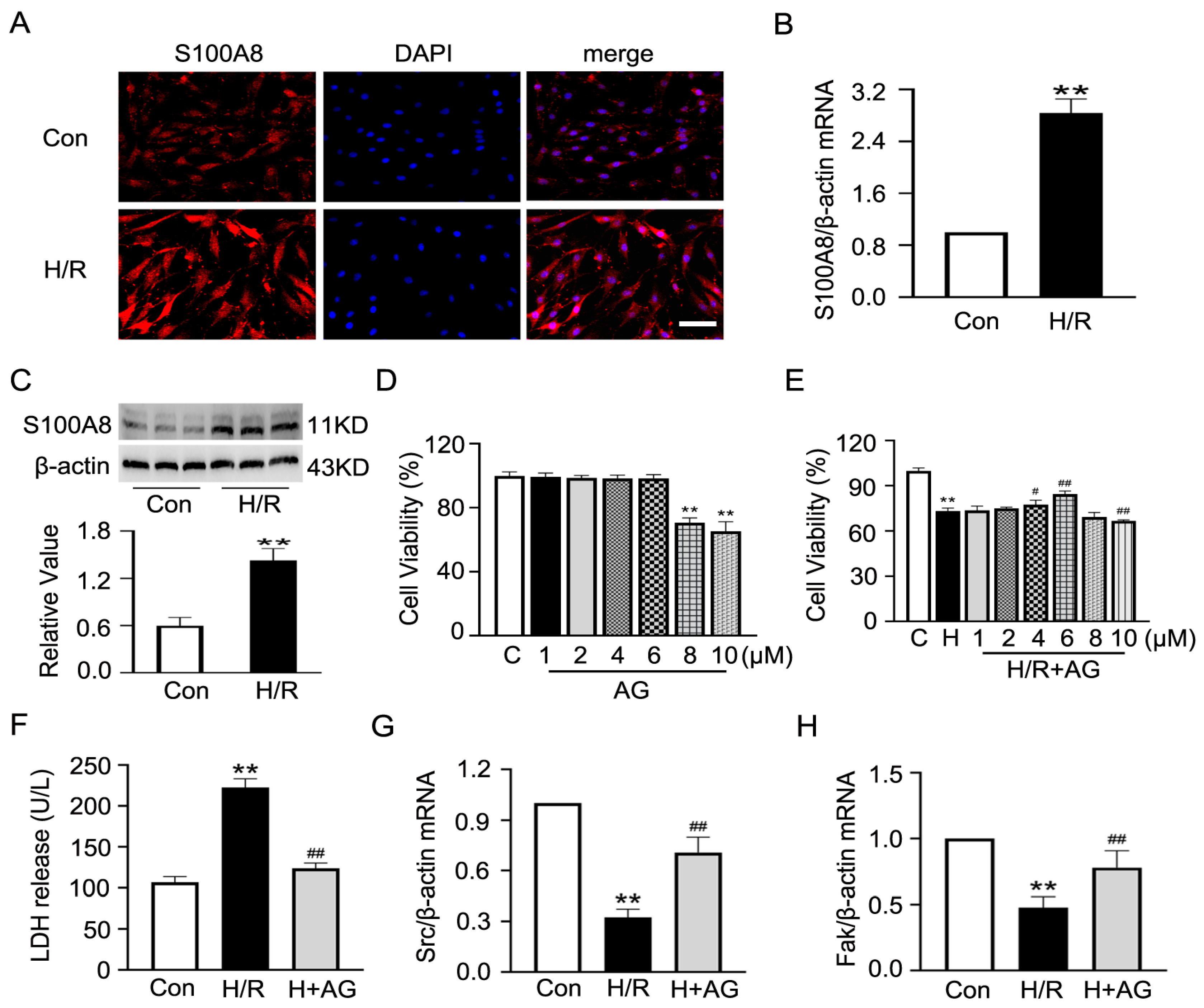
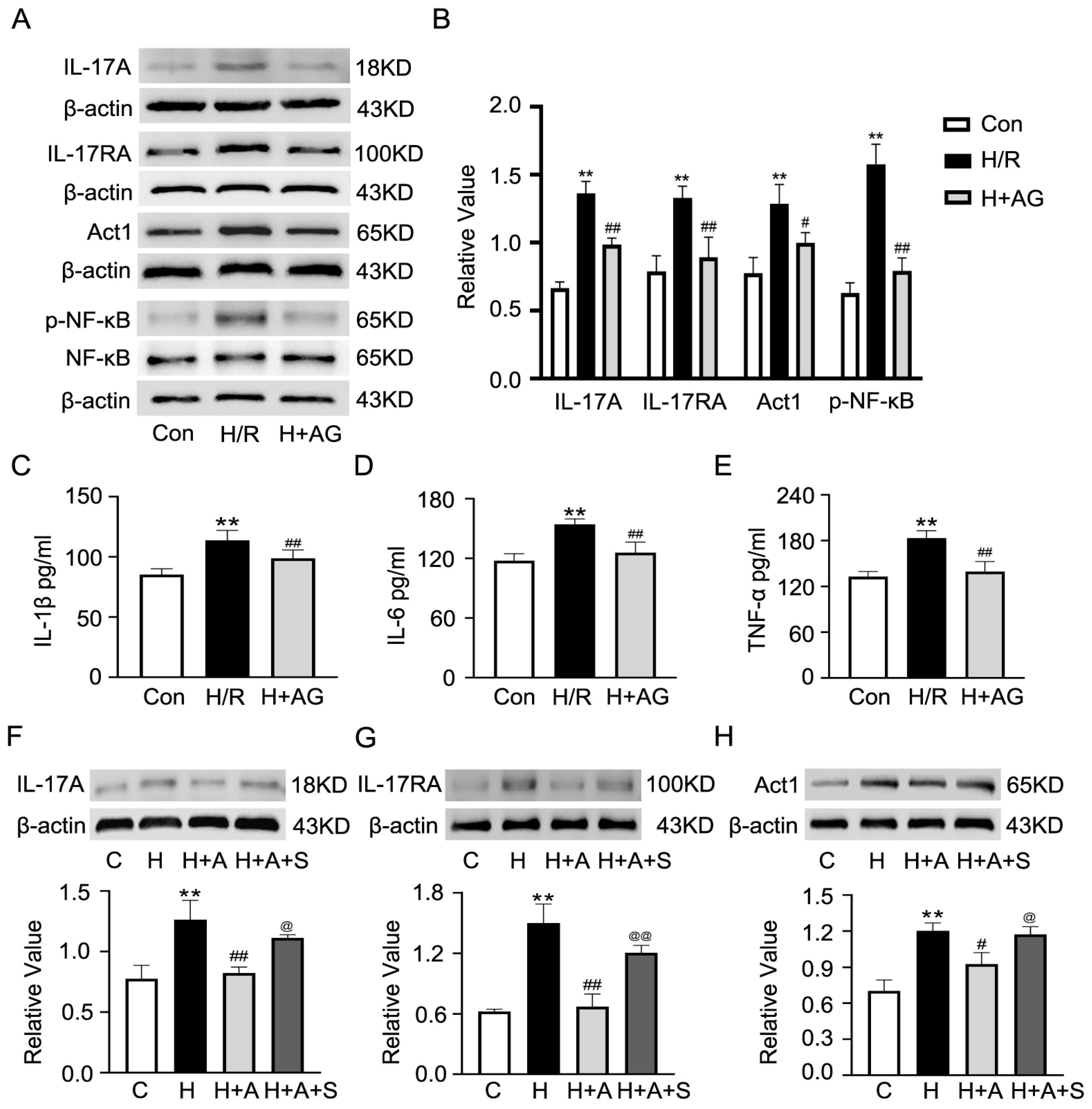
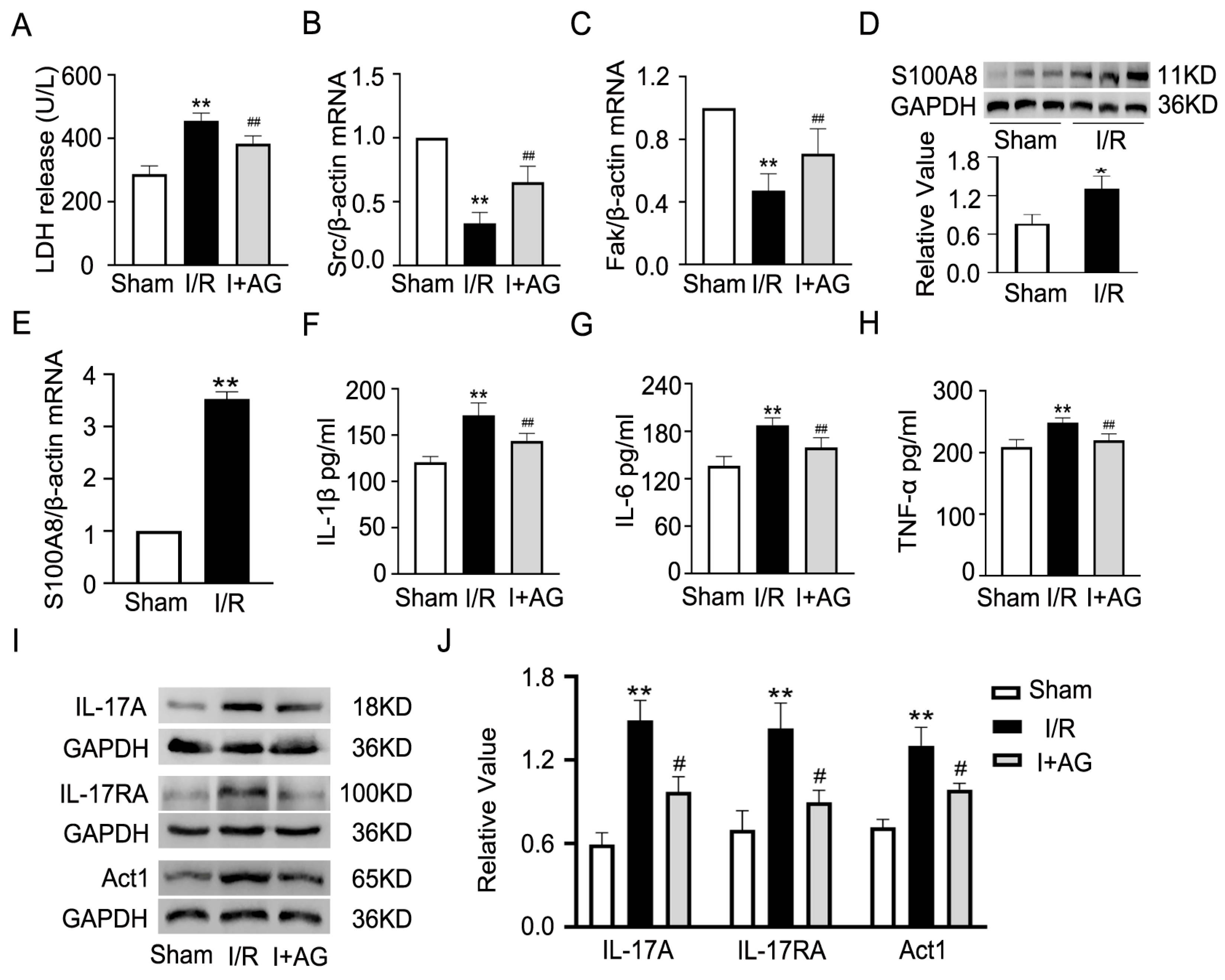
2.11. Andrographolide Inhibits the S100A8/IL-17 Axis and Reduces Hypoxia/Reoxygenation (H/R) Injury on Cardiac Microvascular Endothelial Cells
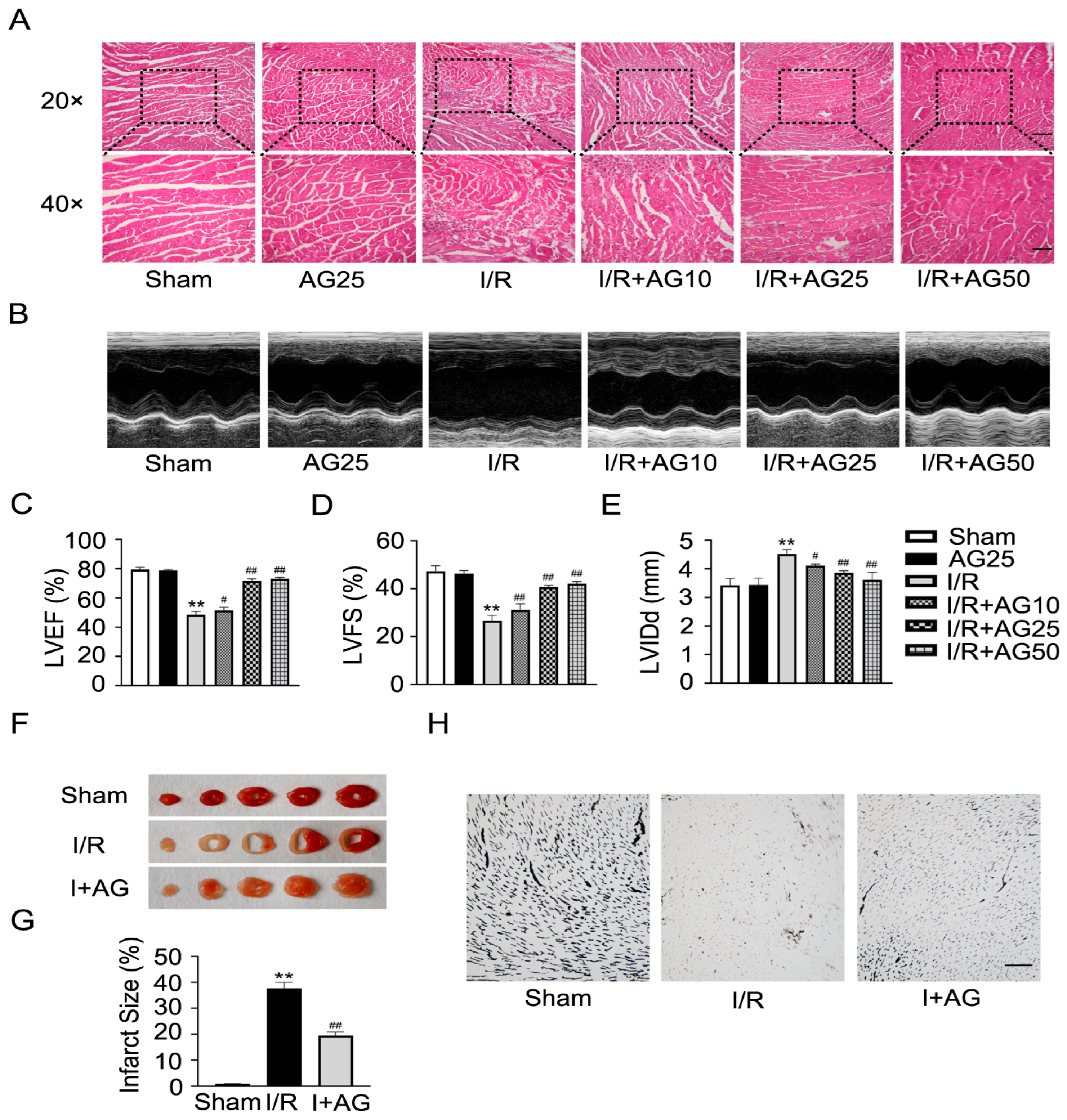
2.12. AG Reduces Inflammation and Maintains Microvascular Integrity in the Mouse I/R Model
3. Discussion
4. Materials and Methods
4.1. Data
4.2. Single Cell Data Integration and Quality Control Analysis
4.3. Single-Cell Atlas Annotation and GPTCelltype Subpopulation Analysis
4.4. Single-Cell HDWGCNA Analysis
4.5. Single-Cell Differential Expression and Gene Overlap Analysis
4.6. Single-Cell Enrichment Analysis
4.7. Screening for Core Genes Using AI-Supported Structure Analysis and Validation
4.8. Virtual Cell Knockout Model and Molecular Docking
4.9. In Vitro and In Vivo Validation Experiment of the Endothelial Core Regulatory Hub
4.9.1. Experimental Animals
4.9.2. Establishment of Mouse Myocardial I/R Model and Grouping
4.9.3. Echocardiography
4.9.4. Determination of Myocardial Infarct Size
4.9.5. Histological Hematoxylin and Eosin (HE) Staining
4.9.6. Western Blot Analysis
4.9.7. Quantitative Real-Time PCR (qRT-PCR)
4.9.8. ELISA and LDH Activity Assay
4.9.9. Gelatin–Ink Infusion for Microvascular Visualization
4.9.10. In Vitro Culture of CMECs and H/R Injury Model
4.9.11. CCK-8
4.9.12. Immunofluorescence Staining
4.9.13. Overexpression DNA
4.9.14. Statistical Analysis
5. Conclusions
Author Contributions
Funding
Institutional Review Board Statement
Informed Consent Statement
Data Availability Statement
Acknowledgments
Conflicts of Interest
Abbreviations
| Act1 | NF-κB activator 1 |
| AMI | Acute myocardial infarction |
| AG | Andrographolide |
| CD14 | Cluster of differentiation 14 |
| HE | Hematoxylin and eosin |
| H/R | Hypoxia/reoxygenation |
| ICAM-1 | Intercellular adhesion molecule 1 |
| IL-8 | Interleukin 8 |
| IL-17A | Interleukin 17A |
| IL-17RA | Interleukin-17 receptor A |
| I/R | Ischemia reperfusion |
| KEGG | Kyoto Encyclopedia of Genes and Genomes |
| MCP-1 | Monocyte Chemoattractant protein 1 |
| MI/R | Myocardial ischemia reperfusion |
| NF-κB | Nuclear Factor-kappa B |
| S100A8 | S100 calcium binding protein A8 |
| TLR | Toll-Like Receptor |
| TTC | 2,3,5-Triphenyltetrazolium chloride |
| VCAM-1 | Vascular cell adhesion molecule 1 |
References
- Bi, S.; Yu, L.; Gu, Y. Inflammatory signalling pathways and non-coding RNAs in myocardial infarction: Insights into pathogenesis and therapeutic opportunities. Folia Morphol. 2025, 84, 816–839. [Google Scholar] [CrossRef]
- Ma, X.R.; Yan, T.M.; Pan, Y.; Jiang, Z.H. Optimization of siRNA therapeutics targeting MIAT for cardioprotection in myocardial ischemia/reperfusion injury. Mol. Ther. Nucleic Acids 2025, 36, 102747. [Google Scholar] [CrossRef]
- Liu, Z.; Han, X.; You, Y.; Xin, G.; Li, L.; Gao, J.; Meng, H.; Cao, C.; Liu, J.; Zhang, Y.; et al. Shuangshen ningxin formula attenuates cardiac microvascular ischemia/reperfusion injury through improving mitochondrial function. J. Ethnopharmacol. 2024, 323, 117690, Erratum in J. Ethnopharmacol. 2025, 346, 119695. https://doi.org/10.1016/j.jep.2025.119695. [Google Scholar] [CrossRef]
- Xu, S.; Ilyas, I.; Little, P.J.; Li, H.; Kamato, D.; Zheng, X.; Luo, S.; Li, Z.; Liu, P.; Han, J.; et al. Endothelial Dysfunction in Atherosclerotic Cardiovascular Diseases and Beyond: From Mechanism to Pharmacotherapies. Pharmacol. Rev. 2021, 73, 924–967. [Google Scholar] [CrossRef]
- Li, S.; Chen, J.; Liu, M.; Chen, Y.; Wu, Y.; Li, Q.; Ma, T.; Gao, J.; Xia, Y.; Fan, M.; et al. Protective effect of HINT2 on mitochondrial function via repressing MCU complex activation attenuates cardiac microvascular ischemia-reperfusion injury. Basic Res. Cardiol. 2021, 116, 65. [Google Scholar] [CrossRef]
- Oh, Y.B.; Ahn, M.; Lee, S.M.; Koh, H.W.; Lee, S.H.; Kim, S.H.; Park, B.H. Inhibition of Janus activated kinase-3 protects against myocardial ischemia and reperfusion injury in mice. Exp. Mol. Med. 2013, 45, e23. [Google Scholar] [CrossRef]
- Lu, J.; Sheng, Y.; Qian, W.; Pan, M.; Zhao, X.; Ge, Q. scRNA-seq data analysis method to improve analysis performance. IET Nanobiotechnol. 2023, 17, 246–256. [Google Scholar] [CrossRef] [PubMed]
- Cheng, C.; Chen, W.; Jin, H.; Chen, X. A Review of Single-Cell RNA-Seq Annotation, Integration, and Cell-Cell Communication. Cells 2023, 12, 1970. [Google Scholar] [CrossRef] [PubMed]
- Callaway, E. AI protein-prediction tool AlphaFold3 is now more open. Nature 2024, 635, 531–532. [Google Scholar] [CrossRef]
- Ruan, Z.; Cao, G.; Qian, Y.; Fu, L.; Hu, J.; Xu, T.; Wu, Y.; Lv, Y. Single-cell RNA sequencing unveils Lrg1’s role in cerebral ischemia–reperfusion injury by modulating various cells. J. Neuroinflamm. 2023, 20, 285. [Google Scholar] [CrossRef] [PubMed]
- Ye, J.; Huang, F.; Zeng, H.; Xu, X.; Wu, G.; Tian, S.; Zhao, J.; Zhang, W. Multi-omics and network pharmacology study reveals the effects of Dengzhan Shengmai capsule against neuroinflammatory injury and thrombosis induced by ischemic stroke. J. Ethnopharmacol. 2023, 305, 116092. [Google Scholar] [CrossRef]
- Wang, X.; Chen, T.; Chen, S.; Zhang, J.; Cai, L.; Liu, C.; Zhang, Y.; Wu, X.; Li, N.; Ma, Z.; et al. STING aggravates ferroptosis-dependent myocardial ischemia-reperfusion injury by targeting GPX4 for autophagic degradation. Signal Transduct. Target. Ther. 2025, 10, 136. [Google Scholar] [CrossRef]
- Zeng, J.J.; Shi, H.Q.; Ren, F.F.; Zhao, X.S.; Chen, Q.Y.; Wang, D.J.; Wu, L.P.; Chu, M.P.; Lai, T.F.; Li, L. Notoginsenoside R1 protects against myocardial ischemia/reperfusion injury in mice via suppressing TAK1-JNK/p38 signaling. Acta Pharmacol. Sin. 2023, 44, 1366–1379. [Google Scholar] [CrossRef] [PubMed]
- Yao, L.; He, F.; Zhao, Q.; Li, D.; Fu, S.; Zhang, M.; Zhang, X.; Zhou, B.; Wang, L. Spatial Multiplexed Protein Profiling of Cardiac Ischemia-Reperfusion Injury. Circ. Res. 2023, 133, 86–103. [Google Scholar] [CrossRef]
- Zhao, G.; Zhang, H.; Zhu, S.; Wang, S.; Zhu, K.; Zhao, Y.; Xu, L.; Zhang, P.; Xie, J.; Sun, A.; et al. Interleukin-18 accelerates cardiac inflammation and dysfunction during ischemia/reperfusion injury by transcriptional activation of CXCL16. Cell. Signal. 2021, 87, 110141. [Google Scholar] [CrossRef] [PubMed]
- Hou, J.; Ye, X.; Feng, W.; Zhang, Q.; Han, Y.; Liu, Y.; Li, Y.; Wei, Y. Distance correlation application to gene co-expression network analysis. BMC Bioinform. 2022, 23, 81. [Google Scholar] [CrossRef]
- Wang, S.; Song, R.; Wang, Z.; Jing, Z.; Wang, S.; Ma, J. S100A8/A9 in Inflammation. Front. Immunol. 2018, 9, 1298. [Google Scholar] [CrossRef]
- Mao, M.; Cao, X.; Liang, Y.; Li, Q.; Chen, S.; Zhou, L.; Zhang, Y.; Guo, Y. Neuroprotection of rhubarb extract against cerebral ischaemia-reperfusion injury via the gut-brain axis pathway. Phytomedicine 2024, 126, 155254, Erratum in Phytomedicine 2024, 130, 155525. https://doi.org/10.1016/j.phymed.2024.155525. [Google Scholar] [CrossRef]
- Liu, X.; Shui, G.; Wang, Y.; Chen, T.; Zhang, P.; Liu, L.; Li, C.; Li, T.; Wang, X. Remimazolam alleviates myocardial ischemia/reperfusion injury and inflammation via inhibition of the NLRP3/IL-1β pathway in mice. Int. J. Mol. Med. 2025, 55, 57. [Google Scholar] [CrossRef] [PubMed]
- Cai, Q.; Zhang, W.; Sun, Y.; Xu, L.; Wang, M.; Wang, X.; Wang, S.; Ni, Z. Study on the mechanism of andrographolide activation. Front. Neurosci. 2022, 16, 977376. [Google Scholar] [CrossRef]
- Zhang, S.; Xie, X.; Zhao, J.; Jiang, Y.; Huang, C.; Li, Q.; Xia, B.; Yin, L.; Yuan, X.; You, Q. Andrographolide and its Derivatives in Cardiovascular Disease: A Comprehensive Review. Planta Med. 2025, 91, 259–270. [Google Scholar] [CrossRef]
- Deguchi, A.; Maru, Y. Inflammation-associated premetastatic niche formation. Inflamm. Regen. 2022, 42, 22. [Google Scholar] [CrossRef] [PubMed]
- Nakanishi, T.; Iida, S.; Maruyama, J.; Urushima, H.; Ichishi, M.; Matsushima, Y.; Mizutani, K.; Nakayama, Y.; Sugioka, K.; Nishimura, M.; et al. Arteriosclerosis Derived from Cutaneous Inflammation Is Ameliorated by the Deletion of IL-17A and IL-17F. Int. J. Mol. Sci. 2023, 24, 5434. [Google Scholar] [CrossRef]
- Dai, Y.; Chen, S.R.; Chai, L.; Zhao, J.; Wang, Y.; Wang, Y. Overview of pharmacological activities of Andrographis paniculata and its major compound andrographolide. Crit. Rev. Food Sci. Nutr. 2019, 59, S17–S29. [Google Scholar] [CrossRef]
- Zhang, H.; Li, S.; Si, Y.; Xu, H. Andrographolide and its derivatives: Current achievements and future perspectives. Eur. J. Med. Chem. 2021, 224, 113710. [Google Scholar] [CrossRef]
- Gao, W.; Du, L.; Li, N.; Li, Y.; Wu, J.; Zhang, Z.; Chen, H. Dexmedetomidine attenuates myocardial ischemia-reperfusion injury in hyperlipidemic rats by inhibiting inflammation, oxidative stress and NF-κB. Chem. Biol. Drug Des. 2023, 102, 1176–1185. [Google Scholar] [CrossRef]
- Hao, Y.; Hao, S.; Andersen-Nissen, E.; Mauck, W.M., 3rd; Zheng, S.; Butler, A.; Lee, M.J.; Wilk, A.J.; Darby, C.; Zager, M.; et al. Integrated analysis of multimodal single-cell data. Cell 2021, 184, 3573–3587.e29. [Google Scholar] [CrossRef]
- Zhao, G.; Lu, H.; Chang, Z.; Zhao, Y.; Zhu, T.; Chang, L.; Guo, Y.; Garcia-Barrio, M.T.; Chen, Y.E.; Zhang, J. Single-cell RNA sequencing reveals the cellular heterogeneity of aneurysmal infrarenal abdominal aorta. Cardiovasc. Res. 2021, 117, 1402–1416. [Google Scholar] [CrossRef]
- Hou, W.; Ji, Z. Assessing GPT-4 for cell type annotation in single-cell RNA-seq analysis. Nat. Methods 2024, 21, 1462–1465. [Google Scholar] [CrossRef] [PubMed]
- Morabito, S.; Reese, F.; Rahimzadeh, N.; Miyoshi, E.; Swarup, V. hdWGCNA identifies co-expression networks in high-dimensional transcriptomics data. Cell Rep. Methods 2023, 3, 100498. [Google Scholar] [CrossRef] [PubMed]
- Sun, Z.; Yan, M.; Wang, J.; Zhang, H.; Ji, X.; Xiao, Y.; Wang, T.; Yu, T. Single-cell RNA sequencing reveals different chondrocyte states in femoral cartilage between osteoarthritis and healthy individuals. Front. Immunol. 2024, 15, 1407679. [Google Scholar] [CrossRef]
- Chen, L.; Zhang, Y.H.; Wang, S.; Zhang, Y.; Huang, T.; Cai, Y.D. Prediction and analysis of essential genes using the enrichments of gene ontology and KEGG pathways. PLoS ONE 2017, 12, e0184129. [Google Scholar] [CrossRef] [PubMed]
- Kanehisa, M.; Furumichi, M.; Sato, Y.; Kawashima, M.; Ishiguro-Watanabe, M. KEGG for taxonomy-based analysis of pathways and genomes. Nucleic Acids Res. 2023, 51, D587–D592. [Google Scholar] [CrossRef] [PubMed]
- Shannon, P.; Markiel, A.; Ozier, O.; Baliga, N.S.; Wang, J.T.; Ramage, D.; Amin, N.; Schwikowski, B.; Ideker, T. Cytoscape: A software environment for integrated models of biomolecular interaction networks. Genome Res. 2003, 13, 2498–2504. [Google Scholar] [CrossRef] [PubMed]
- Yao, M.; Miller, G.W.; Vardarajan, B.N.; Baccarelli, A.A.; Guo, Z.; Liu, Z. Deciphering proteins in Alzheimer’s disease: A new Mendelian randomization method integrated with AlphaFold3 for 3D structure prediction. Cell Genom. 2024, 4, 100700. [Google Scholar] [CrossRef]
- Rosignoli, S.; Paiardini, A. Boosting the Full Potential of PyMOL with Structural Biology Plugins. Biomolecules 2022, 12, 1764. [Google Scholar] [CrossRef]
- Osorio, D.; Zhong, Y.; Li, G.; Xu, Q.; Yang, Y.; Tian, Y.; Chapkin, R.S.; Huang, J.Z.; Cai, J.J. scTenifoldKnk: An efficient virtual knockout tool for gene function predictions via single-cell gene regulatory network perturbation. Patterns 2022, 3, 100434. [Google Scholar] [CrossRef]
- Vinutha, M.; Manikandan, A.; Lakshmikanth, R.N.; Shravani, S.; Divyashree, B.; Aishwarya, K.; Nagaraj, M.M. Molecular Docking and anti-MRSA effects of bioactive compounds from Cymbopogon. In Silico Pharmacol. 2025, 13, 73. [Google Scholar] [CrossRef]
- Cao, W.; Yuan, F.; Liu, T.; Yin, R. Network pharmacology analysis, molecular docking integrated experimental verification reveal β-sitosterol as the active anti-NSCLC ingredient of Polygonatum cyrtonema Hua by suppression of PI3K/Akt/HIF-1α signaling pathway. J. Ethnopharmacol. 2024, 328, 117900. [Google Scholar] [CrossRef]
- Shi, P.; Wu, J.; Li, M.; Cao, Y.; Wu, J.; Ren, P.; Liu, K.; Zhou, J.; Sha, Y.; Zhang, Q.; et al. Upregulation of Hsp27 via further inhibition of histone H2A ubiquitination confers protection against myocardial ischemia/reperfusion injury by promoting glycolysis and enhancing mitochondrial function. Cell Death Discov. 2023, 9, 466. [Google Scholar] [CrossRef]
- Zhang, Q.; Cao, Y.; Liu, Y.; Huang, W.; Ren, J.; Wang, P.; Song, C.; Fan, K.; Ba, L.; Wang, L.; et al. Shear stress inhibits cardiac microvascular endothelial cells apoptosis to protect against myocardial ischemia reperfusion injury via YAP/miR-206/PDCD4 signaling pathway. Biochem. Pharmacol. 2021, 186, 114466. [Google Scholar] [CrossRef] [PubMed]
- Li, C.; Ma, Q.; Toan, S.; Wang, J.; Zhou, H.; Liang, J. SERCA overexpression reduces reperfusion-mediated cardiac microvascular damage through inhibition of the calcium/MCU/mPTP/necroptosis signaling pathways. Redox Biol. 2020, 36, 101659. [Google Scholar] [CrossRef] [PubMed]





| Gene | Sequences (5′–3′) |
|---|---|
| Src | Forward: CTTCCTCGTGAGGGAGAGTG |
| Reverse: TGGGACACACGGTAGTGAGA | |
| Fak | Forward: CTAGCCACGGTGGATGAGAC |
| S100A8 | Reverse: TGCTGATGAGCTCGCCTAAG Forward: AGTGCCCTCAGTTTGTGCAG Reverse: CGCCCACCCTTATCACCAAC |
| β-actin | Forward: CGCCACCAGTTCGCCATGGA |
| Reverse: TACAGCCCGGGGAGCATCGT |
Disclaimer/Publisher’s Note: The statements, opinions and data contained in all publications are solely those of the individual author(s) and contributor(s) and not of MDPI and/or the editor(s). MDPI and/or the editor(s) disclaim responsibility for any injury to people or property resulting from any ideas, methods, instructions or products referred to in the content. |
© 2026 by the authors. Licensee MDPI, Basel, Switzerland. This article is an open access article distributed under the terms and conditions of the Creative Commons Attribution (CC BY) license.
Share and Cite
Zhang, Q.; Liu, Y.; Zhao, Z.; Cao, Y.; Sun, H.; Wang, J.; Wu, R. In Vitro and In Vivo Validation of Endothelium-Derived Potential Therapeutics for Myocardial Ischemia/Reperfusion Injury Identified by an AI-Enhanced Single-Cell and Virtual-Cell Paradigm. Int. J. Mol. Sci. 2026, 27, 2743. https://doi.org/10.3390/ijms27062743
Zhang Q, Liu Y, Zhao Z, Cao Y, Sun H, Wang J, Wu R. In Vitro and In Vivo Validation of Endothelium-Derived Potential Therapeutics for Myocardial Ischemia/Reperfusion Injury Identified by an AI-Enhanced Single-Cell and Virtual-Cell Paradigm. International Journal of Molecular Sciences. 2026; 27(6):2743. https://doi.org/10.3390/ijms27062743
Chicago/Turabian StyleZhang, Qianlong, Yongsheng Liu, Zhichao Zhao, Yonggang Cao, Hongli Sun, Jianfa Wang, and Rui Wu. 2026. "In Vitro and In Vivo Validation of Endothelium-Derived Potential Therapeutics for Myocardial Ischemia/Reperfusion Injury Identified by an AI-Enhanced Single-Cell and Virtual-Cell Paradigm" International Journal of Molecular Sciences 27, no. 6: 2743. https://doi.org/10.3390/ijms27062743
APA StyleZhang, Q., Liu, Y., Zhao, Z., Cao, Y., Sun, H., Wang, J., & Wu, R. (2026). In Vitro and In Vivo Validation of Endothelium-Derived Potential Therapeutics for Myocardial Ischemia/Reperfusion Injury Identified by an AI-Enhanced Single-Cell and Virtual-Cell Paradigm. International Journal of Molecular Sciences, 27(6), 2743. https://doi.org/10.3390/ijms27062743