Interleukins in COVID-19 and SARS-CoV-2 Variants: Immunopathogenesis, Therapeutic Perspectives and Vaccine-Induced Immune Responses

Abstract
1. Introduction
2. Methods
2.1. Search Strategy
2.2. Study Eligibility
2.3. Criteria for SARS-CoV-2 Variant Attribution
2.4. Handling of Treatment Era and Evolving Standard of Care
2.5. Handling of Vaccination Status
2.6. Approach to Synthesis
3. IL-1 in COVID-19
3.1. Mechanisms of IL-1 in COVID-19 Pathogenesis
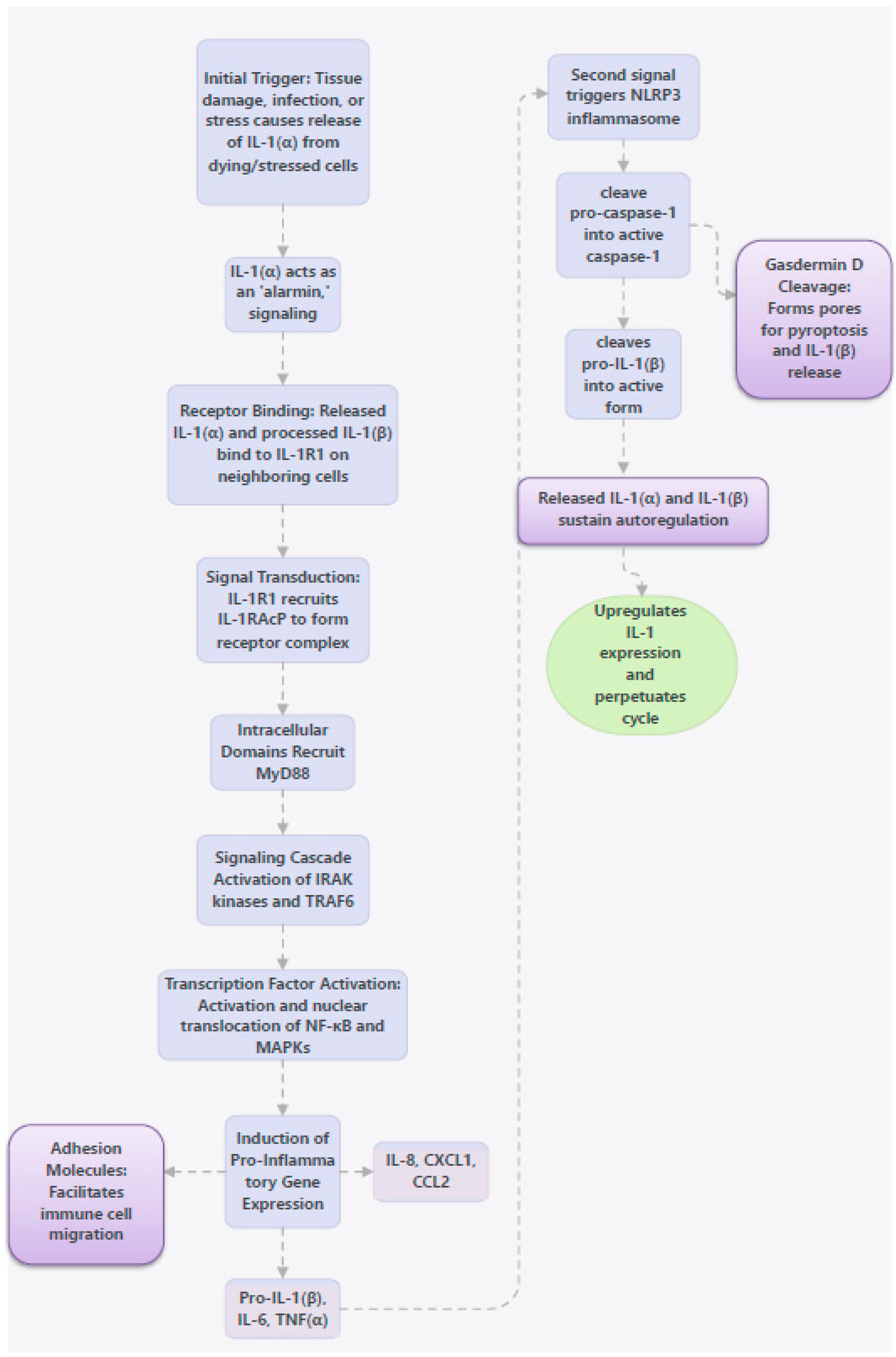
3.1.1. Auto-Inflammatory Loop Causing Cytokine Cascade
3.1.2. Pyroptosis
3.1.3. Endothelial Dysfunction and Coagulopathy
3.1.4. Contribution to Lung Injury and ARDS
4. IL-2 in COVID-19
4.1. Mechanisms of IL-2 in COVID-19 Pathogenesis
4.1.1. Effects on Regulatory T Cells and Immune Balance
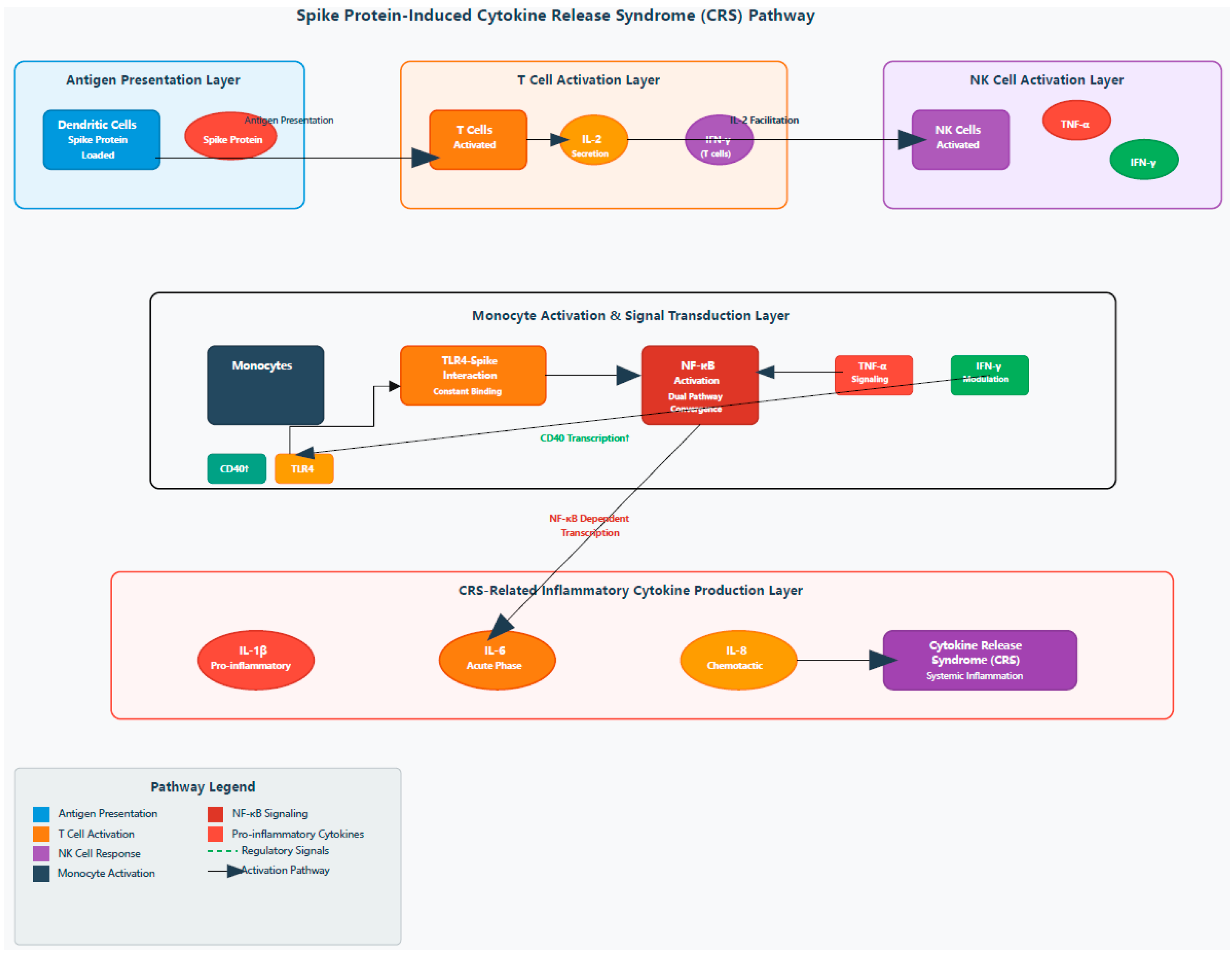
4.1.2. Role in Cytokine Release Syndrome (CRS)
5. IL-6 in COVID-19
5.1. Mechanisms of IL-6 in COVID-19 Pathogenesis
5.1.1. Triggering and Amplification of Inflammation
5.1.2. IL-6 Signaling Pathways
5.1.3. Driving Cytokine Storm and Immune Dysregulation
5.1.4. Crosstalk with Angiotensin and Oxidative Pathways
5.1.5. Contribution to Coagulopathy and Multi-Organ Injury
5.1.6. Contribution to Lung-Centric Macrophage Activation Syndrome (MAS) in COVID-19 Setting
6. IL-7 in COVID-19
Therapeutic and Immunological Role of IL-7 in COVID-19
7. IL-9 in COVID-19
7.1. Protective Role of IL-9 in COVID-19
Role of IL-9 in the Helminth-Mediated Modulation of COVID-19 Cytokine Storm
8. IL-10 in COVID-19
8.1. Mechanistic and Therapeutic Perspectives of IL-10 in COVID-19
8.1.1. Paradoxical Elevation of Pro-Inflammatory and Immunostimulatory Molecule
8.1.2. Immunomodulatory Effects of IL-10
8.1.3. Therapeutic Potential of IL-10
9. IL-17 in COVID-19
9.1. Mechanisms of IL-17 in COVID-19 Pathogenesis
9.1.1. Neutrophil Recruitment and Lung Injury
9.1.2. Potential Role in Pulmonary Fibrosis and Post-COVID Sequelae
10. IL-18 in COVID-19
10.1. Mechanisms of IL-18 in COVID-19 Pathogenesis
10.1.1. NLRP3 Inflammasome Activation
10.1.2. SARS-CoV-2 Spike Protein Induces IL-18-Mediated Cardiopulmonary Inflammation
10.1.3. Regulation by IL-18 Binding Protein (IL-18BP)
10.1.4. Role in Mucosal Immune Response Against SARS-CoV-2
10.1.5. Role in SARS-CoV-2 Elicited Intestinal Infection
10.1.6. Contribution to Ongoing Immune Dysregulation During Convalescence Period After COVID-19 Infection
11. IL-27 in COVID-19
11.1. Mechanisms of IL-27 in COVID-19 Pathogenesis
11.1.1. Exhibiting Both Inflammatory and Protective Roles in COVID-19
o Pro-Inflammatory/Disease-Promoting Effects of IL-27 in COVID-19
o Anti-Inflammatory/Protective Effects of IL-27 in COVID-19
11.1.2. Role in Multisystem Inflammatory Syndrome in Children (MIS-C)
12. IL-33 in COVID-19
13. IL-36 in COVID-19
13.1. Mechanisms of IL-36 in COVID-19 Pathogenesis
13.1.1. Contribution in Intestinal and Cutaneous Manifestations of COVID-19
13.1.2. Positive Pro-Inflammatory Feedback Loops and Inflammation Amplification
14. Role of Interleukins in SARS-CoV-2 Variants
15. Role of Anti-Interleukins in COVID-19 Treatment
15.1. IL-1 Blockers
15.1.1. Anakinra (Recombinant IL-1 Receptor Antagonist)
15.1.2. Canakinumab
15.2. IL-6 Inhibitors
15.2.1. Tocilizumab
15.2.2. Sirukumab
15.3. Therapeutic Potential of IL-22 in COVID-19
15.4. Therapeutic Potential of IL-17 in COVID-19
16. Cellular Immune Responses After COVID-19 Vaccination
17. Conclusions
Author Contributions
Funding
Institutional Review Board Statement
Informed Consent Statement
Data Availability Statement
Conflicts of Interest
References
- Kindler, E.; Thiel, V. To sense or not to sense viral RNA—Essentials of coronavirus innate immune evasion. Curr. Opin. Microbiol. 2014, 20, 69–75. [Google Scholar] [CrossRef]
- Ghanbari Naeini, L.; Abbasi, L.; Karimi, F.; Kokabian, P.; Abdi Abyaneh, F.; Naderi, D. The Important Role of Interleukin-2 in COVID-19. J. Immunol. Res. 2023, 2023, 7097329. [Google Scholar] [CrossRef] [PubMed]
- Al-Qahtani, A.A.; Alhamlan, F.S.; Al-Qahtani, A.A. Pro-Inflammatory and Anti-Inflammatory Interleukins in Infectious Diseases: A Comprehensive Review. Trop. Med. Infect. Dis. 2024, 9, 13. [Google Scholar] [CrossRef]
- Van de Veerdonk, F.L.; Netea, M.G. Blocking IL-1 to prevent respiratory failure in COVID-19. Crit. Care 2020, 24, 445. [Google Scholar] [CrossRef]
- Jamilloux, Y.; Henry, T.; Belot, A.; Viel, S.; Fauter, M.; El Jammal, T.; Walzer, T.; François, B.; Sève, P. Should we stimulate or suppress immune responses in COVID-19? Cytokine and anti-cytokine interventions. Autoimmun. Rev. 2020, 19, 102567. [Google Scholar] [CrossRef]
- Martinon, F.; Burns, K.; Tschopp, J. The inflammasome: A molecular platform triggering activation of inflammatory caspases and processing of proIL-beta. Mol. Cell 2002, 10, 417–426. [Google Scholar] [CrossRef]
- Wang, Y.; Wang, J.; Zheng, W.; Zhang, J.; Wang, J.; Jin, T.; Tao, P.; Wang, Y.; Liu, C.; Huang, J.; et al. Identification of an IL-1 receptor mutation driving autoinflammation directs IL-1-targeted drug design. Immunity 2023, 56, 1485–1501.E7. [Google Scholar] [CrossRef] [PubMed]
- Dinarello, C.A. The IL-1 family and inflammatory diseases. Clin. Exp. Rheumatol. 2002, 20, S1–S13. [Google Scholar]
- Shi, J.; Gao, W.; Shao, F. Pyroptosis: Gasdermin-Mediated Programmed Necrotic Cell Death. Trends Biochem. Sci. 2017, 42, 245–254. [Google Scholar] [CrossRef]
- Cavalli, G.; De Luca, G.; Campochiaro, C.; Della-Torre, E.; Ripa, M.; Canetti, D.; Oltolini, C.; Castiglioni, B.; Tassan, D.C.; Boffini, N.; et al. Interleukin-1 blockade with high-dose anakinra in patients with COVID-19, acute respiratory distress syndrome, and hyperinflammation: A retrospective cohort study. Lancet Rheumatol. 2020, 2, e325–e331. [Google Scholar] [CrossRef] [PubMed]
- Rodríguez-Morales, J.; Guartazaca-Guerrero, S.; Rizo-Téllez, S.A.; Viurcos-Sanabria, R.; Barrón, E.V.; Hernández-Valencia, A.F.; Nava, P.; Escobedo, G.; Carrillo-Ruiz, J.D.; Méndez-García, L.A. Blood-brain Barrier Damage is Pivotal for SARS-CoV-2 Infection to the Central Nervous System. Exp. Neurobiol. 2022, 31, 270–276. [Google Scholar] [CrossRef]
- Conti, P.; Ronconi, G.; Caraffa, A.; Gallenga, C.E.; Ross, R.; Frydas, I.; Kritas, S.K. Induction of pro-inflammatory cytokines (IL-1 and IL-6) and lung inflammation by Coronavirus-19 (COVI-19 or SARS-CoV-2): Anti-inflammatory strategies. J. Biol. Regul. Homeost. Agents 2020, 34, 327–331. [Google Scholar] [PubMed]
- Tjan, L.H.; Furukawa, K.; Nagano, T.; Kiriu, T.; Nishimura, M.; Arii, J.; Hino, Y.; Iwata, S.; Nishimura, Y.; Mori, Y. Early Differences in Cytokine Production by Severity of Coronavirus Disease 2019. J. Infect. Dis. 2021, 223, 1145–1149. [Google Scholar] [CrossRef] [PubMed]
- Chang, Y.; Bai, M.; You, Q. Associations between Serum Interleukins (IL-1β, IL-2, IL-4, IL-6, IL-8, and IL-10) and Disease Severity of COVID-19: A Systematic Review and Meta-Analysis. Biomed Res. Int. 2022, 2022, 2755246. [Google Scholar] [CrossRef]
- Abbas, A.K.; Lichtman, A.H.; Pillai, S. Cytokines. In Cellular and Molecular Immunology, 9th ed; Elsevier: Philadelphia, PA, USA, 2018; pp. 265–300. [Google Scholar]
- Shi, H.; Wang, W.; Yin, J.; Ouyang, Y.; Pang, L.; Feng, Y.; Qiao, L.; Guo, X.; Shi, H.; Jin, R.; et al. The inhibition of IL-2/IL-2R gives rise to CD8+ T cell and lymphocyte decrease through JAK1-STAT5 in critical patients with COVID-19 pneumonia. Cell Death Dis. 2020, 11, 429. [Google Scholar] [CrossRef]
- Niu, C.; Liang, T.; Chen, Y.; Zhu, S.; Zhou, L.; Chen, N.; Qian, L.; Wang, Y.; Li, M.; Zhou, X.; et al. SARS-CoV-2 spike protein induces the cytokine release syndrome by stimulating T cells to produce more IL-2. Front. Immunol. 2024, 15, 1444643. [Google Scholar] [CrossRef]
- Moore, J.B.; June, C.H. Cytokine release syndrome in severe COVID-19. Science 2020, 368, 473–474. [Google Scholar] [CrossRef]
- Wang, X.; Tang, G.; Liu, Y.; Zhang, L.; Chen, B.; Han, Y.; Fu, Z.; Wang, L.; Hu, G.; Ma, Q.; et al. The role of IL-6 in coronavirus, especially in COVID-19. Front. Pharmacol. 2022, 13, 1033674. [Google Scholar] [CrossRef]
- Zhu, J.; Pang, J.; Ji, P.; Zhong, Z.; Li, H.; Li, B.; Zhang, J. Elevated interleukin-6 is associated with severity of COVID-19: A meta-analysis. J. Med. Virol. 2021, 93, 35–37. [Google Scholar] [CrossRef]
- Udomsinprasert, W.; Jittikoon, J.; Sangroongruangsri, S.; Chaikledkaew, U. Circulating Levels of Interleukin-6 and Interleukin-10, But Not Tumor Necrosis Factor-Alpha, as Potential Biomarkers of Severity and Mortality for COVID-19: Systematic Review with Meta-analysis. J. Clin. Immunol. 2021, 41, 11–22. [Google Scholar] [CrossRef] [PubMed]
- Coomes, E.A.; Haghbayan, H. Interleukin-6 in Covid-19: A systematic review and meta-analysis. Rev. Med. Virol. 2020, 30, 1–9. [Google Scholar] [CrossRef] [PubMed]
- Zhang, J.; Hao, Y.; Ou, W.; Ming, F.; Liang, G.; Qian, Y.; Cai, Q.; Dong, S.; Hu, S.; Wang, W.; et al. Serum interleukin-6 is an indicator for severity in 901 patients with SARS-CoV-2 infection: A cohort study. J. Transl. Med. 2020, 18, 406. [Google Scholar] [CrossRef]
- Azaiz, M.B.; Jemaa, A.B.; Sellami, W.; Romdhani, C.; Ouslati, R.; Gharsallah, H.; Ghazouani, E.; Ferjani, M. Deciphering the balance of IL-6/IL-10 cytokines in severe to critical COVID-19 patients. Immunobiology 2022, 227, 152236. [Google Scholar] [CrossRef]
- Gubernatorova, E.O.; Gorshkova, E.A.; Polinova, A.I.; Drutskaya, M.S. IL-6: Relevance for immunopathology of SARS-CoV-2. Cytokine Growth Factor Rev. 2020, 53, 13–24. [Google Scholar] [CrossRef]
- Di Spigna, G.; Covelli, B.; Vargas, M.; Di Caprio, R.; Rubino, V.; Iacovazzo, C.; Napolitano, F.; Servillo, G.; Postiglione, L. The Behaviour of IL-6 and Its Soluble Receptor Complex during Different Waves of the COVID-19 Pandemic. Life 2024, 14, 814. [Google Scholar] [CrossRef]
- Zizzo, G.; Tamburello, A.; Castelnovo, L.; Laria, A.; Mumoli, N.; Faggioli, P.M.; Stefani, I.; Mazzone, A. Immunotherapy of COVID-19: Inside and Beyond IL-6 Signalling. Front. Immunol. 2022, 13, 795315. [Google Scholar] [CrossRef]
- Jiang, J.; Wang, J.; Yao, L.; Lai, S.; Zhang, X. What do we know about IL-6 in COVID-19 so far? Biophys. Rep. 2021, 7, 193–206. [Google Scholar] [CrossRef] [PubMed]
- Paranga, T.G.; Mitu, I.; Pavel-Tanasa, M.; Rosu, M.F.; Miftode, I.L.; Constantinescu, D.; Obreja, M.; Plesca, C.E.; Miftode, E. Cytokine Storm in COVID-19: Exploring IL-6 Signaling and Cytokine-Microbiome Interactions as Emerging Therapeutic Approaches. Int. J. Mol. Sci. 2024, 25, 11411. [Google Scholar] [CrossRef]
- Li, Y.S.; Ren, H.C.; Cao, J.H. Roles of Interleukin-6-mediated immunometabolic reprogramming in COVID-19 and other viral infection-associated diseases. Int. Immunopharmacol. 2022, 110, 109005. [Google Scholar] [CrossRef]
- McGonagle, D.; Sharif, K.; O’Regan, A.; Bridgewood, C. The Role of Cytokines including Interleukin-6 in COVID-19 induced Pneumonia and Macrophage Activation Syndrome-Like Disease. Autoimmun. Rev. 2020, 19, 102537. [Google Scholar] [CrossRef] [PubMed]
- ElKassar, N.; Gress, R.E. An overview of IL-7 biology and its use in immunotherapy. J. Immunotoxicol. 2010, 7, 1–7. [Google Scholar] [CrossRef]
- Barata, J.T.; Durum, S.K.; Seddon, B. Flip the coin: IL-7 and IL-7R in health and disease. Nat. Immunol. 2019, 20, 1584–1593. [Google Scholar] [CrossRef]
- Korobova, Z.R.; Arsentieva, N.A.; Liubimova, N.E.; Batsunov, O.K.; Dedkov, V.G.; Gladkikh, A.S.; Sharova, A.A.; Adish, Z.; Chernykh, E.I.; Kaschenko, V.A.; et al. Cytokine Profiling in Different SARS-CoV-2 Genetic Variants. Int. J. Mol. Sci. 2022, 23, 14146. [Google Scholar] [CrossRef]
- Laterre, P.F.; François, B.; Collienne, C.; Hantson, P.; Jeannet, R.; Remy, K.E.; Hotchkiss, R.S. Association of Interleukin 7 Immunotherapy with Lymphocyte Counts Among Patients with Severe Coronavirus Disease 2019 (COVID-19). JAMA Netw. Open 2020, 3, e2016485. [Google Scholar] [CrossRef]
- Shankar-Hari, M.; Francois, B.; Remy, K.E.; Gutierrez, C.; Pastores, S.; Daix, T.; Jeannet, R.; Blood, J.; Walton, A.H.; Salomao, R.; et al. A randomized, double-blind, placebo-controlled trial of IL-7 in critically ill patients with COVID-19. JCI Insight 2025, 10, e189150. [Google Scholar] [CrossRef]
- Mazer, M.B.; Turnbull, I.R.; Miles, S.; Blood, T.M.; Sadler, B.; Hess, A.; Botney, M.D.; Martin, R.S.; Bosanquet, J.P.; Striker, D.A.; et al. Interleukin-7 Reverses Lymphopenia and Improves T-Cell Function in Coronavirus Disease 2019 Patient with Inborn Error of Toll-Like Receptor 3: A Case Report. Crit. Care Explor. 2021, 3, e0500. [Google Scholar] [CrossRef]
- Siedlecka, D.; Bielawska, L.; Ludziejewska, A.; Baszczuk, A.; Wysocka, E. IL-2 and IL-7 Contribution to Immune Response: Effects of Vaccination Against COVID-19 in Adults. Viruses 2025, 17, 1416. [Google Scholar] [CrossRef] [PubMed]
- Bekele, Y.; Sui, Y.; Berzofsky, J.A. IL-7 in SARS-CoV-2 Infection and as a Potential Vaccine Adjuvant. Front. Immunol. 2021, 12, 737406. [Google Scholar] [CrossRef] [PubMed]
- Sadhu, S.; Dalal, R.; Dandotiya, J.; Binayke, A.; Singh, V.; Tripathy, M.R.; Das, V.; Goswami, S.; Kumar, S.; Rizvi, Z.A.; et al. IL-9 aggravates SARS-CoV-2 infection and exacerbates associated airway inflammation. Nat. Commun. 2023, 14, 4060. [Google Scholar] [CrossRef] [PubMed]
- Calvo-Alvarez, E.; D’Alessandro, S.; Zanotta, N.; Basilico, N.; Parapini, S.; Signorini, L.; Perego, F.; Maina, K.K.; Ferrante, P.; Modenese, A.; et al. Multiplex array analysis of circulating cytokines and chemokines in COVID-19 patients during the first wave of the SARS-CoV-2 pandemic in Milan, Italy. BMC Immunol. 2024, 25, 49. [Google Scholar] [CrossRef]
- Ghazavi, A.; Ganji, A.; Keshavarzian, N.; Rabiemajd, S.; Mosayebi, G. Cytokine profile and disease severity in patients with COVID-19. Cytokine 2021, 137, 155323. [Google Scholar] [CrossRef]
- Cao, Z.; Wang, J.; Liu, X.; Liu, Y.; Li, F.; Liu, M.; Chiu, S.; Jin, X. Helminth alleviates COVID-19-related cytokine storm in an IL-9-dependent way. mBio 2024, 15, e0090524. [Google Scholar] [CrossRef]
- Xiang, C.; Zhong, G.; Wang, H. IL-9 plays a critical role in helminth-induced protection against COVID-19-related cytokine storms. mBio 2024, 15, e0122924. [Google Scholar] [CrossRef]
- Santos, G.C.; Almeida, C.M.; Coelho, E.C.; Freire, R.S.; Silva, A.A.F.; Belchior, L.R.; Pfrimer, I.A.H. Anti-inflammatory interleukins (IL-4 and IL-10) and their relationship with the severity of COVID-19: A systematic review. Res. Soc. Dev. 2025, 14, e4214348459. [Google Scholar] [CrossRef]
- Dhar, S.K.; Vishnupriyan, K.; Damodar, S.; Gujar, S.; Das, M. IL-6 and IL-10 as predictors of disease severity in COVID-19 patients: Results from meta-analysis and regression. Heliyon 2021, 7, e06155. [Google Scholar] [CrossRef]
- Han, H.; Ma, Q.; Li, C.; Liu, R.; Zhao, L.; Wang, W.; Zhang, P.; Liu, X.; Gao, G.; Liu, F.; et al. Profiling serum cytokines in COVID-19 patients reveals IL-6 and IL-10 are disease severity predictors. Emerg. Microbes Infect. 2020, 9, 1123–1130. [Google Scholar] [CrossRef] [PubMed]
- Rajamanickam, A.; Nathella, P.K.; Selvaraj, N.; Manoj, M.; Thangaraj, J.W.V.; Muthusamy, S.K.; Chethrapilly Purushothaman, G.K.; Bhatnagar, T.; Ponnaiah, M.; Ramasamy, S.; et al. Characterization of IL-10 Family of Cytokines in Acute and Convalescent COVID-19 Individuals. J. Interferon Cytokine Res. 2023, 43, 469–477. [Google Scholar] [CrossRef] [PubMed]
- Abbood, S.J.A.; Anvari, E.; Fateh, A. Association between interleukin-10 gene polymorphisms (rs1800871, rs1800872, and rs1800896) and severity of infection in different SARS-CoV-2 variants. Hum. Genom. 2023, 17, 19. [Google Scholar] [CrossRef]
- Saraiva, M.; Vieira, P.; O’Garra, A. Biology and therapeutic potential of interleukin-10. J. Exp. Med. 2020, 217, e20190418. [Google Scholar] [CrossRef]
- Antoniv, T.T.; Ivashkiv, L.B. Dysregulation of interleukin-10-dependent gene expression in rheumatoid arthritis synovial macrophages. Arthritis Rheum. 2006, 54, 2711–2721. [Google Scholar] [CrossRef]
- Ji, J.D.; Tassiulas, I.; Park-Min, K.H.; Aydin, A.; Mecklenbrauker, I.; Tarakhovsky, A.; Pricop, L.; Salmon, J.E.; Ivashkiv, L.B. Inhibition of interleukin 10 signaling after Fc receptor ligation and during rheumatoid arthritis. J. Exp. Med. 2003, 197, 1573–1583. [Google Scholar] [CrossRef]
- Islam, H.; Chamberlain, T.C.; Mui, A.L.; Little, J.P. Elevated Interleukin-10 Levels in COVID-19: Potentiation of Pro-Inflammatory Responses or Impaired Anti-Inflammatory Action? Front. Immunol. 2021, 12, 677008. [Google Scholar] [CrossRef]
- Najafi-Fard, S.; Petruccioli, E.; Farroni, C.; Petrone, L.; Vanini, V.; Cuzzi, G.; Salmi, A.; Altera, A.M.G.; Navarra, A.; Alonzi, T.; et al. Evaluation of the immunomodulatory effects of interleukin-10 on peripheral blood immune cells of COVID-19 patients: Implication for COVID-19 therapy. Front. Immunol. 2022, 13, 984098. [Google Scholar] [CrossRef] [PubMed]
- Shih, L.J.; Yang, C.C.; Liao, M.T.; Lu, K.C.; Hu, W.C.; Lin, C.P. An important call: Suggestion of using IL-10 as therapeutic agent for COVID-19 with ARDS and other complications. Virulence 2023, 14, 2190650. [Google Scholar] [CrossRef]
- Hasanvand, A. COVID-19 and the role of cytokines in this disease. Inflammopharmacology 2022, 30, 789–798. [Google Scholar] [CrossRef]
- Sharif-Askari, F.S.; Sharif-Askari, N.S.; Hafezi, S.; Mdkhana, B.; Alsayed, H.A.H.; Ansari, A.W.; Mahboub, B.; Zakeri, A.M.; Temsah, M.H.; Zahir, W.; et al. Interleukin-17, a salivary biomarker for COVID-19 severity. PLoS ONE 2022, 17, e0274841. [Google Scholar] [CrossRef]
- McGeachy, M.J.; Cua, D.J.; Gaffen, S.L. The IL-17 Family of Cytokines in Health and Disease. Immunity 2019, 50, 892–906. [Google Scholar] [CrossRef]
- Barnes, B.J.; Adrover, J.M.; Baxter-Stoltzfus, A.; Borczuk, A.; Cools-Lartigue, J.; Crawford, J.M.; Daßler-Plenker, J.; Guerci, P.; Huynh, C.; Knight, J.S.; et al. Targeting potential drivers of COVID-19: Neutrophil extracellular traps. J. Exp. Med. 2020, 217, e20200652. [Google Scholar] [CrossRef]
- Martonik, D.; Parfieniuk-Kowerda, A.; Rogalska, M.; Flisiak, R. The Role of Th17 Response in COVID-19. Cells 2021, 10, 1550. [Google Scholar] [CrossRef] [PubMed]
- Wilson, M.S.; Madala, S.K.; Ramalingam, T.R.; Gochuico, B.R.; Rosas, I.O.; Cheever, A.W.; Wynn, T.A. Bleomycin and IL-1beta-mediated pulmonary fibrosis is IL-17A dependent. J. Exp. Med. 2010, 207, 535–552. [Google Scholar] [CrossRef] [PubMed]
- Slaats, J.; Ten Oever, J.; van de Veerdonk, F.L.; Netea, M.G. IL-1β/IL-6/CRP and IL-18/ferritin: Distinct Inflammatory Programs in Infections. PLoS Pathog. 2016, 12, e1005973. [Google Scholar] [CrossRef] [PubMed]
- Nakanishi, K. Unique Action of Interleukin-18 on T Cells and Other Immune Cells. Front. Immunol. 2018, 9, 763. [Google Scholar] [CrossRef]
- Blom, L.; Poulsen, L.K. IL-1 family members IL-18 and IL-33 upregulate the inflammatory potential of differentiated human Th1 and Th2 cultures. J. Immunol. 2012, 189, 4331–4337. [Google Scholar] [CrossRef]
- Satış, H.; Özger, H.S.; Aysert Yıldız, P.; Hızel, K.; Gulbahar, Ö.; Erbaş, G.; Aygencel, G.; Guzel Tunccan, O.; Öztürk, M.A.; Dizbay, M.; et al. Prognostic value of interleukin-18 and its association with other inflammatory markers and disease severity in COVID-19. Cytokine 2021, 137, 155302. [Google Scholar] [CrossRef]
- Marino, L.; Criniti, A.; Guida, S.; Bucci, T.; Ballesio, L.; Suppa, M.; Galardo, G.; Vacca, A.; Santulli, M.; Angeloni, A.; et al. Interleukin 18 and IL-18 BP response to Sars-CoV-2 virus infection. Clin. Exp. Med. 2023, 23, 1243–1250. [Google Scholar] [CrossRef]
- Schooling, C.M.; Li, M.; Au Yeung, S.L. Interleukin-18 and COVID-19. Epidemiol. Infect. 2021, 150, e14. [Google Scholar] [CrossRef]
- Rodrigues, T.S.; de Sá, K.S.G.; Ishimoto, A.Y.; Becerra, A.; Oliveira, S.; Almeida, L.; Gonçalves, A.V.; Perucello, D.B.; Andrade, W.A.; Castro, R.; et al. Inflammasomes are activated in response to SARS-CoV-2 infection and are associated with COVID-19 severity in patients. J. Exp. Med. 2021, 218, e20201707. [Google Scholar] [CrossRef]
- Plassmeyer, M.; Alpan, O.; Corley, M.J.; Premeaux, T.A.; Lillard, K.; Coatney, P.; Vaziri, T.; Michalsky, S.; Pang, A.P.S.; Bukhari, Z.; et al. Caspases and therapeutic potential of caspase inhibitors in moderate-severe SARS-CoV-2 infection and long COVID. Allergy 2022, 77, 118–129. [Google Scholar] [CrossRef] [PubMed]
- Theobald, S.J.; Simonis, A.; Georgomanolis, T.; Kreer, C.; Zehner, M.; Eisfeld, H.S.; Albert, M.C.; Chhen, J.; Motameny, S.; Erger, F.; et al. Long-lived macrophage reprogramming drives spike protein-mediated inflammasome activation in COVID-19. EMBO Mol. Med. 2021, 13, e14150. [Google Scholar] [CrossRef]
- Junqueira, C.; Crespo, Â.; Ranjbar, S.; Ingber, J.; Parry, B.; Ravid, S.; de Lacerda, L.B.; Lewandrowski, M.; Clark, S.; Ho, F.; et al. SARS-CoV-2 infects blood monocytes to activate NLRP3 and AIM2 inflammasomes, pyroptosis and cytokine release. medRxiv 2021. [Google Scholar] [CrossRef]
- Liang, S.; Bao, C.; Yang, Z.; Liu, S.; Sun, Y.; Cao, W.; Wang, T.; Schwantes-An, T.H.; Choy, J.S.; Naidu, S.; et al. SARS-CoV-2 spike protein induces IL-18-mediated cardiopulmonary inflammation via reduced mitophagy. Signal Transduct. Target. Ther. 2023, 8, 108. [Google Scholar] [CrossRef]
- Pierce, C.A.; Sy, S.; Galen, B.; Goldstein, D.Y.; Orner, E.; Keller, M.J.; Herold, K.C.; Herold, B.C. Natural mucosal barriers and COVID-19 in children. JCI Insight 2021, 6, e148694. [Google Scholar] [CrossRef] [PubMed]
- Williams, M.A.; O’Callaghan, A.; Corr, S.C. IL-33 and IL-18 in Inflammatory Bowel Disease Etiology and Microbial Interactions. Front. Immunol. 2019, 10, 1091. [Google Scholar] [CrossRef]
- Tao, W.; Zhang, G.; Wang, X.; Guo, M.; Zeng, W.; Xu, Z.; Cao, D.; Pan, A.; Wang, Y.; Zhang, K.; et al. Analysis of the intestinal microbiota in COVID-19 patients and its correlation with the inflammatory factor IL-18. Med. Microecol. 2020, 5, 100023. [Google Scholar] [CrossRef]
- Singh, R.; Hemati, H.; Bajpai, M.; Yadav, P.; Maheshwari, A.; Kumar, S.; Agrawal, S.; Sevak, J.K.; Islam, M.; Mars, J.S.; et al. Sustained expression of inflammatory monocytes and activated T cells in COVID-19 patients and recovered convalescent plasma donors. Immun. Inflamm. Dis. 2021, 9, 1279–1290. [Google Scholar] [CrossRef]
- Meka, R.R.; Venkatesha, S.H.; Dudics, S.; Acharya, B.; Moudgil, K.D. IL-27-induced modulation of autoimmunity and its therapeutic potential. Autoimmun. Rev. 2015, 14, 1131–1141. [Google Scholar] [CrossRef] [PubMed]
- Valdés-López, J.F.; Urcuqui-Inchima, S. Antiviral response and immunopathogenesis of interleukin 27 in COVID-19. Arch. Virol. 2023, 168, 178. [Google Scholar] [CrossRef]
- Hamdy, H.; Elhamammy, R.H.; Abdelmageed, M.; Wahid, A. Impact of single nucleotide polymorphism of IL-27P28 rs153109 and IFITM3 rs12252 on susceptibility and severity of COVID-19 in Egyptian patients: A case control study. Virol. J. 2025, 22, 66. [Google Scholar] [CrossRef] [PubMed]
- Korobova, Z.R.; Arsentieva, N.A.; Santoni, A.; Totolian, A.A. Role of IL-27 in COVID-19: A Thin Line between Protection and Disease Promotion. Int. J. Mol. Sci. 2024, 25, 7953. [Google Scholar] [CrossRef]
- Waseem, M.; Shariff, M.A.; Lim, C.A.; Nunez, J.; Narayanan, N.; Patel, K.; Tay, E.T. Multisystem Inflammatory Syndrome in Children. West. J. Emerg. Med. 2022, 23, 505–513. [Google Scholar] [CrossRef]
- Spracklen, T.F.; Mendelsohn, S.C.; Butters, C.; Facey-Thomas, H.; Stander, R.; Abrahams, D.; Erasmus, M.; Baguma, R.; Day, J.; Scott, C.; et al. IL27 gene expression distinguishes multisystem inflammatory syndrome in children from febrile illness in a South African cohort. Front. Immunol. 2022, 13, 992022. [Google Scholar] [CrossRef]
- Liu, Q.; Dwyer, G.K.; Zhao, Y.; Li, H.; Mathews, L.R.; Chakka, A.B.; Chandran, U.R.; Demetris, J.A.; Alcorn, J.F.; Robinson, K.M.; et al. IL-33-mediated IL-13 secretion by ST2+ Tregs controls inflammation after lung injury. JCI Insight 2019, 4, e123919. [Google Scholar] [CrossRef] [PubMed]
- Xu, J.; Guardado, J.; Hoffman, R.; Xu, H.; Namas, R.; Vodovotz, Y.; Xu, L.; Ramadan, M.; Brown, J.; Turnquist, H.R.; et al. IL33-mediated ILC2 activation and neutrophil IL5 production in the lung response after severe trauma: A reverse translation study from a human cohort to a mouse trauma model. PLoS Med. 2017, 14, e1002365. [Google Scholar] [CrossRef]
- Burke, H.; Freeman, A.; Cellura, D.C.; Stuart, B.L.; Brendish, N.J.; Poole, S.; Borca, F.; Phan, H.T.T.; Sheard, N.; Williams, S.; et al. Inflammatory phenotyping predicts clinical outcome in COVID-19. Respir. Res. 2020, 21, 245. [Google Scholar] [CrossRef]
- Fonseca, W.; Asai, N.; Yagi, K.; Malinczak, C.A.; Savickas, G.; Johnson, C.C.; Murray, S.; Zoratti, E.M.; Lukacs, N.W.; Li, J.; et al. COVID-19 Modulates Inflammatory and Renal Markers That May Predict Hospital Outcomes among African American Males. Viruses 2021, 13, 2415. [Google Scholar] [CrossRef]
- Gao, Y.; Cai, L.; Li, L.; Zhang, Y.; Li, J.; Luo, C.; Wang, Y.; Tao, L. Emerging Effects of IL-33 on COVID-19. Int. J. Mol. Sci. 2022, 23, 13656. [Google Scholar] [CrossRef] [PubMed]
- Stanczak, M.A.; Sanin, D.E.; Apostolova, P.; Nerz, G.; Lampaki, D.; Hofmann, M.; Steinmann, D.; Krohn-Grimberghe, M.; Thimme, R.; Mittler, G.; et al. IL-33 expression in response to SARS-CoV-2 correlates with seropositivity in COVID-19 convalescent individuals. Nat. Commun. 2021, 12, 2133. [Google Scholar] [CrossRef]
- Retnakumar, S.V.; Singh, S.C.; Chauvin, C.; Bayry, J. IL-33 and IL-3 synergistically induce CD25 expression on human basophils without functional IL-2 signaling: A potential marker of severe COVID-19. Front. Immunol. 2025, 16, 1718240. [Google Scholar] [CrossRef]
- Wang, X.; Yi, P.; Liang, Y. The Role of IL-36 in Infectious Diseases: Potential Target for COVID-19? Front. Immunol. 2021, 12, 662266. [Google Scholar] [CrossRef] [PubMed]
- Monteil, V.; Kwon, H.; Prado, P.; Hagelkrüys, A.; Wimmer, R.A.; Stahl, M.; Leopoldi, A.; Garreta, E.; Hurtado Del Pozo, C.; Prosper, F.; et al. Inhibition of SARS-CoV-2 Infections in Engineered Human Tissues Using Clinical-Grade Soluble Human ACE2. Cell 2020, 181, 905–913.e7. [Google Scholar] [CrossRef]
- Zulli, A.; Burrell, L.M.; Buxton, B.F.; Hare, D.L. ACE2 and AT4R are present in diseased human blood vessels. Eur. J. Histochem. 2008, 52, 39–44. [Google Scholar] [CrossRef] [PubMed][Green Version]
- Mercurio, L.; Failla, C.M.; Capriotti, L.; Scarponi, C.; Facchiano, F.; Morelli, M.; Rossi, S.; Pagnanelli, G.; Albanesi, C.; Cavani, A.; et al. Interleukin (IL)-17/IL-36 axis participates to the crosstalk between endothelial cells and keratinocytes during inflammatory skin responses. PLoS ONE 2020, 15, e0222969. [Google Scholar] [CrossRef]
- Joo, Y.H.; Kim, H.K.; Hak Choi, I.; Han, H.M.; Lee, K.J.; Kim, T.H.; Lee, S.H. Increased expression of interleukin 36 in chronic rhinosinusitis and its contribution to chemokine secretion and increased epithelial permeability. Cytokine 2020, 125, 154798. [Google Scholar] [CrossRef]
- National Center for Immunization and Respiratory Diseases (U.S.). Division of Viral Diseases. SARS-CoV-2 Variant Classifications and Definitions. Centers for Disease Control and Prevention: Atlanta, GA, USA. Available online: https://stacks.cdc.gov/view/cdc/133705 (accessed on 1 September 2023).
- Bostanghadiri, N.; Ziaeefar, P.; Mofrad, M.G.; Yousefzadeh, P.; Hashemi, A.; Darban-Sarokhalil, D. COVID-19: An Overview of SARS-CoV-2 Variants-The Current Vaccines and Drug Development. Biomed Res. Int. 2023, 2023, 1879554. [Google Scholar] [CrossRef] [PubMed]
- Raman, R.; Patel, K.J.; Ranjan, K. COVID-19: Unmasking Emerging SARS-CoV-2 Variants, Vaccines and Therapeutic Strategies. Biomolecules 2021, 11, 993. [Google Scholar] [CrossRef]
- Krivosova, M.; Hanusrichterova, J.; Lucansky, V.; Samec, M.; Bobcakova, A.; Baranovicova, E.; Dohál, M.; Mokry, J.; Škereňová, M.; Lipták, P.; et al. Comparative study of cytokine profiles in SARS-CoV-2 Delta and Omicron variants. Bratisl. Med. J. 2025, 126, 286–298. [Google Scholar] [CrossRef]
- Merchant, M.; Ashraf, J.; Masood, K.I.; Yameen, M.; Hussain, R.; Nasir, A.; Hasan, Z. SARS-CoV-2 variants induce increased inflammatory gene expression but reduced interferon responses and heme synthesis as compared with wild type strains. Sci. Rep. 2024, 14, 25734. [Google Scholar] [CrossRef] [PubMed]
- Li, X.; Li, W.; Liu, Z.; Kang, Y.; Zhang, X.; Xu, Z.; Gao, Y.; Qi, Y. A comparative study of spike protein of SARS-CoV-2 and its variant Omicron (B.1.1.529) on some immune characteristics. Sci. Rep. 2022, 12, 17058. [Google Scholar] [CrossRef]
- Shahbaz, S.; Bozorgmehr, N.; Lu, J.; Osman, M.; Sligl, W.; Tyrrell, D.L.; Elahi, S. Analysis of SARS-CoV-2 isolates, namely the Wuhan strain, Delta variant, and Omicron variant, identifies differential immune profiles. Microbiol. Spectr. 2023, 11, e0125623. [Google Scholar] [CrossRef]
- Li, F.; Wang, Y.; Jin, M.; Li, H.; Yan, J.; Hu, J.; Zhang, X.; Wu, C.; Wei, L. A comprehensive analysis of immune characteristics and clinical prognosis in Asian COVID-19 patients infected with SARS-CoV-2 Omicron strain XBB sub-variants: A retrospective study of 450 cases. Arch. Med. Sci. 2024, 20, 1–12. [Google Scholar] [CrossRef]
- Barreto, M.A.; Cruz, A.M.S.; Volle, D.M.; Júnior, W.D.D.C.; Costa, I.B.; Nunes, J.A.L.; de Sousa, A.C.P.; Lima, I.K.M.; Nogami, P.Y.; Borges, I.R.; et al. Clinical Manifestations and Cytokine Profiles of the Th1, Th2, and Th17 Response Associated with SARS-CoV-2 Omicron Subvariants. Biomedicines 2025, 13, 2128. [Google Scholar] [CrossRef]
- Reuschl, A.K.; Thorne, L.G.; Whelan, M.V.X.; Ragazzini, R.; Furnon, W.; Cowton, V.M.; De Lorenzo, G.; Mesner, D.; Turner, J.L.E.; Dowgier, G.; et al. Evolution of enhanced innate immune suppression by SARS-CoV-2 Omicron subvariants. Nat. Microbiol. 2024, 9, 451–463. [Google Scholar] [CrossRef]
- Liu, Y.; Guo, Y.; Zhan, H.; Liu, X.; Li, X.; Cui, J.; Li, H.; Feng, S.; Cheng, L.; Li, X.; et al. Immune and inflammation features of severe and critical Omicron infected patients during Omicron wave in China. BMC Infect. Dis. 2024, 24, 809. [Google Scholar] [CrossRef]
- Irvem, A.; Erdogan Cakir, D.; Aydın, C.; Mart Komurcu, S.Z.; Celik, S.; Kazezoğlu, C. Effect of SARS-CoV-2 variants (Alpha, Beta, Delta, Omicron) on inflammatory parameters. Jundishapur J. Microbiol. 2025, 18, e159675. [Google Scholar] [CrossRef]
- Koutsakos, M.; Lee, W.S.; Wheatley, A.K.; Kent, S.J.; Juno, J.A. T follicular helper cells in the humoral immune response to SARS-CoV-2 infection and vaccination. J. Leukoc. Biol. 2022, 111, 355–365. [Google Scholar] [CrossRef] [PubMed]
- Kawasuji, H.; Morinaga, Y.; Nagaoka, K.; Tani, H.; Yoshida, Y.; Yamada, H.; Takegoshi, Y.; Kaneda, M.; Murai, Y.; Kimoto, K.; et al. High interleukin-6 levels induced by COVID-19 pneumonia correlate with increased circulating follicular helper T cell frequency and strong neutralization antibody response in the acute phase of Omicron breakthrough infection. Front. Immunol. 2024, 15, 1377014. [Google Scholar] [CrossRef] [PubMed]
- Ghofrani Nezhad, M.; Jami, G.; Kooshkaki, O.; Chamani, S.; Naghizadeh, A. The Role of Inflammatory Cytokines (Interleukin-1 and Interleukin-6) as a Potential Biomarker in the Different Stages of COVID-19 (Mild, Severe, and Critical). J. Interferon Cytokine Res. 2023, 43, 147–163. [Google Scholar] [CrossRef]
- Makaremi, S.; Asgarzadeh, A.; Kianfar, H.; Mohammadnia, A.; Asghariazar, V.; Safarzadeh, E. The role of IL-1 family of cytokines and receptors in pathogenesis of COVID-19. Inflamm. Res. 2022, 71, 923–947. [Google Scholar] [CrossRef] [PubMed]
- Lariccia, V.; Magi, S.; Serfilippi, T.; Toujani, M.; Gratteri, S.; Amoroso, S. Challenges and Opportunities from Targeting Inflammatory Responses to SARS-CoV-2 Infection: A Narrative Review. J. Clin. Med. 2020, 9, 4021. [Google Scholar] [CrossRef]
- Davidson, M.; Menon, S.; Chaimani, A.; Evrenoglou, T.; Ghosn, L.; Graña, C.; Henschke, N.; Cogo, E.; Villanueva, G.; Ferrand, G.; et al. Interleukin-1 blocking agents for treating COVID-19. Cochrane Database Syst. Rev. 2022, 1, CD015308. [Google Scholar]
- Landi, L.; Ravaglia, C.; Russo, E.; Cataleta, P.; Fusari, M.; Boschi, A.; Giannarelli, D.; Facondini, F.; Valentini, I.; Panzini, I.; et al. Blockage of interleukin-1β with canakinumab in patients with Covid-19. Sci. Rep. 2020, 10, 21775. [Google Scholar] [CrossRef]
- Liang, P.; Li, Y.; Meng, L.; Li, Y.; Mai, H.; Li, T.; Ma, J.; Ma, J.; Wang, J.; Zhuan, B.; et al. Prognostic significance of serum interleukin-6 in severe/critical COVID-19 patients treated with tocilizumab: A detailed observational study analysis. Sci. Rep. 2024, 14, 29634. [Google Scholar] [CrossRef]
- World Health Organization. WHO Prequalifies First Monoclonal Antibody—Tocilizumab—To Treat COVID-19; World Health Organization: Geneva, Switzerland; Available online: https://www.who.int/news/item/11-02-2022-who-prequalifies-first-monoclonal-antibody---tocilizumab-to-treat-covid-19 (accessed on 11 February 2022).
- Ghosn, L.; Assi, R.; Evrenoglou, T.; Buckley, B.S.; Henschke, N.; Probyn, K.; Riveros, C.; Davidson, M.; Graña, C.; Bonnet, H.; et al. Interleukin-6 blocking agents for treating COVID-19: A living systematic review. Cochrane Database Syst. Rev. 2023, 6, CD013881. [Google Scholar]
- Han, Q.; Guo, M.; Zheng, Y.; Zhang, Y.; De, Y.; Xu, C.; Zhang, L.; Sun, R.; Lv, Y.; Liang, Y.; et al. Current Evidence of Interleukin-6 Signaling Inhibitors in Patients with COVID-19: A Systematic Review and Meta-Analysis. Front. Pharmacol. 2020, 11, 615972. [Google Scholar] [CrossRef] [PubMed]
- Rahimi, F.; Bezmin Abadi, A.T. WHO prequalified tocilizumab and vaccine boosters against COVID-19. Int. J. Surg. 2022, 99, 106593. [Google Scholar] [CrossRef] [PubMed]
- Potere, N.; Batticciotto, A.; Vecchié, A.; Porreca, E.; Cappelli, A.; Abbate, A.; Dentali, F.; Bonaventura, A. The role of IL-6 and IL-6 blockade in COVID-19. Expert. Rev. Clin. Immunol. 2021, 17, 601–618. [Google Scholar] [CrossRef]
- Thys, K.; Loza, M.J.; Lynn, L.; Callewaert, K.; Varma, L.; Crabbe, M.; Van Wesenbeeck, L.; Van Landuyt, E.; De Meyer, S.; Aerssens, J.; et al. Pharmacodynamic, prognostic, and predictive biomarkers in severe and critical COVID-19 patients treated with sirukumab. Sci. Rep. 2024, 14, 22981. [Google Scholar] [CrossRef] [PubMed]
- Fang, S.; Ju, D.; Lin, Y.; Chen, W. The role of interleukin-22 in lung health and its therapeutic potential for COVID-19. Front. Immunol. 2022, 13, 951107. [Google Scholar] [CrossRef]
- Albayrak, N.; Orte Cano, C.; Karimi, S.; Dogahe, D.; Van Praet, A.; Godefroid, A.; Del Marmol, V.; Grimaldi, D.; Bondue, B.; Van Vooren, J.P.; et al. Distinct Expression Patterns of Interleukin-22 Receptor 1 on Blood Hematopoietic Cells in SARS-CoV-2 Infection. Front. Immunol. 2022, 13, 769839. [Google Scholar] [CrossRef]
- Klooster, J.P.T.; Bol-Schoenmakers, M.; van Summeren, K.; van Vliet, A.L.W.; de Haan, C.A.M.; van Kuppeveld, F.J.M.; Verkoeijen, S.; Pieters, R. Enterocytes, fibroblasts and myeloid cells synergize in anti-bacterial and anti-viral pathways with IL22 as the central cytokine. Commun. Biol. 2021, 4, 631. [Google Scholar] [CrossRef]
- García, M.; Kokkinou, E.; Carrasco García, A.; Parrot, T.; Palma Medina, L.M.; Maleki, K.T.; Christ, W.; Varnaitė, R.; Filipovic, I.; Ljunggren, H.G.; et al. Innate lymphoid cell composition associates with COVID-19 disease severity. Clin. Transl. Immunol. 2020, 9, e1224. [Google Scholar] [CrossRef] [PubMed]
- Alcorn, J.F. IL-22 Plays a Critical Role in Maintaining Epithelial Integrity During Pulmonary Infection. Front. Immunol. 2020, 11, 1160. [Google Scholar] [CrossRef] [PubMed]
- Pociask, D.A.; Scheller, E.V.; Mandalapu, S.; McHugh, K.J.; Enelow, R.I.; Fattman, C.L.; Kolls, J.K.; Alcorn, J.F. IL-22 is essential for lung epithelial repair following influenza infection. Am. J. Pathol. 2013, 182, 1286–1296. [Google Scholar] [CrossRef]
- Bhaumik, S.; Basu, R. Cellular and Molecular Dynamics of Th17 Differentiation and its Developmental Plasticity in the Intestinal Immune Response. Front. Immunol. 2017, 8, 254. [Google Scholar] [CrossRef]
- Wu, D.; Yang, X.O. TH17 responses in cytokine storm of COVID-19: An emerging target of JAK2 inhibitor Fedratinib. J. Microbiol. Immunol. Infect. 2020, 53, 368–370. [Google Scholar] [CrossRef] [PubMed]
- Mendoza, V.M.M. Interleukin-17: A potential therapeutic target in COVID-19. J. Infect. 2020, 81, e136–e138. [Google Scholar] [CrossRef]
- Resende, G.G.; da Cruz Lage, R.; Lobê, S.Q.; Medeiros, A.F.; Costa ESilva, A.D.; Nogueira Sá, A.T.; Oliveira, A.J.A.; Sousa, D.; Guimarães, H.C.; Gomes, I.C.; et al. Blockade of interleukin seventeen (IL-17A) with secukinumab in hospitalized COVID-19 patients—The BISHOP study. Infect. Dis. 2022, 54, 591–599. [Google Scholar] [CrossRef]
- Avdeev, S.N.; Trushenko, N.V.; Tsareva, N.A.; Yaroshetskiy, A.I.; Merzhoeva, Z.M.; Nuralieva, G.S.; Nekludova, G.V.; Chikina, S.Y.; Gneusheva, T.Y.; Suvorova, O.A.; et al. Anti-IL-17 monoclonal antibodies in hospitalized patients with severe COVID-19: A pilot study. Cytokine 2021, 146, 155627. [Google Scholar] [CrossRef]
- Stebbing, J.; Krishnan, V.; de Bono, S.; Ottaviani, S.; Casalini, G.; Richardson, P.J.; Monteil, V.; Lauschke, V.M.; Mirazimi, A.; Youhanna, S.; et al. Mechanism of baricitinib supports artificial intelligence-predicted testing in COVID-19 patients. EMBO Mol. Med. 2020, 12, e12697. [Google Scholar] [CrossRef]
- Orlov, M.; Wander, P.L.; Morrell, E.D.; Mikacenic, C.; Wurfel, M.M. A Case for Targeting Th17 Cells and IL-17A in SARS-CoV-2 Infections. J. Immunol. 2020, 205, 892–898. [Google Scholar] [CrossRef]
- Kakugawa, T.; Mimura, Y.; Mimura-Kimura, Y.; Doi, K.; Ohteru, Y.; Kakugawa, H.; Oishi, K.; Kakugawa, M.; Hirano, T.; Matsunaga, K. Kinetics of pro- and anti-inflammatory spike-specific cellular immune responses in long-term care facility residents after COVID-19 mRNA primary and booster vaccination: A prospective longitudinal study in Japan. Immun. Ageing 2024, 21, 41. [Google Scholar] [CrossRef] [PubMed]
- Hurme, A.; Jalkanen, P.; Heroum, J.; Liedes, O.; Vara, S.; Melin, M.; Teräsjärvi, J.; He, Q.; Pöysti, S.; Hänninen, A.; et al. Long-Lasting T Cell Responses in BNT162b2 COVID-19 mRNA Vaccinees and COVID-19 Convalescent Patients. Front. Immunol. 2022, 13, 869990. [Google Scholar] [CrossRef]
- Bergamaschi, C.; Terpos, E.; Rosati, M.; Angel, M.; Bear, J.; Stellas, D.; Karaliota, S.; Apostolakou, F.; Bagratuni, T.; Patseas, D.; et al. Systemic IL-15, IFN-γ, and IP-10/CXCL10 signature associated with effective immune response to SARS-CoV-2 in BNT162b2 mRNA vaccine recipients. Cell Rep. 2021, 36, 109504. [Google Scholar] [CrossRef] [PubMed]
- Malahe, S.R.K.; Hartog, Y.D.; Rietdijk, W.J.R.; van Baarle, D.; de Kuiper, R.; Reijerkerk, D.; Ras, A.M.; Geers, D.; Diavatopoulos, D.A.; Messchendorp, A.L.; et al. The role of interleukin-21 in COVID-19 vaccine-induced B cell-mediated immune responses in patients with kidney disease and kidney transplant recipients. Am. J. Transplant. 2023, 23, 1411–1424. [Google Scholar] [CrossRef] [PubMed]



| Interleukin | SARS-CoV-2 Variant(s) | Observed Role/Findings (Contextualized) | Population/Sample Type | Timing of Measurement | Vaccination Status | Study Design | Reference No(s). |
|---|---|---|---|---|---|---|---|
| IL-1α | Delta vs. Omicron | Higher circulating IL-1α concentrations reported in Delta infections compared with Omicron, consistent with stronger innate inflammatory activation; In the Omicron group, IL-1α (along with other cytokines) increased with disease severity | 80 Hospitalized COVID-19 patients; Two variant groups: Delta (n = 50) and Omicron (n = 30); plasma samples | Acute phase |
| Retrospective observational study | [98] |
| IL-1β | Delta, Omicron, Alpha | IL-1β–associated inflammatory signaling was upregulated in infections caused by SARS-CoV-2 variants compared with wild-type strains, particularly in symptomatic patients | 51 COVID-19 cases included in the transcriptome analysis; Whole blood-Whole blood RNA was analyzed using microarray platforms | Acute phase | Majority unvaccinated: authors explicitly excluded vaccinated individuals in certain subset comparisons (e.g., asymptomatic VOC vs. wild type). | Comparative observational transcriptomic study | [99] |
| IL-1β | Delta, Omicron, Wuhan strain | Delta variant infection induced stronger IL-1β expression; Omicron variant showed a relatively attenuated IL-1β response | SARS-CoV-2 clinical isolates from infected human cases; Replication-competent SARS-CoV-2 isolates | Acute phase | Not applicable/not addressed directly. | Comparative experimental laboratory study | [101] |
| IL-1β | Omicron | IL-1β levels were positively associated with disease severity; higher IL-1β occurred in patients with weaker humoral responses; Elevated IL-1β alongside other cytokines reflects an exuberant inflammatory response in more severe Omicron infection | 140 hospitalized adult patients with confirmed Omicron variant SARS-CoV-2 infection; serum samples | Acute phase; first Omicron wave in China | 74% (104/140) of patients had received SARS-CoV-2 vaccination | Observational, cross-sectional with longitudinal follow-up | [105] |
| IL-2R | Omicron | Higher soluble IL-2R levels associated with lower CD3+, CD4+ and CD8+ T-cell counts, suggesting lymphocyte dysregulation in severe Omicron infection | 140 hospitalized adult patients with confirmed Omicron variant SARS-CoV-2 infection; serum samples | Acute phase; first Omicron wave in China | 74% (104/140) of patients had received SARS-CoV-2 vaccination | Observational, cross-sectional with longitudinal follow-up | [105] |
| IL-4 | Delta vs. Omicron | Higher IL-4 concentrations reported in Delta infections compared with Omicron, indicating a stronger Th2-skewed response | 80 Hospitalized COVID-19 patients; Two variant groups: Delta (n = 50) and Omicron (n = 30); plasma samples | Acute phase |
| Retrospective observational study | [98] |
| IL-6 | Delta, Omicron, Alpha Ancestral Wuhan Strain | Consistent elevation across all variants; Highest in severe disease and particularly pronounced in the Alpha variant; Considered as “constant marker” of COVID-19 immune activation | 340 hospitalized COVID-19 patients and 51 healthy donors; Plasma and nasopharyngeal swabs | Acute phase | All COVID-19 patients were unvaccinated | Retrospective observational study | [34] |
| IL-6 | Delta, Omicron, Alpha | All SARS-CoV-2 variants induced higher IL-6 gene expression relative to the ancestral Wuhan strain. | 51 COVID-19 cases included in the transcriptome analysis; Whole blood-Whole blood RNA was analyzed using microarray platforms | Acute phase | Majority unvaccinated: authors explicitly excluded vaccinated individuals in certain subset comparisons (e.g., asymptomatic VOC vs. wild type). | Comparative observational transcriptomic study | [99] |
| IL-6 | Omicron | Elevated IL-6 levels correlated with: increased disease severity, higher inflammatory burden, worse clinical outcomes. | 450 Asian COVID-19 patients infected with SARS-CoV-2 Omicron XBB sub-variants; peripheral blood samples | Acute phase | Study reflected the post-vaccination Omicron era; Vaccination status was reported but not deeply stratified | Retrospective observational cohort study | [102] |
| IL-6 | Omicron | IL-6 levels were significantly elevated in critical patients compared with severe cases; | 140 hospitalized adult patients with confirmed Omicron variant SARS-CoV-2 infection; serum samples | Acute phase; first Omicron wave in China | 74% (104/140) of patients had received SARS-CoV-2 vaccination | Observational, cross-sectional with longitudinal follow-up | [105] |
| IL-6 | Alpha, Beta, Delta, Omicron | Decreasing proportion of patients with high IL-6 values from Alpha through Omicron; mean IL-6 levels for Omicron were elevated in a small patient subgroup reflecting rare severe disease. | 40,133 adults with confirmed SARS-CoV-2 infection; serum samples | Not standardized or fully reported. | Vaccination data were not reported or analyzed | Retrospective observational study | [106] |
| IL-6 | Omicron | Elevated IL-6 levels during acute Omicron pneumonia were positively correlated with increased circulating follicular helper T cell (cTfh) frequency and stronger neutralizing antibody responses | Adult hospitalized but non–critically ill patients with Omicron variant SARS-CoV-2 infection who developed COVID-19 pneumonia despite prior vaccination; Peripheral blood samples | Acute phase | All COVID-19 patients had received at least two doses of SARS-CoV-2 vaccine prior to infection, consistent with breakthrough Omicron infection. | Observational cohort study | [108] |
| IL-7 | Delta vs. Omicron | Higher IL-7 levels in Omicron-infected patients compared with Delta cases. | 80 Hospitalized COVID-19 patients; Two variant groups: Delta (n = 50) and Omicron (n = 30); plasma samples | Acute phase |
| Retrospective observational study | [98] |
| IL-7 | Delta, Omicron, Wuhan strain | Compared with the Wuhan strain and Delta variant, Omicron infection showed relatively preserved or less suppressed IL-7–associated signaling, consistent with a more balanced immune profile. | SARS-CoV-2 clinical isolates from infected human cases; Replication-competent SARS-CoV-2 isolates | Acute phase | Not applicable/not addressed directly. | Comparative experimental laboratory study | [101] |
| IL-8 | Delta vs. Omicron | Significantly elevated IL-8 concentrations in patients infected with the Delta variant relative to those infected with Omicron suggesting more severe pulmonary inflammation and higher rates of hypoxemia in Delta variant | 80 Hospitalized COVID-19 patients; Two variant groups: Delta (n = 50) and Omicron (n = 30); plasma samples | Acute phase |
| Retrospective observational study | [98] |
| IL-8 | Delta, Omicron, Alpha | IL-8 is prominently increased in SARS-CoV-2 variants relative to the wild-type strain; key interleukin responsible for neutrophil chemotaxis and activation | 51 COVID-19 cases included in the transcriptome analysis; Whole blood - Whole blood RNA was analyzed using microarray platforms | Acute phase | Majority unvaccinated: authors explicitly excluded vaccinated individuals in certain subset comparisons (e.g., asymptomatic VOC vs. wild type). | Comparative observational transcriptomic study | [99] |
| IL-8 | Delta, Omicron, Wuhan strain | Wuhan and Delta infections tended to elicit higher IL-8 levels than Omicron; IL-8 showed positive correlations with Gal-3 (a soluble pro-inflammatory glycan-binding protein) in the Wuhan cohort, suggesting IL-8 levels tracked with broader inflammatory activity | SARS-CoV-2 clinical isolates from infected human cases; Replication-competent SARS-CoV-2 isolates | Acute phase | Not applicable/not addressed directly. | Comparative experimental laboratory study | [101] |
| IL-9 | Delta vs. Omicron | Higher IL-9 concentrations reported in Delta infections relative to Omicron, aligning with enhanced airway-associated inflammation | 80 Hospitalized COVID-19 patients; Two variant groups: Delta (n = 50) and Omicron (n = 30); plasma samples | Acute phase |
| Retrospective observational study | [98] |
| IL-10 | Delta, Omicron, Alpha Ancestral Wuhan | IL-10 showed consistent elevation in COVID-19 patients across all variants; serve as a “constant marker” of COVID-19 infection, regardless of viral genetic differences. | 340 hospitalized COVID-19 patients and 51 healthy donors; Plasma and nasopharyngeal swabs | Acute phase | All COVID-19 patients were unvaccinated | Retrospective observational study | [34] |
| IL-10 | Alpha, Delta, Omicron BA.5 variant | High-producer genotypes of IL-10 were associated with more severe COVID-19, particularly in infections with later variants. | Patients with confirmed SARS-CoV-2 infection from the Middle Eastern region; Peripheral venous blood samples | Acute phase | Vaccination status was not comprehensively stratified or adjusted | Observational, case–control genetic association study. | [49] |
| IL-10 | Omicron | Dual role for IL-10 in Omicron infection: Protective by limiting cytokine-mediated tissue injury. Potentially detrimental when excessively elevated, by suppressing effective antiviral immunity in severe and critical disease. | 140 hospitalized adult patients with confirmed Omicron variant SARS-CoV-2 infection; serum samples | Acute phase; first Omicron wave in China | 74% (104/140) of patients had received SARS-CoV-2 vaccination | Observational, cross-sectional with longitudinal follow-up | [105] |
| IL-16 | Delta vs. Omicron | Higher IL-16 concentrations reported in Delta compared with Omicron, suggesting stronger T-cell chemoattractant signaling | 80 Hospitalized COVID-19 patients; Two variant groups: Delta (n = 50) and Omicron (n = 30); plasma samples | Acute phase |
| Retrospective observational study | [98] |
| IL-18 | Delta, Omicron, Alpha Ancestral Wuhan | IL-18 is a conserved but variably amplified inflammatory mediator across SARS-CoV-2 variants, supporting its role in COVID-19–associated innate immune dysregulation. | 340 hospitalized COVID-19 patients and 51 healthy donors; Plasma and nasopharyngeal swabs | Acute phase | All COVID-19 patients were unvaccinated | Retrospective observational study | [34] |
| IL-18 | Delta, Omicron, Wuhan strain | Patients infected with the Wuhan strain and the Delta variant both exhibited significantly elevated IL-18 levels compared with healthy controls; Although IL-18 was also elevated in Omicron-infected individuals versus healthy controls, the magnitude of increase was lower than that observed in those infected with the Wuhan strain or Delta variant. | SARS-CoV-2 clinical isolates from infected human cases; Replication-competent SARS-CoV-2 isolates | Acute phase | Not applicable/not addressed directly. | Comparative experimental laboratory study | [101] |
| Interleukin Combination | Observed Role in COVID-19 and SARS-CoV-2 Variants | Statistical Approach Used in Cited Study | Reference No(s). |
|---|---|---|---|
| IL-2, IL-4, IL-6, IL-10 | Elevated together in COVID-19 patients compared to healthy controls | Systematic review and meta-analysis of observational studies; weighted mean difference (WMD) and corresponding 95% confidence interval (CI) were calculated to compare the difference in serum interleukin levels; Heterogeneity was assessed using the I2 statistic; a fixed-effects model was applied when I2 < 50%, whereas a random-effects model was used otherwise. No unified cutoff values reported. No predictive Area Under the Curve (AUC) reported. | [14] |
| IL-6, IL-8, IL-10 | Levels of these three interleukins were significantly higher in severe COVID-19 vs. non-severe, correlating with disease severity and potentially poor outcomes. | [14] | |
| IL-1β, IL-6, IL-8 | Elevated together in nonsurvivor COVID-19 patients, suggesting a combined interleukin signature predicts poor prognosis. | [14] | |
| IL-1β + IL-6 | Both interleukins cooperate in driving the COVID-19 cytokine storm i.e., IL-1 enhances IL-6 and downstream inflammation, contributing to systemic hyperinflammation. | Observational, cross-sectional comparative design; Logistic regression model used to estimate associations between cytokine levels and severe/critical disease.; AUC values were higher for IL-6 than IL-1 indicating superior predictive utility.; ROC-derived cut-off points reported for IL-6 were selected using Youden’s index to optimize sensitivity and specificity. | [109] |
| IL-1 family (IL-1, IL-18, IL-33, IL-36, IL-37, IL-38) | Members of the IL-1 family collectively contribute to hyper-inflammatory responses in COVID-19, underpinning severe disease inflammatory pathology. | Mechanistic and exploratory study; no statistical modeling; no predictive AUC reported; No validated cut-off values were defined; integrates evidence from experimental and clinical studies | [110] |
| IL-6, IL-10, IL-18 | These ILs showed consistently elevated levels in COVID-19 across multiple SARS-CoV-2 variants (Wuhan, Alpha, Delta, Omicron), indicating their role as variant-independent markers of infection and inflammation. | Cross-sectional, comparative analytical study; No multivariable regression models; ROC curve analyses were not performed; No cytokine cut-off thresholds were defined; Non-parametric tests (mainly Mann–Whitney U and Kruskal–Wallis tests) to compare cytokine levels between variant groups. | [34] |
| IL-1α, IL-4, IL-9, IL-16 | Levels of these ILs were significantly higher in Delta vs. Omicron infections, suggesting variant-specific differences in combined IL responses related to immune activation intensity. | Comparative cross-sectional study; No multivariable regression models; ROC curve analyses were not performed; No cytokine cut-off thresholds were defined | [98] |
| IL-4 + IL-10 | Both ILs are anti-inflammatory and found elevated in early Omicron | Comparative cross-sectional study; No multivariable regression models; no AUC analysis; No cytokine cut-off thresholds were defined | [103] |
| Elevated IL-2, IL-4, IL-10 | Omicron subvariant BA.1 ≤ BA.2 | [103] |
Disclaimer/Publisher’s Note: The statements, opinions and data contained in all publications are solely those of the individual author(s) and contributor(s) and not of MDPI and/or the editor(s). MDPI and/or the editor(s) disclaim responsibility for any injury to people or property resulting from any ideas, methods, instructions or products referred to in the content. |
© 2026 by the authors. Licensee MDPI, Basel, Switzerland. This article is an open access article distributed under the terms and conditions of the Creative Commons Attribution (CC BY) license.
Share and Cite
Mahajan, S.; Mahajan, S.; Gusain, A. Interleukins in COVID-19 and SARS-CoV-2 Variants: Immunopathogenesis, Therapeutic Perspectives and Vaccine-Induced Immune Responses. Int. J. Mol. Sci. 2026, 27, 1391. https://doi.org/10.3390/ijms27031391
Mahajan S, Mahajan S, Gusain A. Interleukins in COVID-19 and SARS-CoV-2 Variants: Immunopathogenesis, Therapeutic Perspectives and Vaccine-Induced Immune Responses. International Journal of Molecular Sciences. 2026; 27(3):1391. https://doi.org/10.3390/ijms27031391
Chicago/Turabian StyleMahajan, Supriya, Saurabh Mahajan, and Akanksha Gusain. 2026. "Interleukins in COVID-19 and SARS-CoV-2 Variants: Immunopathogenesis, Therapeutic Perspectives and Vaccine-Induced Immune Responses" International Journal of Molecular Sciences 27, no. 3: 1391. https://doi.org/10.3390/ijms27031391
APA StyleMahajan, S., Mahajan, S., & Gusain, A. (2026). Interleukins in COVID-19 and SARS-CoV-2 Variants: Immunopathogenesis, Therapeutic Perspectives and Vaccine-Induced Immune Responses. International Journal of Molecular Sciences, 27(3), 1391. https://doi.org/10.3390/ijms27031391