Review

Semaglutide-Mediated Remodeling of Adipose Tissue in Type 2 Diabetes: Molecular Mechanisms Beyond Glycemic Control

by
Tatjana Ábel
* and
Éva Csobod Csajbókné
Department of Dietetics and Nutritional Sciences, Faculty of Health Sciences, Semmelweis University, 1088 Budapest, Hungary
*
Author to whom correspondence should be addressed.
Int. J. Mol. Sci. 2026, 27(3), 1186; https://doi.org/10.3390/ijms27031186
Submission received: 18 December 2025 / Revised: 19 January 2026 / Accepted: 20 January 2026 / Published: 24 January 2026
(This article belongs to the Special Issue Molecular Insights in Diabetes)

Abstract

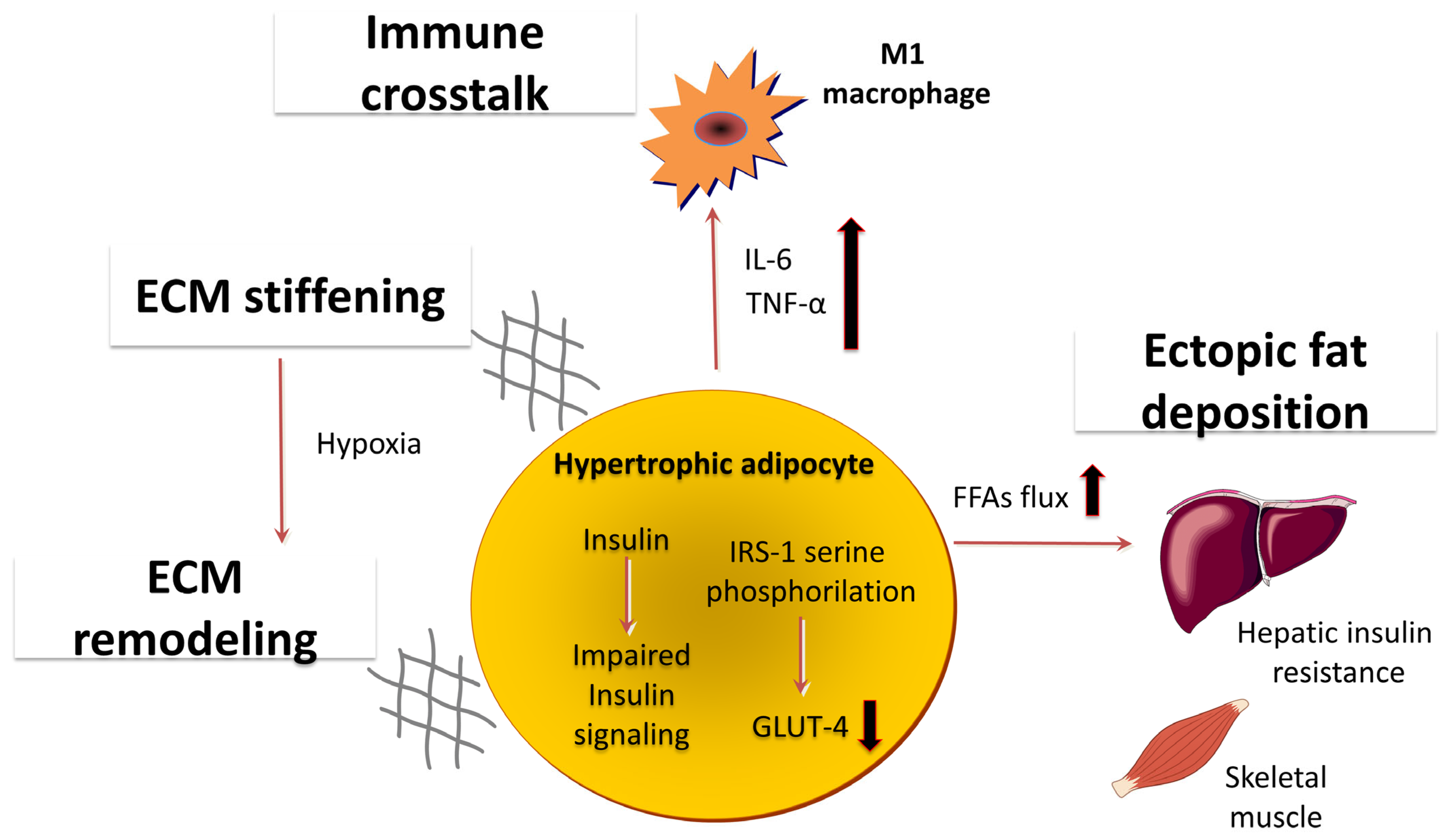
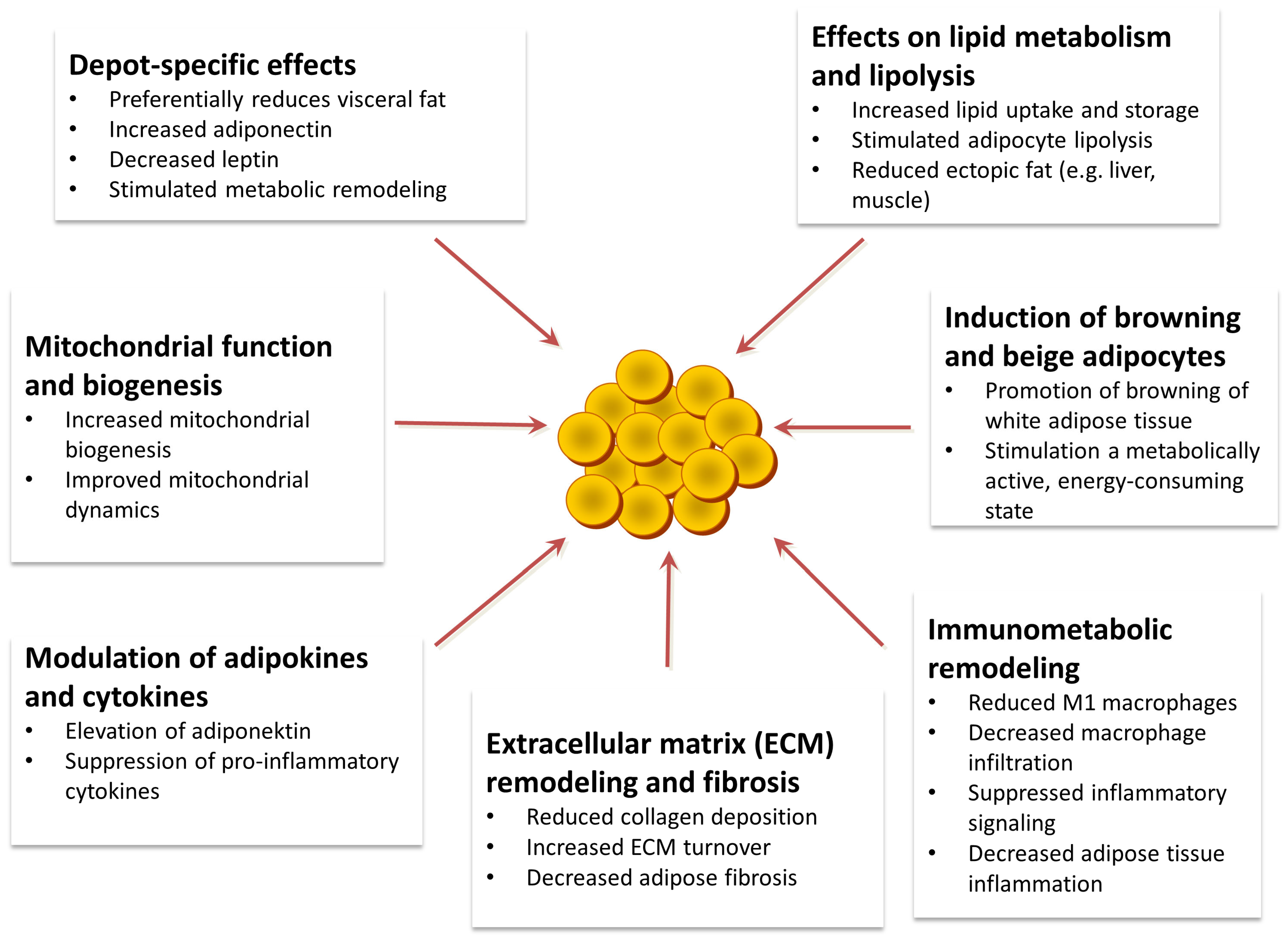
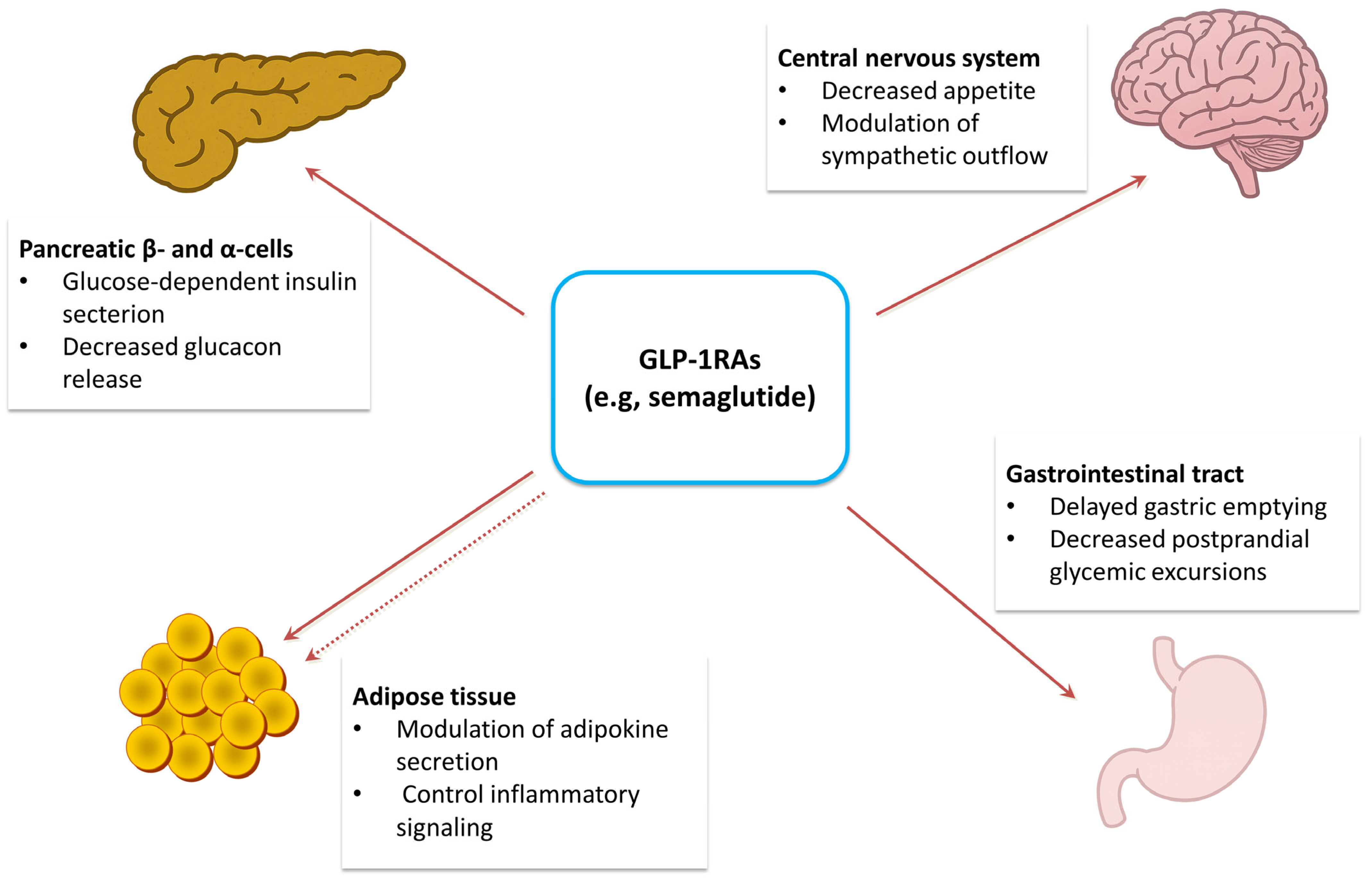
Type 2 diabetes mellitus (T2DM) is characterized not only by chronic hyperglycemia but also by profound adipose tissue dysfunction, including impaired lipid handling, low-grade inflammation, mitochondrial dysfunction, and extracellular matrix (ECM) remodeling. These adipose tissue alterations play a central role in the development of systemic insulin resistance, ectopic lipid accumulation, and cardiometabolic complications. Glucagon-like peptide-1 receptor agonists (GLP-1RAs), particularly semaglutide, have emerged as highly effective therapies for T2DM and obesity. While their glucose-lowering and appetite-suppressive effects are well established, accumulating evidence indicates that semaglutide exerts pleiotropic metabolic actions that extend beyond glycemic control, with adipose tissue representing a key target organ. This review synthesizes current preclinical and clinical evidence on the molecular and cellular mechanisms through which semaglutide modulates adipose tissue biology in T2DM. We discuss depot-specific effects on visceral and subcutaneous adipose tissue, regulation of adipocyte lipid metabolism and lipolysis, enhancement of mitochondrial biogenesis and oxidative capacity, induction of beige adipocyte programming, modulation of adipokine and cytokine secretion, immunometabolic remodeling, and attenuation of adipose tissue fibrosis and ECM stiffness. Collectively, available data indicate that semaglutide promotes a functional shift in adipose tissue from a pro-inflammatory, lipid-storing phenotype toward a more oxidative, insulin-sensitive, and metabolically flexible state. These adipose-centered adaptations likely contribute to improvements in systemic insulin sensitivity, reduction in ectopic fat deposition, and attenuation of cardiometabolic risk observed in patients with T2DM. Despite compelling mechanistic insights, much of the current evidence derives from animal models or in vitro systems. Human adipose tissue-focused studies integrating molecular profiling, advanced imaging, and longitudinal clinical data are therefore needed to fully elucidate the extra-glycemic actions of semaglutide and to translate these findings into adipose-targeted therapeutic strategies.
Keywords: adipose tissue remodeling; beige adipocytes; extracellular matrix remodeling; GLP-1 receptor agonist; immunometabolism; mitochondrial biogenesis; semaglutide; type 2 diabetes mellitus; visceral adiposity adipose tissue remodeling; beige adipocytes; extracellular matrix remodeling; GLP-1 receptor agonist; immunometabolism; mitochondrial biogenesis; semaglutide; type 2 diabetes mellitus; visceral adiposity