Unraveling the Androgen Receptor’s Role in Hypospadias: A Systematic Review and Meta-Analysis


Abstract
1. Introduction
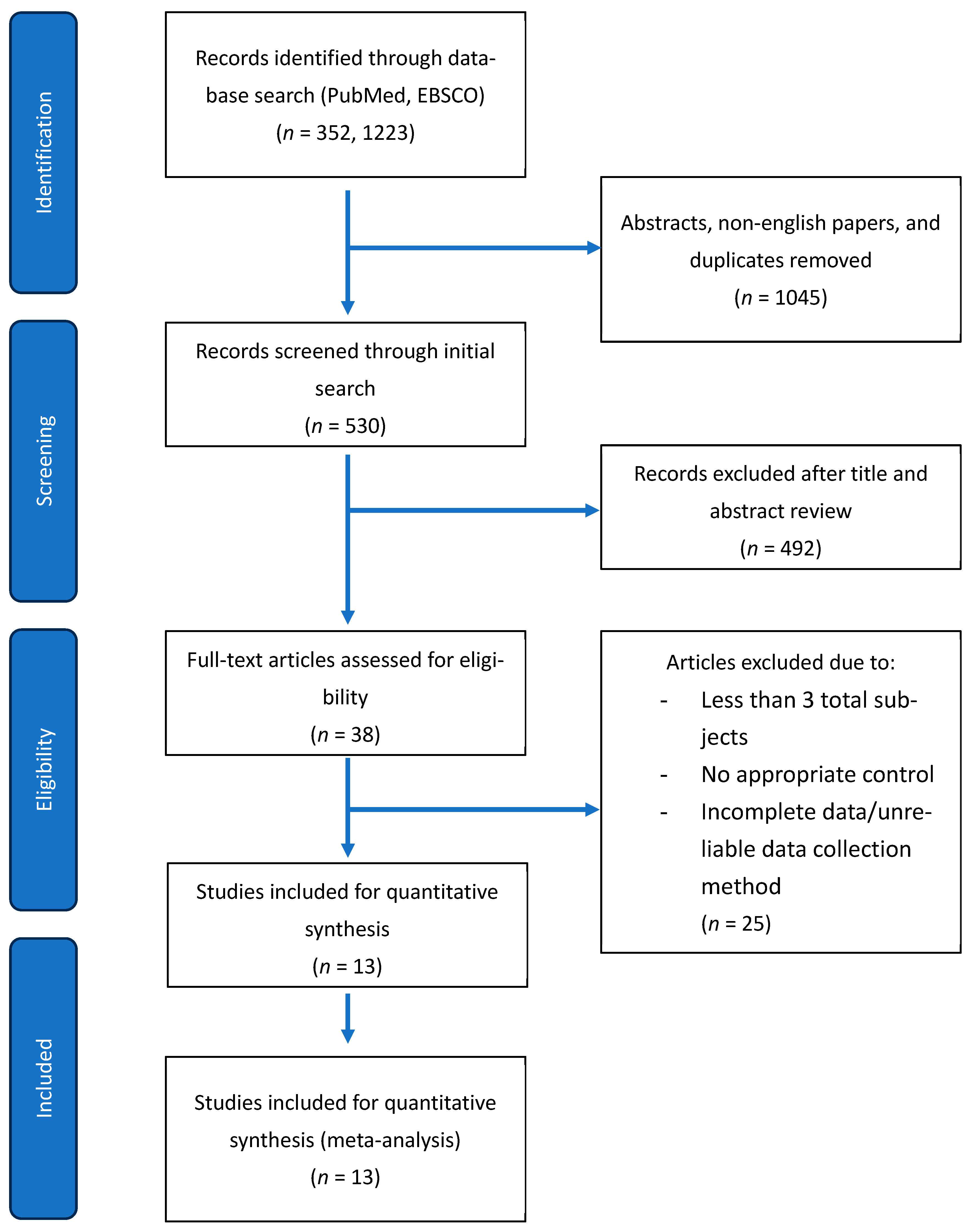
2. Methodology
2.1. Literature Search
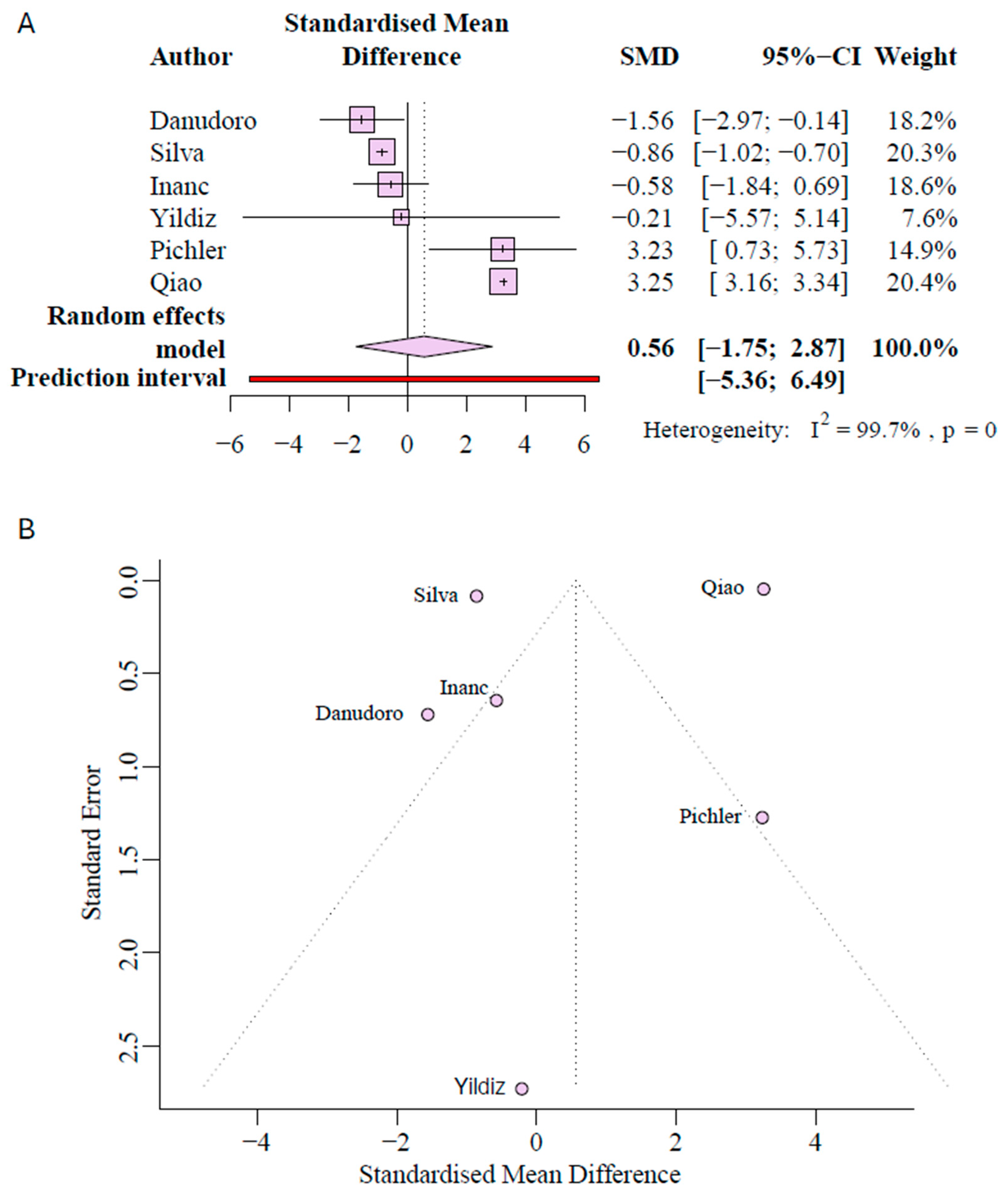
2.2. Statistical Analysis
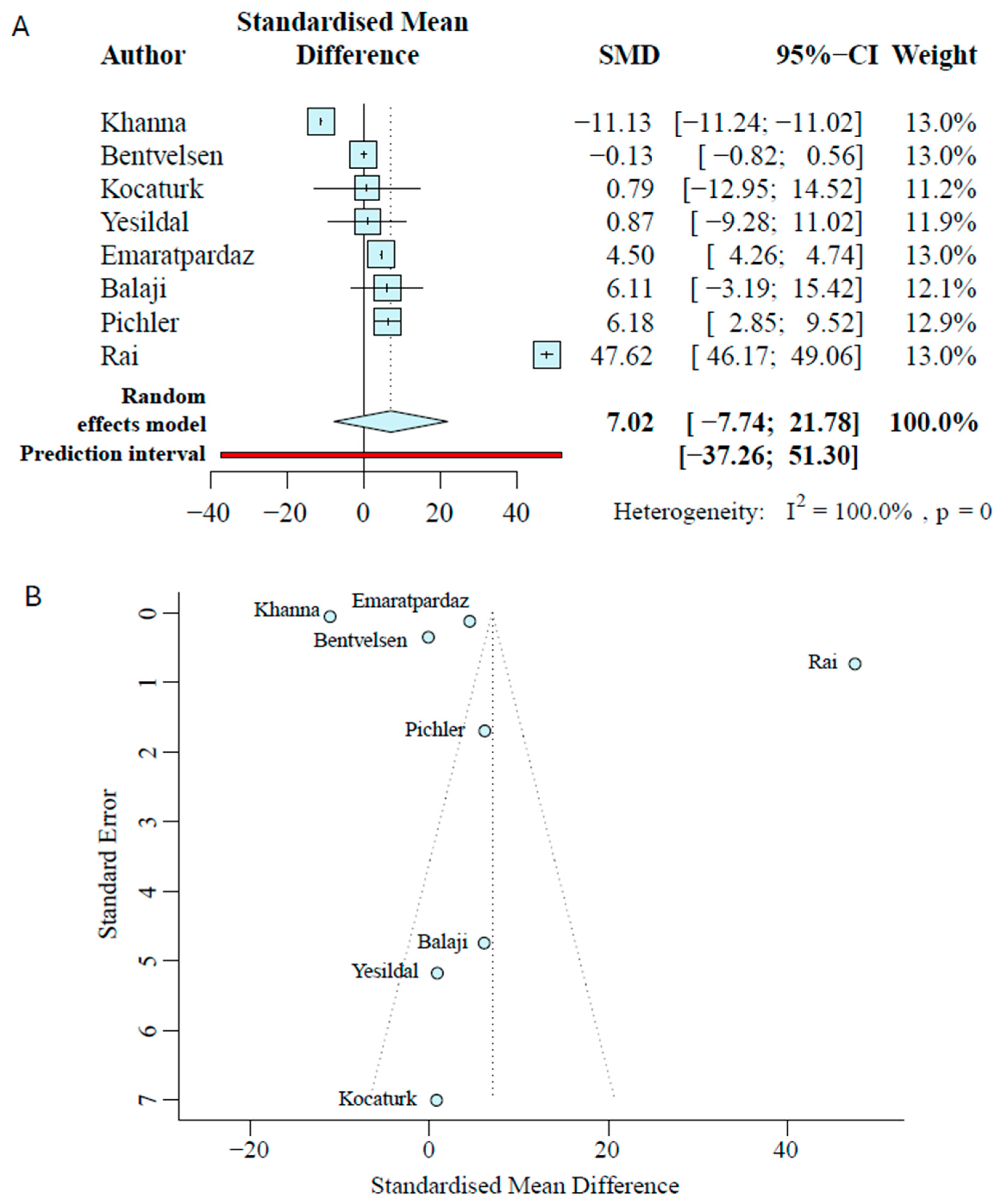
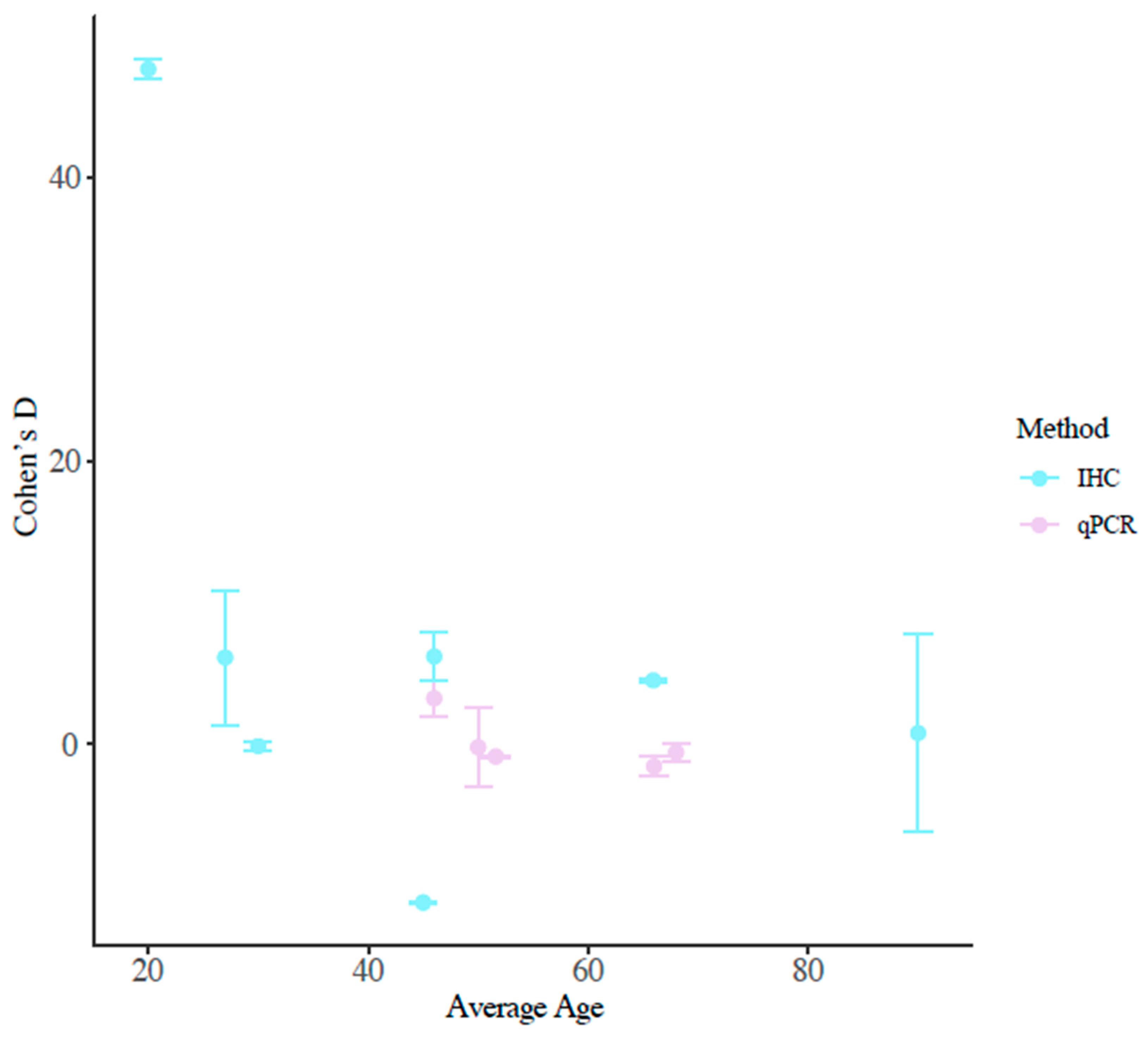
3. Results
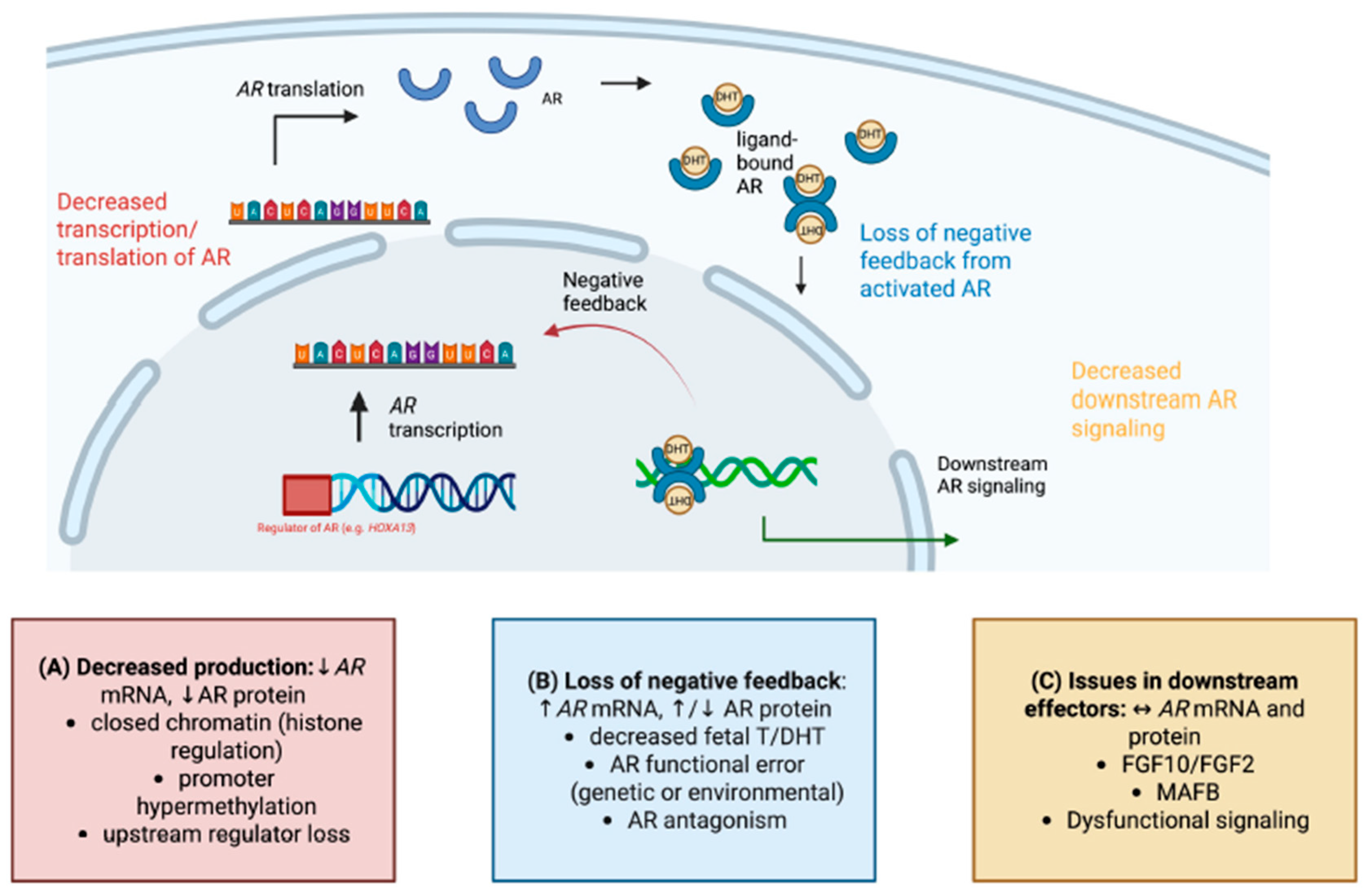
4. Discussion
4.1. Disruption in Testosterone Production or AR Function May Cause Elevated AR Expression
4.2. Epigenetic Alterations and Mutations in AR Regulators May Cause Diminished AR Expression
4.3. Mutations in Some Androgen-Responsive Genes and Morphogens Are Unlikely to Affect AR Expression
4.4. Endocrine-Disrupting Chemicals Have a Multitude of Impacts on AR Expression
4.5. Improvements in Investigating the Causative Factors of Human Hypospadias
4.6. Strengths and Limitations
5. Conclusions
Supplementary Materials
Author Contributions
Funding
Data Availability Statement
Conflicts of Interest
References
- Nelson, C.P.; Park, J.M.; Wan, J.; Bloom, D.A.; Dunn, R.L.; Wei, J.T. The increasing incidence of congenital penile anomalies in the United States. J. Urol. 2005, 174, 1573–1576. [Google Scholar] [CrossRef] [PubMed]
- Lavoie, C.; Chun, B.; Au, M.; Do, C.; Baker, Z.; Cortessis, V.; Sparks, S.S.; Syed, H.; Chang, A.Y. Comparing the incidence of hypospadias across the United States: A contemporary analysis. J. Pediatr. Urol. 2025, 21, 627–632. [Google Scholar] [CrossRef] [PubMed]
- Caione, P. Prevalence of hypospadias in European countries: Is it increasing? Eur. Urol. 2009, 55, 1027–1029, discussion 1029–1030. [Google Scholar] [CrossRef] [PubMed]
- Baskin, L.S. Hypospadias and urethral development. J. Urol. 2000, 163, 951–956. [Google Scholar] [CrossRef]
- Baskin, L.S. Hypospadias and Genital Development, 1st ed.; Springer: New York, NY, USA, 2004. [Google Scholar]
- van der Horst, H.J.; de Wall, L.L. Hypospadias, all there is to know. Eur. J. Pediatr. 2017, 176, 435–441, Erratum in Eur. J. Pediatr. 2017, 176, 1443. https://doi.org/10.1007/s00431-017-2971-3. [Google Scholar] [CrossRef]
- Keays, M.A.; Dave, S. Current hypospadias management: Diagnosis, surgical management, and long-term patient-centred outcomes. Can. Urol. Assoc. J. 2017, 11, S48–S53. [Google Scholar] [CrossRef]
- Ceccarelli, P.L.; Lucaccioni, L.; Poluzzi, F.; Bianchini, A.; Biondini, D.; Iughetti, L.; Predieri, B. Hypospadias: Clinical approach, surgical technique and long-term outcome. BMC Pediatr. 2021, 21, 523. [Google Scholar] [CrossRef]
- McNamara, E.R.; Schaeffer, A.J.; Logvinenko, T.; Seager, C.; Rosoklija, I.; Nelson, C.P.; Retik, A.B.; Diamond, D.A.; Cendron, M. Management of Proximal Hypospadias with 2-Stage Repair: 20-Year Experience. J. Urol. 2015, 194, 1080–1085. [Google Scholar] [CrossRef]
- Wu, Y.; Wang, J.; Zhao, T.; Wei, Y.; Han, L.; Liu, X.; Lin, T.; Wei, G.; Wu, S. Complications Following Primary Repair of Non-proximal Hypospadias in Children: A Systematic Review and Meta-Analysis. Front. Pediatr. 2020, 8, 579364. [Google Scholar] [CrossRef]
- Mamsen, L.S.; Ernst, E.H.; Borup, R.; Larsen, A.; Olesen, R.H.; Ernst, E.; Anderson, R.A.; Kristensen, S.G.; Andersen, C.Y. Temporal expression pattern of genes during the period of sex differentiation in human embryonic gonads. Sci. Rep. 2017, 7, 15961. [Google Scholar] [CrossRef]
- Connan-Perrot, S.; Léger, T.; Lelandais, P.; Desdoits-Lethimonier, C.; David, A.; Fowler, P.A.; Mazaud-Guittot, S. Six Decades of Research on Human Fetal Gonadal Steroids. Int. J. Mol. Sci. 2021, 22, 6681. [Google Scholar] [CrossRef] [PubMed]
- Sajjad, Y.; Quenby, S.; Nickson, P.; Lewis-Jones, D.I.; Vince, G. Immunohistochemical localization of androgen receptors in the urogenital tracts of human embryos. Reproduction 2004, 128, 331–339. [Google Scholar] [CrossRef] [PubMed]
- Chen, Z.; Lei, Y.; Finnell, R.H.; Ding, Y.; Su, Z.; Wang, Y.; Xie, H.; Chen, F. Whole-exome sequencing study of hypospadias. iScience 2023, 26, 106663. [Google Scholar] [CrossRef] [PubMed]
- Rouiller-Fabre, V.; Guerquin, M.J.; N’Tumba-Byn, T.; Muczynski, V.; Moison, D.; Tourpin, S.; Messiaen, S.; Habert, R.; Livera, G. Nuclear receptors and endocrine disruptors in fetal and neonatal testes: A gapped landscape. Front. Endocrinol. 2015, 6, 58. [Google Scholar] [CrossRef]
- Svechnikov, K.; Izzo, G.; Landreh, L.; Weisser, J.; Söder, O. Endocrine disruptors and Leydig cell function. J. Biomed. Biotechnol. 2010, 2010, 684504. [Google Scholar] [CrossRef]
- Mattiske, D.M.; Pask, A.J. Endocrine disrupting chemicals in the pathogenesis of hypospadias; developmental and toxicological perspectives. Curr. Res. Toxicol. 2021, 2, 179–191. [Google Scholar] [CrossRef]
- Rocheleau, C.M.; Romitti, P.A.; Dennis, L.K. Pesticides and hypospadias: A meta-analysis. J. Pediatr. Urol. 2009, 5, 17–24. [Google Scholar] [CrossRef]
- Rodprasert, W.; Toppari, J.; Virtanen, H.E. Endocrine Disrupting Chemicals and Reproductive Health in Boys and Men. Front. Endocrinol. 2021, 12, 706532. [Google Scholar] [CrossRef]
- Bonde, J.P.; Flachs, E.M.; Rimborg, S.; Glazer, C.H.; Giwercman, A.; Ramlau-Hansen, C.H.; Hougaard, K.S.; Høyer, B.B.; Hærvig, K.K.; Petersen, S.B.; et al. The epidemiologic evidence linking prenatal and postnatal exposure to endocrine disrupting chemicals with male reproductive disorders: A systematic review and meta-analysis. Hum. Reprod. Update 2016, 23, 104–125. [Google Scholar] [CrossRef]
- Kalfa, N.; Paris, F.; Soyer-Gobillard, M.O.; Daures, J.P.; Sultan, C. Prevalence of hypospadias in grandsons of women exposed to diethylstilbestrol during pregnancy: A multigenerational national cohort study. Fertil. Steril. 2011, 95, 2574–2577. [Google Scholar] [CrossRef]
- Jin, H.J.; Kim, J.; Yu, J. Androgen receptor genomic regulation. Transl. Androl. Urol. 2013, 2, 157–177. [Google Scholar] [CrossRef]
- Alléra, A.; Herbst, M.A.; Griffin, J.E.; Wilson, J.D.; Schweikert, H.U.; McPhaul, M.J. Mutations of the androgen receptor coding sequence are infrequent in patients with isolated hypospadias. J. Clin. Endocrinol. Metab. 1995, 80, 2697–2699. [Google Scholar] [CrossRef]
- Brockschmidt, F.F.; Nöthen, M.M.; Hillmer, A.M. The two most common alleles of the coding GGN repeat in the androgen receptor gene cause differences in protein function. J. Mol. Endocrinol. 2007, 39, 1–8. [Google Scholar] [CrossRef]
- Kazemi-Esfarjani, P.; Trifiro, M.A.; Pinsky, L. Evidence for a repressive function of the long polyglutamine tract in the human androgen receptor: Possible pathogenetic relevance for the (CAG)n-expanded neuronopathies. Hum. Mol. Genet. 1995, 4, 523–527. [Google Scholar] [CrossRef]
- Huang, G.; Shan, W.; Zeng, L.; Huang, L. Androgen receptor gene CAG repeat polymorphism and risk of isolated hypospadias: Results from a meta-analysis. Genet. Mol. Res. 2015, 14, 1580–1588. [Google Scholar] [CrossRef] [PubMed]
- Kaefer, M.; Rink, R.; Misseri, R.; Winchester, P.; Proctor, C.; Ben Maamar, M.; Beck, D.; Nilsson, E.; Skinner, M.K. Role of epigenetics in the etiology of hypospadias through penile foreskin DNA methylation alterations. Sci. Rep. 2023, 13, 555. [Google Scholar] [CrossRef] [PubMed]
- Sutherland, R.W.; Wiener, J.S.; Hicks, J.P.; Marcelli, M.; Gonzales, E.T.; Roth, D.R.; Lamb, D.J. Androgen receptor gene mutations are rarely associated with isolated penile hypospadias. J. Urol. 1996, 156, 828–831. [Google Scholar] [CrossRef] [PubMed]
- Balaji, D.R.; Reddy, G.; Babu, R.; Paramaswamy, B.; Ramasundaram, M.; Agarwal, P.; Joseph, L.D.; D’Cruze, L.; Sundaram, S. Androgen Receptor Expression in Hypospadias. J. Indian Assoc. Pediatr. Surg. 2020, 25, 6–9. [Google Scholar] [CrossRef]
- Pichler, R.; Djedovic, G.; Klocker, H.; Heidegger, I.; Strasak, A.; Loidl, W.; Bektic, J.; Skradski, V.; Horninger, W.; Oswald, J. Quantitative measurement of the androgen receptor in prepuces of boys with and without hypospadias. BJU Int. 2013, 112, 265–270. [Google Scholar] [CrossRef]
- Drevon, D.; Fursa, S.R.; Malcolm, A.L. Intercoder Reliability and Validity of WebPlotDigitizer in Extracting Graphed Data. Behav. Modif. 2017, 41, 323–339. [Google Scholar] [CrossRef]
- Vottero, A.; Minari, R.; Viani, I.; Tassi, F.; Bonatti, F.; Neri, T.M.; Bertolini, L.; Bernasconi, S.; Ghizzoni, L. Evidence for epigenetic abnormalities of the androgen receptor gene in foreskin from children with hypospadias. J. Clin. Endocrinol. Metab. 2011, 96, E1953–E1962. [Google Scholar] [CrossRef]
- Team, R.C. R: A Language and Environment for Statistical Computing and Graphics; R Foundation for Statistical Computing: Vienna, Austria, 2022. [Google Scholar]
- Balduzzi, S.; Rücker, G.; Schwarzer, G. How to perform a meta-analysis with R: A practical tutorial. Evid. Based Ment. Health 2019, 22, 153–160. [Google Scholar] [CrossRef]
- Lakens, D. Calculating and reporting effect sizes to facilitate cumulative science: A practical primer for t-tests and ANOVAs. Front. Psychol. 2013, 4, 863. [Google Scholar] [CrossRef] [PubMed]
- DerSimonian, R.; Laird, N. Meta-analysis in clinical trials revisited. Contemp. Clin. Trials 2015, 45, 139–145. [Google Scholar] [CrossRef] [PubMed]
- Emaratpardaz, N.; Turkyilmaz, Z.; Karabulut, R.; Dayanir, D.; Kaya, C.; Sert, A.; Arkan, G.; Ucaner, F.A.; Kapisiz, A.; Eryilmaz, S.; et al. Comparison of FGF-8, FGF-10, FGF-Receptor 2, Androgen Receptor, Estrogen Receptor-A and SS in Healthy and Hypospadiac Children. Balkan J. Med. Genet. 2024, 27, 21–29. [Google Scholar] [CrossRef] [PubMed]
- Kocaturk, H.; Özkaya, F.; Adanur, S.; Yapanoglu, T.; Aksoy, Y. Expression of androgen receptor and estrogen receptor-beta in foreskin tissue of hypospadiac and healthy boys. Arch. Esp. Urol. 2020, 73, 119–125. [Google Scholar]
- Rai, S.; Sanikop, A.; Ghagane, S.; Nerli, R. Androgen receptor study in children with hypospadias in comparison with children with normal genitalia. IP Arch. Cytol. Histopathol. Res. 2023, 8, 206–209. [Google Scholar] [CrossRef]
- Qiao, L.; Tasian, G.E.; Zhang, H.; Cao, M.; Ferretti, M.; Cunha, G.R.; Baskin, L.S. Androgen receptor is overexpressed in boys with severe hypospadias, and ZEB1 regulates androgen receptor expression in human foreskin cells. Pediatr. Res. 2012, 71, 393–398. [Google Scholar] [CrossRef]
- Bentvelsen, F.M.; Brinkmann, A.O.; van der Linden, J.E.; Schröder, F.H.; Nijman, J.M. Decreased immunoreactive androgen receptor levels are not the cause of isolated hypospadias. Br. J. Urol. 1995, 76, 384–388. [Google Scholar] [CrossRef]
- Yeşildal, C.; Yilmaz, Ö.; Akan, S.; Küçükodaci, Z.; Yenigürbüz, S.; Ediz, C. Is primary adult hypospadiatic prepuce different from healthy prepuce in terms of microvascular density and androgen-estrogen-progesterone receptors? Andrologia 2021, 53, e13857. [Google Scholar] [CrossRef]
- Danurdoro, A.; Ghinorawa, T.; Yuri, P.; Setyo Hariyanto, D.; Rodjani, A.; Wahyudi, I.; Hutasoit, Y.; Alfanius Hutahaean, A. Comparison of Androgen and Estrogen Receptors’ Expression in Dartos Tissue of Boys With and Without Hypospadias. Indones. J. Urol. 2023, 30, 14–20. [Google Scholar] [CrossRef]
- Khanna, S.; Shankar Raman, V.; Badwal, S.; Vinu Balraam, K.V. Quantification of the Androgen and Estrogen Receptors in the Penile Tissues of Hypospadias in Comparison with Normal Children. Fetal Pediatr. Pathol. 2023, 42, 175–186. [Google Scholar] [CrossRef]
- Inanc, I.; Avlan, D.; Eker, D.; Gurkan, H. A Genetics Study in the Foreskin of Boys with Hypospadias. Mol. Syndromol. 2023, 14, 185–190. [Google Scholar] [CrossRef] [PubMed]
- Silva, T.S.; Richeti, F.; Cunha, D.P.; Amarante, A.C.; de Souza Leão, J.Q.; Longui, C.A. Androgen receptor mRNA measured by quantitative real time PCR is decreased in the urethral mucosa of patients with middle idiopathic hypospadias. Horm. Metab. Res. 2013, 45, 495–500. [Google Scholar] [CrossRef] [PubMed]
- Yıldız, S.; Inanç, I.; Zhuri, D.; Atlı, E.; Avlan, D. The possible role of epigenetics in the etiology of hypospadias. J. Pediatr. Urol. 2024, 20, 877–883. [Google Scholar] [CrossRef] [PubMed]
- van der Zanden, L.F.; van Rooij, I.A.; Feitz, W.F.; Franke, B.; Knoers, N.V.; Roeleveld, N. Aetiology of hypospadias: A systematic review of genes and environment. Hum. Reprod. Update 2012, 18, 260–283. [Google Scholar] [CrossRef]
- O’Shaughnessy, P.J.; Fowler, P.A. Development of the human fetal testis. Ann. Endocrinol. 2014, 75, 48–53. [Google Scholar] [CrossRef]
- O’Shaughnessy, P.J. Hormonal control of germ cell development and spermatogenesis. Semin. Cell Dev. Biol. 2014, 29, 55–65. [Google Scholar] [CrossRef]
- Bell, M.R. Comparing Postnatal Development of Gonadal Hormones and Associated Social Behaviors in Rats, Mice, and Humans. Endocrinology 2018, 159, 2596–2613. [Google Scholar] [CrossRef]
- Goodman, R.L.; Herbison, A.E.; Lehman, M.N.; Navarro, V.M. Neuroendocrine control of gonadotropin-releasing hormone: Pulsatile and surge modes of secretion. J. Neuroendocrinol. 2022, 34, e13094. [Google Scholar] [CrossRef]
- Skakkebaek, N.E.; Rajpert-De Meyts, E.; Main, K.M. Testicular dysgenesis syndrome: An increasingly common developmental disorder with environmental aspects. Hum. Reprod. 2001, 16, 972–978. [Google Scholar] [CrossRef]
- Lin, H.K.; Wang, L.; Hu, Y.C.; Altuwaijri, S.; Chang, C. Phosphorylation-dependent ubiquitylation and degradation of androgen receptor by Akt require Mdm2 E3 ligase. EMBO J. 2002, 21, 4037–4048. [Google Scholar] [CrossRef] [PubMed]
- Cai, C.; He, H.H.; Chen, S.; Coleman, I.; Wang, H.; Fang, Z.; Nelson, P.S.; Liu, X.S.; Brown, M.; Balk, S.P. Androgen receptor gene expression in prostate cancer is directly suppressed by the androgen receptor through recruitment of lysine-specific demethylase 1. Cancer Cell 2011, 20, 457–471. [Google Scholar] [CrossRef] [PubMed]
- Jacob, A.; Raj, R.; Allison, D.B.; Myint, Z.W. Androgen Receptor Signaling in Prostate Cancer and Therapeutic Strategies. Cancers 2021, 13, 5417. [Google Scholar] [CrossRef] [PubMed]
- Chen, C.D.; Welsbie, D.S.; Tran, C.; Baek, S.H.; Chen, R.; Vessella, R.; Rosenfeld, M.G.; Sawyers, C.L. Molecular determinants of resistance to antiandrogen therapy. Nat. Med. 2004, 10, 33–39. [Google Scholar] [CrossRef]
- Furr, B.J.; Tucker, H. The preclinical development of bicalutamide: Pharmacodynamics and mechanism of action. Urology 1996, 47, 13–25, discussion 29–32. [Google Scholar] [CrossRef]
- Zheng, Z.; Armfield, B.A.; Cohn, M.J. Timing of androgen receptor disruption and estrogen exposure underlies a spectrum of congenital penile anomalies. Proc. Natl. Acad. Sci. USA 2015, 112, E7194–E7203. [Google Scholar] [CrossRef]
- Elmelund, E.; Draskau, M.K.; Berg, M.; Strand, I.W.; Black, J.R.; Axelstad, M.; Pask, A.J.; Svingen, T. Androgen receptor antagonist flutamide modulates estrogen receptor alpha expression in distinct regions of the hypospadiac rat penis. Front. Endocrinol. 2025, 16, 1654965. [Google Scholar] [CrossRef]
- Agras, K.; Willingham, E.; Liu, B.; Baskin, L.S. Ontogeny of androgen receptor and disruption of its mRNA expression by exogenous estrogens during morphogenesis of the genital tubercle. J. Urol. 2006, 176, 1883–1888, Erratum in J. Urol. 2007, 177, 799. https://doi.org/10.1016/S0022-5347(06)00613-6. [Google Scholar] [CrossRef]
- Amato, C.M.; Yao, H.H. Developmental and sexual dimorphic atlas of the prenatal mouse external genitalia at the single-cell level. Proc. Natl. Acad. Sci. USA 2021, 118, e2103856118. [Google Scholar] [CrossRef]
- Lee, D.K.; Chang, C. Endocrine mechanisms of disease: Expression and degradation of androgen receptor: Mechanism and clinical implication. J. Clin. Endocrinol. Metab. 2003, 88, 4043–4054. [Google Scholar] [CrossRef]
- Carmichael, S.L.; Ma, C.; Choudhry, S.; Lammer, E.J.; Witte, J.S.; Shaw, G.M. Hypospadias and genes related to genital tubercle and early urethral development. J. Urol. 2013, 190, 1884–1892. [Google Scholar] [CrossRef] [PubMed]
- Mortlock, D.P.; Innis, J.W. Mutation of HOXA13 in hand-foot-genital syndrome. Nat. Genet. 1997, 15, 179–180. [Google Scholar] [CrossRef] [PubMed]
- Morgan, E.A.; Nguyen, S.B.; Scott, V.; Stadler, H.S. Loss of Bmp7 and Fgf8 signaling in Hoxa13-mutant mice causes hypospadia. Development 2003, 130, 3095–3109. [Google Scholar] [CrossRef] [PubMed]
- Wu, D.; Sunkel, B.; Chen, Z.; Liu, X.; Ye, Z.; Li, Q.; Grenade, C.; Ke, J.; Zhang, C.; Chen, H.; et al. Three-tiered role of the pioneer factor GATA2 in promoting androgen-dependent gene expression in prostate cancer. Nucleic Acids Res. 2014, 42, 3607–3622. [Google Scholar] [CrossRef]
- Wang, Q.; Li, W.; Liu, X.S.; Carroll, J.S.; Jänne, O.A.; Keeton, E.K.; Chinnaiyan, A.M.; Pienta, K.J.; Brown, M. A hierarchical network of transcription factors governs androgen receptor-dependent prostate cancer growth. Mol. Cell 2007, 27, 380–392. [Google Scholar] [CrossRef]
- Kneppers, J.; Severson, T.M.; Siefert, J.C.; Schol, P.; Joosten, S.E.P.; Yu, I.P.L.; Huang, C.F.; Morova, T.; Altıntaş, U.B.; Giambartolomei, C.; et al. Extensive androgen receptor enhancer heterogeneity in primary prostate cancers underlies transcriptional diversity and metastatic potential. Nat. Commun. 2022, 13, 7367. [Google Scholar] [CrossRef]
- Plank, J.L.; Dean, A. Enhancer function: Mechanistic and genome-wide insights come together. Mol. Cell 2014, 55, 5–14. [Google Scholar] [CrossRef]
- Amato, C.M.; Yao, H.H.; Zhao, F. One Tool for Many Jobs: Divergent and Conserved Actions of Androgen Signaling in Male Internal Reproductive Tract and External Genitalia. Front. Endocrinol. 2022, 13, 910964. [Google Scholar] [CrossRef]
- Haller, M.; Ma, L. Temporal, spatial, and genetic regulation of external genitalia development. Differentiation 2019, 110, 1–7. [Google Scholar] [CrossRef]
- Geller, F.; Feenstra, B.; Carstensen, L.; Pers, T.H.; van Rooij, I.A.; Körberg, I.B.; Choudhry, S.; Karjalainen, J.M.; Schnack, T.H.; Hollegaard, M.V.; et al. Genome-wide association analyses identify variants in developmental genes associated with hypospadias. Nat. Genet. 2014, 46, 957–963. [Google Scholar] [CrossRef] [PubMed]
- Stelloo, S.; Bergman, A.M.; Zwart, W. Androgen receptor enhancer usage and the chromatin regulatory landscape in human prostate cancers. Endocr. Relat. Cancer 2019, 26, R267–R285. [Google Scholar] [CrossRef] [PubMed]
- Tian, J.; Lee, S.O.; Liang, L.; Luo, J.; Huang, C.K.; Li, L.; Niu, Y.; Chang, C. Targeting the unique methylation pattern of androgen receptor (AR) promoter in prostate stem/progenitor cells with 5-aza-2’-deoxycytidine (5-AZA) leads to suppressed prostate tumorigenesis. J. Biol. Chem. 2012, 287, 39954–39966, Erratum in J. Biol. Chem. 2020, 295, 16469. https://doi.org/10.1074/jbc.AAC120.016615. [Google Scholar] [CrossRef] [PubMed]
- Shi, X.B.; Xue, L.; Ma, A.H.; Tepper, C.G.; Gandour-Edwards, R.; Kung, H.J.; deVere White, R.W. Tumor suppressive miR-124 targets androgen receptor and inhibits proliferation of prostate cancer cells. Oncogene 2013, 32, 4130–4138. [Google Scholar] [CrossRef]
- Sikand, K.; Slaibi, J.E.; Singh, R.; Slane, S.D.; Shukla, G.C. miR 488* inhibits androgen receptor expression in prostate carcinoma cells. Int. J. Cancer 2011, 129, 810–819. [Google Scholar] [CrossRef]
- Kumar, B.; Khaleghzadegan, S.; Mears, B.; Hatano, K.; Kudrolli, T.A.; Chowdhury, W.H.; Yeater, D.B.; Ewing, C.M.; Luo, J.; Isaacs, W.B.; et al. Identification of miR-30b-3p and miR-30d-5p as direct regulators of androgen receptor signaling in prostate cancer by complementary functional microRNA library screening. Oncotarget 2016, 7, 72593–72607. [Google Scholar] [CrossRef]
- Ma, T.; Bai, S.; Qi, Y.; Zhan, Y.; Ungerleider, N.; Zhang, D.Y.; Neklesa, T.; Corey, E.; Dehm, S.M.; Zhang, K.; et al. Increased transcription and high translation efficiency lead to accumulation of androgen receptor splice variant after androgen deprivation therapy. Cancer Lett. 2021, 504, 37–48. [Google Scholar] [CrossRef]
- Blaschko, S.D.; Cunha, G.R.; Baskin, L.S. Molecular mechanisms of external genitalia development. Differentiation 2012, 84, 261–268. [Google Scholar] [CrossRef]
- Perriton, C.L.; Powles, N.; Chiang, C.; Maconochie, M.K.; Cohn, M.J. Sonic hedgehog signaling from the urethral epithelium controls external genital development. Dev. Biol. 2002, 247, 26–46. [Google Scholar] [CrossRef]
- Wang, C.; Gargollo, P.; Guo, C.; Tang, T.; Mingin, G.; Sun, Y.; Li, X. Six1 and Eya1 are critical regulators of peri-cloacal mesenchymal progenitors during genitourinary tract development. Dev. Biol. 2011, 360, 186–194. [Google Scholar] [CrossRef]
- Matsumaru, D.; Haraguchi, R.; Moon, A.M.; Satoh, Y.; Nakagata, N.; Yamamura, K.; Takahashi, N.; Kitazawa, S.; Yamada, G. Genetic analysis of the role of Alx4 in the coordination of lower body and external genitalia formation. Eur. J. Hum. Genet. 2014, 22, 350–357. [Google Scholar] [CrossRef]
- van der Zanden, L.F.; van Rooij, I.A.; Feitz, W.F.; Knight, J.; Donders, A.R.; Renkema, K.Y.; Bongers, E.M.; Vermeulen, S.H.; Kiemeney, L.A.; Veltman, J.A.; et al. Common variants in DGKK are strongly associated with risk of hypospadias. Nat. Genet. 2011, 43, 48–50, Erratum in Nat. Genet. 2011, 43, 277. https://doi.org/10.1038/ng.721. [Google Scholar] [CrossRef]
- Suzuki, K.; Numata, T.; Suzuki, H.; Raga, D.D.; Ipulan, L.A.; Yokoyama, C.; Matsushita, S.; Hamada, M.; Nakagata, N.; Nishinakamura, R.; et al. Sexually dimorphic expression of Mafb regulates masculinization of the embryonic urethral formation. Proc. Natl. Acad. Sci. USA 2014, 111, 16407–16412. [Google Scholar] [CrossRef]
- Gingrich, J.; Ticiani, E.; Veiga-Lopez, A. Placenta Disrupted: Endocrine Disrupting Chemicals and Pregnancy. Trends Endocrinol. Metab. 2020, 31, 508–524. [Google Scholar] [CrossRef] [PubMed]
- Welsh, M.; Saunders, P.T.; Fisken, M.; Scott, H.M.; Hutchison, G.R.; Smith, L.B.; Sharpe, R.M. Identification in rats of a programming window for reproductive tract masculinization, disruption of which leads to hypospadias and cryptorchidism. J. Clin. Investig. 2008, 118, 1479–1490. [Google Scholar] [CrossRef] [PubMed]
- Vilela, M.L.; Willingham, E.; Buckley, J.; Liu, B.C.; Agras, K.; Shiroyanagi, Y.; Baskin, L.S. Endocrine disruptors and hypospadias: Role of genistein and the fungicide vinclozolin. Urology 2007, 70, 618–621. [Google Scholar] [CrossRef] [PubMed]
- Amato, C.M.; Boyd, M.; Yang, J.; McCoy, K.A. Organizational effects of the antiandrogen, vinclozolin, on penis development in the mouse. Biol. Reprod. 2018, 99, 639–649. [Google Scholar] [CrossRef]
- Gray, L.E.; Ostby, J.S.; Kelce, W.R. Developmental effects of an environmental antiandrogen: The fungicide vinclozolin alters sex differentiation of the male rat. Toxicol. Appl. Pharmacol. 1994, 129, 46–52. [Google Scholar] [CrossRef]
- Drake, A.J.; van den Driesche, S.; Scott, H.M.; Hutchison, G.R.; Seckl, J.R.; Sharpe, R.M. Glucocorticoids amplify dibutyl phthalate-induced disruption of testosterone production and male reproductive development. Endocrinology 2009, 150, 5055–5064. [Google Scholar] [CrossRef]
- Jiang, J.T.; Zhong, C.; Zhu, Y.P.; Xu, D.L.; Wood, K.; Sun, W.L.; Li, E.H.; Liu, Z.H.; Zhao, W.; Ruan, Y.; et al. Prenatal exposure to di-n-butyl phthalate (DBP) differentially alters androgen cascade in undeformed versus hypospadiac male rat offspring. Reprod. Toxicol. 2016, 61, 75–81. [Google Scholar] [CrossRef]
- Fan, W.; Yanase, T.; Morinaga, H.; Gondo, S.; Okabe, T.; Nomura, M.; Komatsu, T.; Morohashi, K.; Hayes, T.B.; Takayanagi, R.; et al. Atrazine-induced aromatase expression is SF-1 dependent: Implications for endocrine disruption in wildlife and reproductive cancers in humans. Environ. Health Perspect. 2007, 115, 720–727. [Google Scholar] [CrossRef] [PubMed]
- Inoue-Choi, M.; Weyer, P.J.; Jones, R.R.; Booth, B.J.; Cantor, K.P.; Robien, K.; Ward, M.H. Atrazine in public water supplies and risk of ovarian cancer among postmenopausal women in the Iowa Women’s Health Study. Occup. Environ. Med. 2016, 73, 582–587. [Google Scholar] [CrossRef] [PubMed]
- Tan, H.; Wu, G.; Wang, S.; Lawless, J.; Sinn, A.; Chen, D.; Zheng, Z. Prenatal exposure to atrazine induces cryptorchidism and hypospadias in F1 male mouse offspring. Birth Defects Res. 2021, 113, 469–484. [Google Scholar] [CrossRef] [PubMed]
- Lanciotti, L.; Cofini, M.; Leonardi, A.; Penta, L.; Esposito, S. Up-To-Date Review About Minipuberty and Overview on Hypothalamic-Pituitary-Gonadal Axis Activation in Fetal and Neonatal Life. Front. Endocrinol. 2018, 9, 410. [Google Scholar] [CrossRef]
- Harbord, R.M.; Egger, M.; Sterne, J.A. A modified test for small-study effects in meta-analyses of controlled trials with binary endpoints. Stat. Med. 2006, 25, 3443–3457. [Google Scholar] [CrossRef]
- Ahmed, S.F.; Cheng, A.; Dovey, L.; Hawkins, J.R.; Martin, H.; Rowland, J.; Shimura, N.; Tait, A.D.; Hughes, I.A. Phenotypic features, androgen receptor binding, and mutational analysis in 278 clinical cases reported as androgen insensitivity syndrome. J. Clin. Endocrinol. Metab. 2000, 85, 658–665. [Google Scholar] [CrossRef]
- McPhaul, M.J. Molecular defects of the androgen receptor. Recent Prog. Horm. Res. 2002, 57, 181–194. [Google Scholar] [CrossRef]
- Murashima, A.; Kishigami, S.; Thomson, A.; Yamada, G. Androgens and mammalian male reproductive tract development. Biochim. Biophys. Acta 2015, 1849, 163–170. [Google Scholar] [CrossRef]
- Pomerantz, M.M.; Li, F.; Takeda, D.Y.; Lenci, R.; Chonkar, A.; Chabot, M.; Cejas, P.; Vazquez, F.; Cook, J.; Shivdasani, R.A.; et al. The androgen receptor cistrome is extensively reprogrammed in human prostate tumorigenesis. Nat. Genet. 2015, 47, 1346–1351. [Google Scholar] [CrossRef]
- Page, M.J.; McKenzie, J.E.; Bossuyt, P.M.; Boutron, I.; Hoffmann, T.C.; Mulrow, C.D.; Shamseer, L.; Tetzlaff, J.M.; Akl, E.A.; Brennan, S.E.; et al. The PRISMA 2020 statement: An updated guideline for reporting systematic reviews. BMJ 2021, 372, n71. [Google Scholar] [CrossRef]





| Study | Control (n) | Hypospadias (n) | Control Mean Age (Months) | Hypospadias Mean Age (Months) | AR Expression | Quantified Variable | Newcastle–Ottawa Quality |
|---|---|---|---|---|---|---|---|
| Balaji et al. 2020 [29] | 27 | 16 | 27 | 27 | increased | protein | 6 |
| Emaratpardaz et al. 2024 [37] | 20 | 20 | 59.4 | 72.45 | increased | protein | 5.5 |
| Kocaturk et al. 2020 [38] | 15 | 30 | 82.8 | 106.8 | increased | protein | 5.5 |
| Pichler et al. 2013 [30] | 20 | 20 | 61.8 | 30.9 | increased | mRNA and protein | 6 |
| Rai et al. 2023 [39] | 24 | 32 | 27.08 | 34.03 | increased | protein | 6 |
| Qiao et al. 2012 [40] | 13 | 32 | Not reported | Not reported | increased | mRNA | 5 |
| Bentvelsen et al. 1995 [41] | 7 | 15 | 30 | 30 | no difference | protein | 5 |
| Yeşildal et al. 2021 [42] | 10 | 18 | 240–288 (no mean reported) | 216–300 (no mean reported) | no difference | protein | 6 |
| Danurdoro et al. 2023 [43] | 10 | 53 | 65.6 | 68.99 | decreased | mRNA | 5.5 |
| Khanna et al. 2023 [44] | 75 | 75 | 43.4 | 48.6 | decreased | protein | 5.5 |
| Inanc et al. 2023 [45] | 26 | 26 | 70.61 | 66.73 | decreased | mRNA | 5.5 |
| Silva et al. 2013 [46] | 41 | 17 | 56.4 | 48 | decreased | mRNA | 5.5 |
| Yildiz et al. 2024 [47] | 20 | 20 | 49.04 | 52.05 | decreased | mRNA | 5.5 |
Disclaimer/Publisher’s Note: The statements, opinions and data contained in all publications are solely those of the individual author(s) and contributor(s) and not of MDPI and/or the editor(s). MDPI and/or the editor(s) disclaim responsibility for any injury to people or property resulting from any ideas, methods, instructions or products referred to in the content. |
© 2026 by the authors. Licensee MDPI, Basel, Switzerland. This article is an open access article distributed under the terms and conditions of the Creative Commons Attribution (CC BY) license.
Share and Cite
Ko, S.; Malm-Buatsi, E.; Amato, C.M. Unraveling the Androgen Receptor’s Role in Hypospadias: A Systematic Review and Meta-Analysis. Int. J. Mol. Sci. 2026, 27, 718. https://doi.org/10.3390/ijms27020718
Ko S, Malm-Buatsi E, Amato CM. Unraveling the Androgen Receptor’s Role in Hypospadias: A Systematic Review and Meta-Analysis. International Journal of Molecular Sciences. 2026; 27(2):718. https://doi.org/10.3390/ijms27020718
Chicago/Turabian StyleKo, Sooah, Elizabeth Malm-Buatsi, and Ciro Maurizio Amato. 2026. "Unraveling the Androgen Receptor’s Role in Hypospadias: A Systematic Review and Meta-Analysis" International Journal of Molecular Sciences 27, no. 2: 718. https://doi.org/10.3390/ijms27020718
APA StyleKo, S., Malm-Buatsi, E., & Amato, C. M. (2026). Unraveling the Androgen Receptor’s Role in Hypospadias: A Systematic Review and Meta-Analysis. International Journal of Molecular Sciences, 27(2), 718. https://doi.org/10.3390/ijms27020718