
NLRP3 Inflammasome and Polycystic Ovary Syndrome (PCOS): A Novel Profile in Adipose Tissue





Abstract
1. Introduction
2. Results
2.1. Gene Expression Levels of Caspase-1, NLRP3, IL-1β, and PYCARD Genes
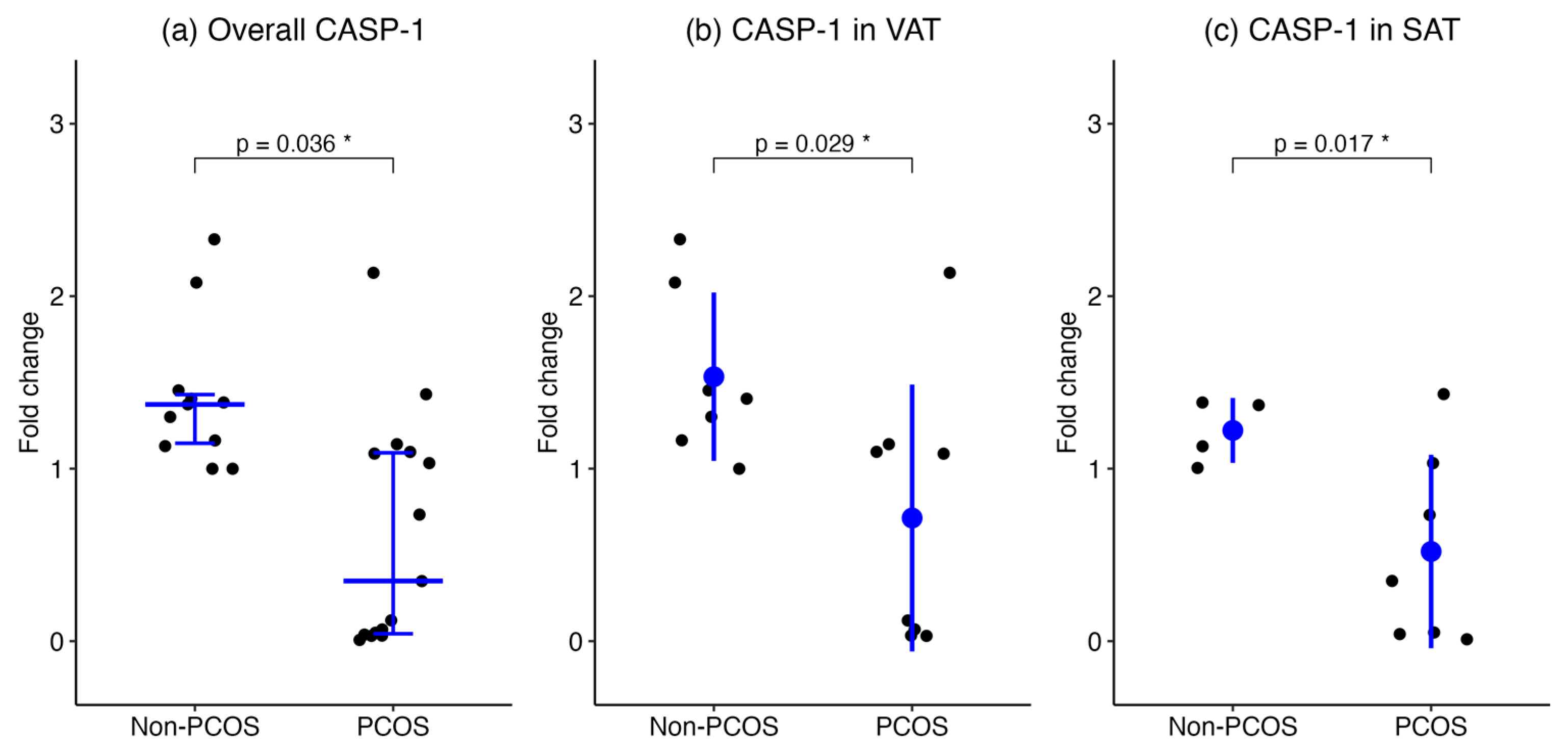
2.1.1. Caspase-1 (CASP-1) Gene Expression
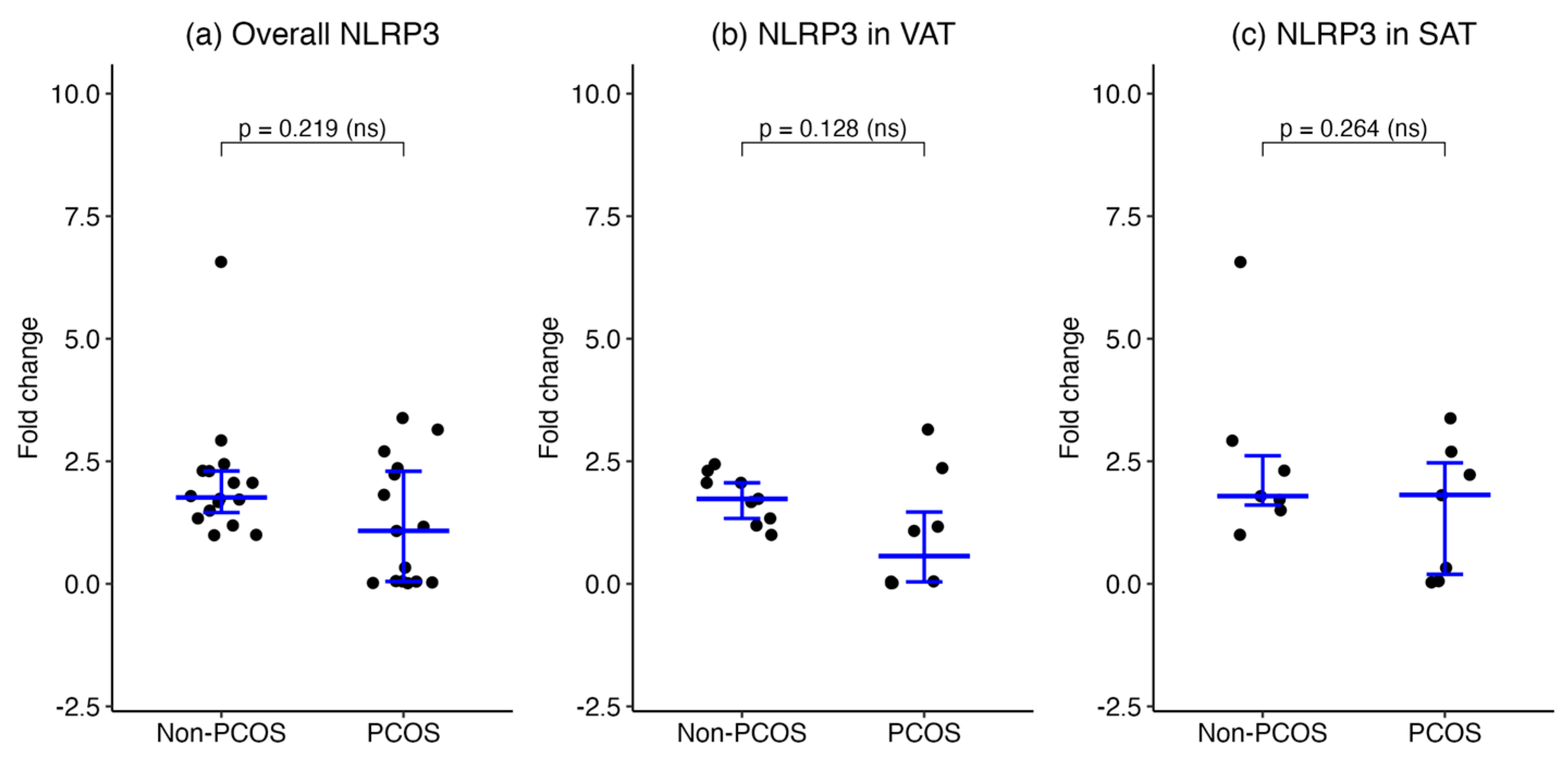
2.1.2. NLRP3 Gene Expression
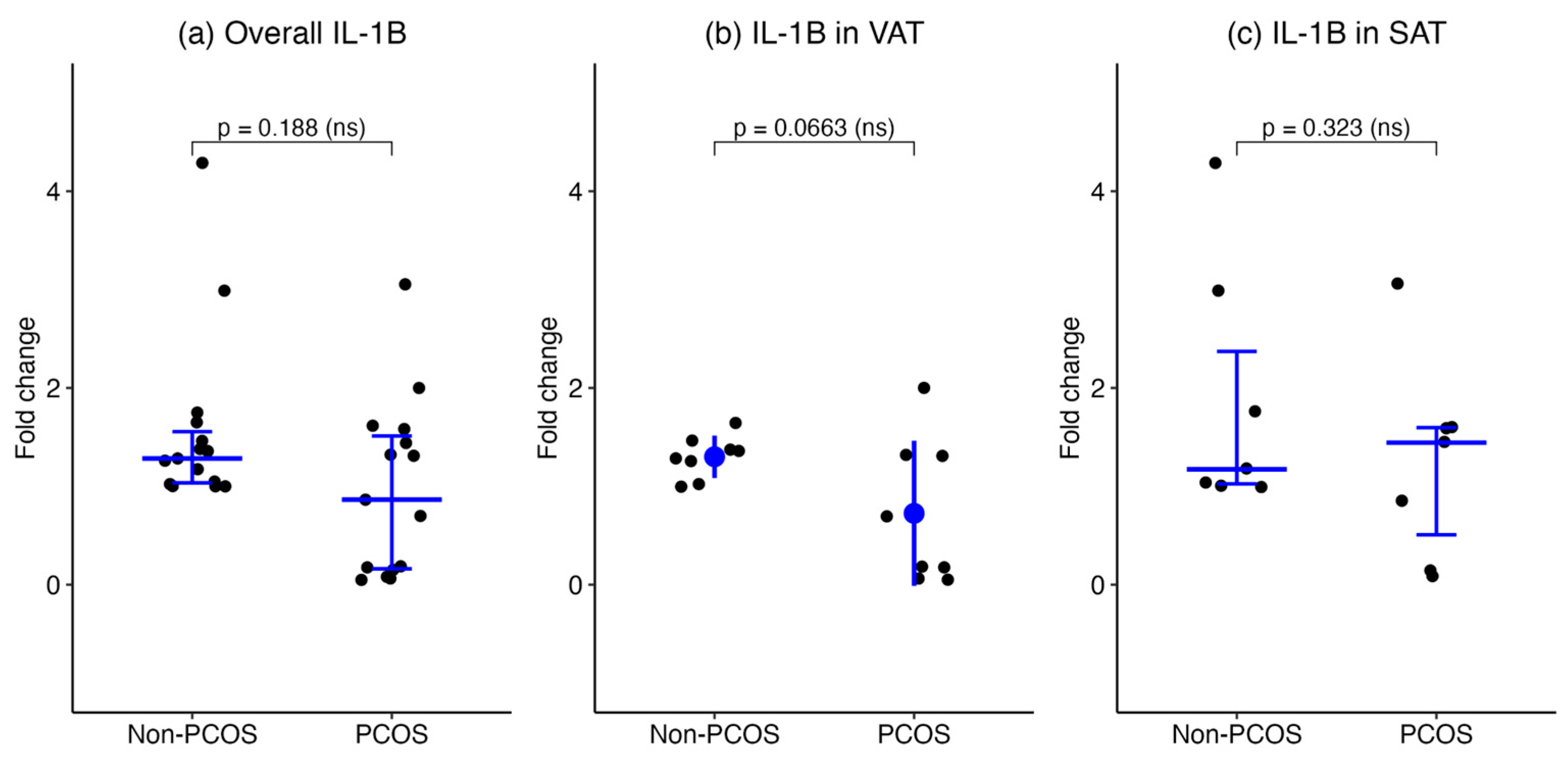
2.1.3. IL-1β Gene Expression
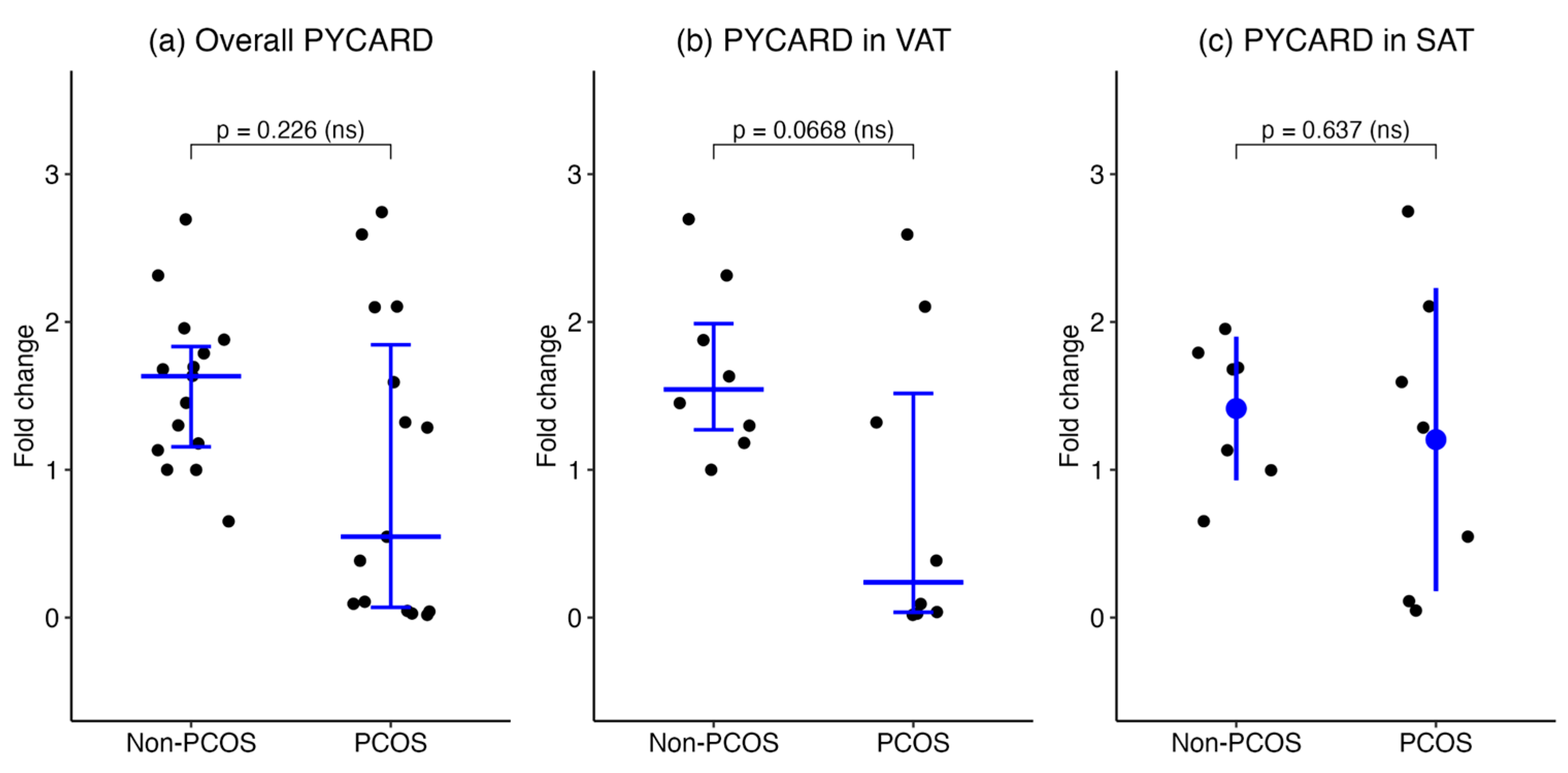
2.1.4. PYCARD Gene Expression
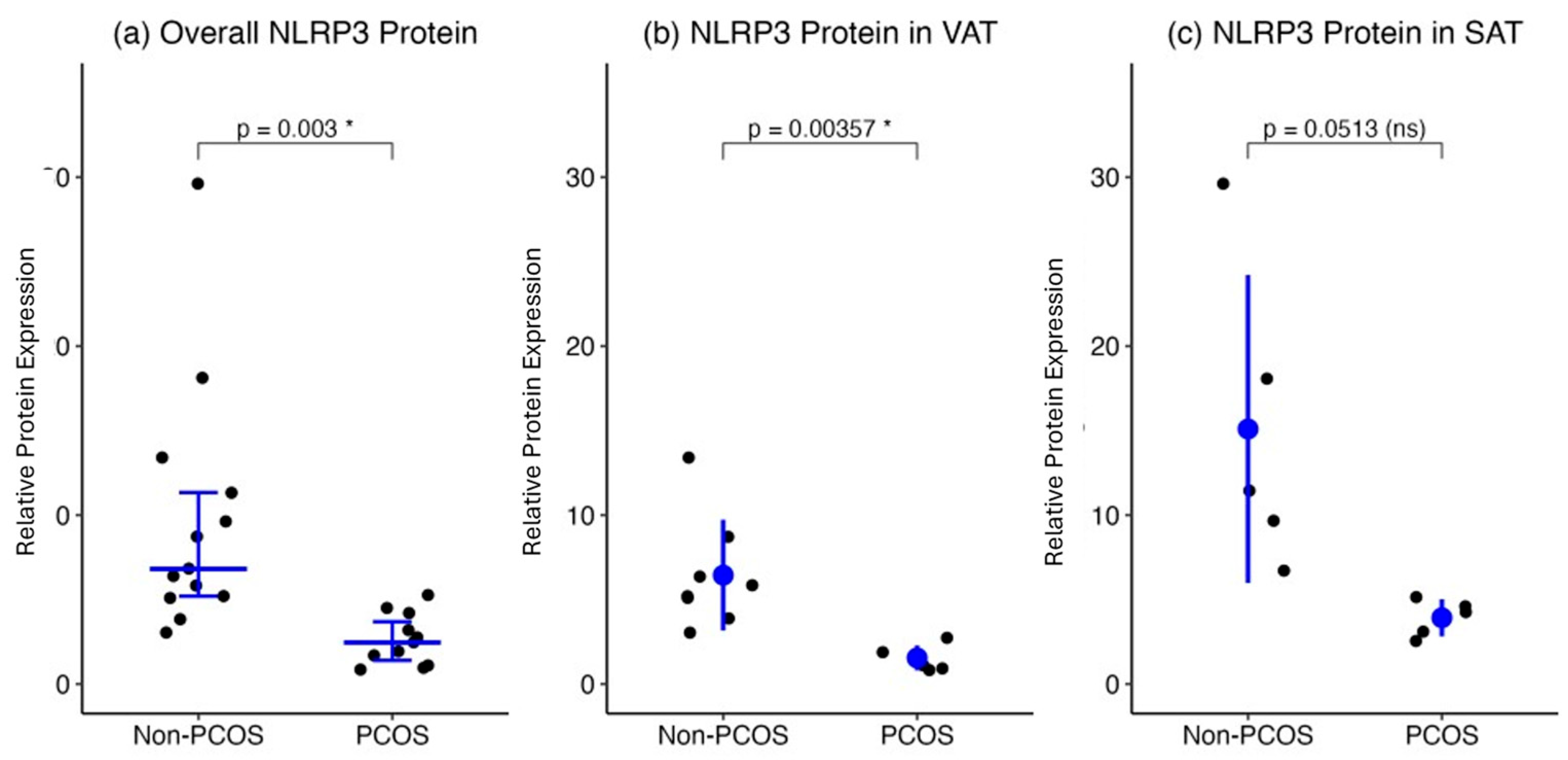
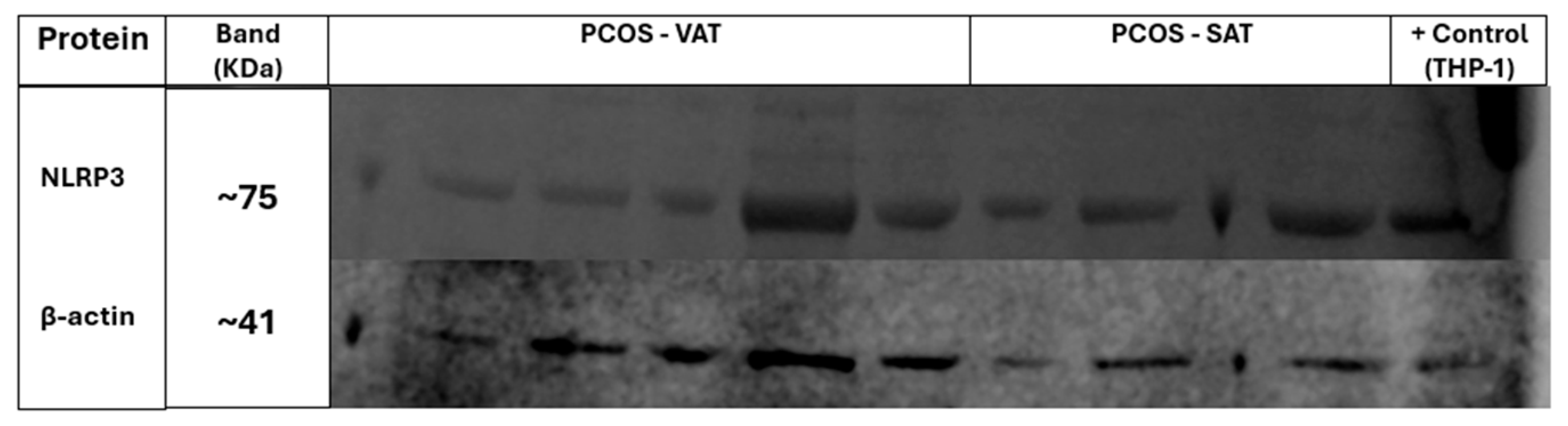
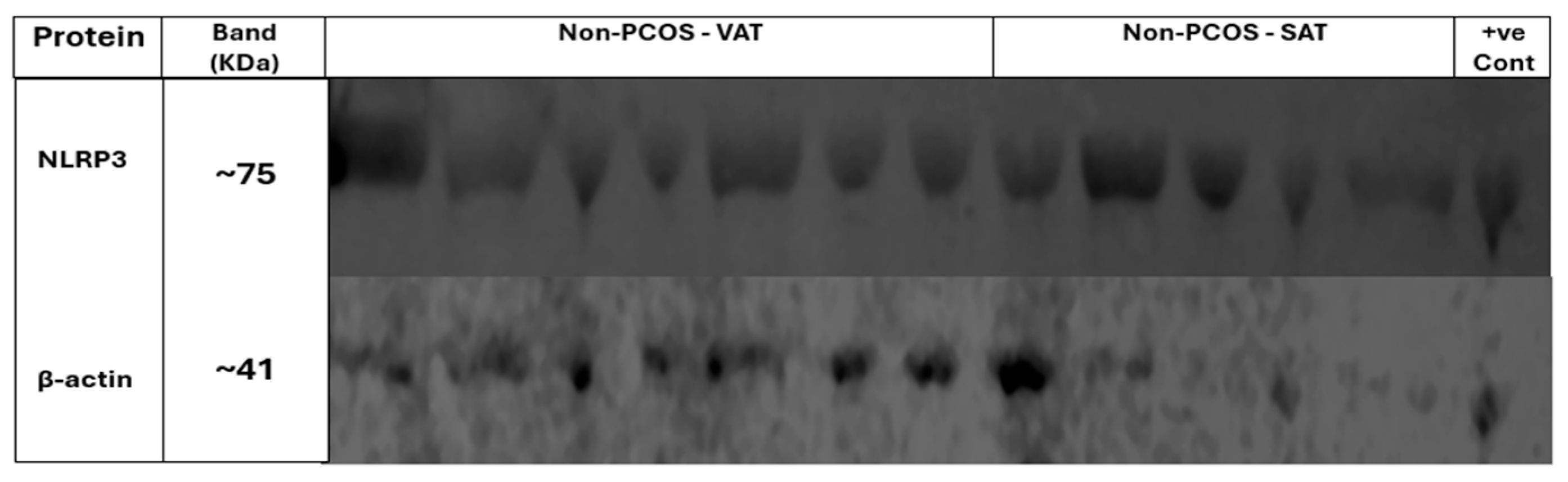
2.2. NLRP3 Protein Expression in Adipose Tissue of Women with and Without PCOS
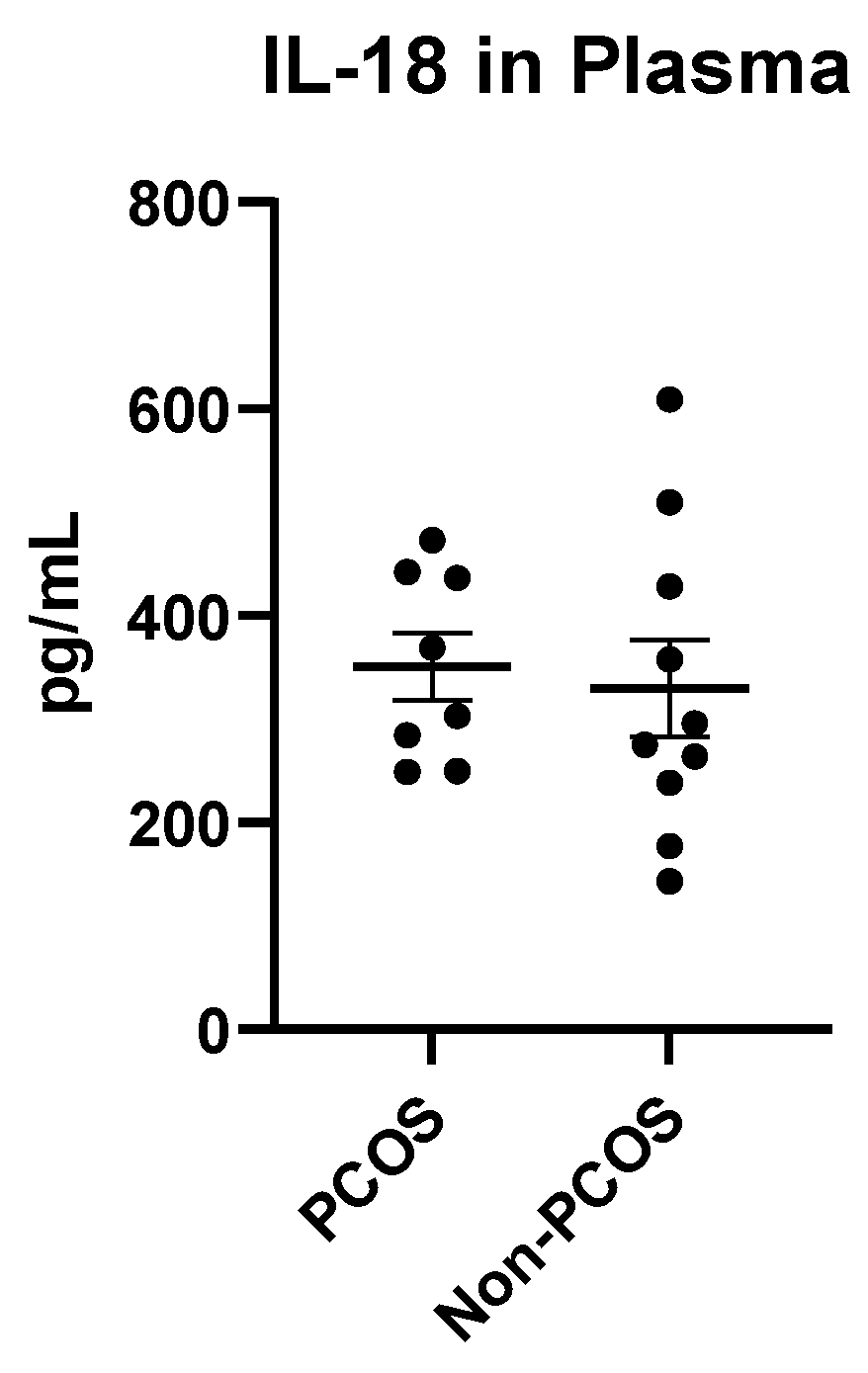
2.3. Plasma IL-1β and IL-18 Levels in PCOS and Non-PCOS Women
3. Discussion
3.1. Chronic Inflammation in PCOS May Involve Other Inflammatory Pathways
3.2. Chronic NLRP3 Activation and Potential Insulin-Mediated Suppression in PCOS
3.3. Possible Underlying Inflammation in Control Subjects
3.4. Detection of Truncated NLRP3 Protein Isoforms
3.5. mRNA-Protein Discrepancy
3.6. Technical Challenges with Adipose Tissue
3.7. Limitations
3.8. Future Directions
4. Materials and Methods
4.1. Study Subjects
4.1.1. Sample Collection
Adipose Tissue Collection
Blood Collection
4.2. RNA Extraction and Quantitative PCR from Adipose Tissue
4.2.1. RNA Isolation
4.2.2. cDNA Synthesis
4.2.3. Quantitative PCR (qPCR)
4.3. Protein Quantification and Western Blotting
4.4. Quantification of Plasma IL-1β and IL-18 by ELISA
4.5. Statistical Analysis
5. Conclusions
Supplementary Materials
Author Contributions
Funding
Institutional Review Board Statement
Informed Consent Statement
Data Availability Statement
Acknowledgments
Conflicts of Interest
References
- Clark, N.M.; Podolski, A.J.; Brooks, E.D.; Chizen, D.R.; Pierson, R.A.; Lehotay, D.C.; Lujan, M.E. Prevalence of polycystic ovary syndrome phenotypes using updated criteria for polycystic ovarian morphology: An assessment of over 100 consecutive women self-reporting features of polycystic ovary syndrome. Reprod. Sci. 2014, 21, 1034–1043. [Google Scholar] [CrossRef] [PubMed]
- Repaci, A.; Gambineri, A.; Pasquali, R. The role of low-grade inflammation in the polycystic ovary syndrome. Mol. Cell Endocrinol. 2011, 335, 30–41. [Google Scholar] [CrossRef]
- Alenezi, S.A.; Khan, R.; Snell, L.; Aboeldalyl, S.; Amer, S. The role of NLRP3 inflammasome in obesity and PCOS—A systematic review and meta-analysis. Int. J. Mol. Sci. 2023, 24, 10976. [Google Scholar] [CrossRef] [PubMed]
- Ahima, R.S.; Flier, J.S. Adipose tissue as an endocrine organ. Trends Endocrinol. Metab. 2000, 11, 327–332. [Google Scholar] [CrossRef] [PubMed]
- Liu, R.; Nikolajczyk, B.S. Tissue immune cells fuel obesity-associated inflammation in adipose tissue and beyond. Front. Immunol. 2019, 10, 1587. [Google Scholar] [CrossRef]
- Zhao, H.; Zhang, J.; Cheng, X.; Nie, X.; He, B. Insulin resistance in polycystic ovary syndrome across various tissues: An updated review of pathogenesis, evaluation, and treatment. J. Ovarian Res. 2023, 16, 9. [Google Scholar] [CrossRef]
- Guo, H.; Callaway, J.B.; Ting, J.P. Inflammasomes: Mechanism of action, role in disease, and therapeutics. Nat. Med. 2015, 21, 677–687. [Google Scholar] [CrossRef]
- Tilg, H.; Moschen, A.R. Inflammatory mechanisms in the regulation of insulin resistance. Mol. Med. 2008, 14, 222–231. [Google Scholar] [CrossRef]
- Lumeng, C.N.; Saltiel, A.R. Inflammatory links between obesity and metabolic disease. J. Clin. Investig. 2011, 121, 2111–2117. [Google Scholar] [CrossRef]
- Aboeldalyl, S.; James, C.; Seyam, E.; Ibrahim, E.M.; Shawki, H.E.-D.; Amer, S. The role of chronic inflammation in polycystic ovarian syndrome—A systematic review and meta-analysis. Int. J. Mol. Sci. 2021, 22, 2734. [Google Scholar] [CrossRef]
- Esser, N.; L’homme, L.; De Roover, A.; Kohnen, L.; Scheen, A.J.; Moutschen, M.; Piette, J.; Legrand-Poels, S.; Paquot, N. Obesity phenotype is related to NLRP3 inflammasome activity and immunological profile of visceral adipose tissue. Diabetologia 2013, 56, 2487–2497. [Google Scholar] [CrossRef]
- Lukens, J.R.; Dixit, V.D.; Kanneganti, T.-D. Inflammasome activation in obesity-related inflammatory diseases and autoimmunity. Discov. Med. 2011, 12, 65–74. [Google Scholar]
- Lamkanfi, M.; Mueller, J.L.; Vitari, A.C.; Misaghi, S.; Fedorova, A.; Deshayes, K.; Lee, W.P.; Hoffman, H.M.; Dixit, V.M. Glyburide inhibits the cryopyrin/Nalp3 inflammasome. J. Cell Biol. 2009, 187, 61–70. [Google Scholar] [CrossRef] [PubMed]
- Stienstra, R.; Joosten, L.A.; Koenen, T.; van Tits, B.; van Diepen, J.A.; van den Berg, S.A.; Rensen, P.C.N.; Voshol, P.J.; Fantuzzi, G.; Hijmans, A.; et al. The inflammasome-mediated caspase-1 activation controls adipocyte differentiation and insulin sensitivity. Cell Metab. 2010, 12, 593–605. [Google Scholar] [CrossRef]
- Zhou, R.; Tardivel, A.; Thorens, B.; Choi, I.; Tschopp, J. Thioredoxin-interacting protein links oxidative stress to inflammasome activation. Nat. Immunol. 2010, 11, 136–140. [Google Scholar] [CrossRef] [PubMed]
- Wang, D.; Weng, Y.; Zhang, Y.; Wang, R.; Wang, T.; Zhou, J.; Shen, S.; Wang, H.; Wang, Y. Exposure to hyperandrogen drives ovarian dysfunction and fibrosis by activating the NLRP3 inflammasome in mice. Sci. Total Environ. 2020, 745, 141049. [Google Scholar] [CrossRef]
- Chang, Y.-W.; Hung, L.-C.; Chen, Y.-C.; Wang, W.-H.; Lin, C.-Y.; Tzeng, H.-H.; Suen, J.-L.; Chen, Y.-H. Insulin reduces inflammation by regulating the activation of the NLRP3 inflammasome. Front. Immunol. 2021, 11, 587229. [Google Scholar] [CrossRef]
- Chen, Q.; Yu, W.; Shi, J.; Shen, J.; Gao, T.; Zhang, J.; Xi, F.; Li, J.; Li, N. Insulin alleviates the inflammatory response and oxidative stress injury in cerebral tissues in septic rats. J. Inflamm. 2014, 11, 18. [Google Scholar] [CrossRef] [PubMed]
- Huang, C.-T.; Lue, J.-H.; Cheng, T.-H.; Tsai, Y.-J. Glycemic control with insulin attenuates sepsis-associated encephalopathy by inhibiting glial activation via suppression of NF-κB and MAPK signaling pathways in septic rats. Brain Res. 2020, 1738, 146822. [Google Scholar] [CrossRef]
- Kobayashi, H. Similarities in pathogenetic mechanisms underlying the bidirectional relationship between endometriosis and pelvic inflammatory disease. Diagnostics 2023, 13, 868. [Google Scholar] [CrossRef]
- Saresella, M.; La Rosa, F.; Piancone, F.; Zoppis, M.; Marventano, I.; Calabrese, E.; Rainone, V.; Nemni, R.; Mancuso, R.; Clerici, M. The NLRP3 and NLRP1 inflammasomes are activated in Alzheimer’s disease. Mol. Neurodegener. 2016, 11, 23. [Google Scholar] [CrossRef]
- Kummer, J.A.; Broekhuizen, R.; Everett, H.; Agostini, L.; Kuijk, L.; Martinon, F.; van Bruggen, R.; Tschopp, J. Inflammasome components NALP1 and NALP3 show distinct but separate expression profiles in human tissues suggesting a site-specific role in the inflammatory response. J. Histochem. Cytochem. 2007, 55, 443–452. [Google Scholar] [CrossRef]
- Hasegawa, T.; Noguchi, S.; Nakashima, M.; Miyai, M.; Goto, M.; Matsumoto, Y.; Torii, S.; Honda, S.; Shimizu, S. Alternative autophagy dampens UVB-induced NLRP3 inflammasome activation in human keratinocytes. J. Biol. Chem. 2024, 300, 107173. [Google Scholar] [CrossRef]
- Maier, T.; Güell, M.; Serrano, L. Correlation of mRNA and protein in complex biological samples. FEBS Lett. 2009, 583, 3966–3973. [Google Scholar] [CrossRef] [PubMed]
- Greenbaum, D.; Colangelo, C.; Williams, K.; Gerstein, M. Comparing protein abundance and mRNA expression levels on a genomic scale. Genome Biol. 2003, 4, 117. [Google Scholar] [CrossRef] [PubMed]
- Beyer, A.; Hollunder, J.; Nasheuer, H.-P.; Wilhelm, T. Post-transcriptional expression regulation in the yeast Saccharomyces cerevisiae on a genomic scale. Mol. Cell Proteom. 2004, 3, 1083–1092. [Google Scholar] [CrossRef] [PubMed]
- Cirera, S. Highly efficient method for isolation of total RNA from adipose tissue. BMC Res. Notes 2013, 6, 472. [Google Scholar] [CrossRef]
- 28; Roy, D.; Tomo, S.; Modi, A.; Purohit, P.; Sharma, P. Optimising total RNA quality and quantity by phenol–chloroform extraction method from human visceral adipose tissue: A standardisation study. MethodsX 2020, 7, 101113. [Google Scholar]
- Marin, R.D.; Crespo-Garcia, S.; Wilson, A.M.; Sapieha, P. RELi protocol: Optimization for protein extraction from white, brown and beige adipose tissues. MethodsX 2019, 6, 918–928. [Google Scholar] [CrossRef]
- ESHRE/ASRM-Sponsored PCOS Consensus Workshop Group. Revised 2003 consensus on diagnostic criteria and long-term health risks related to polycystic ovary syndrome. Hum. Reprod. 2004, 19, 41–47. [Google Scholar] [CrossRef]
- Vandesompele, J.; De Preter, K.; Pattyn, F.; Poppe, B.; Van Roy, N.; De Paepe, A.; Speleman, F. Accurate normalization of real-time quantitative RT-PCR data by geometric averaging of multiple internal control genes. Genome Biol. 2002, 3, research0034. [Google Scholar] [CrossRef] [PubMed]
- Panos, G.D.; Boeckler, F.M. Statistical Analysis in Clinical and Experimental Medical Research: Simplified Guidance for Authors and Reviewers; Taylor & Francis: Abingdon, UK, 2023; pp. 1959–1961. [Google Scholar]



| Parameters | Non-PCOS (n = 10) | PCOS (n = 8) | p |
|---|---|---|---|
| Age (yrs) | 29.0 (19–40) | 26.9 (21–38) | 0.389 |
| BMI (kg/m2) | 30.0 (25–34) | 31.3 (29–34.5) | 0.228 |
| Ethnicity | 90.9% WB, 9.1% PNS | 90.9% WB, 9.1% PNS | |
| Regular menstrual cycles (%) | RC: 100% | RC: 27.3%, O: 54.5%, Am: 9.1%, IRC:9.1% | |
| LH (IU/L) | 4.806 ± 3.807 | 10.42 ± 6.533 | 0.03 |
| Testosterone (nmol/L) | 0.929 ± 0.570 | 2.01 ± 0.795 | 0.005 |
| SHBG (nmol/L) | 46.40 [42.53–66.15] | 22.10 [12.85–36.95] | <0.001 |
| FAI | 1.83 ± 1.145 | 10.07 ± 6.026 | 0.003 |
Disclaimer/Publisher’s Note: The statements, opinions and data contained in all publications are solely those of the individual author(s) and contributor(s) and not of MDPI and/or the editor(s). MDPI and/or the editor(s) disclaim responsibility for any injury to people or property resulting from any ideas, methods, instructions or products referred to in the content. |
© 2026 by the authors. Licensee MDPI, Basel, Switzerland. This article is an open access article distributed under the terms and conditions of the Creative Commons Attribution (CC BY) license.
Share and Cite
Alenezi, S.A.; Alshammmari, K.; Khan, R.; Amer, S. NLRP3 Inflammasome and Polycystic Ovary Syndrome (PCOS): A Novel Profile in Adipose Tissue. Int. J. Mol. Sci. 2026, 27, 699. https://doi.org/10.3390/ijms27020699
Alenezi SA, Alshammmari K, Khan R, Amer S. NLRP3 Inflammasome and Polycystic Ovary Syndrome (PCOS): A Novel Profile in Adipose Tissue. International Journal of Molecular Sciences. 2026; 27(2):699. https://doi.org/10.3390/ijms27020699
Chicago/Turabian StyleAlenezi, Salih Atalah, Khalid Alshammmari, Raheela Khan, and Saad Amer. 2026. "NLRP3 Inflammasome and Polycystic Ovary Syndrome (PCOS): A Novel Profile in Adipose Tissue" International Journal of Molecular Sciences 27, no. 2: 699. https://doi.org/10.3390/ijms27020699
APA StyleAlenezi, S. A., Alshammmari, K., Khan, R., & Amer, S. (2026). NLRP3 Inflammasome and Polycystic Ovary Syndrome (PCOS): A Novel Profile in Adipose Tissue. International Journal of Molecular Sciences, 27(2), 699. https://doi.org/10.3390/ijms27020699