


Abstract
Cystinosis is a rare lysosomal storage disorder characterized by defective cystine transport and progressive multi-organ damage, with the kidney being the primary site of pathology. In addition to the traditional perspective on lysosomal dysfunction, recent studies have demonstrated that cystinosis exerts a substantial impact on cellular energy metabolism, with a particular emphasis on oxidative pathways. Mitochondria, the central hub of ATP production, exhibit structural abnormalities, impaired oxidative phosphorylation, and increased reactive oxygen species. These factors contribute to proximal tubular cell failure and systemic complications. This review highlights the critical role of energy metabolism in cystinosis and supports the emerging idea of organelle communication. A mounting body of evidence points to a robust functional and physical association between lysosomes and mitochondria, facilitated by membrane contact sites, vesicular trafficking, and signaling networks that modulate nutrient sensing, autophagy, and redox balance. Disruption of these interactions in cystinosis leads to defective mitophagy, accumulation of damaged mitochondria, and exacerbation of oxidative stress, creating a vicious cycle of energy failure and cellular injury. A comprehensive understanding of these mechanisms has the potential to reveal novel therapeutic avenues that extend beyond the scope of cysteamine, encompassing strategies that target mitochondrial health, enhance autophagy, and restore lysosome–mitochondria communication.
1. Introduction
Cystinosis is a genetic metabolic disorder classified as a lysosomal storage disease (LSD). It is caused by a mutation in the CTNS gene that encodes cystinosin, a lysosomal cystine transporter responsible for exporting cystine from the lysosomal lumen to the cytosol. The most frequent and severe form of cystinosis is nephropathic cystinosis (OMIM 219800), which is diagnosed as growth retardation associated with renal Fanconi syndrome beginning within the first year of life and confirmed by a genetic test [1,2]. The current treatment for cystinosis involves using cysteamine to reduce cystine accumulation in cells, which can significantly improve kidney function and overall health in affected individuals. Depending on the age at which treatment is initiated and the intrinsic vulnerability of each tissue, many extrarenal complications can develop, including those affecting the eyes, thyroid, gastrointestinal apparatus, skeletal apparatus, and neuromuscular system [3].
Intra-lysosomal cystine accumulation, caused by cystinosin transporter defects, is the main characteristic of cystinosis [4]. However, a whole series of cellular processes, such as autophagy, apoptosis, vesicular trafficking, and the redox state, are altered in response or in an attempt by the cell to restore equilibrium. While all these processes are vital for cellular survival, altered energy metabolism could be crucial for the pathological variability in different tissue districts due to their distinct energy profiles [5,6,7,8]. Catabolic and anabolic processes are intricately linked to lysosomes and mitochondria, which serve as recycling centers, energy providers, and key regulators of cellular metabolic activity. These organelles engage in both anterograde and retrograde communication with the cell, thereby influencing the metabolic balance in multiple directions [9,10].
This review highlights the critical contribution of energy metabolism to cystinosis, with a particular emphasis on the oxidative pathways that maintain cellular homeostasis. Mitochondria are increasingly recognized as metabolic powerhouses, as well as key receivers, integrators, and transmitters of environmental and intracellular cues. They function as central signaling hubs that coordinate cellular homeostasis, stress responses, and survival pathways by communicating constantly with other organelles, especially lysosomes, the endoplasmic reticulum, and peroxisomes. As discussed in recent reviews [11,12], this conceptual framework is particularly relevant to cystinosis, in which lysosomal dysfunction disrupts multiple mitochondrial signaling pathways, including nutrient sensing, autophagy, and redox balance.
2. The Mitochondria–Lysosome Crosstalk
The compartmentalization of biological membranes within cellular organelles, such as lysosomes, mitochondria, the endoplasmic reticulum, the Golgi apparatus, peroxisomes, and the nucleus, is an evolutionary strategy that allows for the specific execution of biochemical reactions and the organization of different functions. Although traditional concepts considered all organelles inside eukaryotic cells to be independent structures that do not interact with each other, it is now well established that intracellular membrane compartments interact directly. These interactions occur through membrane contact sites (MCSs) [13,14], by proteins such as STARD3 and DMT1 [15], or indirectly via vesicular transport and molecular signals [16,17,18]. Cross-organelle signaling, which involves the transfer of metabolites, lipids, and proteins, is essential for cell function and survival. Mitochondria and lysosomes are highly organized organelles that adopt various strategies to communicate their functional status with each other and the cellular environment [19,20,21]. Interestingly, their position, relative to the plasma membrane and the nucleus, represents a snapshot of the metabolic and redox state. Mitochondria are dynamic organelles that differ in size, shape, and location. Under normal conditions, they spread around the cell relatively uniformly, but in stress and/or pathological conditions, they reposition themselves in perinuclear clustering [22]. The spatial organization of lysosomes is much more complex. They often cluster in the perinuclear region surrounding the microtubule-organizing center (MTOC) in nonpolarized mammalian cells [23], but they also spread into the cell’s periphery. This distribution can be easily altered by changes in cellular nutrient status [24], lysosomal acidification [25], and misfolded protein accumulation [26,27].
Various patterns of lysosome distribution have been described in cystinosis. In some cases, lysosomes are localized to the perinuclear region of proximal tubular cells. This organization may be due to a failure to anchor at the cell periphery [28] or an alteration in autophagic processes [29,30,31]. In other cases, lysosomes are distributed as punctate dispersed structures throughout cystinotic fibroblasts, which is associated with a chaperone-mediated autophagy (CMA) defect linked to the downregulation of the Rab11- and Rab7-effector RILP [32,33].
Mitochondria and lysosomes both interact with the endoplasmic reticulum (ER), and these contacts are critical for the transfer of calcium (Ca2+) from the ER to both organelles, as well as for the transfer of phospholipids and cholesterol by the Vps13 protein family [34,35,36]. The recently emerged role of mitochondria–lysosome contacts in regulating mitochondrial Ca2+ dynamics has been attributed to the transient receptor potential mucolipin 1 (TRPML1), a lysosomal calcium efflux channel [20]. Several diseases resulting from mitochondrial and/or lysosomal dysfunction also exhibit dysregulation of cellular calcium [37,38,39,40]. Ivanova et al. found no difference in lysosomal Ca2+ content or the size of thapsigargin-sensitive Ca2+ stores (independent of ER Ca2+ stores) between control and cystinotic proximal tubular epithelial cells (PTECs). However, no information was available regarding the Ca2+ content of vesicles, such as recycling endosomes and autophagosomes [41]. Alteration of phospholipids and/or cholesterol has not yet been described in cystinotic cells; however, higher cystine levels have been observed in the tissues of the BALB/c mouse model of Niemann–Pick disease type C. In particular, subcellular fractionation of liver homogenates has revealed that cystine accumulates preferentially in the lysosomal fraction [42]. This aspect has never been considered in relation to cystinosis. However, it would be interesting to evaluate the severity of the disease based on cholesterol and lipid imbalances (Figure 1).
Figure 1.
Cellular Organelle Interactions and Distribution Patterns. (A) Cross-organelle communication through the exchange of metabolites, lipids, and proteins is critical for cellular homeostasis. Mitochondria and lysosomes establish dynamic contact sites and signaling pathways to coordinate their functional states with each other and the broader cellular environment. (B) Organelle distribution in normal conditions. (C) Organelle distribution in cystinosis. Abbreviations: VPS13A (Vacuolar protein sorting-associated protein 13); VAP (VAMP-associated protein); VDAC (Voltage-dependent anion channel); TRPML1 (Transient receptor potential mucolipin 1); LIMP-2 (Lysosomal integral membrane protein 2); STARD3 (StAR-related lipid transfer). Created in BioRender. Bellomo, F. (2026) https://BioRender.com/ttym66b.
3. Mitochondria and Cystinosis
The first description of mitochondrial involvement in cystinosis was reported in 1986, when electron microscopy of renal biopsies revealed abnormal mitochondrial ultrastructure [43]. Subsequent studies, however, yielded inconsistent findings, largely due to differences in model systems and experimental approaches. In the 1990s, cystine dimethyl ester (CDME) was used to mimic lysosomal cystine accumulation; although CDME treatment led to ATP depletion, it was later shown that this effect resulted from direct mitochondrial toxicity, rendering CDME an inadequate model of cystinosin deficiency [44,45,46,47].
Energy metabolism was later examined in primary fibroblasts from cystinosis patients, which showed reduced ATP levels compared with controls [48,49]. Similar results were observed in rabbit proximal tubular cells with cystinosin silencing [50], although clear mitochondrial structural defects were not detected in these early studies.
More recent investigations have consistently reported a range of mitochondrial abnormalities, including reduced respiratory chain (RC) activity and membrane potential, altered mitochondrial dynamics and structure, and increased mitophagy [29,51,52,53,54,55,56]. These defects have been associated with dysregulated signaling pathways, such as alterations in cAMP in conditionally immortalized proximal tubular epithelial cells [53] and perturbations in mTOR signaling [57]. Additional evidence for energy imbalance includes activation of AMP activated protein kinase (AMPK) in primary rabbit PTECs with cystinosin knockdown and inhibition of pyruvate kinase and creatine kinase activities in tissues from cystine-treated rats [58,59,60,61].
Apparent discrepancies across studies can now be reconciled by considering differences in experimental models, methodologies, and the cell type specificity of mitochondrial vulnerability. CDME based models produced artefactual mitochondrial toxicity, explaining why early observations were difficult to integrate with later findings. Fibroblast based studies, while demonstrating reduced ATP, failed to reveal pronounced mitochondrial or autophagy defects—likely reflecting the lower metabolic demand of fibroblasts compared with proximal tubular epithelial cells, which depend heavily on oxidative phosphorylation and robust mitochondrial quality control mechanisms.
In contrast, work in Ctns−/− proximal tubular cells and zebrafish models has consistently revealed impaired clearance of damaged mitochondria via mitophagy, a defect not observed in Ctns−/− fibroblasts. Collectively, these results indicate that mitochondrial dysfunction in cystinosis is highly cell-type specific, with the most pronounced abnormalities occurring in metabolically active and autophagy dependent proximal tubular epithelial cells. Incorporating this perspective reconciles earlier conflicting findings and provides a coherent mechanistic framework for how lysosomal cystine accumulation drives mitochondrial impairment.
3.1. Mitochondrial Oxidative Phosphorylation System (OXPHOS)
The OXPHOS includes mitochondrial RC complexes and the F1FO-ATP synthase. The RC consists of NADH-ubiquinone oxidoreductase (complex I), succinate-ubiquinone oxidoreductase (complex II), ubiquinone-cytochrome c oxidoreductase (complex III), and cytochrome c oxidase (complex IV). The proteins of the OXPHOS are encoded by nuclear and mitochondrial DNAs [62,63].
The first observation of altered mitochondrial RC dysfunction revealed a reduction in mitochondrial ATP levels when using a complex I substrate (malate-glutamate) to fuel the RC in human renal tubular cystinotic epithelial cells [51]. This did not occur with the complex II substrate (succinate), indicating a possible complex I deficiency. This finding was reproduced in a Ctns knockout mouse model, which showed a reduction in complex I substrate-dependent respiration, associated with a proton leak and decreased ATP production [29]. Confirmation of complex I activity impairment, as measured by V(max) activity, was demonstrated in conditionally immortalized proximal tubular epithelial cells from two patients with different CTNS gene mutations and in human kidney-2 (HK-2) cells silenced for the CTNS gene [53]. Altered mitochondrial complex I activity in cystinosis may be associated with the emerging “dynamic assembly” theory of complex I [64]. This hypothetical mechanism suggests that, once imported into mitochondria, several peripheral subunits of complex I replace pre-existing, oxidized, aged copies that are already assembled into the complex, thereby modulating complex I activity [65]. Regarding this theory, a specific downregulation of the complex I subunits involved in dynamic assembly has been found in cystinotic cells [53], suggesting a possible inhibition of the “rejuvenation” of complex I. A reduced mitochondrial membrane potential has been found alongside a reduction in mitochondrial complex I activity in the BRIN-BD11 rat clonal pancreatic β-cell line silenced for the Ctns gene [66], in the Ctns-knockout mouse model [29], in the HK-2 cell line silenced for the CTNS gene, and in epithelial proximal tubular cells from patients [53]. Additionally, a reduction in complex V F1FO-ATP synthase activity has been observed in cystinotic proximal tubular epithelial cells, which is associated with the downregulation of specific subunits such as “d” and OSCP that are involved in the dimerization and oligomerization of the complex [67]. This could be another cause of the reduced cellular ATP level. Interestingly, UCP-1 and UCP-2 protein levels were augmented in the gastrocnemius muscles and adipose tissues of Ctns−/− mice compared to wild-type mice, suggesting increased energy expenditure associated with decreased ATP content, which contributes to muscle wasting and adipose tissue browning, respectively [68].
Another aspect of mitochondrial bioenergetics is nitric oxide (NO). NO plays an important role in renal pathophysiology; it is involved in fluid and electrolyte reabsorption by the proximal tubule. Most in vivo studies indicate that NO inhibits fluid and electrolyte reabsorption in the proximal tubule by inhibiting both the Na+/H+ exchange and the Na+, K+-ATPase activities. This condition is linked to renal Fanconi syndrome. Furthermore, NO has been found to be a potent inhibitor of cytochrome c oxidase of the mitochondrial RC [69]. Studies of the Ctns null PTECs line, which was isolated from Ctns knockout SV40T transgenic mice, revealed increased inducible nitric oxide synthase (iNOS) expression. This enzyme produces NO and nitrite/nitrate. It also reduces the expression and activity of Na+, K+-ATPase. These cells display depolarized mitochondria, a lower ATP content, altered nutrient metabolism, and are more sensitive to apoptosis due to their inhibitory effect on cytochrome c oxidase. Treating Ctns null PTECs with the iNOS-specific inhibitor 1400W recovered these parameters, which are associated with the mitigation of apoptosis. This explains, at least in part, the etiological factors of Fanconi syndrome in cystinosis. In a recent study, Berlingero et al. demonstrated that podocytes lacking CTNS exhibit impaired TCA cycle function and disrupted energy metabolism. This, in turn, resulted in reduced respiratory activity and elevated mitochondrial reactive oxygen species (ROS) levels [55] (Figure 2).
Figure 2.
Mitochondrial energetics in cystinosis. Schematic representation of main defects involving respiratory chain complexes in models of cystinosis. Created in BioRender. Bellomo, F. (2026) https://BioRender.com/5l5uie1.
3.2. Mitophagy
The loss of cystinosin is associated with alterations in the endolysosomal compartment and proximal tubular cell dysfunction [70,71]. Endolysosomes capture and degrade worn-out intracellular components, including mitochondria, through a process called autophagy [72]. Starting with the observation that autophagy is required to protect proximal tubular cells from acute tubular injury by removing damaged mitochondria [73], an increase in altered mitochondria and SQSTM1/p62 receptors has been observed in urinary cells and kidney biopsies from cystinotic patients [74]. Furthermore, reduced basal autophagy flux has been found in various cystinotic cell lines, resulting in an increased number of mitochondria containing autophagosomes [33,75,76] associated with elevated LC3-II protein levels. Recently, studies in primary proximal tubular cells from Ctns-knockout mice and a zebrafish model demonstrated that lysosomal dysfunction leads to defects in the clearance of damaged mitochondria by autophagy [29]. Interestingly, as with mitochondrial RC activity, defects in autophagy have not been found in Ctns−/− fibroblasts [33] likely because they rely on glycolysis rather than mitochondrial oxidative phosphorylation for energy. This aspect also highlights the tissue-specific role of cystinosin [8].
It has also been found that the cystinosin protein can physically interact with the molecular partners of the mammalian target of rapamycin complex 1 (mTORC1) [77,78]. The mTORC1 pathway modulates cellular metabolism, survival, proliferation, and autophagy [79,80]. Inhibiting the mTORC1 pathway with everolimus, a clinically used anticancer and immunosuppressant agent, activates autophagy [81,82] and abolishes the block of autophagic flux [83].
3.3. Mitochondrial Dynamics and Ultrastructure
Mitochondria are dynamic structures that undergo a process of dynamic structural changes, including fission and fusion, forming either fragmented or networked mitochondria, respectively, also depending on the energy status of the cell [84].
The process of mitochondrial fission plays a pivotal role in the formation of new mitochondria and the segregation of damaged mitochondria. In the event of impaired mitochondrial dynamics, defective mitochondria undergo selective elimination through a specialized form of autophagy, termed mitophagy. This process is initiated by signals that are either ubiquitin-independent or ubiquitin-dependent [85]. The process of fission is subject to regulation by the GTPase dynamin-related protein 1 (Drp-1), which is recruited from the cytosol to the mitochondrial outer membrane. In this location, Drp-1 binds to its protein receptors, including mitochondrial fission 1 (Fis-1), mitochondrial fission factor (MFF), and mitochondrial dynamics proteins, MID49 and MID51 [86,87]. According to recent research, CTNS−/− PTECs exhibits a greater incidence of mitochondrial fragmentation, which is concomitant with diminished mitochondrial potential [54]. The condition is meticulously regulated and intimately linked to the quality control systems of the cell, such as the ubiquitin protease system (UPS) and the intra-mitochondrial proteolytic systems [88]. Despite the absence of alterations in Drp-1 protein levels and its PKA-dependent phosphorylation at Ser-637, as indicated by mitochondrial fragmentation [53], an increase in the expression of Fis-1 and the E3 ubiquitin ligase parkin, along with the ubiquitination of Mfn2, was observed in CTNS−/− PTECs [54]. The results of the increase in parkin protein expression in cystinotic cells have become more significant considering the altered mitophagy observed in other studies [30,51,75]. In fact, parkin, a component of the PINK1/Parkin pathway, has been shown to promote mitophagy, a process that facilitates the elimination of damaged mitochondria. This, in turn, contributes to enhanced mitochondrial quality control, a critical aspect of cellular health and function. However, in the context of cystinosis, excessive mitophagy can be a cellular response to overwhelming damage. In cases where the lysosomal system is unable to adequately perform its function, this process can become counterproductive, resulting in a net loss of mitochondria.
The process of mitochondrial fusion is governed by a minimum of three regulatory fusion proteins, including the dynamin-related GTPase optic atrophy 1 (OPA1) and the dynamin-related GTPase mitofusins, Mfn1 and Mfn2 [89]. OPA1, an inner mitochondrial membrane protein, functions beyond mitochondrial fusion to regulate the stability of the mitochondrial RC complexes, the release of cytochrome c from mitochondrial cristae, and the maintenance of the architecture of mitochondrial cristae [90]. OPA1 activity is subject to rigorous regulation by post-translational modifications, including proteolytic processing and acetylation [91,92]. In fact, OPA1 undergoes a constitutive proteolytic process, during which the uncleaved long OPA1 (L-OPA) is converted into the cleaved shorter form of OPA1 (S-OPA). A variety of stress conditions, including apoptotic stimulation, have been shown to trigger the complete conversion of L-OPA1 into S-OPA1 [93]. The primary mitochondrial protease that regulates the proteolytic processing of OPA1 is OMA1 [94,95]. The total protein expression of OPA1 remained unchanged in cystinotic PTECs compared to control PTECs. However, an increase in S-OPA1, associated with an increase in the protease OMA1 activity, has been observed in CTNS−/− PTECs [54]. It is noteworthy that, in addition to its function as a fusion protein, OPA1 modulates the restructuring of mitochondrial cristae. Specifically, OPA1 has been shown to form oligomers within the inner mitochondrial membrane, thereby maintaining the structural integrity of the cristae junctions [89]. During the process of apoptosis, the oligomers undergo a state of destabilization, thereby inducing the opening of the cristae and the subsequent dissipation of cytochrome c from the mitochondria. OPA1 oligomers were found to decrease in cystinotic cells. The association between the defect and the increase in cristae junction width was determined through TEM ultrastructural analyses [54].
Furthermore, ultrastructural analysis of mitochondria in PTECs, utilizing transmission electron microscopy (TEM), revealed the presence of smaller mitochondria in CTNS−/− PTECs compared to CTNS+/+ PTECs. This observation is accompanied by a significant reduction in the number of cristae per mitochondrial section and an increase in cristae lumen width [54]. It is noteworthy that the mitochondrial ultrastructure observed in cystinotic cells is closely associated with the decrease in mitochondrial RC activity and the increased susceptibility to apoptosis [89,96].
The process of mitochondrial motility is dependent on the function of microtubule-based motors, specifically dynein and kinesin, and is critical for maintaining a balance between fusion and fission [97]. Recent findings have indicated a decrease in the expression of the motor protein subunit dynein light intermediate chain DYNC1LI2 in the kidneys and fibroblasts of Ctns−/− mice, as well as in the CTNS knockout human proximal tubule cell line [98]. The mechanistic role of DYNC1LI2 in mitochondrial transport remains to be fully elucidated. However, its reconstitution has been shown to restore vesicle/ER-lysosome trafficking, alleviate ER stress, and significantly mitigate mitochondrial fragmentation, membrane potential, and ER-mitochondrial associations in cystinotic cells [98]. The altered mitochondrial morphology has not been found in CTNS-silenced human induced pluripotent stem cells (iPSCs) [99], but this may be due to the more glycolytic metabolism of iPSCs than oxidative [100] (Figure 3).
Figure 3.
Mitochondrial Dynamics in Health and Cystinosis. In healthy subjects, mitochondrial fusion and fission maintain organelle shape and function. The process of fusion, facilitated by Mfn1/2 and OPA1, is crucial for maintaining network integrity and ensuring cristae stability. Conversely, the process of fission, driven by Drp-1 and its receptors (Fis-1, MFF), is essential for the segregation of damaged mitochondria for subsequent quality control. The dysregulation of these proteins has been demonstrated to induce mitochondrial fragmentation in cystinosis, in particular the upregulation of the Fis-1 and the ubiquitinated Mfn2 (Ub-Mfn2). The process of mitochondrial motility is contingent upon the function of microtubule-based motors, namely dynein and kinesin, which facilitate the distribution of mitochondria throughout the cell. This distribution ensures the proper positioning of these organelles for the efficient supply of energy and maintains a balance between the processes of fusion and fission. In CTNS−/− cystinotic cells, reduced dynein (DYNC1LI2) expression has been shown to impair transport, resulting in stalled, clumped mitochondria and contributing to fragmentation and dysfunction. Autophagy is a process that maintains cellular health by removing damaged organelles and recycling nutrients. In healthy cells, the PINK1/Parkin pathway facilitates mitophagy, a process that selectively eliminates dysfunctional mitochondria. This process is crucial for maintaining energy balance and preventing oxidative stress. The loss of cystinosin has been demonstrated to disrupt endolysosomal function and impair autophagy in proximal tubular cells, associated with the increase of Parkin expression. This, in turn, has been shown to lead to the accumulation of damaged mitochondria. The process of mitochondrial fusion is dependent on the presence of OPA1 and mitofusins (Mfn1/2). The long form L-OPA1 is the uncleaved form of OPA1. In cystinosis, stress can trigger a cleavage process by the protease OMA1. In cystinosis, high OMA1 activity increases S-OPA1 levels and compromises mitochondrial structure. This process causes the cristae to become unstable and promotes the release of cytochrome c. This is associated with an increase in pro-caspase 9 expression and apoptosis. Created in BioRender. Bellomo, F. (2026) https://BioRender.com/l39flvx.
3.4. The Mitochondrial–Inflammatory Axis
Mitochondria have been demonstrated to play a pivotal role in the progression of inflammation in cystinosis, thereby establishing a link between lysosomal cystine accumulation and subsequent immune activation. In the context of nephropathic cystinosis, mitochondrial dysfunction has been demonstrated to promote the generation of excess reactive oxygen species (ROS), which in turn amplifies inflammatory signaling pathways, thereby contributing to tissue injury. The upregulation of inflammatory mediators—including cytokines, inflammasome components, and macrophage-recruiting signals—interacts with mitochondrial stress, abnormal autophagy, and enhanced cell death, forming a self-reinforcing pathogenic loop.
This loop is now understood to be reinforced at the epigenetic level. Recent genome-wide analyses indicate that the cystinotic environment triggers extensive DNA hypermethylation, particularly in genes essential for proximal tubule physiology, effectively “locking” the cells into a dysfunctional state that can be partially reversed by demethylating agents [101]. Beyond the established NLRP3 pathway, the NLRP2 protein has emerged as a critical in vivo mediator of this process. The deletion of NLRP2 in Ctns−/− models has been demonstrated to markedly delay the onset of Fanconi syndrome and reduce the expression of profibrotic markers and chemokines such as Cxcl1 and Saa1, thereby identifying it as a primary driver of the early inflammatory phase [102].
Furthermore, studies demonstrate that impaired cystinosin function alters lysosomal–mitochondrial crosstalk, leading to increased expression of inflammatory molecules such as galectin 3 and monocyte chemoattractant protein 1. These molecules drive macrophage infiltration and exacerbate renal inflammation [103].
Additionally, cystine crystals are potent activators of the NLRP3 inflammasome in macrophages, acting as a chronic, sterile inflammatory trigger. Recent evidence suggests this inflammatory state induces ‘trained immunity’, a form of innate immune memory characterized by epigenetic and metabolic reprogramming [104]. In the cystinotic kidney, resident macrophages functioning as crystal “custodians” may acquire a maladaptive memory phenotype. Once reprogrammed, these cells could perpetuate inflammation and drive fibrosis autonomously, independent of the concurrent crystal burden. Furthermore, because trained immunity necessitates a metabolic shift toward aerobic glycolysis, this process likely exacerbates the intrinsic energy metabolism defects associated with CTNS deficiency, creating a compounding metabolic insult.
Collectively, these findings underscore the pivotal role of mitochondria in integrating metabolic stress and inflammatory responses in cystinosis, thereby suggesting that targeting mitochondrial dysfunction, in conjunction with epigenetic modulators or NLRP2 inhibitors, may prove efficacious in mitigating chronic inflammation and decelerating kidney disease progression.
4. Impact of Cysteamine and Emerging Therapies on Cellular Energy Pathways
In contemporary clinical practice, cysteamine remains the only recognized agent employed in the management of cystinosis, with its mechanism of action specifically targeting the depletion of cystine. Cysteamine has been demonstrated to significantly delay the progression of kidney disease; however, it does not prevent the onset of renal Fanconi syndrome or halt the progression of the disease’s extrarenal manifestations. Nonetheless, a variety of experimental therapeutic approaches are currently underway, encompassing the use of small molecules, enzymes, gene and cell-based therapies, and other potential treatments that are in various stages of development [105,106,107,108,109,110,111].
4.1. Cysteamine
Cysteamine exerts significant effects on cellular energy metabolism, primarily through modulation of mitochondrial function. In a pre-clinical study, cysteamine bitartrate was used to treat mitochondrial RC disease in worms, zebrafish, and human fibroblasts. High doses caused toxicity via hydrogen peroxide, while lower doses showed limited benefits. In worms, treatment reduced oxidative stress and improved mitochondrial function, though it did not improve survival. Human fibroblasts exhibited broad metabolic recovery. Pre-treatment with cysteamine in zebrafish prevented brain death and neuromuscular defects caused by RC inhibitors. This highlights cysteamine’s neuroprotective potential through enhancement of the oxidative stress response in RC disorders such as Leigh syndrome and MELAS.
At low micromolar concentrations, cysteamine has been shown to enhance ATP levels, restore oxidative phosphorylation, improve mitochondrial membrane potential, and maintain mitochondrial structure in cystinotic proximal tubular cell cultures [52,53,54]. Similarly, improved membrane potential and oxidative phosphorylation have been observed in C. elegans complex I mutants (NDUFS2 orthologue) and human fibroblasts of Leigh syndrome patients without significant alterations in glutathione levels, indicating the presence of alternative antioxidant or metabolic pathways [112]. Cysteamine has also been demonstrated to influence metabolite flux, notably increasing aspartate availability, and reducing ROS under stress conditions. However, its therapeutic window is narrow: while low doses confer bioenergetic and antioxidant benefits, millimolar concentrations can induce oxidative stress and cellular toxicity. Cysteamine demonstrated an inability to improve alterations in the tricarboxylic acid (TCA) cycle or energy metabolites, as well as an absence of oxidative stress, in podocytes from CTNS−/− patients [55]. In addition, the increased cristae junction width observed in cystinotic renal cell cultures showed a non-reversible response to cysteamine treatment, paralleling the reduction in OPA1 oligomerization [54]. Finally, the administration of cysteamine resulted in the restoration of mitochondrial cAMP levels in PTECs lacking CTNS, concomitant with enhanced SIRT3 levels [53]. Mitochondrial cAMP is produced by soluble adenylyl cyclase and regulates localized signaling independent of plasma membrane GPCRs. Specifically, mitochondrial cAMP activates PKA within the mitochondrial matrix, leading to the phosphorylation of components of the electron transport chain, thereby enhancing ATP production [113]. SIRT3 has been identified as a pivotal mitochondrial deacetylase, involved in crucial cellular processes such as enhancing electron transport, TCA flux, antioxidant defenses, and mitophagy [114].
4.2. Flavonoids
Flavonoids, a diverse group of plant-derived polyphenols, have attracted significant attention for their ability to modulate mitochondrial function and protect against cellular stress [115]. Two studies investigated the molecular mechanisms of flavonoid compounds in cystinosis models through complementary experimental approaches. Luteolin was identified through high-throughput screening and subsequently tested in the Ctns−/− mouse model. The results demonstrated an improvement in the autophagy-lysosome degradative pathway, as evidenced by reduced p62/SQSTM1 levels measured by in-cell ELISA. Additionally, enhanced megalin expression was observed, along with antioxidant and antiapoptotic properties [31,110]. Genistein, which exhibited efficacy in a 14-month preclinical trial conducted in Ctns−/− mice, demonstrated a reduction in kidney cystine concentrations, cystine crystal formation, and LAMP1-positive structures while preserving parenchymal architecture. It has been demonstrated that both compounds act through cysteamine-independent mechanisms, targeting cellular pathways beyond lysosomal cystine accumulation [111]. It is noteworthy that nutraceutical compounds, such as genistein and luteolin, have been observed to enhance cAMP levels [116,117]. Flavonoids have been reported to modulate the endogenous levels of antioxidants, including superoxide dismutase, catalase, and glutathione peroxidase, as well as the activity of enzymes responsible for glutathione synthesis, such as glutathione reductase [102,103]. In addition, flavonoids have been shown to stimulate mitochondrial biogenesis, which is an adaptive cellular response to various stressors. This stimulation occurs through the upregulation or activation of PGC-1α [118]. Furthermore, flavonoids have been demonstrated to stimulate a series of transcription factors, including NRF1 and NRF2, which play important roles in regulating metabolism-related genes [105,106]. Specifically, genistein has been observed to enhance the activating phosphorylation of Src (Tyr416) and the phosphorylation of acetyl-CoA carboxylase (ACC), a substrate of AMPK and a marker of AMPK activation [119]. Analogously, luteolin induces AMPK phosphorylation, which increases the activity of SIRT1, which in turn activates PGC1α by deacetylating it and increasing the phosphorylation of ACC.
4.3. MitoQ, mitoTEMPO and Other Compounds Selected in Drug Repositioning Studies
The mitochondria-targeted antioxidants mitoquinone (MitoQ) and mitoTEMPO are, respectively, the derivatives of mitochondrial quinolone and a superoxide dismutase mimetic that has superoxide and alkyl radical scavenging properties. MitoQ treatment has been shown to increase PGC1α expression and prevent mitochondrial membrane depolarization, reduce free radicals, and increase cytochrome oxidase activity [120]. MitoTEMPO treatment has been shown to attenuate mitochondrial oxidative damage by specifically reducing mitochondrial superoxide anion levels [121].
Recent findings indicate that the presence of swan-neck lesions in the renal proximal tubule associated with cystinosis is indicative of an adaptation to oxidative stress. These lesions have been observed to be associated with the loss of mitochondria and an increase in mitochondrial anion superoxide production. The administration of MitoQ to Ctns−/− mice at one month of age or three months of age, continuing until six months of age, resulted in the preservation of the integrity of the glomerulotubular junctions and the deferral of the onset of the so-called swan-neck lesions. However, this intervention did not lead to the rescue of low-molecular-weight proteinuria [122].
Treatment of Ctns−/− mouse PTECs for 24 h with mitoTEMPO has been demonstrated to promote the integrity of tight junctions and the differentiation and endocytic uptake capacity of these cells [22]. In preclinical studies investigating mitoTEMPO in immortalized patient-derived podocytes and zebrafish larvae models, the combination therapy with cysteamine has been shown to improve clinical outcomes. Indeed, cysteamine, when administered as a standalone agent, demonstrated no significant impact. However, when administered concomitantly with the mitochondrial O2•− scavenger MitoTEMPO, there was a substantial reduction in the ROS-induced lipid peroxidation, improved cell adhesion and reduced podocyte permeability and a significant reduction in proteinuria in zebrafish [55].
A total of five compounds were identified as effective in reducing cystine content and apoptosis in human CTNS−/− PTECs. This identification was made through a combination of high-throughput and high-content drug screenings [123]. The subsequent computational analysis of these selected drugs, namely alexidine dihydrochloride, beta-escin, digoxin, disulfiram, and fluspirilene, demonstrated a shared mechanism of action in cystinotic cells, predominantly involving the regulation of metabolic processes, response to stress, RTK signaling pathway, cell–cell adhesion molecules, and mitoribosomes [123]. However, subsequent studies performed on mouse and zebrafish cystinosis models revealed that prolonged exposure to the selected drug disulfiram, even if was effective in cystine reduction, resulted in toxicity in both animal models [124]. The pleiotropic effects of disulfiram on mitochondria are of particular interest. Indeed, it has been demonstrated that this compound can rescue mitochondrial defects in disease models such as Barth syndrome or MELAS, by enhancing oxidative phosphorylation, improving ATP synthase, respiratory complexes III/IV, cardiolipin remodeling, and protein synthesis inside mitochondria [125]. However, disulfiram can also trigger mitochondrial dysfunction by forming a complex with copper ions (DSF-Cu) within cells. This complex leads to a cascade of events, including the accumulation of ROS and the disruption of key mitochondrial functions [126]. Consequently, the outcomes observed in animal models of cystinosis were contingent upon the cellular context, copper levels, and redox status, which could have contributed to the toxic effect of disulfiram.
4.4. Novel Treatment Strategies That Could Affect Mitochondrial Function
An increase in the protein content of UCPs was observed in the adipose tissues and muscles of Ctns−/− mice compared with the control group. Conversely, a decrease in ATP content was observed in adipose tissues and muscles of Ctns−/− mice in comparison with the control group. The presence of vitamin D deficiency has been demonstrated to have a detrimental effect on adipose tissue and muscle metabolism. As demonstrated by Cheung et al., the repletion of 25(OH)D3 and 1,25(OH)2D3 was found to attenuate the perturbations of uncoupling protein (UCP) and adenosine triphosphate (ATP) contents in adipose tissues and muscles in Ctns−/− mice [127]. It is noteworthy that vitamin D has been observed to modulate the expression of mitofusin-1/2 (Mfn1/2), OPA1, and DRP1, as well as the shape of mitochondrial cristae [128,129].
Another molecule, designated 1400W, has been shown to reduce nitric oxide production by inhibiting iNOS. This molecule has demonstrated a remarkable efficacy in counteracting the effects of Fanconi syndrome. It is imperative to acknowledge that NO, which has been demonstrated to impede both Na+/H+ exchange and Na+, K+-ATPase activity, concurrently functions as a robust inhibitor of cytochrome c oxidase within the mitochondrial RC [130]. This phenomenon has the potential to result in depolarized mitochondria and diminished ATP levels, which, in turn, could lead to an escalation in apoptosis. In a study of Ctns-null PTECs, the administration of 1400W was found to restore normal mitochondrial function, improve ATP content, normalize nutrient metabolism, and reduce apoptosis [131].
Recent findings indicate that ketogenic diets (KD), which shift energy metabolism from glucose to ketone bodies, significantly preserve kidney function in mouse models of nephropathic cystinosis. This preservation occurs even when the diets are initiated after the onset of the disease. The KD prevents Fanconi syndrome-related proteinuria, glycosuria, polyuria, inflammation, and fibrosis [109,132]. To date, the tissue-specific effects of KD have been demonstrated by its ability to enhance mitochondrial function and biogenesis in certain tissues, thereby supporting its therapeutic application in neurological and metabolic disorders. Indeed, KD has been observed to upregulate key regulators of mitochondrial biogenesis and function, including PGC1α, SIRT3, and UCP2. This upregulation results in increased mitochondrial mass and enhanced bioenergetics, particularly in neurons and skeletal muscle [133,134].
As illustrated in Table 1, a comparative analysis is presented, encompassing the mechanisms of action and the effect on mitochondrial parameters.
Table 1.
Mechanism of action and effect on mitochondrial parameters of candidate therapeutic agents.
5. Conclusions
Cystinosis provides a compelling example of how lysosomal dysfunction can lead to a significant cellular energy failure, with mitochondria playing a pivotal role in the progression of the disease. The available evidence indicates that cystine accumulation disrupts mitochondrial morphology, impairs oxidative phosphorylation, and increases oxidative stress. This, in turn, compromises proximal tubular cell viability and systemic energy balance (see Figure 4). These findings establish mitochondria not only as downstream targets but also as promising therapeutic targets. Consequently, strategies aimed at restoring mitochondrial function—through antioxidants, metabolic modulation, or gene-based approaches—may enhance the benefits of cysteamine.
Figure 4.
Pathways Leading to Cellular Dysfunction in Cystinosis. Mutations in the CTNS gene result in a defective or absent cystinosin protein, the primary lysosomal cystine transporter. This defect leads to the hallmark intra-lysosomal accumulation of cystine and the formation of cystine crystals. The resulting cellular pathology is driven by two main arms: on left branch, cytosolic cysteine deficiency impairs glutathione synthesis, leading to increased reactive oxygen species (ROS) and oxidative stress. On right branch, impaired vesicular trafficking results in defective autophagy and mitophagy, reducing the clearance of damaged organelles. These pathways converge to cause significant mitochondrial damage and dysfunction, characterized by a fragmented mitochondrial network and an impaired TCA cycle. This creates a “vicious cycle” of oxidative stress and energy failure (decreased ATP production). The cumulative cellular dysfunction triggers cell death pathways (apoptosis and ferroptosis), chronic inflammation, and fibrosis. In the kidney, these processes manifest as proximal tubule defects and Renal Fanconi Syndrome, ultimately culminating in progressive tissue damage and End-Stage Kidney Disease (ESKD). Abbreviation: ESKD: End-stage kidney disease; LMW: Low-molecular-weight; ROS: Reactive oxygen species; TCA: Tricarboxylic acid cycle. Created in BioRender. Bellomo, F. (2026) https://BioRender.com/caur1ds.
Elucidation of the mechanisms by which lysosomal cystine overload modifies mitochondrial signaling, dynamics, and inter-organelle communication contributes to a more profound comprehension of the pathophysiology underlying cystinosis. This enhanced knowledge facilitates the development of novel therapeutic interventions, including gene therapy, mRNA-based approaches, and stem cell-based strategies. These methodologies aim to either restore cystinosin function or to rectify downstream mitochondrial defects, underscoring the significance of mechanistic research in propelling precision therapies.
Further research should delineate the roles of mitochondrial stress responses, mitophagy, and organelle crosstalk while developing reliable biomarkers of mitochondrial dysfunction for early diagnosis and monitoring. The development of novel therapeutic interventions will be contingent upon the exploration of mitochondria-targeted compounds and combination regimens that have been validated in robust preclinical models. By addressing these priorities, research can transition from a focus on managing symptoms to developing strategies that address the underlying bioenergetic deficits driving cystinosis progression.
Author Contributions
F.B. and D.D.R. have contributed equally to this work. All authors have read and agreed to the published version of the manuscript.
Funding
F.B. is supported by Cystinosis Research Foundation—CRFS-2021-001 (Irvine, CA, USA), Cystinosis Ireland (Dublin, Ireland), Chiesi Farmaceutici S.p.A (Parma, Italy) and by Italian Ministry of Health with Current Research funds. D.D.R. is supported by CNR—InvAt (FOE 2022), n. DSB. AD006.371.001.
Institutional Review Board Statement
Not applicable.
Informed Consent Statement
Not applicable.
Data Availability Statement
No new data were created or analyzed in this study. Data sharing is not applicable to this article.
Acknowledgments
The figures were created with BioRender.com. A publication license was obtained. The authors reviewed and edited the final product and take full responsibility for its content.
Conflicts of Interest
The authors declare no conflicts of interest.
Abbreviations
The following abbreviations are used in this manuscript:
| ATP | Adenosine Triphosphate |
| cAMP | 3′,5′-Cyclic Adenosine Monophosphate |
| CDME | Cystine Dimethyl Ester |
| CMA | Chaperone-Mediated Autophagy |
| DMT1 | Divalent Metal Transporter 1 |
| Drp-1 | Dynamin-Related Protein 1 |
| ER | Endoplasmic Reticulum |
| Fis-1 | Mitochondrial Fission 1 |
| iNOS | inducible Nitric Oxide Synthase |
| LSD | Lysosomal Storage Disease |
| MCSs | Membrane Contact Sites |
| MFF | Mitochondrial Fission Factor |
| Mfn2 | Mitofusin-2 |
| MID | Mitochondrial Dynamics Protein |
| MTOC | Microtubule-Organizing Center |
| mTOR | mechanistic Target of Rapamycin |
| mTORC1 | Mammalian Target Of Rapamycin Complex 1 |
| NO | Nitric Oxide |
| OMA1 | OMA1 Zinc Metallopeptidase |
| OMIM | Online Mendelian Inheritance in Man |
| OPA1 | Optic Atrophy Protein 1 (Mitochondrial Dynamin-Like GTPase) |
| OSCP | Oligomycin Sensitivity-Conferring Protein |
| OXPHOS | Oxidative Phosphorylation System |
| RILP | Rab Interacting Lysosomal Protein |
| SQSTM1 | Sequestosome-1 |
| STARD3 | StAR Related Lipid Transfer Domain Containing 3 |
| TRPML1 | Transient Receptor Potential Mucolipin 1 |
| UCP | Uncoupling Protein |
| Vps13 | Vacuolar protein sorting 13 |
References
- Gahl, W.A.; Thoene, J.G.; Schneider, J.A. Cystinosis. N. Engl. J. Med. 2002, 347, 111–121. [Google Scholar] [CrossRef] [Scilit] [PubMed]
- Fleige, T.; Burggraf, S.; Czibere, L.; Haring, J.; Gluck, B.; Keitel, L.M.; Landt, O.; Harms, E.; Hohenfellner, K.; Durner, J.; et al. Next Generation Sequencing as Second-Tier Test in High-Throughput Newborn Screening for Nephropathic Cystinosis. Eur. J. Hum. Genet. 2020, 28, 193–201. [Google Scholar] [PubMed]
- Topaloglu, R. Extrarenal Complications of Cystinosis. Pediatr. Nephrol. 2024, 39, 2283–2292. [Google Scholar] [CrossRef] [Scilit]
- Cherqui, S.; Sevin, C.; Hamard, G.; Kalatzis, V.; Sich, M.; Pequignot, M.O.; Gogat, K.; Abitbol, M.; Broyer, M.; Gubler, M.C.; et al. Intralysosomal Cystine Accumulation in Mice Lacking Cystinosin, the Protein Defective in Cystinosis. Mol. Cell. Biol. 2002, 22, 7622–7632. [Google Scholar] [CrossRef] [Scilit]
- Jamalpoor, A.; Othman, A.; Levtchenko, E.N.; Masereeuw, R.; Janssen, M.J. Molecular Mechanisms and Treatment Options of Nephropathic Cystinosis. Trends Mol. Med. 2021, 27, 673–686. [Google Scholar] [CrossRef] [Scilit]
- Rega, L.R.; De Leo, E.; Nieri, D.; Luciani, A. Defective Cystinosin, Aberrant Autophagy-Endolysosome Pathways, and Storage Disease: Towards Assembling the Puzzle. Cells 2022, 11, 326. [Google Scholar] [CrossRef] [Scilit]
- Ait Kbaich, M.; Johnson, J.L.; Catz, S.D. Untangling Traffic Jams: RAB11FIP4 Orchestrates Cellular Recovery in Cystinosis. Autophagy Rep. 2025, 4, 2466121. [Google Scholar] [CrossRef] [Scilit]
- Taranta, A.; Petrini, S.; Citti, A.; Boldrini, R.; Corallini, S.; Bellomo, F.; Levtchenko, E.; Emma, F. Distribution of Cystinosin-LKG in Human Tissues. Histochem. Cell Biol. 2012, 138, 351–363. [Google Scholar]
- Savini, M.; Zhao, Q.; Wang, M.C. Lysosomes: Signaling Hubs for Metabolic Sensing and Longevity. Trends Cell Biol. 2019, 29, 876–887. [Google Scholar] [CrossRef] [Scilit]
- Deus, C.M.; Yambire, K.F.; Oliveira, P.J.; Raimundo, N. Mitochondria-Lysosome Crosstalk: From Physiology to Neurodegeneration. Trends Mol. Med. 2020, 26, 71–88. [Google Scholar]
- Shen, K.; Pender, C.L.; Bar-Ziv, R.; Zhang, H.; Wickham, K.; Willey, E.; Durieux, J.; Ahmad, Q.; Dillin, A. Mitochondria as Cellular and Organismal Signaling Hubs. Annu. Rev. Cell Dev. Biol. 2022, 38, 179–218. [Google Scholar] [CrossRef] [Scilit] [PubMed]
- Guaragnella, N.; Di Noia, M.A.; Primavera, A. Mitochondrial (Dys) Function: A Double Edge Sword in Cell Stress Response. Front. Cell Death 2024, 3, 1467272. [Google Scholar] [CrossRef] [Scilit]
- Prinz, W.A. Bridging the Gap: Membrane Contact Sites in Signaling, Metabolism, and Organelle Dynamics. J. Cell Biol. 2014, 205, 759–769. [Google Scholar] [CrossRef] [Scilit] [PubMed]
- Elbaz, Y.; Schuldiner, M. Staying in Touch: The Molecular Era of Organelle Contact Sites. Trends Biochem. Sci. 2011, 36, 616–623. [Google Scholar] [CrossRef] [Scilit]
- Silva, B.S.C.; DiGiovanni, L.; Kumar, R.; Carmichael, R.E.; Kim, P.K.; Schrader, M. Maintaining Social Contacts: The Physiological Relevance of Organelle Interactions. Biochim. Biophys. Acta Mol. Cell. Res. 2020, 1867, 118800. [Google Scholar]
- Hanna, M.G.; Peotter, J.L.; Frankel, E.B.; Audhya, A. Membrane Transport at an Organelle Interface in the Early Secretory Pathway: Take Your Coat Off and Stay a while: Evolution of the Metazoan Early Secretory Pathway. Bioessays 2018, 40, e1800004. [Google Scholar] [CrossRef] [Scilit]
- Drin, G.; Moser von Filseck, J.; Copic, A. New Molecular Mechanisms of Inter-Organelle Lipid Transport. Biochem. Soc. Trans. 2016, 44, 486–492. [Google Scholar] [CrossRef] [Scilit]
- Davis, L.C.; Morgan, A.J.; Ruas, M.; Wong, J.L.; Graeff, R.M.; Poustka, A.J.; Lee, H.C.; Wessel, G.M.; Parrington, J.; Galione, A. Ca2+ Signaling Occurs via Second Messenger Release from Intraorganelle Synthesis Sites. Curr. Biol. 2008, 18, 1612–1618. [Google Scholar]
- Demers-Lamarche, J.; Guillebaud, G.; Tlili, M.; Todkar, K.; Belanger, N.; Grondin, M.; Nguyen, A.P.; Michel, J.; Germain, M. Loss of Mitochondrial Function Impairs Lysosomes. J. Biol. Chem. 2016, 291, 10263–10276. [Google Scholar] [CrossRef] [Scilit]
- Peng, W.; Wong, Y.C.; Krainc, D. Mitochondria-Lysosome Contacts Regulate Mitochondrial Ca2+ Dynamics via Lysosomal TRPML1. Proc. Natl. Acad. Sci. USA 2020, 117, 19266–19275. [Google Scholar]
- Bartel, K.; Pein, H.; Popper, B.; Schmitt, S.; Janaki-Raman, S.; Schulze, A.; Lengauer, F.; Koeberle, A.; Werz, O.; Zischka, H.; et al. Connecting Lysosomes and Mitochondria—A Novel Role for Lipid Metabolism in Cancer Cell Death. Cell. Commun. Signal. 2019, 17, 87. [Google Scholar] [CrossRef] [Scilit] [PubMed]
- Al-Mehdi, A.B.; Pastukh, V.M.; Swiger, B.M.; Reed, D.J.; Patel, M.R.; Bardwell, G.C.; Pastukh, V.V.; Alexeyev, M.F.; Gillespie, M.N. Perinuclear Mitochondrial Clustering Creates an Oxidant-Rich Nuclear Domain Required for Hypoxia-Induced Transcription. Sci. Signal. 2012, 5, ra47. [Google Scholar] [CrossRef] [Scilit] [PubMed]
- Ba, Q.; Raghavan, G.; Kiselyov, K.; Yang, G. Whole-Cell Scale Dynamic Organization of Lysosomes Revealed by Spatial Statistical Analysis. Cell. Rep. 2018, 23, 3591–3606. [Google Scholar] [CrossRef] [Scilit] [PubMed]
- Korolchuk, V.I.; Saiki, S.; Lichtenberg, M.; Siddiqi, F.H.; Roberts, E.A.; Imarisio, S.; Jahreiss, L.; Sarkar, S.; Futter, M.; Menzies, F.M.; et al. Lysosomal Positioning Coordinates Cellular Nutrient Responses. Nat. Cell Biol. 2011, 13, 453–460. [Google Scholar] [CrossRef] [Scilit]
- Johnson, D.E.; Ostrowski, P.; Jaumouille, V.; Grinstein, S. The Position of Lysosomes within the Cell Determines their Luminal pH. J. Cell Biol. 2016, 212, 677–692. [Google Scholar] [CrossRef] [Scilit]
- Oyarzun, J.E.; Lagos, J.; Vazquez, M.C.; Valls, C.; De la Fuente, C.; Yuseff, M.I.; Alvarez, A.R.; Zanlungo, S. Lysosome Motility and Distribution: Relevance in Health and Disease. Biochim. Biophys. Acta Mol. Basis Dis. 2019, 1865, 1076–1087. [Google Scholar] [CrossRef] [Scilit]
- Monaco, A.; Fraldi, A. Protein Aggregation and Autophagy Dysfunction: New Lessons from Mucopolysaccharidoses. Autophagy 2021, 17, 3875–3876. [Google Scholar] [CrossRef] [Scilit]
- Ivanova, E.A.; De Leo, M.G.; Van Den Heuvel, L.; Pastore, A.; Dijkman, H.; De Matteis, M.A.; Levtchenko, E.N. Endo-Lysosomal Dysfunction in Human Proximal Tubular Epithelial Cells Deficient for Lysosomal Cystine Transporter Cystinosin. PLoS ONE 2015, 10, e0120998. [Google Scholar]
- Festa, B.P.; Chen, Z.; Berquez, M.; Debaix, H.; Tokonami, N.; Prange, J.A.; Hoek, G.V.; Alessio, C.; Raimondi, A.; Nevo, N.; et al. Impaired Autophagy Bridges Lysosomal Storage Disease and Epithelial Dysfunction in the Kidney. Nat. Commun. 2018, 9, 161–167. [Google Scholar] [CrossRef] [Scilit]
- Luciani, A.; Festa, B.P.; Chen, Z.; Devuyst, O. Defective Autophagy Degradation and Abnormal Tight Junction-Associated Signaling Drive Epithelial Dysfunction in Cystinosis. Autophagy 2018, 14, 1157–1159. [Google Scholar] [CrossRef] [Scilit]
- De Leo, E.; Elmonem, M.A.; Berlingerio, S.P.; Berquez, M.; Festa, B.P.; Raso, R.; Bellomo, F.; Starborg, T.; Janssen, M.J.; Abbaszadeh, Z.; et al. Cell-Based Phenotypic Drug Screening Identifies Luteolin as Candidate Therapeutic for Nephropathic Cystinosis. J. Am. Soc. Nephrol. 2020, 31, 1522–1537. [Google Scholar] [CrossRef] [Scilit] [PubMed]
- Zhang, J.; Johnson, J.L.; He, J.; Napolitano, G.; Ramadass, M.; Rocca, C.; Kiosses, W.B.; Bucci, C.; Xin, Q.; Gavathiotis, E.; et al. Cystinosin, the Small GTPase Rab11, and the Rab7 Effector RILP Regulate Intracellular Trafficking of the Chaperone-Mediated Autophagy Receptor LAMP2A. J. Biol. Chem. 2017, 292, 10328–10346. [Google Scholar] [CrossRef] [Scilit] [PubMed]
- Napolitano, G.; Johnson, J.L.; He, J.; Rocca, C.J.; Monfregola, J.; Pestonjamasp, K.; Cherqui, S.; Catz, S.D. Impairment of Chaperone-Mediated Autophagy Leads to Selective Lysosomal Degradation Defects in the Lysosomal Storage Disease Cystinosis. EMBO Mol. Med. 2015, 7, 158–174. [Google Scholar] [CrossRef] [Scilit] [PubMed]
- Gao, M.; Yang, H. VPS13: A Lipid Transfer Protein Making Contacts at Multiple Cellular Locations. J. Cell Biol. 2018, 217, 3322–3324. [Google Scholar] [CrossRef] [Scilit]
- John Peter, A.T.; Herrmann, B.; Antunes, D.; Rapaport, D.; Dimmer, K.S.; Kornmann, B. Vps13-Mcp1 Interact at Vacuole-Mitochondria Interfaces and Bypass ER-Mitochondria Contact Sites. J. Cell Biol. 2017, 216, 3219–3229. [Google Scholar]
- Kumar, N.; Leonzino, M.; Hancock-Cerutti, W.; Horenkamp, F.A.; Li, P.; Lees, J.A.; Wheeler, H.; Reinisch, K.M.; De Camilli, P. VPS13A and VPS13C are Lipid Transport Proteins Differentially Localized at ER Contact Sites. J. Cell Biol. 2018, 217, 3625–3639. [Google Scholar] [CrossRef] [Scilit]
- Kuk, M.U.; Lee, Y.H.; Kim, J.W.; Hwang, S.Y.; Park, J.T.; Park, S.C. Potential Treatment of Lysosomal Storage Disease through Modulation of the Mitochondrial-Lysosomal Axis. Cells 2021, 10, 420. [Google Scholar] [CrossRef] [Scilit]
- Calvo-Rodriguez, M.; Kharitonova, E.K.; Bacskai, B.J. Therapeutic Strategies to Target Calcium Dysregulation in Alzheimer’s Disease. Cells 2020, 9, 2513. [Google Scholar] [CrossRef] [Scilit]
- Wang, X.; Zheng, W. Ca2+ Homeostasis Dysregulation in Alzheimer’s Disease: A Focus on Plasma Membrane and Cell Organelles. FASEB J. 2019, 33, 6697–6712. [Google Scholar]
- Torres, S.; Balboa, E.; Zanlungo, S.; Enrich, C.; Garcia-Ruiz, C.; Fernandez-Checa, J.C. Lysosomal and Mitochondrial Liaisons in Niemann-Pick Disease. Front. Physiol. 2017, 8, 982. [Google Scholar] [CrossRef] [Scilit]
- Ivanova, E.A.; Elmonem, M.A.; Bongaerts, I.; Luyten, T.; Missiaen, L.; van den Heuvel, L.P.; Levtchenko, E.N.; Bultynck, G. Ca2+ Signalling in Human Proximal Tubular Epithelial Cells Deficient for Cystinosin. Cell Calcium 2016, 60, 282–287. [Google Scholar] [CrossRef] [Scilit] [PubMed]
- Butler, J.D.; Vanier, M.T.; Pentchev, P.G. Niemann-Pick C Disease: Cystine and Lipids Accumulate in the Murine Model of this Lysosomal Cholesterol Lipidosis. Biochem. Biophys. Res. Commun. 1993, 196, 154–159. [Google Scholar] [CrossRef] [Scilit] [PubMed]
- Bartsocas, C.S.; Bernstein, J.; Orloff, S.; Chandra, R.; Schulman, J.D. A Familial Syndrome of Growth Retardation, Severe Fanconi-Type Renal Disease and Glomerular Changes--a New Entity? Int. J. Pediatr. Nephrol. 1986, 7, 101–106. [Google Scholar] [PubMed]
- Baum, M. The Fanconi Syndrome of Cystinosis: Insights into the Pathophysiology. Pediatr. Nephrol. 1998, 12, 492–497. [Google Scholar] [CrossRef] [Scilit]
- Coor, C.; Salmon, R.F.; Quigley, R.; Marver, D.; Baum, M. Role of Adenosine Triphosphate (ATP) and NaK ATPase in the Inhibition of Proximal Tubule Transport with Intracellular Cystine Loading. J. Clin. Investig. 1991, 87, 955–961. [Google Scholar] [CrossRef] [Scilit]
- Foreman, J.W.; Benson, L.L.; Wellons, M.; Avner, E.D.; Sweeney, W.; Nissim, I.; Nissim, I. Metabolic Studies of Rat Renal Tubule Cells Loaded with Cystine: The Cystine Dimethylester Model of Cystinosis. J. Am. Soc. Nephrol. 1995, 6, 269–272. [Google Scholar]
- Wilmer, M.J.; van Heuvel, L.P.; Levtchenko, E.N. The use of CDME in Cystinosis Research. Neurochem. Res. 2008, 33, 2373–2374. [Google Scholar] [CrossRef] [Scilit]
- Levtchenko, E.N.; Wilmer, M.J.; Janssen, A.J.; Koenderink, J.B.; Visch, H.J.; Willems, P.H.; de Graaf-Hess, A.; Blom, H.J.; van den Heuvel, L.P.; Monnens, L.A. Decreased Intracellular ATP Content and Intact Mitochondrial Energy Generating Capacity in Human Cystinotic Fibroblasts. Pediatr. Res. 2006, 59, 287–292. [Google Scholar] [CrossRef] [Scilit]
- Wilmer, M.J.; van den Heuvel, L.P.; Rodenburg, R.J.; Vogel, R.O.; Nijtmans, L.G.; Monnens, L.A.; Levtchenko, E.N. Mitochondrial Complex V Expression and Activity in Cystinotic Fibroblasts. Pediatr. Res. 2008, 64, 495–497. [Google Scholar] [CrossRef] [Scilit]
- Taub, M.L.; Springate, J.E.; Cutuli, F. Reduced Phosphate Transport in the Renal Proximal Tubule Cells in Cystinosis is due to Decreased Expression of Transporters rather than an Energy Defect. Biochem. Biophys. Res. Commun. 2011, 407, 355–359. [Google Scholar] [CrossRef] [Scilit]
- Sansanwal, P.; Yen, B.; Gahl, W.A.; Ma, Y.; Ying, L.; Wong, L.J.; Sarwal, M.M. Mitochondrial Autophagy Promotes Cellular Injury in Nephropathic Cystinosis. J. Am. Soc. Nephrol. 2010, 21, 272–283. [Google Scholar] [CrossRef] [Scilit] [PubMed]
- Sumayao, R.; McEvoy, B.; Newsholme, P.; McMorrow, T. Lysosomal Cystine Accumulation Promotes Mitochondrial Depolarization and Induction of Redox-Sensitive Genes in Human Kidney Proximal Tubular Cells. J. Physiol. 2016, 594, 3353–3370. [Google Scholar] [PubMed]
- Bellomo, F.; Signorile, A.; Tamma, G.; Ranieri, M.; Emma, F.; De Rasmo, D. Impact of Atypical Mitochondrial Cyclic-AMP Level in Nephropathic Cystinosis. Cell Mol. Life Sci. 2018, 75, 3411–3422. [Google Scholar] [PubMed]
- De Rasmo, D.; Signorile, A.; De Leo, E.; Polishchuk, E.V.; Ferretta, A.; Raso, R.; Russo, S.; Polishchuk, R.; Emma, F.; Bellomo, F. Mitochondrial Dynamics of Proximal Tubular Epithelial Cells in Nephropathic Cystinosis. Int. J. Mol. Sci. 2019, 21, 192. [Google Scholar] [CrossRef] [Scilit]
- Berlingerio, S.P.; Bondue, T.; Tassinari, S.; Siegerist, F.; Ferrulli, A.; Lismont, C.; Cairoli, S.; Goffredo, B.M.; Ghesquiere, B.; Fransen, M.; et al. Targeting Oxidative Stress-Induced Lipid Peroxidation Enhances Podocyte Function in Cystinosis. J. Transl. Med. 2025, 23, 206. [Google Scholar] [CrossRef] [Scilit]
- Sur, S.; Kerwin, M.; Pineda, S.; Sansanwal, P.; Sigdel, T.K.; Sirota, M.; Sarwal, M.M. Novel Mechanism for Tubular Injury in Nephropathic Cystinosis. Elife 2025, 13, RP94169. [Google Scholar]
- Ivanova, E.A.; van den Heuvel, L.P.; Elmonem, M.A.; De Smedt, H.; Missiaen, L.; Pastore, A.; Mekahli, D.; Bultynck, G.; Levtchenko, E.N. Altered mTOR Signalling in Nephropathic Cystinosis. J. Inherit. Metab. Dis. 2016, 39, 457–464. [Google Scholar] [CrossRef] [Scilit]
- Feksa, L.R.; Cornelio, A.; Dutra-Filho, C.S.; De Souza Wyse, A.T.; Wajner, M.; Wannmacher, C.M. Inhibition of Pyruvate Kinase Activity by Cystine in Brain Cortex of Rats. Brain Res. 2004, 1012, 93–100. [Google Scholar] [CrossRef]
- Rech, V.C.; Feksa, L.R.; Fleck, R.M.; Athaydes, G.A.; Dornelles, P.K.; Rodrigues-Junior, V.; Wannmacher, C.M. Cysteamine Prevents Inhibition of Thiol-Containing Enzymes Caused by Cystine or Cystine Dimethylester Loading in Rat Brain Cortex. Metab. Brain Dis. 2008, 23, 133–145. [Google Scholar] [CrossRef] [Scilit]
- Rech, V.C.; Mezzomo, N.J.; Athaydes, G.A.; Feksa, L.R.; Figueiredo, V.C.; Kessler, A.; Franceschi, I.D.; Wannmacher, C.M.D. Thiol/Disulfide Status Regulates the Activity of Thiol-Containing Kinases Related to Energy Homeostasis in Rat Kidney. An. Acad. Bras. Cienc. 2018, 90, 99–108. [Google Scholar]
- Rosa, T.G.; de Souza Wyse, A.T.; Wajner, M.; Wannmacher, C.M. Cysteamine Prevents and Reverses the Inhibition of Pyruvate Kinase Activity Caused by Cystine in Rat Heart. Biochim. Biophys. Acta 2004, 1689, 114–119. [Google Scholar] [CrossRef] [Scilit] [PubMed]
- Papa, S.; Martino, P.L.; Capitanio, G.; Gaballo, A.; De Rasmo, D.; Signorile, A.; Petruzzella, V. The Oxidative Phosphorylation System in Mammalian Mitochondria. Adv. Exp. Med. Biol. 2012, 942, 3–37. [Google Scholar] [PubMed]
- Scacco, S.; Petruzzella, V.; Bertini, E.; Luso, A.; Papa, F.; Bellomo, F.; Signorile, A.; Torraco, A.; Papa, S. Mutations in Structural Genes of Complex I Associated with Neurological Diseases. Ital. J. Biochem. 2006, 55, 254–262. [Google Scholar] [PubMed]
- Lazarou, M.; McKenzie, M.; Ohtake, A.; Thorburn, D.R.; Ryan, M.T. Analysis of the Assembly Profiles for Mitochondrial- and Nuclear-DNA-Encoded Subunits into Complex I. Mol. Cell. Biol. 2007, 27, 4228–4237. [Google Scholar]
- De Rasmo, D.; Signorile, A.; Larizza, M.; Pacelli, C.; Cocco, T.; Papa, S. Activation of the cAMP Cascade in Human Fibroblast Cultures Rescues the Activity of Oxidatively Damaged Complex I. Free Radic. Biol. Med. 2012, 52, 757–764. [Google Scholar]
- McEvoy, B.; Sumayao, R.; Slattery, C.; McMorrow, T.; Newsholme, P. Cystine Accumulation Attenuates Insulin Release from the Pancreatic Beta-Cell due to Elevated Oxidative Stress and Decreased ATP Levels. J. Physiol. 2015, 593, 5167–5182. [Google Scholar] [CrossRef] [Scilit]
- De Rasmo, D.; Signorile, A.; Santeramo, A.; Larizza, M.; Lattanzio, P.; Capitanio, G.; Papa, S. Intramitochondrial Adenylyl Cyclase Controls the Turnover of Nuclear-Encoded Subunits and Activity of Mammalian Complex I of the Respiratory Chain. Biochim. Biophys. Acta 2015, 1853, 183–191. [Google Scholar]
- Cheung, W.W.; Cherqui, S.; Ding, W.; Esparza, M.; Zhou, P.; Shao, J.; Lieber, R.L.; Mak, R.H. Muscle Wasting and Adipose Tissue Browning in Infantile Nephropathic Cystinosis. J. Cachexia Sarcopenia Muscle 2016, 7, 152–164. [Google Scholar]
- Brown, G.C. Regulation of Mitochondrial Respiration by Nitric Oxide Inhibition of Cytochrome C Oxidase. Biochim. Biophys. Acta 2001, 1504, 46–57. [Google Scholar]
- Nevo, N.; Chol, M.; Bailleux, A.; Kalatzis, V.; Morisset, L.; Devuyst, O.; Gubler, M.; Antignac, C. Renal Phenotype of the Cystinosis Mouse Model is Dependent upon Genetic Background. Nephrol. Dial. Transplant. 2010, 25, 1059–1066. [Google Scholar] [CrossRef] [Scilit]
- Raggi, C.; Luciani, A.; Nevo, N.; Antignac, C.; Terryn, S.; Devuyst, O. Dedifferentiation and Aberrations of the Endolysosomal Compartment Characterize the Early Stage of Nephropathic Cystinosis. Hum. Mol. Genet. 2014, 23, 2266–2278. [Google Scholar] [PubMed]
- Settembre, C.; Fraldi, A.; Medina, D.L.; Ballabio, A. Signals from the Lysosome: A Control Centre for Cellular Clearance and Energy Metabolism. Nat. Rev. Mol. Cell Biol. 2013, 14, 283–296. [Google Scholar] [CrossRef] [Scilit]
- Isaka, Y.; Kimura, T.; Takabatake, Y. The Protective Role of Autophagy Against Aging and Acute Ischemic Injury in Kidney Proximal Tubular Cells. Autophagy 2011, 7, 1085–1087. [Google Scholar] [CrossRef] [Scilit]
- Sansanwal, P.; Sarwal, M.M. p62/SQSTM1 Prominently Accumulates in Renal Proximal Tubules in Nephropathic Cystinosis. Pediatr. Nephrol. 2012, 27, 2137–2144. [Google Scholar] [CrossRef] [Scilit] [PubMed]
- Sansanwal, P.; Sarwal, M.M. Abnormal Mitochondrial Autophagy in Nephropathic Cystinosis. Autophagy 2010, 6, 971–973. [Google Scholar] [CrossRef] [Scilit] [PubMed]
- Lieberman, A.P.; Puertollano, R.; Raben, N.; Slaugenhaupt, S.; Walkley, S.U.; Ballabio, A. Autophagy in Lysosomal Storage Disorders. Autophagy 2012, 8, 719–730. [Google Scholar]
- Andrzejewska, Z.; Nevo, N.; Thomas, L.; Chhuon, C.; Bailleux, A.; Chauvet, V.; Courtoy, P.J.; Chol, M.; Guerrera, I.C.; Antignac, C. Cystinosin is a Component of the Vacuolar H+-ATPase-Ragulator-Rag Complex Controlling Mammalian Target of Rapamycin Complex 1 Signaling. J. Am. Soc. Nephrol. 2016, 27, 1678–1688. [Google Scholar]
- Berquez, M.; Chen, Z.; Festa, B.P.; Krohn, P.; Keller, S.A.; Parolo, S.; Korzinkin, M.; Gaponova, A.; Laczko, E.; Domenici, E.; et al. Lysosomal Cystine Export Regulates mTORC1 Signaling to Guide Kidney Epithelial Cell Fate Specialization. Nat. Commun. 2023, 14, 3994. [Google Scholar] [CrossRef] [Scilit]
- Panwar, V.; Singh, A.; Bhatt, M.; Tonk, R.K.; Azizov, S.; Raza, A.S.; Sengupta, S.; Kumar, D.; Garg, M. Multifaceted Role of mTOR (Mammalian Target of Rapamycin) Signaling Pathway in Human Health and Disease. Signal. Transduct Target Ther. 2023, 8, 375. [Google Scholar]
- Deleyto-Seldas, N.; Efeyan, A. The mTOR-Autophagy Axis and the Control of Metabolism. Front. Cell. Dev. Biol. 2021, 9, 655731. [Google Scholar]
- Rockhold, J.D.; Marszalkowski, H.; Sannella, M.; Gibney, K.; Murphy, L.; Zukowski, E.; Kalantar, G.H.; SantaCruz-Calvo, S.; Hart, S.N.; Kuhn, M.K.; et al. Everolimus Alleviates CD4(+) T Cell Inflammation by Regulating Autophagy and Cellular Redox Homeostasis. Geroscience 2024, 46, 5681–5699. [Google Scholar] [CrossRef] [Scilit] [PubMed]
- Haas, N.B.; Appleman, L.J.; Stein, M.; Redlinger, M.; Wilks, M.; Xu, X.; Onorati, A.; Kalavacharla, A.; Kim, T.; Zhen, C.J.; et al. Autophagy Inhibition to Augment mTOR Inhibition: A Phase I/II Trial of Everolimus and Hydroxychloroquine in Patients with Previously Treated Renal Cell Carcinoma. Clin. Cancer Res. 2019, 25, 2080–2087. [Google Scholar] [PubMed]
- Gui, Z.; Suo, C.; Tao, J.; Wang, Z.; Zheng, M.; Fei, S.; Chen, H.; Sun, L.; Han, Z.; Ju, X.; et al. Everolimus Alleviates Renal Allograft Interstitial Fibrosis by Inhibiting Epithelial-to-Mesenchymal Transition Not Only via Inducing Autophagy but also via Stabilizing IkappaB-Alpha. Front. Immunol. 2022, 12, 753412. [Google Scholar]
- Wong, Y.C.; Ysselstein, D.; Krainc, D. Mitochondria-Lysosome Contacts Regulate Mitochondrial Fission via RAB7 GTP Hydrolysis. Nature 2018, 554, 382–386. [Google Scholar] [CrossRef] [Scilit]
- Khaminets, A.; Behl, C.; Dikic, I. Ubiquitin-Dependent and Independent Signals in Selective Autophagy. Trends Cell Biol. 2016, 26, 6–16. [Google Scholar] [CrossRef] [Scilit]
- Koirala, S.; Guo, Q.; Kalia, R.; Bui, H.T.; Eckert, D.M.; Frost, A.; Shaw, J.M. Interchangeable Adaptors Regulate Mitochondrial Dynamin Assembly for Membrane Scission. Proc. Natl. Acad. Sci. USA 2013, 110, 1342. [Google Scholar]
- Yu, R.; Liu, T.; Ning, C.; Tan, F.; Jin, S.B.; Lendahl, U.; Zhao, J.; Nister, M. The Phosphorylation Status of Ser-637 in Dynamin-Related Protein 1 (Drp1) does Not Determine Drp1 Recruitment to Mitochondria. J. Biol. Chem. 2019, 294, 17262–17277. [Google Scholar] [CrossRef] [Scilit]
- Ali, S.; McStay, G.P. Regulation of Mitochondrial Dynamics by Proteolytic Processing and Protein Turnover. Antioxidants 2018, 7, 15. [Google Scholar] [CrossRef] [Scilit]
- Pernas, L.; Scorrano, L. Mito-Morphosis: Mitochondrial Fusion, Fission, and Cristae Remodeling as Key Mediators of Cellular Function. Annu. Rev. Physiol. 2016, 78, 505–531. [Google Scholar] [CrossRef] [Scilit]
- Lee, H.; Smith, S.B.; Yoon, Y. The Short Variant of the Mitochondrial Dynamin OPA1 Maintains Mitochondrial Energetics and Cristae Structure. J. Biol. Chem. 2017, 292, 7115–7130. [Google Scholar] [CrossRef] [Scilit]
- Noh, S.; Phorl, S.; Naskar, R.; Oeum, K.; Seo, Y.; Kim, E.; Kweon, H.; Lee, J. p32/C1QBP Regulates OMA1-Dependent Proteolytic Processing of OPA1 to Maintain Mitochondrial Connectivity Related to Mitochondrial Dysfunction and Apoptosis. Sci. Rep. 2020, 10, 10618. [Google Scholar] [PubMed]
- MacVicar, T.; Langer, T. OPA1 Processing in Cell Death and Disease—The Long and Short of It. J. Cell. Sci. 2016, 129, 2297–2306. [Google Scholar] [PubMed]
- Anand, R.; Wai, T.; Baker, M.J.; Kladt, N.; Schauss, A.C.; Rugarli, E.; Langer, T. The i-AAA Protease YME1L and OMA1 Cleave OPA1 to Balance Mitochondrial Fusion and Fission. J. Cell Biol. 2014, 204, 919–929. [Google Scholar] [PubMed]
- Fogo, G.M.; Raghunayakula, S.; Emaus, K.J.; Torres Torres, F.J.; Wider, J.M.; Sanderson, T.H. Mitochondrial Membrane Potential and Oxidative Stress Interact to Regulate Oma1-Dependent Processing of Opa1 and Mitochondrial Dynamics. FASEB J. 2024, 38, e70066. [Google Scholar]
- Wai, T.; Garcia-Prieto, J.; Baker, M.J.; Merkwirth, C.; Benit, P.; Rustin, P.; Ruperez, F.J.; Barbas, C.; Ibanez, B.; Langer, T. Imbalanced OPA1 Processing and Mitochondrial Fragmentation Cause Heart Failure in Mice. Science 2015, 350, aad0116. [Google Scholar] [CrossRef] [Scilit]
- Burte, F.; Carelli, V.; Chinnery, P.F.; Yu-Wai-Man, P. Disturbed Mitochondrial Dynamics and Neurodegenerative Disorders. Nat. Rev. Neurol. 2015, 11, 11–24. [Google Scholar]
- Kruppa, A.J.; Buss, F. Motor Proteins at the Mitochondria-Cytoskeleton Interface. J. Cell. Sci. 2021, 134, jcs226084. [Google Scholar] [CrossRef] [Scilit]
- Rahman, F.; Johnson, J.L.; Zhang, J.; He, J.; Pestonjamasp, K.; Cherqui, S.; Catz, S.D. DYNC1LI2 Regulates Localization of the Chaperone-Mediated Autophagy Receptor LAMP2A and Improves Cellular Homeostasis in Cystinosis. Autophagy 2022, 18, 1108–1126. [Google Scholar]
- Hollywood, J.A.; Przepiorski, A.; D’Souza, R.F.; Sreebhavan, S.; Wolvetang, E.J.; Harrison, P.T.; Davidson, A.J.; Holm, T.M. Use of Human Induced Pluripotent Stem Cells and Kidney Organoids to Develop a Cysteamine/mTOR Inhibition Combination Therapy for Cystinosis. J. Am. Soc. Nephrol. 2020, 31, 962–982. [Google Scholar]
- Varum, S.; Rodrigues, A.S.; Moura, M.B.; Momcilovic, O.; Easley, C.A., IV; Ramalho-Santos, J.; Van Houten, B.; Schatten, G. Energy Metabolism in Human Pluripotent Stem Cells and their Differentiated Counterparts. PLoS ONE 2011, 6, e20914. [Google Scholar]
- Rossi, M.N.; Ciolfi, A.; Matteo, V.; Pedace, L.; Nardini, C.; Loricchio, E.; Caiello, I.; Bellomo, F.; Taranta, A.; De Leo, E.; et al. Genome-Wide DNA Methylation Analysis Identifies Kidney Epigenetic Dysregulation in a Cystinosis Mouse Model. Front. Cell. Dev. Biol. 2025, 13, 1638123. [Google Scholar]
- Rossi, M.N.; Matteo, V.; Diomedi-Camassei, F.; De Leo, E.; Devuyst, O.; Lamkanfi, M.; Caiello, I.; Loricchio, E.; Bellomo, F.; Taranta, A.; et al. Nlrp2 Deletion Ameliorates Kidney Damage in a Mouse Model of Cystinosis. Front. Immunol. 2024, 15, 1373224. [Google Scholar] [CrossRef] [Scilit] [PubMed]
- Lobry, T.; Miller, R.; Nevo, N.; Rocca, C.J.; Zhang, J.; Catz, S.D.; Moore, F.; Thomas, L.; Pouly, D.; Bailleux, A.; et al. Interaction between Galectin-3 and Cystinosin Uncovers a Pathogenic Role of Inflammation in Kidney Involvement of Cystinosis. Kidney Int. 2019, 96, 350–362. [Google Scholar] [CrossRef] [Scilit] [PubMed]
- Chen Wongworawat, Y.; Nepal, C.; Duhon, M.; Chen, W.; Nguyen, M.; Godzik, A.; Qiu, X.; Li, W.V.; Yu, G.; Villicana, R.; et al. Spatial Transcriptomics Reveals Distinct Role of Monocytes/Macrophages with High FCGR3A Expression in Kidney Transplant Rejections. Front. Immunol. 2025, 16, 1654741. [Google Scholar]
- Goodyer, P.; Torban, E. Emerging Therapeutic Strategies for Cystinosis. Front. Pediatr. 2025, 13, 1601409. [Google Scholar] [CrossRef] [Scilit]
- Kerem, E. ELX-02: An Investigational Read-through Agent for the Treatment of Nonsense Mutation-Related Genetic Disease. Expert Opin. Investig. Drugs 2020, 29, 1347–1354. [Google Scholar]
- Jamalpoor, A.; van Gelder, C.A.; Yousef Yengej, F.A.; Zaal, E.A.; Berlingerio, S.P.; Veys, K.R.; Pou Casellas, C.; Voskuil, K.; Essa, K.; Ammerlaan, C.M.; et al. Cysteamine-Bicalutamide Combination Therapy Corrects Proximal Tubule Phenotype in Cystinosis. EMBO Mol. Med. 2021, 13, e13067. [Google Scholar]
- Cherqui, S. Hematopoietic Stem Cell Gene Therapy for Cystinosis: From Bench-to-Bedside. Cells 2021, 10, 3273. [Google Scholar] [CrossRef] [Scilit]
- Bellomo, F.; Pugliese, S.; Cairoli, S.; Krohn, P.; De Stefanis, C.; Raso, R.; Rega, L.R.; Taranta, A.; De Leo, E.; Ciolfi, A.; et al. Ketogenic Diet and Progression of Kidney Disease in Animal Models of Nephropathic Cystinosis. J. Am. Soc. Nephrol. 2024, 35, 1493–1506. [Google Scholar] [CrossRef] [Scilit]
- De Leo, E.; Taranta, A.; Raso, R.; Pezzullo, M.; Piccione, M.; Matteo, V.; Vitale, A.; Bellomo, F.; Goffredo, B.M.; Diomedi Camassei, F.; et al. Long-Term Effects of Luteolin in a Mouse Model of Nephropathic Cystinosis. Biomed. Pharmacother. 2024, 178, 117236. [Google Scholar] [CrossRef] [Scilit]
- De Leo, E.; Taranta, A.; Raso, R.; Polishchuk, E.; D’Oria, V.; Pezzullo, M.; Goffredo, B.M.; Cairoli, S.; Bellomo, F.; Battafarano, G.; et al. Genistein Improves Renal Disease in a Mouse Model of Nephropathic Cystinosis: A Comparison Study with Cysteamine. Hum. Mol. Genet. 2023, 32, 1090–1101. [Google Scholar] [CrossRef] [Scilit] [PubMed]
- Guha, S.; Konkwo, C.; Lavorato, M.; Mathew, N.D.; Peng, M.; Ostrovsky, J.; Kwon, Y.; Polyak, E.; Lightfoot, R.; Seiler, C.; et al. Pre-Clinical Evaluation of Cysteamine Bitartrate as a Therapeutic Agent for Mitochondrial Respiratory Chain Disease. Hum. Mol. Genet. 2019, 28, 1837–1852. [Google Scholar] [CrossRef] [Scilit] [PubMed]
- Signorile, A.; Pacelli, C.; Palese, L.L.; Santeramo, A.; Roca, E.; Cocco, T.; De Rasmo, D. cAMP/PKA Signaling Modulates Mitochondrial Supercomplex Organization. Int. J. Mol. Sci. 2022, 23, 9655. [Google Scholar] [CrossRef] [Scilit] [PubMed]
- Trinh, D.; Al Halabi, L.; Brar, H.; Kametani, M.; Nash, J.E. The Role of SIRT3 in Homeostasis and Cellular Health. Front. Cell. Neurosci. 2024, 18, 1434459. [Google Scholar] [CrossRef] [Scilit]
- Kicinska, A.; Jarmuszkiewicz, W. Flavonoids and Mitochondria: Activation of Cytoprotective Pathways? Molecules 2020, 25, 3060. [Google Scholar] [CrossRef] [Scilit]
- Luo, M.; Yang, Z.Q.; Huang, J.C.; Wang, Y.S.; Guo, B.; Yue, Z.P. Genistein Protects Ovarian Granulosa Cells from Oxidative Stress via cAMP-PKA Signaling. Cell Biol. Int. 2020, 44, 433–445. [Google Scholar] [CrossRef] [Scilit]
- Orhan, I.E.; Rauf, A.; Saleem, M.; Khalil, A.A. Natural Molecules as Talented Inhibitors of Nucleotide Pyrophosphatases/Phosphodiesterases (PDEs). Curr. Top. Med. Chem. 2021, 22, 209–228. [Google Scholar] [CrossRef] [Scilit]
- Ploumi, C.; Daskalaki, I.; Tavernarakis, N. Mitochondrial Biogenesis and Clearance: A Balancing Act. FEBS J. 2017, 284, 183–195. [Google Scholar]
- Petric, M.; Vidovic, A.; Dolinar, K.; Mis, K.; Chibalin, A.V.; Pirkmajer, S. Phosphorylation of Na+,K+-ATPase at Tyr10 of the Alpha1-Subunit is Suppressed by AMPK and Enhanced by Ouabain in Cultured Kidney Cells. J. Membr. Biol. 2021, 254, 531–548. [Google Scholar]
- Manczak, M.; Mao, P.; Calkins, M.J.; Cornea, A.; Reddy, A.P.; Murphy, M.P.; Szeto, H.H.; Park, B.; Reddy, P.H. Mitochondria-Targeted Antioxidants Protect Against Amyloid-Beta Toxicity in Alzheimer’s Disease Neurons. J. Alzheimers Dis. 2010, 20, 609. [Google Scholar] [CrossRef] [Scilit]
- Cheng, G.; Zielonka, M.; Dranka, B.; Kumar, S.N.; Myers, C.R.; Bennett, B.; Garces, A.M.; Dias Duarte Machado, L.G.; Thiebaut, D.; Ouari, O.; et al. Detection of Mitochondria-Generated Reactive Oxygen Species in Cells using Multiple Probes and Methods: Potentials, Pitfalls, and the Future. J. Biol. Chem. 2018, 293, 10363–10380. [Google Scholar] [CrossRef] [Scilit] [PubMed]
- Galarreta, C.I.; Forbes, M.S.; Thornhill, B.A.; Antignac, C.; Gubler, M.; Nevo, N.; Murphy, M.P.; Chevalier, R.L. The Swan-Neck Lesion: Proximal Tubular Adaptation to Oxidative Stress in Nephropathic Cystinosis. Am. J. Physiol. Renal Physiol. 2015, 308, 1155. [Google Scholar] [CrossRef] [Scilit] [PubMed]
- Bellomo, F.; De Leo, E.; Taranta, A.; Giaquinto, L.; Di Giovamberardino, G.; Montefusco, S.; Rega, L.R.; Pastore, A.; Medina, D.L.; Di Bernardo, D.; et al. Drug Repurposing in Rare Diseases: An Integrative Study of Drug Screening and Transcriptomic Analysis in Nephropathic Cystinosis. Int. J. Mol. Sci. 2021, 22, 12829. [Google Scholar] [CrossRef] [Scilit] [PubMed]
- Taranta, A.; Elmonem, M.A.; Bellomo, F.; De Leo, E.; Boenzi, S.; Janssen, M.J.; Jamalpoor, A.; Cairoli, S.; Pastore, A.; De Stefanis, C.; et al. Benefits and Toxicity of Disulfiram in Preclinical Models of Nephropathic Cystinosis. Cells 2021, 10, 3294. [Google Scholar] [CrossRef] [Scilit]
- Almyre, C.; Bounaix, N.; Godard, F.; Baris, O.R.; Cayer, A.; Sardin, E.; Bouhier, M.; Hoarau, A.; Dard, L.; Richard, J.; et al. The Copper Ionophore Disulfiram Improves Mitochondrial Function in various Yeast and Human Cellular Models of Mitochondrial Diseases. Hum. Mol. Genet. 2025, 34, 1072–1085. [Google Scholar] [CrossRef] [Scilit]
- Ren, Y.; Lin, Y.; Chen, J.; Jin, Y. Disulfiram Chelated with Copper Promotes Apoptosis in Osteosarcoma via ROS/Mitochondria Pathway. Biol. Pharm. Bull. 2021, 44, 1557–1564. [Google Scholar] [CrossRef] [Scilit]
- Cheung, W.W.; Hao, S.; Wang, Z.; Ding, W.; Zheng, R.; Gonzalez, A.; Zhan, J.; Zhou, P.; Li, S.; Esparza, M.C.; et al. Vitamin D Repletion Ameliorates Adipose Tissue Browning and Muscle Wasting in Infantile Nephropathic Cystinosis-Associated Cachexia. J. Cachexia Sarcopenia Muscle 2020, 11, 120–134. [Google Scholar]
- Ryan, Z.C.; Craig, T.A.; Folmes, C.D.; Wang, X.; Lanza, I.R.; Schaible, N.S.; Salisbury, J.L.; Nair, K.S.; Terzic, A.; Sieck, G.C.; et al. 1alpha,25-Dihydroxyvitamin D3 Regulates Mitochondrial Oxygen Consumption and Dynamics in Human Skeletal Muscle Cells. J. Biol. Chem. 2016, 291, 1514–1528. [Google Scholar]
- Ren, L.; Xuan, L.; Han, F.; Zhang, J.; Gong, L.; Lv, Y.; Zhang, W.; Yang, S.; Xu, B.; Yan, Y.; et al. Vitamin D Supplementation Rescues Simvastatin Induced Myopathy in Mice via Improving Mitochondrial Cristae Shape. Toxicol. Appl. Pharmacol. 2020, 401, 115076. [Google Scholar] [CrossRef] [Scilit]
- Sarti, P.; Forte, E.; Mastronicola, D.; Giuffre, A.; Arese, M. Cytochrome C Oxidase and Nitric Oxide in Action: Molecular Mechanisms and Pathophysiological Implications. Biochim. Biophys. Acta 2012, 1817, 610–619. [Google Scholar]
- Sumayao, R.J.; Newsholme, P.; McMorrow, T. Inducible Nitric Oxide Synthase Inhibitor 1400W Increases Na+,K+-ATPase Levels and Activity and Ameliorates Mitochondrial Dysfunction in Ctns Null Kidney Proximal Tubular Epithelial Cells. Clin. Exp. Pharmacol. Physiol. 2018, 45, 1149–1160. [Google Scholar] [CrossRef] [Scilit]
- Levtchenko, E.; Arcolino, F.O. Let Food be Thy Medicine: Potential of Dietary Management in Cystinosis. J. Am. Soc. Nephrol. 2024, 35, 1456–1459. [Google Scholar] [CrossRef] [Scilit]
- Hasan-Olive, M.M.; Lauritzen, K.H.; Ali, M.; Rasmussen, L.J.; Storm-Mathisen, J.; Bergersen, L.H. A Ketogenic Diet Improves Mitochondrial Biogenesis and Bioenergetics via the PGC1alpha-SIRT3-UCP2 Axis. Neurochem. Res. 2019, 44, 22–37. [Google Scholar]
- Miller, V.J.; Villamena, F.A.; Volek, J.S. Nutritional Ketosis and Mitohormesis: Potential Implications for Mitochondrial Function and Human Health. J. Nutr. Metab. 2018, 2018, 5157645. [Google Scholar] [CrossRef] [Scilit]
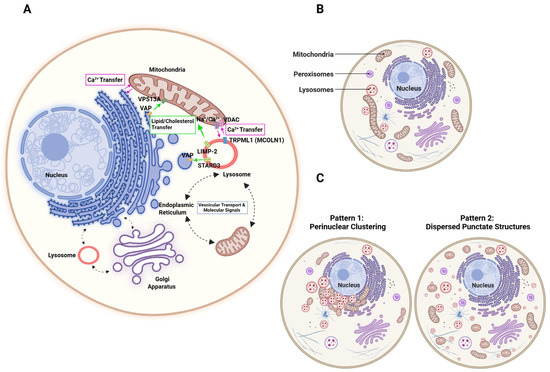
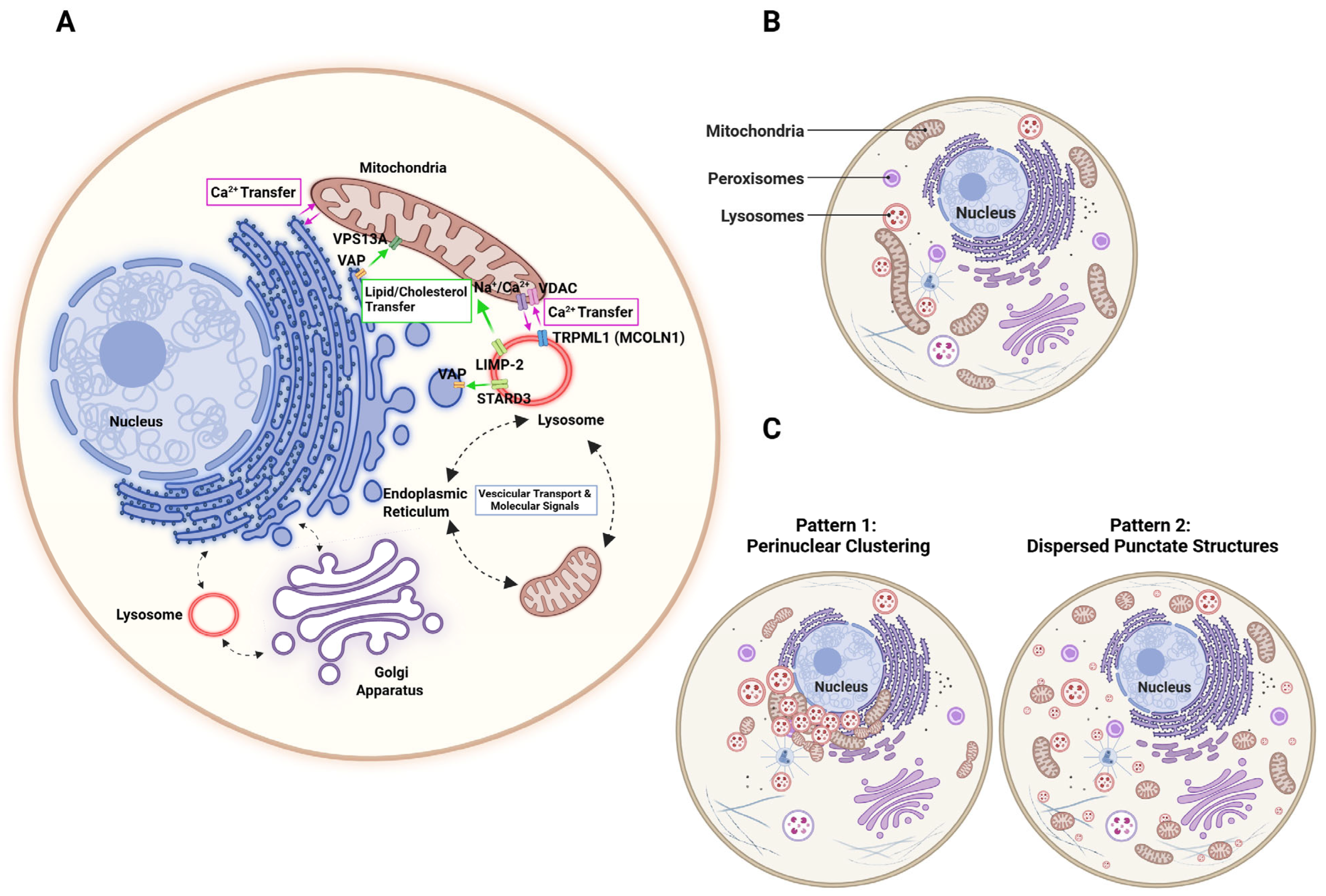
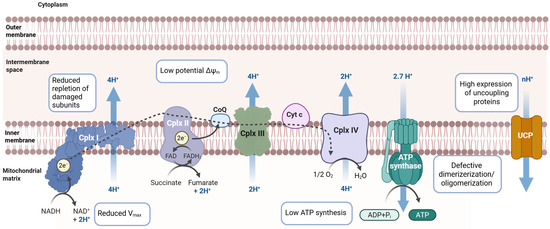
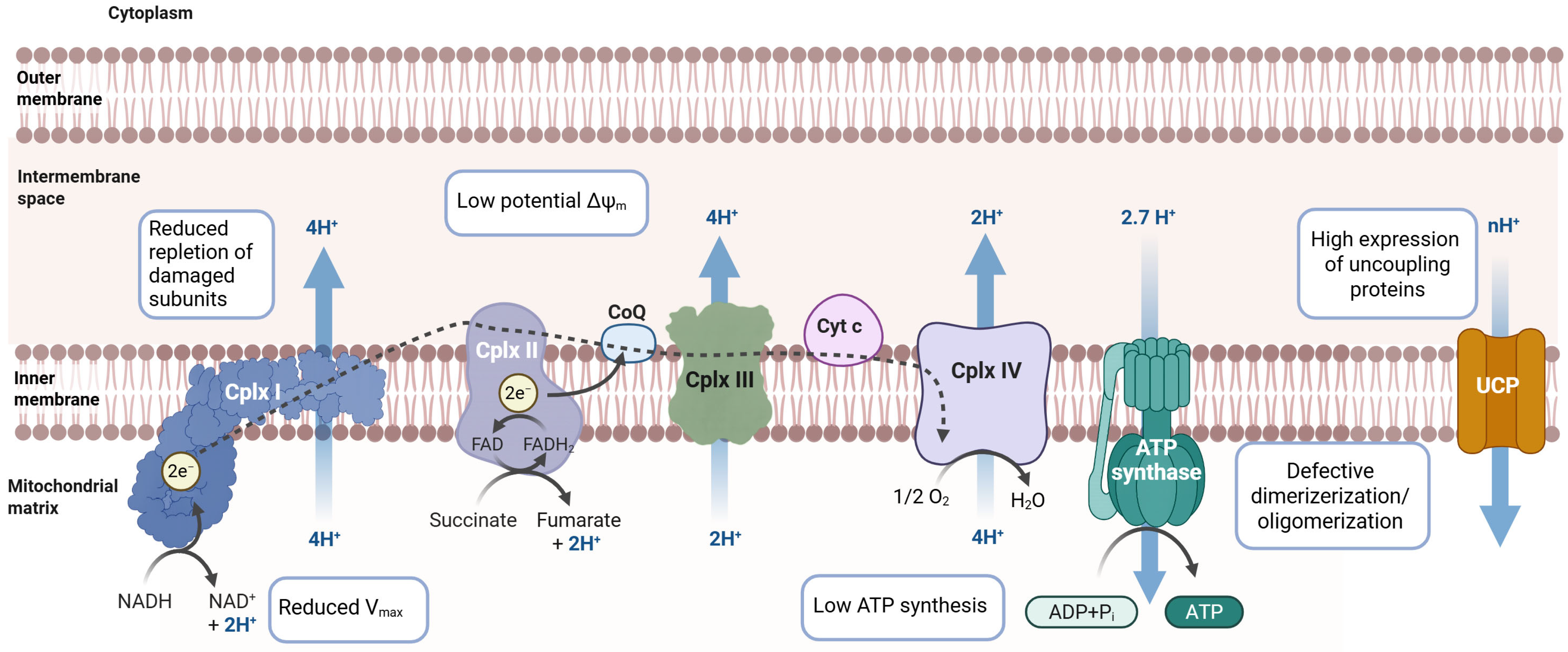
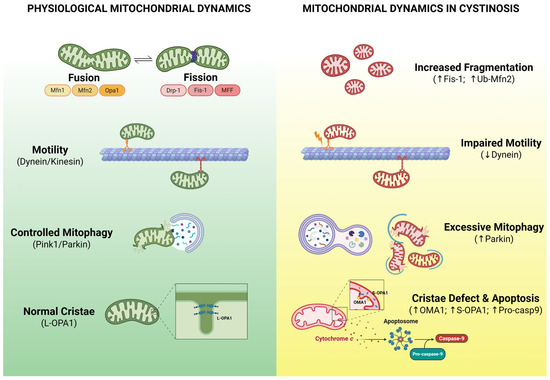
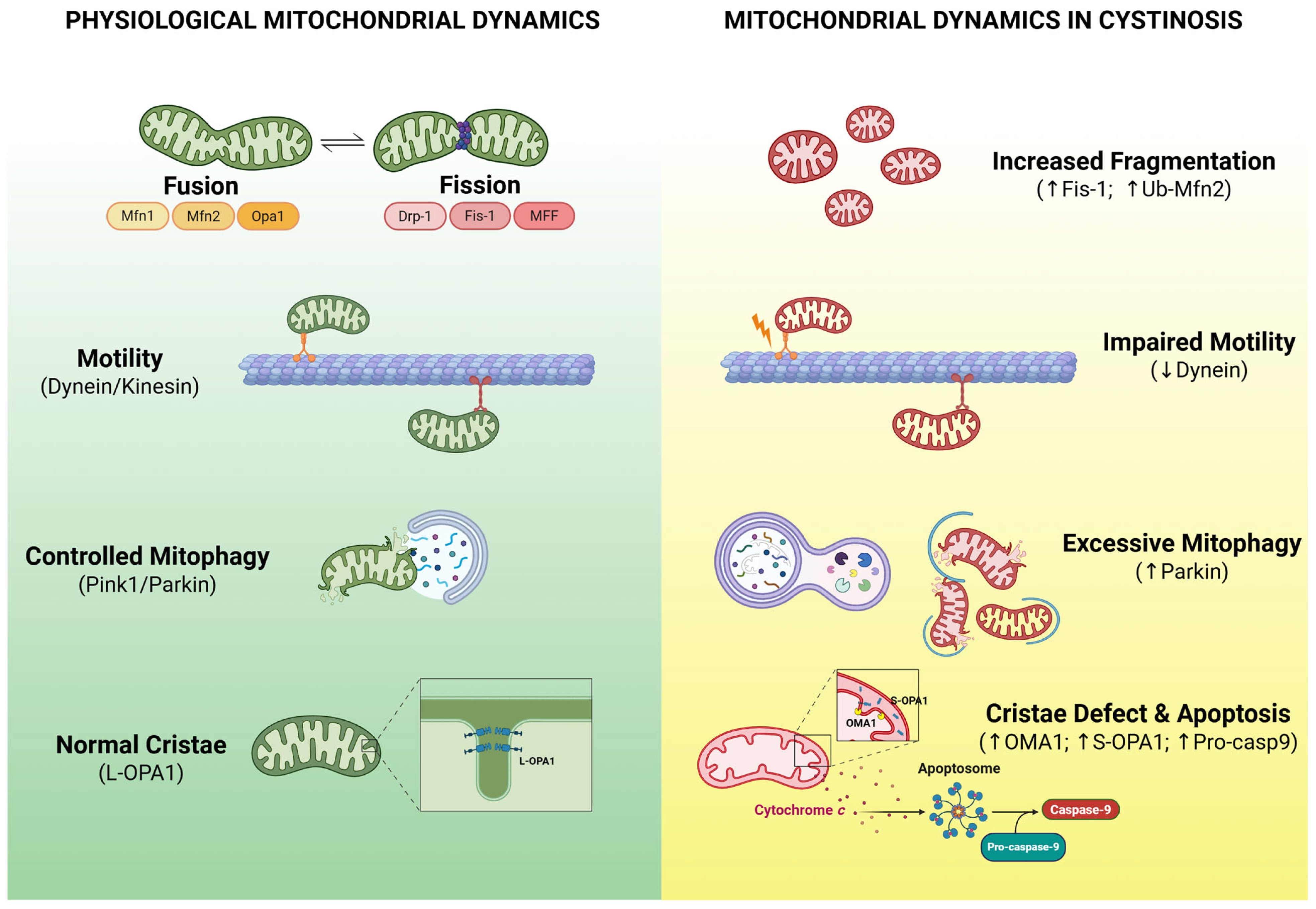
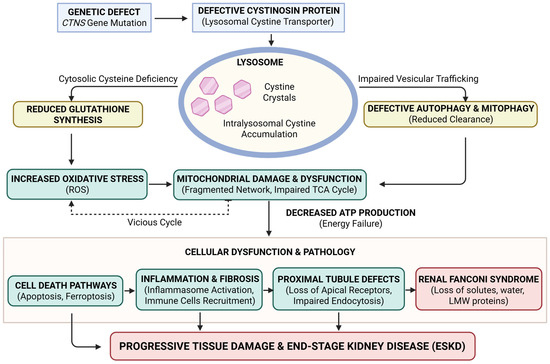
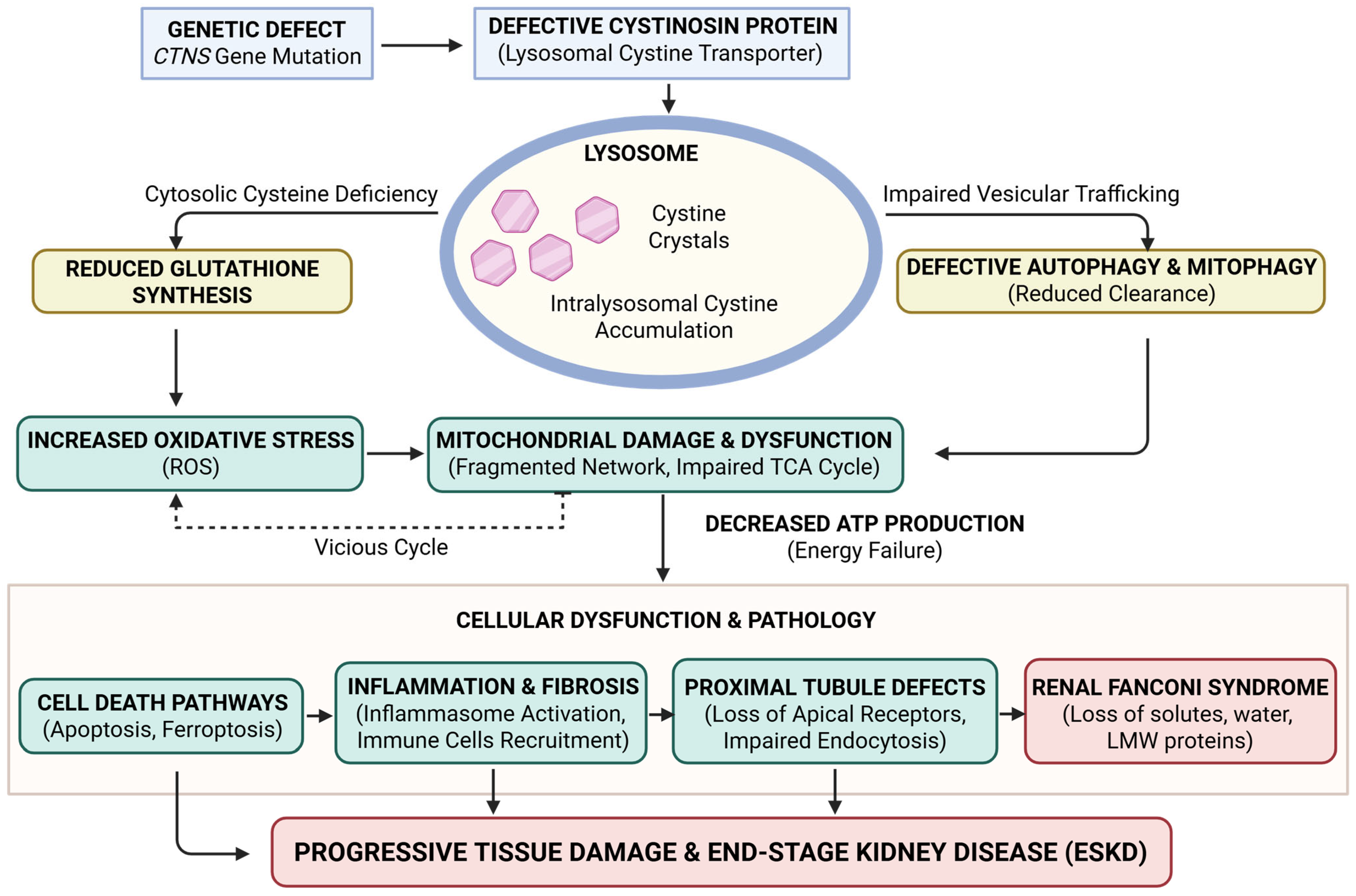

Disclaimer/Publisher’s Note: The statements, opinions and data contained in all publications are solely those of the individual author(s) and contributor(s) and not of MDPI and/or the editor(s). MDPI and/or the editor(s) disclaim responsibility for any injury to people or property resulting from any ideas, methods, instructions or products referred to in the content. |
© 2026 by the authors. Licensee MDPI, Basel, Switzerland. This article is an open access article distributed under the terms and conditions of the Creative Commons Attribution (CC BY) license.