Article

SIRT1 Promotes Breast Cancer Stem Cell-Associated Properties and Represents a Potential Therapeutic Target

1
Department of Pathology & Immunology, Baylor College of Medicine, One Baylor Plaza, Houston, TX 77030, USA
2
Department of Genitourinary Medical Oncology, The University of Texas MD Anderson Cancer Center, Houston, TX 77030, USA
3
Texas Therapeutics Institute, Brown Foundation Institute of Molecular Medicine, McGovern Medical School, University of Texas Health Science Center at Houston, 1825 Pressler Street, Houston, TX 77030, USA
4
Center of Molecular Imaging, Brown Foundation Institute of Molecular Medicine, McGovern Medical School, University of Texas Health Science Center at Houston, 1825 Pressler Street, Houston, TX 77030, USA
*
Author to whom correspondence should be addressed.
Int. J. Mol. Sci. 2026, 27(18), 8226; https://doi.org/10.3390/ijms27188226
Submission received: 31 July 2026 / Revised: 1 September 2026 / Accepted: 8 September 2026 / Published: 15 September 2026

Abstract

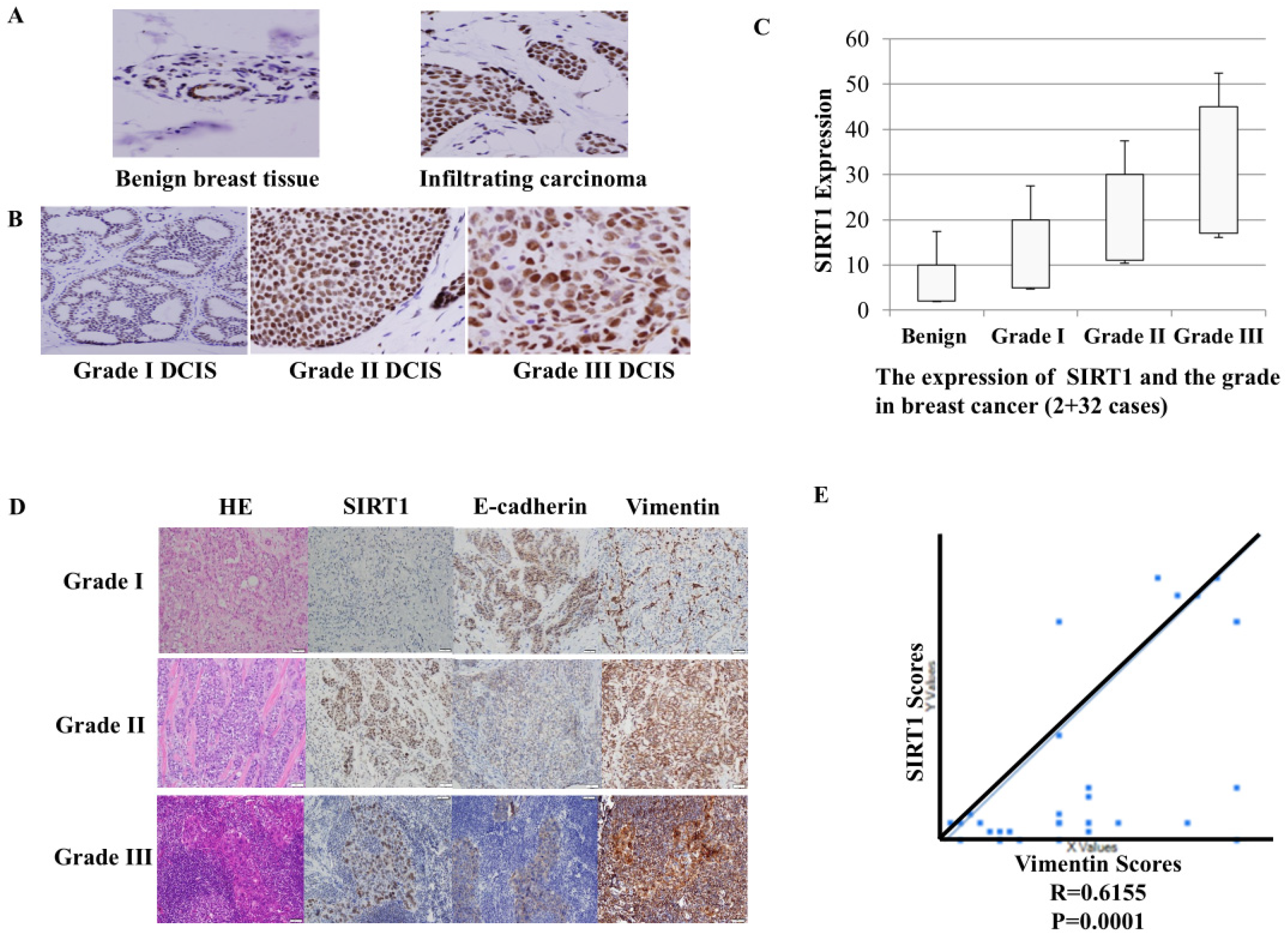
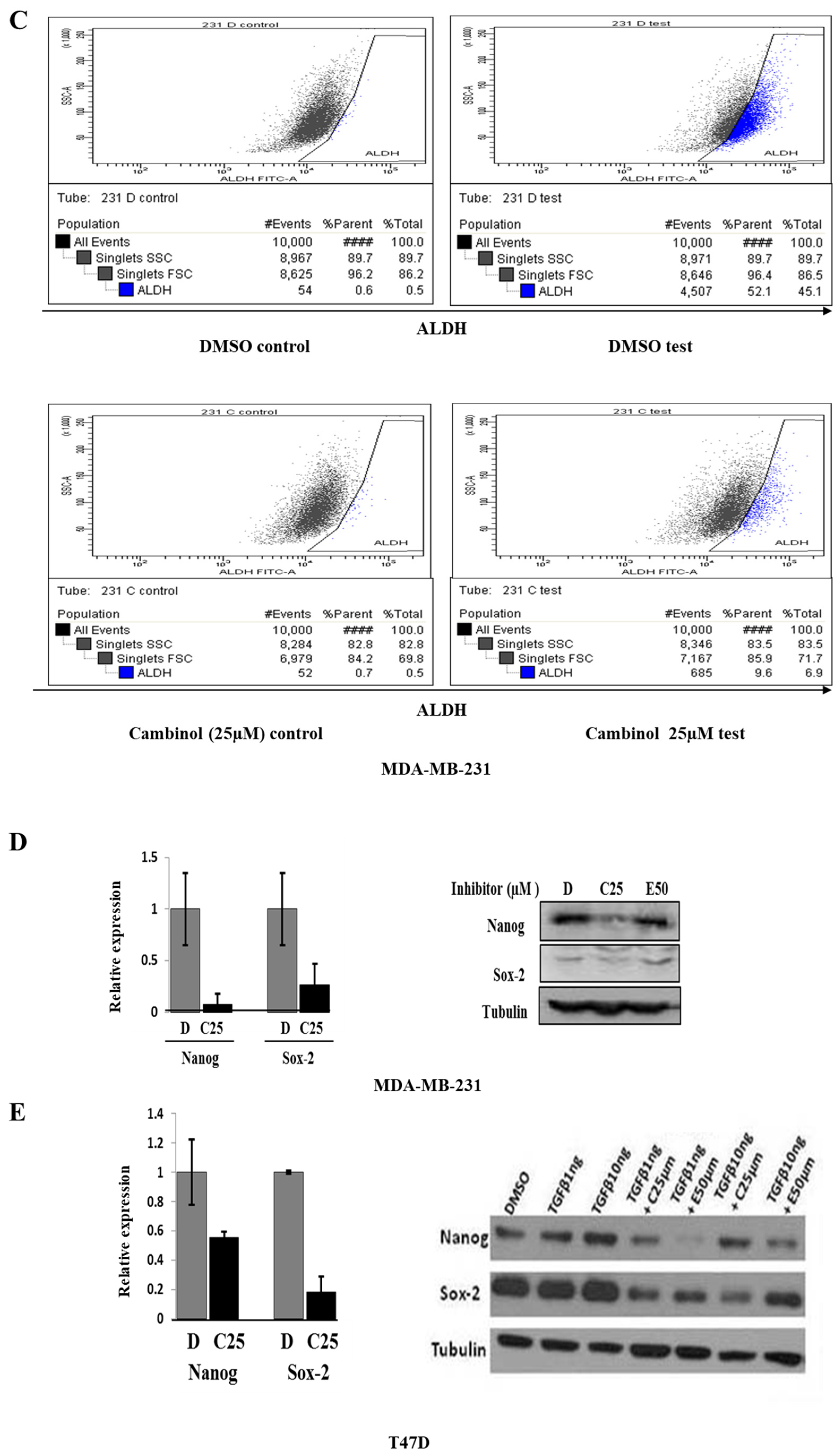
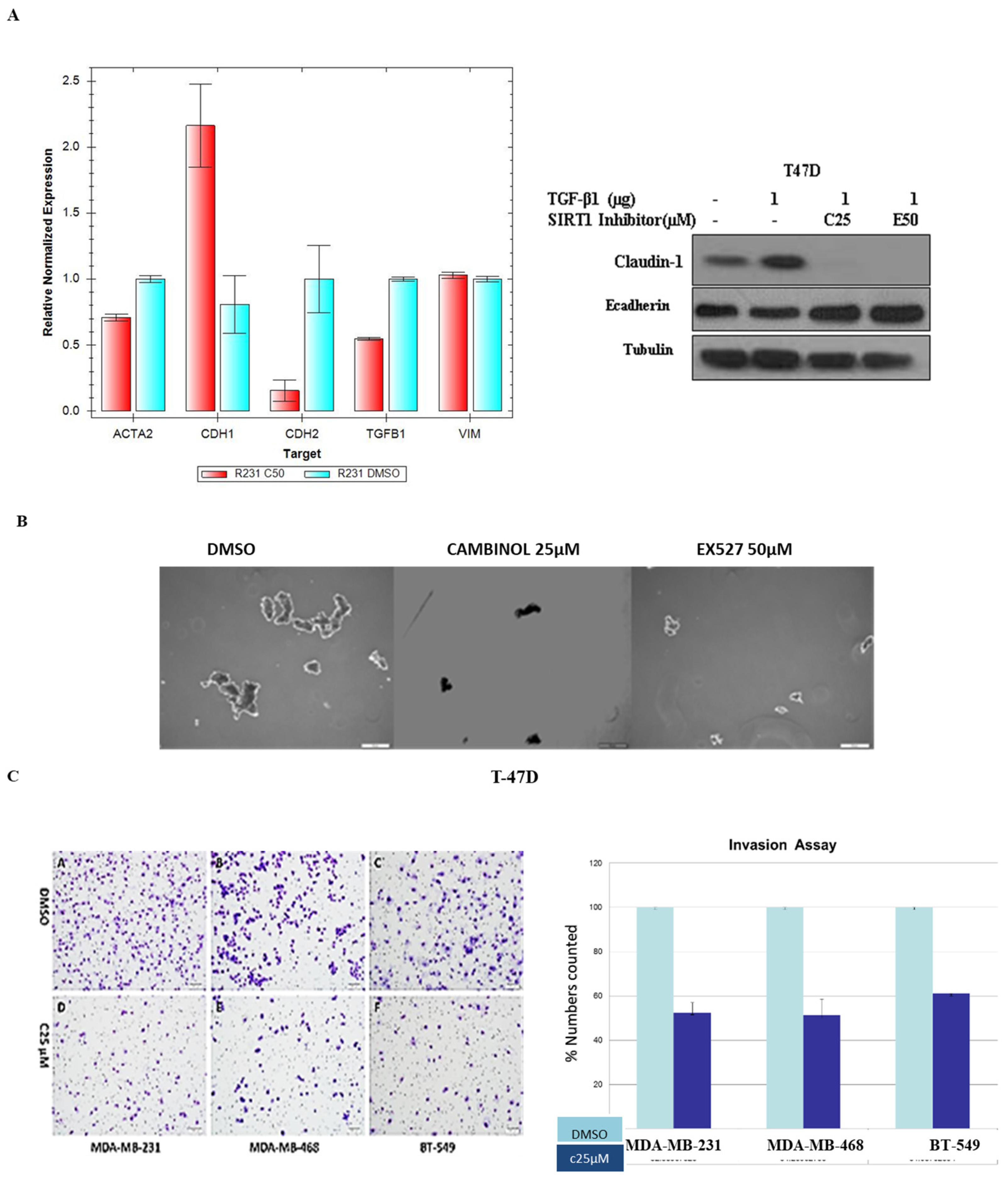
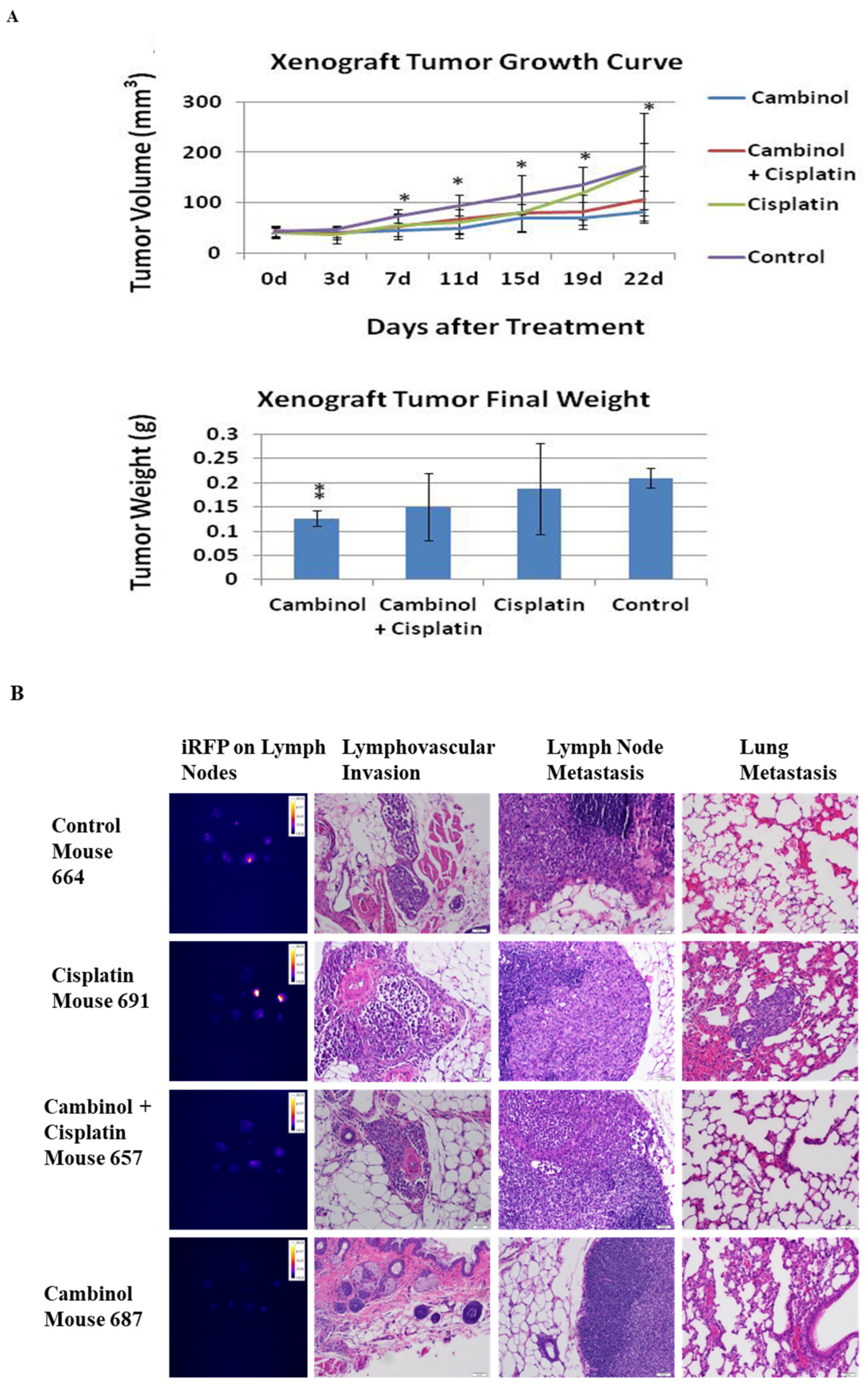
Breast cancer stem cells (BCSCs) drive tumor progression, metastasis, and therapeutic resistance. Sirtuin 1 (SIRT1) has been implicated in stem cell regulation, but its context-dependent role in BCSC maintenance and the underlying molecular mechanisms remain poorly defined. SIRT1 expression was evaluated in human breast cancer specimens. Pharmacologic and genetic SIRT1 inhibition was assessed in breast cancer cell lines and orthotopic xenograft models to determine effects on stemness, epithelial–mesenchymal transition (EMT), metastasis, and chemoresistance, with emphasis on Wnt/β catenin signaling. SIRT1 was overexpressed in breast cancer and correlated with higher tumor grades. SIRT1 inhibition reduced BCSC markers (CD44, ALDH1), stemness genes (NANOG, SOX-2), mammosphere formation, EMT, and invasion. In vivo, SIRT1 inhibition suppressed tumor growth, blocked lymphatic metastasis, and delayed cisplatin resistance. Mechanistically, these effects were mediated by downregulation of Disheveled 3 (DVL3) and attenuation of Wnt/β catenin signaling. SIRT1 is associated with the maintenance of BCSC-related properties, EMT, and activation of the Wnt/β-catenin pathway in breast cancer. Targeting SIRT1 may represent a potential therapeutic strategy to suppress tumor progression and improve treatment response.
Keywords: breast cancer; cancer stem cell (CSC); breast cancer stem cell (BCSC); epithelial–mesenchymal transition (EMT); SIRT1; SIRT1 inhibitor; TGF-β; Wnt/β-catenin pathway; DVL breast cancer; cancer stem cell (CSC); breast cancer stem cell (BCSC); epithelial–mesenchymal transition (EMT); SIRT1; SIRT1 inhibitor; TGF-β; Wnt/β-catenin pathway; DVL