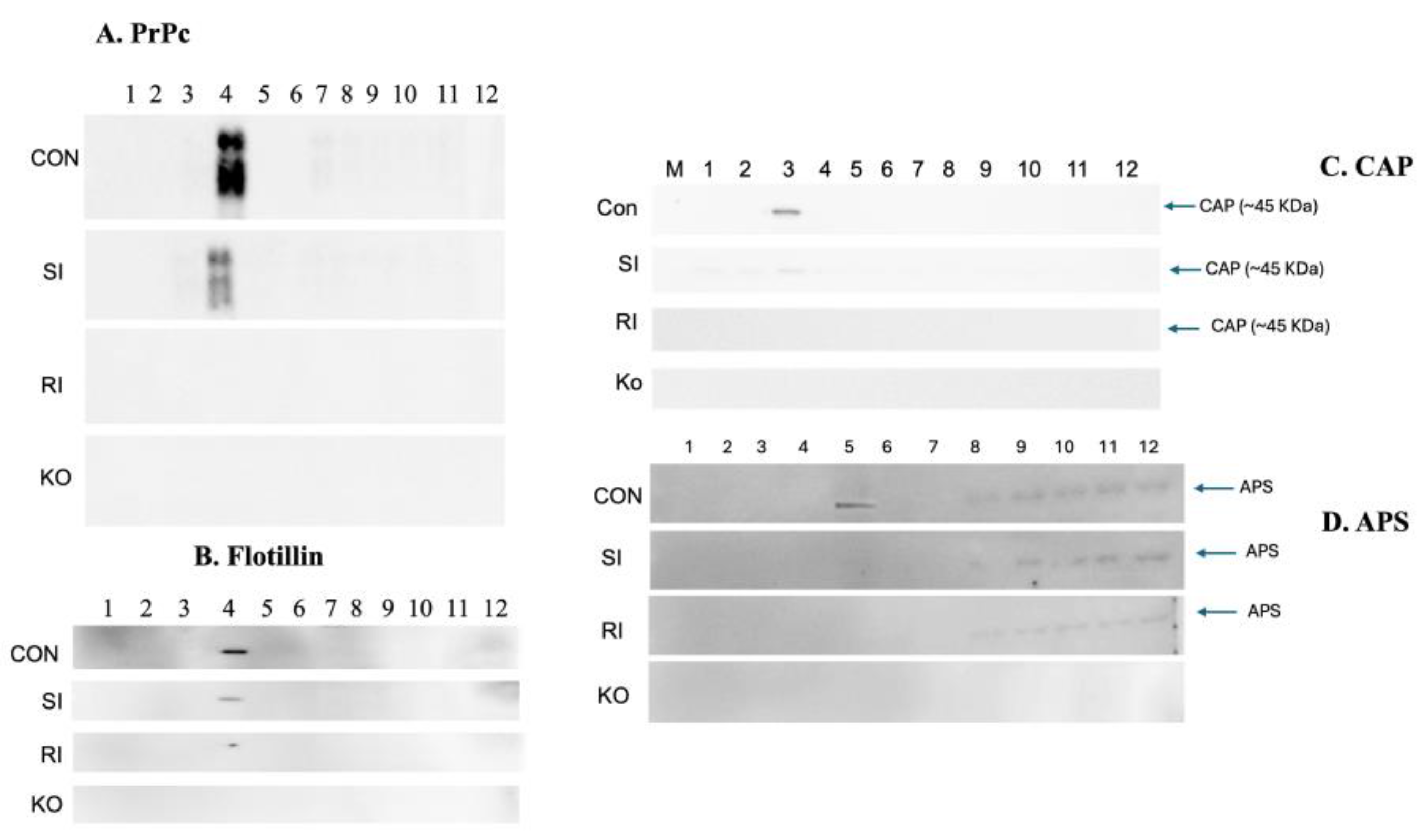
Correction: Sekar et al. Concussion/Mild Traumatic Brain Injury (TBI) Induces Brain Insulin Resistance: A Positron Emission Tomography (PET) Scanning Study. Int. J. Mol. Sci. 2021, 22, 9005

 and
and 

Reference
- Sekar, S.; Viswas, R.S.; Miranzadeh Mahabadi, H.; Alizadeh, E.; Fonge, H.; Taghibiglou, C. Concussion/Mild Traumatic Brain Injury (TBI) Induces Brain Insulin Resistance: A Positron Emission Tomography (PET) Scanning Study. Int. J. Mol. Sci. 2021, 22, 9005. [Google Scholar] [CrossRef] [PubMed]
Disclaimer/Publisher’s Note: The statements, opinions and data contained in all publications are solely those of the individual author(s) and contributor(s) and not of MDPI and/or the editor(s). MDPI and/or the editor(s) disclaim responsibility for any injury to people or property resulting from any ideas, methods, instructions or products referred to in the content. |
© 2026 by the authors. Licensee MDPI, Basel, Switzerland. This article is an open access article distributed under the terms and conditions of the Creative Commons Attribution (CC BY) license.
Share and Cite
Sekar, S.; Viswas, R.S.; Miranzadeh Mahabadi, H.; Alizadeh, E.; Fonge, H.; Taghibiglou, C. Correction: Sekar et al. Concussion/Mild Traumatic Brain Injury (TBI) Induces Brain Insulin Resistance: A Positron Emission Tomography (PET) Scanning Study. Int. J. Mol. Sci. 2021, 22, 9005. Int. J. Mol. Sci. 2026, 27, 5650. https://doi.org/10.3390/ijms27135650
Sekar S, Viswas RS, Miranzadeh Mahabadi H, Alizadeh E, Fonge H, Taghibiglou C. Correction: Sekar et al. Concussion/Mild Traumatic Brain Injury (TBI) Induces Brain Insulin Resistance: A Positron Emission Tomography (PET) Scanning Study. Int. J. Mol. Sci. 2021, 22, 9005. International Journal of Molecular Sciences. 2026; 27(13):5650. https://doi.org/10.3390/ijms27135650
Chicago/Turabian StyleSekar, Sathiya, Raja Solomon Viswas, Hajar Miranzadeh Mahabadi, Elahe Alizadeh, Humphrey Fonge, and Changiz Taghibiglou. 2026. "Correction: Sekar et al. Concussion/Mild Traumatic Brain Injury (TBI) Induces Brain Insulin Resistance: A Positron Emission Tomography (PET) Scanning Study. Int. J. Mol. Sci. 2021, 22, 9005" International Journal of Molecular Sciences 27, no. 13: 5650. https://doi.org/10.3390/ijms27135650
APA StyleSekar, S., Viswas, R. S., Miranzadeh Mahabadi, H., Alizadeh, E., Fonge, H., & Taghibiglou, C. (2026). Correction: Sekar et al. Concussion/Mild Traumatic Brain Injury (TBI) Induces Brain Insulin Resistance: A Positron Emission Tomography (PET) Scanning Study. Int. J. Mol. Sci. 2021, 22, 9005. International Journal of Molecular Sciences, 27(13), 5650. https://doi.org/10.3390/ijms27135650