Article

TCEA1 Suppresses Acute Promyelocytic Leukemia by Upregulating C/EBPε and IRF8

1
School of Basic Medicine, Guizhou University of Traditional Chinese Medicine, Guiyang 550025, China
2
Guizhou Center for Disease Control and Prevention, Guiyang 550004, China
*
Author to whom correspondence should be addressed.
Int. J. Mol. Sci. 2026, 27(12), 5380; https://doi.org/10.3390/ijms27125380
Submission received: 6 May 2026 / Revised: 9 June 2026 / Accepted: 12 June 2026 / Published: 15 June 2026
(This article belongs to the Section Molecular Immunology)

Abstract

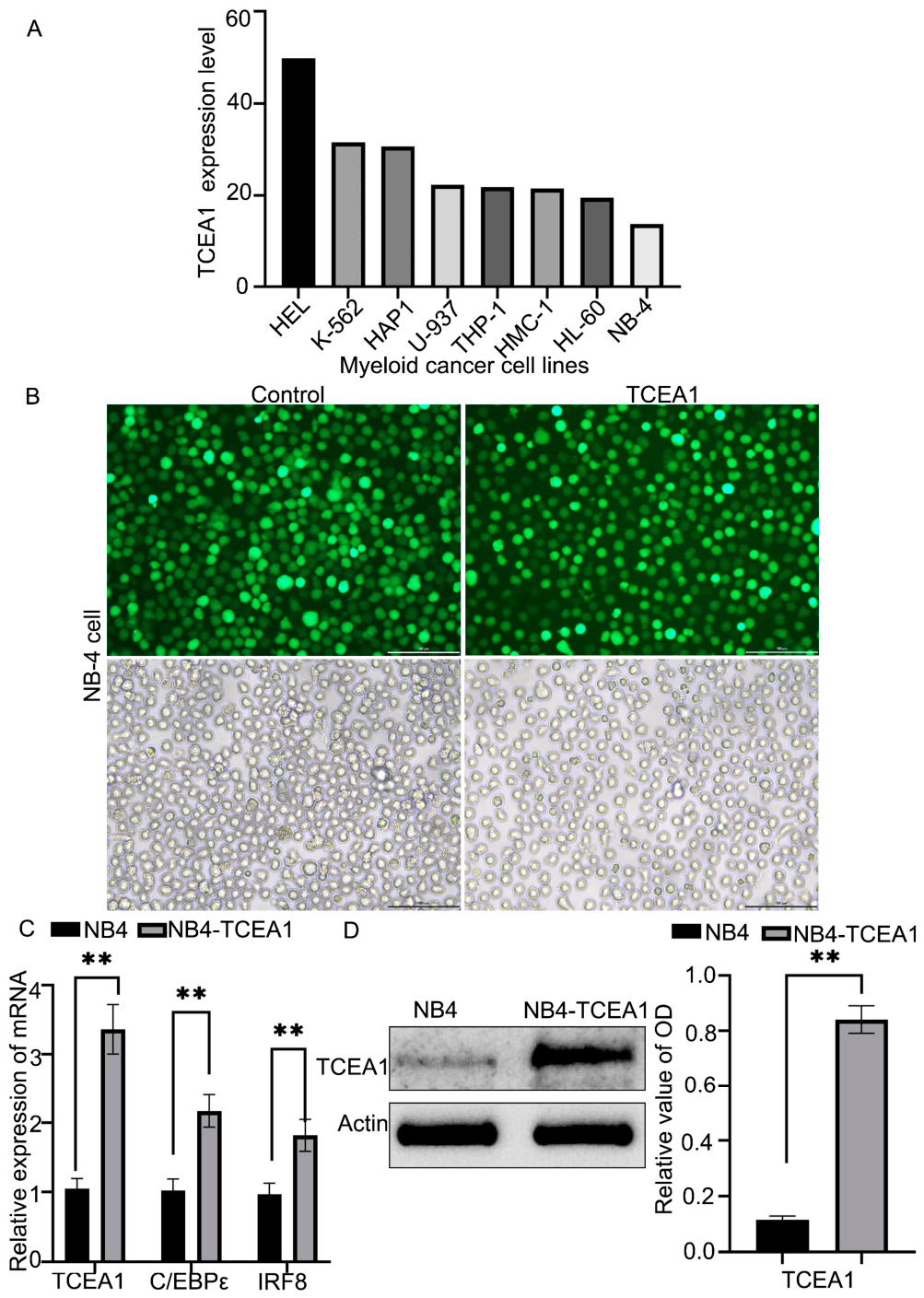
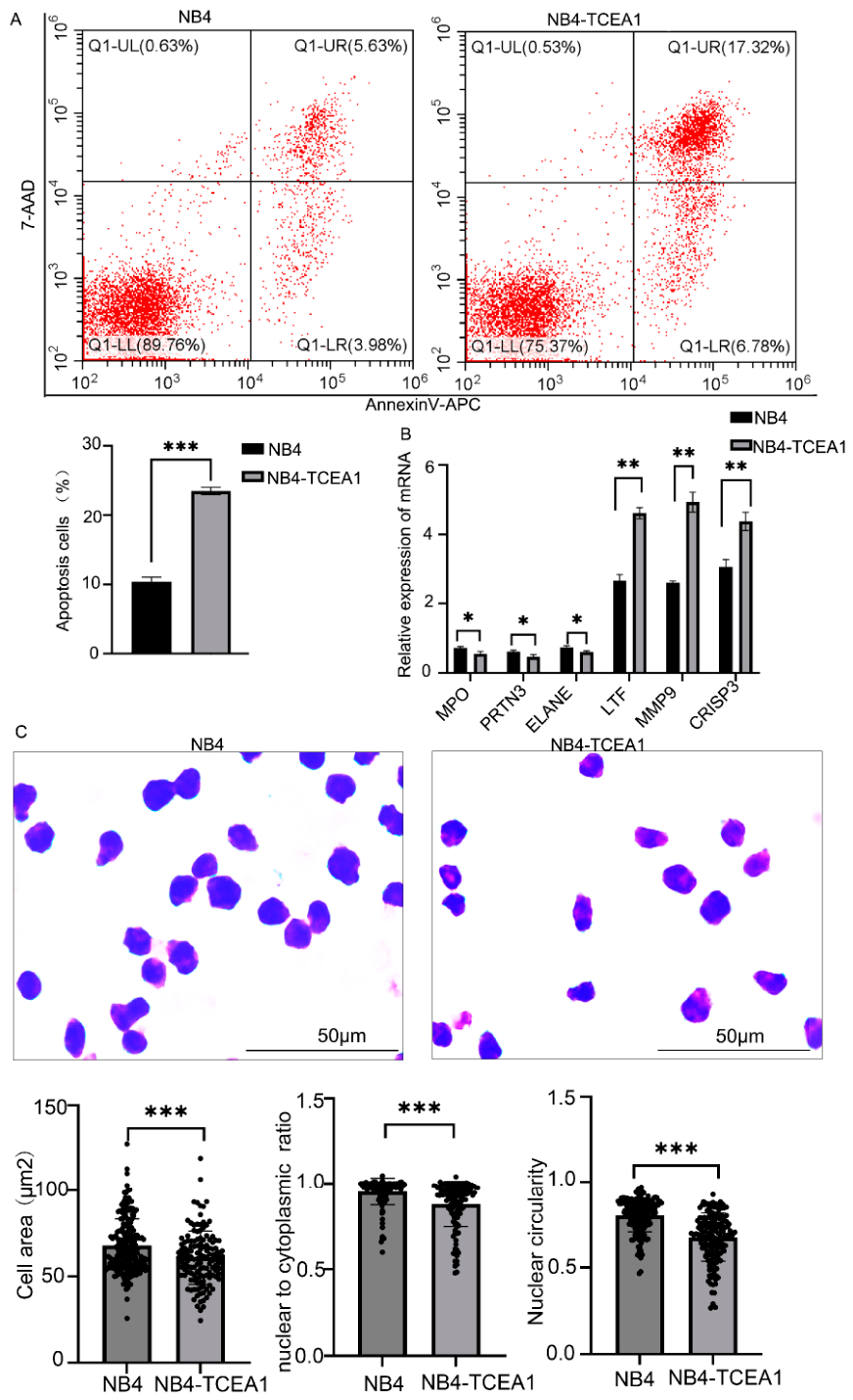
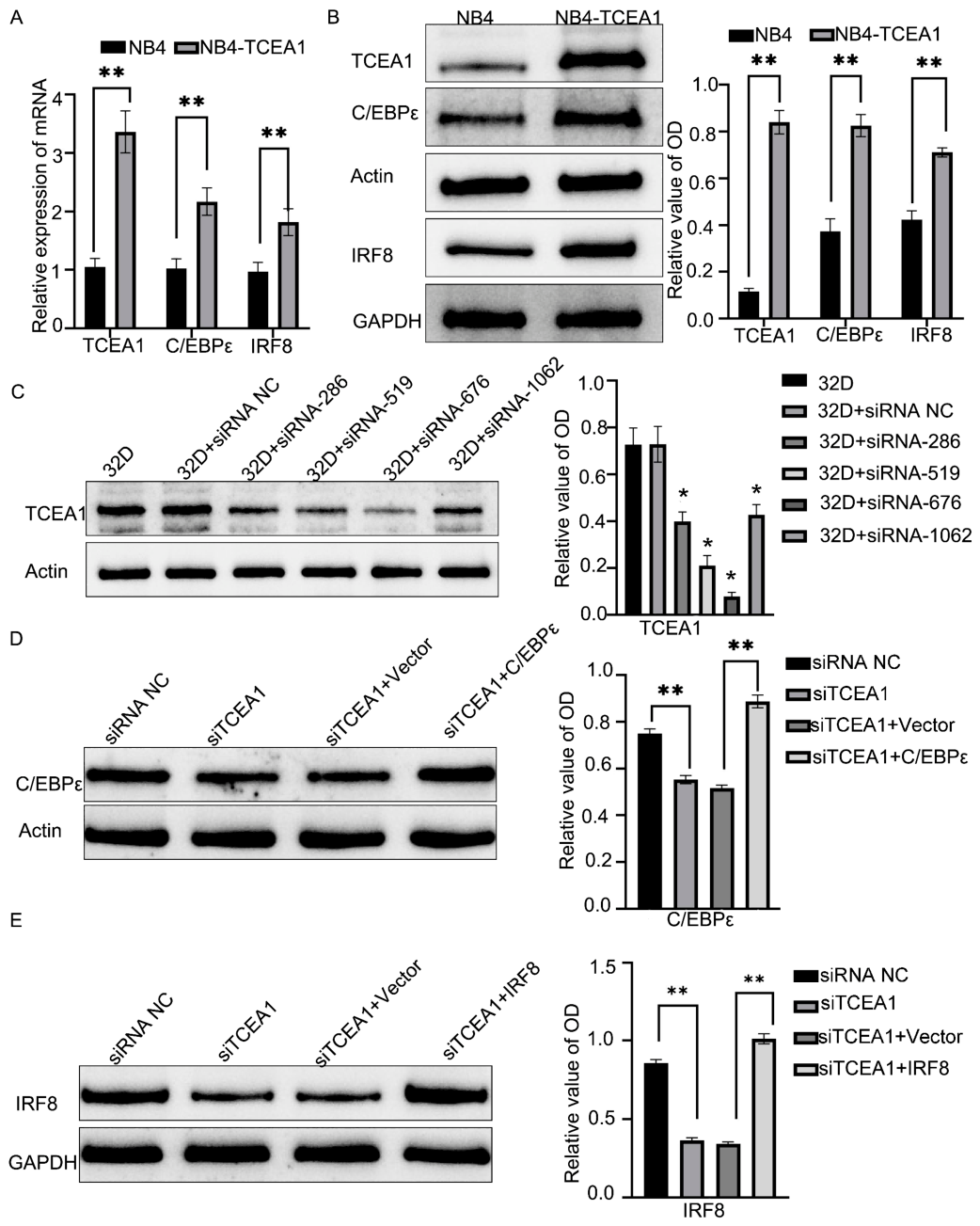
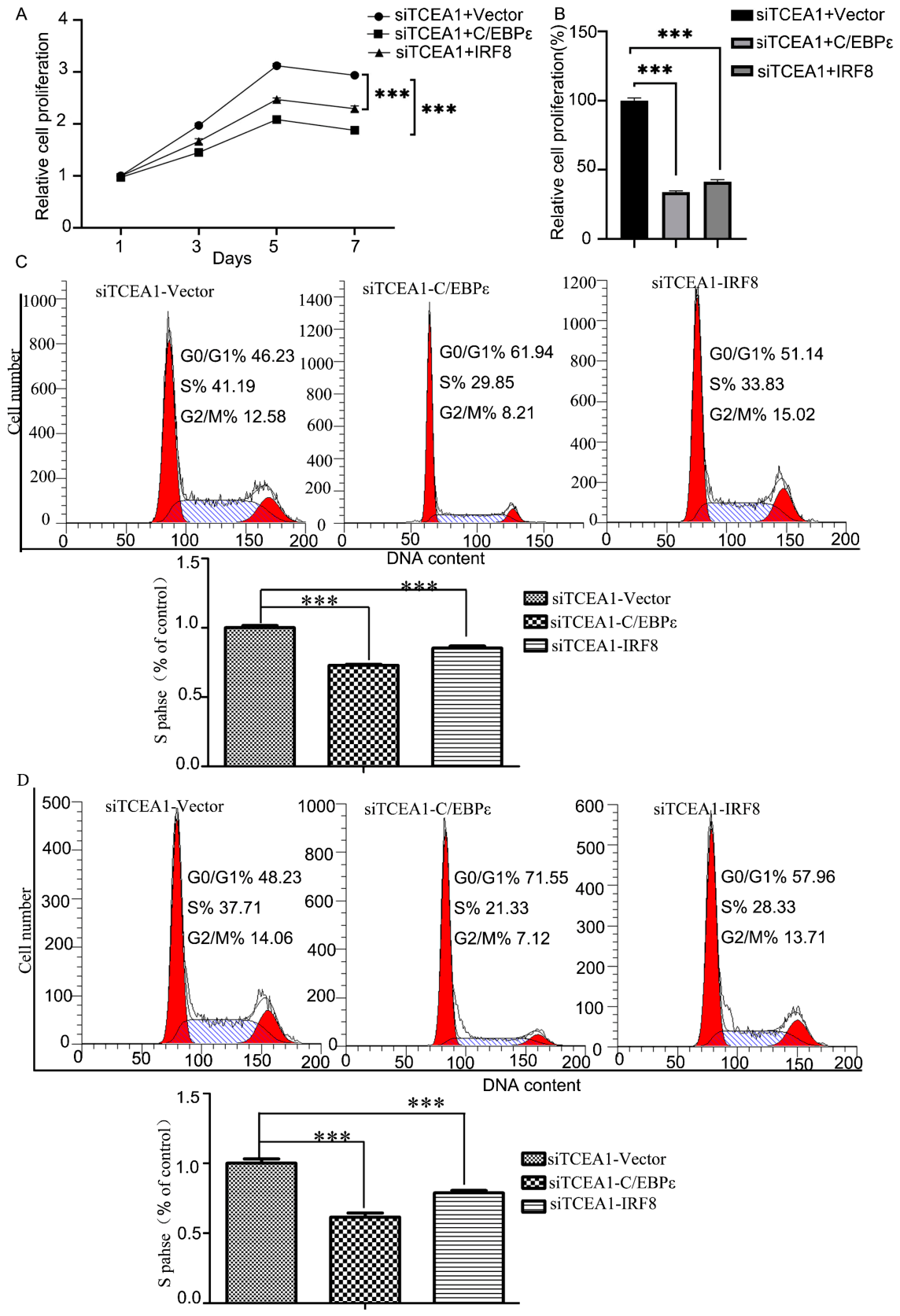
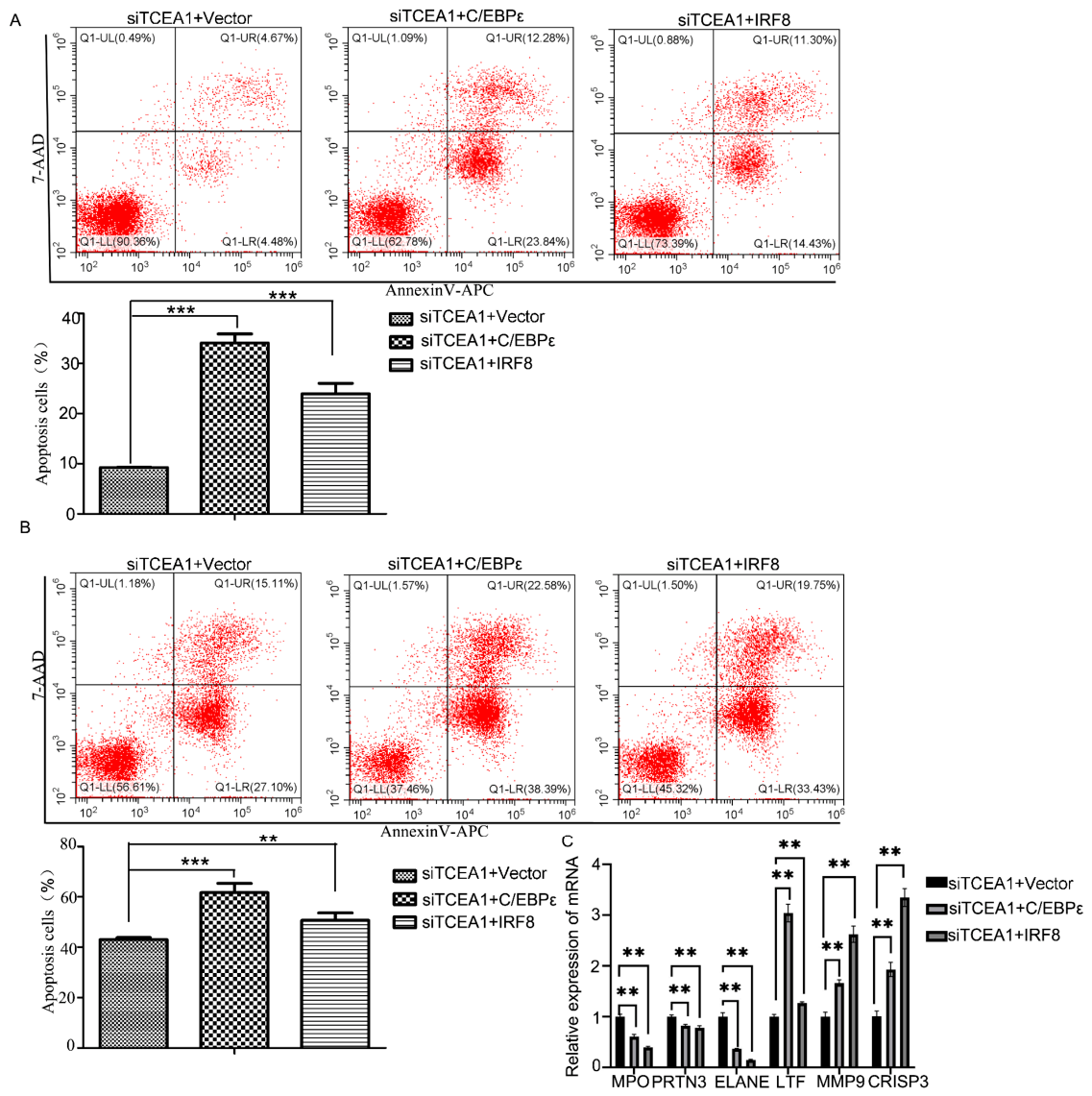
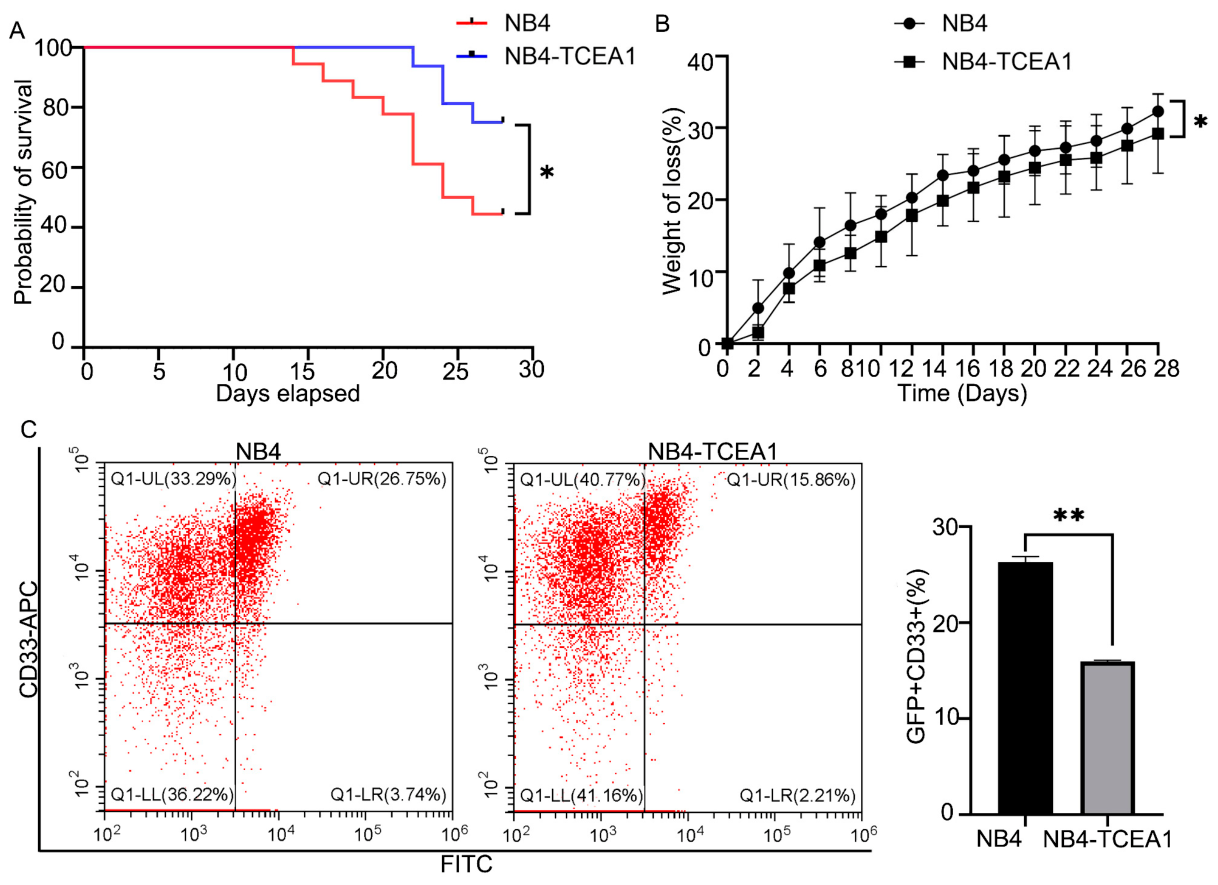
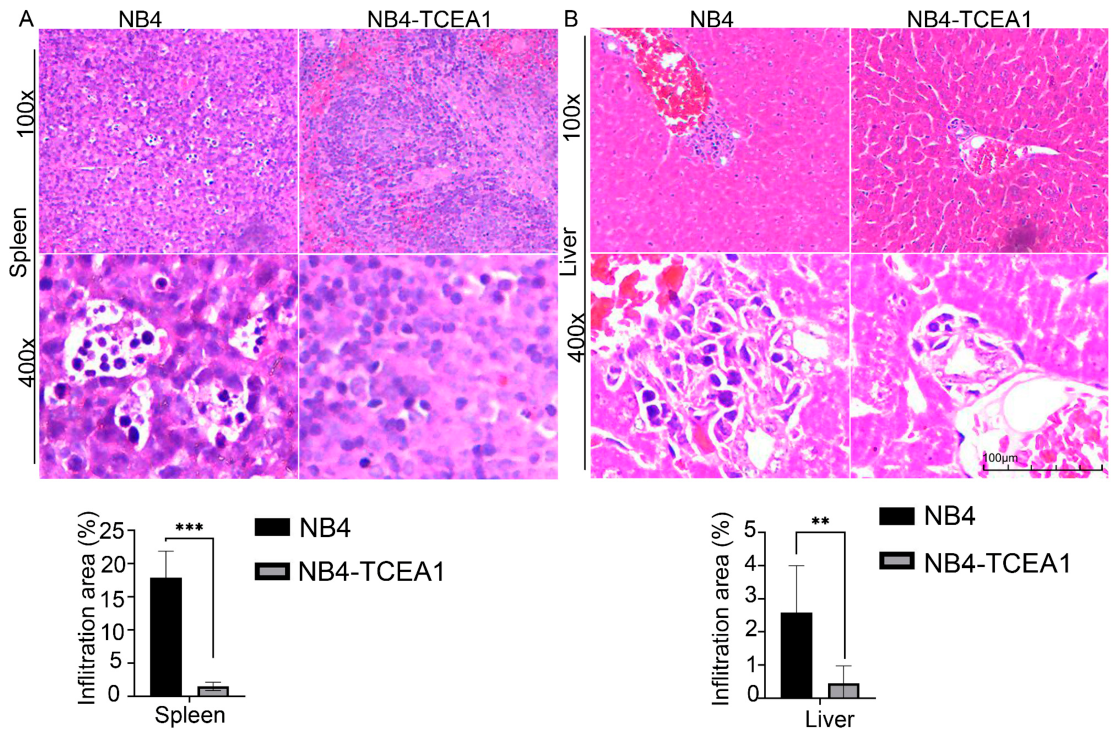
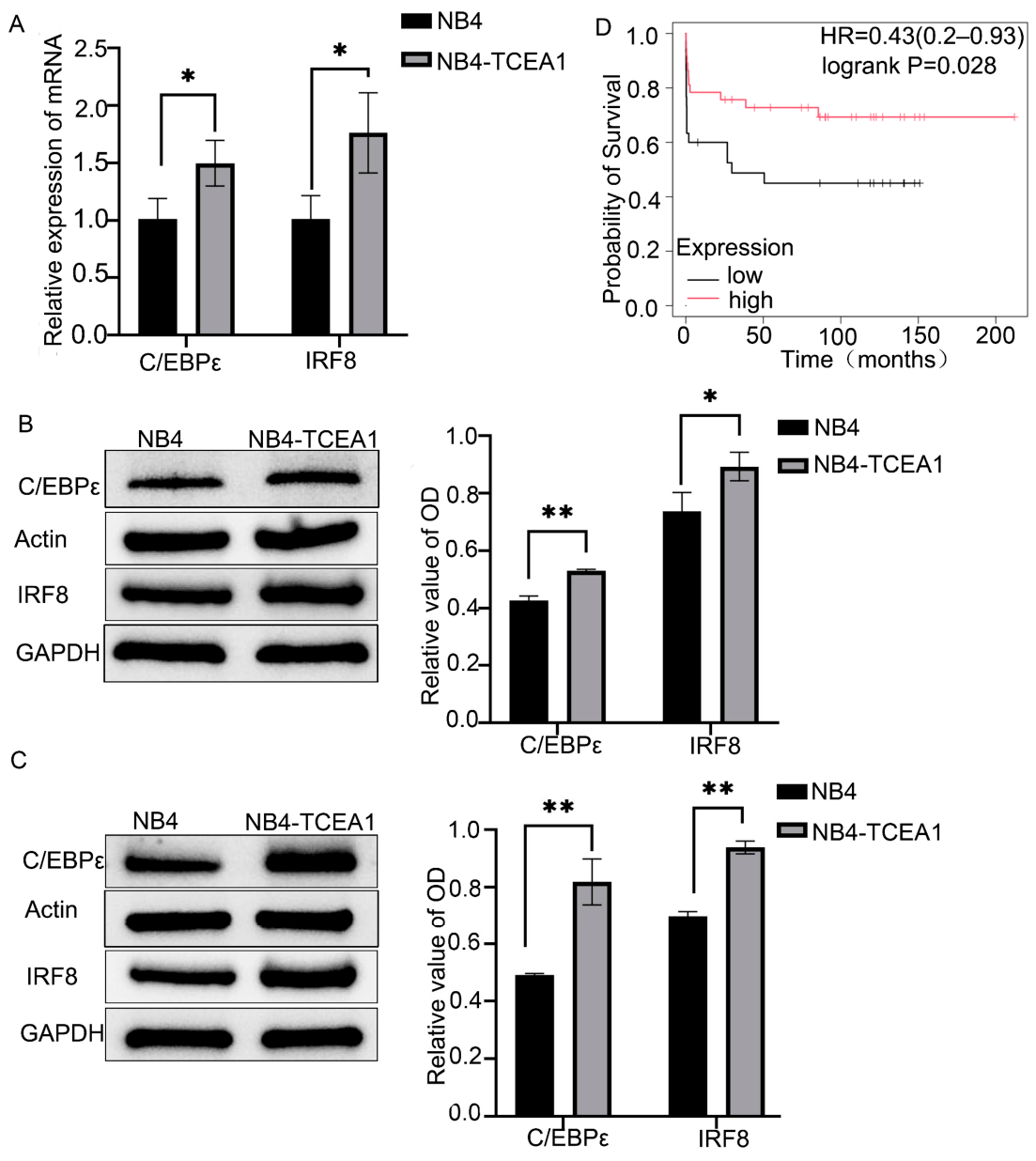
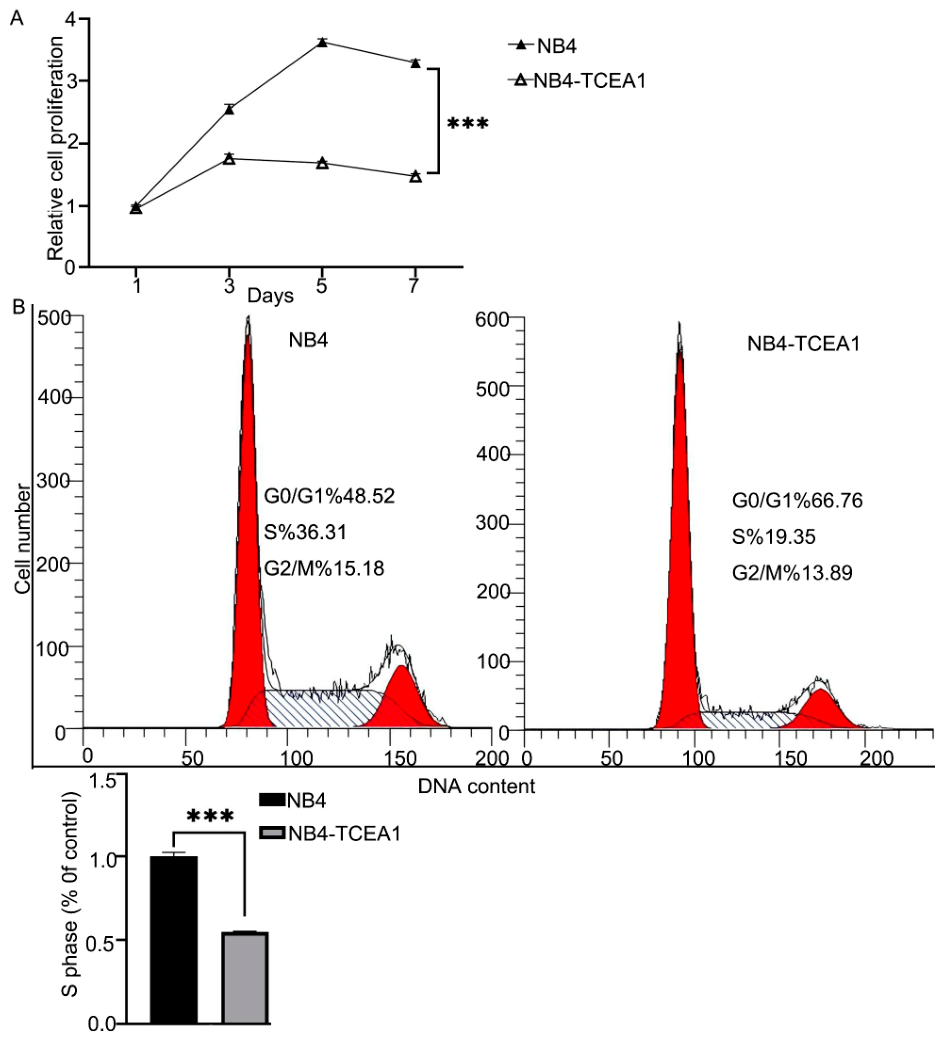
We previously showed that TCEA1 deficiency in myeloid cells promotes proliferation, impairs differentiation and inhibits apoptosis, but its role and underlying mechanism in acute myeloid leukemia (AML) are unknown. Here, in NB-4 cells, an M3 subtype of AML, TCEA1 overexpression suppressed proliferation (p < 0.001), induced S-phase arrest (from 35.35% to 19.47%, p < 0.001), increased apoptosis (from 10.37% to 23.5%, p < 0.001), and promoted differentiation. Mechanistically, TCEA1 overexpression upregulated C/EBPε and IRF8 at the mRNA and protein levels; conversely, TCEA1 knockdown downregulated both. Rescue experiments in TCEA1 knockdown 32Dcl3 cells showed that ectopic C/EBPε or IRF8 reversed the uncontrolled proliferation, blocked apoptosis, and impaired differentiation. In xenograft mouse models, TCEA1 overexpression reduced leukemic infiltration in the bone marrow, spleen, and liver; extended overall survival; and elevated C/EBPε and IRF8 expression in vivo. Analysis of public APL datasets revealed that high TCEA1 expression is associated with a favorable prognosis (HR = 0.43, 95% CI: 0.2–0.93, logrank p = 0.028). Collectively, our findings demonstrate that TCEA1 suppresses proliferation, promotes apoptosis and differentiation, and attenuates disease progression by upregulating C/EBPε and IRF8, positioning this regulatory mechanism as a potential therapeutic target and prognostic biomarker for this disease.
Keywords: TCEA1; acute promyelocytic leukemia; C/EBPε; IRF8; granulopoiesis; animal model TCEA1; acute promyelocytic leukemia; C/EBPε; IRF8; granulopoiesis; animal model