Development of Isoniazid–Pyrazole Hybrids as Potential Antitubercular Agents

 ,
,  , , , , , , and
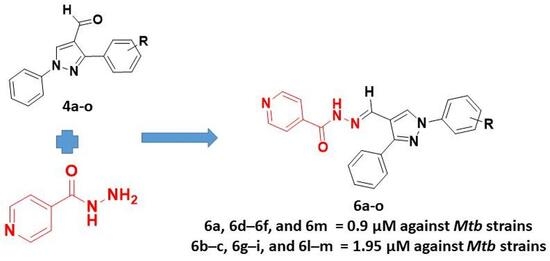
Abstract
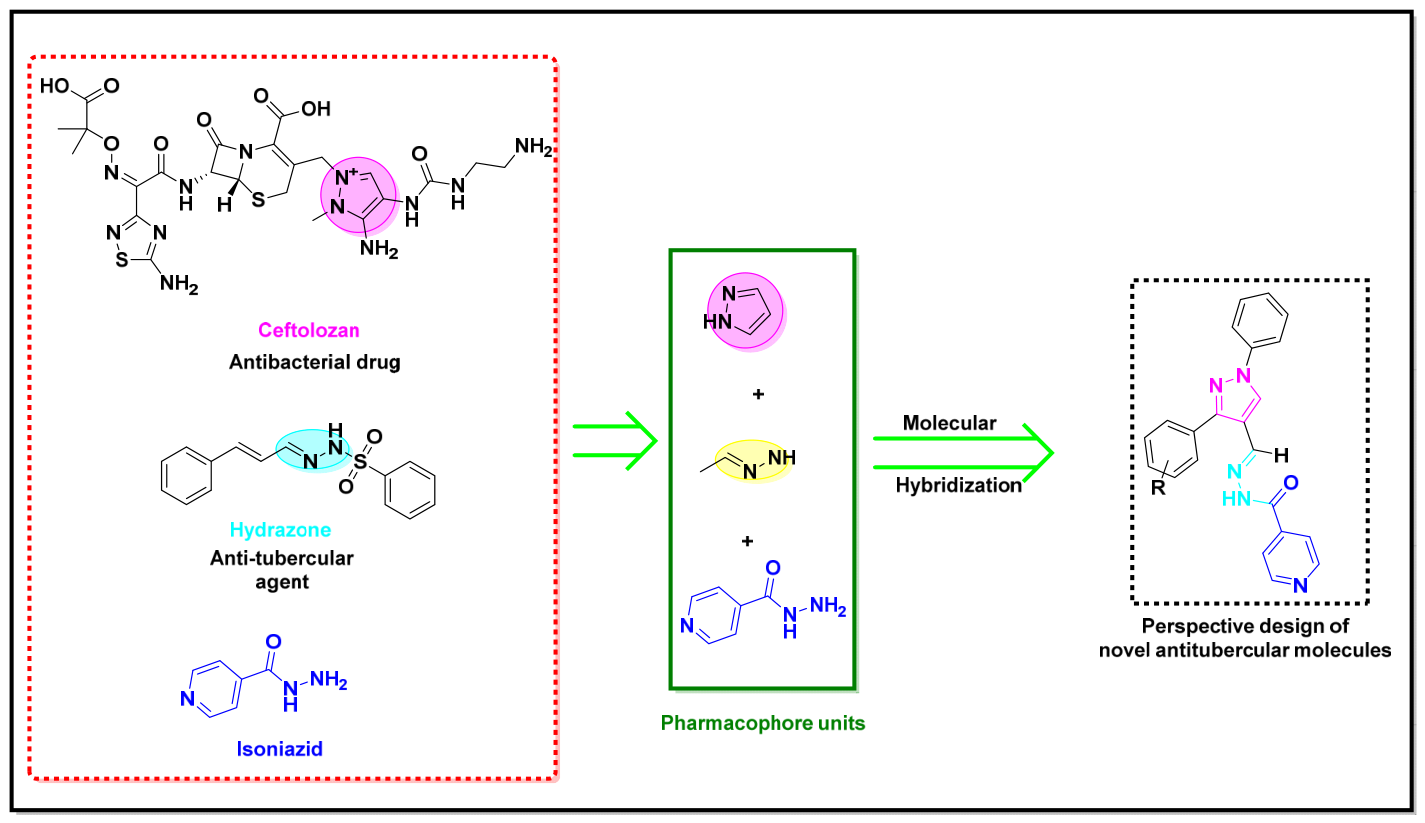
1. Introduction
2. Results and Discussion
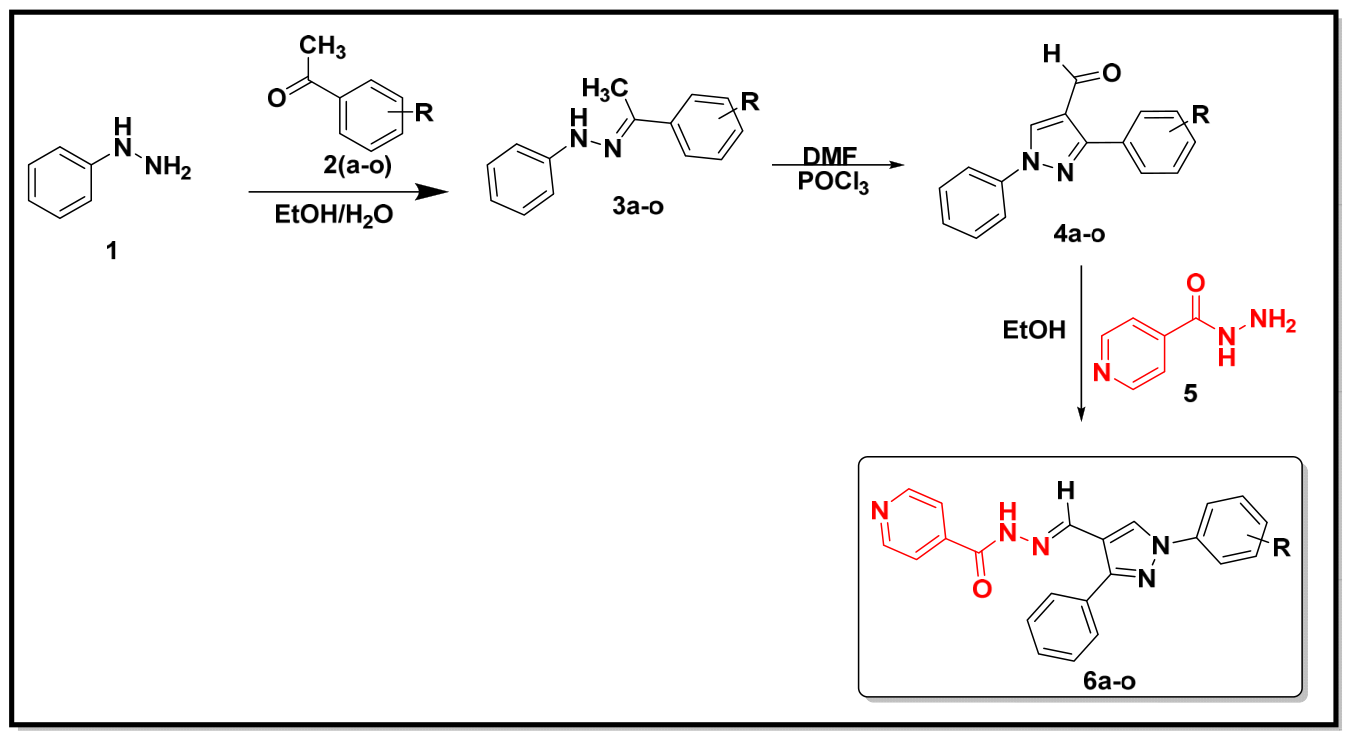
2.1. Chemistry
2.2. Biological Studies
2.2.1. In Vitro Activity Against INH-Sensitive, XDR and MDR M. tuberculosis Strains
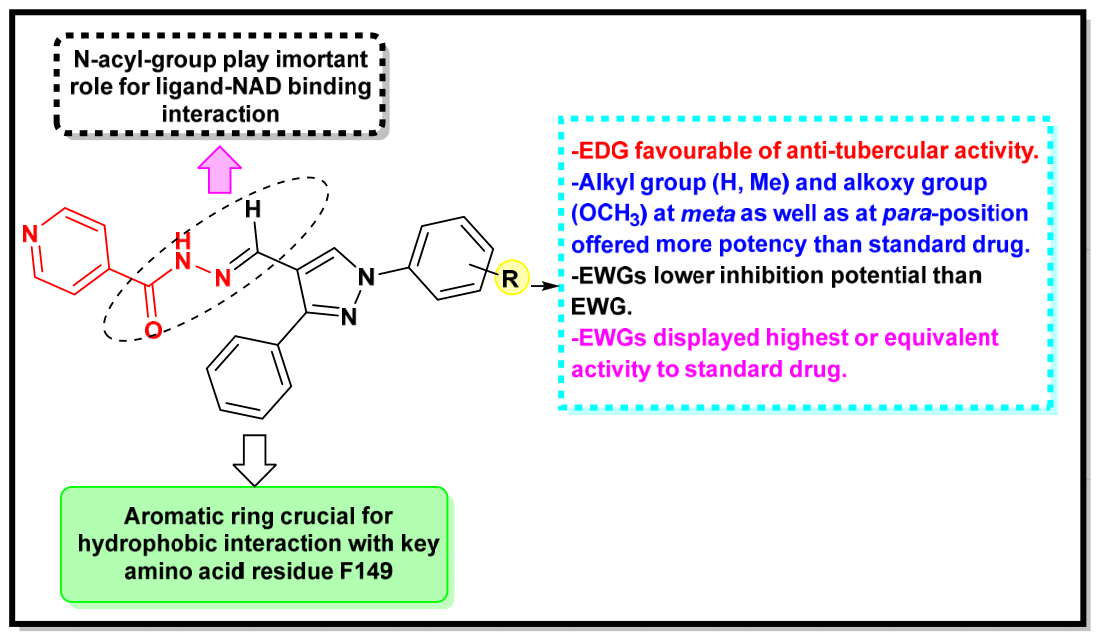
2.2.2. Structure–Activity Relationship (SAR)
2.2.3. In Vitro Activity Against INH-Resistant M. tuberculosis Strains
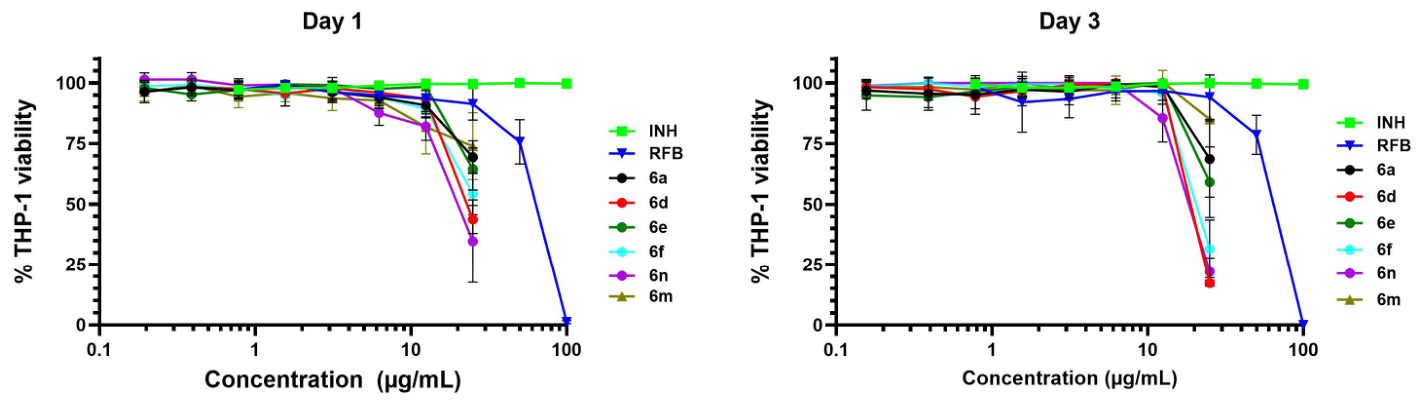
2.3. In Vitro Cytotoxicity Studies
2.4. In Silico Prediction of Drug-Likeness
3. Materials and Methods
3.1. Chemicals and Reagents
3.2. General Procedure for Synthesis of Precursors 3a–o
3.3. General Procedure for the Synthesis of Precursors 4a–o
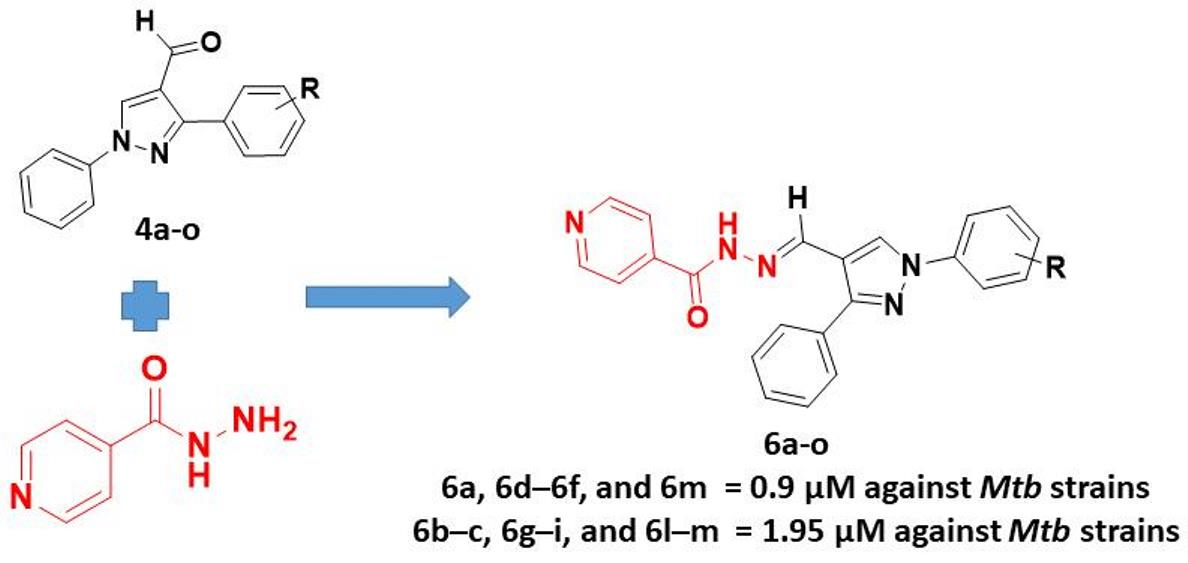
3.4. General Procedure for the Synthesis of Molecular Hybrids 6a–o
3.5. Analytical Data
3.5.1. Analycal Data of Series 4
1,3-Diphenyl-1H-pyrazole-4-carbaldehyde (4a)
3-(4-Aminophenyl)-1-phenyl-1H-pyrazole-4-carbaldehyde (4b)
3-(3-Aminophenyl)-1-phenyl-1H-pyrazole-4-carbaldehyde (4c)
3-(4-Aminophenyl)-1-phenyl-1H-pyrazole-4-carbaldehyde (4d)
3-(4-Methoxyphenyl)-1-phenyl-1H-pyrazole-4-carbaldehyde (4e)
3-(3-Methoxyphenyl)-1-phenyl-1H-pyrazole-4-carbaldehyde (4f)
3-(4-Bromophenyl)-1-phenyl-1H-pyrazole-4-carbaldehyde (4g)
3-(3-Bromophenyl)-1-phenyl-1H-pyrazole-4-carbaldehyde (4h)
3-(4-Chlorophenyl)-1-phenyl-1H-pyrazole-4-carbaldehyde (4i)
3-(3-Chlorophenyl)-1-phenyl-1H-pyrazole-4-carbaldehyde (4j)
3-(4-Fluorophenyl)-1-phenyl-1H-pyrazole-4-carbaldehyde (4k)
3-(3-Fluorophenyl)-1-phenyl-1H-pyrazole-4-carbaldehyde (4l)
3-(2,4-Difluorophenyl)-1-phenyl-1H-pyrazole-4-carbaldehyde (4m)
3-(4-Trifluoromethylphenyl)-1-phenyl-1H-pyrazole-4-carbaldehyde (4n)
3-(4-Nitrophenyl)-1-phenyl-1H-pyrazole-4-carbaldehyde (4o)
3.5.2. Analytical Data of Series 6
(E/Z)-N′-((1,3-Diphenyl-1H-pyrazol-4-yl)methylene)isonicotinohydrazide (6a)
(E/Z)-N′-((3-(4-Aminophenyl)-1-phenyl-1H-pyrazol-4-yl)methylene)isonicotinohydrazide (6b)
(E/Z)-N′-((3-(3-Aminophenyl)-1-phenyl-1H-pyrazol-4-yl)methylene)isonicotinohydrazide (6c)
(E/Z)-N′-((3-(4-Methylphenyl)-1-phenyl-1H-pyrazol-4-yl)methylene)isonicotinohydrazide (6d)
(E/Z)-N′-((3-(4-Methoxyphenyl)-1-phenyl-1H-pyrazol-4-yl)methylene)isonicotinohydrazide (6e)
(E/Z)-N′-((3-(3-Methoxyphenyl)-1-phenyl-1H-pyrazol-4-yl)methylene)isonicotinohydrazide (6f)
(E/Z)-N′-((3-(4-Bromophenyl)-1-phenyl-1H-pyrazol-4-yl)methylene)isonicotinohydrazide (6g)
(E/Z)-N′-((3-(3-Bromophenyl)-1-phenyl-1H-pyrazol-4-yl)methylene)isonicotinohydrazide (6h)
(E/Z)-N′-((3-(4-Chlorophenyl)-1-phenyl-1H-pyrazol-4-yl)methylene)isonicotinohydrazide (6i)
(E/Z)-N′-((3-(3-Chlorophenyl)-1-phenyl-1H-pyrazol-4-yl)methylene)isonicotinohydrazide (6j)
(E/Z)-N′-((3-(4-Fluorophenyl)-1-phenyl-1H-pyrazol-4-yl)methylene)isonicotinohydrazide (6k)
(E/Z)-N′-((3-(3-Fluorophenyl)-1-phenyl-1H-pyrazol-4-yl)methylene)isonicotinohydrazide (6l)
(E/Z)-N′-((3-(2,4-Difluorophenyl)-1-phenyl-1H-pyrazol-4-yl)methylene)isonicotinohydrazide (6m)
(E/Z)-N′-((3-(4-Trifluoromethylphenyl)-1-phenyl-1H-pyrazol-4-yl)methylene)isonicotinohydrazide (6n)
(E/Z)-N′-((3-(4-Nitrophenyl)-1-phenyl-1H-pyrazol-4-yl)methylene)isonicotinohydrazide (6o)
3.6. Biological Methods
3.6.1. In Vitro Activity Against Mtb H37Rv
3.6.2. MDR-TB and XDR-TB Test
3.6.3. Cytotoxicity Assay
3.7. Physicochemical Studies
4. Conclusions
Supplementary Materials
Author Contributions
Funding
Institutional Review Board Statement
Informed Consent Statement
Data Availability Statement
Acknowledgments
Conflicts of Interest
References
- Glaziou, P.; Sismanidis, C.; Floyd, K.; Raviglione, M. Global epidemiology of tuberculosis. Cold Spring Harb. Perspect. Med. 2015, 5, a017798. [Google Scholar] [CrossRef] [Scilit]
- Trajman, A.; Felker, I.; Alves, L.C.; Coutinho, I.; Osman, M.; Meehan, S.; Singh, U.; Schwartz, Y. The COVID-19 and TB syndemic: The way forward. Int. J. Tuberc. Lung Dis. 2022, 26, 710–719. [Google Scholar] [CrossRef] [Scilit]
- Vilchèze, C.; Kremer, L. Acid-fast positive and acid-fast negative Mycobacterium tuberculosis: The Koch paradox. Microbiol. Spectr. 2017, 5, 2015. [Google Scholar] [CrossRef] [Scilit]
- Rodriguez-Takeuchi, S.Y.; Renjifo, M.E.; Medina, F.J. Extrapulmonary tuberculosis: Pathophysiology and imaging findings. Radiographics 2019, 39, 2023–2037. [Google Scholar] [CrossRef] [Scilit] [PubMed]
- Migliori, G.B.; Tiberi, S.; Zumla, A.; Petersen, E.; Chakaya, J.M.; Wejse, C.; Torrico, M.M.; Duarte, R.; Alffenaar, J.W.; Schaaf, H.S. MDR/XDR-TB management of patients and contacts: Challenges facing the new decade. The 2020 clinical update by the Global Tuberculosis Network. Int. J. Infect. Dis. 2020, 92, S15–S25. [Google Scholar] [CrossRef] [Scilit]
- Tsogoeva, S.B. Recent progress in the development of synthetic hybrids of natural or unnatural bioactive compounds for medicinal chemistry. Mini Rev. Med. Chem. 2010, 10, 773–793. [Google Scholar] [CrossRef] [Scilit]
- Skrahina, A.; Hurevich, H.; Zalutskaya, A.; Sahalchyk, E.; Astrauko, A.; van Gemert, W.; Hoffner, S.; Rusovich, V.; Zignol, M. Alarming levels of drug-resistant tuberculosis in Belarus: Results of a survey in Minsk. Eur. Respir. J. 2012, 39, 1425–1431. [Google Scholar] [CrossRef] [Scilit] [PubMed]
- Falzon, D.; Gandhi, N.; Migliori, G.B.; Sotgiu, G.; Cox, H.S.; Holtz, T.H.; Hollm-Delgado, M.-G.; Keshavjee, S.; DeRiemer, K.; Centis, R. Resistance to fluoroquinolones and second-line injectable drugs: Impact on multidrug-resistant TB outcomes. Eur. Respir. J. 2013, 42, 156–168. [Google Scholar] [CrossRef] [Scilit]
- Migliori, G.B.; Sotgiu, G.; Gandhi, N.R.; Falzon, D.; DeRiemer, K.; Centis, R.; Hollm-Delgado, M.-G.; Palmero, D.; Pérez-Guzmán, C.; Vargas, M.H. Drug resistance beyond extensively drug-resistant tuberculosis: Individual patient data meta-analysis. Eur. Respir. J. 2013, 42, 169–179. [Google Scholar] [CrossRef] [Scilit] [PubMed]
- Falzon, D.; Jaramillo, E.; Schünemann, H.; Arentz, M.; Bauer, M.; Bayona, J.; Blanc, L.; Caminero, J.; Daley, C.; Duncombe, C. WHO guidelines for the programmatic management of drug-resistant tuberculosis: 2011 update. Eur. Respir. J. 2011, 38, 516–528. [Google Scholar] [CrossRef] [Scilit]
- Khunt, R.; Khedkar, V.; Chawda, R.; Chauhan, N.; Parikh, A.; Coutinho, E. Synthesis, antitubercular evaluation and 3D-QSAR study of N-phenyl-3-(4-fluorophenyl)-4-substituted pyrazole derivatives. Bioorg. Med. Chem. Lett. 2012, 22, 666–678. [Google Scholar] [CrossRef] [Scilit] [PubMed]
- Storer, R.; Ashton, C.J.; Baxter, A.D.; Hann, M.M.; Marr, C.L.; Mason, A.M.; Mo, C.-L.; Myers, P.L.; Noble, S.A.; Penn, C.R. The synthesis and antiviral activity of 4-fluoro-1-β-D-ribofuranosyl-1H-pyrazole-3-carboxamide. Nucleosides Nucleotides Nucleic Acids 1999, 18, 203–216. [Google Scholar] [CrossRef] [Scilit]
- Tsuruoka, A.; Kaku, Y.; Kakinuma, H.; Tsukada, I.; Yanagisawa, M.; Nara, K.; Naito, T. Synthesis and antifungal activity of novel thiazole-containing triazole antifungals. II. Optically active ER-30346 and its derivatives. Chem. Pharm. Bull. 1998, 46, 623–630. [Google Scholar] [CrossRef] [Scilit]
- Sen, S.; De, B.; Easwari, T.S. Synthesized 2-substituted-3-phenylthiazolidine-4-ones as potent antioxidants and antidiabetic agents. Trop. J. Pharm. Res. 2014, 13, 1445–1454. [Google Scholar] [CrossRef] [Scilit]
- Singh, P.; Mothilal, S.; Kerru, N.; Singh-Pillay, A.; Gummidi, L.; Erukainure, O.L.; Islam, M.S. Comparative α-glucosidase and α-amylase inhibition studies of rhodanine–pyrazole conjugates and their simple rhodanine analogues. Med. Chem. Res. 2019, 28, 143–159. [Google Scholar] [CrossRef] [Scilit]
- Bhosle, M.R.; Mali, J.R.; Pal, S.; Srivastava, A.K.; Mane, R.A. Synthesis and antihyperglycemic evaluation of new 2-hydrazolyl-4-thiazolidinone-5-carboxylic acids having pyrazolyl pharmacophores. Bioorg. Med. Chem. Lett. 2014, 24, 2651–2654. [Google Scholar] [CrossRef] [Scilit]
- Christiansen, R.G.; Bell, M.R.; D’Ambra, T.E.; Mallamo, J.P.; Herrmann, J.L.; Ackerman, J.H.; Opalka, C.J.; Kullnig, R.K.; Winneker, R.C. Antiandrogenic steroidal sulfonylpyrazoles. J. Med. Chem. 1990, 33, 2094–2100. [Google Scholar] [CrossRef] [Scilit]
- Helal, M.; Salem, M.; El-Gaby, M.; Aljahdali, M. Synthesis and biological evaluation of some novel thiazole compounds as potential anti-inflammatory agents. Eur. J. Med. Chem. 2013, 65, 517–526. [Google Scholar] [CrossRef] [Scilit]
- Bansal, S.; Bala, M.; Suthar, S.K.; Choudhary, S.; Bhattacharya, S.; Bhardwaj, V.; Singla, S.; Joseph, A. Design and synthesis of novel 2-phenyl-5-(1,3-diphenyl-1H-pyrazol-4-yl)-1,3,4-oxadiazoles as selective COX-2 inhibitors with potent anti-inflammatory activity. Eur. J. Med. Chem. 2014, 80, 167–174. [Google Scholar] [CrossRef] [Scilit] [PubMed]
- Wu, Y.; Huang, Y.; Zhou, S.-C.; Tan, Y.-Q.; Xu, B.-G.; Liang, Z.; Deng, X.-Q. Synthesis of 1,3-diaryl pyrazole derivatives and evaluation of anticonvulsant and antimicrobial activities. Lat. Am. J. Pharm. 2018, 37, 1017–1027. [Google Scholar]
- Singh, V. The Next Generation of Drug Resistant Tuberculosis Drug Design; Taylor & Francis: Abingdon, UK, 2025; pp. 1–3. [Google Scholar]
- Shaik, B.B.; Tembe, N.; Kajee, A.; Ngcobo, Z.; Ghai, M.; Obakachi, V.A.; Ghumran, S.; Ntuli, V.; Ornella, M.; Nadigar, S. Design and Evaluation of Quinoline-Schiff Bases Targeting Mtb DNA Gyrase: In Vitro and Computational Approaches. Chem. Biodivers. 2025, 22, e202402644. [Google Scholar] [CrossRef] [Scilit]
- Mishra, S.; Kumar, G.; Singh, P. Isoniazid Hybrids as Potential Antitubercular Agents. ChemistrySelect 2024, 9, e202402933. [Google Scholar] [CrossRef] [Scilit]
- Pajk, S.; Živec, M.; Šink, R.; Sosič, I.; Neu, M.; Chung, C.-W.; Martínez-Hoyos, M.; Pérez-Herrán, E.; Álvarez-Gómez, D.; Álvarez-Ruíz, E. New direct inhibitors of InhA with antimycobacterial activity based on a tetrahydropyran scaffold. Eur. J. Med. Chem. 2016, 112, 252–257. [Google Scholar] [CrossRef] [Scilit]
- Prasad, M.S.; Bhole, R.P.; Khedekar, P.B.; Chikhale, R.V. Mycobacterium enoyl acyl carrier protein reductase (InhA): A key target for antitubercular drug discovery. Bioorg. Chem. 2021, 115, 105242. [Google Scholar] [CrossRef] [Scilit]
- Marrakchi, H.; Lanéelle, M.-A.; Daffé, M. Mycolic acids: Structures, biosynthesis, and beyond. Chem. Biol. 2014, 21, 67–85. [Google Scholar] [CrossRef] [Scilit] [PubMed]
- Singh, V. Tuberculosis treatment-shortening. Drug Discov. Today 2024, 29, 103955. [Google Scholar] [CrossRef] [Scilit] [PubMed]
- Samanta, S.; Kumar, S.; Aratikatla, E.K.; Ghorpade, S.R.; Singh, V. Recent developments of imidazo [1,2-a] pyridine analogues as antituberculosis agents. RSC Med. Chem. 2023, 14, 644–657. [Google Scholar] [CrossRef] [Scilit]
- Socea, L.-I.; Barbuceanu, S.-F.; Pahontu, E.M.; Dumitru, A.-C.; Nitulescu, G.M.; Sfetea, R.C.; Apostol, T.-V. Acylhydrazones and their biological activity: A review. Molecules 2022, 27, 8719. [Google Scholar] [CrossRef] [Scilit]
- Gcabashe, N.; Kumar, G.; Seboletswe, P.; Manhas, N.; Singh, P. A Rapid, Greener, and Sustainable Synthesis of N-Acylhydrazones of Isoniazid in a Deep-Eutectic Solvent. Synlett 2024, 36, 2906–2914. [Google Scholar]
- Sampiron, E.G.; Costacurta, G.F.; Baldin, V.P.; Almeida, A.L.; Ieque, A.L.; Santos, N.C.; Alves-Olher, V.G.; Vandresen, F.; Gimenes, A.C.; Siqueira, V.L. Hydrazone, benzohydrazones and isoniazid-acylhydrazones as potential antituberculosis agents. Future Microbiol. 2019, 14(11), 981–994. [Google Scholar] [CrossRef] [Scilit] [PubMed]
- Thota, S.; Rodrigues, D.A.; Pinheiro, P.d.S.M.; Lima, L.M.; Fraga, C.A.; Barreiro, E.J. N-Acylhydrazones as drugs. Bioorg. Med. Chem. Lett. 2018, 28, 2797–2806. [Google Scholar] [CrossRef] [Scilit]
- Fershtat, L.L.; Makhova, N.N. Molecular hybridization tools in the development of furoxan-based NO-donor prodrugs. ChemMedChem 2017, 12, 622–638. [Google Scholar] [CrossRef] [Scilit]
- Gontijo, V.S.; Viegas, F.P.D.; Ortiz, C.J.; de Freitas Silva, M.; Damasio, C.M.; Rosa, M.C.; Campos, T.G.; Couto, D.S.; Tranches Dias, K.S.; Viegas, C. Molecular hybridization as a tool in the design of multi-target directed drug candidates for neurodegenerative diseases. Curr. Neuropharmacol. 2020, 18, 348–407. [Google Scholar] [CrossRef] [Scilit] [PubMed]
- Singh, P.; Kumar, V. Special Issue “Hybrid Drugs: Design and Applications”. Pharmaceuticals 2023, 16, 1358. [Google Scholar] [CrossRef] [Scilit] [PubMed]
- Singh, P.; Seboletswe, P.; Kumar, G.; Gcabashe, N.; Olofinsan, K.; Idris, A.; Islam, S. Benzylidenehydrazine Derivatives: Synthesis, Antidiabetic Evaluation, Antioxidation, Mode of Inhibition, DFT And Molecular Docking Studies. Chem. Biodivers. 2024, 22, e202401556. [Google Scholar] [CrossRef] [Scilit] [PubMed]
- Nayak, N.; Ramprasad, J.; Dalimba, U. New INH–pyrazole analogs: Design, synthesis and evaluation of antitubercular and antibacterial activity. Bioorg. Med. Chem. Lett. 2015, 25, 5540–5545. [Google Scholar] [CrossRef] [Scilit]
- Oliveira, P.F.; Guidetti, B.; Chamayou, A.; André-Barrès, C.; Madacki, J.; Korduláková, J.; Mori, G.; Orena, B.S.; Chiarelli, L.R.; Pasca, M.R. Mechanochemical synthesis and biological evaluation of novel isoniazid derivatives with potent antitubercular activity. Molecules 2017, 22, 1457. [Google Scholar] [CrossRef] [Scilit]
- Kadima, M.G.; Mishra, S.; Kumar, G.; Seboletswe, P.; Kajee, A.; Ankit; Roquet-Banères, F.; Foubert, M.; Kremer, L.; Karpoormath, R. Rational Design and Antimycobacterial Evaluation of Aryl Sulfonamide–Linked Isoniazid Hydrazones Against Mycobacterium Tuberculosis. ChemMedChem 2025, 20, e202500398. [Google Scholar] [CrossRef] [Scilit]
- Kadima, M.G.; Mishra, S.; Kumar, G.; Seboletswe, P.; Roquet-Banères, F.; Foubert, M.; Kremer, L.; Karpoormath, R.; Singh, P. Rationally Designed InhA Inhibitors: A Comparative Anti-Tubercular Activity Study of Sulfonate Esters of Isoniazid Hydrazones and Their Structurally Flexible Benzyl Analogues. Chem. Biol. Drug Des. 2025, 106, e70171. [Google Scholar] [CrossRef] [Scilit]
- Kumar, G.; Seboletswe, P.; Mishra, S.; Manhas, N.; Ghumran, S.; Kerru, N.; Roquet-Banères, F.; Foubert, M.; Kremer, L.; Bhargava, G. Isoniazid-Dihydropyrimidinone Molecular Hybrids: Design, Synthesis, Antitubercular Activity, and Cytotoxicity Investigations with Computational Validation. ChemMedChem 2025, 20, e202400949. [Google Scholar] [CrossRef] [Scilit]
- Kusurkar, R.V.; Rayani, R.H.; Parmar, D.R.; Bhoi, M.N.; Zunjar, V.H.; Soni, J.Y. Design, synthesis, in-silico adme prediction molecular docking and antitubercular screening of bromo-pyridyl tethered 3-chloro 2-azetidinone derivatives. Results Chem. 2022, 4, 100357. [Google Scholar] [CrossRef] [Scilit]
- Küçükgüzel, S.G.; Mazi, A.; Sahin, F.; Öztürk, S.; Stables, J. Synthesis and biological activities of diflunisal hydrazide–hydrazones. Eur. J. Med. Chem. 2003, 38, 1005–1013. [Google Scholar] [CrossRef] [Scilit]
- Vicini, P.; Zani, F.; Cozzini, P.; Doytchinova, I. Hydrazones of 1,2-benzisothiazole hydrazides: Synthesis, antimicrobial activity and QSAR investigations. Eur. J. Med. Chem. 2002, 37, 553–564. [Google Scholar] [CrossRef] [Scilit] [PubMed]
- Chilamakuru, N.B.; Vn, A.D.; Pallaprolu, N.; Dande, A.; Nair, D.; Pemmadi, R.V.; Peraman, R. New synergistic benzoquinone scaffolds as inhibitors of mycobacterial cytochrome bc1 complex to treat multi-drug resistant tuberculosis. Eur. J. Med. Chem. 2024, 272, 116479. [Google Scholar] [CrossRef] [Scilit] [PubMed]
- D’Ambrosio, L.; Centis, R.; Sotgiu, G.; Pontali, E.; Spanevello, A.; Migliori, G.B. New anti-tuberculosis drugs and regimens: 2015 update. ERJ Open Res. 2015, 1, 00010-2015. [Google Scholar] [CrossRef] [Scilit] [PubMed]
- Vicini, P.; Incerti, M.; Doytchinova, I.A.; La Colla, P.; Busonera, B.; Loddo, R. Synthesis and antiproliferative activity of benzo [d] isothiazole hydrazones. Eur. J. Med. Chem. 2006, 41, 624–632. [Google Scholar] [CrossRef] [Scilit]
- Rollas, S.; Güniz Küçükgüzel, Ş. Biological activities of hydrazone derivatives. Molecules 2007, 12, 1910–1939. [Google Scholar] [CrossRef] [Scilit]
- Berger, A.; Knak, T.; Kiffe-Delf, A.-L.; Mudrovcic, K.; Singh, V.; Njoroge, M.; Burckhardt, B.B.; Gopalswamy, M.; Lungerich, B.; Ackermann, L. Total Synthesis of the Antimycobacterial Natural Product Chlorflavonin and Analogs via a Late-Stage Ruthenium (II)-Catalyzed ortho-C (sp2)-H-Hydroxylation. Pharmaceuticals 2022, 15, 984. [Google Scholar] [CrossRef] [Scilit]
- Martin, A.; Camacho, M.; Portaels, F.; Palomino, J.C. Resazurin microtiter assay plate testing of Mycobacterium tuberculosis susceptibilities to second-line drugs: Rapid, simple, and inexpensive method. Antimicrob. Agents Chemother. 2003, 47, 3616–3619. [Google Scholar] [CrossRef] [Scilit]
- Coban, A.; Darka, O.; Fisgin, N.T.; Cihan, C.; Bilgin, K.; Akgunes, A.; Guven, T.; Dokuzoguz, B.; Birinci, A.; Durupinar, B. The resazurin microplate method for rapid detection of vancomycin resistance in enterococci. J. Chemother. 2005, 17, 361–366. [Google Scholar] [CrossRef] [Scilit]





| S. No. | Product Code | Structure (a–o) | a MIC (µM) (Visible) | Resazurin a MIC (µM) 7 Days | Resazurin a MIC (µM) 14 Days | MIC XDR (µM) | MIC MDR (µM) |
|---|---|---|---|---|---|---|---|
| 1 | 4a |  | 31.25 | 31.25 | 62.5 | >403 | b ND |
| 2 | 4b |  | >62.5 | >62.5 | >62.5 | ND | ND |
| 3 | 4c |  | >62.5 | >62.5 | >62.5 | ND | ND |
| 4 | 4d |  | >62.5 | >62.5 | >62.5 | ND | ND |
| 5 | 4e |  | 31.25 | 31.25 | 62.5 | ND | ND |
| 6 | 4f |  | 62.5 | 62.5 | 62.5 | ND | ND |
| 7 | 4g |  | >62.5 | >62.5 | >62.5 | ND | ND |
| 8 | 4h |  | >62.5 | >62.5 | >62.5 | ND | 76 |
| 9 | 4i | 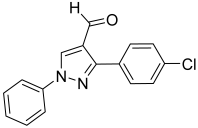 | >62.5 | >62.5 | >62.5 | ND | ND |
| 10 | 4j | 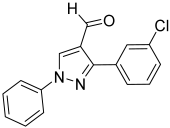 | >62.5 | >62.5 | >62.5 | ND | ND |
| 11 | 4k |  | >62.5 | >62.5 | >62.5 | ND | ND |
| 12 | 4l |  | >62.5 | >62.5 | >62.5 | ND | ND |
| 13 | 4m |  | 62.5 | 62.5 | 62.5 | ND | ND |
| 14 | 4n |  | >62.5 | 62.5 | >62.5 | ND | ND |
| 15 | 4o |  | ND | ND | ND | >341 | ND |
| 16 | 6a |  | 0.9 | 0.9 | 0.9 | ND | ND |
| 17 | 6b |  | 1.95 | 1.95 | 1.95 | ND | ND |
| 18 | 6c |  | 1.95 | 1.95 | 1.95 | ND | ND |
| 19 | 6d | 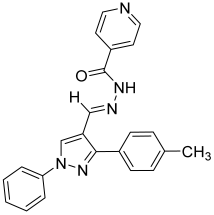 | 0.9 | 0.9 | 0.9 | ND | >262 |
| 20 | 6e |  | 0.9 | 0.9 | 0.9 | ND | 125 |
| 21 | 6f |  | 0.9 | 0.9 | 0.9 | ND | ND |
| 22 | 6g |  | 1.95 | 1.95 | 1.95 | ND | ND |
| 23 | 6h | 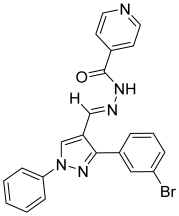 | 1.95 | 1.95 | 1.95 | ND | 112 |
| 24 | 6i | 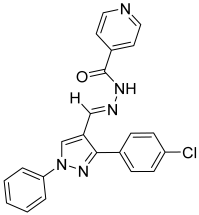 | 1.95 | 1.95 | 1.95 | ND | ND |
| 25 | 6j |  | 3.9 | 3.9 | 3.9 | ND | >249 |
| 26 | 6k | 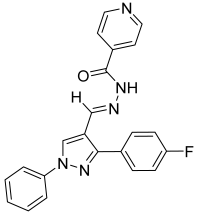 | 1.95 | 1.95 | 1.95 | ND | >259 |
| 27 | 6l | 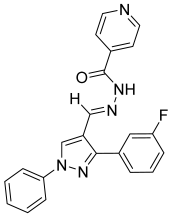 | 1.95 | 1.95 | 1.95 | ND | ND |
| 28 | 6m |  | 0.9 | 0.9 | 0.9 | ND | ND |
| 29 | 6n |  | 3.9 | 3.9 | 3.9 | ND | ND |
| 30 | 6o |  | 3.9 | 3.9 | 3.9 | 121 | ND |
| INH | 3.9 | 3.9 | 3.9 | 91.0 | 91.0 | ||
| Moxifloxacin | 31 | 7.78 | |||||
| Rifampicin | 15.2 | 15.2 | |||||
| Code | MIC (µM) Mtb H37RvMA (ATCC 27294) | MIC (µg/mL) | CC50 a (Day 1) (µg/mL) | SI b (Day 1) | CC50 a (Day 3) (µg/mL) | SI b (Day 3) | Mutant Strains | ||
|---|---|---|---|---|---|---|---|---|---|
| H37Rv—INH-R (Mutation: KatG_W198) MIC (µM) | H37Rv—INH-R-RaI (Mutation: KatG(t198a) MIC (µM) | H37Rv—INH-R-RM30 (Mutation: c15t_InhA) MIC (µM) | |||||||
| 6a | 3.9 | 1.4 | ND | ND | ND | ND | >62.5 | 15.6 | 31.3 |
| 6d | 3.9 | 1.5 | 25.6 | 17.0 | 20.9 | 13.9 | >62.5 | 15.6 | 15.6 |
| 6e | 3.9 | 1.5 | ND | ND | ND | ND | >62.5 | 31.3 | 15.6 |
| 6f | 3.9 | 1.5 | 27.8 | 18.5 | 22.1 | 14.7 | >62.5 | 15.6 | 31.3 |
| 6n | 3.9 | 1.7 | 21.2 | 12.5 | 19.0 | 11.2 | >62.5 | >62.5 | >62.5 |
| INH | 1.95 | 0.3 | ND | ND | ND | ND | >62.5 | 7.8–3.9 | 7.8 |
| Compound | Physicochemical Properties | |||||
|---|---|---|---|---|---|---|
| M.F | M.W | HBA | HBD | rot BOND | t PSA (A2) | |
| 6a | C22H17N5O | 367.40 | 4 | 1 | 6 | 72.17 |
| 6d | C23H19N5O | 381.43 | 4 | 1 | 6 | 72.17 |
| 6e | C23H19N5O2 | 397.43 | 5 | 1 | 7 | 81.40 |
| 6f | C23H19N5O2 | 397.43 | 5 | 1 | 7 | 81.40 |
| 6n | C22H15F2N5O | 403.38 | 6 | 1 | 6 | 72.17 |
| Standard range | - | <500 | 0–20 | 0–6 | 0–11 | 0–140 |
Disclaimer/Publisher’s Note: The statements, opinions and data contained in all publications are solely those of the individual author(s) and contributor(s) and not of MDPI and/or the editor(s). MDPI and/or the editor(s) disclaim responsibility for any injury to people or property resulting from any ideas, methods, instructions or products referred to in the content. |
© 2026 by the authors. Licensee MDPI, Basel, Switzerland. This article is an open access article distributed under the terms and conditions of the Creative Commons Attribution (CC BY) license.
Share and Cite
Kadima, M.G.; Singh, V.; Kumar, G.; Mishra, S.; Seboletswe, P.; Ankit; Kajee, A.; Roquet-Banères, F.; Kremer, L.; Karpoormath, R.; et al. Development of Isoniazid–Pyrazole Hybrids as Potential Antitubercular Agents. Int. J. Mol. Sci. 2026, 27, 4385. https://doi.org/10.3390/ijms27104385
Kadima MG, Singh V, Kumar G, Mishra S, Seboletswe P, Ankit, Kajee A, Roquet-Banères F, Kremer L, Karpoormath R, et al. Development of Isoniazid–Pyrazole Hybrids as Potential Antitubercular Agents. International Journal of Molecular Sciences. 2026; 27(10):4385. https://doi.org/10.3390/ijms27104385
Chicago/Turabian StyleKadima, Mukanda Gedeon, Vinayak Singh, Gobind Kumar, Sahil Mishra, Pule Seboletswe, Ankit, Afsana Kajee, Françoise Roquet-Banères, Laurent Kremer, Rajshekhar Karpoormath, and et al. 2026. "Development of Isoniazid–Pyrazole Hybrids as Potential Antitubercular Agents" International Journal of Molecular Sciences 27, no. 10: 4385. https://doi.org/10.3390/ijms27104385
APA StyleKadima, M. G., Singh, V., Kumar, G., Mishra, S., Seboletswe, P., Ankit, Kajee, A., Roquet-Banères, F., Kremer, L., Karpoormath, R., & Singh, P. (2026). Development of Isoniazid–Pyrazole Hybrids as Potential Antitubercular Agents. International Journal of Molecular Sciences, 27(10), 4385. https://doi.org/10.3390/ijms27104385