A Risk-Tiered Validation Framework for Artificial Intelligence in Drug Discovery: From Reproducibility to Clinical Translation


Abstract
1. Introduction
- Section 2 summarizes the contemporary AI landscape relevant to drug discovery, emphasizing the ensemble-aware, affinity-aware, and solvent-aware models that now define the state of the art.
- Section 3 identifies the gaps that persist after these advances: prospective reliability, kinetic predictability, chemical validity, and propagation of molecular-scale uncertainty to clinical outcomes.
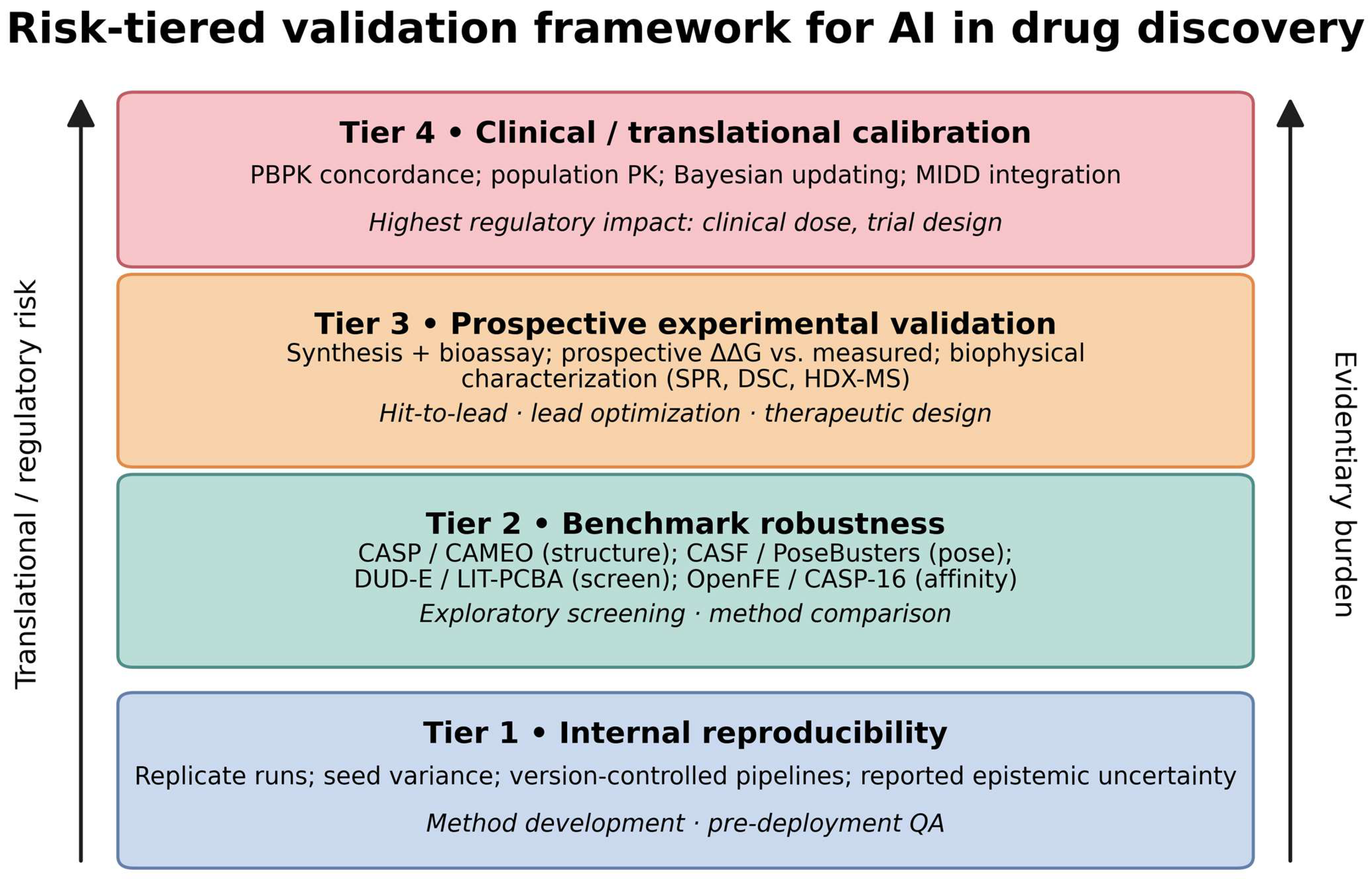
- Section 4 introduces the four-tier validation ladder and maps specific use cases to each tier.
- Section 5 develops the regulatory alignment of the framework, drawing on FDA MIDD, ICH Q8/Q9/Q10, EMA guidance, and the EU AI Act.
- Section 6 illustrates the framework with clinical-stage case studies, including both successes and failures.
- Section 7 offers concluding recommendations for lifecycle governance and harmonization.
2. The Contemporary AI Landscape in Drug Discovery
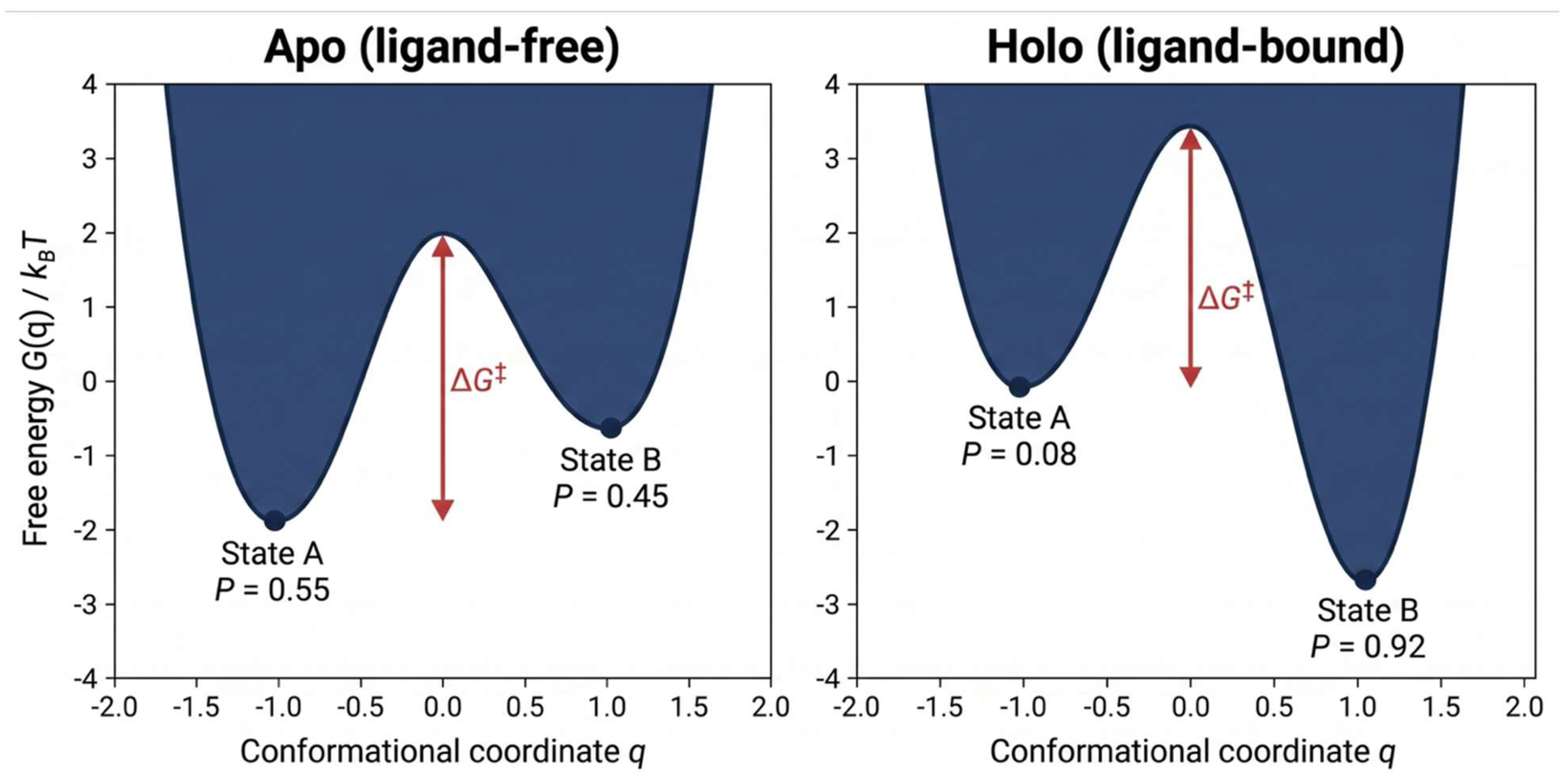
2.1. Why Ensembles Matter
2.2. Structure and Complex Prediction
2.3. Ensemble Emulation: Generative Models Trained on Molecular Dynamics
2.4. Joint Structure–Affinity Foundation Models
2.5. Explicit-Solvent AI and Water-Aware Binding
2.6. Machine-Learned Potentials as a Distinct Methodological Category
2.7. Sampling, Analysis, and Their Distinct Roles
2.8. Training Datasets That Go Beyond the PDB
3. Gaps That Persist After Ensemble-Aware AI
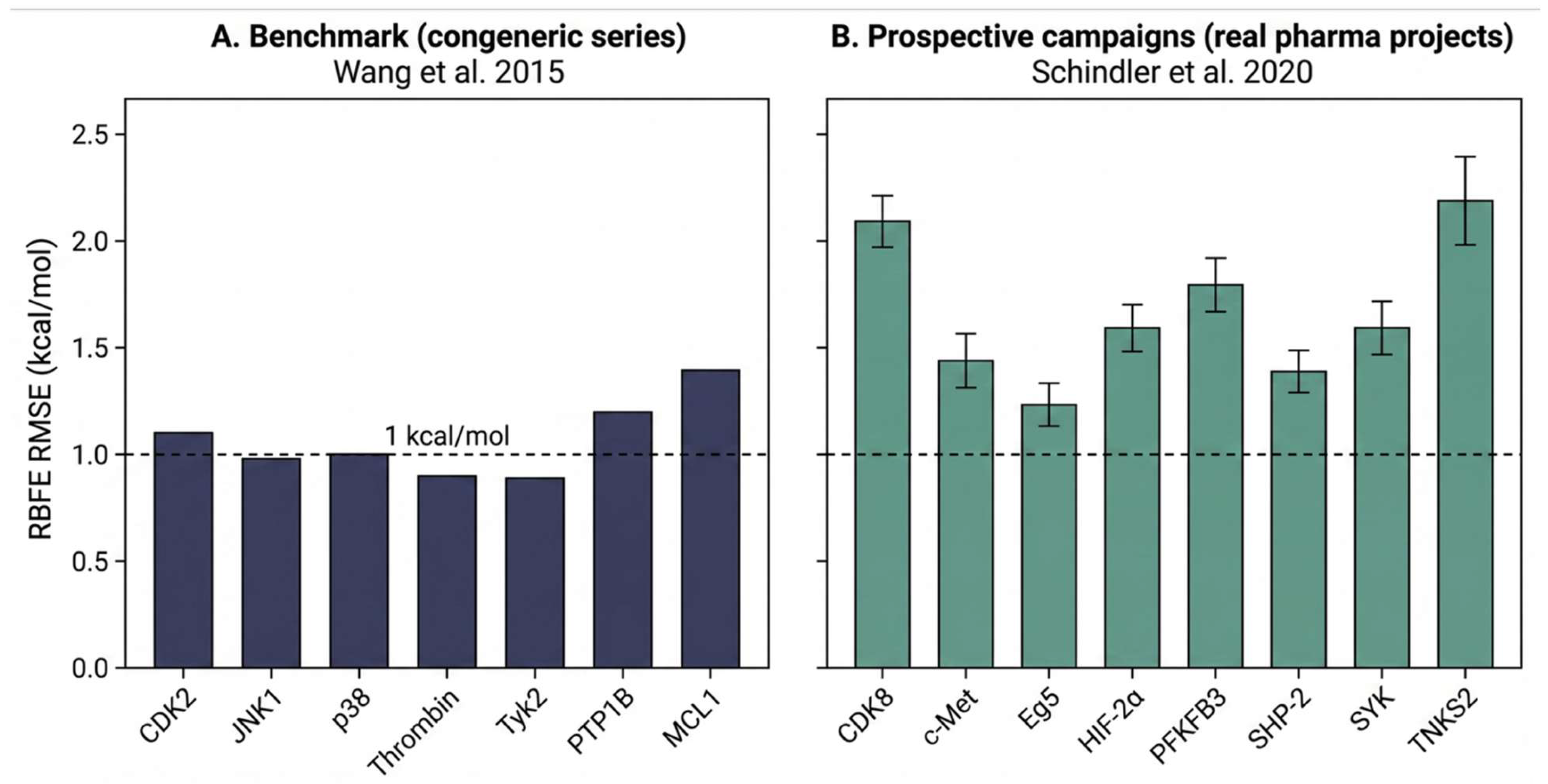
3.1. The Prospective–Retrospective Gap
3.2. Chemical and Physical Validity as a Separate Axis
3.3. Binding Kinetics and Residence Time
3.4. Uncertainty Quantification and Distributional Shift
3.5. Propagation from Molecular to Clinical Scales
4. A Risk-Tiered Validation Ladder for AI in Drug Discovery
4.1. Tier 1: Internal Reproducibility
4.2. Tier 2: Benchmark Robustness
4.3. Tier 3: Prospective Experimental Validation
4.4. Tier 4: Clinical and Translational Calibration
4.5. Mapping Use Cases to Tiers
4.6. Interpretation and Limits of the Ladder
5. Regulatory Alignment and Lifecycle Governance
5.1. The Regulatory Landscape, Mid-2025 to 2026
5.2. Risk-Proportionate Evidentiary Reasoning
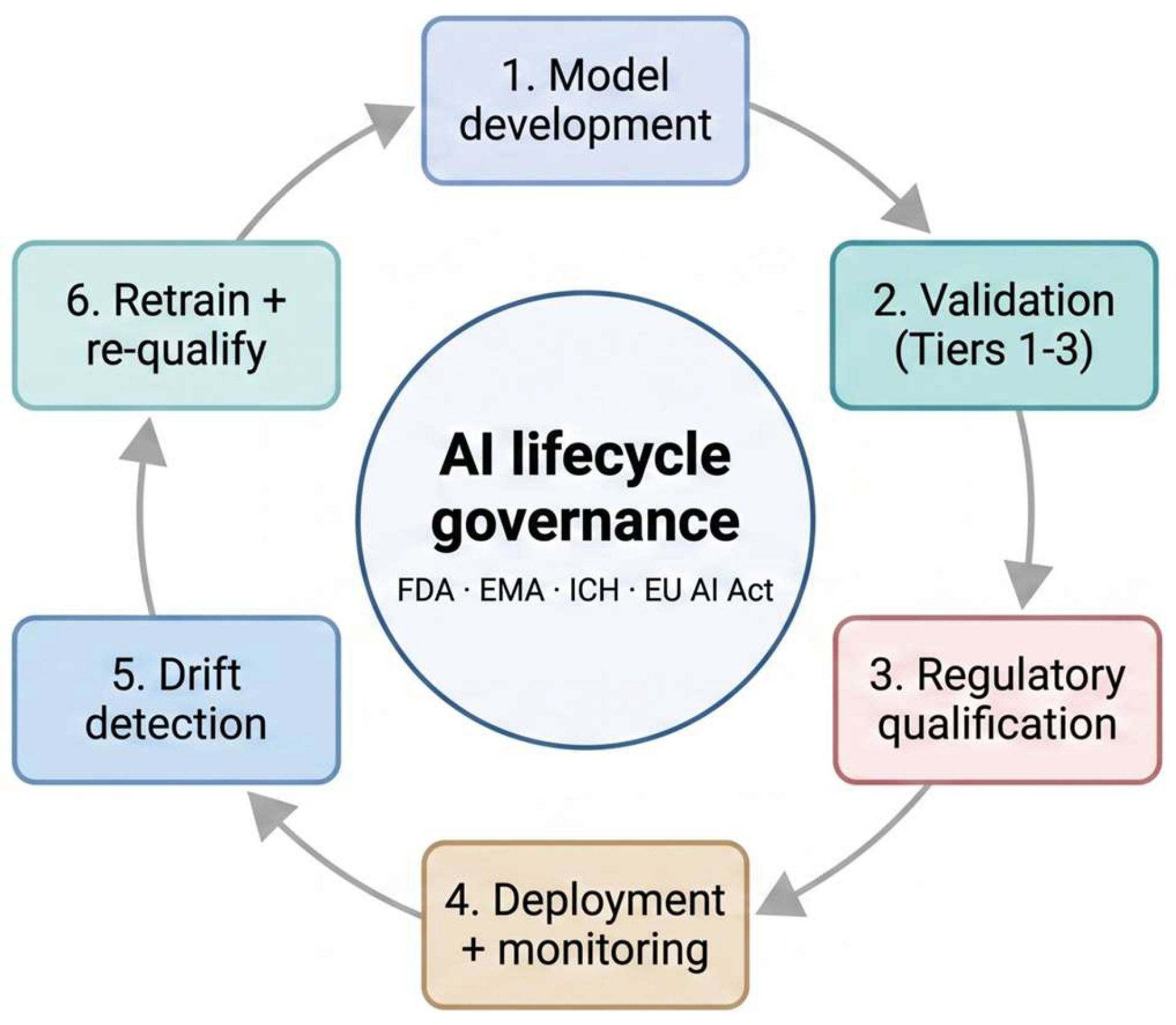
5.3. Lifecycle Governance and Model Drift
5.4. Transparency, Explainability, and Documentation
5.5. Relationship to Existing Reporting and Governance Frameworks
5.6. Ethical, Equity, and Sustainability Considerations
6. Clinical Case Studies Through the Validation Lens
6.1. Tier 2–3 Success: Insilico Medicine INS018_055 (TNIK, IPF)
6.2. Tier 2 Proof-of-Concept: Insilico CDK20 for Hepatocellular Carcinoma
6.3. A Systematic Caveat: AlphaFold2 Kinase Conformational Bias
6.4. Tier 2–3 Hypothesis Not Yet at Tier 4: BenevolentAI Computational Hypothesis for Baricitinib in ALS
6.5. Oncology as a Current Proving Ground
7. Conclusions and Recommendations
- The evidentiary burden ought to be proportionate to the degree of risk implicated. A hierarchical framework with four tiers, comprising internal reproducibility, benchmark robustness, prospective experimental validation, and clinical and translational calibration, functions as a structured scaffold for aligning evidence with potential outcomes. No single tier is adequate independently; instead, convergence across these levels underpins the validity of substantial translational claims.
- Ensemble-aware artificial intelligence constitutes a methodological classification rather than a universal prerequisite. For targets that are conformationally rigid, well-characterized, and supported by comprehensive structure–activity relationship (SAR) data, static structure prediction employing machine learning-augmented scoring may be deemed adequate. Ensemble methodologies are justified in circumstances where target conformational flexibility is mechanistically pertinent, where binding kinetics are vital, or where the therapeutic hypothesis relies on a minor-population state.
- Uncertainty quantification is an integral component rather than a supplementary appendix. Every AI-generated prediction that influences subsequent decision-making processes must incorporate calibrated uncertainty. Additionally, this uncertainty must be propagated through PBPK, QSP, and trial-simulation frameworks when predictions are applied to Tier 4 use cases.
- Lifecycle governance constitutes the primary operational challenge. Machine learning systems undergo continuous evolution; evidence packages deemed valid at deployment may become obsolete as data, dependencies, and operational environments change. The implementation of drift detection, predefined retraining triggers, and version control are essential deliverables, rather than solely administrative burdens.
- Harmonizing regulatory frameworks would facilitate the responsible deployment of technologies. The existence of divergent evidentiary standards among agencies such as the FDA, EMA, PMDA, NMPA, and TGA poses risks of duplication and fragmentation. Achieving ICH-level harmonization of criteria related to algorithmic transparency, uncertainty reporting, and benchmarking would mitigate these issues without compromising standards.
- The publication of failures holds the same importance as that of successes. The imbalance between reported achievements in AI-driven drug discovery and the unreported failures leads to an inflated perception of reliability and misguides resource distribution. Academic journals, collaborative consortia, and regulatory bodies ought to implement systematic mechanisms for the reporting of negative prospective outcomes.
Funding
Institutional Review Board Statement
Informed Consent Statement
Data Availability Statement
Acknowledgments
Conflicts of Interest
References
- Jumper, J.; Evans, R.; Pritzel, A.; Green, T.; Figurnov, M.; Ronneberger, O.; Tunyasuvunakool, K.; Bates, R.; Žídek, A.; Potapenko, A.; et al. Highly accurate protein structure prediction with AlphaFold. Nature 2021, 596, 583–589. [Google Scholar] [CrossRef] [Scilit]
- Baek, M.; DiMaio, F.; Anishchenko, I.; Dauparas, J.; Ovchinnikov, S.; Lee, G.R.; Wang, J.; Cong, Q.; Kinch, L.N.; Schaeffer, R.D.; et al. Accurate prediction of protein structures and interactions using a three-track neural network. Science 2021, 373, 871–876. [Google Scholar] [CrossRef] [Scilit]
- Varadi, M.; Anyango, S.; Deshpande, M.; Nair, S.; Natassia, C.; Yordanova, G.; Yuan, D.; Stroe, O.; Wood, G.; Laydon, A.; et al. AlphaFold Protein Structure Database: Massively expanding the structural coverage of protein-sequence space with high-accuracy models. Nucleic Acids Res. 2022, 50, D439–D444. [Google Scholar] [CrossRef] [Scilit]
- Watson, J.L.; Juergens, D.; Bennett, N.R.; Trippe, B.L.; Yim, J.; Eisenach, H.E.; Ahern, W.; Borst, A.J.; Ragotte, R.J.; Milles, L.F.; et al. De novo design of protein structure and function with RFdiffusion. Nature 2023, 620, 1089–1100. [Google Scholar] [CrossRef] [Scilit]
- Dauparas, J.; Anishchenko, I.; Bennett, N.; Bai, H.; Ragotte, R.J.; Milles, L.F.; Wicky, B.I.M.; Courbet, A.; de Haas, R.J.; Bethel, N.; et al. Robust deep learning-based protein sequence design using ProteinMPNN. Science 2022, 378, 49–56. [Google Scholar] [CrossRef] [Scilit]
- Lin, Z.; Akin, H.; Rao, R.; Hie, B.; Zhu, Z.; Lu, W.; Smetanin, N.; Verkuil, R.; Kabeli, O.; Shmueli, Y.; et al. Evolutionary-scale prediction of atomic-level protein structure with a language model. Science 2023, 379, 1123–1130. [Google Scholar] [CrossRef] [Scilit]
- Rives, A.; Meier, J.; Sercu, T.; Goyal, S.; Lin, Z.; Liu, J.; Guo, D.; Ott, M.; Zitnick, C.L.; Ma, J.; et al. Biological structure and function emerge from scaling unsupervised learning to 250 million protein sequences. Proc. Natl. Acad. Sci. USA 2021, 118, e2016239118. [Google Scholar] [CrossRef] [Scilit]
- Abramson, J.; Adler, J.; Dunger, J.; Evans, R.; Green, T.; Pritzel, A.; Ronneberger, O.; Willmore, L.; Ballard, A.J.; Bambrick, J.; et al. Accurate structure prediction of biomolecular interactions with AlphaFold 3. Nature 2024, 630, 493–500. [Google Scholar] [CrossRef] [Scilit]
- Lewis, S.; Hempel, T.; Jiménez-Luna, J.; Gastegger, M.; Xie, Y.; Foong, A.Y.K.; Satorras, V.G.; Abdin, O.; Veeling, B.S.; Zaporozhets, I.; et al. Scalable emulation of protein equilibrium ensembles with generative deep learning. Science 2025, 389, eadv9817. [Google Scholar] [CrossRef] [Scilit]
- Jing, B.; Berger, B.; Jaakkola, T. AlphaFlow and ESMFlow: End-to-end flow matching for protein structure ensembles. arXiv 2024, arXiv:2402.04845. [Google Scholar] [CrossRef] [Scilit]
- Passaro, S.; Corso, G.; Wohlwend, J.; Reveiz, M.; Thaler, S.; Somnath, V.R.; Getz, N.; Portnoi, T.; Roy, J.; Stark, H.; et al. Boltz-2: Towards accurate and efficient binding affinity prediction. bioRxiv 2025, preprint. [Google Scholar] [CrossRef] [Scilit]
- Wohlwend, J.; Corso, G.; Passaro, S.; Reveiz, M.; Leidal, K.; Swiderski, W.; Atkinson, L.; Portnoi, T.; Chinn, I.; Silterra, J.; et al. Boltz-1: Democratizing biomolecular interaction modeling. bioRxiv 2024, preprint. [Google Scholar] [CrossRef] [Scilit]
- Kuang, X.; Liu, Y.L.; Lin, X.; Spencer-Smith, J.; Derr, T.; Wu, Y.; Bitter, H.; Hu, Y.; Meiler, J.; Su, Z. SuperWater as a generative AI framework to predict water molecule positions on protein structures. Commun. Chem. 2025, 8, 397. [Google Scholar] [CrossRef] [Scilit]
- Bender, A.; Cortés-Ciriano, I. Artificial intelligence in drug discovery: What is realistic, what are illusions? Part 1: Ways to make an impact, and why we are not there yet. Drug Discov. Today 2021, 26, 511–524. [Google Scholar] [CrossRef] [Scilit]
- Lakshminarayanan, B.; Pritzel, A.; Blundell, C. Simple and scalable predictive uncertainty estimation using deep ensembles. In Advances in Neural Information Processing Systems (NeurIPS 2017); Curran Associates, Inc.: New York, NY, USA, 2017; Volume 30, pp. 6402–6413. [Google Scholar] [CrossRef] [Scilit]
- Ovadia, Y.; Fertig, E.; Ren, J.; Nado, Z.; Sculley, D.; Nowozin, S.; Dillon, J.; Lakshminarayanan, B.; Snoek, J. Can you trust your model’s uncertainty? Evaluating predictive uncertainty under dataset shift. In Advances in Neural Information Processing Systems (NeurIPS 2019); Curran Associates, Inc.: New York, NY, USA, 2019; Volume 32. [Google Scholar] [CrossRef] [Scilit]
- U.S. Food and Drug Administration. Considerations for the Use of Artificial Intelligence to Support Regulatory Decision-Making for Drug and Biological Products: Draft Guidance for Industry. 2025. Available online: https://www.fda.gov/regulatory-information/search-fda-guidance-documents/considerations-use-artificial-intelligence-support-regulatory-decision-making-drug-and-biological (accessed on 15 January 2026).
- European Medicines Agency; Committee for Medicinal Products for Human Use; Committee for Medicinal Products for Veterinary Use. Reflection paper on the Use of Artificial Intelligence in the Medicinal Product Lifecycle (EMA/CHMP/CVMP/83833/2023). 2024. Available online: https://www.ema.europa.eu/en/documents/scientific-guideline/reflection-paper-use-artificial-intelligence-ai-medicinal-product-lifecycle_en.pdf (accessed on 23 April 2026).
- European Parliament; Council of the European Union. Regulation (EU) 2024/1689 of 13 June 2024 Laying Down Harmonised Rules on Artificial Intelligence (Artificial Intelligence Act). Official Journal of the European Union. 2024. Available online: https://eur-lex.europa.eu/eli/reg/2024/1689/oj/eng (accessed on 23 April 2026).
- Henzler-Wildman, K.; Kern, D. Dynamic personalities of proteins. Nature 2007, 450, 964–972. [Google Scholar] [CrossRef] [Scilit]
- Frauenfelder, H.; Sligar, S.G.; Wolynes, P.G. The energy landscapes and motions of proteins. Science 1991, 254, 1598–1603. [Google Scholar] [CrossRef] [Scilit]
- Motlagh, H.N.; Wrabl, J.O.; Li, J.; Hilser, V.J. The ensemble nature of allostery. Nature 2014, 508, 331–339. [Google Scholar] [CrossRef] [Scilit]
- Gilson, M.K.; Zhou, H.-X. Calculation of protein-ligand binding affinities. Annu. Rev. Biophys. Biomol. Struct. 2007, 36, 21–42. [Google Scholar] [CrossRef] [Scilit]
- Shan, Y.; Arkhipov, A.; Kim, E.T.; Pan, A.C.; Shaw, D.E. Transitions to catalytically inactive conformations in the EGFR kinase. Proc. Natl. Acad. Sci. USA 2013, 110, 7270–7275. [Google Scholar] [CrossRef] [Scilit]
- Dror, R.O.; Arlow, D.H.; Maragakis, P.; Mildorf, T.J.; Pan, A.C.; Xu, H.; Borhani, D.W.; Shaw, D.E. Activation mechanism of the β2-adrenergic receptor. Proc. Natl. Acad. Sci. USA 2011, 108, 18684–18689. [Google Scholar] [CrossRef] [Scilit]
- Kenakin, T. Biased receptor signaling in drug discovery. Pharmacol. Rev. 2019, 71, 267–315. [Google Scholar] [CrossRef] [Scilit]
- Wright, P.E.; Dyson, H.J. Intrinsically disordered proteins in cellular signalling and regulation. Nat. Rev. Mol. Cell Biol. 2015, 16, 18–29. [Google Scholar] [CrossRef] [Scilit]
- Van Der Lee, R.; Buljan, M.; Lang, B.; Weatheritt, R.J.; Daughdrill, G.W.; Dunker, A.K.; Fuxreiter, M.; Gough, J.; Gsponer, J.; Jones, D.T.; et al. Classification of intrinsically disordered regions and proteins. Chem. Rev. 2014, 114, 6589–6631. [Google Scholar] [CrossRef] [Scilit]
- Fraser, J.S.; Bedem, H.; Samelson, A.J.; Lang, P.T.; Holton, J.M.; Echols, N.; Alber, T. Accessing protein conformational ensembles using room-temperature X-ray crystallography. Proc. Natl. Acad. Sci. USA 2011, 108, 16247–16252. [Google Scholar] [CrossRef] [Scilit]
- Lane, T.J. Protein structure prediction has reached the single-structure frontier. Nat. Methods 2023, 20, 170–173. [Google Scholar] [CrossRef] [Scilit]
- Chai Discovery; Boitreaud, J.; Dent, J.; McPartlon, M.; Meier, J.; Reis, V.; Rogozhonikov, A.; Wu, K. Chai-1: Decoding the molecular interactions of life. bioRxiv 2024, preprint. [Google Scholar] [CrossRef] [Scilit]
- Zheng, S.; He, J.; Liu, C.; Shi, Y.; Lu, Z.; Feng, W.; Ju, F.; Wang, J.; Zhu, J.; Min, Y.; et al. Predicting equilibrium distributions for molecular systems with deep learning. Nat. Mach. Intell. 2024, 6, 558–567, Correction in Nat. Mach. Intell. 2024, 6, 1626. https://doi.org/10.1038/s42256-024-00933-4. [Google Scholar] [CrossRef] [Scilit]
- Noé, F.; Olsson, S.; Köhler, J.; Wu, H. Boltzmann generators: Sampling equilibrium states of many-body systems with deep learning. Science 2019, 365, eaaw1147. [Google Scholar] [CrossRef] [Scilit]
- Qiao, Z.; Nie, W.; Vahdat, A.; Miller, T.F., III; Anandkumar, A. State-specific protein-ligand complex structure prediction with a multi-scale deep generative model. Nat. Mach. Intell. 2024, 6, 195–208. [Google Scholar] [CrossRef] [Scilit]
- Corso, G.; Stärk, H.; Jing, B.; Barzilay, R.; Jaakkola, T.S. DiffDock: Diffusion steps, twists, and turns for molecular docking. In International Conference on Learning Representations (ICLR 2023); Cornell University: New York, NY, USA, 2023. [Google Scholar] [CrossRef] [Scilit]
- Stärk, H.; Ganea, O.-E.; Pattanaik, L.; Barzilay, R.; Jaakkola, T.S. EquiBind: Geometric deep learning for drug binding structure prediction. In Proceedings of the 39th International Conference on Machine Learning (ICML 2022); PMLR: Cambridge, MA, USA, 2022; Volume 162, pp. 20503–20521. [Google Scholar] [CrossRef] [Scilit]
- Lu, W.; Wu, Q.; Zhang, J.; Rao, J.; Li, C.; Zheng, S. TANKBind: Trigonometry-aware neural networks for drug-protein binding structure prediction. In Advances in Neural Information Processing Systems (NeurIPS 2022); Curran Associates, Inc.: New York, NY, USA, 2022; Volume 35. [Google Scholar] [CrossRef] [Scilit]
- Buttenschoen, M.; Morris, G.M.; Deane, C.M. PoseBusters: AI-based docking methods fail to generate physically valid ligand poses or generalise to novel sequences. Chem. Sci. 2024, 15, 3130–3139. [Google Scholar] [CrossRef] [Scilit]
- Ladbury, J.E. Just add water! The effect of water on the specificity of protein-ligand binding sites and its potential application to drug design. Chem. Biol. 1996, 3, 973–980. [Google Scholar] [CrossRef] [Scilit]
- Abel, R.; Young, T.; Farid, R.; Berne, B.J.; Friesner, R.A. Role of the active-site solvent in the thermodynamics of factor Xa ligand binding. J. Am. Chem. Soc. 2008, 130, 2817–2831. [Google Scholar] [CrossRef] [Scilit]
- Unke, O.T.; Chmiela, S.; Sauceda, H.E.; Gastegger, M.; Poltavsky, I.; Schütt, K.T.; Tkatchenko, A.; Müller, K.-R. Machine learning force fields. Chem. Rev. 2021, 121, 10142–10186. [Google Scholar] [CrossRef] [Scilit]
- Batatia, I.; Kovács, D.P.; Simm, G.N.C.; Ortner, C.; Csányi, G. MACE: Higher order equivariant message passing neural networks for fast and accurate force fields. In Advances in Neural Information Processing Systems (NeurIPS 2022); Curran Associates, Inc.: New York, NY, USA, 2022; Volume 35, pp. 11423–11436. [Google Scholar] [CrossRef] [Scilit]
- Musaelian, A.; Batzner, S.; Johansson, A.; Sun, L.; Owen, C.J.; Kornbluth, M.; Kozinsky, B. Learning local equivariant representations for large-scale atomistic dynamics. Nat. Commun. 2023, 14, 579. [Google Scholar] [CrossRef] [Scilit]
- Senn, H.M.; Thiel, W. QM/MM methods for biomolecular systems. Angew. Chem. Int. Ed. 2009, 48, 1198–1229. [Google Scholar] [CrossRef] [Scilit]
- Kulik, H.J.; Hammerschmidt, T.; Schmidt, J.; Botti, S.; Marques, M.A.L.; Boley, M.; Scheffler, M.; Todorović, M.; Rinke, P.; Oses, C.; et al. Roadmap on machine learning in electronic structure. Electron. Struct. 2022, 4, 023004. [Google Scholar] [CrossRef] [Scilit]
- Sugita, Y.; Okamoto, Y. Replica-exchange molecular dynamics method for protein folding. Chem. Phys. Lett. 1999, 314, 141–151. [Google Scholar] [CrossRef] [Scilit]
- Laio, A.; Parrinello, M. Escaping free-energy minima. Proc. Natl. Acad. Sci. USA 2002, 99, 12562–12566. [Google Scholar] [CrossRef] [Scilit]
- Mardt, A.; Pasquali, L.; Wu, H.; Noé, F. VAMPnets for deep learning of molecular kinetics. Nat. Commun. 2018, 9, 5, Correction in Nat. Commun. 2018, 9, 4443. https://doi.org/10.1038/s41467-018-06999-0. [Google Scholar]
- Bonati, L.; Rizzi, V.; Parrinello, M. Data-driven collective variables for enhanced sampling. J. Phys. Chem. Lett. 2020, 11, 2998–3004. [Google Scholar] [CrossRef] [Scilit]
- Husic, B.E.; Pande, V.S. Markov state models: From an art to a science. J. Am. Chem. Soc. 2018, 140, 2386–2396. [Google Scholar] [CrossRef] [Scilit]
- Prinz, J.-H.; Wu, H.; Sarich, M.; Keller, B.; Senne, M.; Held, M.; Chodera, J.D.; Schütte, C.; Noé, F. Markov models of molecular kinetics: Generation and validation. J. Chem. Phys. 2011, 134, 174105. [Google Scholar] [CrossRef] [Scilit]
- Siebenmorgen, T.; Menezes, F.; Benassou, S.; Merdivan, E.; Didi, K.; Mourão, A.S.D.; Kitel, R.; Liò, P.; Kesselheim, S.; Piraud, M.; et al. MISATO: Machine learning dataset of protein-ligand complexes for structure-based drug discovery. Nat. Comput. Sci. 2024, 4, 367–378. [Google Scholar] [CrossRef] [Scilit]
- Vander Meersche, Y.; Cretin, G.; Gheeraert, A.; Gelly, J.-C.; Galochkina, T. ATLAS: Protein flexibility description from atomistic molecular dynamics simulations. Nucleic Acids Res. 2024, 52, D384–D392. [Google Scholar] [CrossRef] [Scilit]
- Durairaj, J.; Adeshina, Y.; Cao, Z.; Zhang, X.; Oleinikovas, V.; Duignan, T.; McClure, Z.; Robin, X.; Kovtun, D.; Rossi, E.; et al. PLINDER: The protein-ligand interactions dataset and evaluation resource. bioRxiv 2024, preprint. [Google Scholar] [CrossRef] [Scilit]
- Ellis, R.J. Macromolecular crowding: Obvious but underappreciated. Trends Biochem. Sci. 2001, 26, 597–604. [Google Scholar] [CrossRef] [Scilit]
- Scheres, S.H.W. Processing of structurally heterogeneous cryo-EM data in RELION. Methods Enzymol. 2016, 579, 125–157. [Google Scholar] [CrossRef] [Scilit]
- Wang, L.; Wu, Y.; Deng, Y.; Kim, B.; Pierce, L.; Krilov, G.; Lupyan, D.; Robinson, S.; Dahlgren, M.K.; Greenwood, J.; et al. Accurate and reliable prediction of relative ligand binding potency in prospective drug discovery by way of a modern free-energy calculation protocol and force field. J. Am. Chem. Soc. 2015, 137, 2695–2703. [Google Scholar] [CrossRef] [Scilit]
- Schindler, C.E.M.; Baumann, H.; Blum, A.; Böse, D.; Buchstaller, H.-P.; Burgdorf, L.; Cappel, D.; Chekler, E.; Czodrowski, P.; Dorsch, D.; et al. Large-scale assessment of binding free energy calculations in active drug discovery projects. J. Chem. Inf. Model. 2020, 60, 5457–5474. [Google Scholar] [CrossRef] [Scilit]
- Hahn, D.F.; Bayly, C.I.; Boby, M.L.; Macdonald, H.E.B.; Chodera, J.D.; Gapsys, V.; Mey, A.; Mobley, D.; Benito, L.P.; Schindler, C.; et al. Best practices for constructing, preparing, and evaluating protein-ligand binding affinity benchmarks [article v1.0]. Living J. Comput. Mol. Sci. 2022, 4, 1497. [Google Scholar] [CrossRef] [Scilit]
- Mobley, D.L.; Gilson, M.K. Predicting binding free energies: Frontiers and benchmarks. Annu. Rev. Biophys. 2017, 46, 531–558. [Google Scholar] [CrossRef] [Scilit]
- Schauperl, M.; Denny, R.A. AI-based protein structure prediction in drug discovery: Impacts and challenges. J. Chem. Inf. Model. 2022, 62, 3142–3156. [Google Scholar] [CrossRef] [Scilit] [PubMed]
- Brown, N.; Fiscato, M.; Segler, M.H.S.; Vaucher, A.C. GuacaMol: Benchmarking models for de novo molecular design. J. Chem. Inf. Model. 2019, 59, 1096–1108. [Google Scholar] [CrossRef] [Scilit]
- Polykovskiy, D.; Zhebrak, A.; Sanchez-Lengeling, B.; Golovanov, S.; Tatanov, O.; Belyaev, S.; Kurbanov, R.; Artamonov, A.; Aladinskiy, V.; Veselov, M.; et al. Molecular sets (MOSES): A benchmarking platform for molecular generation models. Front. Pharmacol. 2020, 11, 565644. [Google Scholar] [CrossRef] [Scilit]
- Copeland, R.A.; Pompliano, D.L.; Meek, T.D. Drug-target residence time and its implications for lead optimization. Nat. Rev. Drug Discov. 2006, 5, 730–739, Erratum in Nat. Rev. Drug Discov. 2007, 6, 252. https://doi.org/10.1038/nrd2281. [Google Scholar] [CrossRef] [Scilit]
- Copeland, R.A. The drug-target residence time model: A 10-year retrospective. Nat. Rev. Drug Discov. 2016, 15, 87–95. [Google Scholar] [CrossRef] [Scilit]
- Scalia, G.; Grambow, C.A.; Pernici, B.; Li, Y.-P.; Green, W.H. Evaluating scalable uncertainty estimation methods for deep learning-based molecular property prediction. J. Chem. Inf. Model. 2020, 60, 2697–2717. [Google Scholar] [CrossRef] [Scilit]
- Gneiting, T.; Raftery, A.E. Strictly proper scoring rules, prediction, and estimation. J. Am. Stat. Assoc. 2007, 102, 359–378. [Google Scholar] [CrossRef] [Scilit]
- Guo, C.; Pleiss, G.; Sun, Y.; Weinberger, K.Q. On calibration of modern neural networks. In Proceedings of the 34th International Conference on Machine Learning (ICML 2017); PMLR: Cambridge, MA, USA, 2017; Volume 70, pp. 1321–1330. [Google Scholar] [CrossRef] [Scilit]
- Yang, K.; Swanson, K.; Jin, W.; Coley, C.; Eiden, P.; Gao, H.; Guzman-Perez, A.; Hopper, T.; Kelley, B.; Mathea, M.; et al. Analyzing learned molecular representations for property prediction. J. Chem. Inf. Model. 2019, 59, 3370–3388, Erratum in J. Chem. Inf. Model. 2019, 59, 5304–5305. https://doi.org/10.1021/acs.jcim.9b01076. [Google Scholar] [CrossRef] [Scilit]
- Jones, H.M.; Parrott, N.; Jorga, K.; Lavé, T. A novel strategy for physiologically based predictions of human pharmacokinetics. Clin. Pharmacokinet. 2006, 45, 511–542. [Google Scholar] [CrossRef] [Scilit]
- van der Graaf, P.H.; Benson, N. Systems pharmacology: Bridging systems biology and pharmacokinetics-pharmacodynamics (PKPD) in drug discovery and development. Pharm. Res. 2011, 28, 1460–1464. [Google Scholar] [CrossRef] [Scilit]
- Jean, D.; Naik, K.; Milligan, L.; Hong, H.; Isoherranen, N.; Pacanowski, M.; Kuemmel, C.; Seo, P.; Tegenge, M.A.; Wang, Y.; et al. Development of best practices in physiologically based pharmacokinetic modeling to support clinical pharmacology regulatory decision-making. CPT Pharmacomet. Syst. Pharmacol. 2021, 10, 1271–1275. [Google Scholar] [CrossRef] [Scilit]
- Berry, D.A. Adaptive clinical trials: The promise and the caution. J. Clin. Oncol. 2012, 29, 606–609. [Google Scholar] [CrossRef] [Scilit]
- U.S. Food and Drug Administration. Use of Bayesian Methodology in Clinical Trials of Drug and Biological Products: Draft Guidance for Industry. 2026. Available online: https://www.fda.gov/regulatory-information/search-fda-guidance-documents/use-bayesian-methodology-clinical-trials-drug-and-biological-products (accessed on 23 April 2026).
- European Medicines Agency. Uncertainty Quantification: Literature Review Report (Deliverable 2). 2025. Available online: https://catalogues.ema.europa.eu/system/files/2025-10/UQ_deliverable2_literature_review_report_final_RWD_0.pdf (accessed on 23 April 2026).
- Moult, J.; Pedersen, J.T.; Judson, R.; Fidelis, K. A large-scale experiment to assess protein structure prediction methods. Proteins Struct. Funct. Genet. 1995, 23, ii–iv. [Google Scholar] [CrossRef] [Scilit]
- Su, M.; Yang, Q.; Du, Y.; Feng, G.; Liu, Z.; Li, Y.; Wang, R. Comparative assessment of scoring functions: The CASF-2016 update. J. Chem. Inf. Model. 2019, 59, 895–913. [Google Scholar] [CrossRef] [Scilit]
- International Council for Harmonisation. ICH Harmonised Tripartite Guidelines Q8(R2) Pharmaceutical Development; Q9(R1) Quality Risk Management; Q10 Pharmaceutical Quality System. 2009/2023. Available online: https://www.ich.org/page/quality-guidelines (accessed on 23 April 2026).
- U.S. Food and Drug Administration. Model-Informed Drug Development (MIDD) Paired Meeting Program. 2025. Available online: https://www.fda.gov/drugs/development-resources/model-informed-drug-development-paired-meeting-program (accessed on 15 January 2026).
- Kryshtafovych, A.; Schwede, T.; Topf, M.; Fidelis, K.; Moult, J. Critical assessment of methods of protein structure prediction (CASP), Round XV. Proteins Struct. Funct. Bioinform. 2023, 91, 1539–1549. [Google Scholar] [CrossRef] [Scilit]
- Wang, R.; Fang, X.; Lu, Y.; Yang, C.-Y.; Wang, S. The PDBbind database: Methodologies and updates. J. Med. Chem. 2005, 48, 4111–4119. [Google Scholar] [CrossRef] [Scilit]
- Mysinger, M.M.; Carchia, M.; Irwin, J.J.; Shoichet, B.K. Directory of Useful Decoys, Enhanced (DUD-E): Better ligands and decoys for better benchmarking. J. Med. Chem. 2012, 55, 6582–6594. [Google Scholar] [CrossRef] [Scilit]
- Tran-Nguyen, V.-K.; Jacquemard, C.; Rognan, D. LIT-PCBA: An unbiased data set for machine learning and virtual screening. J. Chem. Inf. Model. 2020, 60, 4263–4273. [Google Scholar] [CrossRef] [Scilit]
- Protein Structure Prediction Center. CASP16, 16th Community Wide Experiment on the Critical Assessment of Techniques for Protein Structure Prediction (Affinity Track). 2025. Available online: https://predictioncenter.org/casp16/ (accessed on 23 April 2026).
- Fernández-Quintero, M.L.; Kraml, J.; Georges, G.; Liedl, K.R. CDR-H3 loop ensemble in solution, Conformational selection upon antibody binding. mAbs 2019, 11, 1077–1088. [Google Scholar] [CrossRef] [Scilit]
- Manning, M.C.; Chou, D.K.; Murphy, B.M.; Payne, R.W.; Katayama, D.S. Stability of protein pharmaceuticals: An update. Pharm. Res. 2010, 27, 544–575. [Google Scholar] [CrossRef] [Scilit] [PubMed]
- Schneider, G. Automating drug discovery. Nat. Rev. Drug Discov. 2018, 17, 97–113. [Google Scholar] [CrossRef] [Scilit] [PubMed]
- Walters, W.P.; Murcko, M. Assessing the impact of generative AI on medicinal chemistry. Nat. Biotechnol. 2020, 38, 143–145. [Google Scholar] [CrossRef] [Scilit] [PubMed]
- Santos, R.; Ursu, O.; Gaulton, A.; Bento, A.P.; Donadi, R.S.; Bologa, C.G.; Karlsson, A.; Al-Lazikani, B.; Hersey, A.; Oprea, T.I.; et al. A comprehensive map of molecular drug targets. Nat. Rev. Drug Discov. 2017, 16, 19–34. [Google Scholar] [CrossRef] [Scilit]
- Mobley, D.L.; Klimovich, P.V. Perspective: Alchemical free energy calculations for drug discovery. J. Chem. Phys. 2012, 137, 230901. [Google Scholar] [CrossRef] [Scilit]
- Michel, J.; Essex, J.W. Prediction of protein-ligand binding affinity by free energy simulations: Assumptions, pitfalls and expectations. J. Comput. Aided Mol. Des. 2010, 24, 639–658. [Google Scholar] [CrossRef] [Scilit]
- EU AI Act (Regulation 2024/1689). Available online: https://digital-strategy.ec.europa.eu/en/policies/regulatory-framework-ai (accessed on 23 April 2026).
- World Health Organization. Ethics and Governance of Artificial Intelligence for Health: WHO Guidance; World Health Organization: Geneva, Switzerland, 2021; ISBN 978-92-4-002920-0. Available online: https://www.who.int/publications/i/item/9789240029200 (accessed on 23 April 2026).
- U.S. Food and Drug Administration. FDA Qualifies First AI Drug Development Tool that Will Be Used for MASH Clinical Trials. 2025. Available online: https://www.fda.gov/drugs/drug-safety-and-availability/fda-qualifies-first-ai-drug-development-tool-will-be-used-mash-clinical-trials (accessed on 23 April 2026).
- Zhao, P.; Rowland, M.; Huang, S.-M. Best practice in the use of physiologically based pharmacokinetic modeling and simulation to address clinical pharmacology regulatory questions. Clin. Pharmacol. Ther. 2012, 92, 17–20. [Google Scholar] [CrossRef] [Scilit]
- Niazi, S.K. Regulatory perspectives for AI/ML implementation in pharmaceutical GMP environments: A comprehensive framework for compliance and innovation. Pharmaceuticals 2025, 18, 901. [Google Scholar] [CrossRef] [Scilit]
- Mitchell, M.; Wu, S.; Zaldivar, A.; Barnes, P.; Vasserman, L.; Hutchinson, B.; Spitzer, E.; Raji, I.D.; Gebru, T. Model cards for model reporting. In Proceedings of the Conference on Fairness, Accountability, and Transparency (FAT* 2019); ACM: New York, NY, USA, 2019; pp. 220–229. [Google Scholar] [CrossRef] [Scilit]
- Gebru, T.; Morgenstern, J.; Vecchione, B.; Vaughan, J.W.; Wallach, H.; Daumé, H.; Crawford, K. Datasheets for datasets. Commun. ACM 2021, 64, 86–92. [Google Scholar] [CrossRef] [Scilit]
- Lannelongue, L.; Grealey, J.; Inouye, M. Green algorithms: Quantifying the carbon footprint of computation. Adv. Sci. 2021, 8, 2100707. [Google Scholar] [CrossRef] [Scilit]
- Collins, G.S.; Moons, K.G.M.; Dhiman, P.; Riley, R.D.; Beam, A.L.; Van Calster, B.; Ghassemi, M.; Liu, X.; Reitsma, J.B.; van Smeden, M.; et al. TRIPOD+AI statement: Updated guidance for reporting clinical prediction models that use regression or machine learning methods. BMJ 2024, 385, e078378, Correction in BMJ 2024, 385, q902. https://doi.org/10.1136/bmj.q902. [Google Scholar] [CrossRef] [Scilit]
- Topol, E.J. High-performance medicine: The convergence of human and artificial intelligence. Nat. Med. 2019, 25, 44–56. [Google Scholar] [CrossRef] [Scilit]
- Ren, F.; Aliper, A.; Chen, J.; Zhao, H.; Rao, S.; Kuppe, C.; Mantsyzov, A.; Aliper, A.; Aladinskiy, V.; Cao, Z.; et al. A small-molecule TNIK inhibitor targets fibrosis in preclinical and clinical models. Nat. Biotechnol. 2024, 42, 84–98. [Google Scholar] [CrossRef] [Scilit] [PubMed]
- Ren, F.; Ding, X.; Zheng, M.; Korzinkin, M.; Cai, X.; Zhu, W.; Mantsyzov, A.; Aliper, A.; Aladinskiy, V.; Cao, Z.; et al. AlphaFold accelerates artificial intelligence powered drug discovery: Efficient discovery of a novel CDK20 small molecule inhibitor. Chem. Sci. 2003, 14, 1443–1452. [Google Scholar] [CrossRef] [Scilit]
- Herrington, N.B.; Li, Y.C.; Stein, D.; Pandey, G.; Schlessinger, A. A comprehensive exploration of the druggable conformational space of protein kinases using AI-predicted structures. PLoS Comput. Biol. 2024, 20, e1012302. [Google Scholar] [CrossRef] [Scilit] [PubMed]
- Smith, D.P.; Williams, C.; Conforti, P.; Lacoste, A.; Richardson, P.; Oechsle, O.; Mead, R.J.; McDermott, C.J.; Shaw, P.J. Janus kinase inhibitors are potential therapeutics for amyotrophic lateral sclerosis. Transl. Neurodegener. 2023, 12, 47. [Google Scholar] [CrossRef] [Scilit] [PubMed]
- Richardson, P.; Griffin, I.; Tucker, C.; Smith, D.; Oechsle, O.; Phelan, A.; Rawling, M.; Savory, E.; Stebbing, J. Baricitinib as potential treatment for 2019-nCoV acute respiratory disease. Lancet 2020, 395, e30–e31, Erratum in Lancet 2020, 395, p. 1906. https://doi.org/10.1016/S0140-6736(20)31376-3. [Google Scholar] [CrossRef] [Scilit]
- Vucic, S.; Menon, P.; Huynh, W.; Mahoney, C.; Ho, K.S.; Hartford, A.; Rynders, A.; Evan, J.; Evan, J.; Ligozio, S.; et al. Efficacy and safety of CNM-Au8 in amyotrophic lateral sclerosis (RESCUE-ALS study): A phase 2, randomised, double-blind, placebo-controlled trial and open label extension. eClinicalMedicine 2023, 60, 102036. [Google Scholar] [CrossRef] [Scilit]
- Jayatunga, M.K.P.; Ayers, M.; Bruens, L.; Jayanth, D.; Meier, C. How successful are AI-discovered drugs in clinical trials? A first analysis and emerging lessons. Drug Discov. Today 2024, 29, 104009. [Google Scholar] [CrossRef] [Scilit]
- Qiu, X.; Wang, H.; Tan, X.; Fang, Z. Advances in AI for protein structure prediction: Implications for cancer drug discovery and development. Biomolecules 2024, 14, 339. [Google Scholar] [CrossRef] [Scilit]
- Hanahan, D. Hallmarks of cancer: New dimensions. Cancer Discov. 2022, 12, 31–46. [Google Scholar] [CrossRef] [Scilit]
- Wang, T.; Shao, W.; Huang, Z.; Tang, H.; Zhang, J.; Ding, Z.; Huang, K. MOGONET integrates multi-omics data using graph convolutional networks allowing patient classification and biomarker identification. Nat. Commun. 2021, 12, 3445. [Google Scholar] [CrossRef] [Scilit]
- Jiang, P.; Huang, S.; Fu, Z.; Sun, Z.; Lakowski, T.M.; Hu, P. Deep graph embedding for prioritizing synergistic anticancer drug combinations. Comput. Struct. Biotechnol. J. 2020, 18, 427–438. [Google Scholar] [CrossRef] [Scilit]
- Isomorphic Labs. Company Pipeline Disclosures. Non-Peer-Reviewed Company Disclosure; Cited for Pipeline Context Only. Available online: https://www.isomorphiclabs.com (accessed on 23 April 2026).

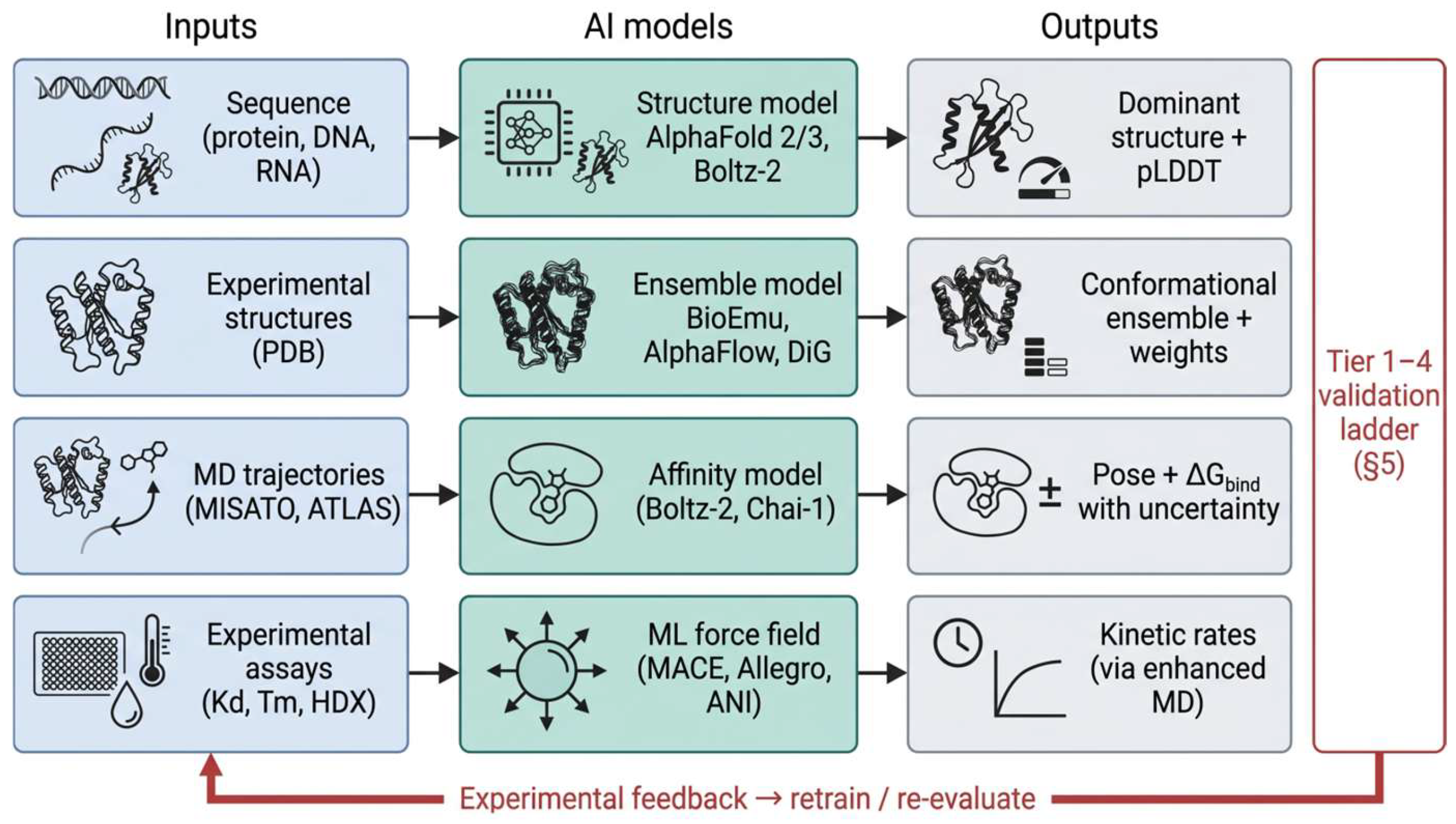



| Category | Representative Models | Output | Key Limitation |
|---|---|---|---|
| Static structure prediction | AlphaFold2/3, RoseTTAFold, ESMFold | Dominant conformation + pLDDT | Single state; weak on cryptic pockets |
| Complex prediction | AlphaFold3, Boltz-1, Chai-1 | Multi-chain structure | Pose reliability degrades out-of-distribution |
| Ensemble emulation | BioEmu, AlphaFlow, DiG | Approximate equilibrium distribution | No native ligand/membrane; domain-limited |
| Joint structure + affinity | Boltz-2, NeuralPLexer | Structure + ΔGbind with uncertainty | Variable performance across protein classes |
| Explicit-solvent prediction | SuperWater, HydraProt, GalaxyWater-CNN | Water positions with confidence | Trained on crystal waters; dynamic hydration approximate |
| Machine-learned potentials | MACE, Allegro, ANI, SchNet | QM-accuracy forces/energies | Transferability outside training in chemistry |
| Generative molecular design | REINVENT, MolMIM, Chroma, RFdiffusion | De novo molecules or proteins | Synthesizability, physicality, surrogate misalignment |
| MD-augmented datasets | MISATO, ATLAS, PLINDER | Training/benchmark resources | Coverage biases in source PDB |
| AI Use Case | Risk Level | Minimum Tier | Persistent Failure Modes |
|---|---|---|---|
| Structure prediction for exploratory analysis | Low | Tier 2 | Low confidence in loops/IDRs single-state output cofactor effects absent |
| Ensemble emulation for hypothesis generation | Low–Medium | Tier 2 | Domain-limited transferability no ligand/membrane distributional shift |
| AI docking for virtual screening | Medium | Tier 2–3 | Pose chemical validity novel-chemotype failure implicit-solvent bias |
| Generative molecular design (lead discovery) | Medium–High | Tier 3 | Mode collapse surrogate misalignment synthesizability physicality |
| RBFE for lead optimization | Medium | Tier 3 | Force-field inaccuracy sampling scaffold hops unreliable |
| AI-driven antibody/protein design | High | Tier 4 | Aggregation CDR dynamics glycosylation immunogenicity |
| AI-derived PK parameters → PBPK | High | Tier 4 | Uncertainty propagation interindividual variability model drift |
| AI-informed clinical dose selection | High | Tier 4 | Context-of-use drift population coverage regulatory acceptance |
Disclaimer/Publisher’s Note: The statements, opinions and data contained in all publications are solely those of the individual author(s) and contributor(s) and not of MDPI and/or the editor(s). MDPI and/or the editor(s) disclaim responsibility for any injury to people or property resulting from any ideas, methods, instructions or products referred to in the content. |
© 2026 by the author. Licensee MDPI, Basel, Switzerland. This article is an open access article distributed under the terms and conditions of the Creative Commons Attribution (CC BY) license.
Share and Cite
Niazi, S.K. A Risk-Tiered Validation Framework for Artificial Intelligence in Drug Discovery: From Reproducibility to Clinical Translation. Int. J. Mol. Sci. 2026, 27, 4349. https://doi.org/10.3390/ijms27104349
Niazi SK. A Risk-Tiered Validation Framework for Artificial Intelligence in Drug Discovery: From Reproducibility to Clinical Translation. International Journal of Molecular Sciences. 2026; 27(10):4349. https://doi.org/10.3390/ijms27104349
Chicago/Turabian StyleNiazi, Sarfaraz K. 2026. "A Risk-Tiered Validation Framework for Artificial Intelligence in Drug Discovery: From Reproducibility to Clinical Translation" International Journal of Molecular Sciences 27, no. 10: 4349. https://doi.org/10.3390/ijms27104349
APA StyleNiazi, S. K. (2026). A Risk-Tiered Validation Framework for Artificial Intelligence in Drug Discovery: From Reproducibility to Clinical Translation. International Journal of Molecular Sciences, 27(10), 4349. https://doi.org/10.3390/ijms27104349