Article

The Significance of Circulating Microbial Signatures in the Prognosis and Immune Microenvironment of Patients with Cervical Cancer


1
School of Mathematics and Statistics, Hainan Normal University, Haikou 570100, China
2
College of Information Science Technology, Hainan Normal University, Haikou 571158, China
3
Key Laboratory of Data Science and Intelligence Education, Ministry of Education, Hainan Normal University, Haikou 570100, China
4
Key Laboratory of Computational Science and Application of Hainan Province, Hainan Normal University, Haikou 570100, China
*
Author to whom correspondence should be addressed.
Int. J. Mol. Sci. 2025, 26(9), 4293; https://doi.org/10.3390/ijms26094293
Submission received: 4 March 2025 / Revised: 19 April 2025 / Accepted: 29 April 2025 / Published: 1 May 2025
(This article belongs to the Section Molecular Microbiology)

Abstract

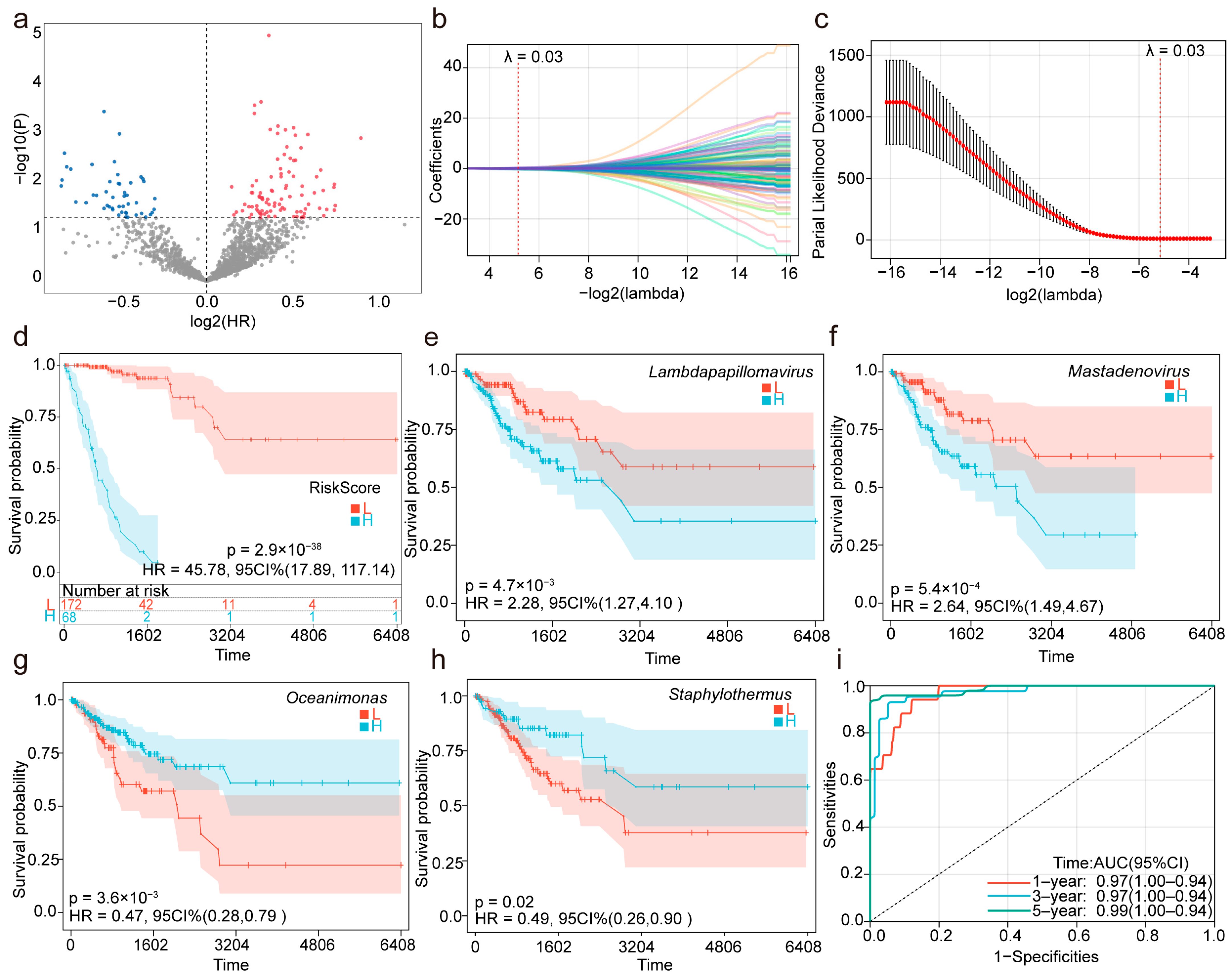
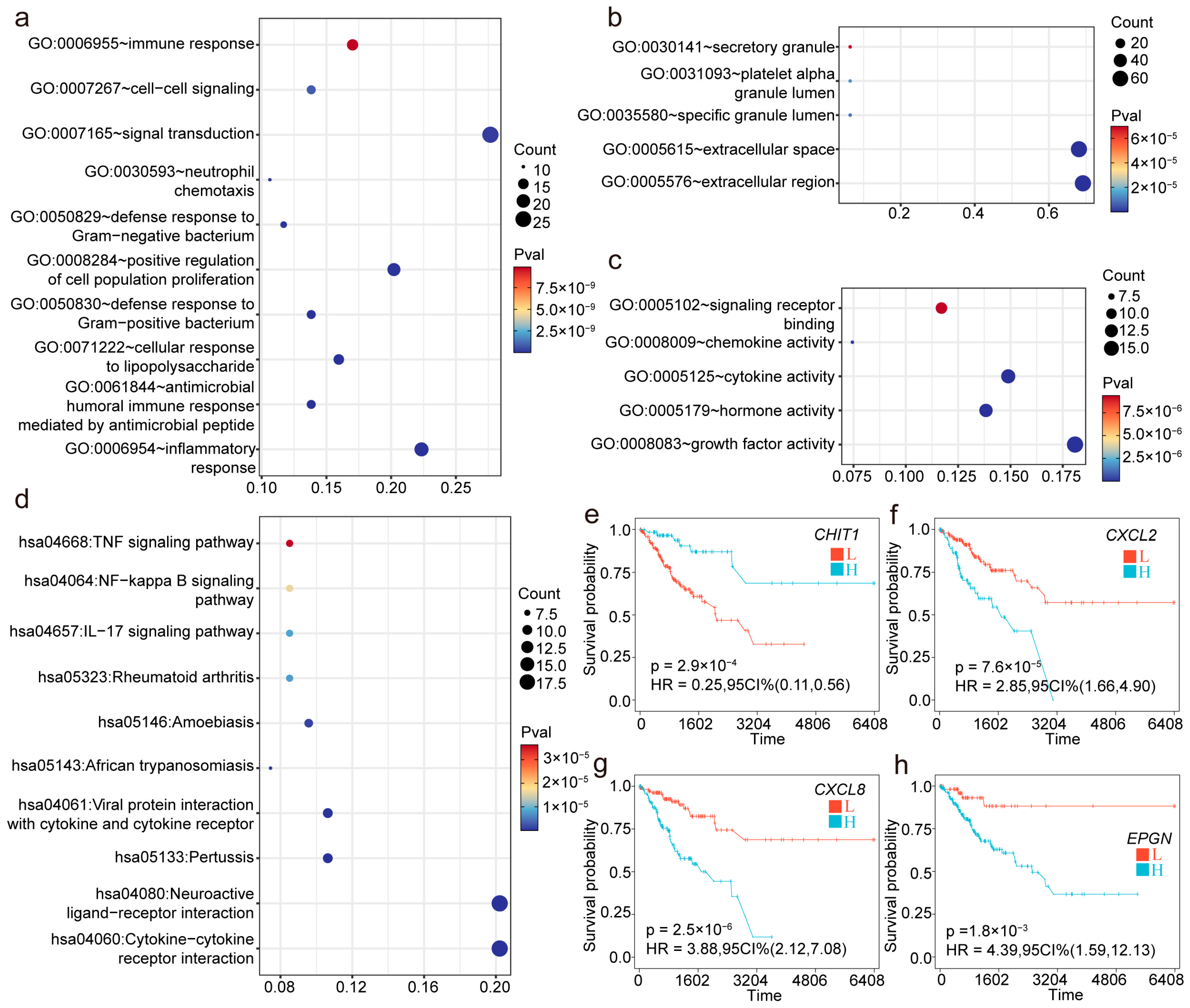
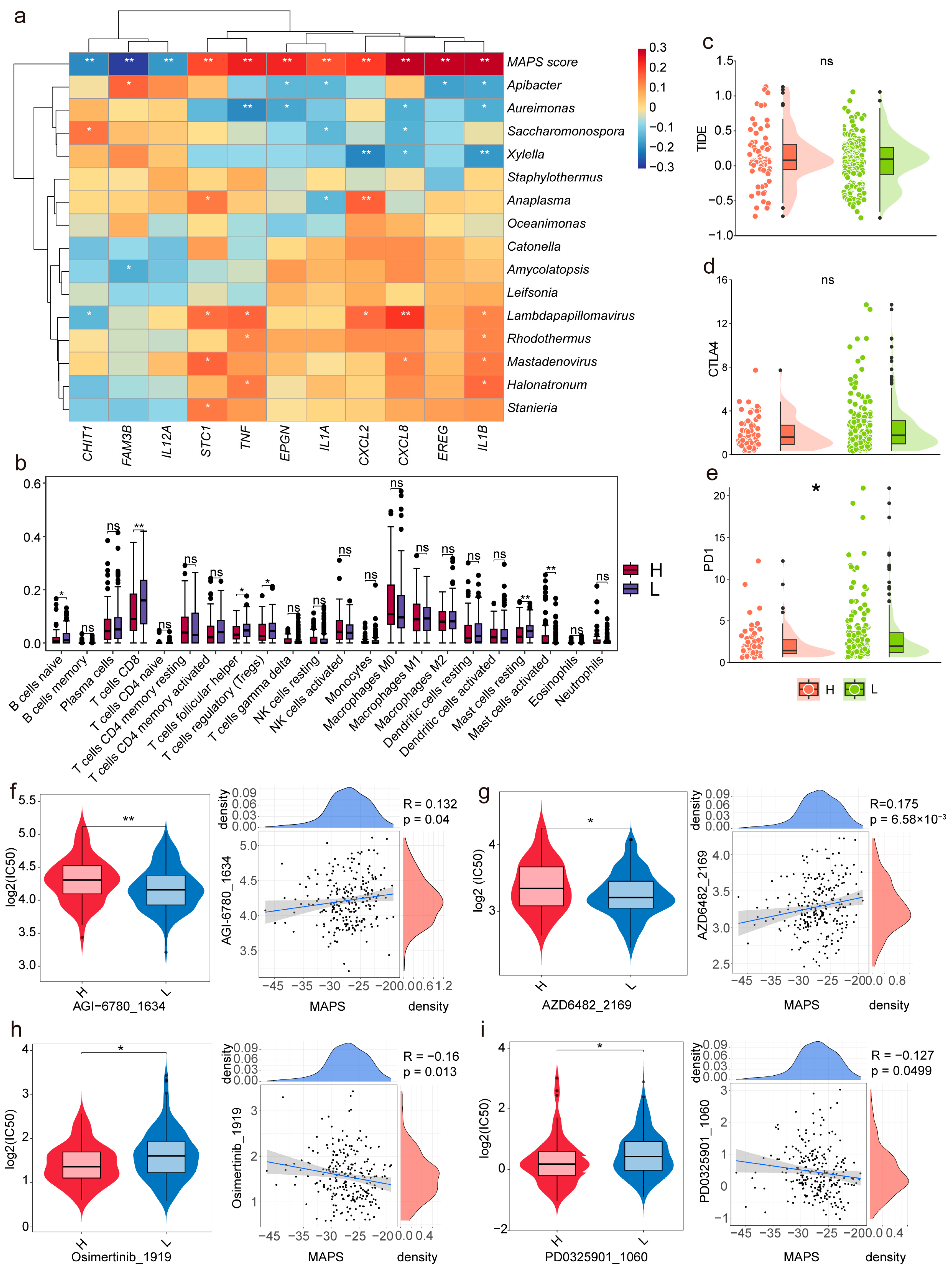
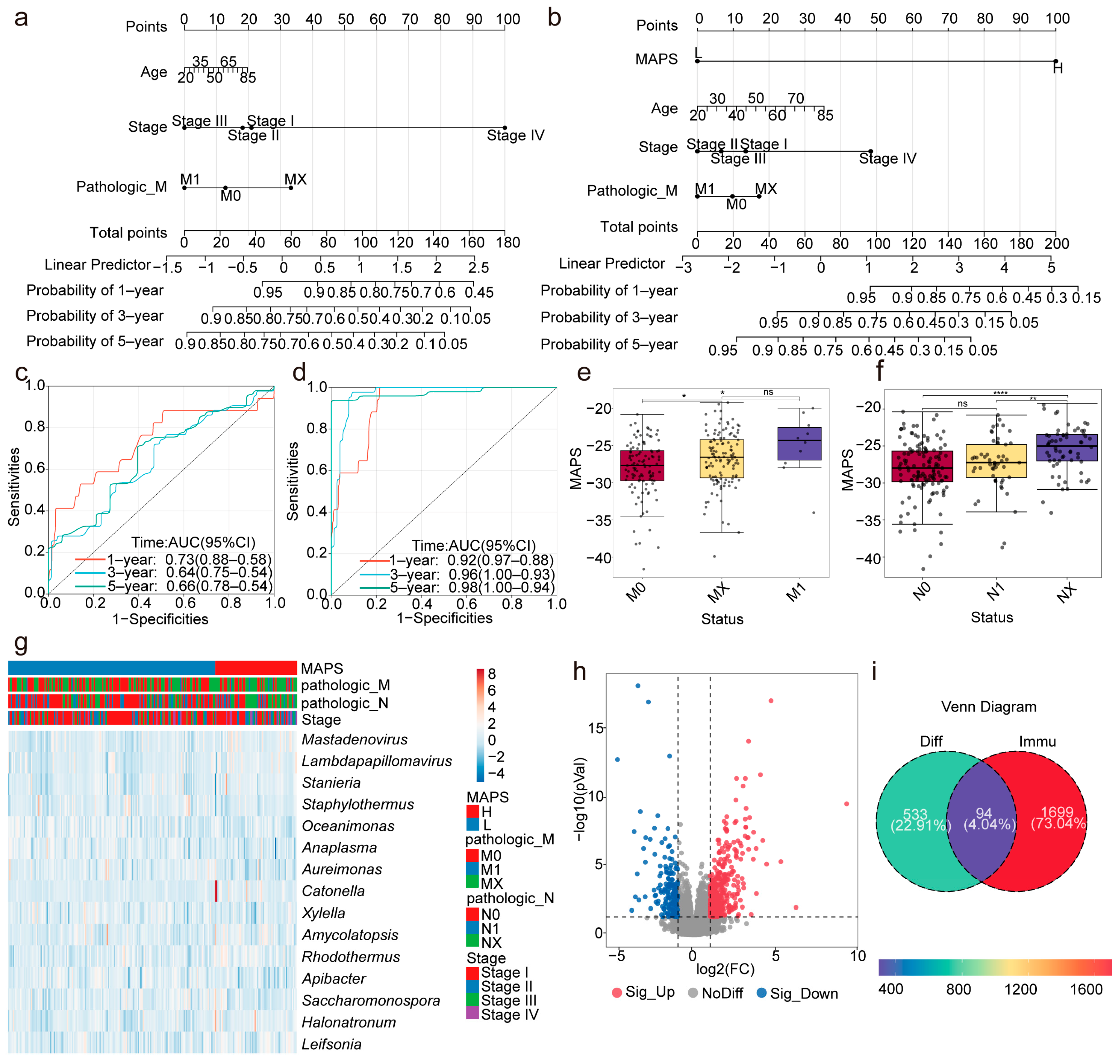
An increasing body of research indicates that the circulating microbiome plays a significant role in cancer initiation and progression and the treatment response. The genomic characteristics of circulating microorganisms may influence the tumor immune microenvironment, thereby affecting cancer progression and therapeutic outcomes. However, whether the circulating microbiome can serve as a prognostic biomarker for cervical cancer patients and its mechanistic role in the tumor immune microenvironment still requires further investigation. Univariate, Lasso, and multivariate Cox regression analyses were utilized to identify the circulating microbial signatures associated with overall survival (OS) in patients with cervical cancer. A circulating Microbial Abundance Prognostic Score (MAPS) model was constructed based on these findings. A nomogram that integrated clinical features and MAPSs was developed to predict the OS rates in patients with cervical cancer. Blood microbiome data were combined with matched tumor RNA-seq data to analyze the differences in the tumor microenvironment between high- and low-MAPS groups, elucidating the impact of the MAPS on the tumor immune microenvironment. Finally, the potential application of the circulating MAPS to predicting the efficacy of immunotherapy and chemotherapy was assessed. The MAPS predictive model, which includes 15 circulating microorganisms, has shown independent prognostic value for patients with cervical cancer. Integrating the MAPS into a nomogram improved the accuracy of the prognostic predictions. Combined microbial and gene analyses revealed potential interactions between prognostic tumor microbiomes and the tumor immune microenvironment. The drug sensitivity analysis indicated the potential of MAPS as a predictor of chemotherapy’s efficacy. Our findings suggest that circulating microbial signatures hold promise as novel prognostic biomarkers and may inform personalized treatment strategies in cervical cancer. Further large-scale and multicenter studies are warranted to validate the clinical utility of the MAPS.
Keywords: circulating microbiome; tumor immune microenvironment; prognostic biomarker; drug sensitivity circulating microbiome; tumor immune microenvironment; prognostic biomarker; drug sensitivity